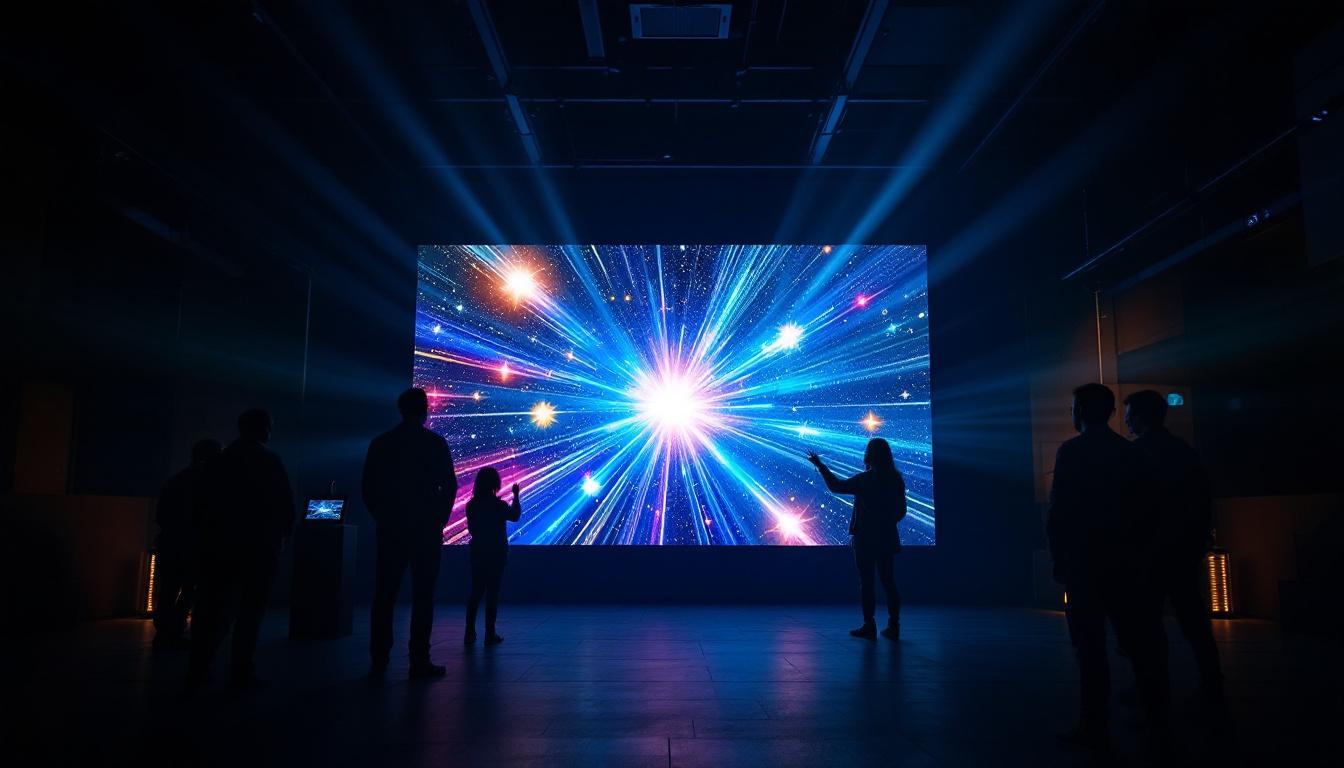
In recent years, the way we experience visual media has evolved dramatically. From traditional projectors to cutting-edge LED displays, technology continues to push the boundaries of clarity, brightness, and versatility. Among these innovations, projector LED screens have emerged as a popular choice for both commercial and personal use, offering a unique blend of the best features from projectors and LED technology.
This article explores the fundamentals of projector LED screens, how they compare to other display technologies, and why they are becoming increasingly important in various settings such as home theaters, corporate presentations, and large-scale events.
Understanding Projector LED Screens
What Is a Projector LED Screen?
A projector LED screen is a display solution that combines the projection system with an integrated LED screen surface designed to enhance image quality. Unlike traditional projector setups that rely on a separate screen or wall, these systems utilize LED panels that serve as the display surface, often with embedded LEDs behind or within the screen material to improve brightness, contrast, and color accuracy.
This hybrid approach allows for superior image reproduction, especially in environments where ambient light can interfere with traditional projector images. The LED component helps maintain vivid colors and sharp details, even in brightly lit rooms, making projector LED screens highly versatile.
How Does It Work?
Traditional projectors work by shining light through a lens onto a reflective screen. The quality of the image depends heavily on the projector’s brightness (measured in lumens) and the screen’s reflective properties. However, projector LED screens integrate LED technology directly into the screen or use LED backlighting to enhance the projected image.
In some designs, the screen itself is composed of micro-LEDs or mini-LEDs that light up in coordination with the projected image, boosting brightness and contrast. Others use an LED backlight behind a specialized diffusion layer that spreads the light evenly, resulting in a clearer and more vibrant picture. This integration reduces the need for extremely high lumen projectors and improves visibility in various lighting conditions.
Advantages of Projector LED Screens Over Traditional Displays
Superior Brightness and Color Accuracy
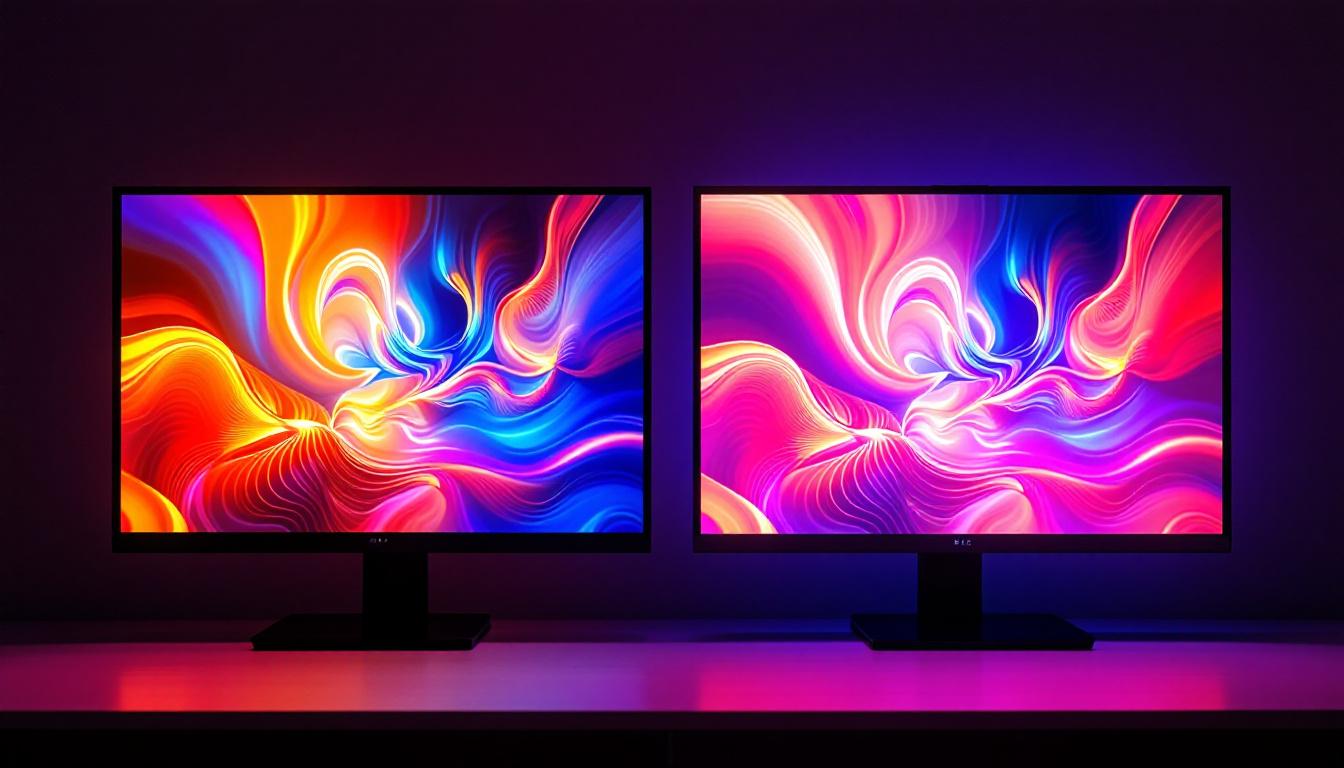
One of the most significant advantages of projector LED screens is their ability to deliver brighter images with more accurate colors. Traditional projectors can struggle in rooms with ambient light, often resulting in washed-out images. The LED integration helps maintain image integrity, ensuring that colors remain vivid and details are crisp.
According to recent industry reports, LED-enhanced projector screens can achieve up to 30% higher brightness levels compared to standard projection screens, making them ideal for venues such as conference rooms, classrooms, and outdoor events.
Enhanced Contrast and Black Levels
Contrast ratio is a critical factor in image quality, representing the difference between the darkest blacks and the brightest whites a screen can display. LED technology excels in producing deep blacks because individual LEDs can be turned off completely in dark areas of the image, unlike traditional projector screens that rely on reflected light.
This results in more dynamic visuals with greater depth, which is especially beneficial for watching movies, gaming, or any content where visual detail is paramount.
Energy Efficiency and Longevity
LED components are known for their energy efficiency and long lifespan. When integrated with projector screens, they reduce the overall power consumption compared to high-lumen projectors working alone. This not only lowers operating costs but also reduces heat output, which can be a concern in tightly packed or small spaces.
Moreover, LEDs typically have a lifespan exceeding 50,000 hours, significantly outlasting traditional projector lamps that may require replacement every few thousand hours.
Applications of Projector LED Screens
Corporate and Educational Settings
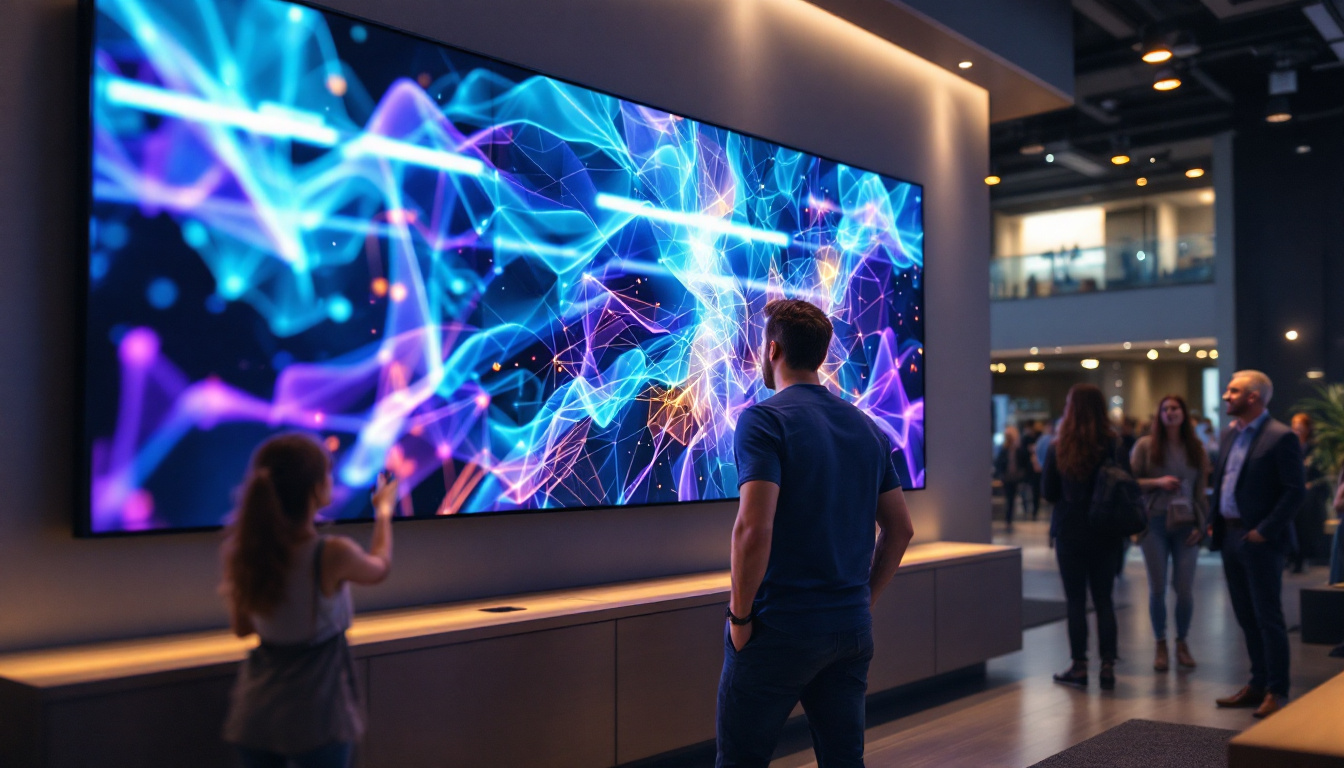
In business environments, clear and bright presentations are crucial for effective communication. Projector LED screens offer a reliable solution for conference rooms and lecture halls, where ambient light often cannot be fully controlled. Their ability to maintain image quality regardless of lighting conditions ensures that every attendee can see the content clearly.
Educational institutions benefit from these screens as well, as they enhance the learning experience by providing sharp visuals for videos, slides, and interactive content. The durability and low maintenance of LED technology also make them cost-effective over time.
Home Theaters and Entertainment
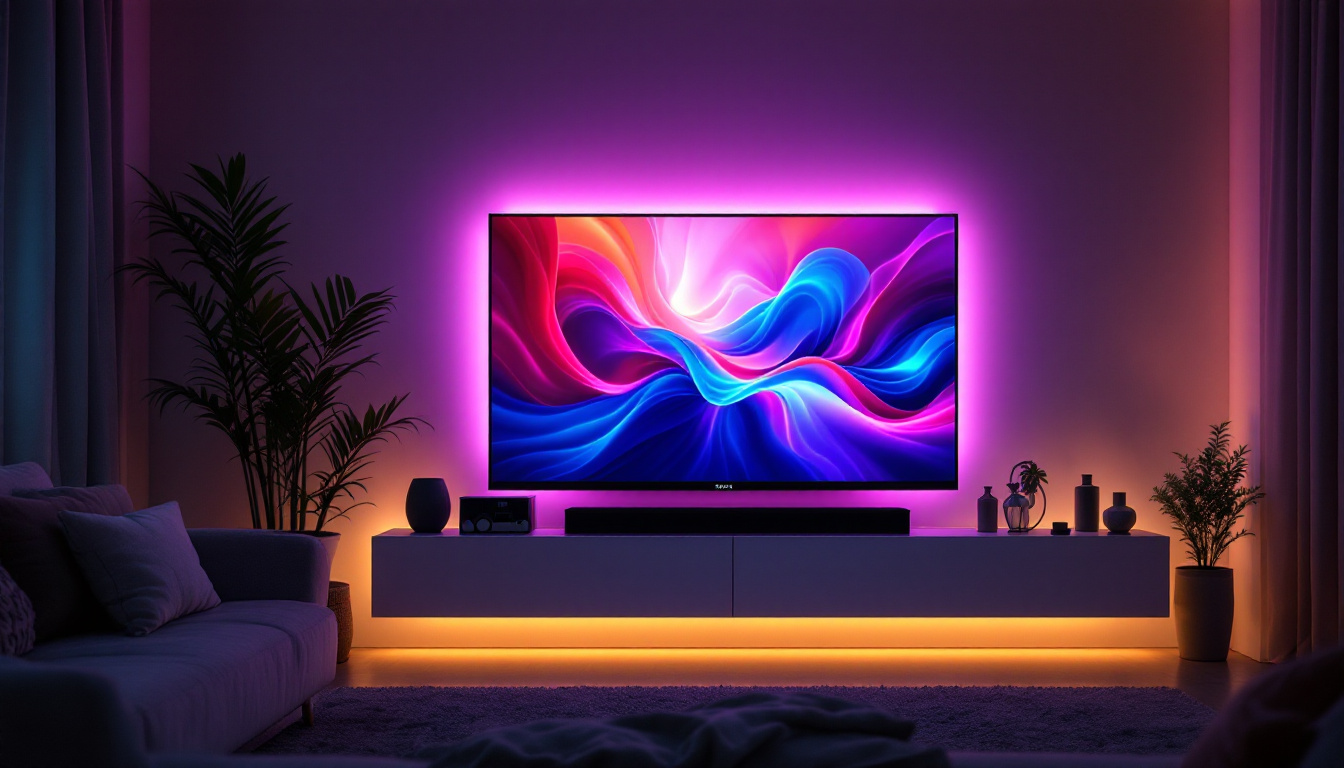
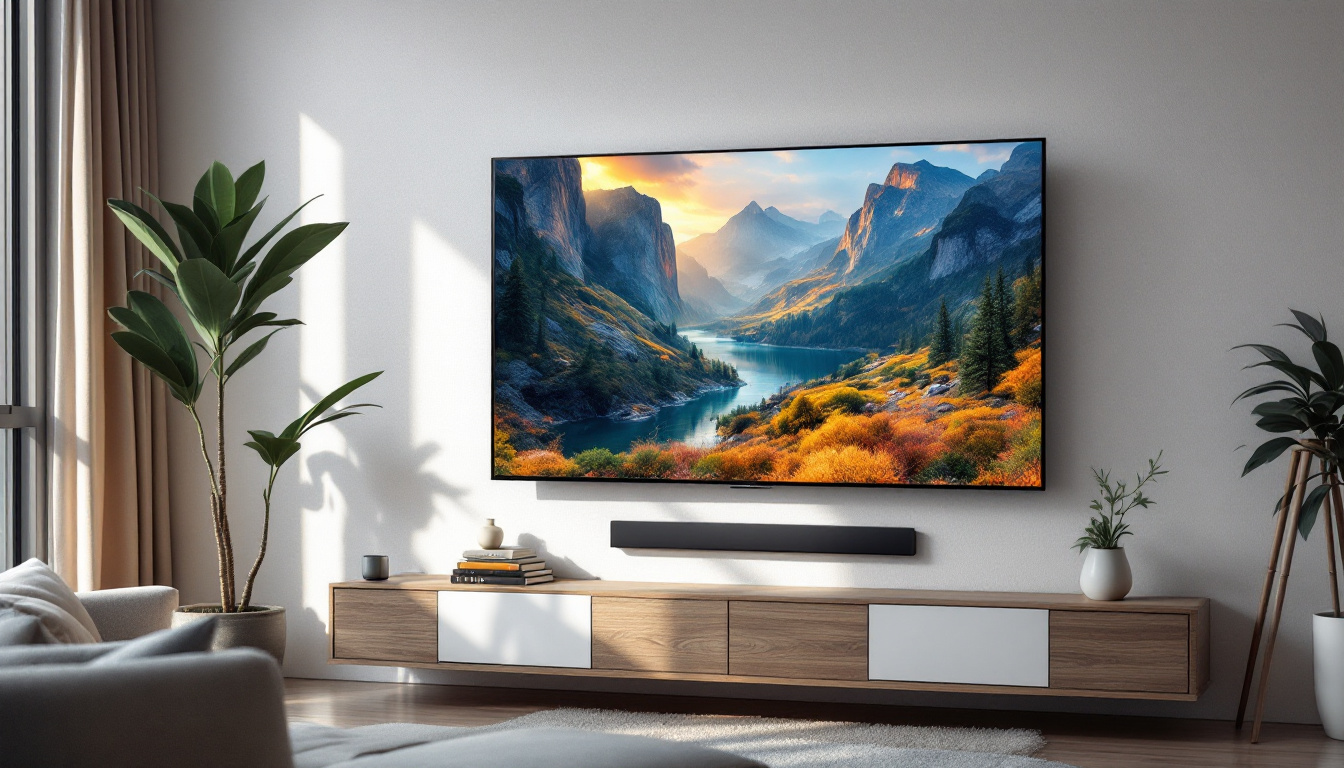
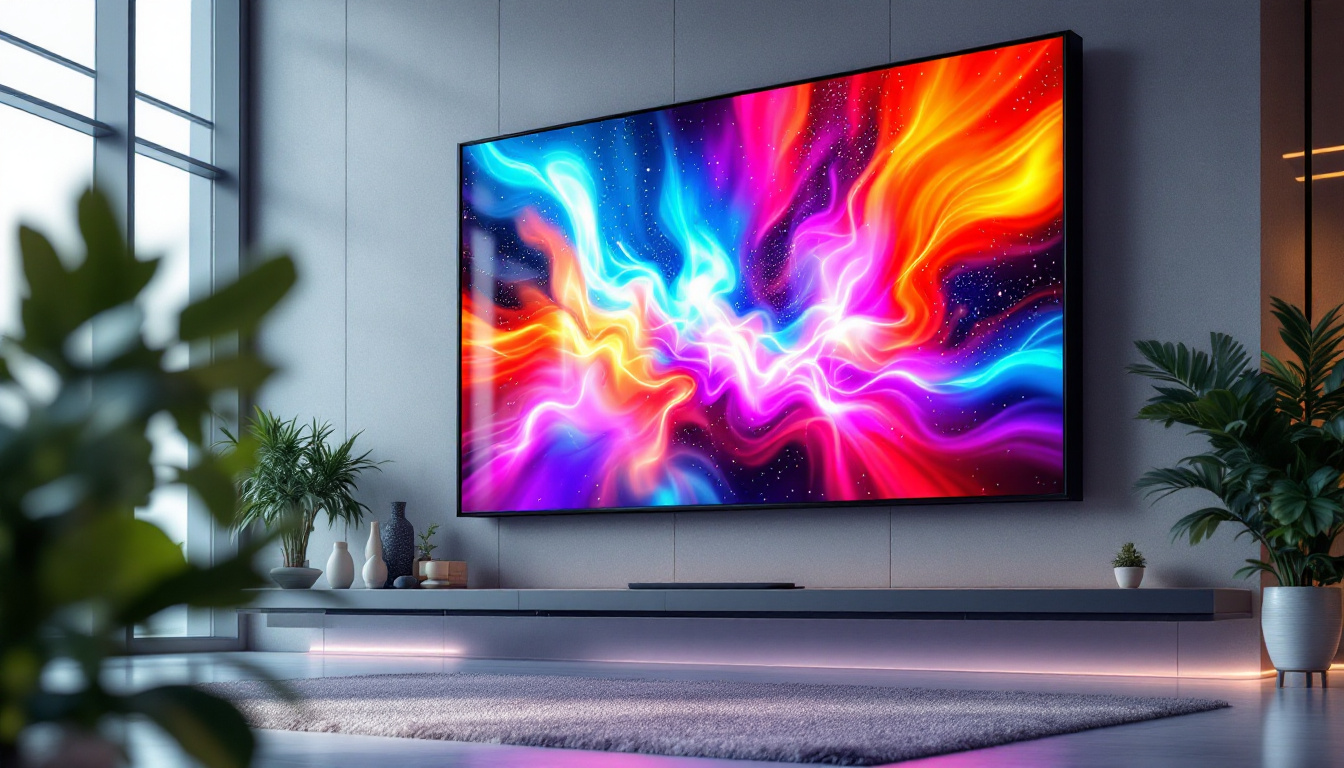
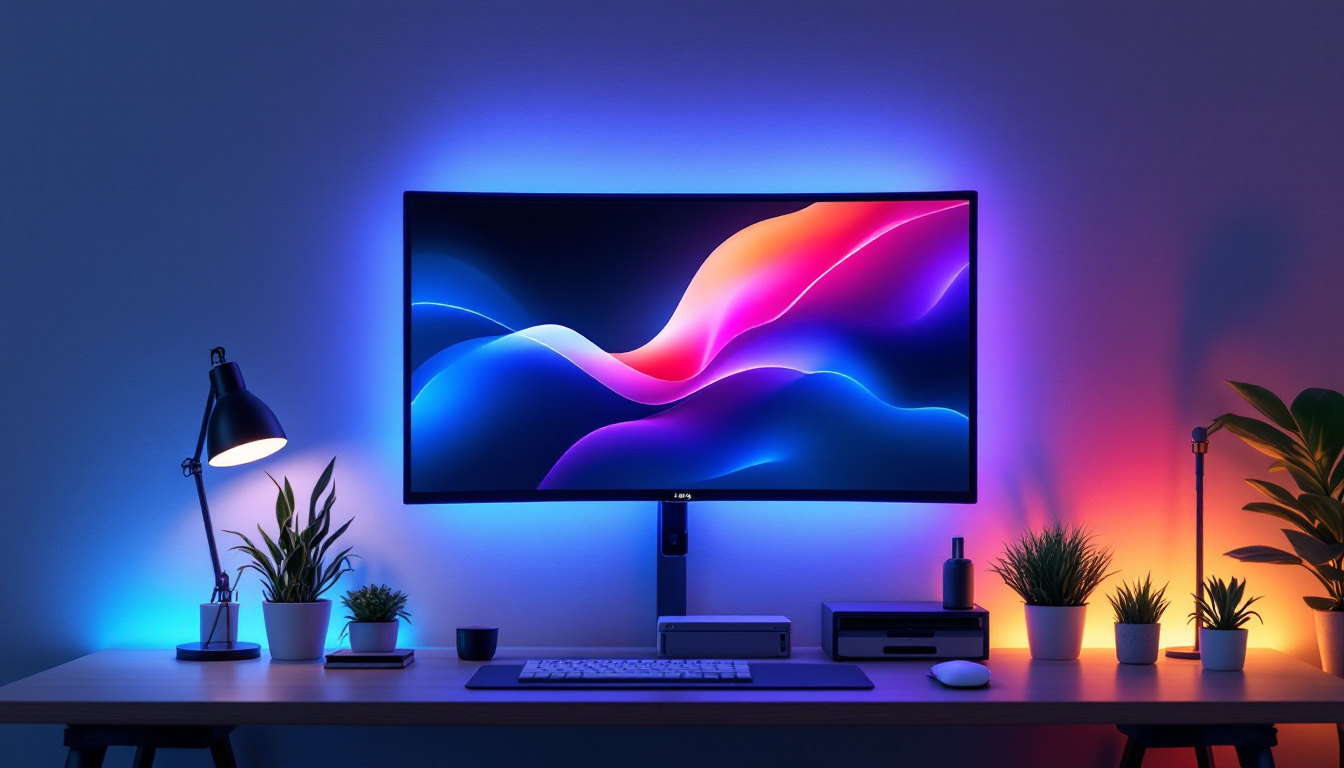
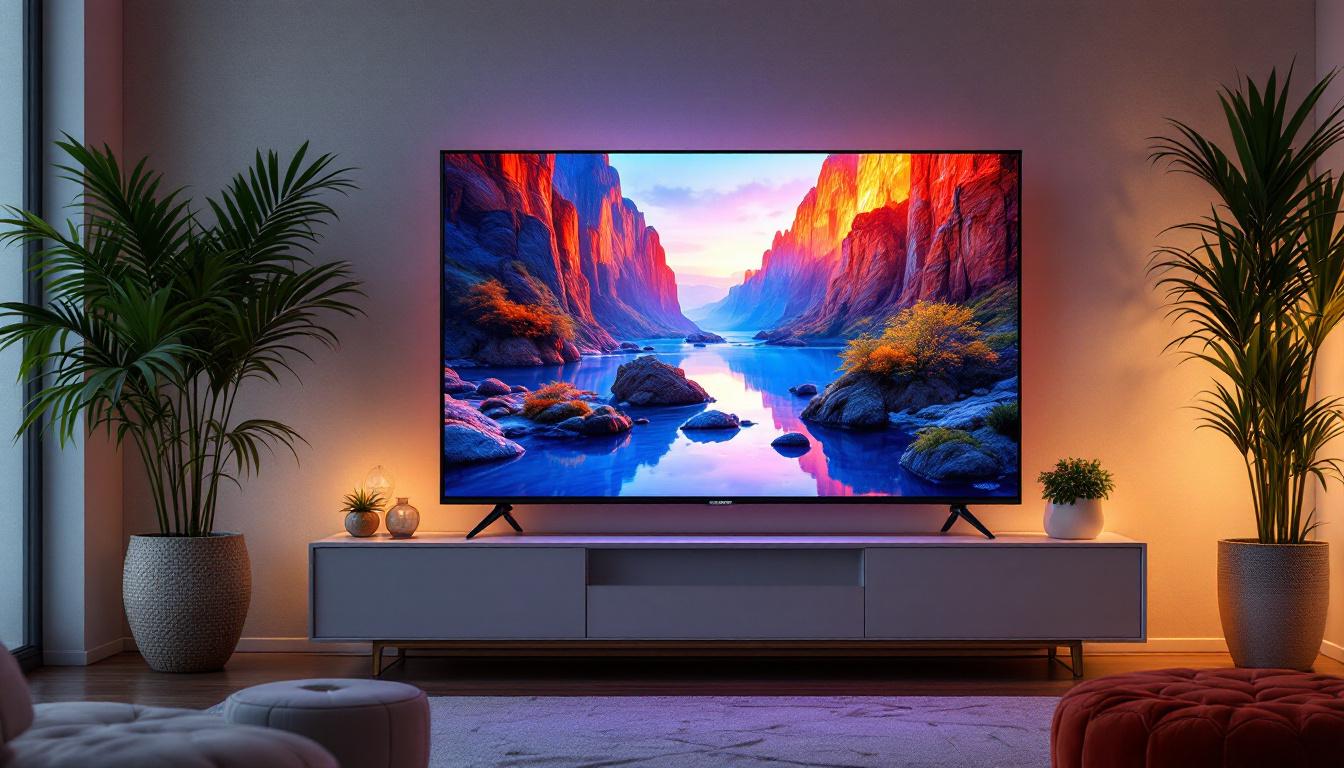
Home theater enthusiasts are increasingly adopting projector LED screens to create immersive viewing experiences. The improved contrast and color accuracy make movies, sports, and video games more engaging and lifelike.
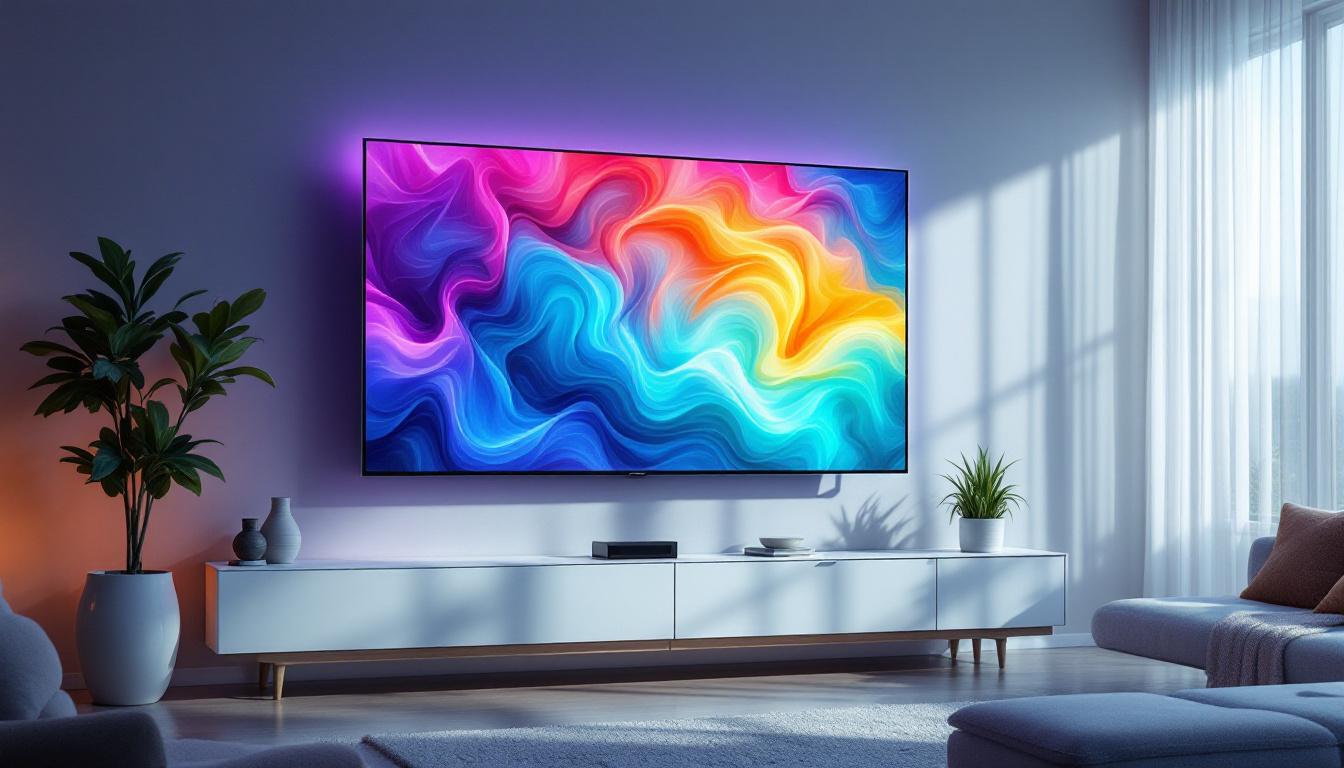
Unlike traditional projector setups that require a darkened room for optimal viewing, projector LED screens allow for more flexible lighting conditions. This means families can enjoy high-quality visuals without having to dim all the lights, making movie nights more convenient.
Large-Scale Events and Outdoor Displays
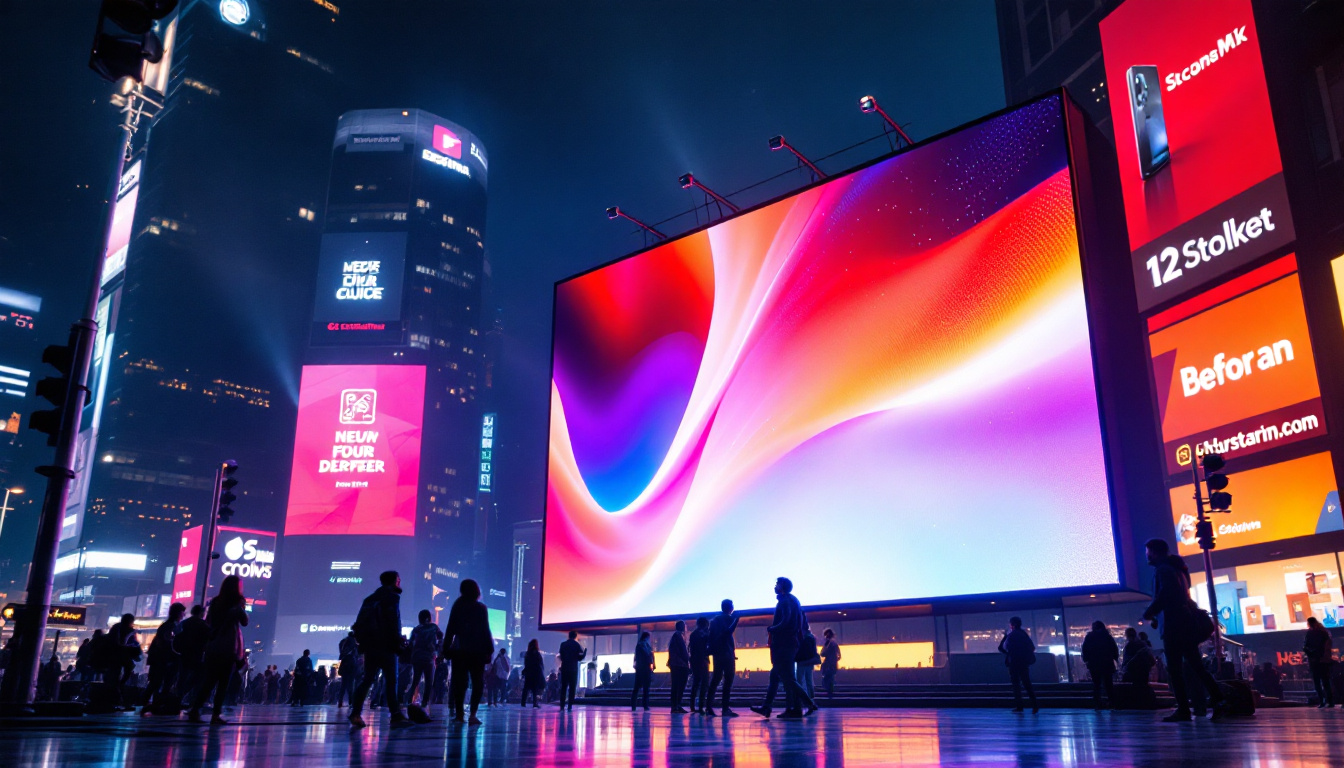
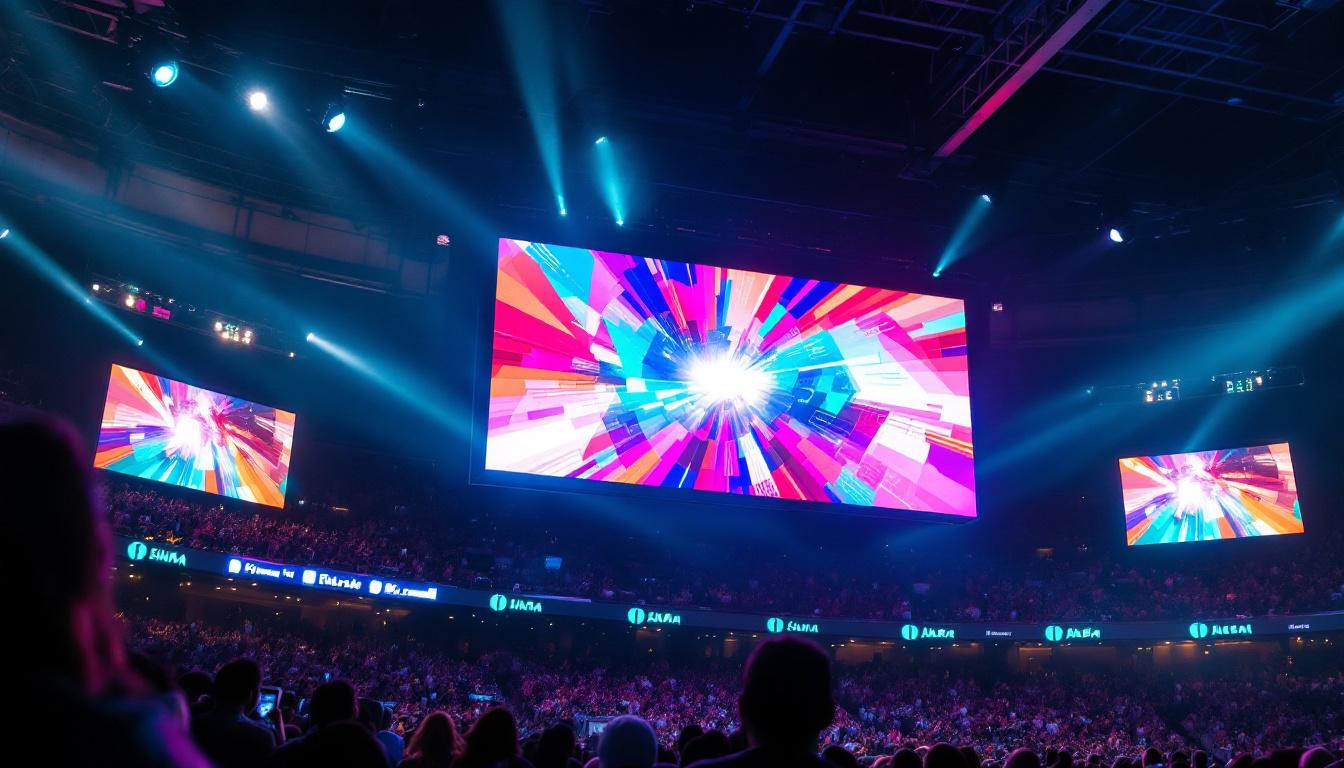
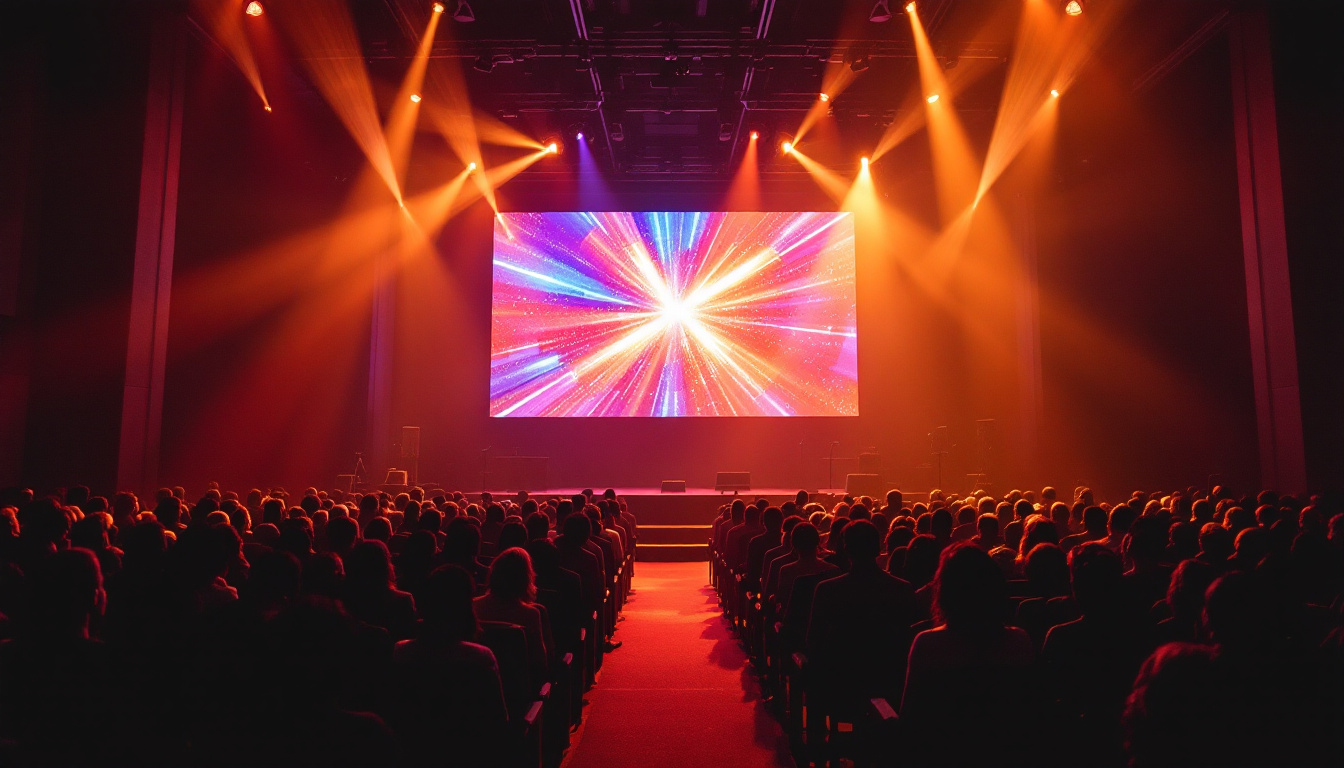
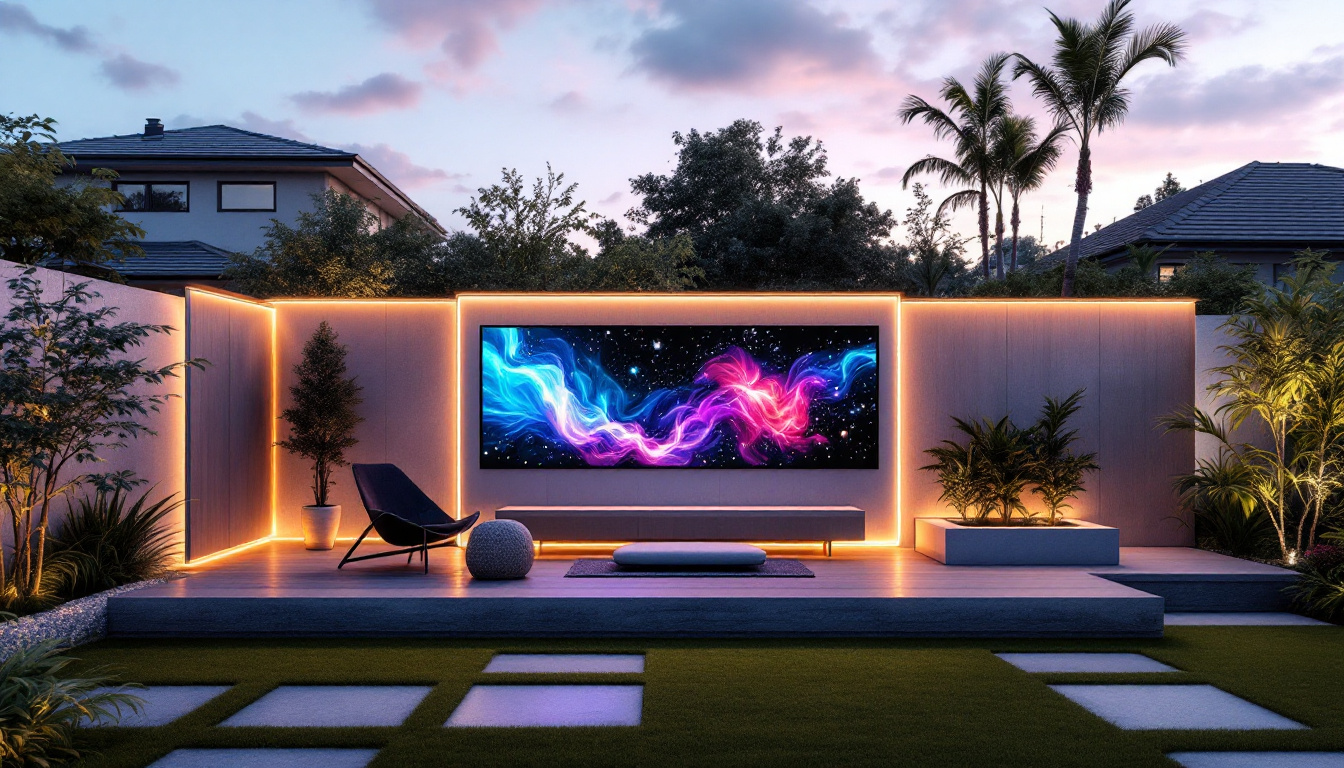
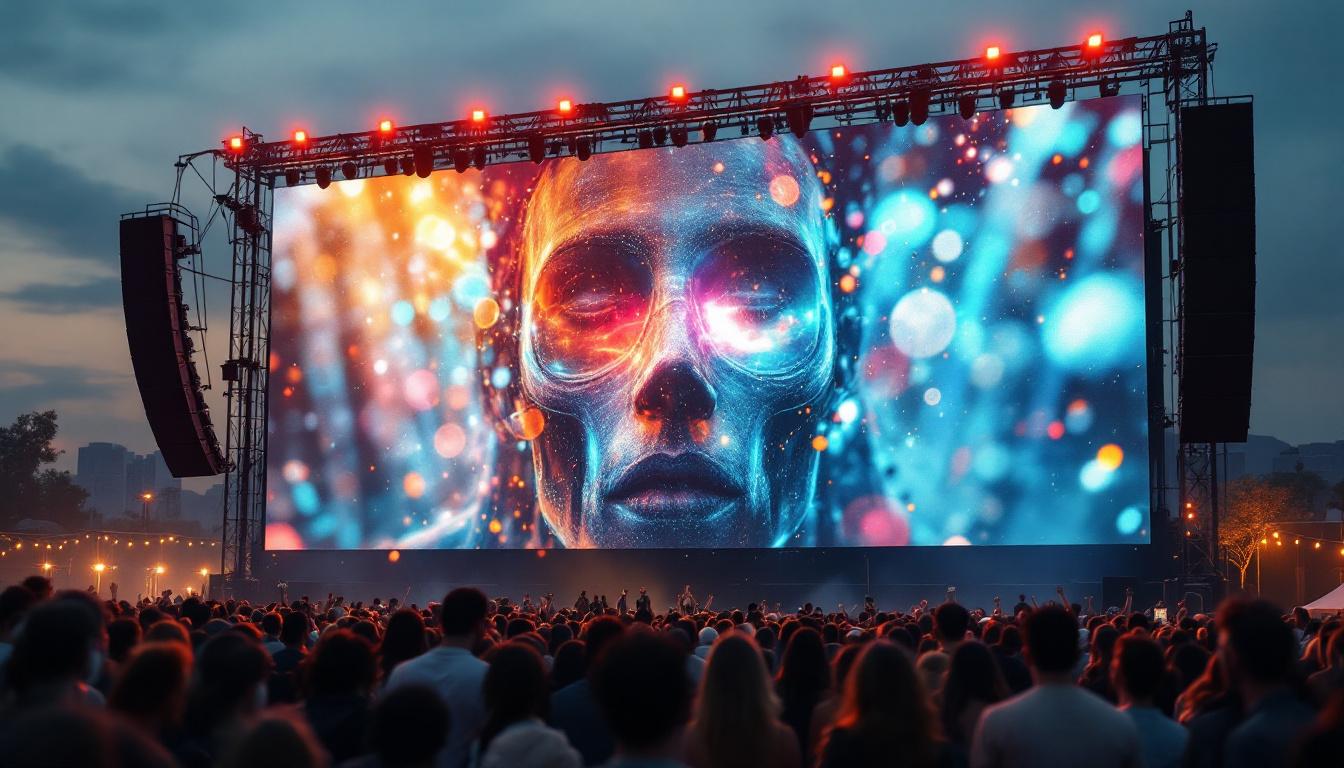
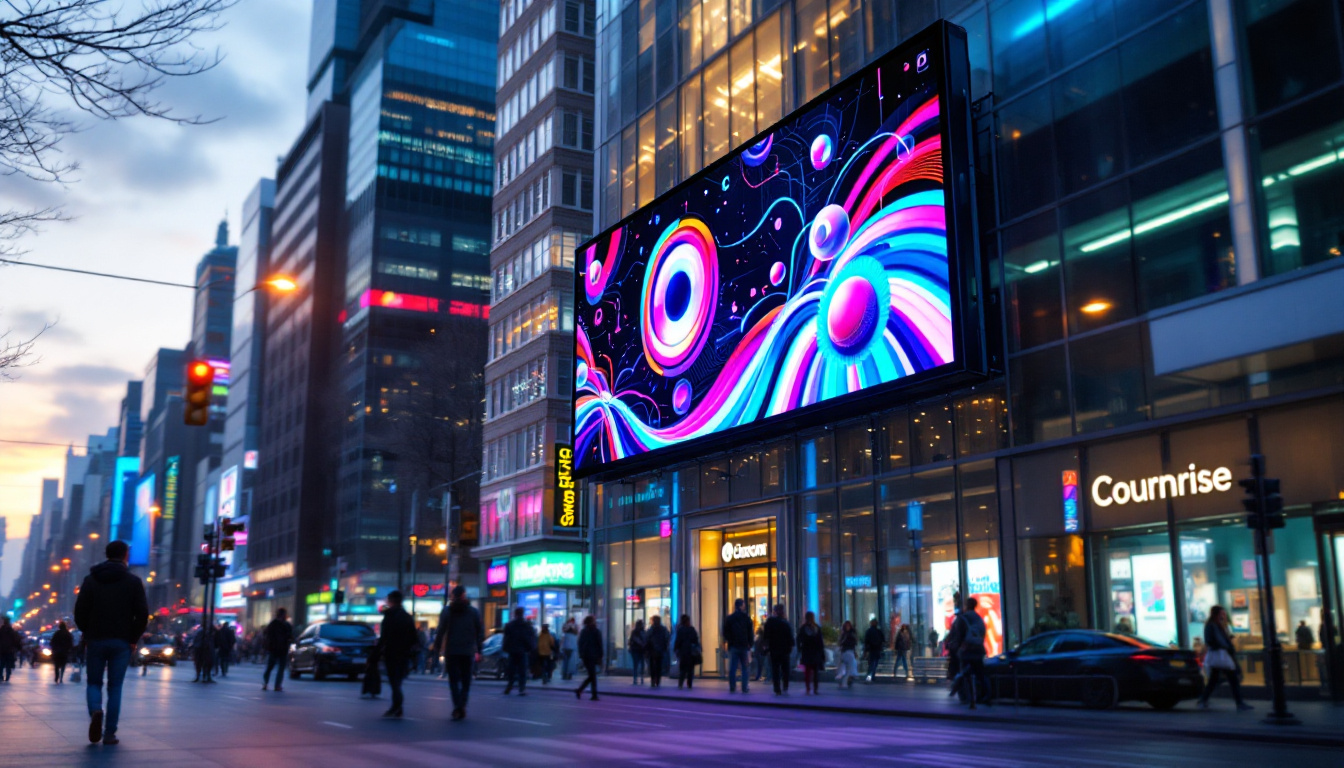
Projector LED screens are also popular in large venues such as stadiums, concert halls, and outdoor festivals. Their high brightness and durability make them suitable for environments where visibility is critical, and weather or lighting conditions can vary.
For example, many sports arenas now use LED-enhanced projection systems to display live scores, replays, and advertisements, ensuring that the audience remains engaged regardless of the time of day or weather.
Comparing Projector LED Screens to Other Display Technologies
Projector LED Screens vs. Traditional Projectors
Traditional projectors rely solely on the projector’s brightness and the screen’s reflective surface. While they can produce large images at a relatively low cost, their performance is heavily dependent on ambient lighting and screen quality. Projector LED screens mitigate these issues by incorporating LED technology to enhance brightness and contrast.
However, projector LED screens tend to be more expensive upfront due to the additional LED components and technology integration. For users prioritizing image quality and versatility, the investment often pays off in improved viewing experiences and lower maintenance costs.
Projector LED Screens vs. LED Video Walls
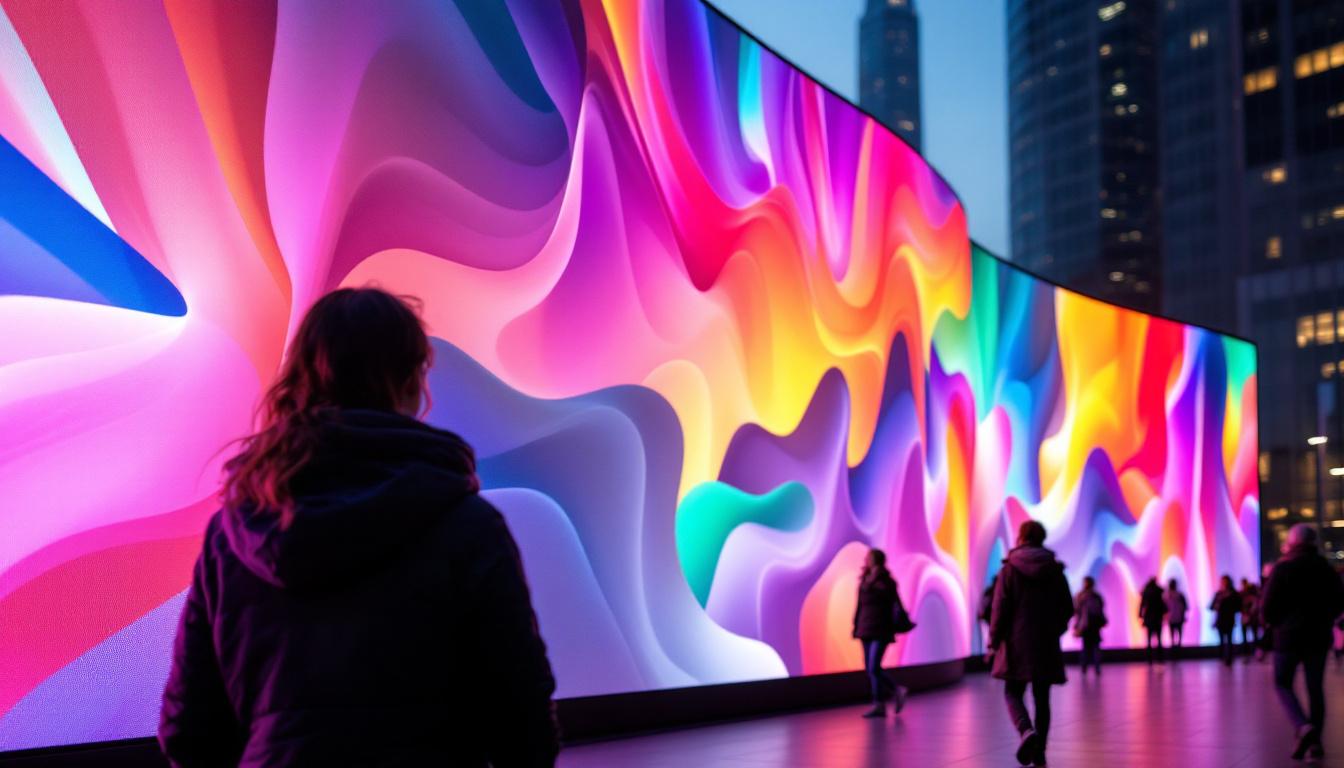
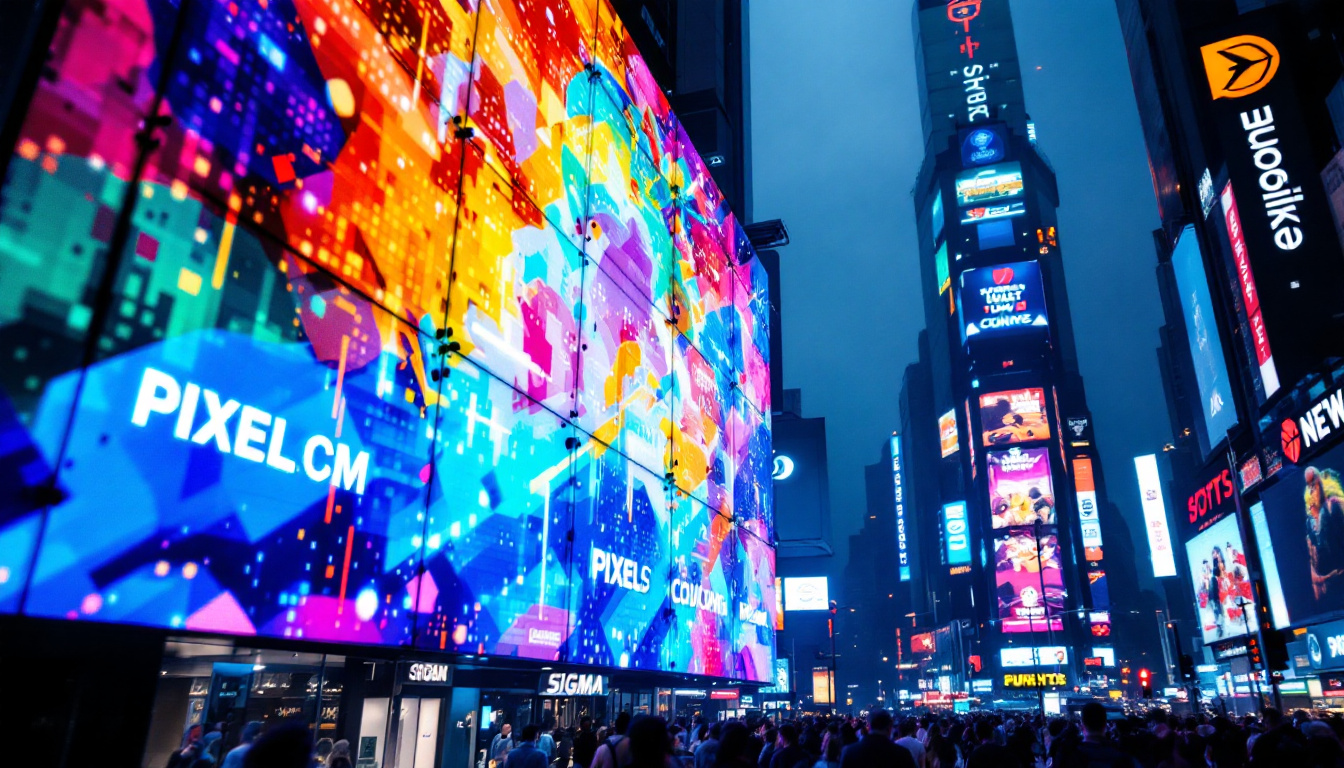
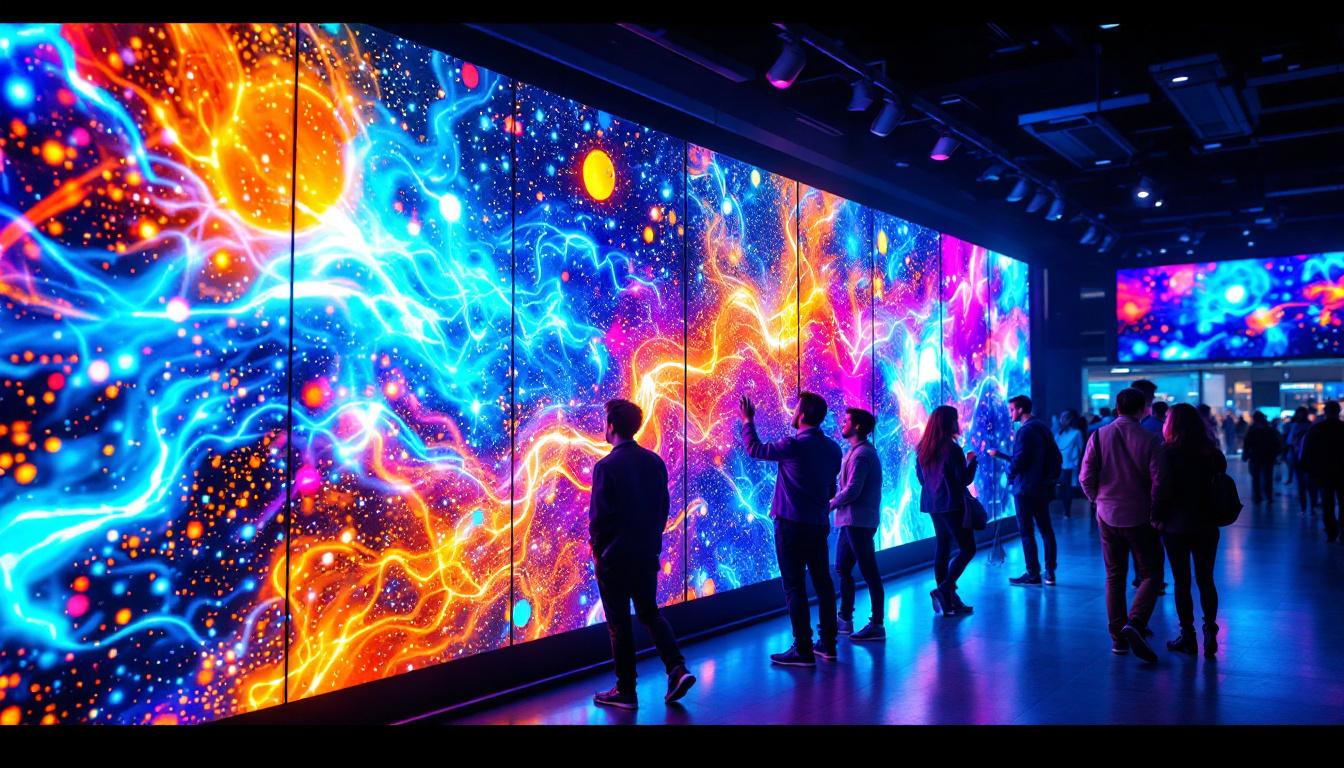
LED video walls are large displays made entirely of LED panels, commonly used in advertising, concerts, and public information displays. They provide excellent brightness and color but can be costly and less portable.
Projector LED screens offer a middle ground by combining projection’s flexibility with LED’s visual benefits. They are often more suitable for environments where a large but not massive display is needed, or where portability and ease of setup are important.
Projector LED Screens vs. OLED and LCD Displays
OLED and LCD screens are common in consumer electronics, offering high resolution and color accuracy. However, their size is limited compared to projection systems, and large-format OLED displays remain prohibitively expensive.
Projector LED screens can produce much larger images at a fraction of the cost, making them ideal for venues requiring big displays. Additionally, their ability to maintain image quality in various lighting conditions gives them an edge over traditional LCD and OLED setups in certain applications.
Choosing the Right Projector LED Screen for Your Needs
Consider the Environment
When selecting a projector LED screen, it is essential to consider the environment where it will be used. Factors such as ambient light, room size, and seating arrangement will influence the screen size, brightness, and resolution needed.
For example, a brightly lit conference room may require a screen with higher LED brightness and contrast capabilities, while a home theater in a controlled lighting environment might prioritize resolution and color accuracy.
Resolution and Screen Size
Resolution is a key factor in image clarity. Most projector LED screens support Full HD (1080p) or 4K UHD resolutions, with 4K becoming increasingly popular due to the demand for ultra-high-definition content.
Screen size should match the viewing distance and room dimensions. Larger screens provide a more immersive experience but require higher projector brightness and LED performance to maintain image quality.
Budget and Maintenance
Projector LED screens vary widely in price depending on size, resolution, and LED technology. While initial costs may be higher than traditional projectors or screens, the long-term savings on lamp replacements and energy consumption can be significant.
Maintenance requirements are generally lower for LED-enhanced systems, but it is important to choose a reputable manufacturer and ensure proper installation to maximize lifespan and performance.
Future Trends in Projector LED Screen Technology
Micro-LED and Mini-LED Innovations
Emerging micro-LED and mini-LED technologies promise even greater improvements in brightness, contrast, and energy efficiency. These tiny LEDs can be densely packed to create screens with exceptional image quality and flexibility in size and shape.
As production costs decrease, micro-LED projector screens are expected to become more accessible, potentially revolutionizing both home and professional display markets.
Integration with Smart Technologies
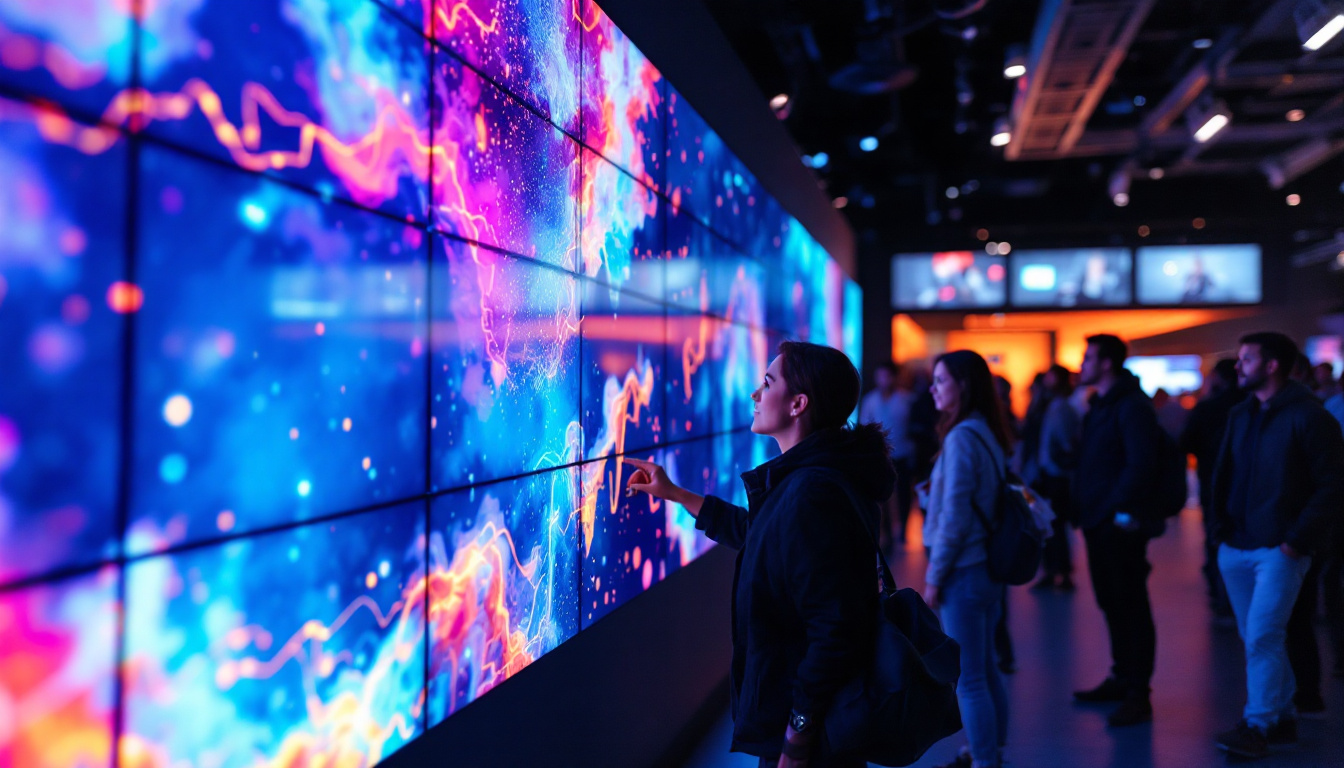
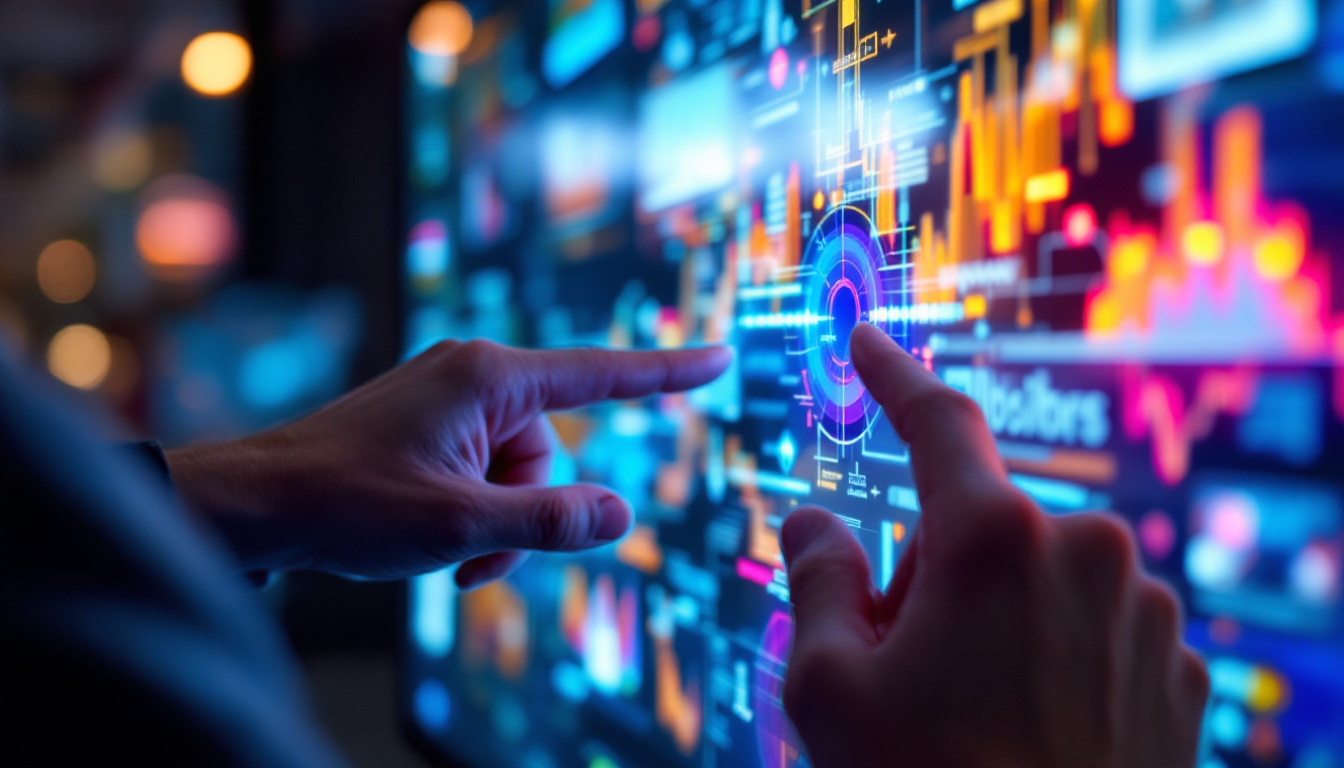
Projector LED screens are increasingly being integrated with smart features such as wireless connectivity, interactive touch capabilities, and AI-driven image optimization. These advancements enhance user experience by simplifying setup, improving image quality dynamically, and enabling new forms of interaction.
Environmental Sustainability
Manufacturers are focusing on environmentally friendly materials and energy-efficient designs. Projector LED screens, with their lower power consumption and longer lifespans, align well with sustainability goals, appealing to eco-conscious consumers and organizations.
Conclusion
Projector LED screens represent a significant advancement in display technology, combining the flexibility of projection with the superior image quality of LED lighting. Their ability to deliver bright, vibrant, and high-contrast images in diverse lighting conditions makes them an excellent choice for a wide range of applications, from corporate presentations to home theaters and large-scale events.
As technology continues to evolve, projector LED screens are poised to become even more versatile and accessible, offering users an unparalleled viewing experience. Whether upgrading an existing setup or investing in a new display solution, understanding the benefits and capabilities of projector LED screens is essential for making an informed decision.
Discover LumenMatrix’s Innovative LED Display Solutions
Ready to elevate your visual experience with the latest in LED display technology? Look no further than LumenMatrix, a pioneer in crafting mesmerizing LED displays that transform any space into a dynamic visual spectacle. From indoor and outdoor LED walls to specialized solutions for vehicles, sports, and custom installations, LumenMatrix offers a comprehensive range of products designed to captivate and engage. Embrace the future of visual communication and check out LumenMatrix LED Display Solutions today to see how we can illuminate your world with unparalleled clarity and impact.