Outdoor movie nights, live sports events, and community gatherings have all been transformed by advances in display technology. Among the most popular options for large-scale outdoor viewing are projector screens and LED displays. While both serve the purpose of delivering vibrant visuals to a large audience, their underlying technologies, advantages, and ideal use cases differ significantly. This article delves into the world of projector outdoor screens and LED displays, explaining how they work, their benefits, and what to consider when choosing between these two powerful display solutions.
Understanding Projector Outdoor Screens
How Projector Screens Work
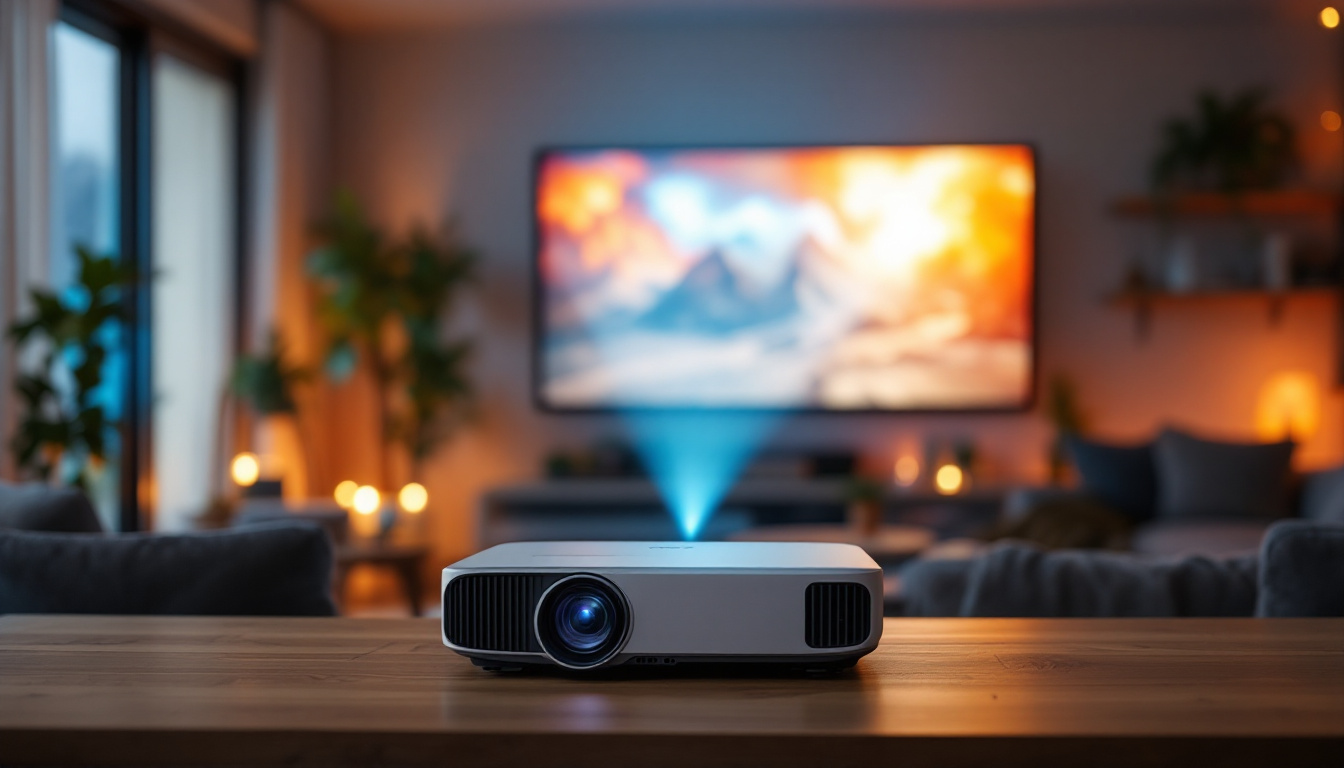
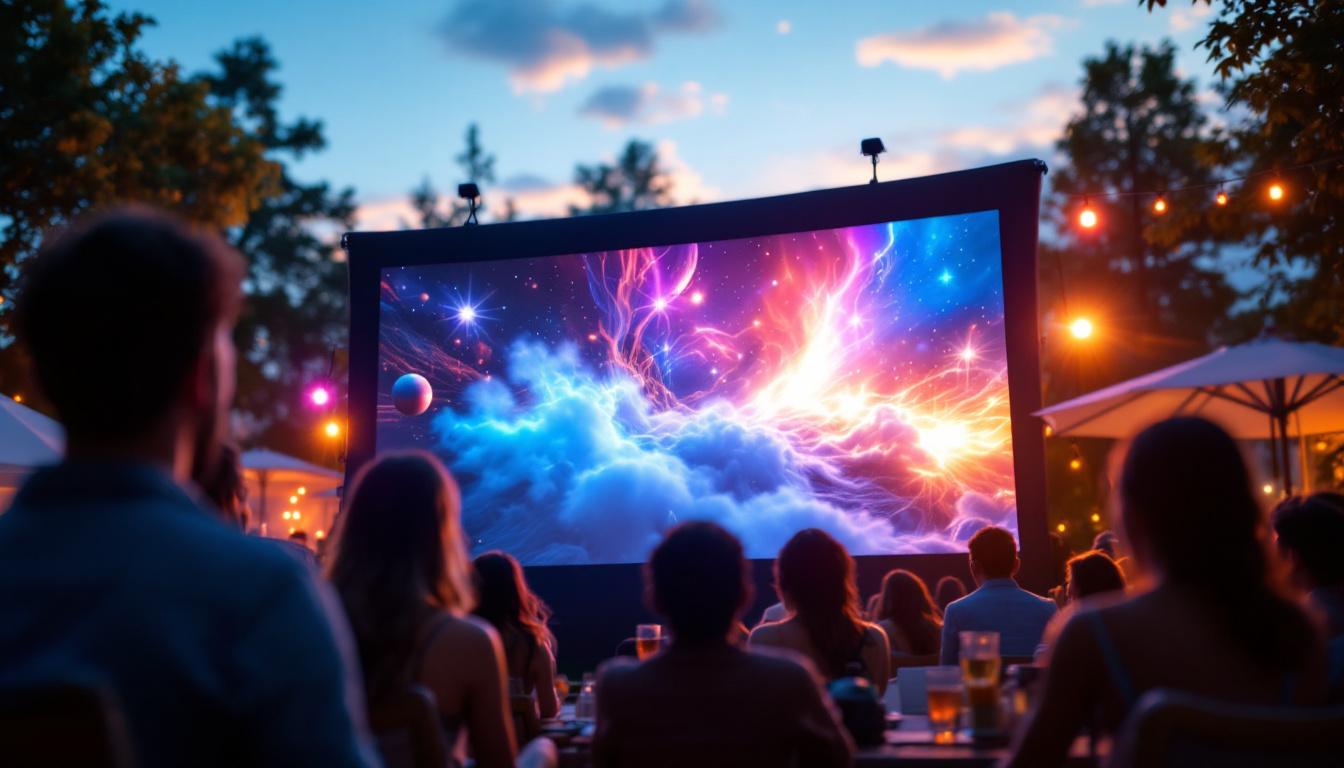
Projector outdoor screens are essentially large, reflective surfaces designed to display images projected from a projector device. The projector emits light through a lens system, which casts the image onto the screen. The screen’s material is engineered to maximize image clarity, brightness, and color accuracy by reflecting the projected light efficiently.
Common materials for outdoor projector screens include vinyl, mesh, and specialized fabrics with reflective coatings. These materials help maintain image quality even in varying ambient light conditions. The screen size can range from small portable setups suitable for backyard movie nights to massive installations for stadiums or festivals. Additionally, many outdoor screens are designed to be weather-resistant, allowing them to withstand rain or wind without compromising their structural integrity or image quality.
Types of Outdoor Projector Screens
There are several types of outdoor projector screens, each suited to different environments and needs:
- Inflatable Screens: These are popular for their portability and ease of setup. Inflatable screens can be quickly deployed in parks, backyards, or event venues. Their lightweight design makes them an excellent choice for traveling movie events or outdoor parties, as they can be easily transported and inflated within minutes.
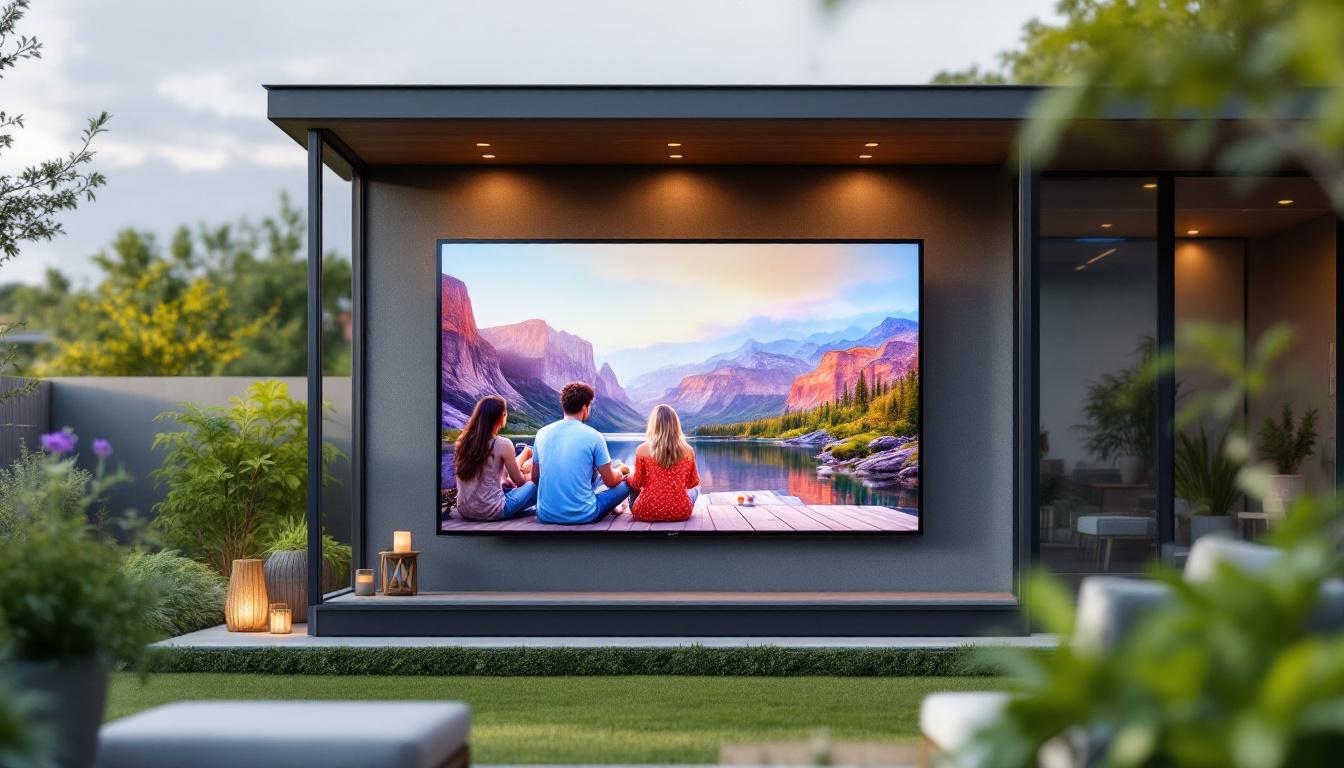
- Fixed Frame Screens: These provide a rigid, tensioned surface that ensures a flat and stable image. They are ideal for permanent or semi-permanent outdoor installations. Fixed frame screens often feature a sleek design that enhances the aesthetic of outdoor spaces, making them a favorite for home theaters or commercial venues looking to create a professional viewing experience.
- Retractable Screens: Mounted on frames or walls, these screens can be rolled up when not in use, protecting the surface from weather damage. Retractable screens are particularly beneficial for those who want the flexibility of an outdoor movie setup without the permanent installation, allowing for quick transitions between outdoor and indoor viewing.
Each type offers different benefits in terms of durability, image quality, and installation complexity. For instance, while inflatable screens are excellent for casual gatherings, fixed frame screens are often preferred for events that require high-quality visuals, such as outdoor film festivals or corporate presentations. Moreover, as technology advances, many outdoor screens now come equipped with features like built-in speakers or LED lighting, further enhancing the viewing experience and making them suitable for a variety of entertainment options.
What is an LED Display?
The Technology Behind LED Displays
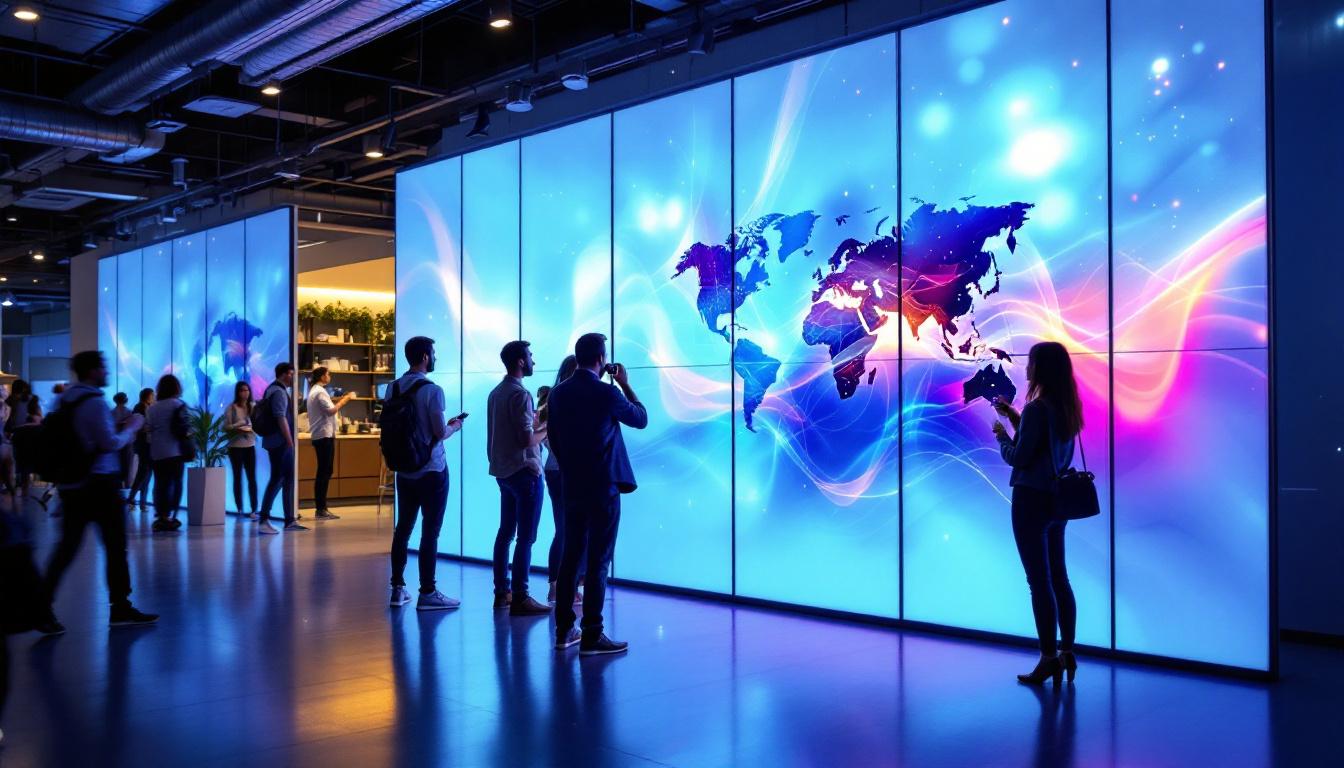
LED (Light Emitting Diode) displays are made up of thousands to millions of tiny LEDs arranged in a grid. Each LED acts as a pixel, emitting its own light to create images and videos. Unlike projector screens, LED displays do not rely on an external light source; the LEDs themselves generate the light, resulting in bright, vivid visuals that are easily visible even in direct sunlight. This self-illuminating characteristic not only enhances the display’s brightness but also improves energy efficiency, as LEDs consume less power compared to traditional lighting methods.
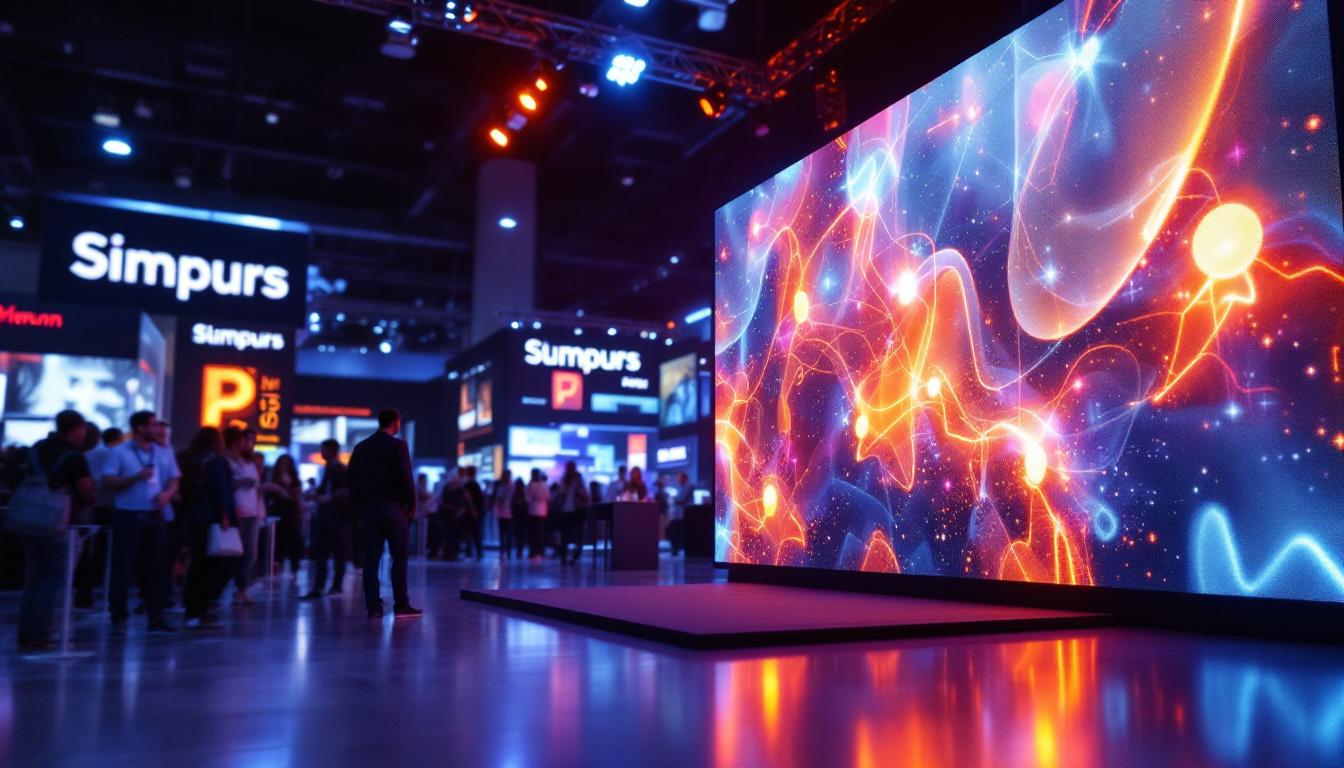
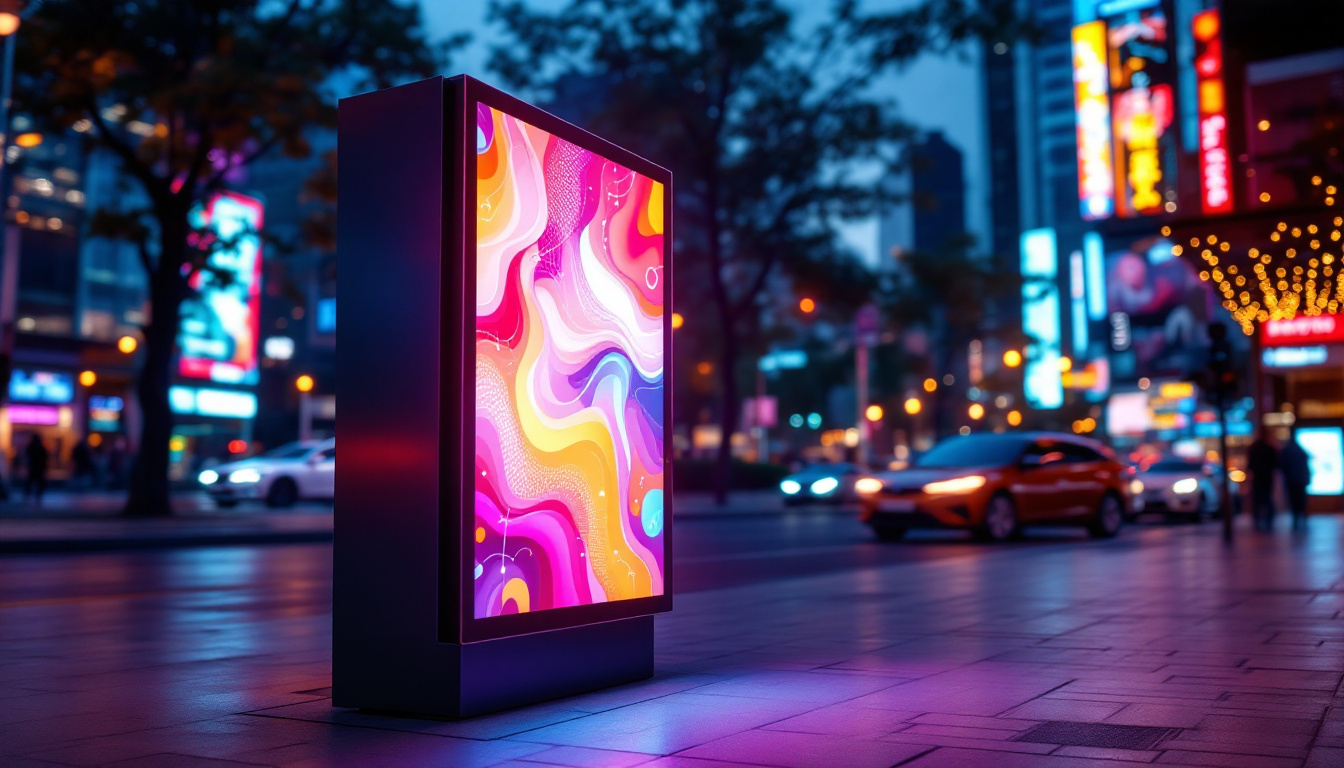
LED displays can be configured as a single large panel or assembled from smaller modules to create custom sizes and shapes. This modularity makes LED displays highly versatile for outdoor environments, from advertising billboards to large-scale event screens. Additionally, advancements in technology have led to the development of flexible LED panels, which can be curved or shaped to fit unique architectural designs, further expanding their application in creative installations and immersive environments.
Types of Outdoor LED Displays
Outdoor LED displays vary based on pixel pitch, brightness, and weatherproofing:
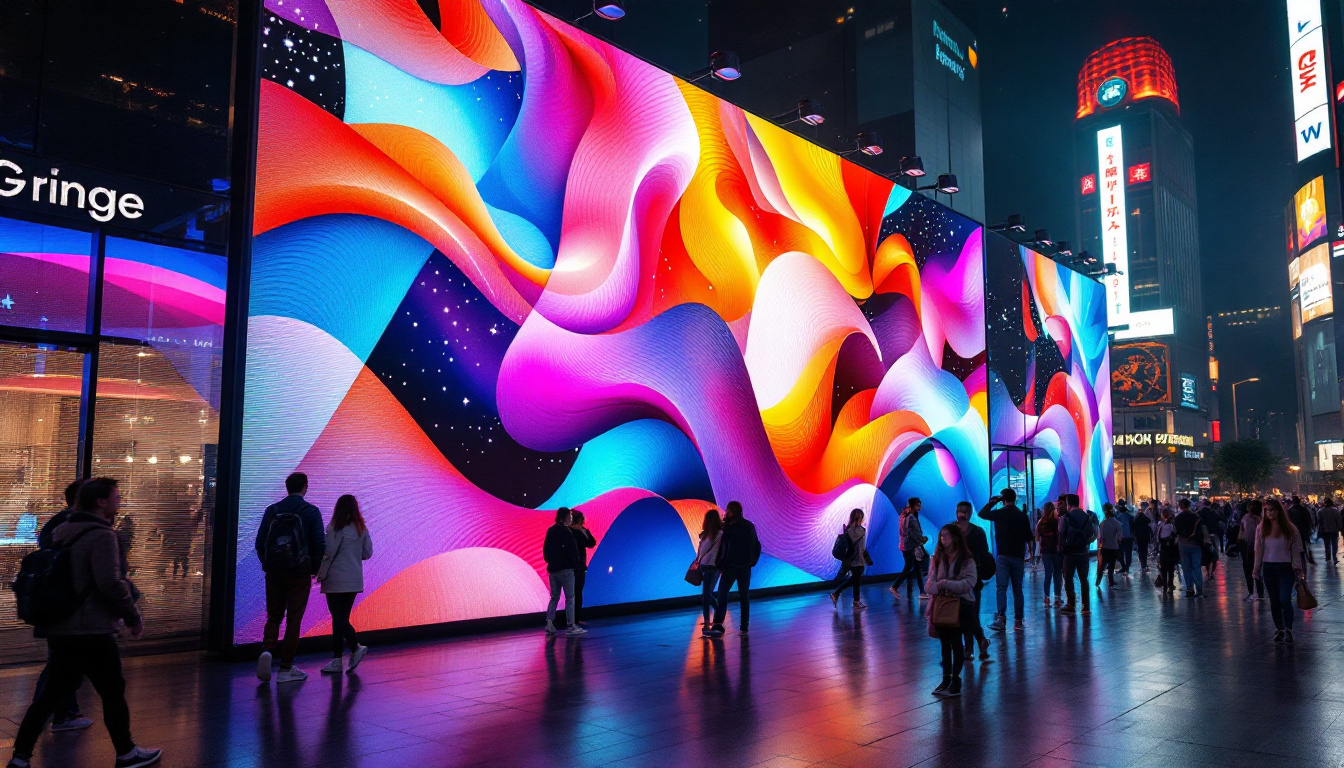
- Fixed Outdoor LED Displays: These are permanently installed in outdoor venues such as stadiums, concert halls, and public squares. They often feature high durability to withstand various weather conditions, ensuring consistent performance over time.
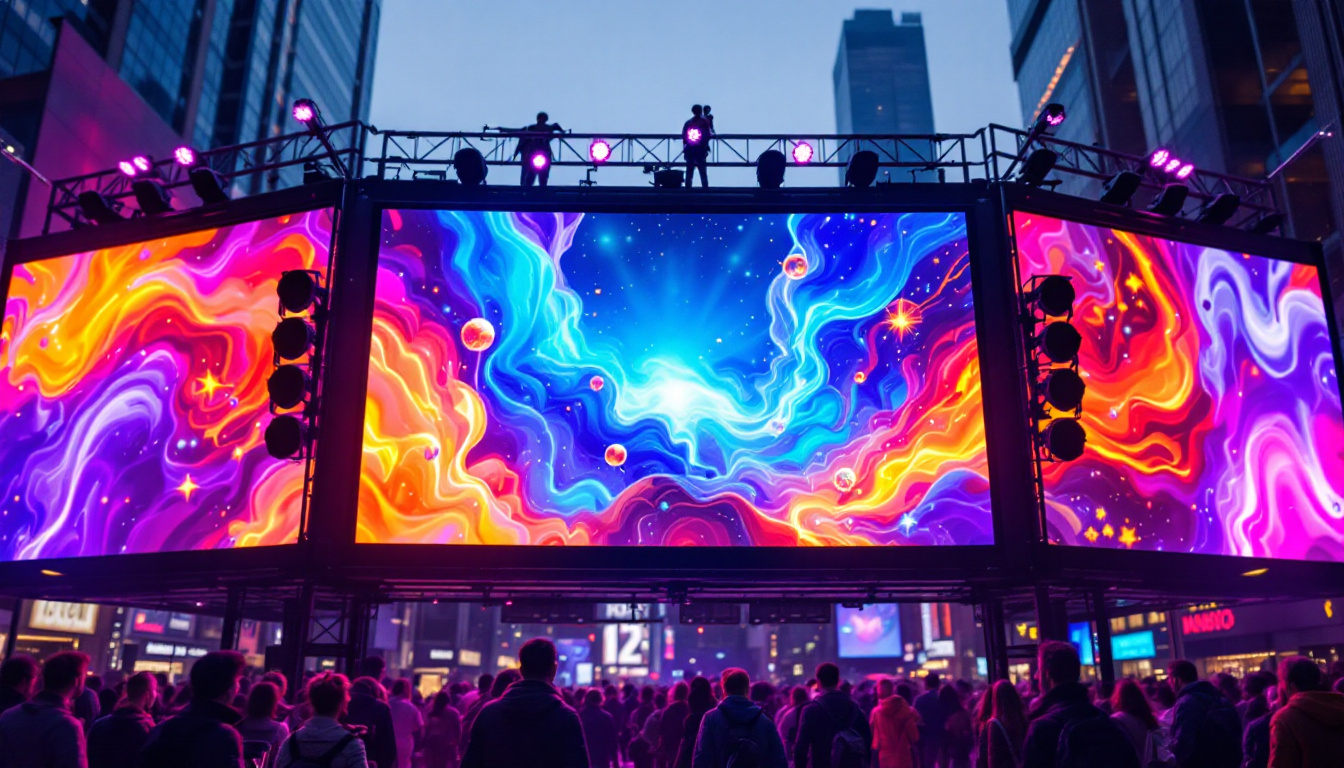
- Rental LED Displays: Designed for temporary events, these displays are portable and easy to assemble and disassemble. They are commonly used in concerts, exhibitions, and corporate events, allowing for quick setup and takedown without compromising on visual quality.
- Transparent LED Displays: These innovative screens allow light to pass through, making them suitable for storefronts and glass walls without obstructing visibility. They create a unique blend of digital content and physical space, enhancing the shopping experience while maintaining an open feel.
Brightness levels for outdoor LED displays typically range from 5,000 to over 10,000 nits, ensuring clear visibility even in bright daylight conditions. This high brightness capability is essential for outdoor advertising, where competing against natural sunlight can be challenging. Furthermore, many outdoor LED displays come equipped with advanced features such as automatic brightness adjustment, which optimizes the display’s luminance based on ambient light conditions, ensuring that content is always presented in the best possible way.
In addition to brightness, outdoor LED displays often incorporate robust weatherproofing measures. Many are designed to be IP-rated, indicating their resistance to dust and moisture, which is crucial for maintaining functionality in diverse climates. This durability not only extends the lifespan of the displays but also reduces maintenance costs, making them a wise investment for businesses looking to enhance their outdoor advertising strategies.
Comparing Projector Outdoor Screens and LED Displays
Brightness and Visibility
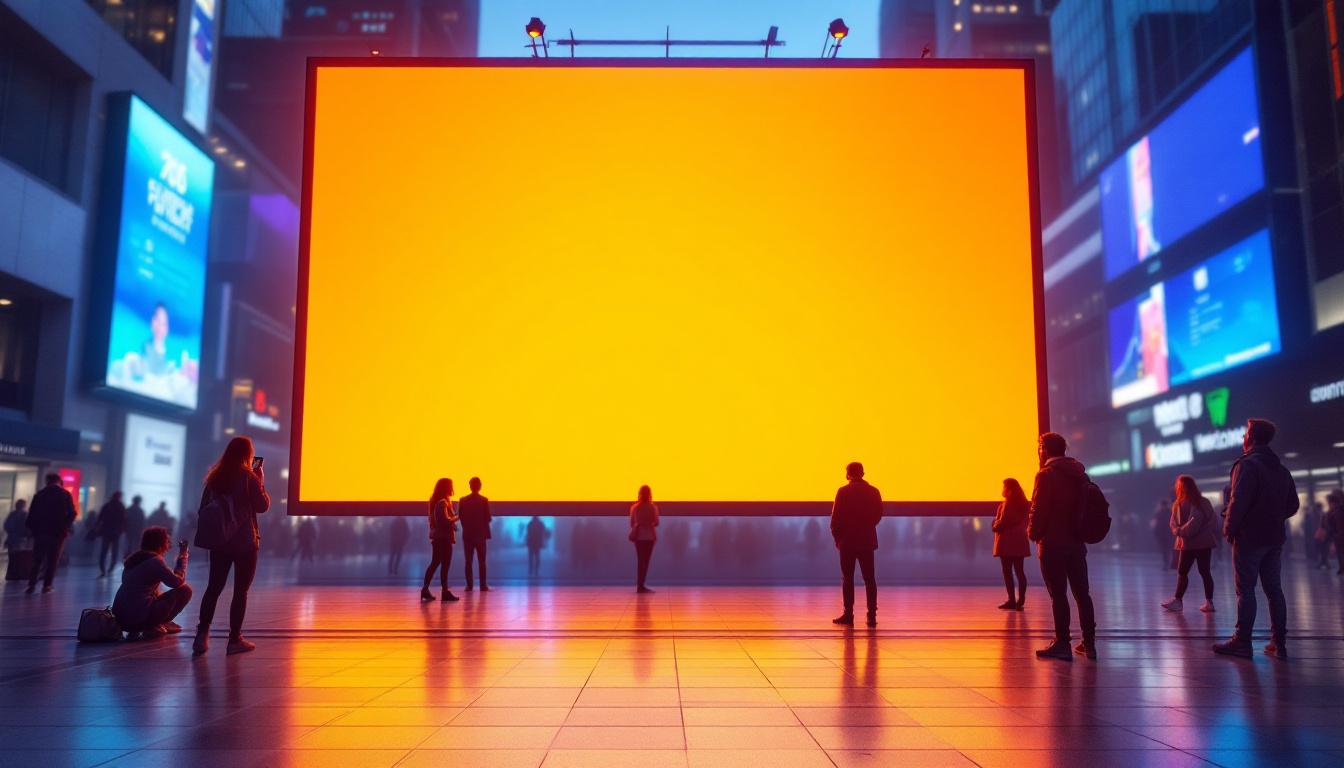
One of the most critical factors in outdoor viewing is brightness. LED displays have a significant advantage here, as their self-illuminating pixels can produce extremely high brightness levels, often exceeding 7,000 nits. This makes them easily viewable in direct sunlight, a challenge for projector screens.
Projector screens rely on the projector’s light output, measured in lumens. High-end projectors can produce 5,000 to 10,000 lumens, but ambient light can wash out the image, especially during daytime. Therefore, projector outdoor screens are generally better suited for evening or nighttime use.
Image Quality and Resolution
LED displays offer crisp, vibrant images with excellent contrast ratios and color accuracy. Advances in LED technology have enabled ultra-high-definition resolutions, making them ideal for detailed video content and live broadcasts.
Projector screens can also deliver high-resolution images, but the quality depends heavily on the projector’s capabilities and screen material. Ambient light and projector placement can affect sharpness and color fidelity. However, for cinematic experiences, projectors often provide a more natural image with deeper blacks and smoother gradients.
Installation and Portability
Projector outdoor screens, especially inflatable and retractable types, are generally more portable and easier to set up. This makes them popular for casual use, such as backyard movie nights, community events, and temporary setups.
LED displays, while increasingly modular and portable, require more technical expertise for assembly and calibration. Fixed LED installations involve significant infrastructure and planning but offer a permanent, low-maintenance solution.
Cost Considerations
Projector outdoor screens and projectors themselves are typically more affordable upfront, making them accessible for individuals and small organizations. However, ongoing maintenance, projector bulb replacements, and environmental factors can add to long-term costs.
LED displays involve a higher initial investment but benefit from longer lifespans, lower maintenance, and superior durability. For commercial applications like advertising or large events, the cost is often justified by the enhanced visibility and impact.
Choosing the Right Outdoor Display for Your Needs
Assessing Your Viewing Environment
Consider the ambient light conditions where the display will be used. For locations with significant daylight exposure, LED displays are the superior option due to their brightness and visibility. For nighttime or shaded environments, projector screens can deliver excellent image quality at a lower cost.
Purpose and Audience Size
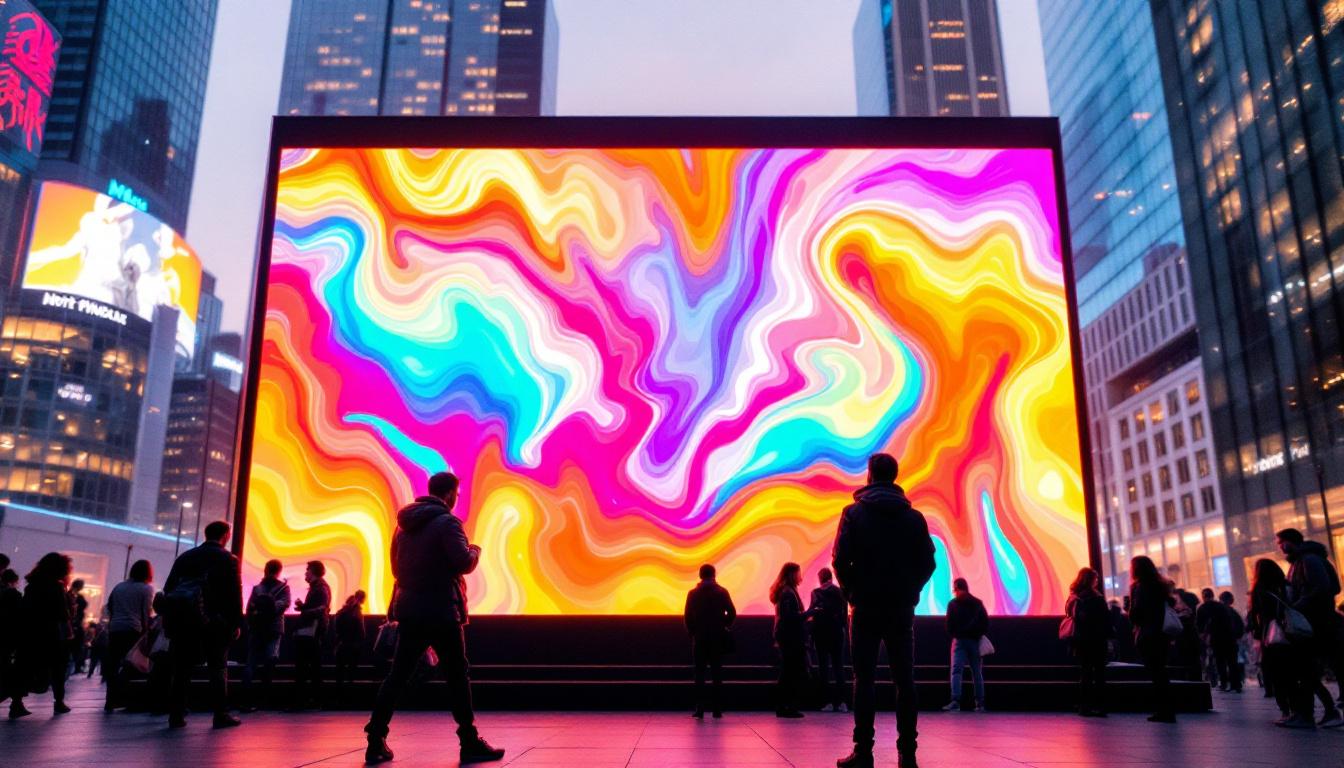
For large audiences, such as stadiums or festivals, LED displays provide scalable solutions with consistent image quality across wide viewing angles. For smaller, more intimate gatherings, projector screens offer a cozy and cinematic experience that is easy to set up and take down.
Budget and Long-Term Use
Budget constraints often guide the choice between projector screens and LED displays. While projectors and screens are cost-effective for occasional use, LED displays represent a long-term investment with enhanced durability and reduced operational costs.
Innovations and Future Trends in Outdoor Displays
Advancements in LED Technology
Recent innovations include microLED and miniLED technologies, which promise even higher resolutions, better energy efficiency, and thinner, lighter panels. These developments are expanding the applications of LED displays in outdoor environments, including interactive and transparent displays.
Hybrid Solutions
Some event organizers are exploring hybrid setups that combine projector screens and LED displays to leverage the strengths of both. For example, LED displays might be used for daylight visibility, while projectors enhance nighttime visuals with cinematic effects.
Sustainability and Energy Efficiency
With growing environmental awareness, manufacturers are focusing on energy-efficient components and recyclable materials. LED displays, in particular, benefit from lower power consumption compared to traditional lighting, making them more sustainable for large-scale outdoor use.
Conclusion
Choosing between a projector outdoor screen and an LED display depends on various factors including brightness requirements, image quality, portability, budget, and intended use. LED displays excel in brightness, durability, and versatility for large-scale and daytime events, while projector screens offer a cost-effective, cinematic experience ideal for nighttime and smaller gatherings.
As technology continues to evolve, both display types are becoming more accessible and feature-rich, providing exciting opportunities for outdoor entertainment and communication. Understanding the strengths and limitations of each will help event organizers, businesses, and enthusiasts make informed decisions that enhance their outdoor viewing experiences.
Discover LumenMatrix’s Innovative LED Display Solutions
Ready to elevate your outdoor events with unparalleled brightness, durability, and versatility? Look no further than LumenMatrix, a pioneer in LED display technology. Our extensive range of products, including Outdoor LED Wall Displays, Sports Displays, and Custom LED Solutions, are designed to meet your unique needs and captivate your audience, day or night. Experience the future of visual communication and make your message resonate with clarity. Check out LumenMatrix LED Display Solutions today and transform your outdoor viewing experience.