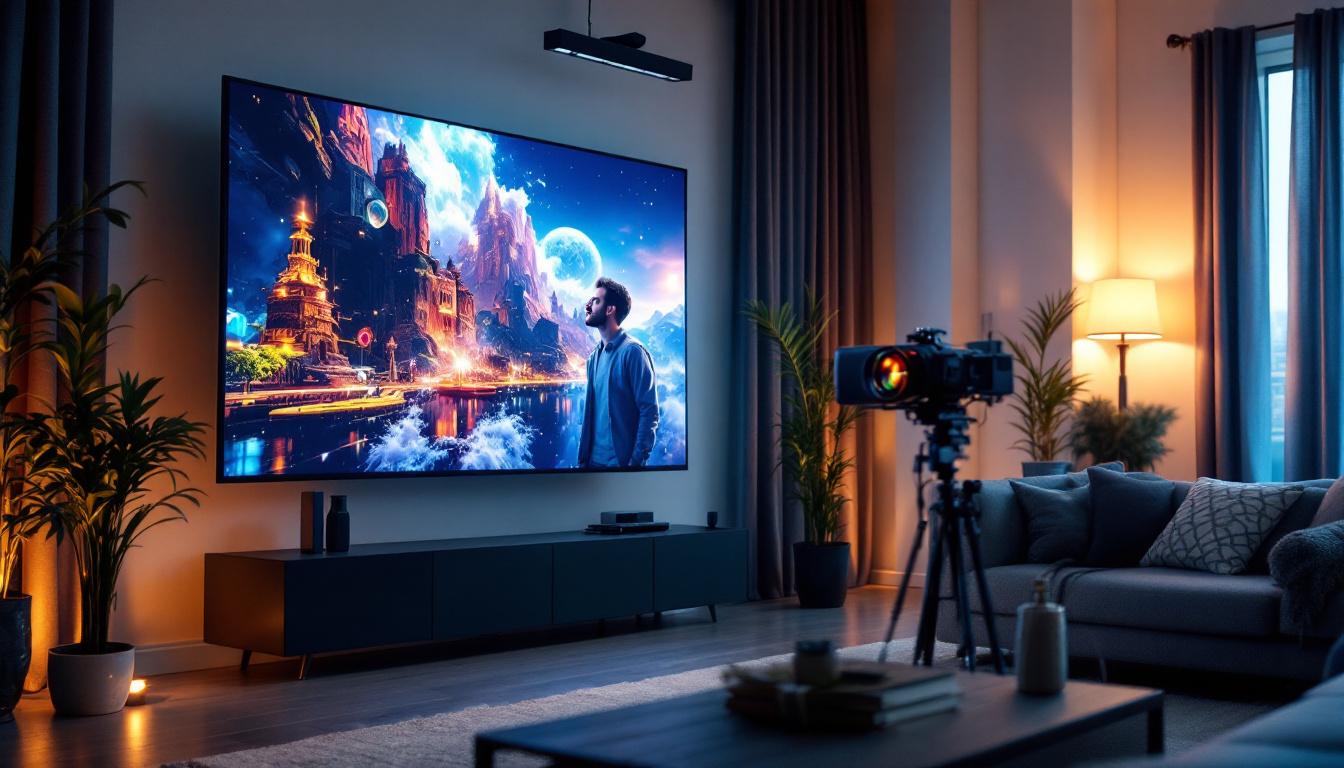
In the evolving landscape of visual display technology, projector screen sheets and LED displays have become central to how we consume media, present information, and create immersive environments. Understanding the distinctions, advantages, and applications of these technologies is crucial for businesses, educators, event organizers, and tech enthusiasts alike. This article delves into the essentials of projector screen sheets and LED displays, explaining their functions, benefits, and how to choose the right solution for your needs.
Understanding Projector Screen Sheets
Projector screen sheets are specially designed surfaces that optimize the quality of projected images. Unlike ordinary walls or surfaces, these sheets are engineered to reflect light uniformly, enhancing brightness, contrast, and color accuracy. They come in various materials, textures, and gain levels, each suited to different environments and projector types.
Materials and Types of Projector Screen Sheets
Most projector screen sheets are made from vinyl, fabric, or specialized polymer blends. The choice of material affects durability, portability, and image quality. For example, matte white screens are popular for their wide viewing angles and accurate color reproduction, making them ideal for home theaters and classrooms. High-gain screens, on the other hand, reflect more light and are suitable for environments with ambient light, such as conference rooms or auditoriums.
Additionally, there are ambient light rejecting (ALR) screens designed to minimize the impact of external light sources, maintaining image clarity even in brightly lit rooms. These screens incorporate microstructures or optical coatings to direct projector light back to the viewer while diffusing ambient light. This technology is particularly beneficial in urban settings where natural light can be a significant challenge, allowing users to enjoy high-quality projections without the need for complete darkness.
Advantages of Using Projector Screen Sheets
Using a dedicated projector screen sheet significantly improves the viewing experience. It ensures sharper images, better color fidelity, and consistent brightness across the entire display area. This is especially important for presentations, movie screenings, and gaming, where image quality can directly affect engagement and comprehension. The enhanced viewing experience can lead to more effective communication in professional settings, as well as a more immersive experience during entertainment.
Moreover, projector screens are often portable and easy to set up, making them versatile for different settings. They can be retractable, fixed-frame, or even motorized, offering flexibility depending on the space and usage frequency. For instance, portable screens are ideal for traveling professionals who need to set up presentations in various locations, while fixed-frame screens provide a sleek, permanent solution for dedicated home theaters. Some advanced models even come with built-in speakers or smart technology integration, allowing for a seamless multimedia experience that caters to modern viewing habits.
Furthermore, the maintenance of projector screen sheets is generally straightforward. Most screens can be easily cleaned with a damp cloth, ensuring that dust and fingerprints do not detract from the viewing experience. This ease of upkeep is a crucial factor for venues that host frequent events or gatherings, where image quality must be preserved over time. Additionally, many manufacturers offer warranties and support services, providing peace of mind to users investing in high-quality projection solutions.
What Is an LED Display?
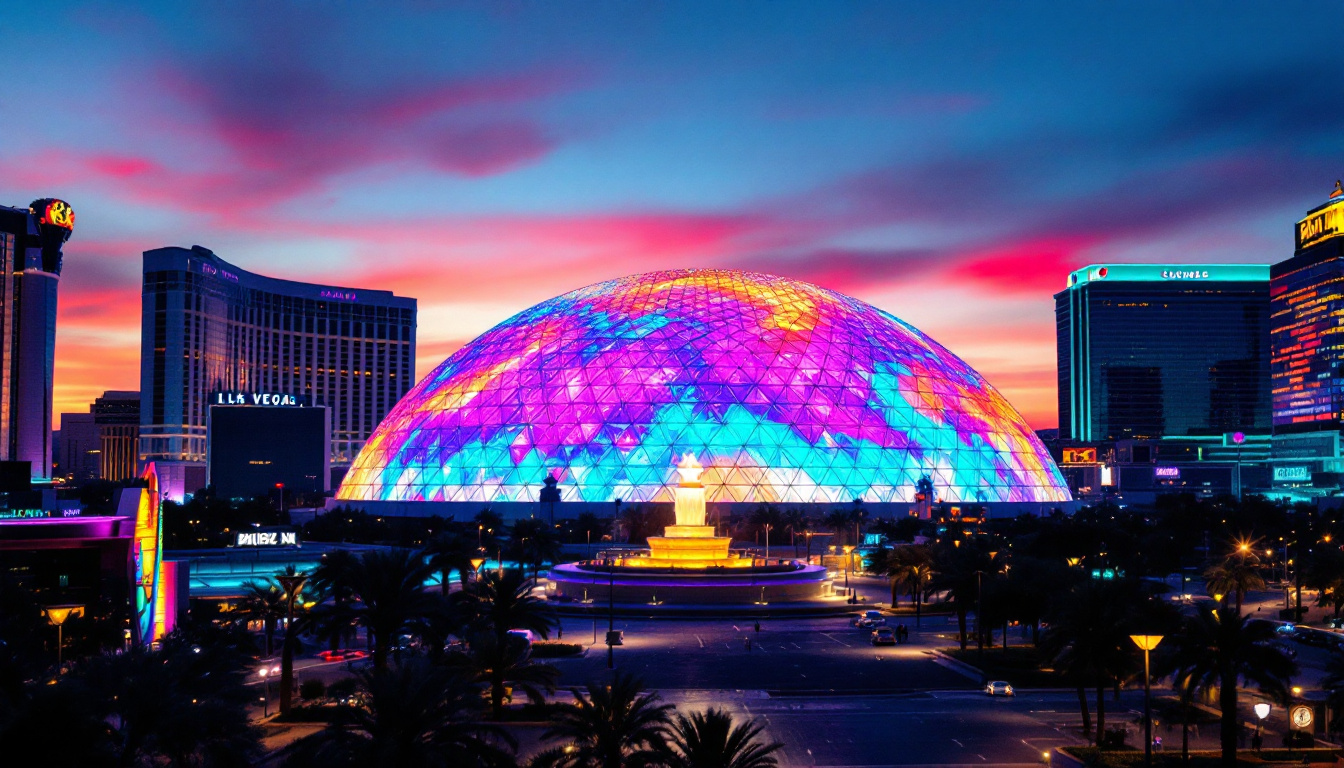
LED displays represent a fundamentally different approach to visual presentation. Instead of relying on a projector to cast images onto a screen, LED displays use arrays of light-emitting diodes to create images directly. This technology has rapidly advanced, becoming a preferred choice for large-scale displays, digital signage, and even indoor video walls. The evolution of LED technology has not only enhanced visual clarity but has also made it more energy-efficient, allowing for longer operational hours with reduced power consumption.
In addition to their energy efficiency, LED displays are known for their durability and longevity. Unlike traditional display technologies that may suffer from burn-in or require frequent maintenance, LED displays can operate for tens of thousands of hours without significant degradation in image quality. This resilience makes them an attractive option for businesses looking to invest in long-term visual solutions.
How LED Displays Work
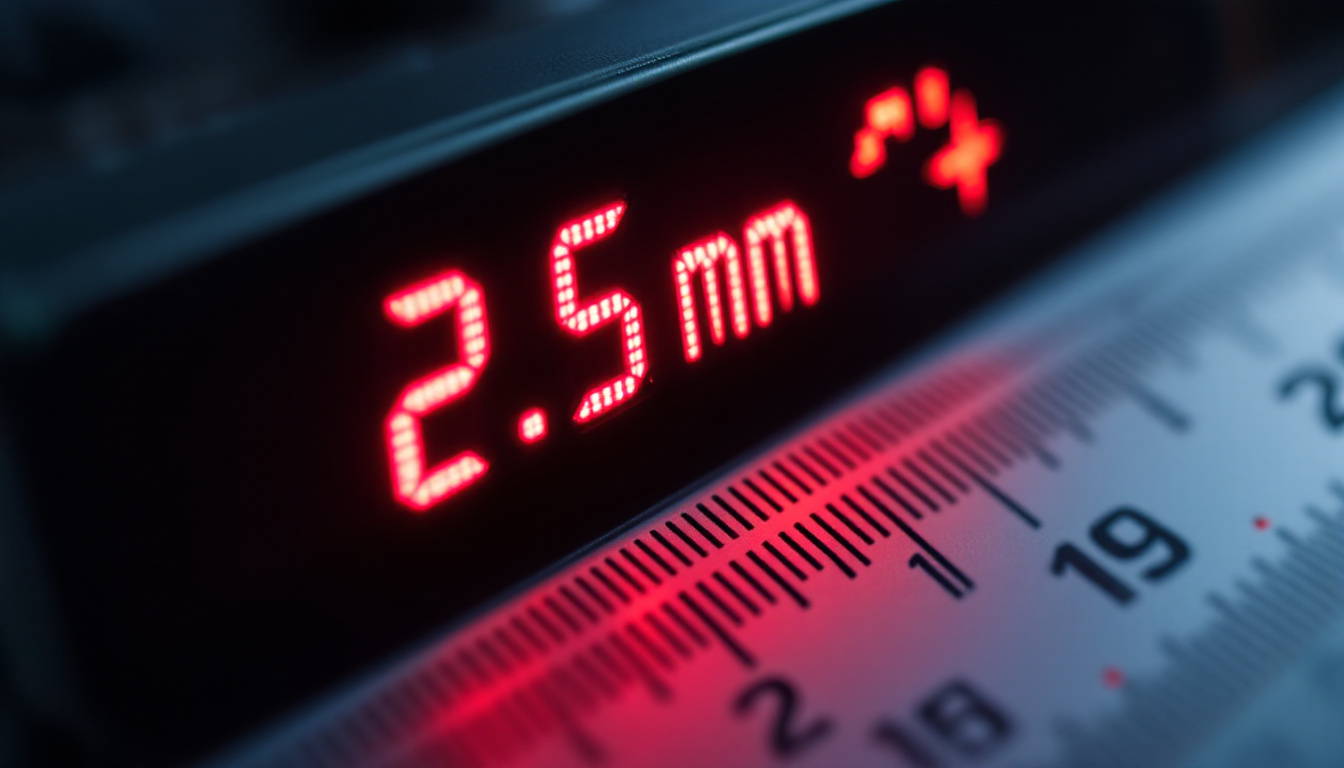
LED displays consist of thousands to millions of tiny LEDs arranged in a grid. Each LED can emit red, green, or blue light, and by varying the intensity of these LEDs, the display produces full-color images with remarkable brightness and contrast. The resolution depends on the pixel pitch—the distance between individual LEDs—with smaller pitches delivering sharper images suitable for close viewing. This capability allows for a wide range of applications, from high-definition video playback to intricate graphic displays, ensuring that every detail is captured vividly.
Modern LED displays also incorporate advanced control systems that allow for dynamic content changes, remote management, and integration with other digital platforms. This makes them highly adaptable for advertising, live events, and interactive installations. Furthermore, the software that drives these displays often includes features for real-time data integration, enabling businesses to showcase live feeds, social media updates, or even interactive content that engages viewers in unique ways.
Types of LED Displays
LED displays come in several forms, including:
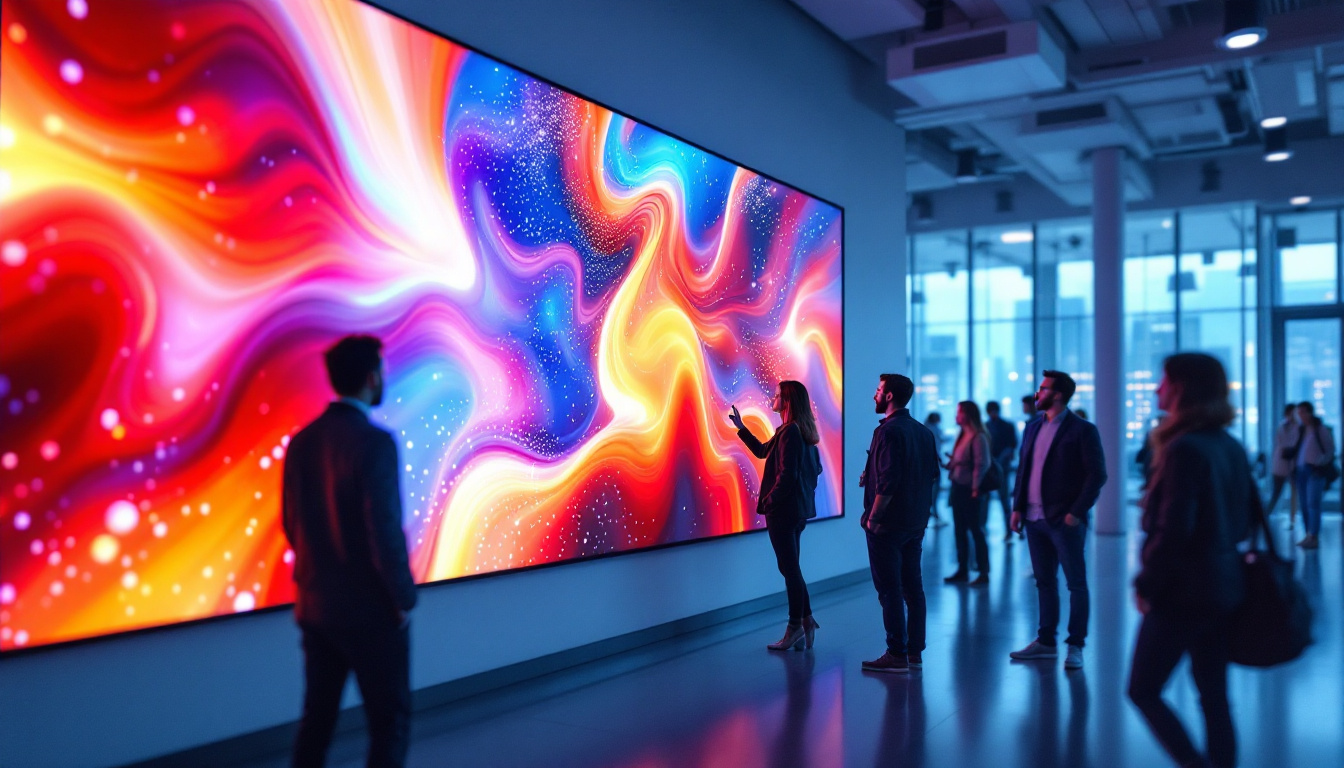
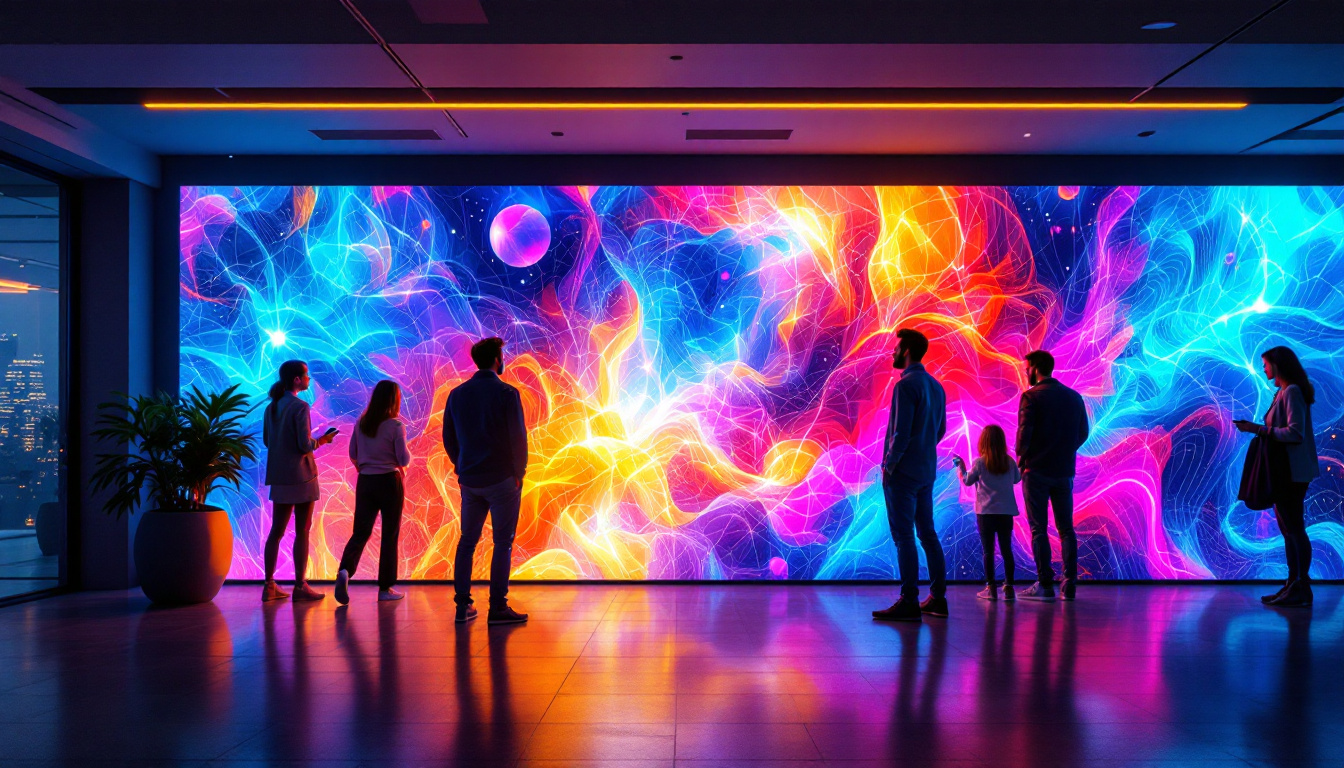
- Indoor LED Displays: Designed for controlled lighting environments, these displays have a fine pixel pitch and high resolution, making them ideal for corporate lobbies, retail stores, and broadcast studios. Their ability to produce vibrant colors and sharp images enhances the overall aesthetic of any indoor space.
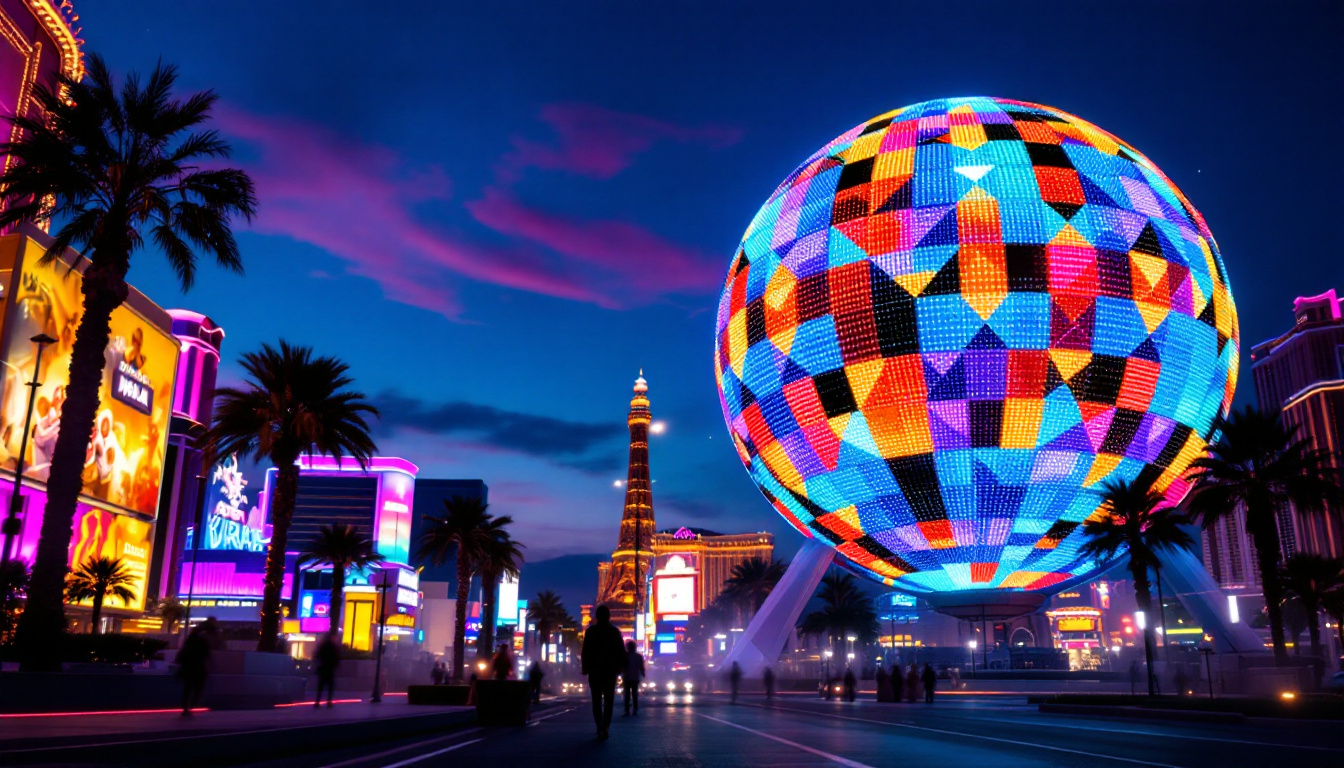
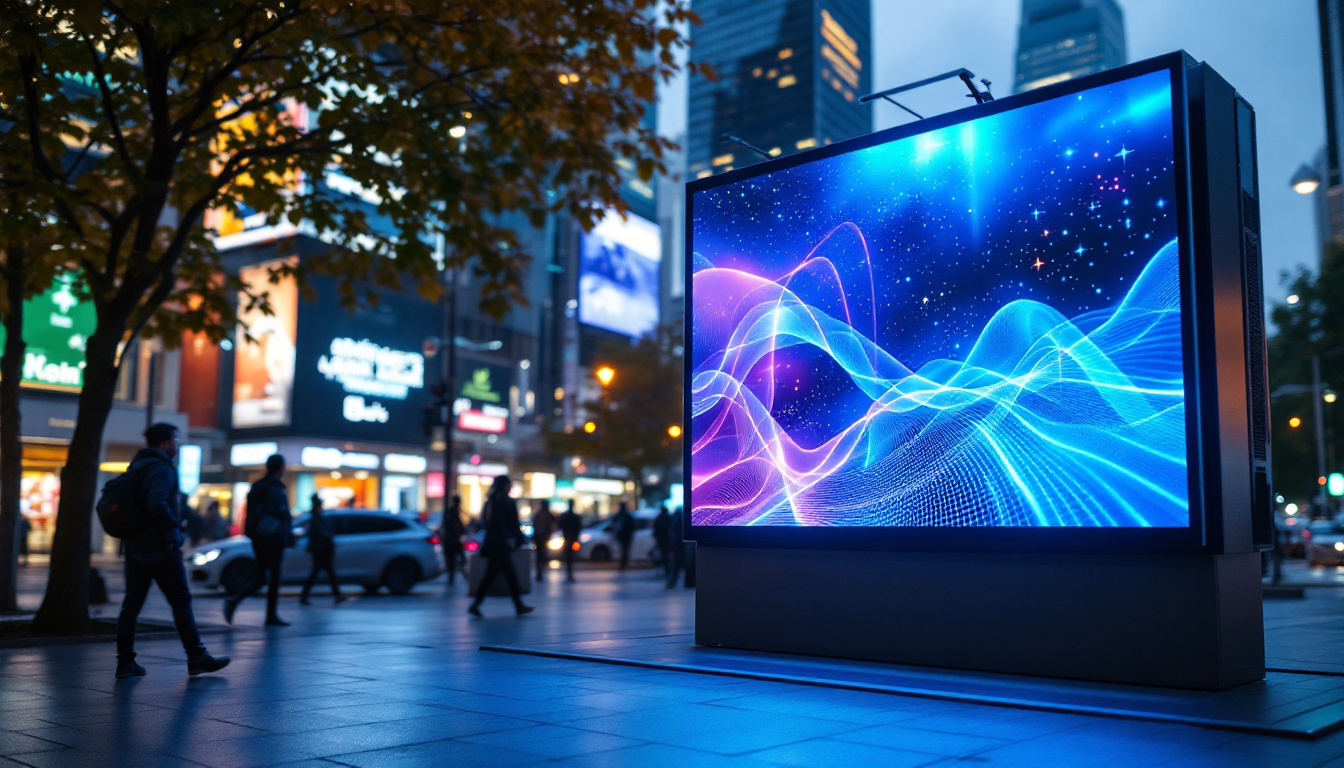
- Outdoor LED Displays: Built to withstand weather and ambient light, these displays feature higher brightness levels and protective enclosures, commonly used for billboards, stadium screens, and public information boards. Their robust construction ensures that they remain functional and visually appealing even in harsh conditions, making them a staple in urban advertising.
- Flexible and Transparent LED Displays: Emerging technologies allow LED panels to bend or be see-through, opening new possibilities for creative architectural and advertising applications. These innovative displays can be integrated into windows or curved surfaces, providing an unobtrusive way to convey messages while maintaining visibility through the glass.
Another exciting development in the world of LED displays is the rise of microLED technology. This cutting-edge approach utilizes microscopic LEDs to create even more compact and efficient displays. MicroLEDs promise to deliver superior color accuracy, contrast ratios, and energy efficiency, making them ideal for next-generation devices such as smartphones, televisions, and wearables. As this technology continues to evolve, it is set to redefine the standards of visual experiences across various industries.
Comparing Projector Screen Sheets and LED Displays
Choosing between a projector screen sheet and an LED display depends on various factors such as budget, environment, image quality requirements, and intended use. Both technologies have unique strengths and limitations.
Image Quality and Brightness
LED displays generally offer superior brightness levels, often exceeding 1,000 nits, which makes them highly visible even in direct sunlight. Projector screen sheets depend on the projector’s light output and ambient conditions, which can limit brightness and contrast in well-lit spaces.
However, projectors can deliver very high-resolution images, especially when paired with 4K projectors and high-quality screens. For darkened rooms or controlled environments, projector setups can provide cinematic image quality at a lower cost compared to LED walls.
Installation and Maintenance
Projector screen sheets are typically easier and less expensive to install. They require a projector, the screen itself, and a suitable mounting or stand. Maintenance involves cleaning the screen surface and occasional projector lamp replacements.
LED displays, while more complex to install, offer greater durability and lower ongoing maintenance. They do not require bulbs or lamps and can operate continuously for thousands of hours. However, initial setup costs and technical expertise needed for installation and calibration are higher.
Cost Considerations
Projector and screen setups generally have a lower upfront cost, especially for smaller display sizes. A quality projector and screen can be acquired for a few hundred to a few thousand dollars, depending on specifications.
LED displays, particularly large-format or high-resolution models, can cost tens of thousands of dollars or more. The investment is justified in scenarios requiring high visibility, robustness, and long-term operation, such as outdoor advertising or large event venues.
Applications and Use Cases
Understanding where each technology excels helps in making informed decisions for specific applications.
Projector Screen Sheets in Education and Home Entertainment
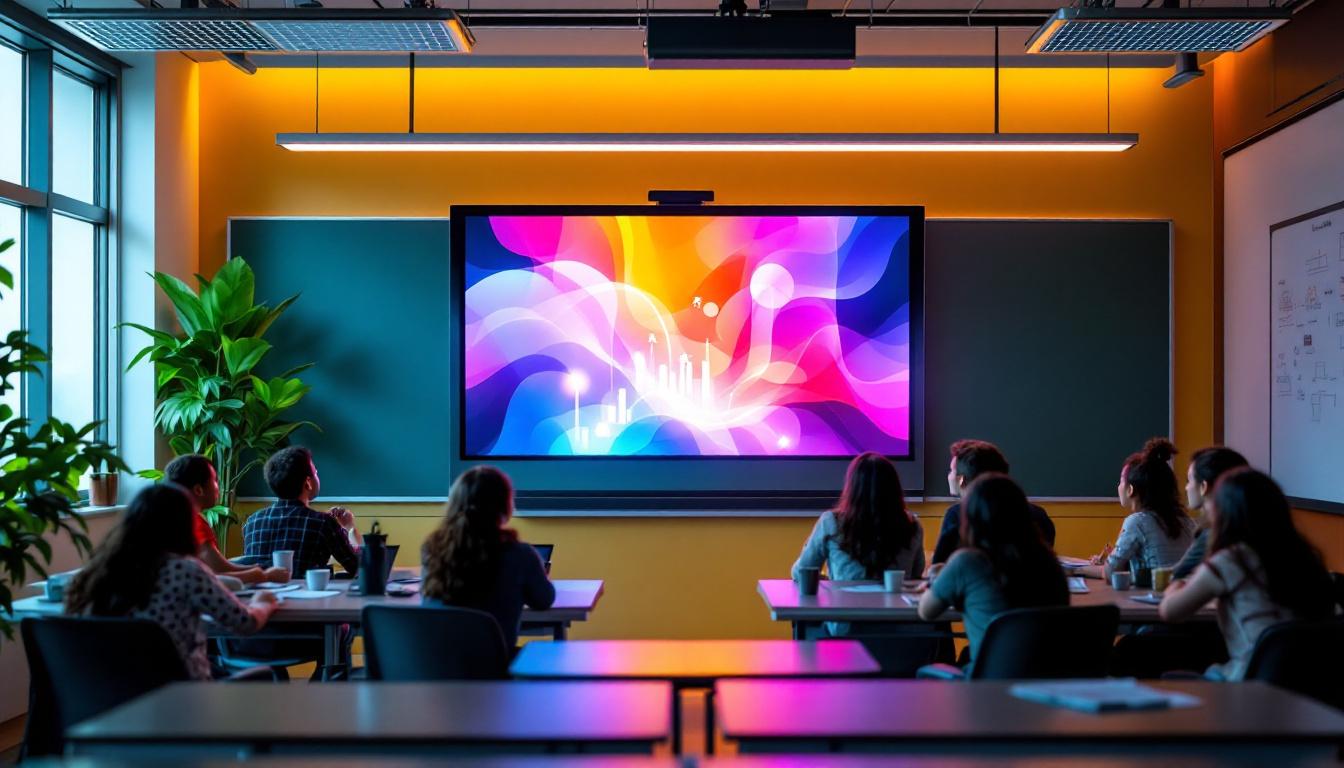
Classrooms and lecture halls benefit from projector setups due to their cost-effectiveness and ability to display large images suitable for group viewing. Interactive projectors combined with touch-sensitive screens enable dynamic teaching methods.
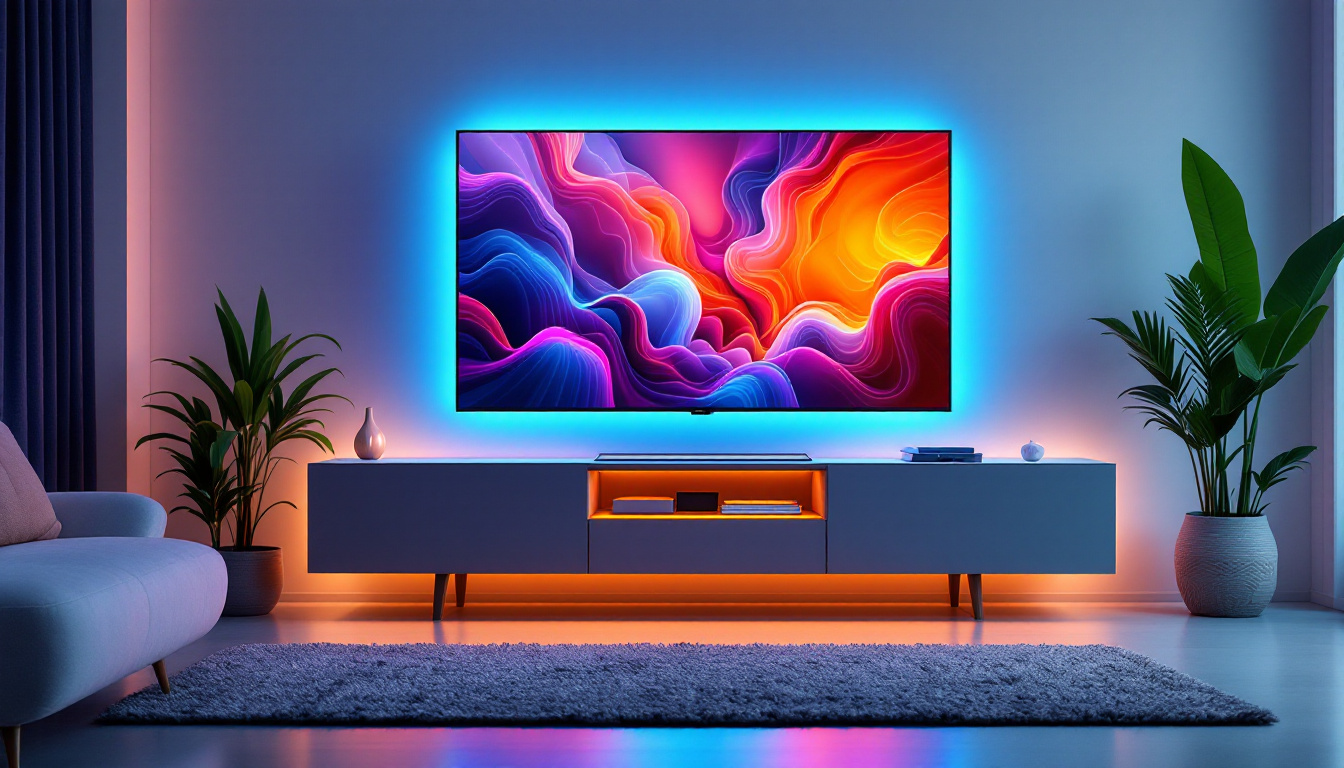
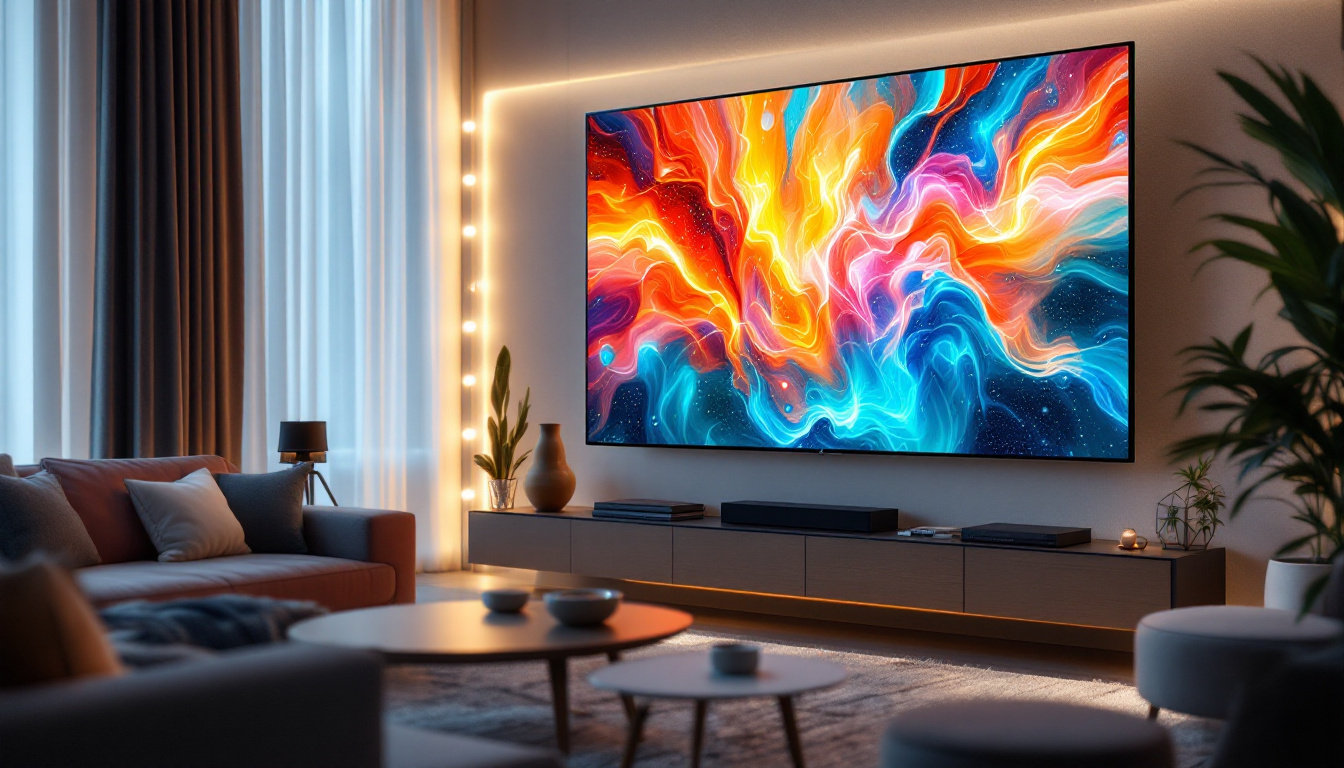
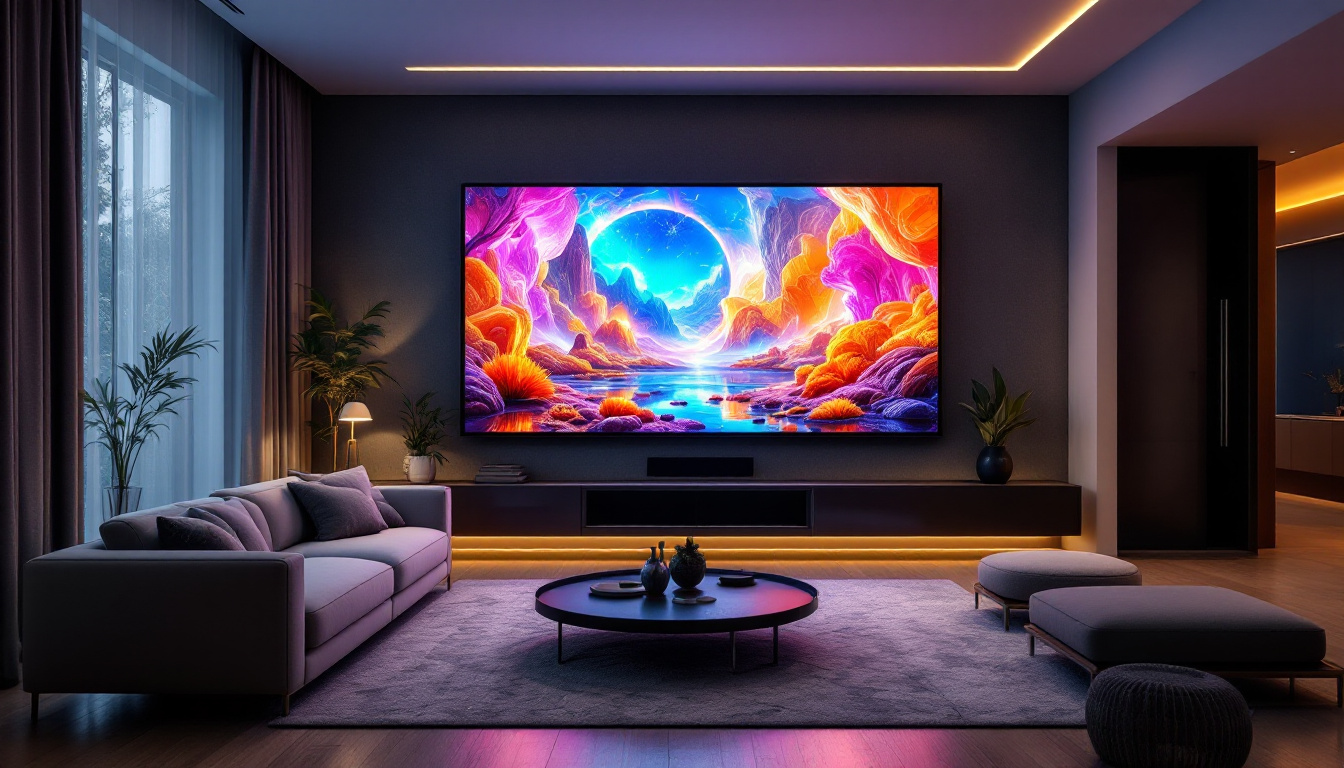
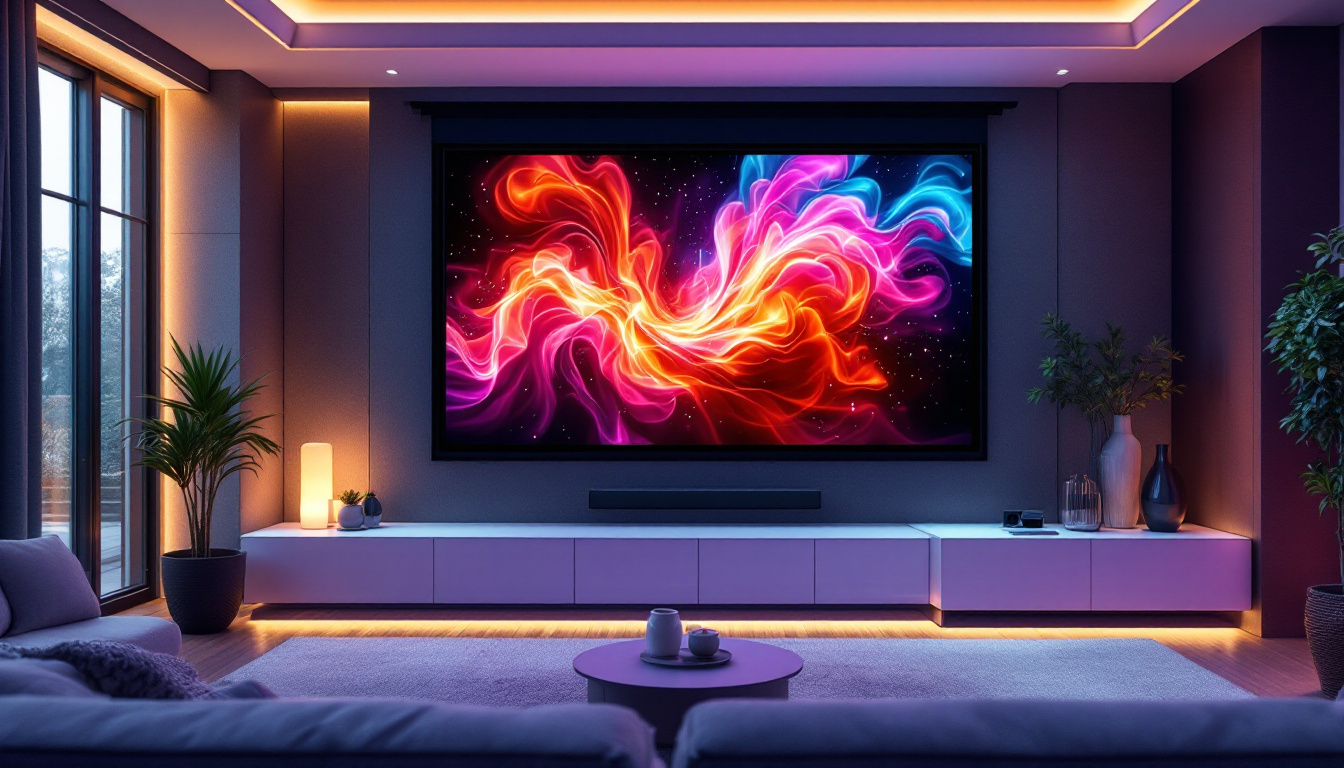
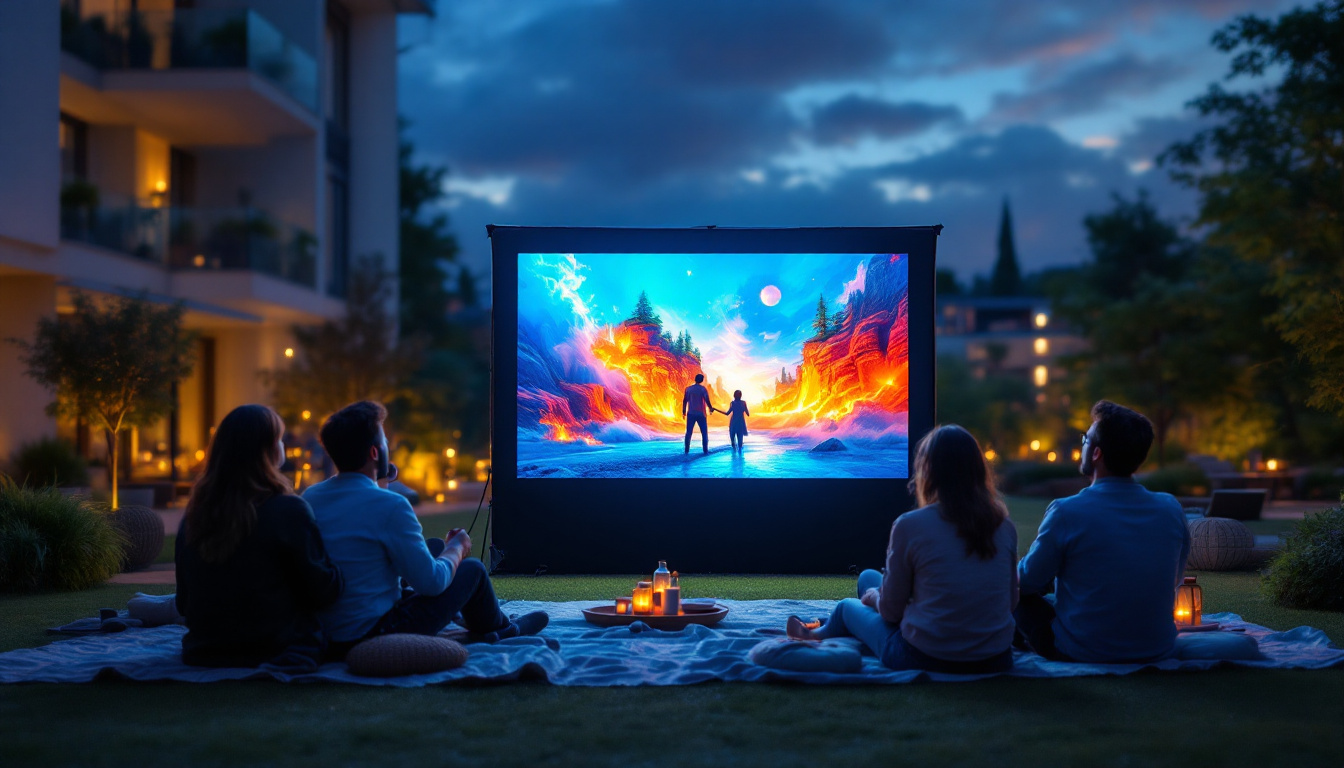
Home theaters also favor projector screen sheets for their ability to deliver a cinematic experience in a relatively small footprint. The flexibility to retract screens and use projectors for multiple purposes adds to their appeal.
LED Displays in Advertising and Events
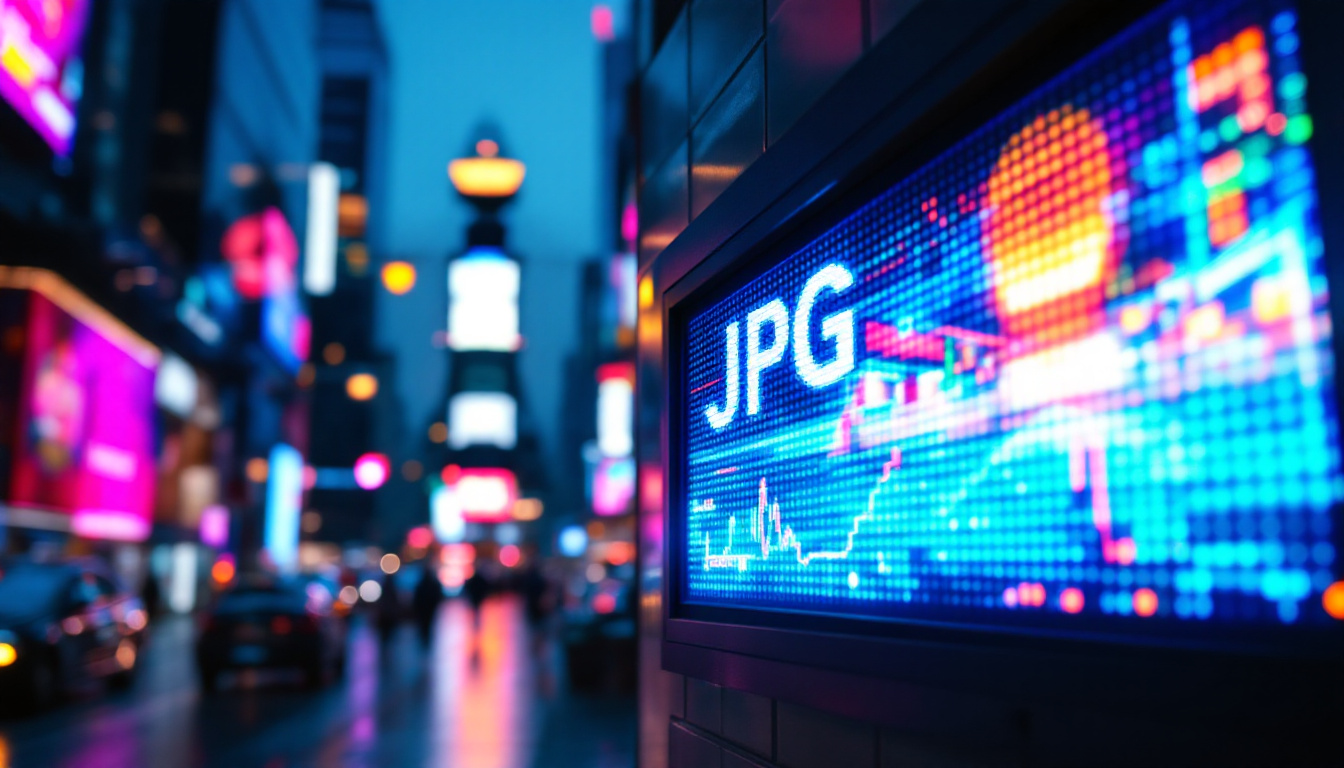
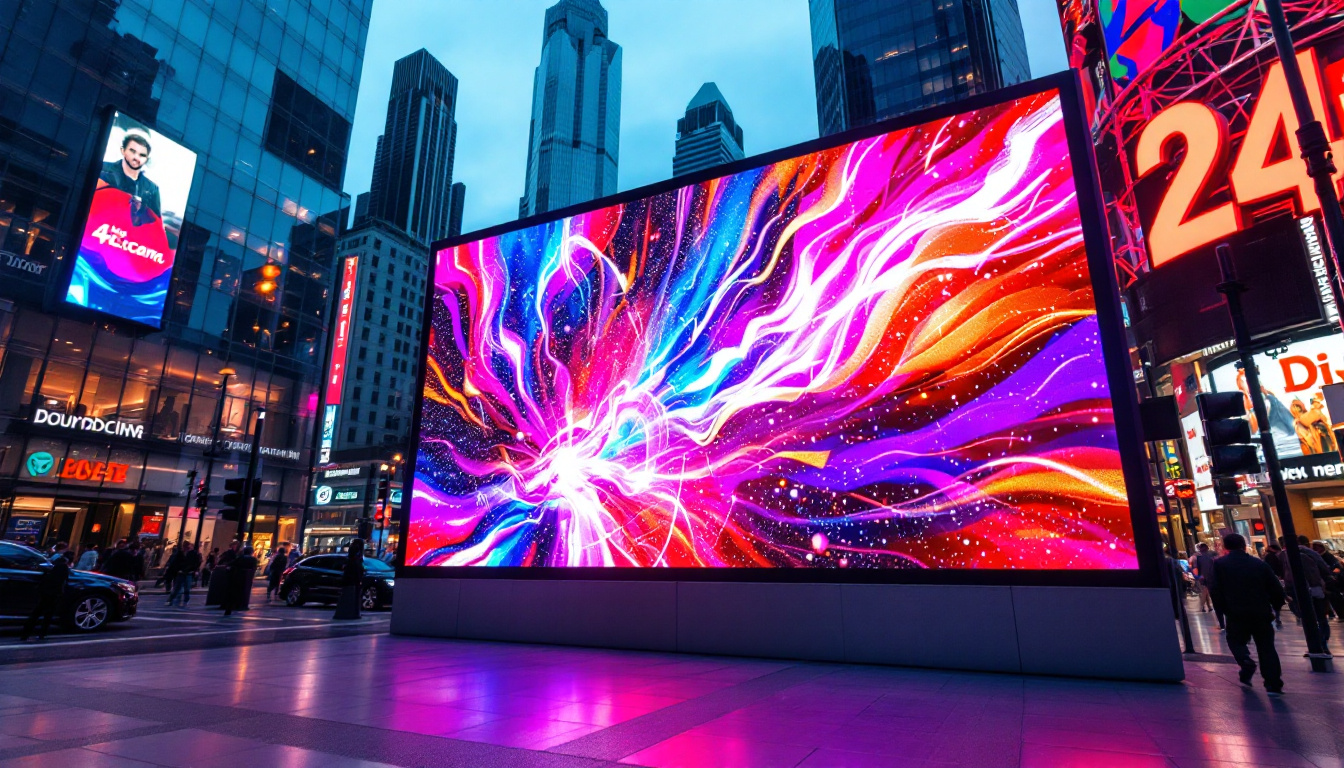
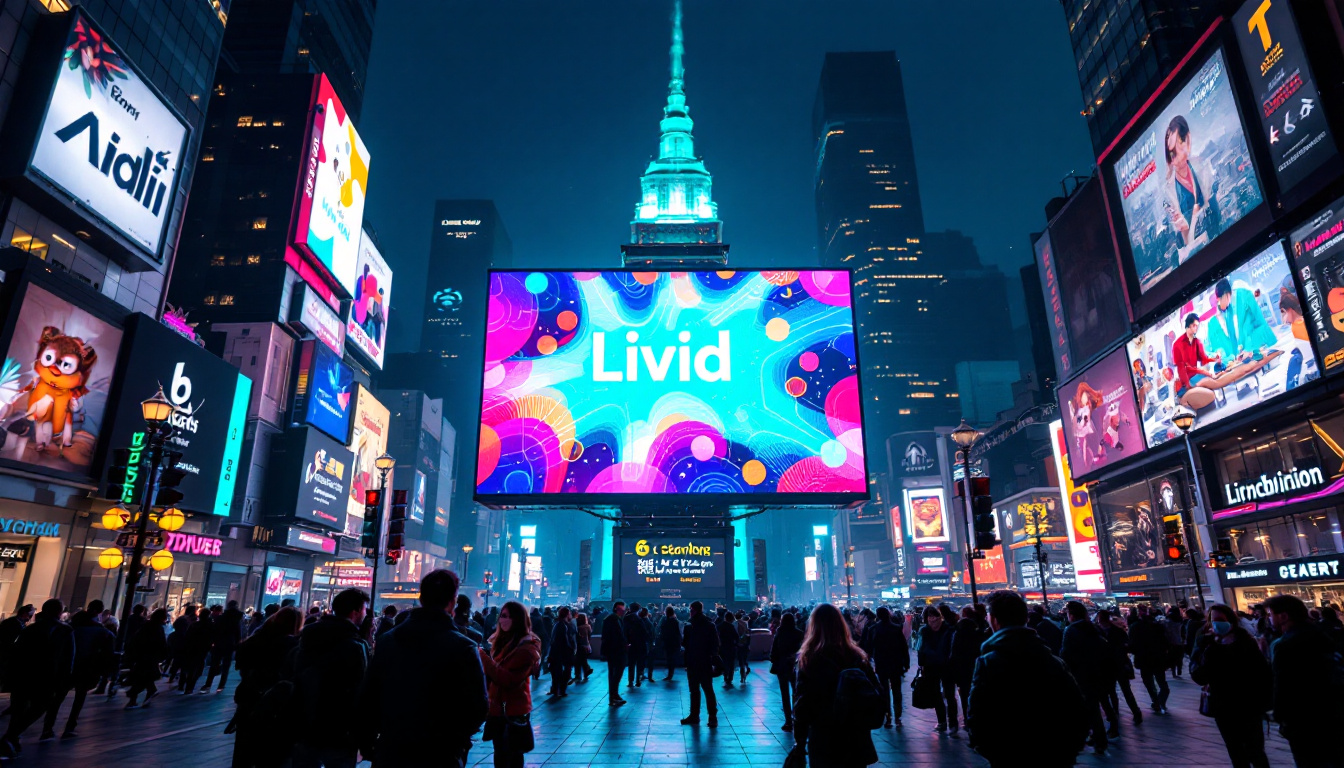
LED displays dominate the advertising industry due to their brightness, visibility, and ability to display dynamic content. Times Square in New York City, for example, features massive LED billboards that attract millions of viewers daily.
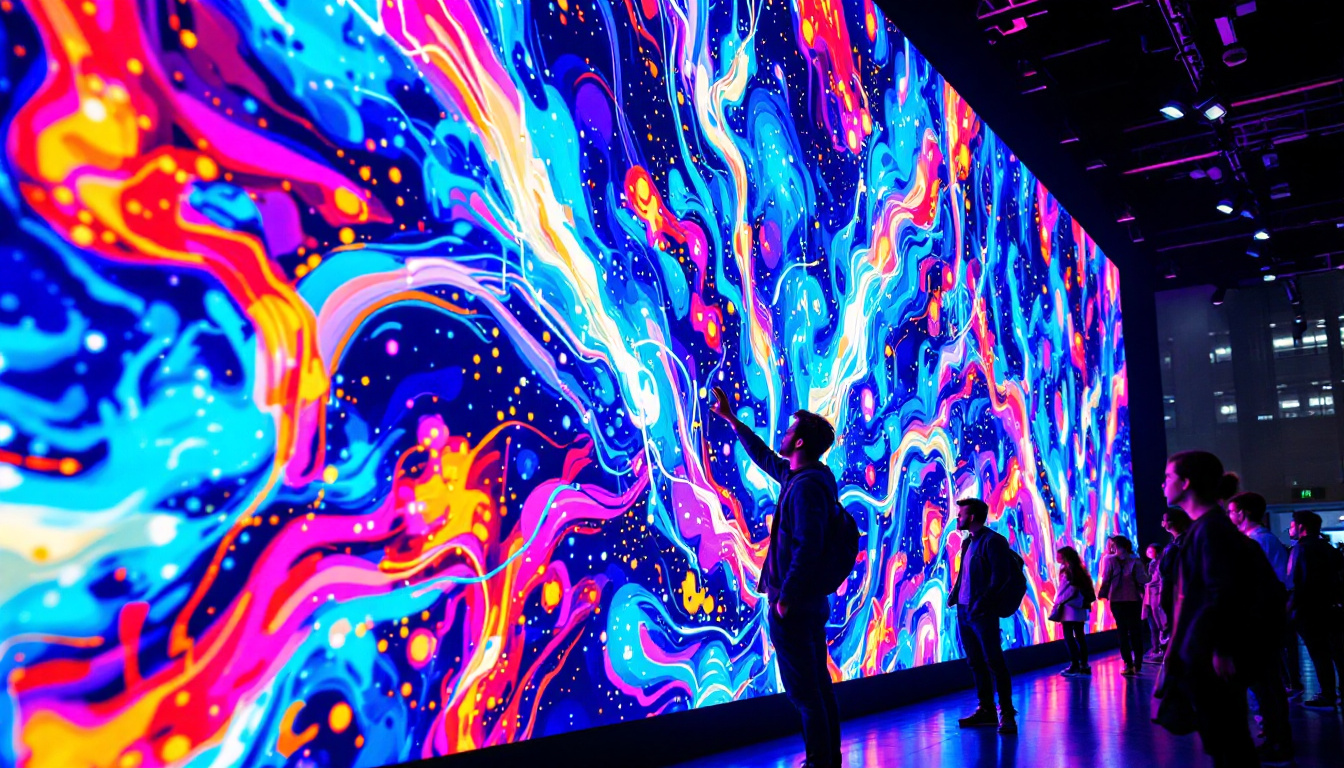
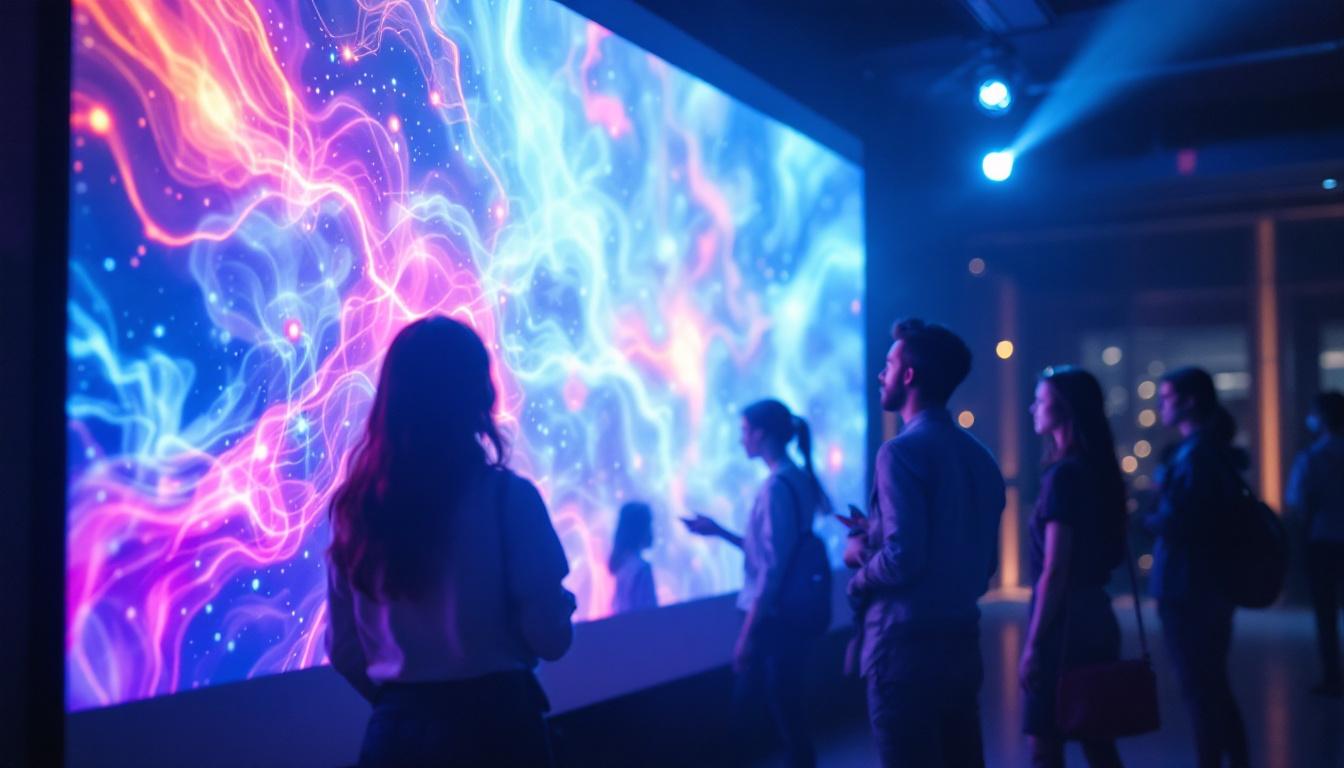
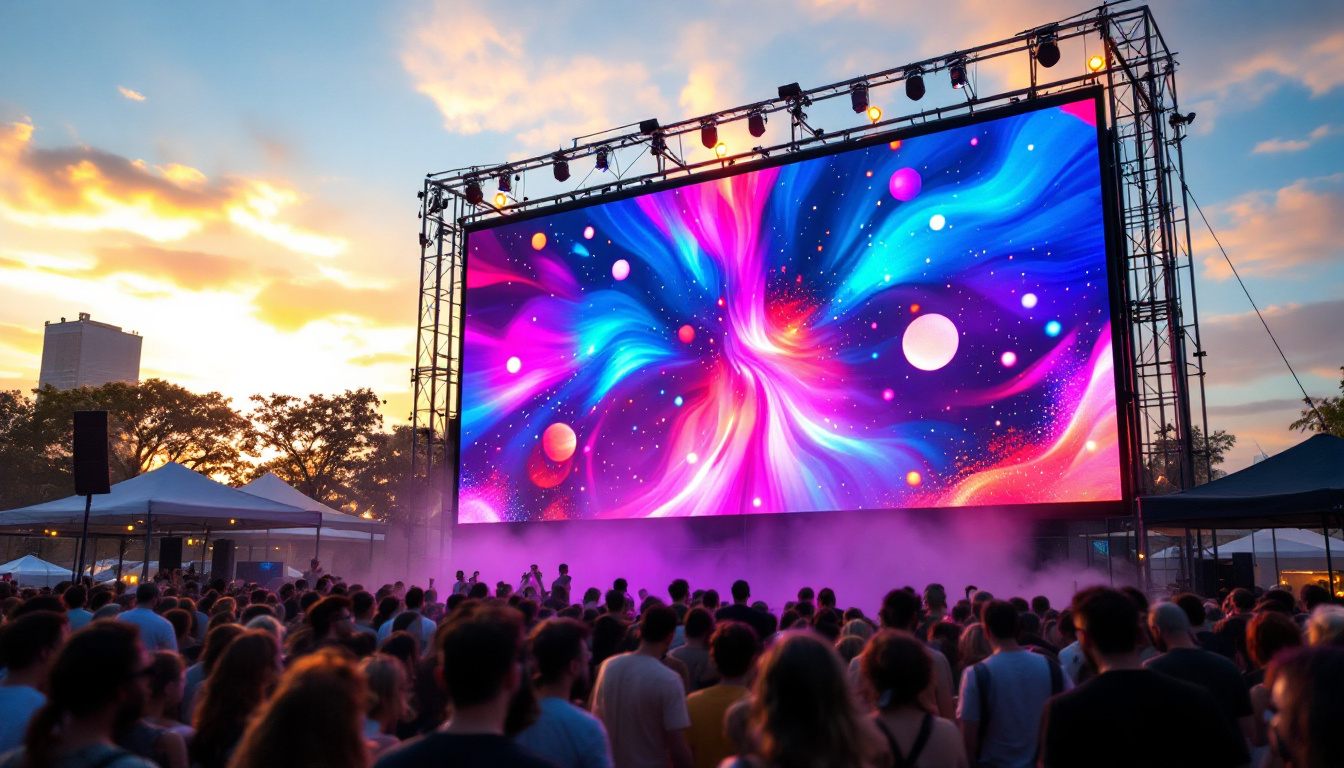
In live events, concerts, and sports arenas, LED walls provide vivid backdrops and real-time video feeds that engage audiences. Their modular design allows for custom sizes and shapes, enhancing creative possibilities.
Future Trends in Projector Screens and LED Technology
The future of visual display technology is marked by continuous innovation. Projector screens are evolving with new materials that improve image quality and ambient light rejection. Laser projectors are becoming more common, offering brighter and longer-lasting light sources.
LED technology is advancing with microLED and miniLED developments, which promise higher resolution, better color accuracy, and energy efficiency. Flexible and transparent LED panels are opening new frontiers in design and interactivity.
Integration with augmented reality (AR) and virtual reality (VR) platforms is also on the horizon, blending physical and digital experiences to create immersive environments.
Conclusion
Choosing between a projector screen sheet and an LED display depends on the specific needs of the user, the environment, and budget considerations. Projector screen sheets offer an affordable, flexible, and high-quality solution for many indoor applications, especially where ambient light can be controlled. LED displays provide unmatched brightness, durability, and dynamic content capabilities, making them ideal for large-scale, high-visibility applications.
As technology progresses, the lines between these display methods may blur, with hybrid solutions and innovations enhancing the visual experience across industries. Understanding the fundamentals of each technology empowers users to make informed decisions that maximize impact and value.
Discover LumenMatrix’s Advanced LED Display Solutions
Ready to elevate your visual display capabilities? LumenMatrix is at the forefront of LED display innovation, offering a diverse range of solutions tailored to your unique needs. From vibrant Indoor and Outdoor LED Wall Displays to dynamic Vehicle and Sports LED Displays, our technology is designed to captivate and engage. Explore our cutting-edge Floor, Custom, All-in-One, and Transparent LED Displays to see how we can transform your space and message. Experience the future of visual communication with LumenMatrix. Check out LumenMatrix LED Display Solutions today and bring your vision to life.