In the evolving world of visual display technology, understanding the nuances between different display systems is crucial for both consumers and professionals. Among the most popular display options are traditional projectors and LED displays, each with its unique advantages and considerations. This article delves into the essentials of projector-to-screen calculations and provides a comprehensive explanation of LED displays, helping readers make informed decisions for their visual presentation needs.
Understanding Projector to Screen Calculations
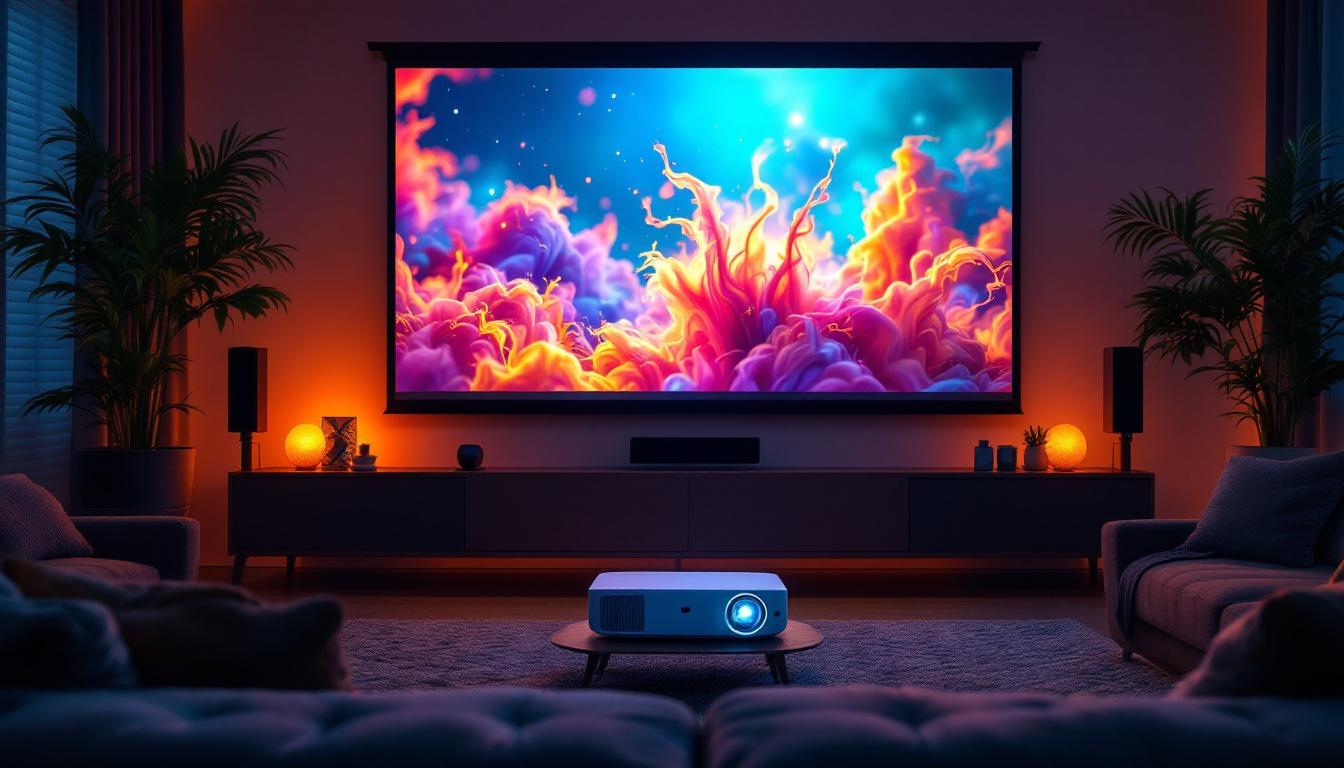
When setting up a projector system, one of the most critical factors to consider is the relationship between the projector and the screen. This involves determining the optimal distance, screen size, and image quality to ensure the best viewing experience.
Why Accurate Calculations Matter
Accurate projector-to-screen calculations are essential for several reasons. Firstly, the image size and clarity depend heavily on the distance between the projector and the screen. Too close, and the image may be too small or pixelated; too far, and the image could become distorted or dim. Secondly, proper calculations help avoid common issues such as keystone distortion, poor focus, and uneven brightness.
In professional settings like conference rooms, classrooms, or home theaters, these factors directly impact the effectiveness of presentations or entertainment. For example, a study by AVIXA (Audiovisual and Integrated Experience Association) highlights that 70% of AV system failures in corporate environments stem from improper setup, often related to incorrect projector placement and screen sizing. This underscores the importance of meticulous planning and execution in achieving a seamless audio-visual experience, where every detail contributes to audience engagement and retention.
Key Variables in Projector to Screen Calculations
Several variables influence the ideal projector-to-screen setup:
- Throw Distance: The distance from the projector lens to the screen. This determines how large the image will be.
- Throw Ratio: A specification provided by projector manufacturers, representing the ratio of throw distance to image width. For example, a throw ratio of 1.5 means the projector needs to be 1.5 meters away to produce a 1-meter-wide image.
- Screen Size: The diagonal measurement of the screen, typically measured in inches. This affects viewing comfort and image clarity.
- Aspect Ratio: The proportional relationship between width and height of the image, commonly 16:9 for widescreen or 4:3 for traditional formats.
- Brightness (Lumens): The projector’s light output, which influences image visibility in different ambient lighting conditions.
By understanding these variables, users can calculate the optimal projector placement to achieve the desired screen size and image quality. Moreover, it’s important to consider the environment where the projector will be used. Factors such as wall color, ambient light sources, and even the type of screen material can significantly affect the overall viewing experience. For instance, a darker room with minimal light interference will allow for a much brighter and clearer image, while a brightly lit room may require a projector with higher lumens to maintain image integrity.
How to Calculate the Ideal Projector Placement
Calculating the ideal projector placement involves using the throw ratio and desired screen width. The formula is straightforward:
Throw Distance = Throw Ratio × Screen Width
For example, if a projector has a throw ratio of 1.2 and the desired screen width is 2 meters, the projector should be placed 2.4 meters from the screen.
Additionally, many manufacturers provide throw distance calculators or charts to simplify this process. These tools help users select the right projector and screen size for their space, ensuring optimal performance. Furthermore, it’s advisable to test the setup before finalizing the installation. This can involve projecting test images or videos to assess clarity and brightness from various seating positions, allowing for adjustments that enhance the overall viewing experience. By taking the time to fine-tune the setup, users can ensure that every viewer enjoys a consistent and immersive experience, no matter where they are seated in the room.
LED Displays: A Modern Alternative to Projectors
While projectors have been a staple in display technology for decades, LED displays have surged in popularity, especially for commercial and large venue applications. Understanding how LED displays work and their advantages can help users decide when to opt for this technology over traditional projectors.
What is an LED Display?
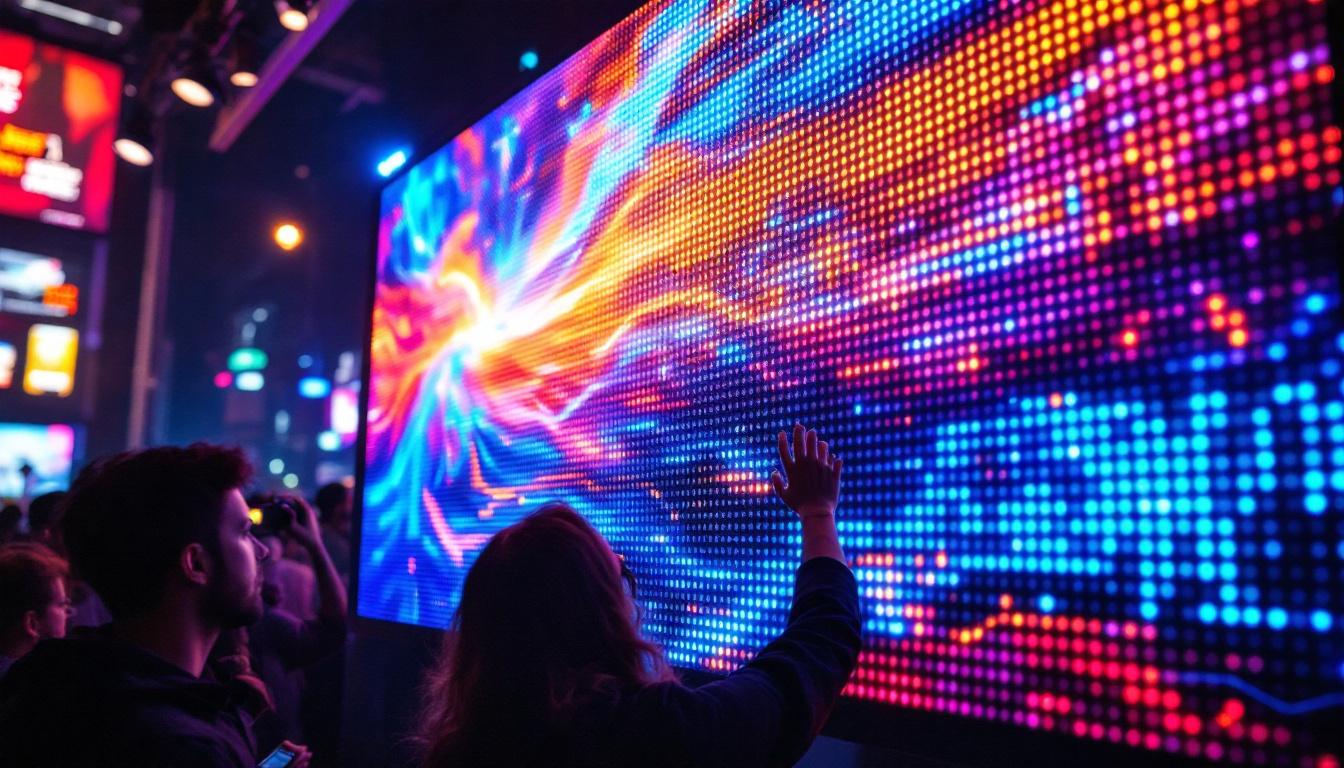
LED (Light Emitting Diode) displays consist of an array of tiny LEDs that emit light directly to create images. Unlike projectors, which rely on reflected light to display an image on a separate screen, LED displays are self-illuminating, producing bright and vivid visuals without the need for external light sources.
LED displays come in various forms, including:
- Indoor LED Screens: Designed for controlled lighting environments, often used in retail, corporate, or broadcast settings.
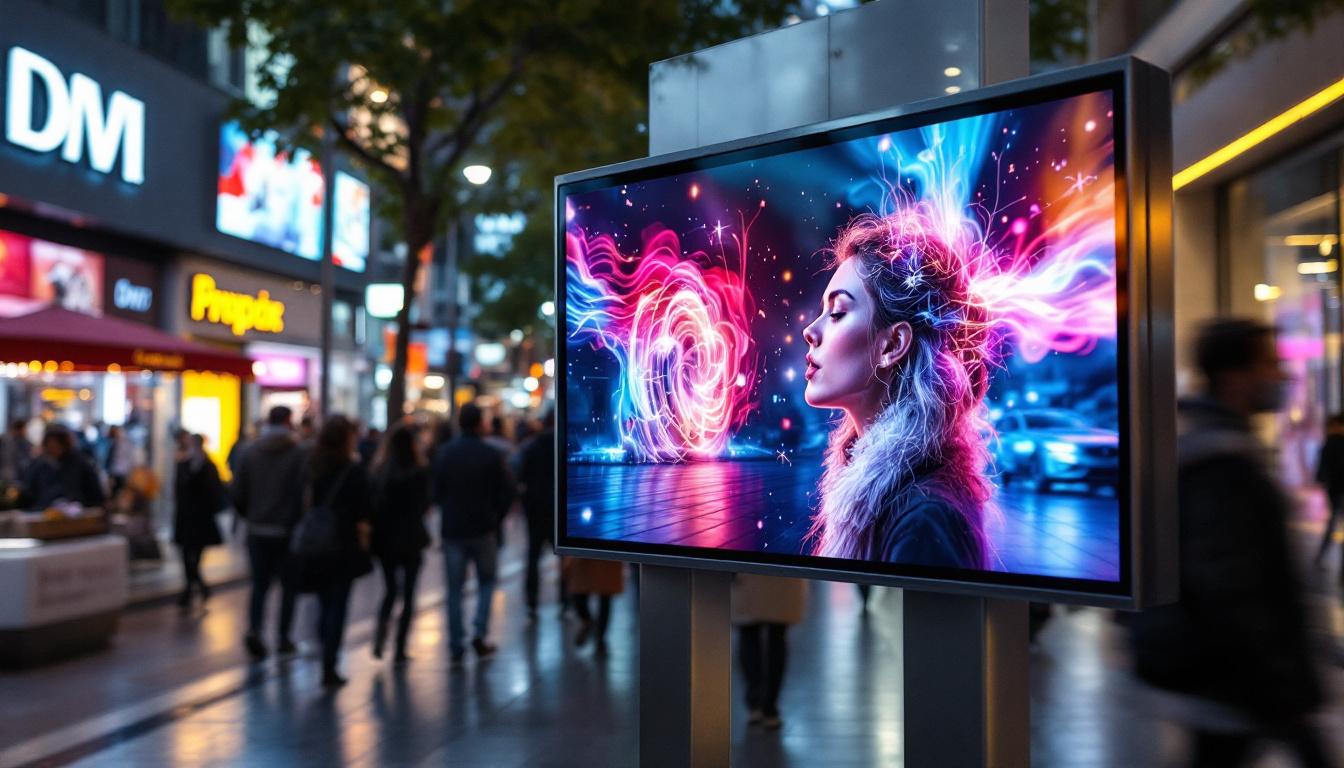
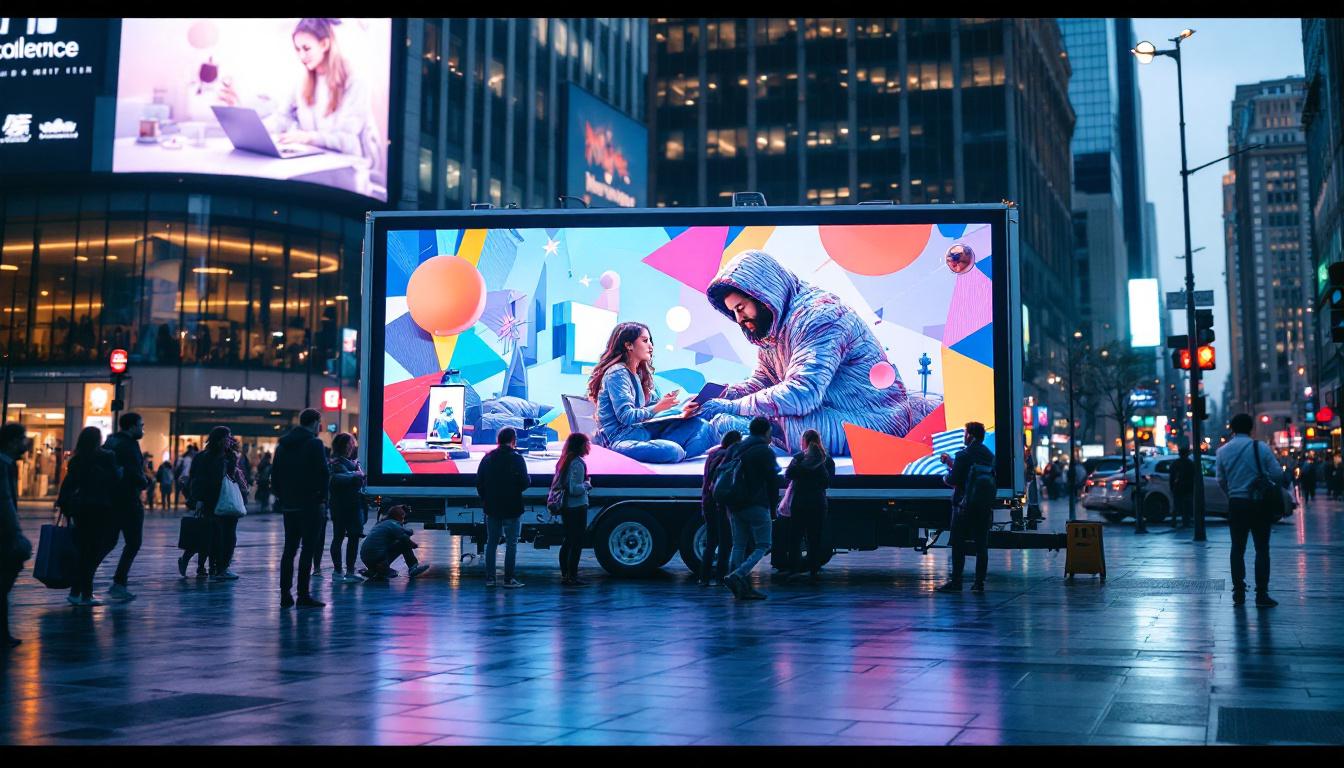
- Outdoor LED Screens: Built to withstand weather conditions and provide high brightness for visibility in daylight.
- MicroLED and MiniLED: Advanced LED technologies offering higher resolution, contrast, and energy efficiency.
Advantages of LED Displays Over Projectors
LED displays offer several benefits that make them an attractive choice for many applications:
- Brightness and Visibility: LED displays can achieve brightness levels exceeding 5,000 nits, making them suitable for environments with high ambient light where projectors may struggle.
- Image Quality: With high contrast ratios and vibrant colors, LED displays provide sharp and consistent images without the risk of shadows or glare.
- Durability and Maintenance: LEDs have long lifespans (often 50,000 hours or more) and require less maintenance compared to projector bulbs, which need periodic replacement.
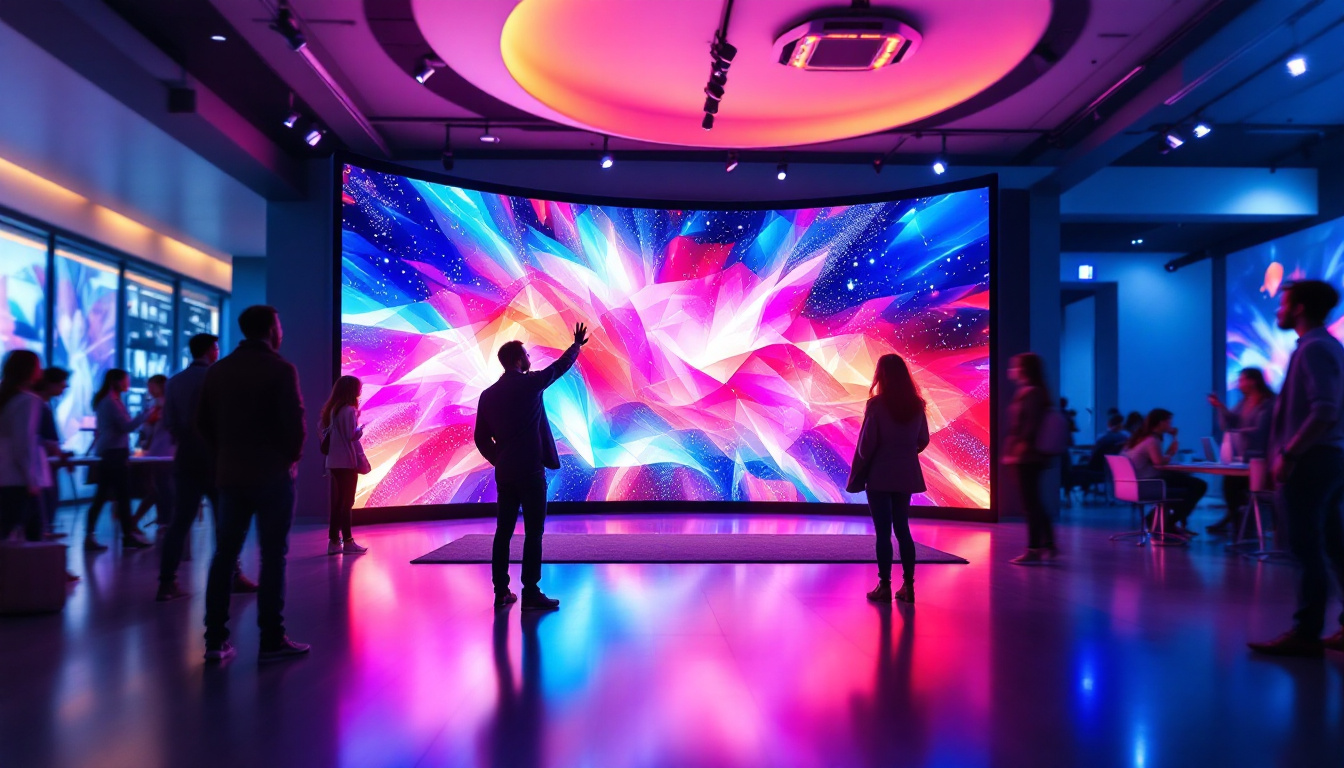
- Flexible Sizes and Shapes: LED panels can be assembled into custom sizes and shapes, including curved or irregular screens, offering greater design flexibility.
- Instant On/Off: LED displays power on instantly without warm-up time, unlike projectors that may require several minutes to reach optimal brightness.
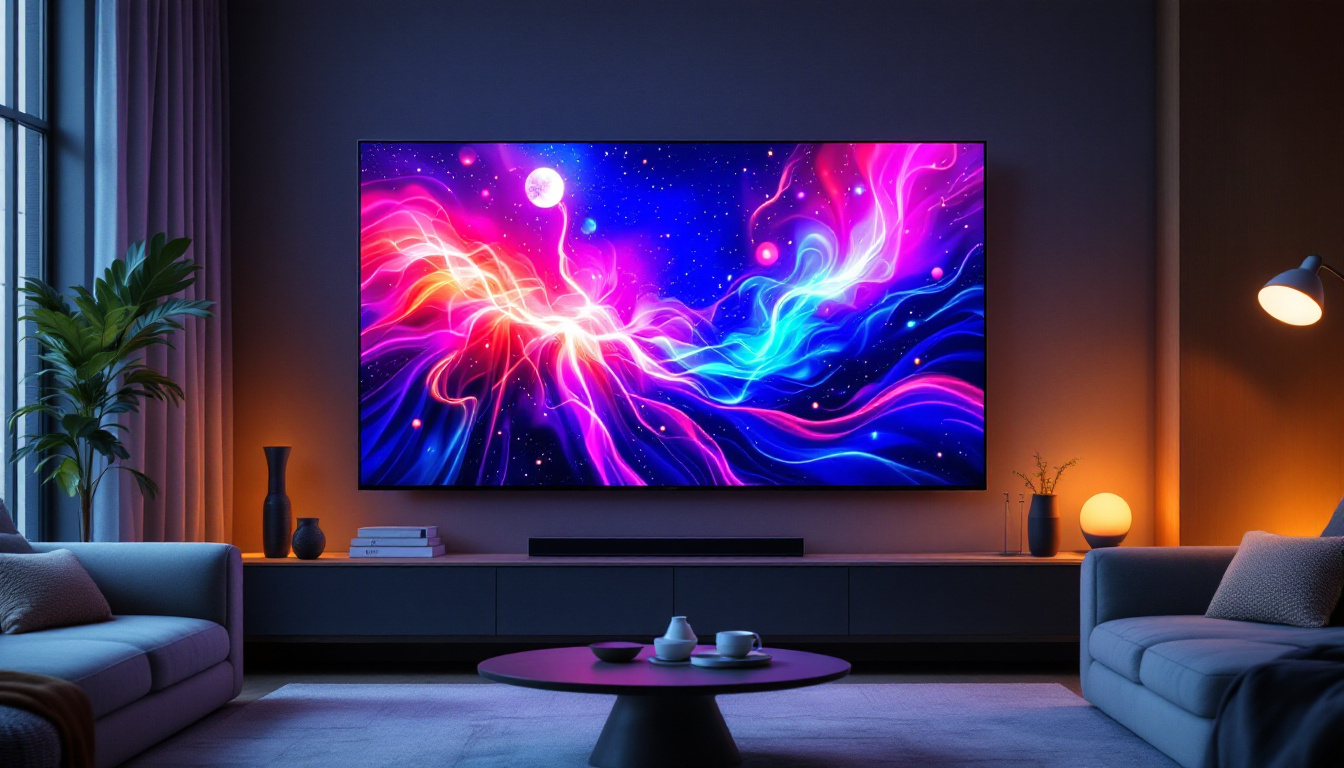
These advantages have led to widespread adoption of LED displays in arenas, digital signage, control rooms, and high-end home theaters.
Considerations When Choosing LED Displays
Despite their many benefits, LED displays also come with considerations that users should evaluate:
- Cost: LED displays generally have a higher upfront cost compared to projectors, particularly for large, high-resolution panels.
- Resolution and Pixel Pitch: The distance between individual LEDs (pixel pitch) affects image sharpness. For close viewing distances, a smaller pixel pitch is necessary, which increases cost.
- Installation Requirements: LED displays often require professional installation and calibration to ensure optimal performance.
- Power Consumption: While LED technology is energy-efficient, large displays can consume significant power, which should be factored into operational costs.
Integrating Projector Calculations with LED Display Choices
For many users, the decision between a projector and an LED display is not simply about technology preference but also about space, budget, and intended use. Understanding projector-to-screen calculations alongside LED display specifications can guide this decision-making process.
When to Choose a Projector
Projectors remain an excellent choice in scenarios where:
- Budget Constraints: Projectors generally offer a more affordable entry point for large image sizes.
- Large Screen Sizes: For extremely large screens (over 150 inches), projectors can be more cost-effective than LED walls.
- Portability: Portable projectors are ideal for temporary setups such as business presentations or outdoor movie nights.
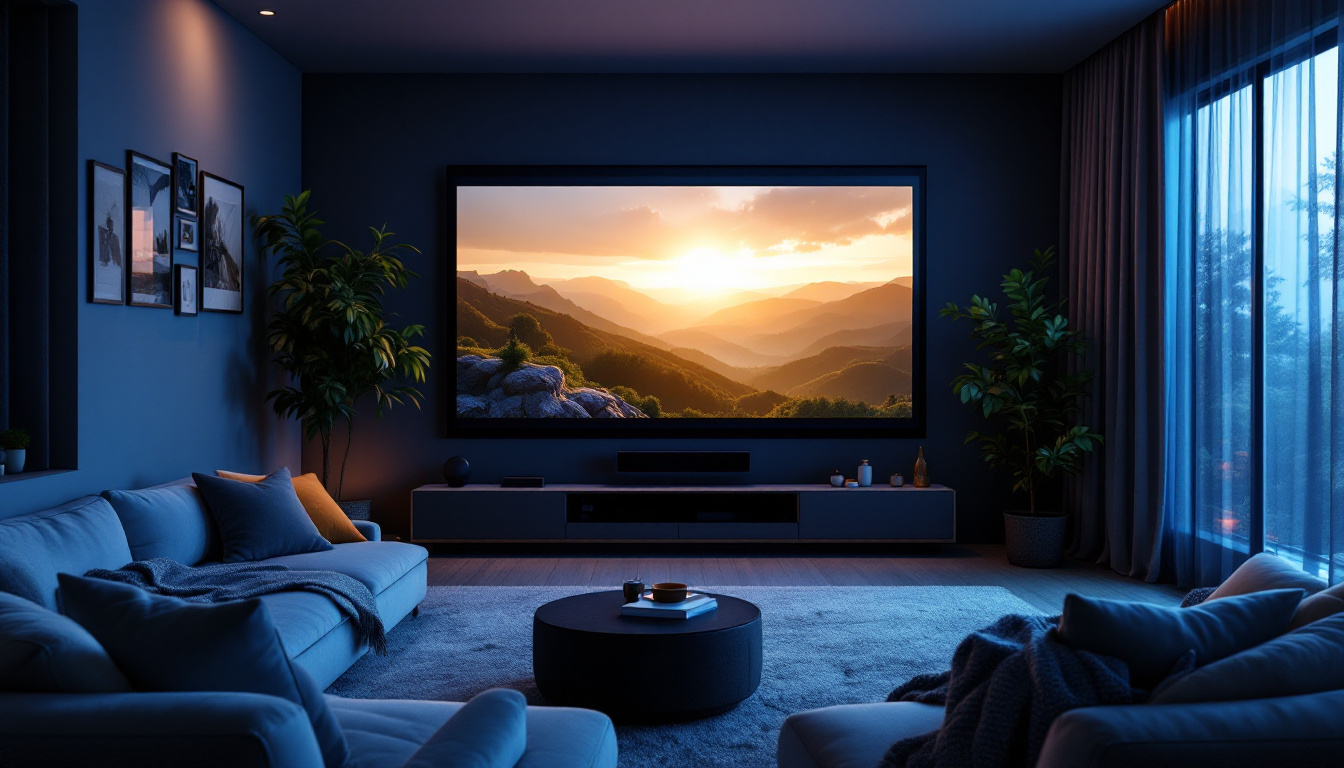
- Controlled Lighting Environments: Projectors perform best in dark or dimly lit rooms where ambient light is minimized.
When to Opt for an LED Display
LED displays are preferable in situations where:
- High Ambient Light: Environments like retail stores, stadiums, or outdoor venues benefit from the high brightness of LEDs.
- Long-Term Installations: Permanent installations where durability and low maintenance are priorities.
- High Image Quality Needs: Applications requiring vibrant colors, high contrast, and consistent brightness.
- Custom Screen Shapes: Spaces that require unique screen configurations or curved displays.
Combining Technologies for Optimal Results
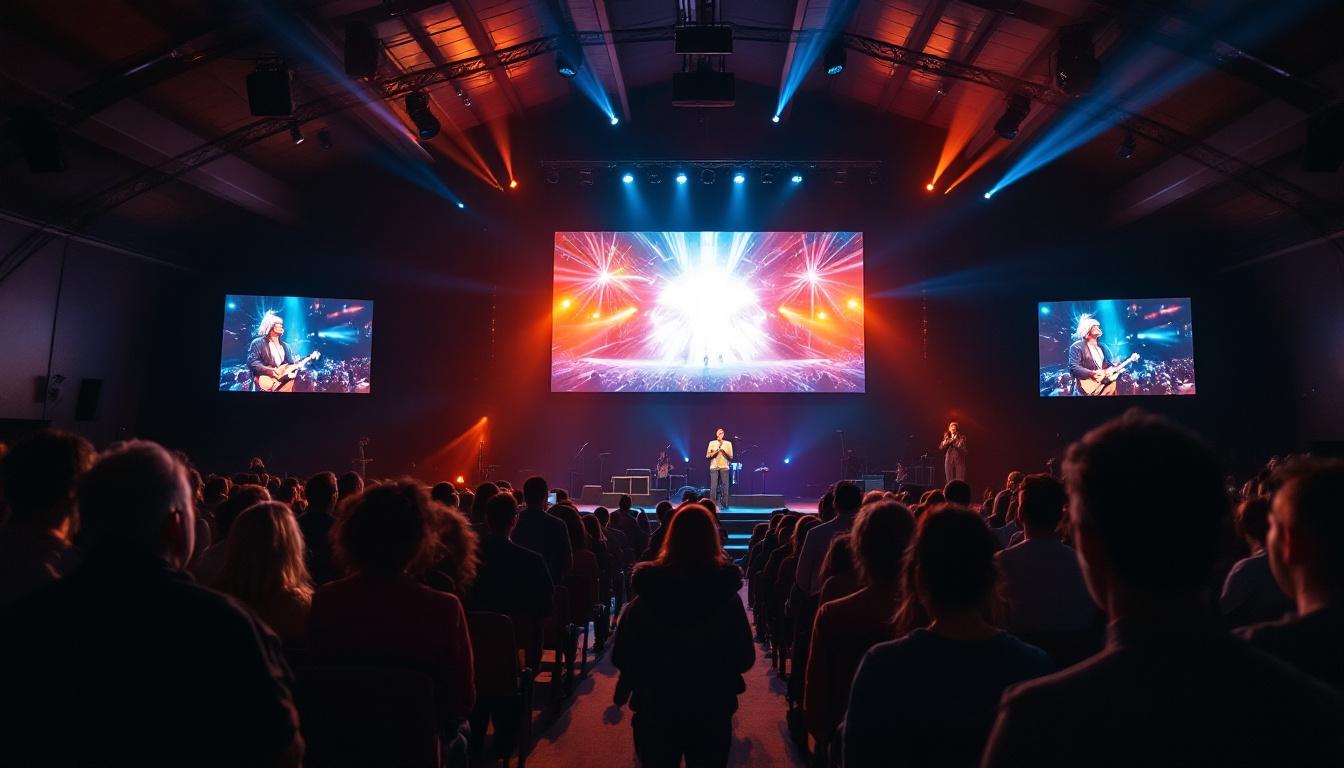
In some cases, integrating both projector and LED technologies can provide the best solution. For example, a corporate auditorium might use LED displays for the main stage backdrop and projectors for side screens or supplementary content. This hybrid approach leverages the strengths of each technology while mitigating their limitations.
Practical Tips for Setting Up Projector and LED Displays
Whether choosing a projector or an LED display, proper setup is essential to maximize performance and viewer satisfaction.
Projector Setup Tips
- Measure Your Space: Accurately measure the distance between the projector and the screen area to apply the throw ratio formula correctly.
- Choose the Right Screen: Use screens with appropriate gain and surface characteristics to enhance image brightness and contrast.
- Control Ambient Light: Use blackout curtains or dimmable lighting to improve image visibility.
- Calibrate Image Settings: Adjust focus, keystone correction, and color settings to optimize image quality.
LED Display Setup Tips
- Plan for Ventilation: LED panels generate heat; ensure adequate airflow to prevent overheating.
- Professional Installation: Engage experts for mounting, wiring, and calibration to avoid common pitfalls.
- Regular Maintenance: Schedule cleaning and firmware updates to maintain performance.
- Consider Viewing Distance: Select pixel pitch based on how close viewers will be to the screen to ensure sharp images.
Conclusion: Making an Informed Choice
Choosing between a projector and an LED display involves understanding the technical aspects of each technology and how they align with specific needs and environments. Projector-to-screen calculations are foundational for achieving optimal image size and clarity, while LED displays offer superior brightness, durability, and flexibility for a range of applications.
By carefully considering factors such as budget, ambient lighting, installation environment, and desired image quality, users can select the most suitable display solution. Whether opting for the traditional elegance of a projector or the cutting-edge brilliance of an LED display, informed decisions lead to enhanced visual experiences and long-term satisfaction.
Discover LumenMatrix’s Advanced LED Solutions
Ready to elevate your visual experience with the latest in display technology? LumenMatrix offers a comprehensive range of LED display solutions tailored to meet your needs. From vibrant Indoor LED Wall Displays to dynamic Outdoor LED Wall Displays, and from versatile Vehicle LED Displays to innovative LED Sports and Floor Displays, our products are designed to captivate and engage. Embrace the future of visual communication with Custom LED Displays, All-in-One LED Display solutions, and LED Transparent Displays that set new standards in clarity and impact. Check out LumenMatrix LED Display Solutions today and transform how you share your message with the world.