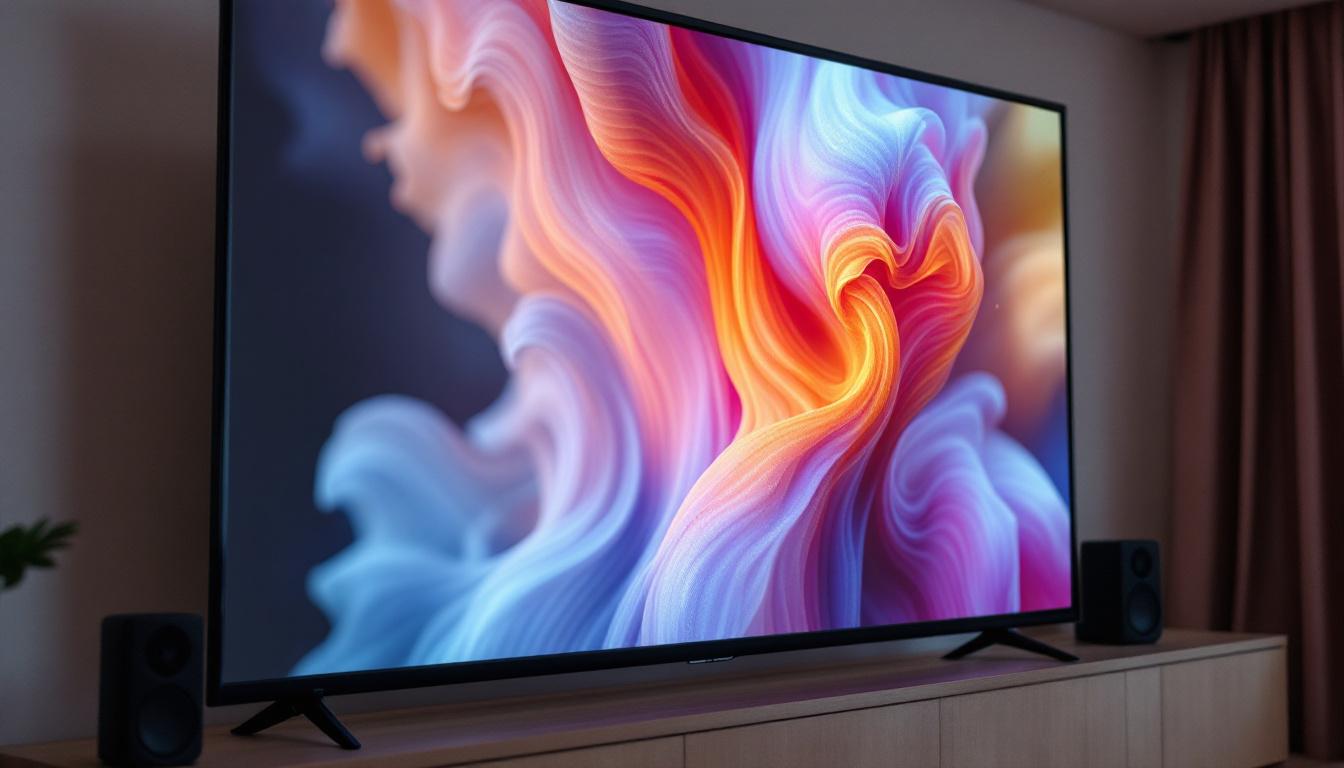
In today’s rapidly evolving world of television technology, understanding the distinctions between various types of displays can be overwhelming. Terms like HD, LCD, and LED are often used interchangeably, yet they represent different aspects of TV technology. This article aims to clarify what an LED display is, how it relates to HD and LCD technologies, and why these distinctions matter when choosing a television.
Understanding the Basics: What Does HD, LCD, and LED Mean?
High Definition (HD) – The Resolution Standard
High Definition, commonly abbreviated as HD, refers primarily to the resolution of the television screen. It indicates the number of pixels that make up the image, which directly affects the clarity and detail of what you see. Standard HD resolutions include 720p (1280 x 720 pixels) and 1080p (1920 x 1080 pixels), with 1080p often referred to as Full HD.
More recently, 4K Ultra HD (3840 x 2160 pixels) has become popular, offering four times the pixels of Full HD, resulting in even sharper and more detailed images. When shopping for a TV, HD refers to the resolution quality rather than the display technology itself. Additionally, the rise of 8K resolution (7680 x 4320 pixels) is on the horizon, promising an even more immersive viewing experience, particularly for large screens. However, the availability of 8K content is still limited, making 4K the more practical choice for most consumers today.
Liquid Crystal Display (LCD) – The Screen Technology
LCD stands for Liquid Crystal Display, a technology that uses liquid crystals sandwiched between two layers of glass or plastic. These crystals do not emit light themselves but manipulate light passing through them to create images. LCD TVs require a separate light source, known as a backlight, to illuminate the screen.
Since their introduction in the early 2000s, LCD TVs have become the dominant flat-panel display technology due to their slim profile, energy efficiency, and affordability compared to older technologies like cathode ray tube (CRT) and plasma screens. Furthermore, advancements in LCD technology have led to innovations such as IPS (In-Plane Switching) panels, which provide wider viewing angles and better color reproduction, making them ideal for family rooms or shared spaces where multiple viewers may be watching from different angles.
Light Emitting Diode (LED) – The Backlighting Method
LED refers to Light Emitting Diode, a type of backlighting used in modern LCD TVs. While the screen still uses liquid crystals to create images, LEDs replace the older cold cathode fluorescent lamps (CCFLs) as the light source behind the screen. This change has brought numerous advantages, including improved energy efficiency, better brightness, thinner panels, and enhanced color accuracy.
It’s important to note that LED TVs are actually a subset of LCD TVs. The term “LED TV” is often used in marketing to highlight the use of LED backlighting, but the display technology remains LCD-based. Additionally, there are different types of LED backlighting techniques, such as edge-lit and full-array local dimming, which can significantly impact picture quality. Full-array local dimming, for instance, allows for more precise control over brightness levels in different areas of the screen, resulting in deeper blacks and improved contrast, making it a favored choice among cinephiles and gamers alike.
How LED Displays Work in HD LCD TVs
The Role of LED Backlighting
In an LED-backlit LCD TV, the LEDs serve as the backlight that shines through the liquid crystal layer to illuminate the pixels. These LEDs can be arranged in different configurations, primarily edge-lit or full-array.
Edge-lit LED TVs place LEDs along the edges of the screen, using light guides to distribute light evenly. This design allows for ultra-thin panels but can sometimes lead to uneven brightness or “clouding” in darker scenes. Full-array LED TVs position LEDs directly behind the screen in a grid pattern, providing more uniform brightness and enabling local dimming, which improves contrast by dimming specific screen zones.
Local Dimming and Its Impact on Picture Quality
Local dimming is a feature available in many full-array LED TVs that significantly enhances picture quality. By selectively dimming parts of the backlight while keeping other areas bright, TVs can achieve deeper blacks and higher contrast ratios. This results in more vivid images, especially in scenes with both bright and dark elements.
Advanced local dimming systems with hundreds of zones can approach the picture quality of OLED TVs, which use self-emissive pixels. However, the effectiveness of local dimming varies between models, so it’s a key factor to consider when purchasing an LED-backlit TV. Additionally, the technology behind local dimming has evolved, with some manufacturers incorporating algorithms that analyze the content being displayed in real-time. This means that the TV can adjust the backlighting dynamically, enhancing the viewing experience by ensuring that bright scenes remain vibrant while dark scenes achieve the depth they require.
Moreover, the integration of HDR (High Dynamic Range) content with local dimming capabilities can elevate the viewing experience even further. HDR content is designed to provide a wider range of colors and brightness levels, which, when paired with effective local dimming, can result in stunning visual fidelity. Viewers can experience more realistic images that reflect the true intent of filmmakers, making the combination of local dimming and HDR a compelling choice for cinephiles and casual viewers alike. As technology continues to advance, we can expect even more improvements in how these systems work together to deliver breathtaking picture quality.
Advantages of LED-Backlit LCD TVs
Energy Efficiency and Environmental Impact
Compared to older CCFL-backlit LCDs and plasma TVs, LED-backlit LCD TVs consume significantly less power. According to the U.S. Department of Energy, LED TVs use about 30% less energy than CCFL LCDs of the same size and resolution. This efficiency translates into lower electricity bills and a smaller environmental footprint.
Additionally, LEDs do not contain mercury, unlike CCFLs, making LED TVs more environmentally friendly when it comes to disposal and recycling.
Improved Brightness and Color Accuracy
LED backlighting allows for higher peak brightness levels, which is particularly beneficial in well-lit rooms or when watching HDR (High Dynamic Range) content. HDR requires a display capable of producing a wide range of brightness and color to deliver more lifelike images.
Many LED-backlit LCD TVs support HDR standards such as HDR10 and Dolby Vision, enhancing the viewing experience with richer colors and greater detail in shadows and highlights.
Thin and Lightweight Design
The compact size of LEDs enables manufacturers to produce ultra-thin TV panels. This sleek design is not only aesthetically pleasing but also easier to mount on walls or fit into modern entertainment setups. The lightweight nature of LED TVs also simplifies transportation and installation.
Comparing LED LCD TVs with Other Display Technologies
LED LCD vs. OLED
Organic Light Emitting Diode (OLED) TVs differ fundamentally from LED-backlit LCDs. OLED pixels emit their own light, allowing for perfect blacks and infinite contrast ratios. This self-emissive technology results in superior picture quality, especially in dark scenes.
However, OLED TVs tend to be more expensive and can suffer from burn-in issues if static images are displayed for prolonged periods. LED LCDs, especially those with full-array local dimming, offer a cost-effective alternative with excellent brightness and color performance.
LED LCD vs. QLED
QLED (Quantum Dot LED) is a marketing term used primarily by certain manufacturers to describe LED LCD TVs enhanced with quantum dot technology. Quantum dots are nanocrystals that improve color accuracy and brightness by emitting precise wavelengths of light when illuminated by the LED backlight.
QLED TVs generally offer better color volume and brightness compared to standard LED LCDs, making them a popular choice for HDR content. However, they still rely on LED backlighting and LCD panels, so their performance characteristics are similar to conventional LED LCD TVs.
LED LCD vs. Plasma
Plasma TVs, once popular for their deep blacks and smooth motion handling, have largely been phased out. Compared to LED LCDs, plasma screens were heavier, consumed more power, and were prone to screen burn-in.
Modern LED-backlit LCD TVs outperform plasma in energy efficiency, screen brightness, and lifespan, making them the preferred choice for most consumers today.
Key Considerations When Buying an LED LCD TV
Resolution and Screen Size
Choosing the right resolution depends on viewing distance and screen size. For screens 40 inches and larger, Full HD (1080p) is the minimum recommended resolution, with 4K becoming the standard for larger sizes. 4K TVs offer sharper images and future-proofing as more content becomes available in this format.
Screen size should be selected based on the room size and viewing distance. For example, a 55-inch 4K TV is ideal for viewing distances of 6 to 9 feet, providing an immersive experience without pixelation.
Backlighting Type and Local Dimming
As discussed, full-array LED backlighting with local dimming generally provides better picture quality than edge-lit designs. When possible, opt for a TV with full-array local dimming, especially if you watch a lot of movies or HDR content in a dark room.
HDR Support and Color Performance
HDR support is crucial for enhanced picture quality. Look for TVs that support HDR10 at a minimum, with Dolby Vision and HDR10+ offering additional improvements. Also, consider color gamut specifications such as DCI-P3 coverage to ensure vibrant and accurate colors.
Smart Features and Connectivity
Most modern LED LCD TVs come with smart platforms that provide access to streaming services, apps, and voice assistants. Ensure the TV supports your preferred ecosystem, whether it’s Android TV, Roku, or proprietary systems.
Connectivity options such as multiple HDMI ports, USB inputs, and Wi-Fi capabilities are essential for connecting gaming consoles, soundbars, and other peripherals.
Conclusion: Making an Informed Choice
Understanding the relationship between HD, LCD, and LED technologies is essential for making an informed television purchase. LED-backlit LCD TVs combine the benefits of liquid crystal displays with efficient LED backlighting, delivering bright, colorful, and energy-efficient images. While other technologies like OLED offer superior contrast and black levels, LED LCD TVs remain a versatile and cost-effective choice for most consumers.
When shopping for a TV, focus on resolution, backlighting type, HDR support, and smart features to find a model that best fits your viewing habits and budget. With the right knowledge, selecting the perfect LED LCD TV can enhance your entertainment experience for years to come.
Discover the Future of Visual Experience with LumenMatrix
Ready to elevate your viewing experience with the latest in LED display technology? LumenMatrix is at the forefront of innovation, offering a wide array of LED display solutions tailored to meet your needs. Whether you’re looking for an Indoor LED Wall Display for your business, an Outdoor LED Wall Display for events, or any of our specialized options like Vehicle LED Displays and Custom LED Displays, we have you covered. Embrace the future of vibrant, energy-efficient, and captivating visual communication. Check out LumenMatrix LED Display Solutions today and transform the way you share your message with the world.