In today’s fast-paced digital world, capturing consumer attention is more challenging than ever. Businesses and advertisers constantly seek innovative ways to stand out, and LED advertising displays have emerged as a powerful solution. These vibrant, dynamic screens are transforming the landscape of outdoor and indoor advertising, offering unparalleled visibility and engagement. This article delves deep into the world of LED displays, explaining their technology, advantages, applications, and future trends.
Understanding LED Display Technology
What is an LED Display?
LED stands for Light Emitting Diode, a semiconductor device that emits light when an electric current passes through it. An LED display is a flat panel display that uses an array of LEDs as pixels to produce images, videos, or text. Unlike traditional LCD or plasma screens, LED displays rely on these tiny diodes to emit light directly, resulting in brighter and more vivid visuals.
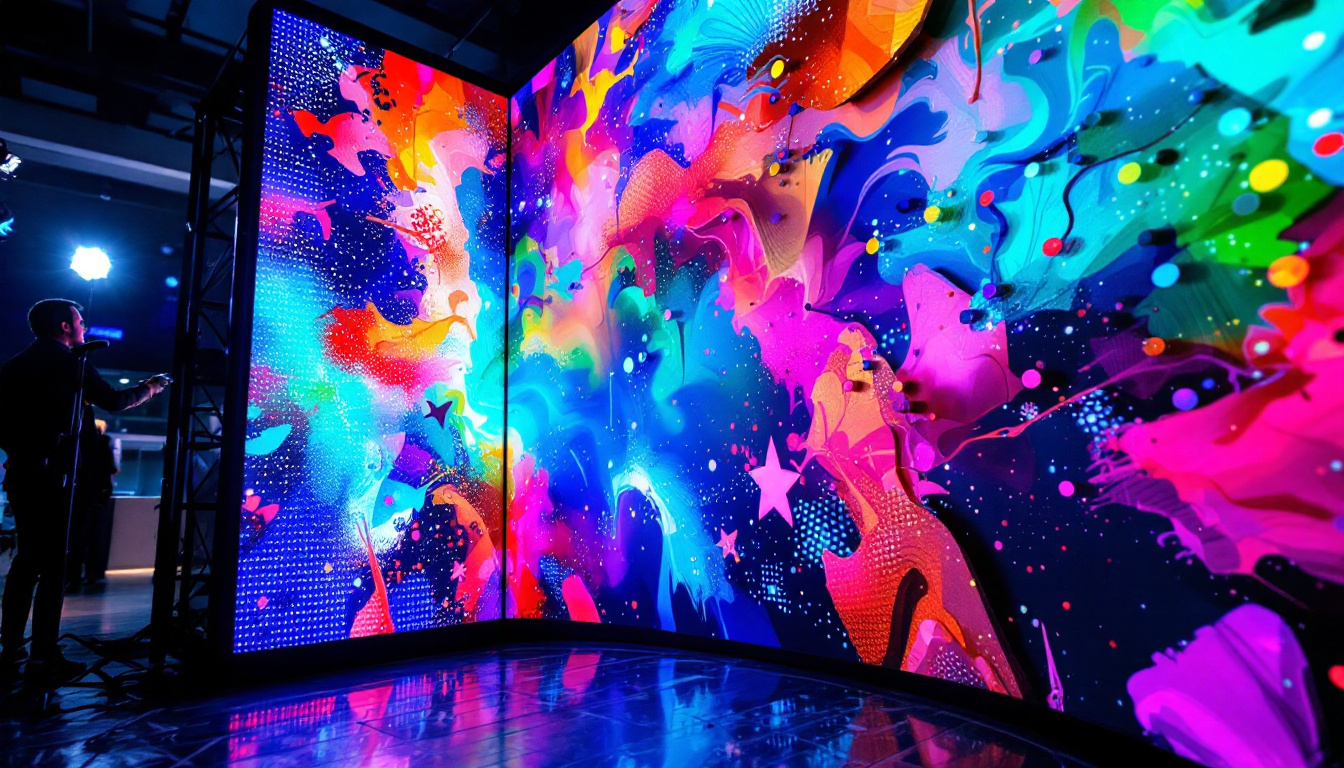
LED displays can vary in size from small indoor panels to massive outdoor billboards spanning hundreds of square meters. The technology behind these displays involves arranging thousands, sometimes millions, of LEDs in a grid pattern. Each LED acts as a pixel that can change color and brightness independently, enabling the display to show complex images and animations. This capability not only enhances the viewing experience but also allows for dynamic content that can be updated in real-time, making LED displays a popular choice for advertising and information dissemination.
Furthermore, LED displays are known for their energy efficiency compared to traditional lighting technologies. They consume less power while providing higher brightness levels, which translates to lower operational costs over time. This efficiency is particularly beneficial for large-scale installations, where energy savings can significantly impact overall expenditure. As technology advances, the lifespan of LED displays has also improved, with many units lasting tens of thousands of hours, reducing the need for frequent replacements and maintenance.
Types of LED Displays
There are several types of LED displays, primarily categorized based on their intended use and technology:
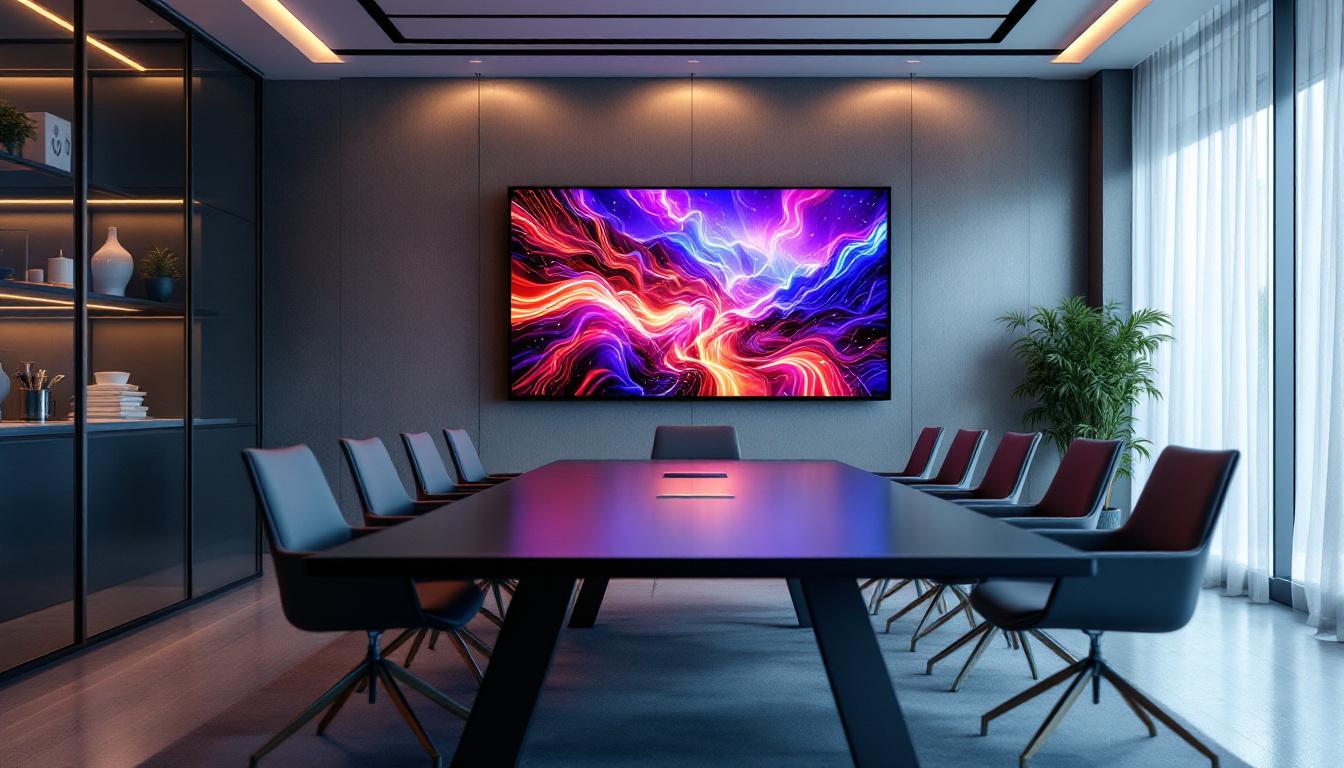
- Indoor LED Displays: Designed for close viewing distances, these displays have a higher pixel density and smaller pixel pitch (the distance between LEDs). They are commonly used in retail stores, conference rooms, and event venues. The clarity and brightness of indoor LED displays make them ideal for environments where visual impact is crucial, such as in digital signage and presentations.
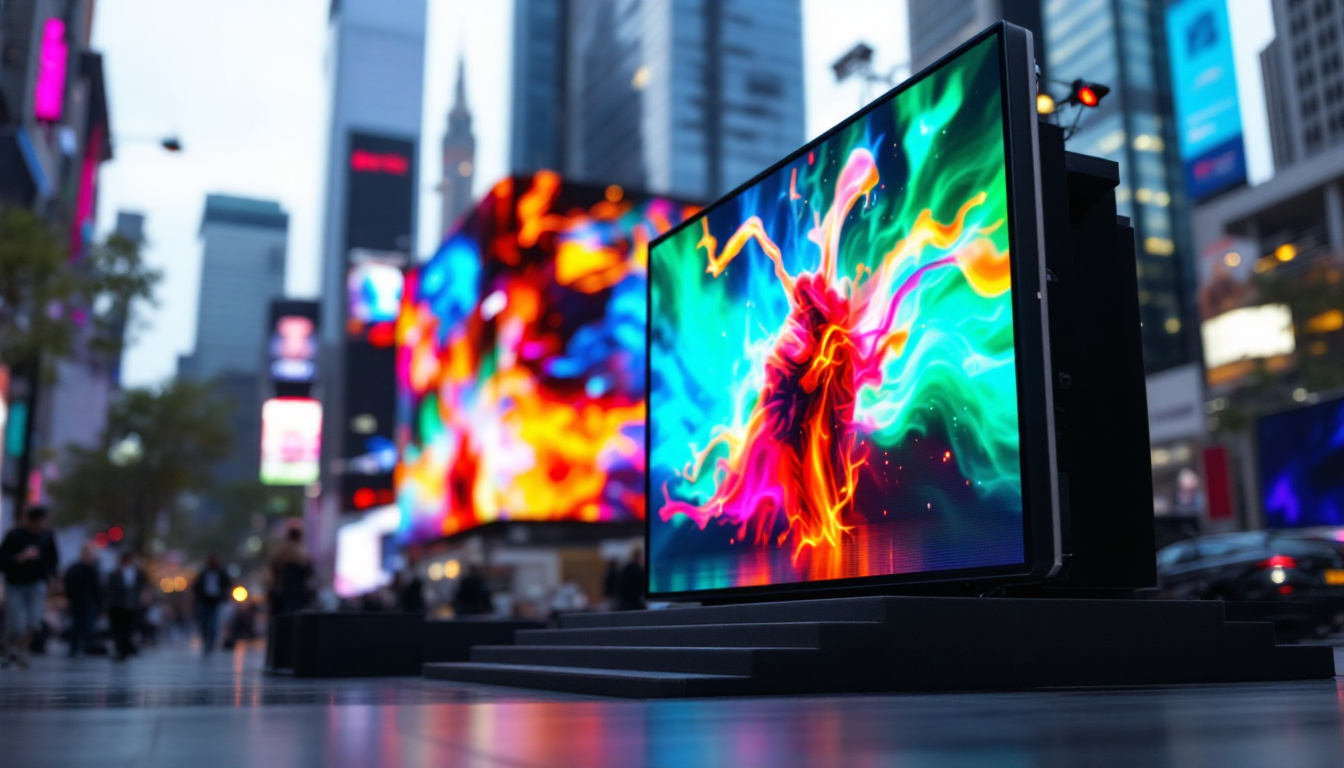
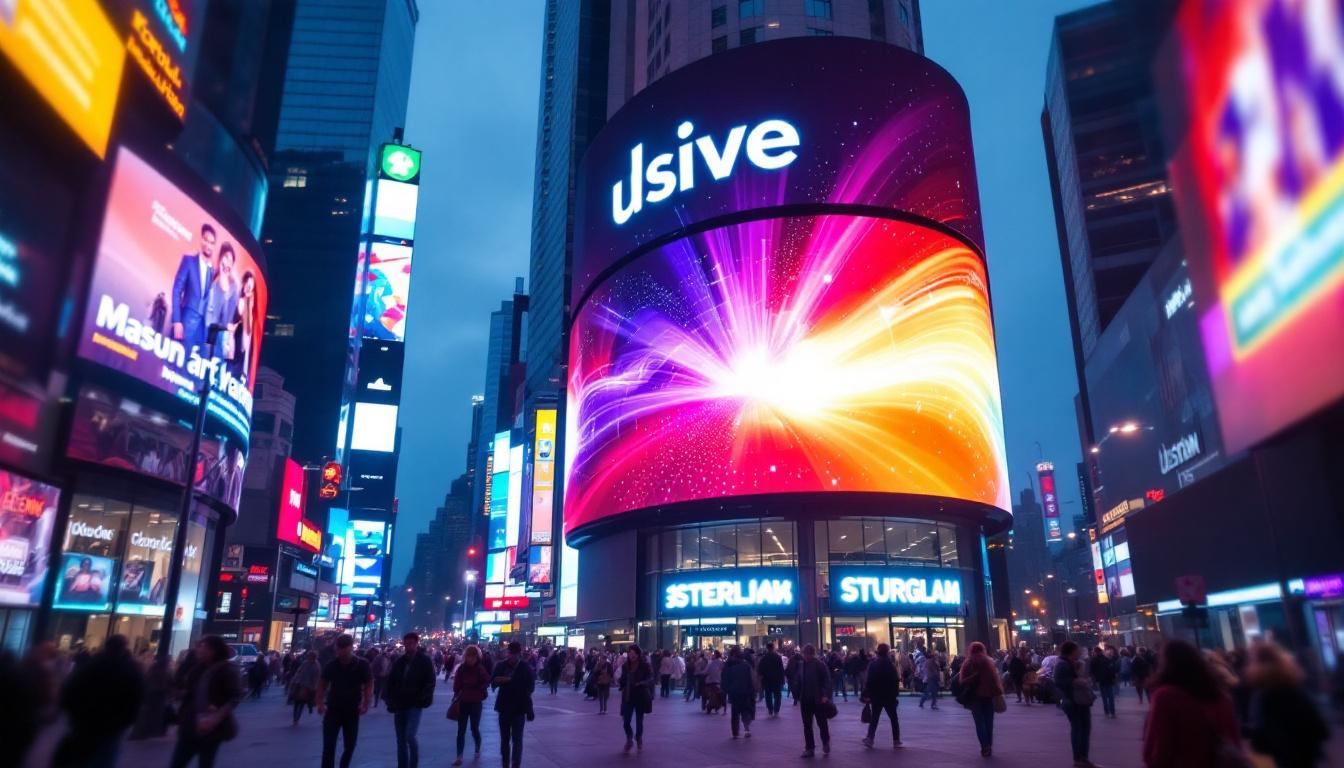
- Outdoor LED Displays: Built to withstand harsh weather conditions, these displays have larger pixel pitches to ensure visibility from a distance. They are widely used in billboards, stadiums, and public spaces. The robust design of outdoor LED displays includes protective casings that shield the components from rain, dust, and UV radiation, ensuring longevity and reliability in various environmental conditions.
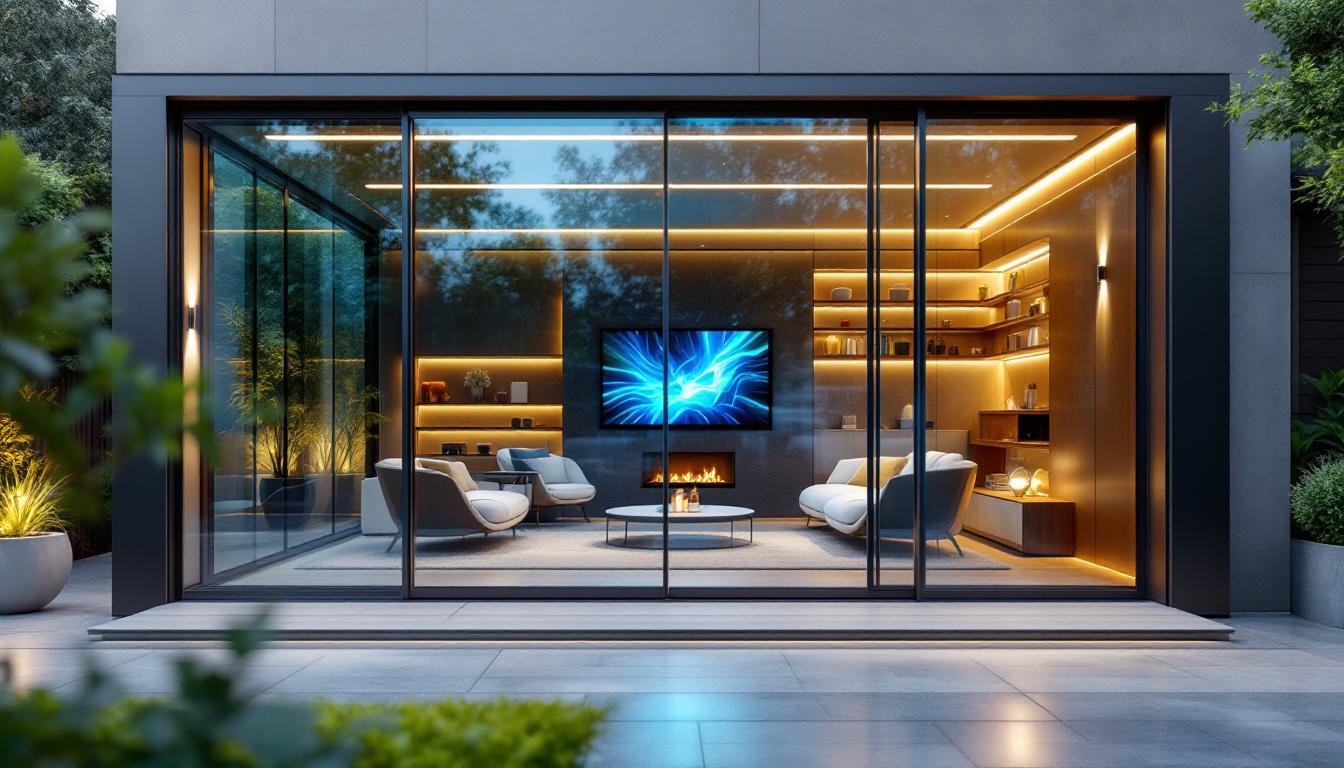
- Transparent LED Displays: These innovative displays allow light to pass through, making them ideal for storefront windows and architectural applications where natural light and visibility are important. Transparent displays can create stunning visual effects while maintaining the aesthetic appeal of the surrounding environment, allowing businesses to showcase products without obstructing views.
- Flexible LED Displays: Utilizing bendable substrates, these displays can be curved or shaped to fit unique surfaces, expanding creative possibilities for advertisers. This flexibility opens up new avenues for design, enabling installations that were previously thought impossible, such as wrapping around columns or creating immersive environments in exhibitions and events.
In addition to these types, the evolution of LED technology has led to advancements such as MicroLED and MiniLED displays, which offer even finer pixel pitches and improved color accuracy. These newer technologies are paving the way for high-resolution displays that can be used in a variety of applications, from high-end televisions to large-scale digital art installations. As the demand for high-quality visual experiences continues to grow, the LED display market is poised for further innovation and expansion, promising exciting developments in the near future.
The Advantages of LED Advertising Displays
High Brightness and Visibility
One of the most significant benefits of LED displays is their exceptional brightness. Unlike LCD screens that rely on backlighting, LEDs emit their own light, allowing them to achieve brightness levels of up to 5,000 nits or more. This feature ensures that content remains visible even under direct sunlight, making LED displays ideal for outdoor advertising.
Research shows that outdoor LED billboards can increase brand recall by up to 47% compared to static billboards, largely due to their brightness and dynamic content capabilities. This makes LED displays a valuable investment for advertisers seeking maximum impact.
Dynamic and Engaging Content
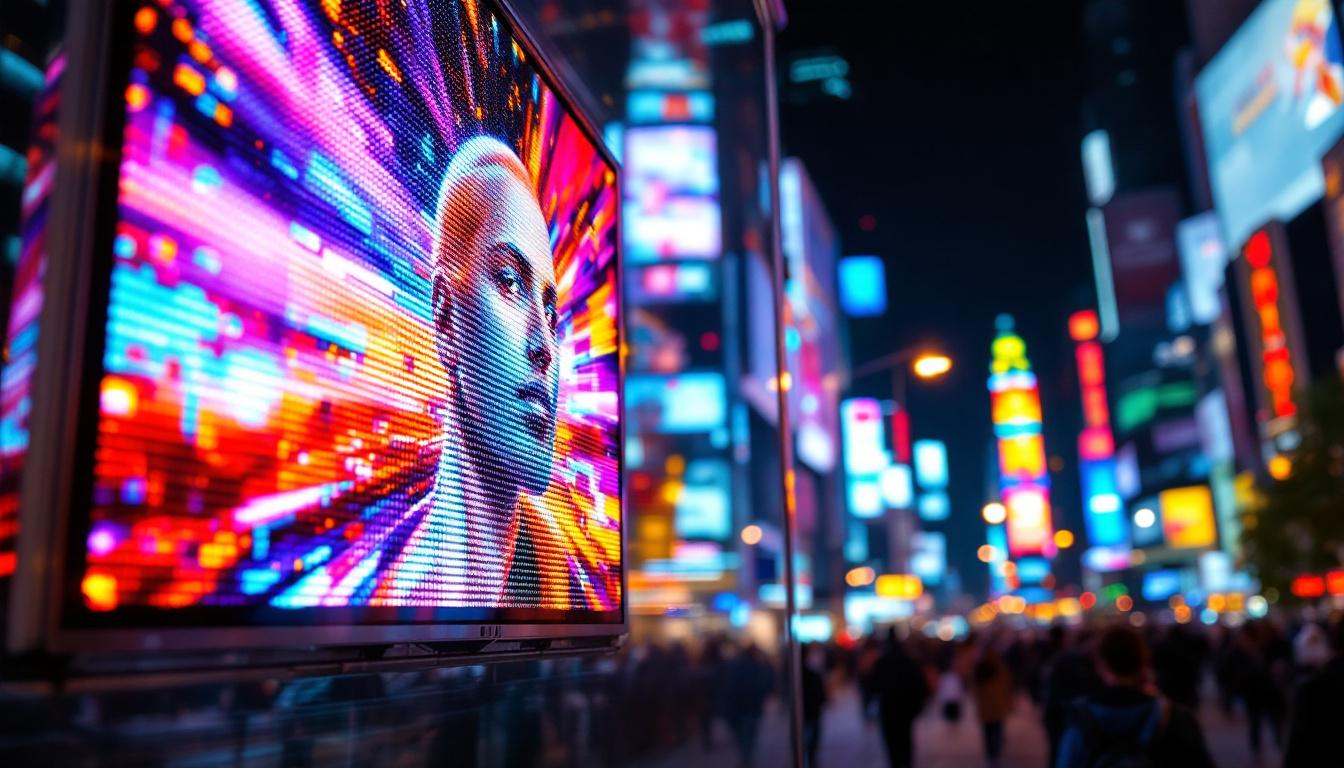
LED displays enable advertisers to showcase dynamic content, including videos, animations, and real-time updates. This flexibility allows for more creative storytelling and the ability to tailor messages based on time of day, weather, or audience demographics.
For instance, a retail store can display promotions during business hours and switch to brand awareness campaigns in the evening. This adaptability enhances audience engagement and can lead to higher conversion rates.
Energy Efficiency and Longevity
Despite their brightness, modern LED displays are energy-efficient compared to other lighting technologies. Advances in LED chip design and power management have reduced energy consumption significantly, making LED advertising displays more sustainable and cost-effective over time.
Moreover, LEDs have a long operational lifespan, often exceeding 100,000 hours. This durability minimizes maintenance costs and downtime, ensuring continuous advertising presence.
Cost-Effectiveness Over Time
While the initial investment in LED advertising displays can be higher than traditional signage, the long-term benefits often outweigh the upfront costs. Reduced energy bills, lower maintenance expenses, and the ability to update content digitally without printing new materials contribute to overall savings.
Additionally, the increased engagement and flexibility of LED displays can lead to higher advertising ROI, making them a smart choice for businesses aiming to maximize their marketing budgets.
Applications of LED Advertising Displays
Outdoor Billboards and Digital Signage
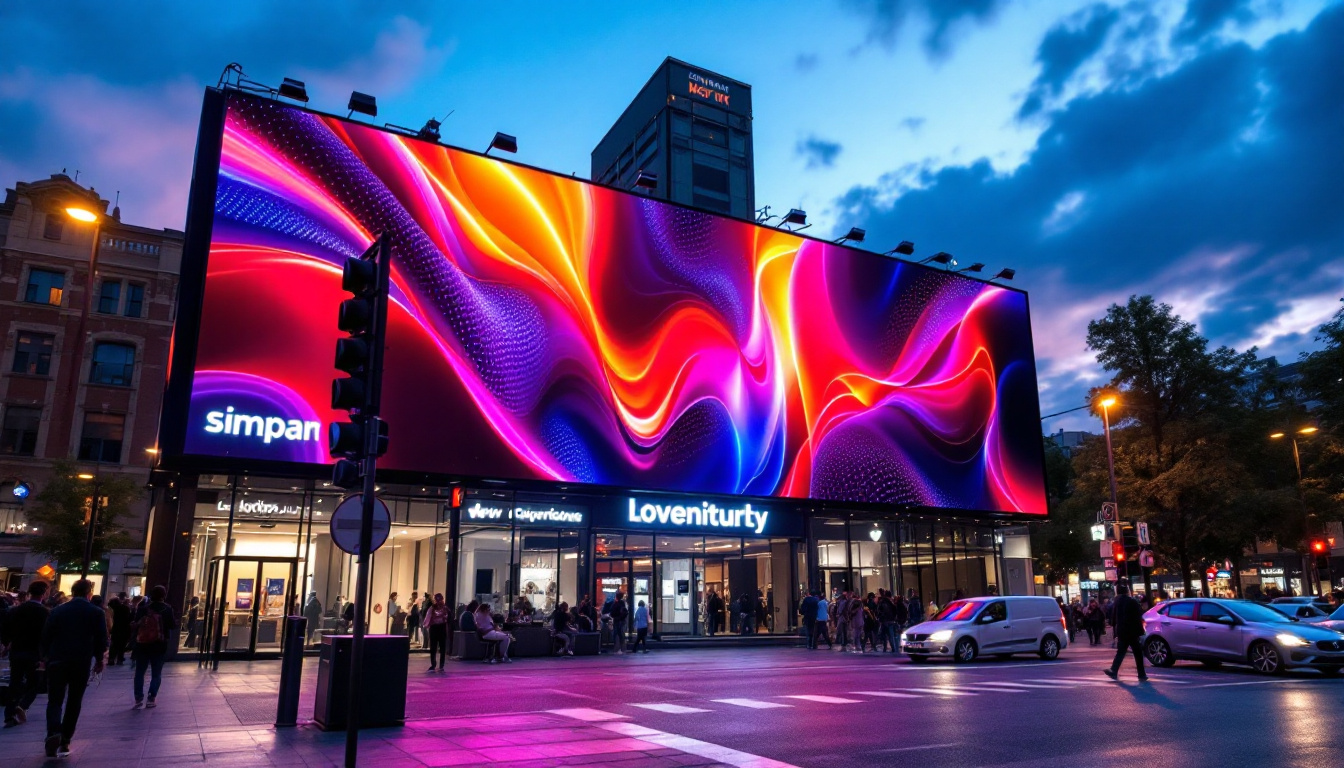
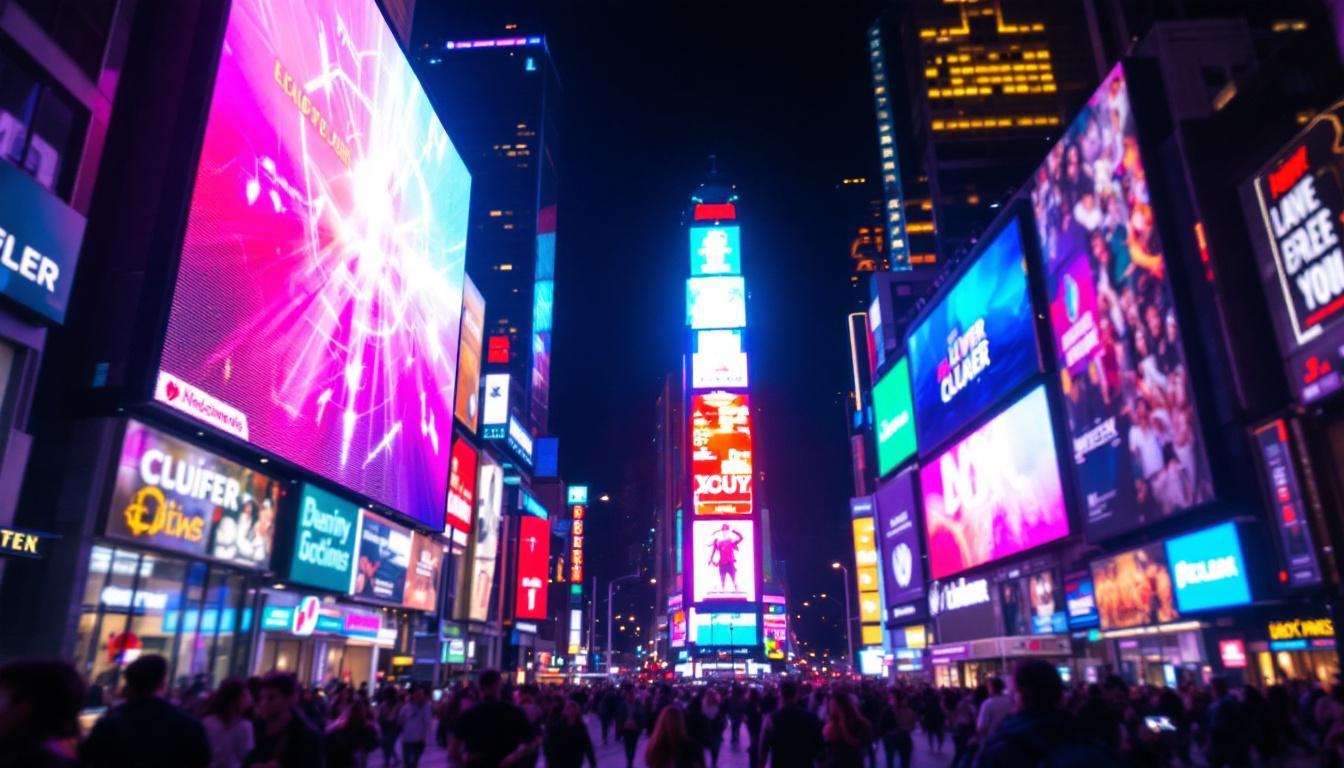
Outdoor LED billboards are among the most common applications of LED advertising displays. These large-format screens are strategically placed in high-traffic areas such as highways, city centers, and shopping districts to capture the attention of passing motorists and pedestrians.
Digital signage powered by LED displays also plays a crucial role in transportation hubs like airports and train stations, providing real-time information alongside advertisements. This dual functionality enhances user experience while offering advertisers premium visibility.
Retail and Point-of-Sale Displays
Indoor LED displays are increasingly popular in retail environments. From window displays to in-store digital posters, these screens help attract customers, highlight promotions, and create immersive brand experiences.
Studies indicate that digital signage in retail can increase sales by up to 30%, driven by improved customer engagement and the ability to deliver targeted messaging. LED displays’ vivid colors and motion capabilities make them particularly effective in this context.
Events, Exhibitions, and Sports Arenas
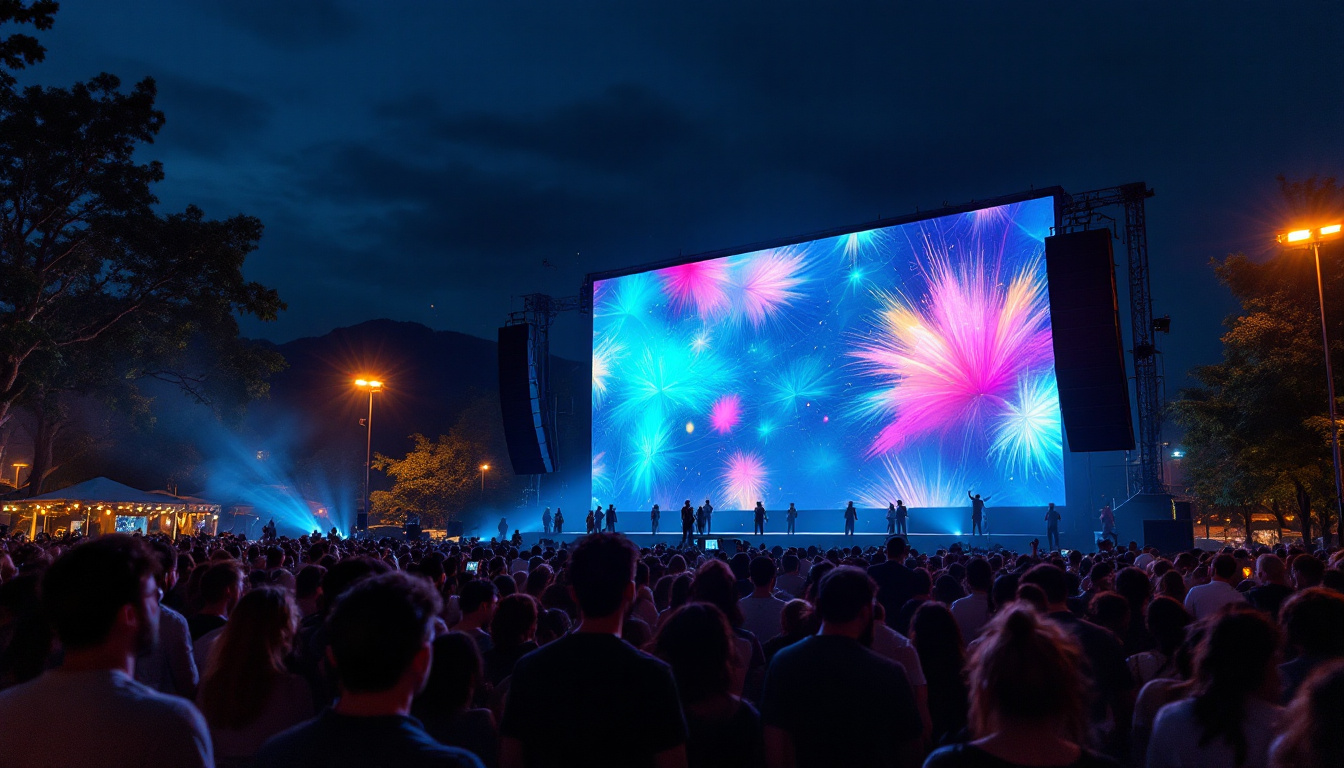
LED displays are a staple at concerts, trade shows, and sports venues. Their ability to deliver high-resolution video content to large audiences enhances entertainment value and provides sponsors with impactful advertising opportunities.
For example, stadium LED ribbon boards and jumbotrons can display live game statistics, advertisements, and fan messages, creating an interactive and immersive atmosphere.
Corporate and Public Spaces
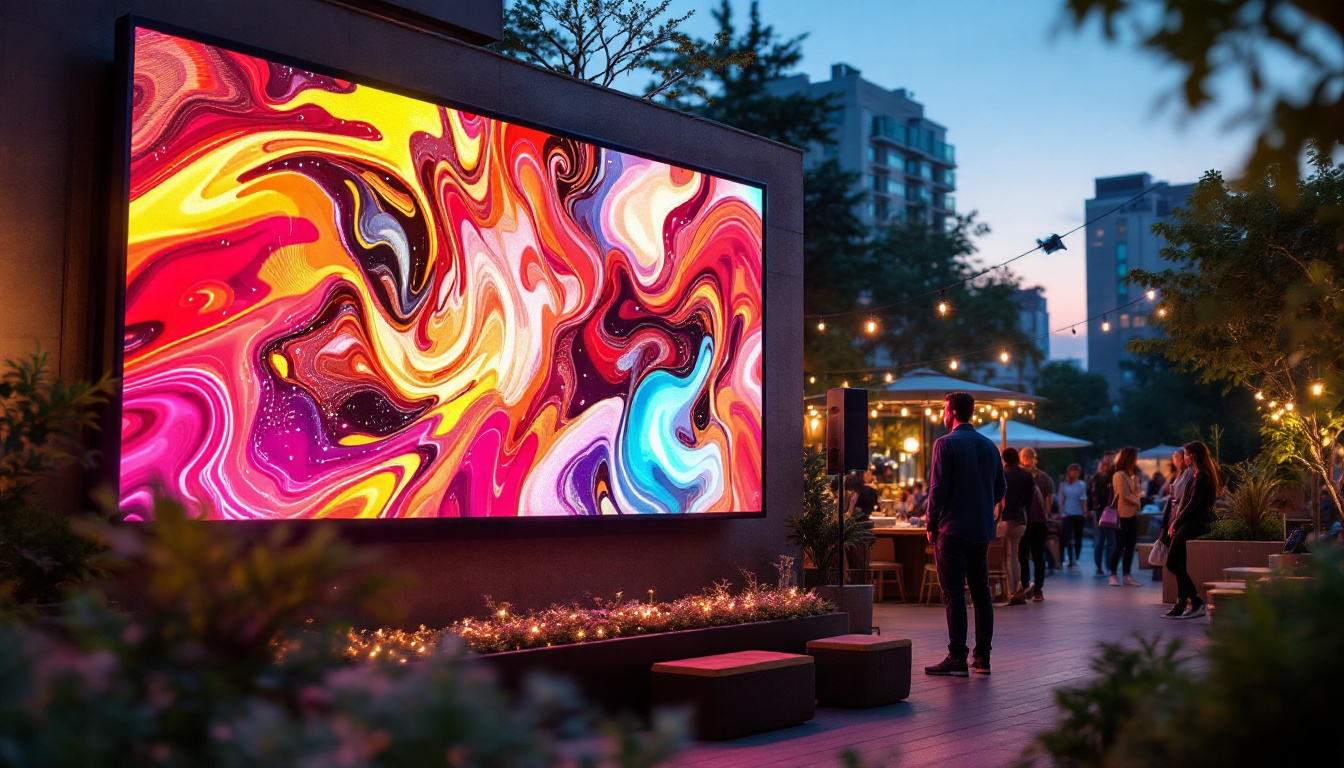
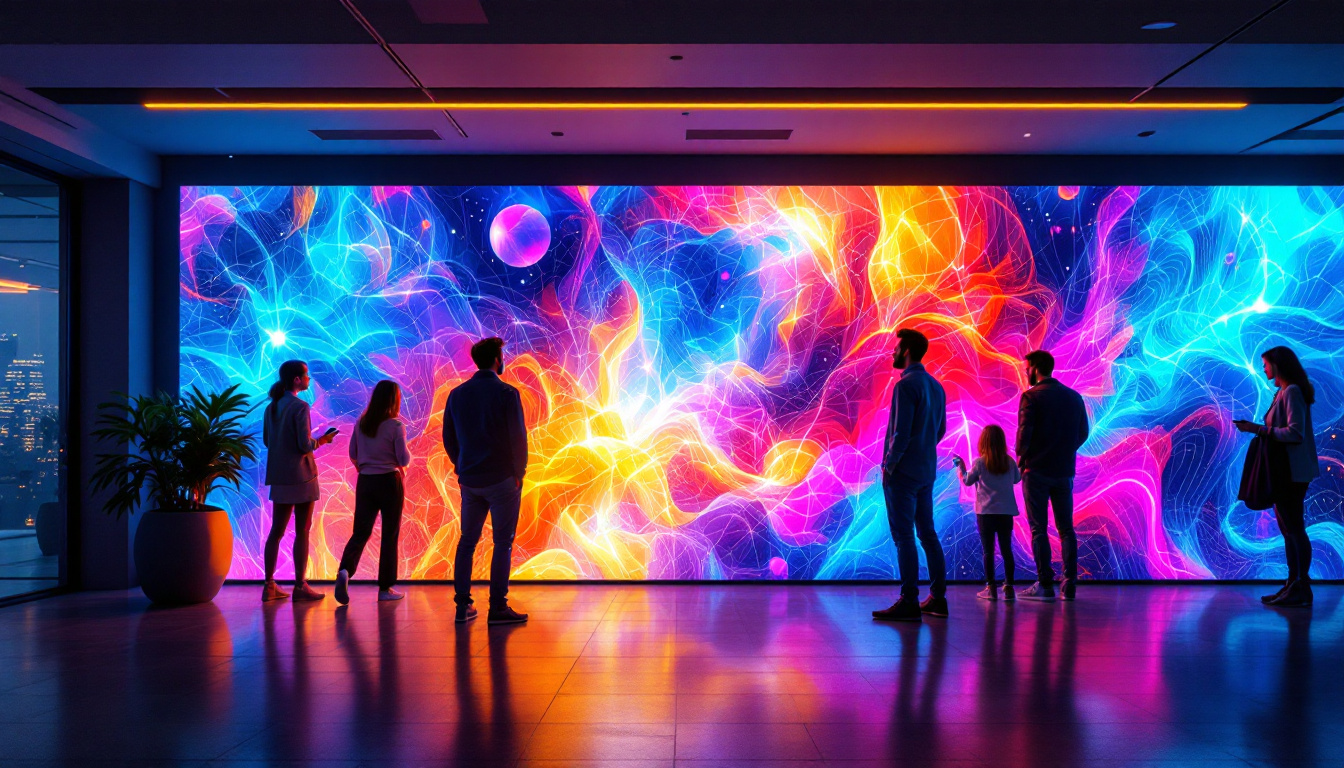
Many corporations use LED displays in lobbies, conference rooms, and outdoor signage to communicate with employees, visitors, and clients. Public spaces such as city squares and museums also utilize LED displays for informational and promotional purposes.
This versatility underscores the broad appeal of LED technology across various sectors, from private enterprises to government initiatives.
Key Considerations When Choosing an LED Advertising Display
Pixel Pitch and Resolution
Pixel pitch is a critical factor influencing the clarity and sharpness of an LED display. It is the distance between the centers of two adjacent LEDs, measured in millimeters. A smaller pixel pitch means higher resolution and better image quality, especially at close viewing distances.
For indoor displays viewed up close, pixel pitches can be as low as 1mm, while outdoor displays typically range from 6mm to 20mm, optimized for visibility from farther away.
Brightness and Contrast Ratio
Brightness levels must be tailored to the display’s environment. Outdoor displays require higher brightness to combat sunlight glare, whereas indoor displays benefit from higher contrast ratios to enhance image depth and color accuracy.
Choosing the right balance ensures that content remains visually appealing and legible under varying lighting conditions.
Durability and Weather Resistance
For outdoor installations, durability is paramount. LED displays must be resistant to rain, dust, extreme temperatures, and UV exposure. Look for displays with appropriate IP (Ingress Protection) ratings, typically IP65 or higher for outdoor use.
Robust construction and protective coatings extend the lifespan of the display and reduce maintenance needs.
Content Management Systems (CMS)
Modern LED displays are often paired with sophisticated CMS software that allows advertisers to schedule, update, and monitor content remotely. A user-friendly CMS can significantly streamline operations and enable real-time responsiveness to market trends.
Integration with data sources such as weather feeds or social media can further enhance the relevance and impact of displayed content.
The Future of LED Advertising Displays
Advancements in Mini-LED and Micro-LED Technologies
Emerging technologies like Mini-LED and Micro-LED promise to revolutionize LED displays by offering even higher resolution, improved color accuracy, and better energy efficiency. These advancements will enable thinner, lighter, and more flexible displays suitable for a wider range of applications.
Micro-LED, in particular, is gaining attention for its potential to deliver OLED-like picture quality with greater brightness and longevity, making it a compelling option for premium advertising installations.
Integration with Artificial Intelligence and Data Analytics
Artificial intelligence (AI) is increasingly being integrated into digital signage to personalize content based on audience demographics, behavior, and environmental factors. AI-powered LED displays can optimize advertising effectiveness by delivering tailored messages that resonate with viewers in real time.
Data analytics tools also provide valuable insights into viewer engagement, enabling advertisers to refine strategies and maximize ROI.
Sustainability and Eco-Friendly Innovations
As environmental concerns grow, manufacturers are focusing on making LED displays more sustainable. Innovations include the use of recyclable materials, energy-saving features, and designs that facilitate easier repair and component replacement.
These efforts align with corporate social responsibility goals and appeal to environmentally conscious consumers.
Conclusion
LED advertising displays represent a dynamic and versatile medium that continues to reshape the advertising industry. Their superior brightness, flexibility, and energy efficiency make them an attractive choice for businesses seeking to engage audiences effectively across diverse environments.
Understanding the technology behind LED displays, their advantages, and key considerations can help advertisers and marketers make informed decisions that maximize impact and return on investment. As innovations in LED technology and AI integration advance, the future promises even more exciting possibilities for captivating and personalized advertising experiences.
Investing in LED advertising displays is not just about adopting new technology; it’s about embracing a powerful communication tool that can elevate brand visibility and connect with audiences in meaningful ways.
Discover LumenMatrix’s Innovative LED Solutions
Ready to take your advertising to the next level with LED displays that offer unmatched brightness, flexibility, and energy efficiency? LumenMatrix is at the forefront of LED display technology, providing a wide array of solutions tailored to your needs. From Indoor and Outdoor LED Wall Displays to specialized options like Vehicle and Sports LED Displays, our products are designed to captivate your audience and amplify your message. Embrace the future of visual communication with LumenMatrix and experience the transformative power of our LED display modules. Check out LumenMatrix LED Display Solutions today and see how we can help you create unforgettable visual experiences.