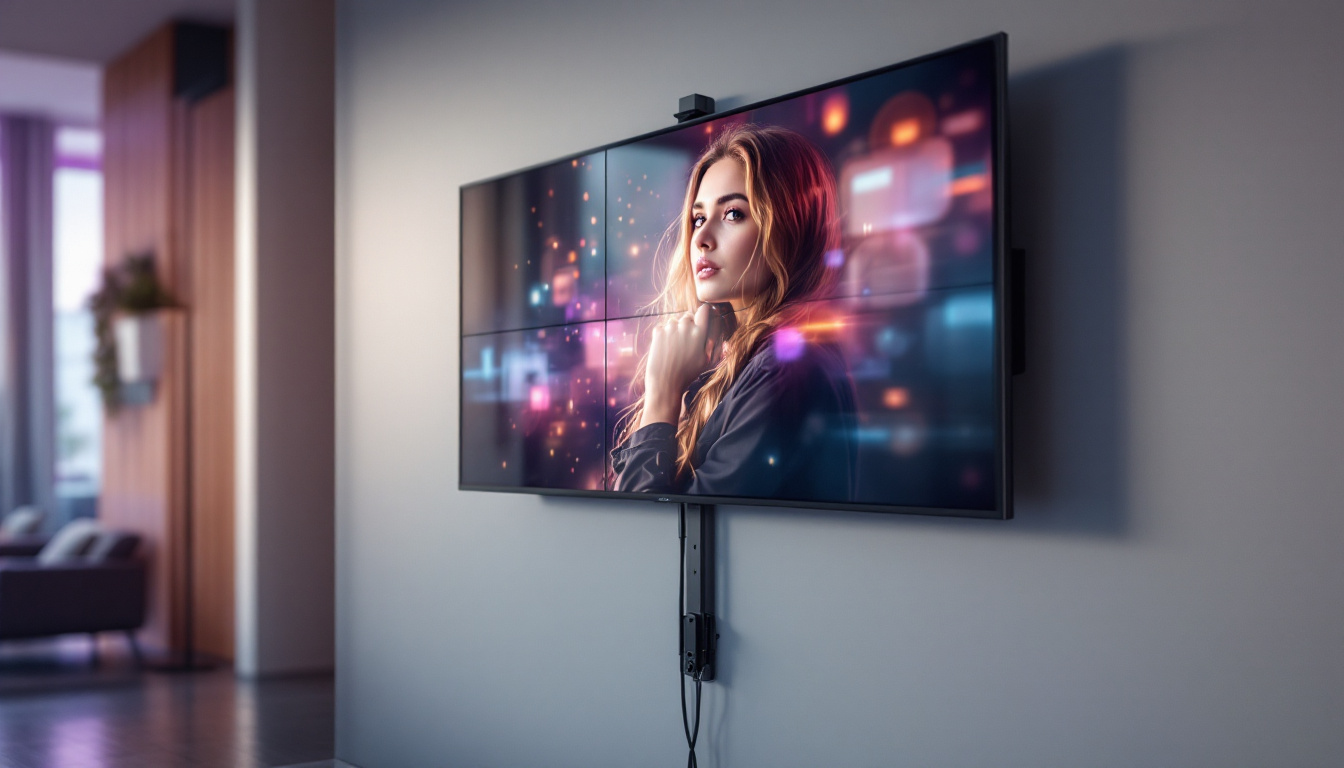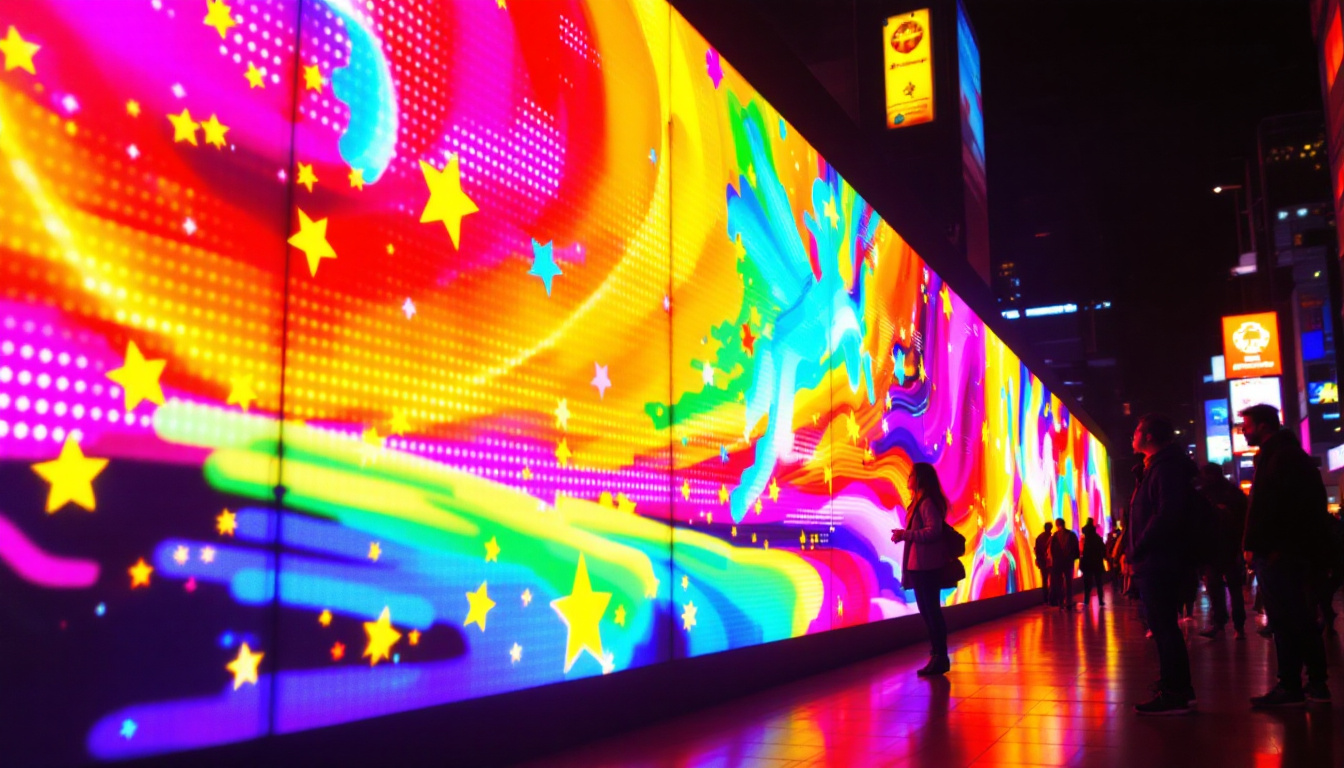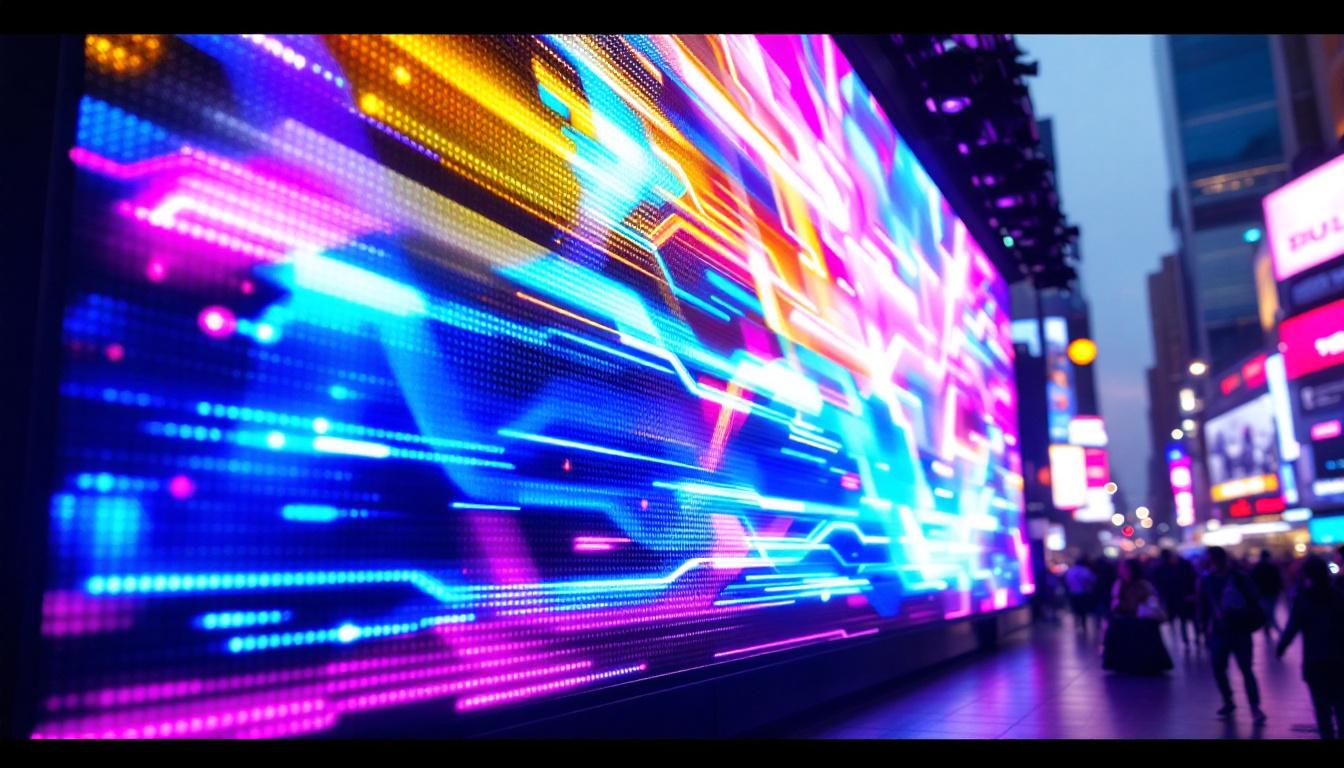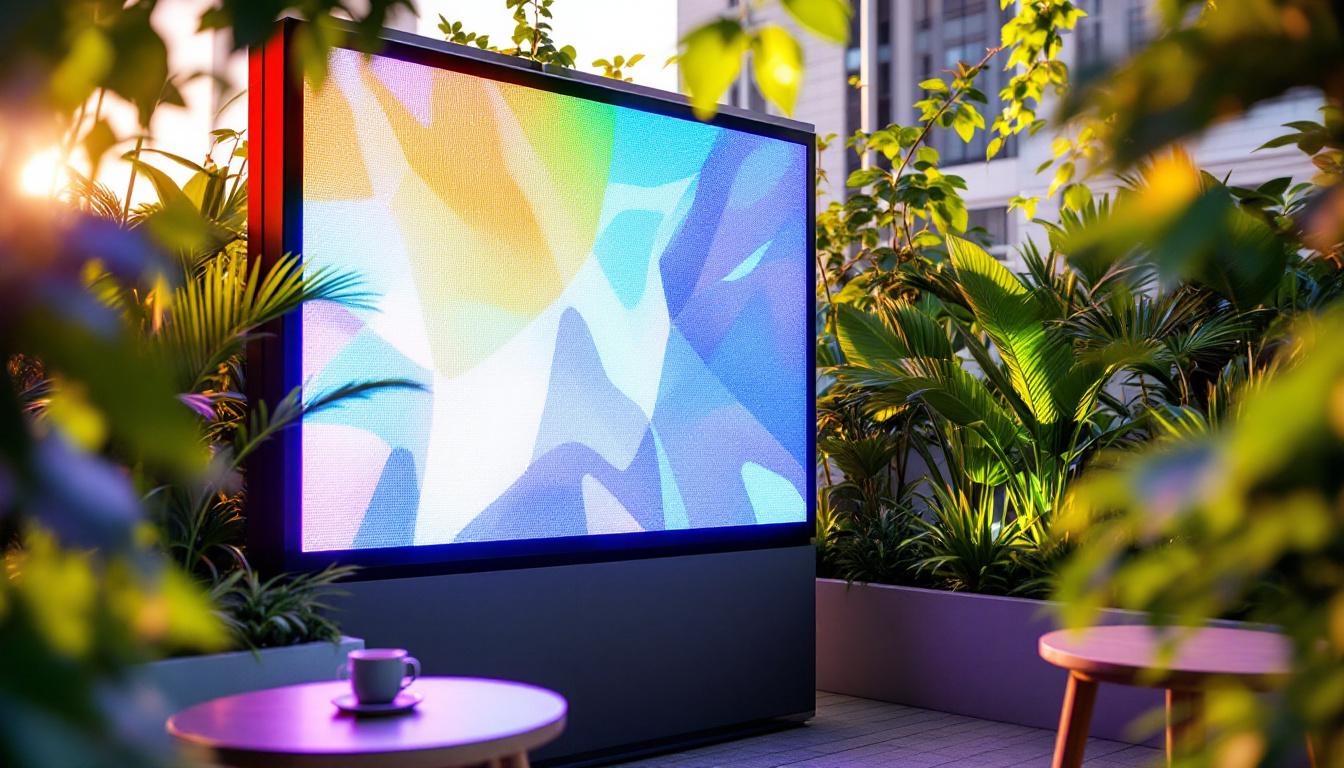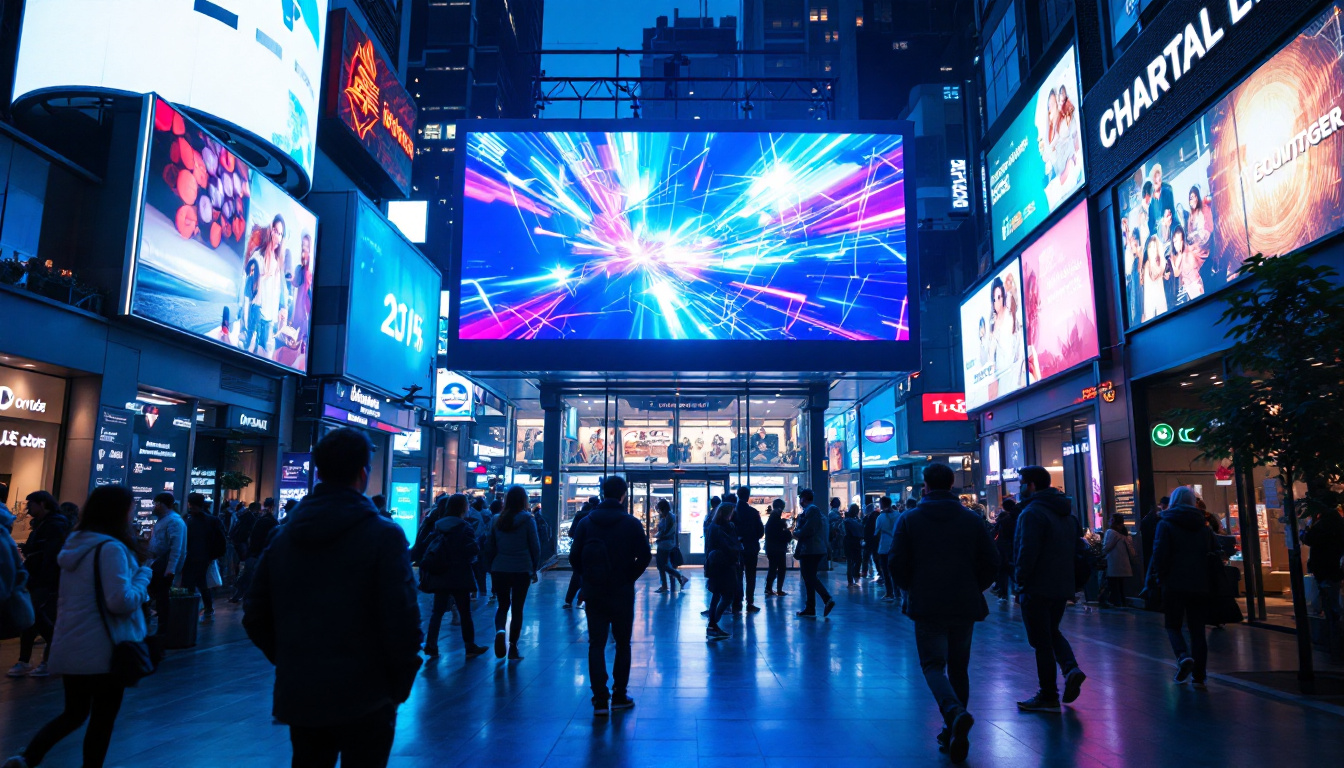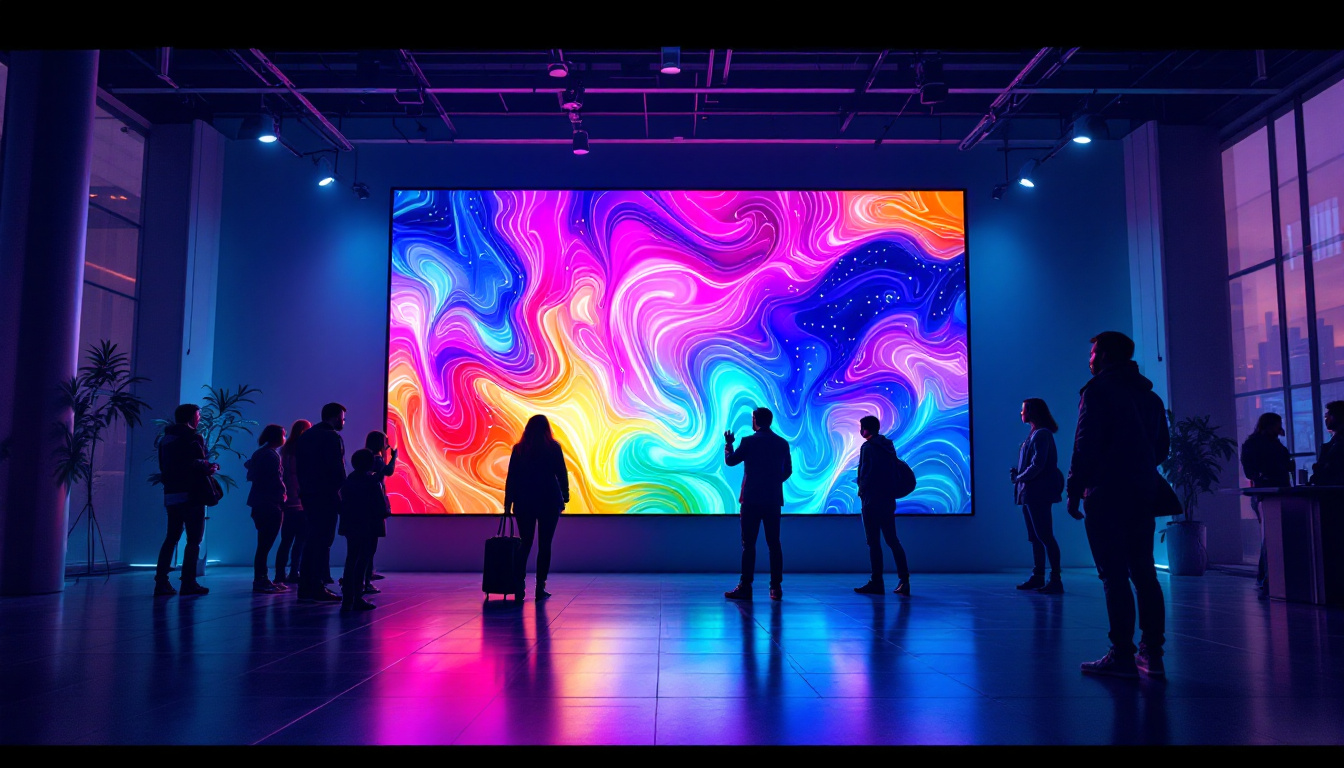
In the rapidly evolving world of digital signage and visual communication, LED displays have become a cornerstone technology. From vibrant billboards in bustling city centers to dynamic screens in retail stores, LED displays offer unparalleled brightness, flexibility, and energy efficiency. This article delves into the fundamental aspects of LED displays, exploring their technology, applications, and why they have become the preferred choice for businesses and advertisers worldwide.
Understanding LED Display Technology
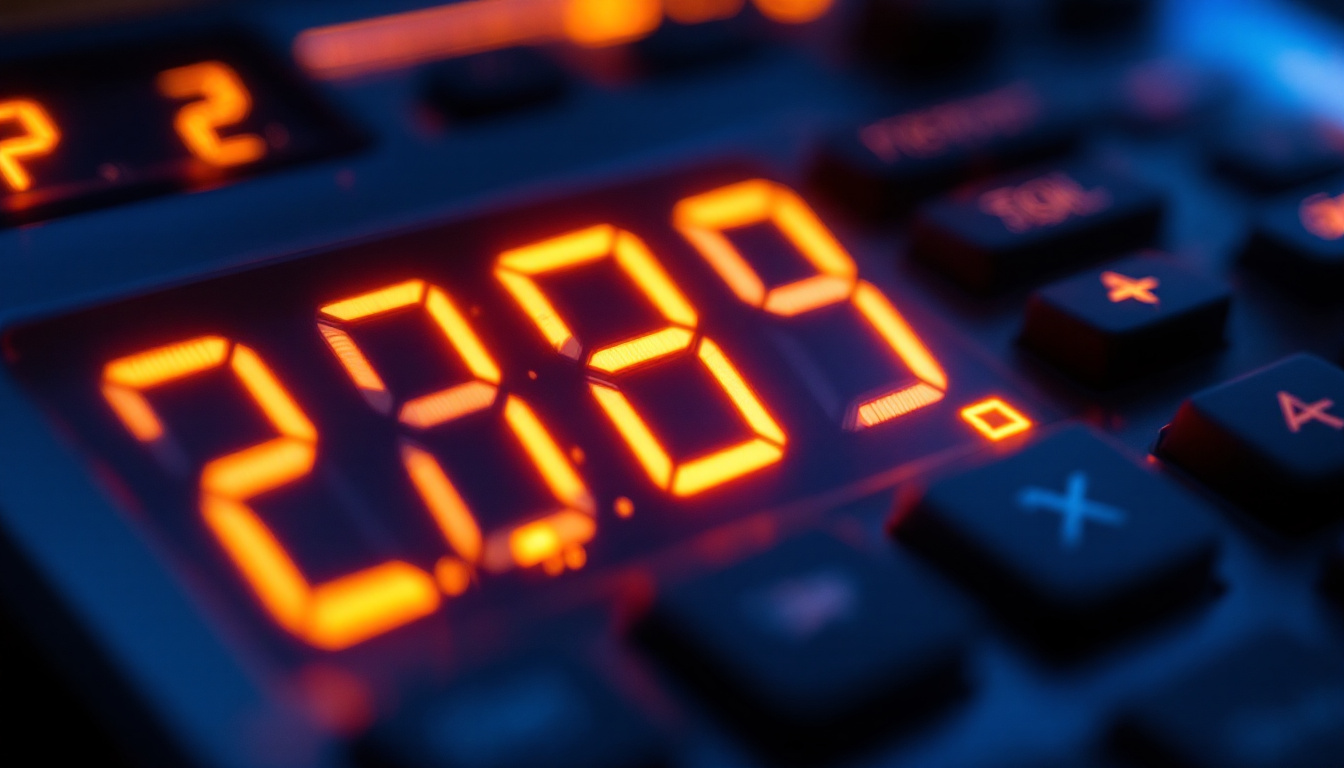
At its core, an LED display is a flat panel display that uses light-emitting diodes (LEDs) as pixels to create images and videos. Unlike traditional LCD or plasma screens, LED displays emit their own light, resulting in higher brightness and better contrast. This self-illumination is what allows LED screens to perform exceptionally well in various lighting conditions, including direct sunlight. The technology has evolved significantly over the years, making LED displays not only more efficient but also more versatile in their applications.
How LEDs Work in Displays
Each pixel in an LED display consists of one or more tiny LEDs, which can be red, green, and blue (RGB). By adjusting the intensity of these three colors, the display can produce a wide spectrum of colors, enabling vivid and accurate image reproduction. The technology behind this involves precise control circuits that manage the brightness and color of each LED to render high-resolution images. Furthermore, advancements in LED technology have led to the development of dynamic range capabilities, allowing displays to showcase deeper blacks and brighter whites, enhancing the overall viewing experience.
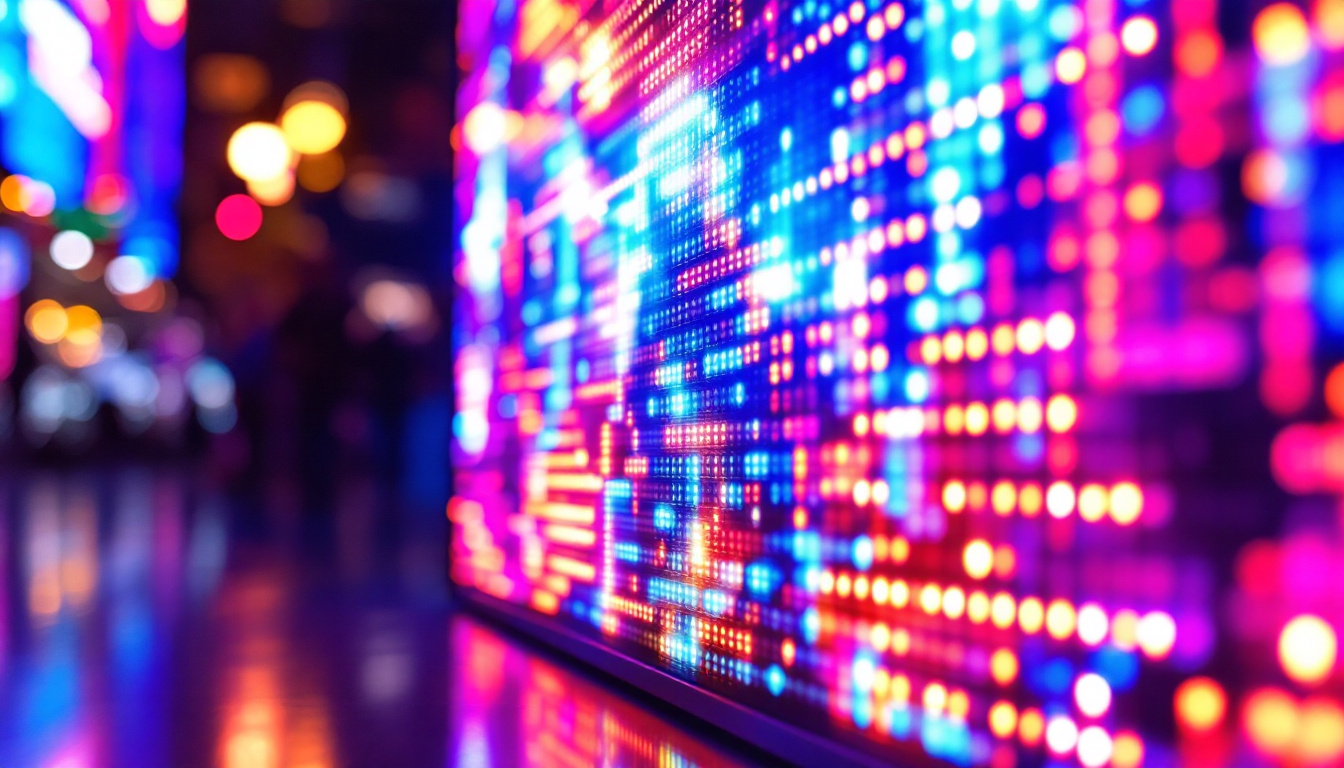
Modern LED displays often use surface-mounted device (SMD) LEDs, which are compact and allow for higher pixel density. This means sharper images and finer details, essential for close-up viewing scenarios such as indoor advertising or event displays. Additionally, the integration of smart technology into LED displays has enabled features like automatic brightness adjustment based on ambient light, further optimizing performance and energy consumption.
Types of LED Displays
LED displays come in various forms, each suited to different environments and purposes:
- Indoor LED Displays: Designed for controlled lighting environments, these displays have a higher pixel density and smaller pixel pitch, ensuring crisp images even at close range. They are commonly used in retail environments, conference rooms, and entertainment venues, where clarity and detail are paramount.
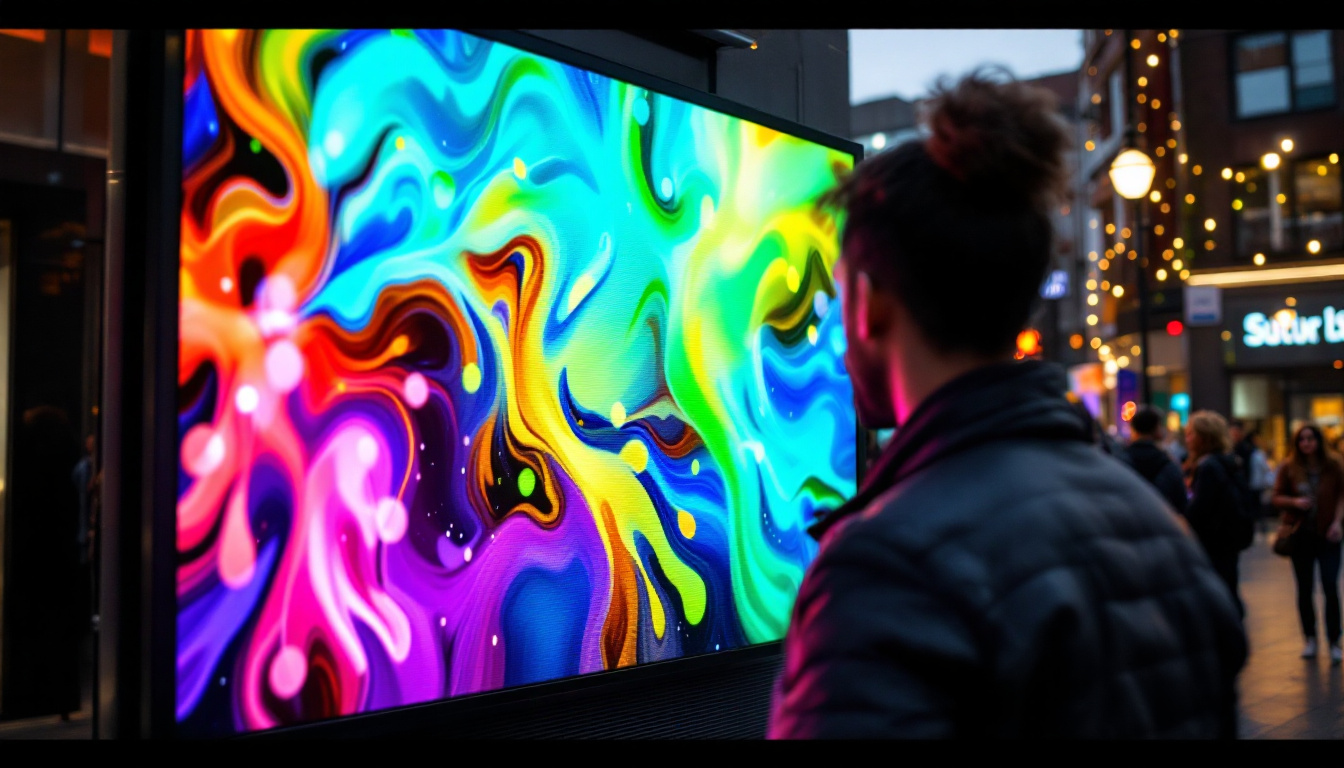
- Outdoor LED Displays: Built to withstand harsh weather conditions, these displays are brighter and have a larger pixel pitch to maintain visibility from a distance. They are often used for billboards, sports arenas, and public information displays, where they need to capture the attention of passersby from afar.
- Transparent LED Displays: These innovative screens allow light to pass through, making them ideal for storefront windows and architectural applications without obstructing views. They provide a unique way to display advertisements while maintaining the aesthetic appeal of the environment.
- Flexible LED Displays: Utilizing bendable materials, these displays can wrap around curved surfaces, opening new possibilities for creative installations. This flexibility allows designers to create immersive experiences in exhibitions, museums, and even in automotive applications, where traditional rigid displays would not suffice.
As technology continues to advance, the potential applications for LED displays are expanding rapidly. Innovations such as microLED technology promise even greater resolution and efficiency, while developments in integration with augmented reality (AR) and virtual reality (VR) are paving the way for new interactive experiences. The ongoing research and development in this field indicate that LED display technology will remain at the forefront of visual communication for years to come, continually enhancing how we engage with digital content.
Key Advantages of LED Displays
LED displays have surged in popularity due to their distinct advantages over other display technologies. Understanding these benefits helps businesses and advertisers make informed decisions when selecting digital signage solutions.
Brightness and Visibility
One of the most significant advantages of LED displays is their exceptional brightness. Outdoor LED screens can reach brightness levels of up to 7,000 nits or more, ensuring content remains visible even under direct sunlight. This makes them ideal for billboards, stadium screens, and transportation hubs where ambient lighting can be challenging.
Indoor LED displays, while less bright, still outperform LCDs in terms of clarity and color vibrancy, providing engaging visual experiences in retail stores, corporate lobbies, and control rooms. The ability to maintain consistent color accuracy and sharpness across various viewing angles enhances the overall impact of the displayed content, making it more appealing to potential customers and audiences.
Energy Efficiency and Longevity
Compared to traditional lighting and display technologies, LEDs are highly energy-efficient. They consume less power while delivering brighter images, which translates to lower operating costs and a reduced environmental footprint. Additionally, LED displays have a long operational lifespan, often exceeding 100,000 hours of use before significant brightness degradation occurs. This longevity not only reduces the frequency of replacements but also contributes to lower maintenance costs, making LEDs a financially sound investment for businesses.
Furthermore, the reduced heat output of LED displays compared to older technologies means less strain on HVAC systems, leading to additional energy savings. This combination of efficiency and durability makes LED displays an attractive option for organizations aiming to enhance their sustainability efforts while still delivering high-quality visual content.
Customization and Scalability
LED displays are modular by design, allowing for seamless scalability. Whether a business needs a small indoor screen or a massive outdoor billboard, LED panels can be combined to create displays of virtually any size and shape. This flexibility supports tailored solutions that fit specific branding and spatial requirements. The ability to create custom shapes and configurations means that businesses can design unique installations that stand out in a crowded marketplace, enhancing brand recognition and customer engagement.
Moreover, LED technology supports dynamic content updates, enabling real-time messaging, interactive features, and eye-catching animations that capture audience attention effectively. This capability is particularly beneficial for industries such as retail and entertainment, where timely promotions and engaging content can significantly influence consumer behavior. The integration of advanced software solutions allows for easy content management, ensuring that businesses can keep their displays fresh and relevant without extensive technical knowledge.
Applications of LED Displays in Various Industries
LED displays have transformed how information and advertising are communicated across multiple sectors. Their versatility and performance have led to widespread adoption in diverse environments.
Advertising and Marketing
Digital billboards equipped with LED displays have revolutionized outdoor advertising. According to a 2023 report by the Outdoor Advertising Association of America, digital out-of-home (DOOH) advertising, primarily using LED screens, has grown by over 15% annually in recent years. This growth is driven by the ability to deliver targeted, dynamic content that can be updated remotely and instantly.
Retailers use LED displays to showcase promotions, new products, and interactive content that enhances the shopping experience. The high brightness and color accuracy of LED screens ensure that marketing messages stand out in competitive environments.
Sports and Entertainment Venues
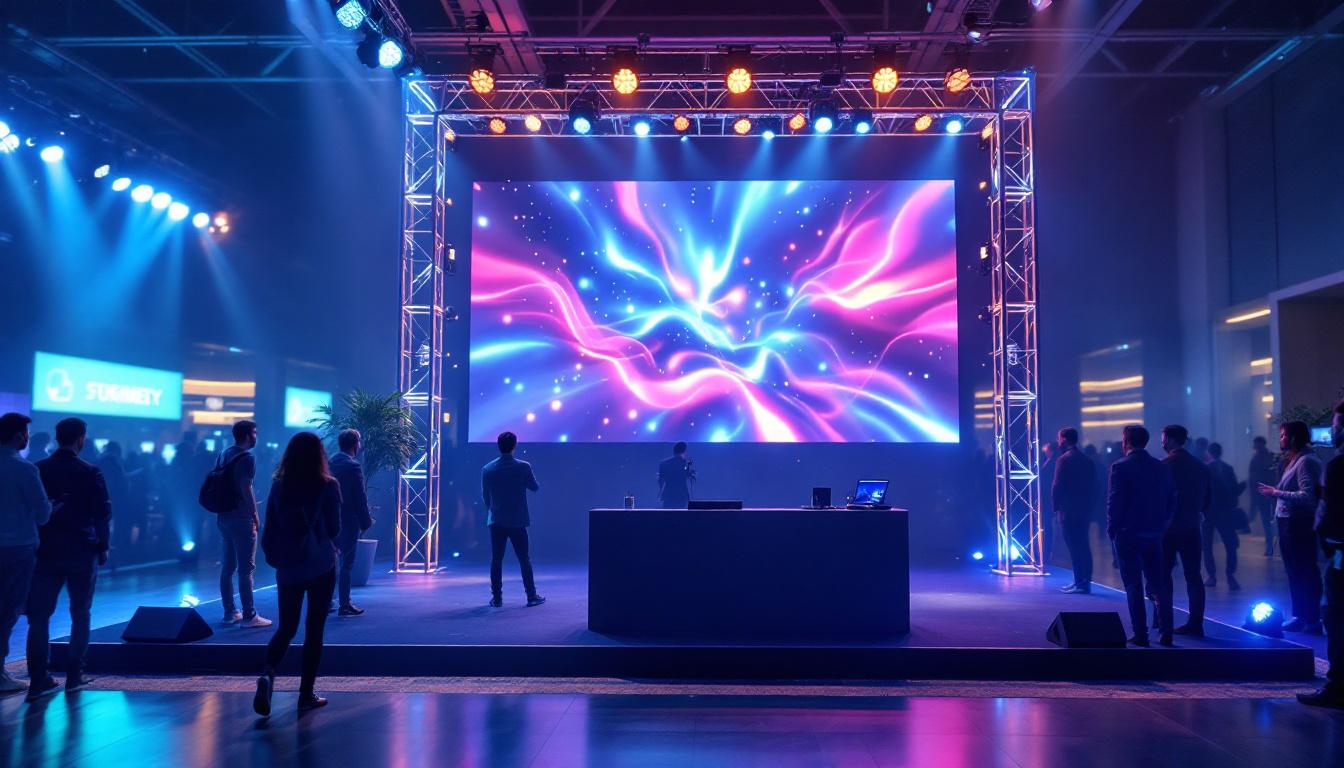
Stadiums and arenas rely heavily on large LED video walls to engage audiences. These displays provide live game footage, instant replays, and interactive fan experiences. Their durability and brightness make them suitable for both indoor and outdoor venues, regardless of weather or lighting conditions.
Transportation and Public Spaces
LED displays are commonly found in airports, train stations, and bus terminals, where they provide real-time information such as schedules, alerts, and wayfinding assistance. Their clarity and reliability are essential for ensuring smooth passenger flow and safety.
Corporate and Educational Environments
Businesses and educational institutions utilize LED screens for presentations, digital signage, and collaborative workspaces. The ability to display high-resolution content in various formats enhances communication and learning outcomes.
Choosing the Right LED Display: Factors to Consider
Selecting the appropriate LED display involves evaluating several critical factors to ensure optimal performance and return on investment.
Pixel Pitch and Resolution
Pixel pitch refers to the distance between individual LED pixels, typically measured in millimeters. A smaller pixel pitch means higher resolution and sharper images, which is crucial for indoor displays viewed up close. Conversely, outdoor displays can have a larger pixel pitch since they are viewed from greater distances.
Brightness and Contrast Ratio
Brightness levels should align with the installation environment. Outdoor displays require higher brightness to combat sunlight, while indoor screens benefit from higher contrast ratios to enhance image depth and color fidelity.
Durability and Weather Resistance
For outdoor installations, displays must be rated for water resistance, dust protection, and temperature extremes. Look for certifications such as IP65 or higher to ensure longevity and reliable operation.
Control Systems and Software
Modern LED displays come with sophisticated control systems that allow for easy content management, scheduling, and remote monitoring. Choosing a system compatible with existing infrastructure and user-friendly software can significantly streamline operations.
Future Trends in LED Display Technology
The LED display industry continues to innovate, driven by advancements in materials, manufacturing, and digital integration.
MicroLED and MiniLED Technologies
Emerging MicroLED and MiniLED technologies promise even higher resolution, improved energy efficiency, and better color accuracy. These developments are expected to enhance both consumer electronics and large-scale digital signage applications.
Integration with Artificial Intelligence
AI-powered content management systems are beginning to tailor advertising and information displays based on audience demographics and behavior in real-time. This personalization increases engagement and effectiveness.
Environmental Sustainability
Manufacturers are focusing on reducing the environmental impact of LED displays by using recyclable materials, improving energy efficiency, and designing for easier maintenance and upgrades.
Conclusion
LED displays represent a dynamic and versatile technology that continues to reshape the landscape of digital communication. Their brightness, energy efficiency, and adaptability make them indispensable across a wide range of industries. As technology advances, LED displays will offer even more immersive and personalized experiences, solidifying their role as a critical tool for businesses and public spaces alike.
Understanding the technical aspects and practical applications of LED displays empowers decision-makers to select solutions that maximize impact and value. Whether for advertising, entertainment, or information dissemination, LED technology stands at the forefront of visual innovation.
Discover LumenMatrix LED Display Solutions
As you consider the vast potential of LED displays to revolutionize your visual communication strategy, LumenMatrix stands ready to bring your vision to life. With a comprehensive range of cutting-edge LED display modules, including Indoor and Outdoor LED Wall Displays, Vehicle LED Displays, LED Poster Displays, LED Sports Displays, Floor LED Displays, Custom LED Displays, All-in-One LED Displays, and LED Transparent Displays, LumenMatrix is at the forefront of innovation in the industry. Embrace the future of digital signage with LumenMatrix and create immersive, engaging experiences that capture your audience’s attention. Check out LumenMatrix LED Display Solutions today and see how our technology can enhance your brand visibility and messaging impact.