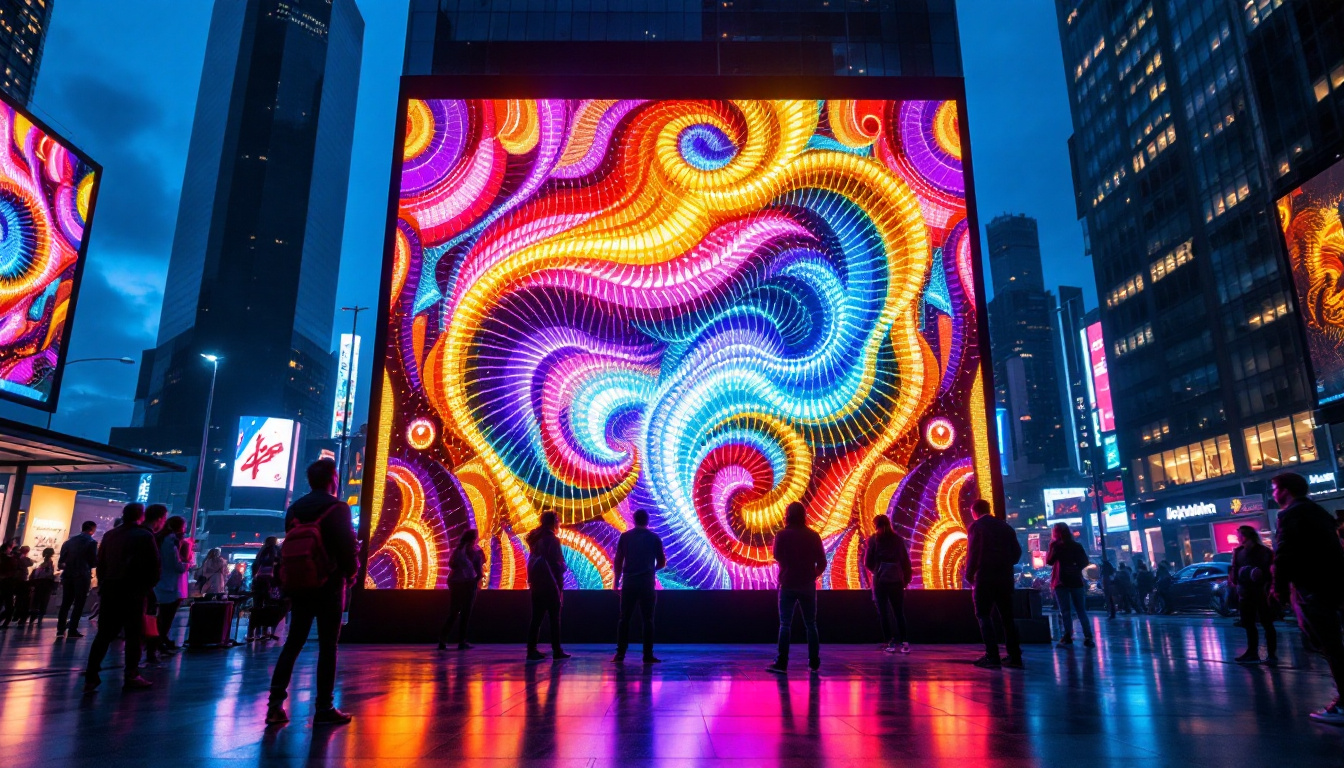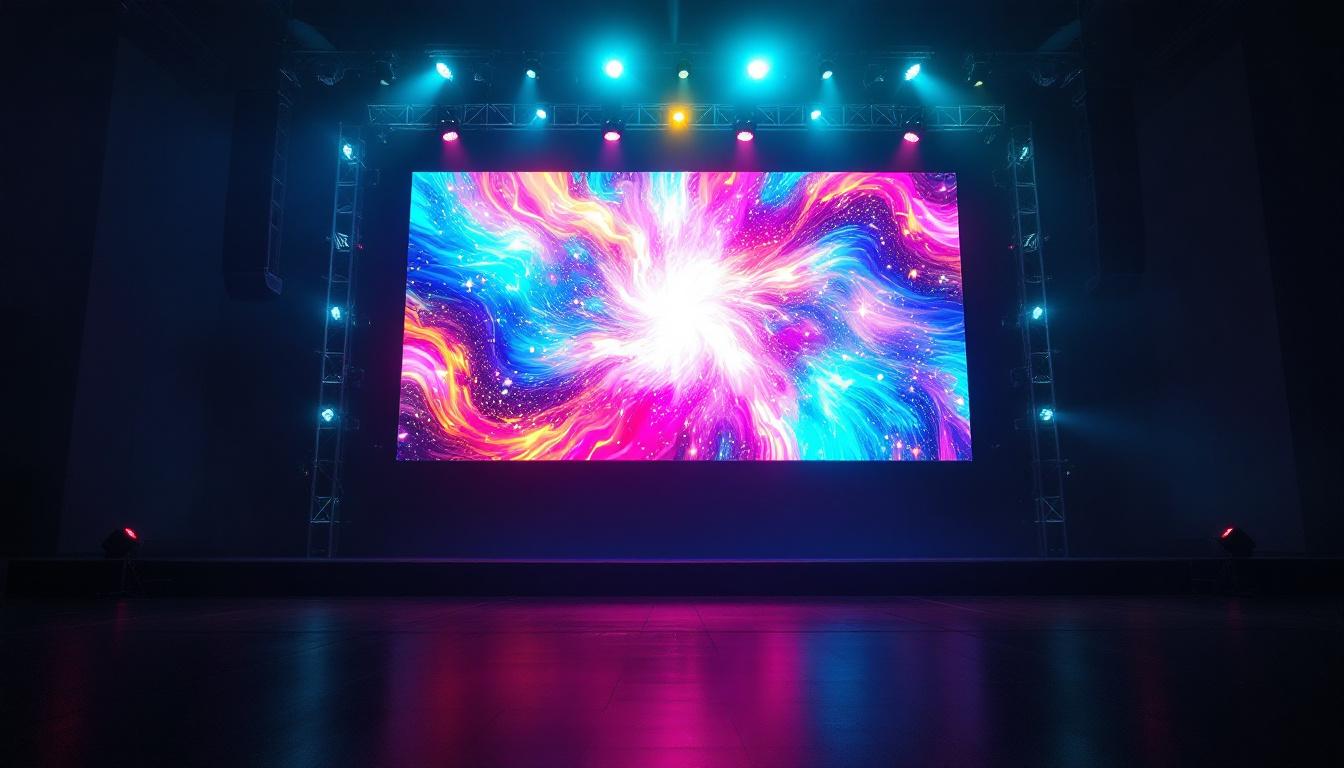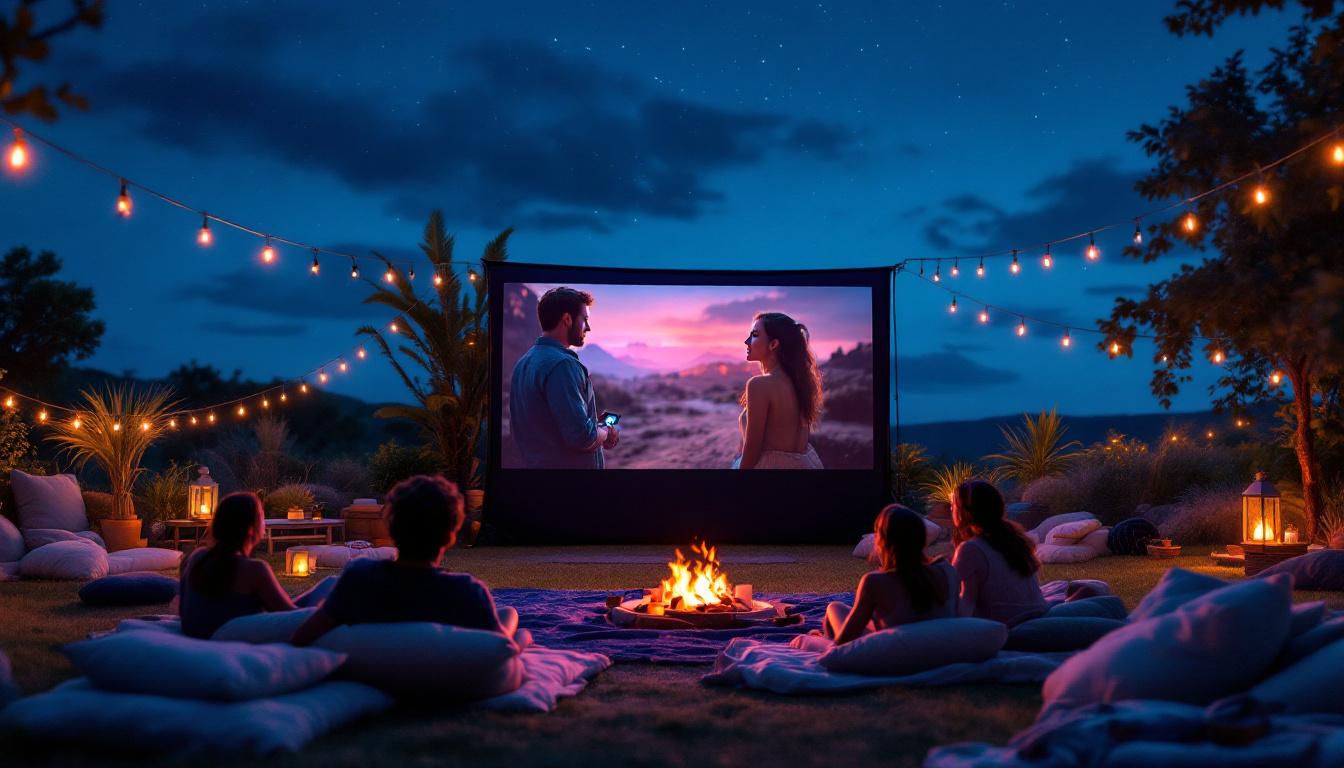
Outdoor movie nights have become an increasingly popular way to gather friends, family, and communities for shared entertainment under the stars. Whether it’s a backyard party, a community event, or a corporate gathering, renting an outdoor movie projector can transform any open space into a captivating cinema experience. Among the various display technologies available, LED displays have emerged as a leading choice for outdoor projections due to their brightness, durability, and image quality.
Understanding Outdoor Movie Projectors
Before diving into the specifics of LED displays, it’s important to understand what an outdoor movie projector is and how it differs from traditional indoor projectors. Outdoor projectors are designed to deliver bright, clear images in environments where ambient light levels can vary significantly. This means they need to be powerful enough to overcome natural light sources such as street lamps, moonlight, or even residual daylight during early evening screenings.
Typically, outdoor projectors come with higher lumens ratings than indoor models. Lumens measure the brightness of a projector’s light output, and for outdoor use, a minimum of 3,000 lumens is often recommended. However, the actual brightness needed depends on factors such as screen size, ambient light, and viewing distance.
Types of Outdoor Projector Displays
When renting an outdoor movie projector, the display technology is a critical consideration. The two most common types are:
- Traditional Projection Screens: These rely on a projector to cast the image onto a white or reflective screen surface. The quality depends heavily on the projector’s brightness and the screen’s material.
- LED Displays: These are composed of numerous light-emitting diodes arranged in a grid to form a large, bright screen. They do not require a separate projector and are self-illuminating.
Each has its advantages, but LED displays have gained significant traction for outdoor movie events due to their superior brightness and flexibility.
What is an LED Display?
LED stands for Light Emitting Diode, a semiconductor device that emits light when an electric current passes through it. LED displays use thousands of these tiny diodes to create images by varying the intensity and color of each diode. Unlike traditional projection, which relies on an external light source, LED displays generate their own light, making them inherently brighter and more vivid.
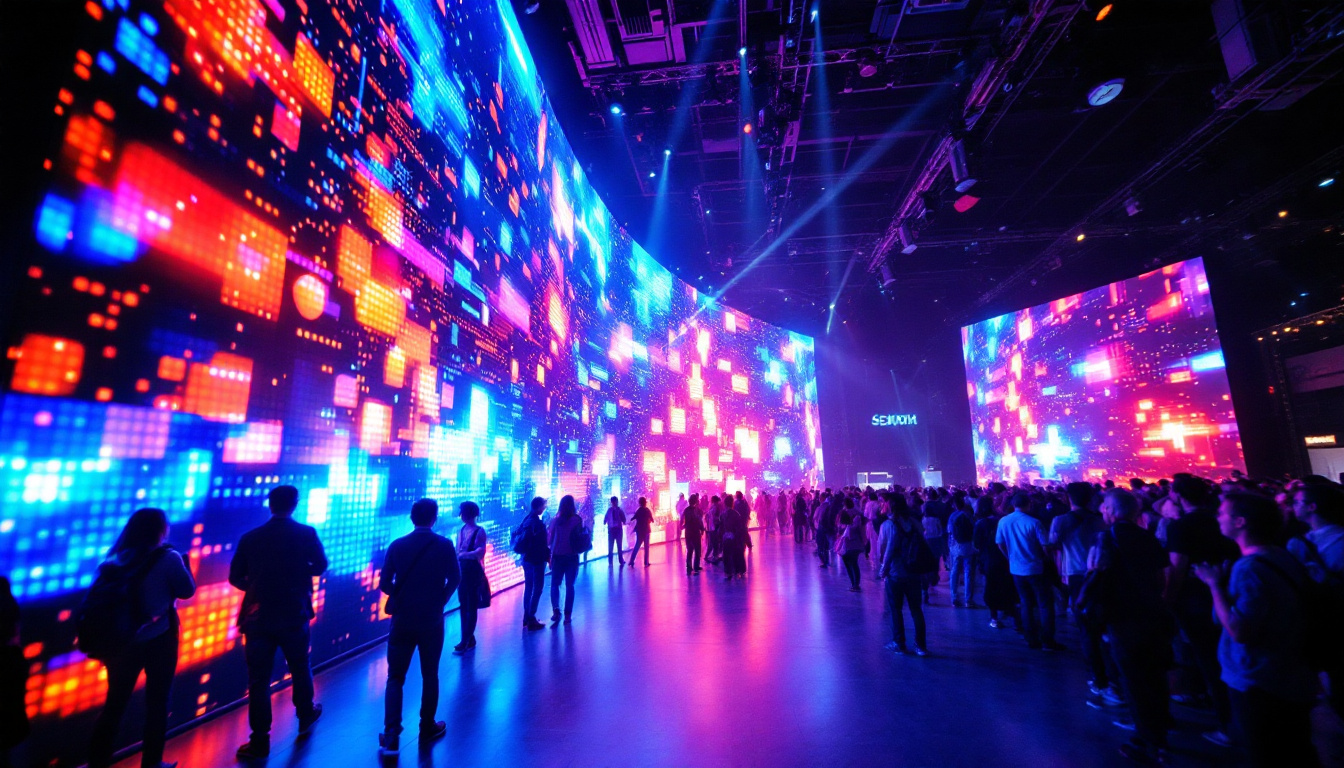
LED technology has evolved rapidly over the past decade, enabling the production of large-scale, high-resolution screens suitable for outdoor use. These displays are modular, meaning they are built from smaller panels that can be combined to create screens of virtually any size or shape.
Key Features of LED Displays for Outdoor Use
When considering renting an LED display for an outdoor movie event, several features make them particularly well-suited:
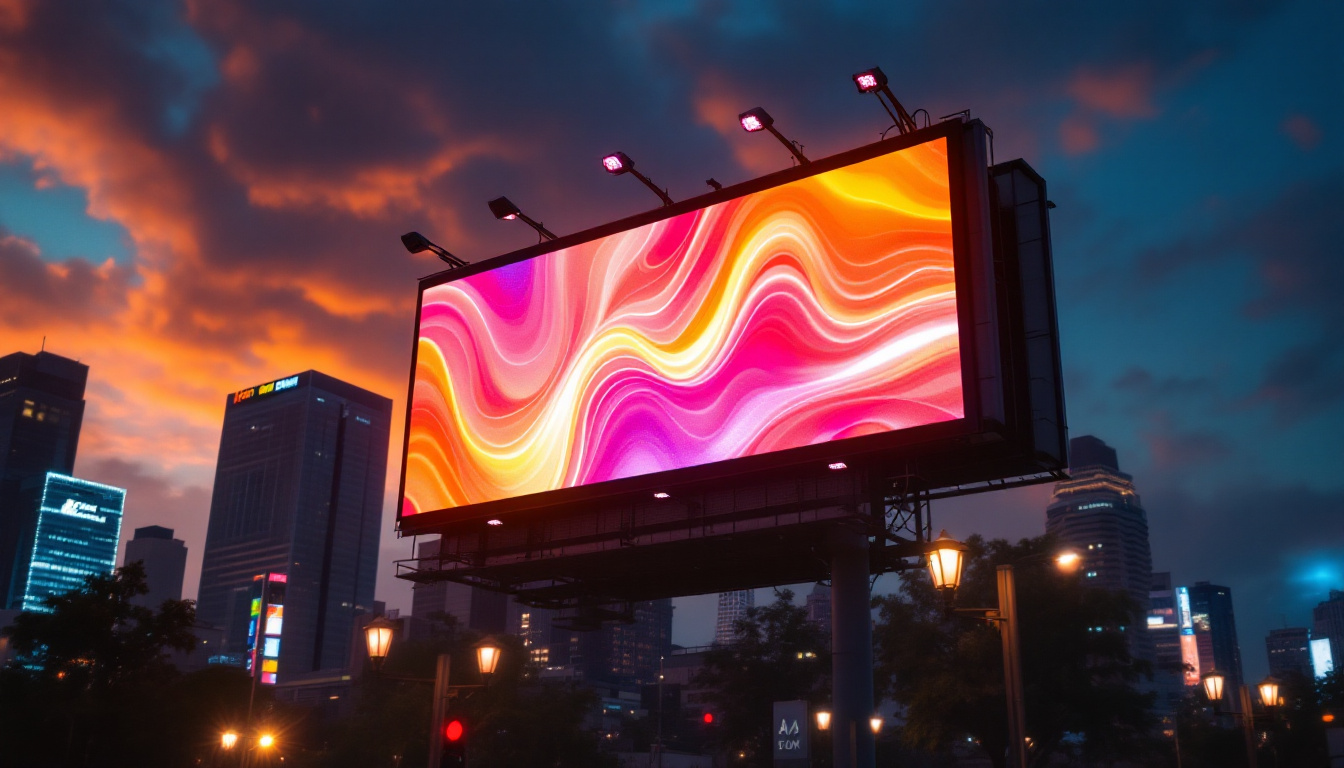
- High Brightness: LED screens can achieve brightness levels exceeding 5,000 nits, which is several times brighter than traditional projectors. This ensures clear visibility even in well-lit environments or during twilight hours.
- Vivid Colors and Contrast: LEDs provide excellent color accuracy and deep blacks, resulting in a more immersive viewing experience.
- Durability and Weather Resistance: Outdoor LED displays are built to withstand rain, wind, and temperature fluctuations, often featuring IP65 or higher ratings for water and dust resistance.
- Seamless Viewing Angles: LED displays maintain consistent image quality across wide viewing angles, allowing large audiences to enjoy the movie without distortion or color shift.
Advantages of Renting an LED Display for Outdoor Movies
For event organizers and hosts, renting an LED display offers several compelling benefits compared to traditional projector setups.
Superior Image Quality in Any Lighting Condition
One of the biggest challenges with outdoor movie screenings is ambient light interference. Traditional projectors struggle to produce bright enough images when there is residual daylight or street lighting. LED displays, with their self-illuminating diodes, maintain vivid, clear images regardless of surrounding light conditions. This flexibility allows events to start earlier in the evening or continue later without sacrificing picture quality.
Ease of Setup and Portability
Modern LED displays are designed for quick assembly and disassembly. Rental companies often provide modular panels that can be stacked or arranged to fit the venue’s layout. This modularity reduces setup time and logistical complexity, making LED displays ideal for pop-up events, festivals, and temporary installations.
Reliability and Low Maintenance
LED technology is known for its long lifespan and low maintenance requirements. Unlike projectors, which rely on bulbs that can burn out or degrade over time, LED displays have a longer operational life and are less prone to sudden failures. This reliability is crucial for ensuring uninterrupted movie screenings and minimizing technical issues during events.
Scalability and Customization
Because LED displays are modular, they can be customized to fit different screen sizes and aspect ratios. Whether the event requires a small intimate screen or a massive display for thousands of viewers, LED technology can accommodate these needs without compromising image quality.
Considerations When Renting an LED Display
While LED displays offer many advantages, there are important factors to consider to ensure the best rental experience and optimal viewing quality.
Screen Resolution and Pixel Pitch
Resolution refers to the number of pixels that make up the display, directly impacting image clarity. Pixel pitch, measured in millimeters, indicates the distance between individual LED pixels. A smaller pixel pitch means higher resolution and sharper images, especially at close viewing distances.
For outdoor movie screenings, a pixel pitch between 3mm and 6mm is typically sufficient, balancing image quality with cost. Rental providers can recommend the appropriate resolution based on the expected audience size and viewing distance.
Screen Size and Viewing Distance
Choosing the right screen size depends on the number of viewers and their distance from the screen. As a general rule, the screen width should be approximately one-third to one-half of the maximum viewing distance. For example, if the farthest viewer is 90 feet away, a screen width of 30 to 45 feet is ideal.
LED displays can be scaled to meet these requirements, but larger screens require more panels and higher rental costs. It’s important to balance size with budget and venue constraints.
Power Requirements and Setup Environment
LED displays consume more power than traditional projectors, so ensuring adequate electrical supply is essential. Rental companies typically handle power logistics, but event organizers should confirm availability and safety measures at the venue.
Additionally, the setup environment should be considered. LED displays require stable, level surfaces and protection from extreme weather conditions. While many LED screens are weather-resistant, heavy rain or high winds may necessitate additional shelter or event rescheduling.
Cost Considerations for Renting Outdoor LED Displays
Cost is a significant factor when deciding between renting an LED display or a traditional projector setup. LED rentals tend to be more expensive upfront, but their benefits often justify the investment.
Typical Rental Pricing
Rental prices for outdoor LED displays vary widely depending on screen size, resolution, rental duration, and additional services such as delivery, setup, and technical support. As of 2024, typical rates range from $1,000 to $5,000 per day for medium-sized screens (around 20 to 30 feet wide).
Smaller screens or shorter rental periods may be available at lower costs, while large-scale installations for festivals or corporate events can exceed $10,000 per day.
Value Beyond the Price
While LED displays may have higher rental fees, their advantages in image quality, reliability, and setup efficiency often reduce hidden costs. Fewer technical issues mean less downtime and a smoother event experience. Additionally, the ability to screen movies earlier or in brighter conditions can attract larger audiences, increasing event success.
Popular Use Cases for LED Outdoor Movie Displays
LED displays have become the go-to solution for a variety of outdoor movie events, thanks to their versatility and performance.
Community Movie Nights and Festivals
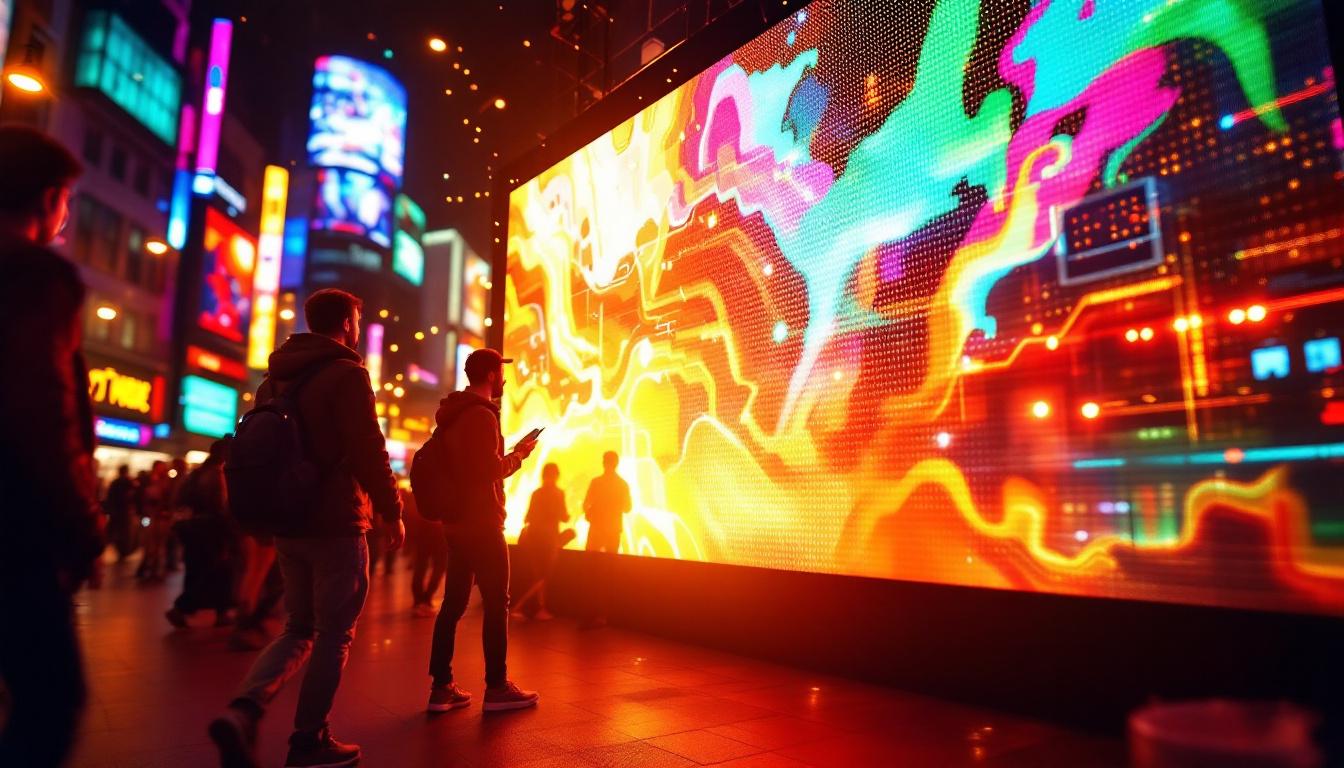
Many municipalities and community organizations host regular outdoor movie nights in parks or public squares. LED displays enable these events to run smoothly with bright, clear images that appeal to diverse audiences, even in urban environments with ambient light pollution.
Corporate and Private Events
Companies often rent LED displays for outdoor movie screenings during employee appreciation days, product launches, or team-building events. The professional image quality and ease of setup make LED screens ideal for impressing guests and creating memorable experiences.
Drive-In Theaters and Large Venues
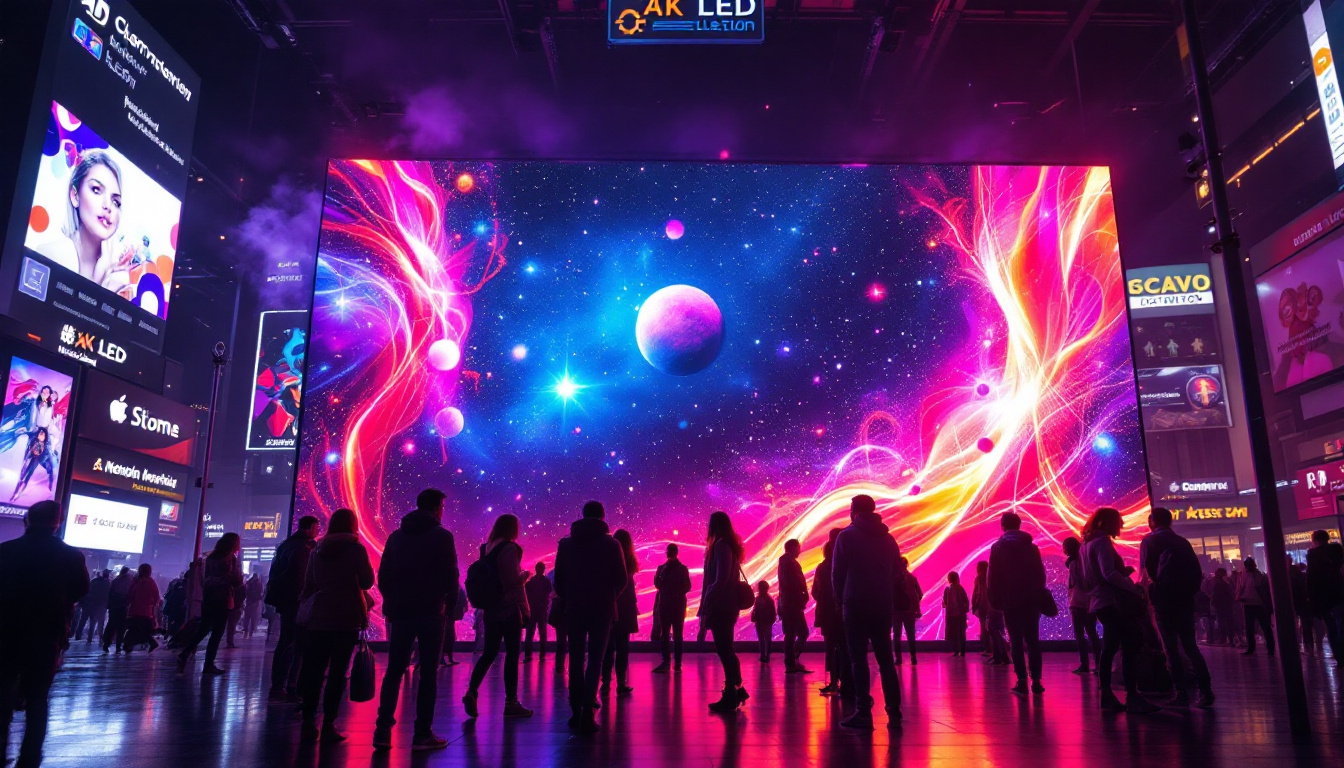
Drive-in theaters and large outdoor venues benefit from the scalability and brightness of LED displays. These screens can be seen clearly from long distances and accommodate large crowds, reviving the nostalgic drive-in experience with modern technology.
Tips for a Successful Outdoor Movie Event with LED Displays
To maximize the impact of an outdoor movie event using an LED display, consider the following tips:
Plan for Ambient Lighting
Even though LED displays perform well in various lighting conditions, minimizing ambient light will enhance the viewing experience. Choose locations away from streetlights or use temporary lighting controls where possible.
Ensure Proper Audio Setup
Visual quality is only part of the experience. High-quality outdoor speakers and sound systems are essential to complement the LED display and provide clear audio for all attendees.
Coordinate with Rental Providers
Work closely with the rental company to understand setup requirements, power needs, and any site-specific considerations. Early planning helps avoid last-minute issues and ensures a smooth event.
Test the Equipment Before the Event
Schedule a test run to check the LED display’s functionality, image quality, and connectivity. This allows time to address any technical problems before guests arrive.
Conclusion
Renting an outdoor movie projector with an LED display offers a powerful solution for creating unforgettable cinematic experiences under the open sky. The superior brightness, durability, and image quality of LED technology make it an excellent choice for a wide range of outdoor events, from community gatherings to corporate functions.
While the initial rental cost may be higher than traditional projector setups, the benefits in reliability, scalability, and visual impact often outweigh the expense. By understanding the features and considerations involved in renting LED displays, event organizers can make informed decisions that ensure successful and memorable outdoor movie nights.
Discover LumenMatrix LED Display Solutions
Ready to elevate your outdoor movie events with unparalleled brightness and clarity? LumenMatrix is at the forefront of LED display technology, offering a diverse range of solutions tailored to your needs. From vibrant outdoor LED walls that bring your screenings to life to versatile all-in-one displays for any occasion, our mission is to transform your visual storytelling. Experience the difference in engagement and brand visibility with our cutting-edge displays. Check out LumenMatrix LED Display Solutions today and turn your next outdoor movie event into a spectacular visual journey.