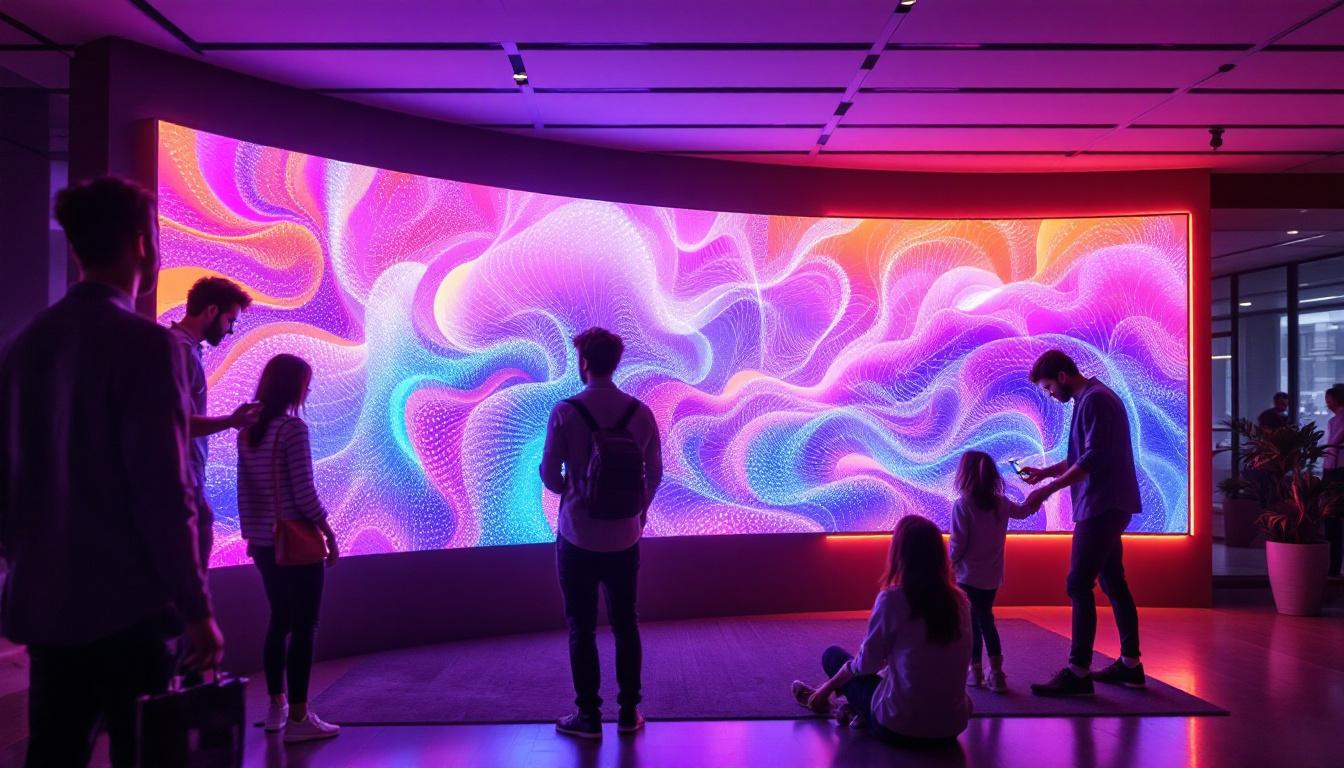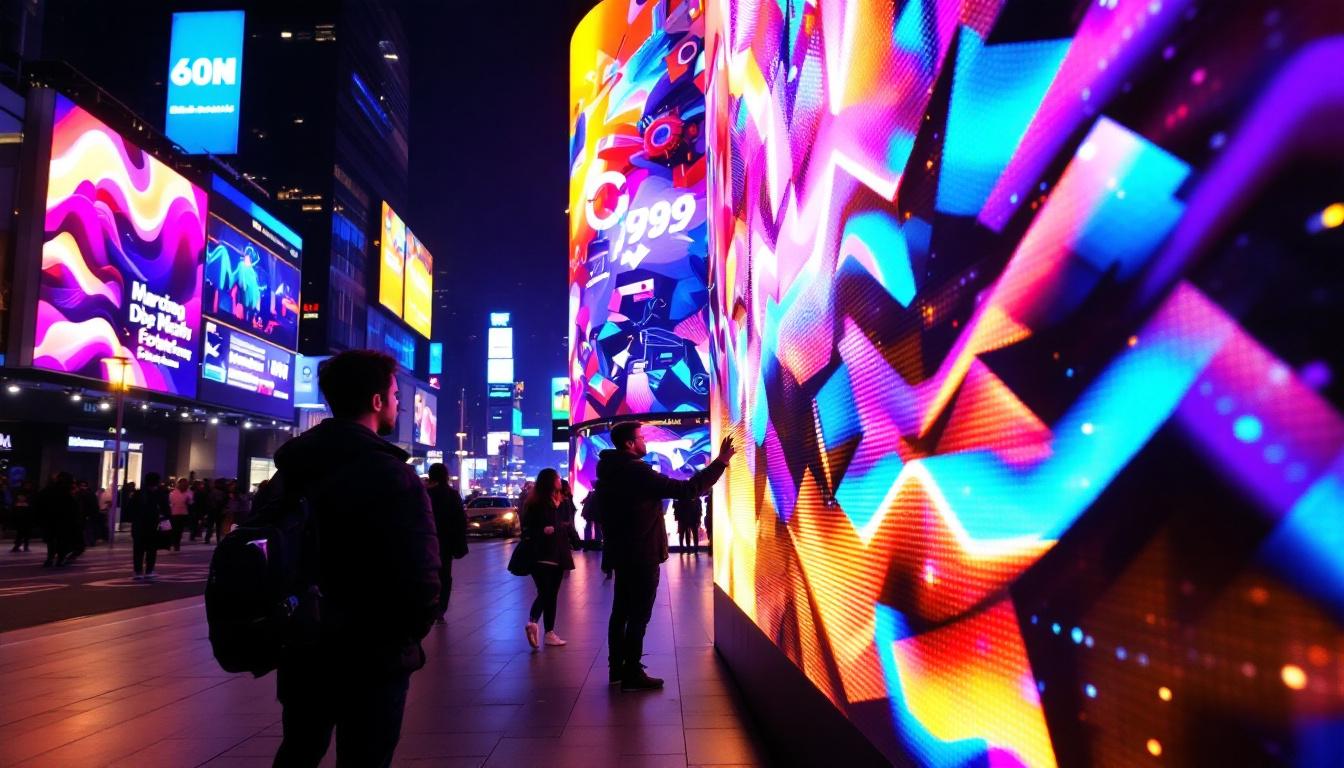
In today’s fast-paced digital world, LED displays have become an integral part of how businesses communicate, advertise, and engage with their audiences. From towering billboards in city centers to vibrant screens in retail stores and stadiums, LED technology is everywhere. For those exploring career opportunities in the tech and digital signage industries, understanding LED displays is essential. This article delves deep into the world of LED displays, explaining their technology, applications, and the career prospects they offer, especially within innovative hubs like Ihub.
What is an LED Display?
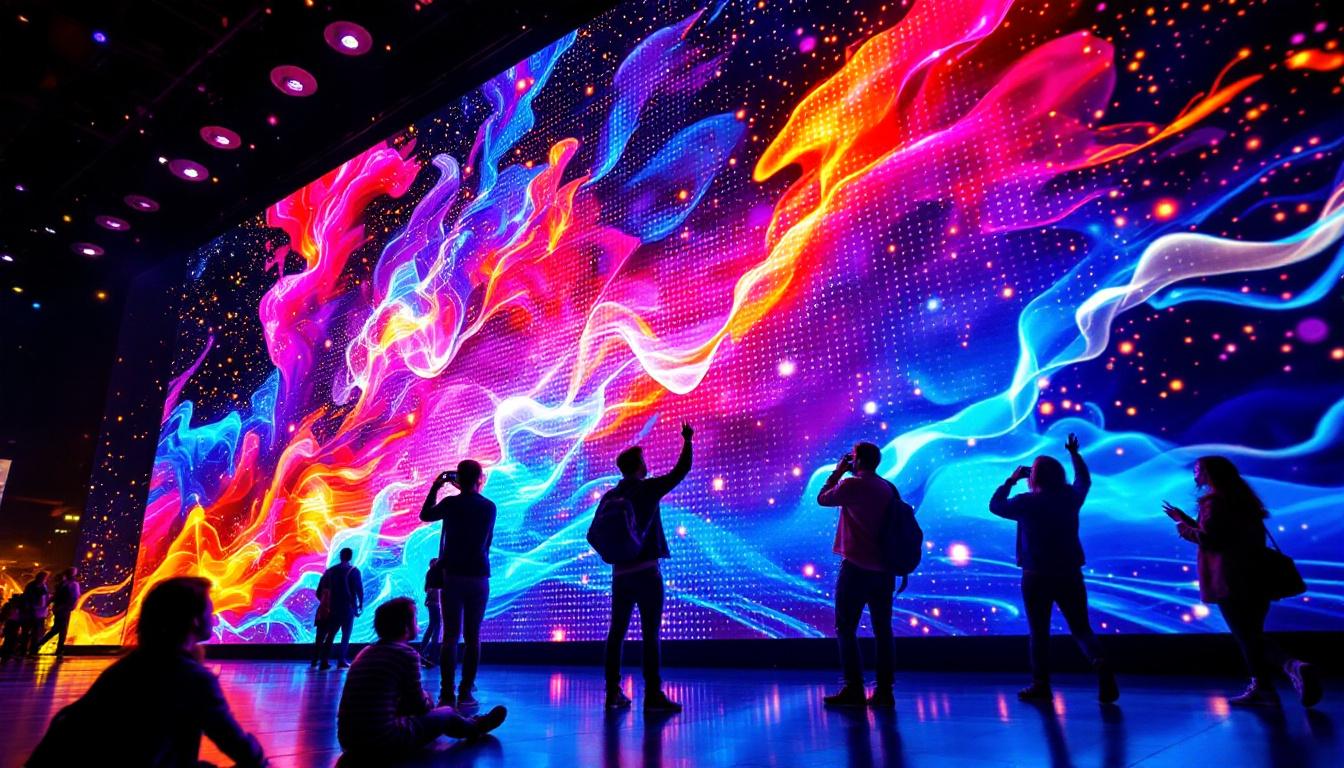
LED stands for Light Emitting Diode, a semiconductor device that emits light when an electric current passes through it. An LED display is a flat panel display that uses an array of LEDs as pixels to produce images, videos, or text. Unlike traditional LCD or plasma screens, LED displays are known for their brightness, energy efficiency, and durability. This makes them ideal for use in a variety of settings, from bustling city streets to dimly lit conference rooms.
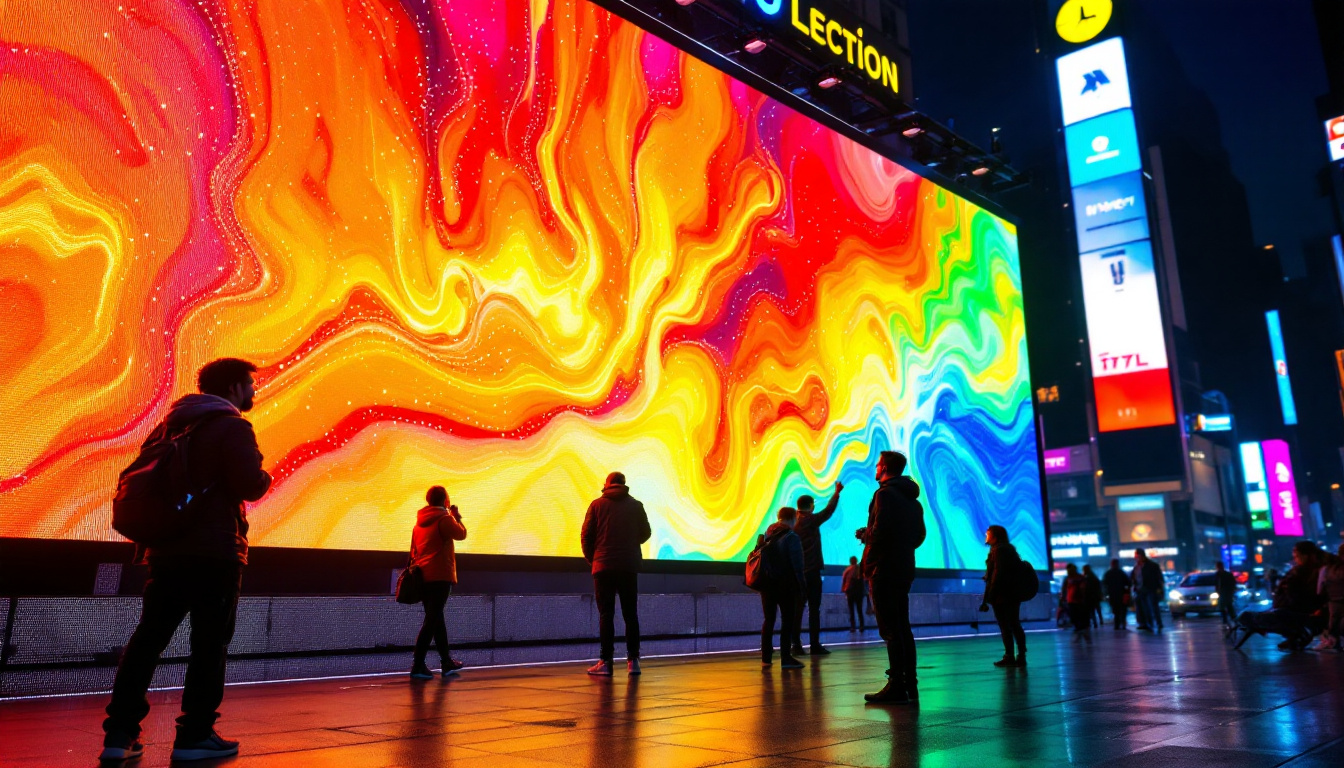
LED displays come in various forms, including indoor and outdoor screens, flexible panels, and even transparent displays. Their versatility makes them suitable for a wide range of applications, from advertising and entertainment to information dissemination and interactive installations. For instance, outdoor LED billboards can withstand harsh weather conditions while providing vivid visuals that capture the attention of passersby, while indoor displays can be seamlessly integrated into architectural designs, enhancing the aesthetic appeal of a space.
How LED Displays Work
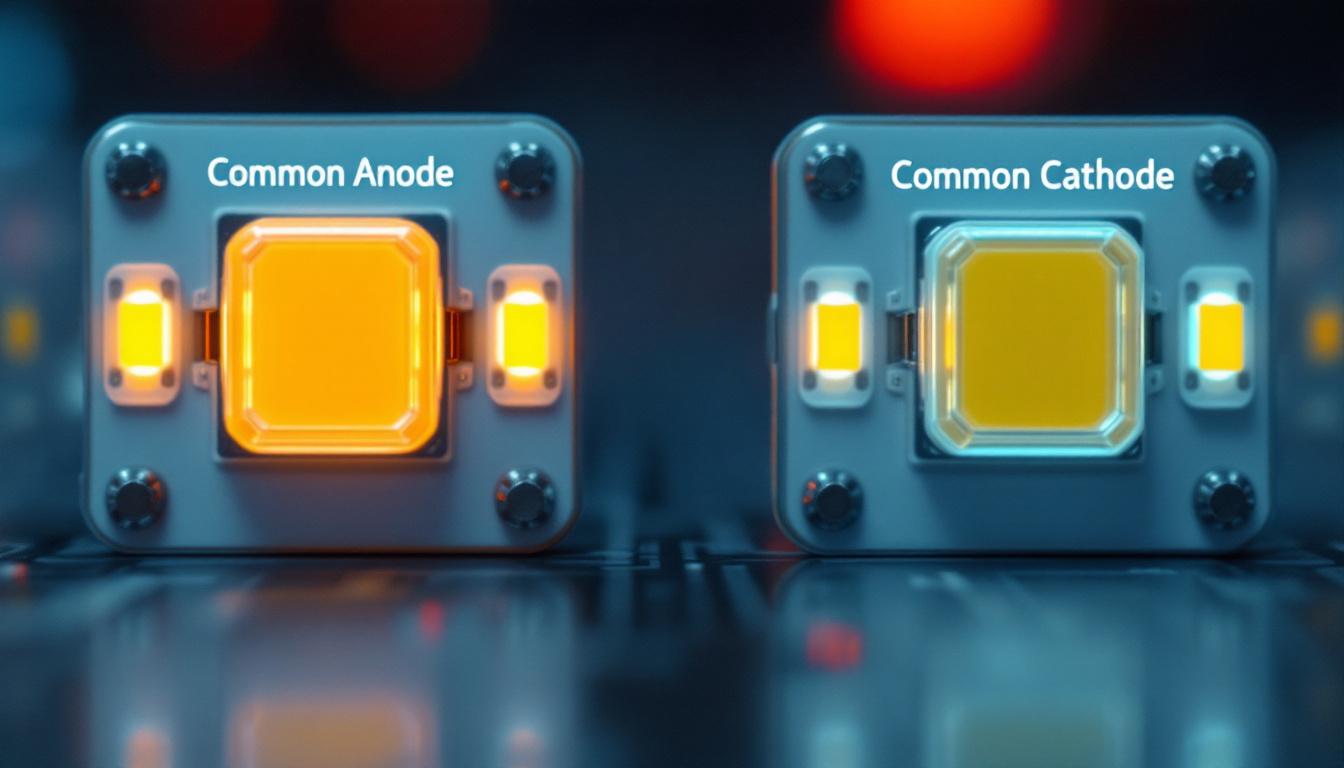
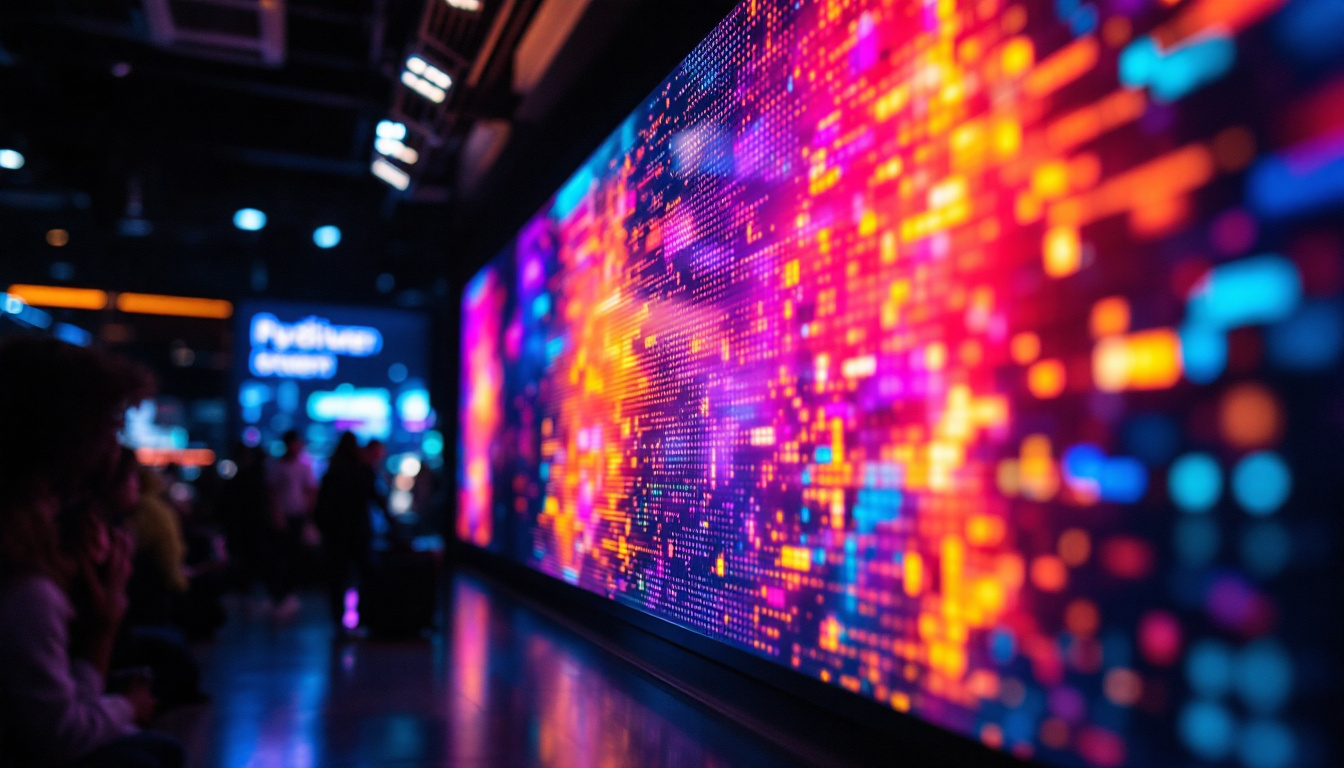
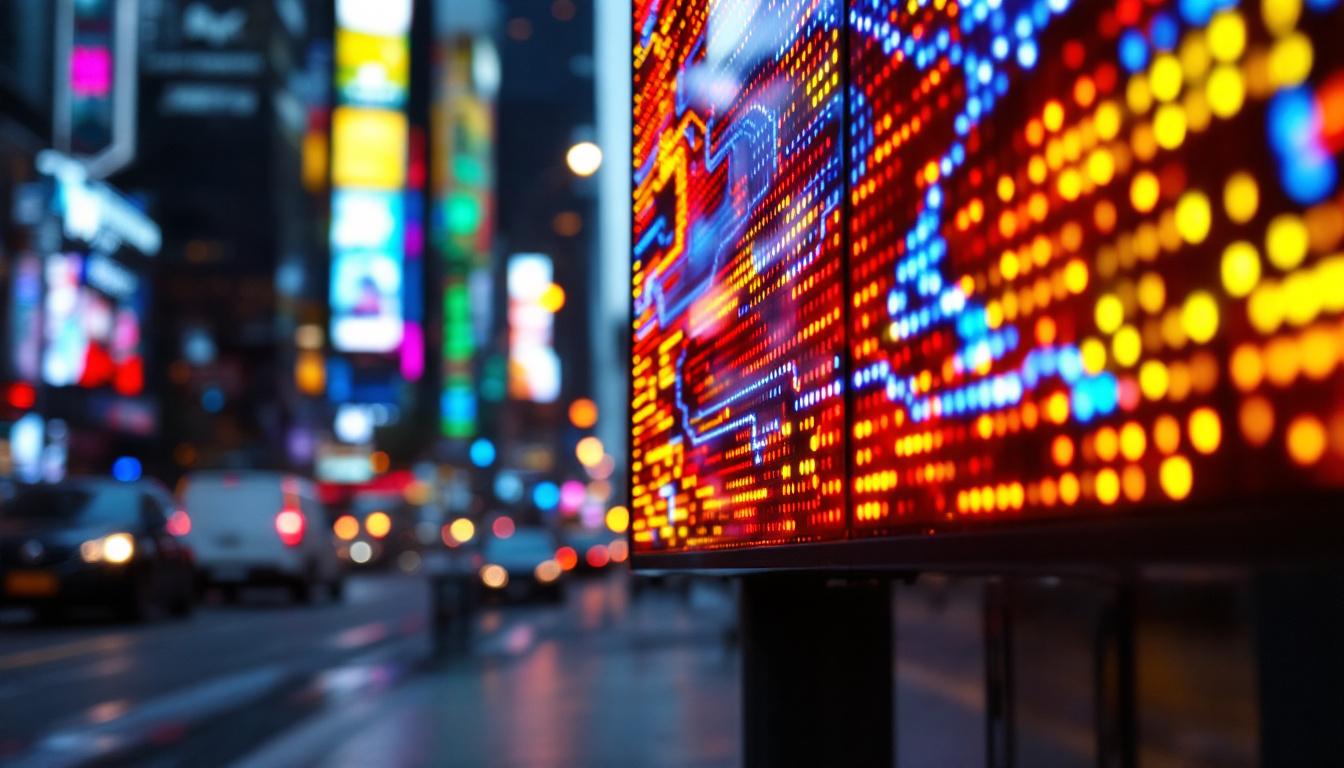
At the core of an LED display are tiny diodes that emit light in red, green, and blue (RGB) colors. By adjusting the intensity of each color, the display can produce millions of colors, creating vibrant and dynamic images. These LEDs are arranged in a matrix, and each group of three LEDs (one red, one green, one blue) forms a pixel. This RGB configuration allows for a wide color gamut, enabling the display to reproduce images with stunning accuracy and depth.
The display’s resolution depends on the number of pixels per unit area, commonly referred to as pixel pitch. A smaller pixel pitch means higher resolution and better image clarity, especially important for close-up viewing. The control system sends signals to each pixel to adjust its brightness and color in real time, enabling smooth video playback and crisp graphics. Additionally, advancements in technology have led to the development of smart LED displays that can connect to the internet, allowing for real-time updates and interactive content. This capability not only enhances user engagement but also opens up new avenues for creative expression in digital signage and art installations, making LED displays a dynamic medium in the modern visual landscape.
Types of LED Displays and Their Applications
Understanding the different types of LED displays is crucial for anyone interested in careers related to this technology. Each type has unique characteristics tailored to specific environments and uses.
Indoor LED Displays
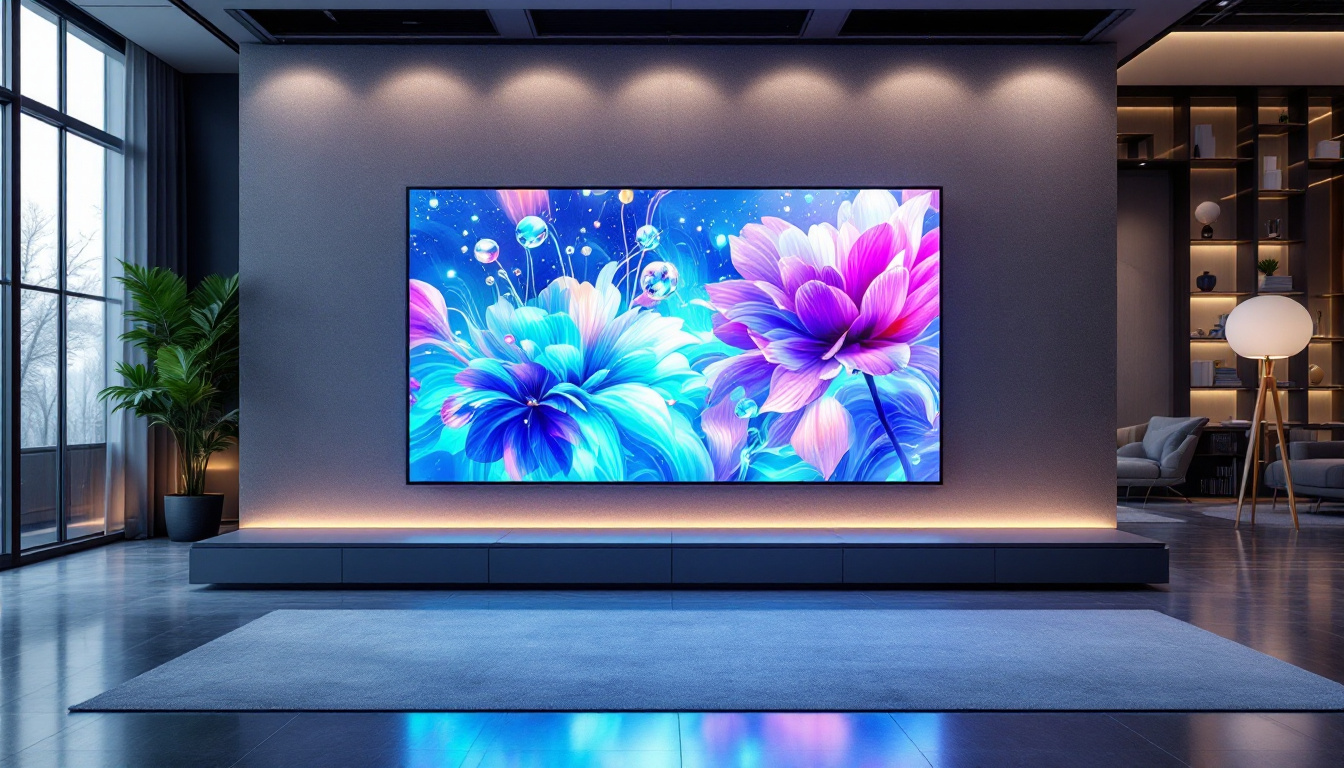
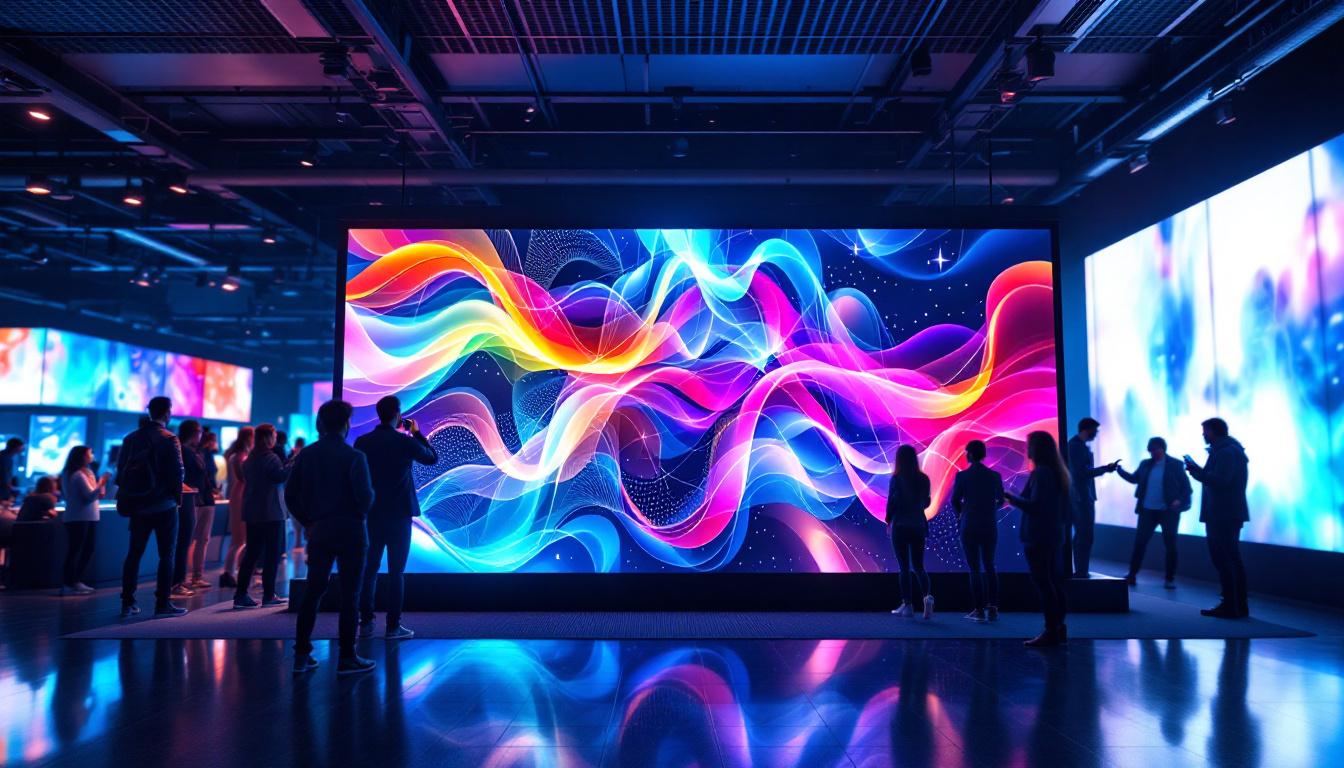
Indoor LED displays are designed for environments like conference rooms, shopping malls, airports, and event venues. They feature a fine pixel pitch, often ranging from 1mm to 4mm, which ensures high resolution and sharp images when viewed at close distances.
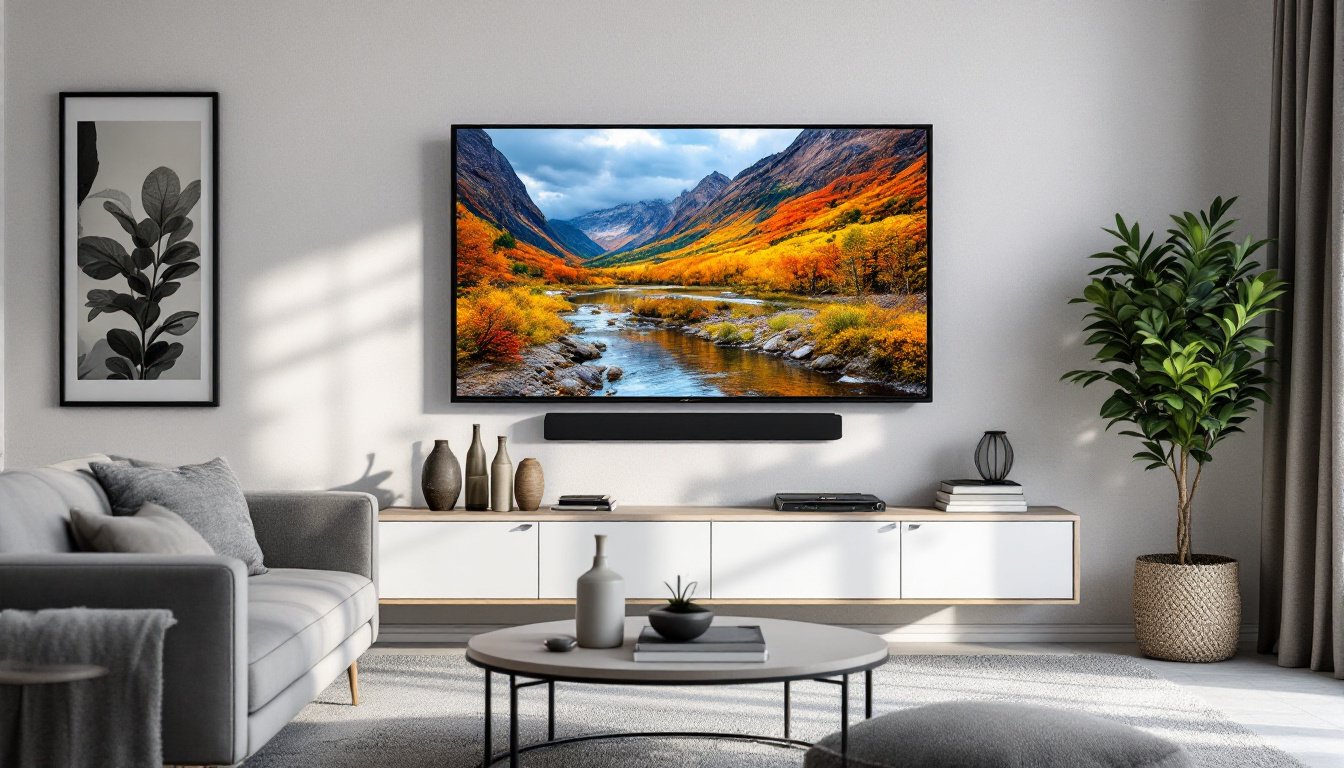
These displays are widely used for digital signage, presentations, and interactive kiosks. Their brightness levels are optimized for indoor lighting conditions, typically ranging from 800 to 1,500 nits, providing clear visibility without causing eye strain. Additionally, many indoor LED displays support advanced features such as touch interactivity and high refresh rates, making them ideal for engaging audiences in dynamic presentations or immersive experiences. The versatility of these displays allows businesses to tailor content to specific audiences, whether it be promotional videos in retail spaces or informational displays in corporate settings.
Outdoor LED Displays
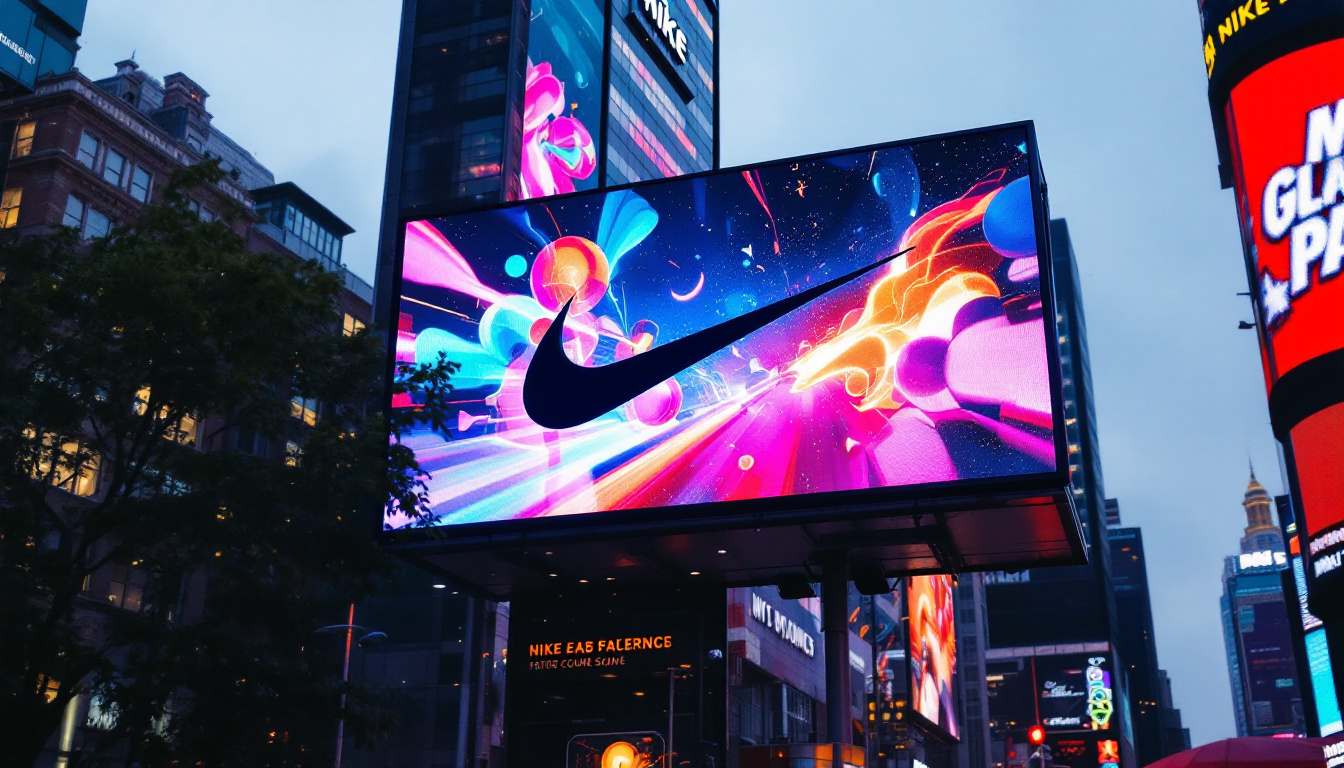
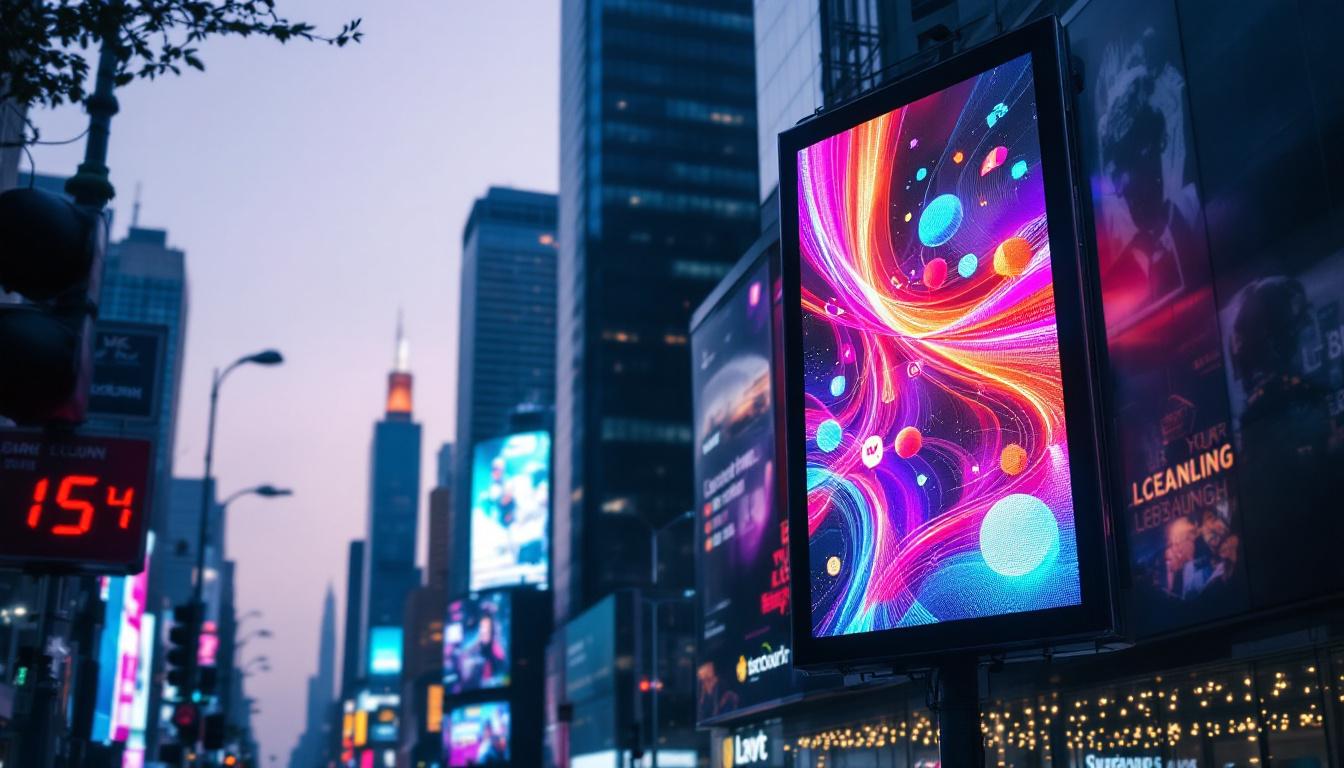
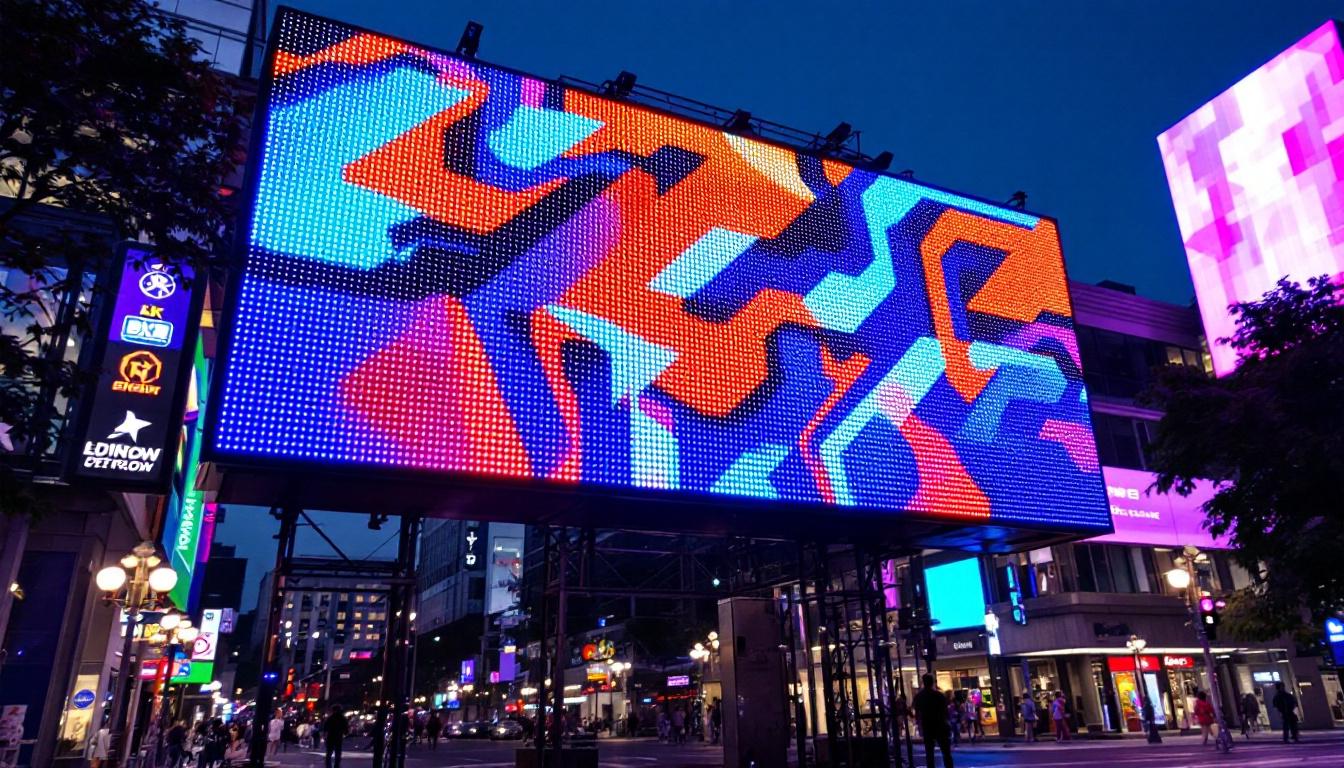
Outdoor LED displays are built to withstand harsh weather conditions, including rain, wind, and extreme temperatures. They have a larger pixel pitch, usually between 6mm and 20mm, as they are meant to be viewed from greater distances.
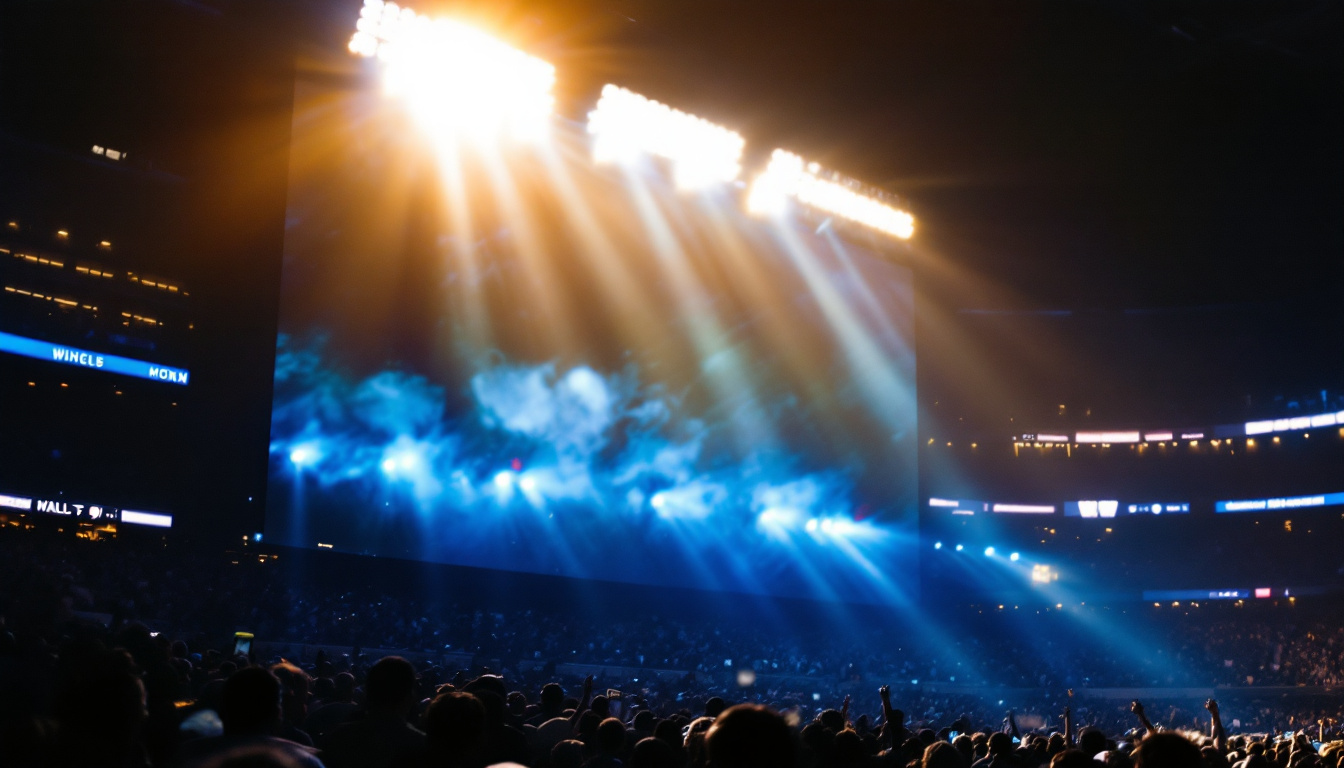
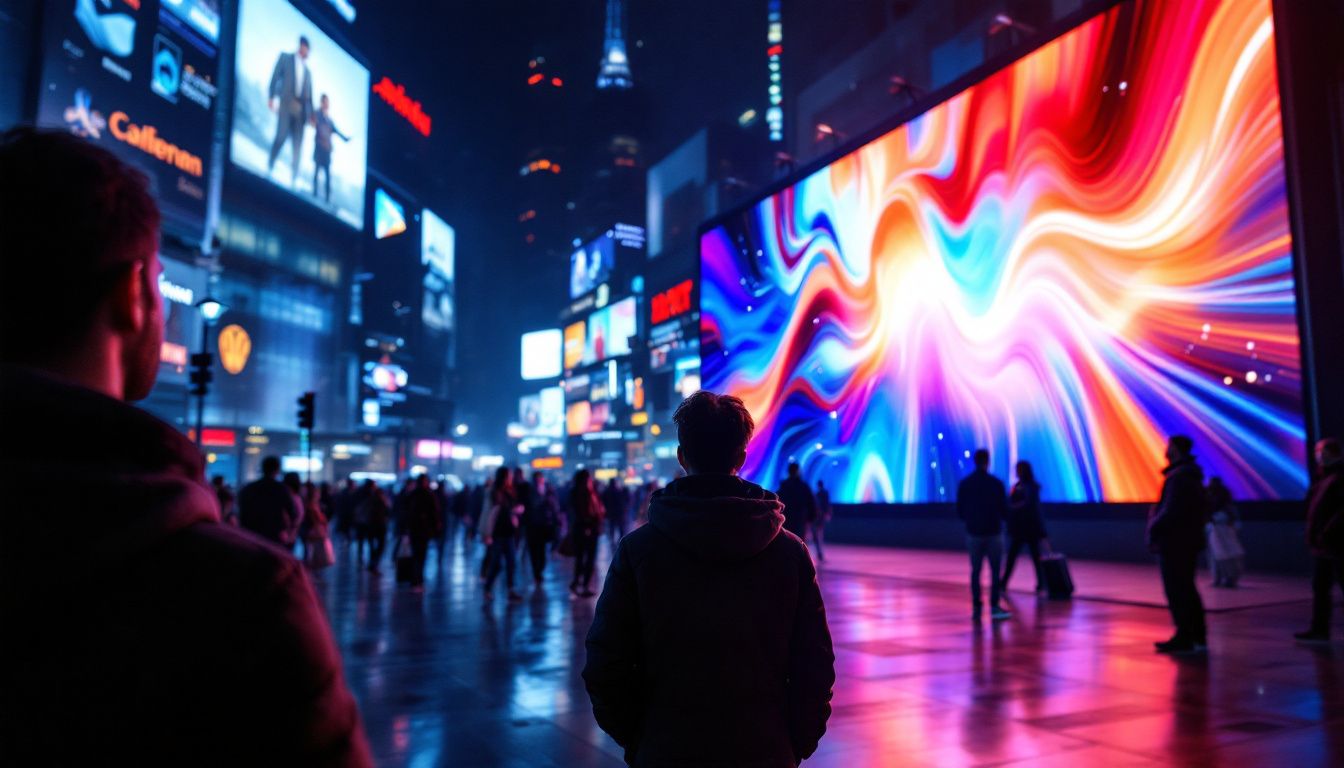
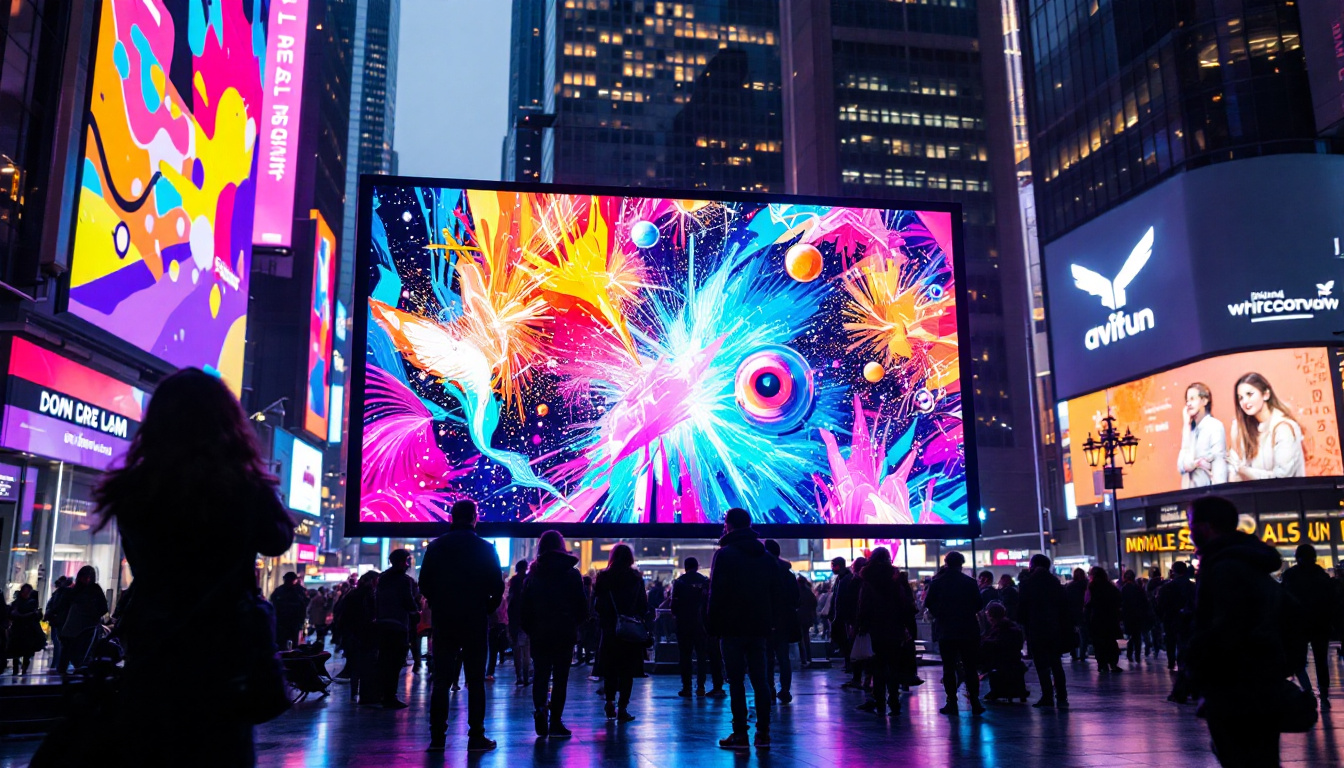
Brightness is a key factor for outdoor displays, with levels often exceeding 5,000 nits to ensure visibility even in direct sunlight. Common applications include billboards, stadium screens, transportation hubs, and public information boards. Furthermore, outdoor LED displays often incorporate advanced technologies such as automatic brightness adjustment, which allows them to adapt to varying light conditions throughout the day. This feature not only enhances visibility but also contributes to energy efficiency, making outdoor displays a sustainable choice for advertising and public messaging.
Flexible and Transparent LED Displays
Innovations in LED technology have led to the development of flexible and transparent LED displays. Flexible displays can bend and curve, allowing creative installations on irregular surfaces such as building facades or vehicle exteriors.
Transparent LED displays offer see-through capabilities, making them ideal for retail windows and architectural applications where maintaining visibility while displaying content is important. These advanced displays open new possibilities for designers and marketers alike. For instance, they can be used to create stunning visual effects in storefronts, allowing customers to see products while also being captivated by dynamic advertisements. Moreover, the integration of these displays into smart city projects is becoming increasingly popular, as they can provide real-time information while enhancing the aesthetic appeal of urban environments. The potential for interactive experiences with these displays is vast, paving the way for innovative marketing strategies and customer engagement techniques.
Why LED Displays Matter in the Digital Economy
The digital economy thrives on effective communication and engagement, and LED displays play a pivotal role in this ecosystem. Their ability to deliver high-impact visual content in real time makes them invaluable tools for businesses and public institutions.
Enhanced Customer Engagement
Studies show that digital signage, including LED displays, can increase customer engagement by up to 47%. Vibrant visuals and dynamic content capture attention far better than static signs, encouraging longer dwell times and higher conversion rates in retail environments.
Moreover, LED displays can be integrated with sensors and data analytics to deliver personalized content, creating interactive experiences that resonate with individual consumers.
Energy Efficiency and Sustainability
Compared to traditional lighting and display technologies, LEDs consume significantly less power. This energy efficiency translates into lower operational costs and a smaller carbon footprint, aligning with growing sustainability goals across industries.
As governments and corporations increasingly prioritize environmental responsibility, the demand for energy-efficient display solutions like LEDs is expected to rise, creating more career opportunities in this sector.
Career Opportunities in LED Display Technology at Ihub
Ihub, as a leading innovation hub, fosters a vibrant ecosystem where technology, creativity, and entrepreneurship converge. Careers related to LED display technology span multiple disciplines, offering diverse pathways for professionals and graduates.
Engineering and Product Development
Engineers specializing in electronics, optics, and software development are crucial for designing and improving LED display systems. Roles may include hardware design, firmware programming, and developing control software that manages display content and performance.
At Ihub, collaborative projects often push the boundaries of LED technology, incorporating AI, IoT, and advanced materials to create smarter, more adaptive displays.
Content Creation and Digital Marketing
Creating compelling content tailored for LED displays requires skills in graphic design, animation, and video production. Digital marketers leverage these displays to craft impactful campaigns that reach broad or targeted audiences effectively.
Professionals in this area work closely with clients and technical teams to ensure that content is optimized for the unique characteristics of LED screens, maximizing engagement and ROI.
Installation, Maintenance, and Technical Support
Technicians and field engineers are responsible for the installation, calibration, and ongoing maintenance of LED displays. Their expertise ensures that displays operate flawlessly, delivering consistent performance over time.
With the increasing complexity of LED systems, including networked and interactive displays, technical support roles are becoming more sophisticated, requiring continuous learning and adaptation.
Future Trends in LED Display Technology
The LED display industry is evolving rapidly, driven by technological advancements and changing market demands. Staying informed about future trends is essential for professionals aiming to build long-term careers in this field.
MicroLED and MiniLED Technologies
MicroLED and MiniLED represent the next generation of LED displays, offering higher brightness, better contrast ratios, and improved energy efficiency. MicroLEDs, in particular, promise pixel-level control and ultra-high resolution, making them ideal for applications ranging from smartphones to large-scale video walls.
These emerging technologies are expected to disrupt traditional display markets, creating new opportunities for innovation and employment.
Integration with Smart Technologies
LED displays are increasingly integrated with smart technologies such as artificial intelligence, augmented reality, and the Internet of Things (IoT). This integration enables dynamic content adaptation based on real-time data, audience behavior, and environmental conditions.
For example, smart LED displays in retail can adjust promotions based on foot traffic patterns or weather, enhancing customer experience and operational efficiency.
Sustainability and Circular Economy
As environmental concerns grow, the LED display industry is focusing on sustainable manufacturing, recycling, and reducing electronic waste. Innovations in biodegradable materials and modular designs that facilitate repair and upgrades are gaining traction.
Professionals who understand both the technical and environmental aspects of LED displays will be well-positioned to lead in this evolving landscape.
Conclusion: Embracing LED Display Careers at Ihub
LED displays are more than just screens; they are dynamic communication platforms shaping the future of digital interaction. For those seeking careers in technology, design, marketing, or technical support, the LED display industry offers exciting and diverse opportunities.
Ihub provides an ideal environment to explore these opportunities, combining cutting-edge research, collaborative projects, and access to industry leaders. By gaining a solid understanding of LED display technology and staying abreast of emerging trends, professionals can build rewarding careers that contribute to the digital economy’s growth and innovation.
Discover Cutting-Edge LED Display Solutions with LumenMatrix
Ready to elevate your career and make an impact in the world of digital displays? Join the forefront of LED innovation with LumenMatrix. Our extensive range of products, from Indoor and Outdoor LED Wall Displays to specialized solutions like Vehicle LED Displays and LED Sports Displays, are designed to captivate and engage audiences like never before. Whether you’re interested in design, technology, marketing, or technical support, LumenMatrix is your partner in creating visual experiences that resonate. Check out LumenMatrix LED Display Solutions today and be a part of the visual revolution.