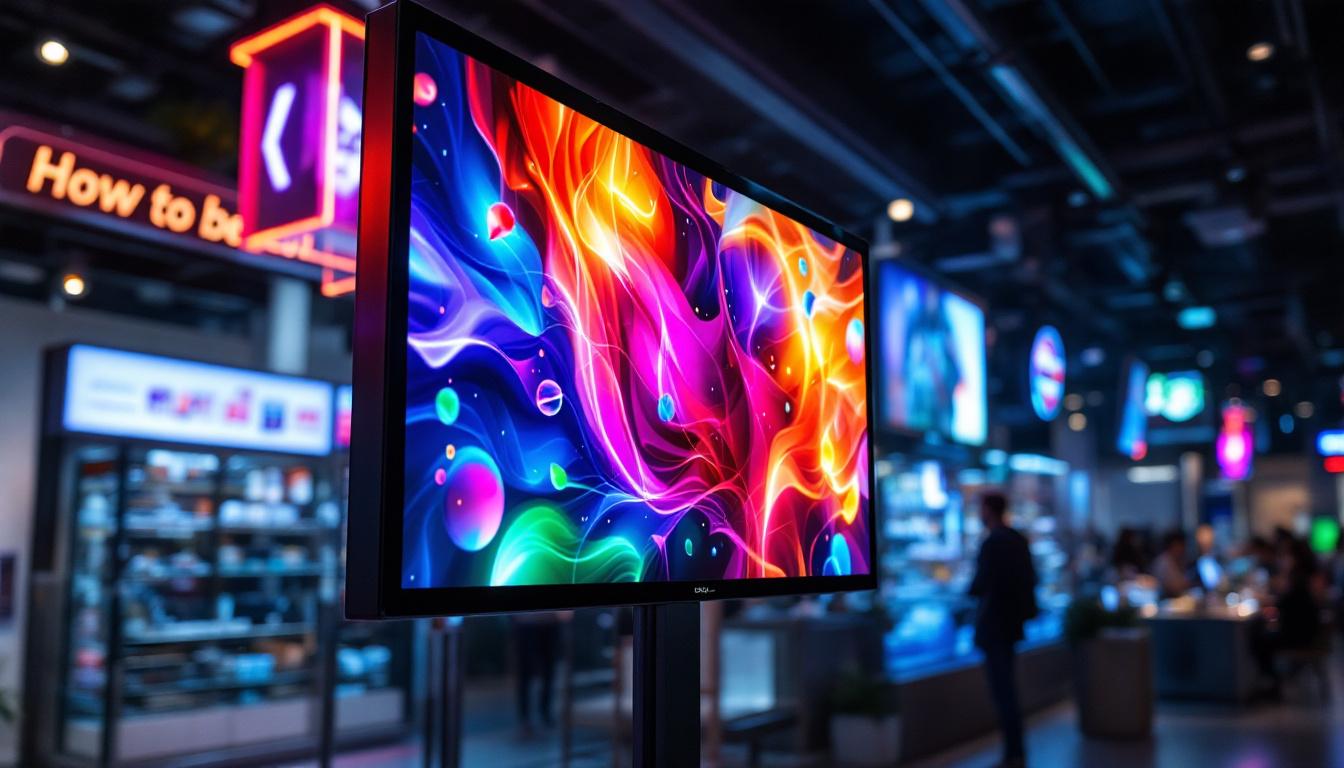
In today’s fast-paced world, capturing and retaining attention is more challenging than ever. Businesses and organizations are constantly seeking innovative ways to communicate their messages effectively. One technology that has revolutionized visual communication is digital signage, particularly LED displays featuring slideshow capabilities. This article explores the fundamentals of slideshow digital signage using LED displays, how it works, its benefits, and practical applications across industries.
Understanding LED Digital Signage
What is LED Digital Signage?
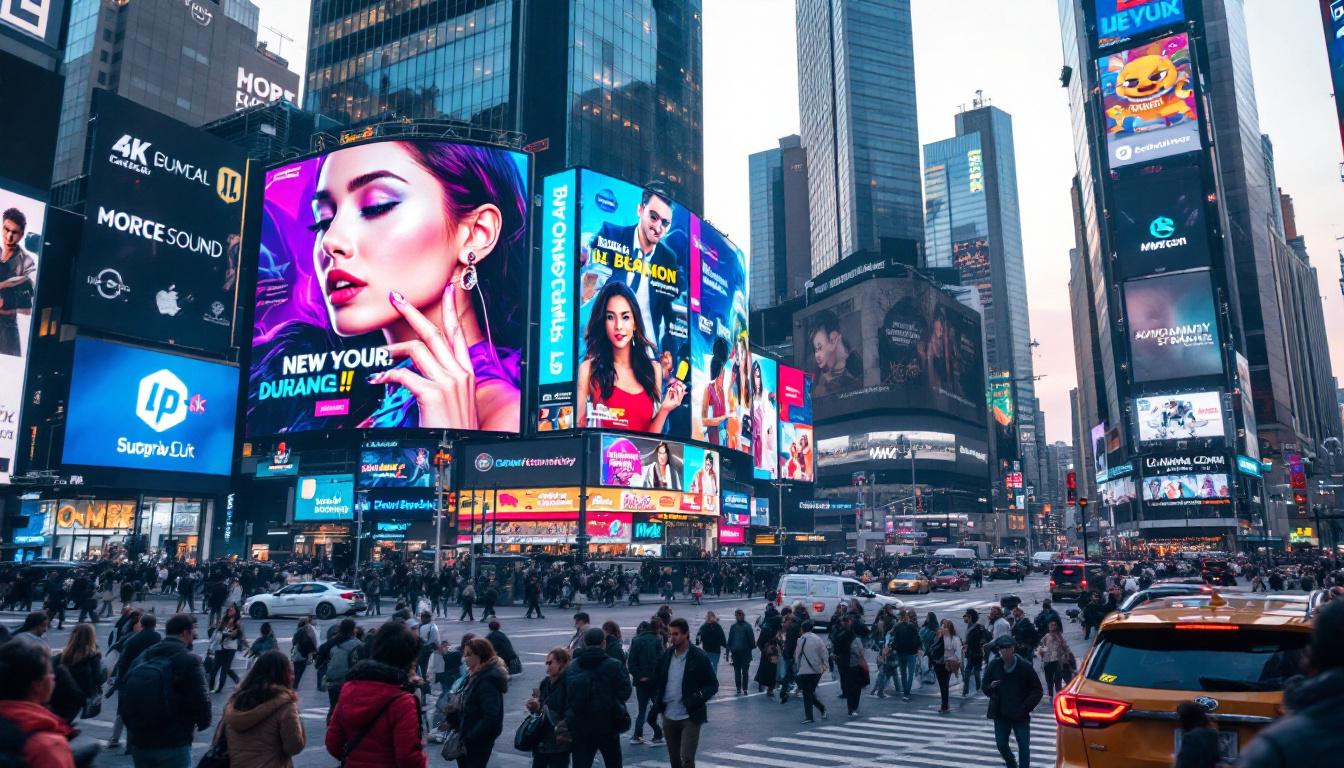
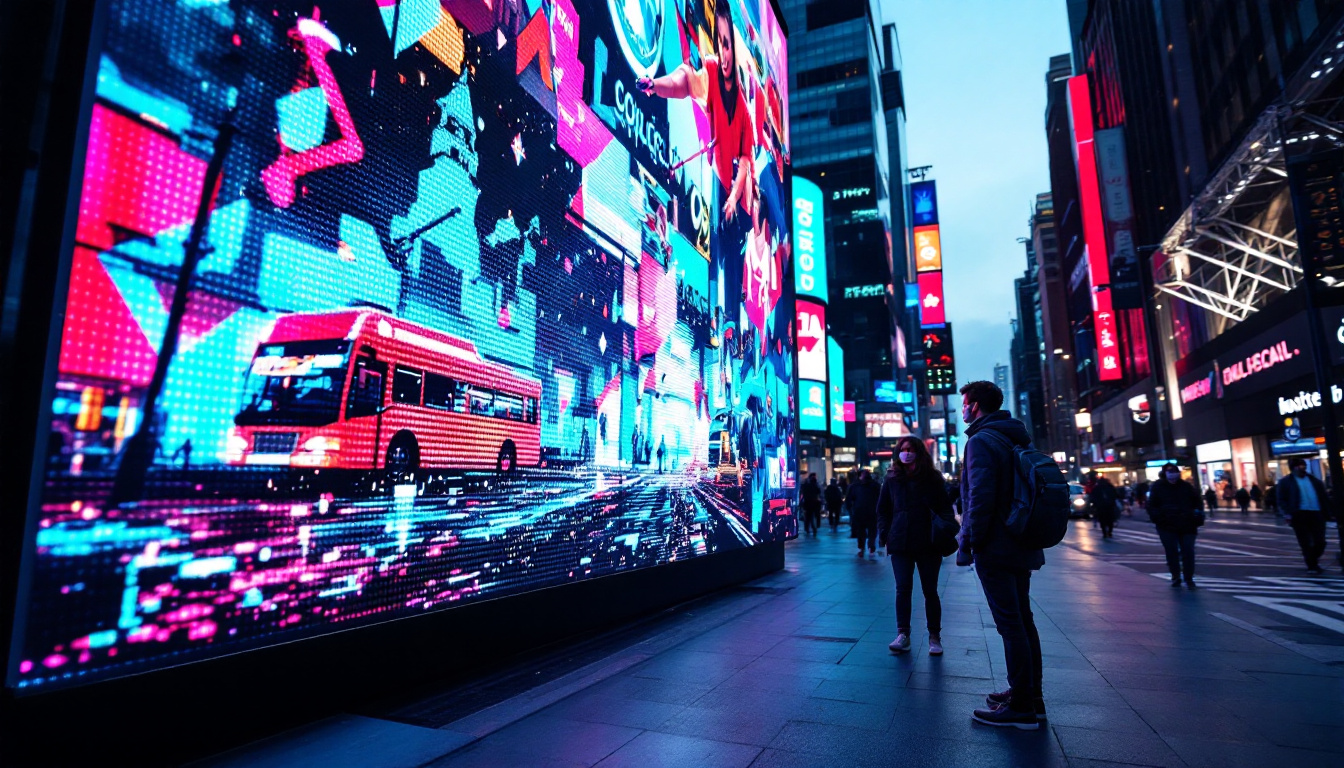
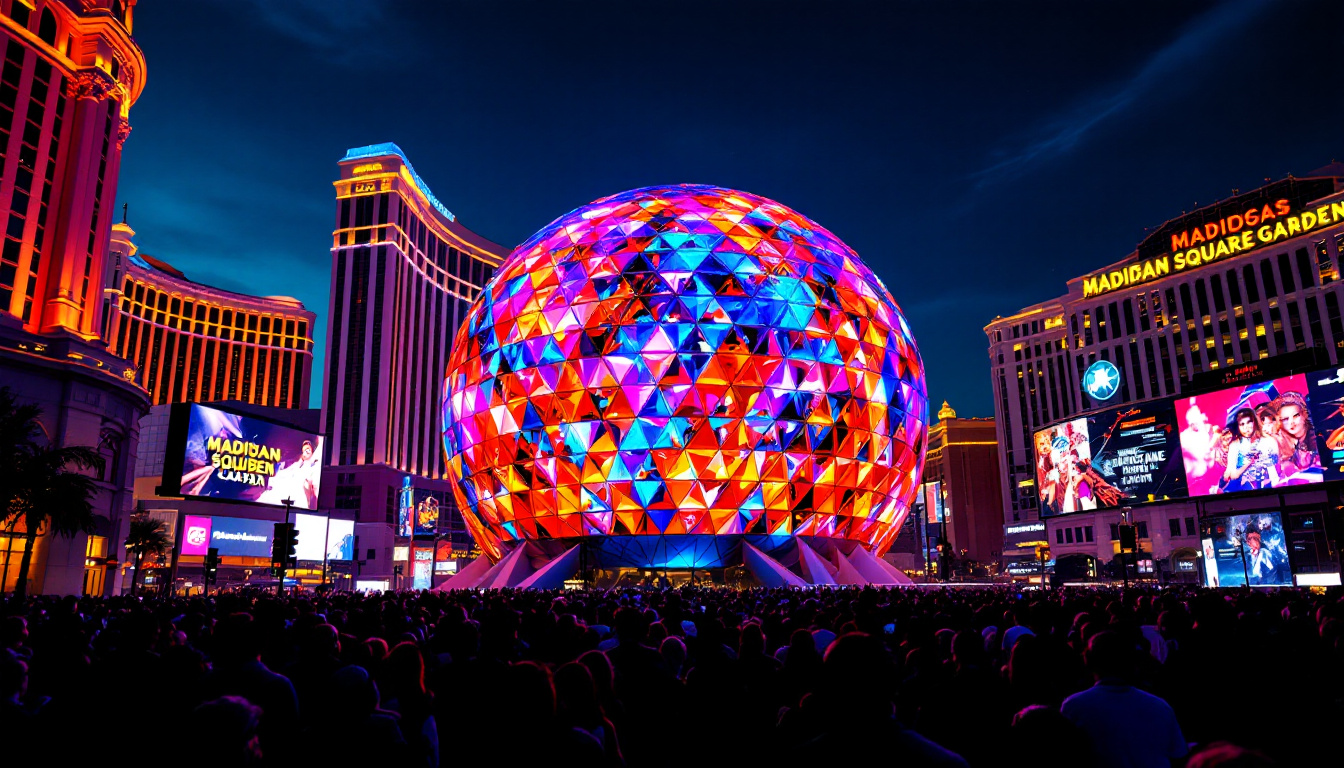
LED digital signage refers to electronic displays that use light-emitting diodes (LEDs) to present dynamic content such as images, videos, text, and animations. Unlike traditional static signs, LED displays offer vibrant colors, high brightness, and excellent visibility even in bright environments. They are widely used for advertising, information dissemination, and entertainment in public spaces, retail stores, transportation hubs, and corporate settings.
LED displays vary in size and resolution, from small indoor screens to massive outdoor billboards. Their modular design allows for flexible configurations, including curved or irregular shapes. The technology’s energy efficiency and long lifespan make it a cost-effective solution for continuous operation. Furthermore, LED digital signage can be integrated with various content management systems, enabling businesses to tailor their messages to specific audiences and times, enhancing the relevance and impact of their communications.
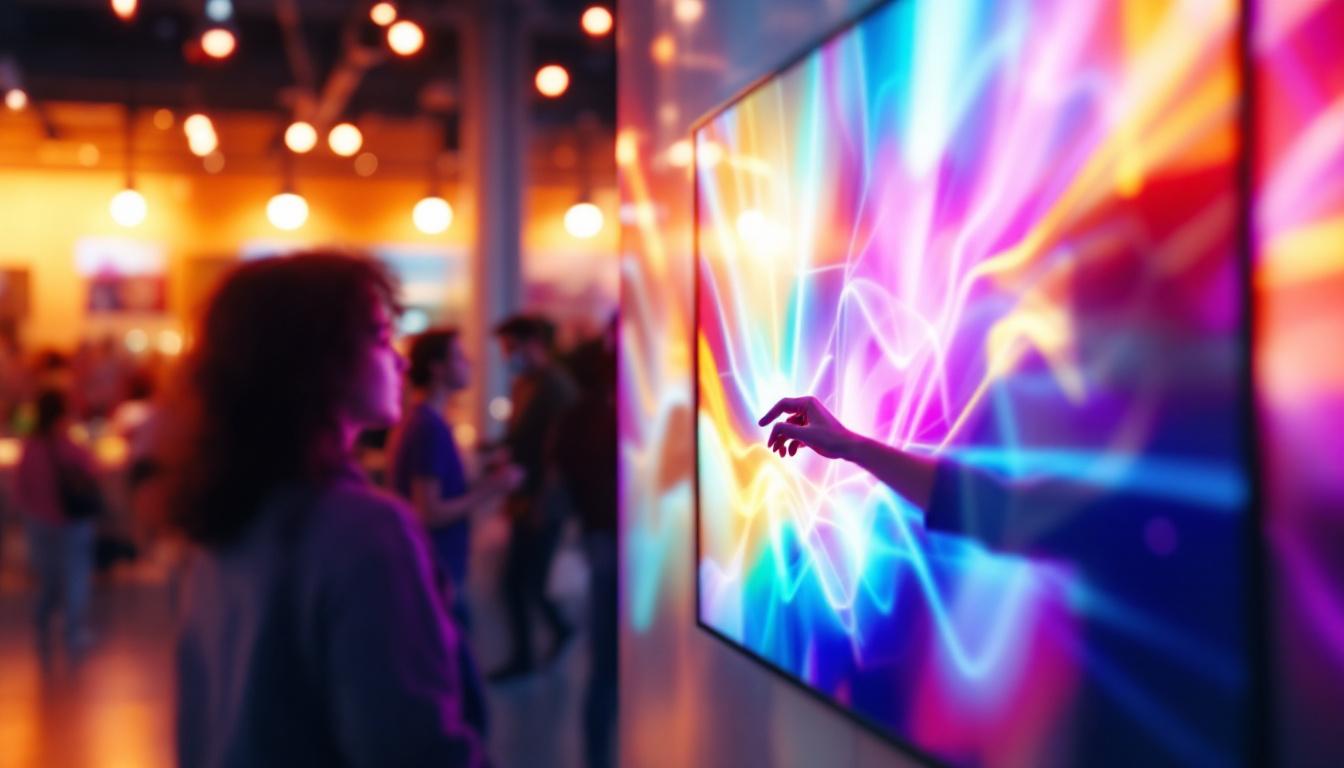
In addition to their visual appeal, LED digital signage can also incorporate interactive elements, such as touch screens or QR code scanning, which engage viewers and encourage participation. This interactivity not only captures attention but also provides valuable data on consumer behavior and preferences, allowing businesses to refine their marketing strategies. As technology continues to evolve, the integration of artificial intelligence and machine learning into LED signage systems is paving the way for even more personalized and responsive advertising experiences.
How Do LED Displays Work?
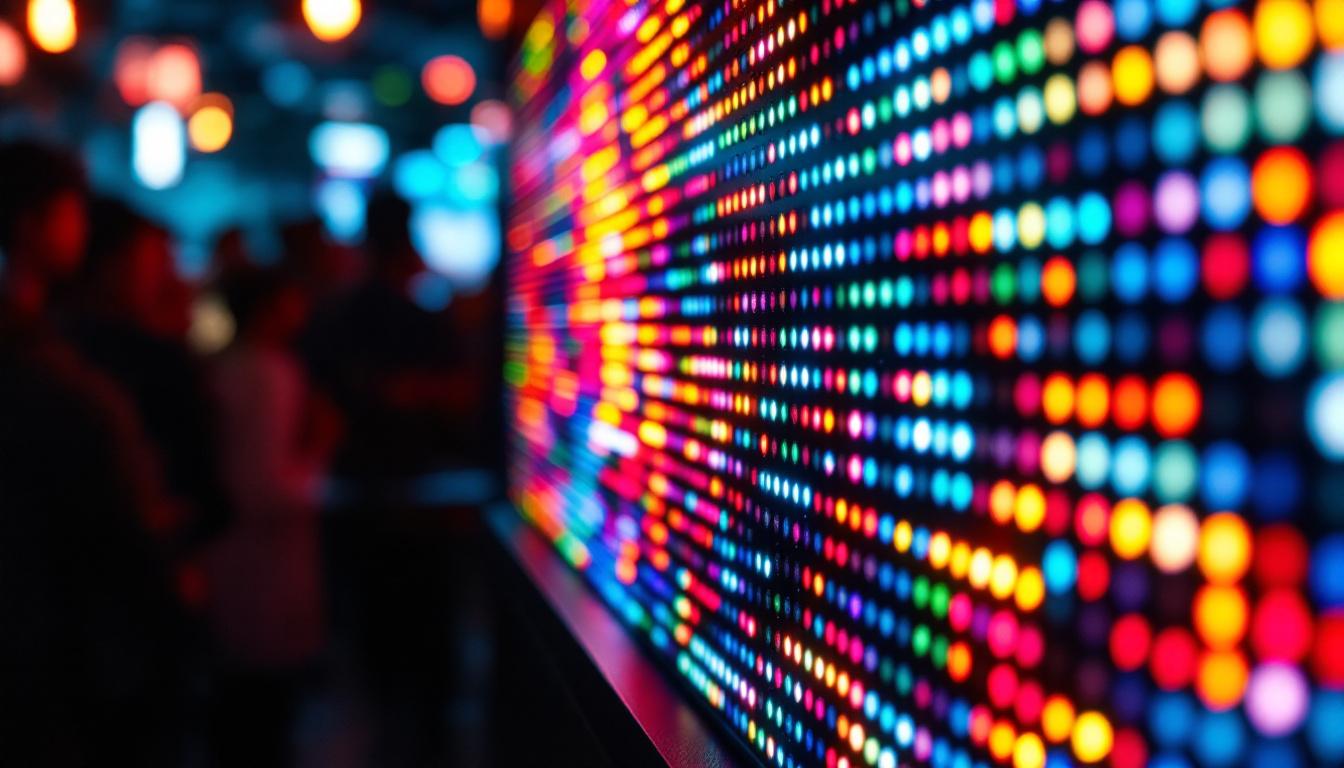
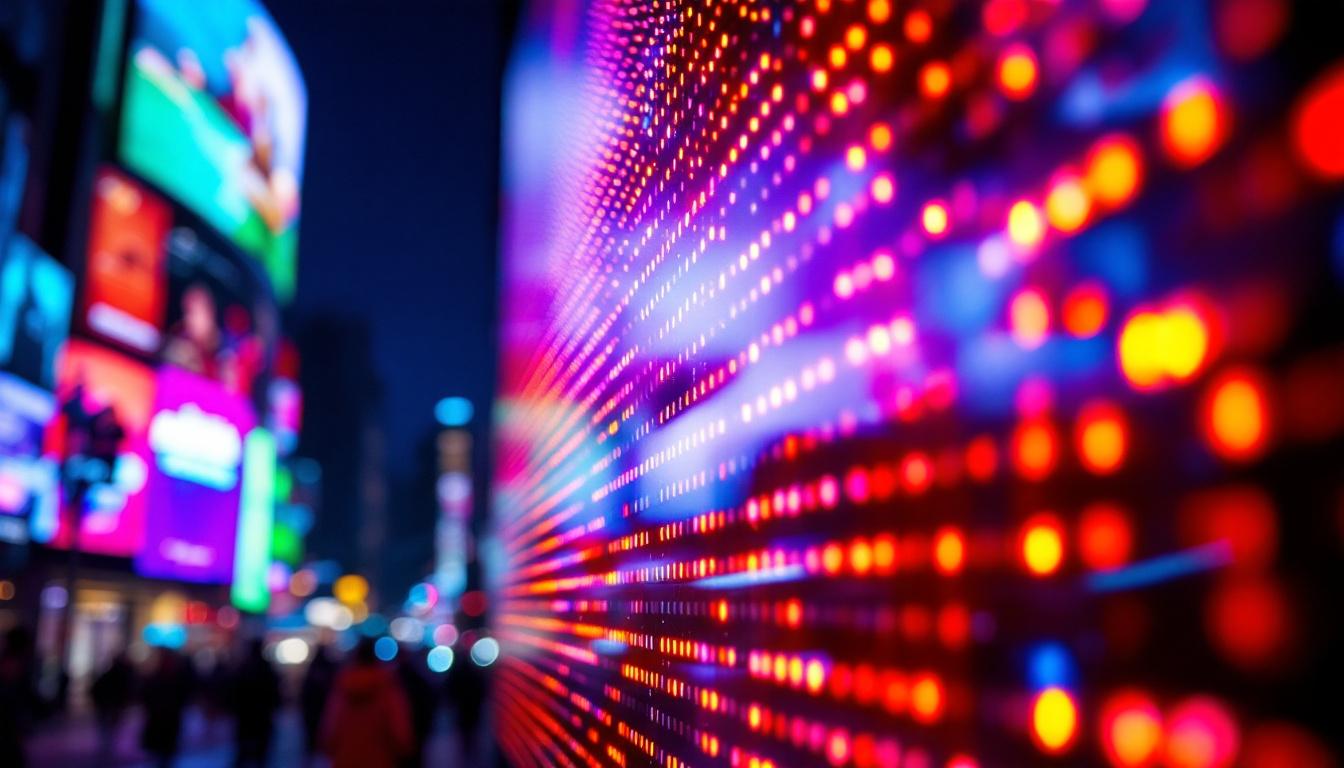
At the core of an LED display are thousands of tiny LEDs arranged in a grid pattern. Each LED acts as a pixel that can emit light in red, green, and blue (RGB) colors. By adjusting the brightness of each color LED, the display can produce a full spectrum of colors to render images and videos.
The display is controlled by a digital signage media player or controller, which processes content files and sends signals to the LEDs. The content can be scheduled, updated remotely, and organized into playlists or slideshows, allowing for dynamic and engaging presentations. This capability is particularly beneficial for businesses that need to adapt their messaging quickly in response to changing circumstances, such as promotions, events, or even real-time news updates. Moreover, many modern LED displays come equipped with sensors that can adjust brightness based on ambient light conditions, ensuring optimal visibility at all times while conserving energy.
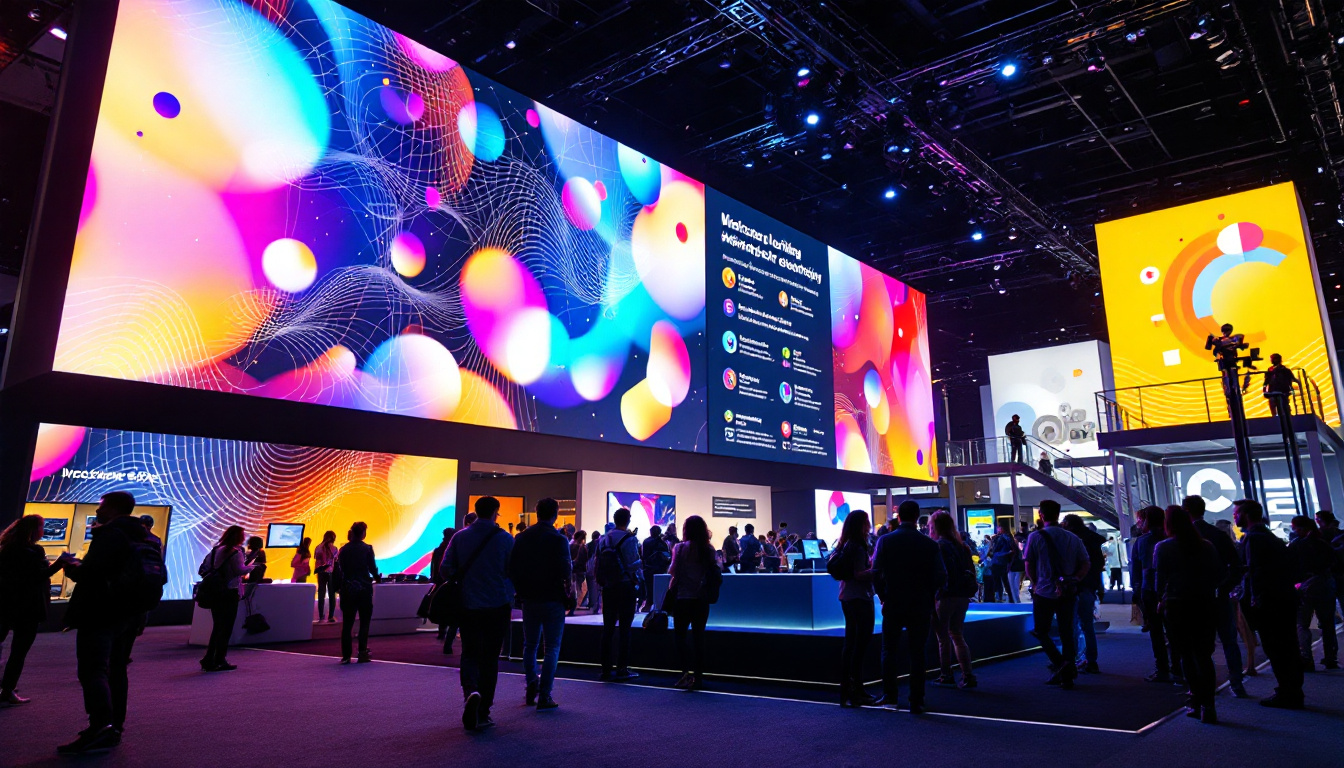
Additionally, LED displays can be networked together, allowing for synchronized content across multiple screens. This is particularly useful for large venues or events where a cohesive visual experience is essential. The seamless integration of LED signage with social media feeds, live data, and audience interaction can create a captivating atmosphere that enhances viewer engagement and drives brand loyalty. As the technology continues to advance, the possibilities for creativity and innovation in LED digital signage are virtually limitless, making it an exciting field for marketers and businesses alike.
The Role of Slideshows in Digital Signage
What is a Slideshow in Digital Signage?
A slideshow in digital signage is a sequence of images, videos, or multimedia content displayed one after another in a loop or according to a schedule. Slideshows enable businesses to showcase multiple messages or promotions without the need for multiple screens. This approach maximizes screen real estate and keeps the audience engaged by rotating content regularly.
Slideshows can be simple, displaying static images with transitions, or complex, incorporating animations, interactive elements, and real-time data feeds. The versatility of slideshow digital signage makes it suitable for various marketing and communication strategies.
Benefits of Using Slideshows on LED Displays
Implementing slideshows on LED digital signage offers several advantages:
- Enhanced Engagement: Rotating content captures attention better than static displays, reducing viewer fatigue.
- Cost Efficiency: One screen can deliver multiple messages, reducing the need for additional hardware.
- Flexibility and Control: Content can be updated remotely and scheduled to target specific times or audiences.
- Improved Brand Messaging: Businesses can showcase diverse products, services, or promotions in a cohesive manner.
- Real-Time Updates: Integration with live data sources allows for timely information such as news, weather, or social media feeds.
Technical Aspects of Slideshow Digital Signage on LED Displays
Content Creation and Management
Effective slideshow digital signage begins with high-quality content. Creating visually appealing slides requires consideration of resolution, aspect ratio, color balance, and readability. Content management systems (CMS) designed for digital signage simplify the process by allowing users to upload, schedule, and organize slides easily.
Modern CMS platforms support drag-and-drop interfaces, templates, and integration with external data sources. This enables businesses to automate content updates and maintain consistency across multiple displays.
Hardware Components
A typical LED digital signage setup for slideshows includes:
- LED Display Panel: The physical screen composed of LED modules.
- Media Player: A device that stores and plays the slideshow content, often running specialized software.
- Controller: Manages the display’s operation, brightness, and color calibration.
- Network Connectivity: Enables remote content updates and monitoring via Wi-Fi, Ethernet, or cellular networks.
Choosing the right hardware depends on factors such as installation environment (indoor vs. outdoor), viewing distance, and budget. For example, outdoor LED displays require higher brightness levels (typically above 5,000 nits) to remain visible in direct sunlight.
Software and Scheduling
Scheduling software is critical for managing slideshow content effectively. It allows users to define when specific slides or playlists appear, tailoring messages to different times of day, events, or audience segments. Advanced scheduling can trigger content based on external inputs like weather conditions or inventory levels.
Some digital signage solutions also support interactive features, enabling viewers to engage with the display via touchscreens or mobile devices, further enhancing the impact of slideshow content.
Applications of Slideshow Digital Signage Using LED Displays
Retail and Advertising
Retailers leverage LED digital signage with slideshows to promote products, highlight sales, and enhance the shopping experience. Dynamic content attracts customers’ attention, encourages impulse purchases, and reinforces brand identity.
For example, a clothing store might display a slideshow featuring new arrivals, seasonal promotions, and customer testimonials. The ability to update content remotely allows retailers to respond quickly to market trends and inventory changes.
Transportation and Public Spaces
Airports, train stations, and bus terminals use LED digital signage to provide travelers with real-time information such as schedules, delays, and safety messages. Slideshows can cycle through various announcements, advertisements, and wayfinding instructions, improving the overall passenger experience.
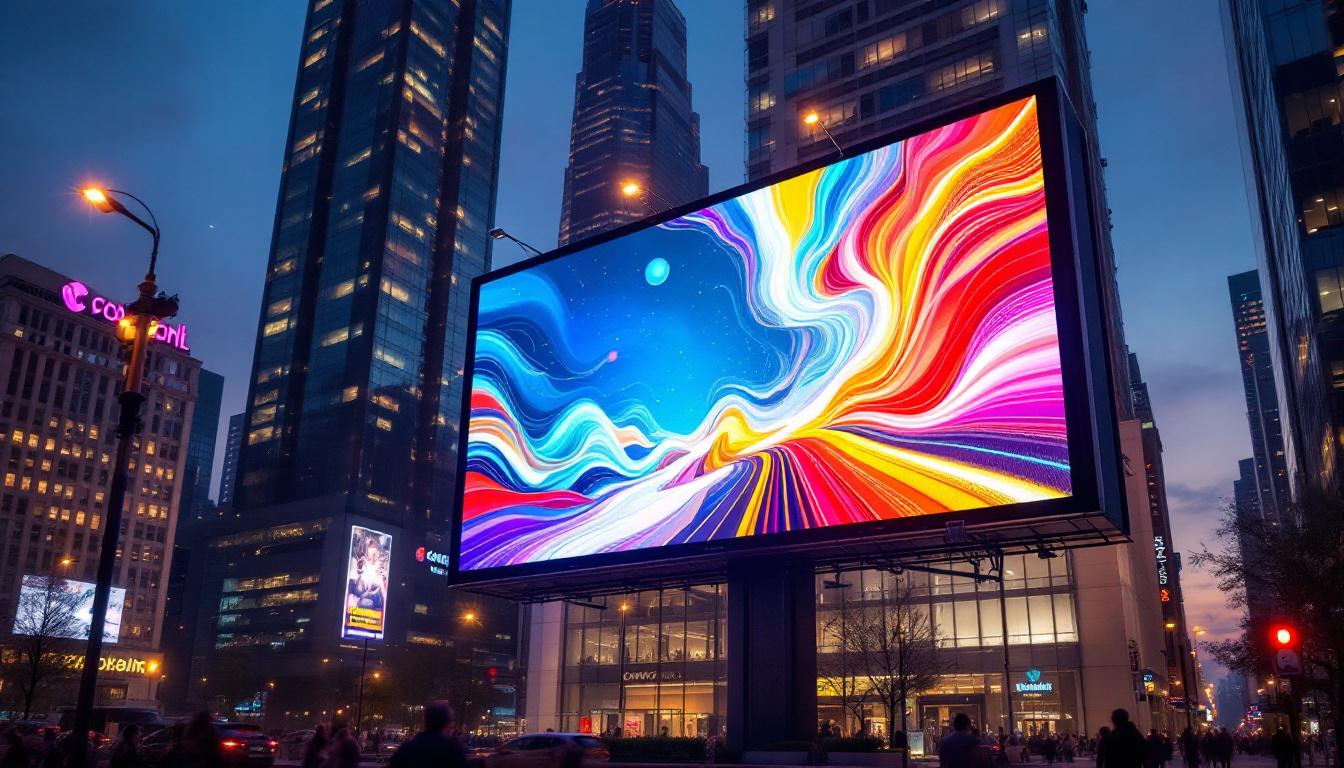
In urban environments, LED billboards with slideshow capabilities serve as platforms for public service announcements, event promotions, and commercial advertising, reaching large audiences effectively.
Corporate and Educational Environments
Corporations utilize LED digital signage to communicate with employees and visitors. Slideshows can display company news, upcoming events, safety protocols, and motivational content. This fosters a connected workplace culture and enhances internal communication.
Educational institutions implement slideshow digital signage to share schedules, campus news, emergency alerts, and student achievements. The dynamic nature of slideshows ensures that information remains current and engaging.
Key Considerations When Implementing Slideshow LED Digital Signage
Content Strategy and Audience Targeting
Successful digital signage depends on understanding the target audience and crafting messages that resonate. Content should be concise, visually appealing, and aligned with the brand’s voice. Incorporating calls to action and clear visuals helps maximize impact.
Segmenting content based on location, time, or audience demographics can increase relevance and engagement. For instance, a restaurant might display breakfast menu items in the morning and dinner specials in the evening.
Technical Challenges and Solutions
While LED digital signage offers many benefits, it also presents technical challenges such as screen calibration, content compatibility, and network security. Ensuring consistent color accuracy across multiple displays requires regular maintenance and professional calibration.
Content formats must be compatible with the media player software to prevent playback issues. Additionally, securing network connections is essential to protect against unauthorized access or content tampering.
Measuring Effectiveness
To justify investment in slideshow digital signage, businesses should track performance metrics such as viewer engagement, sales impact, and brand awareness. Technologies like eye-tracking sensors and audience analytics software can provide valuable insights into how viewers interact with the displays.
Regularly reviewing these metrics enables continuous improvement of content strategy and technical setup, ensuring the signage remains effective and relevant.
The Future of Slideshow Digital Signage with LED Displays
Emerging Trends
Digital signage technology continues to evolve rapidly. Key trends shaping the future include:
- Artificial Intelligence (AI): AI-driven content personalization tailors slideshows to individual viewers based on demographics and behavior.
- Interactive Displays: Integration of touchscreens and gesture controls enhances user engagement.
- Augmented Reality (AR): Combining AR with LED signage creates immersive experiences that blend digital and physical worlds.
- Higher Resolution and Flexible Displays: Advances in micro-LED and flexible LED technology allow for ultra-high-definition and uniquely shaped screens.
Environmental Considerations
As sustainability becomes a priority, LED digital signage manufacturers focus on energy-efficient designs and recyclable materials. The long lifespan and low power consumption of LEDs contribute to reducing the environmental footprint compared to traditional signage methods.
Businesses adopting digital signage can also reduce paper waste and printing costs by transitioning to electronic displays, aligning with corporate social responsibility goals.
Conclusion
Slideshow digital signage using LED displays represents a powerful tool for modern communication. Its ability to deliver vibrant, dynamic content in a flexible and cost-effective manner makes it indispensable across industries. By understanding the technology, crafting compelling content, and leveraging advanced management tools, organizations can maximize the impact of their messaging and engage audiences like never before.
As LED technology and digital signage software continue to advance, the possibilities for creative and effective communication will expand, making slideshow digital signage an essential component of future marketing and information strategies.
Discover LumenMatrix’s Innovative LED Solutions
Ready to elevate your visual communication strategy with the vibrant and dynamic capabilities of slideshow digital signage? Explore LumenMatrix’s comprehensive range of LED display solutions, designed to captivate your audience and amplify your message. From Indoor and Outdoor LED Wall Displays to specialized options like Vehicle, Sports, and Floor LED Displays, LumenMatrix offers customized solutions to fit your unique needs. Embrace the future of advertising and information dissemination with our cutting-edge technology. Check out LumenMatrix LED Display Solutions today and transform the way you connect with your audience.