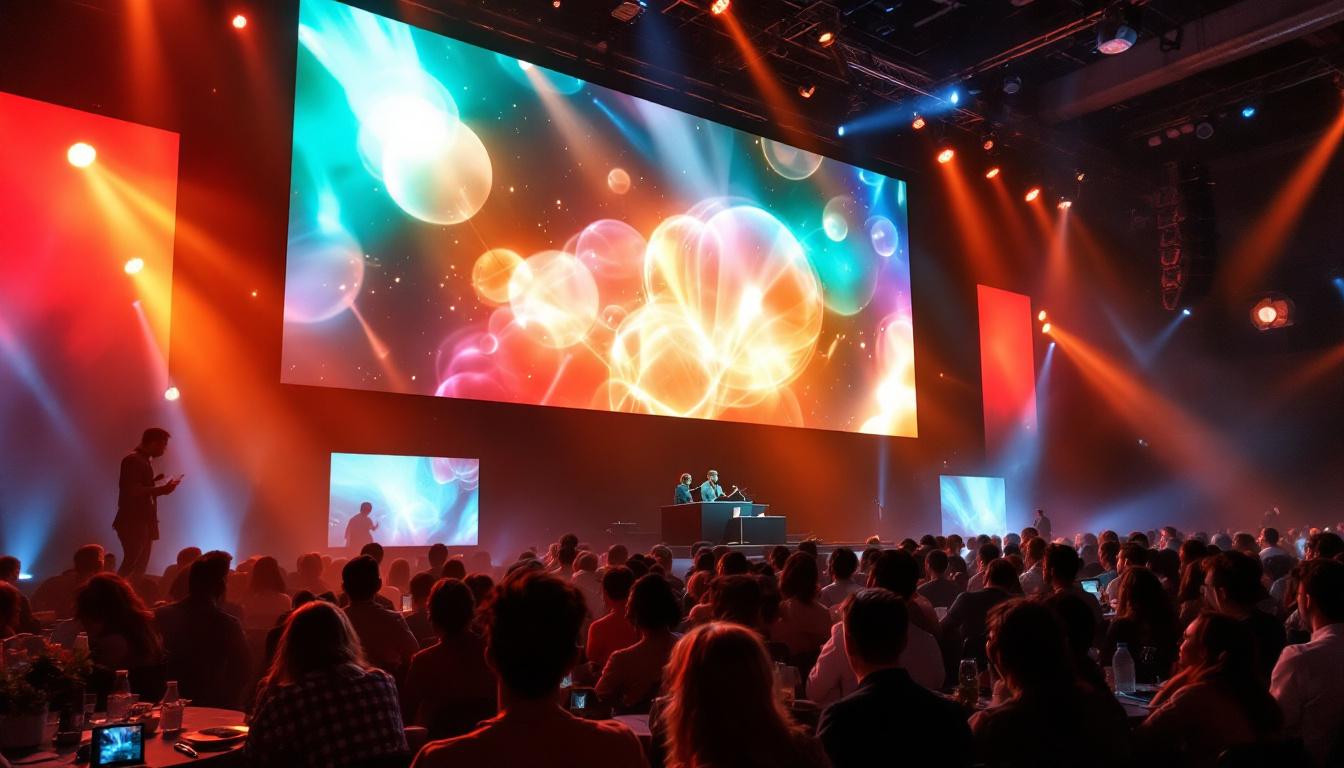
In the world of live events, advertising, and public displays, LED screens have become an indispensable technology. Their vibrant colors, high brightness, and adaptability make them ideal for a variety of settings—from concerts and sports arenas to corporate conferences and outdoor festivals. This article explores the fundamentals of event LED screens, how they work, their benefits, and considerations for selecting the right LED display for your event or venue.
Understanding LED Display Technology
What is an LED Screen?
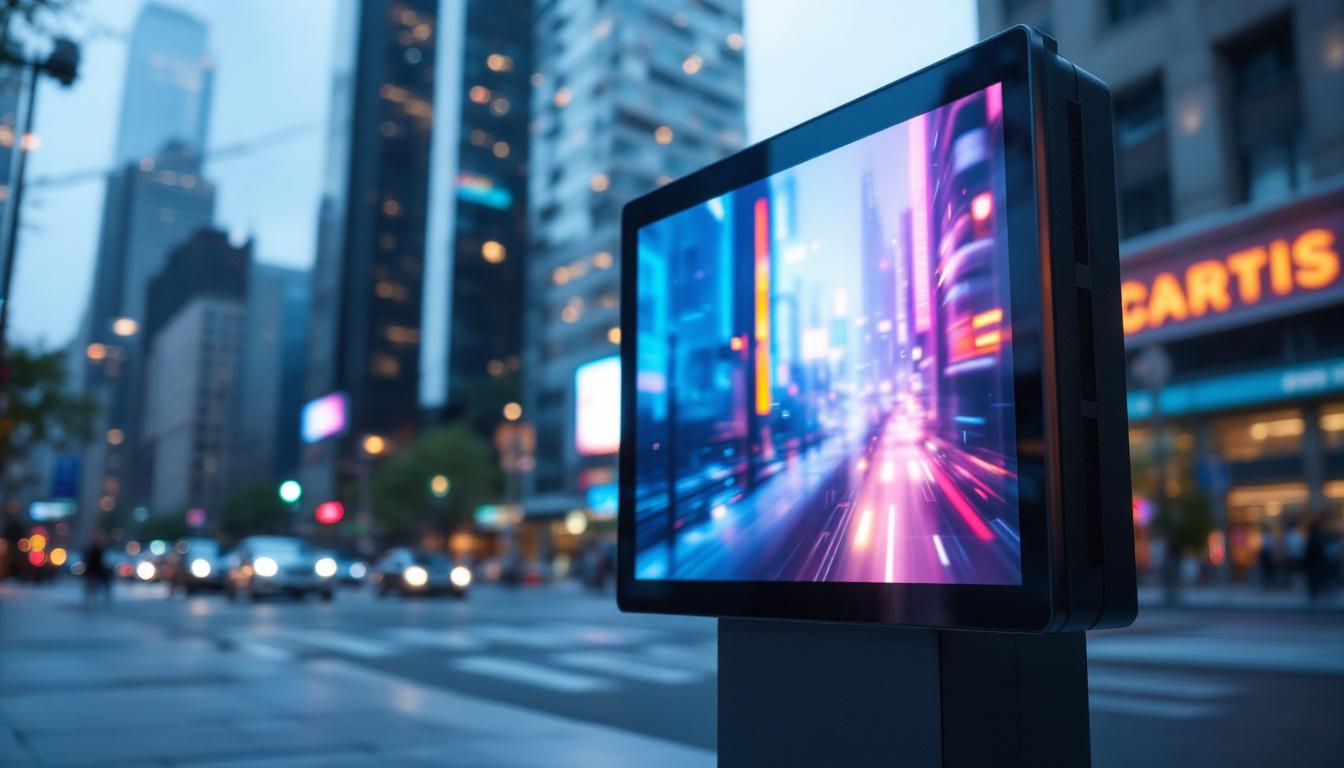
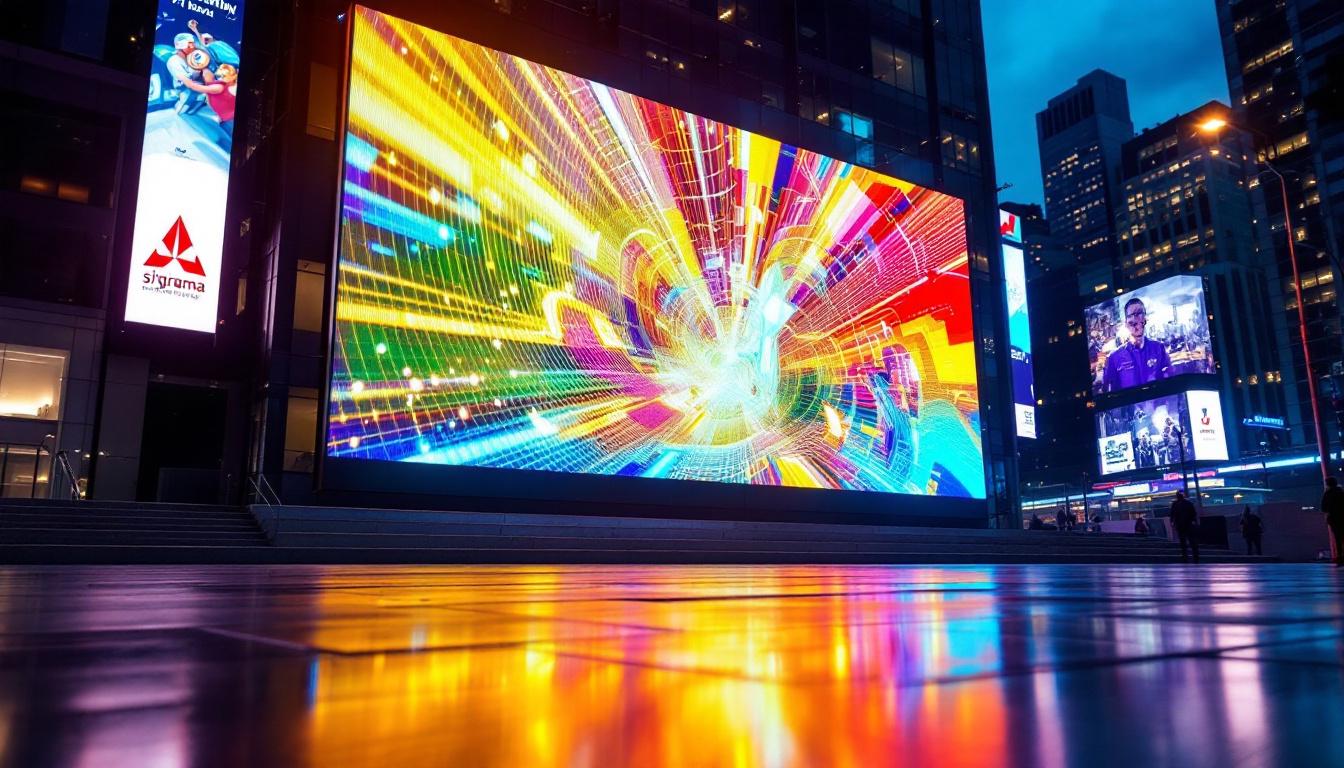
An LED screen is a flat panel display that uses light-emitting diodes (LEDs) as pixels to create images and videos. Unlike traditional LCD screens, which rely on backlighting, LED screens emit their own light, resulting in brighter and more vivid visuals. This self-illumination makes LED displays especially effective in environments with high ambient light, such as outdoor events or large arenas. The ability to maintain clarity and brightness even in direct sunlight is one of the key advantages of LED technology, making it a preferred choice for advertising billboards and public displays.
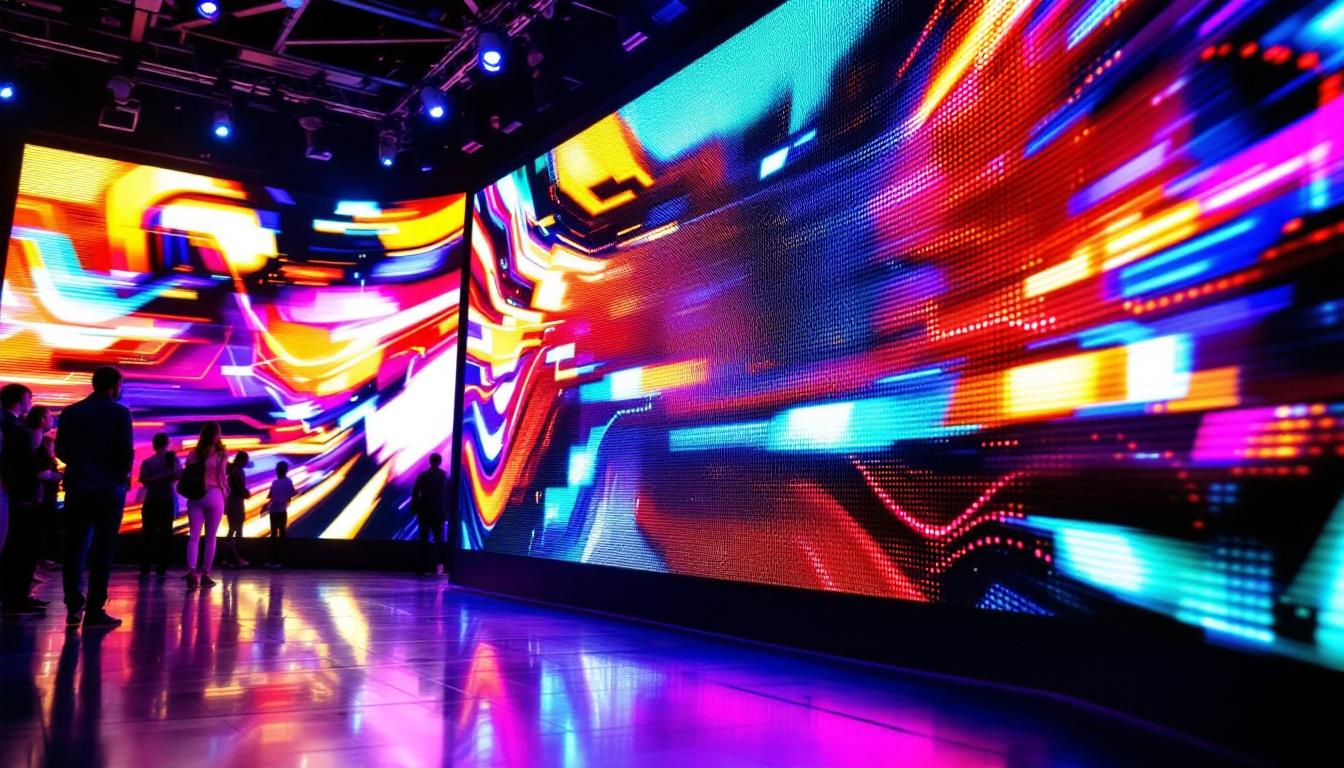
LED screens can vary in size from small panels used for indoor signage to massive video walls that span entire stadiums. The modular nature of LED panels allows them to be configured into virtually any shape or size, providing flexibility for event organizers and designers. Furthermore, advancements in technology have led to the development of flexible LED screens that can be curved or shaped to fit unique architectural designs, offering even more creative possibilities for installations in museums, art galleries, and corporate environments.
How Do LED Displays Work?
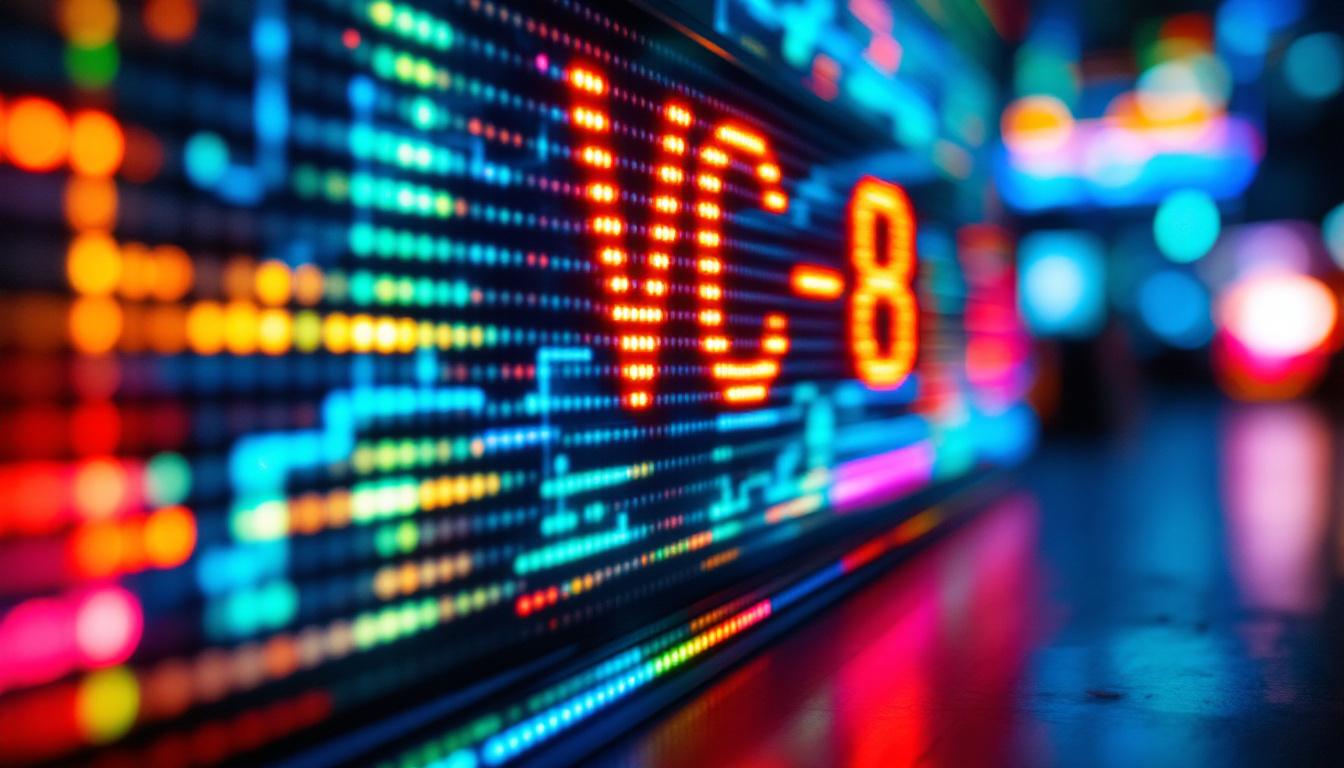
Each pixel on an LED screen consists of tiny diodes that emit red, green, and blue light. By adjusting the intensity of these three colors, the screen can produce a full spectrum of colors. The resolution of an LED display depends on the pixel pitch—the distance between the centers of adjacent pixels. A smaller pixel pitch means higher resolution and sharper images, which is crucial for close-up viewing. This is particularly important in settings like control rooms or broadcast studios, where detail and clarity are paramount for effective communication and analysis.
LED screens are controlled by sophisticated processing units that manage the data input and translate it into signals for the LEDs. These controllers ensure smooth video playback, synchronization across multiple panels, and color calibration to maintain consistent image quality. Additionally, many modern LED displays incorporate advanced features such as real-time content management systems, allowing users to easily update and schedule content remotely. This capability is invaluable for dynamic advertising campaigns and live event coverage, as it enables quick adjustments to messaging and visuals based on audience engagement and feedback.
Applications of Event LED Screens
Live Concerts and Festivals
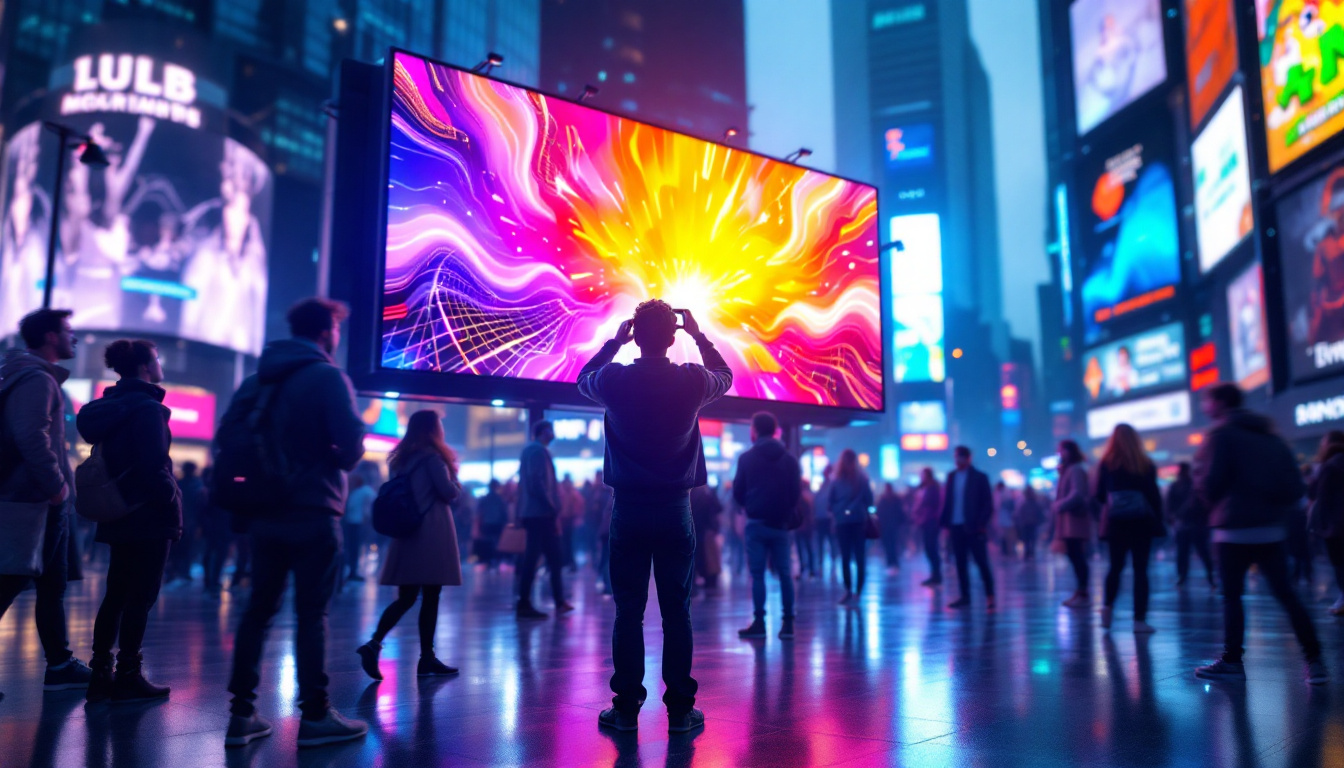
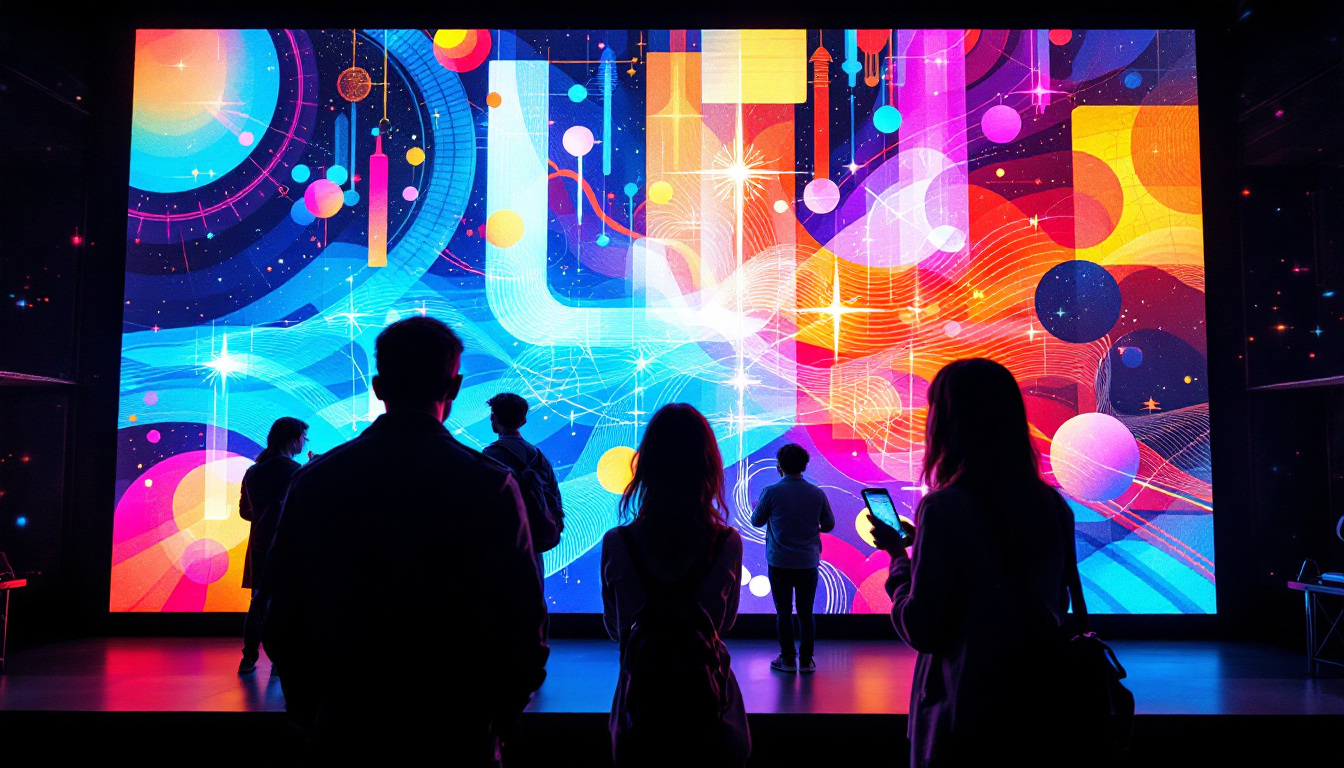
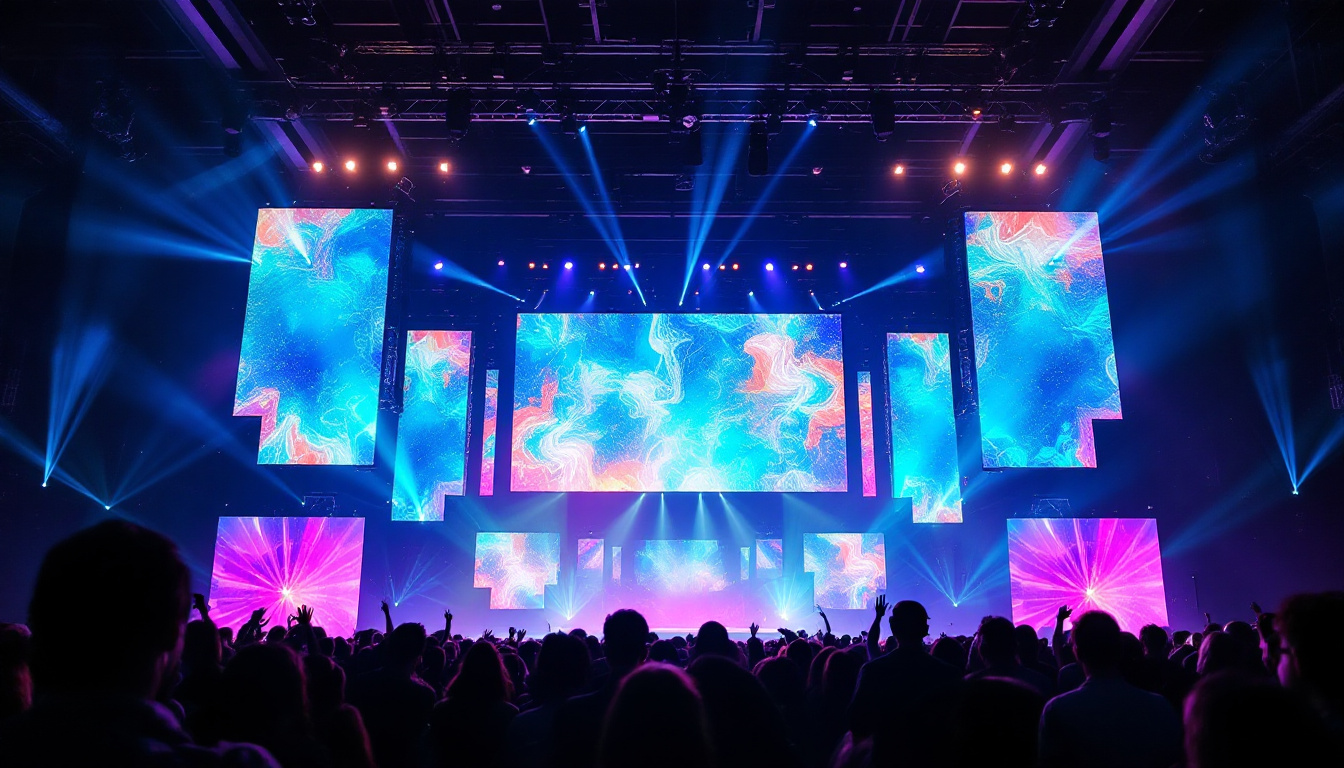
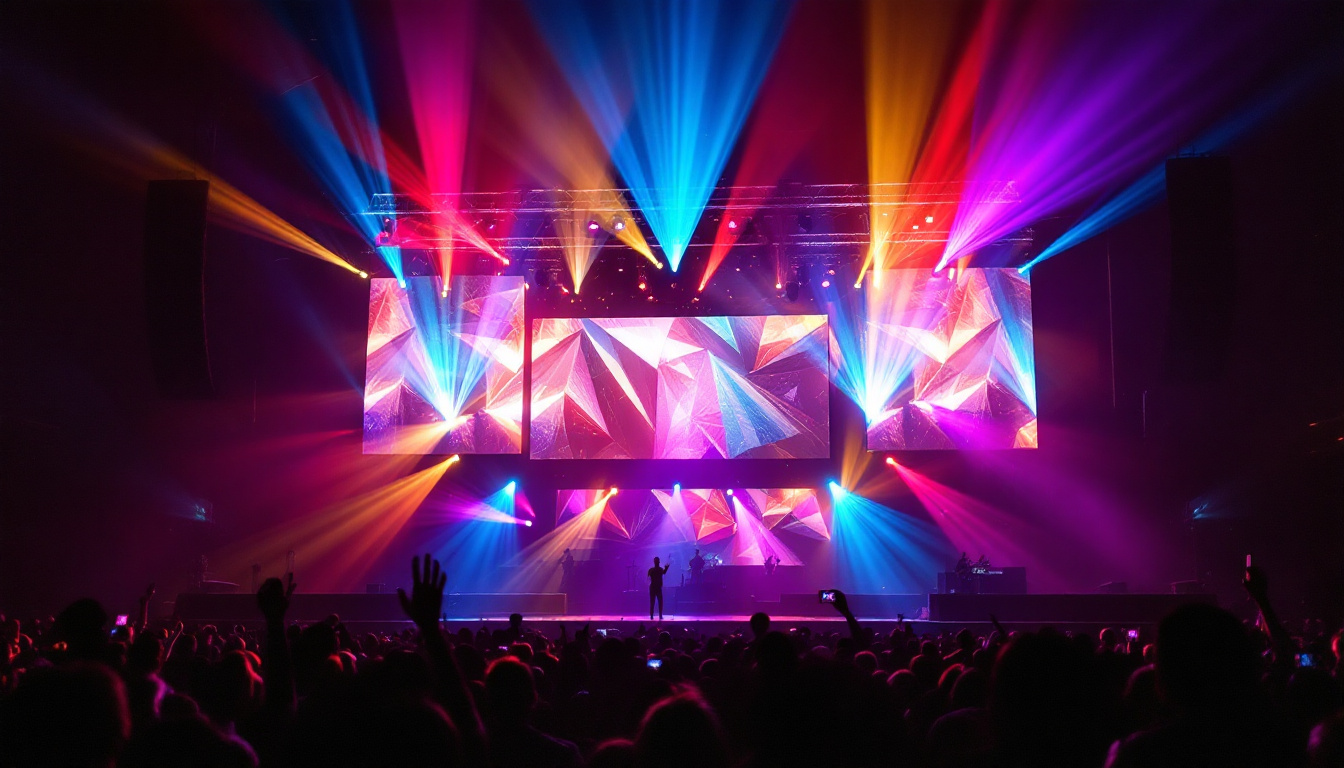
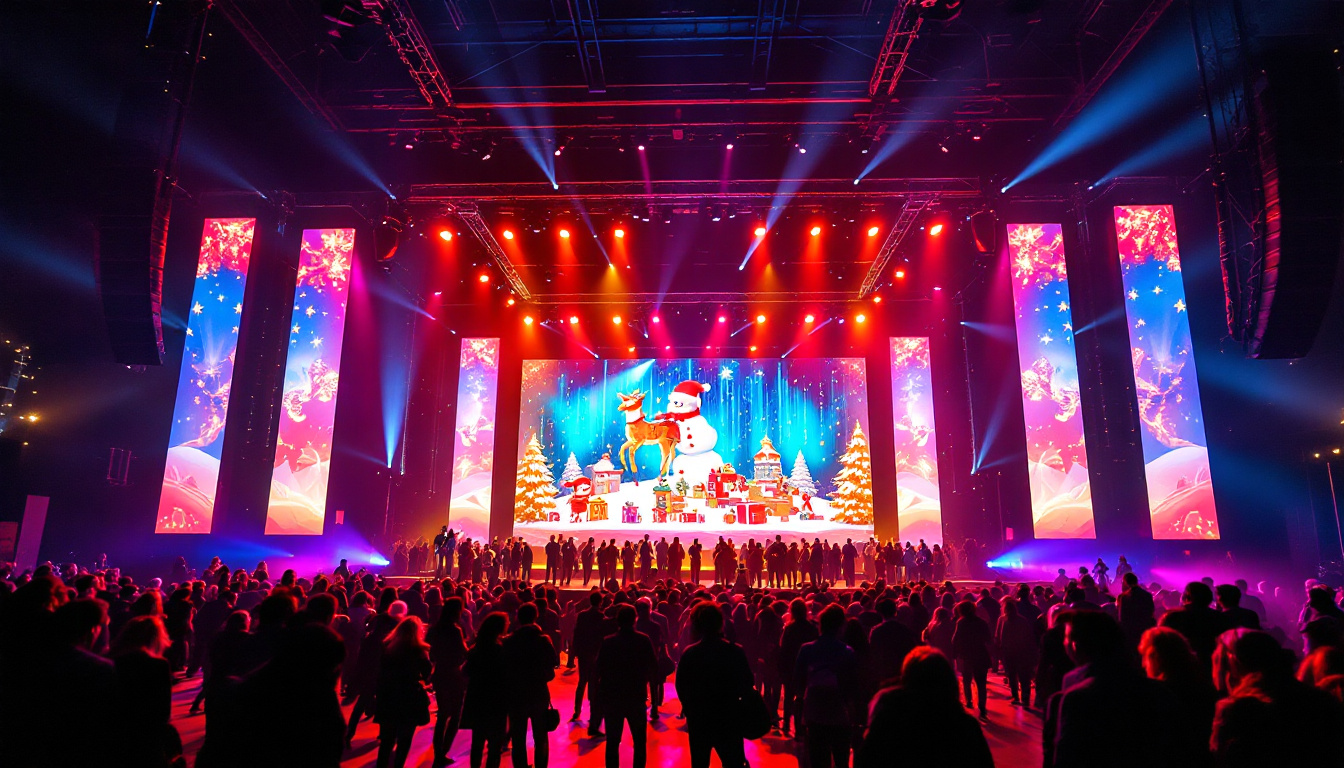
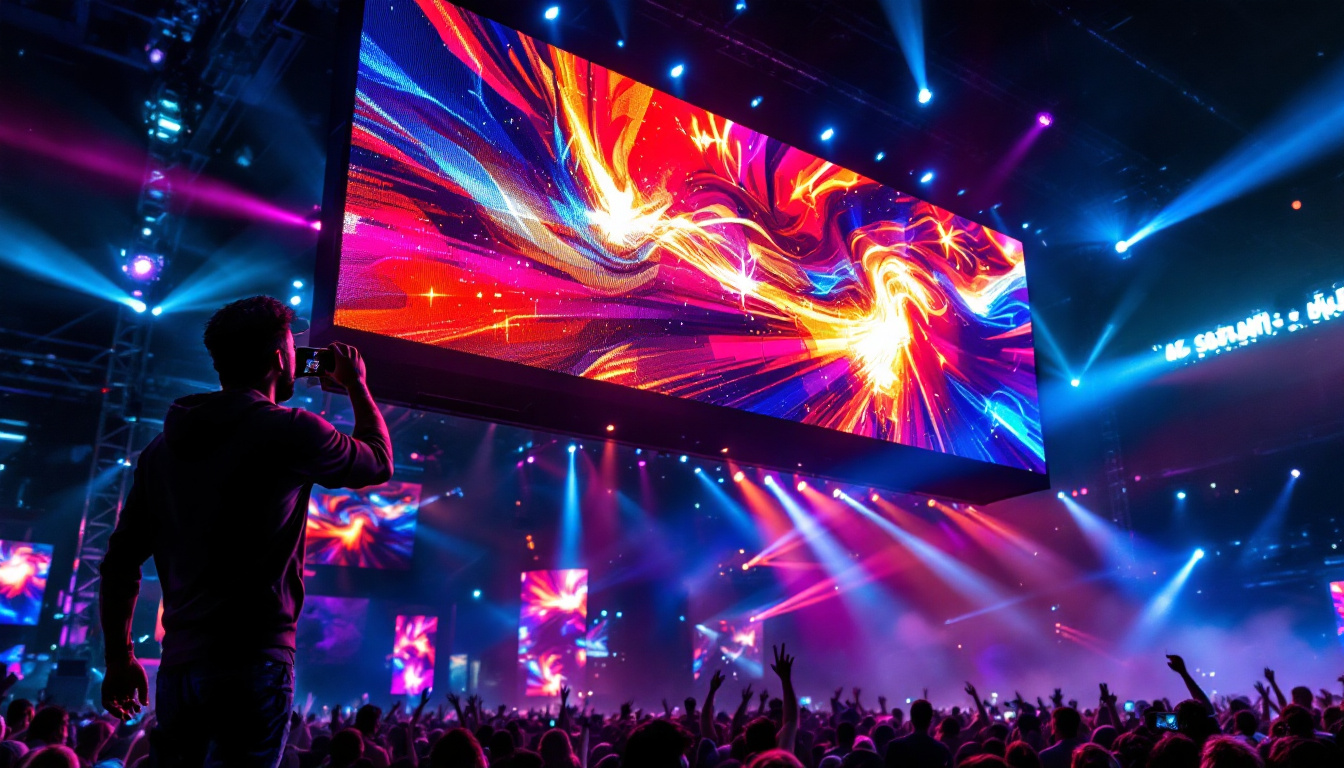
One of the most common uses of LED screens is in live music events. Large LED video walls behind performers enhance the audience experience by displaying dynamic visuals, close-up shots of artists, and interactive content. For instance, the Coachella Valley Music and Arts Festival employs massive LED screens to ensure that even attendees far from the stage can enjoy clear views of the performances.
Furthermore, LED screens enable creative stage designs that integrate lighting and video elements seamlessly. This fusion of technology and artistry elevates the overall production value and audience engagement. The ability to synchronize visuals with music creates a multisensory experience, allowing fans to feel more connected to the performance. Artists often collaborate with visual designers to craft unique narratives that unfold throughout their set, transforming each song into a visual spectacle that enhances the emotional impact of the music.
Sports Arenas and Stadiums
Sports venues rely heavily on LED displays for scoreboards, instant replays, advertisements, and fan engagement. Modern stadiums often feature 360-degree LED ribbon boards and massive center-hung video screens that provide real-time information and entertainment. For example, the AT&T Stadium in Texas boasts one of the largest LED video boards in the world, measuring 160 feet wide and 72 feet tall.
The brightness and durability of LED screens make them suitable for outdoor sports events, where sunlight and weather conditions can impact visibility. Additionally, LED displays allow venues to generate revenue through dynamic advertising tailored to different segments of the audience. Beyond just scores and ads, these screens can also showcase fan reactions, social media feeds, and interactive polls, creating a more immersive and participatory atmosphere. This engagement keeps fans entertained during breaks in play and enhances their overall experience at the event.
Corporate Events and Conferences
In the corporate world, LED screens have become a staple for presentations, product launches, and trade shows. Their ability to display crisp text, detailed graphics, and high-definition videos helps convey messages effectively to large audiences. Portable LED screens are also popular for roadshows and temporary setups, offering quick installation and dismantling.
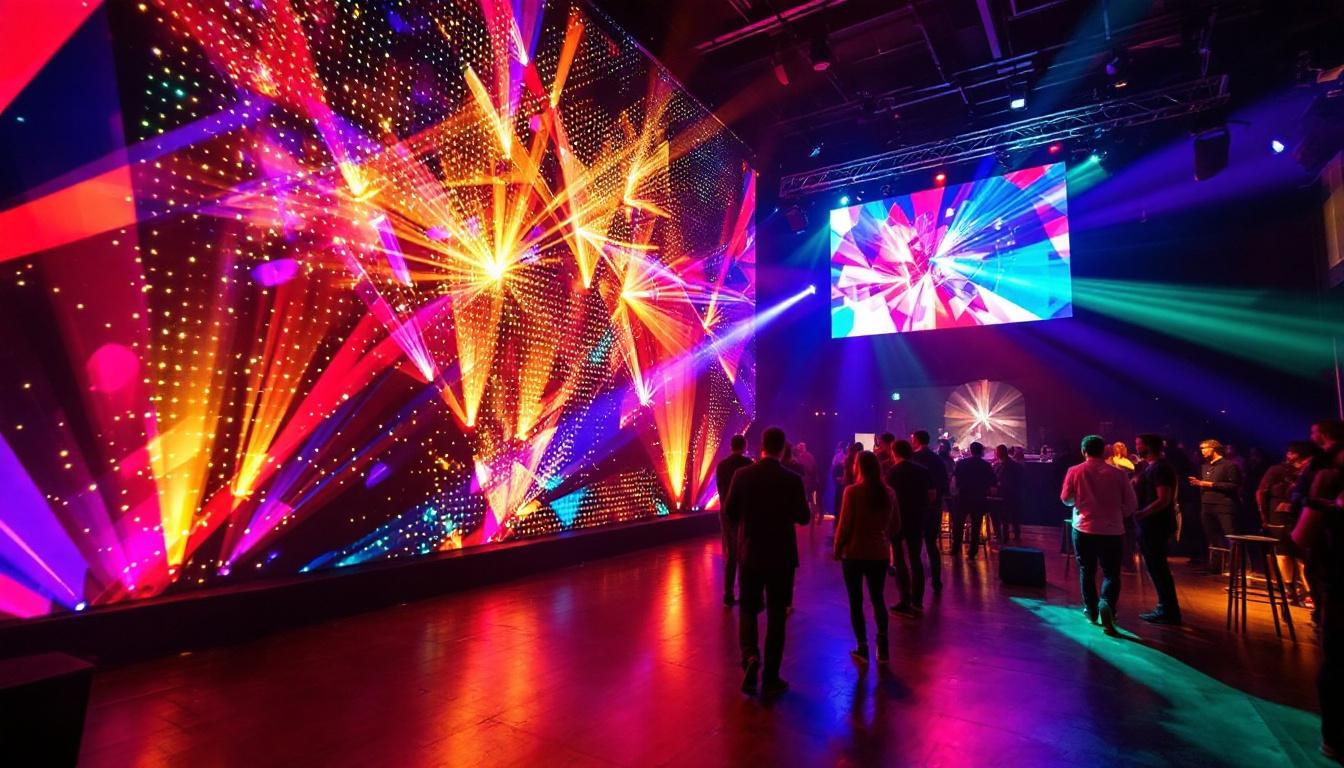
Companies increasingly use LED walls to create immersive environments that enhance branding and storytelling. The flexibility to customize screen size and shape enables unique stage designs that leave lasting impressions on attendees. For example, during a product launch, a company might use LED screens to create a 3D effect that showcases their product from multiple angles, allowing potential customers to visualize its features in a captivating way. Additionally, LED technology can facilitate live streaming of events, enabling remote participants to engage in real-time, further expanding the reach and impact of corporate communications.
Key Benefits of Using LED Screens for Events
High Brightness and Visibility
One of the standout advantages of LED screens is their exceptional brightness. With luminance levels often exceeding 5,000 nits, LED displays remain visible even in direct sunlight. This makes them ideal for outdoor festivals, sporting events, and any setting where ambient light could otherwise wash out the image.
Moreover, the wide viewing angles of LED screens ensure that content is clear and vibrant from various vantage points, accommodating large and dispersed audiences.
Energy Efficiency and Longevity
LED technology is known for its energy efficiency compared to older display technologies like plasma or incandescent lighting. This efficiency translates into lower power consumption and reduced operational costs, which is particularly important for large-scale and long-duration events.
Additionally, LEDs have a long lifespan, often rated between 50,000 to 100,000 hours. This durability reduces the need for frequent maintenance or replacement, making LED screens a cost-effective investment over time.
Flexibility and Customization
The modular design of LED panels allows event organizers to tailor the display to specific needs. Whether it’s creating curved screens, irregular shapes, or ultra-large video walls, LED technology offers unmatched versatility. This adaptability supports creative event designs and branding opportunities that traditional screens cannot match.
Furthermore, LED screens can be quickly assembled and disassembled, facilitating efficient logistics for touring events and temporary installations.
Choosing the Right LED Screen for Your Event
Consider Pixel Pitch and Resolution
When selecting an LED screen, pixel pitch is a critical factor. For indoor events where the audience is close to the screen, a smaller pixel pitch (e.g., 1.2mm to 2.5mm) provides sharper images and finer detail. Conversely, outdoor events with viewers at a distance can use larger pixel pitches (e.g., 6mm to 10mm) without sacrificing perceived image quality.
Understanding the viewing distance and content requirements will help determine the optimal resolution and pixel density for your display.
Assess Brightness and Weather Resistance
For outdoor events, brightness ratings and weatherproofing are paramount. LED screens designed for outdoor use typically feature IP65 or higher ratings, indicating protection against dust and water ingress. This ensures reliable performance in rain, wind, or dusty conditions.
Brightness should be matched to the event environment—higher brightness levels are necessary for daylight visibility, while lower levels suffice for indoor or nighttime events.
Evaluate Size and Installation Logistics
The physical size of the LED screen must align with the venue’s dimensions and audience size. Oversized screens may overwhelm small spaces, while undersized screens can limit visibility for large crowds. Additionally, consider the weight, mounting options, and power requirements, as these factors affect installation complexity and safety.
Working with experienced LED display providers can help navigate these logistical challenges and ensure a smooth setup process.
Future Trends in Event LED Displays
Higher Resolution and Mini-LED Technology
Advancements in LED technology continue to push the boundaries of resolution and image quality. Mini-LED and micro-LED screens, which use smaller diodes, offer even finer pixel pitches and improved contrast ratios. These innovations promise to deliver near-retina display quality in large-format LED screens, enhancing the audience experience further.
Interactive and Smart LED Screens
Integration of touch sensitivity and interactive features is becoming more common in event LED screens. These capabilities enable real-time audience engagement, such as voting, social media integration, and interactive advertising. Smart LED displays can also adapt content dynamically based on environmental sensors or audience behavior, creating personalized experiences.
Sustainability and Energy Optimization
As sustainability becomes a priority, LED screen manufacturers are focusing on reducing energy consumption and using eco-friendly materials. Innovations like adaptive brightness control and recyclable components contribute to greener event production practices, aligning with the growing demand for environmentally responsible solutions.
Conclusion
Event LED screens have revolutionized the way audiences experience live events, offering unparalleled brightness, flexibility, and visual impact. Understanding the technology behind LED displays and the factors to consider when choosing a screen ensures that event organizers can deliver memorable and engaging experiences. As LED technology continues to evolve, the possibilities for creative expression and audience interaction will only expand, making LED screens a cornerstone of modern event production.
Illuminate Your Next Event with LumenMatrix
Ready to elevate your live event experience with vibrant, high-resolution LED displays? LumenMatrix is at the forefront of LED display innovation, offering a wide range of solutions tailored to your specific needs. From Indoor and Outdoor LED Walls to dynamic Vehicle and Sports Displays, our technology is designed to captivate your audience and amplify your message. Discover the transformative power of our Custom LED Displays, All-in-One solutions, and groundbreaking Transparent Displays. Check out LumenMatrix LED Display Solutions today and turn your vision into an unforgettable visual spectacle.