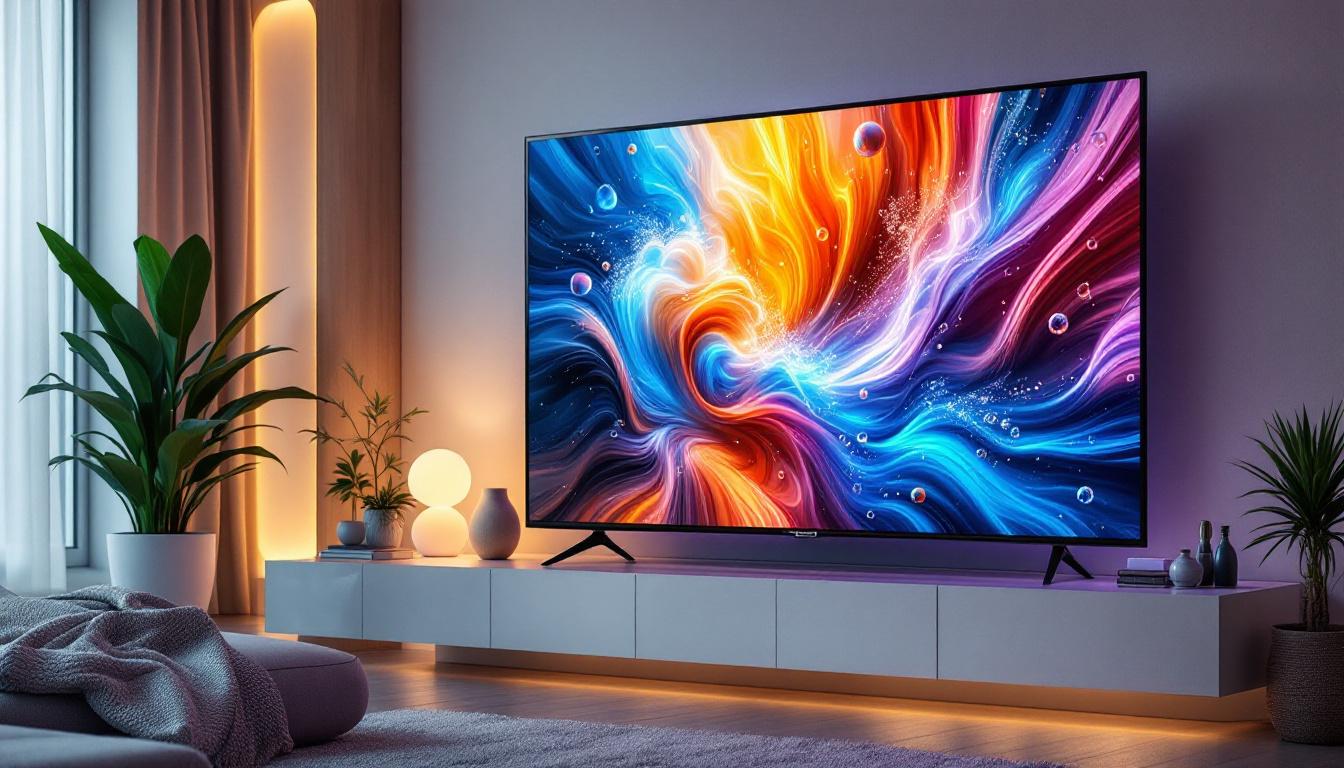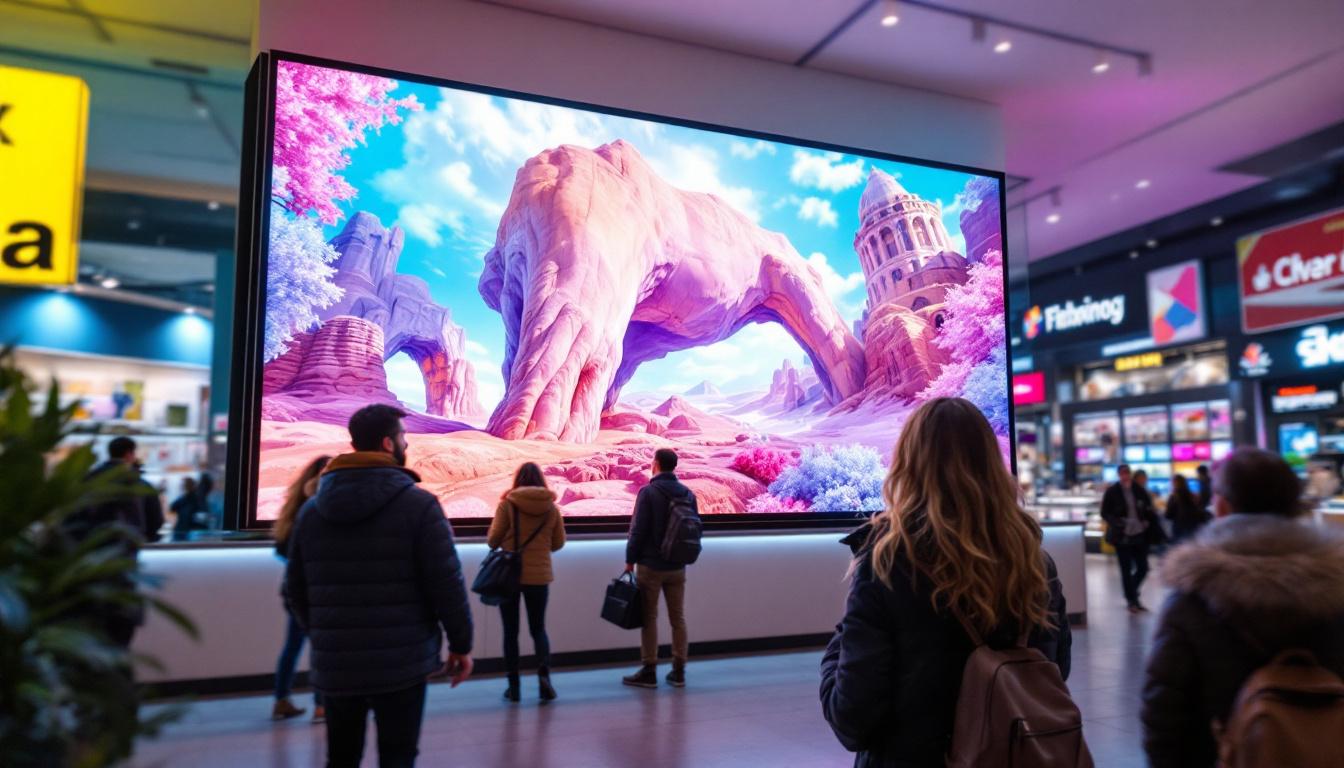
In the fast-paced world of retail, capturing customer attention and conveying messages effectively is more critical than ever. LED displays have emerged as a powerful tool for retailers to engage shoppers, promote products, and enhance the overall shopping experience. This article delves into the technology behind LED retail screens, explores their benefits, and provides insights on how retailers can leverage them to boost sales and brand presence.
Understanding LED Display Technology
LED, or Light Emitting Diode, technology has revolutionized digital signage with its vibrant colors, energy efficiency, and versatility. Unlike traditional LCD or plasma screens, LED displays use an array of tiny light-emitting diodes to create images and videos. This fundamental difference translates into several advantages that make LED screens particularly suitable for retail environments. The ability to produce bright, eye-catching visuals not only attracts customers but also enhances the overall shopping experience, making it a powerful tool for marketing and branding.
How LED Displays Work
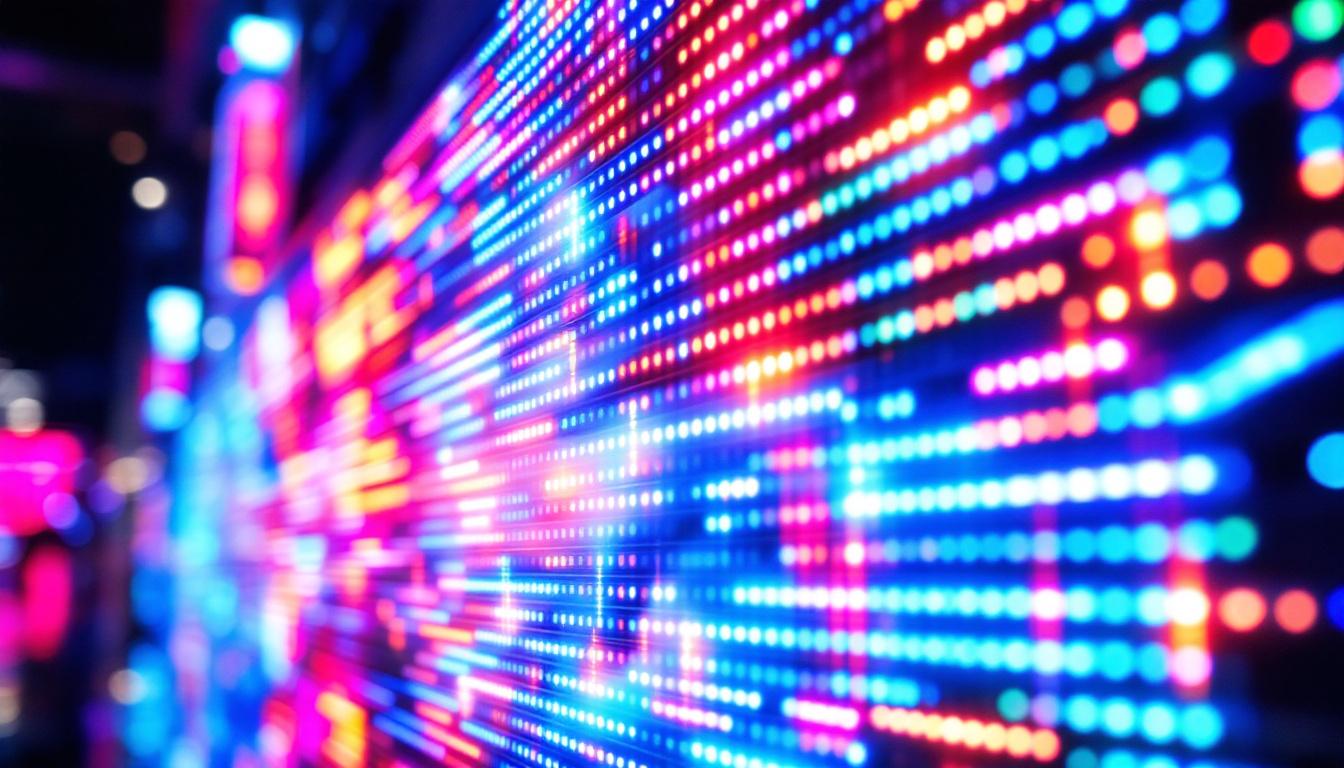
At the core of an LED display is a matrix of diodes that emit light when an electric current passes through them. These diodes can be arranged in various configurations, including:
- Direct View LED: Diodes themselves form the pixels, producing bright and vivid images visible even in direct sunlight.
- LED Backlit LCD: LEDs serve as a backlight behind an LCD panel, enhancing brightness and color accuracy.
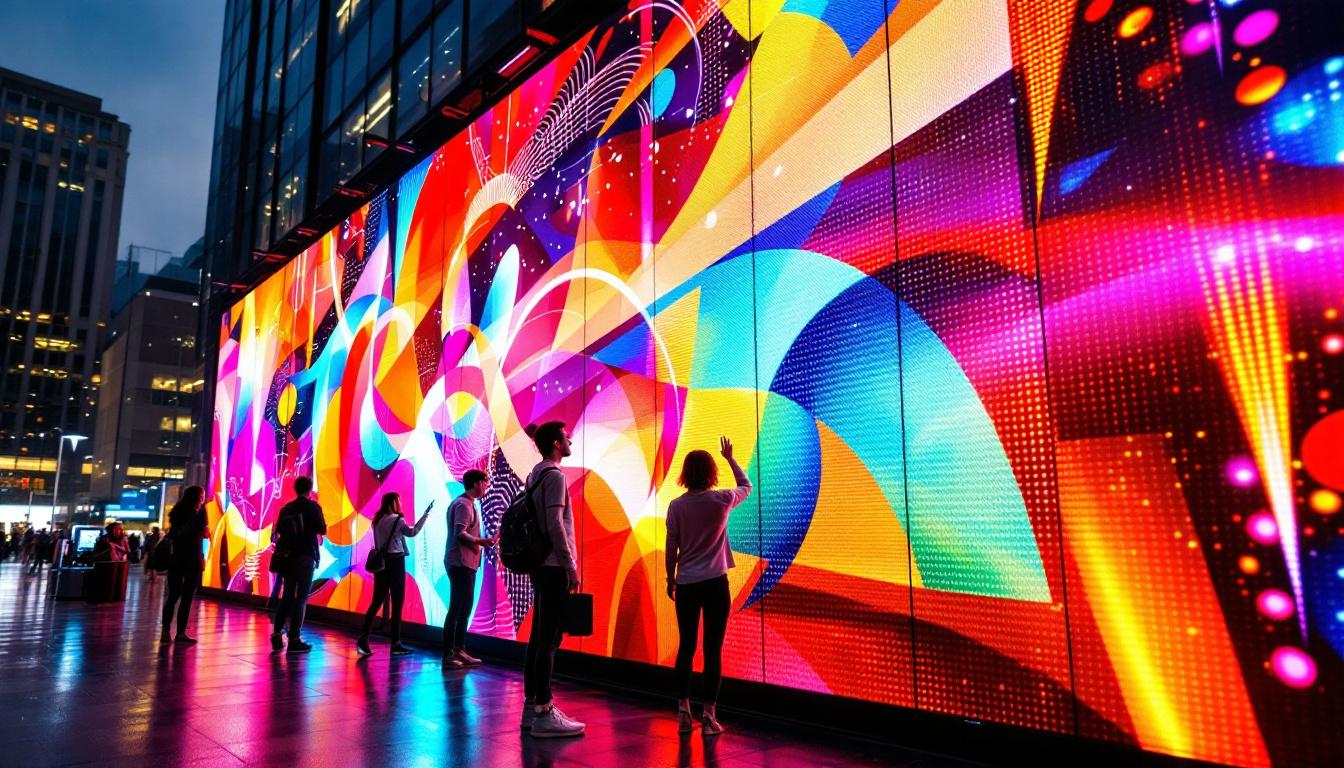
In retail settings, direct view LED displays are often preferred for their high brightness and seamless visual experience, especially for large-format screens. These displays can be used for a variety of applications, from showcasing promotional content to displaying live feeds or interactive media. The flexibility of LED technology allows retailers to adapt their messaging quickly and efficiently, catering to seasonal promotions or special events with ease.
Key Technical Specifications
When selecting an LED display for retail, several technical factors come into play:
- Pixel Pitch: The distance between individual LEDs, measured in millimeters. Smaller pixel pitch means higher resolution and sharper images, crucial for close-up viewing.
- Brightness: Measured in nits, brightness levels typically range from 800 to over 5,000 nits. Retail environments with ambient lighting require higher brightness to maintain visibility.
- Refresh Rate: Determines how often the image is updated per second. Higher refresh rates reduce flicker and improve video quality.
Understanding these specifications helps retailers choose displays that meet their visual and environmental needs. Additionally, factors such as color accuracy and viewing angle are essential to consider, as they can significantly impact how customers perceive the displayed content. For instance, a display with a wide viewing angle ensures that customers can enjoy the same vibrant visuals from various positions within the store, enhancing engagement and drawing attention to key messages or products.
Benefits of LED Retail Screens
Retailers are increasingly investing in LED displays to enhance in-store communication and customer engagement. The benefits extend beyond mere aesthetics, impacting sales, brand loyalty, and operational efficiency.
Enhanced Visual Impact and Customer Engagement
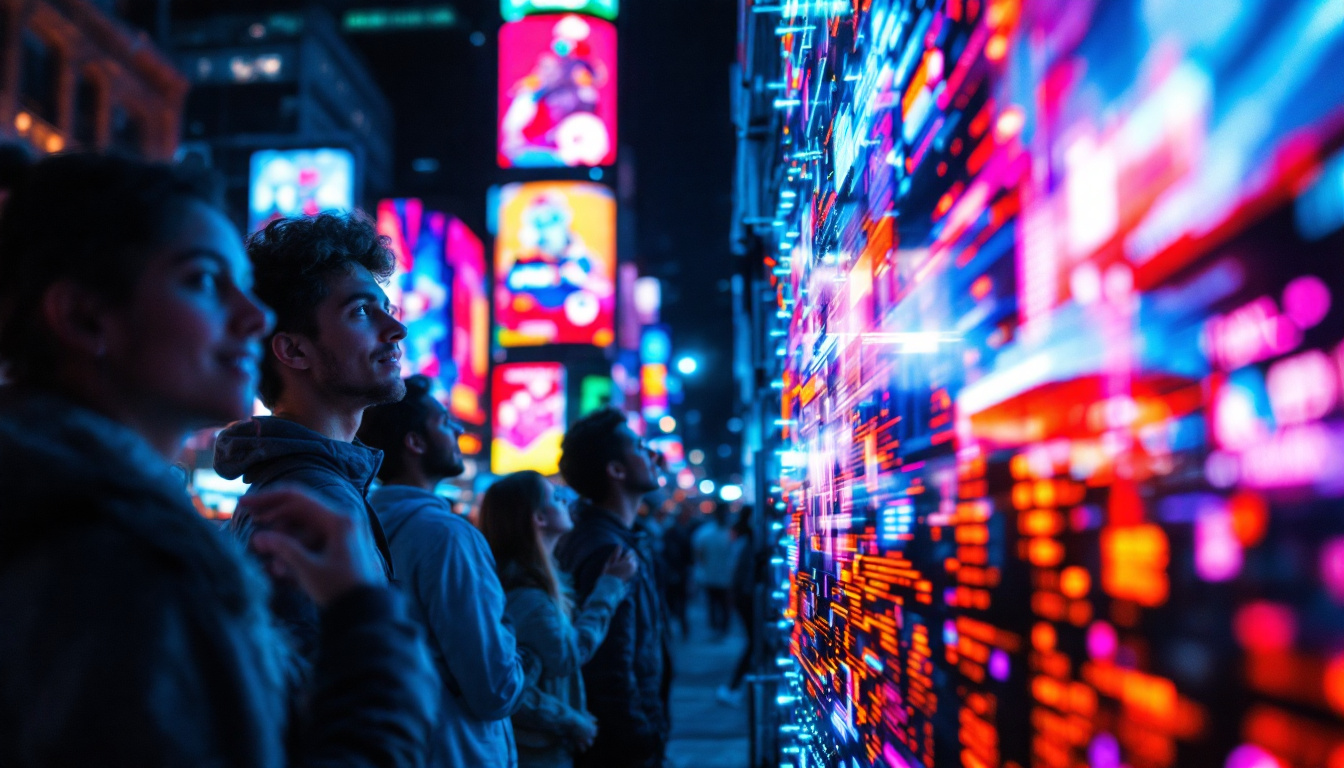
LED displays deliver bright, dynamic content that captures attention more effectively than static signage. Studies show that digital signage can increase customer dwell time by up to 30%, which correlates with higher purchase likelihood. The ability to display videos, animations, and real-time updates makes LED screens a versatile medium for storytelling and promotions. Furthermore, the integration of interactive features, such as touch screens or QR codes, allows customers to engage with the content in a more meaningful way, creating a memorable shopping experience that encourages repeat visits.
Flexibility and Content Management
Modern LED retail screens come with sophisticated content management systems (CMS) that allow retailers to schedule, update, and customize content remotely. This flexibility is vital for multi-location retailers who need to tailor promotions based on location, time of day, or inventory levels. For example, a clothing store can highlight winter wear during cold months and seamlessly switch to summer collections as seasons change. Additionally, retailers can leverage data analytics to assess customer behavior and preferences, enabling them to refine their messaging and promotional strategies to align more closely with their target audience’s interests.
Energy Efficiency and Longevity
Compared to older display technologies, LED screens consume significantly less power, reducing operational costs. Additionally, LEDs have a longer lifespan—often exceeding 50,000 hours—minimizing maintenance and replacement expenses. This durability makes them a cost-effective investment for retailers aiming for long-term digital signage solutions. Beyond financial savings, the energy efficiency of LED technology also contributes to a retailer’s sustainability efforts. By reducing energy consumption, businesses can decrease their carbon footprint, appealing to environmentally conscious consumers and enhancing their brand image in a market that increasingly values sustainability.
Applications of LED Displays in Retail
LED screens are versatile tools that can be integrated into various aspects of the retail environment. Their applications extend from storefronts to checkout areas, each serving a unique purpose in the customer journey.
Storefront and Window Displays
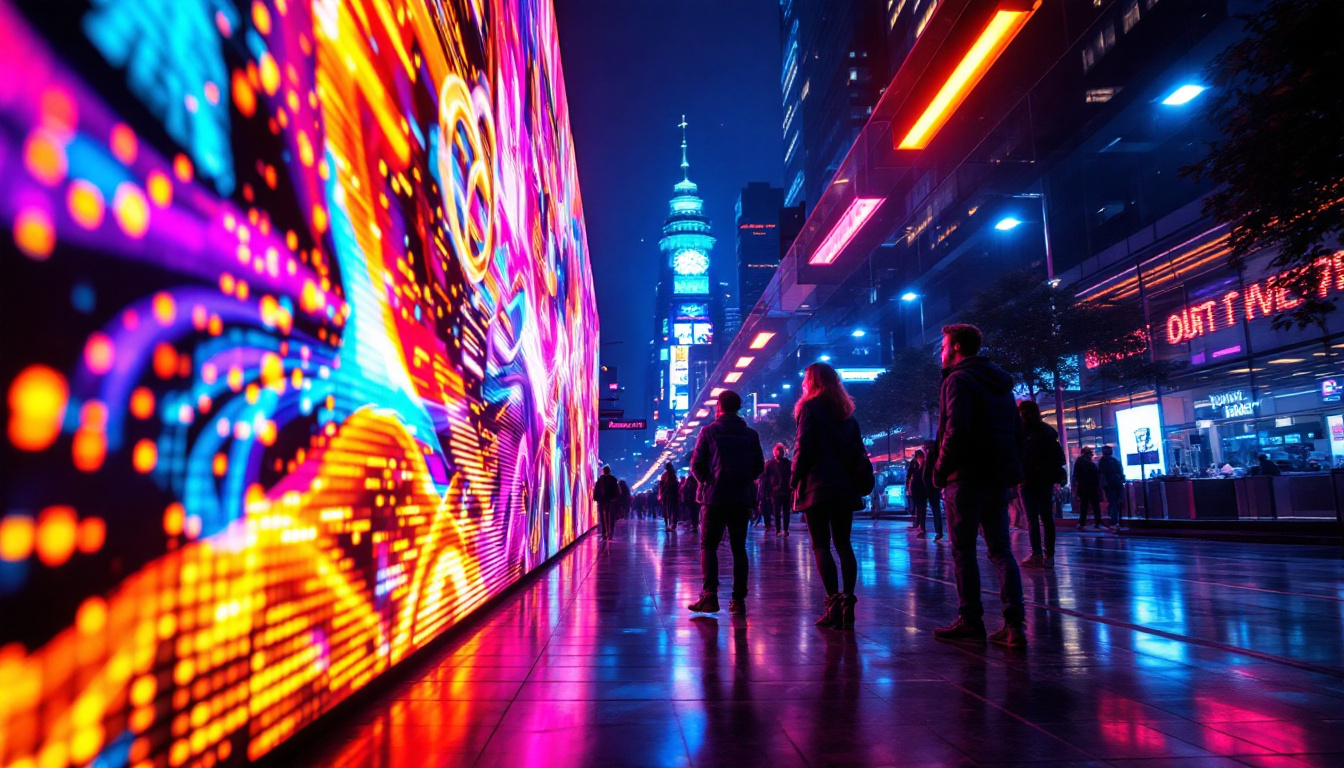
One of the most impactful uses of LED displays is in storefront windows. Bright, eye-catching visuals can draw foot traffic by showcasing promotions, new arrivals, or brand messages. According to recent retail studies, stores with digital window displays experience up to a 20% increase in walk-ins compared to those with traditional signage. Moreover, the ability to change content in real-time allows retailers to respond quickly to market trends or seasonal changes, ensuring that their messaging remains relevant and engaging. This adaptability not only enhances customer interest but also fosters a sense of urgency, encouraging potential buyers to enter the store and explore what’s on offer.
In-Store Digital Signage
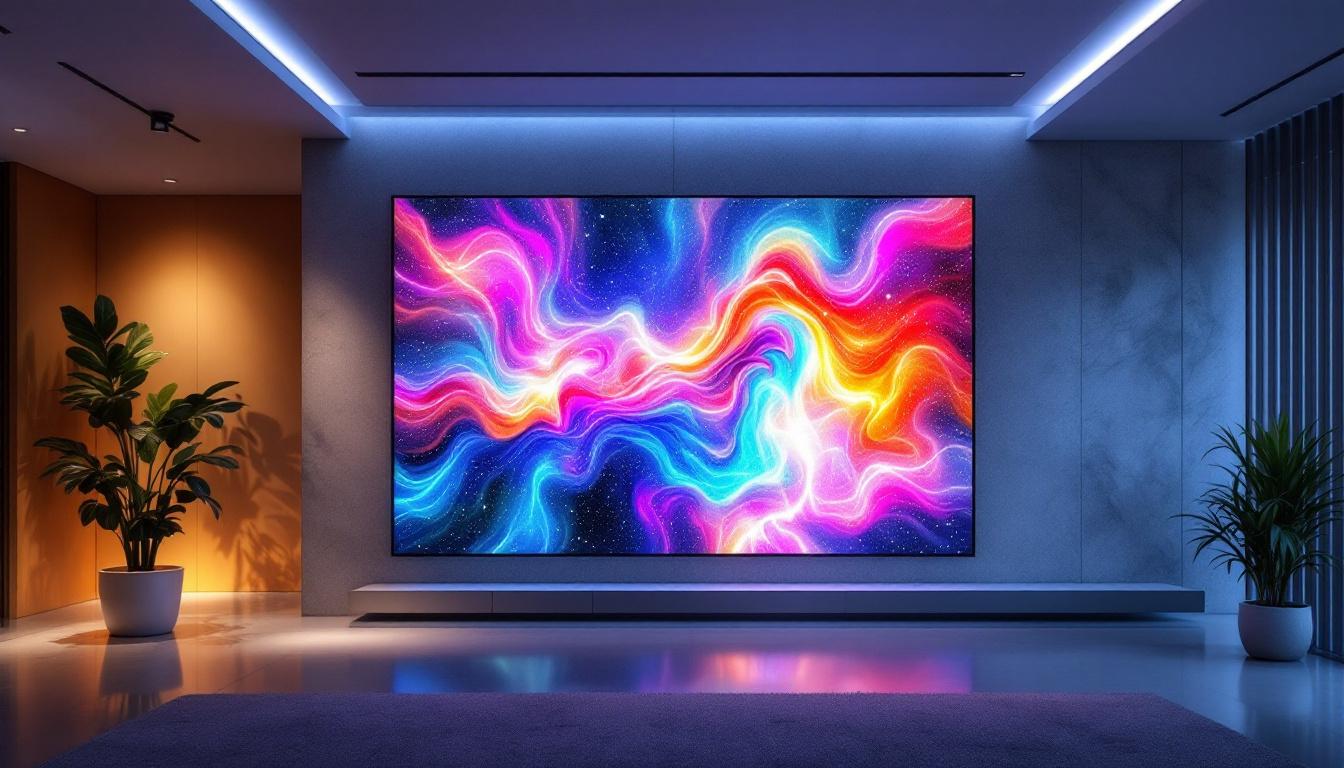
Inside the store, LED screens can guide customers, highlight featured products, and create immersive brand experiences. For instance, grocery stores use LED displays to promote weekly specials or nutritional information, while fashion retailers might use them to show runway videos or styling tips. This interactive approach helps customers make informed decisions and enhances satisfaction. Additionally, the use of LED technology allows for dynamic content that can include animations, videos, and even interactive elements, which can significantly enhance the shopping experience. By integrating social media feeds or customer reviews into the displays, retailers can create a more personalized shopping environment that resonates with their audience.
Checkout and Queue Management
LED screens positioned near checkout counters serve dual purposes: entertaining customers during wait times and upselling complementary products. Research indicates that well-placed digital signage can increase impulse purchases by up to 15%, contributing directly to revenue growth. Furthermore, these displays can be programmed to showcase limited-time offers or loyalty program promotions, which not only keeps customers engaged but also encourages them to take advantage of exclusive deals before they leave the store. As technology continues to evolve, some retailers are even exploring the integration of facial recognition software to tailor content based on customer demographics, creating a truly customized shopping experience that can further enhance customer loyalty and satisfaction.
Choosing the Right LED Display for Retail
Selecting an LED display involves balancing technical requirements, budget constraints, and the intended use case. Retailers should consider several factors to ensure their investment delivers maximum impact.
Indoor vs. Outdoor Displays
Outdoor LED screens require higher brightness and weatherproofing to withstand environmental conditions. Indoor displays can prioritize resolution and viewing angles since ambient lighting is controlled. For example, a mall kiosk might opt for a high-resolution indoor LED display, while a storefront facing a busy street would need a robust outdoor model. Additionally, outdoor displays often come with anti-glare technology to ensure visibility even in direct sunlight, while indoor displays can utilize finer pixel pitches to create stunning visuals that captivate customers from various angles.
Size and Viewing Distance
The size of the display should correspond to the typical viewing distance. Larger screens with wider pixel pitch are suitable for distant viewing, such as from across a street, while smaller, high-resolution displays work better for close-range interaction inside the store. Retailers must also consider the aspect ratio of the display, as it can significantly influence how content is presented. A wider aspect ratio may be more suitable for video advertisements, while a more traditional format might work better for static images or promotional graphics.
Integration with Existing Systems
Compatibility with existing content management platforms, point-of-sale systems, and network infrastructure is crucial for seamless operation. Retailers should verify that the LED display supports the necessary inputs and software to avoid costly integration challenges. Furthermore, it’s essential to consider the ease of content updates and the ability to schedule promotions or advertisements dynamically. A user-friendly interface can empower staff to make real-time changes, allowing for timely responses to customer behavior or special events, thereby enhancing the overall shopping experience.
Content Strategy
Beyond the technical specifications, a well-thought-out content strategy is vital for maximizing the effectiveness of an LED display. Retailers should curate engaging and relevant content that resonates with their target audience. This may include promotional videos, seasonal advertisements, or interactive displays that encourage customer participation. Utilizing high-quality graphics and animations can significantly enhance viewer engagement, making it essential to invest in professional content creation or design services. Additionally, leveraging data analytics can help retailers understand which types of content perform best, allowing for continuous improvement and optimization of their display strategy.
Maintenance and Support
Finally, considering the maintenance and support options available for the LED display is crucial for long-term performance. Retailers should inquire about warranty terms, the availability of technical support, and the ease of obtaining replacement parts. Regular maintenance checks can prevent unexpected downtime, ensuring that the display remains operational and effective in attracting customers. Establishing a relationship with a reliable vendor can also provide peace of mind, knowing that expert assistance is readily available when needed, allowing retailers to focus on their core business activities without worrying about display issues.
Future Trends in Retail LED Displays
The evolution of LED technology continues to open new possibilities for retail environments. Staying informed about emerging trends helps retailers maintain a competitive edge.
Interactive and Touch-Enabled Displays
Interactive LED screens that respond to touch or gestures are becoming more prevalent, enabling personalized shopping experiences. These displays can provide product information, virtual try-ons, or wayfinding assistance, blending physical and digital retail seamlessly.
Integration with Artificial Intelligence
AI-powered LED displays can analyze customer behavior and tailor content in real-time. For example, facial recognition technology might adjust advertisements based on the age or gender of passersby, increasing relevance and engagement.
Sustainability and Energy Innovations
As sustainability becomes a priority, LED manufacturers are developing more energy-efficient and recyclable components. Retailers adopting these greener technologies can reduce their carbon footprint and appeal to environmentally conscious consumers.
Conclusion
LED displays have transformed retail spaces by offering dynamic, engaging, and flexible communication tools. Their superior brightness, energy efficiency, and adaptability make them an indispensable asset for modern retailers aiming to captivate customers and drive sales. By understanding the technology, benefits, and applications of LED retail screens, businesses can make informed decisions that elevate their brand presence and enhance the shopping experience.
As LED technology continues to advance, retailers who embrace these innovations will be well-positioned to meet evolving consumer expectations and thrive in an increasingly competitive marketplace.
Discover LumenMatrix’s Innovative LED Solutions
Ready to elevate your retail space with the latest in LED display technology? Explore LumenMatrix’s comprehensive range of LED display modules, designed to bring your brand to life and captivate your audience. From vibrant Indoor and Outdoor LED Wall Displays to dynamic Vehicle and Sports LED Displays, our solutions are crafted to meet your unique needs. Experience the future of visual communication with our All-in-One LED Displays, LED Transparent Displays, and more. Check out LumenMatrix LED Display Solutions today and transform your retail environment into an immersive and engaging shopping experience.