In today’s energy-conscious world, LED lighting has become a cornerstone of efficient illumination. Whether for residential, commercial, or industrial applications, LEDs offer significant advantages over traditional incandescent or fluorescent bulbs. However, understanding how to calculate the wattage requirements for LED lights and interpreting LED display information can be challenging for many consumers and professionals alike.
This comprehensive guide explores the essentials of wattage calculation for LED lights, the significance of LED displays, and how to optimize lighting choices for both performance and energy savings.
Understanding LED Wattage: What Does It Really Mean?
Wattage is a measure of electrical power consumption, indicating how much energy a device uses per unit of time. For LED lights, wattage represents the amount of power the light fixture consumes to produce illumination. Unlike traditional bulbs, where higher wattage directly correlated with brighter light, LEDs are more efficient, meaning they produce more light per watt.
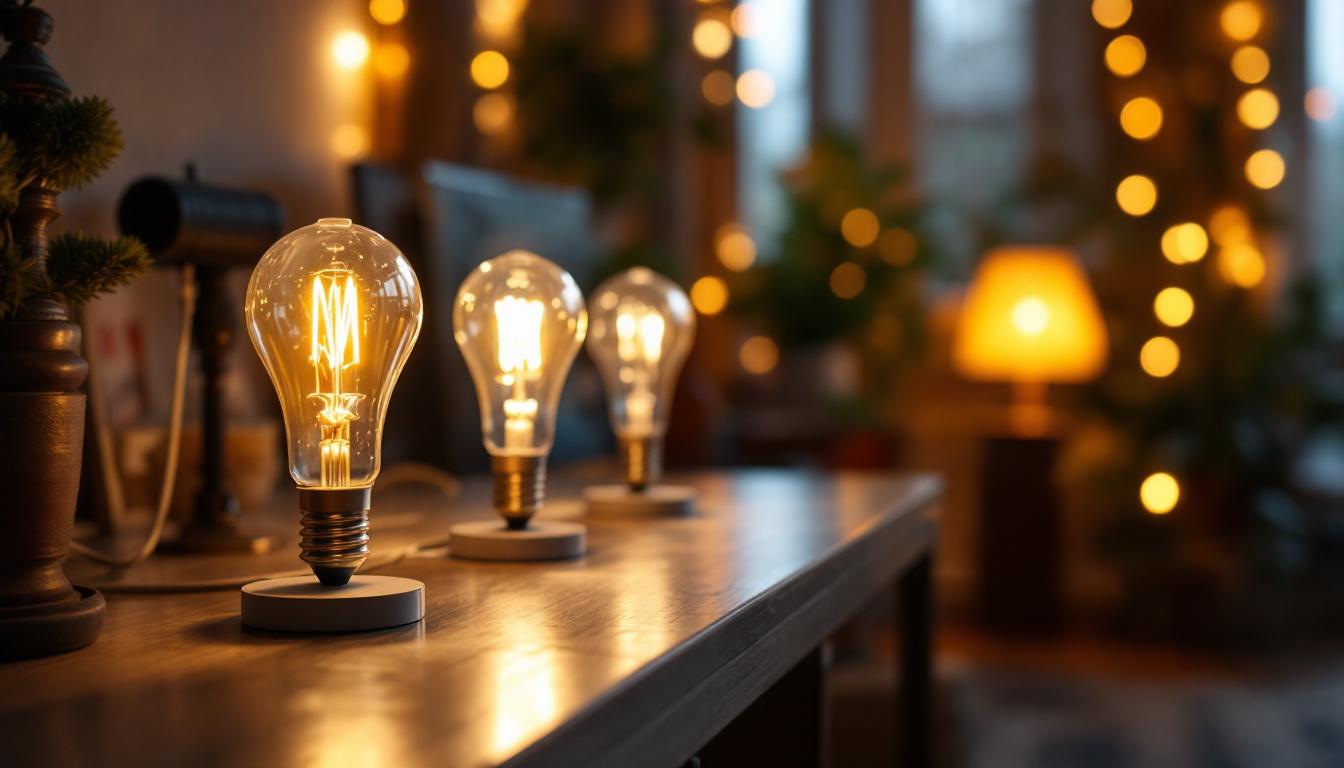
For example, a 10-watt LED bulb can produce the same brightness as a 60-watt incandescent bulb. This efficiency is measured in lumens per watt (lm/W), which quantifies the amount of visible light produced for each watt of power consumed. This means that when you switch to LED lighting, you can achieve the same level of brightness while using significantly less energy, which not only benefits your wallet but also the environment by reducing overall energy demand.
Why Wattage Matters in LED Lighting
Understanding wattage is crucial for several reasons:
- Energy Consumption: Lower wattage means less electricity used, leading to reduced energy bills.
- Heat Generation: LEDs generate less heat compared to incandescent bulbs, but wattage still influences heat output, affecting fixture lifespan and safety.
- Compatibility: Knowing wattage helps ensure compatibility with dimmers, transformers, and other electrical components.
Therefore, accurately calculating wattage for LED lighting is essential for optimizing energy use and maintaining system integrity. Additionally, it’s important to consider the color temperature of the LED bulbs, which is often measured in Kelvin (K). This measurement affects not only the ambiance of a space but also how the wattage interacts with perceived brightness. For instance, a warm white LED (around 2700K) may feel cozier and more inviting, while a cool white LED (above 4000K) can create a more vibrant and energetic atmosphere. Understanding these nuances can help you choose the right LED lighting for different areas of your home or office, ensuring that you not only save energy but also enhance the aesthetic appeal of your spaces.
Moreover, the longevity of LED bulbs is another factor to consider when discussing wattage. LED lights typically last much longer than traditional bulbs, often exceeding 25,000 hours of use. This longevity means that while the initial cost of LED bulbs may be higher, the long-term savings on replacements and energy consumption can be substantial. When selecting LED lighting, it’s also beneficial to look for products that come with warranties or guarantees, which can provide additional peace of mind regarding their performance and durability over time.
How to Calculate Wattage for LED Lights
Calculating the wattage for LED lights involves understanding the relationship between lumens, wattage, and the number of fixtures required for a given space. This process helps in selecting the right LED lights that meet brightness needs without wasting energy.
Step 1: Determine Required Lumens
The first step is to establish the total lumens needed for the space. Lumens measure the brightness perceived by the human eye. Different rooms and tasks require varying levels of brightness. For instance:
- Living rooms: 1,500 to 3,000 lumens
- Kitchens: 3,000 to 4,000 lumens
- Offices: 3,000 to 6,000 lumens
- Workshops or garages: 4,000 to 8,000 lumens
These values can vary based on room size, wall color, and personal preference, but they serve as a useful baseline.
Step 2: Identify Lumens per LED Bulb
Next, check the lumen output of the LED bulbs under consideration. LED packaging or specifications typically list lumens alongside wattage. For example, a 12-watt LED bulb might produce 1,000 lumens.
Step 3: Calculate Number of Bulbs Needed
Divide the total required lumens by the lumens per bulb to find out how many bulbs are necessary. For example, if a kitchen needs 3,600 lumens and each bulb produces 1,200 lumens, then:
Number of bulbs = 3,600 ÷ 1,200 = 3 bulbs
Step 4: Calculate Total Wattage
Multiply the number of bulbs by the wattage per bulb to get the total wattage consumption:
Total wattage = Number of bulbs × Wattage per bulb
Using the previous example, if each bulb is 12 watts:
Total wattage = 3 × 12 = 36 watts
This total wattage is significantly lower than what would be required with incandescent bulbs, illustrating LED efficiency.
LED Display Explained: What Information Does It Provide?
Many LED lighting products and fixtures come with LED displays or digital readouts that provide valuable information about the light’s performance and status. Understanding these displays can help users monitor energy consumption, brightness levels, and other operational parameters.
Common LED Display Features
- Wattage Readout: Shows real-time power consumption, allowing users to verify energy usage.
- Lumens Output: Some advanced fixtures display brightness levels, useful for adjusting lighting to desired settings.
- Color Temperature: Indicates the warmth or coolness of the light, measured in Kelvin (K). For example, 2700K is warm white, while 5000K is daylight.
- Voltage and Current: Displays electrical input parameters to ensure the fixture operates within safe limits.
- Timer and Scheduling: Allows users to program lighting schedules for automation and energy savings.
Benefits of LED Displays in Lighting Fixtures
LED displays enhance user interaction with lighting systems by providing transparency and control. They help in:
- Energy Management: Real-time wattage data enables users to track and reduce electricity consumption.
- Maintenance: Monitoring voltage and current can preemptively identify electrical issues.
- Customization: Adjusting color temperature and brightness improves comfort and ambiance.
- Automation: Timers and scheduling features contribute to smarter energy use.
Practical Applications of Wattage Calculators for LED Lights
Wattage calculators for LED lights are invaluable tools for homeowners, electricians, lighting designers, and facility managers. They simplify the process of selecting the right LED products and estimating energy consumption.
Residential Lighting Planning
Homeowners can use wattage calculators to design efficient lighting layouts that balance brightness and energy use. For example, calculating the total wattage for LED fixtures in a living room helps ensure sufficient illumination without excessive power consumption.
Additionally, understanding wattage helps when upgrading from incandescent or CFL bulbs to LEDs, allowing users to compare energy savings accurately.
Commercial and Industrial Lighting Projects
In larger-scale projects, wattage calculators assist in budgeting energy costs and meeting regulatory standards. Many commercial buildings aim to reduce their carbon footprint by switching to LED lighting, and precise wattage calculations are critical for forecasting savings and return on investment.
Moreover, integrating LED displays with wattage calculators allows facility managers to monitor ongoing energy use and optimize lighting schedules.
Outdoor and Specialty Lighting
For outdoor lighting such as street lamps, parking lot lights, or landscape illumination, wattage calculators ensure that fixtures provide adequate brightness while minimizing energy waste. Specialty lighting, including horticultural LEDs or display lighting, also benefits from precise wattage and lumen calculations to meet specific requirements.
Tips for Choosing and Using LED Wattage Calculators Effectively
With many wattage calculators available online and as mobile apps, selecting the right tool and using it properly can maximize benefits.
Look for Comprehensive Calculators
Choose calculators that factor in variables such as room dimensions, surface reflectance, fixture efficiency, and desired brightness levels. The more detailed the inputs, the more accurate the results.
Understand the Difference Between Wattage and Lumens
Some users confuse wattage with brightness. Always focus on lumens when determining how much light is needed, and use wattage to understand energy consumption.
Consider Fixture and Driver Efficiency
Not all LED fixtures are created equal. Efficiency ratings and driver quality affect actual power consumption. When possible, use calculators that allow input of fixture efficiency percentages.
Use LED Displays to Verify Calculations
When LED fixtures have built-in displays, cross-reference calculator results with real-time wattage readings to confirm accuracy and detect anomalies.
The Future of LED Wattage Calculation and Display Technology
As LED technology advances, wattage calculators and LED displays are becoming more sophisticated and integrated with smart home and building management systems.
Emerging trends include:
- IoT Integration: LED fixtures connected to the Internet of Things (IoT) can provide continuous data on energy use, brightness, and maintenance needs.
- AI-Driven Lighting Control: Artificial intelligence can analyze usage patterns and adjust wattage and brightness dynamically for optimal efficiency and comfort.
- Enhanced User Interfaces: Touchscreen displays and voice control improve interaction with lighting systems.
- Energy Harvesting LEDs: Future LEDs may incorporate technologies to recycle energy or reduce power draw further, complicating wattage calculations but improving sustainability.
These innovations promise to make LED lighting smarter, more efficient, and easier to manage for all users.
Conclusion
Understanding and calculating wattage for LED lights is essential for optimizing energy efficiency, ensuring adequate illumination, and managing costs. Wattage calculators provide a practical way to estimate power consumption based on lumens and fixture specifications, while LED displays offer real-time insights into lighting performance.
By combining these tools and knowledge, users can make informed decisions about LED lighting installations, whether in homes, offices, or industrial settings. As LED technology continues to evolve, staying informed about wattage and display features will remain a key component of effective lighting management.
Investing time in learning how to calculate wattage and interpret LED displays not only supports sustainability goals but also enhances comfort, safety, and cost-effectiveness in lighting design.
Illuminate Your Space with LumenMatrix
Ready to take the next step in optimizing your lighting solutions? LumenMatrix is at the forefront of LED display technology, offering a wide array of innovative products that transform any environment. From vibrant Indoor LED Wall Displays to dynamic Outdoor LED Wall Displays, and from mobile Vehicle LED Displays to interactive Floor LED Displays, our solutions are designed to captivate and engage. Experience the future of visual communication with our Custom LED Displays, All-in-One LED Displays, and LED Transparent Displays. Elevate your brand visibility and create unforgettable visual experiences with LumenMatrix. Check out LumenMatrix LED Display Solutions today and see your space in a new light.