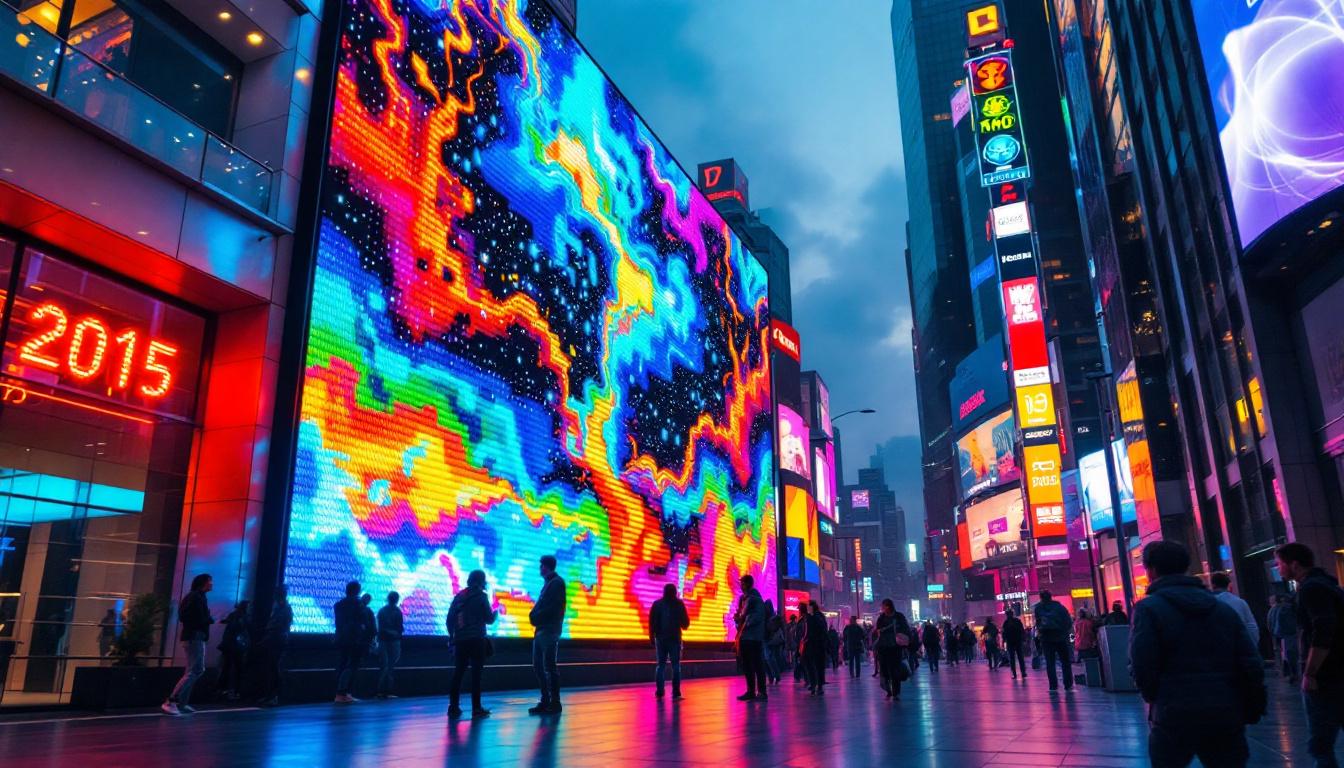
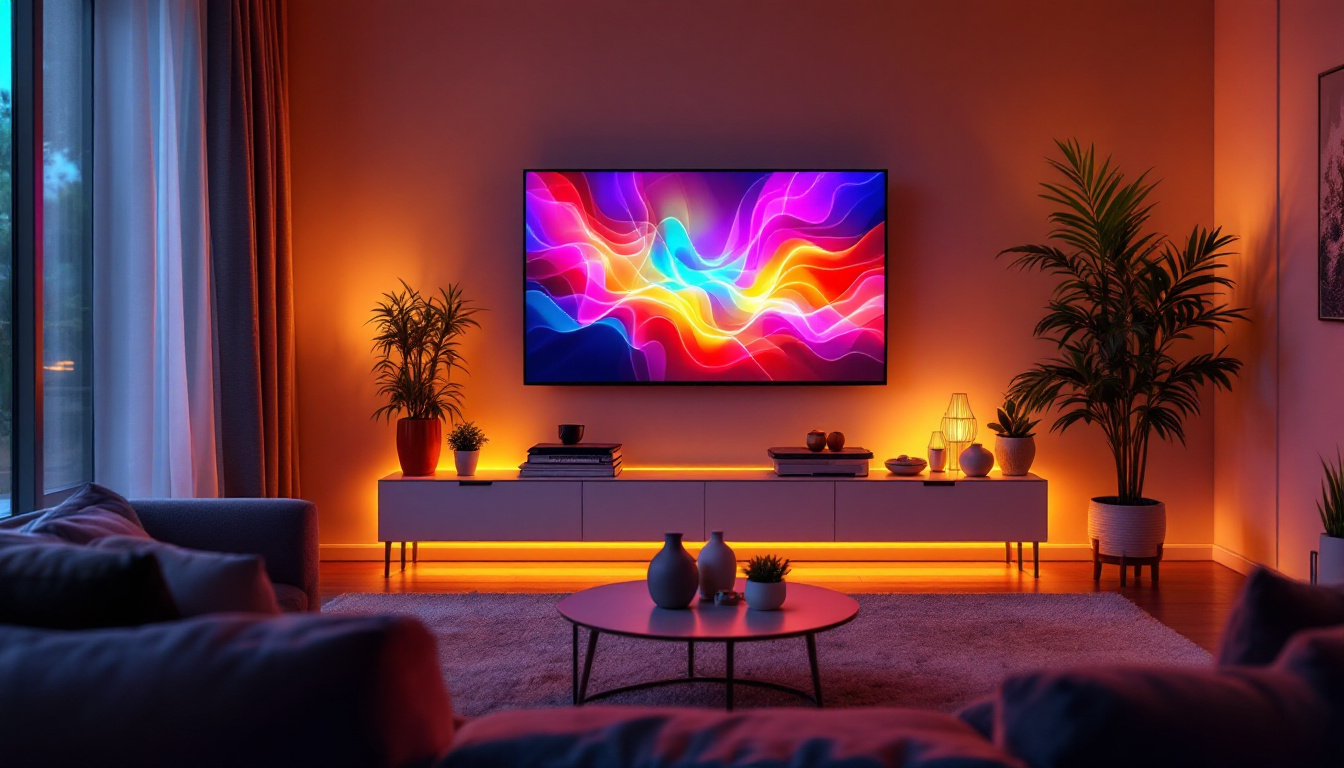
In the dynamic world of advertising and product showcasing, visual appeal is paramount. One of the most innovative solutions gaining traction in retail, exhibitions, and promotional events is the rotating LED display stand. Combining motion with vibrant LED technology, these stands captivate audiences and enhance brand visibility. This article delves into the intricacies of rotating LED display stands, exploring their technology, applications, benefits, and considerations for effective use.
Understanding LED Display Technology
Light Emitting Diodes (LEDs) have revolutionized the way information and visuals are presented across various industries. Unlike traditional lighting and display methods, LEDs offer superior brightness, energy efficiency, and longevity. At their core, LEDs are semiconductor devices that emit light when an electric current passes through them. This simple mechanism allows for the creation of displays that are both vivid and versatile.
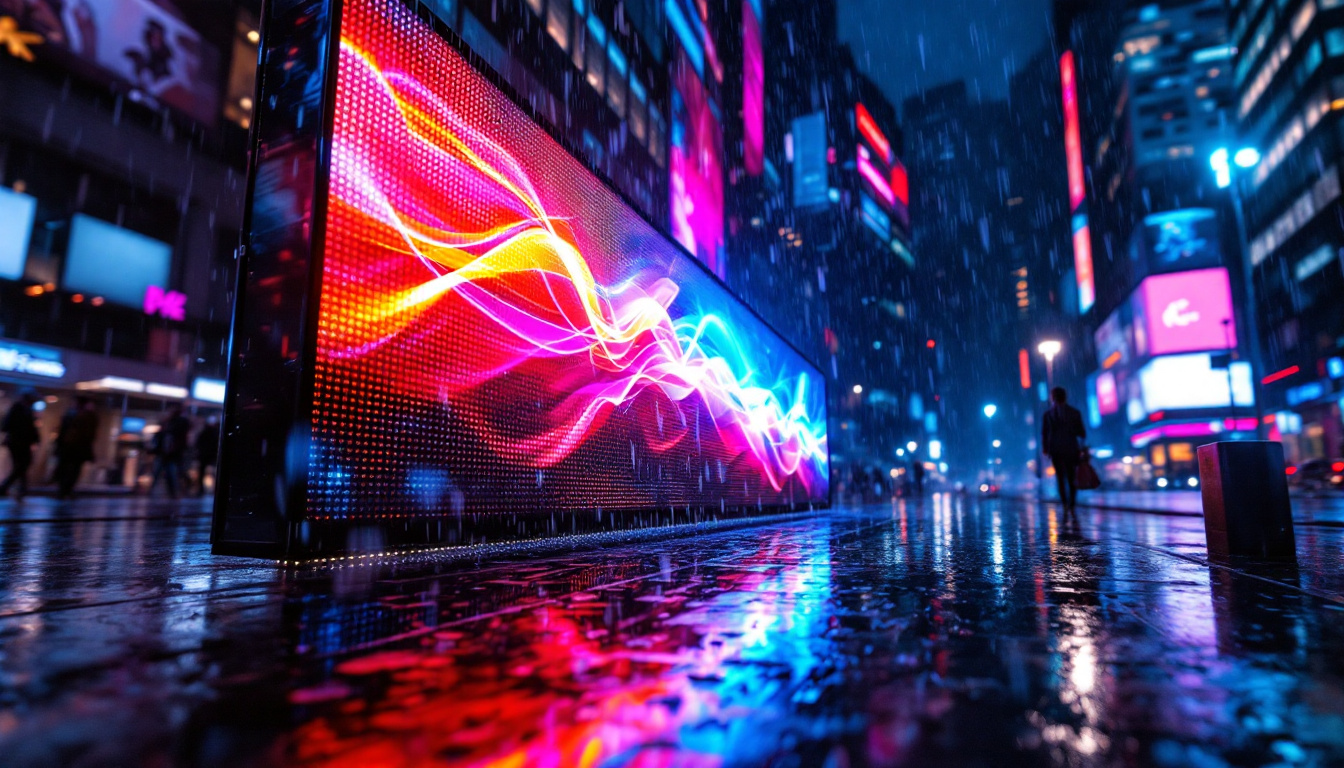
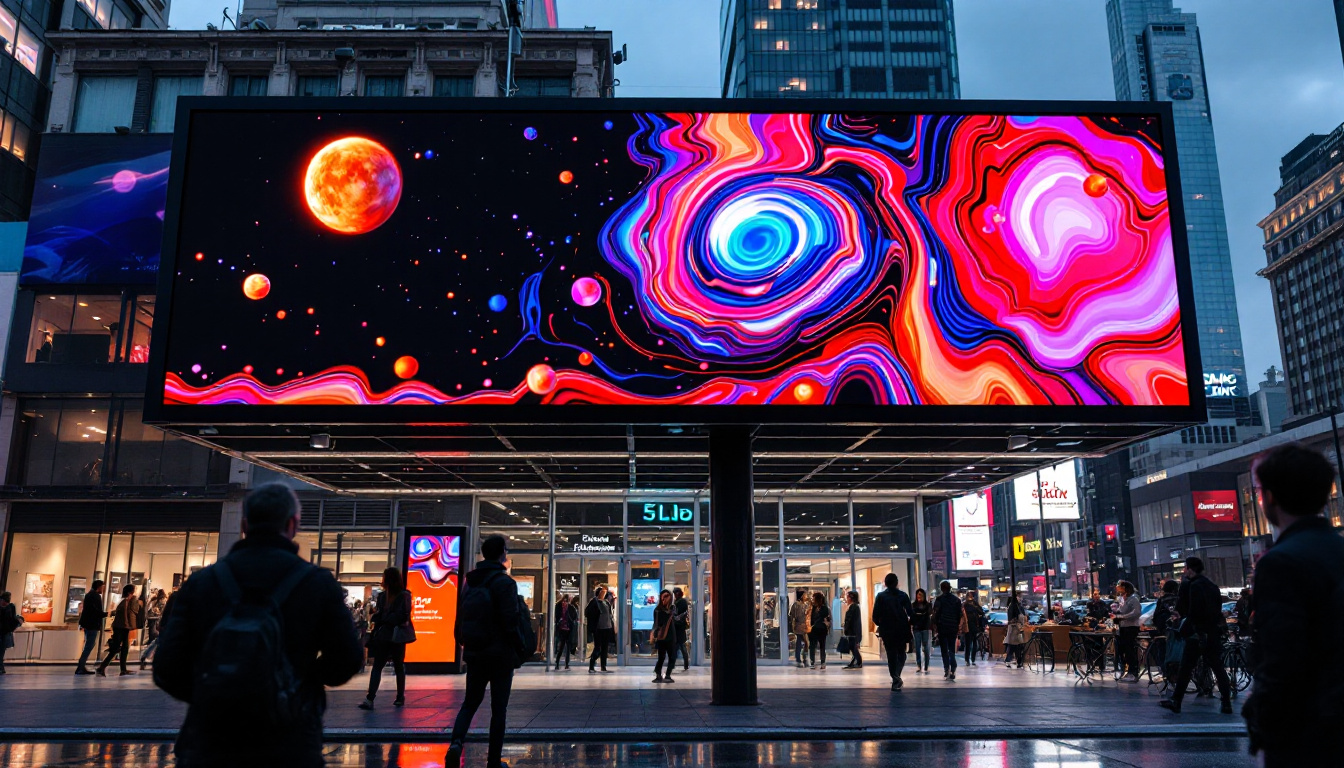
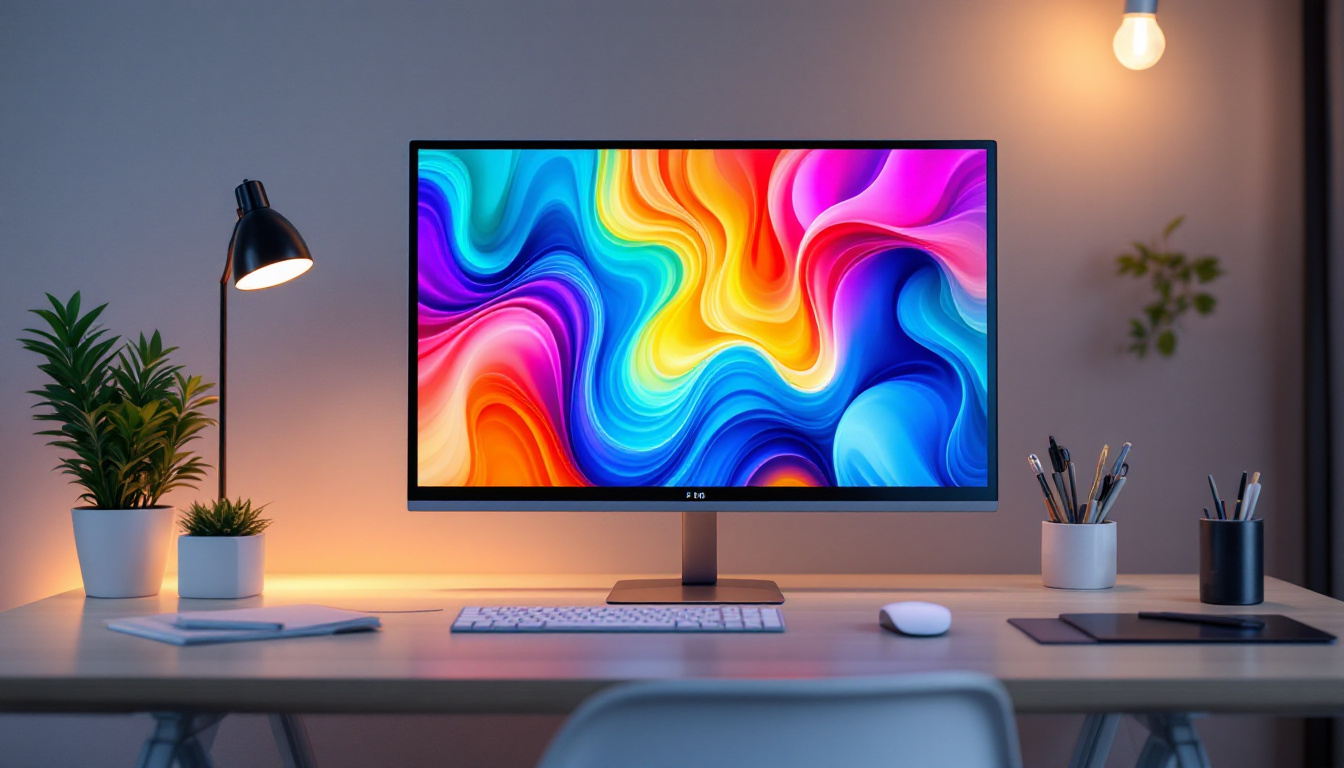
LED displays are composed of numerous tiny LEDs arranged in a matrix. Each LED acts as a pixel, and by controlling the intensity and color of each pixel, the display can render images, videos, and text with remarkable clarity. Modern LED displays support full-color rendering, high refresh rates, and wide viewing angles, making them ideal for both indoor and outdoor environments. The technology has found applications in various fields, including advertising, sports, entertainment, and even in the medical sector, where precise visual representation is crucial for diagnostics and monitoring.
Key Features of LED Displays
Some of the standout features of LED displays include:
- Brightness: LED displays can achieve brightness levels exceeding 5,000 nits, ensuring visibility even under direct sunlight.
- Energy Efficiency: LEDs consume significantly less power compared to incandescent or fluorescent lighting, reducing operational costs.
- Durability: LEDs have a long lifespan, often exceeding 50,000 hours, and are resistant to shock and vibration.
- Flexibility: LED modules can be configured in various shapes and sizes, allowing for creative display designs.
In addition to these features, LED technology has also advanced to include innovations such as dynamic color adjustment and smart connectivity. These enhancements allow displays to automatically adjust their brightness based on ambient light conditions, ensuring optimal visibility at all times. Furthermore, with the integration of IoT capabilities, LED displays can now be remotely monitored and controlled, providing businesses with the ability to update content in real-time and analyze viewer engagement data. This level of interactivity and adaptability is transforming how brands communicate with their audiences, making LED displays not just a tool for visual presentation, but a powerful medium for storytelling and brand engagement.
Moreover, the environmental impact of LED technology cannot be overlooked. As industries shift towards more sustainable practices, LED displays offer a greener alternative due to their low energy consumption and reduced carbon footprint. Many manufacturers are now focusing on producing recyclable and eco-friendly LED products, which aligns with global efforts to minimize waste and promote sustainability. This commitment to environmental responsibility, combined with the technological advancements in LED displays, positions them as a leading choice for future visual communication solutions.
What is a Rotating LED Display Stand?
A rotating LED display stand is a specialized platform that integrates LED display panels with a motorized rotating mechanism. This combination creates a dynamic presentation tool that can showcase products, advertisements, or informational content from multiple angles. The rotation adds a three-dimensional aspect to the display, attracting attention and encouraging viewer engagement.
Typically, these stands are used to highlight products such as jewelry, electronics, cosmetics, or collectibles. The rotation allows potential customers to view the item from all sides without physically handling it, preserving the product’s condition while enhancing the shopping experience.
Components of a Rotating LED Display Stand
Understanding the components helps in appreciating how these stands function:
- LED Panels: The display surface where images and videos are rendered. These panels can be curved or flat, depending on the design.
- Rotating Base: A motorized platform that enables smooth and controlled rotation of the display.
- Control System: Software and hardware that manage the LED content and rotation speed, often allowing remote or programmable operation.
- Power Supply: Provides the necessary electrical energy to both the LED panels and the rotating mechanism.
Applications of Rotating LED Display Stands
The versatility of rotating LED display stands makes them suitable for a wide range of applications. Their ability to combine motion with vibrant digital content creates an immersive experience that static displays cannot match.
Retail and Product Showcases
In retail environments, these stands are invaluable for highlighting featured products. Luxury goods such as watches, jewelry, and designer accessories benefit greatly from the 360-degree visibility. Retailers can display promotional messages alongside the product, reinforcing brand identity and driving sales.
Trade Shows and Exhibitions
Trade shows are competitive spaces where attracting visitor attention is crucial. Rotating LED display stands serve as eye-catching centerpieces that draw crowds. Exhibitors can use them to cycle through product information, client testimonials, or live social media feeds, enhancing engagement.
Advertising and Marketing Campaigns
Marketing campaigns often rely on innovative displays to stand out. Rotating LED stands provide a dynamic platform for advertisements in malls, airports, and event venues. The movement combined with bright visuals ensures that messages are noticed and remembered.
Museums and Educational Displays
Beyond commercial use, these stands have educational applications. Museums can showcase artifacts or models with accompanying digital content that rotates to provide comprehensive views and contextual information, enriching visitor understanding.
Benefits of Using Rotating LED Display Stands
Integrating rotation with LED technology offers several advantages that make these stands a compelling choice for businesses and organizations seeking to elevate their visual communications.
Enhanced Visibility and Engagement
Motion naturally attracts the human eye. The slow, continuous rotation of the display stand creates a dynamic focal point that draws attention in crowded or busy environments. This increased visibility often translates into longer viewer dwell times and higher engagement rates.
Maximized Product Exposure
By rotating products or display content, businesses can showcase multiple facets without requiring additional space or multiple displays. This is particularly beneficial for small retail spaces or trade show booths where floor space is limited.
Versatility and Customization
Rotating LED display stands can be tailored to suit specific needs. From the size and shape of the LED panels to the speed and direction of rotation, customization options allow for unique and memorable presentations that align with brand aesthetics.
Energy Efficiency and Cost-Effectiveness
Compared to traditional lighting and mechanical display methods, LED technology consumes less power and requires minimal maintenance. The long lifespan of LEDs reduces replacement costs, making rotating LED stands a cost-effective investment over time.
Choosing the Right Rotating LED Display Stand
Selecting an appropriate rotating LED display stand requires careful consideration of several factors to ensure it meets the intended purpose and environment.
Display Resolution and Pixel Pitch
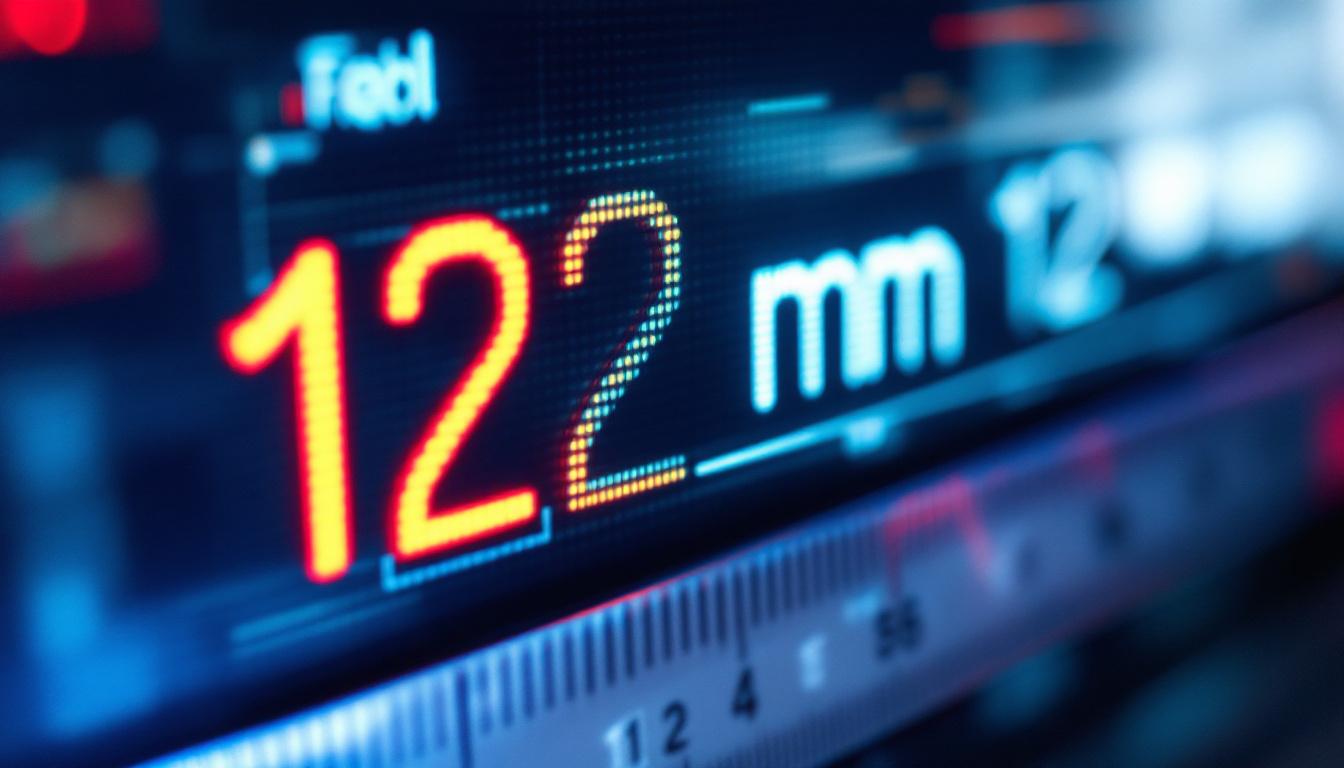
The resolution of the LED panels affects the clarity and detail of the displayed content. Pixel pitch—the distance between individual LEDs—determines viewing distance and image sharpness. For close-up viewing, a smaller pixel pitch is preferable, while larger pitches suffice for distant viewing.
Rotation Speed and Control
The rotation speed should balance visibility and viewer comfort. Too fast can be distracting or cause motion blur, while too slow might reduce the dynamic effect. Many stands offer adjustable speed settings and programmable rotation patterns to suit different scenarios.
Size and Weight Capacity
The physical dimensions and weight capacity of the stand must accommodate the products or displays intended. Larger or heavier items require robust motorized bases and stable construction to ensure safe and smooth operation.
Environmental Considerations
For outdoor use, the stand and LED panels should be weatherproof and capable of withstanding temperature variations, moisture, and dust. Indoor stands can focus more on aesthetics and integration with existing decor.
Installation and Maintenance Tips
Proper installation and upkeep are essential to maximize the lifespan and performance of rotating LED display stands.
Professional Installation
Given the complexity of integrating electrical components with mechanical rotation, professional installation is recommended. This ensures safety, optimal alignment, and reliable operation.
Regular Cleaning
LED panels should be cleaned periodically with appropriate non-abrasive materials to maintain brightness and image quality. Dust and fingerprints can degrade the visual experience.
Routine Mechanical Checks
The rotating mechanism requires inspection to detect wear, lubrication needs, or motor issues. Timely maintenance prevents unexpected breakdowns and prolongs equipment life.
Software Updates
Control systems often receive firmware or software updates that enhance functionality or security. Keeping these updated ensures smooth operation and access to new features.
Future Trends in Rotating LED Display Technology
As LED technology continues to evolve, rotating display stands are poised to incorporate new advancements that will further enhance their capabilities and applications.
Integration with Augmented Reality (AR)
Combining rotating LED displays with AR can create immersive experiences where digital content interacts with physical products, providing deeper engagement and personalized information.
Smart Connectivity and IoT
Future stands may feature Internet of Things (IoT) connectivity, allowing remote monitoring, content updates, and performance analytics to optimize usage and maintenance.
Eco-Friendly Materials and Designs
With increasing emphasis on sustainability, manufacturers are exploring eco-friendly materials and energy-saving designs to reduce environmental impact without compromising performance.
Conclusion
Rotating LED display stands represent a fusion of technology and creativity that transforms how products and messages are presented. Their ability to attract attention, showcase items comprehensively, and deliver vibrant digital content makes them indispensable tools in retail, marketing, and educational contexts. By understanding the technology, applications, and best practices outlined in this article, businesses can make informed decisions to leverage rotating LED display stands effectively and stay ahead in the competitive visual communication landscape.
Discover LumenMatrix’s Innovative LED Solutions
Ready to elevate your visual displays to the next level? LumenMatrix is at the forefront of LED display technology, offering a wide array of solutions that bring your brand to life. From mesmerizing Indoor and Outdoor LED Wall Displays to dynamic Vehicle and Sports LED Displays, our products are designed to captivate and engage. Experience the future of visual communication with our Custom, All-in-One, and Transparent LED Displays. Don’t miss the opportunity to transform your space with LumenMatrix. Check out LumenMatrix LED Display Solutions today and start creating unforgettable visual experiences.