Rotating TV Wall: LED Display Explained
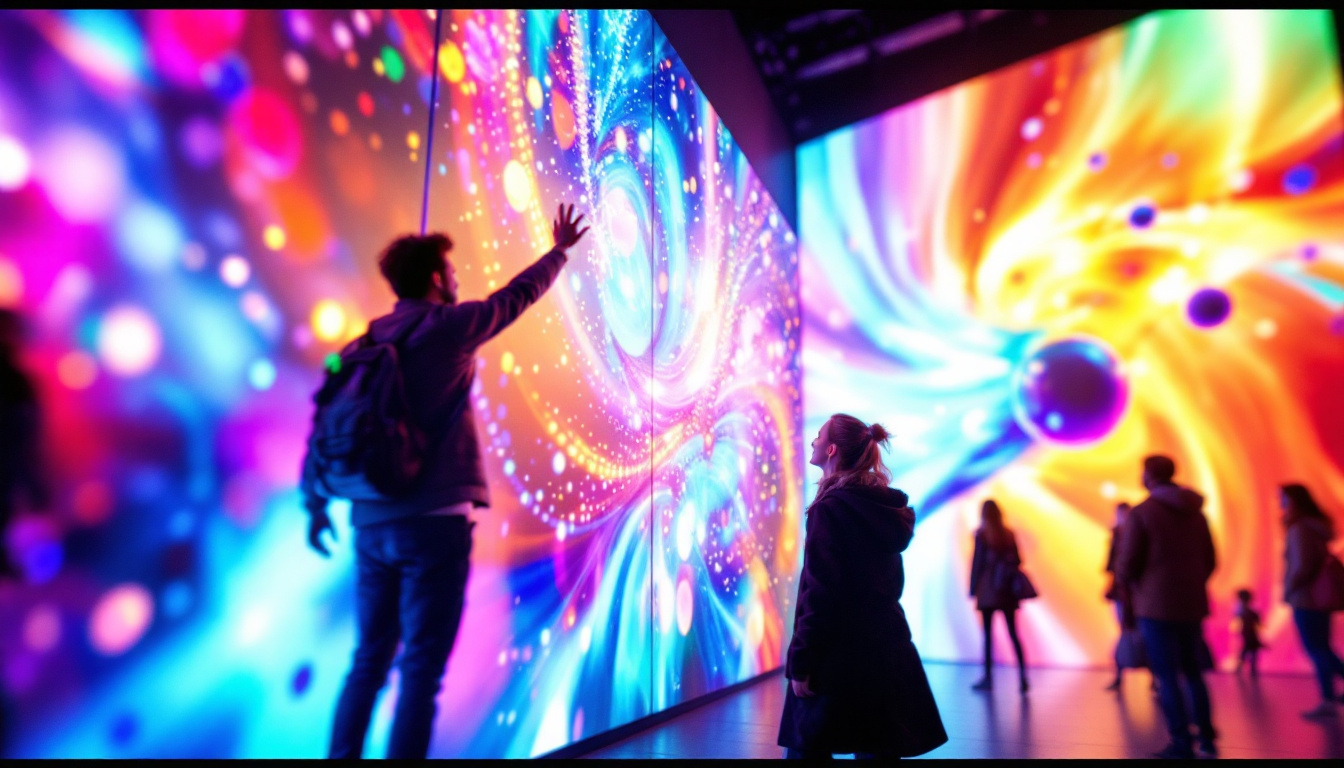
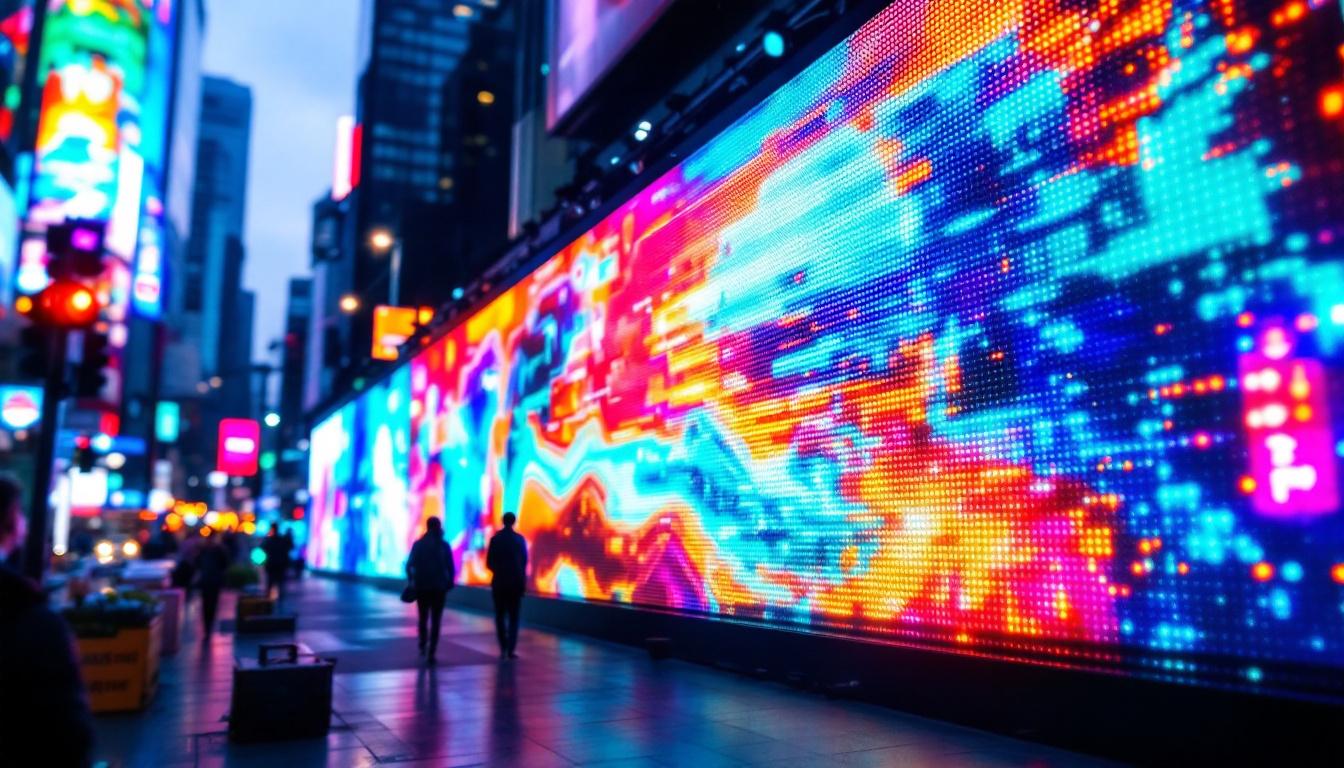
In the rapidly evolving world of digital signage and display technology, the rotating TV wall featuring LED displays has emerged as a captivating and versatile solution for businesses, event venues, and public spaces. Combining dynamic visual appeal with technological innovation, these displays offer a unique way to engage audiences and maximize advertising or informational impact.
This article delves into the technology behind rotating TV walls, focusing on LED displays, their benefits, applications, and what makes them a compelling choice for modern visual communication.
Understanding Rotating TV Walls
What Is a Rotating TV Wall?
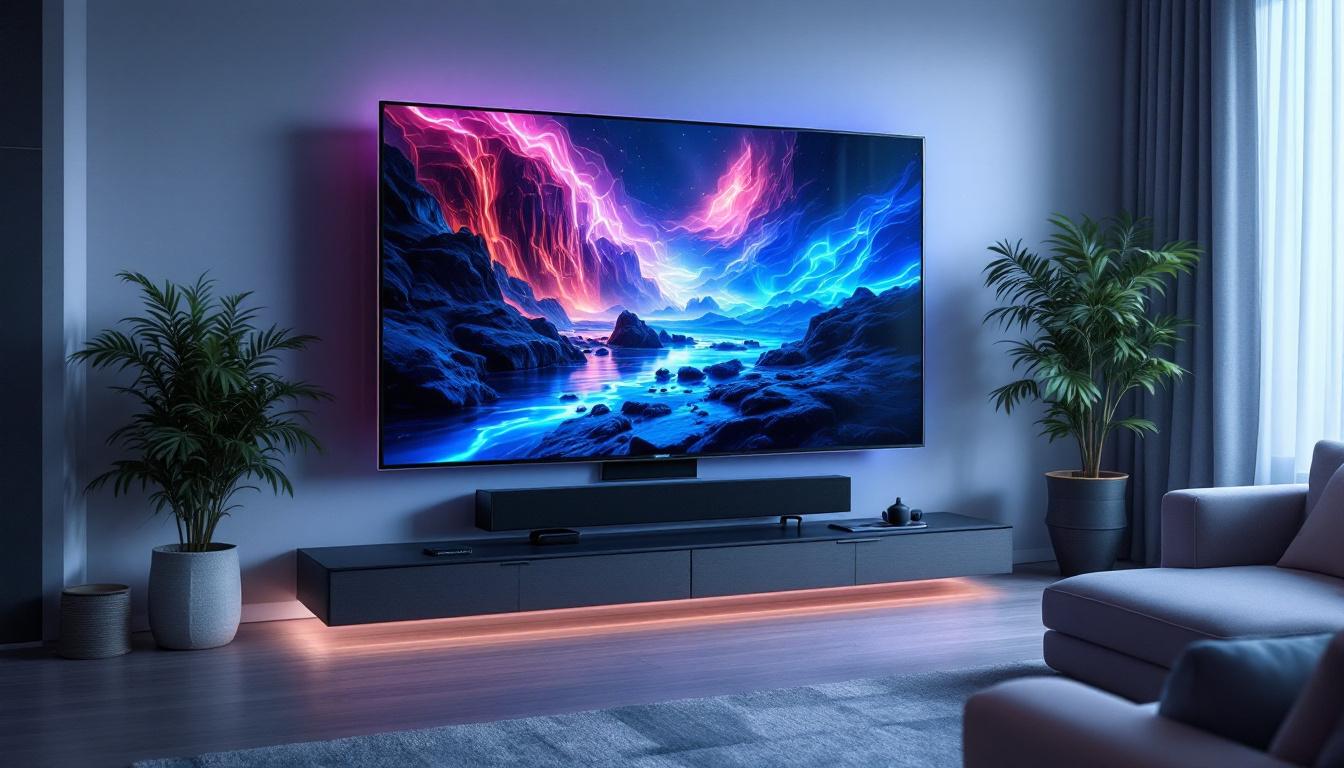
A rotating TV wall is a multi-screen setup that physically rotates or spins to reveal different content or display configurations. Unlike traditional static video walls, these systems can pivot or rotate on an axis, allowing for multiple viewing angles or alternating content presentations without requiring additional screens.
Typically, rotating TV walls are composed of several LED panels mounted on a mechanical frame that enables smooth rotation. This design enhances viewer engagement by providing dynamic movement and the ability to showcase diverse content in a single installation footprint. The technology behind these walls often includes advanced sensors and software that synchronize the rotation with the content being displayed, ensuring a seamless transition that captivates the audience.
How Does Rotation Enhance Display Functionality?
Rotation adds a layer of interactivity and novelty to the display experience. Instead of viewers seeing just one fixed image or video, the rotating mechanism allows for a sequence of different visuals to be presented in a continuous loop or triggered by user interaction. This can be particularly effective in environments such as retail stores, trade shows, airports, or entertainment venues where grabbing attention is paramount. For instance, in a retail setting, a rotating TV wall can showcase different product lines or promotional offers, enticing customers to engage with the brand.
Moreover, rotating TV walls can serve multiple purposes simultaneously. For example, one side may display promotional content while the other shows live feeds, schedules, or informational graphics. This dual-use capability maximizes the utility of the installation and can reduce the need for multiple separate displays. Additionally, the ability to rotate can facilitate better space utilization, especially in crowded areas where traditional displays might block sightlines or take up valuable floor space. The versatility of rotating TV walls allows businesses to adapt their messaging quickly, responding to real-time events or customer preferences, which can significantly enhance the overall customer experience.
Furthermore, the integration of smart technology into rotating TV walls can elevate their functionality even further. With the use of data analytics and audience measurement tools, these systems can be programmed to display content that resonates with specific demographics at different times of the day. For example, a rotating wall in a shopping mall could show family-oriented advertisements during the day and shift to nightlife promotions in the evening, thus tailoring the viewing experience to the audience present at that moment. This level of customization not only improves engagement but also drives conversion rates by ensuring that the right message reaches the right audience at the right time.
LED Display Technology: The Core of Rotating TV Walls
What Are LED Displays?
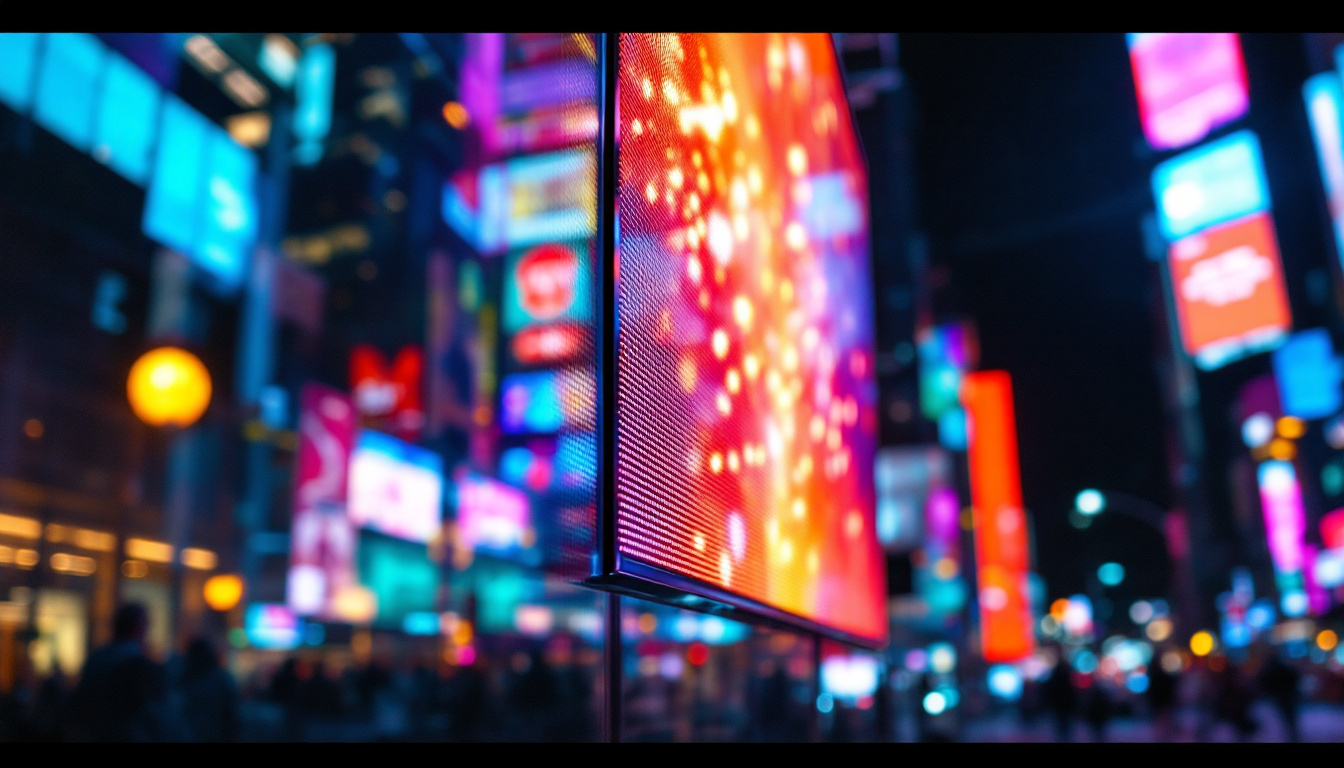
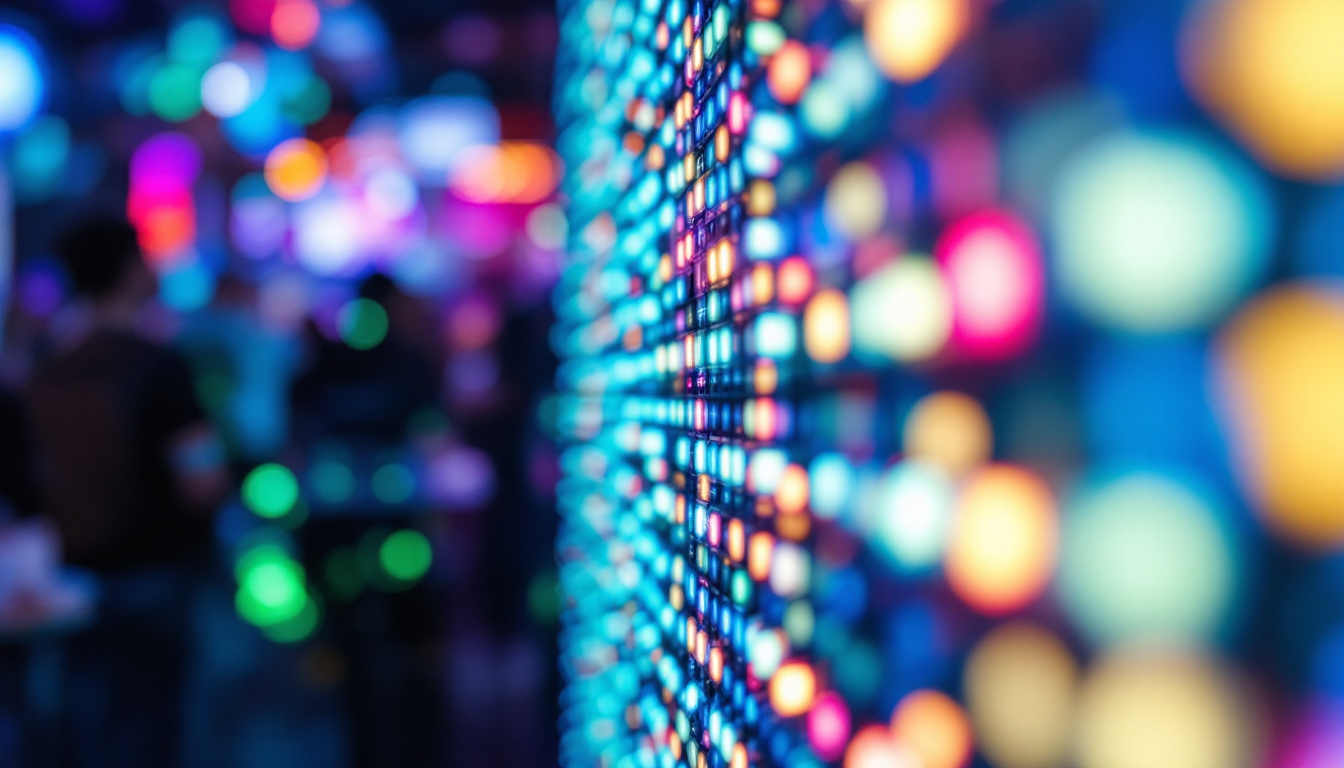
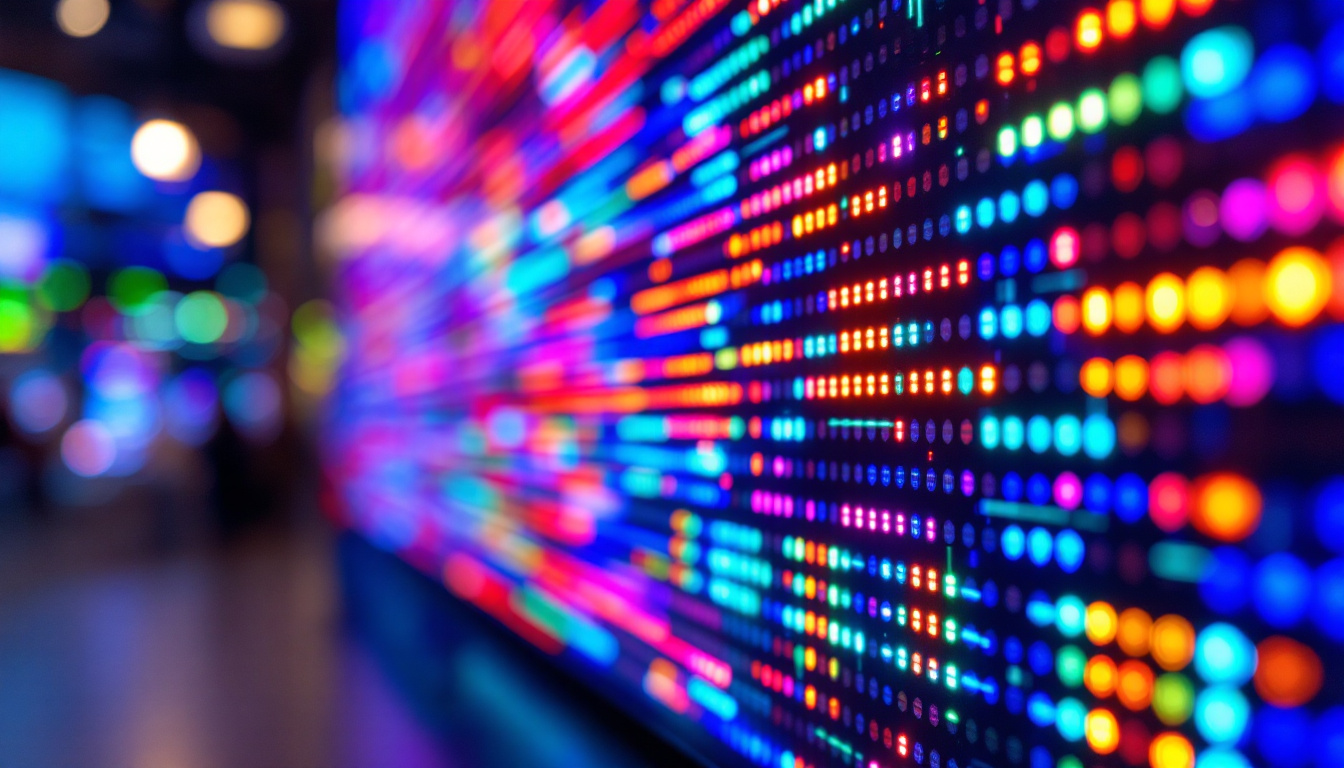
LED (Light Emitting Diode) displays are screens made up of thousands of tiny light-emitting diodes that produce bright, vibrant images. Unlike LCD or OLED screens, LED displays rely on direct emission of light from each diode, which results in superior brightness and contrast levels.
LED technology has become the standard for large-format displays due to its scalability, energy efficiency, and ability to maintain image quality over large surfaces. This makes it ideal for video walls, including those that rotate.
Advantages of LED Displays in Rotating TV Walls
LED displays offer several advantages that make them particularly well-suited for rotating TV walls:
- Brightness and Visibility: LED panels can achieve brightness levels exceeding 1,000 nits, ensuring clear visibility even in brightly lit environments such as shopping malls or outdoor settings.
- Durability and Longevity: LEDs have long lifespans, often exceeding 100,000 hours, and are resistant to burn-in, making them reliable for continuous operation.
- Seamless Image Quality: High pixel density and modular design allow for smooth, high-resolution images without visible gaps, which is essential when multiple panels are combined in a rotating wall.
- Energy Efficiency: Compared to other display technologies, LEDs consume less power, reducing operational costs and environmental impact.
These qualities ensure that rotating TV walls equipped with LED displays deliver consistent, high-impact visuals that captivate audiences.
Pixel Pitch and Resolution Considerations
One critical factor in LED display quality is pixel pitch — the distance between the centers of two adjacent pixels. A smaller pixel pitch means higher resolution and sharper images, which is especially important for close-up viewing.
For rotating TV walls, the pixel pitch selection depends on the intended viewing distance and content type. For example, a pixel pitch of 1.5mm to 2.5mm is suitable for indoor environments with close viewing, while larger pitches of 4mm or more are common for outdoor or distant viewing.
Choosing the right pixel pitch ensures that the rotating display maintains image clarity and visual impact regardless of its movement or the viewer’s position.
Applications and Benefits of Rotating TV Walls with LED Displays
Retail and Advertising
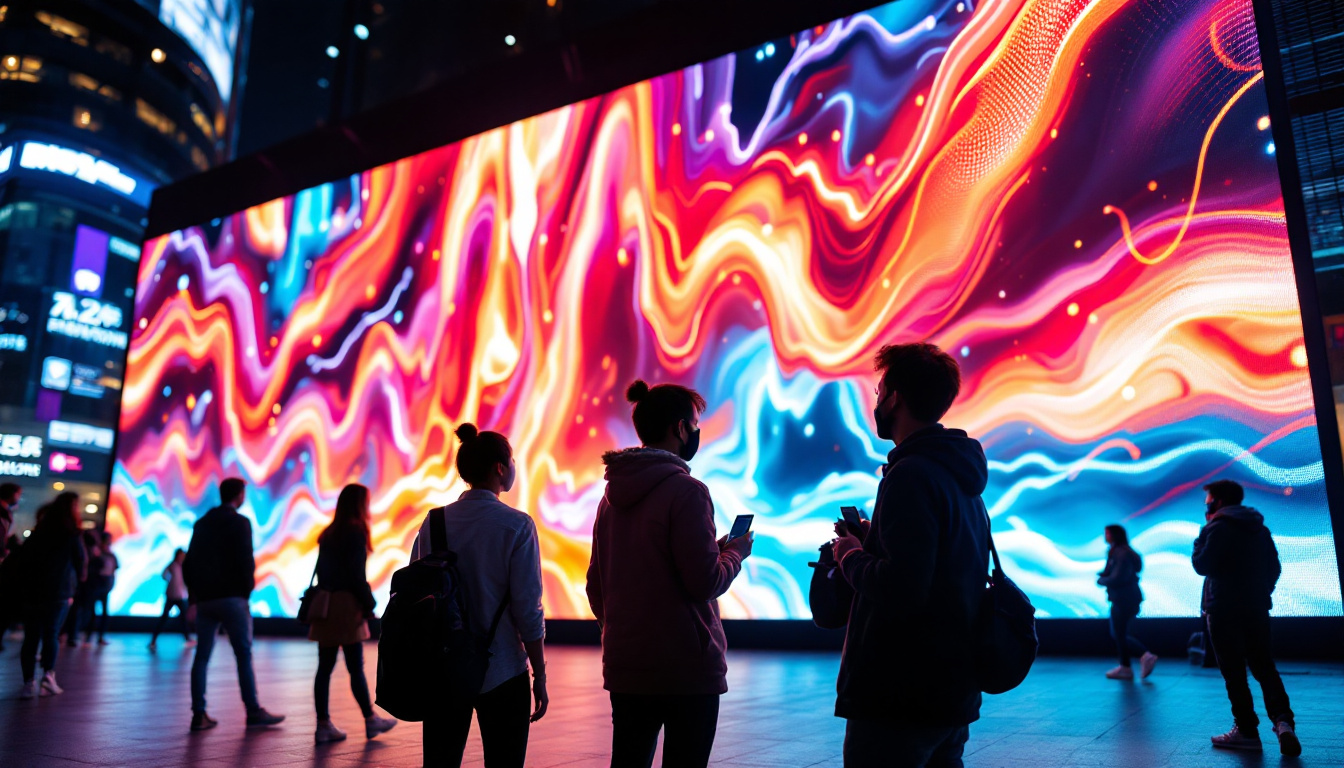
Retail environments benefit greatly from the dynamic nature of rotating TV walls. These displays can showcase multiple products, promotions, or brand messages in a compact space, attracting shoppers’ attention and enhancing the in-store experience.
According to recent studies, digital signage can increase sales by up to 30% and improve customer dwell time. The rotating element adds an extra layer of engagement, making it easier for retailers to convey multiple messages without overwhelming the space.
Corporate and Event Spaces
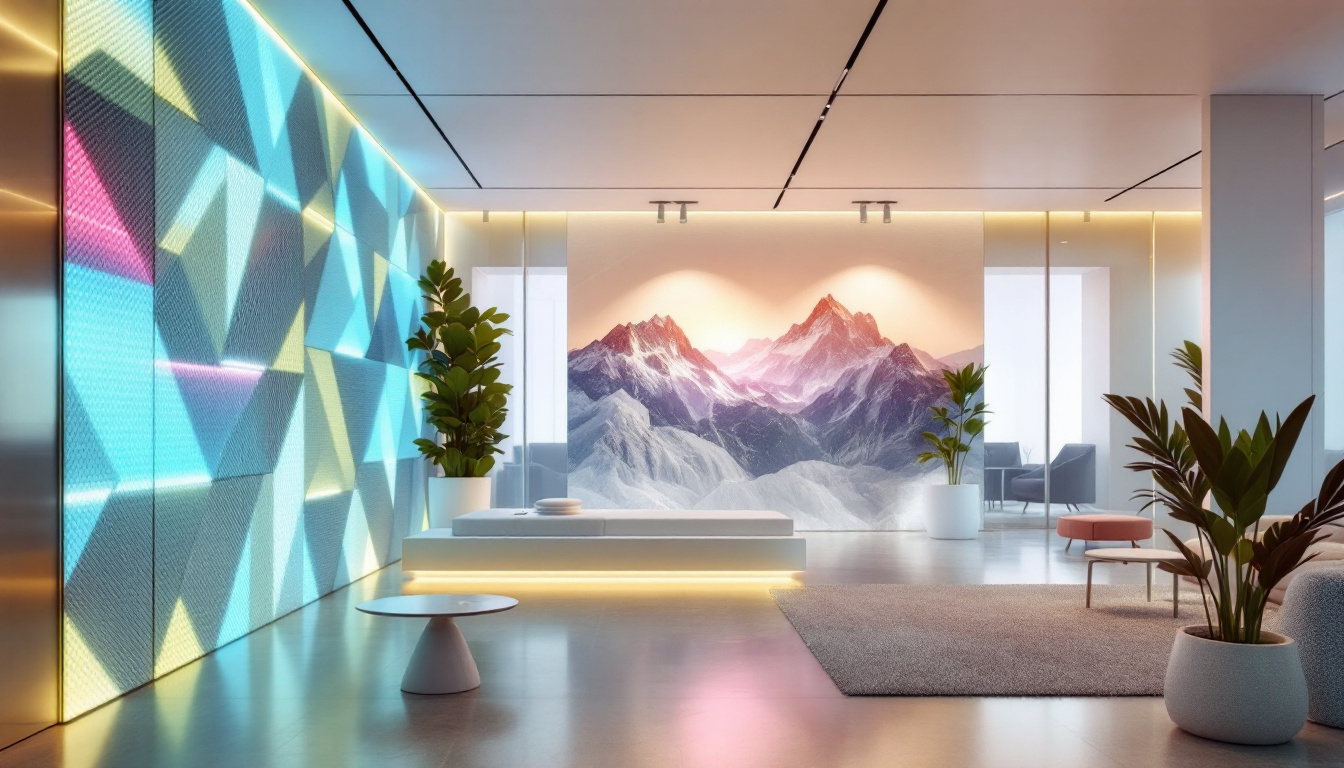
In corporate lobbies, conference centers, or event venues, rotating TV walls provide a sophisticated and futuristic aesthetic. They can be programmed to display company branding, event schedules, live social media feeds, or interactive content.
The ability to rotate allows event organizers to switch content seamlessly between sessions or presentations, enhancing communication and audience engagement without manual intervention.
Transportation Hubs and Public Spaces
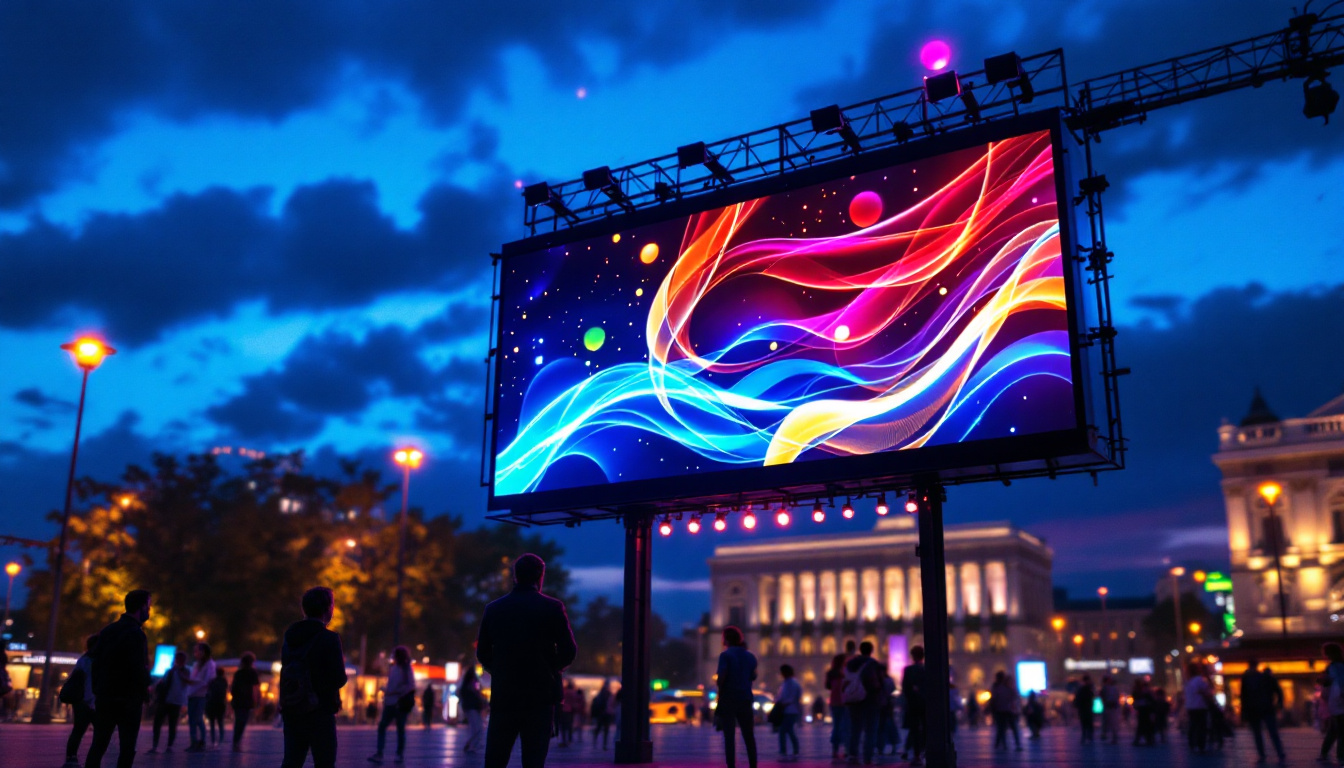
Airports, train stations, and other public transit hubs are increasingly adopting rotating LED TV walls to deliver real-time information, advertisements, and entertainment. The rotation feature enables multiple content streams to be displayed on a single installation, optimizing space and infrastructure costs.
For example, a rotating wall might alternate between flight information and local advertising, ensuring travelers receive both critical updates and commercial messages efficiently.
Technical and Design Considerations for Rotating LED TV Walls
Mechanical Engineering and Safety
The rotating mechanism is a critical component that must be engineered for smooth operation, durability, and safety. High-quality motors and precision bearings are essential to ensure quiet, consistent rotation without vibrations that could affect image quality or structural integrity.
Safety features such as emergency stop buttons, motion sensors, and secure mounting are necessary to protect both the equipment and the audience, especially in high-traffic areas.
Content Management and Software Integration
Managing content on a rotating TV wall requires specialized software capable of synchronizing visuals with the rotation cycle. Advanced content management systems (CMS) allow operators to schedule different content for each rotation phase, incorporate interactive elements, and monitor display performance remotely.
Integration with other digital systems, such as social media feeds, live video streams, or data dashboards, enhances the versatility of rotating LED walls and ensures content remains fresh and relevant.
Installation and Maintenance
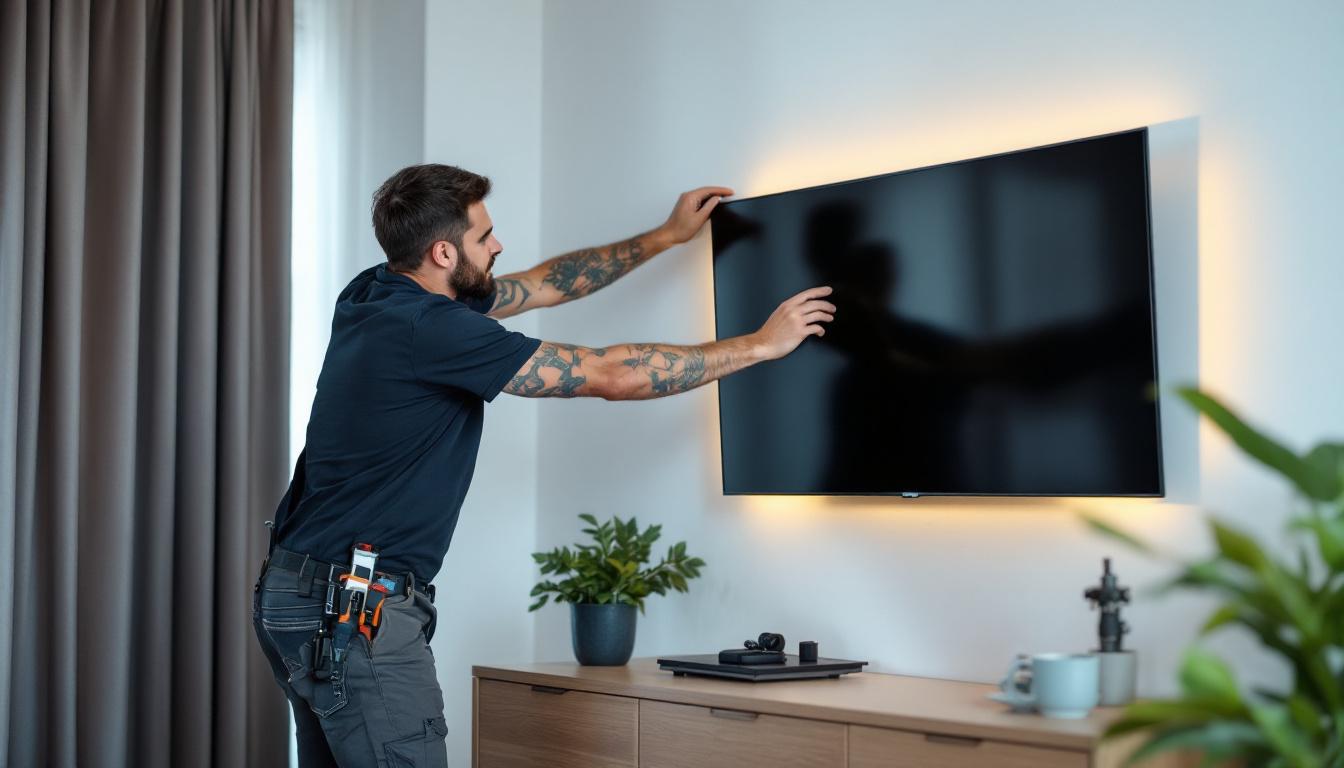
Installing a rotating TV wall demands careful planning regarding structural support, electrical wiring, and environmental conditions. Professional installation teams ensure that the mechanical and electronic components are correctly aligned and calibrated.
Routine maintenance is crucial to prolong the lifespan of both the LED panels and the rotating mechanism. This includes cleaning, software updates, and mechanical inspections to detect wear or potential failures before they impact performance.
Future Trends and Innovations in Rotating LED TV Walls
Increased Interactivity and AI Integration
Emerging technologies are pushing rotating TV walls beyond passive displays. Touch-sensitive LED panels and motion sensors enable interactive experiences where viewers can control rotation or content through gestures or mobile devices.
Artificial intelligence (AI) is also being integrated to analyze audience behavior and tailor content dynamically, maximizing engagement and advertising effectiveness.
Flexible and Curved LED Panels
Advancements in LED manufacturing have led to flexible and curved panels that can be incorporated into rotating walls with unique shapes and forms. This opens new possibilities for artistic and architectural installations that blend seamlessly into their surroundings.
Such designs can create immersive environments that captivate audiences and redefine the role of digital signage in public and commercial spaces.
Energy Efficiency and Sustainability
As sustainability becomes a priority, manufacturers are developing LED panels and rotating mechanisms that consume less power and use eco-friendly materials. Solar-powered or energy-harvesting systems may soon complement rotating TV walls, reducing their environmental footprint.
These innovations align with corporate social responsibility goals and appeal to environmentally conscious consumers and organizations.
Conclusion
Rotating TV walls equipped with LED displays represent a cutting-edge fusion of mechanical engineering and digital technology. Their ability to present multiple content streams in an engaging, dynamic format makes them invaluable across various industries, from retail and corporate environments to public transportation hubs.
Understanding the technology behind LED displays, the benefits of rotation, and the practical considerations for installation and maintenance can help businesses and organizations make informed decisions when investing in this innovative display solution.
As technology continues to advance, rotating LED TV walls will likely become even more interactive, visually stunning, and energy-efficient, solidifying their place as a cornerstone of modern digital communication.
Discover LumenMatrix’s Innovative LED Solutions
Ready to elevate your space with a rotating TV wall that captivates and engages? LumenMatrix is at the forefront of LED display technology, offering a wide array of solutions tailored to your unique needs. From immersive indoor and outdoor displays to specialized applications like vehicle, sports, and floor LED displays, our products are designed to make your brand shine. Experience the future of visual communication with our custom and all-in-one LED solutions, including transparent displays that blend innovation with aesthetics. Check out LumenMatrix LED Display Solutions today and transform your visual storytelling into an unforgettable experience.