In the world of sports, entertainment, and public events, the scoreboard is an indispensable element that keeps audiences engaged and informed. The evolution of scoreboards from manual displays to sophisticated LED systems has transformed how information is presented and consumed. This article delves into the technology behind score board lights, focusing on LED displays, their advantages, applications, and the future of this dynamic technology.
Understanding LED Technology in Scoreboards
What is an LED Display?
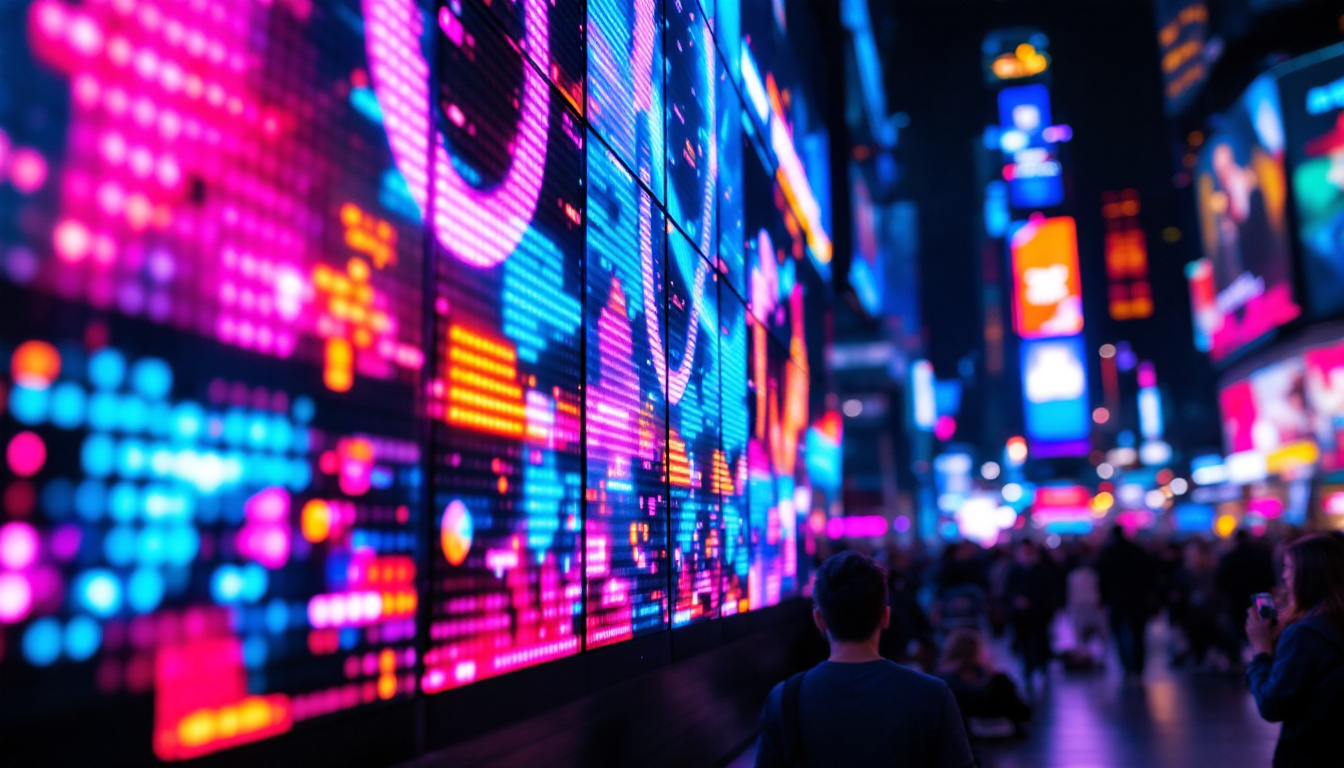
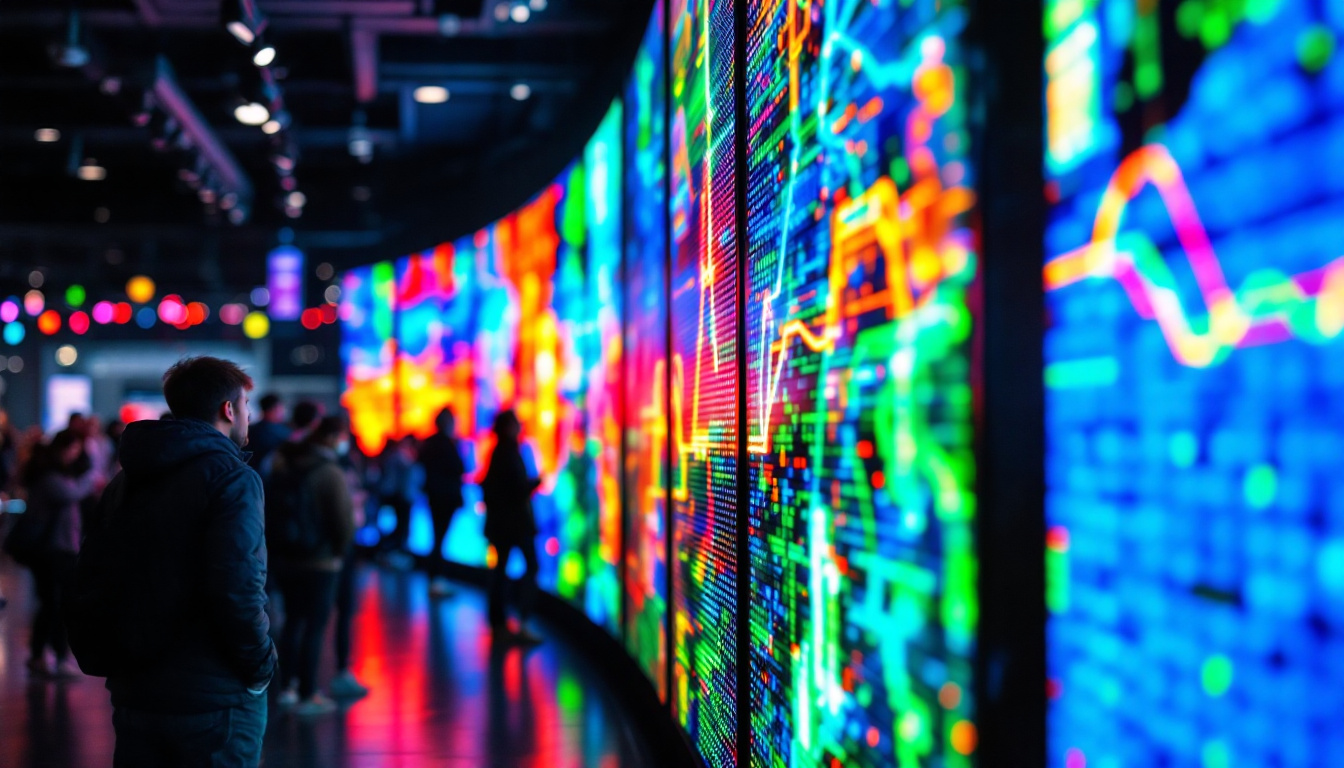
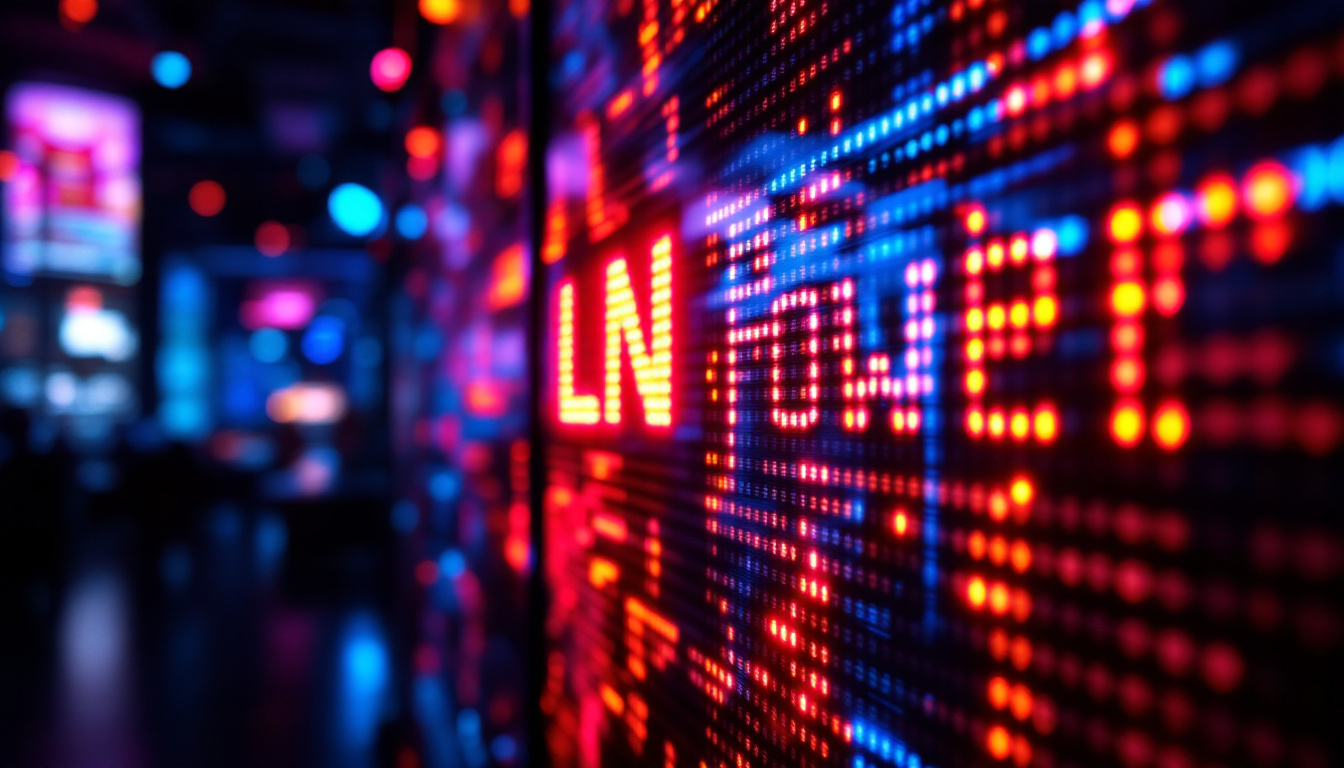
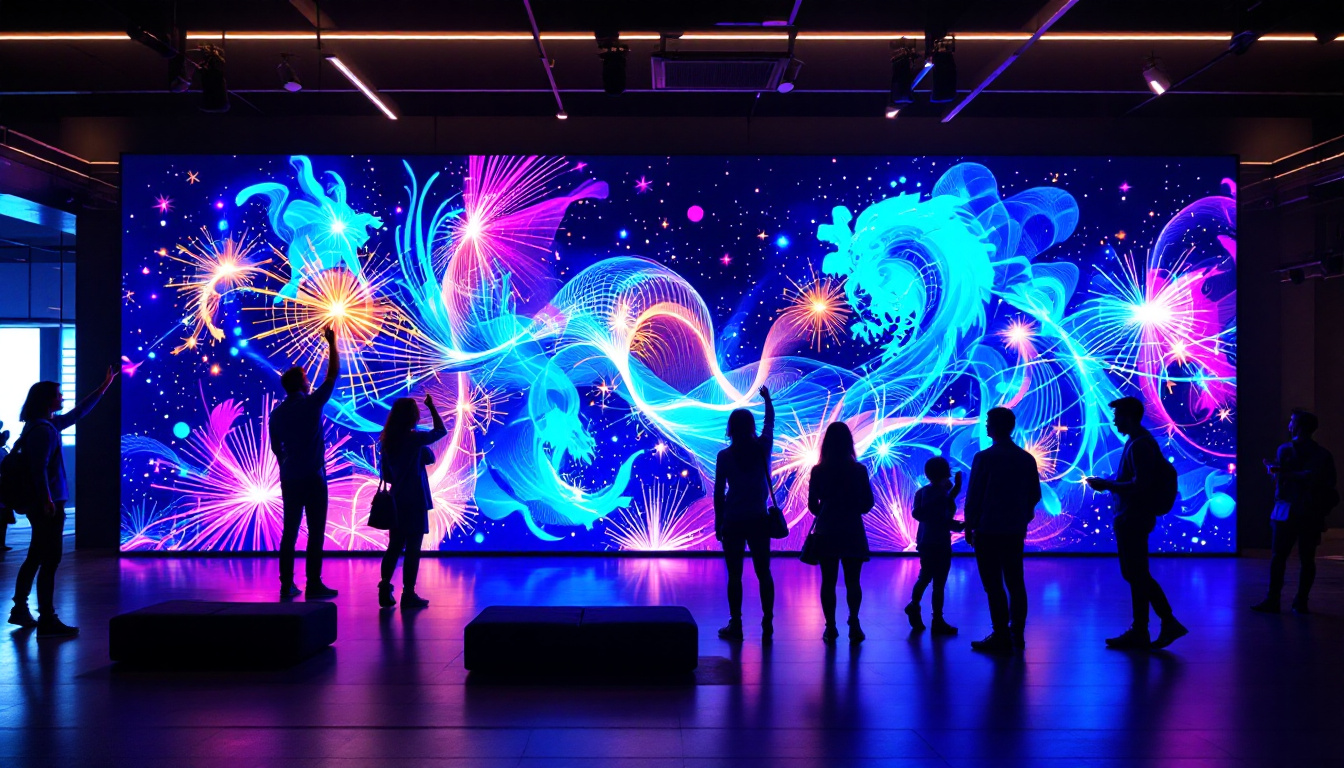
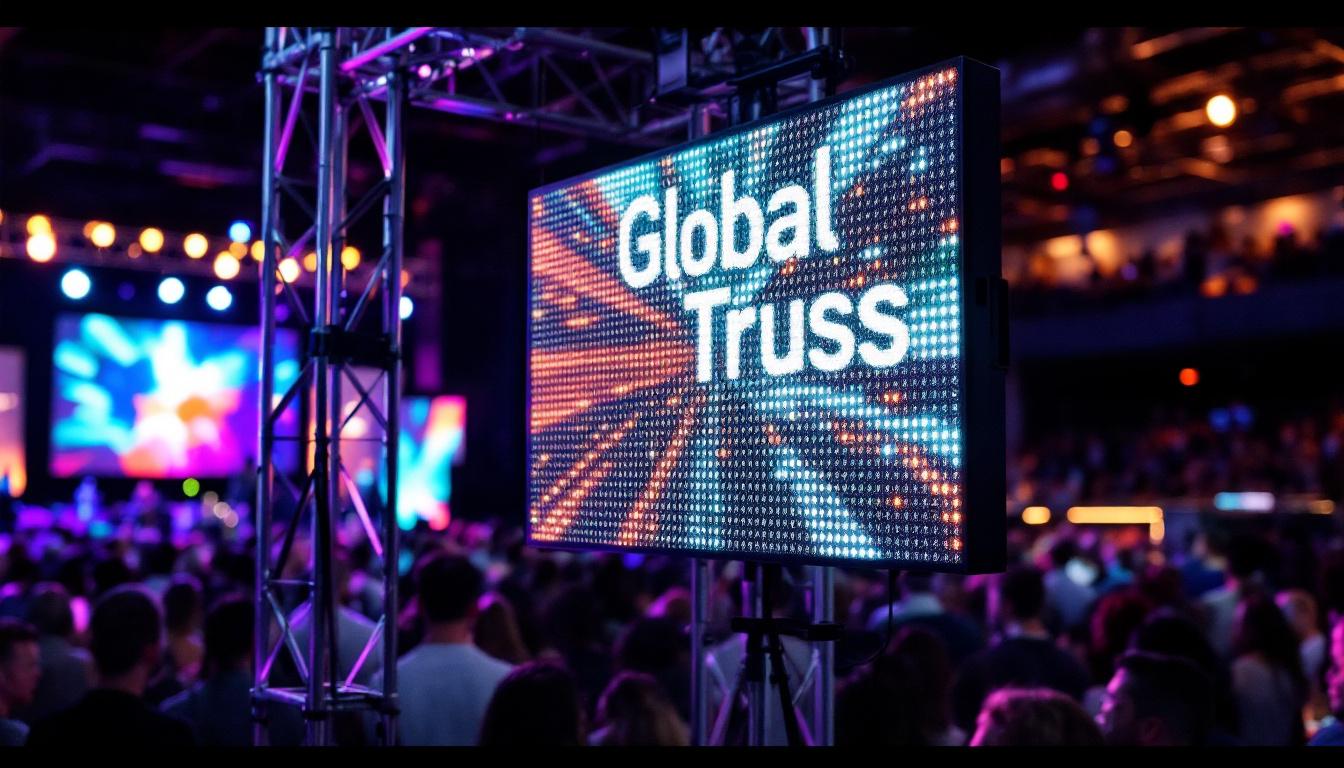
LED stands for Light Emitting Diode, a semiconductor device that emits light when an electric current passes through it. LED displays are composed of numerous tiny LEDs arranged in a matrix to form characters, numbers, and images. These displays are widely used in scoreboards due to their brightness, energy efficiency, and durability.
The core advantage of LED technology lies in its ability to produce vivid colors and high contrast, making the scoreboard easily visible even under direct sunlight or in large venues. This visibility is crucial in sports arenas where spectators need to quickly and clearly see scores, times, and other vital information. Additionally, LED displays have a long lifespan, often exceeding 100,000 hours, which means they can withstand the rigors of outdoor conditions without significant degradation in performance. This longevity not only reduces maintenance costs but also ensures that fans can enjoy a consistent viewing experience throughout the seasons.
Types of LED Displays Used in Scoreboards
Scoreboard LED displays come in various configurations, primarily categorized by pixel pitch, color, and resolution. Pixel pitch refers to the distance between the centers of two adjacent LEDs, affecting the display’s clarity and viewing distance. Smaller pixel pitches offer higher resolution and are suitable for close viewing, while larger pitches are ideal for outdoor stadiums where viewers are farther away. This versatility allows venue operators to select the most appropriate display type based on their specific audience and layout, ensuring that everyone in attendance can see the action unfold clearly.
Color configurations typically include single-color (usually red or amber), dual-color, and full-color RGB displays. Single-color LEDs are cost-effective and sufficient for basic numeric displays, whereas full-color RGB LEDs enable dynamic graphics, animations, and richer visual content, enhancing the spectator experience. Beyond just displaying scores, these advanced displays can showcase team logos, sponsor advertisements, and live social media feeds, creating an engaging atmosphere that captivates fans. Furthermore, the integration of LED technology with modern software allows for real-time updates and interactive features, such as instant replays and player statistics, making the scoreboard a central hub of information and entertainment during events.
Advantages of LED Scoreboard Lights
Brightness and Visibility
One of the primary reasons LED displays dominate the scoreboard market is their exceptional brightness. LEDs can achieve luminance levels far exceeding traditional incandescent or fluorescent bulbs, ensuring that the scoreboard remains visible under various lighting conditions, including daylight and floodlights.
This high brightness level is vital in outdoor sports arenas and large indoor venues where ambient lighting can vary drastically. The ability to adjust brightness dynamically also helps reduce glare during night games or low-light conditions, improving viewer comfort. In addition, the vivid colors produced by LEDs enhance the overall viewing experience, making it easier for fans to track scores, player stats, and other critical game information at a glance. This is particularly beneficial in fast-paced sports where every second counts, allowing spectators to stay engaged and informed throughout the event.
Energy Efficiency and Longevity
LED technology is renowned for its energy efficiency. Compared to older lighting technologies, LEDs consume significantly less power, which translates into lower operating costs for sports facilities. This efficiency is especially important for large scoreboards that operate for extended periods during events.
Moreover, LEDs have a longer lifespan, often exceeding 50,000 hours of operation. This durability reduces maintenance frequency and costs, making LED scoreboards a cost-effective investment over time. The robustness of LEDs also means they are less prone to damage from vibrations or impacts, common in active sports environments. Additionally, many modern LED scoreboards are designed with modular components, allowing for easy repairs and upgrades without needing to replace the entire unit. This modularity not only extends the life of the scoreboard but also ensures that facilities can keep up with technological advancements without incurring significant costs.
Design Flexibility and Customization
LED displays offer unparalleled design flexibility. They can be manufactured in various shapes and sizes to fit the specific needs of different sports and venues. For example, basketball scoreboards may prioritize numeric clarity and timer displays, while soccer or football scoreboards might incorporate team logos and dynamic animations.
Customization extends beyond physical design to software capabilities. Modern LED scoreboards often come with integrated control systems that allow real-time updates, remote operation, and integration with other event technologies such as video replay systems, advertising panels, and audio announcements. This level of integration enables a seamless experience for both fans and operators, allowing for synchronized displays that enhance the atmosphere of the event. Furthermore, the ability to program unique graphics and animations for special events, such as championship games or community celebrations, adds an extra layer of excitement and engagement for the audience, making each game a memorable experience.
Applications of LED Scoreboard Displays
Sports Arenas and Stadiums
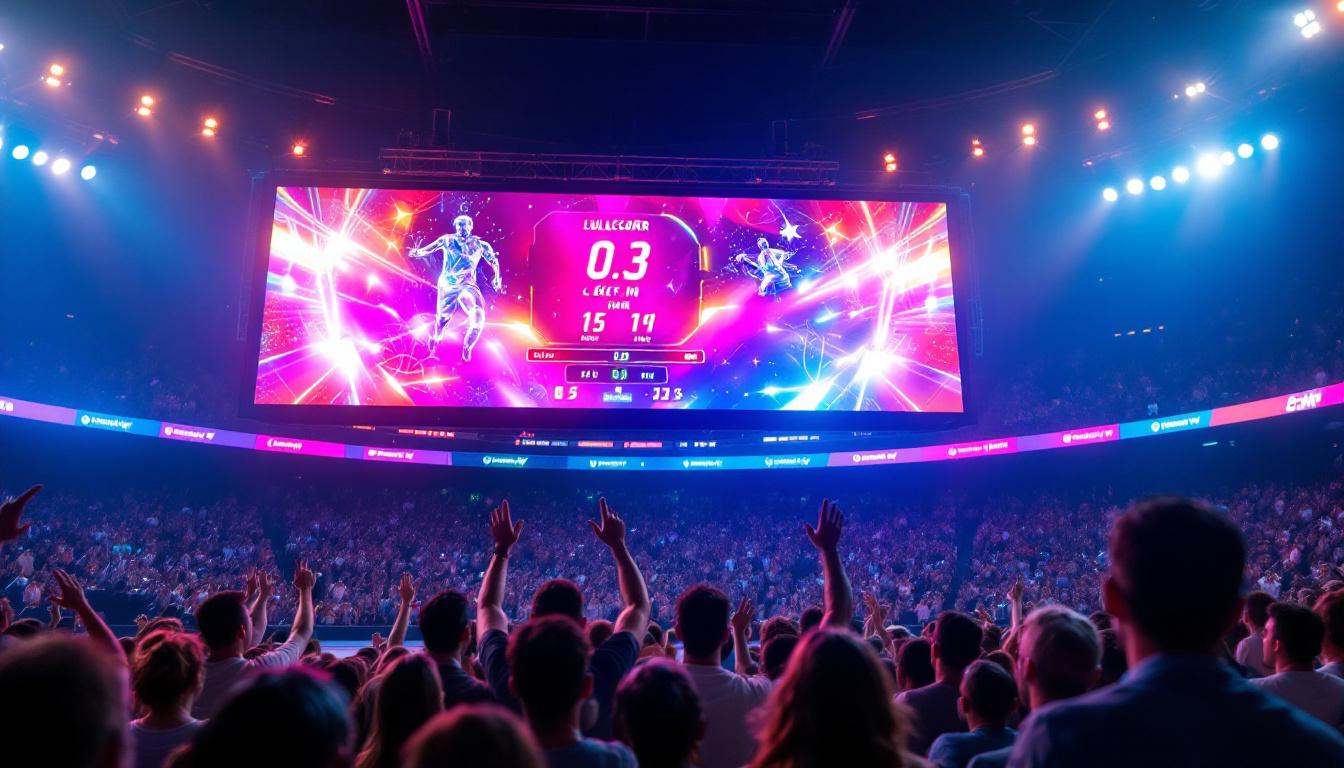
The most common application of LED scoreboard lights is in sports arenas and stadiums. From local community fields to international venues like the FIFA World Cup stadiums, LED scoreboards provide essential game information including scores, time, fouls, and player statistics.
For example, the AT&T Stadium in Arlington, Texas, features one of the largest LED scoreboards in the world, measuring 160 feet wide and 72 feet high. This massive display not only shows scores but also replays, advertisements, and interactive content, enhancing fan engagement.
Indoor Sports and Recreational Facilities
Indoor sports facilities such as basketball courts, volleyball arenas, and ice hockey rinks benefit greatly from LED scoreboards. The controlled lighting environment indoors allows for high-resolution displays with intricate graphics and animations that captivate audiences.
Additionally, these scoreboards often integrate with timing systems and player tracking technologies, providing coaches and officials with real-time data to improve game management and strategy.
Event Venues and Public Displays
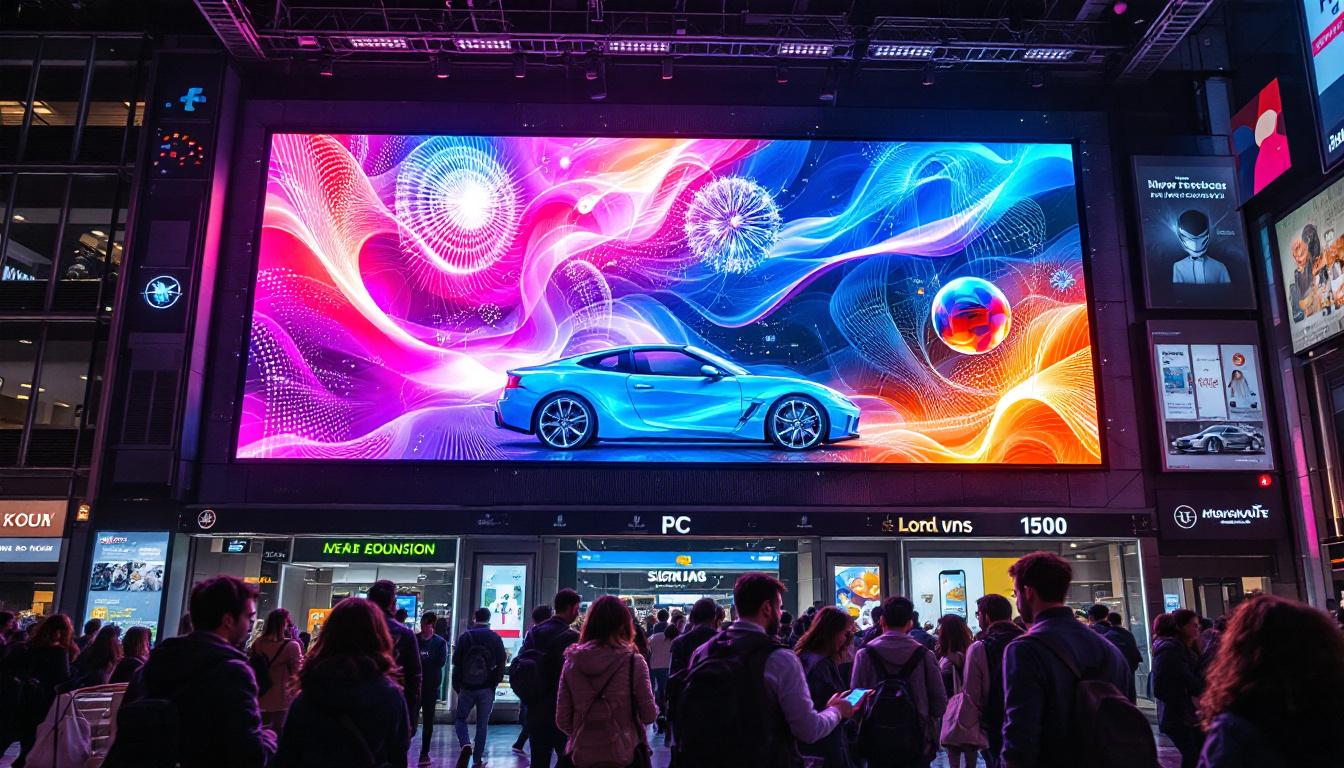
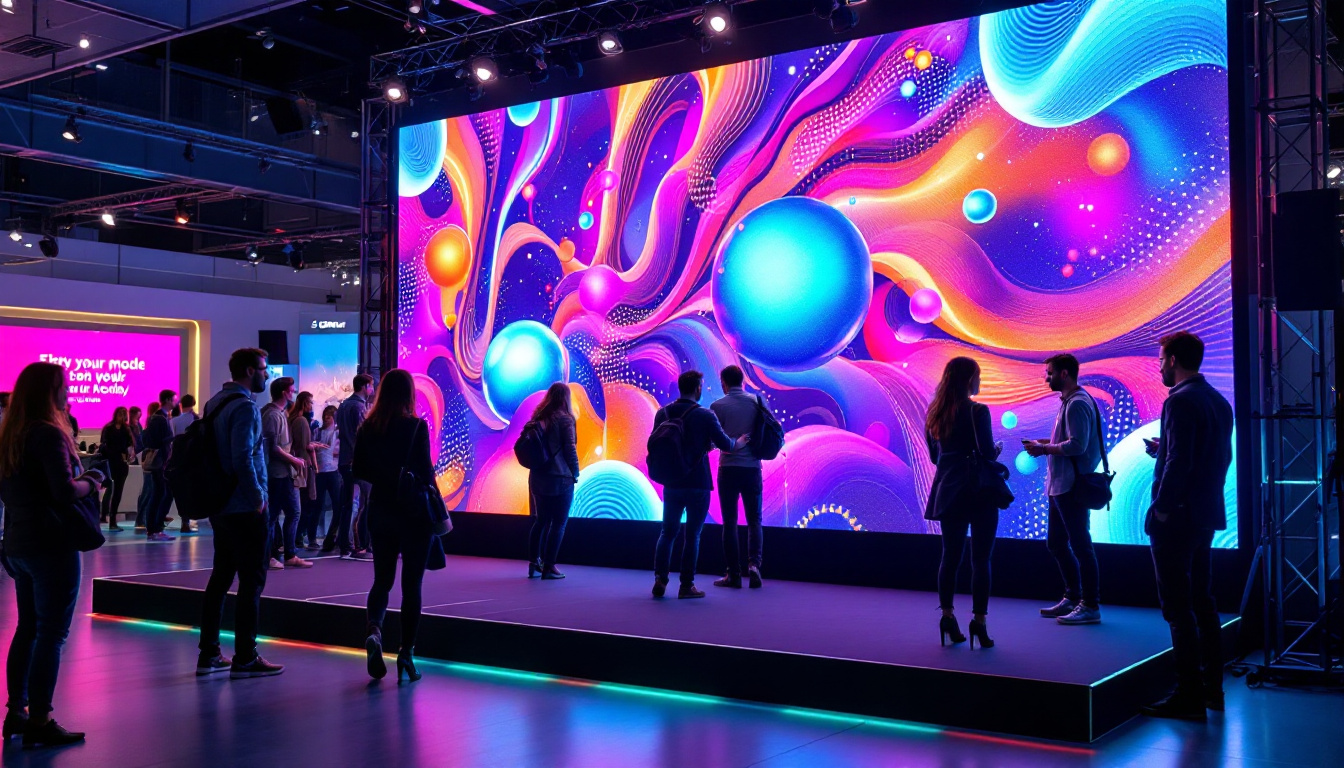
Beyond sports, LED scoreboards are increasingly used in event venues for concerts, conferences, and public gatherings. They serve as dynamic information boards displaying schedules, announcements, and interactive content.
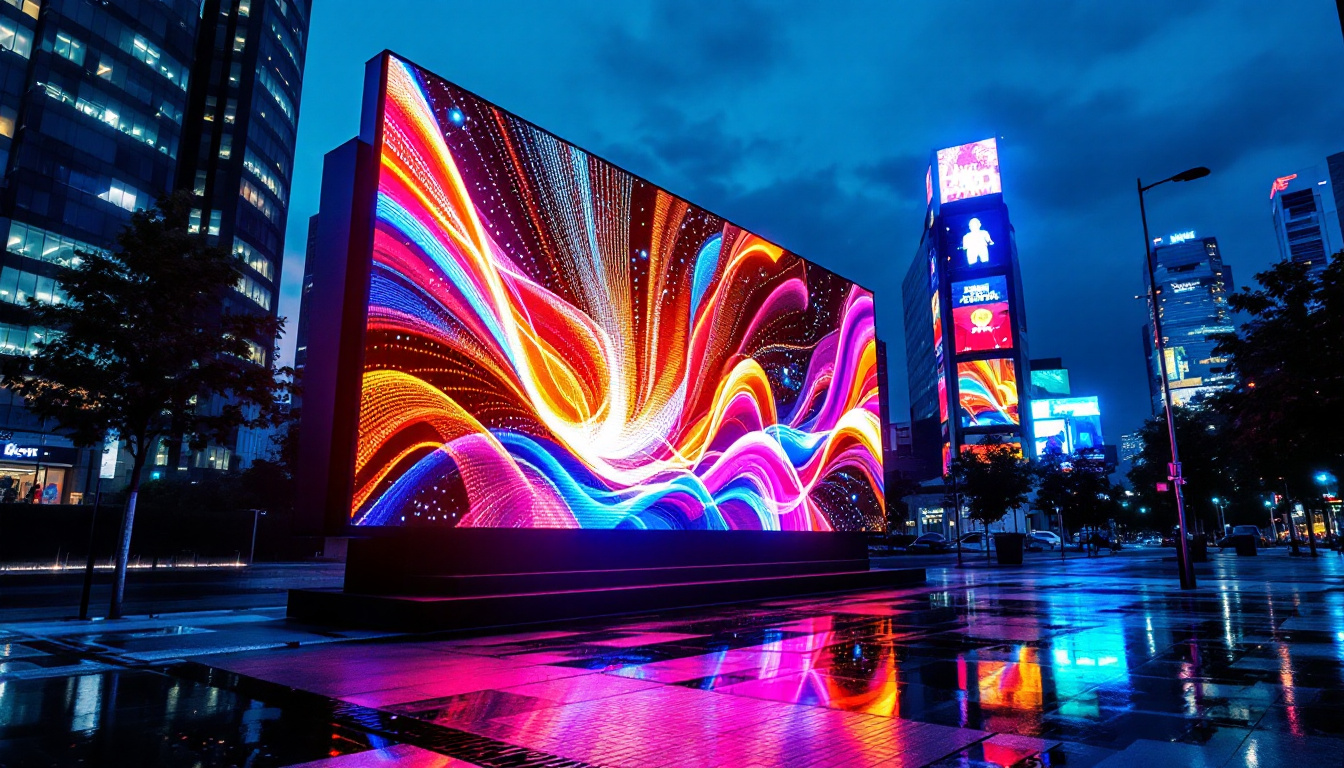
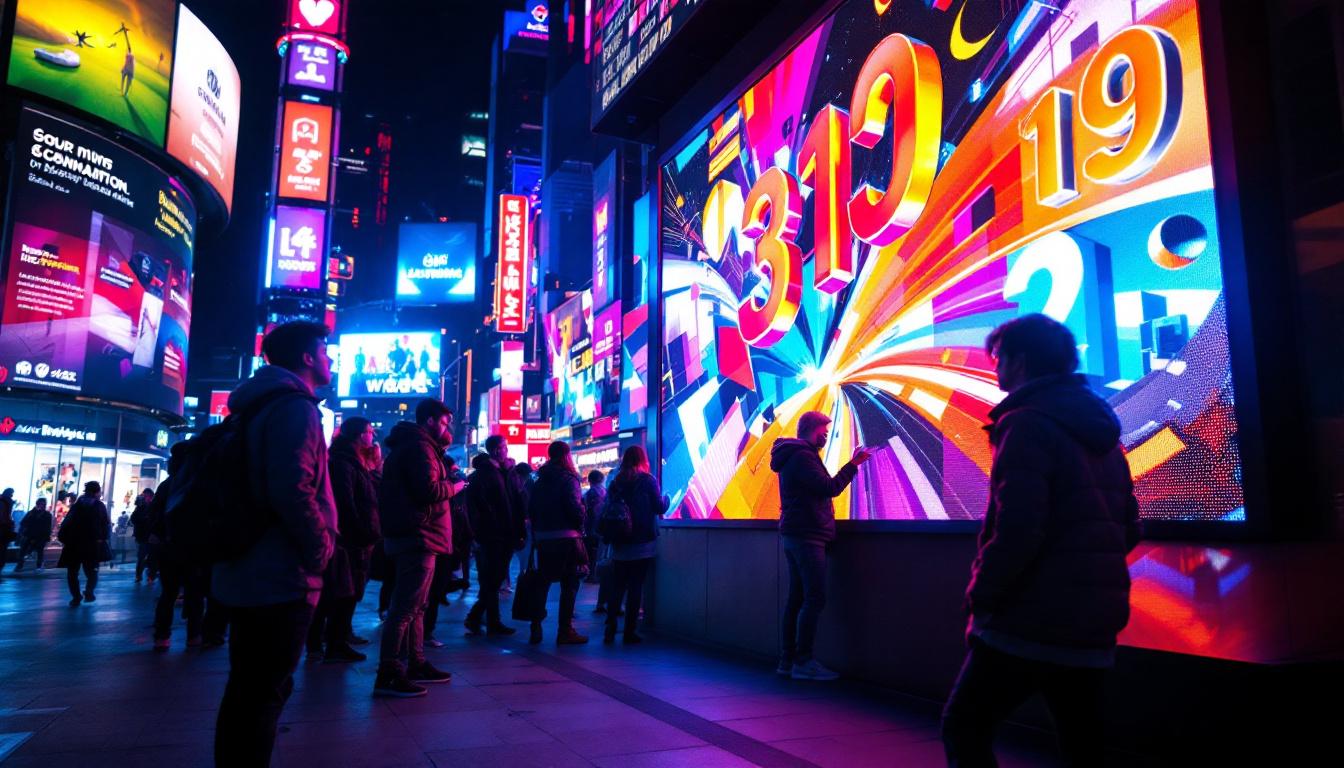
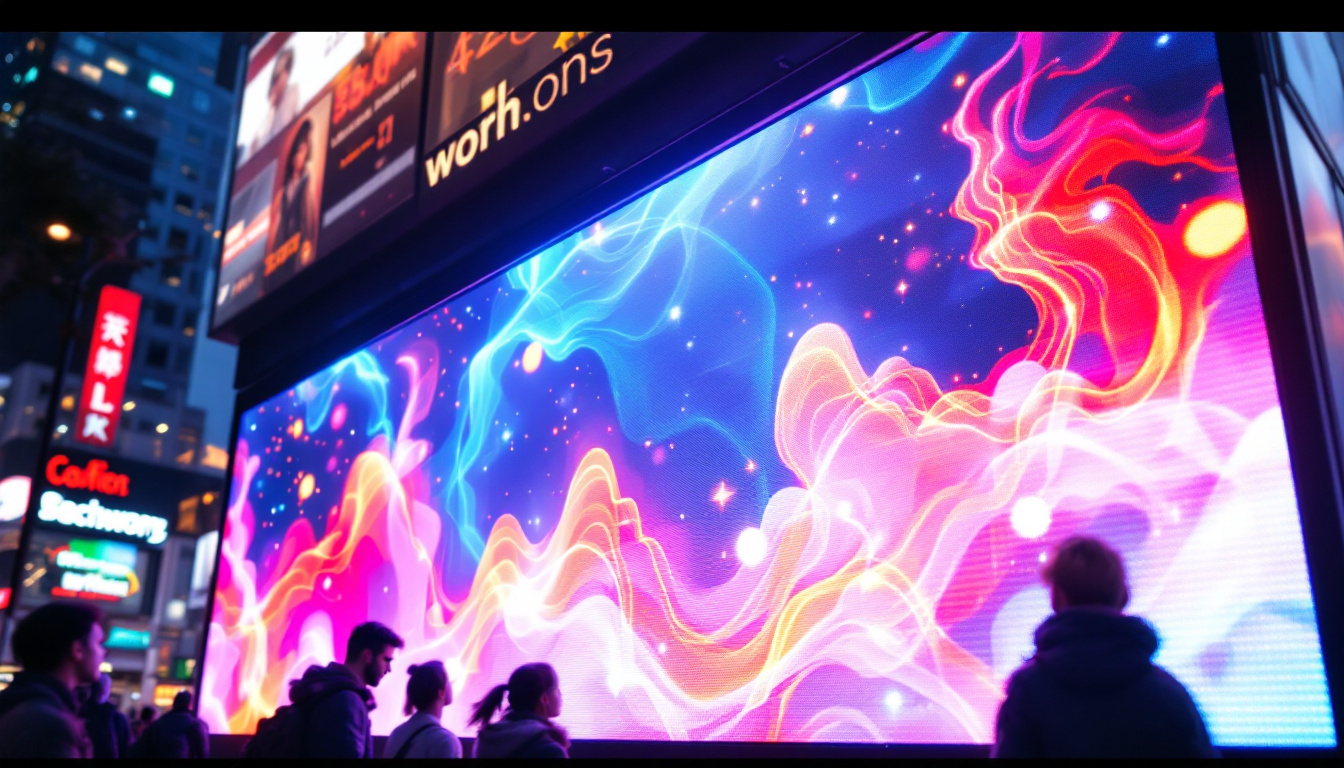
In urban centers, large LED displays double as public scoreboards during major sporting events, fostering community spirit and engagement. For instance, city squares often install temporary LED scoreboards during events like the Olympics or the Super Bowl to broadcast scores and highlights live.
How LED Scoreboards Are Controlled and Maintained
Control Systems and Software
Modern LED scoreboards are managed through sophisticated control systems that enable operators to update scores, timers, and messages in real time. These systems range from simple handheld controllers to complex computer-based software suites that integrate with other event management tools.
Many scoreboards now support wireless connectivity, allowing operators to control displays remotely via tablets or smartphones. This flexibility is crucial for fast-paced sports environments where rapid updates are necessary.
Maintenance and Troubleshooting
Maintaining LED scoreboards involves regular cleaning, software updates, and hardware inspections. LEDs are generally low-maintenance, but environmental factors such as dust, moisture, and temperature fluctuations can affect performance.
Routine checks ensure that all LEDs function correctly and that the control system operates smoothly. In case of LED failure, modular designs allow for quick replacement of individual panels without dismantling the entire scoreboard, minimizing downtime during events.
The Future of LED Scoreboard Technology
Integration with Smart Technologies
The future of LED scoreboards is closely tied to advancements in smart technology and the Internet of Things (IoT). Emerging systems incorporate sensors and AI to automatically update scores, player statistics, and even predictive analytics during games.
For example, AI-powered cameras can track player movements and feed data directly to the scoreboard, providing fans with deeper insights and enhancing the viewing experience. Integration with augmented reality (AR) and virtual reality (VR) is also on the horizon, promising immersive and interactive scoreboard displays.
Environmental Sustainability
As environmental concerns grow, the development of eco-friendly LED scoreboards is gaining momentum. Innovations include the use of recyclable materials, solar-powered displays, and designs that further reduce energy consumption without compromising brightness or performance.
Sports organizations and venues are increasingly prioritizing sustainability in their infrastructure investments, making energy-efficient LED scoreboards an attractive option for reducing carbon footprints.
Enhanced Interactivity and Fan Engagement
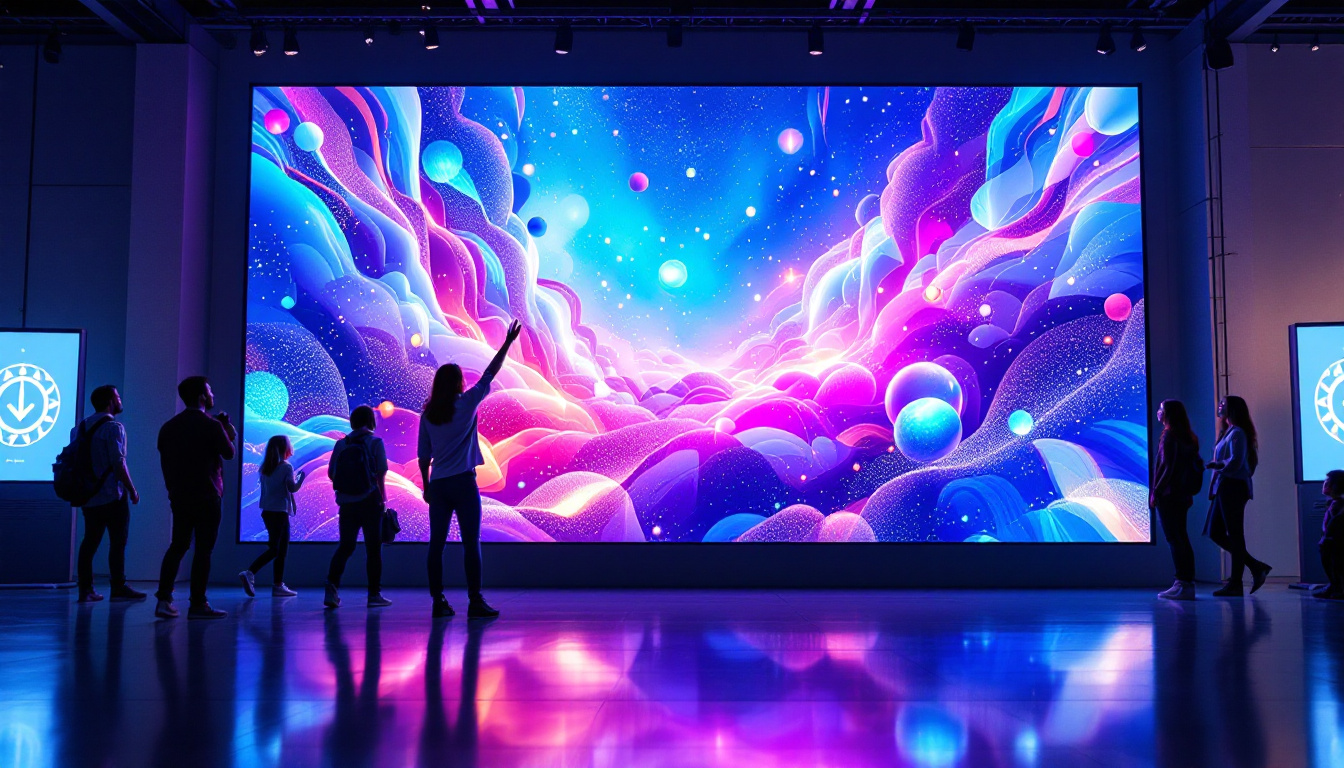
Future LED scoreboards will likely feature enhanced interactivity, allowing fans to participate through mobile apps, social media integration, and live polls displayed directly on the scoreboard. This interactivity transforms passive spectators into active participants, creating a more engaging and memorable event atmosphere.
Additionally, personalized content delivery based on audience demographics and preferences will become more common, enabling targeted advertising and customized fan experiences.
Conclusion
LED scoreboards have revolutionized the way sports and event information is displayed, offering unmatched brightness, energy efficiency, and flexibility. Their widespread adoption across various venues underscores their importance in enhancing spectator experience and operational efficiency.
As technology continues to evolve, LED scoreboards will become smarter, more sustainable, and increasingly interactive, further solidifying their role as a central feature in sports and entertainment environments. Understanding the fundamentals of LED displays and their applications helps stakeholders make informed decisions when investing in scoreboard technology, ensuring a bright and engaging future for fans and participants alike.
Illuminate Your Venue with LumenMatrix
Ready to elevate your audience’s experience with the unmatched clarity and vibrancy of LED displays? LumenMatrix is at the forefront of LED display innovation, offering an extensive range of solutions tailored to your unique needs. From captivating Indoor LED Wall Displays to robust Outdoor LED Wall Displays, and from dynamic LED Sports Displays to customizable Floor and Custom LED Displays, we have the technology to transform your space. Embrace the future of visual engagement with LumenMatrix and ensure your message resonates with brilliance and precision. Check out LumenMatrix LED Display Solutions today and light up your world with unparalleled quality.