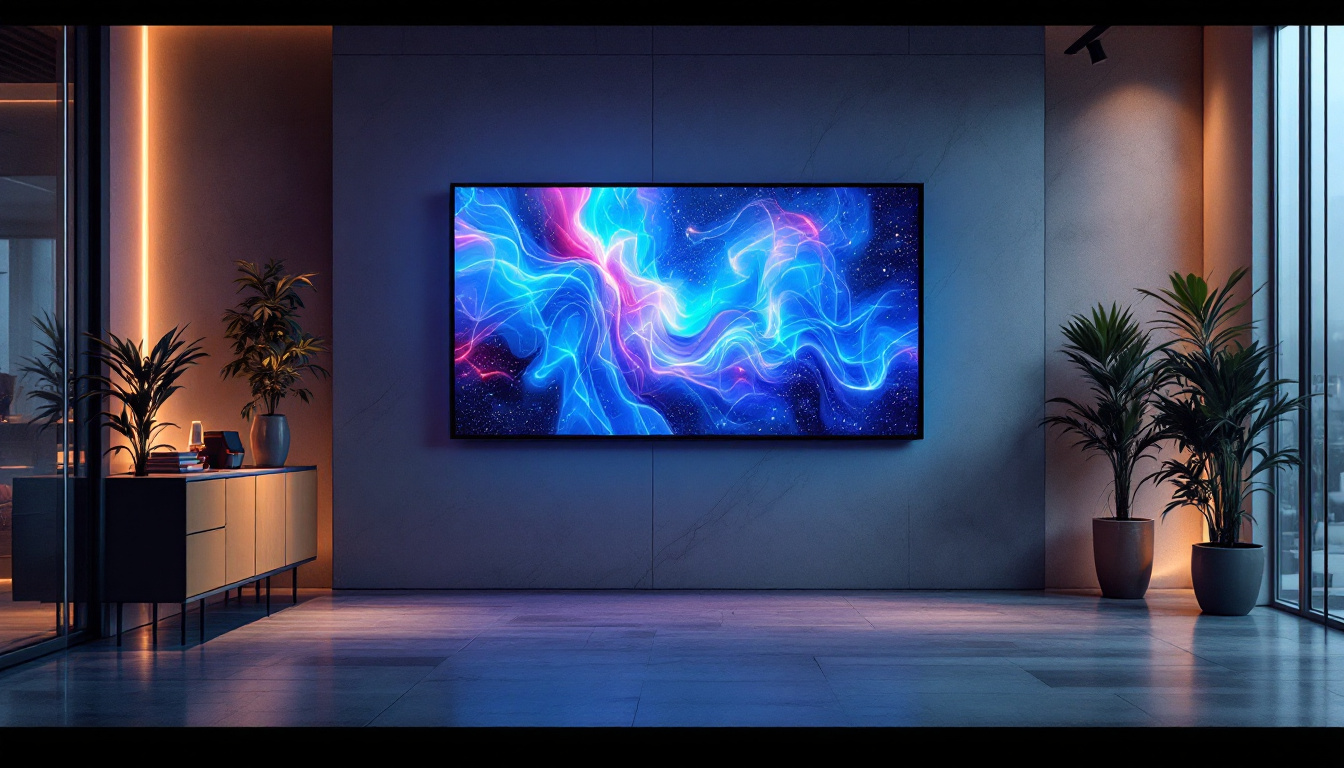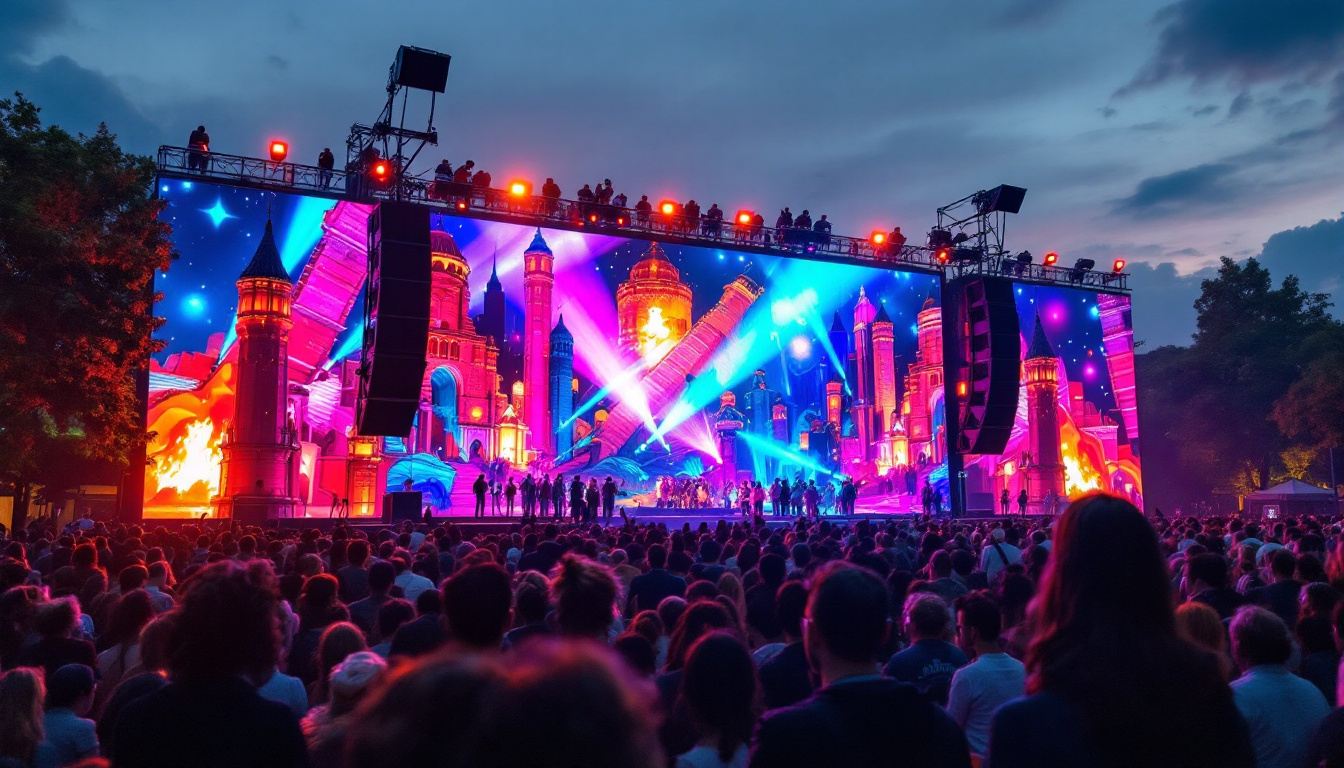
In today’s world of multimedia presentations, home theaters, and digital signage, the choice of display technology plays a crucial role in the overall viewing experience. Among the various options available, LED displays have emerged as a leading solution for their brightness, color accuracy, and versatility. This article delves into the concept of a screen calculator projector with an emphasis on LED display technology, explaining how it works, its advantages, and how to select the right setup for your needs.
Understanding Screen Calculator Projectors
Before exploring LED displays, it’s important to understand what a screen calculator projector is and why it matters. Essentially, a screen calculator projector is a tool or method used to determine the optimal screen size and projector specifications based on the viewing environment and user requirements.
Factors such as room size, ambient light, projector brightness (measured in lumens), and desired image resolution all influence the final setup. A screen calculator helps users avoid common pitfalls like choosing a screen that’s too large or too small, or a projector that can’t deliver the necessary brightness, ensuring an immersive and comfortable viewing experience.
Moreover, the integration of a screen calculator into the planning phase can significantly enhance the overall quality of the viewing experience. By taking into account the specific characteristics of the room—such as wall colors, furniture placement, and even the type of content being displayed—a screen calculator can provide tailored recommendations that optimize both visual and auditory elements. This personalized approach not only elevates the aesthetic appeal of the space but also enhances functionality, making it suitable for various activities, from business presentations to movie nights.
Why Use a Screen Calculator?
Using a screen calculator is especially valuable for both professional installations and home theater enthusiasts. It provides a data-driven approach to selecting the right equipment, saving time and money by preventing mismatched components. For example, a projector with 2,000 lumens might be sufficient for a dark room but inadequate in a brightly lit conference space. Similarly, a 100-inch screen might overwhelm a small room, causing eye strain.
In addition to preventing mismatches, screen calculators can also help users understand the trade-offs involved in their choices. For instance, while a higher resolution projector may offer crisper images, it could also require a more significant investment and a compatible screen size to fully leverage its capabilities. By weighing these factors, users can make informed decisions that align with their budget and specific needs, ultimately leading to a more satisfying viewing experience.
Key Parameters in Screen Calculation
When calculating the optimal screen and projector setup, several key parameters come into play:
- Throw Distance: The distance between the projector and the screen, which affects image size and focus.
- Screen Size: Diagonal measurement of the display surface, impacting viewing comfort and image clarity.
- Brightness (Lumens): Determines how well the image is visible under various lighting conditions.
- Resolution: The number of pixels displayed, influencing image sharpness and detail.
- Aspect Ratio: The proportional relationship between width and height, important for content compatibility.
Additionally, the viewing distance is another critical factor that should not be overlooked. This distance is the space between the viewer and the screen, which can greatly affect how the image is perceived. A general rule of thumb is that viewers should sit at a distance that is 1.5 to 2.5 times the diagonal size of the screen for optimal viewing comfort. Understanding this parameter can help in arranging seating effectively, ensuring that everyone in the room has a clear and enjoyable view of the projected content.
LED Display Technology: What Sets It Apart?
Light Emitting Diode (LED) technology has revolutionized the display industry, offering a compelling alternative to traditional projector screens and LCD panels. Unlike conventional projectors that rely on lamps and mirrors to project images, LED displays use an array of tiny light-emitting diodes to produce light and color directly.
How LED Displays Work
Each pixel in an LED display is composed of individual red, green, and blue diodes. By adjusting the intensity of these diodes, the display can produce a wide spectrum of colors with remarkable precision. This direct emission of light results in several advantages:
- High Brightness: LED displays can achieve brightness levels upwards of 1,000 nits, making them visible even in well-lit environments.
- Superior Contrast: Because LEDs can be turned off individually, black levels are truly black, enhancing contrast ratios.
- Wide Viewing Angles: LED displays maintain color accuracy and brightness across broad viewing angles.
- Durability: LEDs have longer lifespans and lower maintenance needs compared to traditional projector lamps.
Types of LED Displays
LED displays come in various forms, each suited for different applications:
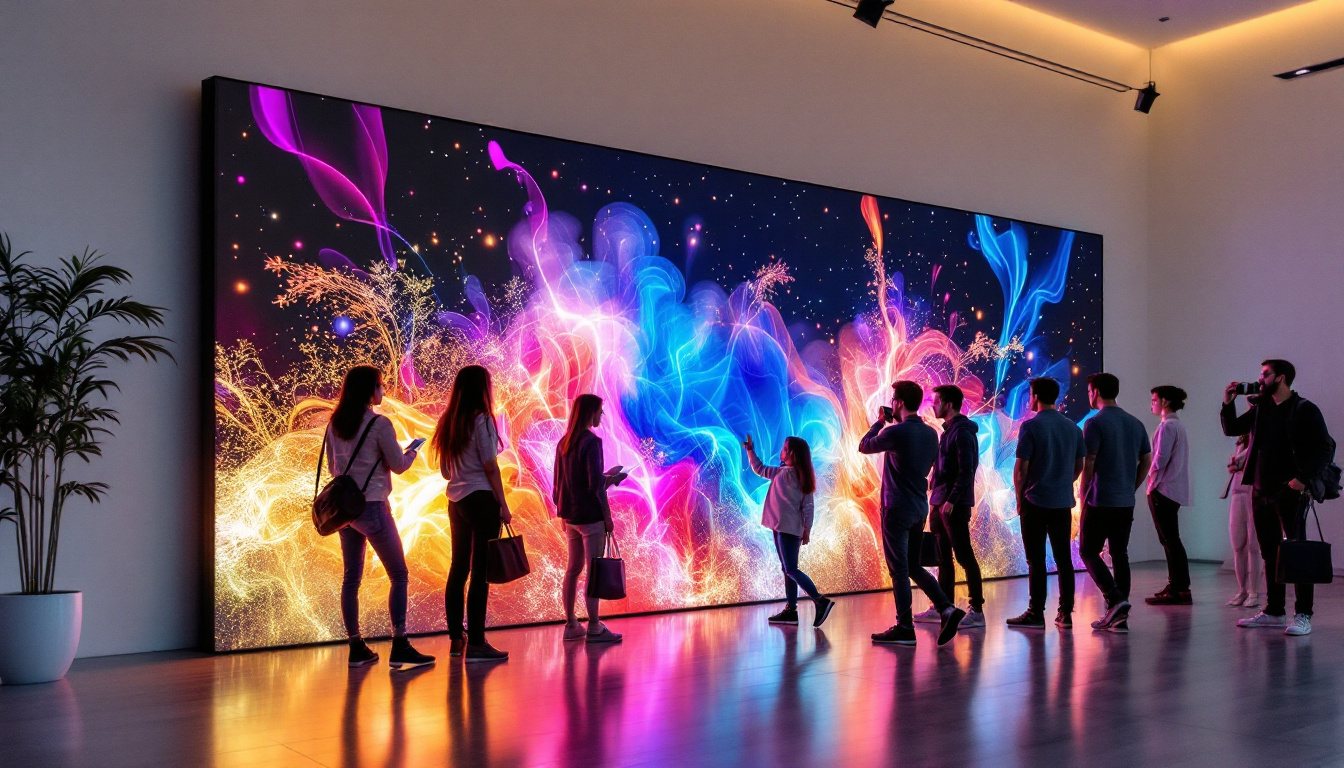
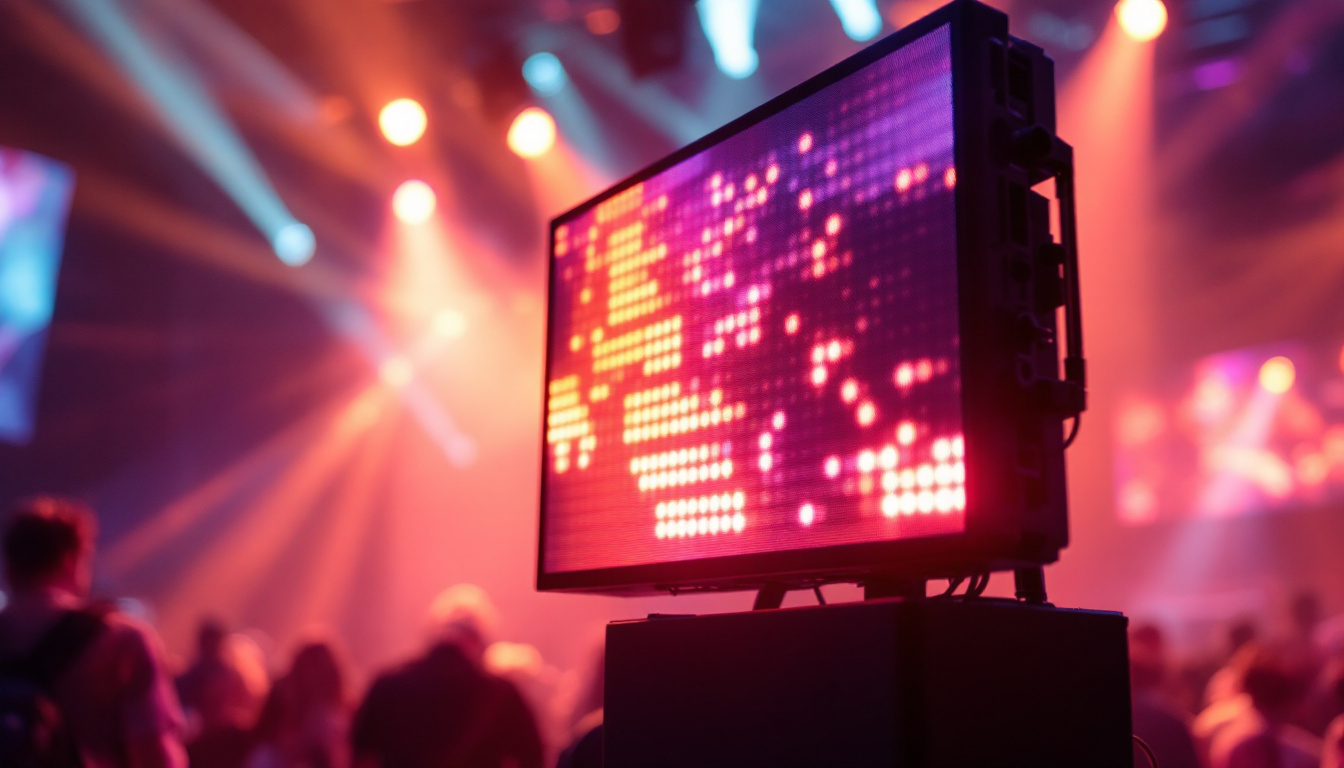
- Direct View LED (DVLED): These are large panels made up of LED modules, commonly used for outdoor billboards, stadium screens, and large indoor displays.
- MicroLED: An emerging technology offering even higher pixel density and brightness, ideal for premium home theaters and professional use.
- LED-Backlit LCD: While not true LED displays, these use LEDs as backlighting sources for LCD panels, improving brightness and color uniformity.
Integrating LED Displays with Projector Screen Calculations
When considering LED displays in the context of projector screen calculations, the approach shifts slightly. Traditional projectors rely on reflective surfaces, so screen material and ambient light control are critical. LED displays, however, are self-illuminating and do not require a separate screen, which changes the planning dynamics.
Brightness and Ambient Light Considerations
One of the biggest challenges in projector setups is managing ambient light, which can wash out the image. LED displays, with their high brightness levels, perform exceptionally well in bright environments such as conference rooms, retail spaces, and outdoor venues. This reduces the need for darkened rooms or specialized screen materials.
Screen Size and Viewing Distance
Although LED displays eliminate the need for a physical projection screen, the size of the display and the viewer’s distance remain critical. The screen calculator principles still apply to ensure comfortable viewing angles and image clarity. For example, a 120-inch LED display might be ideal for a medium-sized conference room, but too large for a small office.
Resolution and Content Compatibility
LED displays often support high resolutions, including 4K and beyond, making them suitable for detailed presentations and high-definition video content. When calculating the appropriate display size, it’s important to consider the native resolution to avoid pixelation or scaling artifacts. This ensures that the content looks crisp and professional.
Advantages of LED Displays Over Traditional Projectors
LED displays offer several compelling benefits that make them an attractive choice for many applications. Understanding these advantages can help users make informed decisions when planning their audiovisual setups.
Consistent Image Quality
Unlike projectors that may degrade over time due to lamp aging or dust accumulation, LED displays maintain consistent brightness and color accuracy throughout their lifespan. This reliability is crucial for environments where image quality cannot be compromised, such as corporate presentations or digital signage.
Lower Maintenance and Operational Costs
Projectors typically require periodic lamp replacements, calibration, and cleaning. LED displays, on the other hand, have longer lifespans—often exceeding 50,000 hours—and require minimal maintenance. This translates into lower total cost of ownership over time.
Flexible Installation Options
LED displays can be configured in various sizes and shapes, including curved and modular designs, allowing for creative installations in retail, entertainment, and public spaces. This flexibility is difficult to achieve with traditional projector setups, which depend on fixed throw distances and screen sizes.
Energy Efficiency
LED technology is inherently energy-efficient compared to projector lamps, which consume significant power and generate heat. This efficiency reduces operational costs and contributes to greener, more sustainable installations.
Choosing the Right LED Display for Your Projector Setup
Selecting the appropriate LED display involves assessing your specific needs, environment, and budget. Here are key considerations to guide your decision-making process.
Determine Your Viewing Environment
Evaluate the lighting conditions, room size, and typical viewing distances. For bright environments, prioritize LED displays with higher nit ratings (brightness). In darker rooms, you can opt for lower brightness but focus on contrast and color accuracy.
Resolution Requirements
Match the display resolution to the content you plan to show. For presentations and standard video, Full HD (1080p) might suffice, but for detailed graphics or 4K video, invest in higher-resolution panels to ensure sharpness.
Size and Aspect Ratio
Choose a display size that fits the physical space and viewing distance. The aspect ratio should align with your content format—16:9 is standard for most video, while 4:3 may be better for legacy presentations.
Budget and Total Cost of Ownership
While LED displays can have higher upfront costs compared to projectors, consider long-term savings in maintenance, energy, and replacement parts. Factor in installation costs, warranty, and support services.
Future Trends in LED Display and Projection Technology
The display technology landscape continues to evolve rapidly, with innovations that promise even better performance and user experiences.
MicroLED and MiniLED Advances
MicroLED technology is poised to deliver unprecedented brightness, contrast, and pixel density, potentially surpassing OLED in image quality. MiniLED backlighting also enhances LCD panels by providing localized dimming and improved contrast.
Hybrid Projection Systems
Some manufacturers are developing hybrid systems that combine LED illumination with traditional projection optics, aiming to merge the best features of both technologies for enhanced brightness and color fidelity.
Smart and Interactive Displays
Integration of touch capabilities, AI-driven content management, and network connectivity is making LED displays more interactive and adaptable, especially in corporate and educational settings.
Conclusion
Understanding the interplay between screen calculator projectors and LED display technology is essential for anyone looking to optimize their visual presentation setup. LED displays offer remarkable advantages in brightness, durability, and flexibility, making them an excellent choice for a wide range of applications. By carefully considering factors such as environment, resolution, and budget, users can select the ideal LED display that complements their projector setup or even replaces traditional projection systems altogether.
As technology advances, staying informed about emerging trends like MicroLED and hybrid systems will help ensure that your audiovisual investments remain future-proof and deliver outstanding performance for years to come.
Discover LumenMatrix’s Advanced LED Display Solutions
Ready to take your visual presentation to the next level? Explore LumenMatrix’s comprehensive range of LED display modules, designed to meet the diverse needs of any space. Whether you’re looking for an Indoor LED Wall Display, a vibrant Outdoor LED Wall Display, or specialized solutions like Vehicle LED Displays and LED Sports Displays, LumenMatrix has you covered. Experience the future of visual communication with our innovative LED Poster Displays, Floor LED Displays, and Custom LED solutions. Elevate your brand visibility and captivate your audience with our All-in-One and LED Transparent Displays. Check out LumenMatrix LED Display Solutions today and transform your space into a dynamic visual experience.