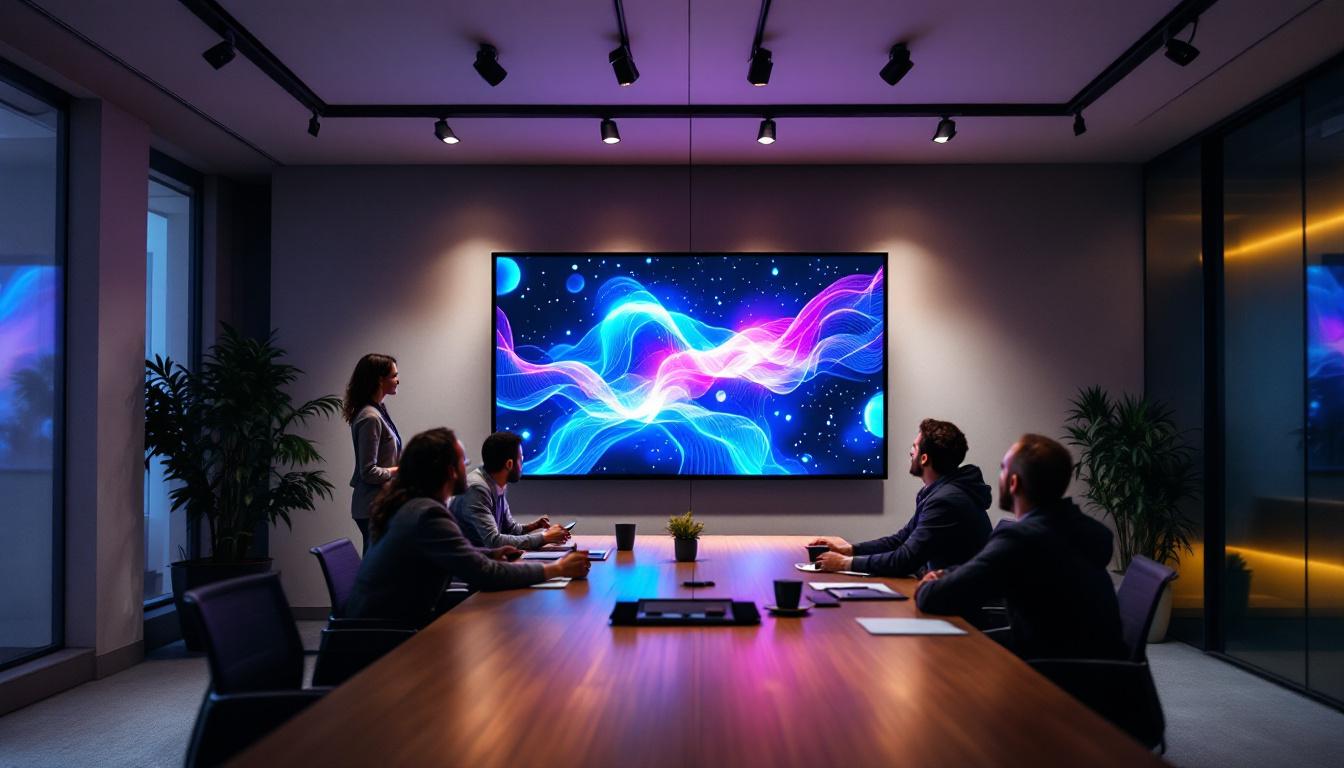
In today’s fast-paced business environment, effective communication is paramount. Conference rooms serve as the hub for collaboration, presentations, and decision-making. Choosing the right display technology can significantly impact the quality of meetings and overall productivity. Among the various options available, LED displays have emerged as a leading choice for conference rooms worldwide. This article delves into the world of LED displays for conference rooms, explaining their benefits, types, installation considerations, and how they compare to other display technologies.
Why Choose an LED Display for Your Conference Room?
LED (Light Emitting Diode) displays have revolutionized visual communication across multiple industries, and conference rooms are no exception. Their popularity stems from a combination of superior image quality, durability, and flexibility.
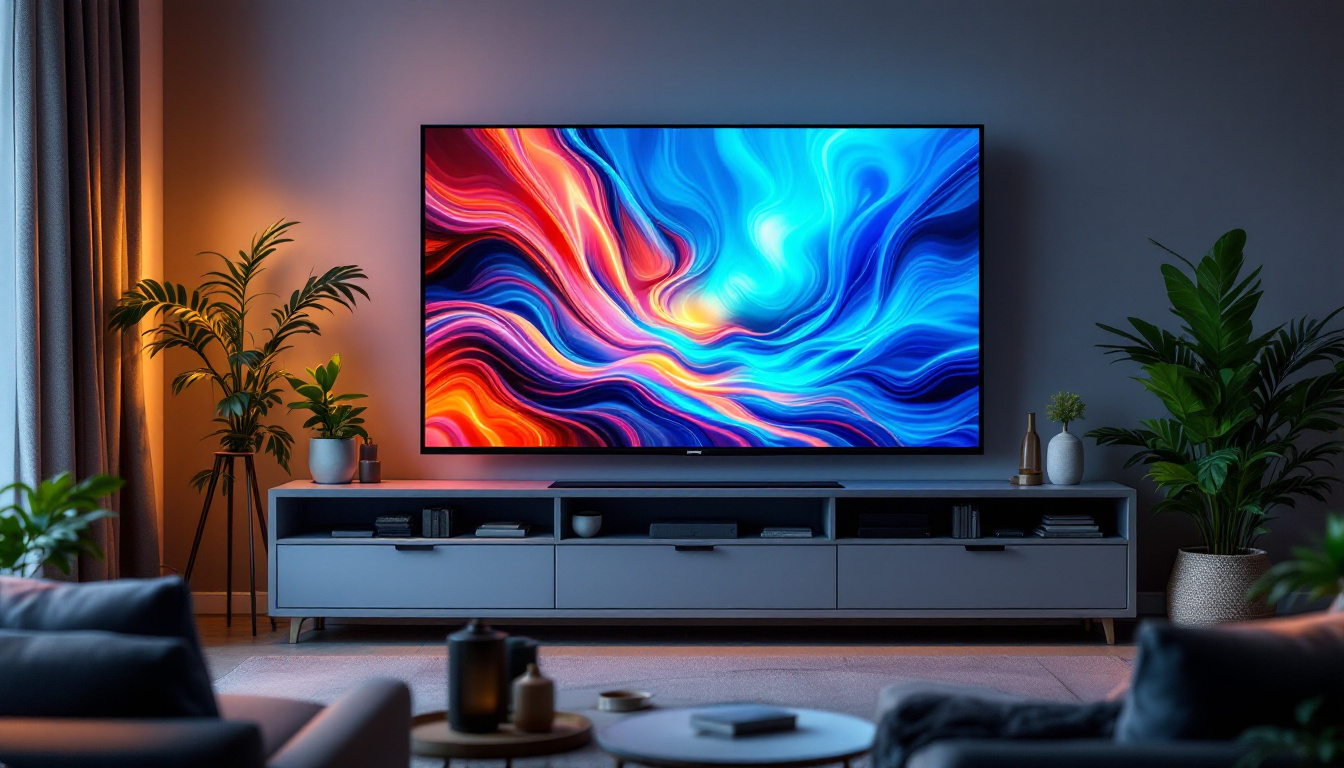
One of the primary reasons businesses opt for LED displays is their exceptional brightness and clarity. Unlike traditional LCD or projector screens, LED displays offer vivid colors and high contrast ratios, ensuring that content remains clear even in brightly lit rooms. This is particularly important in conference rooms where natural light or overhead lighting cannot always be controlled.
Furthermore, LED displays are known for their energy efficiency and long lifespan. According to a 2023 industry report by Display Supply Chain Consultants, LED displays consume up to 30% less power than comparable LCD screens, which translates to lower operational costs over time. Their durability also means fewer replacements and maintenance interruptions, making them a cost-effective solution for busy office environments.
In addition to their technical advantages, LED displays also enhance the overall aesthetic of a conference room. With sleek designs and the ability to be customized in size and shape, these displays can seamlessly integrate into modern office decor. Companies can opt for large-format screens that serve as focal points in the room or even create video walls that can showcase multiple presentations simultaneously. This versatility allows organizations to tailor their conference spaces to better suit their branding and functional needs.
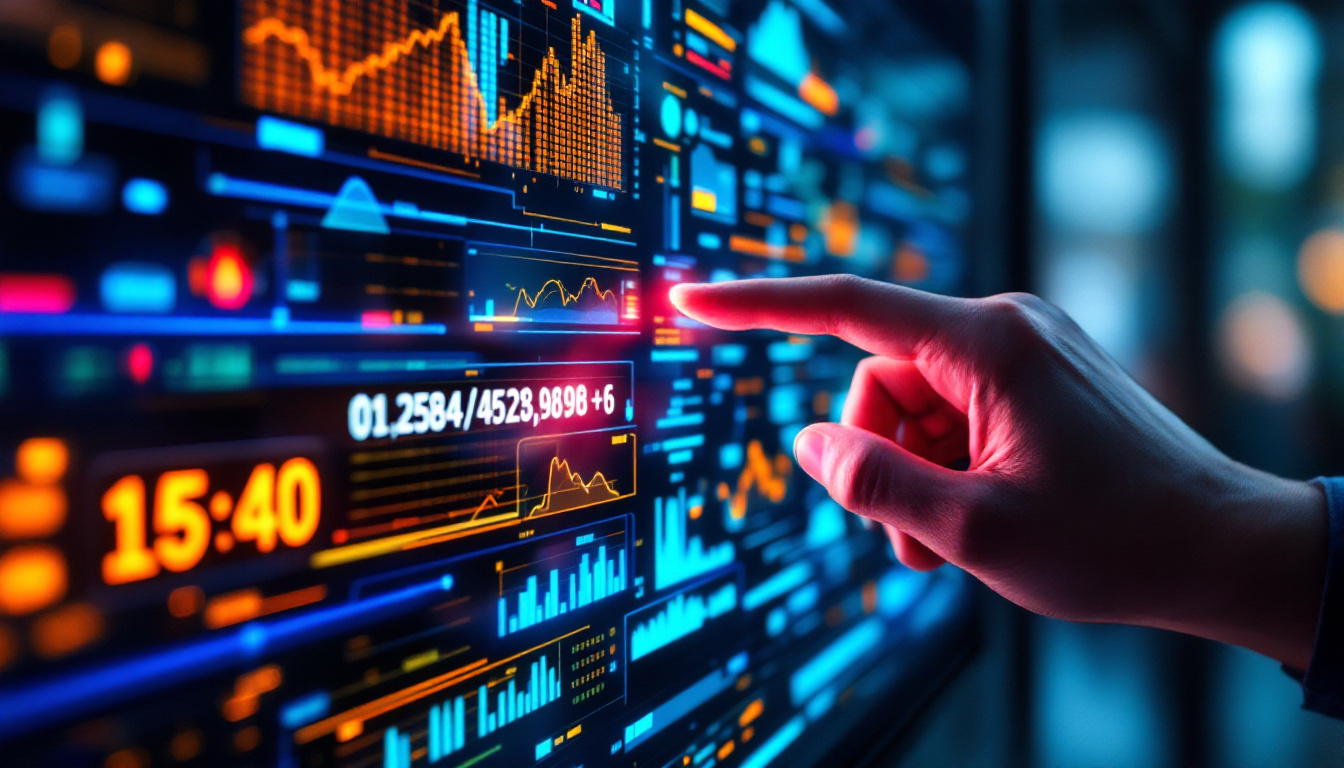
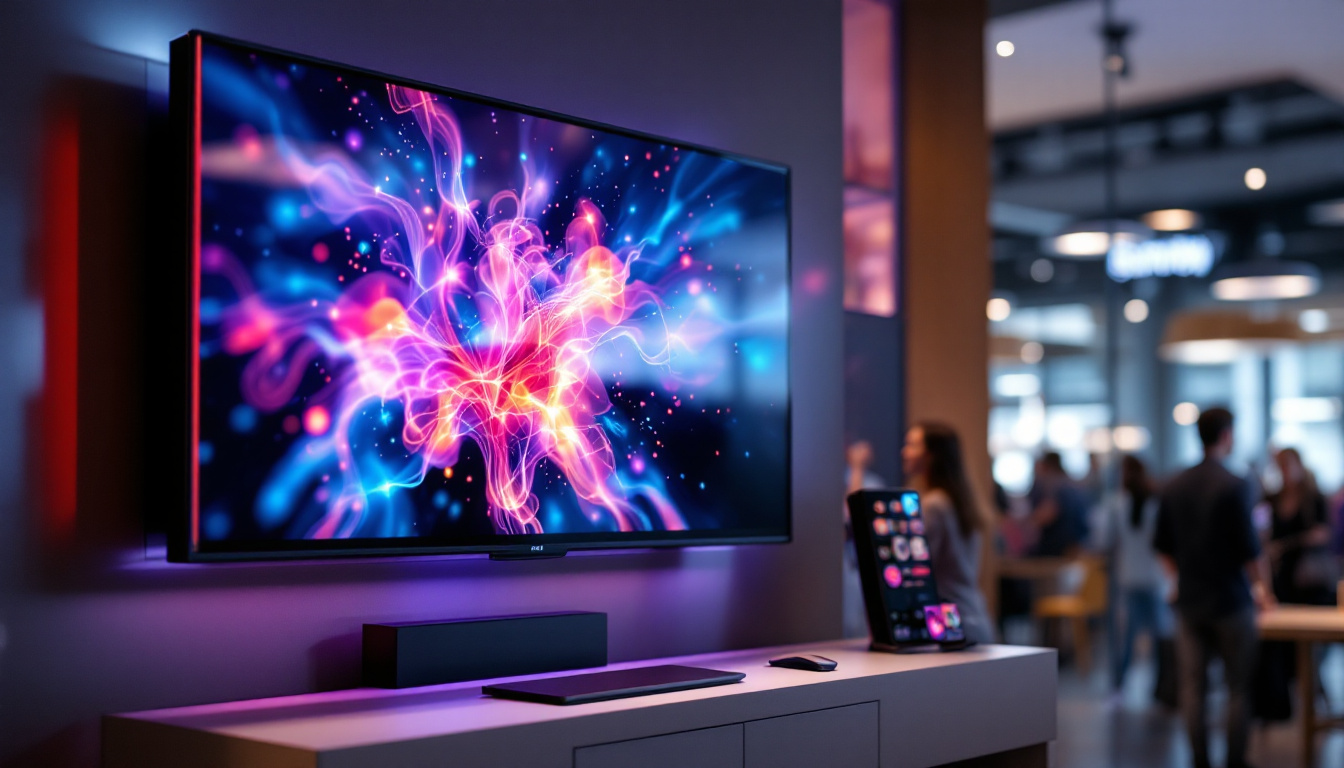
Moreover, the interactivity features available with many LED displays can significantly enhance collaboration during meetings. Touchscreen capabilities and compatibility with various software applications enable participants to engage more dynamically with the content being presented. This interactivity can lead to more productive discussions, as team members can annotate, highlight, or manipulate data in real-time, fostering a more engaging and participatory environment. As businesses continue to embrace hybrid work models, the ability to connect remote participants through high-quality visuals becomes even more critical, making LED displays an invaluable asset in today’s conference rooms.
Types of LED Displays Suitable for Conference Rooms
Direct View LED (DVLED) Walls
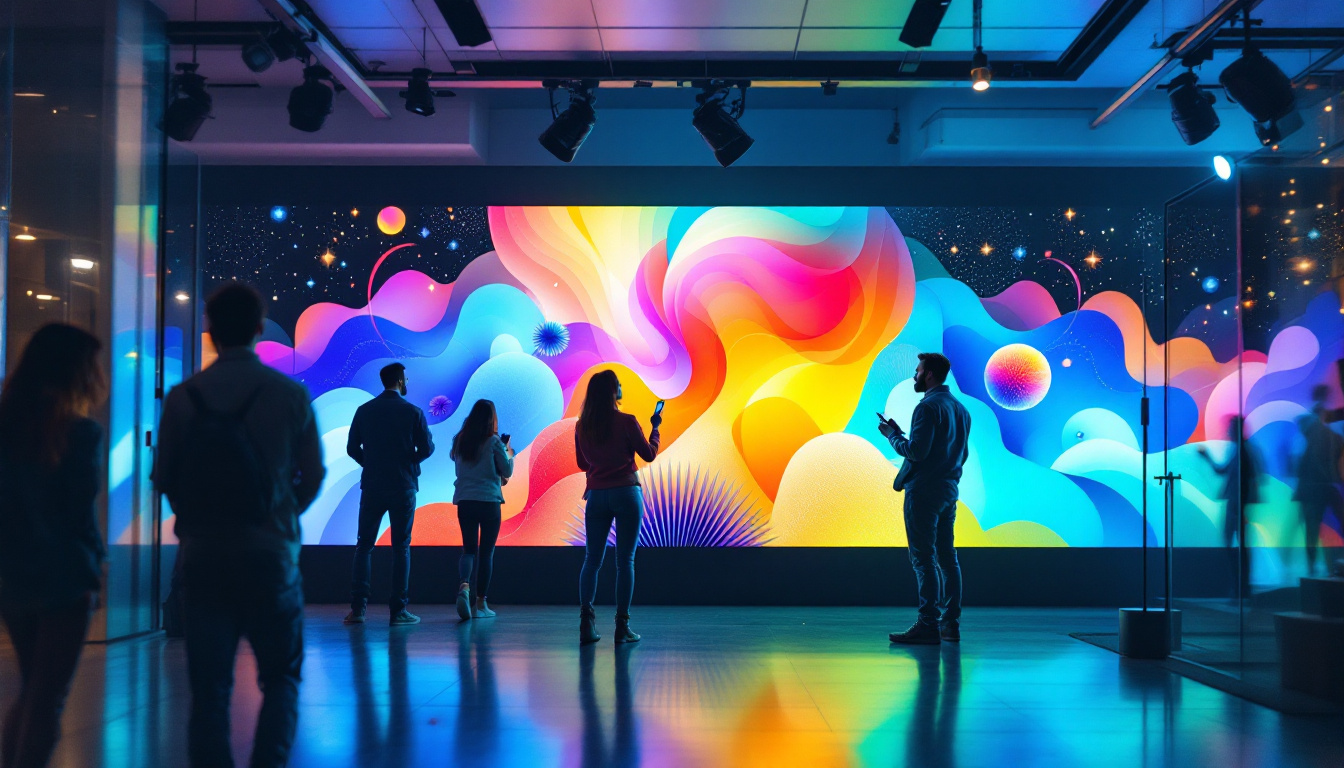
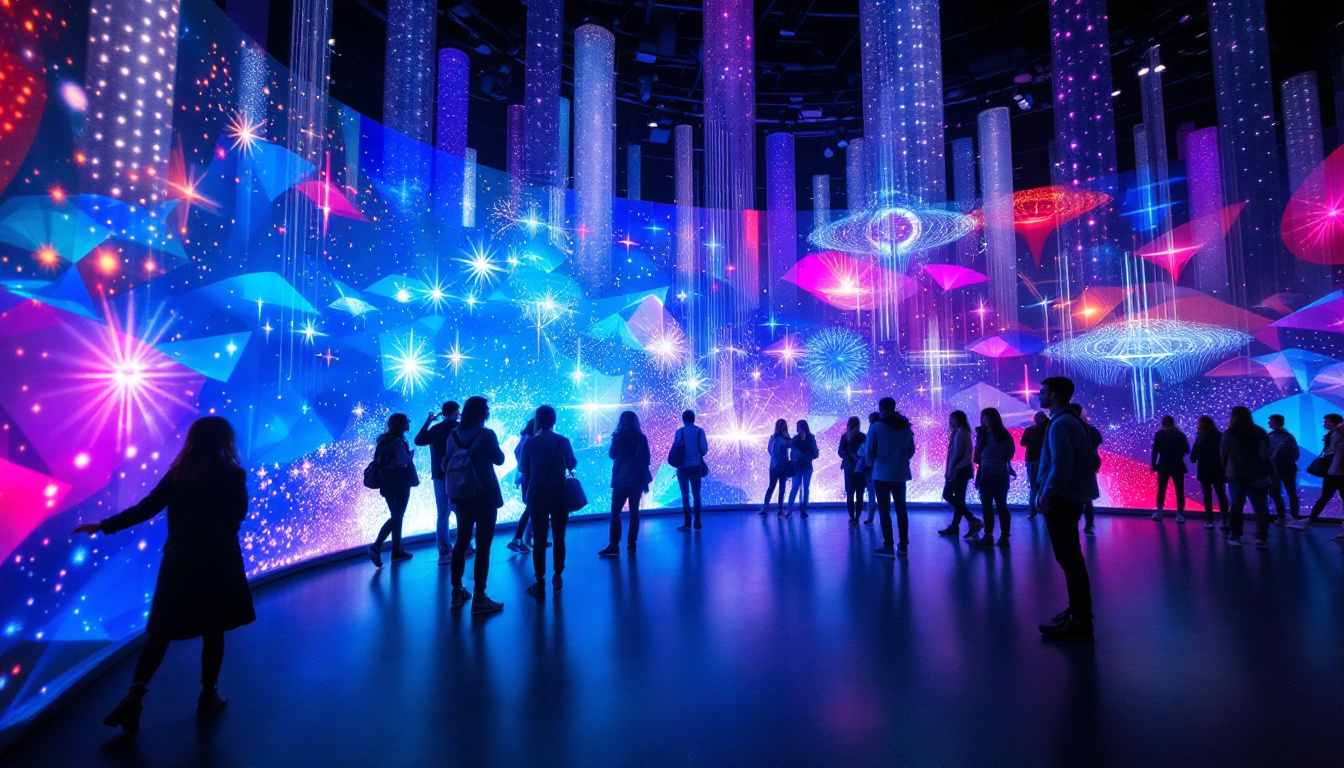
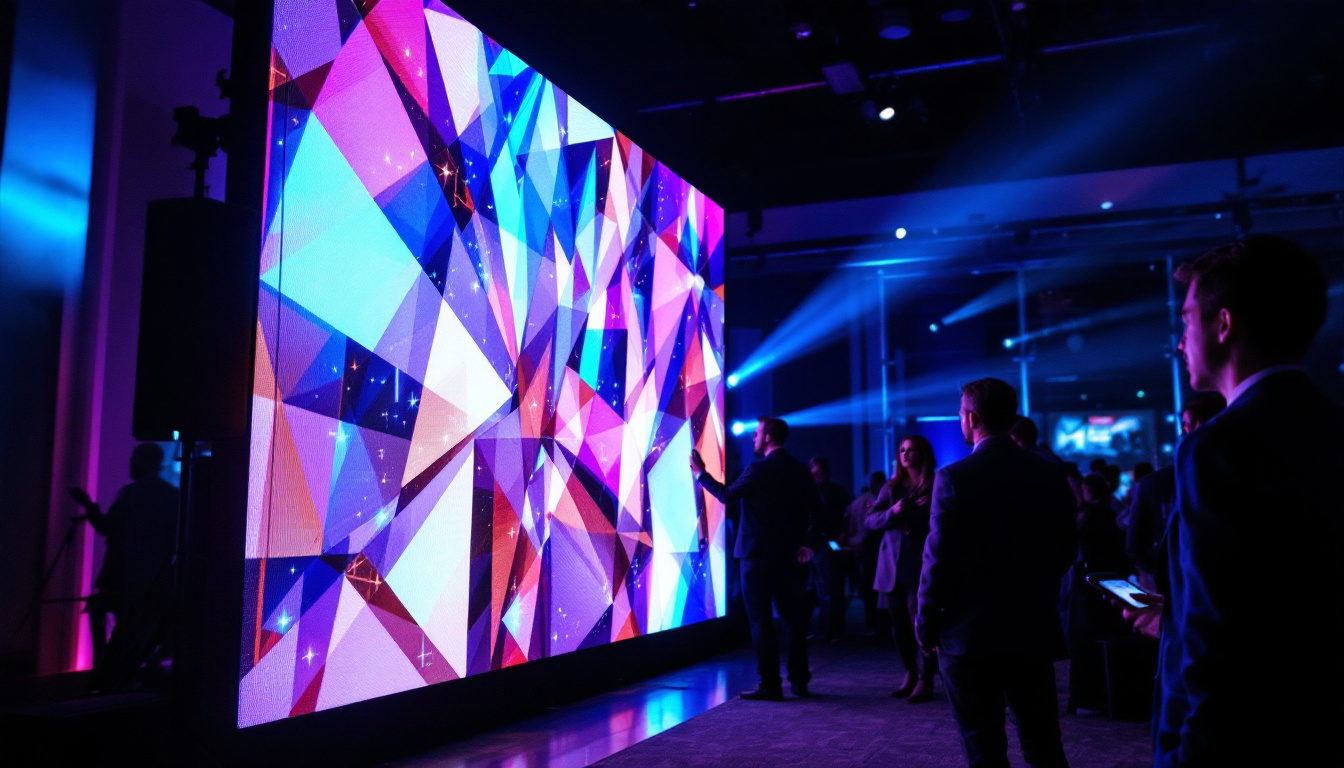
Direct View LED walls are composed of numerous small LED modules seamlessly tiled together to form a large, continuous display surface. These walls provide stunning image quality with ultra-high resolution and brightness levels that outperform traditional displays. DVLED walls are highly customizable in size and shape, making them ideal for large conference rooms or auditoriums.
One notable advantage is their ability to display content without bezels or borders, creating an immersive viewing experience. However, DVLED walls typically require a higher upfront investment and professional installation, which may be more suitable for organizations with larger budgets and space. Furthermore, the durability of DVLED technology means that these displays can withstand the rigors of frequent use, making them a long-term investment for businesses that prioritize high-quality visual presentations. The energy efficiency of DVLED walls also contributes to lower operational costs over time, as they consume less power compared to traditional display technologies.
LED Video Walls
LED video walls are similar to DVLED but are often constructed from modular panels that can be arranged in various configurations. These walls are versatile and can be used for both presentations and video conferencing. The modular nature allows for easy scaling and maintenance, as individual panels can be replaced without dismantling the entire setup.
Many modern LED video walls come with built-in processing units that simplify content management and integration with other conference room technologies like video conferencing systems and control panels. This integration capability enhances the overall functionality of the conference room, enabling seamless transitions between different types of content, such as live feeds, presentations, and collaborative documents. Additionally, many LED video walls support various input formats, allowing for a wide range of devices to connect effortlessly, which is especially beneficial in diverse corporate environments where different teams may use different technologies.
LED Displays vs. LCD and Projectors
While LCD screens and projectors have been staples in conference rooms for decades, LED displays offer distinct advantages. LCDs can suffer from limited viewing angles and lower brightness, which can hinder visibility for participants seated at the edges of the room. Projectors, on the other hand, depend heavily on ambient lighting conditions and require regular maintenance such as bulb replacement and calibration.
LED displays provide consistent image quality regardless of ambient light and viewing position. Additionally, they have faster response times and better color accuracy, which enhances the clarity of detailed presentations and video content. This is particularly important in environments where visual precision is critical, such as design reviews or technical presentations. Moreover, LED displays often come with advanced features like touch interactivity, allowing presenters to engage with their audience in a more dynamic manner. This interactivity can foster collaboration and encourage participation, transforming a traditional presentation into an engaging experience that resonates with attendees.
Key Features to Consider When Selecting an LED Display
Resolution and Pixel Pitch
Resolution determines the sharpness of the image, while pixel pitch refers to the distance between individual LED pixels. A smaller pixel pitch means higher pixel density and finer detail, which is crucial for displays viewed at close range, such as in smaller conference rooms.
For typical conference room applications, a pixel pitch between 1.2mm and 2.5mm is recommended. This range balances image clarity with cost-effectiveness. Larger pixel pitches may be suitable for bigger rooms where viewers are seated farther away. Additionally, understanding the intended use of the display can influence the choice of pixel pitch; for instance, if the display will be used for detailed presentations or video conferencing, opting for a finer pixel pitch ensures that text and images are crisp and easily readable, enhancing the overall communication experience.
Brightness and Contrast Ratio
Brightness is measured in nits and affects how well the display performs under various lighting conditions. Conference rooms with large windows or strong overhead lighting require displays with higher brightness levels, typically above 800 nits.
Contrast ratio impacts the depth of blacks and the vibrancy of colors. LED displays generally have superior contrast ratios compared to LCDs, resulting in more dynamic and engaging visuals. A higher contrast ratio not only enhances the viewing experience but also reduces eye strain, allowing for longer viewing times during presentations. Furthermore, in environments where ambient light fluctuates, a display with adjustable brightness settings can optimize visibility and ensure that content remains clear and impactful, regardless of external conditions.
Size and Aspect Ratio
The size of the LED display should be chosen based on room dimensions and seating arrangements. A display that is too small can strain viewers’ eyes, while an excessively large screen may overwhelm the space and increase costs unnecessarily.
Most conference rooms benefit from widescreen aspect ratios (16:9 or 16:10), which are standard for presentations and video content. Custom aspect ratios are possible with modular LED walls but require careful planning. Additionally, considering the height of the display is important; mounting the screen at eye level ensures that everyone in the room can comfortably view the content without straining their necks. Moreover, incorporating features like tilting or adjustable mounts can enhance flexibility, allowing the display to be repositioned for optimal viewing angles as needed.
Connectivity and Integration
Modern LED displays support a variety of input sources, including HDMI, DisplayPort, USB, and wireless streaming. Seamless integration with video conferencing platforms, control systems, and collaboration tools is essential for maximizing the utility of the display.
Many LED displays also offer network connectivity for remote management, firmware updates, and content scheduling, which simplifies maintenance and enhances functionality. Furthermore, the ability to connect multiple devices simultaneously can facilitate collaborative work environments, allowing participants to share screens or content from various sources without the hassle of disconnecting and reconnecting cables. This feature is particularly beneficial in hybrid work settings, where both in-person and remote participants can engage with the presentation material in real time, fostering a more inclusive and interactive experience.
Installation and Maintenance Considerations
Professional Installation
Installing an LED display in a conference room is a complex task that involves electrical work, mounting, calibration, and integration with existing AV systems. Professional installation ensures that the display operates optimally and complies with safety standards.
It is advisable to work with experienced AV integrators who understand the specific requirements of LED technology and can provide tailored solutions based on room acoustics, lighting, and user needs.
Maintenance and Longevity
LED displays require minimal maintenance compared to projectors and some other display types. Routine cleaning of the screen surface and periodic software updates are typically sufficient to keep the display in top condition.
In the event of module failure, modular LED walls allow for easy replacement of individual sections without disrupting the entire display. This feature reduces downtime and maintenance costs.
Enhancing Conference Room Experience with LED Displays
Improved Collaboration and Engagement
High-quality visuals foster better engagement during meetings. LED displays enable clear sharing of complex data, detailed charts, and multimedia content, which enhances understanding and decision-making.
Interactive LED displays with touch capabilities are increasingly popular, allowing participants to annotate presentations, brainstorm ideas, and interact directly with content in real time.
Future-Proofing Your Conference Room
Investing in LED display technology prepares conference rooms for evolving communication needs. With growing reliance on video conferencing and hybrid work models, displays that support 4K resolution, HDR content, and seamless integration with collaboration platforms are becoming essential.
Moreover, LED technology continues to advance rapidly, with innovations such as microLED promising even greater image quality and energy efficiency in the near future.
Conclusion
Choosing the right screen for a conference room is a strategic decision that can significantly influence meeting effectiveness and workplace productivity. LED displays stand out as a superior option due to their exceptional image quality, durability, and adaptability.
By understanding the different types of LED displays, key technical features, and installation considerations, organizations can select a solution that meets their specific needs and budget. As businesses continue to embrace digital collaboration, LED displays will play a central role in creating dynamic, engaging, and future-ready conference environments.
Discover LumenMatrix LED Display Solutions
Ready to elevate your conference room experience with cutting-edge LED display technology? LumenMatrix offers a comprehensive range of LED display solutions tailored to meet the demands of modern communication and collaboration. From immersive Indoor LED Wall Displays to versatile All-in-One LED Displays, our products are designed to captivate your audience and enhance your brand’s visibility. Embrace the future of visual engagement with LumenMatrix and transform your conference room into a dynamic, interactive hub. Check out LumenMatrix LED Display Solutions today and take the first step towards a more engaging and productive meeting environment.