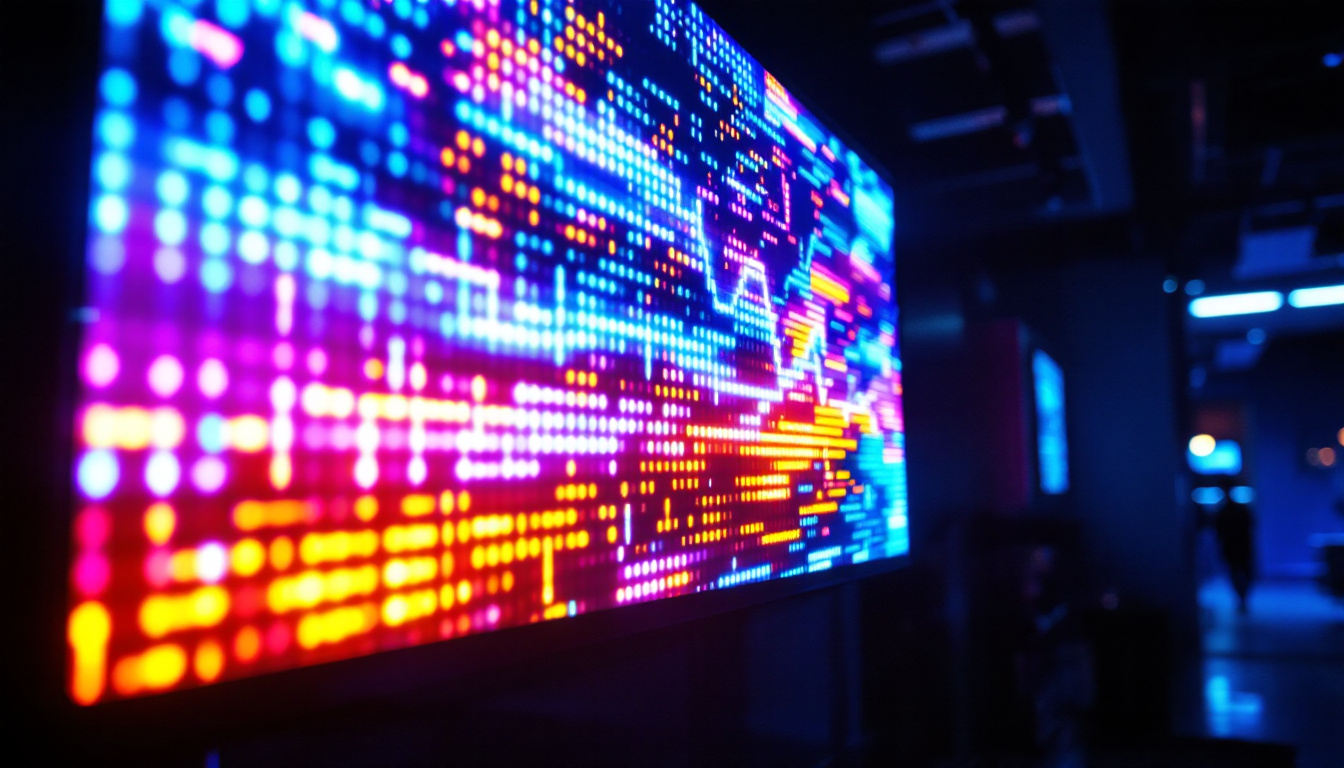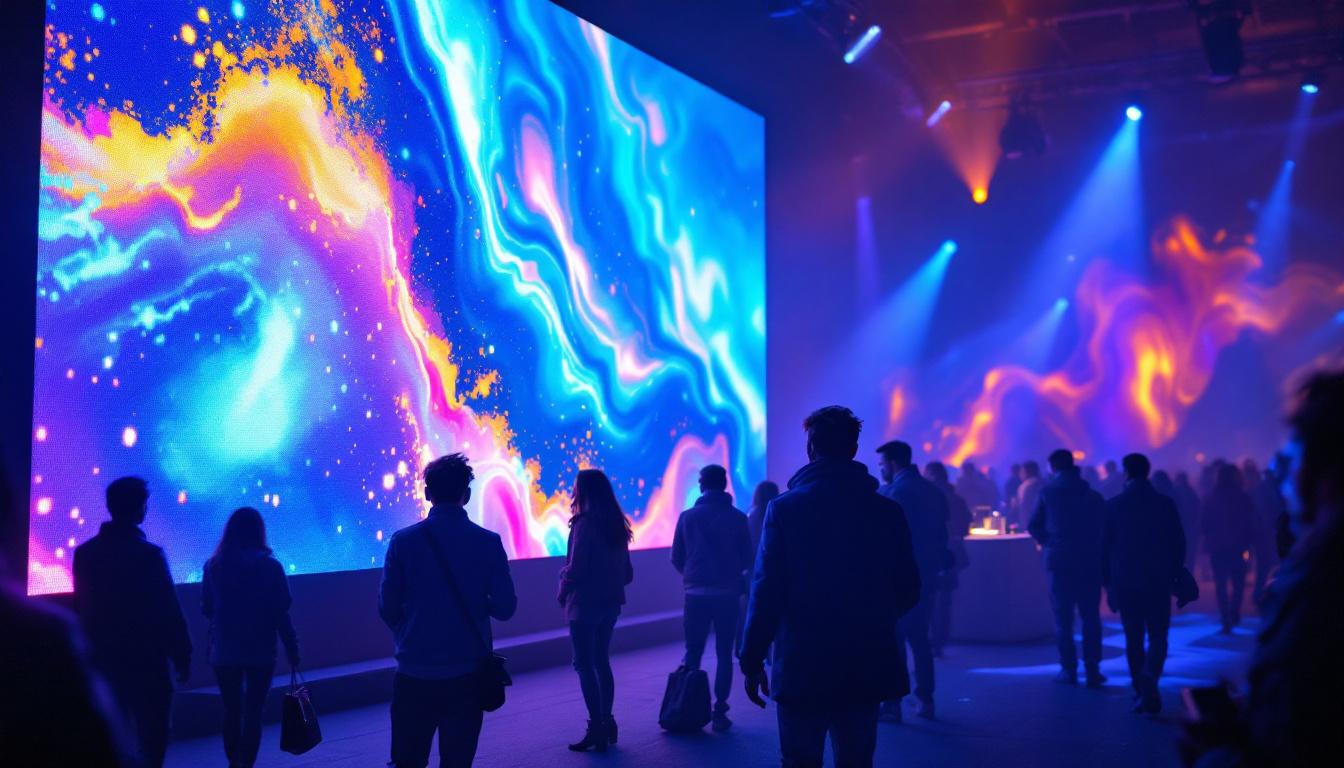
In today’s fast-paced digital world, visual communication plays a pivotal role in capturing audience attention and delivering impactful messages. LED displays have become a cornerstone technology for advertising, events, corporate communications, and public information systems. However, purchasing LED screens outright can be a significant investment, often impractical for short-term or fluctuating needs. This is where the concept of “Screen on Rent” or renting LED displays comes into the picture, offering flexibility, cost-effectiveness, and access to cutting-edge technology.
This article delves into the fundamentals of LED displays, explores the benefits and considerations of renting these screens, and provides practical insights for businesses and event organizers looking to leverage LED display technology without the burden of ownership.
Understanding LED Displays: Technology and Applications
What is an LED Display?
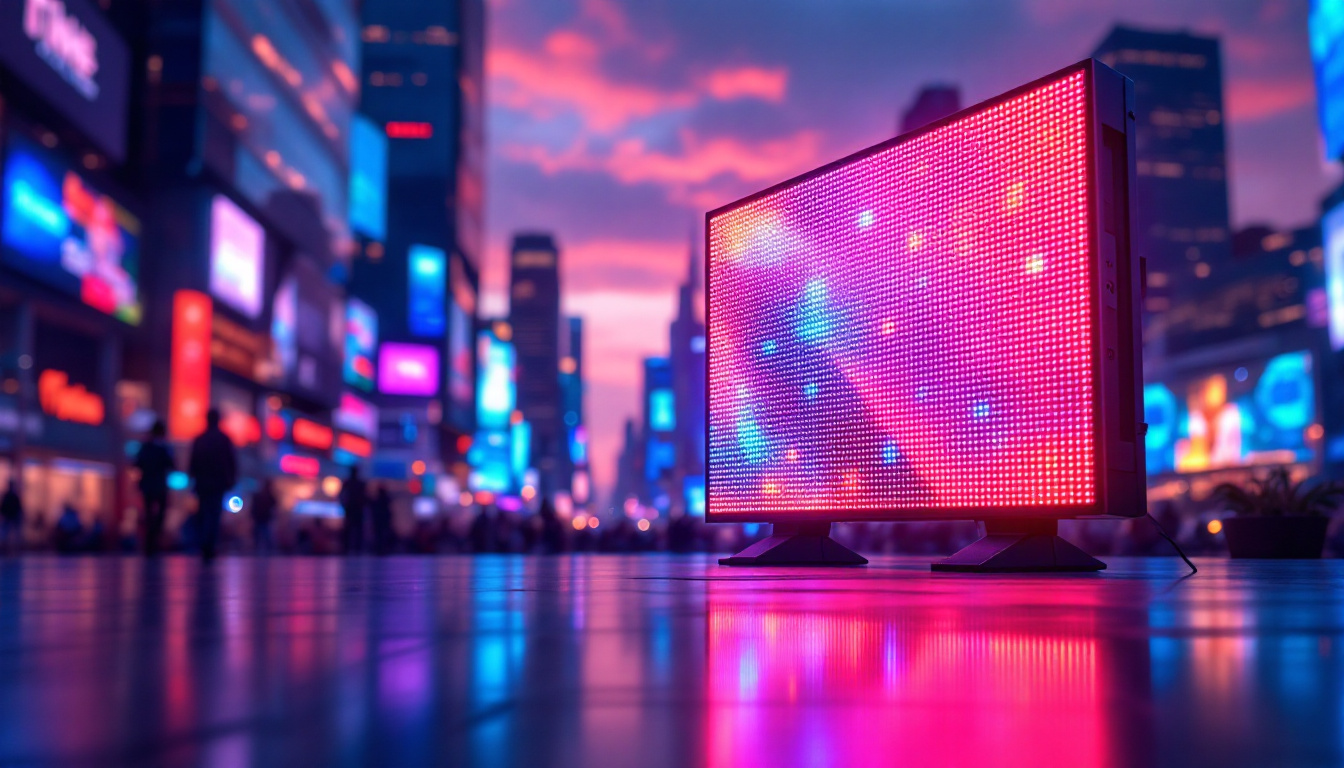
LED stands for Light Emitting Diode, a semiconductor light source that emits light when an electric current flows through it. An LED display is a flat panel or flexible surface that uses an array of LEDs as pixels to create images, videos, or text. These displays are known for their brightness, color vibrancy, energy efficiency, and durability.
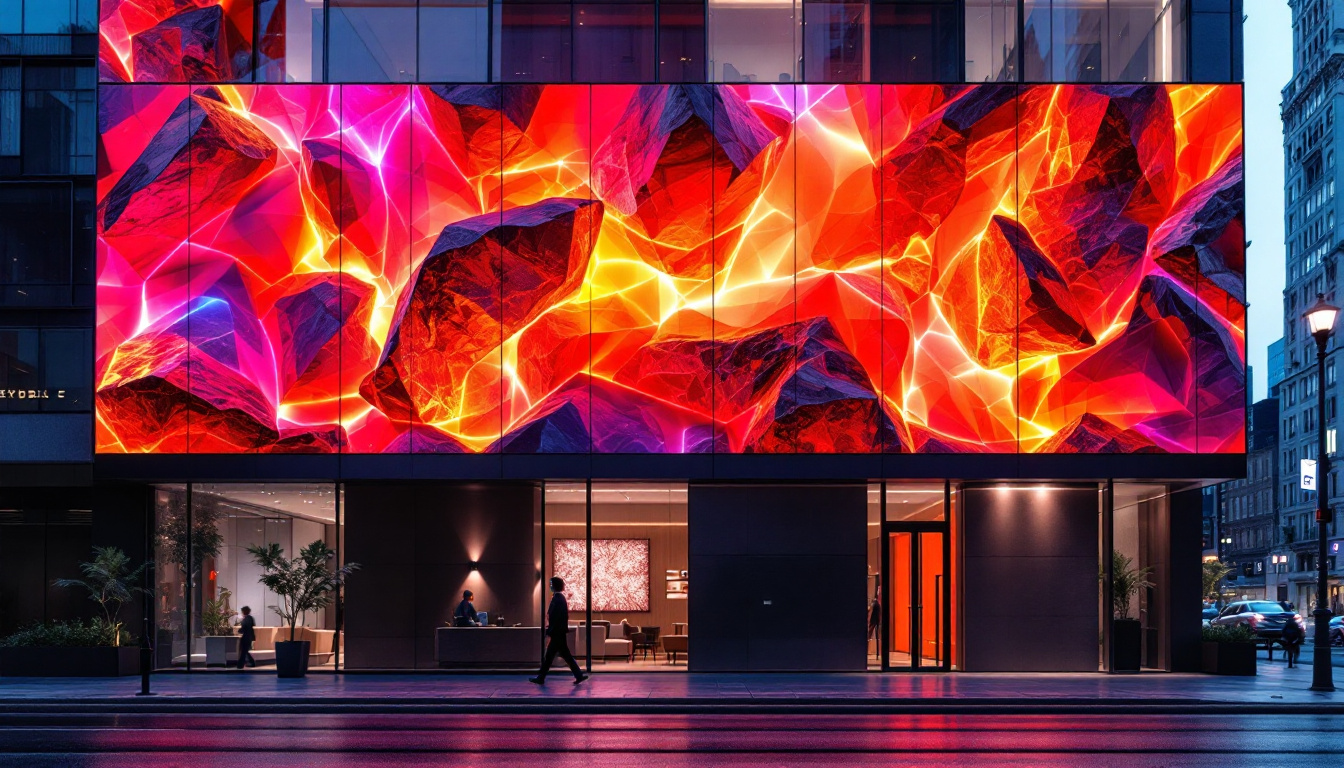
Unlike traditional LCD or projection screens, LED displays produce their own light, which enables them to perform exceptionally well in various lighting conditions, including direct sunlight. This makes LED screens ideal for both indoor and outdoor use, ranging from small retail signage to massive stadium video walls. Moreover, the modular nature of LED technology allows for a wide variety of shapes and sizes, making it possible to create custom installations that fit specific design requirements. This flexibility has led to innovative applications in architecture and art, where LED displays can be integrated seamlessly into buildings or used as dynamic canvases for artistic expression.
Common Uses of LED Displays
LED technology has revolutionized visual communication across multiple sectors:
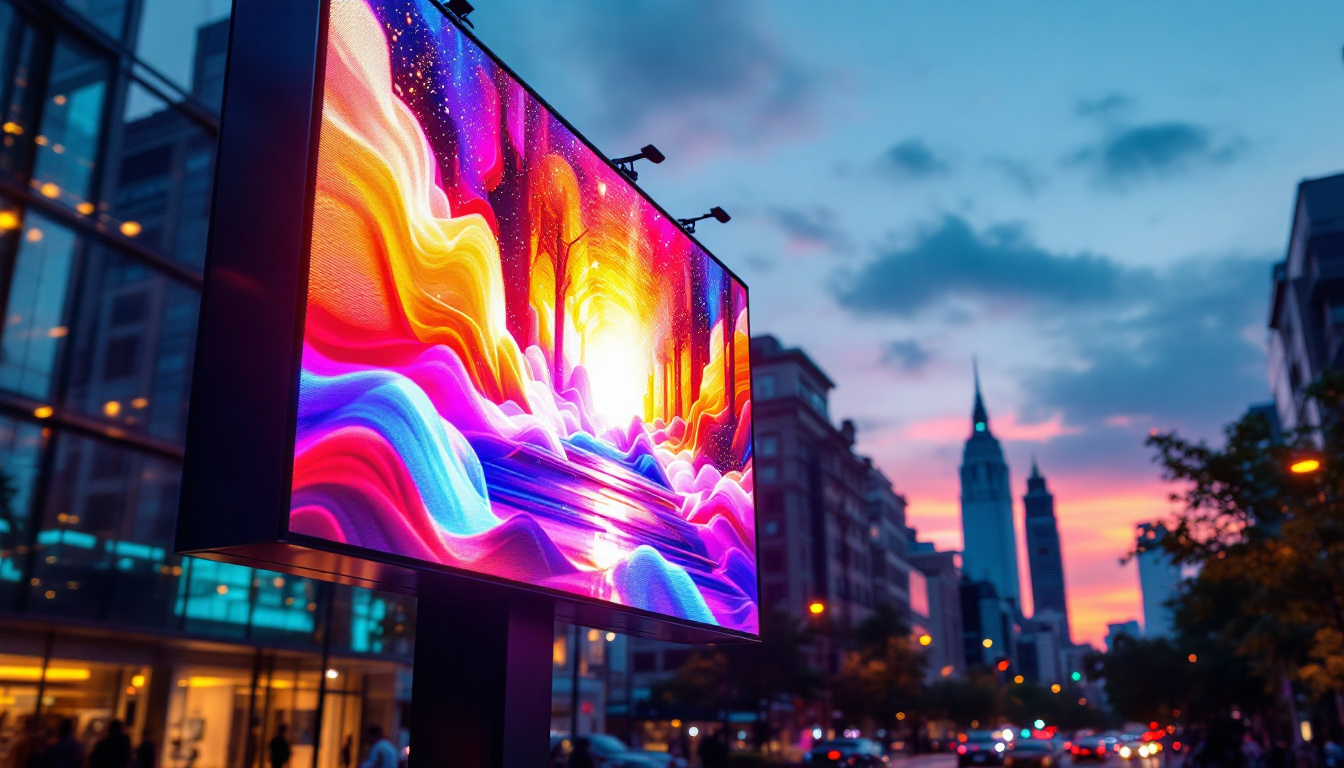
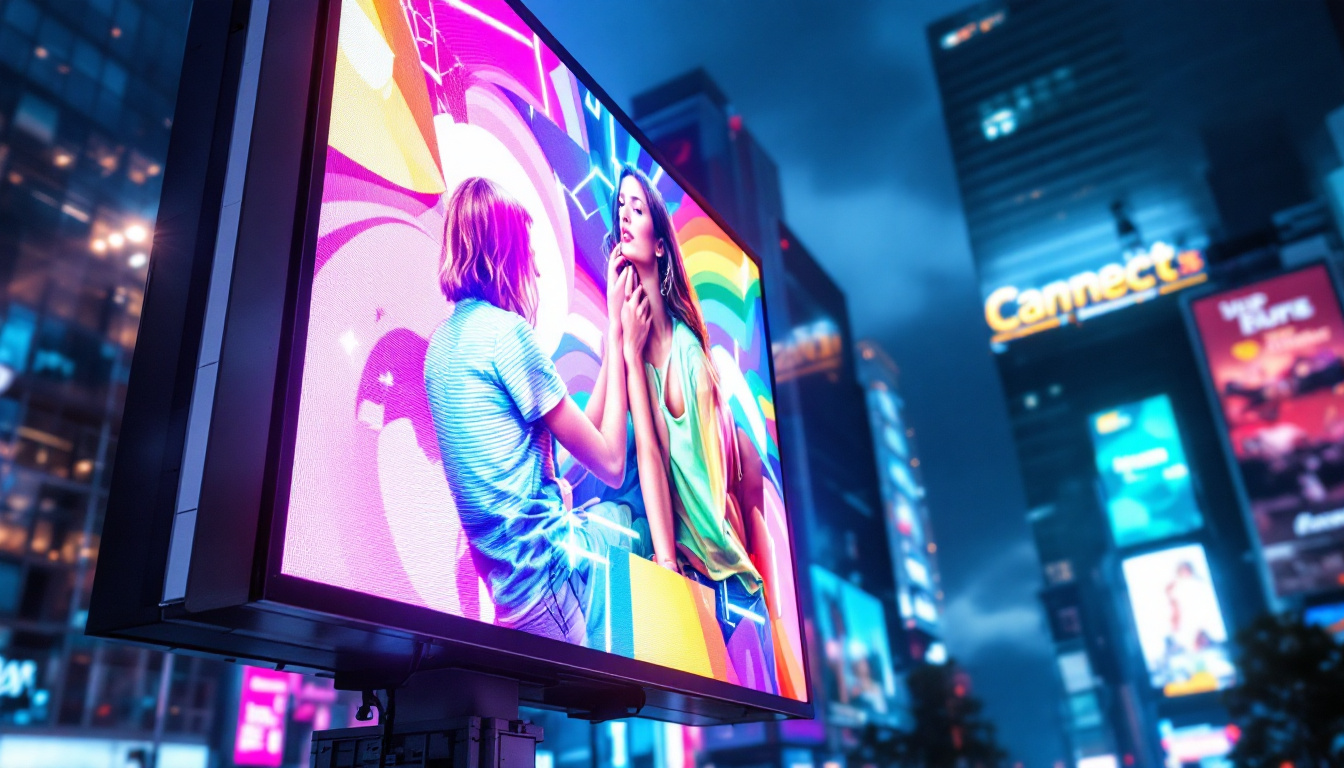
- Advertising and Marketing: Outdoor billboards, digital signage, and interactive displays in shopping malls and transit hubs.
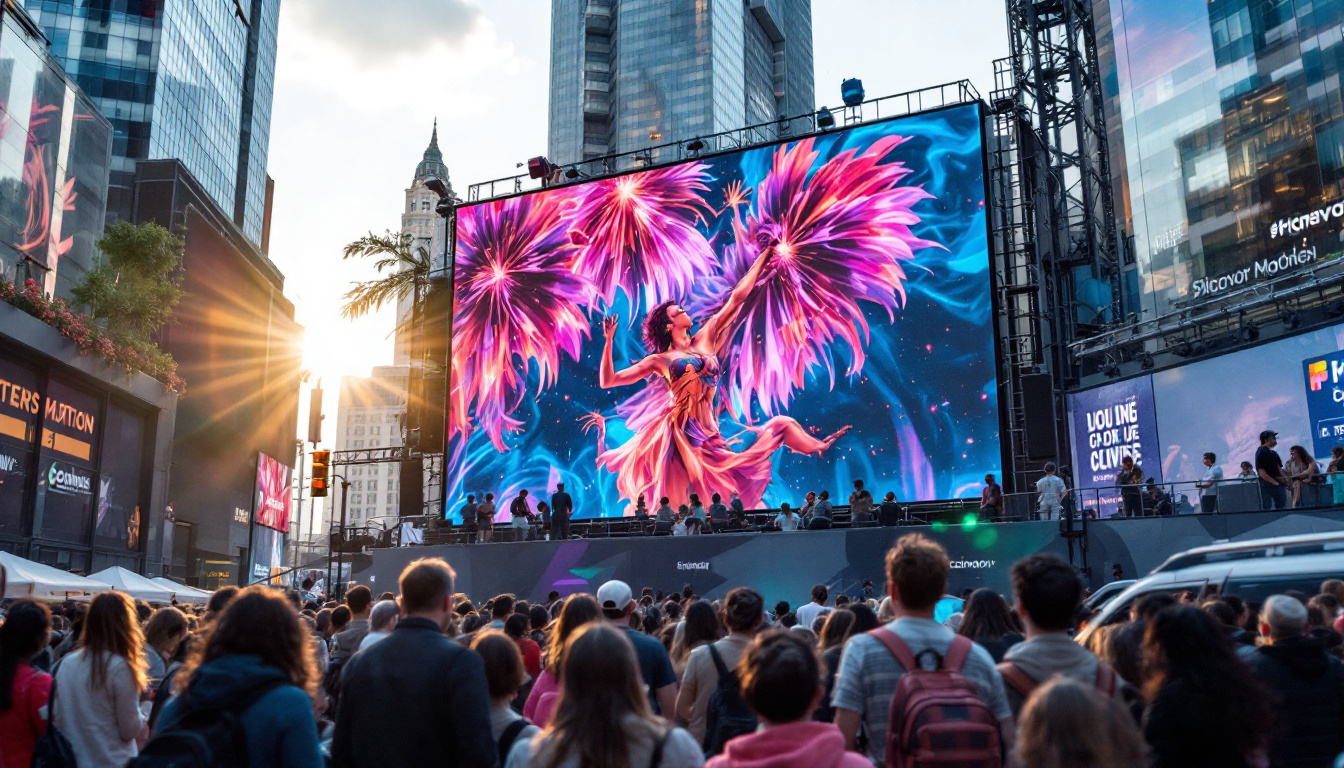
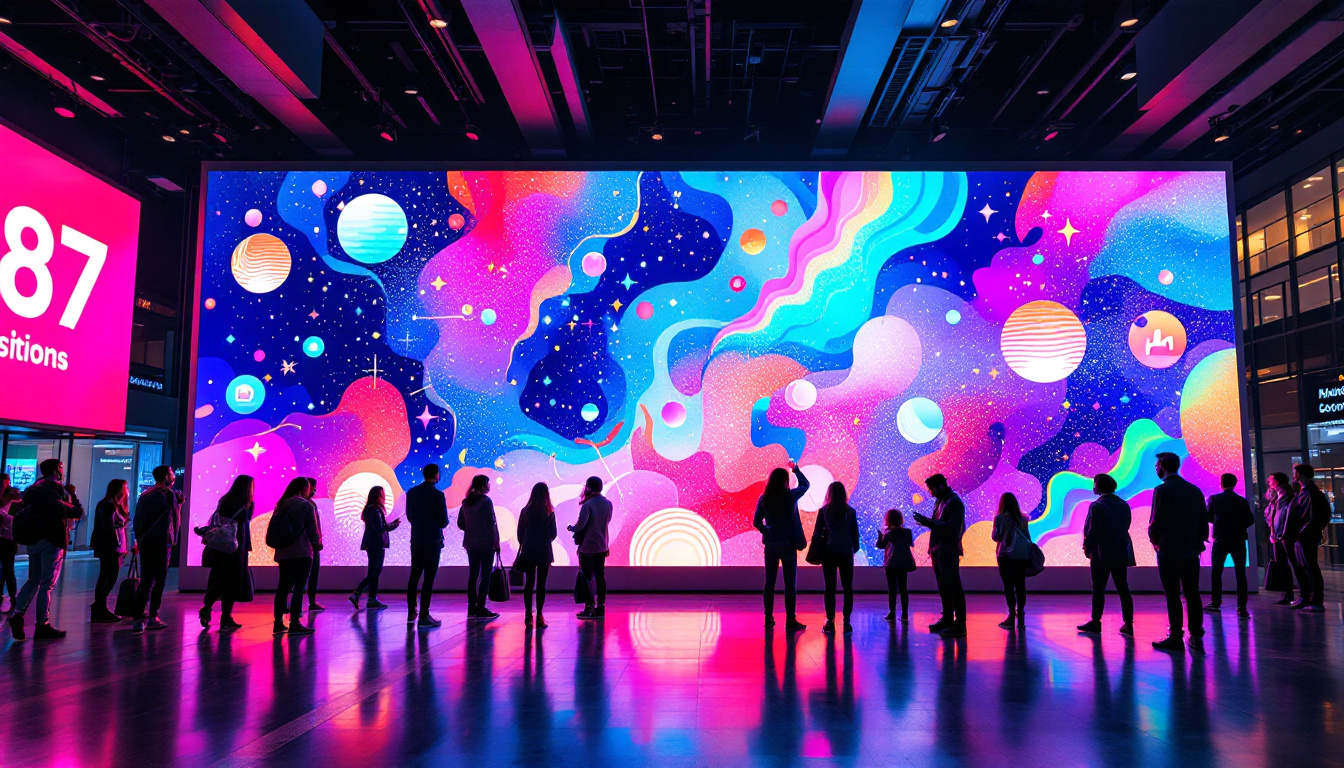
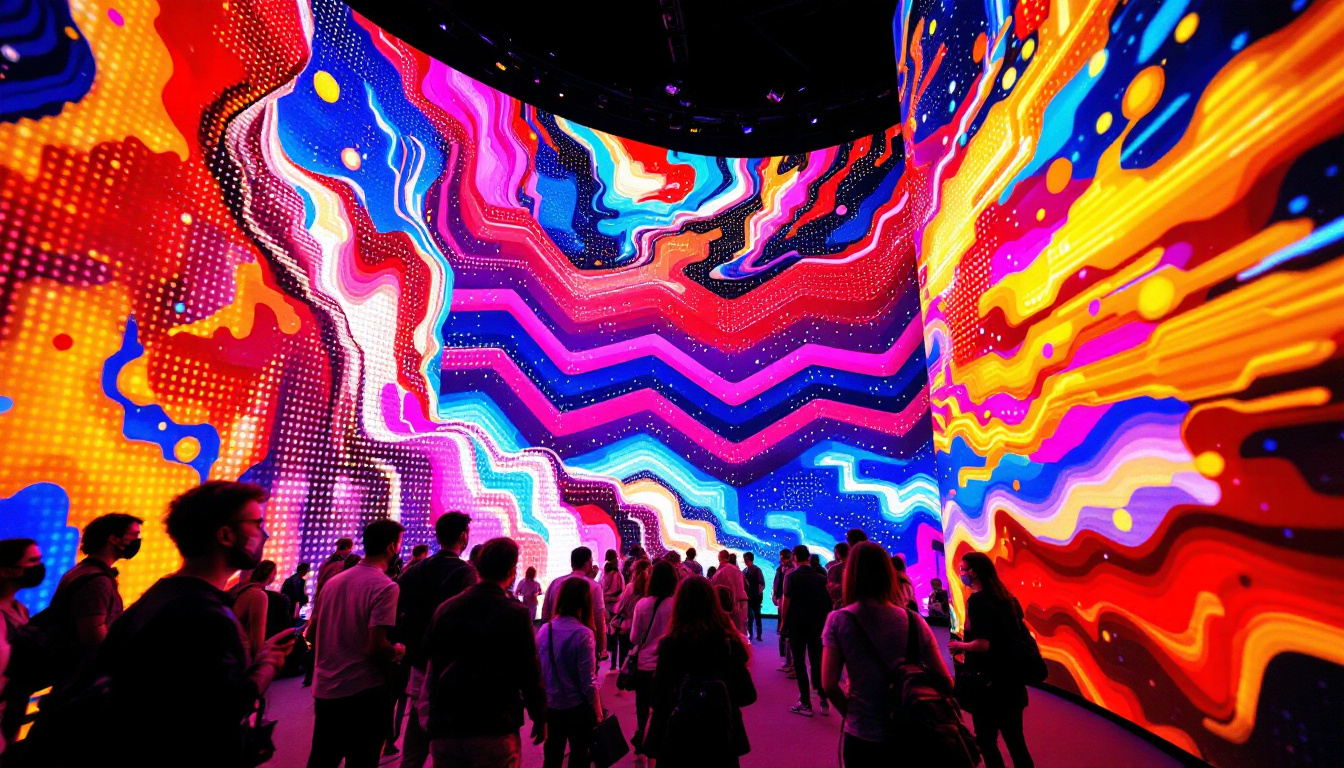
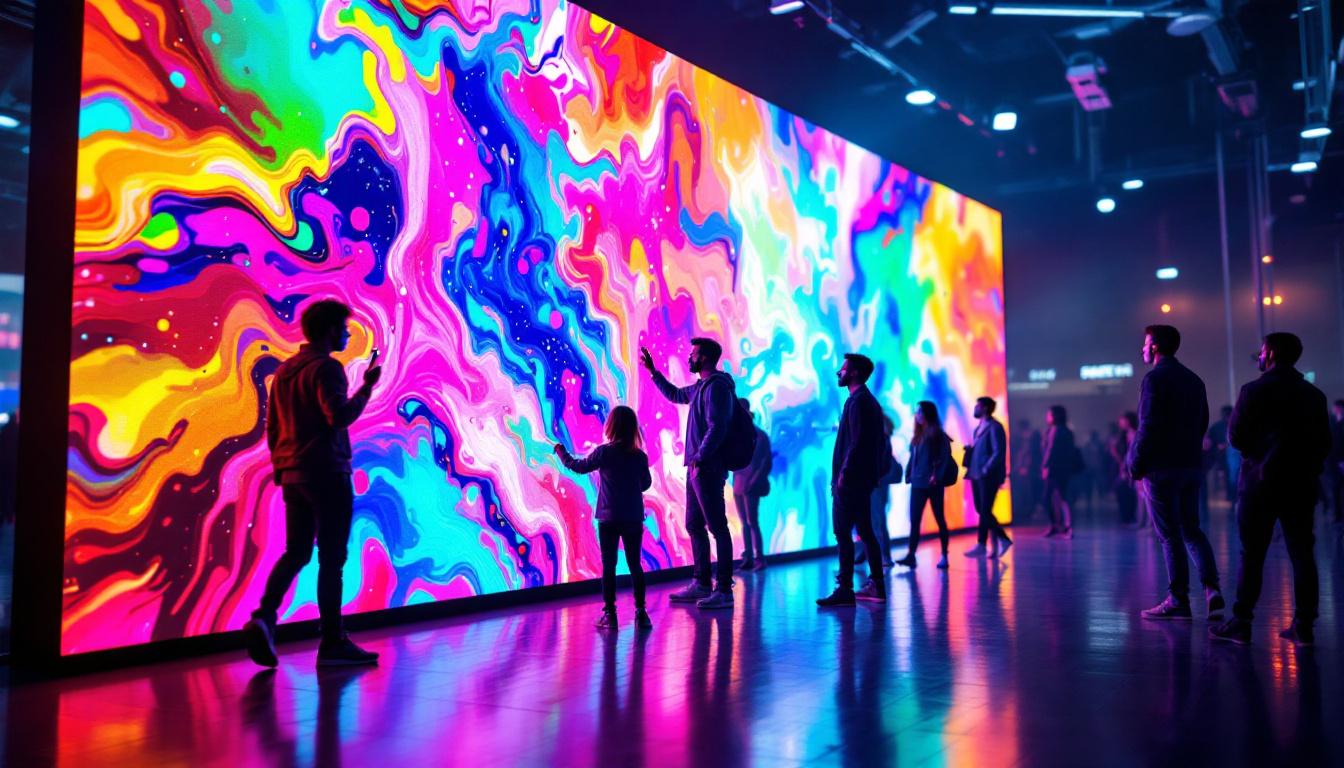
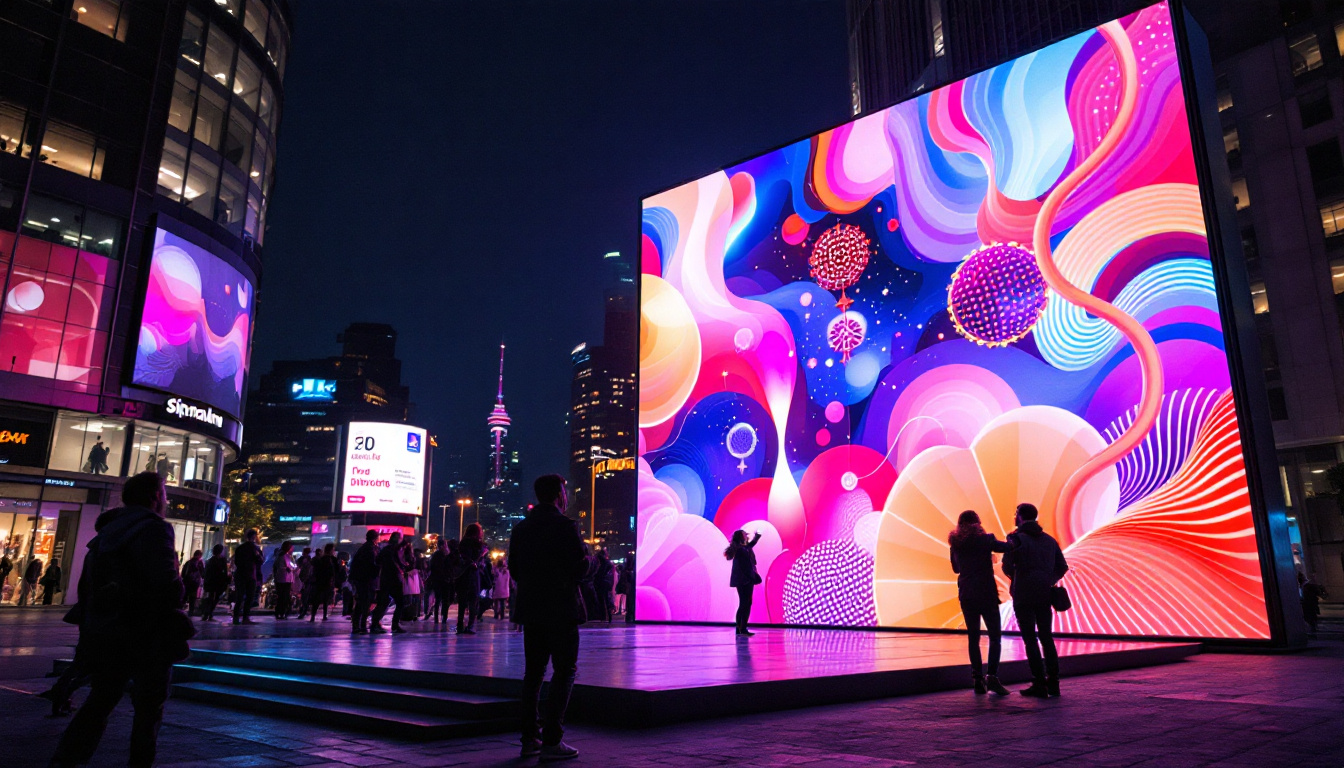
- Events and Entertainment: Concerts, conferences, trade shows, and sports arenas utilize large LED walls to engage audiences with dynamic content.
- Corporate Communications: Internal messaging, presentations, and lobby displays enhance brand presence and employee engagement.
- Public Information Systems: Transportation terminals, government buildings, and emergency alert systems rely on LED displays for real-time updates.
In addition to these common uses, LED displays have found their way into the realm of education, where they serve as interactive learning tools in classrooms and lecture halls. By providing a visually engaging platform, educators can present complex information in a more digestible format, enhancing student comprehension and retention. Furthermore, the rise of smart cities has led to the incorporation of LED technology in urban planning, where displays are used to convey important information to residents and visitors, such as traffic updates and event notifications. This integration not only improves communication but also fosters a sense of community by keeping citizens informed and engaged.
Another exciting application of LED technology is in the field of healthcare. Hospitals and clinics are increasingly using LED displays for patient information systems, wayfinding, and even as part of therapeutic environments. The calming effects of certain colors and light patterns can contribute to patient well-being, making LED displays not just functional, but also beneficial to mental health. As technology continues to advance, we can expect to see even more innovative uses for LED displays, pushing the boundaries of how we communicate and interact with our environments.
Why Rent LED Screens? Key Advantages of Screen on Rent
Cost Efficiency and Budget Management
Purchasing LED displays involves a substantial upfront capital expenditure, often running into tens or hundreds of thousands of dollars depending on size, resolution, and features. For businesses or event organizers with temporary or occasional needs, this investment may not be justifiable.
Renting LED screens allows organizations to access high-quality display technology without the burden of ownership costs such as maintenance, storage, and depreciation. Rental agreements typically include installation, technical support, and removal, streamlining the entire process and reducing hidden expenses.
Access to Latest Technology and Flexibility
The LED display market is rapidly evolving, with continuous improvements in pixel pitch, brightness, energy consumption, and software capabilities. Renting enables users to leverage the latest technology for each project, ensuring optimal visual impact without being locked into outdated equipment.
Moreover, rental services offer a variety of screen sizes and configurations—from small indoor panels to massive outdoor video walls—allowing tailored solutions for different venues and audience sizes. This flexibility is invaluable for businesses that handle diverse events or campaigns.
Reduced Logistical and Technical Challenges
Setting up LED displays requires specialized knowledge, including mounting, calibration, and content management. Rental providers typically offer comprehensive services, including delivery, installation, real-time monitoring, and on-site technical support, minimizing the risk of technical issues during critical moments.
This support is particularly beneficial for organizations without in-house AV expertise, ensuring smooth operations and professional presentation quality.
Types of LED Displays Available for Rent
Indoor vs. Outdoor LED Screens
One of the primary distinctions in LED displays is their suitability for indoor or outdoor use. Indoor LED screens generally have a finer pixel pitch (distance between LEDs), resulting in higher resolution and image clarity at close viewing distances. They are designed to operate in controlled lighting environments.
Outdoor LED screens, on the other hand, feature higher brightness levels (often exceeding 5,000 nits) to remain visible under direct sunlight. They are built to withstand weather elements such as rain, wind, and dust, with robust enclosures and waterproofing.
Fixed vs. Rental LED Displays
Fixed LED installations are permanent setups in locations like stadiums, retail stores, or corporate lobbies. Rental LED displays are modular and portable, designed for quick assembly and disassembly. Rental units often come with standardized panel sizes and mounting systems to facilitate rapid deployment.
Common Configurations and Sizes
Rental LED screens come in various sizes and aspect ratios. Popular configurations include:
- Video Walls: Multiple LED panels combined to create large-scale displays, often used in concerts and exhibitions.
- Transparent LED Screens: Allow light and visibility through the screen, ideal for storefront windows and glass facades.
- Curved and Flexible LED Panels: Used for creative installations and immersive environments.
Choosing the right configuration depends on the event type, venue constraints, and content requirements.
Factors to Consider When Renting LED Displays
Resolution and Pixel Pitch
Resolution is a critical factor determining the clarity of the displayed content. Pixel pitch, measured in millimeters, indicates the distance between individual LEDs. A smaller pixel pitch means higher resolution and sharper images, especially important for close-up viewing.
For indoor events where audiences are near the screen, pixel pitches of 1.5mm to 3mm are common. Outdoor screens, viewed from greater distances, often have pixel pitches ranging from 4mm to 10mm or more.
Brightness and Viewing Distance
Brightness levels must be sufficient to overcome ambient light conditions. Outdoor LED displays require high brightness to remain visible in daylight, while indoor screens can operate at lower brightness levels to avoid glare.
Additionally, understanding the typical viewing distance helps determine the appropriate screen size and resolution, ensuring optimal audience experience.
Content Management and Compatibility
Modern LED rental services often include content management systems (CMS) that enable easy uploading, scheduling, and real-time updates of displayed content. Compatibility with various media formats and integration with live feeds or social media enhances interactivity and engagement.
Clients should verify that the rental provider supports the required content formats and offers training or assistance with CMS tools.
Installation and Support Services
Reliable installation and technical support are vital to avoid disruptions. Confirming the rental provider’s capabilities, response times, and on-site presence can prevent last-minute challenges.
Some providers also offer additional services such as content creation, graphic design, and event consulting, adding value beyond the hardware.
Case Studies: Successful Use of Screen on Rent LED Displays
Major Sporting Events
International sports tournaments frequently rely on rented LED screens to deliver live action, instant replays, and advertising. For example, during the FIFA World Cup and the Olympics, organizers deploy massive outdoor LED video walls that can be quickly assembled and dismantled across multiple venues.
This approach allows event managers to maintain visual consistency, engage fans with immersive content, and monetize advertising spaces without permanent infrastructure costs.
Corporate Conferences and Product Launches
Companies often rent LED displays for product launches, conferences, and trade shows to create impactful presentations and brand experiences. For instance, technology firms may use high-resolution indoor LED walls to showcase product demos and interactive content, enhancing audience engagement.
Renting also enables these companies to customize screen sizes and layouts to fit unique venue specifications and event themes.
Retail and Promotional Campaigns
Retailers and brands leverage rented LED displays for short-term promotional campaigns, pop-up stores, and seasonal events. Transparent LED screens installed on storefront windows attract passersby with dynamic visuals without obstructing natural light.
This flexibility allows brands to experiment with innovative marketing strategies without committing to permanent installations.
How to Choose a Reliable LED Screen Rental Provider
Assessing Provider Experience and Reputation
Choosing a rental provider with proven expertise and positive client feedback is essential. Experienced providers understand the nuances of different event types and can recommend optimal solutions tailored to specific needs.
Evaluating Equipment Quality and Variety
Inspecting the provider’s inventory ensures access to modern, well-maintained LED panels that meet technical requirements. A diverse range of screen sizes and technologies indicates the ability to handle various projects.
Reviewing Service Packages and Support
Transparent pricing, clear rental terms, and comprehensive support services contribute to a hassle-free experience. Confirming availability of installation crews, technical support, and contingency plans for equipment failure is crucial.
Conclusion: Embracing the Future of Visual Communication with LED Screen Rentals
LED displays have transformed the way organizations communicate, advertise, and entertain. Renting LED screens offers a strategic advantage by providing access to state-of-the-art technology, cost savings, and operational flexibility. Whether for a one-time event or recurring campaigns, screen on rent solutions empower businesses to deliver captivating visual experiences without the complexities of ownership.
As LED technology continues to advance, rental services will play an increasingly vital role in democratizing access to high-impact digital displays, enabling creativity and engagement across industries.
Discover LumenMatrix’s Innovative LED Display Solutions
Ready to elevate your visual communication strategy with the latest in LED display technology? LumenMatrix is at the forefront of creating immersive and dynamic visual experiences. From Indoor and Outdoor LED Walls to specialized solutions like Vehicle Displays, LED Posters, Sports Displays, and even Custom and Transparent LED options, we have the tools to bring your vision to life. Embrace the future of digital signage with LumenMatrix and transform how you connect with your audience. Check out LumenMatrix LED Display Solutions today and start crafting your unforgettable visual narrative.