In the rapidly evolving world of display technology, LED screens have emerged as a dominant force across various industries, from consumer electronics to large-scale advertising and entertainment. Understanding the fundamentals of LED displays—their construction, advantages, and applications—can provide valuable insight into why this technology continues to shape how we experience visual content.
What is an LED Display?
LED stands for Light Emitting Diode, a semiconductor device that emits light when an electric current passes through it. An LED display is a flat panel display that uses an array of these tiny light sources to produce images, videos, and text. Unlike traditional LCD (Liquid Crystal Display) screens that rely on backlighting, LED displays generate their own light, which contributes to their superior brightness and contrast. This intrinsic ability to produce light allows LED displays to achieve higher levels of brightness, making them particularly effective in outdoor environments where sunlight can wash out other types of displays.
LED displays come in various forms, including direct-view LED panels and LED-backlit LCDs. The term “LED display” often refers to direct-view LED technology, where each pixel consists of one or more LEDs that emit red, green, and blue light to create a full spectrum of colors. This versatility in design means that LED displays can be found in a wide range of applications, from large-scale billboards and stadium screens to smaller screens used in smartphones and televisions. Their energy efficiency and long lifespan further enhance their appeal, making them a popular choice for both commercial and residential use.
How LED Displays Work
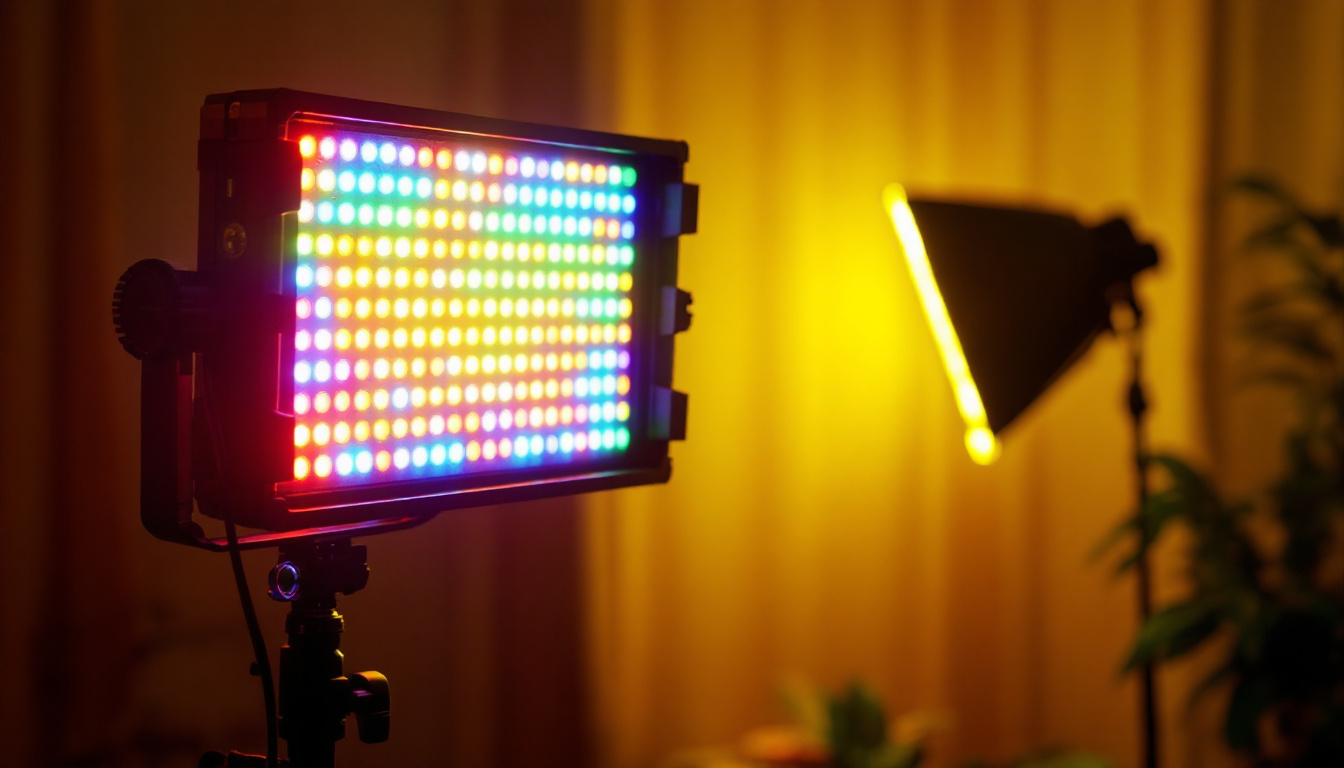
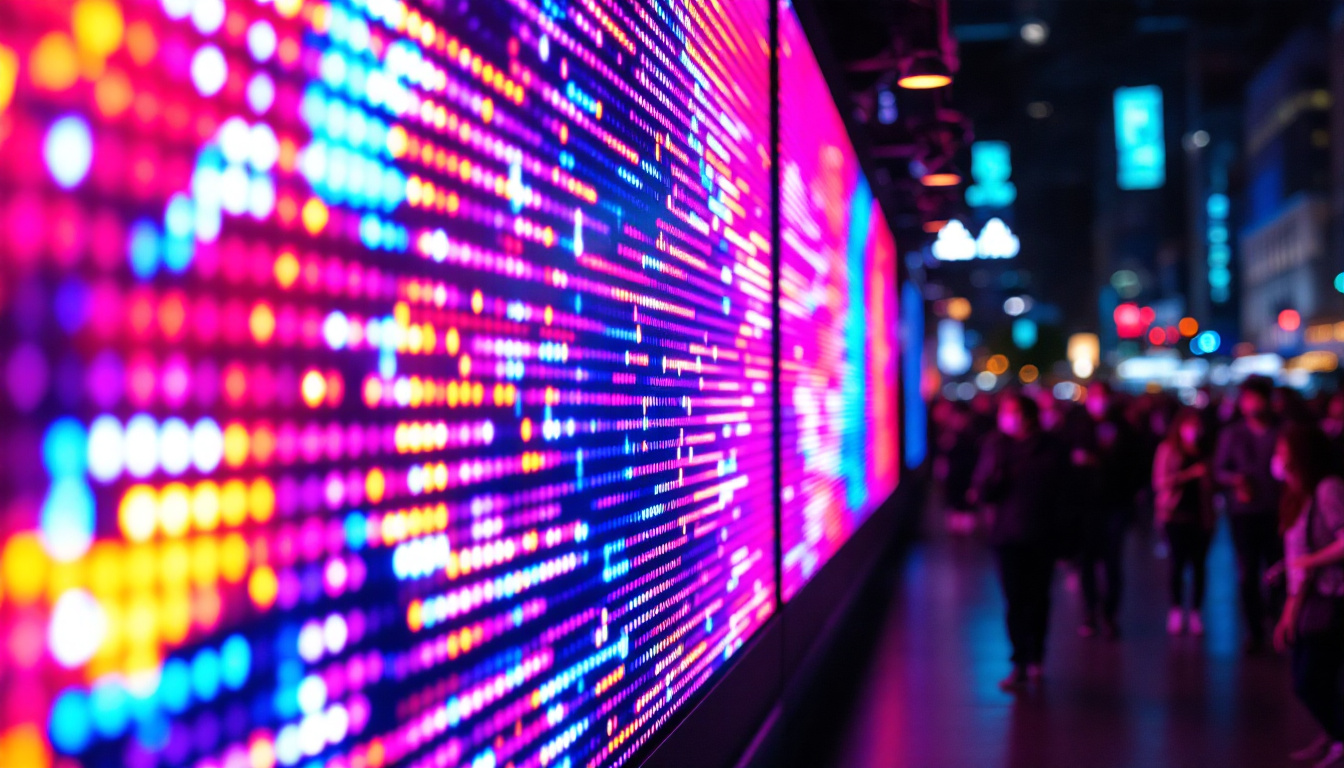
At the core of an LED display is the pixel, the smallest unit of the image. Each pixel is composed of subpixels that emit red, green, and blue light. By varying the intensity of each subpixel, the display can render millions of colors. When these pixels are arranged in a grid and controlled by sophisticated electronics, they form the images and videos we see on the screen. The technology behind LED displays also allows for rapid refresh rates, which is crucial for displaying fast-moving content without blurring or ghosting effects, making them ideal for sports broadcasts and gaming.
Direct-view LED displays use discrete LEDs for each pixel, which can be arranged with varying pixel pitches—the distance between the centers of adjacent pixels. A smaller pixel pitch results in higher resolution and sharper images, especially important for close viewing distances. Additionally, advancements in LED technology have led to the development of flexible and transparent displays, opening up new possibilities for creative applications in architecture and advertising. These innovations not only enhance visual experiences but also allow for unique designs that can integrate seamlessly into various environments, further expanding the versatility of LED displays in modern technology.
Types of LED Displays
LED display technology has diversified significantly, adapting to different use cases and environments. Understanding the main types helps clarify their unique benefits and limitations.
1. Direct-View LED Displays
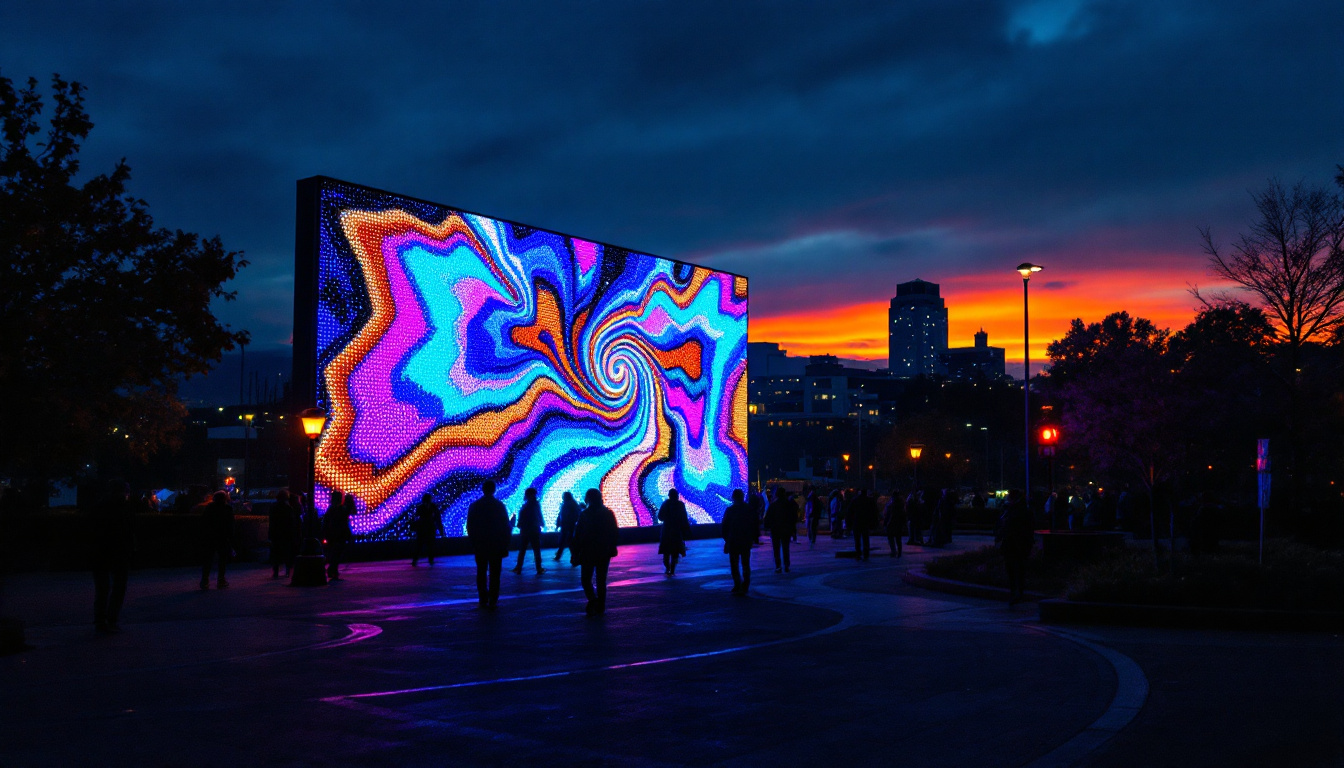
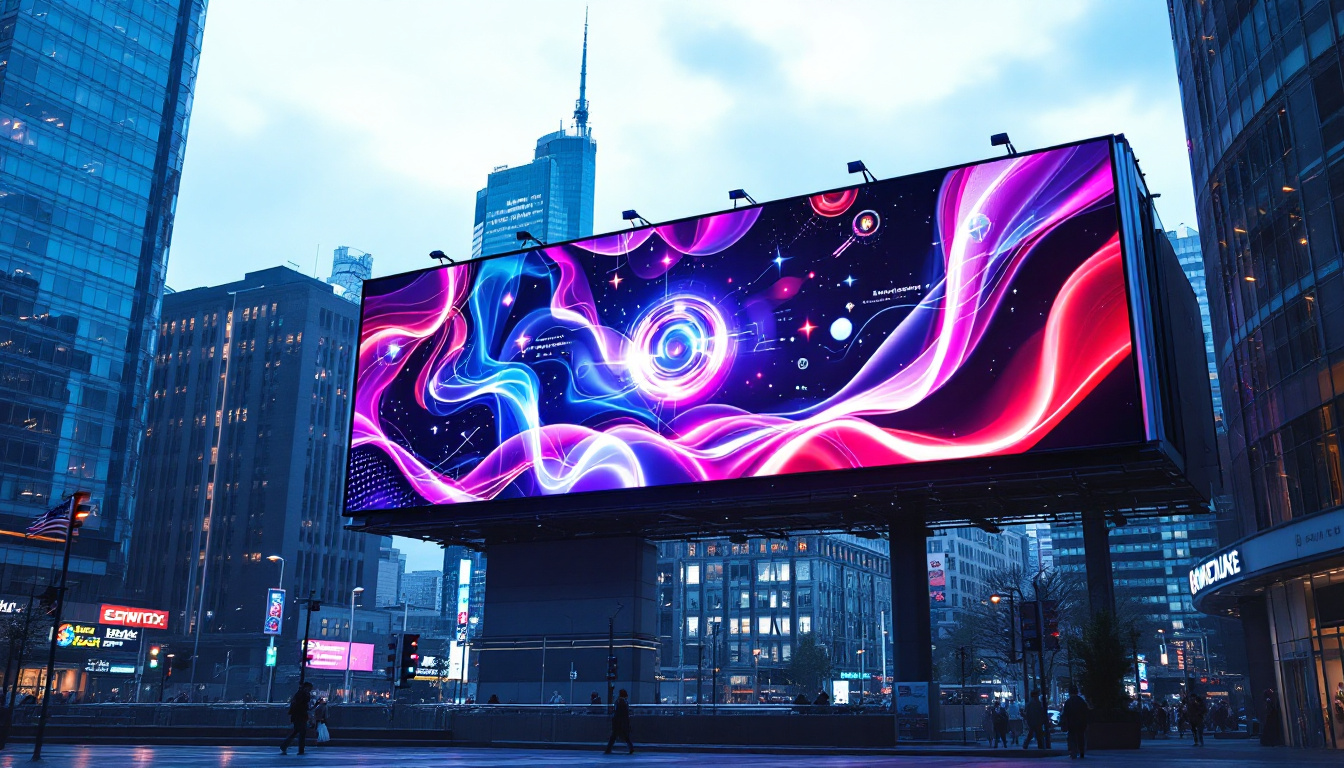
Direct-view LED (DVLED) displays are composed of individual LEDs that form the image directly. These are commonly used in large-scale applications such as stadium screens, digital billboards, and concert backdrops. Their ability to produce extremely high brightness levels makes them ideal for outdoor use, where sunlight can otherwise wash out the image.
These displays are modular, allowing for custom sizes and shapes. Advances in mini-LED and micro-LED technology are pushing pixel pitches smaller, enabling DVLEDs to be used in indoor environments such as corporate lobbies and retail stores with stunning clarity.
2. LED-Backlit LCD Displays
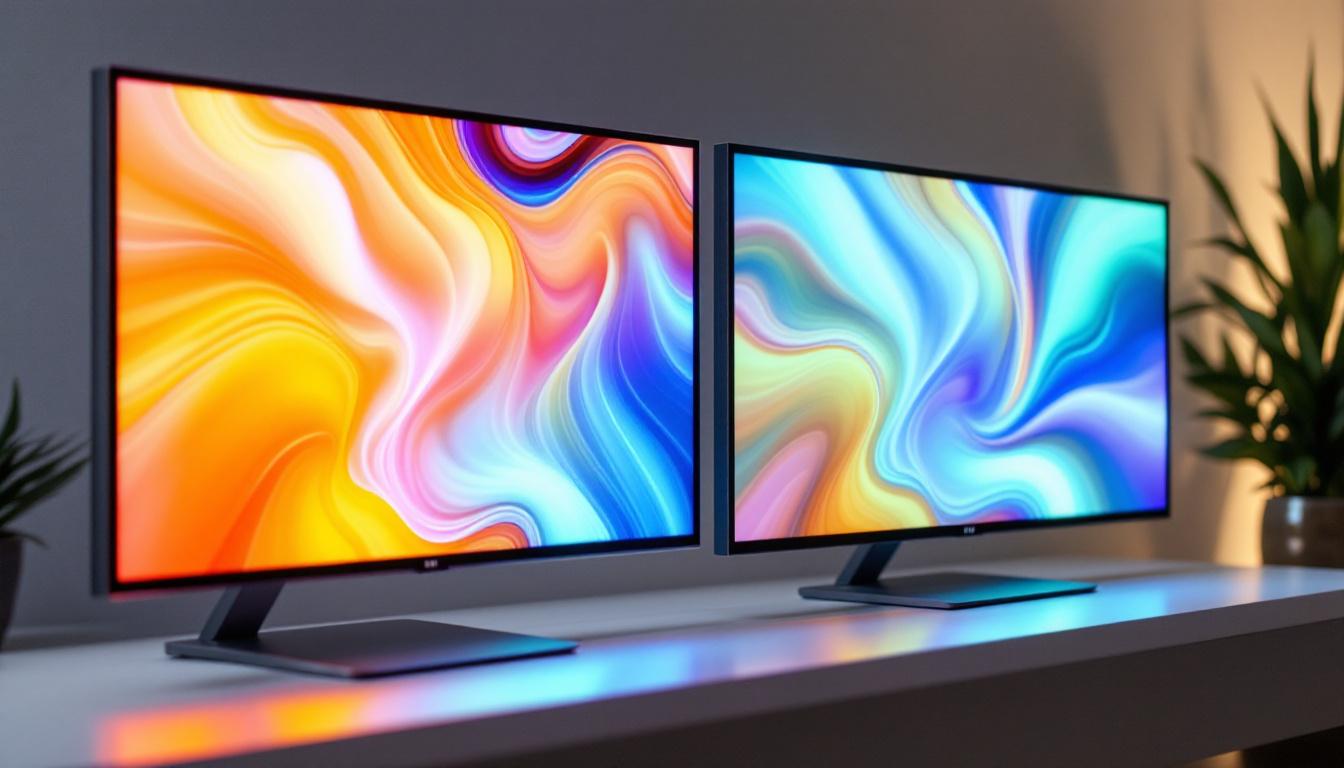
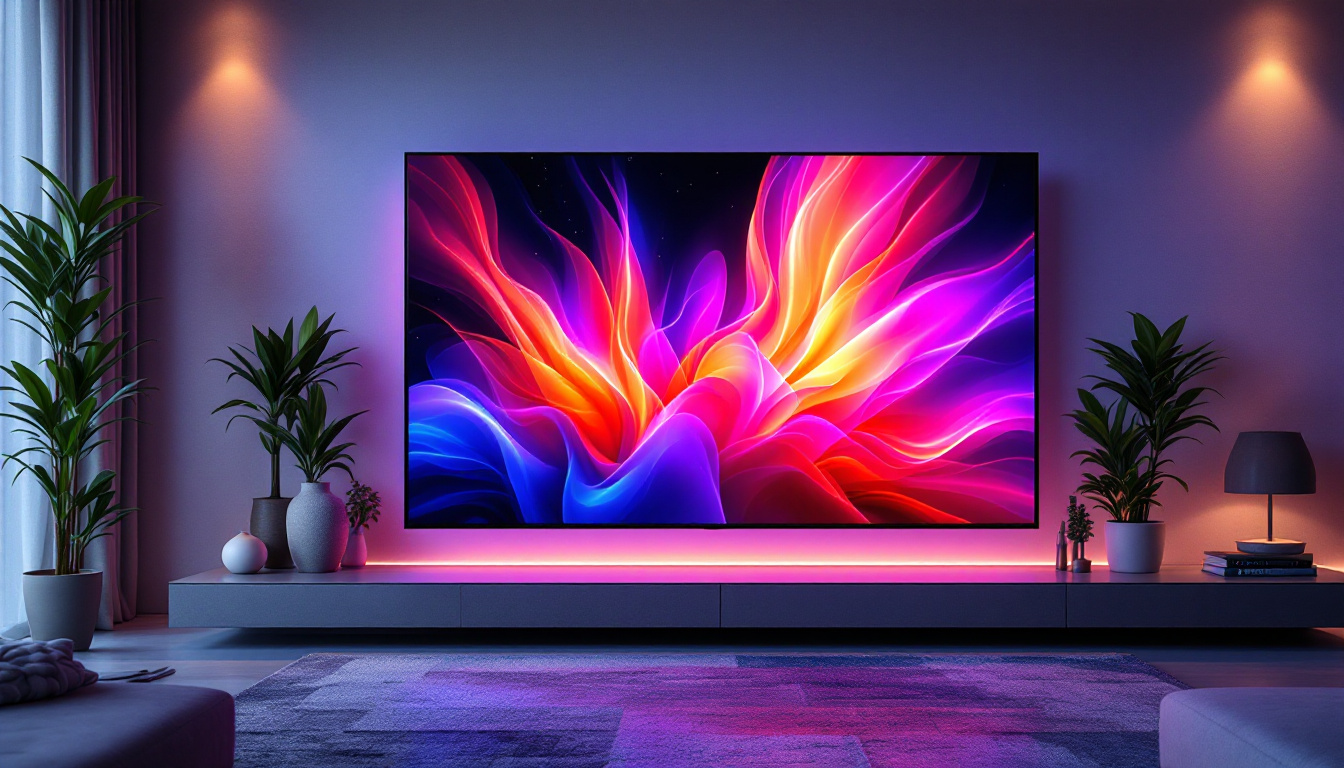
Many consumer devices, including televisions, monitors, and smartphones, use LCD panels illuminated by LED backlights. While the image itself is created by liquid crystals modulating light, the LEDs provide a more energy-efficient and brighter light source compared to older fluorescent backlights.
This hybrid approach combines the color accuracy and resolution of LCDs with the improved brightness and slim form factor enabled by LEDs. However, because the LEDs are behind the screen rather than forming the image directly, these displays generally have lower contrast ratios than direct-view LEDs.
3. OLED vs. LED
Organic Light Emitting Diode (OLED) displays are often compared to LED displays, but they differ fundamentally. OLED pixels emit light individually like direct-view LEDs but use organic compounds. This allows for even thinner displays with perfect black levels since pixels can be turned off completely.
While OLEDs excel in image quality and are popular in smartphones and high-end TVs, LED displays remain dominant in large-format and high-brightness applications due to their durability and scalability.
Advantages of LED Displays
LED technology offers several compelling benefits that have driven its widespread adoption across multiple sectors.
High Brightness and Visibility
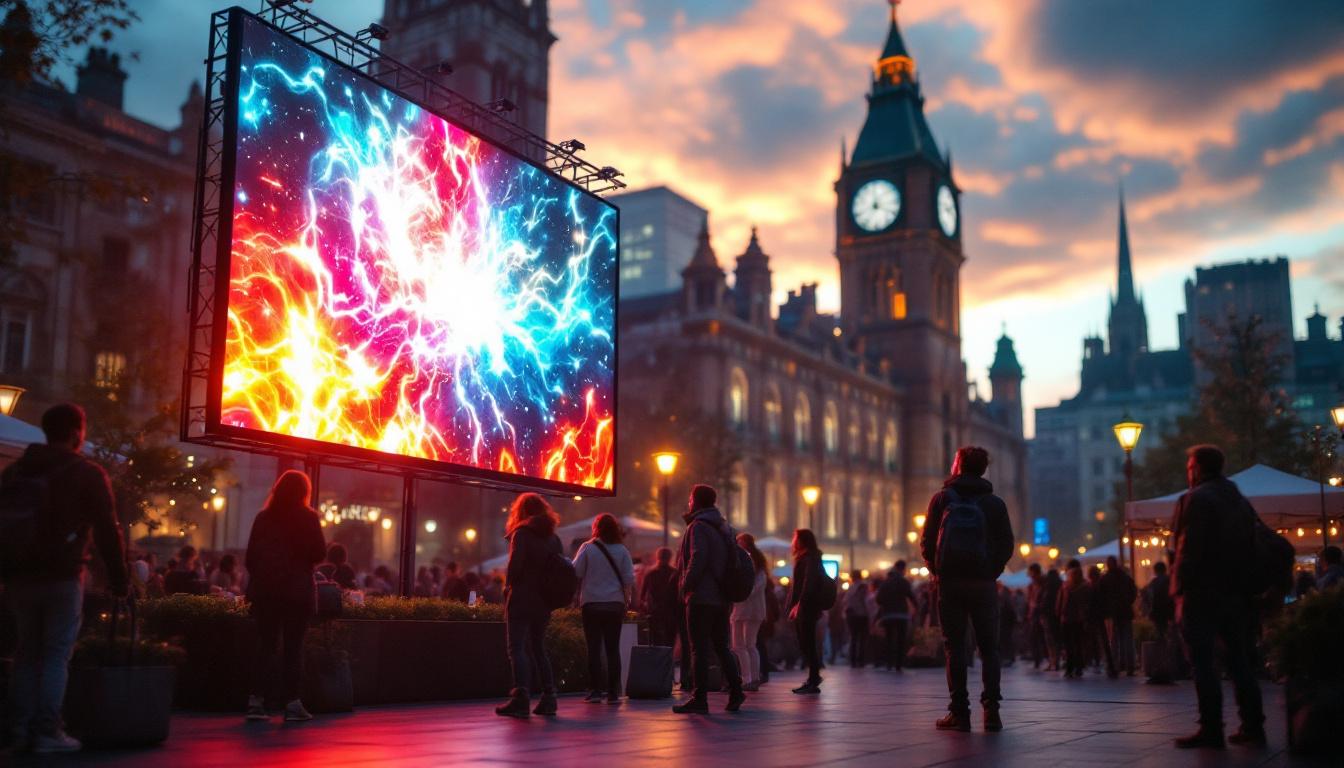
One of the most significant advantages of LED displays is their exceptional brightness. Outdoor LED billboards can reach brightness levels exceeding 5,000 nits, ensuring visibility even under direct sunlight. This makes them indispensable for advertising in urban environments and for public information displays.
Energy Efficiency and Longevity
LEDs are more energy-efficient than traditional light sources, consuming less power to achieve the same brightness. This efficiency translates to lower operating costs, especially important for large installations that run continuously.
Additionally, LEDs have long lifespans, often rated for 50,000 to 100,000 hours of operation before significant degradation. This durability reduces maintenance frequency and costs.
Superior Color Accuracy and Contrast
Because each LED emits pure red, green, or blue light, LED displays can produce vivid colors with high saturation. Direct-view LED screens also offer excellent contrast ratios, especially compared to LCDs with backlighting, since LEDs can be turned off completely to produce true blacks.
Flexibility and Scalability
Modular LED panels can be assembled into virtually any size or shape, from small indoor signage to massive outdoor screens spanning thousands of square feet. This flexibility allows designers to create immersive visual experiences tailored to specific environments.
Applications of LED Displays
The versatility of LED displays has led to their integration in a wide range of fields, each leveraging different strengths of the technology.
Advertising and Digital Signage
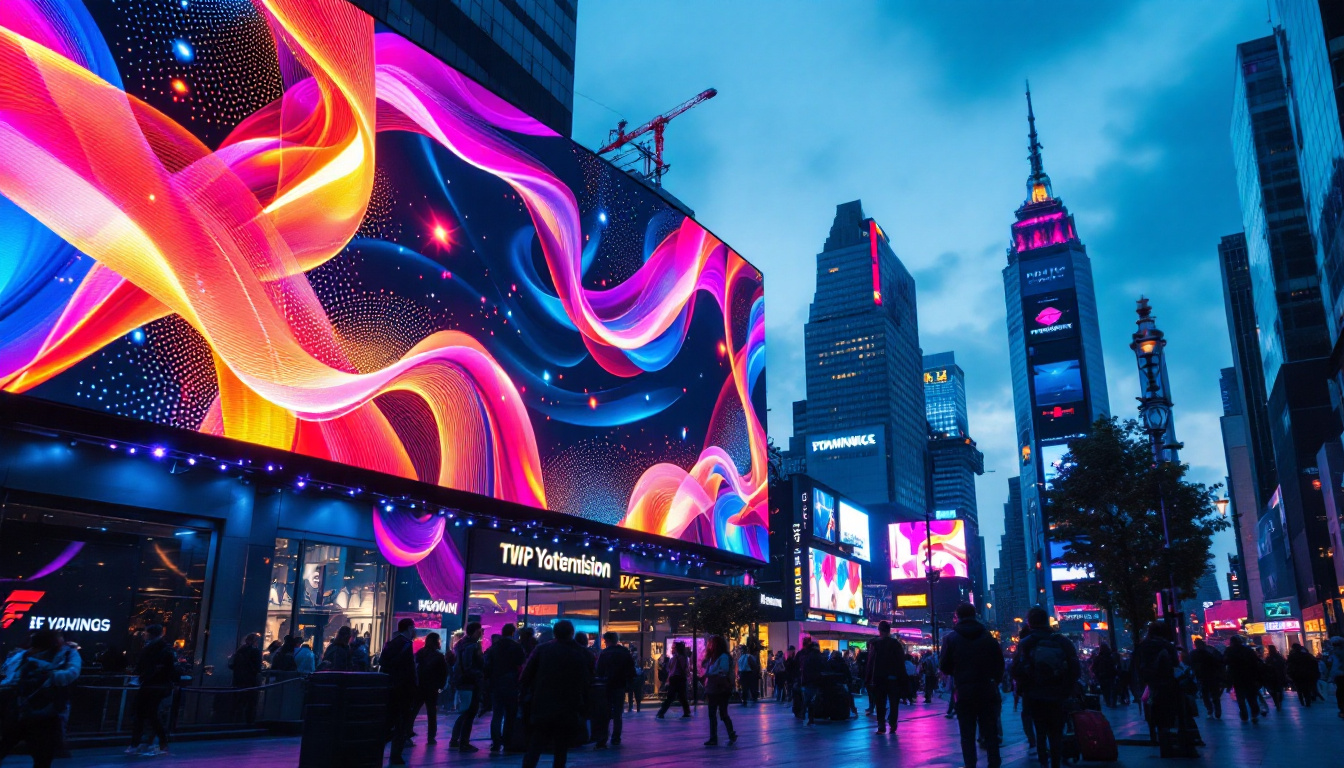
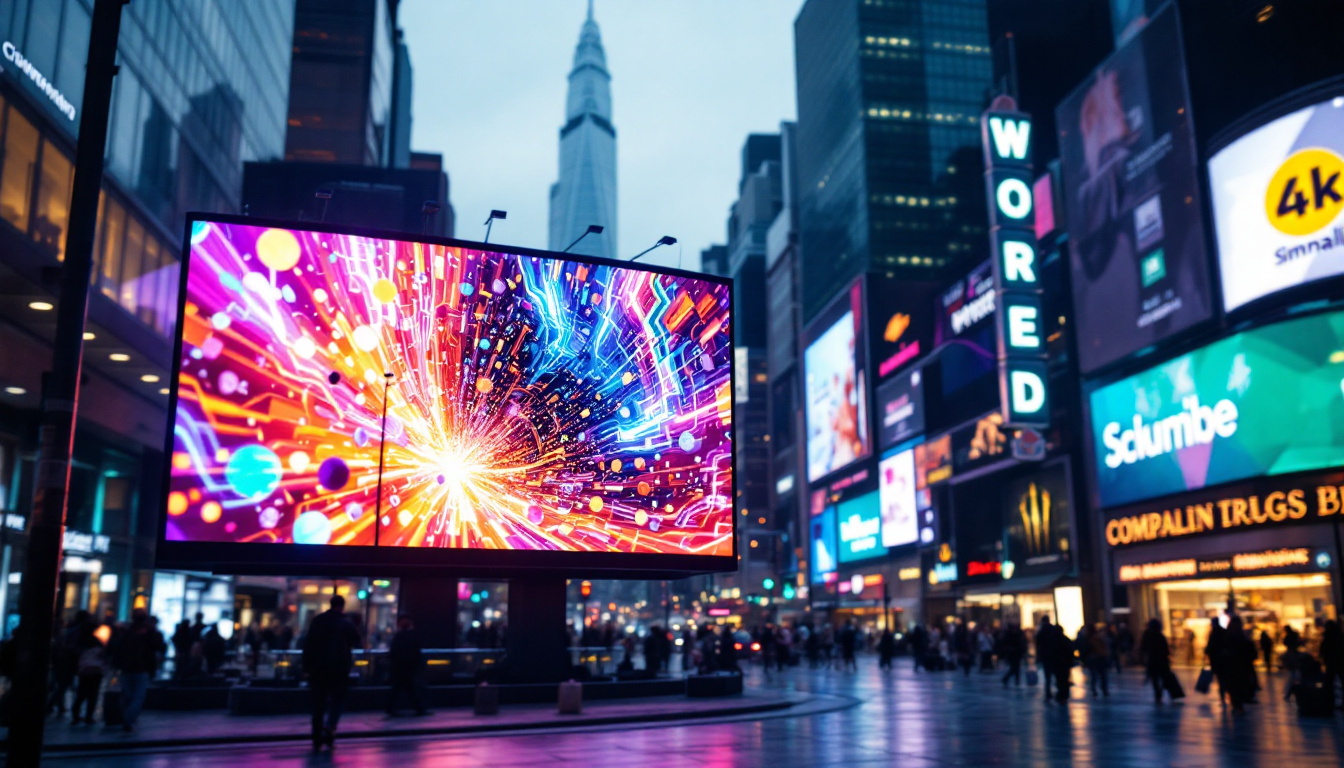
Perhaps the most visible application of LED displays is in advertising. Digital billboards and signage use LED technology to deliver dynamic, eye-catching content that can be updated remotely and in real-time. According to a 2023 report by Grand View Research, the global digital signage market is expected to grow at a compound annual growth rate (CAGR) of 8.3% through 2030, with LED displays playing a central role.
This trend is driven by the ability of LED signage to attract attention and deliver targeted messaging, increasing engagement and return on investment for advertisers.
Entertainment and Events
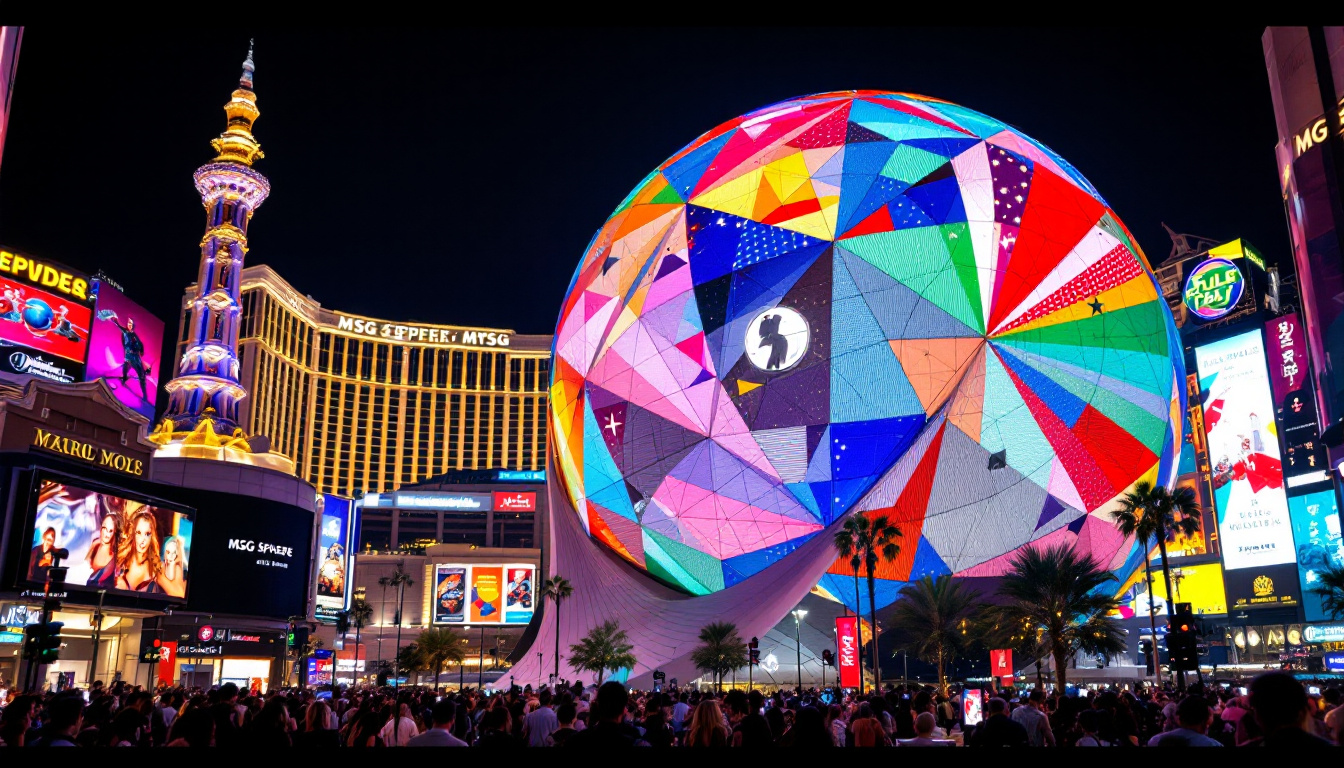
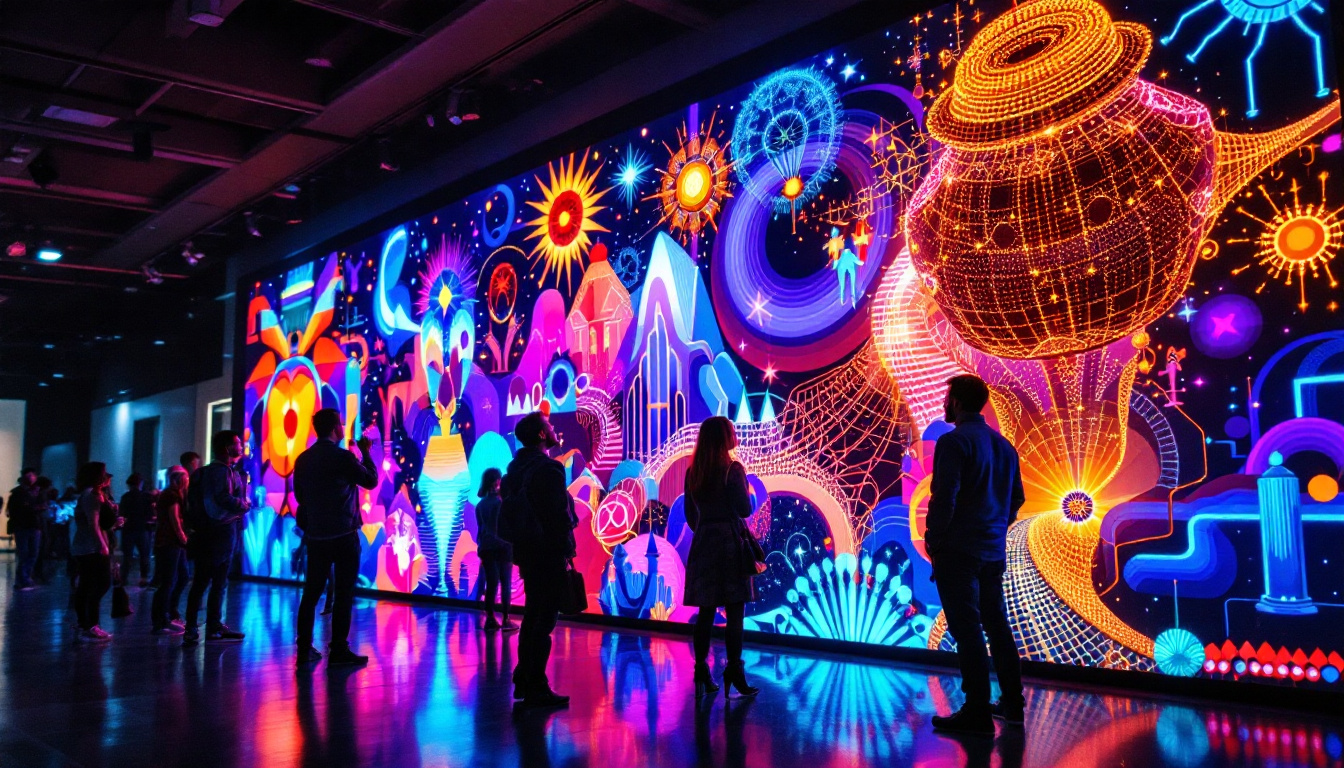
Concerts, sports arenas, and theaters rely heavily on LED screens for immersive visual effects. The high brightness and scalability of LED displays allow for large, vibrant backdrops that enhance the audience experience. For example, the Super Bowl halftime shows frequently utilize enormous LED walls to create dynamic stage environments.
Retail and Corporate Environments
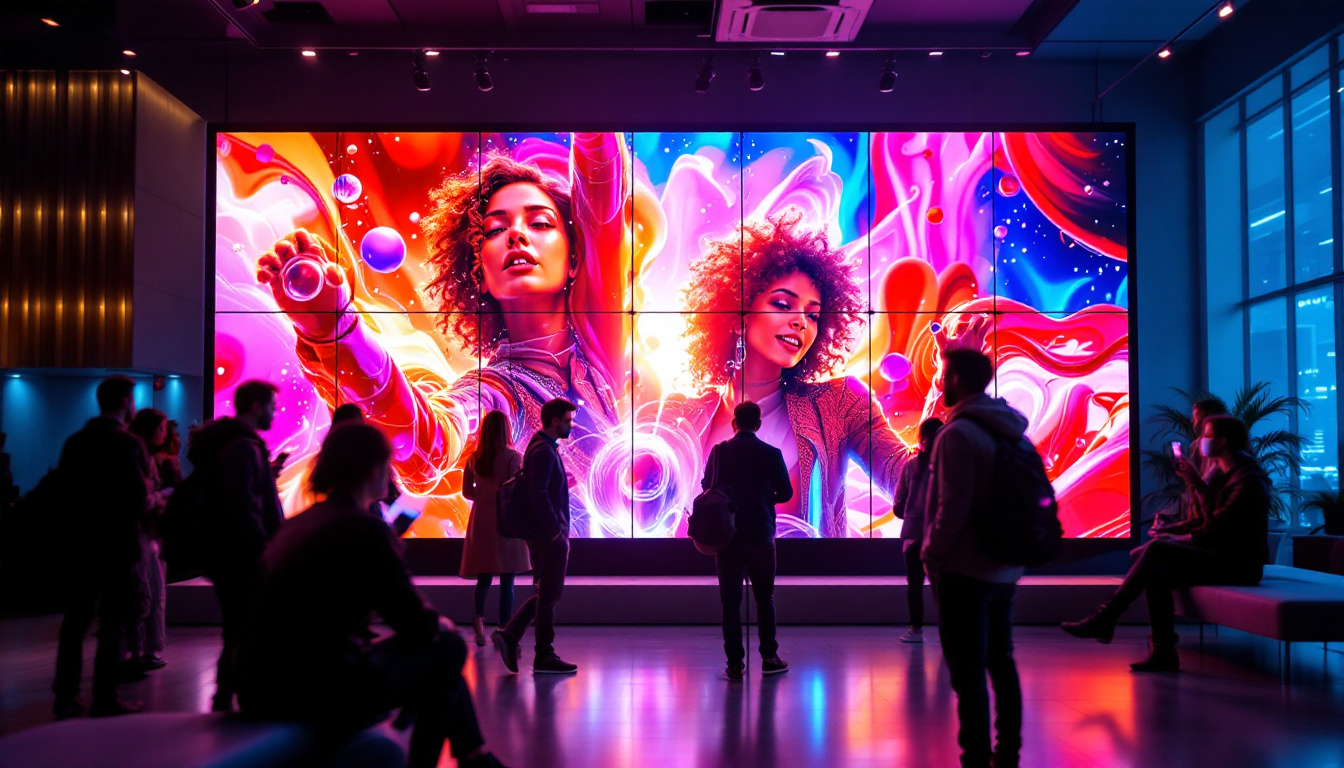
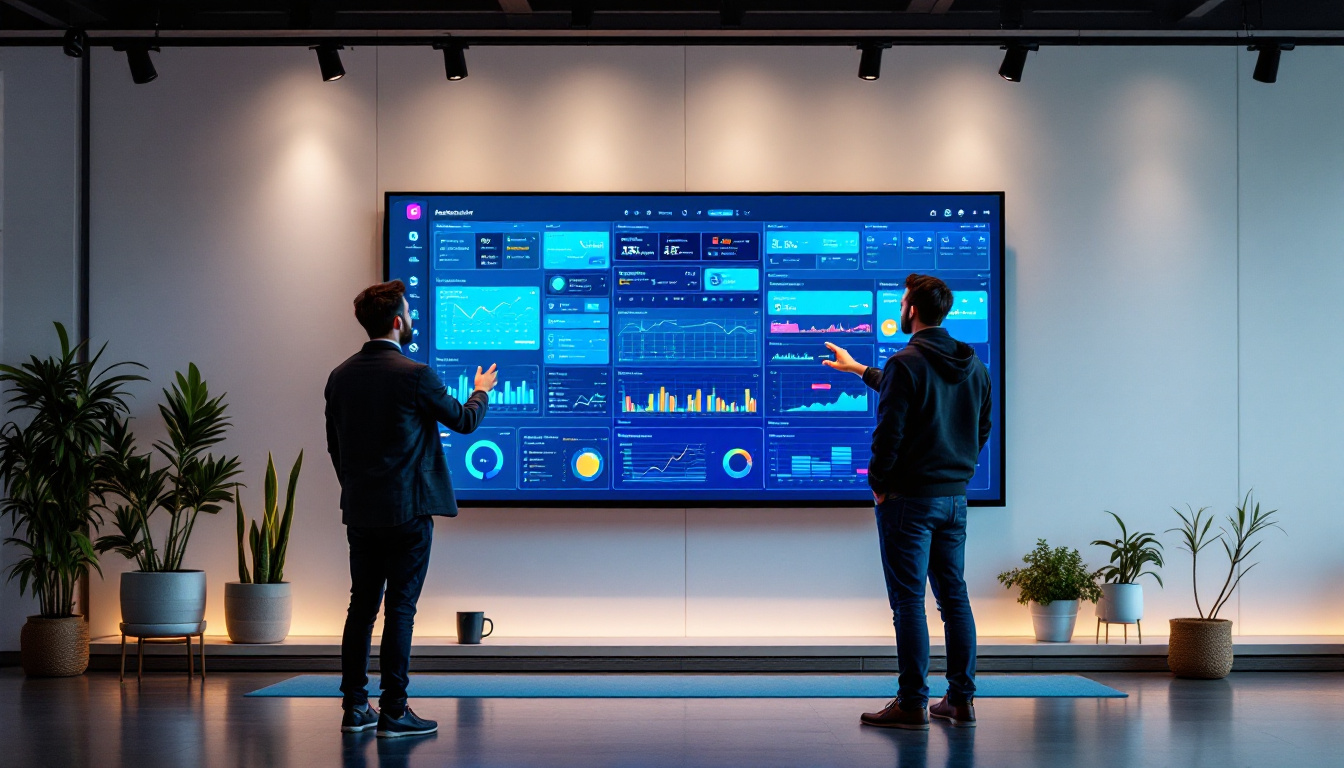
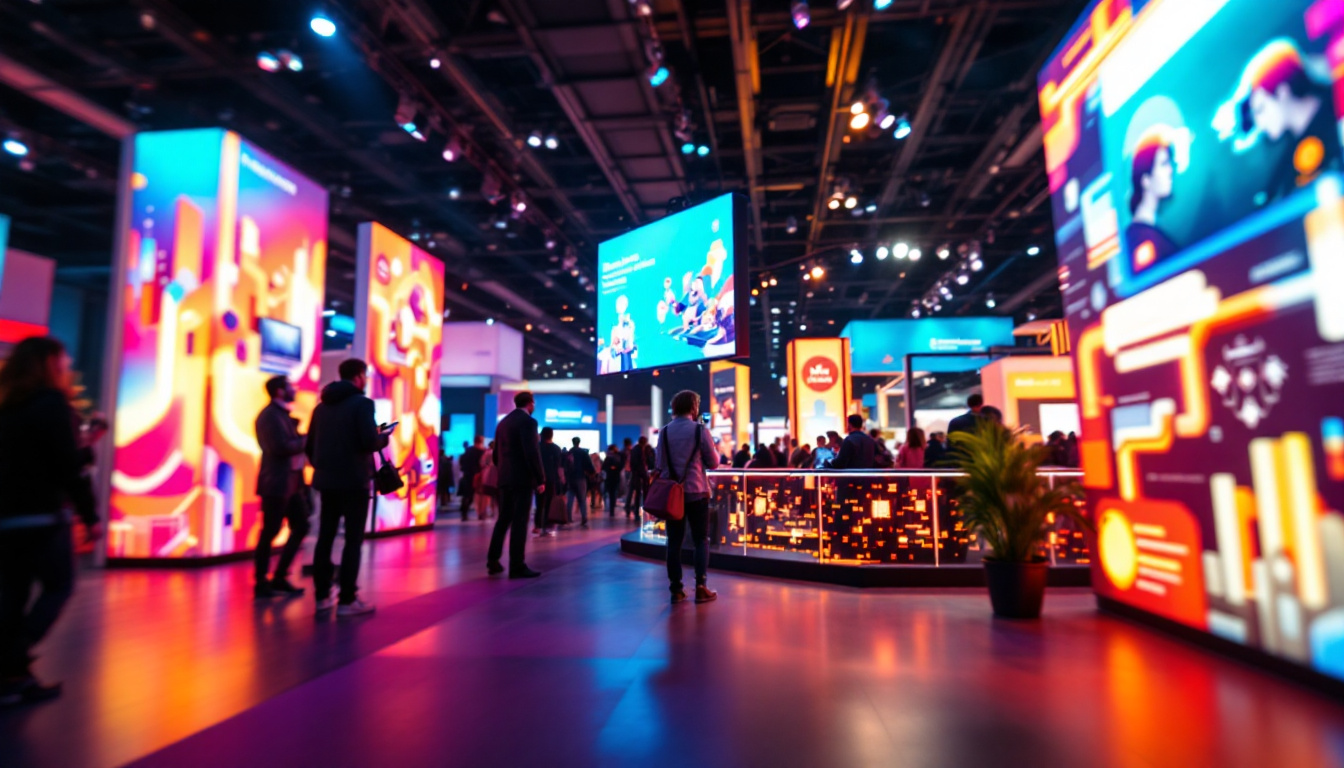
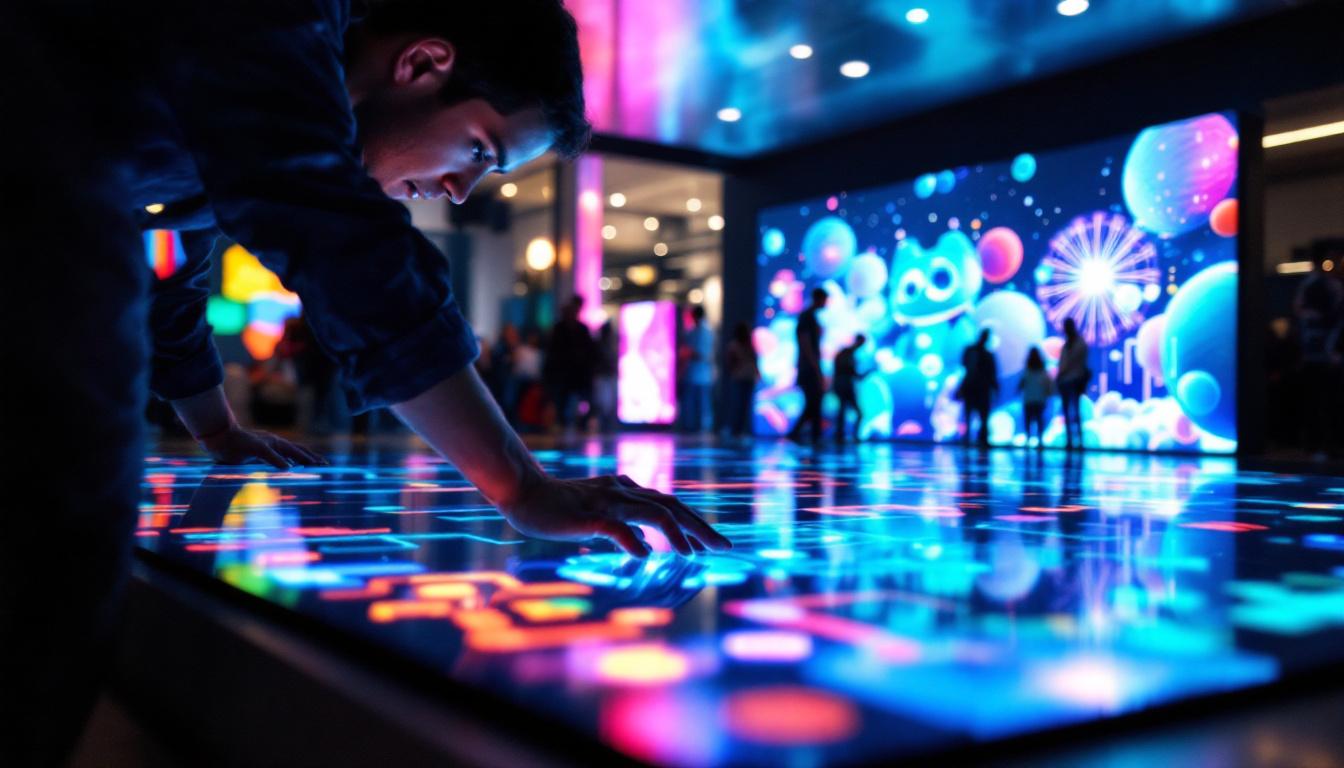
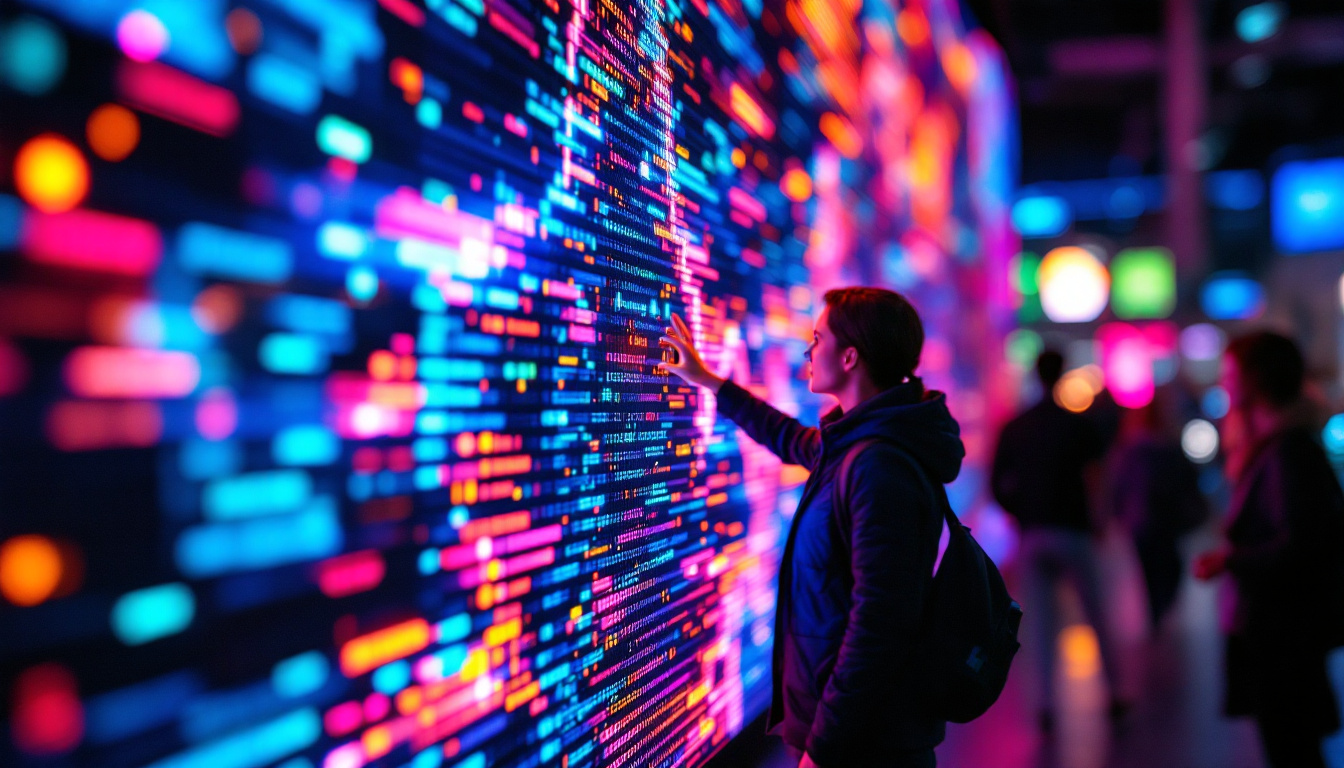
Indoor LED displays are increasingly popular in retail stores and corporate offices for branding, information dissemination, and interactive experiences. High-resolution LED walls can display product videos, promotional content, or real-time data dashboards, helping businesses engage customers and employees alike.
Transportation and Public Information
LED displays are widely used in airports, train stations, and bus terminals to provide schedules, alerts, and wayfinding information. Their brightness and clarity ensure legibility in various lighting conditions, improving passenger experience and operational efficiency.
Key Considerations When Choosing an LED Display
Selecting the right LED display involves evaluating multiple factors to ensure it meets the specific needs of the intended application.
Pixel Pitch and Resolution
The pixel pitch directly affects the display’s resolution and viewing distance. For close-up viewing, such as indoor retail signage, a smaller pixel pitch (e.g., 1.5mm to 3mm) is necessary to achieve sharp images. Outdoor billboards, viewed from greater distances, can use larger pixel pitches (e.g., 10mm or more) without compromising perceived image quality.
Brightness and Contrast
Consider the ambient lighting conditions where the display will be installed. Outdoor environments require higher brightness levels to combat sunlight, while indoor settings benefit from displays with high contrast and color accuracy.
Durability and Weather Resistance
Outdoor LED displays must be weatherproof, with protection against rain, dust, and temperature extremes. IP ratings (Ingress Protection) indicate the level of sealing; for example, an IP65 rating means the display is dust-tight and protected against water jets.
Control Systems and Connectivity
Modern LED displays are controlled via sophisticated software platforms that allow content scheduling, remote management, and integration with other digital systems. Ensuring compatibility with existing infrastructure and ease of use is crucial for efficient operation.
Cost and Maintenance
While LED displays can represent a significant upfront investment, their long-term benefits in energy savings and reduced maintenance often justify the cost. It’s important to factor in warranty terms, availability of replacement parts, and technical support when making a purchase decision.
The Future of LED Display Technology
Innovation in LED technology continues at a rapid pace, promising even more impressive capabilities in the near future.
Micro-LED and Mini-LED Advances
Micro-LED displays use microscopic LEDs that offer higher resolution, better color accuracy, and improved energy efficiency compared to traditional LEDs. This technology is poised to revolutionize consumer electronics, enabling ultra-thin, flexible, and highly durable screens.
Mini-LED backlighting, meanwhile, enhances LCD displays by increasing the number of local dimming zones, resulting in better contrast and HDR performance without the cost of full micro-LED implementations.
Flexible and Transparent LED Displays
Researchers and manufacturers are developing flexible LED panels that can bend or curve, opening new possibilities for wearable devices, automotive interiors, and architectural installations. Transparent LED displays are also gaining traction, allowing screens to be integrated into glass surfaces without obstructing views.
Integration with AI and IoT
Smart LED displays connected to the Internet of Things (IoT) can adapt content dynamically based on environmental data, audience demographics, or real-time analytics. Artificial intelligence can optimize content delivery for maximum engagement, transforming static signage into interactive communication platforms.
Conclusion
LED display technology has transformed the way visual information is presented, offering unparalleled brightness, flexibility, and durability. From towering outdoor billboards to sleek indoor video walls, LEDs continue to push the boundaries of what screens can achieve.
As advancements like micro-LED and flexible displays mature, the future promises even more immersive and versatile applications. For businesses, advertisers, and consumers alike, understanding the nuances of LED displays is essential to harnessing their full potential in an increasingly digital world.
Discover LumenMatrix’s Innovative LED Solutions
Ready to experience the future of display technology? LumenMatrix is at the forefront of LED innovation, offering a diverse range of LED display modules designed to bring your visual communication to life. Whether you’re looking for Indoor LED Walls, Outdoor Displays, or specialized solutions like Vehicle and Sports Displays, LumenMatrix has the cutting-edge technology to elevate your brand’s presence. Immerse your audience with our captivating LED Poster Displays, Floor LEDs, and Custom solutions tailored to your unique needs. Embrace the revolution in digital signage with LumenMatrix’s All-in-One and Transparent LED Displays. Check out LumenMatrix LED Display Solutions and transform your visual storytelling today.