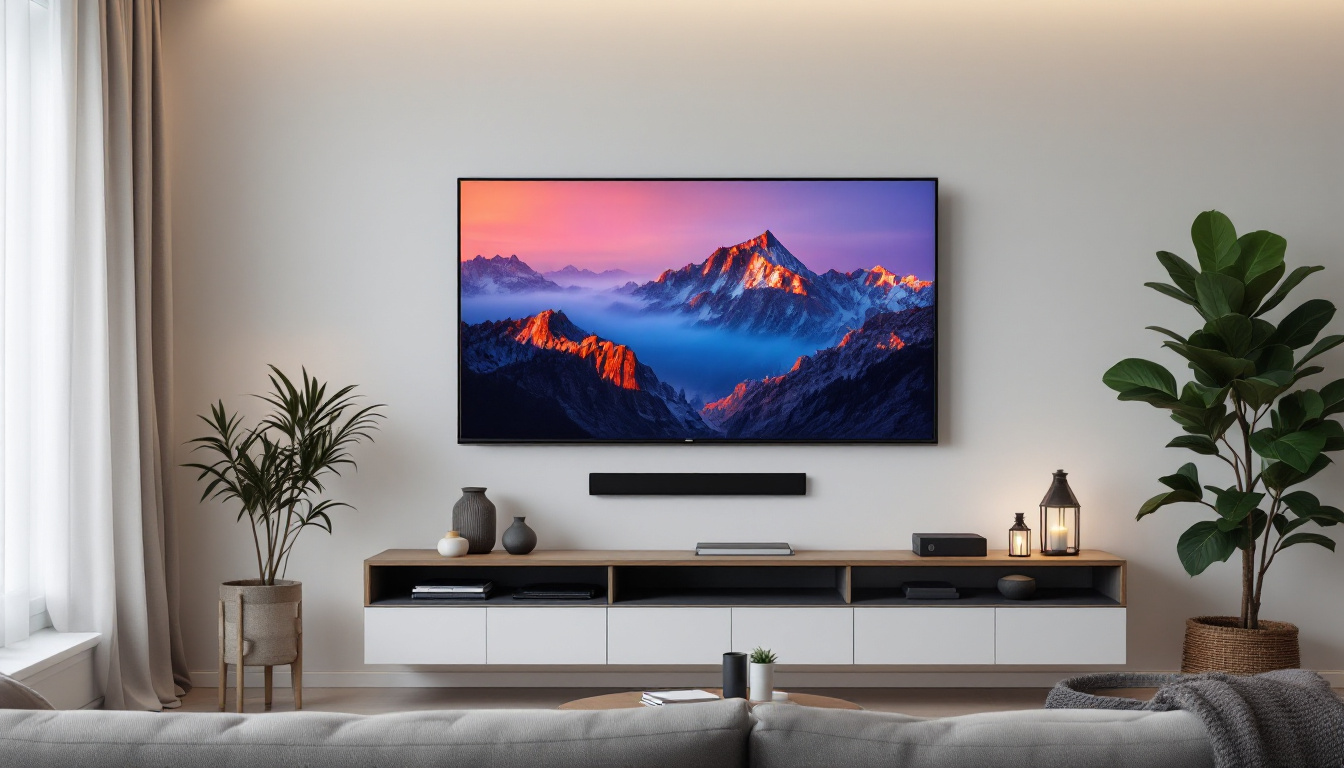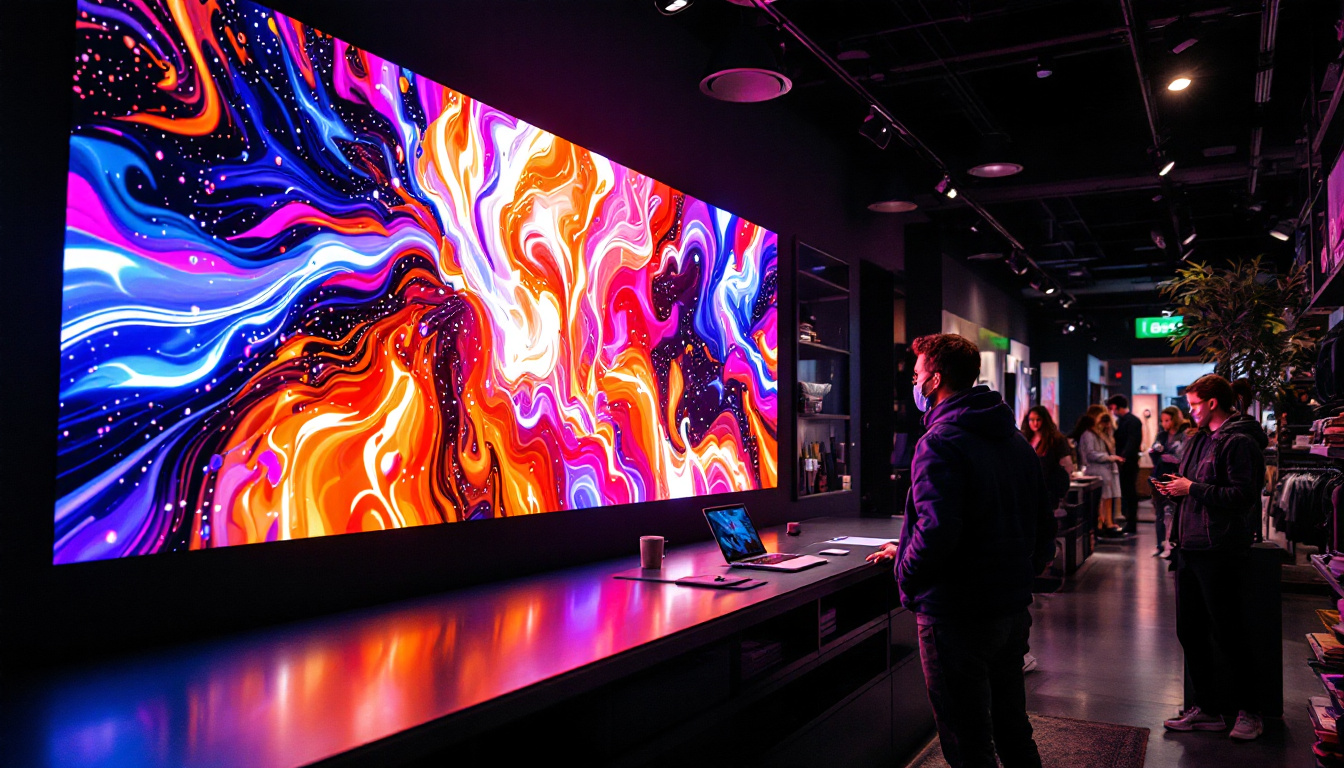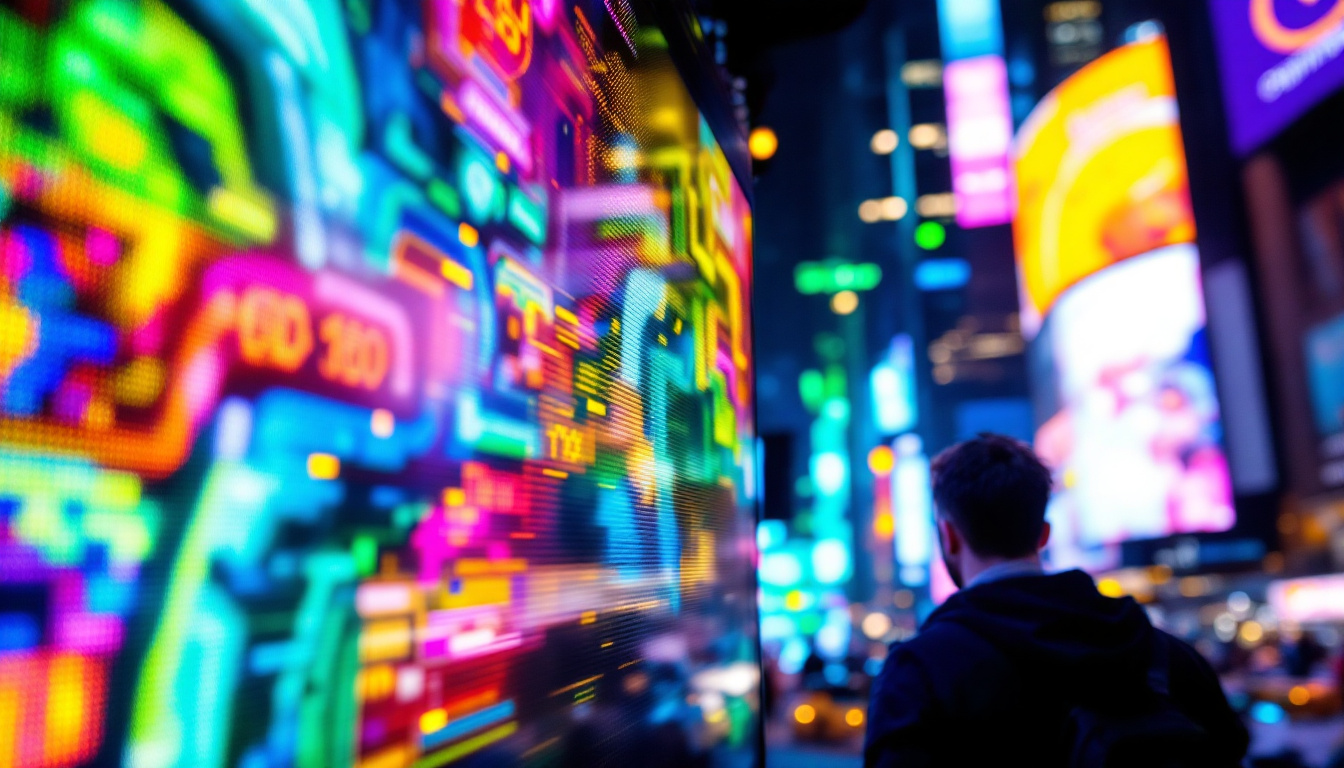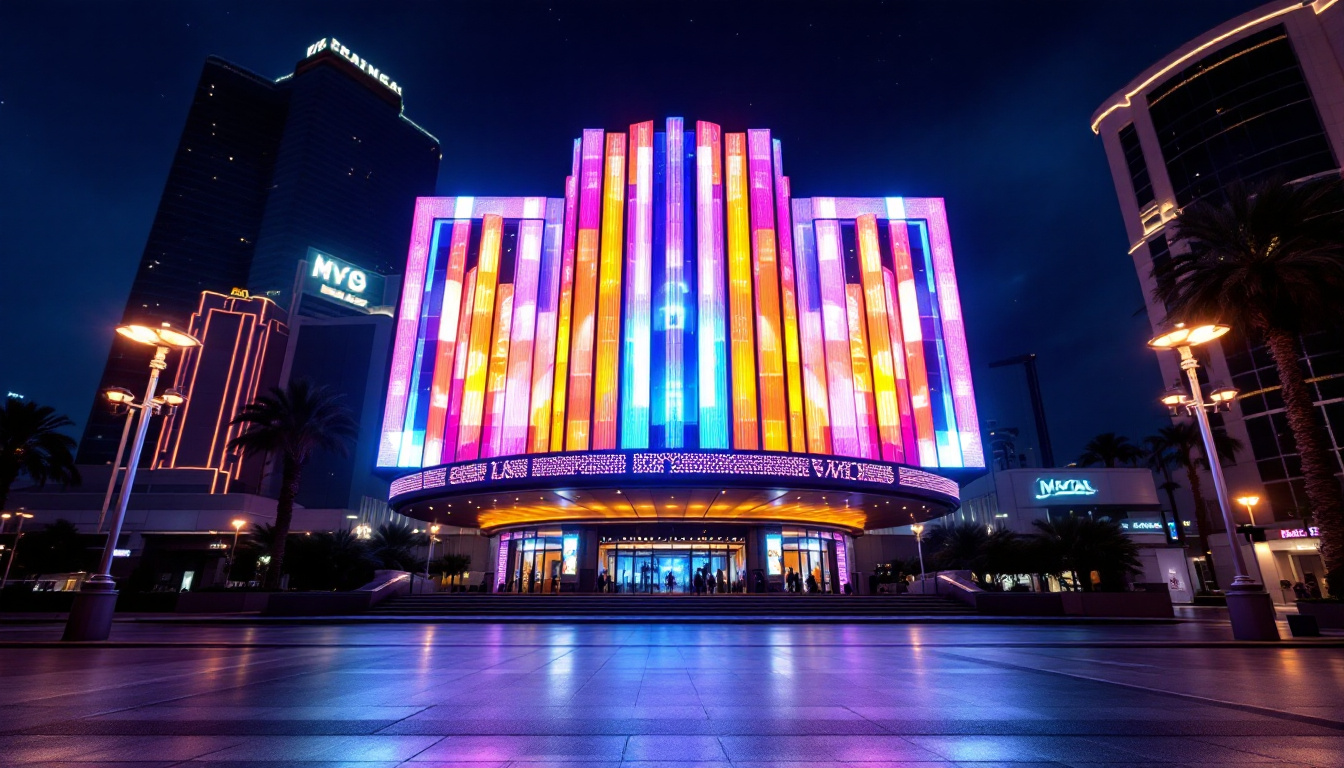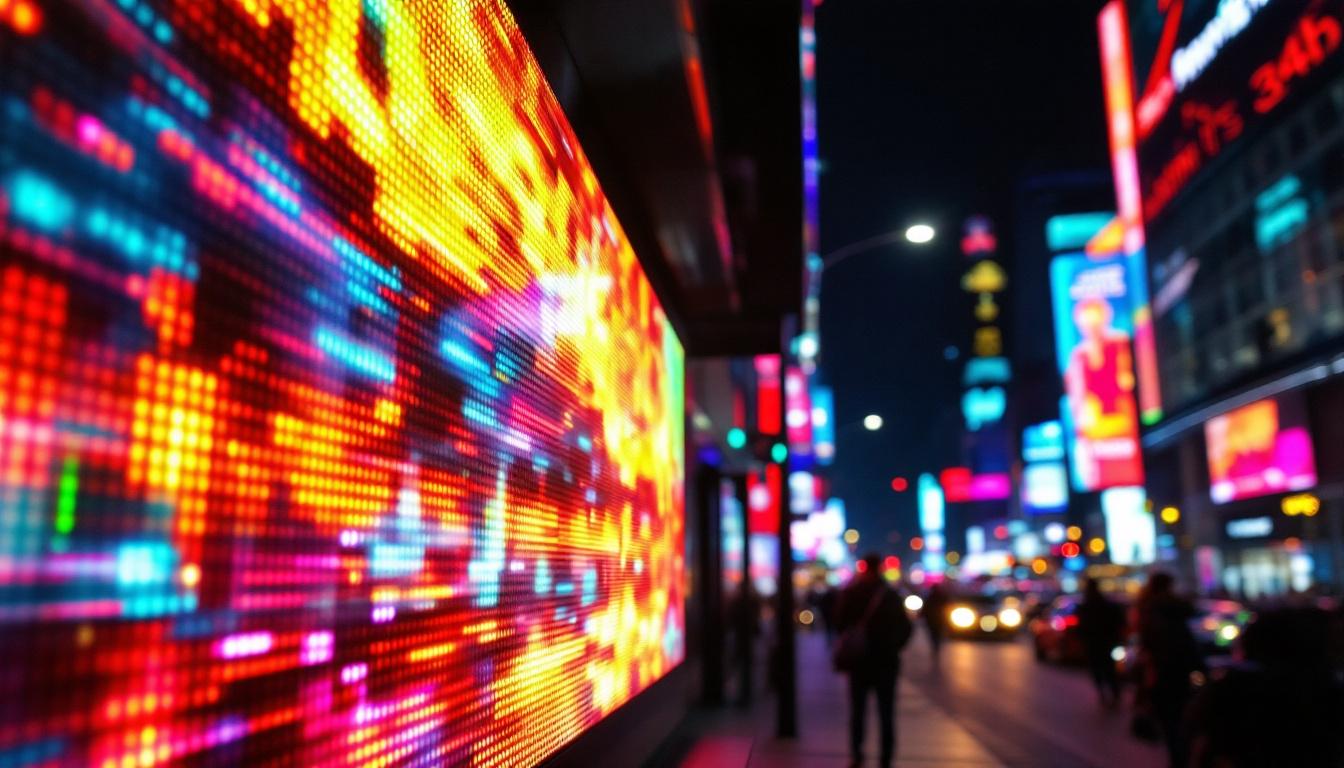
In today’s fast-paced digital world, LED displays have become an integral part of how information, advertisements, and entertainment are presented. From towering billboards in Times Square to the vibrant screens at sports arenas and retail stores, LED technology has revolutionized visual communication. This article delves deep into the world of LED displays, explaining their technology, types, advantages, and applications, helping readers understand why LED screens are the preferred choice for modern digital signage and beyond.
Understanding LED Display Technology
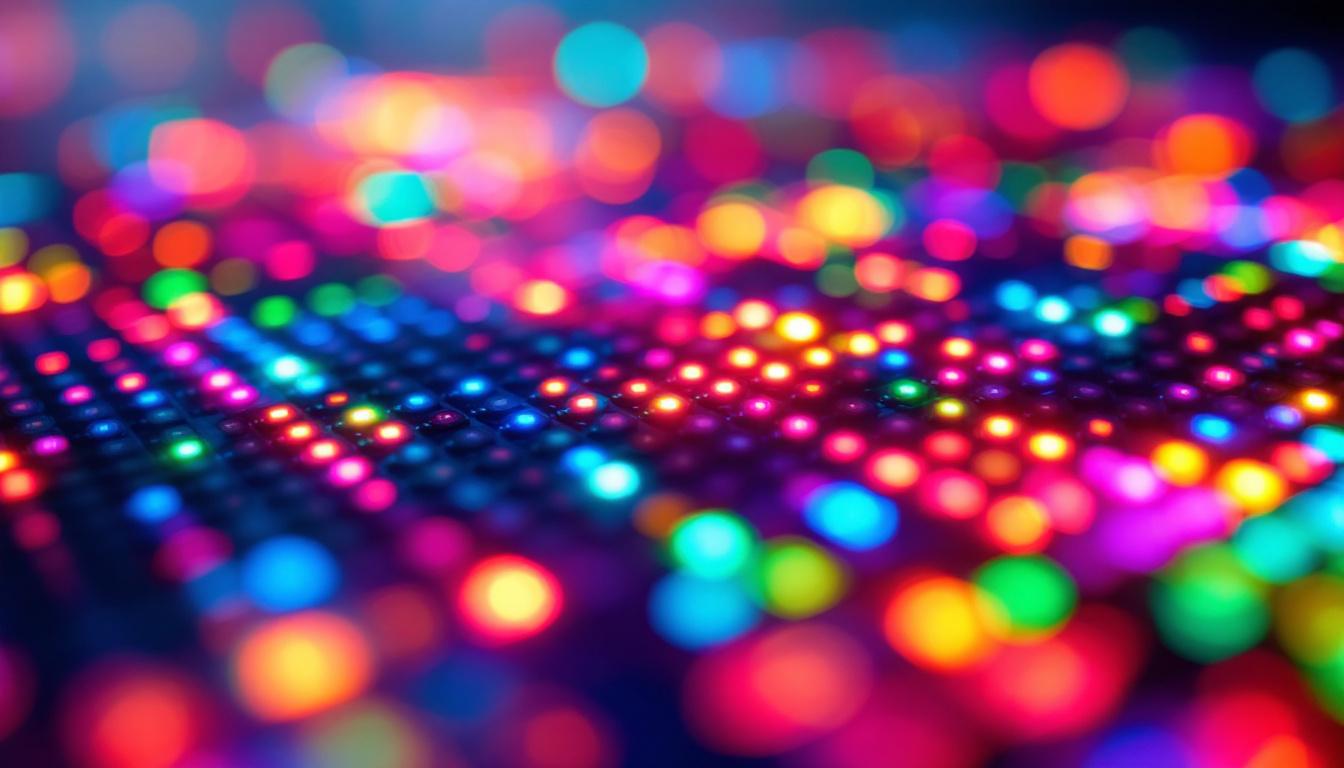
LED stands for Light Emitting Diode, a semiconductor device that emits light when an electric current passes through it. LED display technology leverages thousands to millions of these tiny diodes arranged in a matrix to form images, videos, and text.
The core principle behind LED displays is the ability to control each diode’s brightness and color individually, enabling the creation of vibrant, high-contrast visuals. Unlike traditional LCD or plasma screens that rely on backlighting, LEDs emit their own light, which results in better brightness, energy efficiency, and viewing angles. This self-emitting characteristic not only enhances the visual experience but also contributes to lower energy consumption, making LED technology a more environmentally friendly option in the long run.
How LED Displays Work
Each pixel on an LED screen is made up of red, green, and blue diodes. By varying the intensity of these three colors, the display can produce a full spectrum of colors. This RGB (Red, Green, Blue) system is fundamental to all color displays but is implemented with exceptional precision in LED technology. The ability to fine-tune the output of each diode allows for stunning color accuracy, which is particularly important in applications such as digital signage, where visual impact is crucial.
LED displays are typically modular, composed of multiple panels or tiles that fit together seamlessly. This modularity allows for screens of virtually any size and shape, from small indoor monitors to massive outdoor billboards. Furthermore, advancements in technology have led to the development of flexible LED panels, which can be curved or shaped to fit unique architectural designs. This flexibility opens up new possibilities for creative installations in venues such as concert halls, museums, and public spaces, where traditional display methods may fall short. The versatility of LED technology not only enhances aesthetic appeal but also allows for dynamic content that can be easily updated, ensuring that the displays remain relevant and engaging over time.
Types of LED Displays
LED displays come in various forms tailored to different environments and purposes. Understanding these types helps businesses and consumers choose the right solution for their needs.
1. Indoor LED Displays
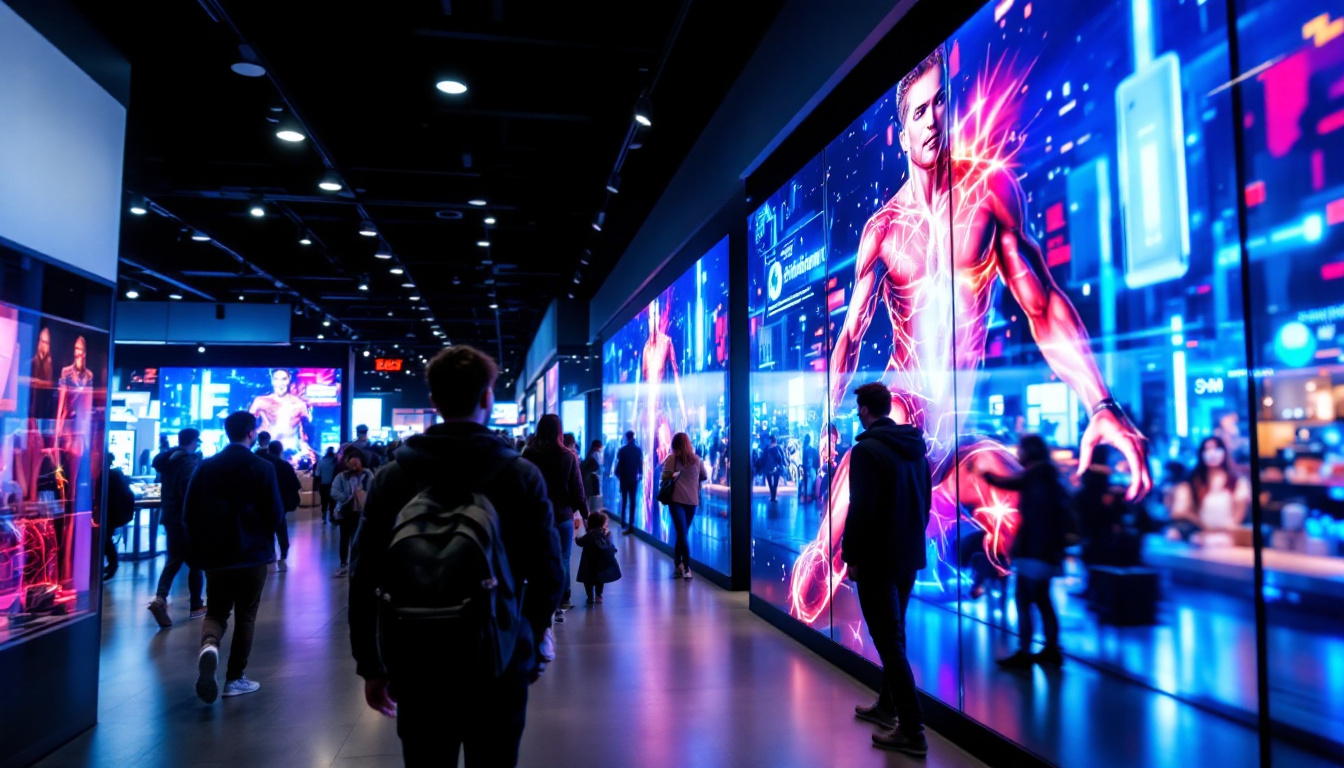
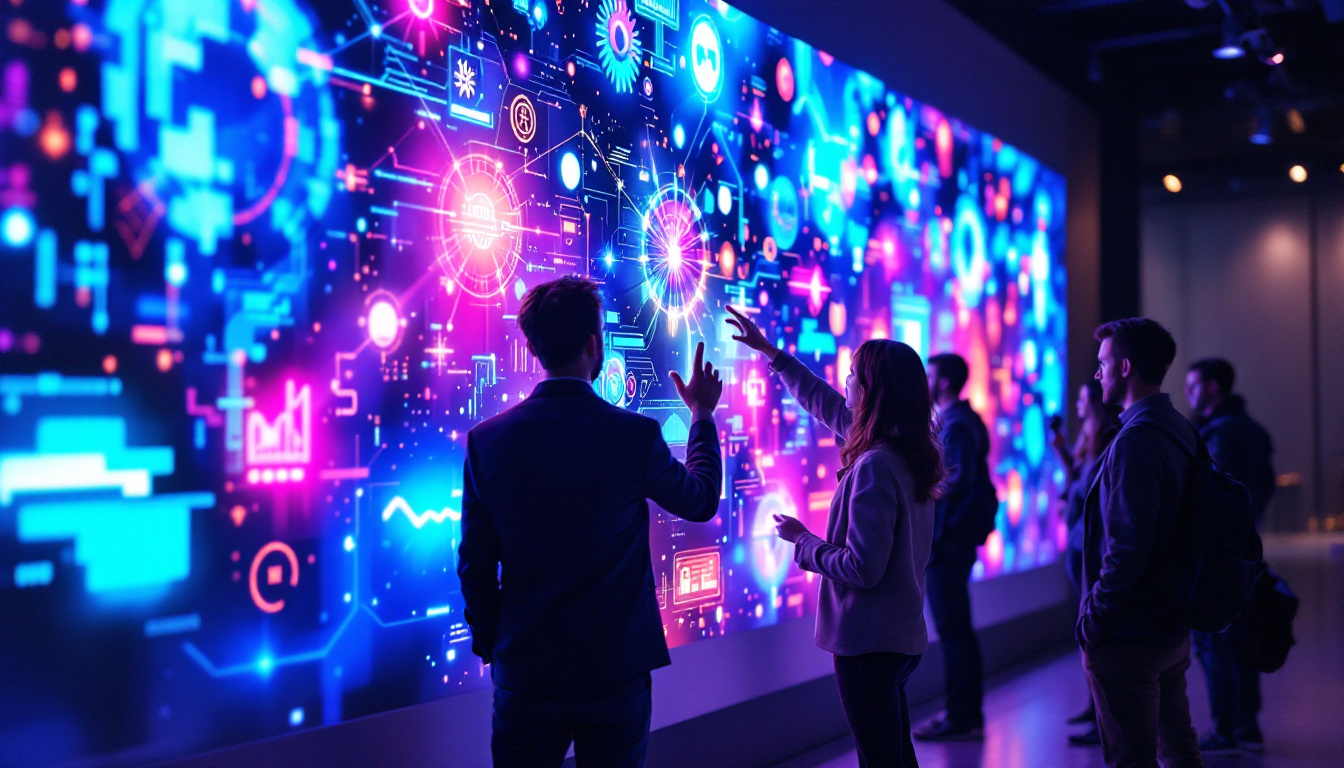
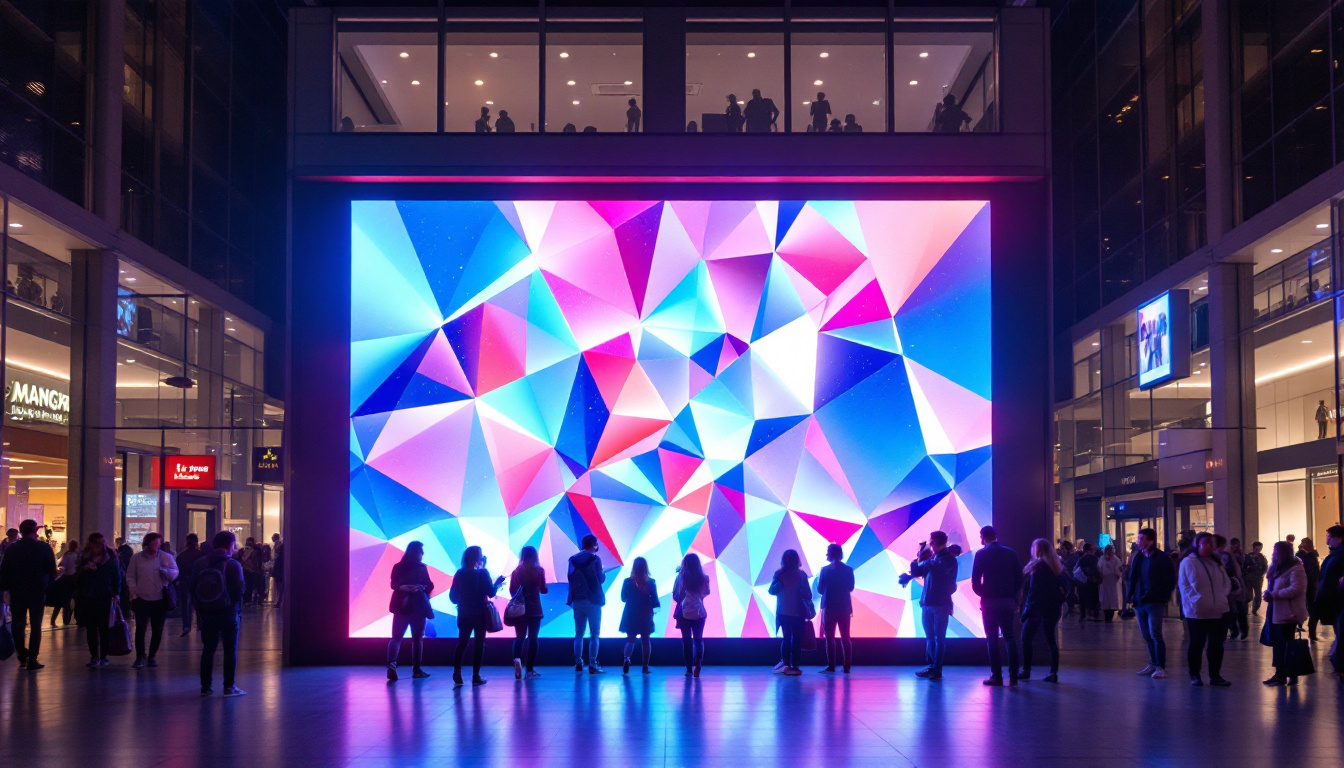
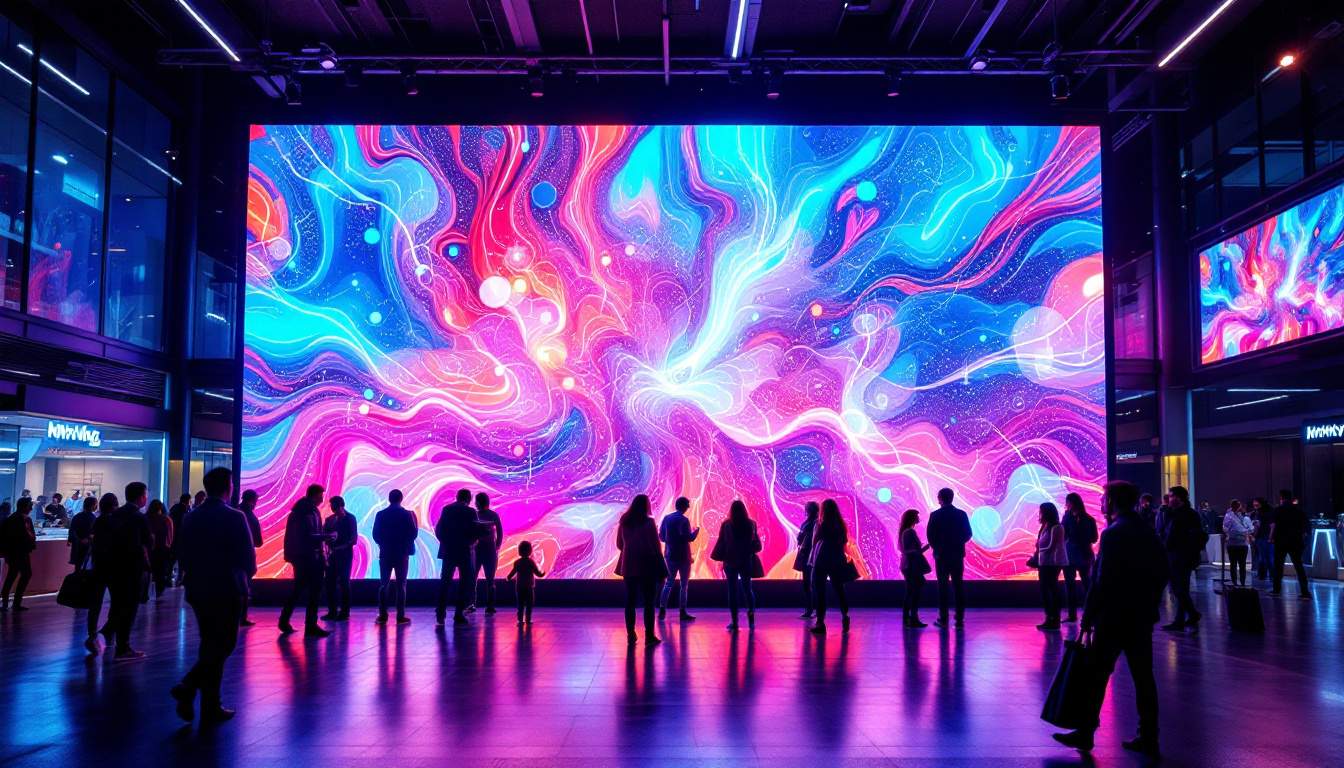
Indoor LED screens are designed for use inside buildings such as shopping malls, conference rooms, airports, and retail stores. They offer high resolution and brightness levels suitable for close viewing distances, typically ranging from 1.5mm to 4mm pixel pitch.
Because indoor environments have controlled lighting, these displays don’t need to be as bright as outdoor ones but must provide excellent color accuracy and clarity. They are often used for digital signage, presentations, and interactive displays.
2. Outdoor LED Displays
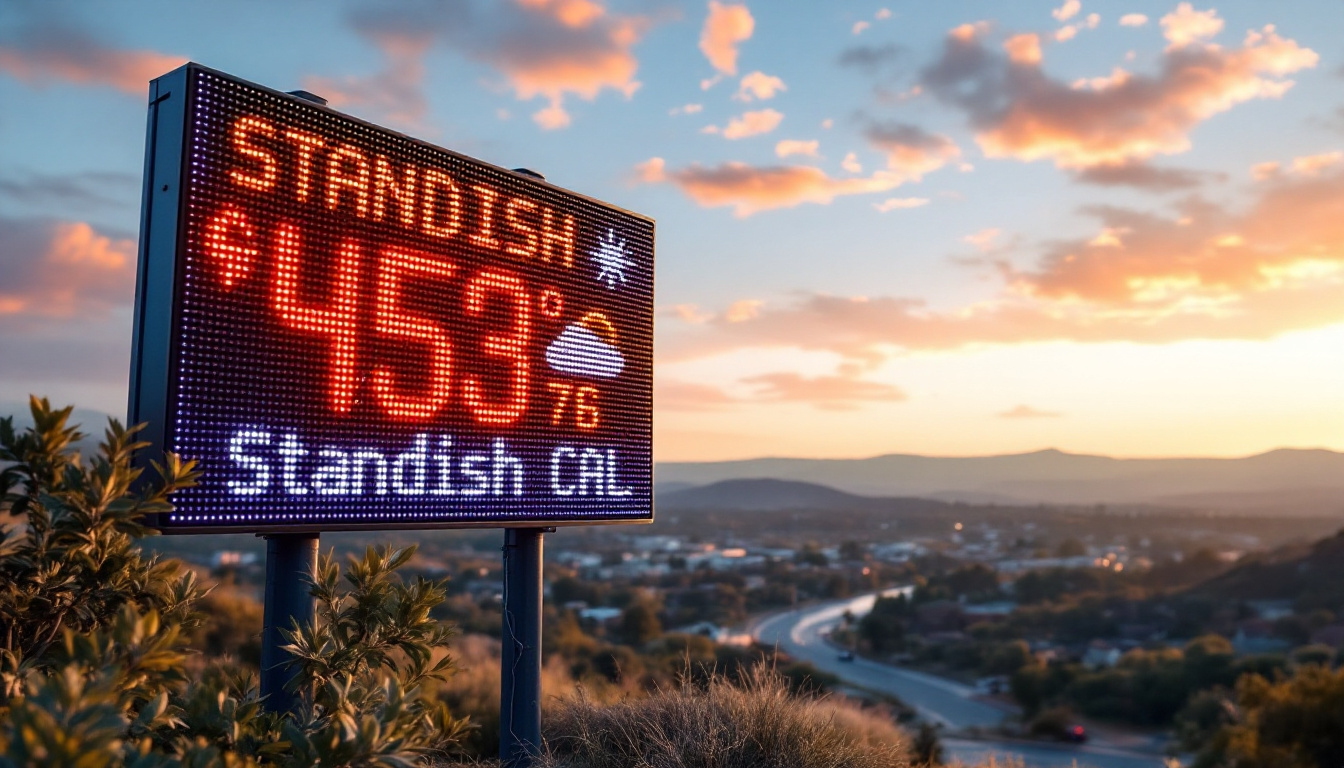
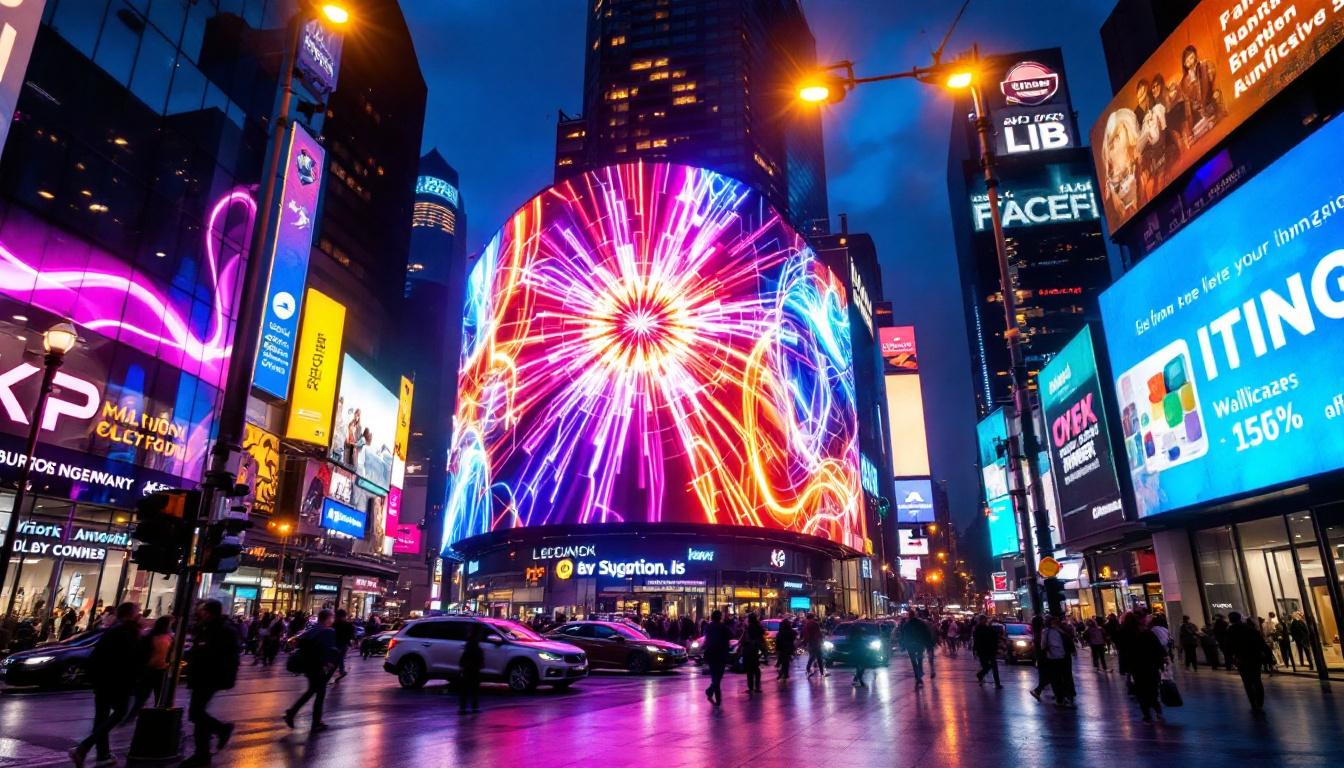
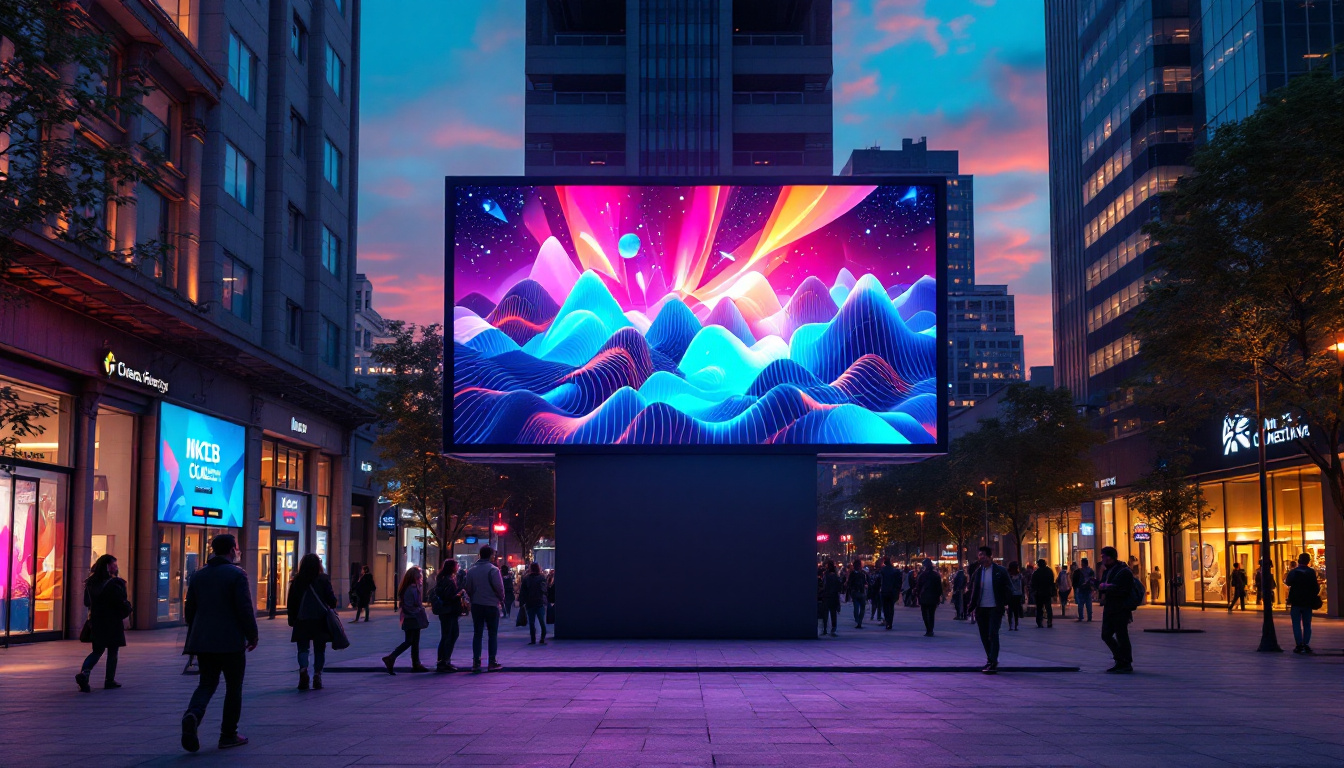
Outdoor LED screens are built to withstand harsh weather conditions, including rain, dust, and extreme temperatures. They are much brighter than indoor displays, often exceeding 5,000 nits, to remain visible even in direct sunlight.
The pixel pitch for outdoor screens is generally larger, ranging from 6mm to 20mm or more, as viewers tend to observe these screens from greater distances. Common applications include billboards, stadium screens, and public information displays.
3. Transparent LED Displays
Transparent LED displays are a newer innovation that allows screens to be see-through, making them ideal for storefront windows and architectural installations. These displays integrate LEDs into a transparent substrate, enabling light and visibility behind the screen while still displaying vibrant content.
This technology is gaining popularity in retail environments and museums, where blending digital content with physical surroundings enhances the visitor experience.
4. Flexible and Curved LED Displays
Flexible LED displays use bendable substrates, allowing screens to curve or wrap around surfaces. This flexibility opens up creative possibilities for advertising, stage design, and immersive experiences.
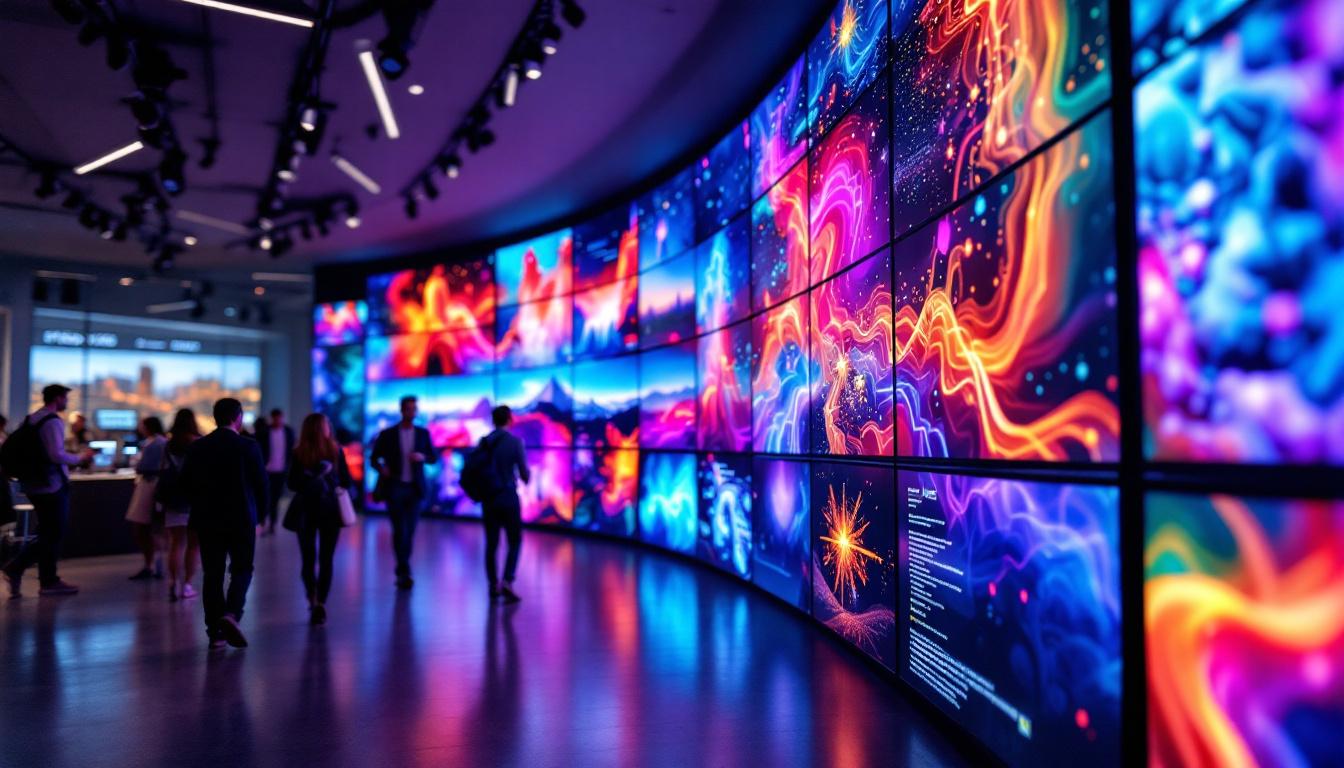
Curved LED screens improve viewing angles and can create panoramic visuals that captivate audiences in arenas, concert venues, and exhibitions.
Key Advantages of LED Displays
LED technology offers numerous benefits over traditional display types, which explains its widespread adoption across industries.
Superior Brightness and Visibility
One of the most significant advantages of LED displays is their brightness. With luminance levels often exceeding 5,000 nits for outdoor models, LED screens remain visible even under direct sunlight. This makes them ideal for outdoor advertising and public information systems where visibility is critical.
Energy Efficiency and Longevity
LEDs consume less power compared to LCD and plasma displays, contributing to lower operating costs and reduced environmental impact. Additionally, LED displays have a longer lifespan, often rated for 50,000 to 100,000 hours of operation, minimizing maintenance and replacement expenses.
High Contrast and Color Accuracy
Because LEDs emit light directly, they can achieve true blacks and vivid colors, resulting in high contrast ratios. This enhances the viewing experience, making images and videos appear sharper and more lifelike.
Scalability and Customization
The modular nature of LED panels allows for screens of any size and shape. This scalability is invaluable for businesses that need large-format displays or custom installations. LED technology also supports various pixel pitches, enabling customization for different viewing distances and resolutions.
Durability and Weather Resistance
Outdoor LED displays are engineered to withstand environmental challenges such as rain, wind, dust, and temperature fluctuations. Their robust construction ensures reliable performance in diverse climates, making them a dependable choice for permanent and semi-permanent installations.
Applications of LED Displays Across Industries
LED displays have transformed how businesses and organizations communicate with their audiences. Their versatility and impact have led to widespread adoption across numerous sectors.
Advertising and Marketing
Billboards and digital signage are among the most common uses of LED displays. The ability to update content remotely and display dynamic advertisements attracts more attention than static signs. According to a 2023 report by the Digital Signage Federation, LED digital signage increases customer engagement by up to 30% compared to traditional print advertising.
Brands leverage LED screens in retail environments to showcase promotions, product information, and interactive content, enhancing the shopping experience and driving sales.
Sports and Entertainment Venues
Stadiums and arenas use massive LED screens to provide live game footage, replays, and interactive fan experiences. These displays enhance spectator engagement and create immersive environments. For example, the AT&T Stadium in Texas features one of the world’s largest LED video boards, measuring 160 feet wide and 72 feet tall.
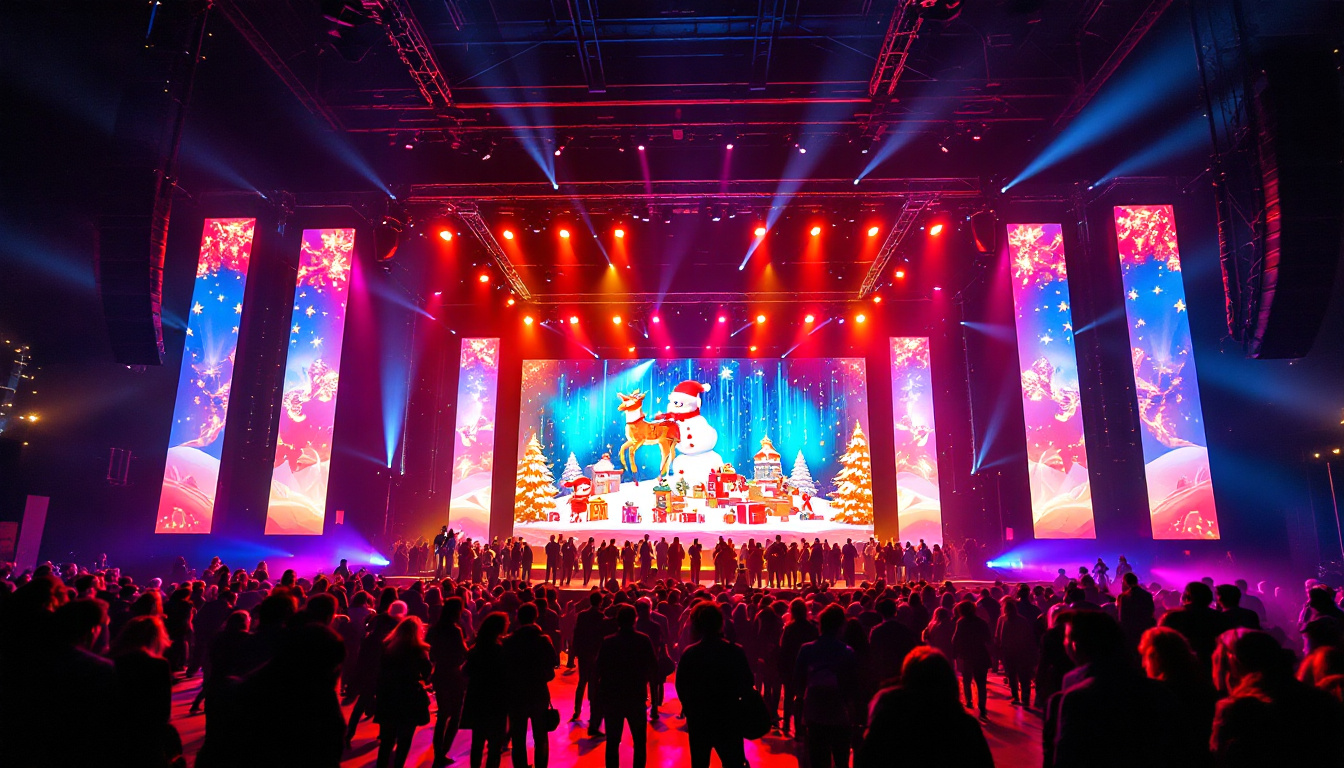
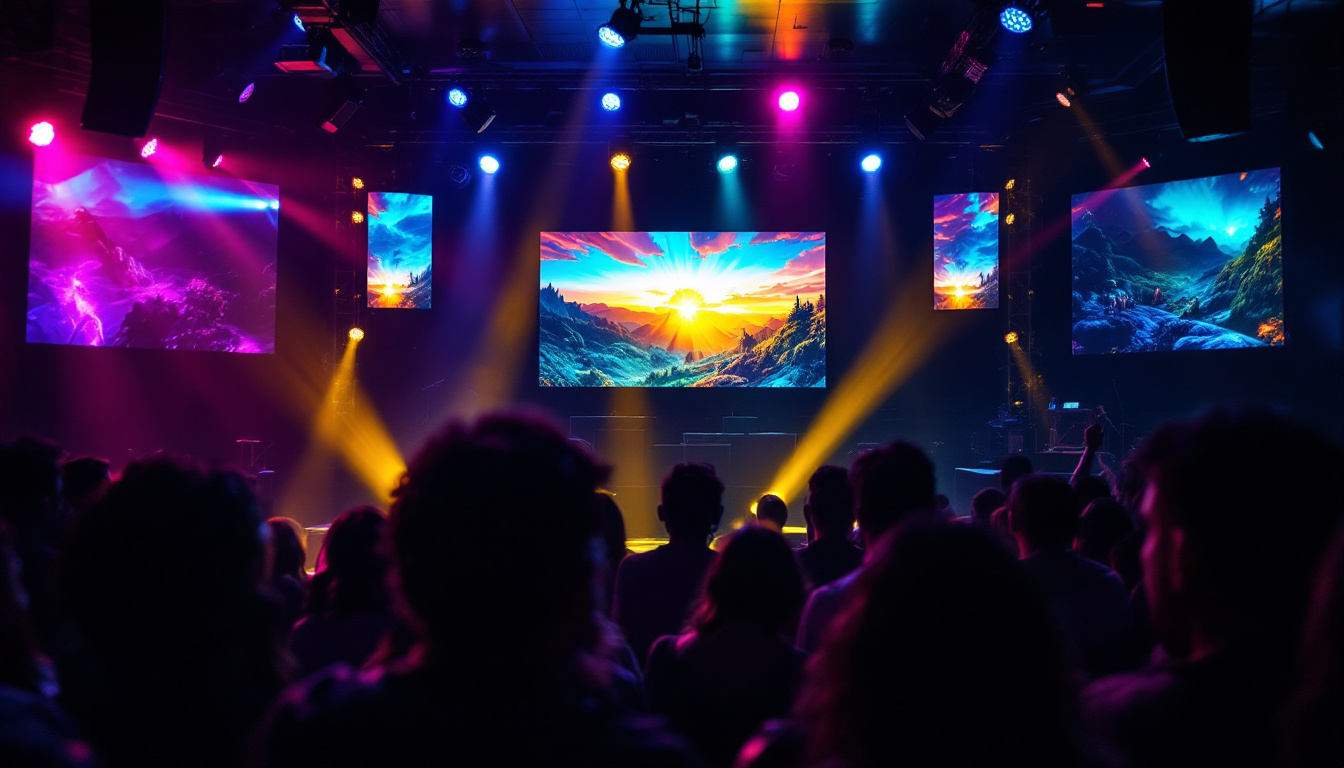
Concerts and theaters employ flexible and curved LED displays to create dynamic stage backdrops and visual effects, elevating performances to new levels.
Transportation and Public Information
Airports, train stations, and bus terminals utilize LED screens for real-time information such as arrivals, departures, and emergency alerts. Their high visibility and reliability make them essential for passenger communication.
City governments also deploy LED displays for traffic management, public safety messages, and community announcements.
Corporate and Educational Environments
In corporate settings, LED displays are used for presentations, video conferencing, and digital signage in lobbies and meeting rooms. Their clarity and brightness improve communication and professionalism.
Educational institutions use LED screens to deliver lectures, display schedules, and promote events, enhancing campus communication and engagement.
Choosing the Right LED Display
Selecting an LED display requires careful consideration of several factors to ensure the investment meets the intended purpose and environment.
Pixel Pitch and Resolution
Pixel pitch, the distance between individual LEDs, determines the display’s resolution and optimal viewing distance. A smaller pixel pitch means higher resolution and better image quality at close range, ideal for indoor use. Conversely, larger pixel pitches are suitable for outdoor displays viewed from afar.
Brightness Requirements
Brightness should match the ambient lighting conditions. Indoor displays typically require 800 to 1,500 nits, while outdoor screens may need 5,000 nits or more to remain visible in sunlight.
Environmental Durability
For outdoor installations, ensure the display has appropriate IP (Ingress Protection) ratings to resist water and dust. Additionally, consider temperature tolerance and UV resistance.
Installation and Maintenance
Modular designs simplify installation and future maintenance. It’s important to choose a supplier that offers reliable support and warranty services to maximize the display’s lifespan.
Content Management Systems (CMS)
Modern LED displays are often paired with CMS software that allows users to schedule, update, and monitor content remotely. Selecting a user-friendly and compatible CMS enhances the display’s functionality and ease of use.
The Future of LED Display Technology
LED technology continues to evolve rapidly, driven by advancements in materials, manufacturing, and digital integration.
MicroLED and MiniLED Innovations
MicroLED and MiniLED technologies represent the next generation of LED displays, offering even higher resolution, better color accuracy, and improved energy efficiency. MicroLEDs, in particular, promise to combine the best features of OLED and traditional LEDs without their drawbacks, such as burn-in or limited brightness.
Integration with IoT and AI
Smart LED displays connected to the Internet of Things (IoT) and powered by artificial intelligence (AI) can deliver personalized content based on audience demographics, weather conditions, or real-time events. This capability enhances engagement and provides valuable data analytics for advertisers and businesses.
Sustainability and Eco-Friendly Designs
As environmental concerns grow, manufacturers are focusing on creating LED displays with recyclable materials, lower power consumption, and longer lifespans. Sustainable designs will become a key selling point in the coming years.
Conclusion
LED displays have transformed the landscape of digital communication, offering unparalleled brightness, versatility, and durability. Whether for advertising, entertainment, public information, or corporate use, LED technology provides solutions that captivate audiences and deliver messages effectively.
Understanding the types of LED displays, their advantages, and applications is essential for making informed decisions about investments in this technology. As LED innovations continue to advance, the future promises even more dynamic and immersive visual experiences that will shape how people interact with digital content worldwide.
Discover LumenMatrix’s Innovative LED Solutions
Ready to elevate your visual communication with the latest in LED display technology? LumenMatrix is at the forefront of creating immersive and dynamic visual experiences tailored to your needs. From Indoor and Outdoor LED Wall Displays to specialized solutions like Vehicle, Sports, and Floor LED Displays, LumenMatrix offers a comprehensive range of products designed to captivate your audience. Embrace the future of digital signage with our Custom, All-in-One, and Transparent LED Displays. Check out LumenMatrix LED Display Solutions today and transform how you share your message with the world.