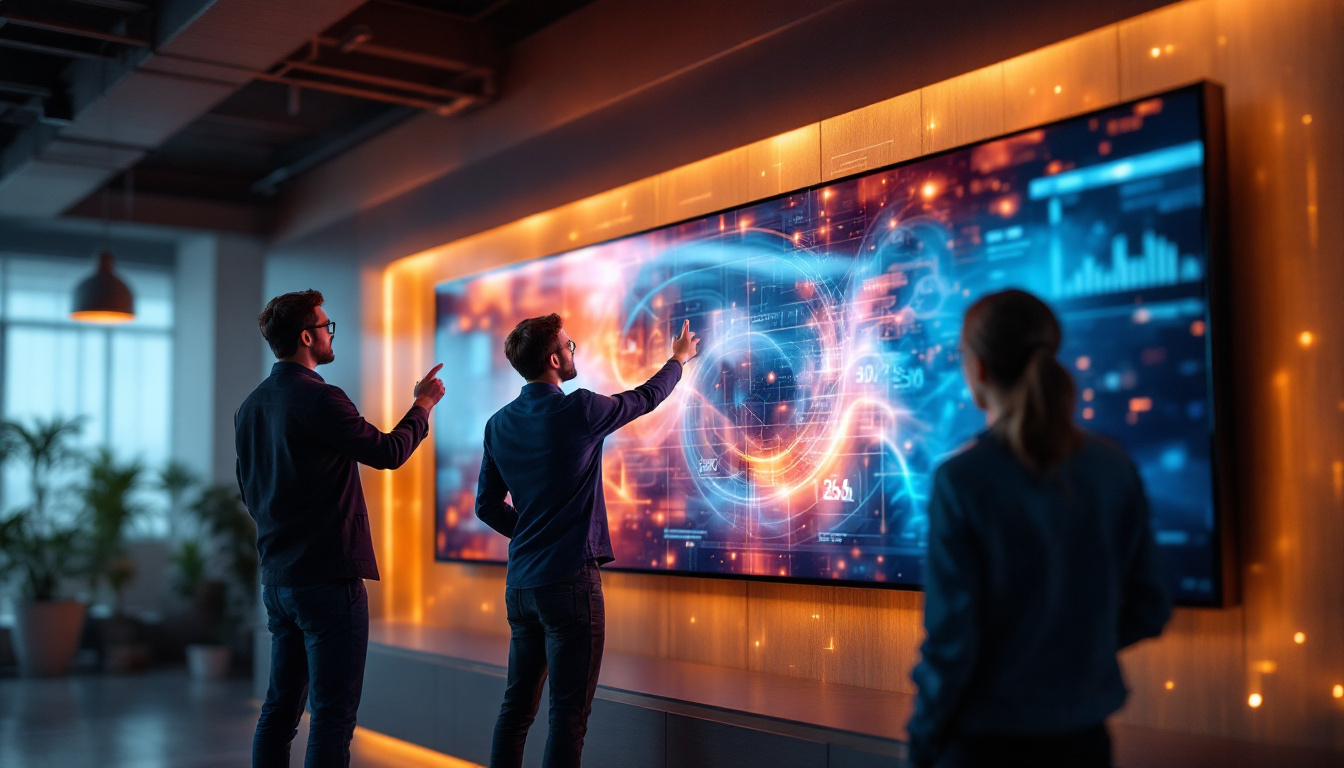
In an era where technology constantly pushes the boundaries of what is possible, see-through computers with LED displays represent a fascinating fusion of transparency and digital innovation. These devices, often referred to as transparent displays or see-through screens, are transforming how we interact with digital content by blending it seamlessly into our physical environment. This article delves into the technology behind see-through LED displays, their applications, advantages, and the future potential of this cutting-edge innovation.
Understanding See-Through LED Displays
What Are See-Through LED Displays?
See-through LED displays are a type of transparent screen technology that allows users to view digital content while simultaneously seeing through the display to the objects or environment behind it. Unlike traditional opaque screens, these displays integrate light-emitting diodes (LEDs) arranged in a grid or matrix on a transparent substrate, such as glass or acrylic. This configuration enables the display to emit bright, vivid images without completely blocking the view behind it.
The core concept revolves around balancing transparency and brightness. The LED pixels are spaced to allow light and images to be visible while maintaining a significant degree of see-through clarity. This unique characteristic makes these displays ideal for applications where maintaining visibility of the background is essential, such as retail windows, augmented reality interfaces, and heads-up displays. In retail environments, for instance, businesses can showcase promotions or product information directly on the storefront while still allowing potential customers to see the merchandise inside, creating an engaging shopping experience that blends the physical and digital worlds seamlessly.
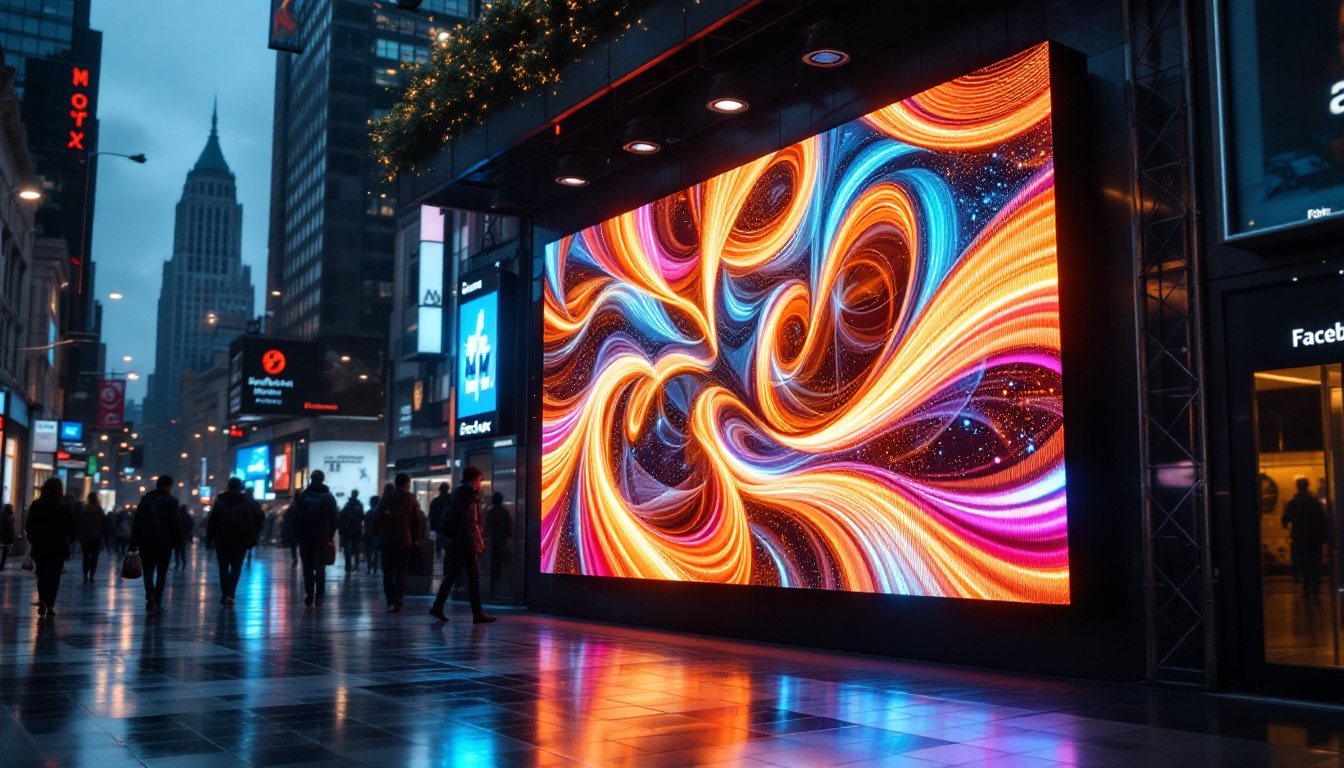
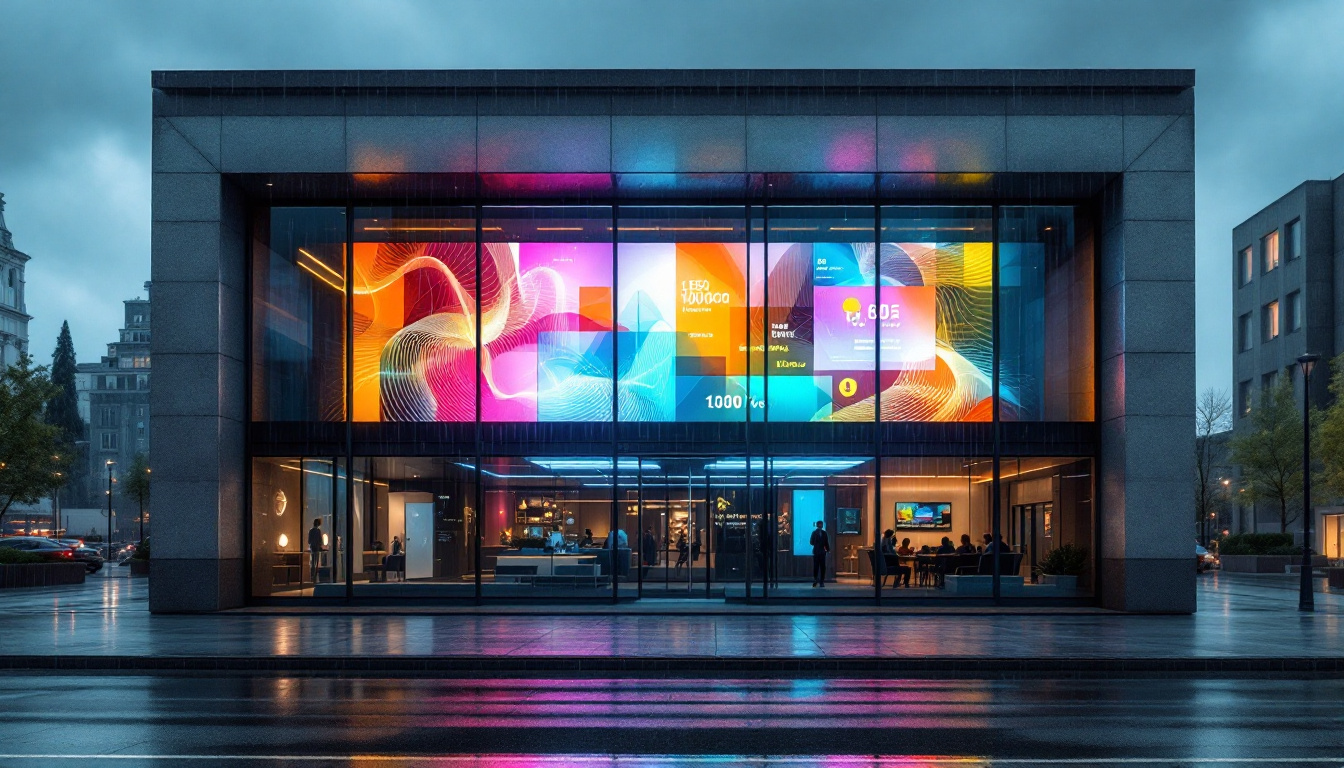
Moreover, see-through LED displays can also enhance architectural aesthetics. They can be integrated into building facades, allowing for dynamic visual content that complements the structure’s design without obstructing natural light. This fusion of art and technology not only attracts attention but also serves functional purposes, such as providing information or advertising in a visually appealing manner. As urban landscapes evolve, the potential for these displays to redefine how we interact with our environments becomes increasingly significant.
How Do See-Through LED Displays Work?
At the heart of see-through LED displays is the use of micro-LED or mini-LED technology embedded on transparent substrates. The LEDs themselves are microscopic light sources that can be individually controlled to emit varying colors and intensities. By arranging these LEDs in a sparse yet effective pattern, the display can project images while allowing light to pass through the spaces between pixels.
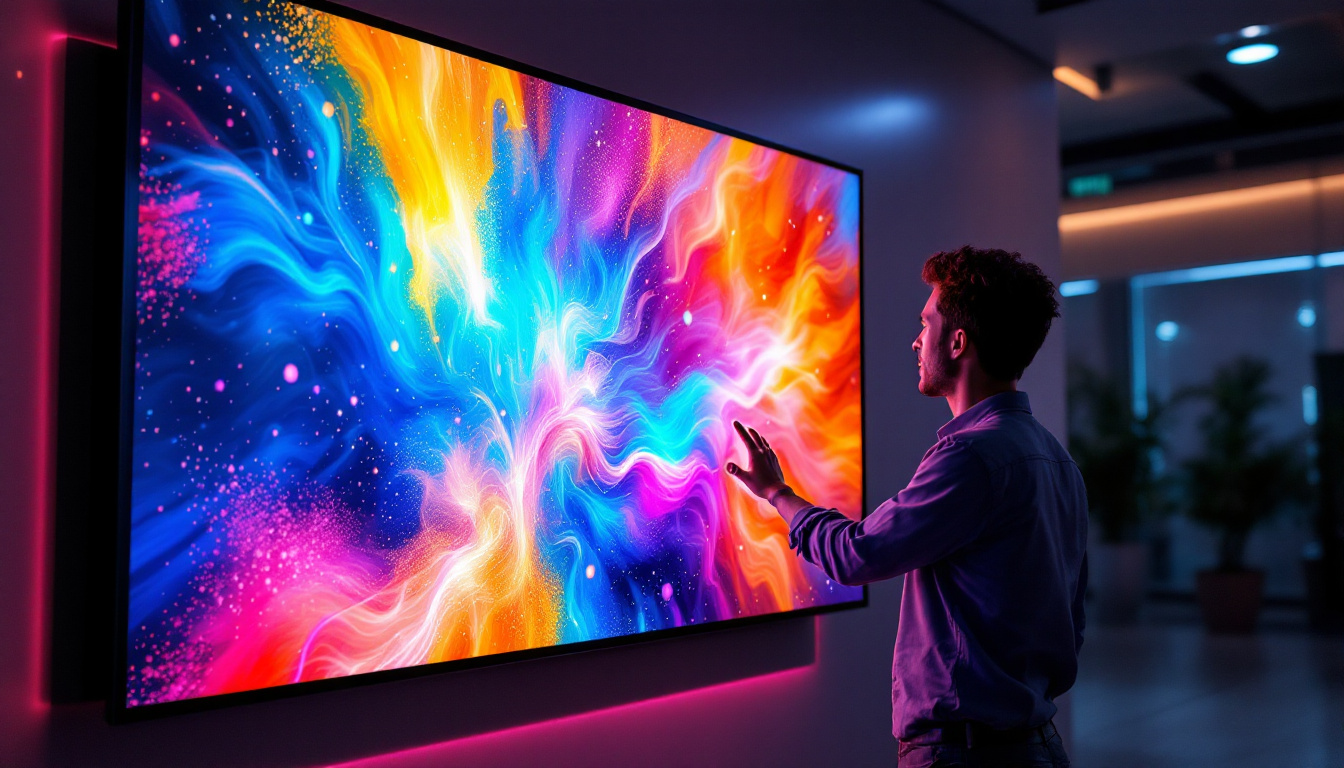
These displays often use a mesh or grid pattern where the LEDs are mounted on thin, transparent wiring or transparent conductive films such as indium tin oxide (ITO). This setup ensures minimal obstruction to the user’s view. The technology also incorporates advanced driving circuits and software algorithms to optimize brightness, contrast, and color accuracy without sacrificing transparency. Additionally, the integration of sensors can enhance interactivity; for example, touch-sensitive surfaces allow users to engage directly with the content displayed, making the experience more immersive and user-friendly. This capability is particularly beneficial in environments like museums or exhibitions, where visitors can interact with digital exhibits while still being aware of their surroundings.
Furthermore, the adaptability of see-through LED displays extends to their potential for use in various lighting conditions. Advanced technologies allow these displays to adjust their brightness based on ambient light, ensuring that images remain clear and vibrant whether in bright daylight or dim indoor settings. This versatility opens up new avenues for creative applications, from advertising in bustling city streets to providing informative displays in transportation hubs. As the technology continues to evolve, the possibilities for see-through LED displays are expanding, promising innovative solutions that blend digital content with the physical world in unprecedented ways.
Technological Innovations Behind Transparent LED Displays
Micro-LED and Mini-LED Advancements
Micro-LED technology has been a game-changer for transparent displays. These LEDs are typically less than 100 micrometers in size, allowing for high pixel density and excellent image quality. Their small size and low power consumption make them ideal for see-through applications where space and energy efficiency are critical.
Mini-LEDs, slightly larger than micro-LEDs, have also contributed significantly to transparent display development. They offer enhanced brightness and contrast, which are vital for visibility in various lighting conditions, including outdoor environments. Both micro-LED and mini-LED technologies provide longer lifespans and better color performance compared to traditional LED displays.
Transparent Conductive Materials
The development of transparent conductive materials has been essential to the success of see-through LED displays. Indium tin oxide (ITO) remains the most widely used transparent conductor due to its excellent electrical conductivity and optical transparency. However, researchers are exploring alternatives such as graphene and silver nanowires to improve flexibility, durability, and cost-effectiveness.
These materials allow electrical signals to reach the LEDs without obstructing the view, maintaining the delicate balance between transparency and display performance. The ongoing innovation in conductive films is expected to enhance the flexibility and integration of transparent LED displays into various surfaces and devices.
Optical Enhancement Techniques
To improve the visual quality of see-through LED displays, manufacturers employ optical enhancement techniques such as anti-reflective coatings, light diffusers, and brightness boosters. These methods help reduce glare and reflections, which can interfere with the transparency and readability of the display, especially in bright environments.
Additionally, some displays use polarizing filters and advanced light management layers to optimize contrast and color vibrancy. These enhancements are crucial for ensuring that the digital content remains clear and engaging without compromising the see-through effect.
Applications of See-Through LED Displays
Retail and Advertising
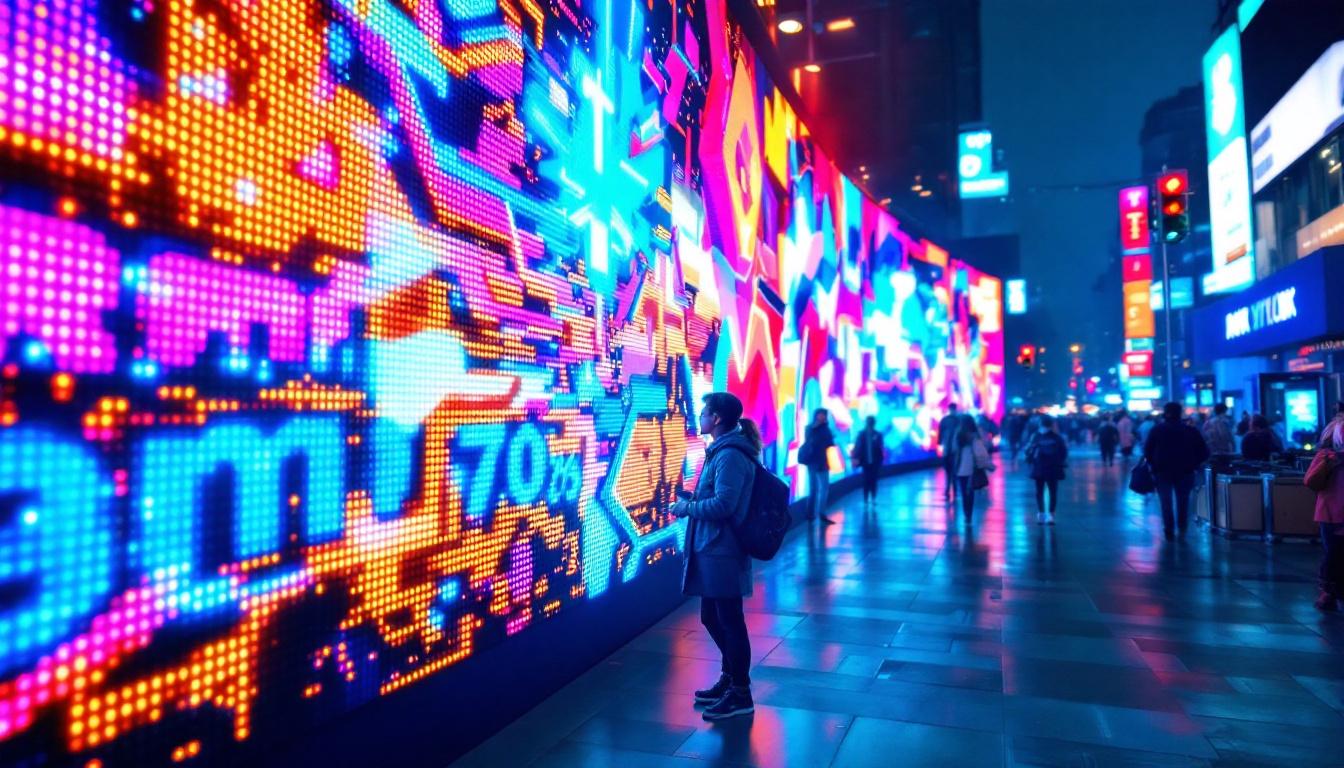
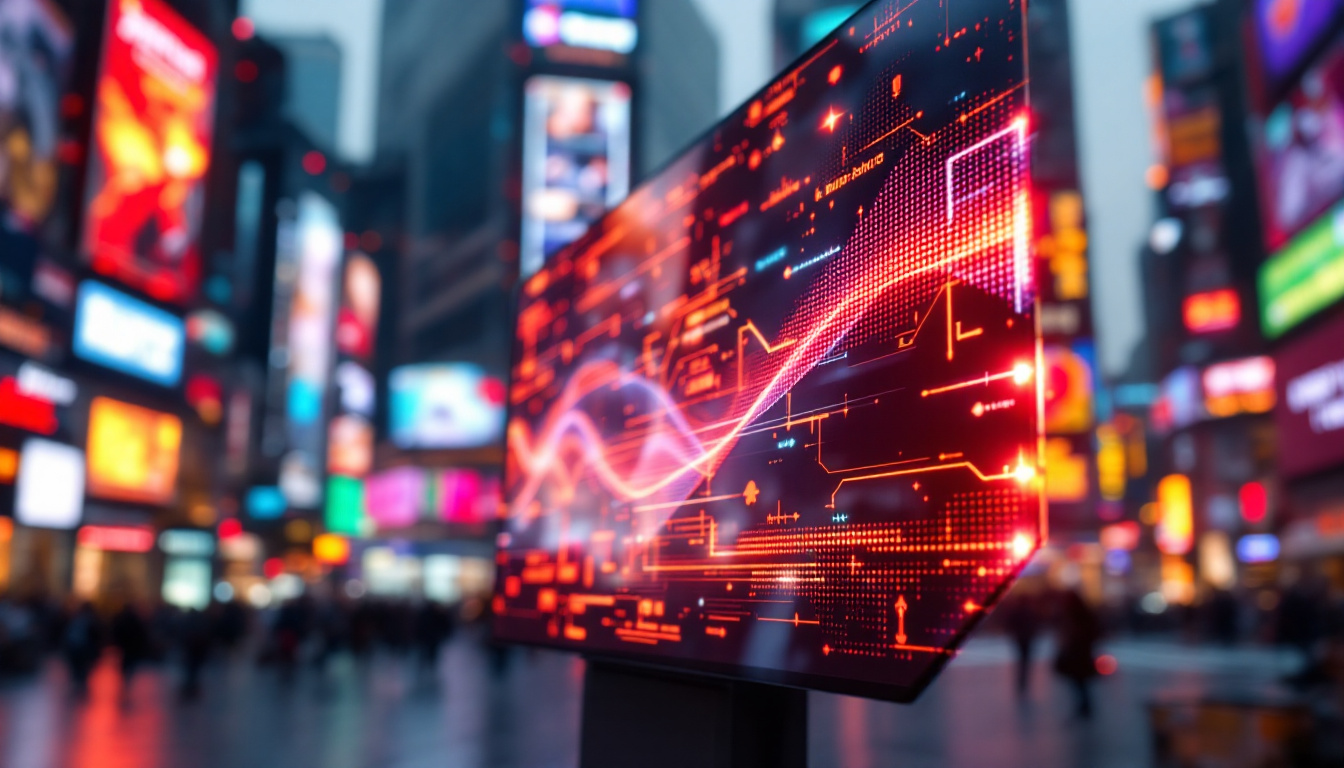
One of the most prominent applications of see-through LED displays is in retail environments, particularly for window displays and storefronts. Transparent LED screens enable retailers to showcase dynamic advertisements and product information directly on their glass windows without obstructing the view of the merchandise inside.
This technology offers an innovative way to attract customers by combining physical products with digital content, creating an immersive shopping experience. According to a 2023 report by MarketsandMarkets, the transparent display market for retail applications is expected to grow at a compound annual growth rate (CAGR) of over 20% through 2028, driven by increasing demand for interactive and visually appealing storefronts.
Augmented Reality and Heads-Up Displays
See-through LED displays are integral to augmented reality (AR) devices and heads-up displays (HUDs) used in automotive, aviation, and wearable technologies. These displays project critical information, such as navigation data, speed, or notifications, onto transparent surfaces like windshields or glasses, allowing users to access data without diverting their attention from the real world.
For example, several automotive manufacturers have integrated transparent LED HUDs into their vehicles to enhance driver safety and convenience. The ability to overlay digital content onto the physical environment seamlessly is a significant step toward more intuitive human-machine interfaces.
Smart Homes and Interior Design
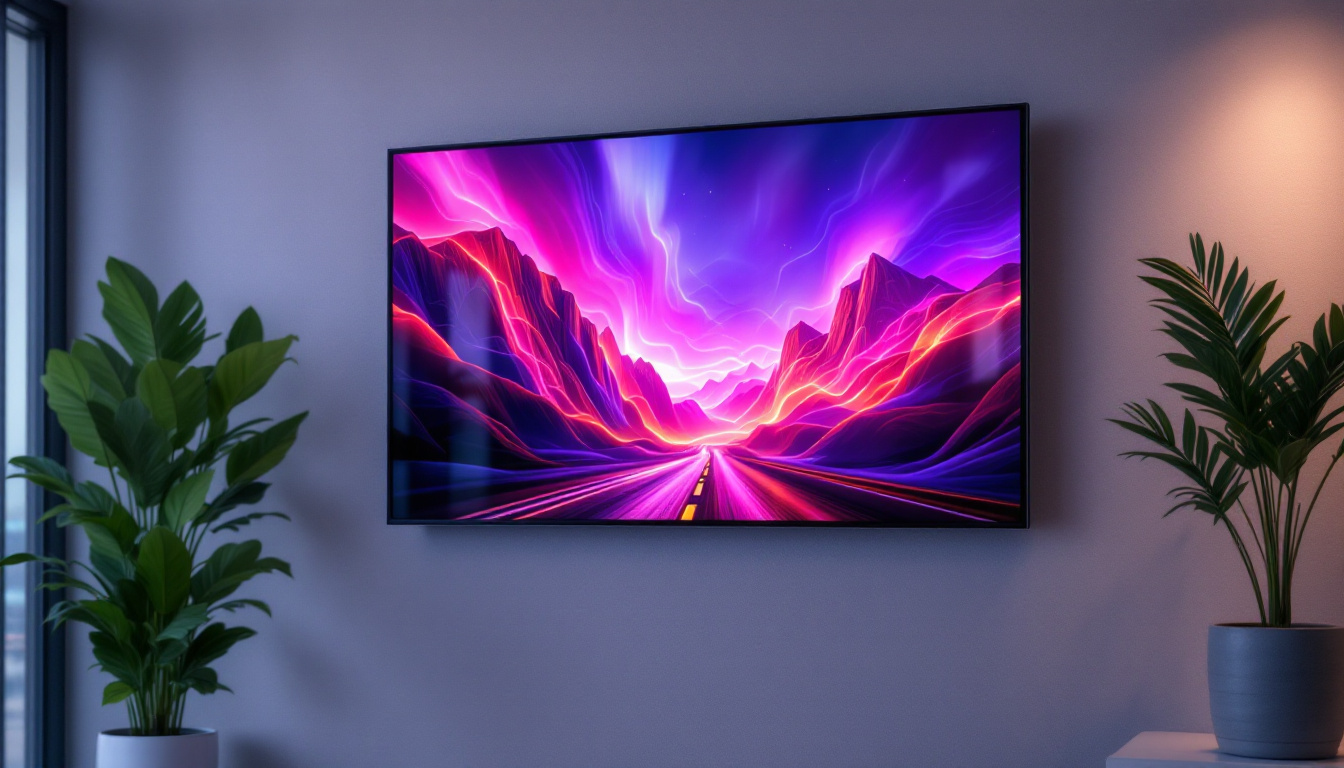
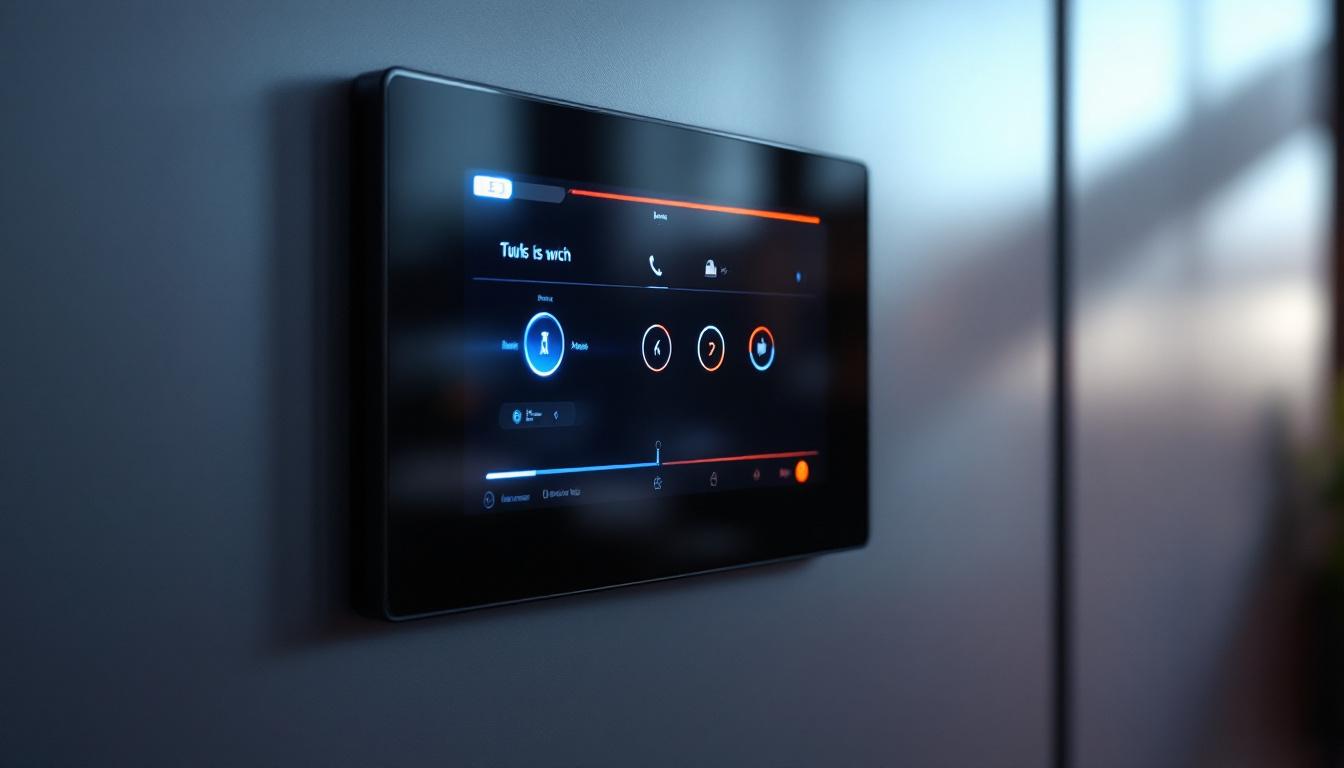
In the realm of smart homes, see-through LED displays offer exciting possibilities for integrating technology into everyday living spaces. Transparent screens can be embedded into windows, mirrors, or glass partitions to provide information, entertainment, or environmental controls without occupying additional space.
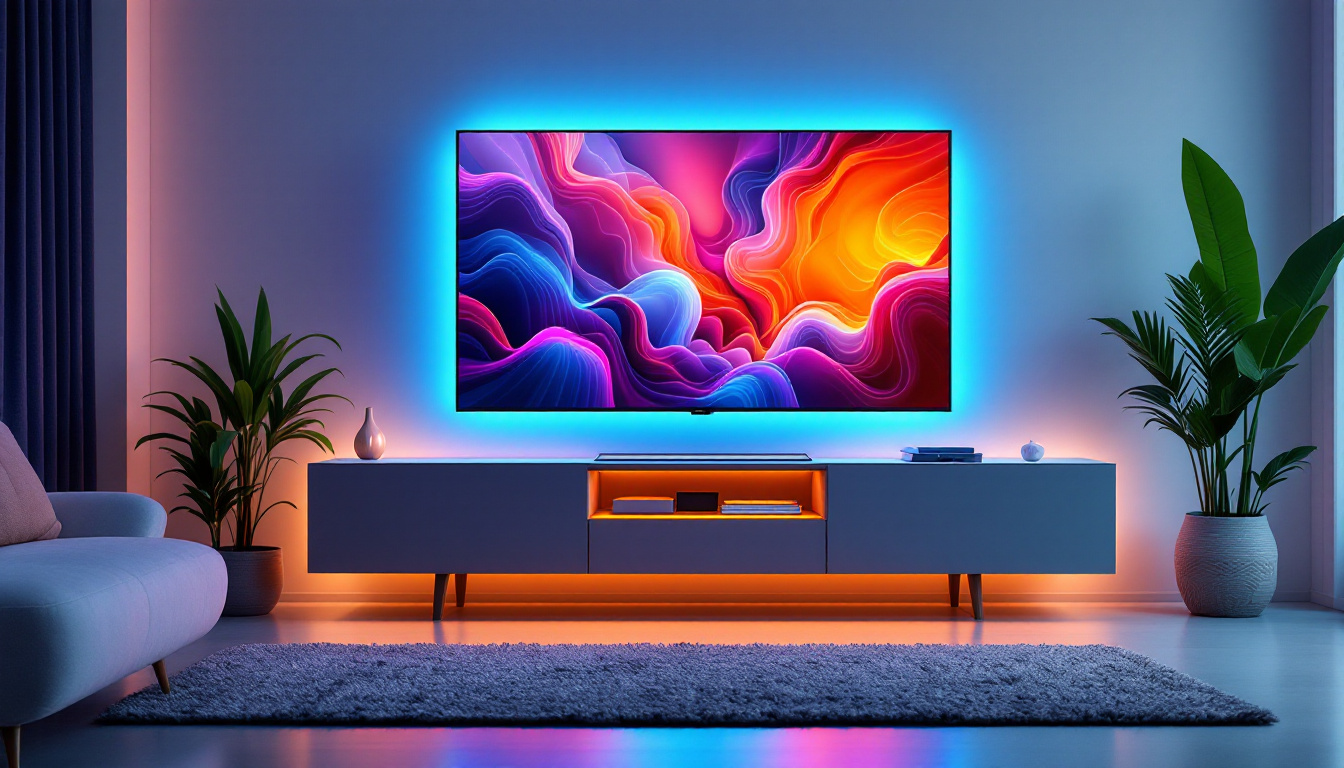
Interior designers and architects are increasingly incorporating these displays to create futuristic environments where digital content coexists with physical aesthetics. This integration enhances both functionality and ambiance, making homes more interactive and visually appealing.
Advantages of See-Through LED Displays
Enhanced User Experience
See-through LED displays provide a unique user experience by merging digital content with the physical world. This fusion allows for more natural interactions and situational awareness, especially in applications like AR and HUDs. Users can access information without losing sight of their surroundings, improving safety and convenience.
Space Efficiency and Design Flexibility
Because these displays can be integrated into existing transparent surfaces, they save space compared to traditional monitors or screens. This flexibility enables innovative design solutions in retail, automotive, and architectural applications where maintaining openness and visibility is crucial.
Energy Efficiency and Longevity
Thanks to advancements in micro-LED technology, see-through LED displays consume less power than conventional LCD or OLED screens. Their longer lifespan and lower heat generation also contribute to reduced maintenance costs and environmental impact, making them a sustainable choice for many industries.
Challenges and Limitations
Cost and Manufacturing Complexity
Despite their advantages, see-through LED displays remain relatively expensive to produce due to the complexity of manufacturing transparent substrates with embedded LEDs and conductive materials. The precision required to maintain transparency while ensuring display quality adds to production costs, limiting widespread adoption for now.
Brightness and Contrast Trade-Offs
Achieving high brightness and contrast while maintaining transparency is a technical challenge. Because the LED pixels are spaced apart to allow see-through visibility, the display’s overall brightness may be lower than that of traditional screens. This limitation can affect readability in very bright environments, although ongoing research continues to address these issues.
Resolution and Pixel Density Constraints
The spacing between LEDs necessary for transparency means that pixel density is often lower than in opaque displays. This can result in reduced image sharpness, particularly for detailed graphics or text. However, improvements in micro-LED fabrication techniques are gradually increasing pixel density without compromising transparency.
The Future of See-Through LED Displays
Integration with Emerging Technologies
The future of see-through LED displays is closely tied to the evolution of augmented reality, smart glasses, and the Internet of Things (IoT). As these technologies mature, transparent displays will become more interactive, responsive, and seamlessly integrated into everyday objects and environments.
For instance, combining transparent LED displays with AI-powered interfaces could enable personalized content delivery based on user preferences and context. This integration promises to revolutionize how people consume information and interact with digital systems.
Advances in Materials and Manufacturing
Ongoing research into flexible transparent conductors, organic LEDs (OLEDs), and quantum dot technologies holds the potential to overcome current limitations in cost, brightness, and resolution. Flexible and rollable transparent displays could open new avenues for portable and wearable devices, expanding the reach of see-through LED technology.
Expanding Market Adoption
As production costs decrease and performance improves, transparent LED displays are expected to see broader adoption across industries. From advertising and automotive to healthcare and education, the ability to overlay digital content onto transparent surfaces will create new user experiences and business opportunities.
Conclusion
See-through LED displays represent a remarkable intersection of transparency and digital display technology, offering innovative ways to merge the physical and virtual worlds. While challenges remain in terms of cost, brightness, and resolution, ongoing advancements in micro-LED technology, materials science, and manufacturing processes are rapidly enhancing their viability.
With applications spanning retail, automotive, smart homes, and augmented reality, transparent LED displays are poised to become a key component of future digital ecosystems. Their ability to deliver immersive, space-efficient, and energy-conscious visual experiences makes them an exciting technology to watch in the coming years.
Discover the Future of Visual Engagement with LumenMatrix
Ready to elevate your space with the next generation of visual display technology? LumenMatrix invites you to explore our comprehensive range of LED display solutions, designed to bring your brand to life and captivate your audience. From stunning Indoor and Outdoor LED Walls to innovative Transparent LED Displays, our products are crafted to transform any environment into a dynamic visual experience. Embrace the future of digital interaction and check out LumenMatrix LED Display Solutions today, where clarity meets impact.