In today’s fast-paced business environment, the role of a Senior Vice President (SVP) of Sales extends far beyond traditional sales tactics. With the rise of digital transformation, leveraging cutting-edge technology has become essential to drive revenue and maintain a competitive edge. One such technology that has revolutionized marketing and sales strategies across industries is the LED display. This article delves into the world of LED displays, explaining their technology, applications, and strategic value from the perspective of a Senior VP of Sales.
Understanding LED Display Technology
Light Emitting Diode (LED) displays have become ubiquitous in both indoor and outdoor advertising, retail environments, and corporate communications. But what exactly makes LED displays so effective?
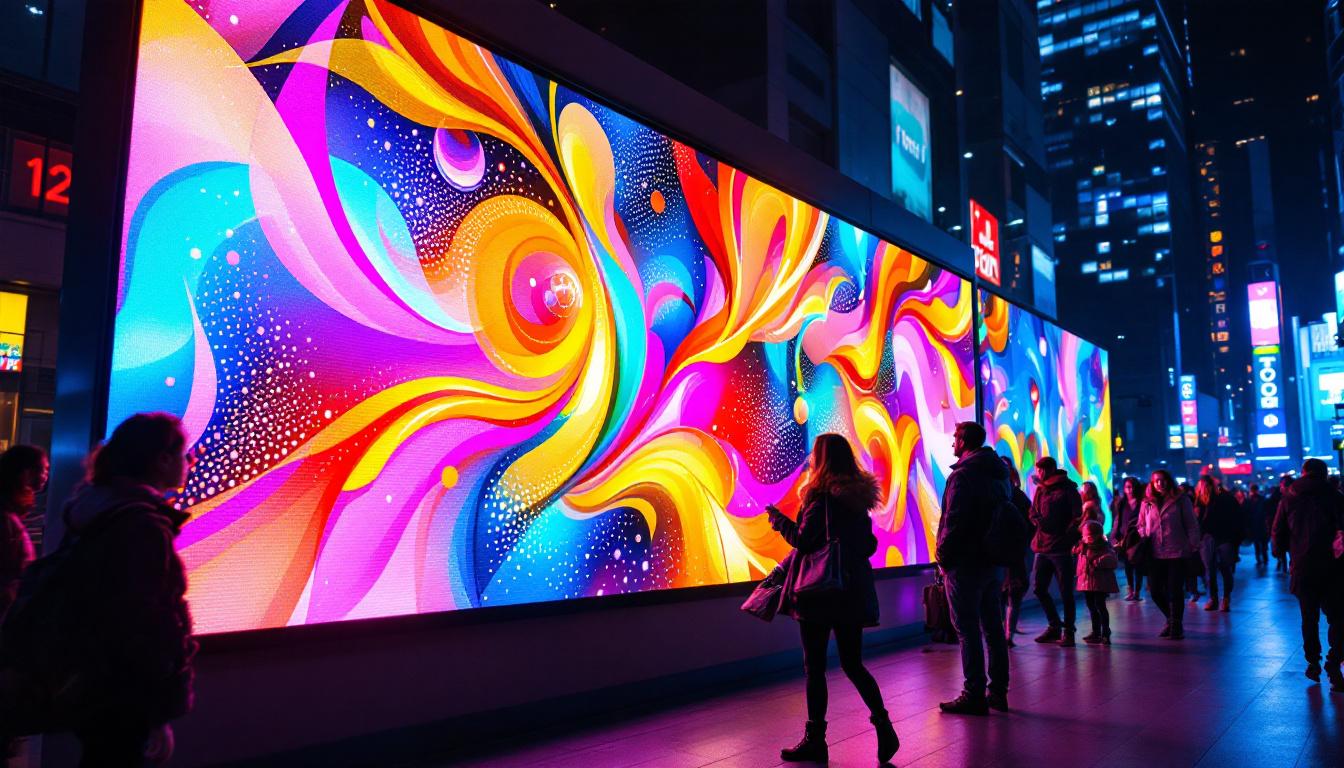
At its core, an LED display consists of numerous tiny light-emitting diodes arranged in a matrix to form images, videos, or text. These diodes emit bright, vibrant light when an electric current passes through them, allowing for high visibility even in direct sunlight. Unlike traditional LCD or projection screens, LED displays offer superior brightness, contrast, and energy efficiency.
Types of LED Displays
There are several types of LED displays, each suited for different environments and purposes:
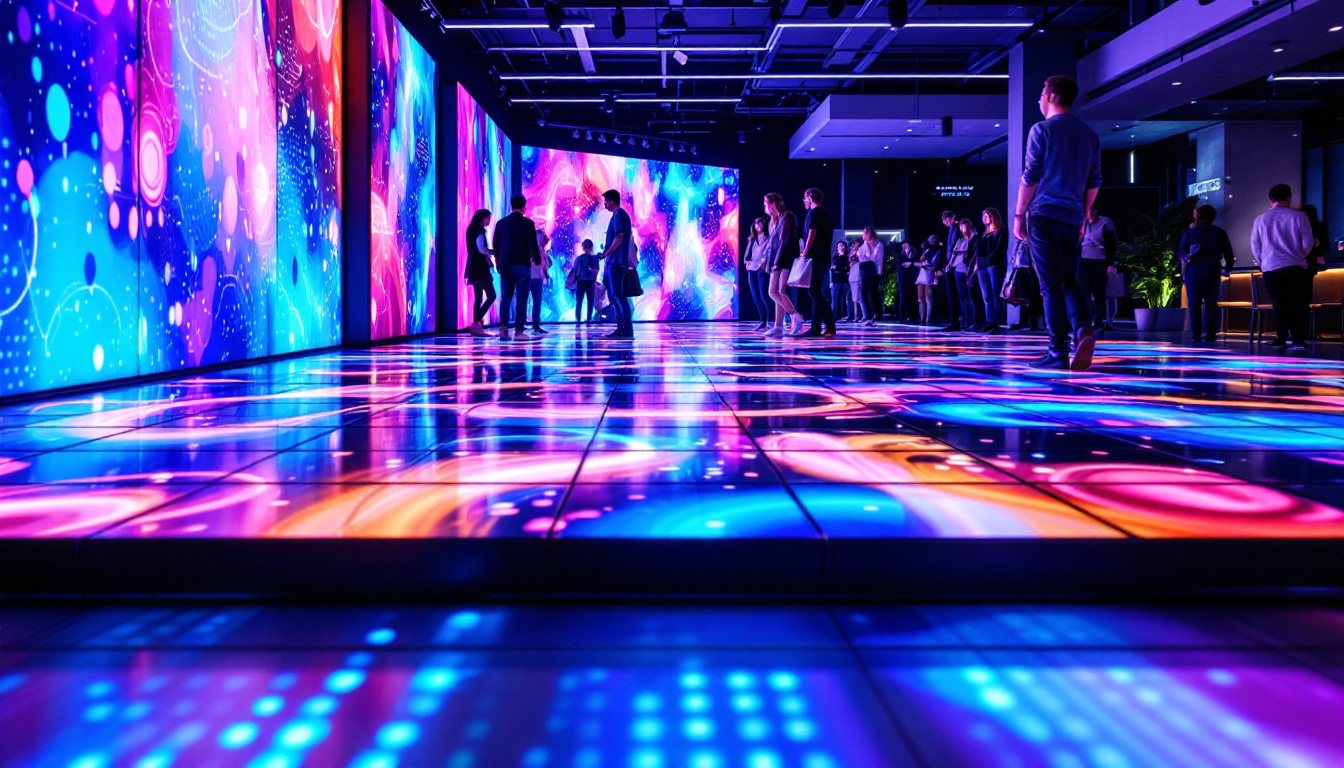
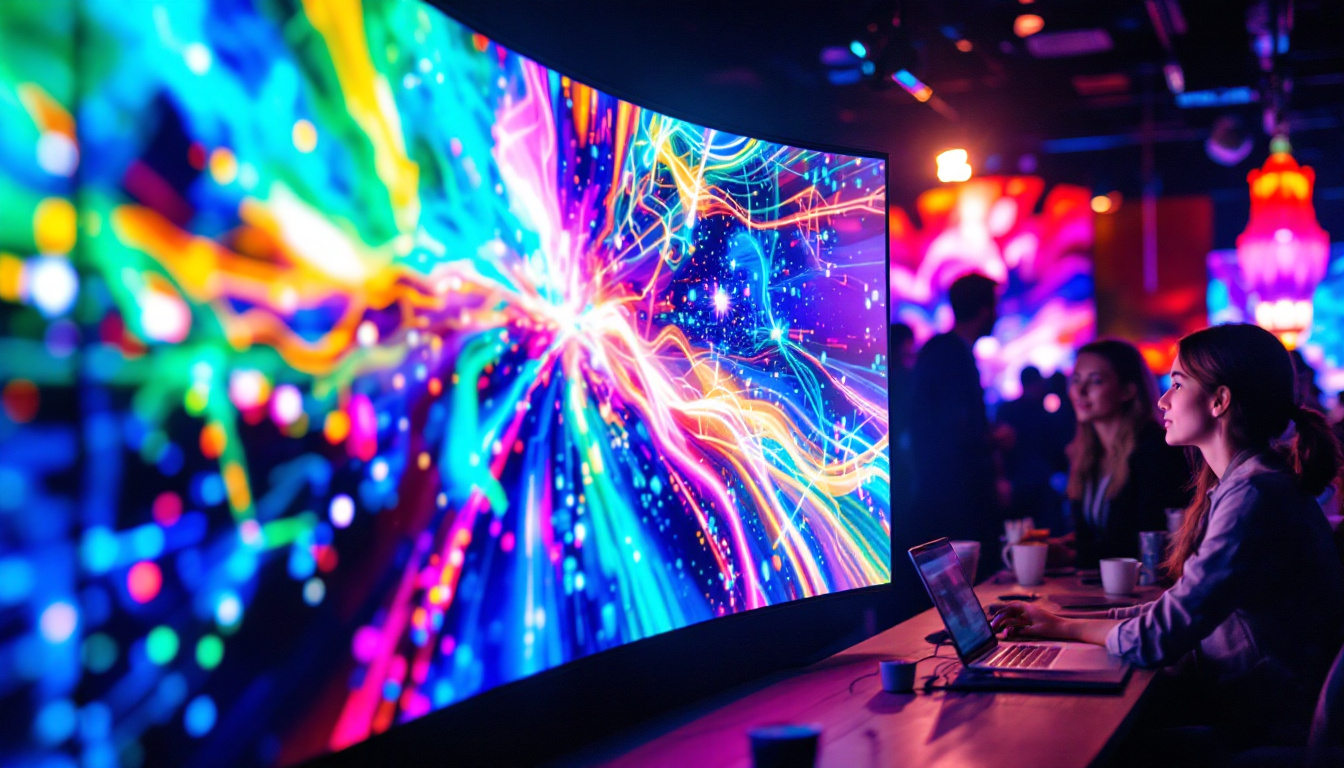
- Indoor LED Displays: Designed for controlled lighting environments, these displays offer high resolution and color accuracy, making them ideal for retail stores, conference rooms, and trade shows.
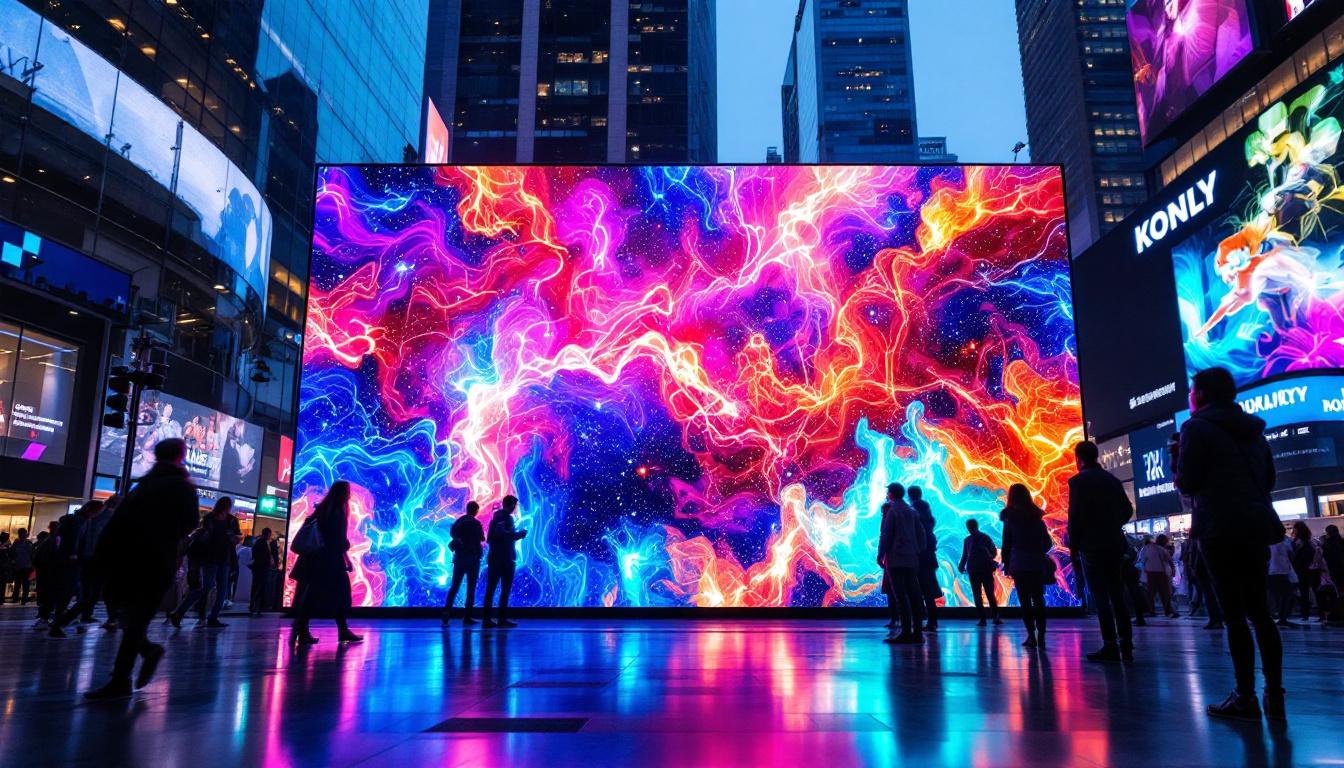
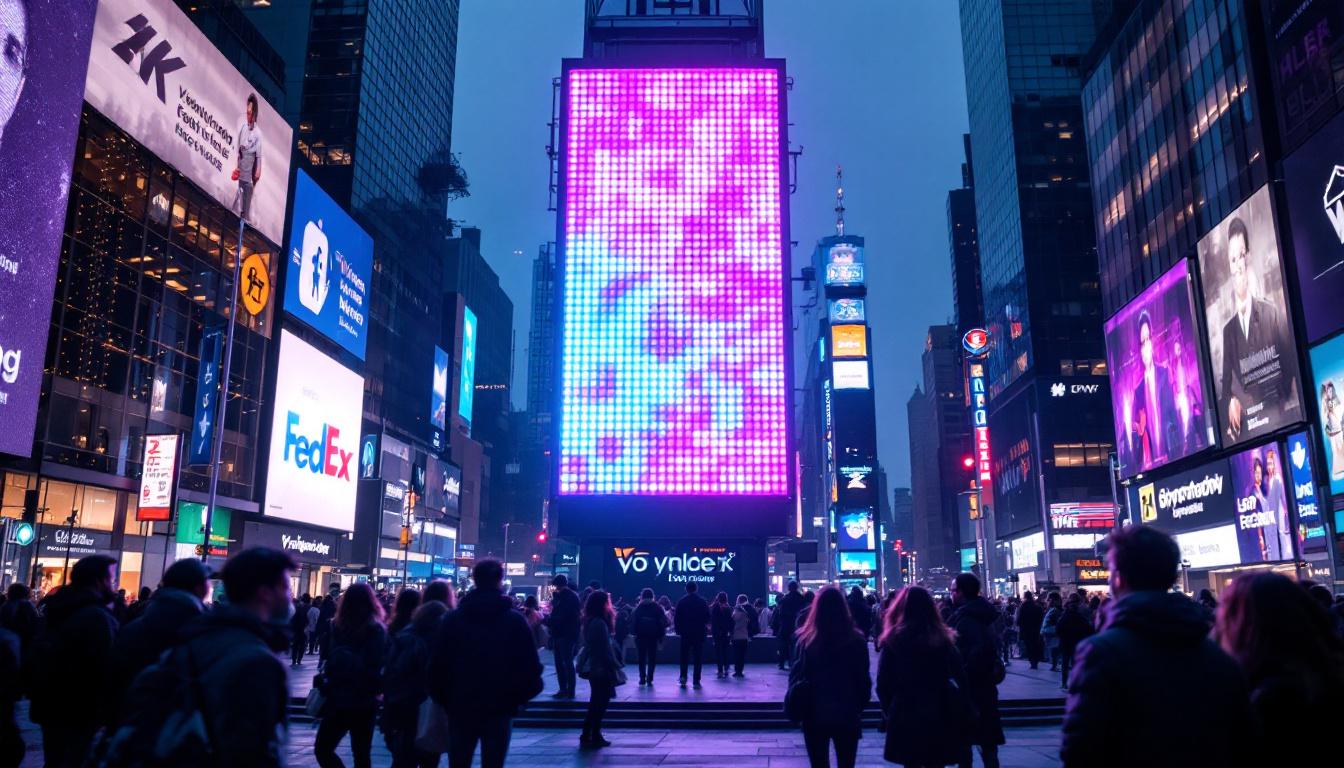
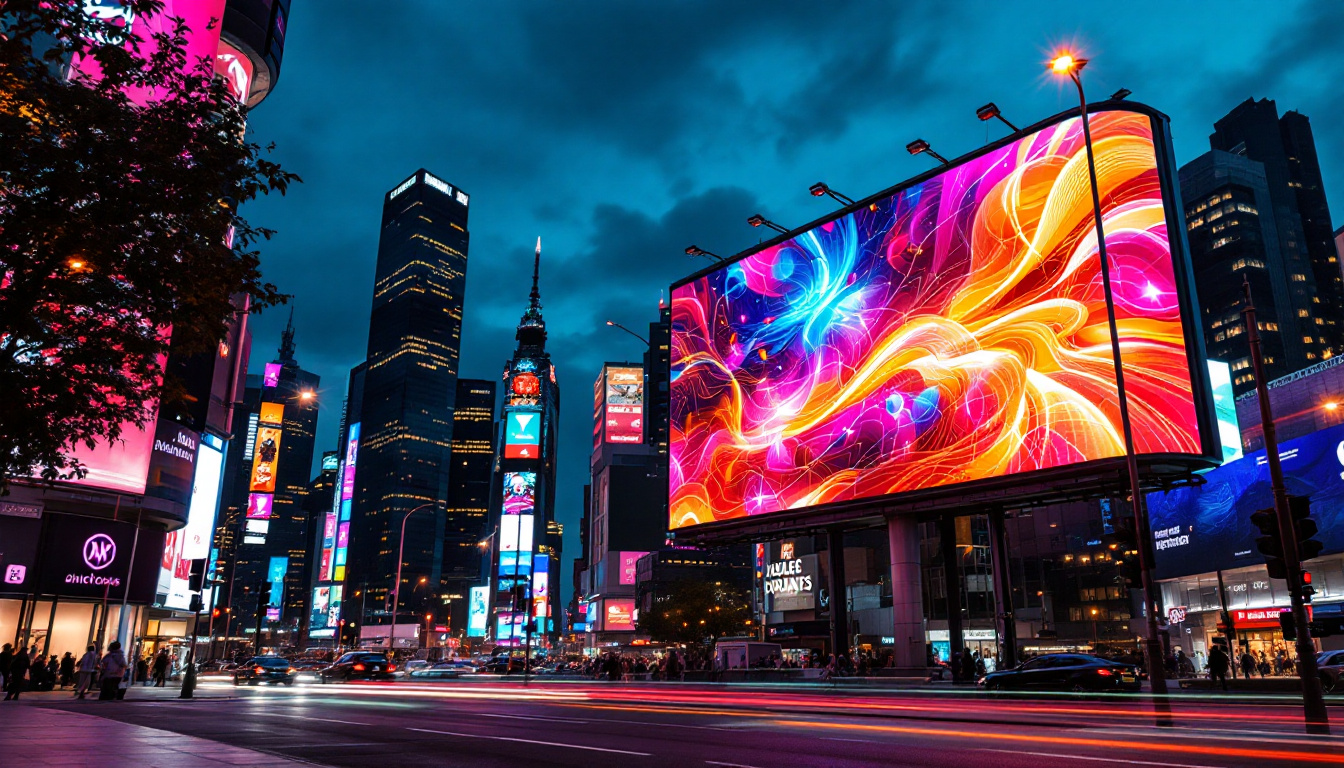
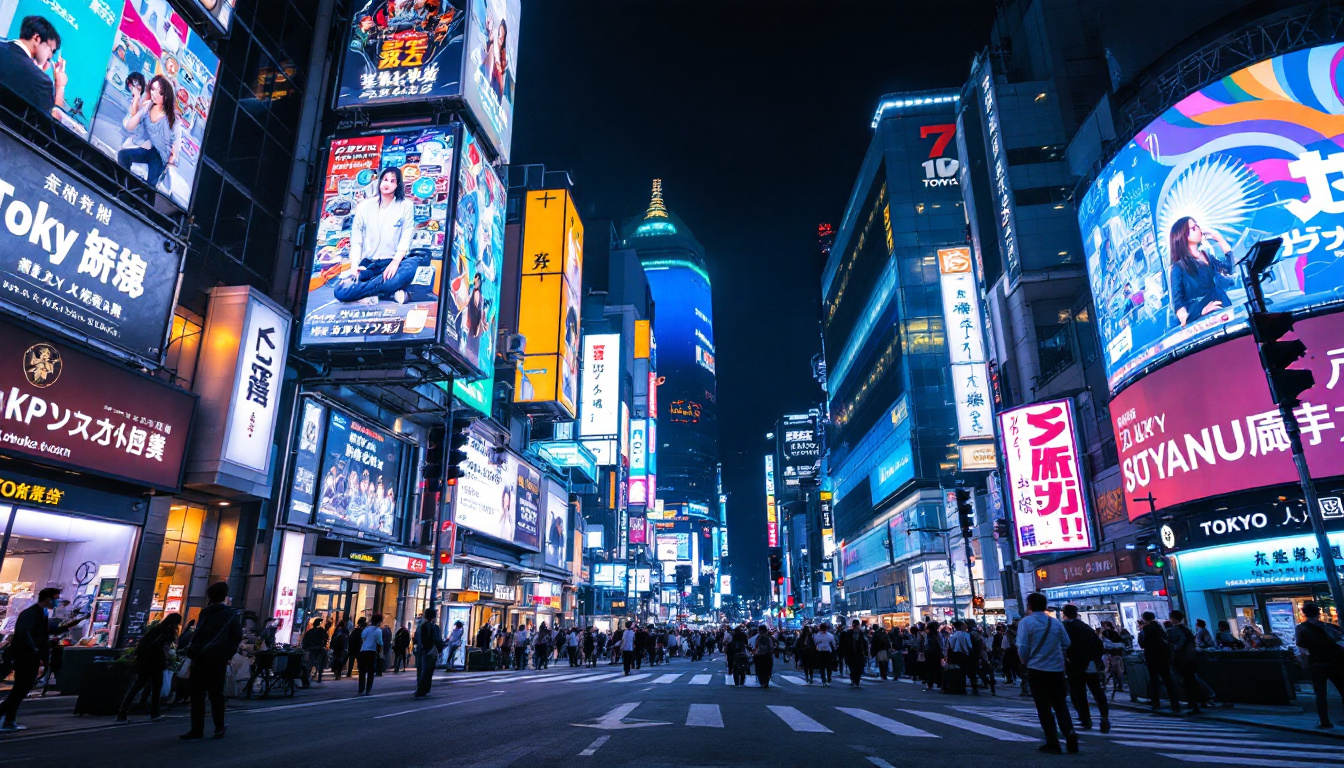
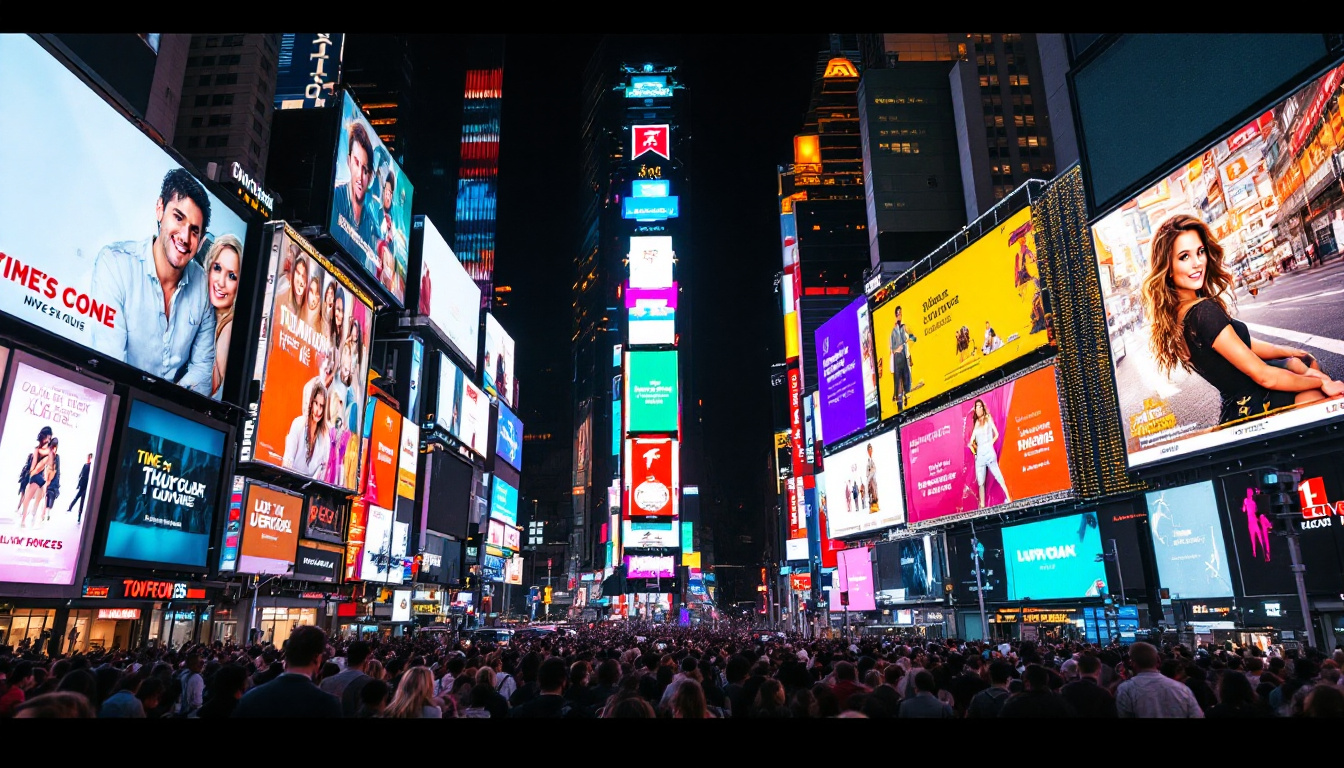
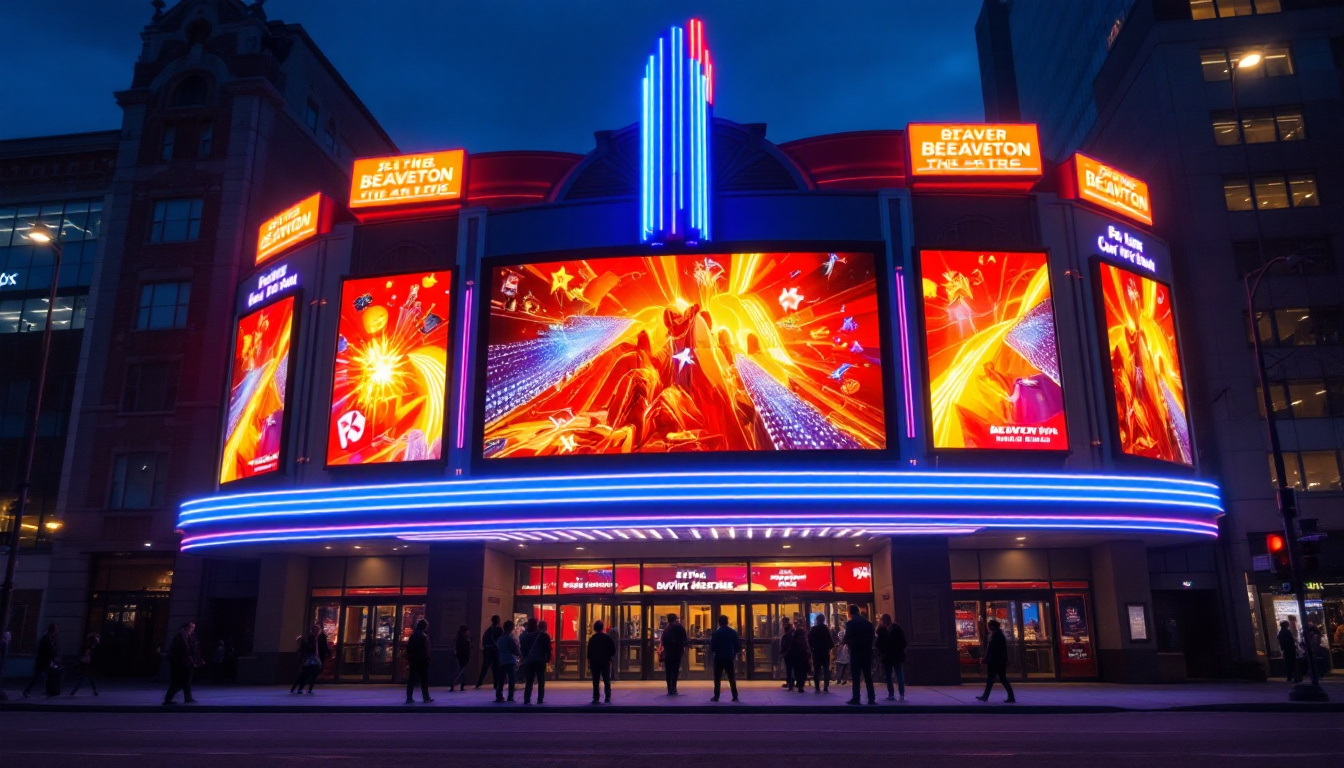
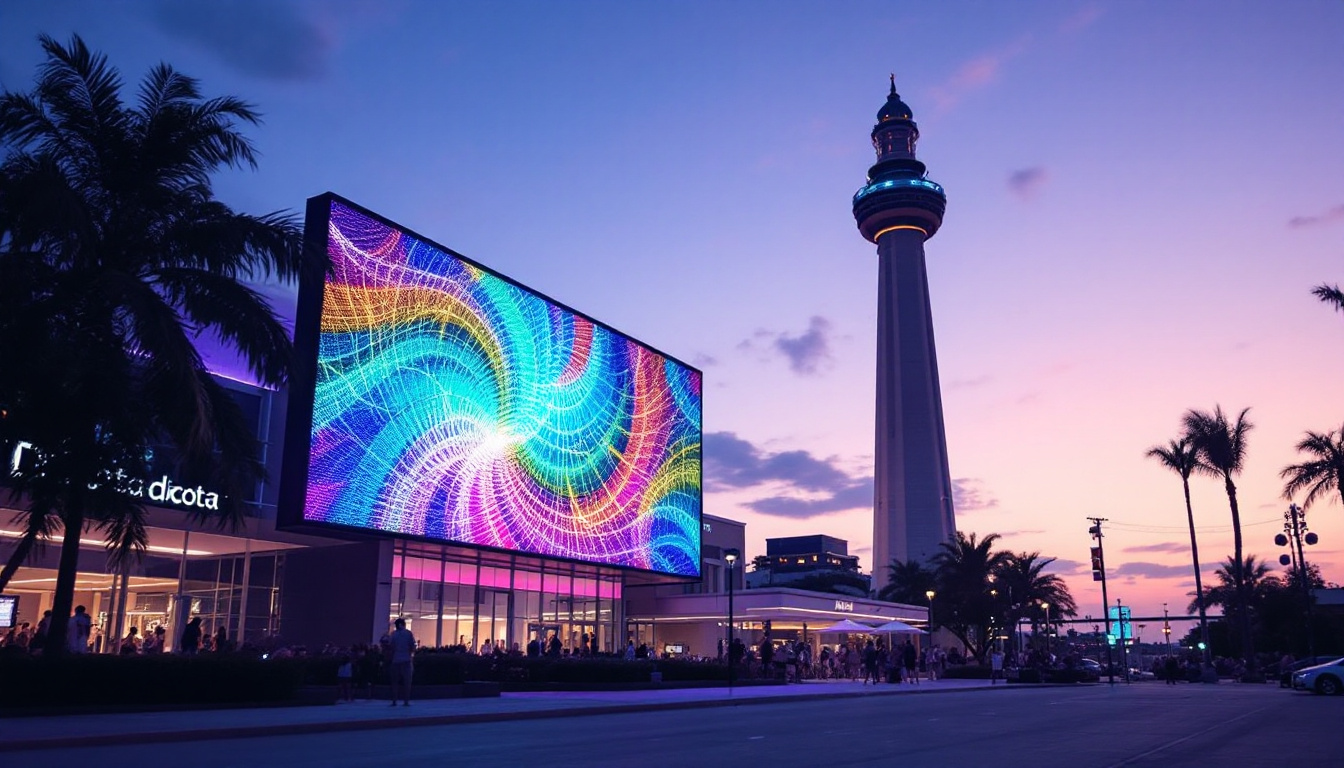
- Outdoor LED Displays: Built to withstand weather conditions, these displays provide exceptional brightness and durability for billboards, stadiums, and public information systems.
- Flexible and Transparent LED Displays: Emerging technologies allow for curved, bendable, or see-through LED panels, opening new creative possibilities for product launches and experiential marketing.
Key Technical Advantages
From a sales leadership perspective, understanding the technical strengths of LED displays is crucial when advising marketing teams or clients. Some key advantages include:
- Brightness and Visibility: LED displays can reach brightness levels up to 10,000 nits, ensuring content remains visible in broad daylight.
- Energy Efficiency: LEDs consume less power compared to other display technologies, translating into lower operational costs.
- Longevity and Durability: With lifespans often exceeding 100,000 hours, LED displays offer a long-term investment with minimal maintenance.
- Scalability: Modular design allows for customization of display size and shape, fitting diverse sales and marketing needs.
Moreover, LED displays are not just about functionality; they also play a pivotal role in enhancing the viewer’s experience. The ability to display dynamic content, such as animations and real-time data, creates a more engaging atmosphere that can attract and retain customer attention. For instance, retailers can showcase promotional videos or seasonal campaigns that can be updated instantly, allowing for timely marketing strategies that resonate with current trends. This adaptability is particularly beneficial in fast-paced environments where consumer preferences can shift rapidly.
Additionally, the integration of LED technology with smart systems has paved the way for innovative applications such as interactive displays and augmented reality experiences. These advancements enable brands to create immersive storytelling opportunities that captivate audiences on a deeper level. By utilizing sensors and data analytics, businesses can tailor their content based on viewer demographics or foot traffic patterns, ensuring that the right message reaches the right audience at the right time. This level of customization not only enhances customer engagement but also significantly boosts conversion rates, making LED displays a powerful tool in the modern marketing arsenal.
Strategic Applications of LED Displays in Sales
For a Senior VP of Sales, the ultimate question is how LED displays can be leveraged to accelerate sales growth and improve customer engagement. The versatility of LED technology means it can be integrated into various sales strategies effectively.
Enhancing Retail and Point-of-Sale Experiences
Retail environments have embraced LED displays to create dynamic, eye-catching presentations that influence buyer behavior. According to a 2023 study by the Digital Signage Federation, stores using digital signage, including LED displays, reported a 30% increase in customer dwell time and a 20% boost in sales conversion rates.
LED displays enable real-time promotions, interactive product demos, and personalized messaging. For example, luxury brands use high-resolution LED walls to showcase product videos and immersive brand stories, elevating the customer experience and justifying premium pricing. Furthermore, the ability to update content remotely allows retailers to quickly adapt to market trends or seasonal promotions, ensuring that their messaging remains relevant and engaging. This adaptability not only enhances customer satisfaction but also fosters brand loyalty, as consumers appreciate timely and tailored communications.
Driving Event and Trade Show Success
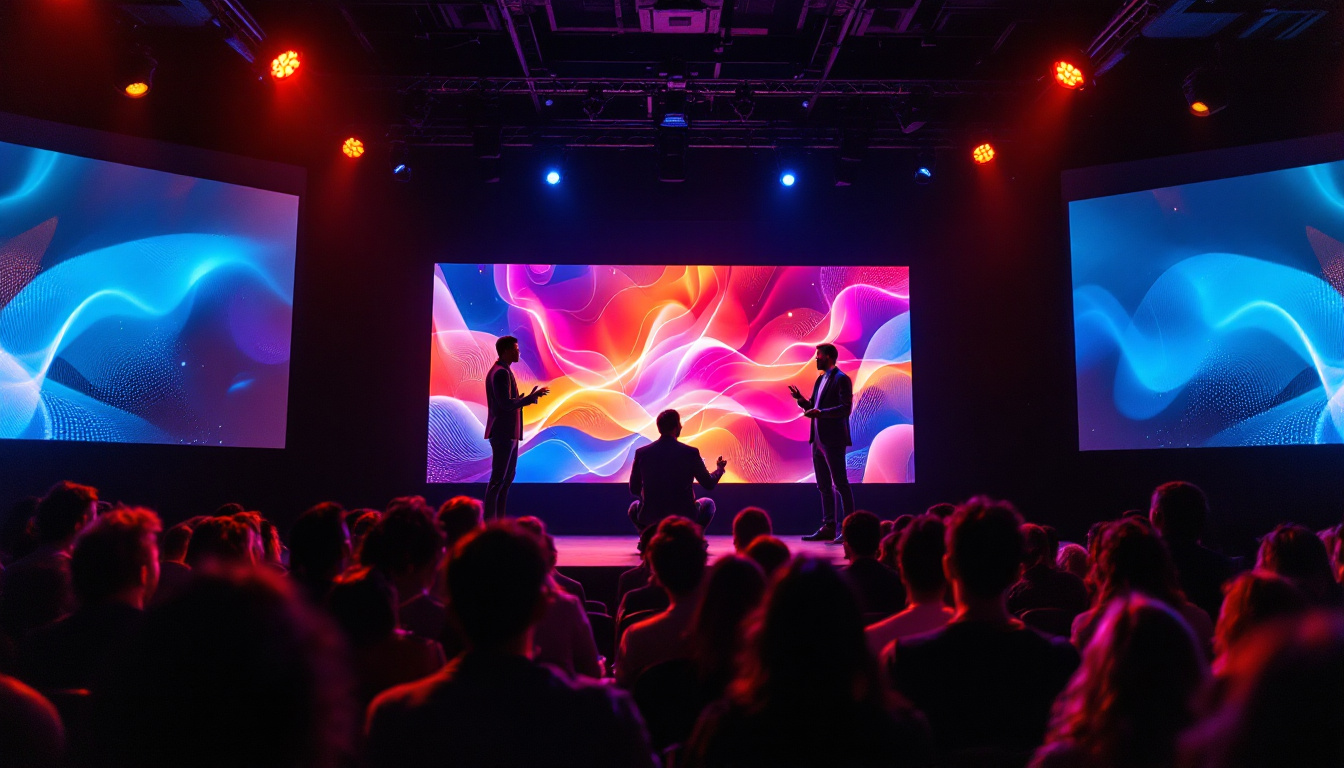
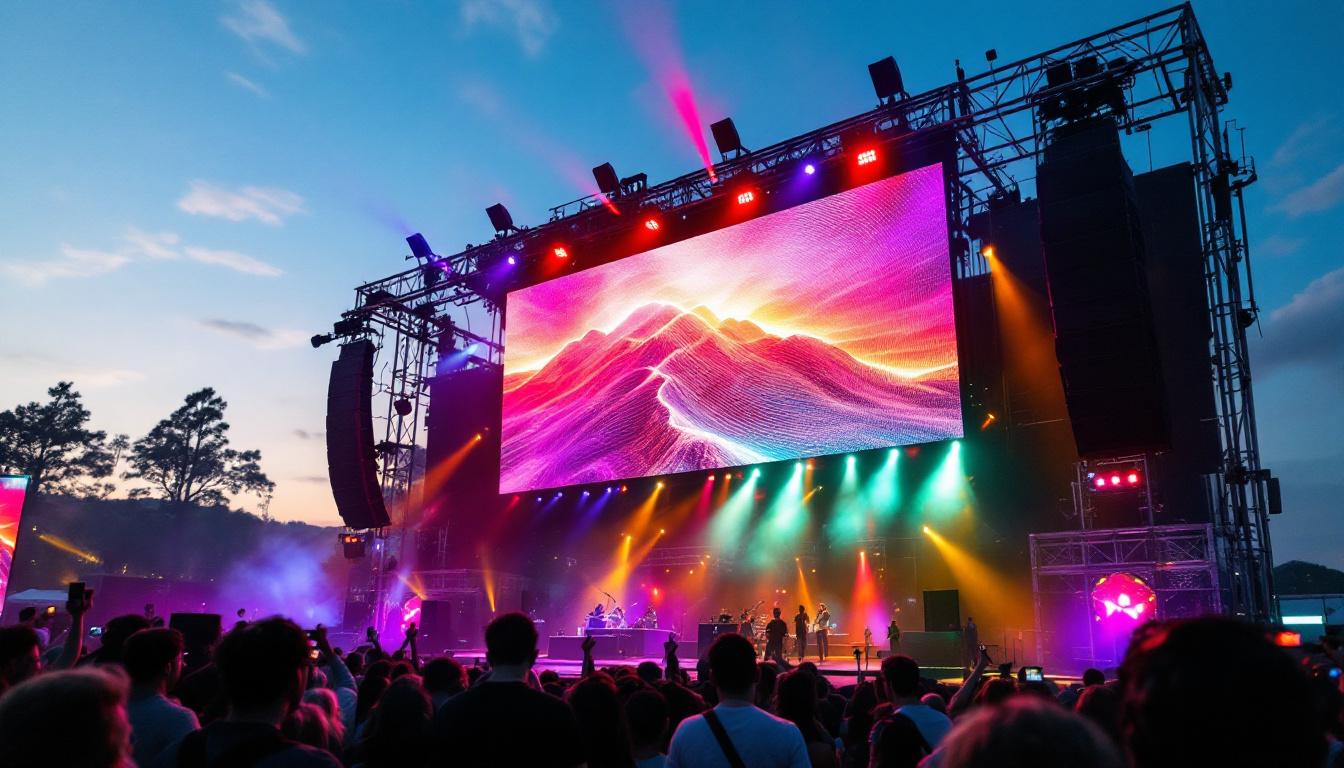
Trade shows and industry events are critical for lead generation and brand positioning. LED displays serve as powerful tools to attract attention amidst crowded exhibition halls. Their vibrant visuals and motion capabilities help sales teams communicate complex product benefits quickly and memorably.
Moreover, integrating LED displays with interactive touchscreens or augmented reality can create engaging demos that encourage visitor interaction, fostering deeper connections and higher-quality leads. The use of LED technology can also extend beyond the booth itself; for instance, strategically placed displays throughout the venue can highlight key messages or direct attendees to specific locations, further enhancing brand visibility. This multi-faceted approach not only maximizes exposure but also reinforces the brand’s commitment to innovation and customer engagement.
Supporting Corporate Communications and Sales Training
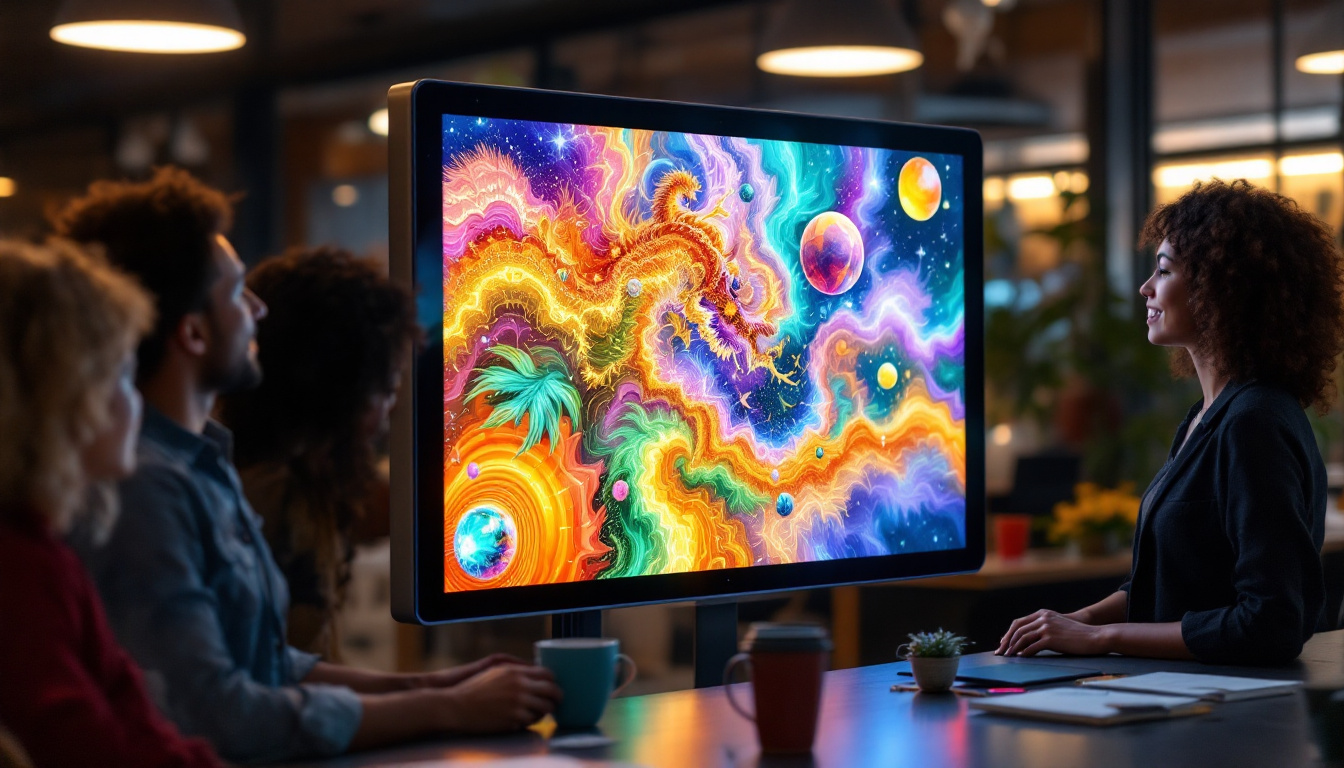
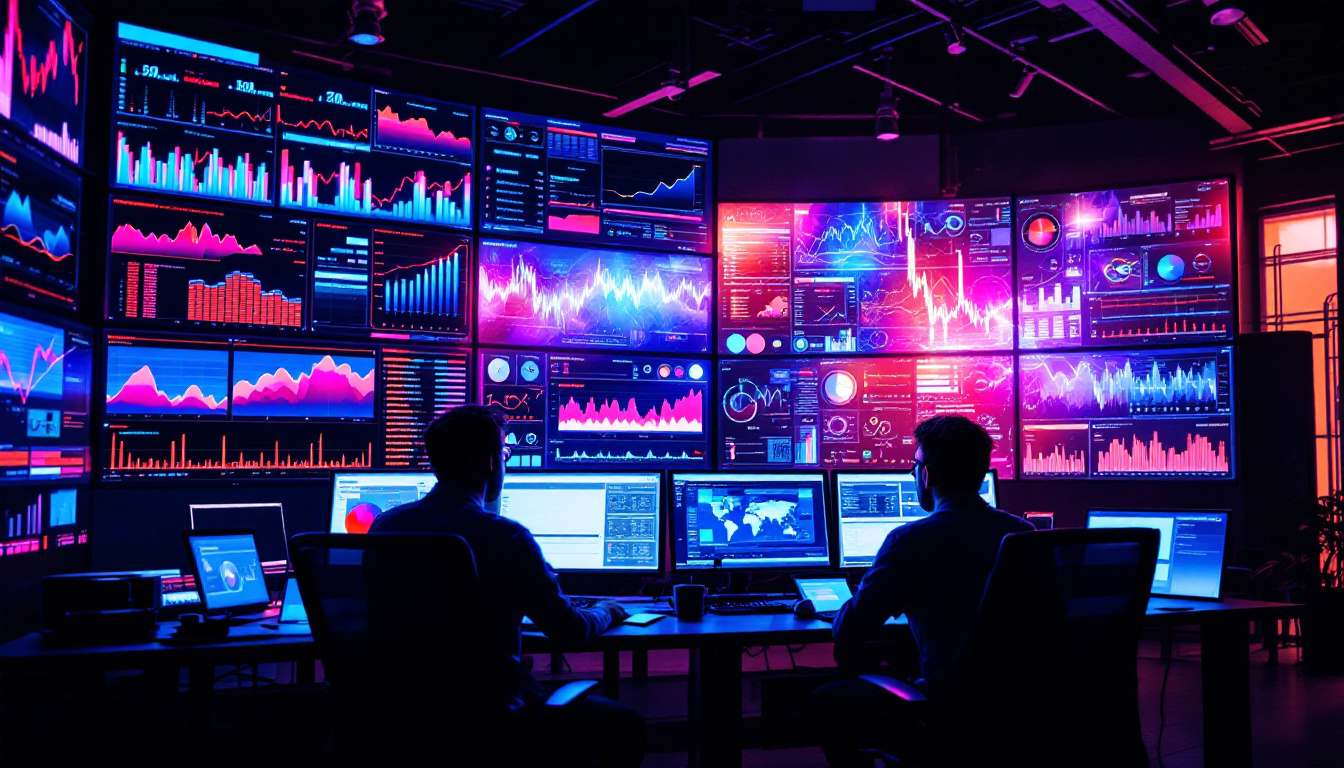
Internally, LED displays can enhance communication within sales teams and across departments. Large LED screens in sales war rooms or meeting spaces can display real-time sales dashboards, performance metrics, and motivational content, keeping teams aligned and focused on targets.
Additionally, LED technology supports immersive training environments. Simulations and video-based learning on large LED displays can improve knowledge retention and skill development, ultimately boosting sales effectiveness. The interactive nature of these displays allows for scenario-based training, where sales representatives can engage in role-playing exercises that mirror real-life situations. This hands-on approach not only builds confidence but also equips teams with the practical skills necessary to navigate complex sales conversations, thereby enhancing overall performance and driving results.
Measuring ROI and Sales Impact of LED Displays
Investing in LED display technology requires a clear understanding of its return on investment (ROI). Senior VPs of Sales must evaluate not only the upfront costs but also the measurable impact on sales performance and brand equity. As the retail landscape becomes increasingly competitive, leveraging innovative technologies like LED displays can provide a significant edge in attracting and retaining customers.
Quantifying Sales Uplift
One of the most direct ways to assess the value of LED displays is by tracking sales metrics before and after implementation. Retailers often use A/B testing by deploying LED signage in select locations and comparing sales data against control stores. In many cases, businesses have reported sales increases ranging from 10% to 25%, depending on product category and campaign execution. Furthermore, analyzing foot traffic in conjunction with sales data can provide deeper insights into how visual merchandising impacts consumer behavior, allowing for more strategic placement of displays to maximize visibility and engagement.
Enhancing Brand Perception
Beyond immediate sales, LED displays contribute to long-term brand building. High-quality digital signage signals innovation and professionalism, which can influence customer perceptions and loyalty. Surveys indicate that 70% of consumers feel more positively about brands that use modern digital displays, which can translate into repeat business and referrals. Additionally, the dynamic nature of LED displays allows brands to showcase their latest products, promotions, and events in real-time, creating a sense of urgency and excitement that static signage simply cannot match. This adaptability not only keeps the brand fresh in consumers’ minds but also encourages social media sharing and word-of-mouth marketing, further amplifying brand reach.
Operational Efficiency and Cost Savings
While LED displays require initial capital investment, their energy efficiency and low maintenance reduce ongoing costs. Additionally, the ability to update content remotely and instantly eliminates printing and distribution expenses associated with traditional signage. This flexibility allows businesses to respond quickly to market trends, seasonal changes, or promotional opportunities without the lag time typically associated with physical signage updates. Moreover, the longevity of LED technology means that companies can enjoy years of service without the frequent replacements that other signage options may require, further enhancing the overall cost-effectiveness of this investment.
Challenges and Considerations for Sales Leaders
Despite their many benefits, LED displays also present challenges that Senior VPs of Sales must navigate to maximize value.
Upfront Investment and Budget Allocation
High-quality LED displays can be costly, particularly for large-scale or outdoor installations. Sales leaders must work closely with finance and marketing teams to justify expenditures through detailed cost-benefit analyses and phased rollout plans.
Content Strategy and Management
Effective use of LED displays hinges on compelling, relevant content. Without a robust content strategy, even the most advanced displays can fail to engage audiences. Sales leaders should advocate for dedicated resources or partnerships to develop and manage dynamic content that drives sales objectives.
Technical Integration and Maintenance
Integrating LED displays into existing sales and marketing systems requires technical expertise. Ensuring seamless connectivity, software compatibility, and ongoing maintenance is critical to avoid downtime and maximize impact. Collaboration with IT and external vendors is essential.
Future Trends in LED Displays and Sales Enablement
The LED display market continues to evolve rapidly, offering exciting opportunities for sales leaders to innovate their strategies.
Artificial Intelligence and Data-Driven Personalization
Emerging AI technologies enable LED displays to deliver personalized content based on real-time data such as customer demographics, behavior, and environmental conditions. This level of customization can significantly enhance engagement and conversion rates.
Integration with Omnichannel Sales Strategies
LED displays are increasingly integrated with mobile apps, social media, and e-commerce platforms, creating seamless omnichannel experiences. For instance, customers can scan QR codes displayed on LED screens to access exclusive offers or product information instantly.
Sustainability and Green Technologies
As sustainability becomes a priority, LED displays are adopting eco-friendly materials and energy-saving features. Sales leaders can leverage these green credentials to appeal to environmentally conscious consumers and align with corporate social responsibility goals.
Conclusion
For Senior Vice Presidents of Sales, understanding the strategic value of LED displays is essential in today’s digital marketplace. These versatile, high-impact tools can transform customer engagement, elevate brand presence, and drive measurable sales growth. By carefully evaluating technology options, aligning with marketing and IT teams, and focusing on compelling content, sales leaders can harness the full potential of LED displays to achieve their revenue objectives and stay ahead in a competitive landscape.
Discover LumenMatrix’s Innovative LED Display Solutions
As you consider the strategic advantages of LED displays for your sales and marketing initiatives, we invite you to explore the advanced solutions offered by LumenMatrix. Our commitment to innovation ensures that you have access to a wide range of LED display modules, from Indoor and Outdoor LED Walls to Custom and Transparent Displays, all designed to captivate your audience and amplify your message. Embrace the future of visual communication with LumenMatrix and transform your customer engagement. Check out LumenMatrix LED Display Solutions today and see how we can help you achieve your sales goals with clarity and impact.