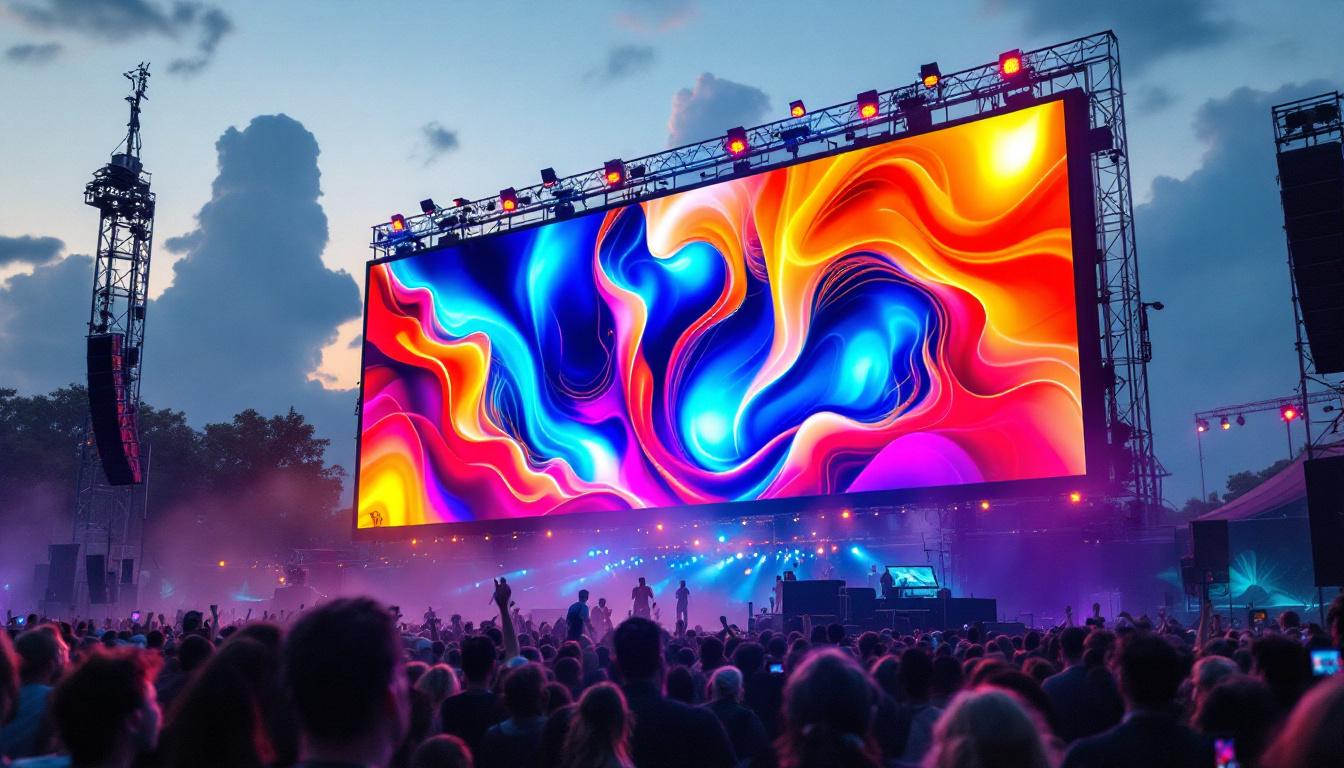
In the world of large-scale visual displays, the term “Jumbotron” has become synonymous with massive, vibrant screens that captivate audiences in stadiums, concerts, public squares, and advertising billboards. But what exactly is a Jumbotron screen, and how does LED technology power these impressive displays? This article delves into the intricacies of Jumbotron LED screens, exploring their technology, applications, advantages, and future trends.
Understanding Jumbotron Screens
What Is a Jumbotron?
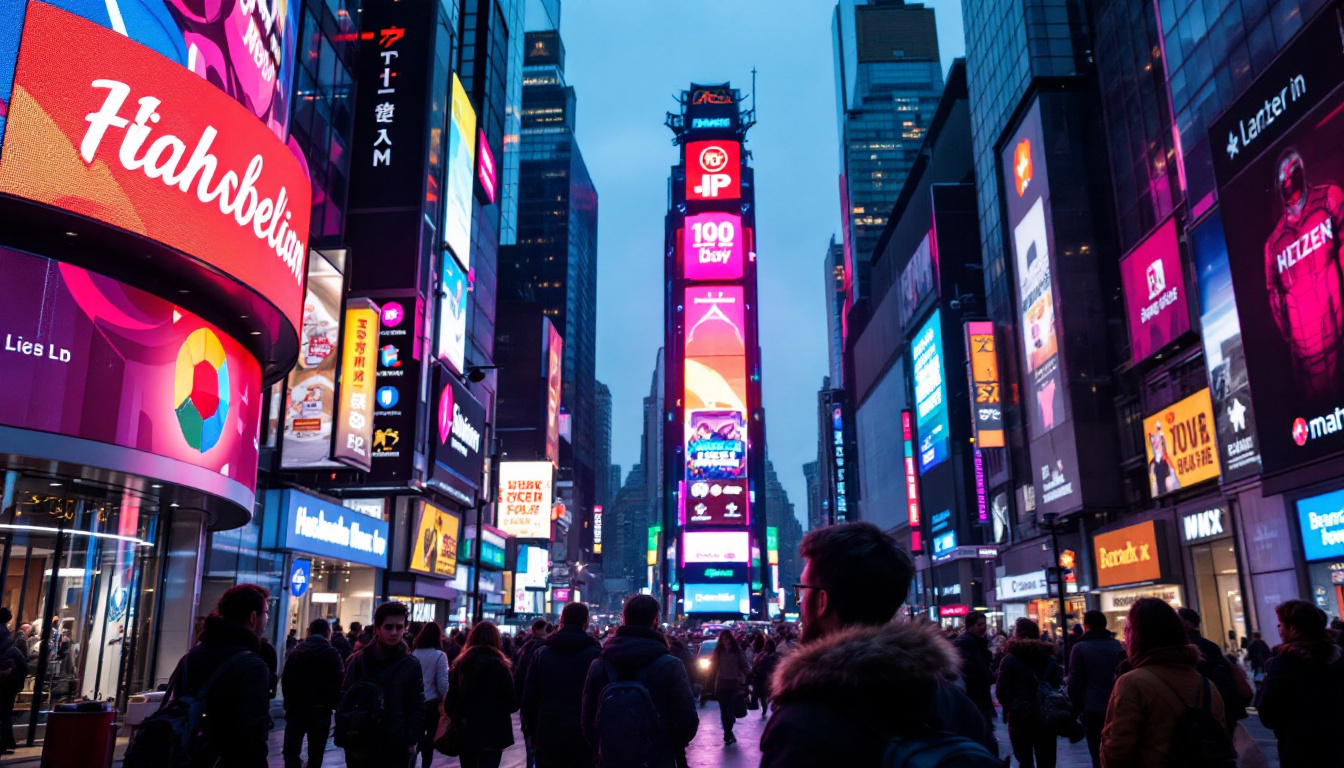
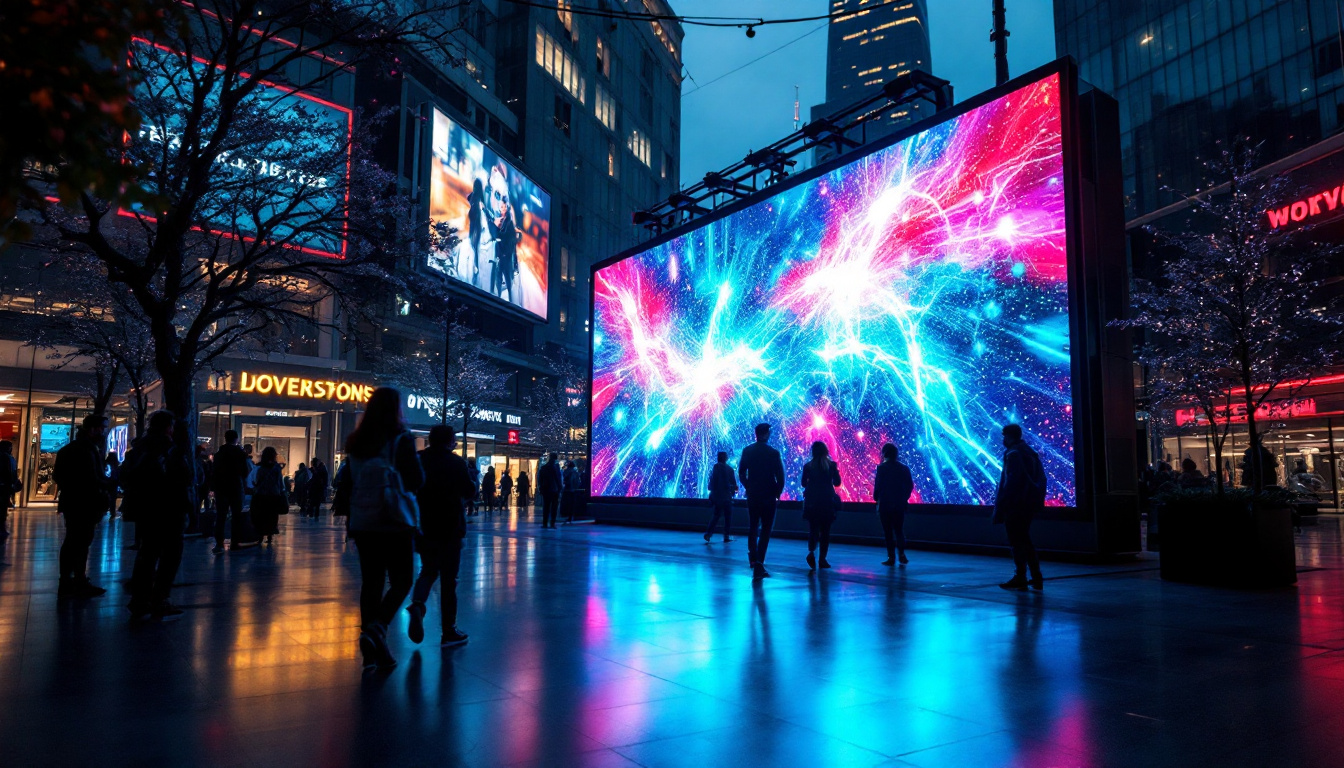
The term “Jumbotron” originally referred to a brand of large-screen video displays developed by Sony in the 1980s. Over time, it has evolved into a generic term used to describe any large-scale LED or video display screen, particularly those used in sports arenas, concerts, and outdoor advertising. These screens are designed to deliver high-impact visuals visible to thousands of spectators, even in bright daylight.
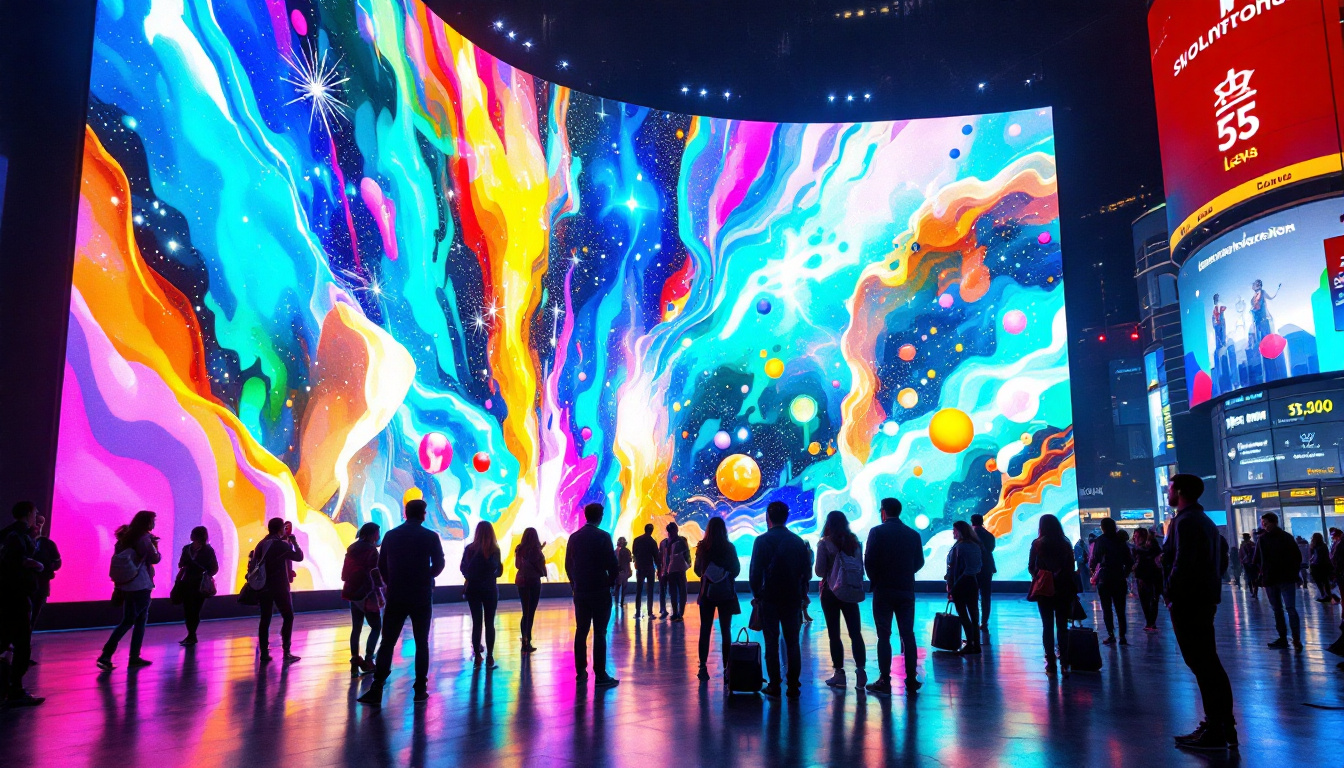
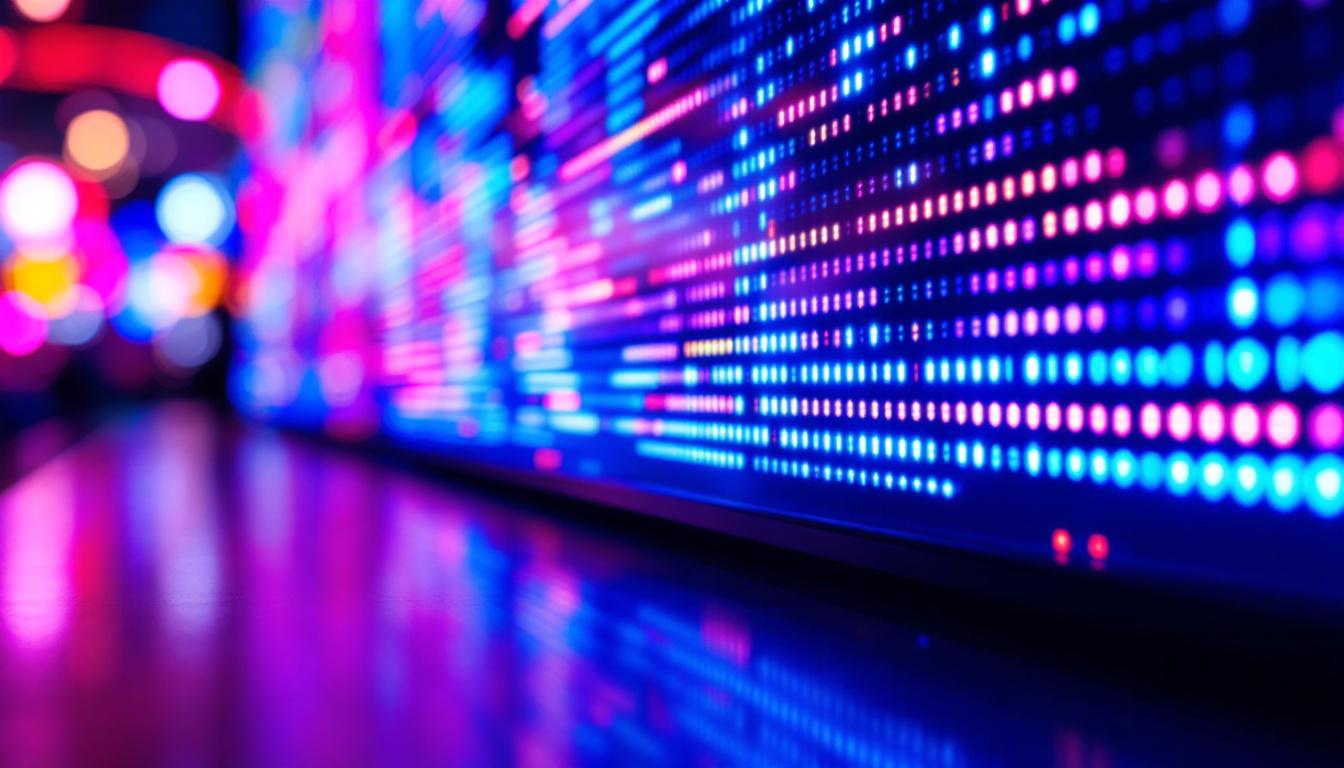
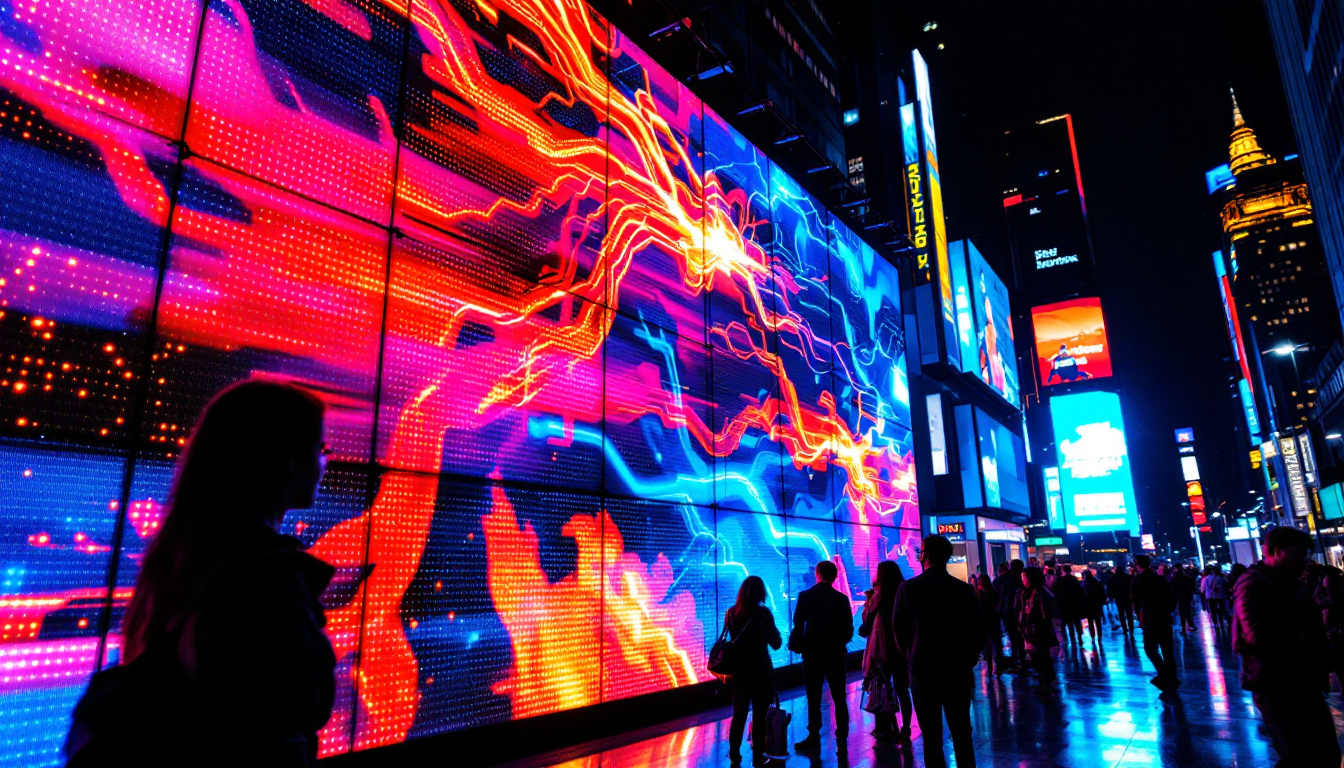
Modern Jumbotron screens are typically composed of thousands of tiny LEDs (light-emitting diodes) arranged in a matrix. This LED matrix forms the pixels that create images and videos with remarkable brightness and clarity. Unlike traditional projection screens or LCD panels, LED Jumbotrons are self-illuminating, meaning each pixel emits its own light, allowing for superior visibility in various lighting conditions. The versatility of these screens has made them a staple in not only sports venues but also in public spaces, shopping malls, and even at major events like parades and festivals, where capturing attention is paramount.
Furthermore, the design of Jumbotrons allows for a variety of display formats, from simple text and graphics to complex animations and live video feeds. This adaptability has led to their widespread adoption in marketing and advertising, where brands can create dynamic content that engages audiences in real-time. The ability to update content on-the-fly also means that advertisers can tailor their messages based on audience demographics or current events, making Jumbotrons a powerful tool for communication.
How Do Jumbotron LED Displays Work?
At the core of a Jumbotron screen is the LED module, which contains clusters of red, green, and blue LEDs. By varying the intensity of each color, the screen can produce a full spectrum of colors. These modules are assembled into panels, which are then combined to form the large display surface.
The screen receives video signals from a control system that processes input from cameras, computers, or media players. The control system synchronizes the LED modules to display the intended content seamlessly. Advanced calibration and software ensure color accuracy and uniform brightness across the entire display, which is crucial for maintaining image quality on such a large scale. Additionally, many modern Jumbotrons are equipped with smart technology that allows for remote monitoring and diagnostics, ensuring that any issues can be addressed promptly without disrupting the viewing experience.
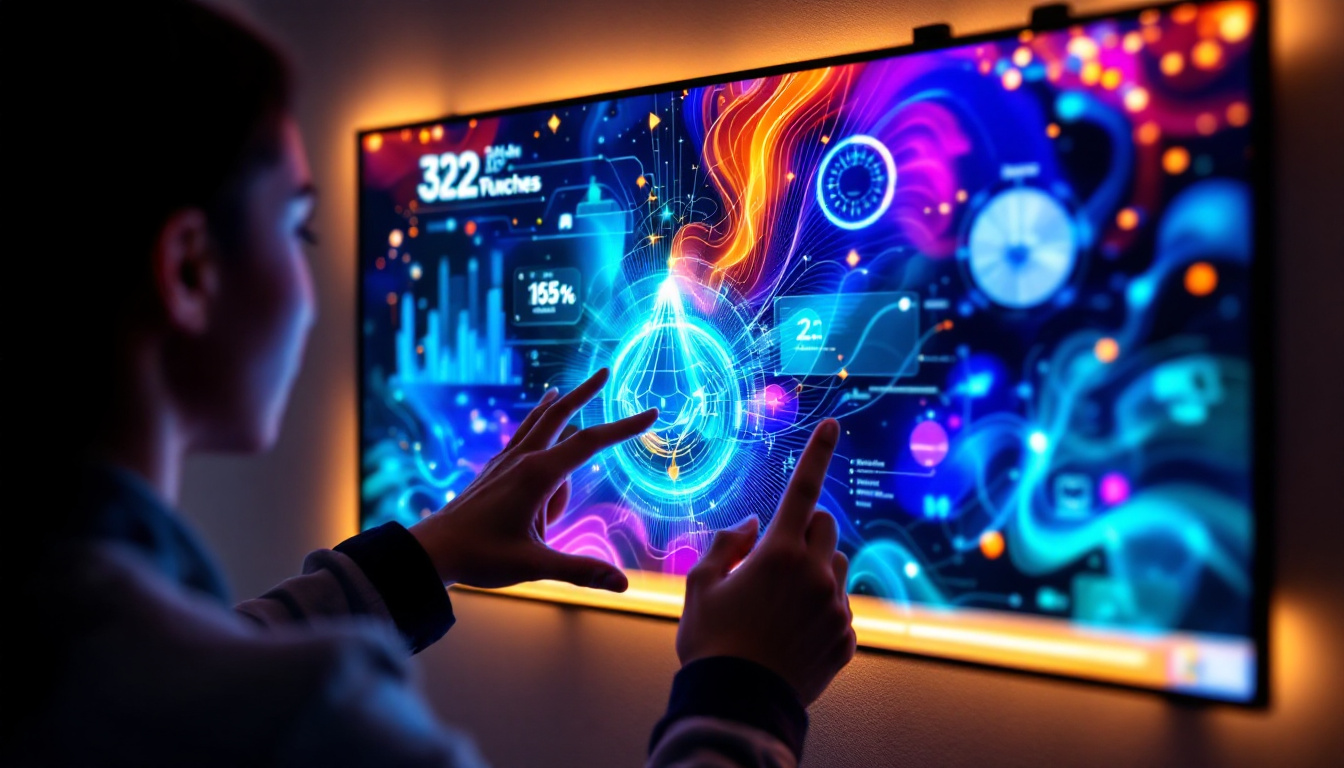
Moreover, the integration of interactive features has become increasingly popular, with some Jumbotron displays incorporating touch-sensitive technology or augmented reality elements. This interactivity not only enhances viewer engagement but also opens up new avenues for creative content delivery, such as live polls, social media feeds, and audience participation games. As technology continues to advance, the potential applications for Jumbotron screens seem limitless, driving innovation in both entertainment and advertising sectors.
Technical Specifications and Features
Pixel Pitch and Resolution
One of the most important specifications of a Jumbotron LED screen is the pixel pitch, which refers to the distance between the centers of adjacent pixels, measured in millimeters. A smaller pixel pitch means higher pixel density, resulting in sharper images and finer detail. For example, a pixel pitch of 2.5mm is common for indoor Jumbotrons, while outdoor screens often have pitches ranging from 4mm to 10mm or more, balancing visibility and cost.
Resolution depends on the total number of pixels in the display. For instance, a 20-foot by 10-foot screen with a 4mm pixel pitch might have a resolution of approximately 4800 x 2400 pixels. Higher resolution is essential for close viewing distances, such as in indoor arenas, whereas outdoor screens focus more on brightness and size.
Brightness and Contrast
Brightness is a defining feature of Jumbotron LED displays. Outdoor screens typically achieve brightness levels between 5,000 and 10,000 nits (a nit is a unit of luminance), enabling clear visibility even in direct sunlight. Indoor screens require less brightness, usually around 800 to 1,500 nits, to avoid glare and eye strain.
Contrast ratio—the difference between the darkest black and the brightest white a screen can display—is also critical. High contrast ratios enhance image depth and realism. Modern LED technology allows for dynamic contrast control, adjusting brightness in different screen areas to improve overall picture quality.
Durability and Weather Resistance
Outdoor Jumbotron screens must withstand harsh environmental conditions, including rain, wind, dust, and extreme temperatures. High-quality LED modules are designed with IP65 or higher ratings, meaning they are dust-tight and protected against water jets. Robust enclosures and cooling systems ensure longevity and consistent performance.
Additionally, many outdoor screens incorporate anti-glare coatings and temperature sensors to optimize visibility and prevent overheating. These features are vital for maintaining uninterrupted operation during events and advertising campaigns.
Applications of Jumbotron LED Screens
Sports and Entertainment Venues
Jumbotron screens have become an integral part of modern sports arenas and concert venues. They provide live video feeds, instant replays, player statistics, and interactive content that enhance the spectator experience. For example, the AT&T Stadium in Texas features one of the largest center-hung LED displays in the world, measuring approximately 160 feet wide and 72 feet tall, delivering crystal-clear images to over 80,000 fans.
Beyond sports, these screens are used in concerts and festivals to display close-ups of performers, visual effects, and audience engagement content. Their size and brightness make them ideal for large crowds where visibility is paramount.
Advertising and Public Information
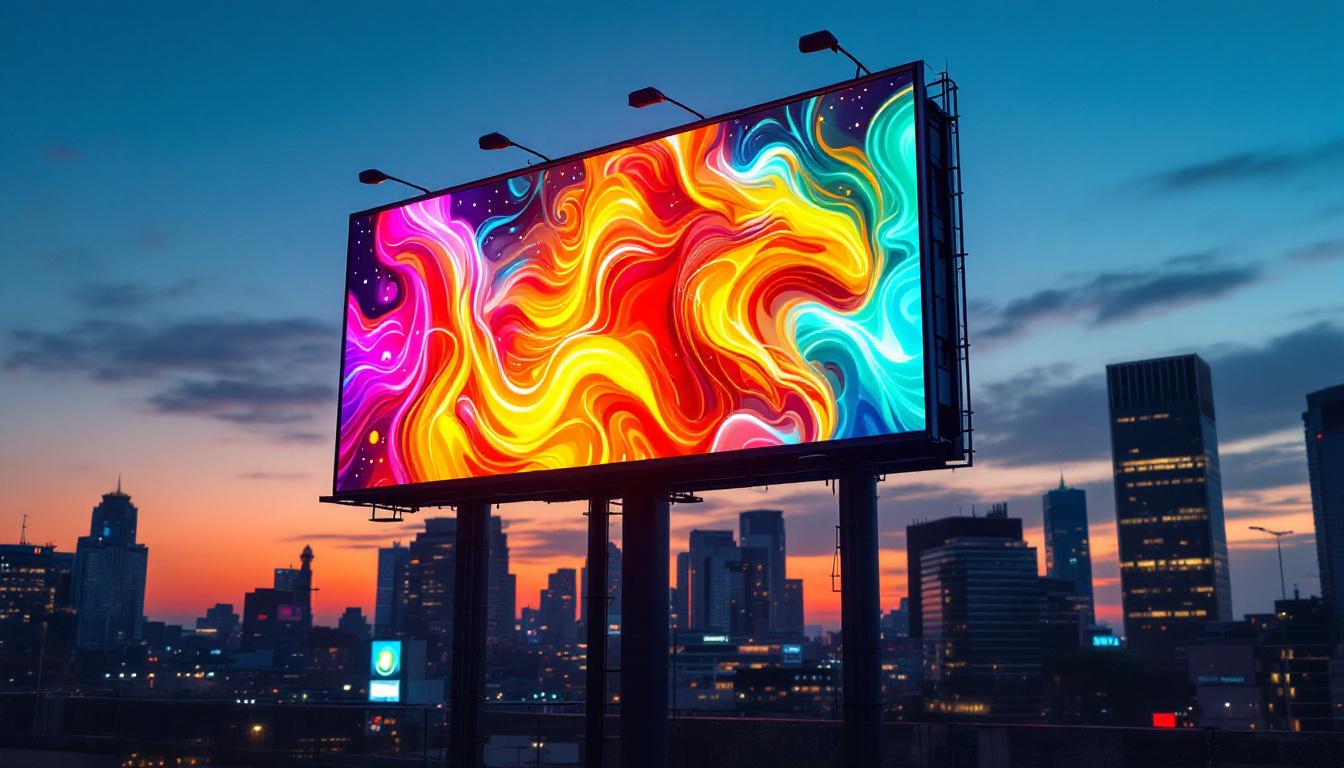
Outdoor advertising has been revolutionized by Jumbotron LED displays. Digital billboards can change content dynamically, allowing advertisers to target specific demographics and times of day with tailored messages. According to a 2023 report by the Digital Signage Federation, LED digital billboards have increased advertising engagement rates by up to 30% compared to static billboards.
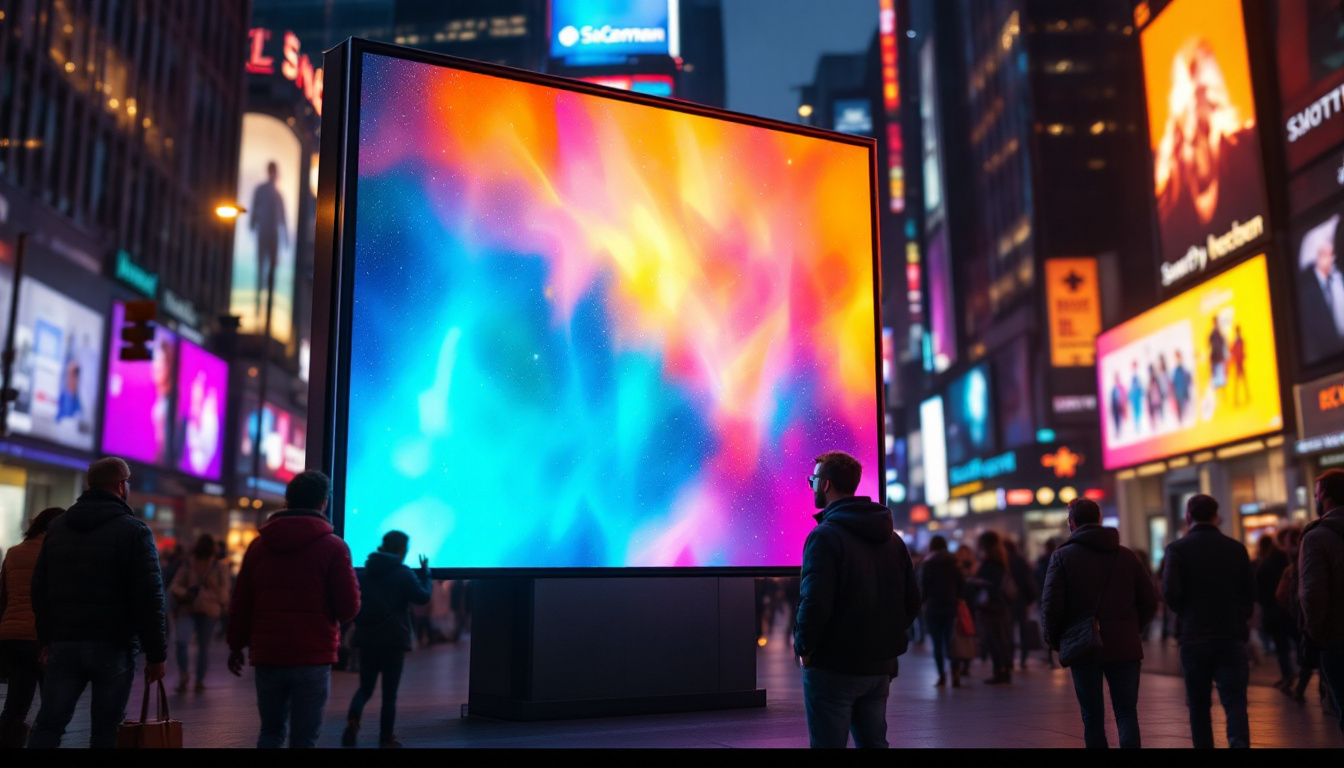
Municipalities also use large LED screens for public announcements, emergency alerts, and event promotions. The flexibility to update content in real-time makes them invaluable tools for communication in urban environments.
Corporate and Event Use
Corporate events, trade shows, and conferences increasingly rely on Jumbotron screens to display presentations, branding, and interactive content. Portable LED screens allow event organizers to create immersive experiences that captivate attendees and facilitate information sharing.
In addition, Jumbotron technology is used in control rooms, broadcast studios, and command centers where large, high-resolution displays are essential for monitoring and decision-making.
Advantages of LED Jumbotron Screens
Superior Image Quality
LED technology offers vibrant colors, high brightness, and excellent contrast, resulting in images that are clear and engaging even from great distances. Unlike projection systems, LED screens do not rely on ambient light conditions, ensuring consistent visibility regardless of the environment.
Energy Efficiency and Longevity
Modern LEDs consume significantly less power compared to older display technologies like incandescent or fluorescent lighting. This energy efficiency translates into lower operating costs, especially important for large-scale installations that run for extended periods.
Additionally, LEDs have a long operational lifespan, often exceeding 100,000 hours. This durability reduces maintenance costs and downtime, making LED Jumbotrons a cost-effective investment over time.
Flexibility and Scalability
LED modules can be configured into various shapes and sizes, allowing for customized screen dimensions tailored to specific venues or applications. The modular design also facilitates easy replacement and upgrades, enabling screens to evolve with technological advancements.
Real-Time Content Control
Integrated control systems allow operators to update content instantly, schedule playlists, and manage multiple screens simultaneously. This capability is crucial for dynamic environments such as live events, advertising campaigns, and public information systems.
Challenges and Considerations
Initial Investment and Installation
While the long-term benefits of LED Jumbotron screens are clear, the initial cost can be substantial. High-resolution, large-format screens require significant capital investment, including hardware, installation, and control systems. However, prices have been decreasing steadily as technology advances and manufacturing scales.
Installation complexity varies depending on the size, location, and mounting requirements. Professional planning and engineering are essential to ensure structural safety and optimal performance.
Viewing Distance and Pixel Pitch Trade-offs
Choosing the right pixel pitch involves balancing resolution, cost, and intended viewing distance. A screen with too large a pixel pitch may appear pixelated to close viewers, while an unnecessarily fine pitch can drive up costs without visible benefits at long distances.
Understanding the audience’s typical viewing distance is critical for selecting an appropriate screen configuration.
Environmental Impact and Sustainability
As with any electronic device, LED screens contribute to energy consumption and electronic waste. Manufacturers are increasingly focusing on eco-friendly designs, including recyclable materials and energy-saving features. Operators can also reduce environmental impact by optimizing brightness settings and scheduling screen usage to minimize power consumption.
The Future of Jumbotron LED Displays
Advancements in LED Technology
Emerging technologies such as micro-LED and mini-LED promise even higher resolution, improved color accuracy, and greater energy efficiency. These innovations could lead to thinner, lighter, and more flexible Jumbotron screens, expanding their application possibilities.
Additionally, developments in AI-driven content management systems are enhancing the ability to deliver personalized and interactive experiences to audiences in real-time.
Integration with Augmented Reality and 5G
The integration of Jumbotron screens with augmented reality (AR) technologies is creating immersive event experiences. For example, AR can overlay digital content onto the physical environment, engaging audiences in new and exciting ways.
Moreover, the rollout of 5G networks enables faster data transmission, allowing for high-quality, low-latency streaming to Jumbotron screens, even in crowded venues. This connectivity supports interactive features such as live social media feeds, real-time voting, and audience participation.
Expanding Applications
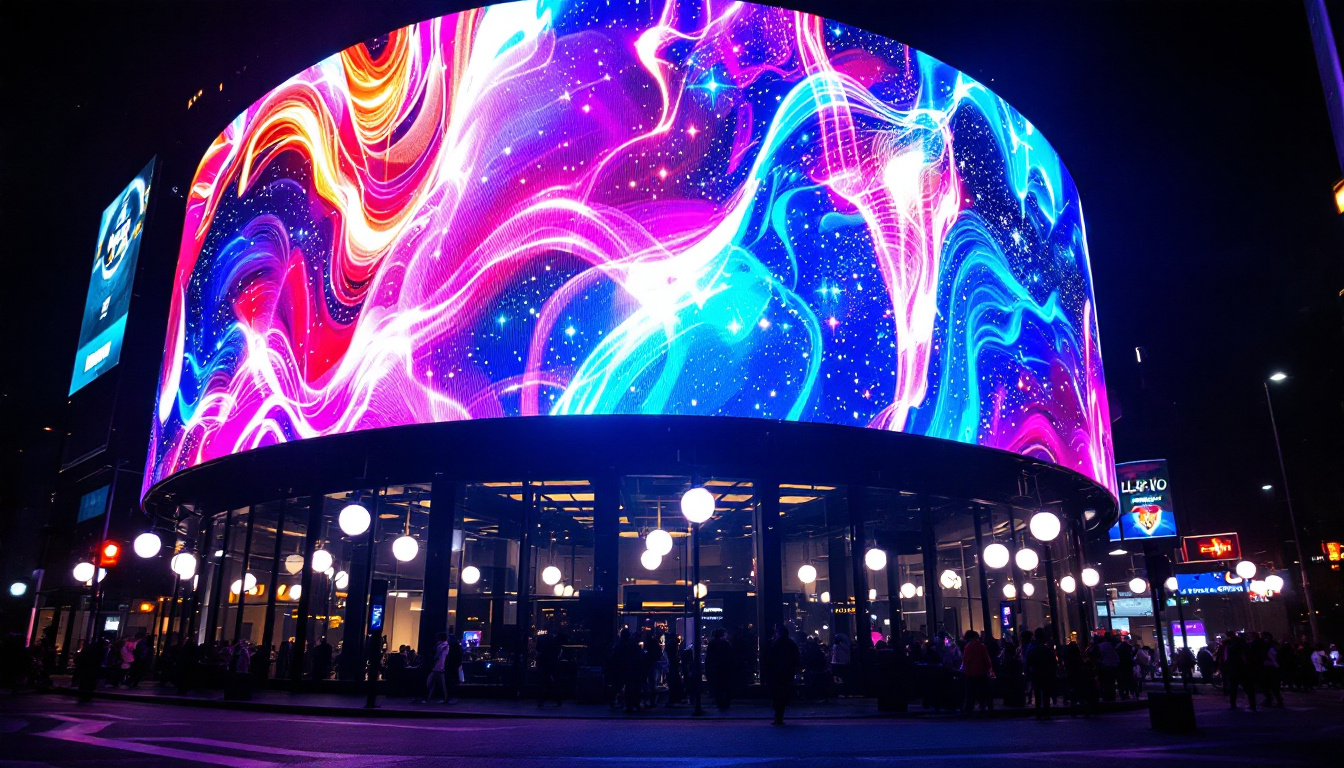
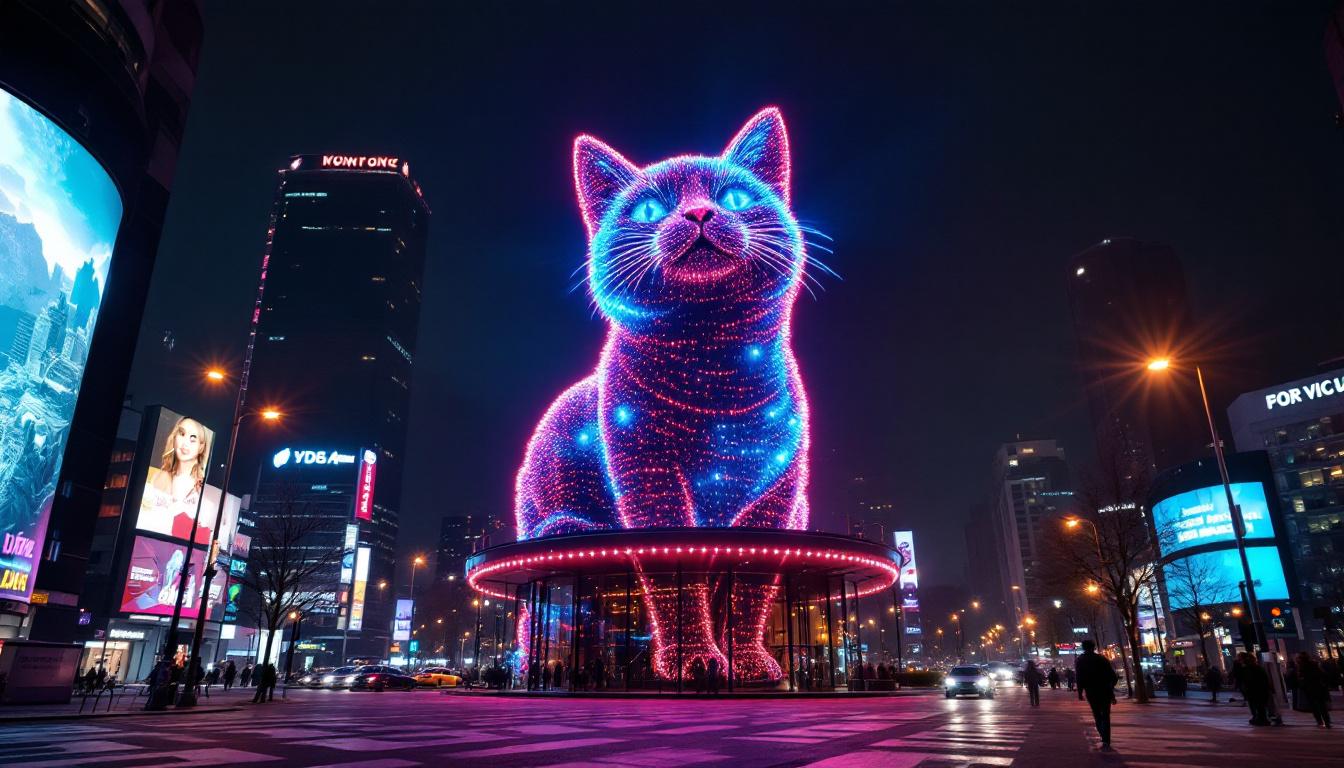
Beyond traditional venues, Jumbotron LED displays are finding uses in urban art installations, interactive retail environments, and smart city infrastructure. As costs decrease and technology evolves, these large-format screens will become even more ubiquitous, transforming how people experience visual content in public and private spaces.
Conclusion
Jumbotron LED screens represent a remarkable fusion of technology and creativity, delivering powerful visual experiences to audiences worldwide. Their combination of brightness, resolution, durability, and flexibility makes them indispensable in sports, entertainment, advertising, and beyond.
Understanding the technical aspects, applications, and future trends of Jumbotron LED displays equips businesses, event organizers, and municipalities to make informed decisions about investing in this dynamic technology. As LED technology continues to advance, the potential for even more immersive and engaging large-scale displays is vast, promising exciting developments in the years ahead.
Illuminate Your Space with LumenMatrix
Ready to elevate your venue or event with unparalleled LED display technology? LumenMatrix is at the forefront of creating immersive visual experiences that truly captivate and engage. From vibrant Indoor LED Wall Displays to dynamic Outdoor LED Wall Displays, and from versatile Vehicle LED Displays to innovative Custom LED Solutions, our extensive range caters to every need. Embrace the future of visual communication with LumenMatrix’s cutting-edge LED display modules. Check out LumenMatrix LED Display Solutions today and transform your space into a beacon of engagement.