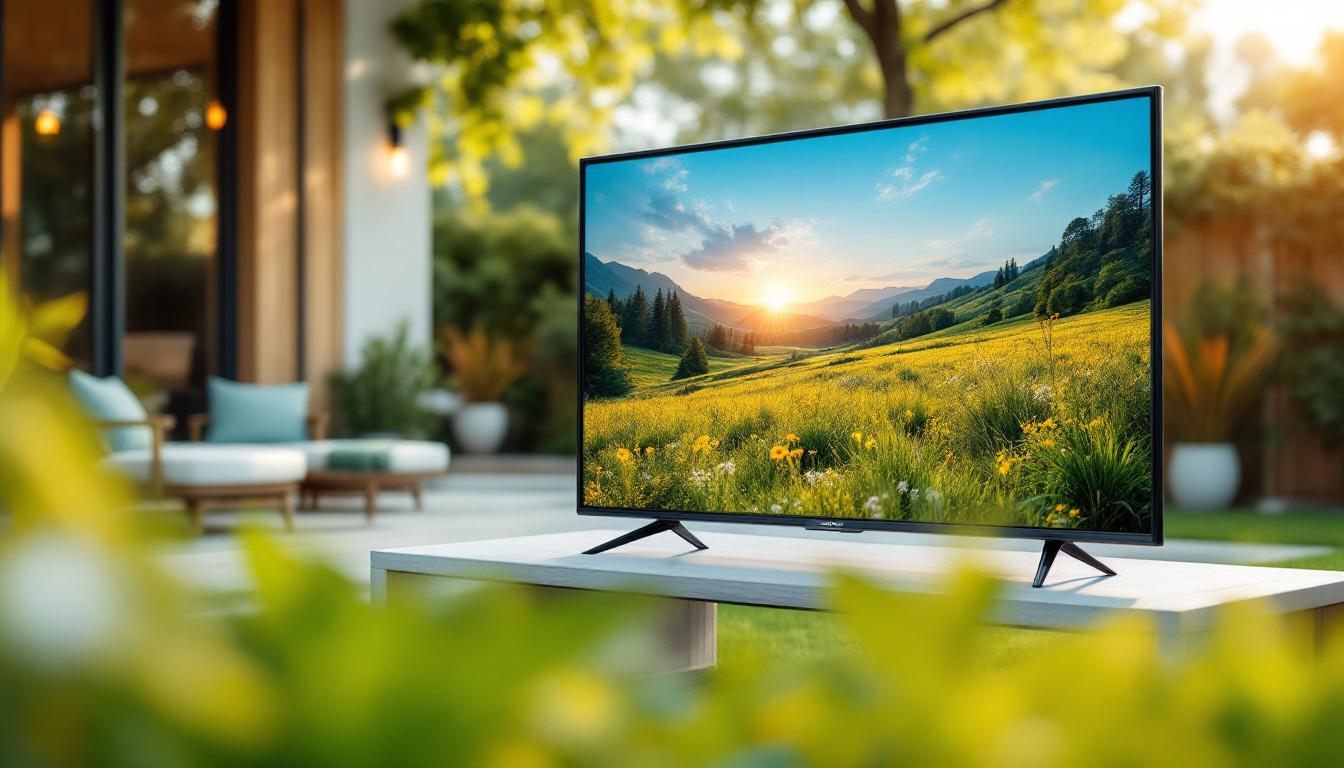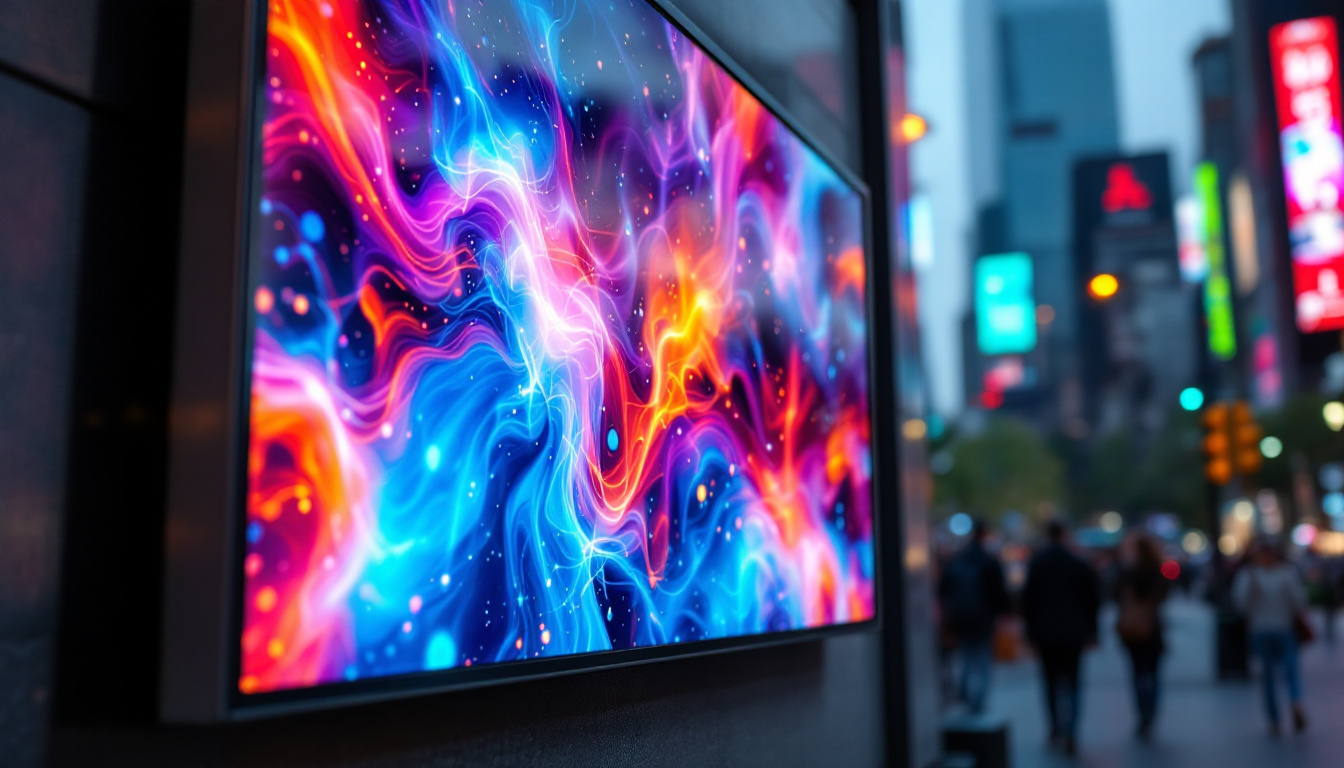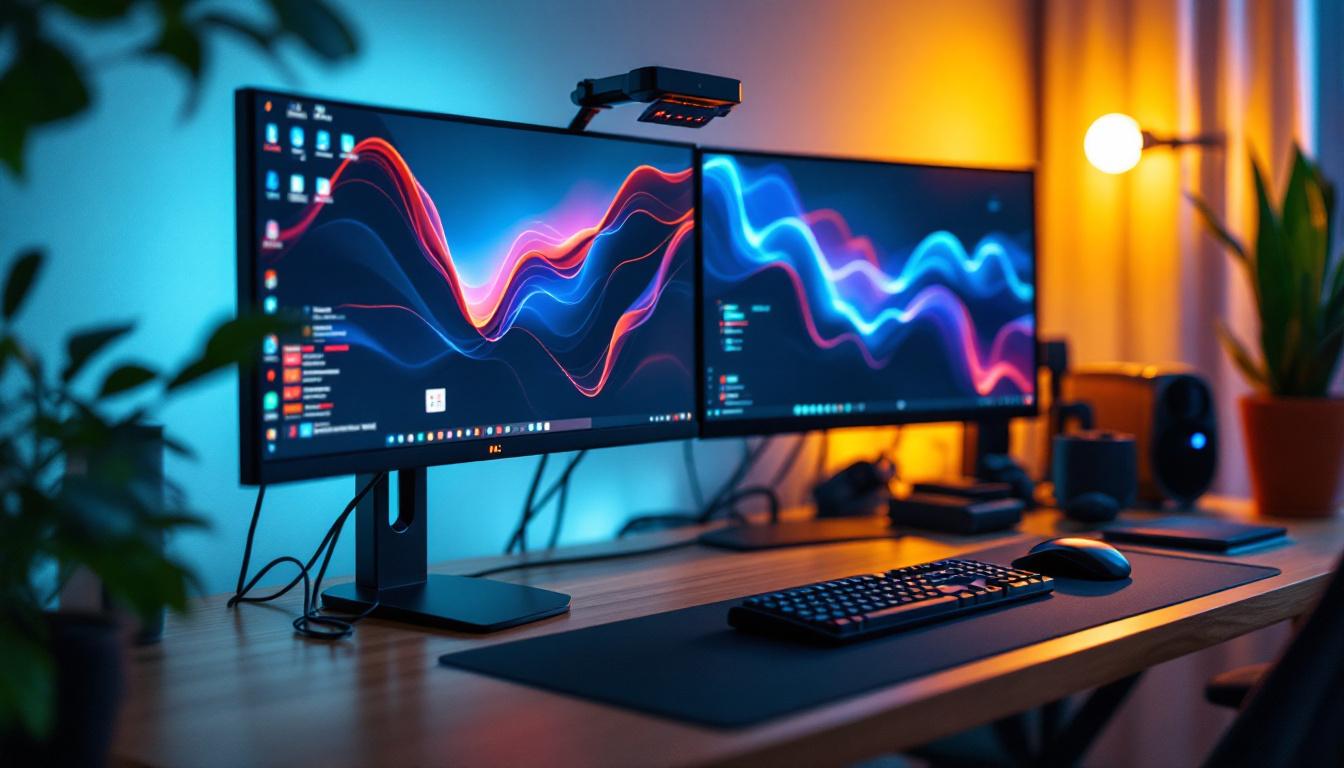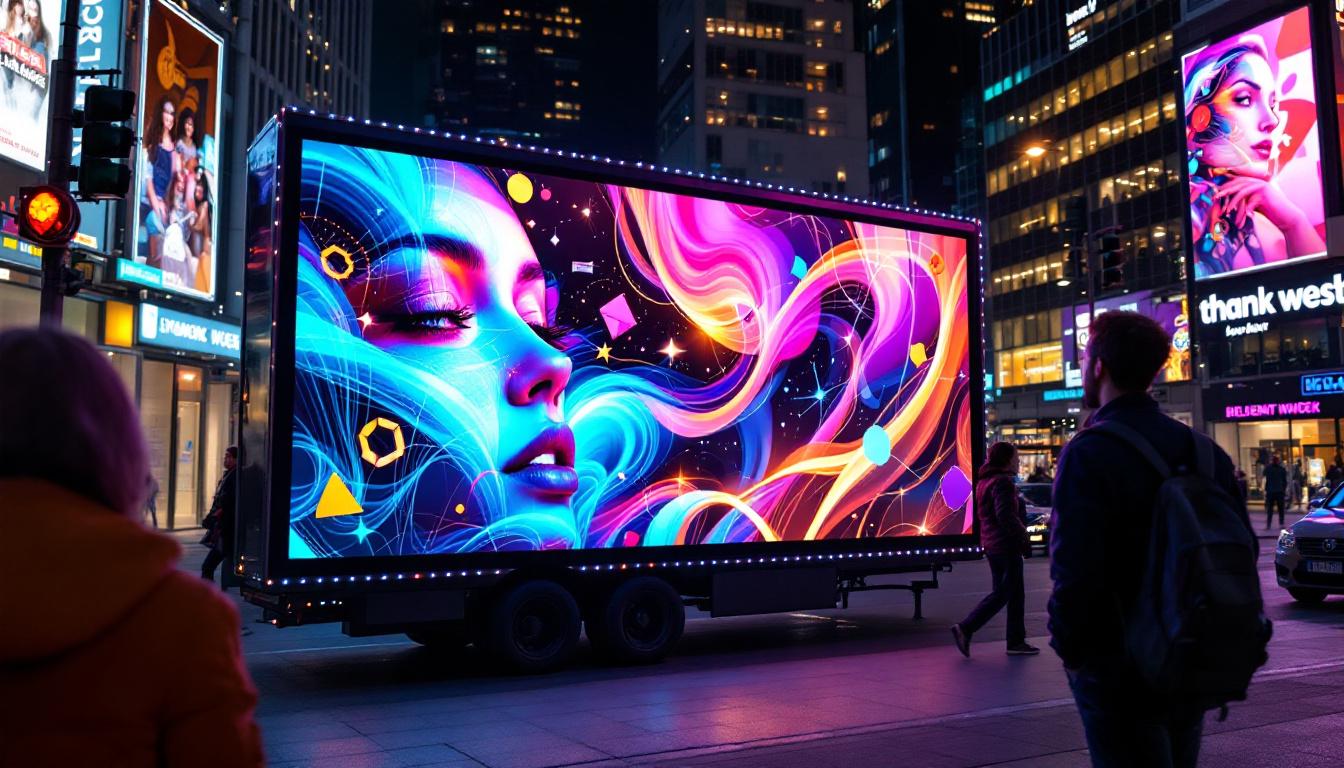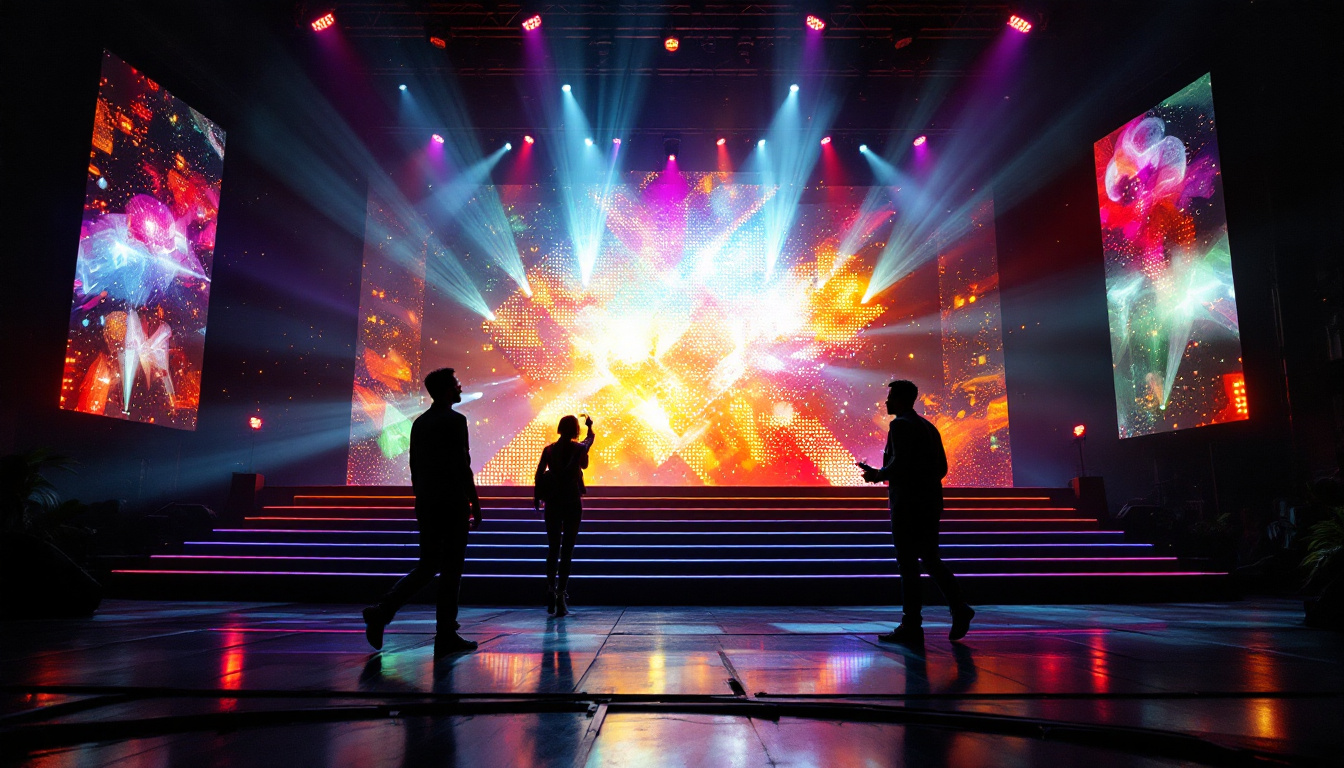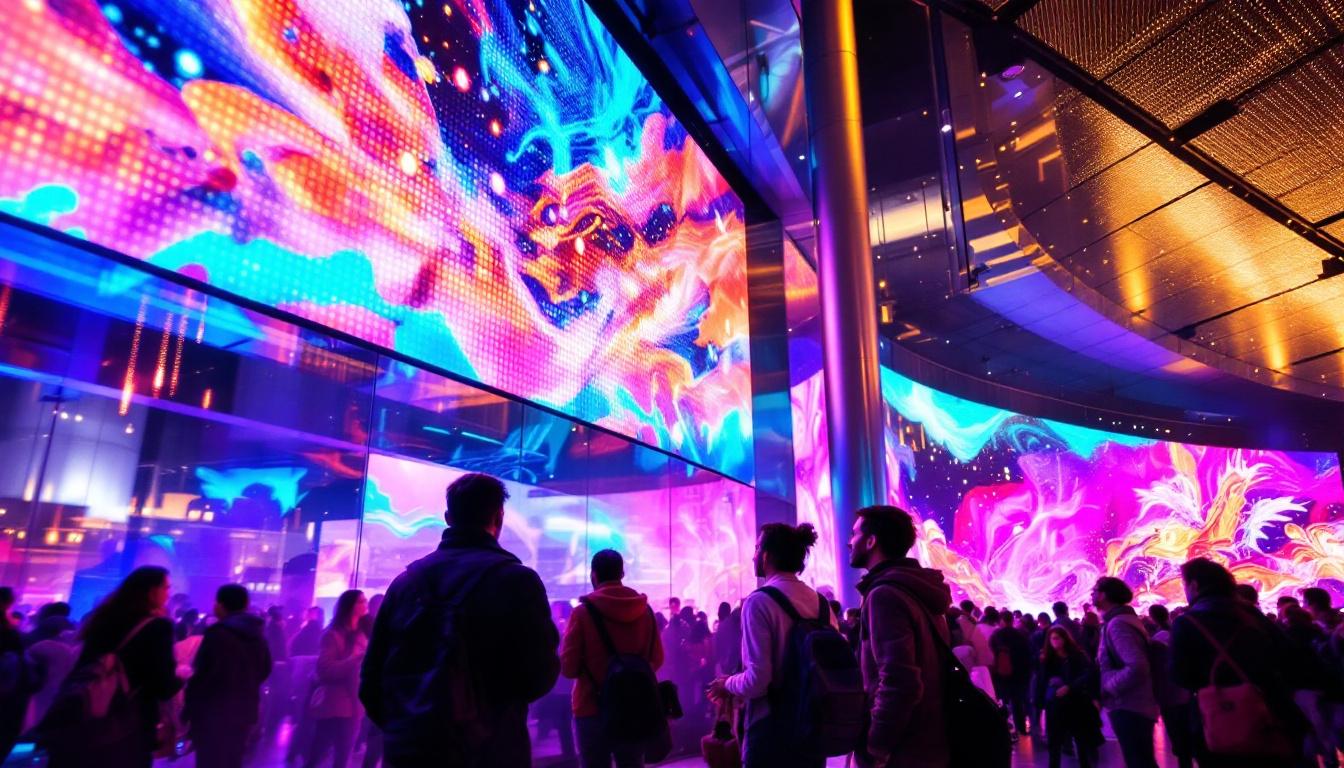
In today’s digital age, LED displays have become ubiquitous, transforming how information is conveyed in public spaces, entertainment venues, retail environments, and even personal devices. From the vibrant billboards that light up cityscapes to the high-definition screens in stadiums, LED technology continues to evolve and shape visual communication. This article dives deep into the world of LED displays, exploring their technology, types, applications, and the future trends that are driving innovation.
Understanding LED Display Technology
At its core, an LED display is a flat panel that uses light-emitting diodes (LEDs) as pixels to create images, videos, and text. Unlike traditional display technologies such as LCD or plasma, LEDs produce their own light, which results in brighter images, higher contrast ratios, and improved energy efficiency.
The fundamental building block of an LED display is the LED itself — a semiconductor device that emits light when an electric current passes through it. These LEDs are arranged in a matrix and controlled individually to render complex visuals. The quality of an LED display depends on several factors, including pixel pitch, resolution, brightness, and color accuracy.
Pixel Pitch and Resolution
Pixel pitch refers to the distance between the centers of two adjacent LEDs, usually measured in millimeters. A smaller pixel pitch means LEDs are packed more closely, resulting in higher resolution and sharper images. For example, indoor LED displays often have a pixel pitch ranging from 1mm to 4mm, suitable for close viewing distances. Outdoor LED displays typically have larger pixel pitches, from 6mm to 20mm or more, since they are viewed from farther away.
Resolution is determined by the total number of pixels on the display. Higher resolution LED displays can show more detailed images and text, which is crucial for applications like digital signage in retail stores or control rooms where clarity is paramount. Furthermore, as technology advances, manufacturers are continually developing finer pixel pitches, enabling displays that can achieve ultra-high-definition (UHD) and even 8K resolutions, which are becoming increasingly popular in both commercial and residential settings.
Brightness and Color Performance
One of the key advantages of LED displays is their exceptional brightness. Outdoor LED screens can reach brightness levels of up to 10,000 nits, allowing them to remain visible even in direct sunlight. Indoor displays typically operate at lower brightness levels, around 800 to 1,500 nits, which is sufficient for comfortable viewing in controlled lighting environments.
Color accuracy and gamut are also critical for delivering vivid and true-to-life visuals. Modern LED displays utilize advanced calibration techniques and high-quality LEDs to reproduce a broad spectrum of colors, often covering 95% or more of the NTSC color space. This capability is especially important in applications such as broadcast studios, museums, and high-end retail. Additionally, the use of technologies like HDR (High Dynamic Range) enhances the viewing experience by providing deeper blacks and brighter whites, allowing for a more dynamic range of colors that can captivate audiences in various settings.
Moreover, the versatility of LED displays extends beyond just color and brightness. They are increasingly being integrated with smart technology, enabling features such as interactive touch capabilities and connectivity with other devices. This integration allows for dynamic content management, making it easier for businesses to update their displays in real-time, thereby enhancing customer engagement and providing timely information. As the demand for innovative display solutions continues to grow, LED technology is poised to play a pivotal role in shaping the future of visual communication.
Types of LED Displays and Their Applications
LED displays come in various forms, each tailored to specific use cases and environments. Understanding these types helps businesses and consumers choose the right solution for their needs.
Indoor LED Displays
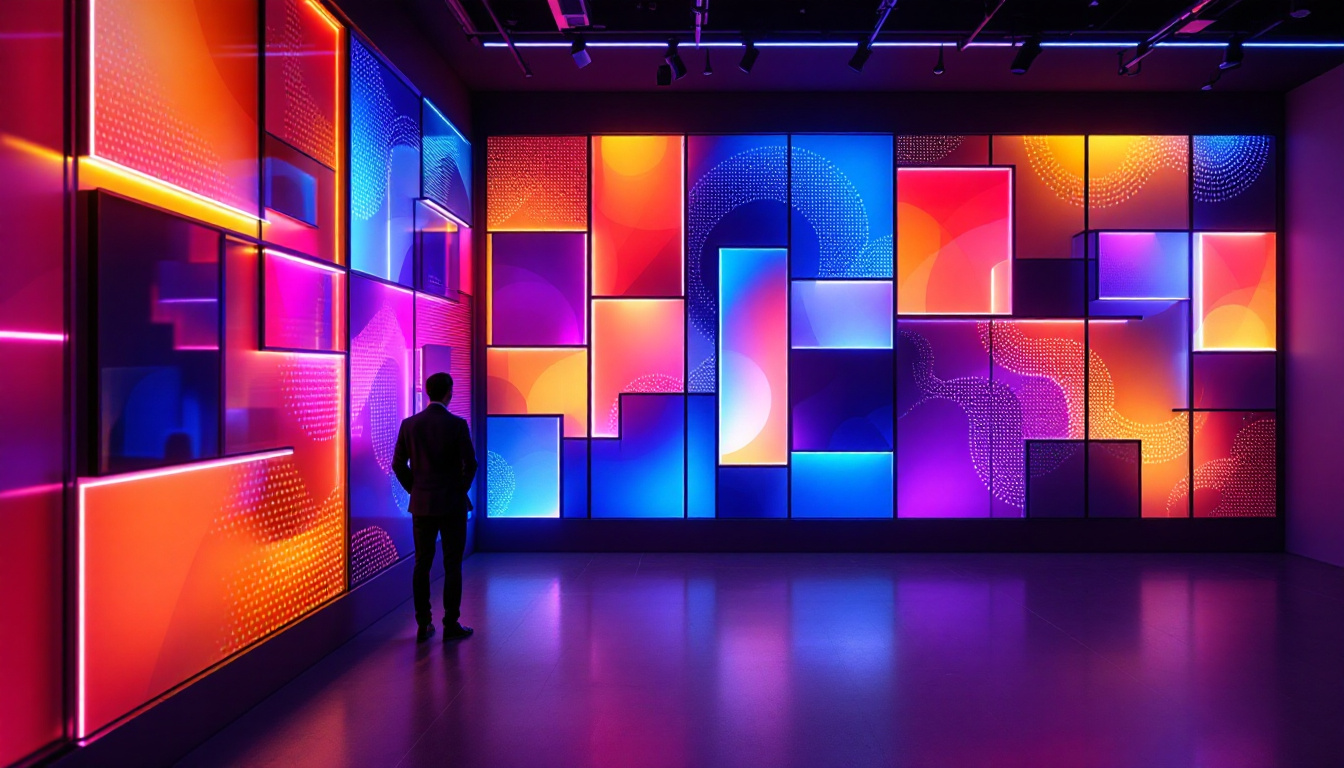
Indoor LED displays are designed for environments where viewers are close to the screen, such as conference rooms, shopping malls, airports, and entertainment venues. Their finer pixel pitch and high resolution make them ideal for detailed content like videos, presentations, and interactive displays.
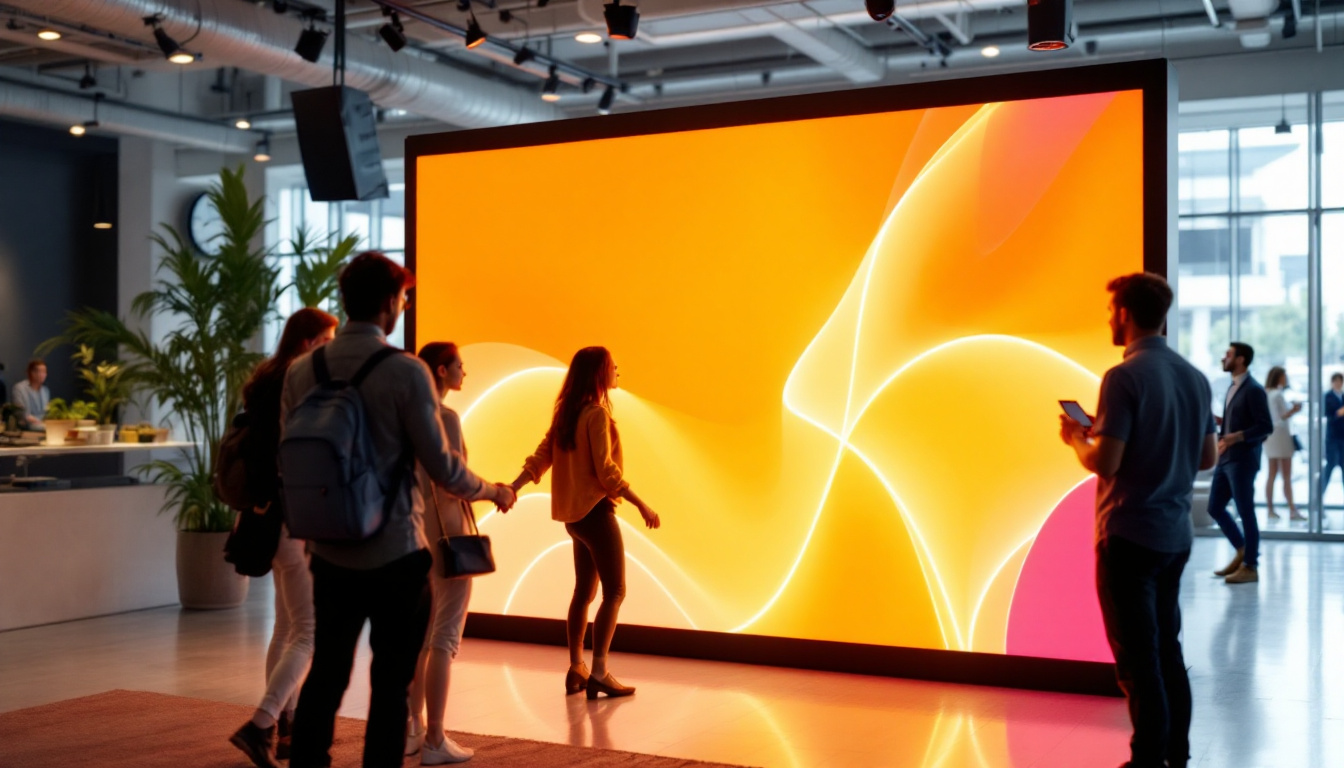
For instance, many retail stores use indoor LED walls to create immersive brand experiences and dynamic advertising. The ability to change content quickly and display vibrant visuals helps attract customers and increase engagement. Moreover, these displays can be integrated with touch technology, allowing for interactive experiences that encourage customer participation and enhance the shopping journey. This interactivity not only captivates the audience but also provides valuable data on consumer behavior and preferences.
Outdoor LED Displays
Outdoor LED displays are built to withstand harsh weather conditions, including rain, wind, and extreme temperatures. They feature higher brightness levels to combat sunlight glare and robust enclosures to protect internal components.
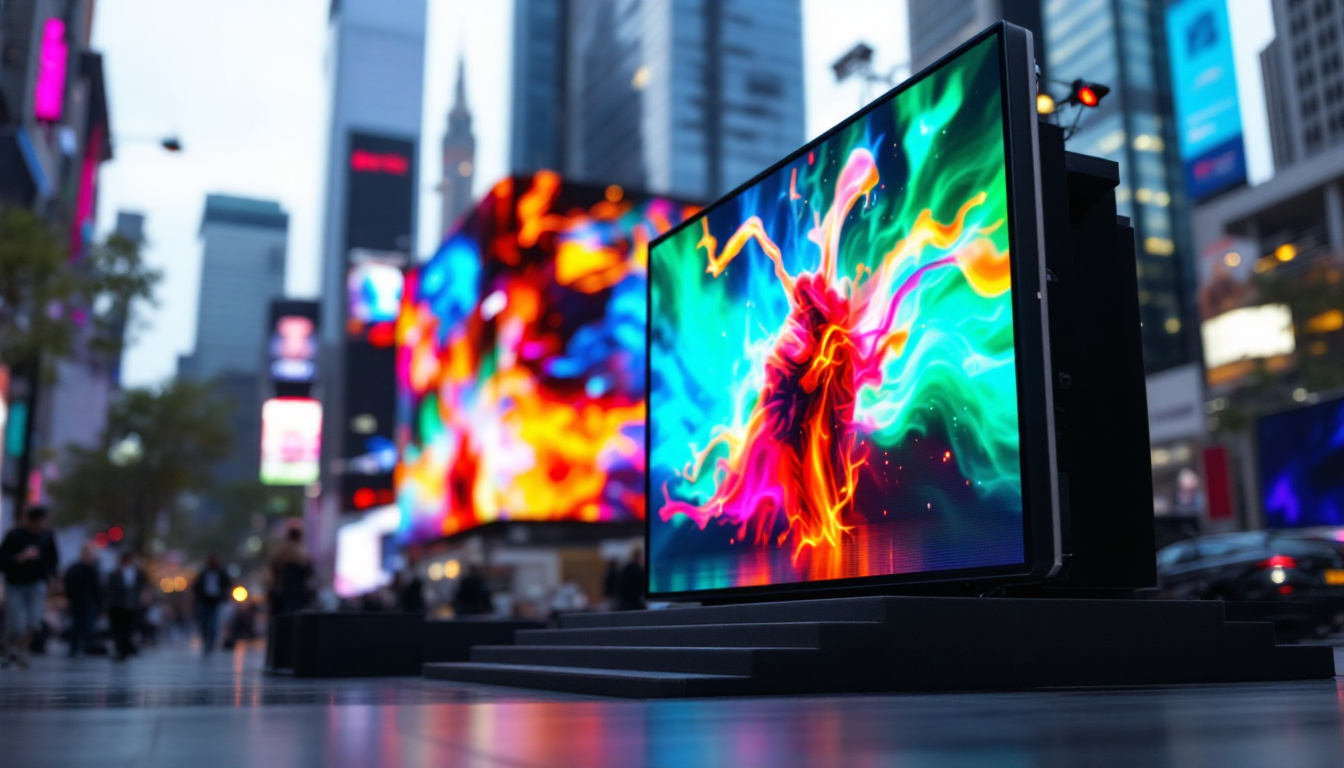
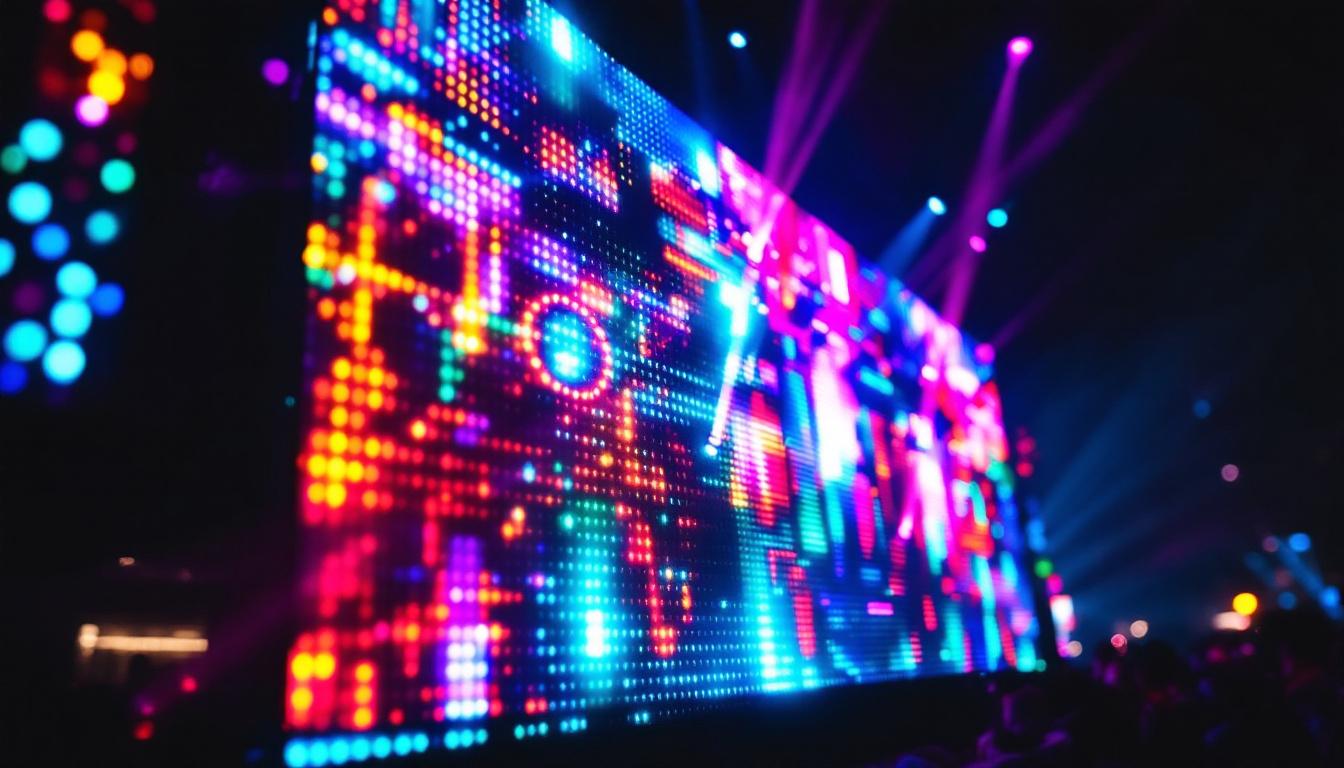
Common applications include digital billboards, sports stadium screens, transportation signage, and public information boards. For example, Times Square in New York City is famous for its massive outdoor LED billboards that deliver eye-catching advertisements to millions of passersby daily. These displays often utilize advanced technologies like real-time data feeds and audience measurement systems, allowing advertisers to tailor their messages based on the time of day or current events, thus maximizing their impact and relevance.
Flexible and Transparent LED Displays
Recent innovations have introduced flexible and transparent LED displays, expanding the possibilities for creative installations. Flexible LED panels can curve around surfaces, making them perfect for architectural designs, stage backdrops, and automotive interiors.
Transparent LED displays allow viewers to see through the screen while still displaying content. This technology is increasingly used in retail windows and glass facades, combining advertising with a clear view of the interior space. Additionally, these displays can transform traditional environments into dynamic visual experiences, enabling businesses to showcase products in a captivating way while maintaining an open and inviting atmosphere. The versatility of these displays also opens doors for artistic installations in public spaces, where they can blend seamlessly into the architecture while delivering engaging content that enhances the overall aesthetic of the environment.
Key Benefits of LED Displays
LED displays offer numerous advantages over traditional display technologies, making them a preferred choice across industries.
Energy Efficiency and Longevity
LEDs are inherently energy-efficient, consuming significantly less power than LCD or plasma displays of comparable size and brightness. This efficiency translates into lower operating costs and a reduced environmental footprint.
Moreover, LED displays have a long lifespan, often exceeding 100,000 hours of operation. This durability minimizes maintenance and replacement expenses, providing excellent return on investment for businesses. The longevity of LED technology not only reduces waste but also contributes to sustainability efforts, as fewer displays need to be manufactured and disposed of over time.
High Visibility and Versatility
The brightness and contrast capabilities of LED displays ensure visibility in diverse lighting conditions, from bright daylight to dim indoor settings. Their modular design allows for customization in size and shape, enabling installations ranging from small digital signs to massive video walls.
LED displays also support a wide range of content formats and interactive features, making them versatile tools for communication, advertising, entertainment, and information dissemination. With the ability to display high-definition video, animations, and real-time data, these displays can engage audiences more effectively than traditional signage. Additionally, the integration of touch technology and sensors can transform a static display into an interactive experience, enhancing user engagement and providing valuable insights into viewer behavior.
Emerging Trends and Future Outlook
The LED display industry continues to evolve rapidly, driven by technological advancements and changing market demands.
Mini-LED and Micro-LED Technologies
Mini-LED and Micro-LED are next-generation display technologies that use smaller LEDs to achieve even higher resolution and improved image quality. Micro-LED, in particular, offers the potential for self-emissive displays with superior brightness, contrast, and energy efficiency compared to OLED and LCD.
These technologies are gaining traction in high-end TVs, smartphones, and augmented reality devices, promising a new era of ultra-high-definition visuals. With the ability to create pixel-level lighting control, Micro-LED displays can deliver stunning visual experiences that enhance everything from gaming to cinematic viewing. As manufacturers continue to innovate, we can expect to see these displays becoming more accessible, with prices gradually decreasing as production techniques improve and economies of scale are realized.
Integration with Smart Technologies
Smart LED displays equipped with sensors, cameras, and AI-powered analytics are transforming digital signage into interactive and personalized experiences. For example, retail stores can use facial recognition and demographic analysis to tailor advertisements in real-time, enhancing customer engagement.
Additionally, integration with Internet of Things (IoT) networks allows LED displays to provide dynamic content based on environmental data, traffic conditions, or social media trends. This capability not only makes advertisements more relevant but also allows businesses to respond to real-time events, such as local weather changes or trending topics, creating a more immersive and engaging experience for consumers. As the technology continues to advance, we may also see the rise of holographic displays that blend seamlessly into our environments, further blurring the lines between digital and physical spaces.
Sustainability and Eco-Friendly Innovations
As environmental concerns grow, manufacturers are focusing on sustainable production methods and recyclable materials for LED displays. Energy-saving features, such as adaptive brightness control and power management, are becoming standard to reduce carbon footprints.
Furthermore, efforts to extend the lifecycle of LED displays through modular designs and easier repair options contribute to reducing electronic waste. The push for sustainability is also leading to innovations in the materials used in LED technology, with research exploring organic materials that can reduce harmful emissions during production. Additionally, companies are increasingly adopting circular economy principles, designing products that can be easily disassembled and repurposed, ensuring that valuable materials are kept in use for as long as possible. This commitment to sustainability not only addresses ecological concerns but also resonates with consumers who are increasingly prioritizing eco-friendly products in their purchasing decisions.
Conclusion
LED displays have revolutionized visual communication by offering bright, versatile, and energy-efficient solutions for a wide range of applications. Understanding the technology behind these displays, their types, and benefits enables businesses and consumers to make informed decisions when selecting display solutions.
With ongoing advancements like Micro-LED and smart integration, the future of LED displays promises even more immersive and sustainable visual experiences. Whether for advertising, entertainment, or information, LED technology continues to illuminate the way forward in digital display innovation.
Illuminate Your Space with LumenMatrix
Ready to elevate your visual experience with the latest in LED technology? LumenMatrix is at the forefront of innovation, offering a diverse range of LED display solutions tailored to your unique needs. From vibrant Indoor LED Walls to dynamic Outdoor LED Displays, and from sleek LED Posters to immersive LED Sports and Floor Displays, our mission is to transform your communication with unparalleled clarity and impact. Don’t just share your message—make it resonate with LumenMatrix’s cutting-edge displays. Check out LumenMatrix LED Display Solutions and see how we can help you captivate your audience today.