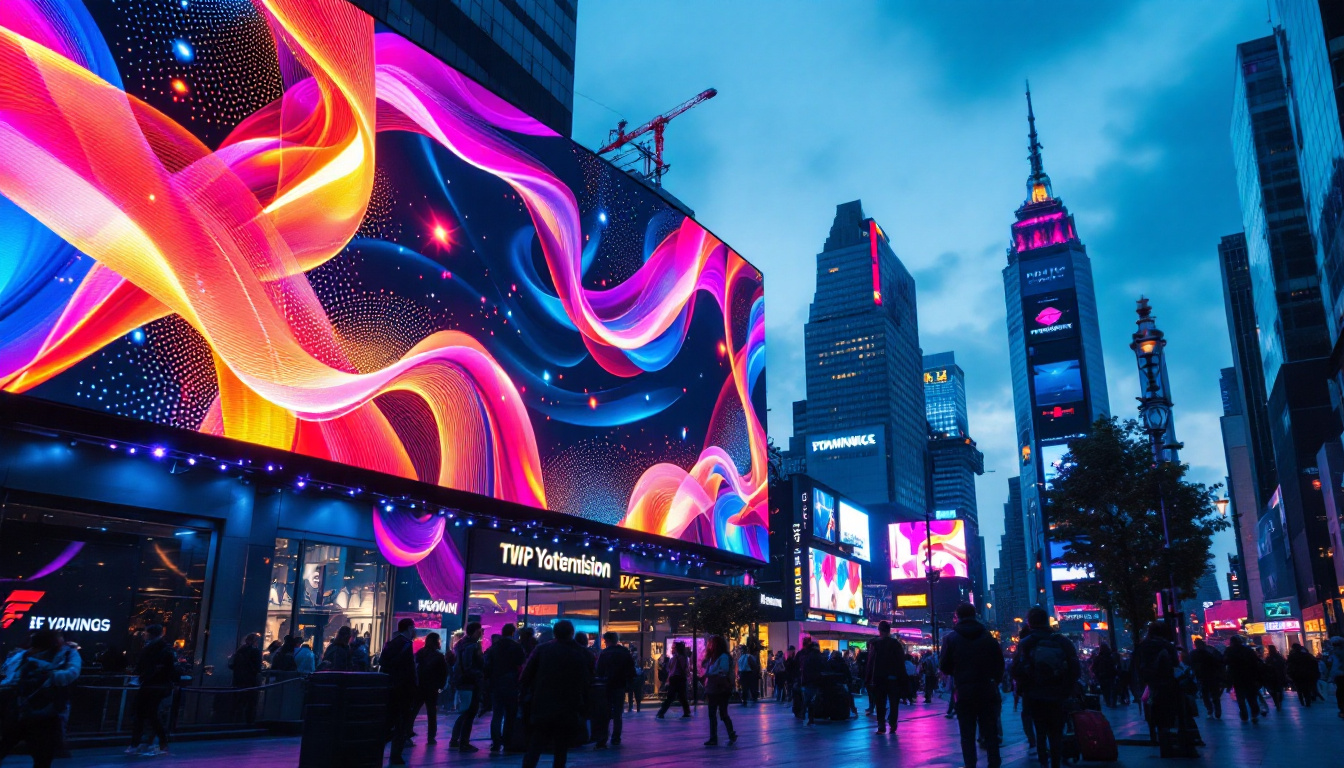
In today’s fast-paced advertising landscape, capturing attention quickly and effectively is paramount. Mobile billboards equipped with LED displays have revolutionized outdoor advertising by combining mobility with vibrant, dynamic content. This article delves into the world of mobile billboard LED displays, exploring their technology, benefits, applications, and future trends.
Understanding Mobile Billboards and LED Displays
What Is a Mobile Billboard?
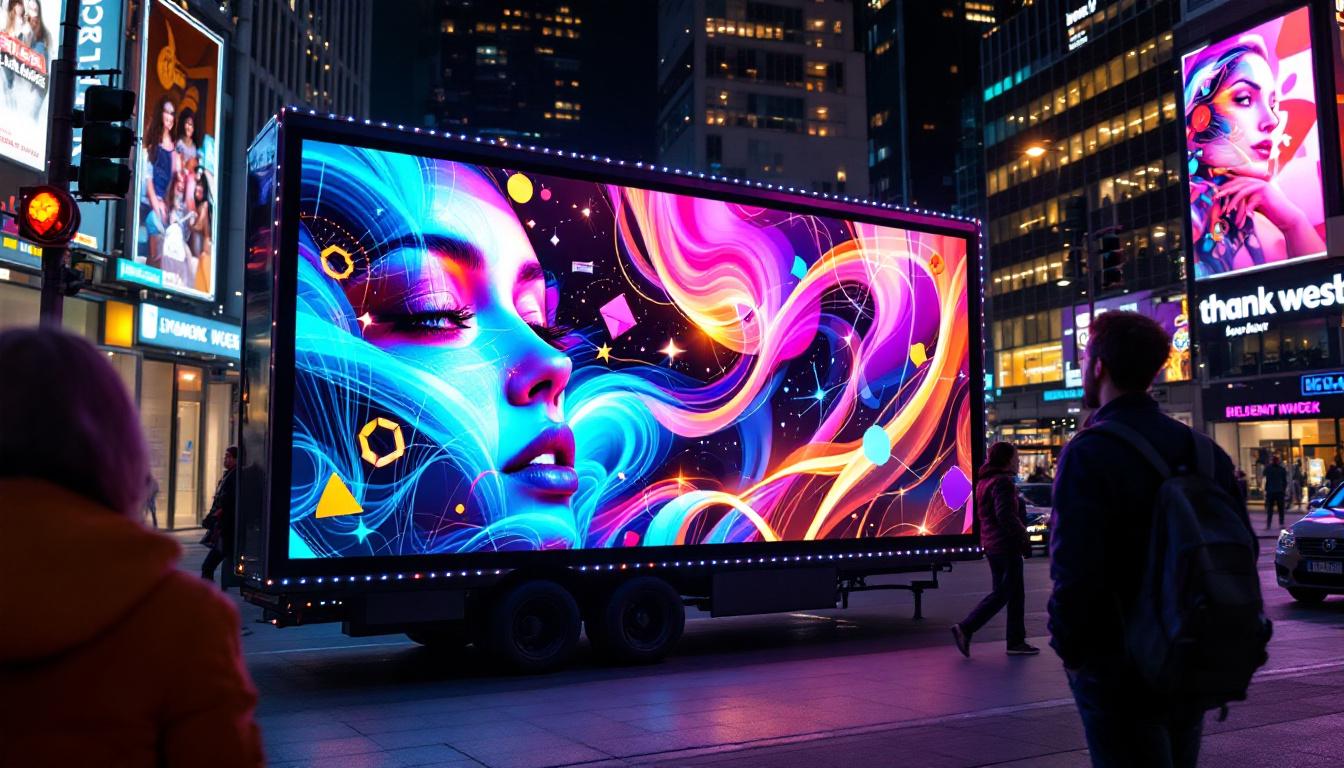
A mobile billboard is essentially a moving advertising platform, typically mounted on vehicles such as trucks, trailers, or vans. Unlike traditional static billboards, mobile billboards can travel through targeted areas, reaching diverse audiences in real-time. This flexibility allows advertisers to tailor campaigns to specific locations, events, or demographics, enhancing engagement and visibility. Moreover, mobile billboards can be strategically deployed during peak traffic times or major events, ensuring that the message is seen by a larger audience. This adaptability not only maximizes exposure but also allows brands to connect with potential customers in a more personal and immediate way.
The Role of LED Displays in Mobile Billboards
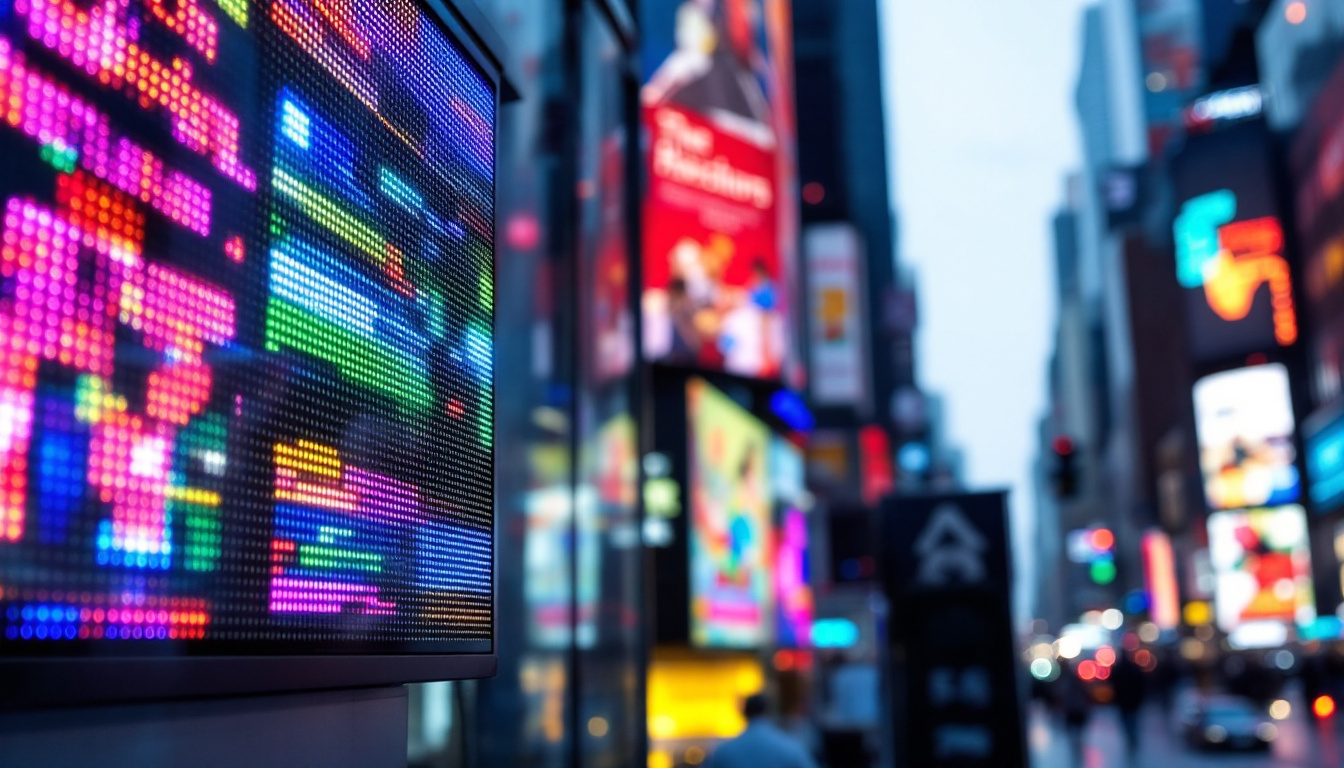
LED (Light Emitting Diode) displays have become the preferred technology for mobile billboards due to their brightness, durability, and energy efficiency. These displays consist of thousands of tiny LEDs that emit light when an electric current passes through them, creating vivid images and videos visible even in direct sunlight. Unlike printed advertisements, LED displays offer dynamic content capabilities, including animations, video playback, and real-time updates. This means that advertisers can change their messaging on the fly, responding to current events or promotions, which can significantly increase the effectiveness of the advertising campaign. Additionally, the ability to showcase multiple advertisements in a single rotation allows for a more versatile approach to marketing.
Key Components of Mobile LED Displays
Mobile LED billboards typically comprise several critical components:
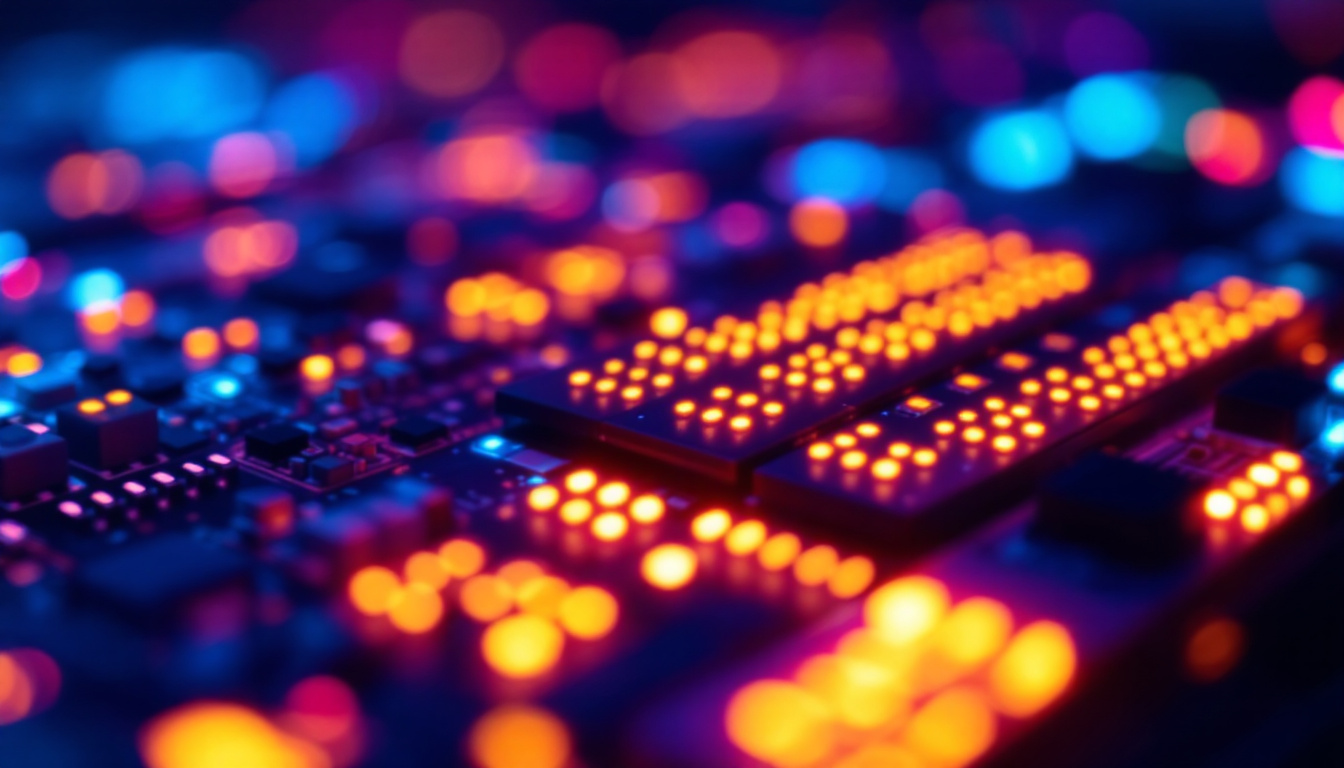
- LED Modules: These are the basic units containing the LEDs arranged in a grid to form images.
- Control System: Software and hardware that manage the content displayed, allowing for scheduling and remote updates.
- Power Supply: Usually powered by the vehicle’s battery or an auxiliary generator to ensure consistent brightness.
- Mounting Structure: A robust frame that securely holds the LED panels on the vehicle, designed to withstand motion and weather conditions.
In addition to these components, mobile LED displays often incorporate advanced features such as GPS tracking and analytics tools. GPS technology allows advertisers to monitor the vehicle’s location in real-time, ensuring that campaigns are executed in the most effective areas. Meanwhile, analytics tools can provide valuable insights into audience engagement, such as how many people viewed the advertisement and the duration of exposure. This data not only helps in assessing the success of a campaign but also aids in refining future marketing strategies to maximize impact and return on investment.
Advantages of Mobile LED Billboards
Enhanced Visibility and Engagement
LED displays offer unparalleled brightness and color vibrancy, making advertisements stand out even in broad daylight or adverse weather. The dynamic nature of LED content—such as animations and videos—captures attention more effectively than static images. According to a study by the Outdoor Advertising Association of America (OAAA), digital billboards can increase brand recall by up to 47% compared to traditional billboards. This heightened engagement is particularly beneficial for brands looking to make a lasting impression, as the combination of visual and auditory elements can create a more immersive experience for viewers. Furthermore, the ability to display real-time content, such as live social media feeds or event countdowns, adds an interactive layer that encourages audience participation and fosters a connection with the brand.
Targeted Advertising and Flexibility
One of the most significant benefits of mobile billboards is their ability to reach specific locations and audiences. For example, a food brand launching a new product can deploy mobile LED billboards near shopping malls, sports events, or busy urban centers during peak hours. This targeted approach maximizes advertising ROI by focusing on high-traffic areas and relevant demographics. Additionally, the flexibility of mobile billboards allows advertisers to adjust their strategies in real-time based on audience response or changing market conditions. If a particular area shows increased foot traffic or engagement, brands can quickly shift their campaigns to capitalize on these opportunities, ensuring that their messaging is always relevant and timely.
Cost-Effectiveness Compared to Traditional Media
While the initial investment in mobile LED billboards may be higher than static billboards, the long-term benefits often outweigh the costs. Digital content can be updated instantly without additional printing expenses, and the mobility factor eliminates the need for multiple static billboards in different locations. This versatility reduces campaign costs and enhances overall efficiency. Moreover, the ability to run multiple ads in a single day allows brands to test different messages and visuals, optimizing their campaigns based on real-time data and audience feedback. This adaptability not only saves money but also ensures that brands remain competitive in an ever-evolving marketplace.
Environmental and Operational Benefits
LED technology is energy-efficient, consuming significantly less power than traditional lighting methods. Additionally, mobile LED billboards reduce paper waste associated with printed ads, supporting eco-friendly advertising initiatives. Their durability also means less frequent maintenance and replacements, contributing to lower operational costs. Beyond these benefits, the use of mobile LED billboards can enhance a brand’s image as socially responsible, appealing to environmentally conscious consumers. As more businesses strive to adopt sustainable practices, utilizing energy-efficient advertising solutions like mobile LED billboards positions them as leaders in eco-friendly marketing. Furthermore, the reduced carbon footprint associated with fewer print materials and lower energy consumption aligns with global efforts to combat climate change, making it a win-win for both brands and the planet.
Applications of Mobile LED Billboards
Event Promotion and Sponsorship
Mobile LED billboards are ideal for promoting events such as concerts, festivals, sports games, and product launches. Their ability to move through event locations before and during the event increases awareness and drives attendance. Sponsors also benefit from the high visibility and dynamic content capabilities, which can display multiple brand messages in rotation.
Political Campaigns and Public Service Announcements
During election seasons, candidates use mobile LED billboards to reach voters in targeted neighborhoods, spreading campaign messages efficiently. Public service organizations also utilize these mobile displays to disseminate critical information such as health advisories, emergency alerts, and community updates.
Retail and Restaurant Advertising
Businesses in retail and food service sectors leverage mobile LED billboards to announce promotions, new store openings, or limited-time offers. By driving through commercial districts or near competitor locations, these mobile ads can attract immediate customer attention and influence purchasing decisions.
Tourism and Hospitality Marketing
Tourism boards and hospitality businesses use mobile LED billboards to showcase attractions, special packages, and events. Moving through tourist-heavy areas, these displays provide real-time information and visually appealing content that encourages exploration and engagement.
Technical Considerations for Mobile LED Billboards
Resolution and Pixel Pitch
The quality of an LED display is largely determined by its resolution and pixel pitch—the distance between individual LEDs. A smaller pixel pitch means higher resolution and sharper images, which is crucial for close-range viewing. Mobile billboards typically use pixel pitches ranging from 4mm to 10mm, balancing clarity with cost and power consumption.
Brightness and Weatherproofing
Brightness levels for outdoor LED displays usually range between 5,000 to 8,000 nits, ensuring visibility under direct sunlight. Weatherproofing is equally important; mobile LED billboards must withstand rain, dust, and temperature fluctuations. High-quality displays are rated with IP65 or higher, indicating strong resistance to water and dust ingress.
Content Management Systems (CMS)
Modern mobile LED billboards are equipped with sophisticated CMS platforms that allow advertisers to schedule, update, and monitor content remotely. These systems support various media formats, enable real-time analytics, and facilitate quick content changes to adapt to market conditions or campaign needs.
Power and Connectivity
Powering mobile LED billboards requires efficient energy management. Many systems incorporate rechargeable batteries supplemented by the vehicle’s engine or solar panels. Connectivity options such as 4G/5G and Wi-Fi enable seamless content updates and remote diagnostics, ensuring uninterrupted operation.
Challenges and Limitations
Regulatory and Legal Restrictions
Mobile billboards must comply with local advertising laws, which can vary significantly by city or state. Restrictions may include limits on brightness, size, movement speed, and permitted locations. Advertisers need to navigate these regulations carefully to avoid fines and ensure campaign success.
Driver Safety and Distraction Concerns
While mobile LED billboards are effective at capturing attention, there is an ongoing debate about their potential to distract drivers. Responsible use involves adhering to guidelines that minimize distraction risks, such as avoiding overly flashy animations or rapid content changes near busy intersections.
Operational Costs and Maintenance
Despite their advantages, mobile LED billboards require regular maintenance to ensure optimal performance. This includes cleaning, software updates, and hardware repairs. Additionally, operational costs such as fuel, driver wages, and insurance must be factored into campaign budgets.
The Future of Mobile LED Billboard Advertising
Integration with Artificial Intelligence and Data Analytics
Emerging technologies are set to enhance the effectiveness of mobile LED billboards. AI-driven analytics can optimize route planning based on real-time traffic and demographic data, ensuring ads reach the most relevant audiences. Furthermore, AI can tailor content dynamically in response to environmental factors or viewer engagement patterns.
Interactive and Augmented Reality Features
Future mobile LED billboards may incorporate interactive elements, such as touchscreens or gesture recognition, allowing audiences to engage directly with advertisements. Augmented reality (AR) integration could create immersive experiences, blending digital content with physical surroundings to deepen brand connections.
Eco-Friendly Innovations
As sustainability becomes a priority, mobile LED billboards are evolving to reduce their environmental footprint. Innovations include solar-powered systems, recyclable materials, and energy-efficient components. These advances align with growing consumer demand for responsible advertising practices.
Conclusion
Mobile billboards equipped with LED displays represent a powerful fusion of mobility and digital technology, offering advertisers unparalleled flexibility, visibility, and engagement. Their ability to deliver dynamic, targeted content in diverse locations makes them an indispensable tool in modern marketing strategies. While challenges such as regulatory compliance and operational costs exist, ongoing technological advancements promise to enhance their effectiveness and sustainability. For businesses seeking to make a bold impression in today’s competitive marketplace, mobile LED billboards provide a compelling solution that combines innovation with impact.
Illuminate Your Advertising with LumenMatrix
Ready to elevate your marketing game with the vibrant, dynamic power of mobile LED billboards? Discover LumenMatrix’s comprehensive range of LED display solutions, designed to captivate and engage your audience wherever they may be. From bustling city streets to the heart of major events, our cutting-edge technology ensures your message shines bright. Don’t let your brand fade into the background—check out LumenMatrix LED Display Solutions today and transform the way you connect with your audience.