In today’s digital age, video walls have become a cornerstone of visual communication in public spaces, corporate environments, retail, and entertainment venues. Central to the effectiveness and aesthetic appeal of these video walls are the mounts that hold and align the LED displays. Understanding video wall mounts and LED displays is essential for businesses and organizations looking to create impactful visual experiences. This article explores the fundamentals of video wall mounts, the technology behind LED displays, and best practices for installation and maintenance.
Understanding LED Video Walls
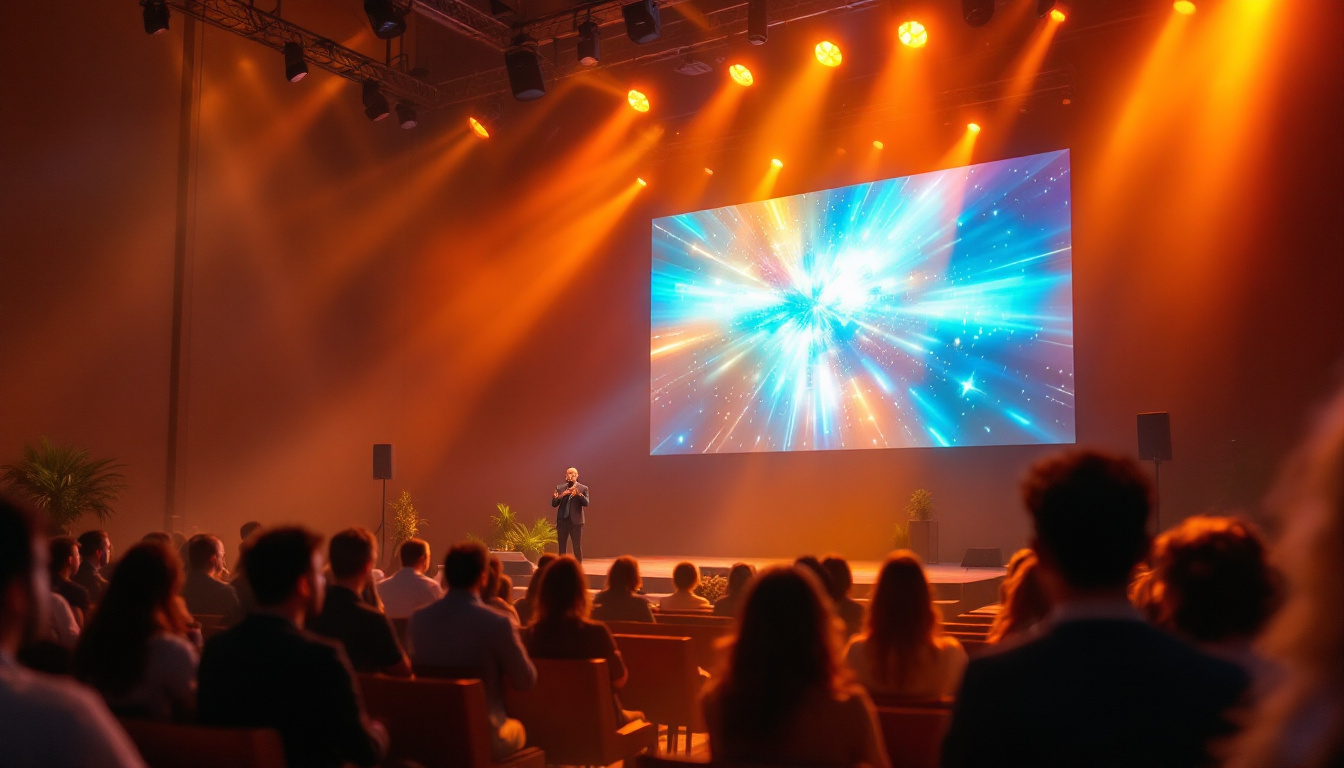
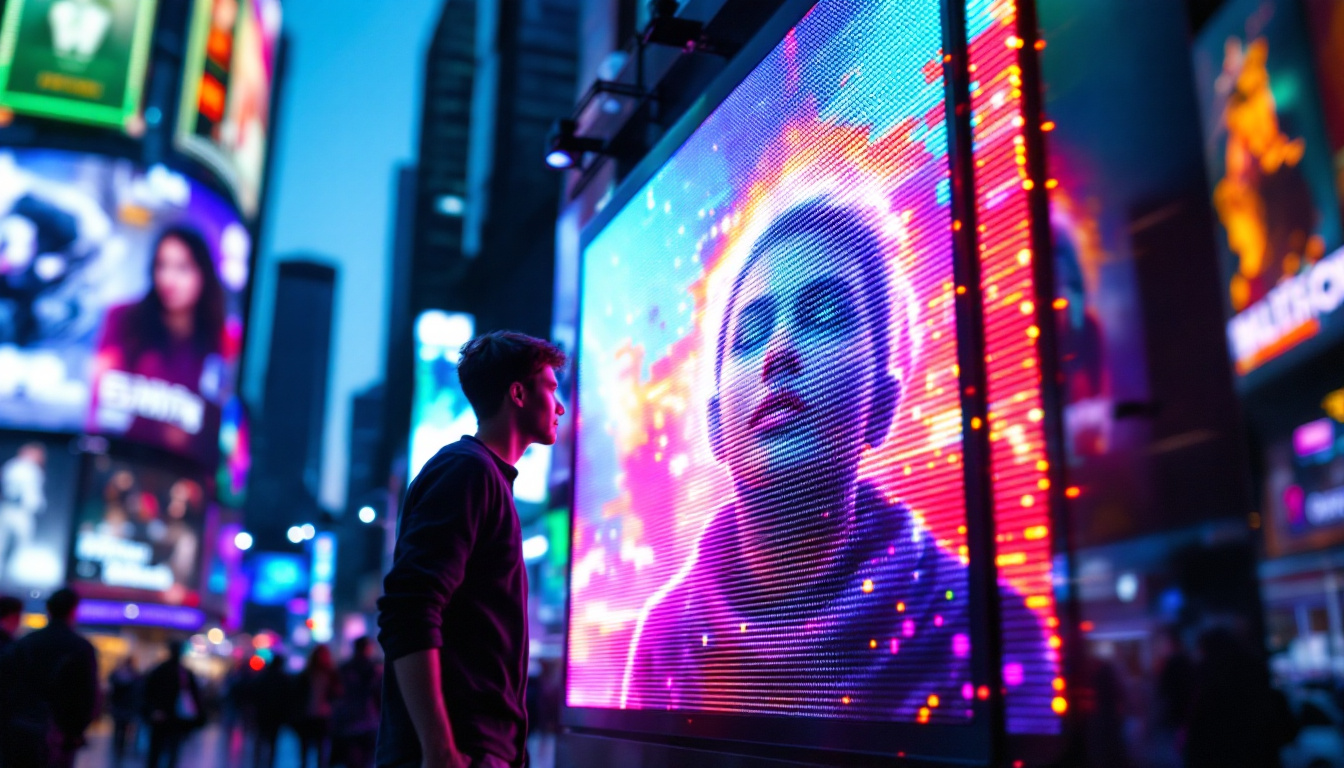
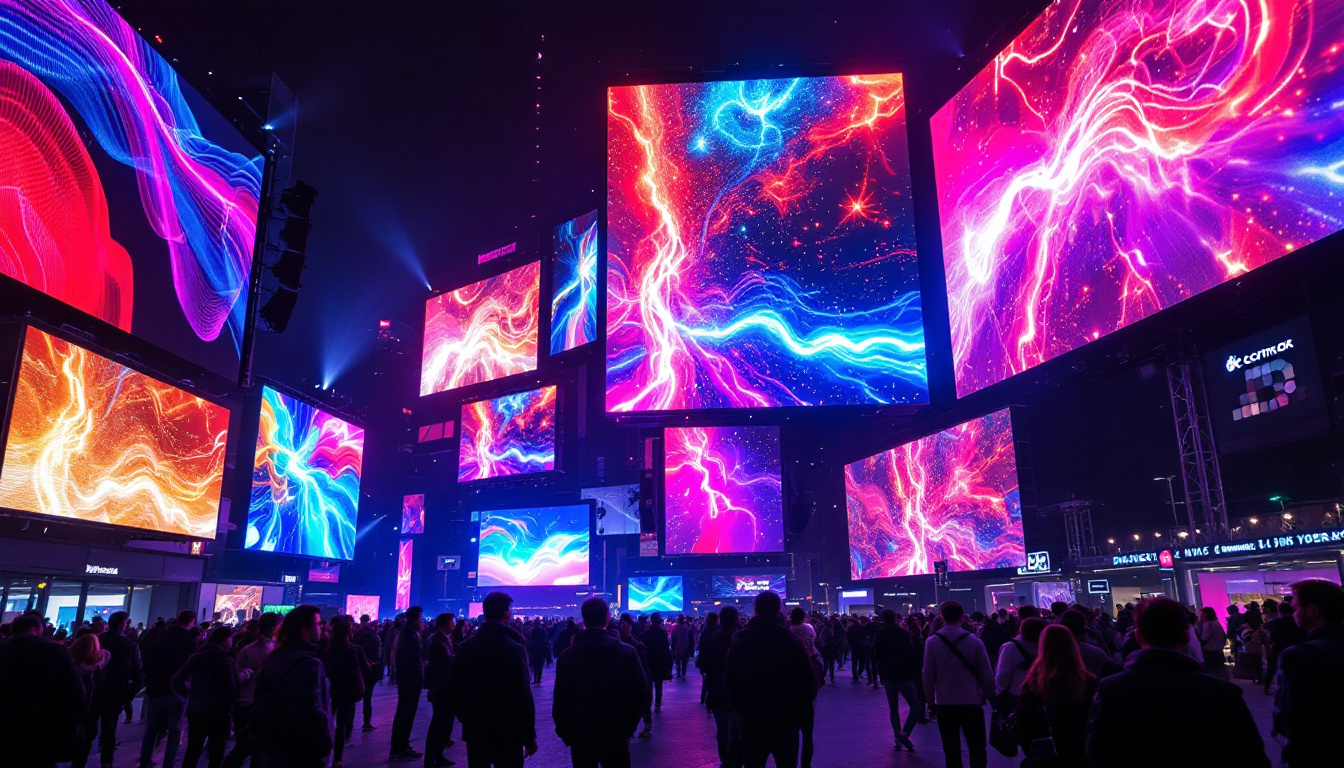
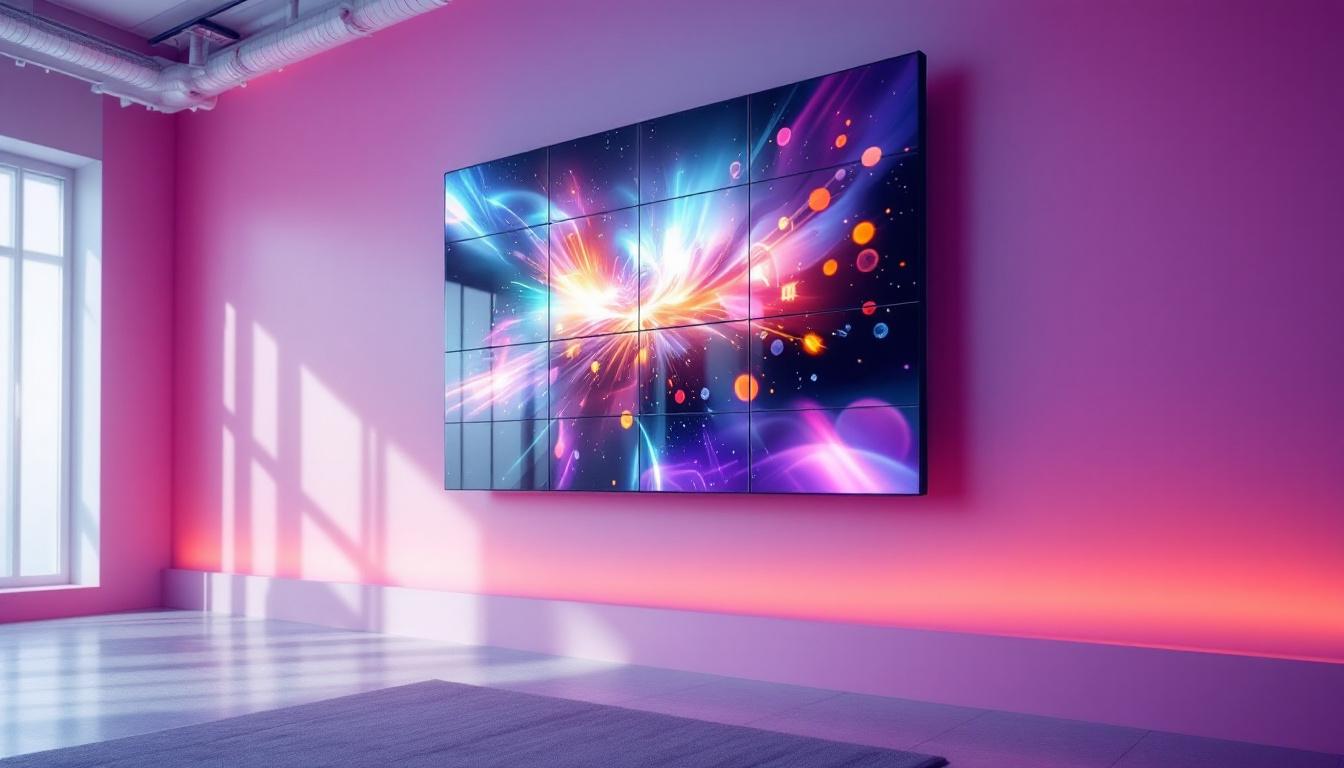
LED video walls are large-scale display systems composed of multiple LED panels tiled together to create one seamless screen. Unlike traditional LCD screens, LED displays use light-emitting diodes to produce bright, vibrant images with high contrast and excellent viewing angles. This technology not only enhances the visual experience but also allows for dynamic content that can be easily updated or changed, making it a favorite choice for various applications.
The popularity of LED video walls has surged due to their versatility and superior image quality. According to a 2023 report by MarketsandMarkets, the global LED display market is projected to reach $42.6 billion by 2028, growing at a CAGR of 12.1%. This growth is driven by increasing demand in advertising, sports arenas, transportation hubs, and control rooms. Additionally, the rise of digital signage in retail environments has further propelled the adoption of LED video walls, as businesses seek innovative ways to engage customers and enhance their shopping experience.
Key Features of LED Displays
LED displays offer several advantages that make them ideal for video walls:
- Brightness: LED panels can achieve brightness levels of up to 5,000 nits or more, making them visible even in direct sunlight.
- Color Accuracy: Advanced LED technologies provide vivid colors and deep blacks, enhancing image quality.
- Scalability: The modular nature of LED panels allows for custom sizes and shapes, from small indoor walls to massive outdoor billboards.
- Durability: LED panels are designed to withstand harsh environmental conditions, including moisture and temperature fluctuations.
Moreover, the energy efficiency of LED technology is a significant advantage, as it consumes less power compared to traditional display technologies. This not only reduces operational costs but also contributes to a lower carbon footprint, making LED video walls a more sustainable choice for businesses and organizations. Furthermore, advancements in control systems and software have made it easier to manage content across multiple panels, allowing for intricate designs and synchronized displays that can captivate audiences in ways that were previously unimaginable.
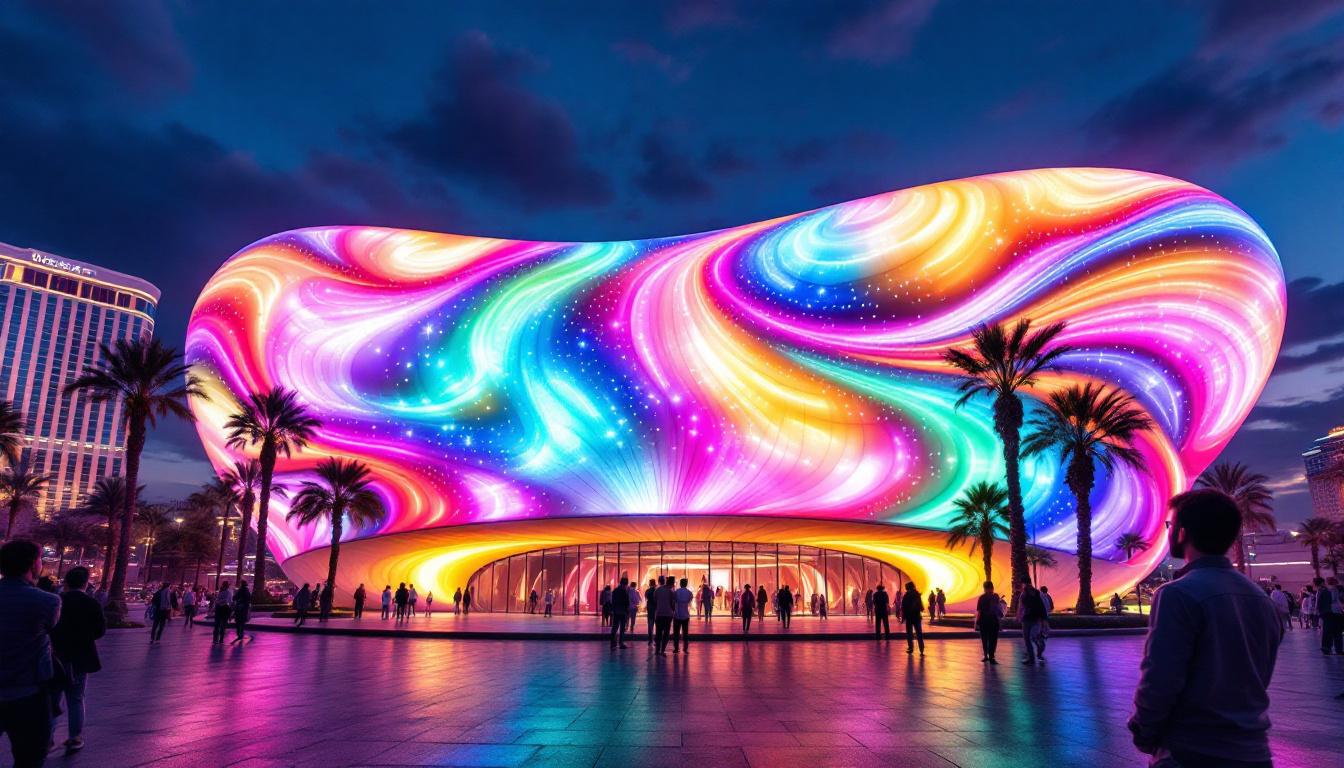
In addition to their technical benefits, LED video walls have also become a focal point in architectural design. They are often integrated into building facades, creating stunning visual displays that can transform the look of a structure while serving functional purposes such as wayfinding or information dissemination. As technology continues to evolve, we can expect to see even more innovative applications of LED video walls, from interactive installations in museums to immersive experiences in entertainment venues.
The Role of Video Wall Mounts
While the LED panels themselves are the heart of a video wall, the mounts are its backbone. Video wall mounts ensure that each panel is securely attached, perfectly aligned, and positioned for optimal viewing. The precision of the mounting system directly impacts the overall visual experience. A well-designed mount not only supports the weight of the panels but also enhances the aesthetic appeal of the installation, allowing the technology to blend seamlessly into its environment.
Types of Video Wall Mounts
There are several types of mounts tailored to different installation needs:
- Fixed Mounts: These mounts hold the panels in a stationary position, ideal for walls where the display does not need to be adjusted frequently.
- Tilting Mounts: Allow slight angle adjustments to reduce glare or improve sightlines.
- Articulating Mounts: Provide flexibility to extend, retract, or swivel panels, useful in interactive or dynamic environments.
- Rear Serviceable Mounts: Designed to allow maintenance or replacement of panels from the back without dismantling the entire wall.
Importance of Precision and Alignment
For a video wall to appear seamless, the gaps between LED panels—known as bezels—must be minimized and aligned perfectly. Even a millimeter of misalignment can disrupt the visual flow, causing distractions and reducing the immersive effect. High-quality mounts come with micro-adjustment capabilities, enabling installers to fine-tune the position of each panel. This level of precision is crucial in environments like control rooms or broadcast studios, where clarity and detail are paramount for effective communication and decision-making.
Moreover, the choice of mount can influence the longevity and durability of the installation. Sturdy mounts can withstand vibrations and other environmental factors, ensuring that the panels remain securely in place over time. In high-traffic areas, where the risk of accidental bumps or jostles is greater, investing in robust mounting solutions becomes even more critical. Additionally, many modern mounts are designed with aesthetics in mind, allowing for a clean and professional look that enhances the overall design of the space, whether it be a corporate office, retail environment, or public venue.
Installation Considerations for Video Wall Mounts
Installing a video wall is a complex process that requires careful planning and expertise. The choice of mounts and installation method depends on several factors including the location, size of the video wall, and maintenance requirements.
Structural Support and Weight Capacity
LED panels and mounts can be heavy, especially for large video walls. It is critical to assess the structural integrity of the mounting surface—whether it’s a concrete wall, steel frame, or drywall. Mounts must be rated to support the combined weight of all panels plus any additional equipment such as power supplies and controllers.
Accessibility for Maintenance
Video walls require periodic maintenance to ensure optimal performance. Choosing mounts that allow easy access to panels—either from the front or rear—can significantly reduce downtime and maintenance costs. Rear serviceable mounts are particularly beneficial in high-traffic areas where disassembling the entire wall is impractical.
Environmental Factors
Indoor and outdoor installations have different requirements. Outdoor video walls must contend with weather elements such as rain, wind, and temperature extremes. Mounts for outdoor LED displays are typically made from corrosion-resistant materials and designed to withstand environmental stress. Additionally, considerations for ventilation and heat dissipation are crucial to prolong the lifespan of LED panels.
Choosing the Right LED Display and Mount Combination
Selecting the right combination of LED display panels and video wall mounts is essential for achieving the desired visual impact and operational efficiency. Several factors influence this decision:
Pixel Pitch and Viewing Distance
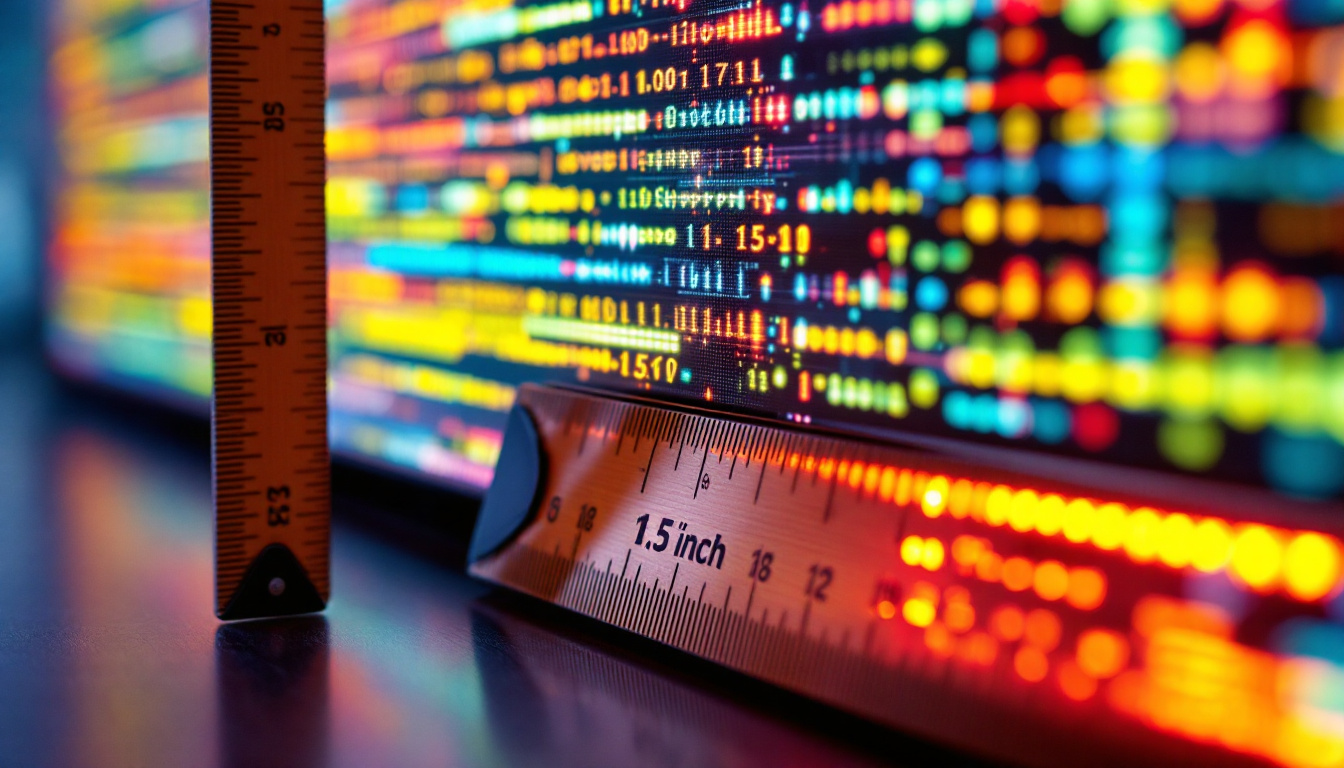
Pixel pitch refers to the distance between the centers of adjacent LED pixels. A smaller pixel pitch means higher resolution and sharper images, which is important for close viewing distances. For example, indoor video walls in conference rooms often use pixel pitches of 1.2mm to 2.5mm, while large outdoor displays may have pixel pitches of 10mm or more.
The mount must accommodate the size and weight of the chosen panels while allowing for precise alignment to maintain image clarity.
Panel Size and Weight
LED panels come in various sizes, typically ranging from 500mm x 500mm to 640mm x 640mm or larger. Larger panels reduce the number of seams but increase the weight and complexity of mounting. Mounts must be compatible with the panel dimensions and capable of supporting their weight securely.
Modularity and Expandability
Many organizations plan to expand their video walls over time. Choosing mounts and panels that support modular expansion allows for future growth without a complete overhaul. Some mounting systems offer adjustable frames that can accommodate different panel sizes and configurations.
Maintenance and Troubleshooting
Regular maintenance ensures the longevity and performance of LED video walls. Proper care involves cleaning, inspection, and timely repairs.
Cleaning and Dust Prevention
Dust and dirt can accumulate on LED panels, reducing brightness and image quality. Using soft, lint-free cloths and manufacturer-recommended cleaning solutions helps maintain clarity. Additionally, ensuring that mounts do not obstruct airflow prevents overheating.
Panel Replacement and Repairs
LED panels may occasionally fail or require replacement. Video wall mounts that allow for easy removal of individual panels without dismantling the entire wall save time and costs. Technicians should follow safety protocols and manufacturer guidelines during repairs.
Software and Calibration
Video walls rely on software to manage content and calibrate colors across panels. Regular calibration ensures uniform brightness and color consistency. Some advanced mounts integrate sensors to assist with automated calibration processes.
Future Trends in Video Wall Mounts and LED Displays
The video wall industry is evolving rapidly with technological advancements enhancing both displays and mounting solutions.
Ultra-Thin Bezels and Seamless Displays
Manufacturers are pushing the limits of bezel size, with some LED panels now featuring bezels less than 1mm wide. This development creates nearly seamless video walls, delivering a more immersive viewing experience.
Smart Mounting Systems
Emerging smart mounts incorporate motorized adjustments, remote control, and real-time monitoring. These features enable dynamic positioning and predictive maintenance, reducing manual labor and downtime.
Flexible and Curved Video Walls
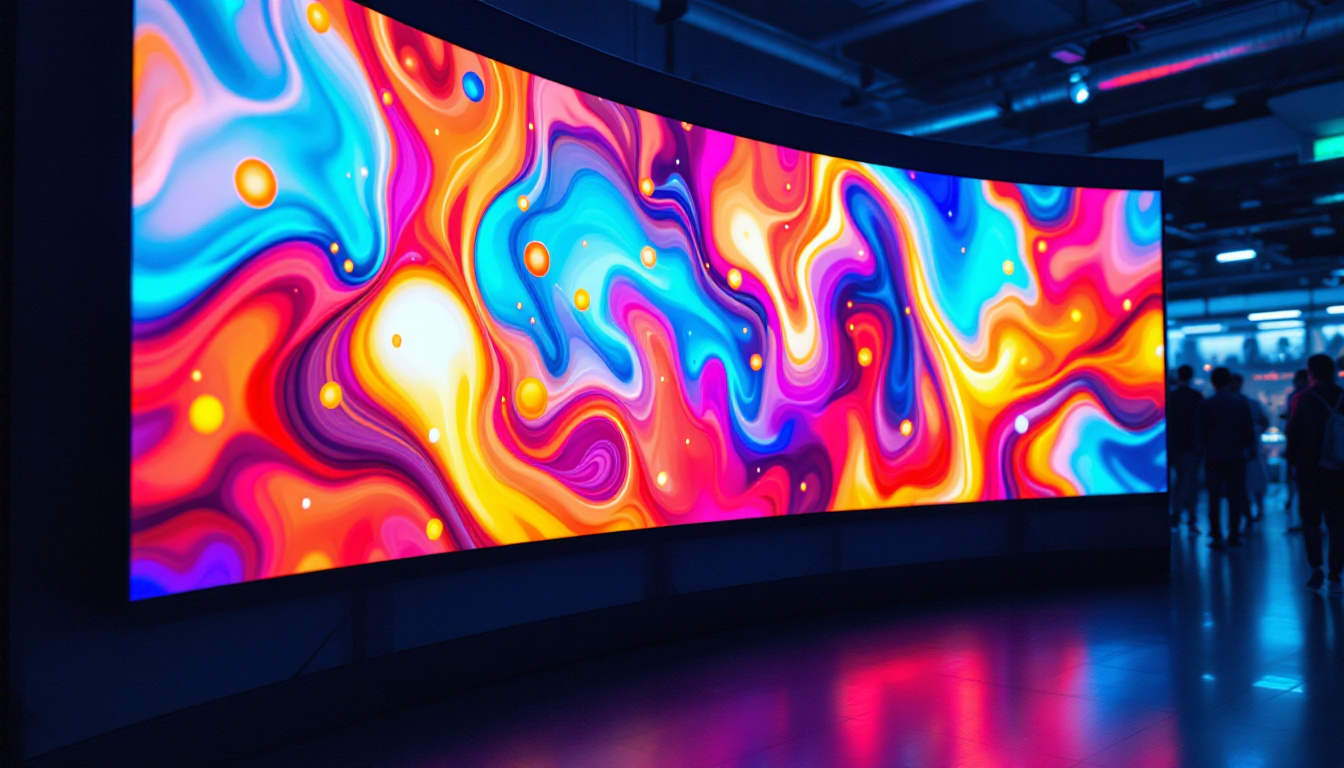
Innovations in panel design and mounting hardware now allow for curved and flexible video walls, opening new possibilities for creative installations in retail, museums, and entertainment venues.
Conclusion
Video wall mounts are a critical component in the deployment of LED video walls, directly influencing the visual quality, durability, and maintenance of the display. Understanding the interplay between LED technology and mounting solutions helps organizations make informed decisions that maximize the impact of their digital signage investments.
As LED display technology continues to advance, so too will the sophistication of video wall mounts, offering greater flexibility, ease of installation, and enhanced performance. Whether for advertising, corporate communication, or public information, a well-designed video wall system with the right mounts can transform any space into a captivating visual environment.
Discover LumenMatrix’s Advanced LED Display Solutions
Ready to elevate your space with the latest in LED display technology? LumenMatrix is at the forefront of creating immersive environments with our comprehensive range of LED display solutions. From vibrant Indoor and Outdoor LED Wall Displays to innovative Custom and All-in-One LED Displays, our products are designed to captivate and engage your audience. Experience the future of visual communication with LumenMatrix’s LED Transparent Displays and more. Check out LumenMatrix LED Display Solutions today and transform your message into a visually stunning experience.