In today’s fast-paced world, capturing attention quickly and effectively is crucial for businesses, public institutions, and event organizers alike. Signage displays have evolved dramatically over the past decades, with LED (Light Emitting Diode) technology emerging as a dominant force in visual communication. This article delves into the world of LED displays, explaining what they are, how they work, and why they have become the preferred choice for signage across industries.
Understanding LED Displays: The Basics
What is an LED Display?
An LED display is a flat panel display that uses light-emitting diodes as pixels to present images, videos, and text. Unlike traditional LCD or plasma displays, LED displays utilize tiny semiconductor devices that emit light when an electric current passes through them. This technology enables exceptionally bright, vibrant, and energy-efficient screens suitable for both indoor and outdoor use.
LED displays come in various forms, including single-color, dual-color, and full-color configurations. Full-color LED displays, often referred to as RGB LED displays, combine red, green, and blue diodes to create millions of colors, allowing for dynamic and eye-catching visuals. These displays are widely used in various applications, from large-scale billboards and sports arenas to smaller screens in retail environments, enhancing the visual experience and attracting attention.
How Do LED Displays Work?
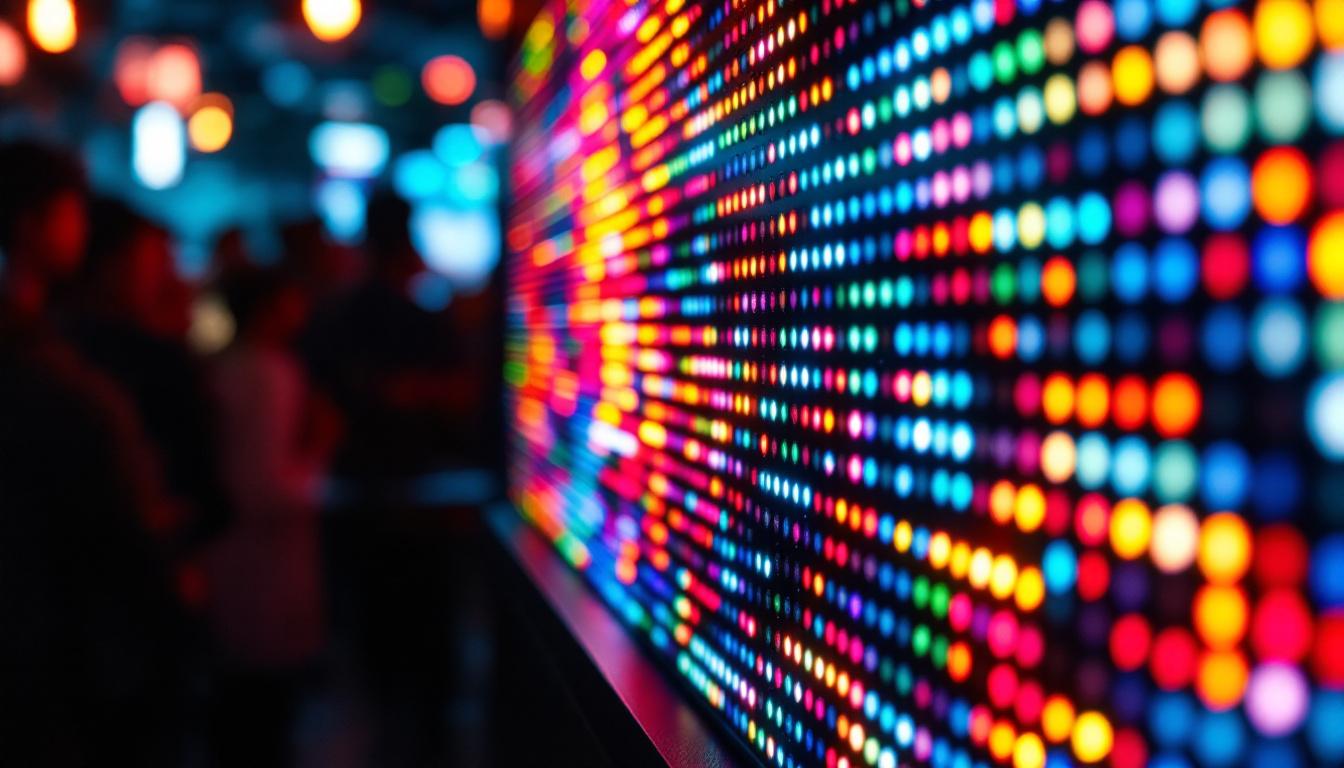
At the core of an LED display are thousands to millions of individual LEDs arranged in a matrix. Each LED acts as a pixel, and by adjusting the intensity of red, green, and blue diodes, the display can produce a full spectrum of colors. The control system sends signals to these LEDs, determining which ones light up and at what brightness, thereby forming images or videos. This precise control allows for not only static images but also dynamic animations and transitions that can captivate viewers.
The resolution of an LED display depends on the pixel pitch—the distance between the centers of two adjacent pixels. A smaller pixel pitch means higher resolution and sharper images, which is especially important for close viewing distances. For instance, a pixel pitch of 2.5mm is ideal for indoor environments where viewers are close to the screen, while a pitch of 10mm might be more suitable for outdoor displays viewed from a distance. Additionally, advancements in technology have led to the development of flexible LED displays, which can be curved or shaped to fit unique spaces, further expanding their versatility in design and application.
Advantages of LED Displays for Signage
Brightness and Visibility
One of the most significant advantages of LED displays is their superior brightness. LEDs can achieve brightness levels exceeding 5,000 nits, making them easily visible even in direct sunlight. This makes LED signage ideal for outdoor advertising, transportation hubs, stadiums, and other environments where ambient light can be intense.
Moreover, LED displays maintain consistent visibility across wide viewing angles, ensuring that the message is clear regardless of where the audience is positioned. This is particularly beneficial in high-traffic areas, where viewers may be approaching from different directions. The vibrant colors and sharp contrast of LED screens also enhance the overall aesthetic appeal, drawing in potential customers and creating a more engaging atmosphere.
Energy Efficiency and Longevity
Compared to traditional lighting and display technologies such as neon or incandescent bulbs, LEDs consume significantly less power. This energy efficiency translates into lower operational costs and a reduced environmental footprint. For businesses managing multiple signage installations, these savings can be substantial over time. In fact, many companies have reported reductions in energy costs by up to 80% after switching to LED technology.
Additionally, LEDs have a long operational lifespan, often exceeding 50,000 hours. This durability reduces maintenance needs and replacement costs, making LED displays a cost-effective investment. The low heat emission of LEDs also contributes to their longevity, as it minimizes the risk of overheating and damage to the display components. Furthermore, as technology advances, newer LED models continue to improve in efficiency and lifespan, ensuring that businesses can rely on their signage for years to come.
Flexibility and Customization
LED displays offer remarkable flexibility in size, shape, and resolution. They can be configured as large-scale billboards, curved screens, transparent displays, or even wearable signage. This adaptability allows businesses to tailor their visual communications to specific environments and creative concepts. For instance, retail stores can use LED displays to create immersive shopping experiences, while event organizers can utilize them for dynamic stage backdrops that capture the audience’s attention.
Dynamic content capabilities enable real-time updates, animations, and interactive features, enhancing engagement and allowing marketers to deliver targeted messages based on time, audience, or events. This means that a single LED display can serve multiple purposes throughout the day, such as showcasing promotional offers during peak shopping hours and transitioning to informative content during quieter periods. Additionally, the integration of sensors and connectivity options allows for even more sophisticated interactions, such as adjusting content based on viewer demographics or environmental conditions, further enhancing the effectiveness of the signage.
Applications of LED Displays in Signage
Outdoor Advertising and Digital Billboards
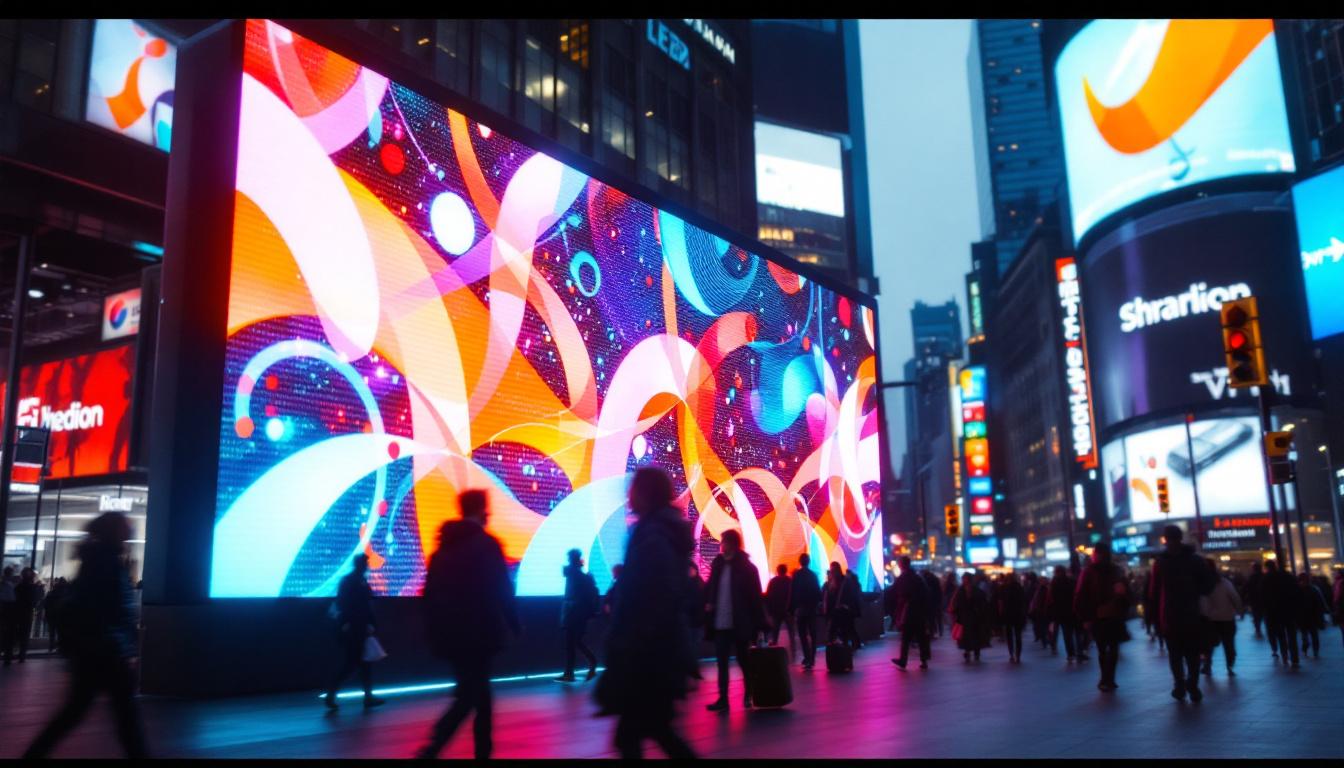
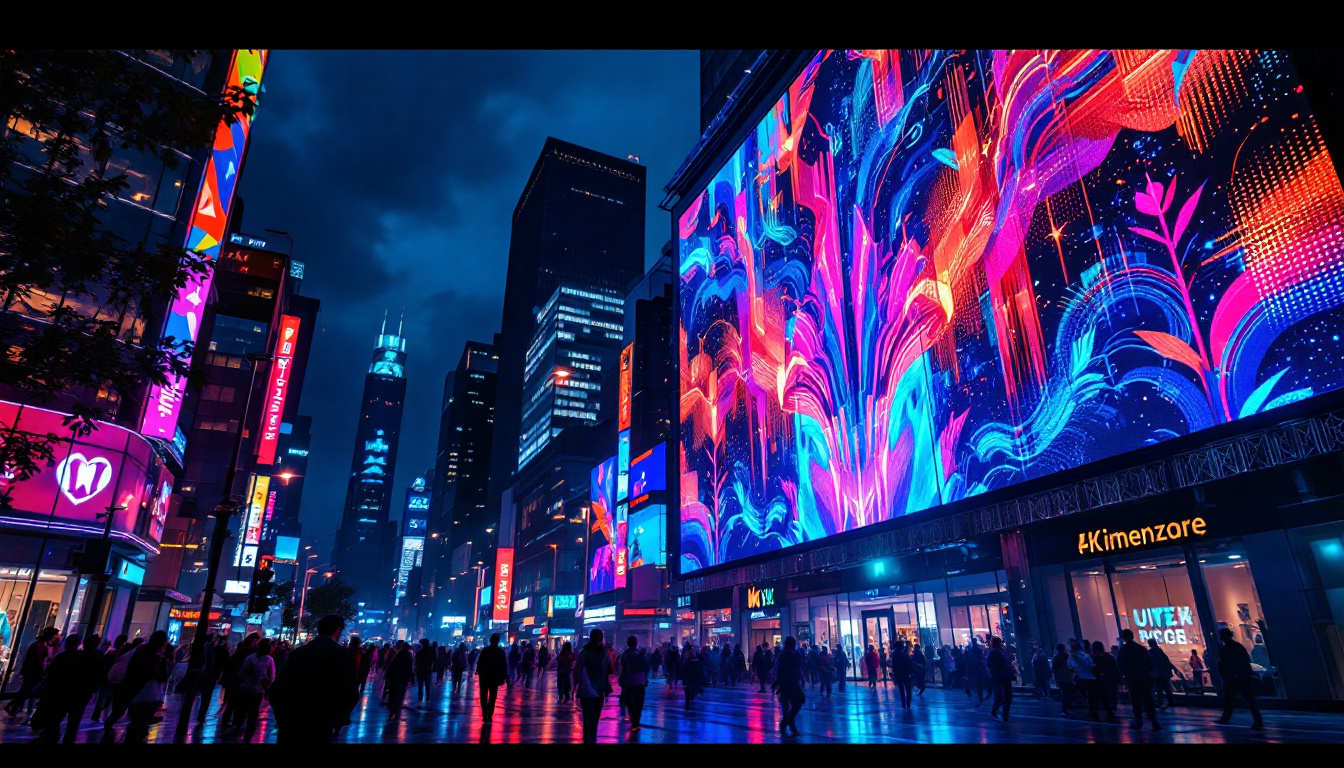
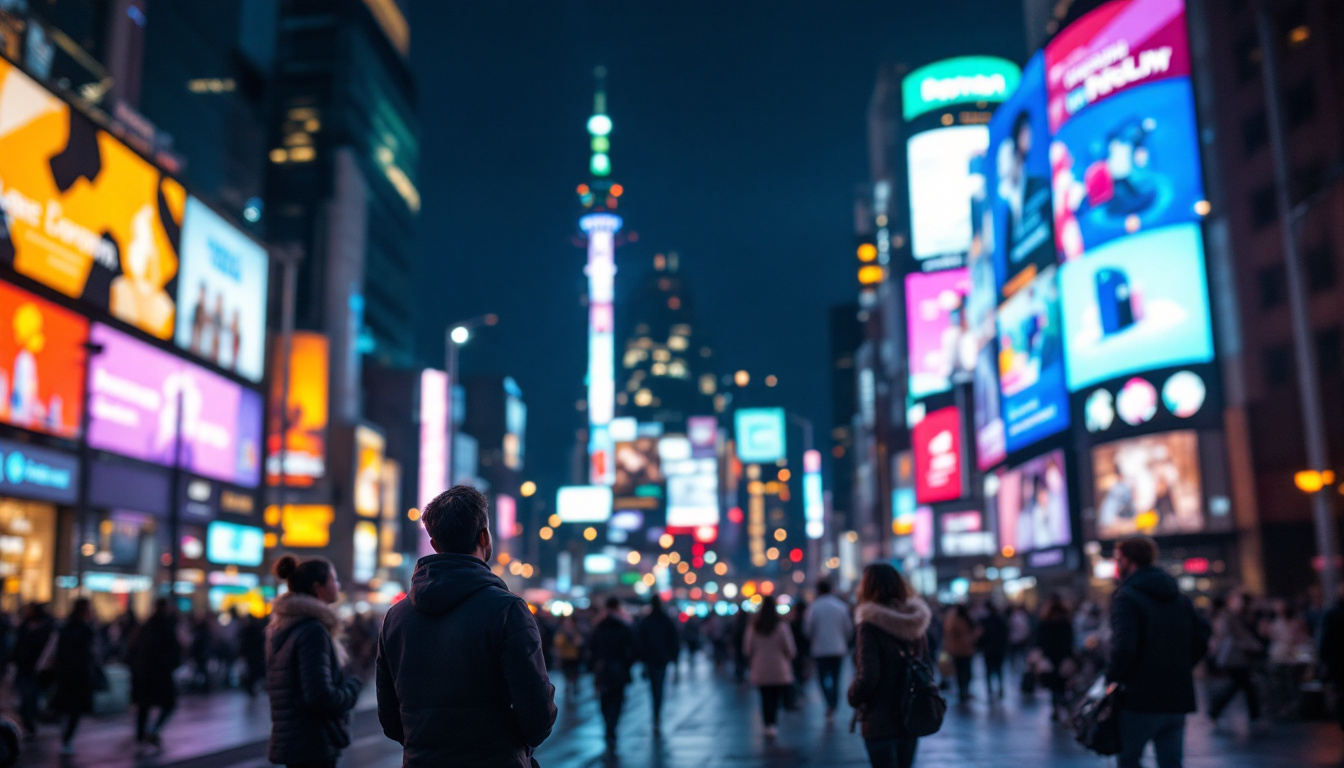
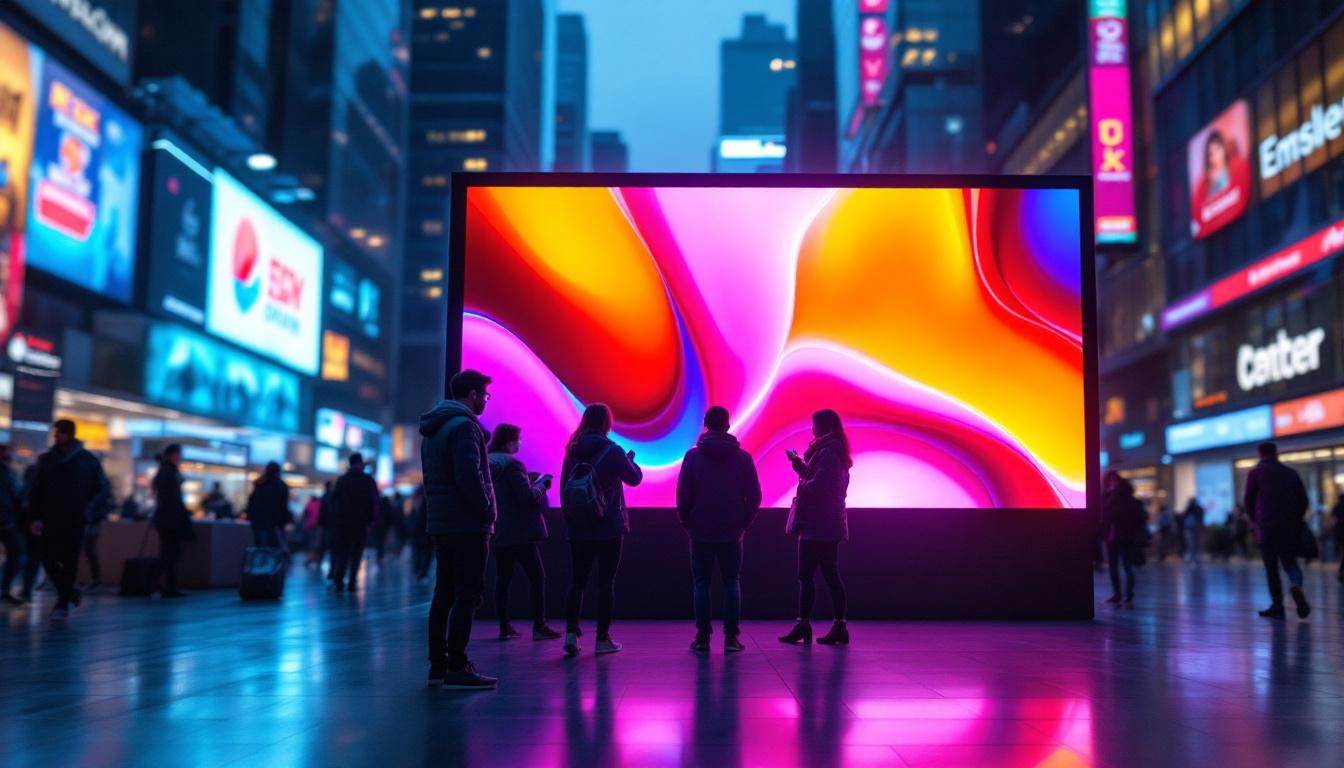
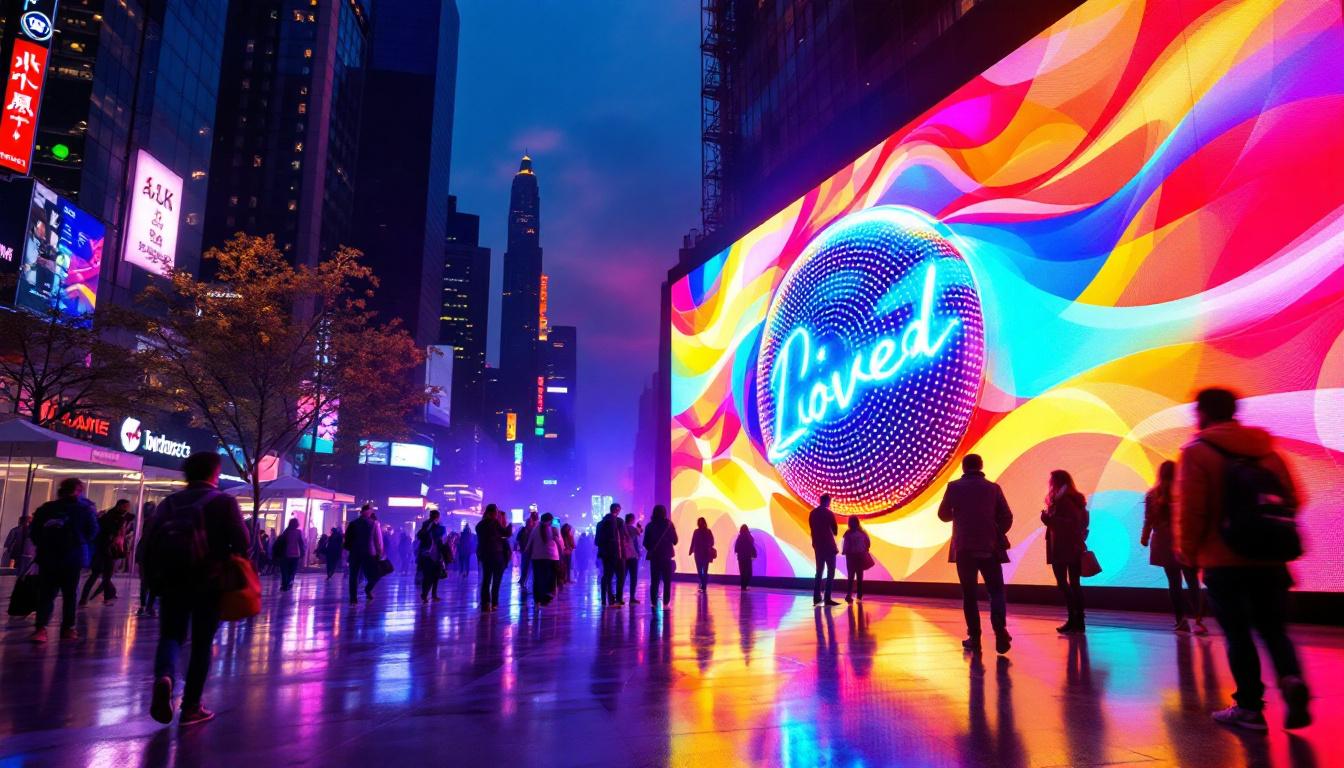
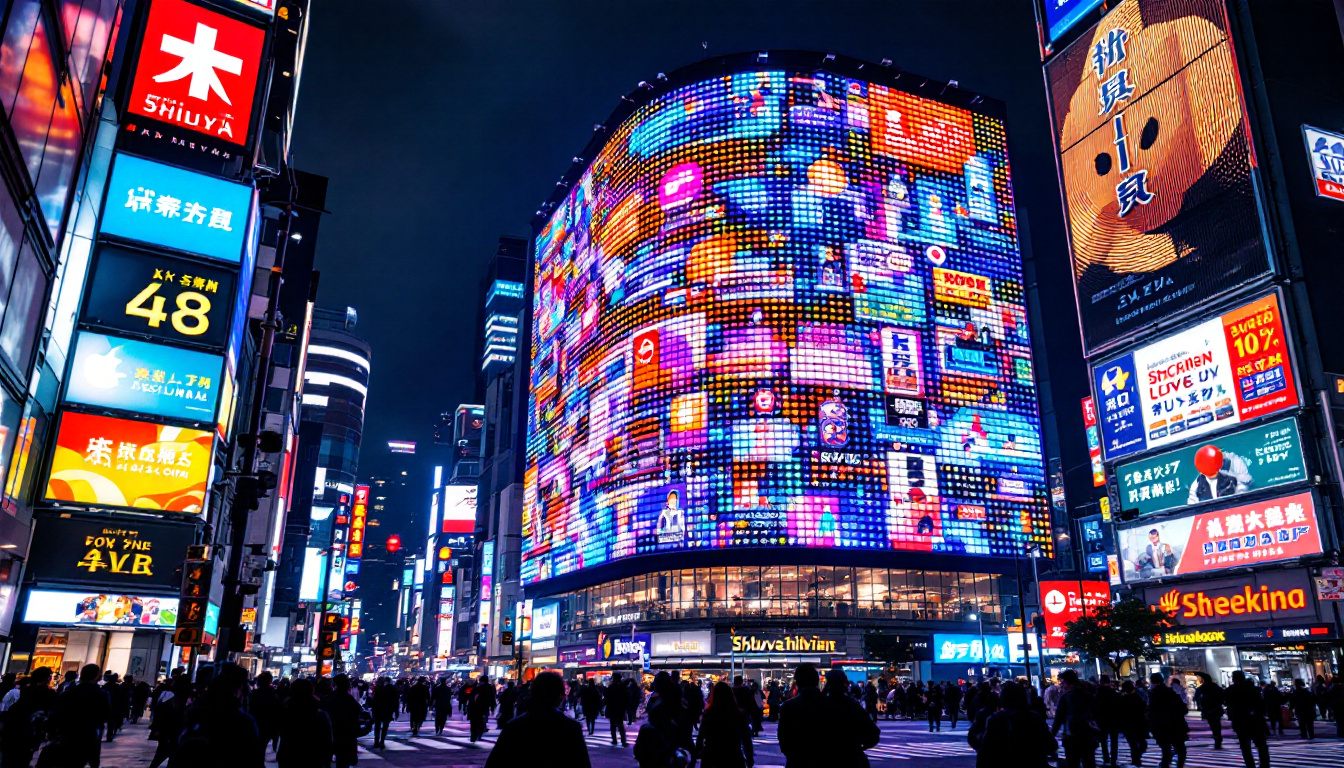
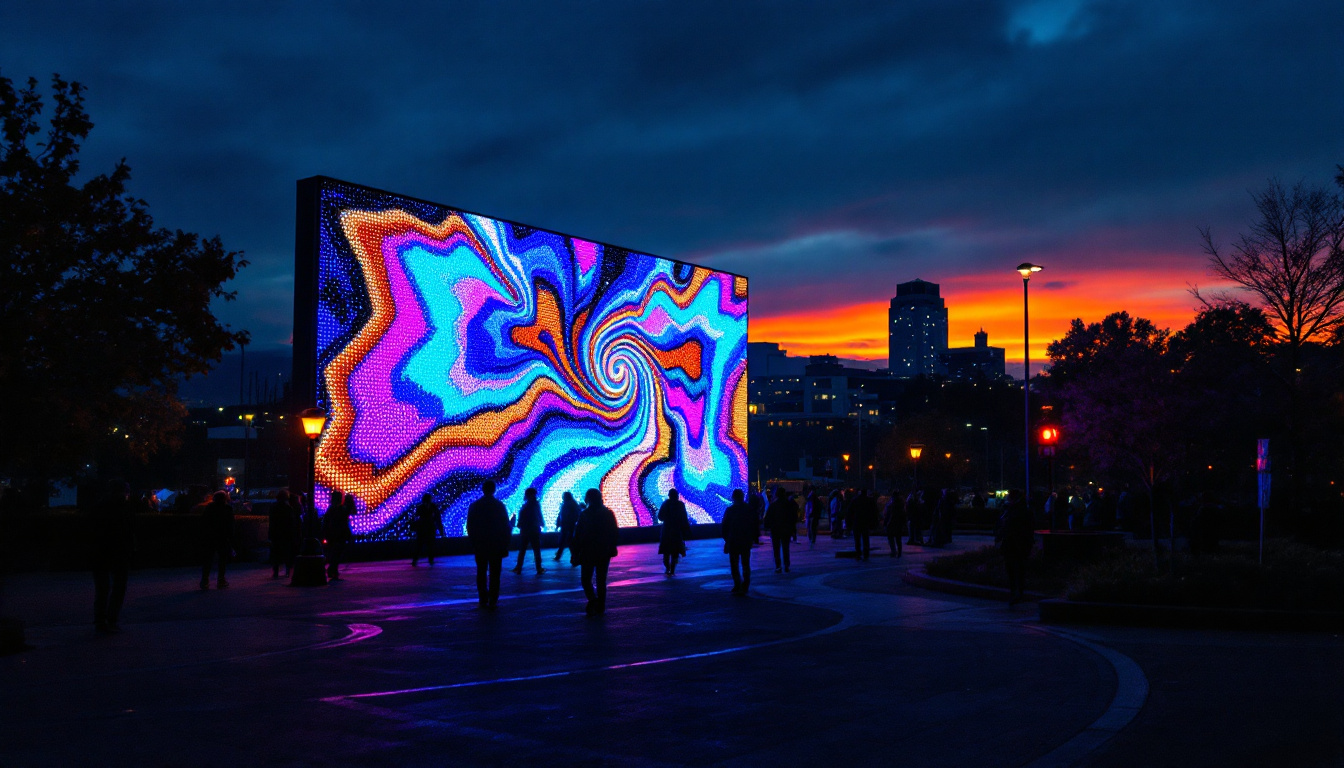
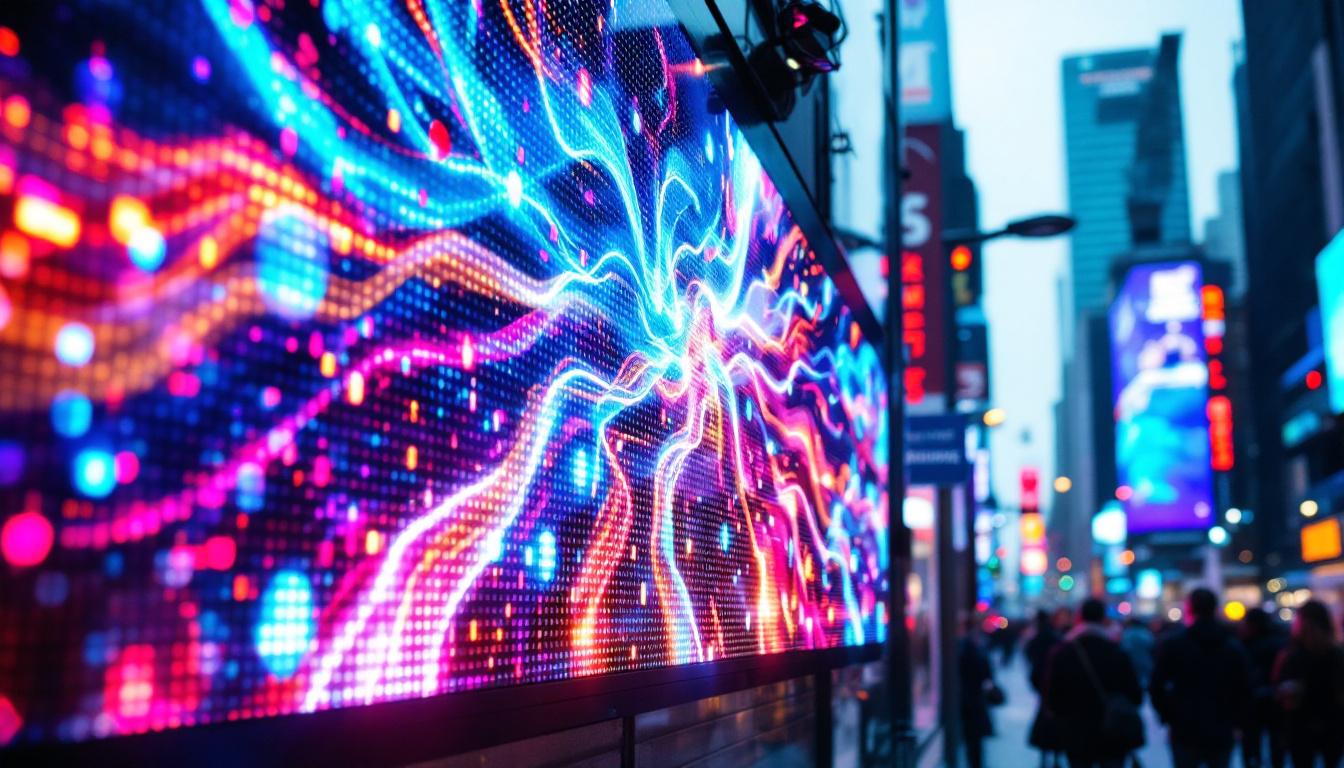
Digital billboards powered by LED technology have transformed outdoor advertising. Their brightness and durability make them suitable for roadside, urban, and high-traffic areas. Brands can update campaigns instantly without the need for physical replacements, enabling timely promotions and greater campaign flexibility.
According to industry reports, the global digital signage market is projected to grow at a CAGR of over 8% through 2028, driven largely by the adoption of LED displays in outdoor advertising. This growth is fueled by the increasing demand for dynamic content that captures consumer attention and the rise of programmatic advertising, where ads can be tailored to specific audiences based on real-time data analytics.
Retail and Shopping Centers
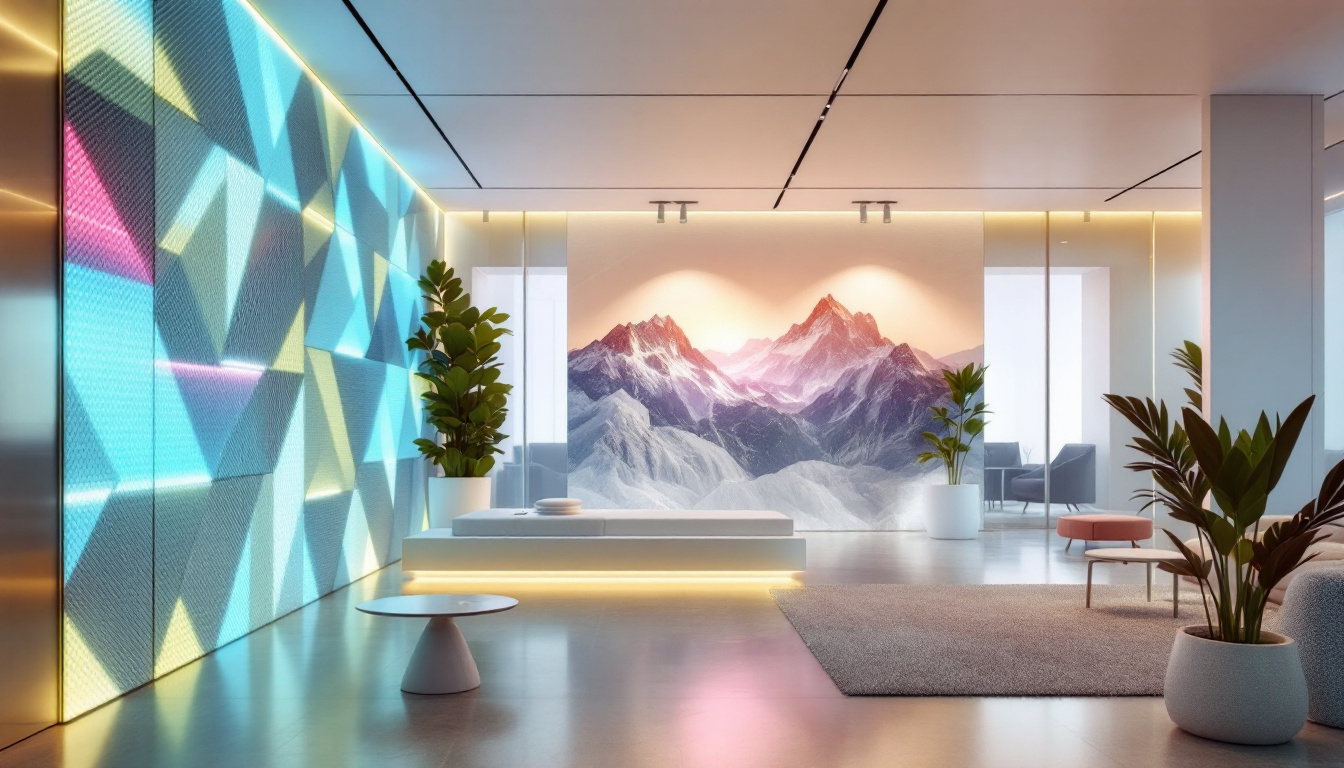
Retailers use LED signage to attract customers, highlight promotions, and enhance the shopping experience. Indoor LED displays can be integrated into storefront windows, ceilings, or kiosks, providing vibrant visuals that stand out in crowded environments. These displays not only serve as eye-catching advertisements but also provide essential information about products and services, creating a seamless shopping journey.
Interactive LED displays also allow customers to engage with products or services, creating memorable brand interactions that drive sales. For instance, touch-screen displays can provide detailed product information, customer reviews, or even virtual try-on experiences, making shopping more engaging and personalized. Furthermore, the integration of augmented reality (AR) with LED technology is paving the way for innovative marketing strategies that captivate consumers and enhance brand loyalty.
Transportation and Public Spaces
LED displays are widely used in airports, train stations, and bus terminals for real-time information dissemination. Their high visibility and reliability ensure that travelers receive timely updates on schedules, delays, or safety messages. This not only improves the overall travel experience but also enhances operational efficiency by allowing transit authorities to communicate effectively with passengers.
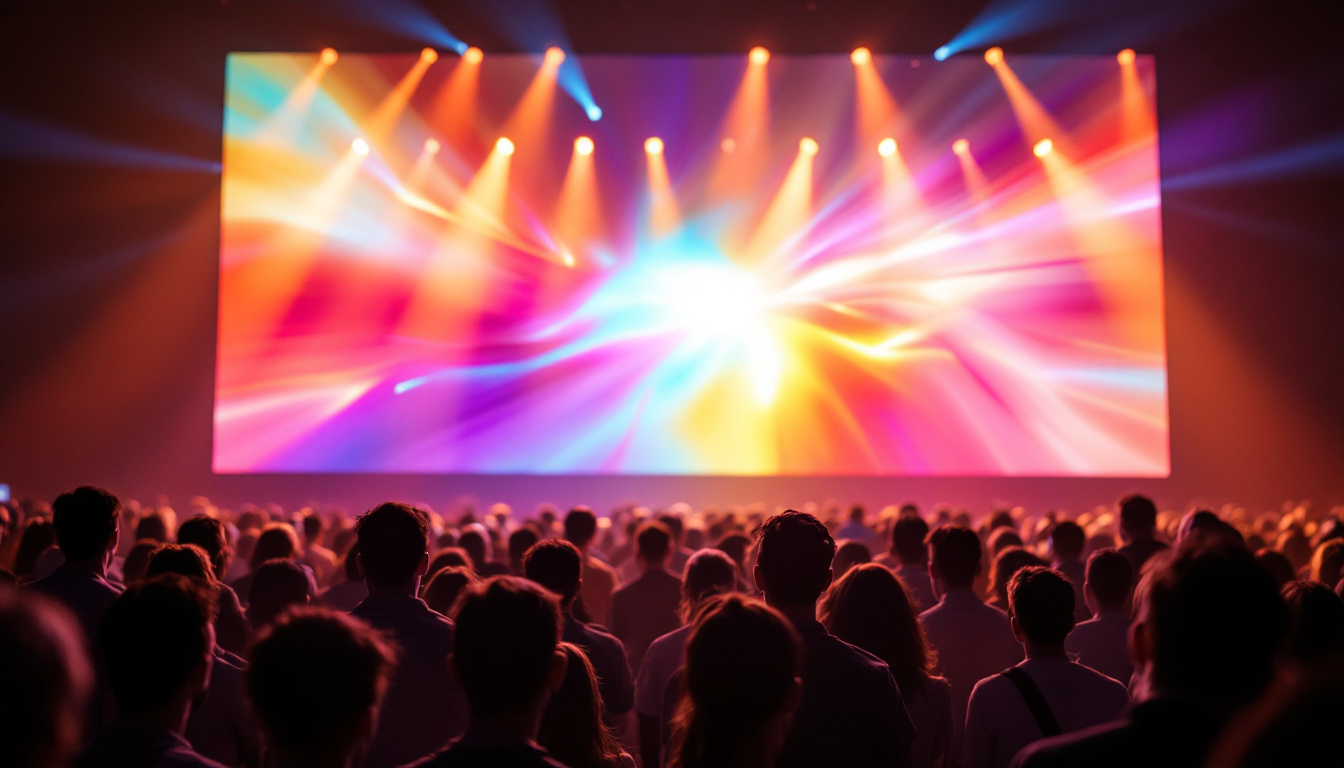
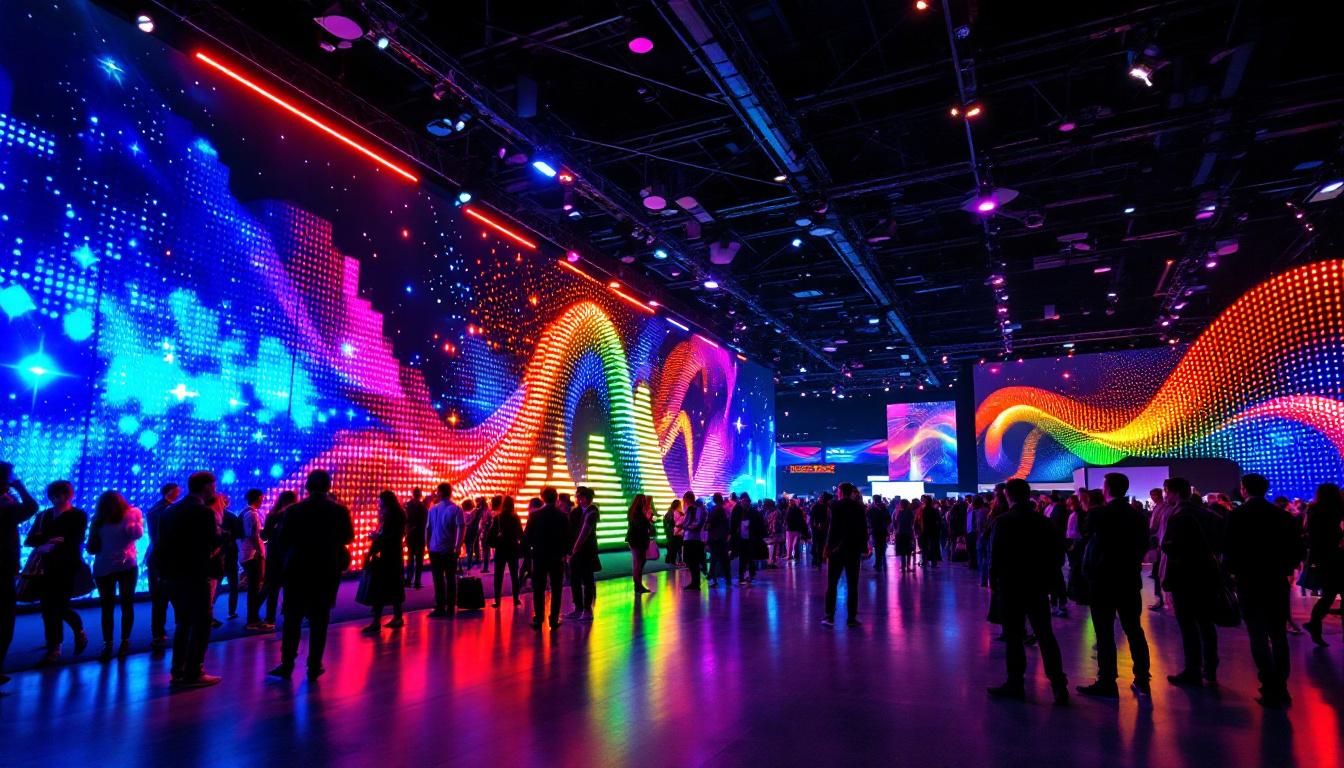
Public spaces such as stadiums and concert venues utilize large LED screens to enhance spectator experiences with live video feeds, advertisements, and event information. These displays can also be synchronized with audio systems to create an immersive atmosphere, making events more enjoyable for attendees. Additionally, LED technology is being leveraged to promote social media engagement, where fans can see their posts displayed on the big screen, fostering a sense of community and participation during live events.
Technical Considerations When Choosing LED Displays
Pixel Pitch and Resolution
Pixel pitch is a critical factor influencing image clarity. For signage viewed from a distance, a larger pixel pitch (e.g., 10mm or more) may be sufficient, while close-range viewing requires finer pixel pitches (1.5mm to 4mm) to avoid pixelation.
Understanding the intended viewing distance and environment helps determine the optimal resolution and pixel density for the display.
Brightness and Contrast Ratio
Brightness levels should be matched to the installation environment. Outdoor displays typically require higher brightness to combat sunlight glare, whereas indoor displays benefit from moderate brightness with higher contrast ratios for deeper blacks and vivid colors.
Contrast ratio affects the perceived sharpness and color depth, enhancing overall image quality.
Durability and Weather Resistance
For outdoor installations, LED displays must be weatherproof and resistant to dust, moisture, and temperature fluctuations. Ratings such as IP65 or higher indicate strong protection against environmental elements, ensuring uninterrupted operation.
Robust enclosures and cooling systems also contribute to the longevity and reliability of outdoor LED signage.
Control Systems and Connectivity
Modern LED displays are controlled via sophisticated software platforms that allow content scheduling, remote management, and integration with data sources. Connectivity options include wired Ethernet, Wi-Fi, and cellular networks, enabling seamless updates and monitoring.
Choosing a display with user-friendly control interfaces and reliable connectivity is essential for efficient content management.
Emerging Trends in LED Signage Technology
MicroLED and MiniLED Innovations
MicroLED and MiniLED technologies represent the next generation of LED displays, offering even higher brightness, improved color accuracy, and thinner form factors. MicroLED displays consist of microscopic LEDs that deliver exceptional resolution and energy efficiency, making them suitable for premium signage applications.
While still emerging, these technologies are expected to redefine visual experiences in the signage industry over the coming years.
Interactive and Smart LED Displays
Integration of touch sensors, cameras, and AI-powered analytics is transforming LED signage into interactive platforms. These smart displays can recognize user gestures, provide personalized content, and gather data on audience engagement, enabling more effective marketing strategies.
For example, retail stores use interactive LED walls to create immersive shopping experiences that respond to customer behavior in real time.
Sustainability and Eco-Friendly Designs
As environmental concerns grow, manufacturers are focusing on eco-friendly LED signage solutions. This includes using recyclable materials, reducing power consumption through advanced drivers, and designing modular displays that minimize waste during upgrades or repairs.
Businesses adopting sustainable signage not only reduce their carbon footprint but also enhance their brand reputation among environmentally conscious consumers.
Conclusion: Why LED Displays Are the Future of Signage
LED displays have revolutionized the signage industry by offering unmatched brightness, versatility, and energy efficiency. Their ability to deliver dynamic, high-impact visual content makes them indispensable for advertising, information dissemination, and customer engagement across diverse sectors.
As technology continues to advance, LED signage will become even more sophisticated, interactive, and sustainable, providing businesses with powerful tools to communicate effectively in an increasingly digital world.
Investing in LED display technology today ensures a future-proof solution that captivates audiences, drives brand awareness, and delivers measurable results.
Illuminate Your Message with LumenMatrix
Ready to elevate your signage to the next level? Discover the transformative power of LED display technology with LumenMatrix. As a pioneer in the industry, we offer an extensive range of innovative solutions, from Indoor and Outdoor LED Wall Displays to specialized options like Vehicle, Sports, and Floor LED Displays. Our mission is to revolutionize your visual communication, ensuring your brand stands out with vibrancy and precision. Don’t just share your message—make it resonate with impact. Check out LumenMatrix LED Display Solutions today and light up your brand’s future.