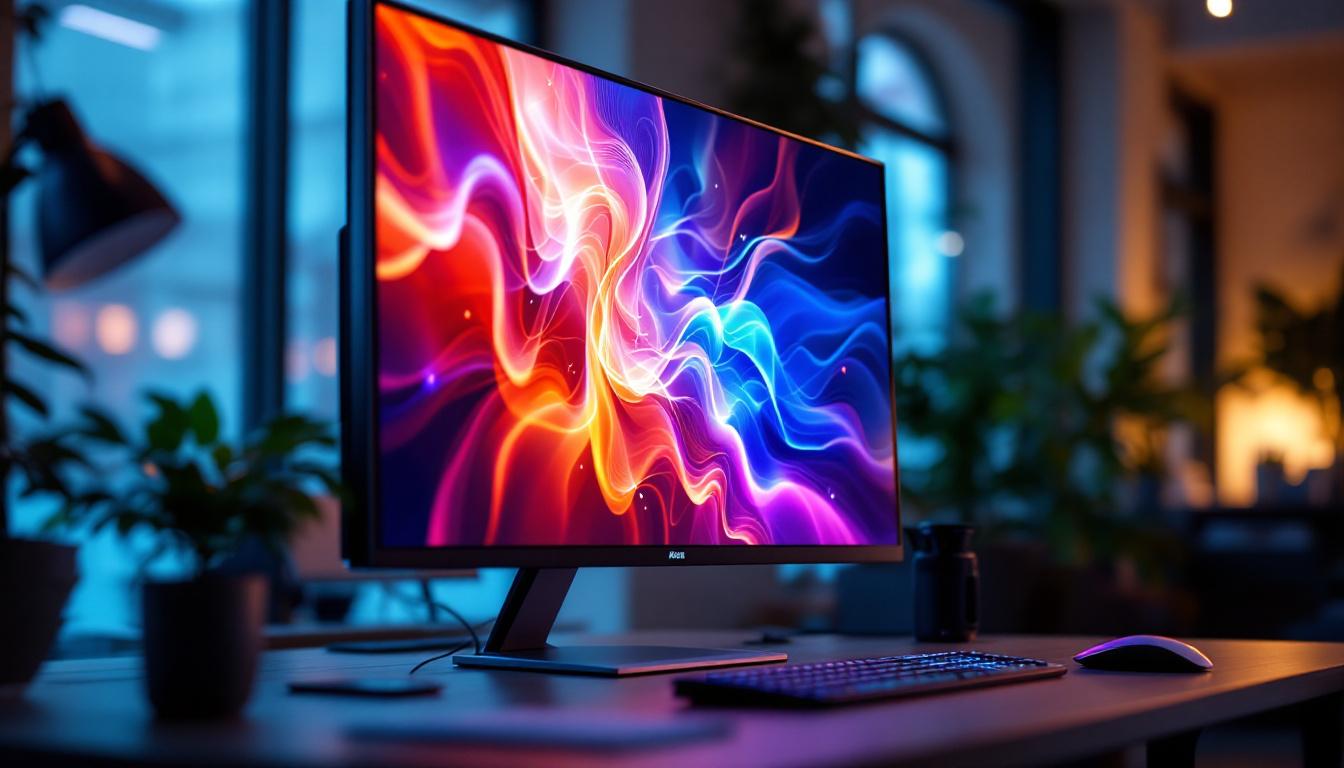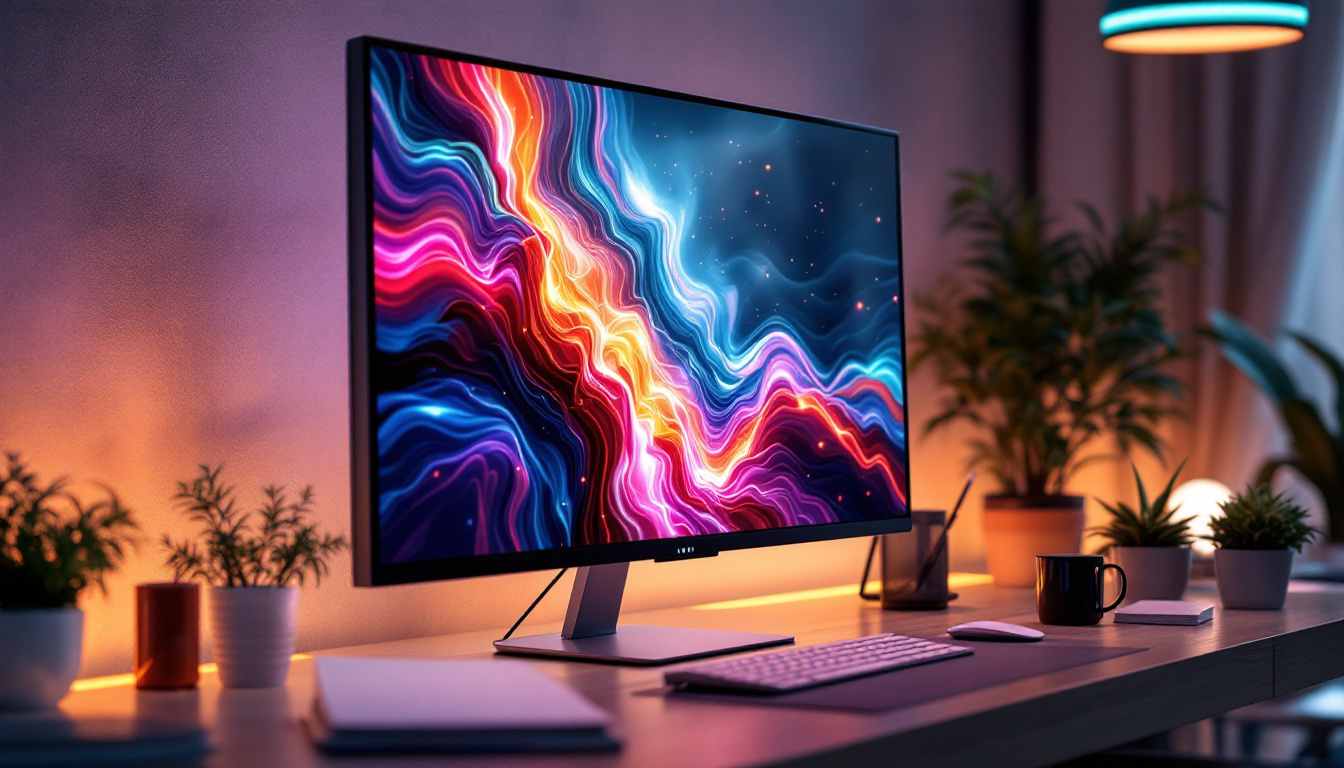
In the world of modern displays, the 42 inch LED screen size has carved out a unique niche. It strikes a balance between compactness and immersive viewing, making it a popular choice for home entertainment, office use, and digital signage. Understanding what makes a 42 inch LED display stand out involves delving into its technical specifications, practical applications, and how it compares to other screen sizes and technologies.
Understanding the 42 Inch Screen Size
The term “42 inch” refers to the diagonal measurement of the screen, from one corner to the opposite corner. This measurement is standard across the display industry, providing a consistent way to compare screen sizes regardless of brand or model. A 42 inch screen typically measures about 36.6 inches wide and 20.6 inches tall, assuming a 16:9 aspect ratio, which is the most common for LED TVs and monitors.
This size is particularly favored because it fits well in medium-sized rooms. It’s large enough to offer an engaging viewing experience without overwhelming the space, making it ideal for living rooms, bedrooms, or conference rooms. The 42 inch screen size also offers a good pixel density when paired with high-resolution panels, ensuring sharp images and clear text. Additionally, many modern 42 inch screens come equipped with smart technology, allowing users to stream content, browse the internet, and connect to various devices seamlessly, further enhancing their versatility.
Why 42 Inches? The Sweet Spot for Many Users
Choosing a screen size depends on viewing distance and room size. For a 42 inch display, the recommended viewing distance is typically between 5.5 to 8 feet (1.7 to 2.4 meters). This distance allows viewers to appreciate the detail and color accuracy without straining their eyes or missing out on the immersive effect.
In comparison to smaller screens like 32 inches, a 42 inch display offers a noticeably larger viewing area, which enhances the cinematic experience for movies and sports. Conversely, it is more manageable and affordable than larger sizes such as 55 or 65 inches, which may require more space and higher budgets. Furthermore, the 42 inch screen is often lightweight and easier to mount on walls or place on stands, making it a practical choice for renters or those who frequently rearrange their living spaces. Many users also appreciate the energy efficiency of modern 42 inch screens, as they typically consume less power compared to their larger counterparts, making them not only a smart choice for viewing pleasure but also for energy savings in the long run.
LED Display Technology: What Makes It Special?
LED stands for Light Emitting Diode, and LED displays use these tiny diodes to illuminate the screen. Unlike older LCD screens that relied on cold cathode fluorescent lamps (CCFL) for backlighting, LED displays use LEDs, which are more energy-efficient, provide better brightness, and allow for thinner screen designs.
There are two main types of LED backlighting: edge-lit and full-array. Edge-lit LED displays position LEDs along the edges of the screen, which allows for slimmer panels but may result in uneven brightness. Full-array LED displays have LEDs spread evenly across the back of the screen, offering superior contrast and local dimming capabilities.
Advantages of LED Displays
LED technology offers several benefits over other display types:
- Energy Efficiency: LEDs consume less power compared to CCFL-backlit LCDs and plasma screens, reducing electricity costs and environmental impact.
- Brightness and Contrast: LED displays can achieve higher brightness levels, making them suitable for well-lit rooms and outdoor settings. Full-array models with local dimming enhance contrast by dimming dark areas and brightening light areas independently.
- Color Accuracy: Modern LED displays support wide color gamuts and HDR (High Dynamic Range), resulting in vibrant and lifelike images.
- Longevity and Durability: LEDs have a longer lifespan than CCFLs and are less prone to screen burn-in compared to plasma displays.
Resolution and Picture Quality on a 42 Inch LED Display
Resolution is a critical factor when evaluating a 42 inch LED display. It determines how many pixels the screen contains, directly impacting image sharpness and detail. Common resolutions for this screen size include Full HD (1920×1080) and 4K Ultra HD (3840×2160).
Full HD remains a popular choice for 42 inch screens due to its affordability and sufficient clarity for most viewing distances. However, 4K Ultra HD is rapidly becoming the standard as content availability increases and prices decrease. A 42 inch 4K display offers four times the pixel count of Full HD, resulting in crisper images and finer details, especially noticeable when sitting closer to the screen.
HDR and Color Performance
High Dynamic Range (HDR) technology enhances the contrast and color range of LED displays. For a 42 inch screen, HDR support means brighter highlights, deeper blacks, and more nuanced color gradations. Popular HDR formats include HDR10, Dolby Vision, and HLG (Hybrid Log-Gamma).
When combined with LED’s inherent brightness capabilities, HDR dramatically improves the viewing experience, making movies, games, and sports look more realistic and engaging. This is particularly important for users who value picture quality and want the most out of their 42 inch display.
Applications of 42 Inch LED Displays
The versatility of the 42 inch LED screen size makes it suitable for a wide range of applications beyond just home entertainment.
Home Entertainment
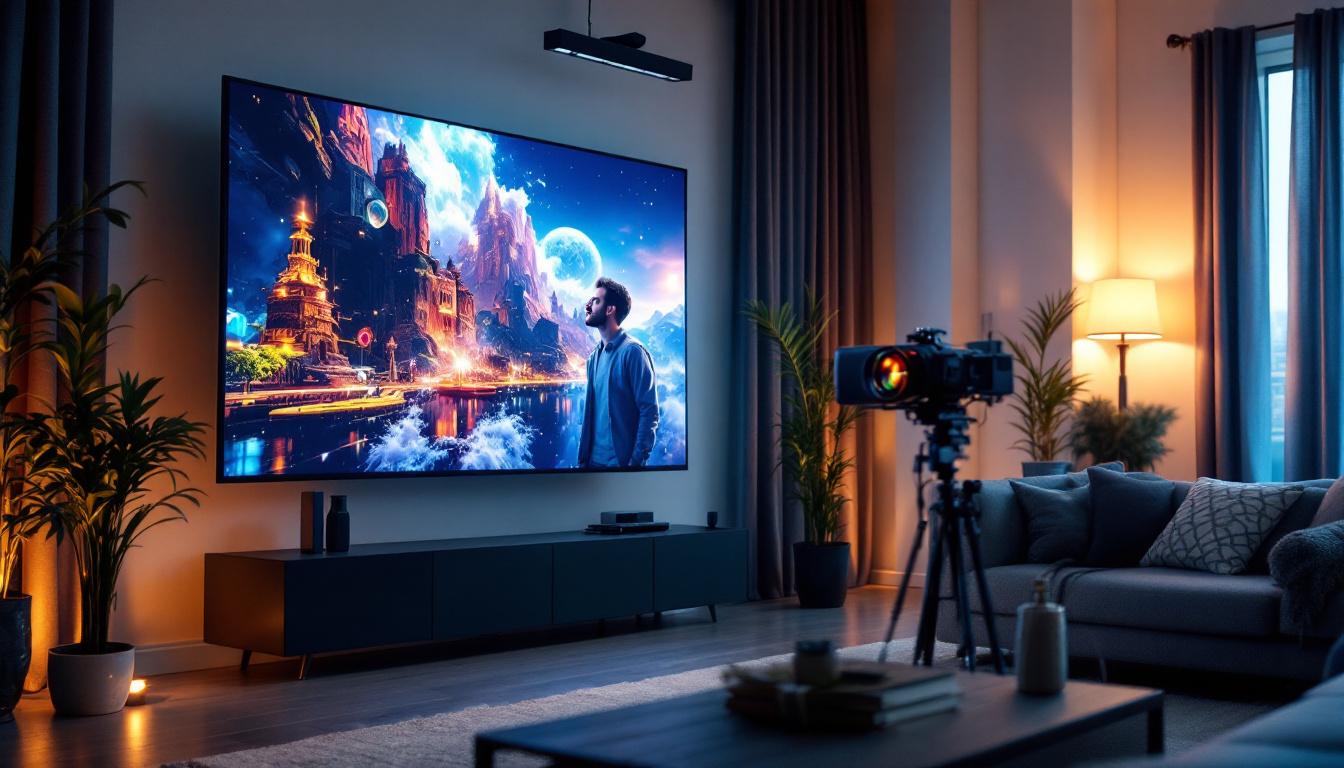
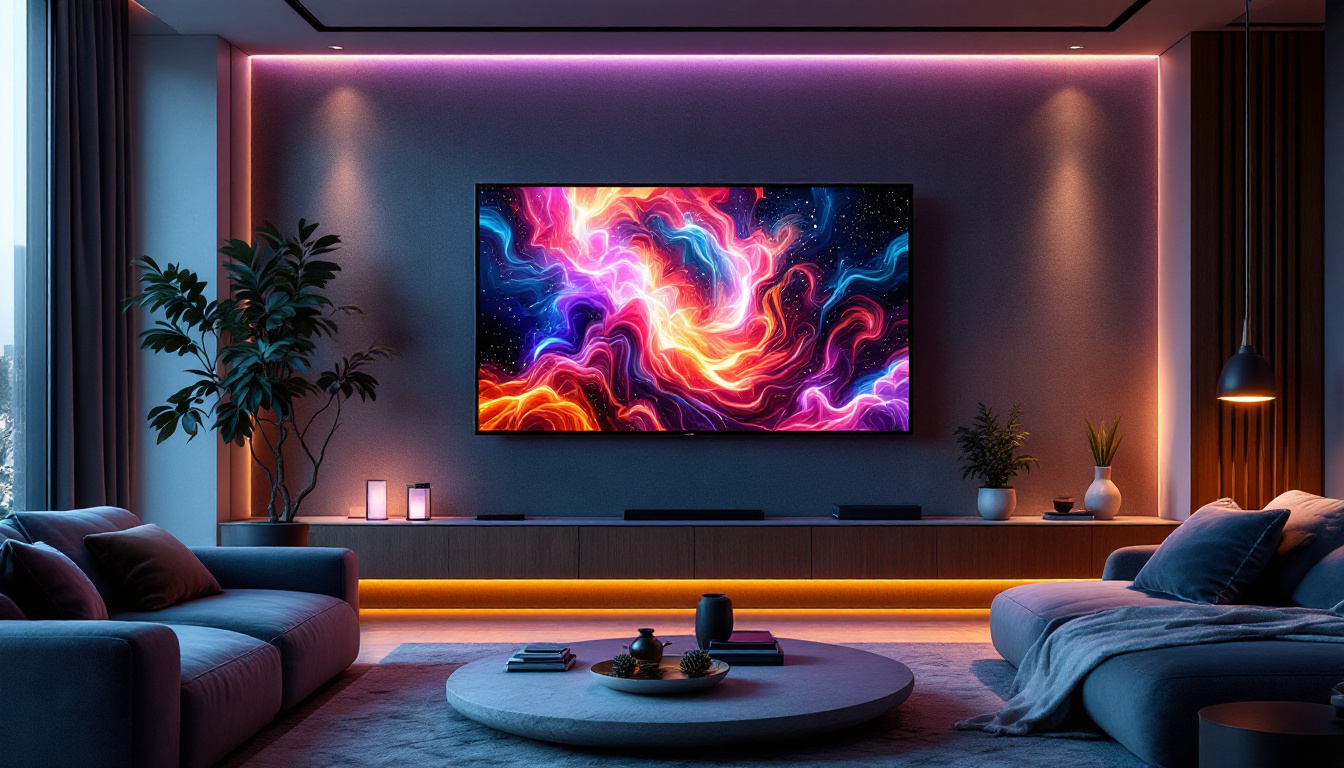
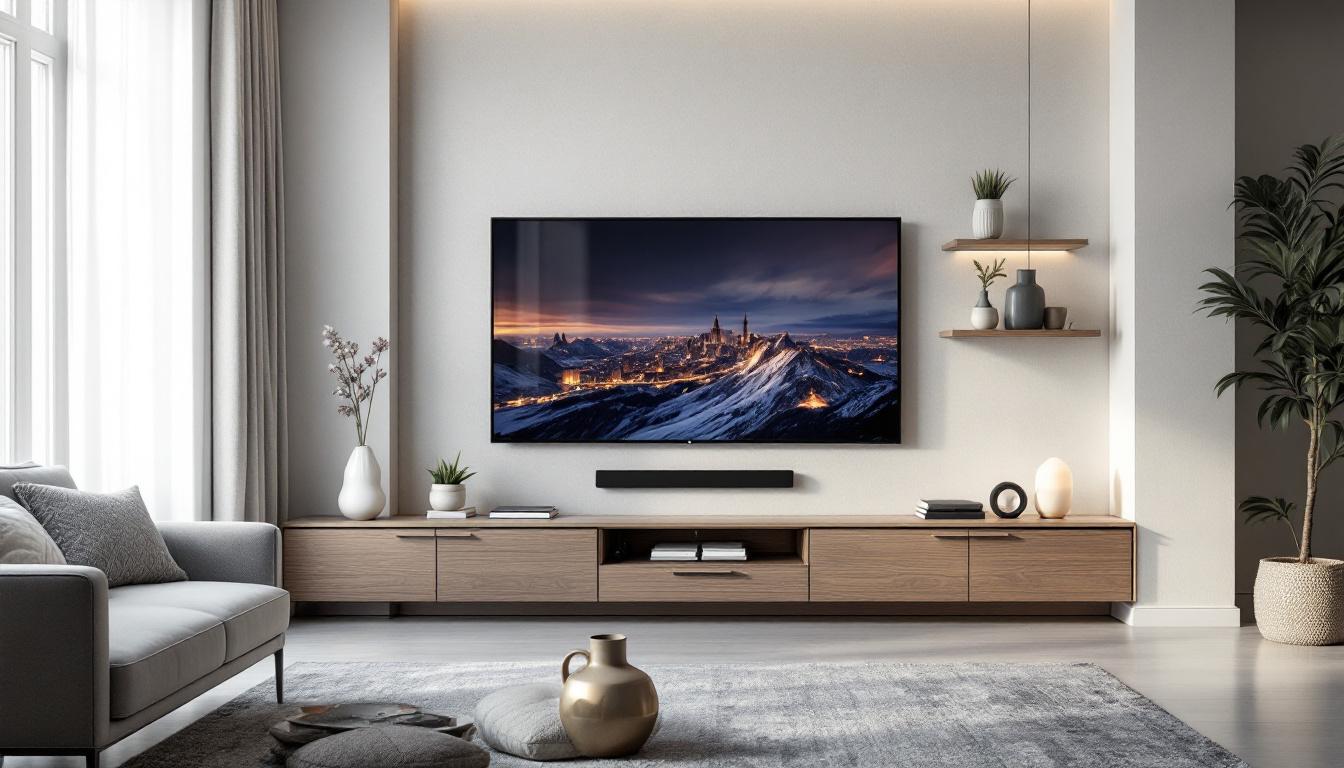
In residential settings, 42 inch LED TVs are often chosen for bedrooms, guest rooms, or smaller living spaces. They provide a cinematic experience without dominating the room or requiring extensive mounting solutions. Many models come equipped with smart TV features, allowing users to stream content from popular platforms like Netflix, Amazon Prime, and Disney+.
Office and Business Use
For offices, a 42 inch LED display serves well as a presentation screen in meeting rooms or as a digital notice board in common areas. The size is large enough to be visible to groups of people without being cumbersome. LED’s energy efficiency and durability also make it a cost-effective choice for continuous use.
Digital Signage and Public Displays
Retail stores, restaurants, and public venues often use 42 inch LED displays for advertising and informational purposes. The screen size is ideal for capturing attention without overwhelming the environment. High brightness and vivid colors ensure visibility even in brightly lit spaces.
Comparing 42 Inch LED Displays to Other Screen Sizes
When selecting a display, understanding how a 42 inch LED compares to other sizes can help consumers make informed decisions based on their needs and space constraints.
42 Inch vs. 32 Inch
A 42 inch screen offers approximately 70% more viewing area than a 32 inch screen. This translates to a more immersive experience, especially for watching movies or playing video games. However, 32 inch displays are more compact and often less expensive, making them suitable for small rooms or secondary TVs.
42 Inch vs. 50+ Inch
Displays larger than 50 inches provide a more cinematic experience but require more space and can be more expensive. For many users, a 42 inch screen hits the sweet spot between size, price, and practicality. Larger screens also demand greater viewing distances to avoid pixelation and eye strain.
LED vs. OLED and QLED Technologies
While LED displays are the most common, OLED and QLED represent advanced alternatives. OLED (Organic LED) screens offer superior contrast and perfect blacks by lighting pixels individually, but they tend to be pricier and less bright than LEDs. QLED (Quantum Dot LED) displays enhance color and brightness further than standard LEDs but also come at a premium.
For a 42 inch display, LED technology remains the most cost-effective and versatile choice, especially for typical home and office environments.
Choosing the Right 42 Inch LED Display
When shopping for a 42 inch LED display, several factors should be considered to ensure the best fit for your needs.
Resolution and Picture Quality
Opt for 4K resolution if budget allows, especially if you plan to sit closer than 7 feet or want the best future-proofing. Ensure the display supports HDR for enhanced color and contrast.
Smart Features and Connectivity
Modern 42 inch LED TVs often come with built-in smart platforms, Wi-Fi, and multiple HDMI ports. Consider what streaming services you use and whether the interface is user-friendly. Connectivity options such as USB ports, Bluetooth, and Ethernet can also enhance versatility.
Refresh Rate and Gaming Performance
If gaming is a priority, look for displays with higher refresh rates (60Hz or above) and low input lag. Some models include gaming modes that optimize performance for consoles and PCs.
Design and Mounting Options
Slim bezels and sleek designs can complement your room’s aesthetics. Check if the display supports VESA mounting standards if you plan to wall-mount it.
Conclusion
The 42 inch LED display is a well-rounded choice for a variety of uses, offering a perfect blend of size, picture quality, and affordability. Its versatility makes it suitable for home theaters, office environments, and commercial applications alike. With advancements in LED technology, including improved brightness, color accuracy, and energy efficiency, these displays continue to deliver excellent value.
Understanding the technical aspects such as resolution, HDR support, and panel type helps consumers make informed decisions that align with their viewing habits and space requirements. Whether upgrading a living room TV or outfitting a conference room, the 42 inch LED display remains a compelling option in today’s diverse display market.
Discover the Future of Visual Display with LumenMatrix
Ready to elevate your visual experience with the latest in LED technology? LumenMatrix offers a wide array of innovative LED display solutions tailored to meet your needs. From immersive Indoor LED Walls to dynamic Outdoor LED Displays, and from versatile Vehicle LED Displays to sleek LED Poster Displays, our products are designed to captivate and engage. Embrace the future of visual communication with our LED Sports Displays, interactive Floor LED Displays, and customizable options that bring your vision to life. Experience the revolution in digital signage and make a lasting impact with LumenMatrix. Check out LumenMatrix LED Display Solutions today and transform your space with unparalleled clarity and vibrancy.