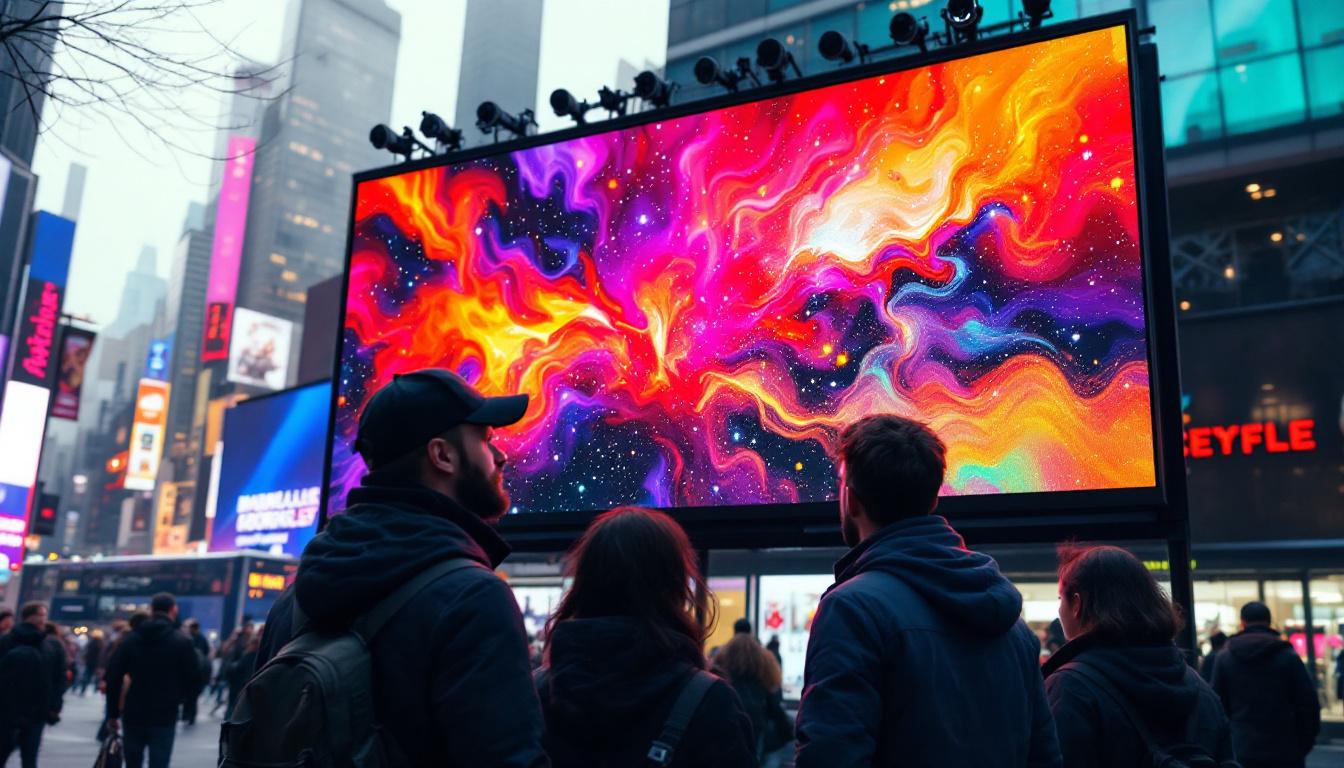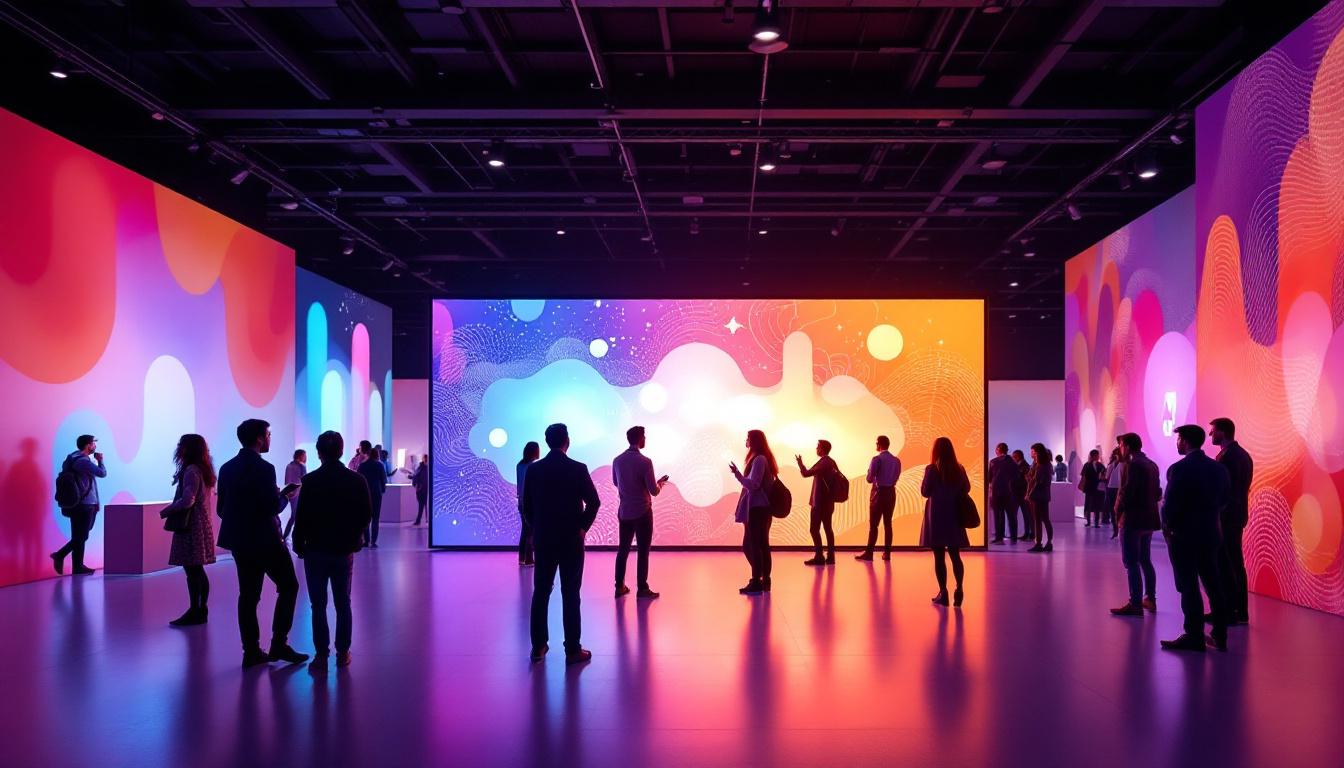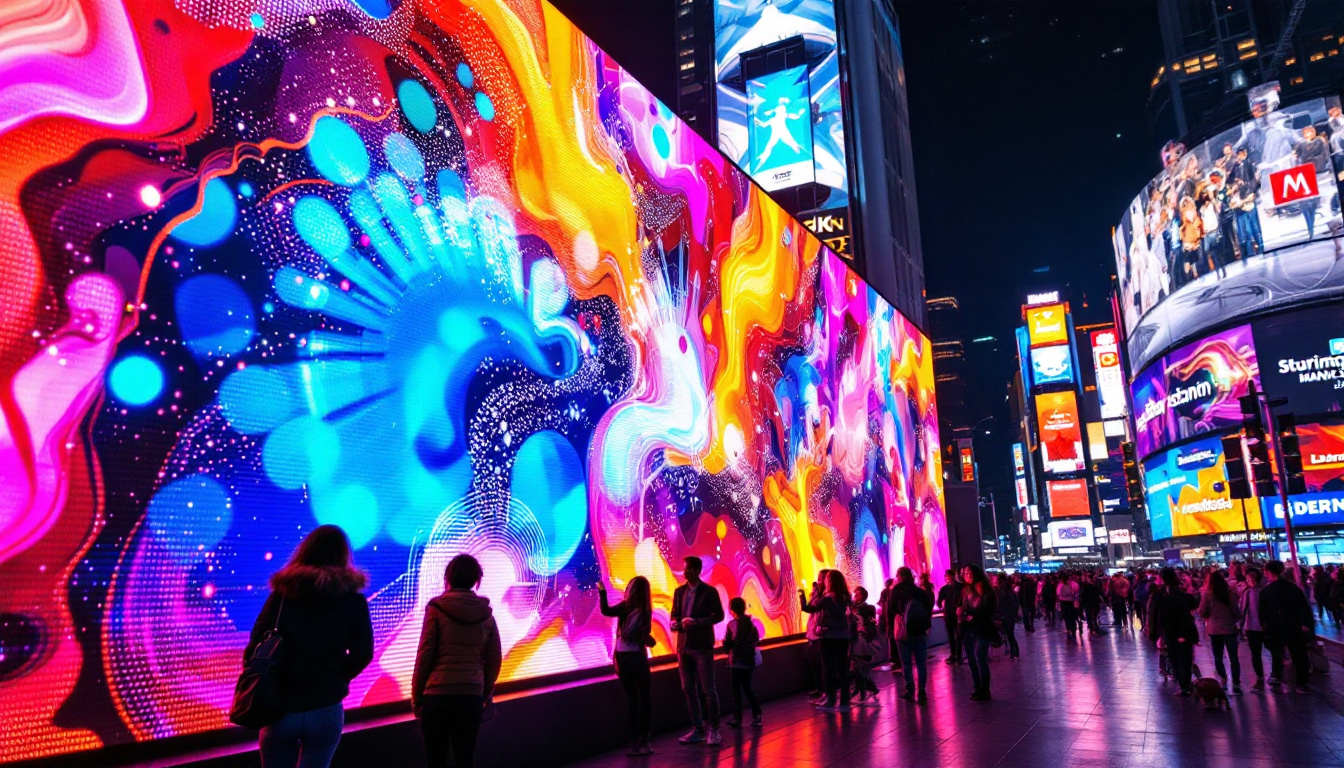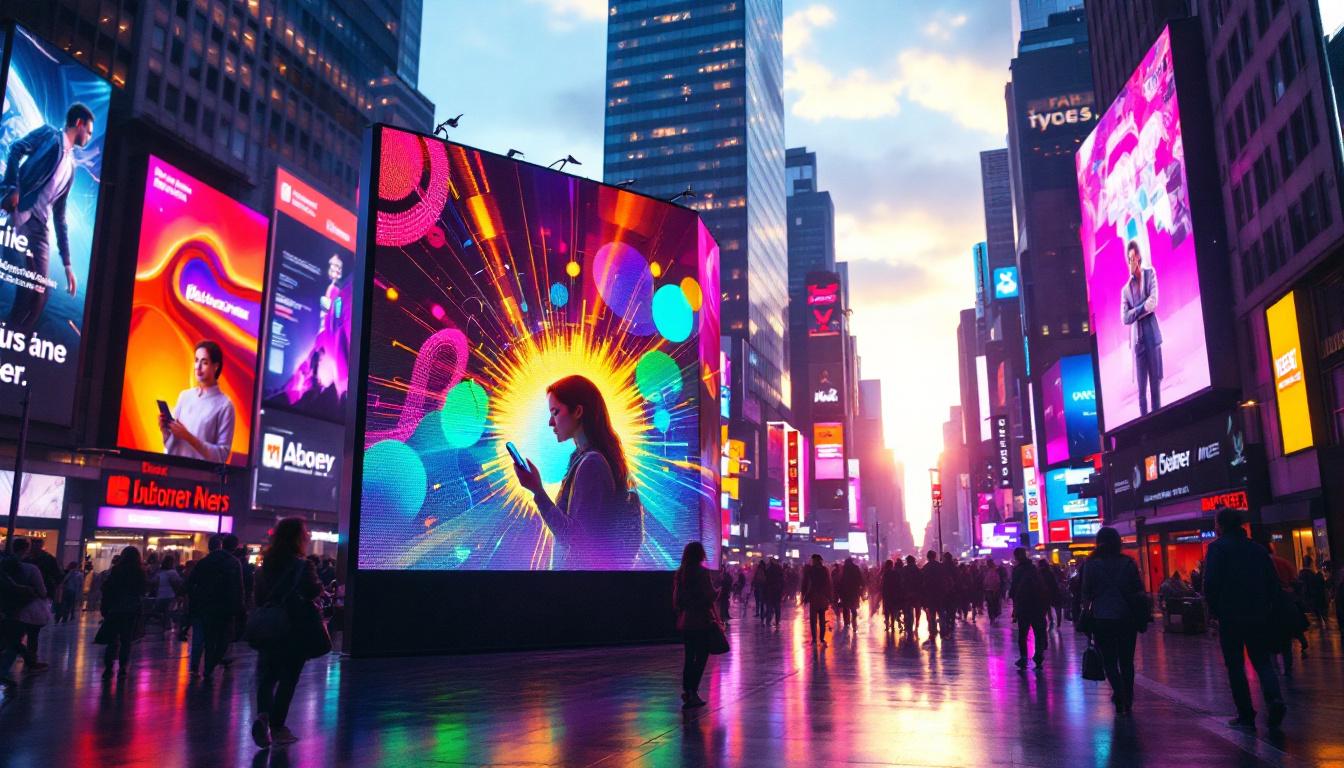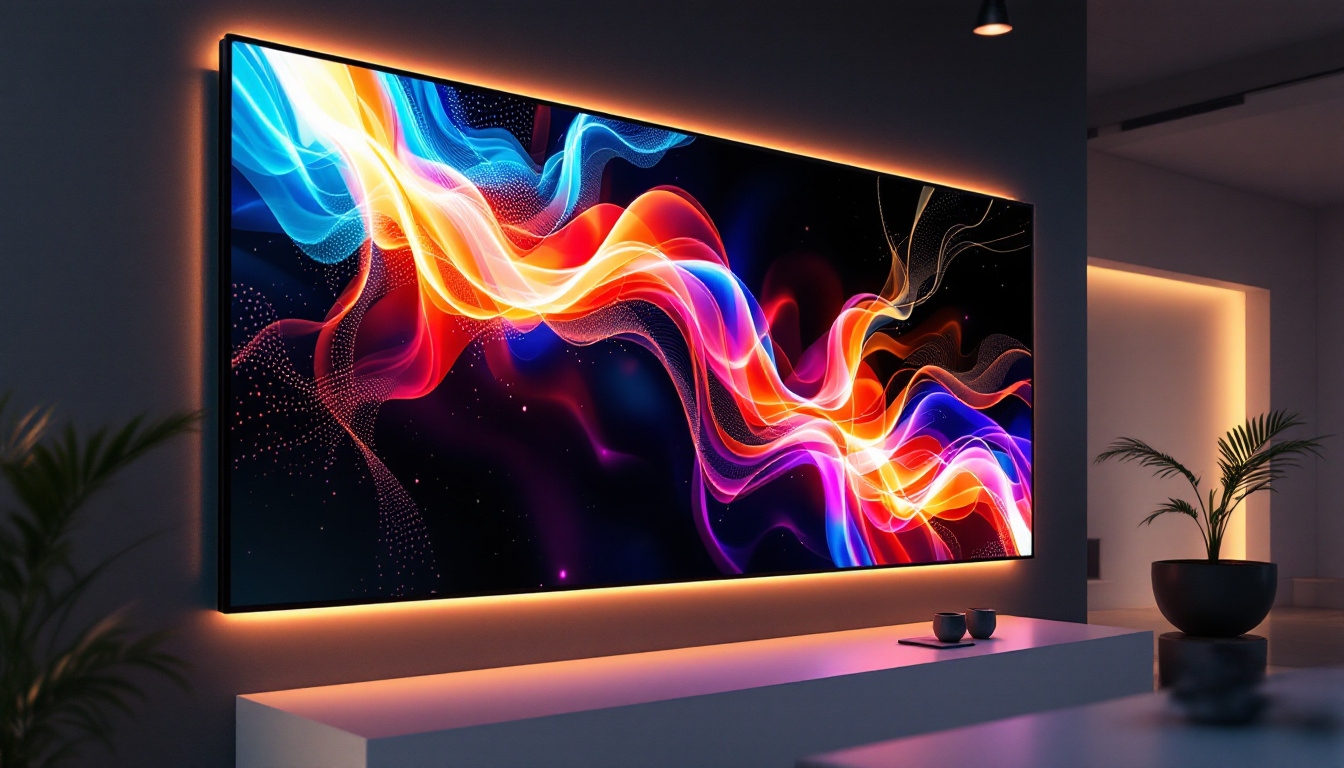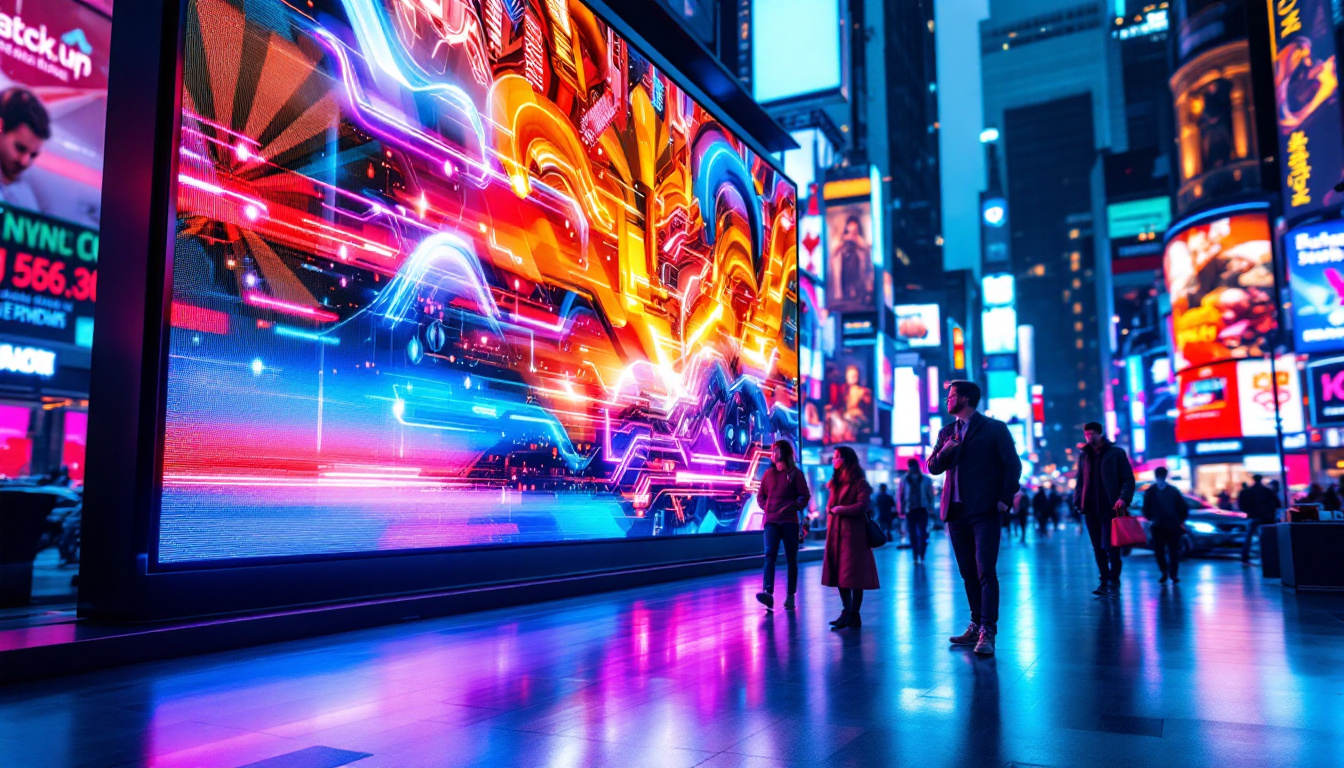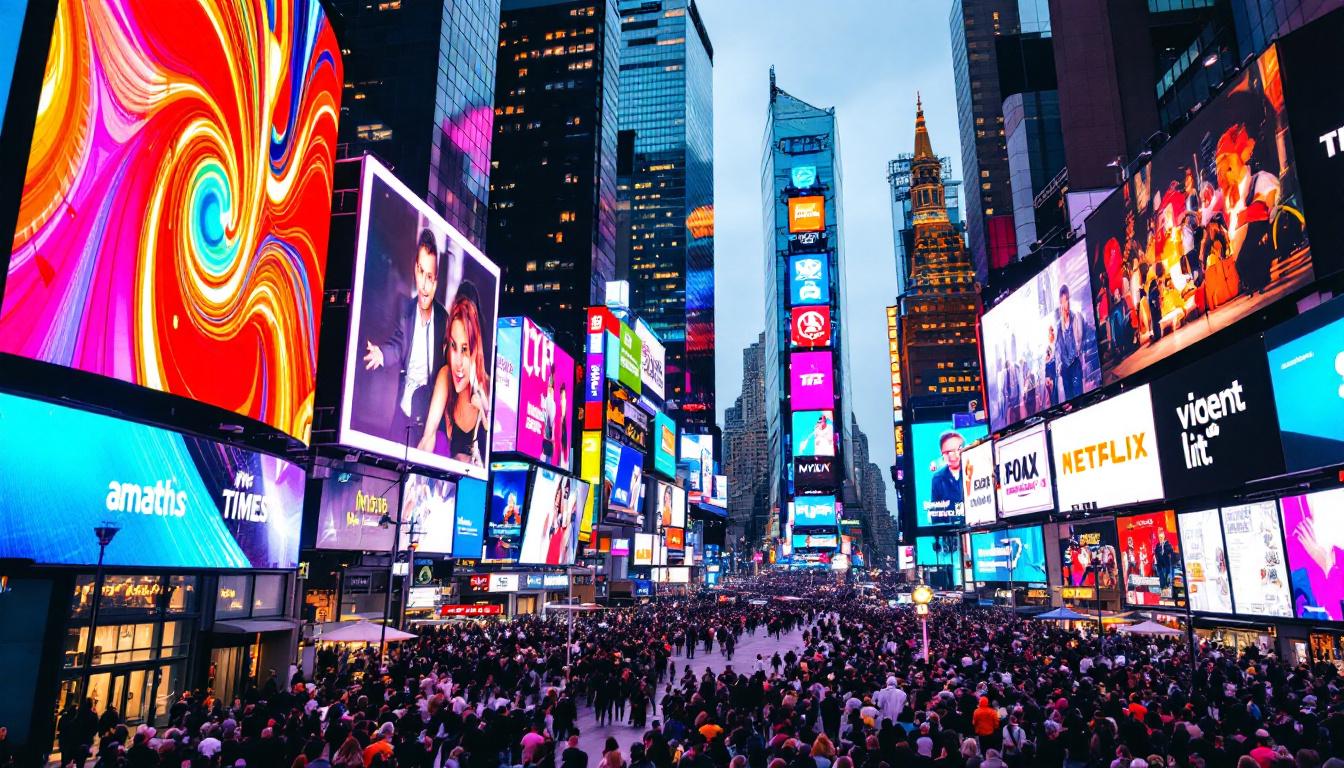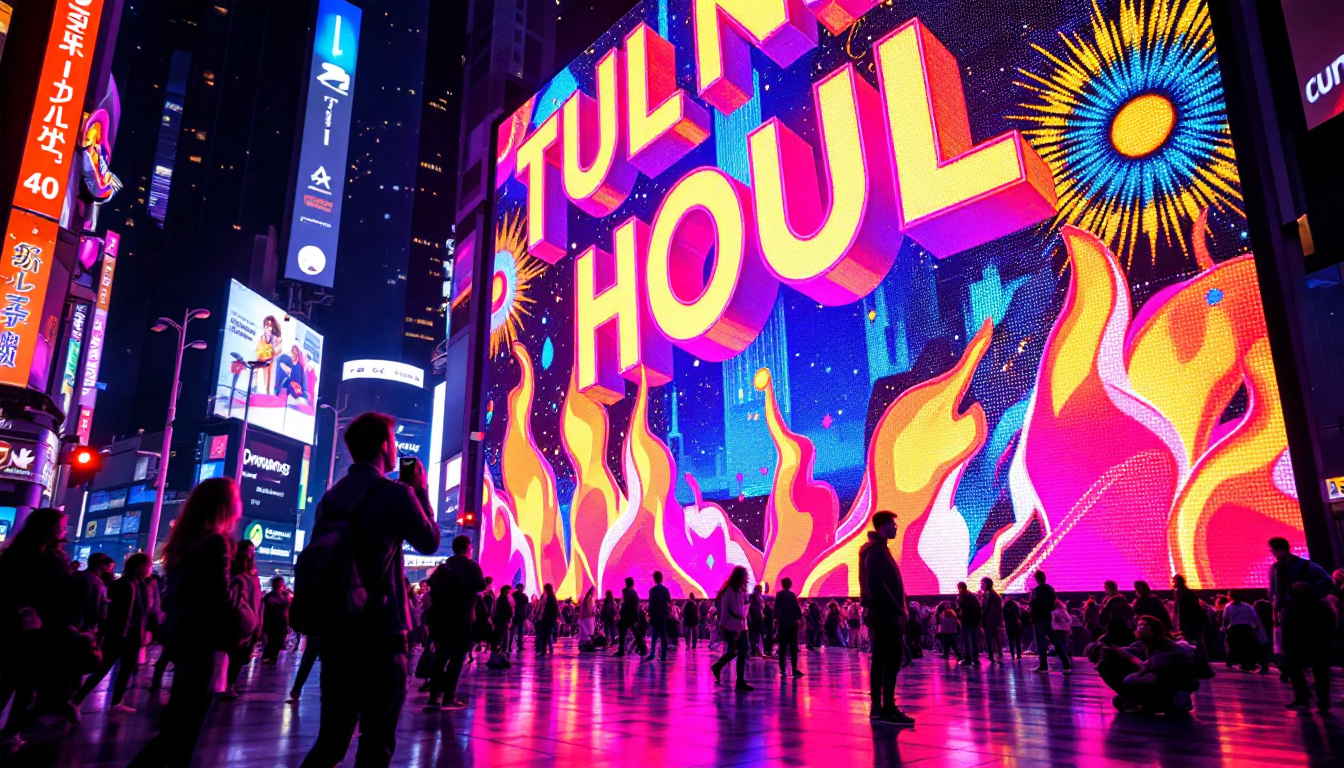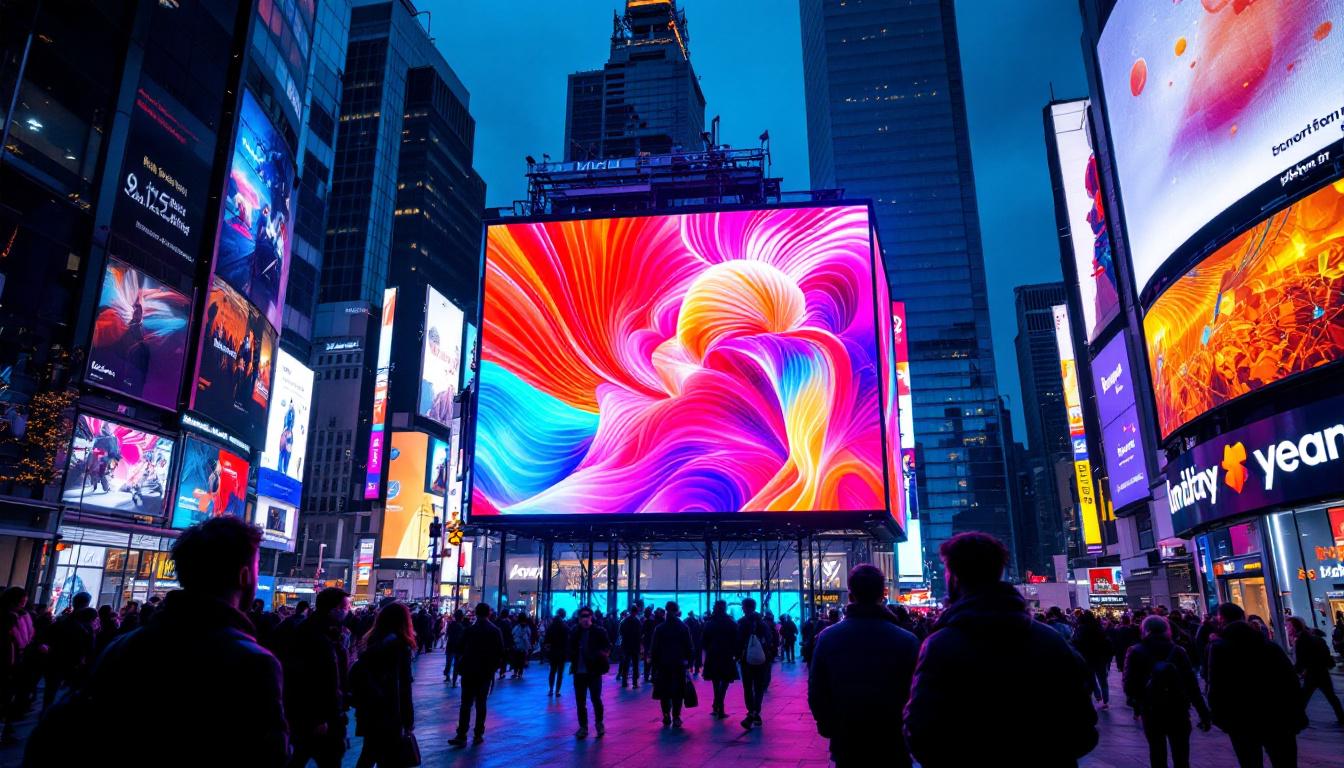
In today’s fast-paced world, capturing attention quickly and effectively is crucial for businesses, public institutions, and event organizers alike. LED displays have emerged as one of the most dynamic and versatile tools for communication and advertising. From vibrant billboards in Times Square to informative transit signs and stadium screens, LED technology has revolutionized the way messages are delivered and perceived.
This article delves deep into the world of LED displays, explaining their technology, benefits, types, and practical applications. Whether you are a business owner considering a signage upgrade or simply curious about how LED displays work, this comprehensive guide will illuminate the key aspects of this powerful visual medium.
Understanding LED Display Technology
What is an LED Display?
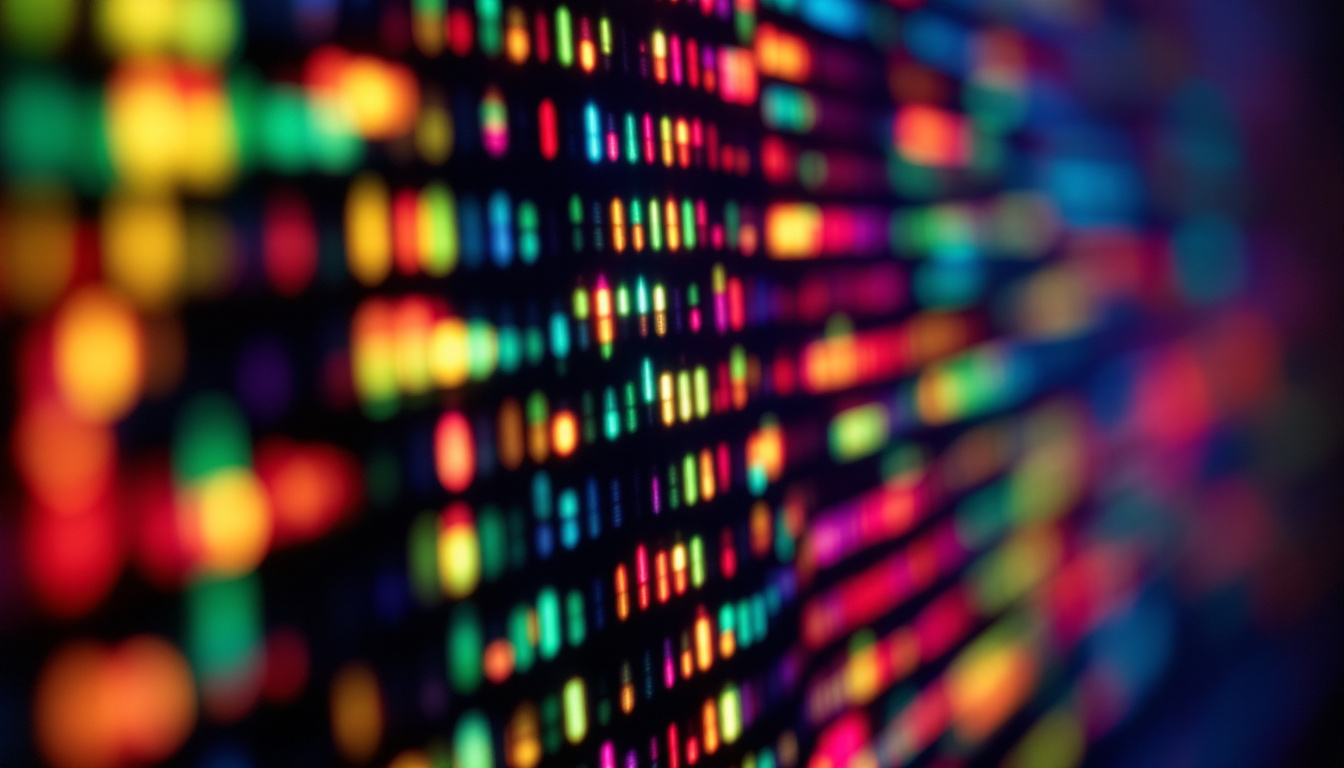
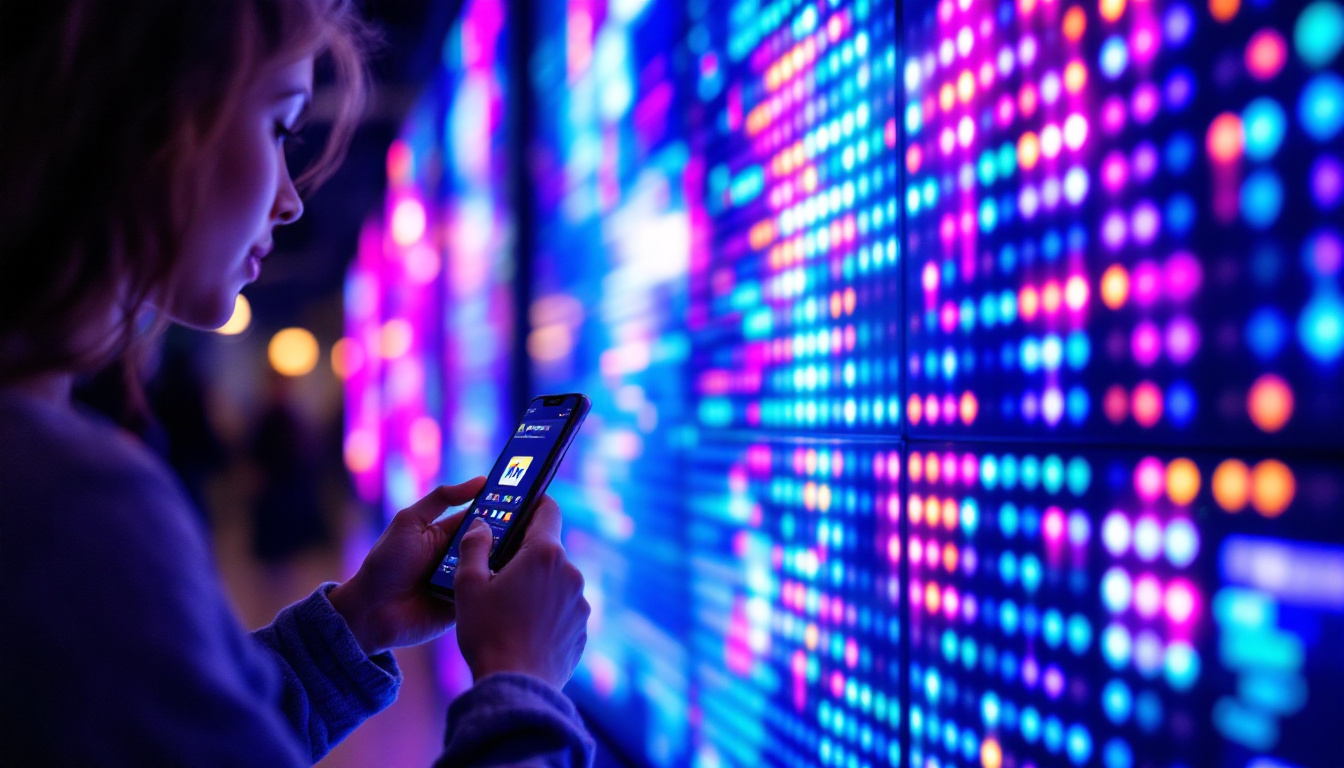
LED stands for Light Emitting Diode, a semiconductor device that emits light when an electric current passes through it. An LED display is essentially a screen made up of thousands or even millions of these tiny diodes arranged in a matrix. Each diode can emit light of varying intensity and color, allowing the display to show images, text, and video with remarkable clarity and brightness.
Unlike traditional LCD or plasma screens, LED displays use direct light emission rather than backlighting, which results in higher contrast ratios and better visibility, especially in outdoor environments. This fundamental difference makes LED displays particularly suitable for signage and large-scale advertising. The ability to maintain brightness even in direct sunlight is a key advantage, making LED displays a popular choice for billboards, sports arenas, and public transportation information boards.
How Do LED Displays Work?
LED displays operate by controlling the brightness and color of individual pixels, each composed of red, green, and blue diodes. By adjusting the intensity of these three colors, the display can produce a full spectrum of colors. This process is known as RGB color mixing.
The diodes are controlled by a driver circuit that receives input from a video processor or controller. This controller translates the content—whether it’s a static image, scrolling text, or full-motion video—into signals that determine which diodes light up and how brightly. The result is a seamless and vibrant image that can be seen clearly from great distances. Additionally, advancements in technology have led to the development of smart LED displays that can adapt their brightness based on ambient light conditions, further enhancing their usability in various environments.
Key Components of LED Displays
Understanding the components helps in grasping the complexity and capabilities of LED displays:
- LED Modules: These are the building blocks of the display, each containing a grid of LEDs.
- Power Supply: Provides the necessary electrical power to the LEDs and control circuits.
- Control System: Includes video processors and controllers that manage content display.
- Cabinet or Enclosure: Houses the modules and protects the display from environmental factors.
- Cooling System: Ensures that heat generated by the LEDs and electronics is dissipated effectively.
In addition to these components, the design and construction of LED displays often involve considerations for modularity and scalability. This means that displays can be customized to fit specific dimensions and resolutions, making them highly versatile for various applications. Furthermore, the advancements in pixel pitch technology allow for closer viewing distances without sacrificing image quality, which is particularly beneficial for indoor installations such as shopping malls, conference centers, and theaters. The continuous evolution of LED technology is paving the way for even more innovative applications, including interactive displays that engage audiences in new and exciting ways.
Advantages of LED Displays Over Traditional Signage
Unmatched Brightness and Visibility
One of the most significant advantages of LED displays is their brightness. Modern LED screens can reach brightness levels exceeding 5,000 nits, making them easily readable even under direct sunlight. This makes them ideal for outdoor advertising where visibility can be compromised by ambient light conditions.
Compared to traditional printed signs or neon lights, LEDs offer superior clarity and sharpness, which helps attract attention and communicate messages more effectively.
Energy Efficiency and Longevity
LED technology is known for its energy efficiency. LEDs consume significantly less power than incandescent or fluorescent lighting, which translates to lower operating costs over time. According to the U.S. Department of Energy, LEDs use at least 75% less energy and last 25 times longer than traditional lighting sources.
This efficiency is particularly important for large-scale displays that operate continuously, such as digital billboards or transportation signage, where energy savings can be substantial.
Dynamic and Flexible Content
Unlike static signs, LED displays allow for dynamic content that can be updated in real-time. This flexibility enables businesses to tailor their messaging based on time of day, audience demographics, or promotional campaigns. For example, a retail store can display different offers during morning and evening hours or highlight special events instantly.
Moreover, LED screens can display videos, animations, and interactive content, creating engaging experiences that static signage cannot match.
Durability and Weather Resistance
LED displays are designed to withstand harsh environmental conditions. Most outdoor LED screens are rated with IP65 or higher, meaning they are dust-tight and protected against water jets. This durability ensures reliable operation in rain, snow, or extreme temperatures.
The robust construction also reduces maintenance needs and extends the lifespan of the display, making LED signage a cost-effective long-term investment.
Types of LED Displays and Their Applications
Indoor LED Displays
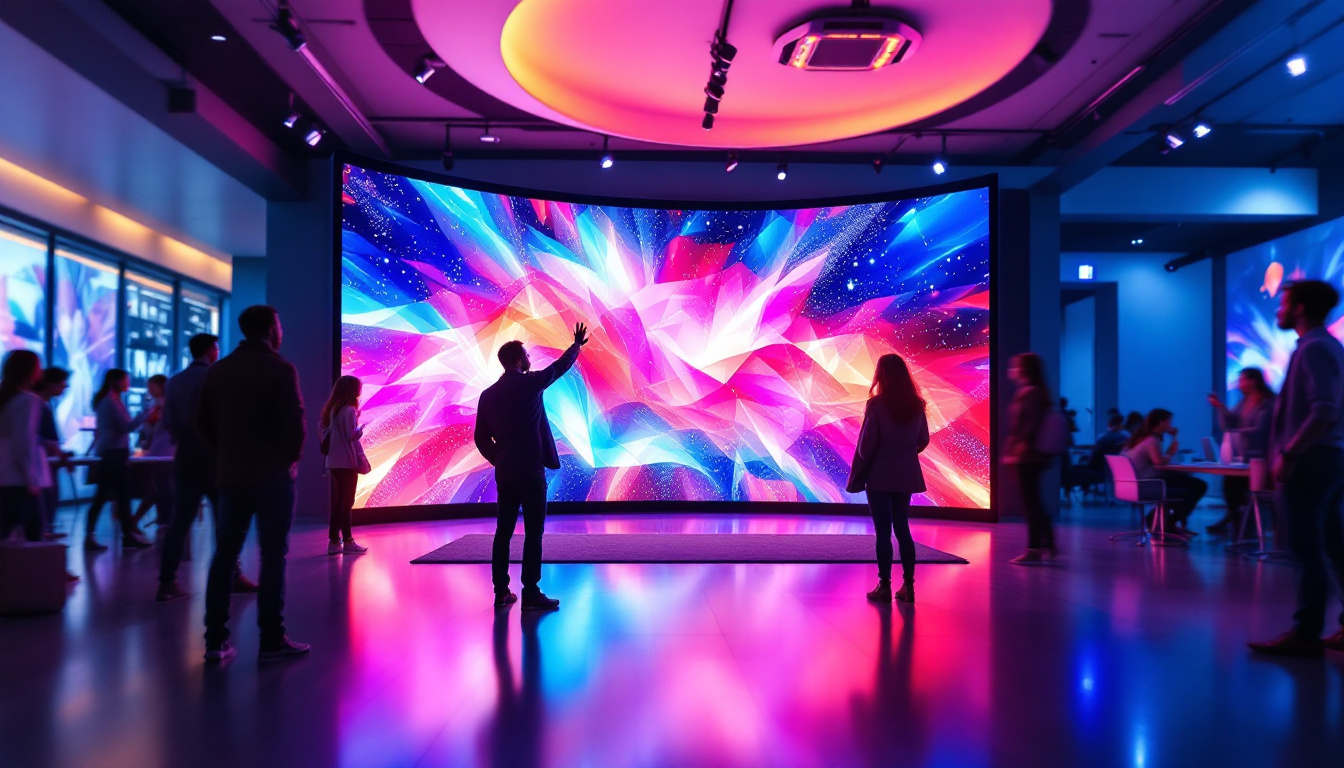
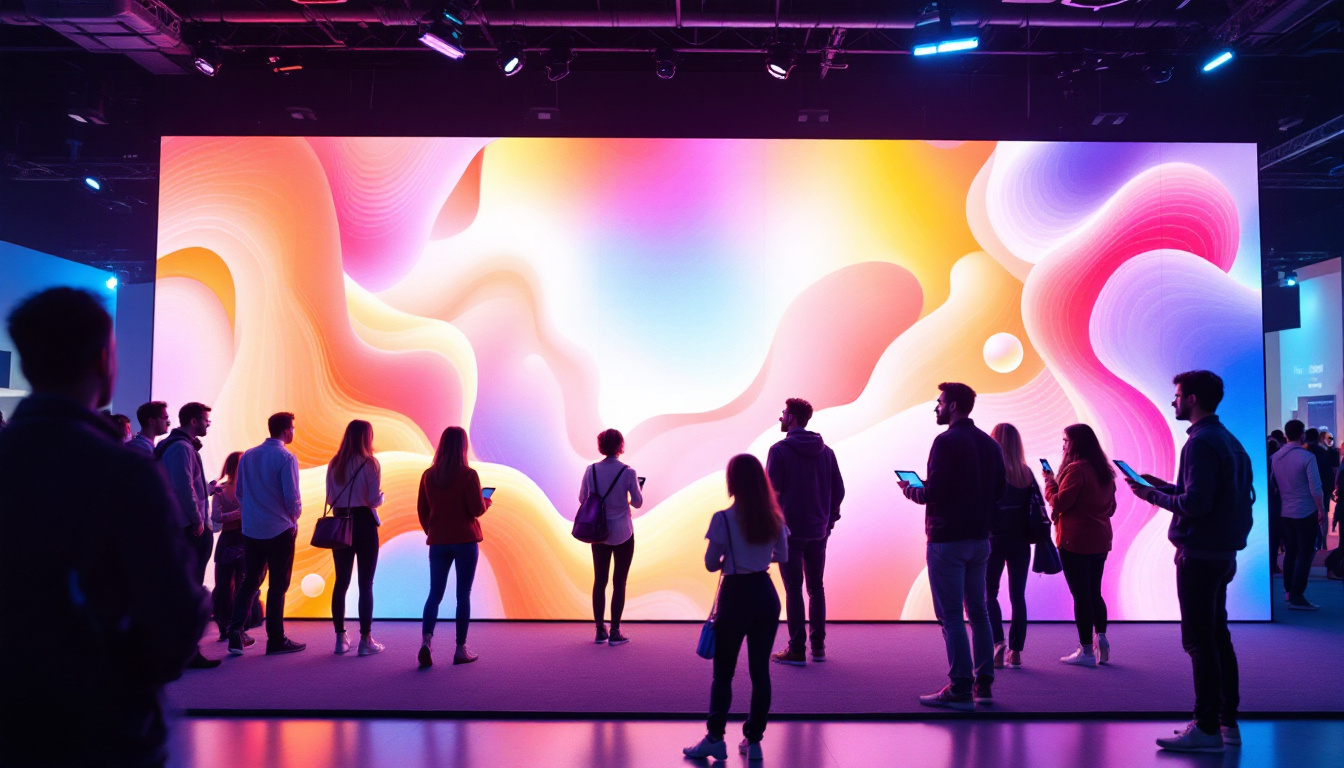
Indoor LED displays are commonly used in retail stores, corporate lobbies, conference centers, and entertainment venues. They typically have a higher pixel density (smaller pixel pitch) to provide crisp images at close viewing distances.
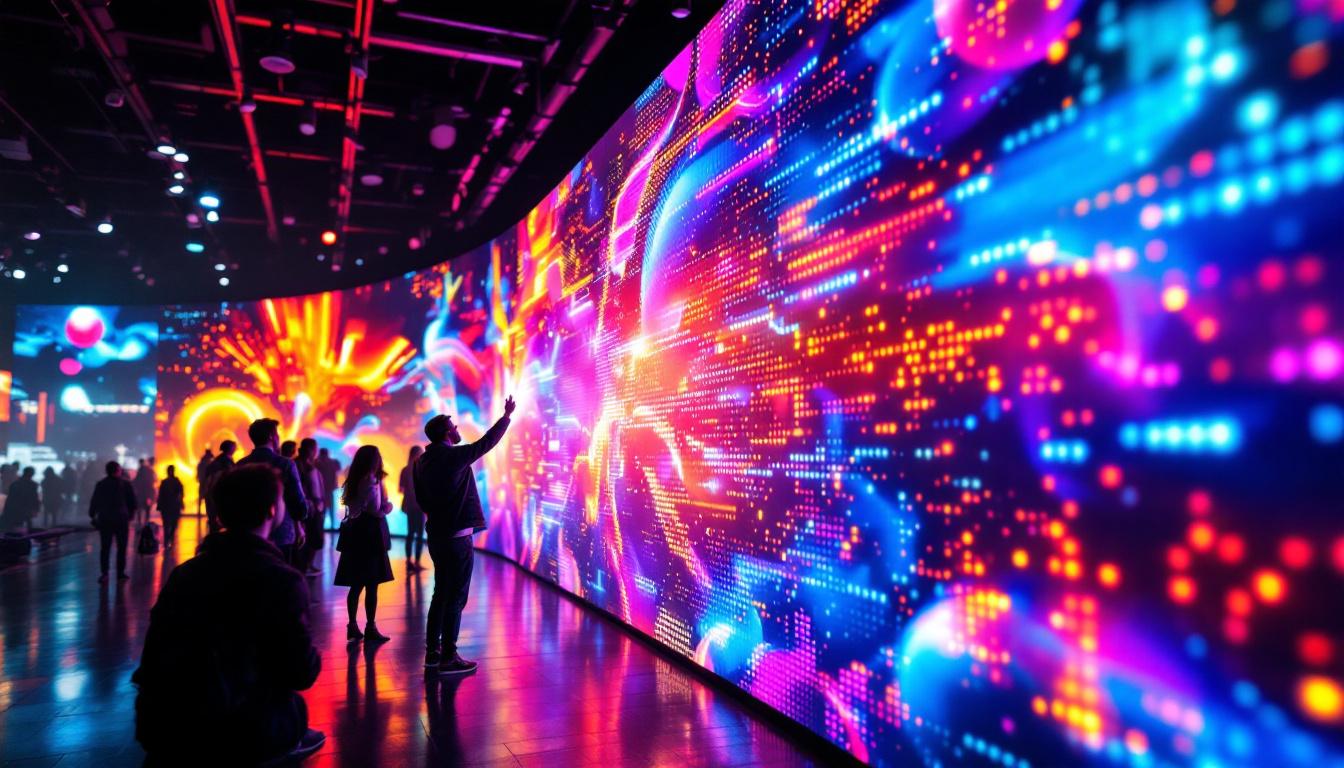
These displays range from small digital menu boards to large video walls that transform interior spaces. Their ability to deliver vibrant colors and sharp images enhances brand presence and customer engagement.
Outdoor LED Displays
Outdoor LED displays are engineered to be brighter and more rugged to cope with sunlight and weather. They are widely used for billboards, sports arenas, transportation hubs, and public information systems.
Due to their visibility from long distances, outdoor LED signs are effective for advertising, wayfinding, and emergency messaging. For example, digital billboards can dynamically rotate advertisements, increasing revenue potential for advertisers.
Transparent LED Displays
Transparent LED displays are a cutting-edge innovation that allows light to pass through the screen, making them ideal for storefront windows and architectural applications. These displays provide digital content without obstructing the view, blending technology seamlessly with the environment.
Retailers use transparent LED displays to showcase promotions while maintaining natural light and visibility into the store, creating an inviting and futuristic shopping experience.
Flexible and Curved LED Displays
Advancements in LED technology have led to flexible and curved displays that can wrap around surfaces or fit unconventional shapes. These are popular in creative advertising, exhibitions, and stage design, offering unique visual effects and immersive experiences.
For example, a curved LED display in a trade show booth can capture attention from multiple angles, enhancing brand visibility and interaction.
Choosing the Right LED Display for Your Needs
Consider Pixel Pitch and Resolution
Pixel pitch refers to the distance between the centers of two adjacent pixels, measured in millimeters. A smaller pixel pitch means higher resolution and sharper images, which is essential for displays viewed up close.
For indoor environments where viewers are close, pixel pitches of 1.5mm to 4mm are common. Outdoor displays, viewed from greater distances, typically use pixel pitches ranging from 6mm to 20mm or more. Selecting the appropriate pixel pitch ensures your content is clear and impactful.
Evaluate Brightness and Contrast Requirements
Brightness needs vary depending on the installation environment. Outdoor displays require high brightness levels (often above 5,000 nits) to combat sunlight, while indoor displays can operate effectively at lower brightness levels (around 800 to 1,500 nits).
Contrast ratio also affects image quality, with higher contrast providing more vivid visuals. Understanding these factors helps in choosing a display that performs well in its intended setting.
Assess Size and Viewing Distance
The physical size of the LED display should align with the typical viewing distance. Larger screens with higher pixel pitches are suitable for distant viewing, while smaller, high-resolution displays work better for close-range interaction.
For example, a roadside billboard might be 20 feet wide with a 10mm pixel pitch, whereas a retail store’s digital sign might be 6 feet wide with a 2mm pixel pitch.
Budget and Maintenance Considerations
LED displays vary widely in cost based on size, resolution, and features. It’s important to balance initial investment with long-term benefits such as energy savings, durability, and content flexibility.
Additionally, consider maintenance requirements. High-quality LED displays often come with modular designs that simplify repairs and reduce downtime, which is critical for continuous operation.
Future Trends in LED Display Technology
MicroLED and MiniLED Innovations
Emerging technologies like MicroLED and MiniLED promise even greater brightness, efficiency, and resolution. MicroLED displays use microscopic LEDs to create pixels, enabling ultra-high-definition screens with exceptional color accuracy and contrast.
These advancements are expected to impact everything from smartphones and TVs to large-scale signage, offering new possibilities for immersive and interactive displays.
Integration with IoT and AI
LED displays are increasingly integrated with Internet of Things (IoT) devices and artificial intelligence (AI) systems. This integration allows for smarter content management, personalized advertising, and real-time data-driven messaging.
For example, AI-powered LED signs can analyze foot traffic patterns and adjust content dynamically to maximize engagement and sales impact.
Sustainability and Eco-Friendly Design
As environmental concerns grow, manufacturers are focusing on making LED displays more sustainable. This includes using recyclable materials, improving energy efficiency, and developing low-impact manufacturing processes.
Businesses adopting eco-friendly LED signage not only reduce their carbon footprint but also enhance their brand reputation among environmentally conscious consumers.
Conclusion
LED displays represent a transformative technology in the realm of signage and digital communication. Their brightness, versatility, and efficiency make them an ideal choice for a wide range of applications, from advertising and information dissemination to entertainment and public safety.
By understanding the technology behind LED displays, the advantages they offer, and how to select the right type for specific needs, businesses and organizations can harness their full potential. As LED technology continues to evolve, it promises even more innovative and impactful ways to connect with audiences worldwide.
Investing in LED display solutions today is not just about staying current—it’s about future-proofing communication strategies in an increasingly digital and visually-driven world.
Illuminate Your Message with LumenMatrix
Ready to elevate your visual communication and captivate your audience with unparalleled brightness and clarity? Discover LumenMatrix’s innovative LED display solutions, from Indoor and Outdoor LED Wall Displays to specialized options like Vehicle, Sports, and Floor LED Displays. Embrace the future of digital signage with our Custom, All-in-One, and Transparent LED Displays, designed to revolutionize your brand’s presence. Check out LumenMatrix LED Display Solutions today and transform your messaging into a visually stunning experience.