In today’s rapidly evolving digital landscape, LED displays have become a cornerstone technology for a variety of industries, from advertising and entertainment to transportation and public safety. Among the many factors that determine the effectiveness of an LED display, SLP performance stands out as a critical metric. Understanding what SLP performance entails, why it matters, and how it impacts the quality and reliability of LED displays is essential for businesses, engineers, and consumers alike.
This article delves deep into the concept of SLP performance in LED displays, breaking down its technical aspects, practical implications, and the latest advancements shaping the future of LED technology.
What is SLP Performance in LED Displays?
Defining SLP Performance
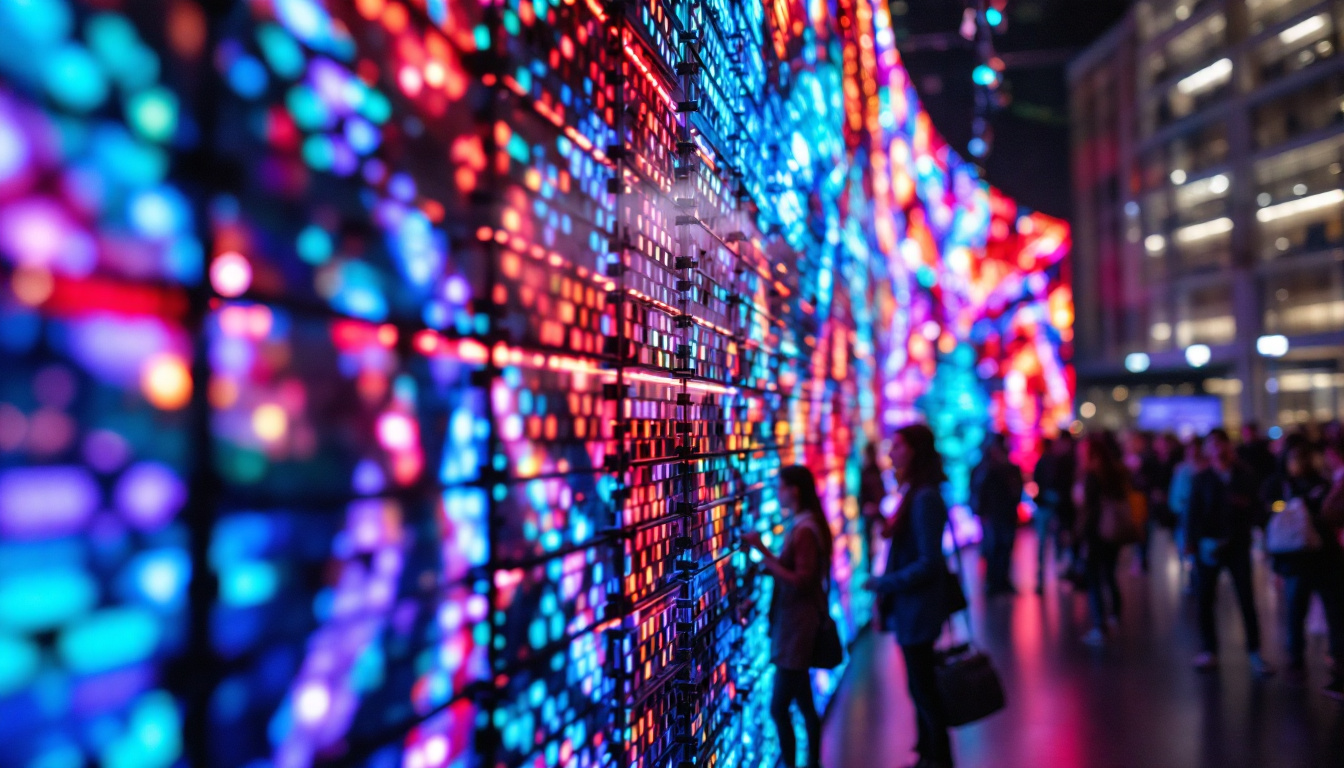
SLP stands for “Scan Line Performance,” a term used to describe the efficiency and quality of the scanning process within LED display panels. In LED technology, the image is rendered by illuminating individual light-emitting diodes arranged in a matrix. To manage power consumption and control complexity, these LEDs are often driven in a scanning mode, where rows or columns are activated sequentially rather than all at once.
SLP performance measures how well this scanning process is executed, focusing on parameters such as refresh rate, brightness uniformity, and color accuracy across scan lines. High SLP performance ensures smooth, flicker-free images with consistent luminance and color fidelity, which is especially important for large-scale displays and high-resolution screens. The intricacies of SLP performance also involve the synchronization of the scanning process with the input signal, which can vary in complexity depending on the content being displayed. For instance, fast-moving visuals, such as sports broadcasts or action-packed films, demand higher refresh rates to maintain clarity and prevent motion blur, making SLP performance a critical factor in the viewing experience.
Why SLP Performance Matters
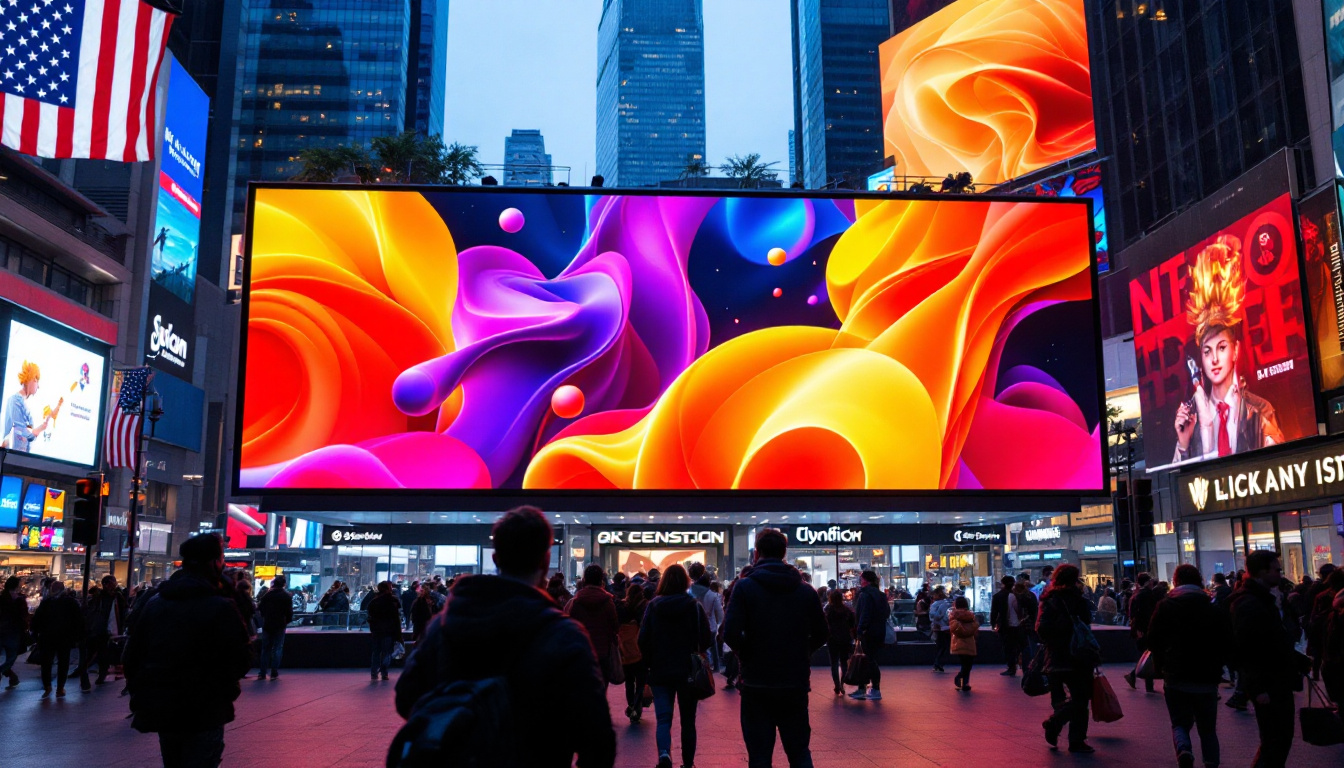
In LED displays, poor SLP performance can result in visual artifacts such as flickering, ghosting, or uneven brightness. These issues degrade the user experience, making content harder to view and potentially causing eye strain. For commercial applications like digital billboards, retail signage, or stadium screens, maintaining high SLP performance is crucial for attracting and retaining audience attention. The impact of SLP performance extends beyond mere aesthetics; it can influence consumer behavior and engagement. For example, a vibrant, clear advertisement can significantly enhance brand perception and increase foot traffic to a store, showcasing the importance of investing in high-quality display technology.
Moreover, efficient scanning reduces power consumption and heat generation, which extends the lifespan of the display and reduces maintenance costs. In environments where displays operate continuously, such as transportation hubs or control rooms, optimal SLP performance translates into reliability and lower operational expenses. Additionally, advancements in LED technology, such as the introduction of more sophisticated driver ICs and improved thermal management systems, have further enhanced SLP performance. These innovations allow for better handling of dynamic content and more precise control over each LED, ensuring that displays not only meet but exceed the expectations of modern audiences. As the demand for high-quality visual experiences continues to grow, understanding and optimizing SLP performance will remain a pivotal aspect of LED display design and implementation.
Technical Components Influencing SLP Performance
Refresh Rate and Its Impact
The refresh rate is one of the most significant factors affecting SLP performance. It refers to how many times per second the display updates its image. Higher refresh rates reduce flicker and motion blur, providing a more stable and comfortable viewing experience.
Modern LED displays typically operate at refresh rates of 60Hz or higher, with some specialized applications reaching 120Hz or more. For example, sports arenas and live event venues often require ultra-high refresh rates to capture fast-moving action without distortion. Achieving these rates demands precise timing in the scan line control circuitry, ensuring each row or column of LEDs is activated at the right moment.
Driver ICs and Scan Methods
The integrated circuits (ICs) responsible for driving the LEDs play a pivotal role in SLP performance. These driver ICs control the current and voltage supplied to each LED, managing the scanning sequence and ensuring uniform brightness.
There are several scanning methods used in LED displays, including static driving, 1/8 scan, 1/16 scan, and so forth. Static driving activates all LEDs simultaneously, offering the best image quality but at higher power consumption and cost. Scanning methods activate subsets of LEDs sequentially, balancing power efficiency with image quality. The choice of scan method affects the complexity of the driver ICs and the achievable SLP performance.
Brightness and Color Uniformity
Uniform brightness and color consistency across the entire display surface are essential for a professional-grade LED screen. Variations in voltage or timing during scanning can cause certain scan lines to appear brighter or dimmer than others, leading to an uneven image.
Advanced LED displays incorporate calibration technologies that adjust the output of each LED or scan line dynamically, compensating for manufacturing variances and aging effects. This calibration is a key aspect of maintaining high SLP performance over the display’s operational lifetime.
Applications and Benefits of Optimized SLP Performance
Advertising and Digital Signage
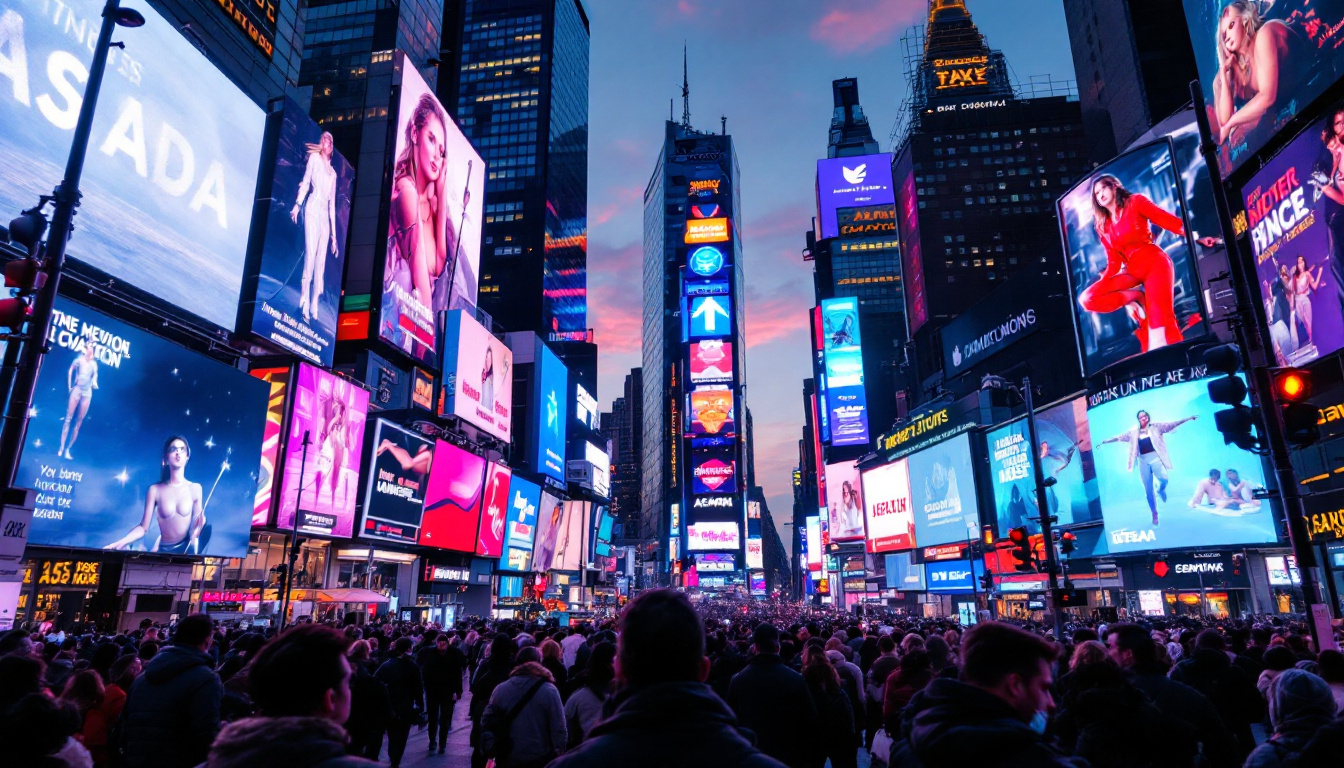
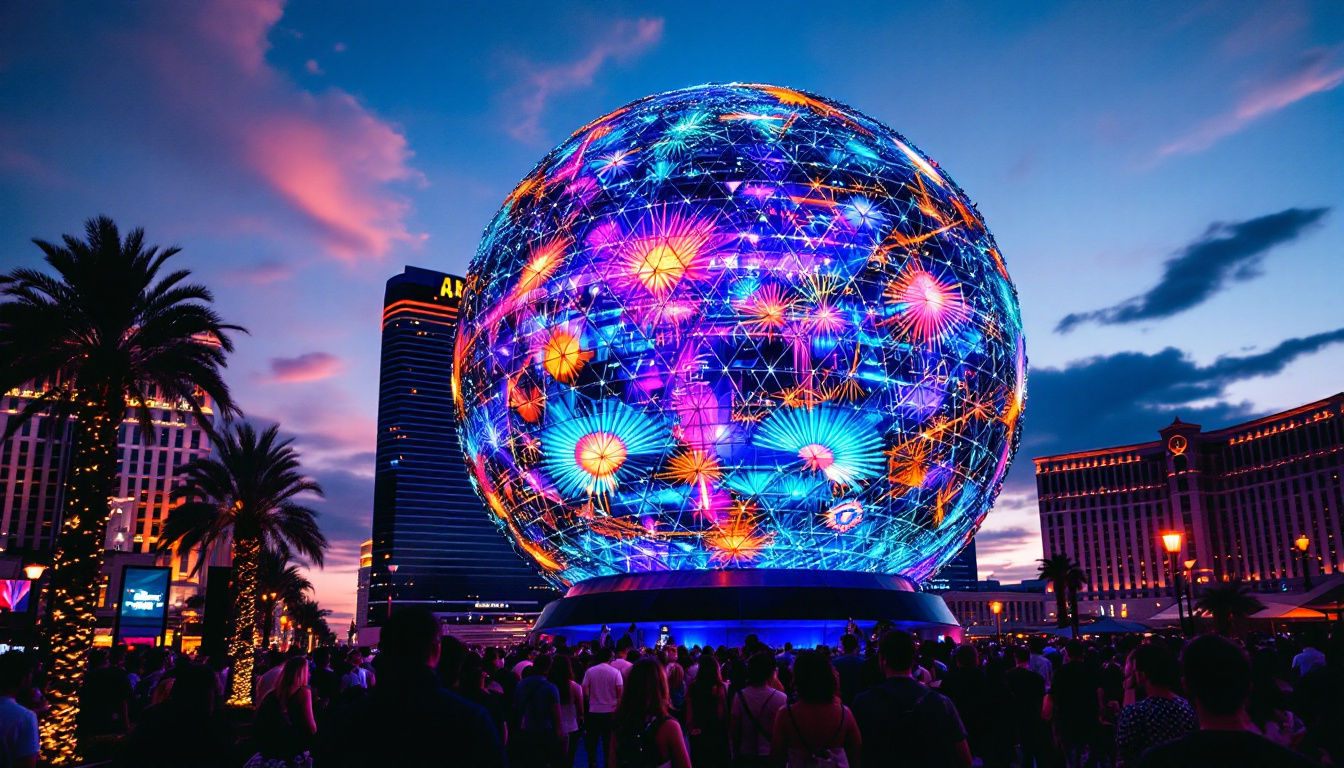
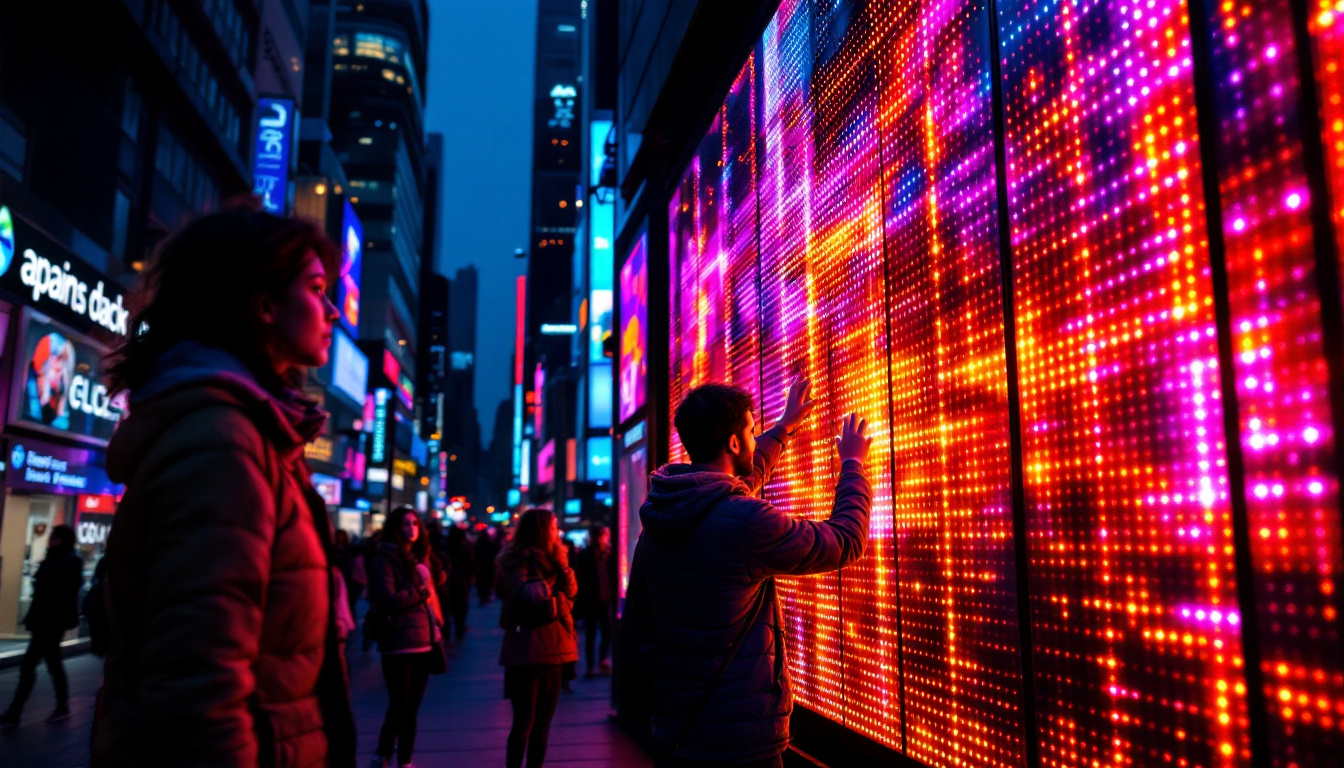
In the advertising industry, LED displays are a dominant medium for delivering dynamic content in high-traffic areas. Billboards, shopping malls, and transit stations rely on LED screens to capture consumer attention with vibrant visuals and motion graphics.
Optimized SLP performance ensures that advertisements are displayed without flicker or distortion, preserving brand integrity and maximizing viewer engagement. Studies have shown that digital signage with high visual quality can increase consumer recall by up to 47%, underscoring the importance of display performance.
Entertainment and Live Events
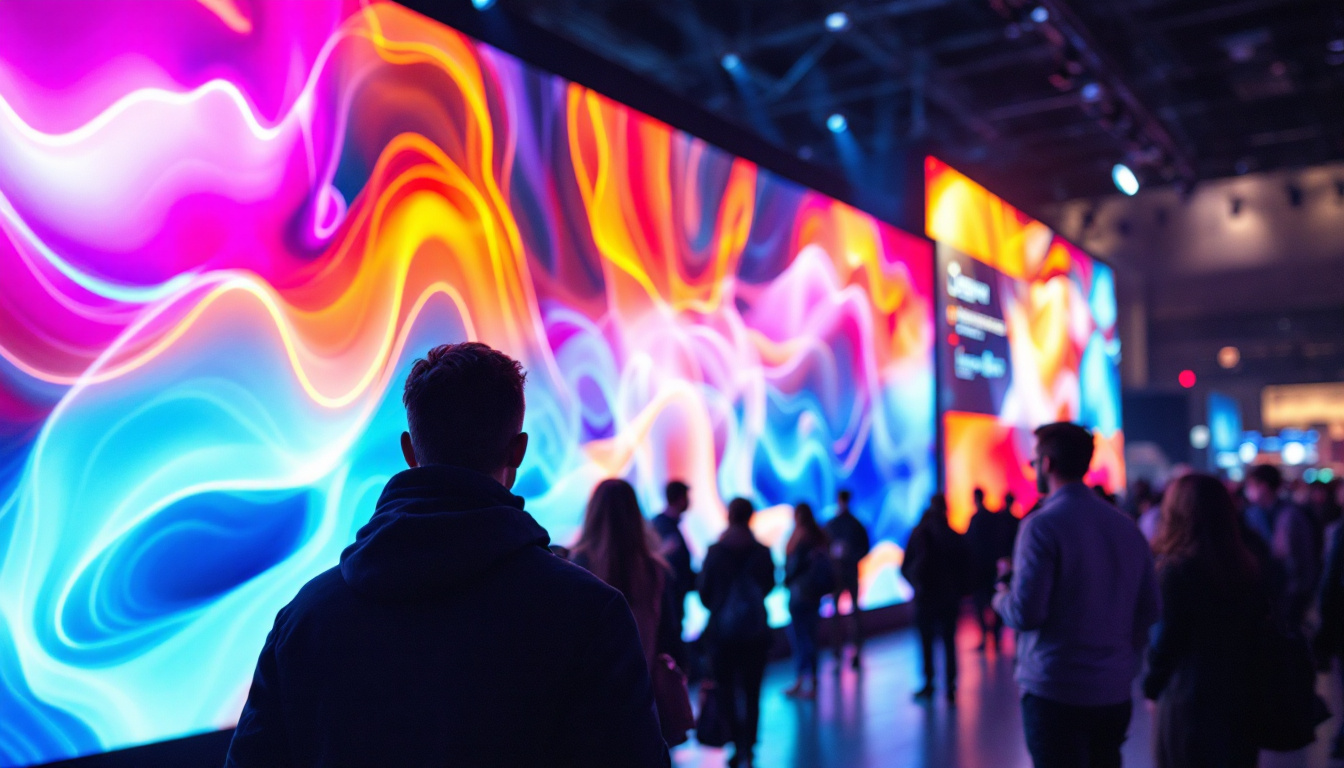
Concerts, sports events, and theatrical productions often use large LED walls and screens to enhance audience experience. These displays must handle rapid scene changes, complex animations, and high brightness levels to remain visible even in daylight.
High SLP performance enables smooth transitions and consistent image quality, which are critical for immersive experiences. For instance, stadium screens with poor scanning performance can cause distracting flicker or ghosting, detracting from the event’s atmosphere.
Transportation and Public Safety
LED displays are increasingly used in transportation hubs such as airports, train stations, and highways for real-time information dissemination. Clear, legible displays ensure passengers receive timely updates about schedules, delays, and safety instructions.
In these contexts, reliability and readability are paramount. Displays with strong SLP performance maintain clarity under varying lighting conditions and reduce the risk of miscommunication, contributing to overall public safety.
Emerging Trends and Future Directions in SLP Performance
Mini-LED and Micro-LED Technologies
Recent advancements in LED technology, such as mini-LED and micro-LED, are pushing the boundaries of display performance. These smaller LEDs allow for higher pixel density, improved contrast ratios, and better energy efficiency.
With smaller LEDs, the scanning process becomes more complex, requiring even more precise SLP control to maintain image quality. Manufacturers are developing new driver ICs and scanning algorithms to optimize performance for these next-generation displays.
AI-Driven Calibration and Maintenance
Artificial intelligence is playing an increasing role in monitoring and optimizing LED display performance. AI-driven systems can analyze scan line data in real-time, detecting anomalies and adjusting parameters to maintain optimal SLP performance automatically.
This proactive approach reduces downtime and extends the lifespan of LED displays, particularly in critical applications such as control rooms and outdoor advertising where maintenance access is limited.
Energy Efficiency and Sustainability
As sustainability becomes a priority across industries, improving the energy efficiency of LED displays is a key focus. Optimizing SLP performance helps reduce power consumption by minimizing unnecessary LED activation and improving driver circuitry efficiency.
Innovations in low-power scanning techniques and adaptive brightness control contribute to greener display solutions, aligning with global efforts to reduce carbon footprints.
Choosing the Right LED Display with Optimal SLP Performance
Assessing Your Needs
Selecting an LED display with the appropriate SLP performance requires a clear understanding of the intended application. Factors such as viewing distance, ambient lighting, content type, and usage duration influence the required refresh rate, brightness, and scan method.
For example, a retail store window display may prioritize color accuracy and brightness, while a traffic information board might emphasize reliability and visibility under direct sunlight.
Evaluating Manufacturer Specifications
When comparing LED displays, pay close attention to specifications related to refresh rate, scan method, driver IC technology, and calibration capabilities. Requesting demonstration videos or live demos can help assess real-world SLP performance beyond datasheet numbers.
Additionally, inquire about the manufacturer’s quality control processes and after-sales support, as these impact the long-term performance and maintenance of the display.
Considering Total Cost of Ownership
While initial purchase price is important, consider the total cost of ownership, including energy consumption, maintenance, and potential downtime. Displays with superior SLP performance often deliver better value by reducing operational costs and enhancing user satisfaction.
Investing in high-quality LED displays with optimized SLP performance can result in significant returns through improved engagement, reduced maintenance, and extended product lifespan.
Conclusion
SLP performance is a fundamental aspect of LED display technology that directly affects image quality, reliability, and operational efficiency. Understanding the technical underpinnings of scan line performance and its practical implications empowers stakeholders to make informed decisions when selecting, deploying, and maintaining LED displays.
As LED technology continues to advance, with innovations like mini-LEDs, AI-driven calibration, and energy-efficient designs, the importance of optimizing SLP performance will only grow. Whether for advertising, entertainment, transportation, or public safety, high-performance LED displays are essential tools for delivering impactful visual communication in the modern world.
Discover the Future of Visual Communication with LumenMatrix
Ready to elevate your visual impact? LumenMatrix is at the forefront of LED display innovation, offering a wide range of solutions tailored to your unique needs. From Indoor and Outdoor LED Wall Displays to specialized options like Vehicle, Sports, and Floor LED Displays, our products are designed to captivate and engage. Embrace the revolution in digital signage with our Custom, All-in-One, and Transparent LED Displays, and see how our commitment to cutting-edge technology can transform your brand’s visibility. Check out LumenMatrix LED Display Solutions today and step into a world where visual communication is redefined.