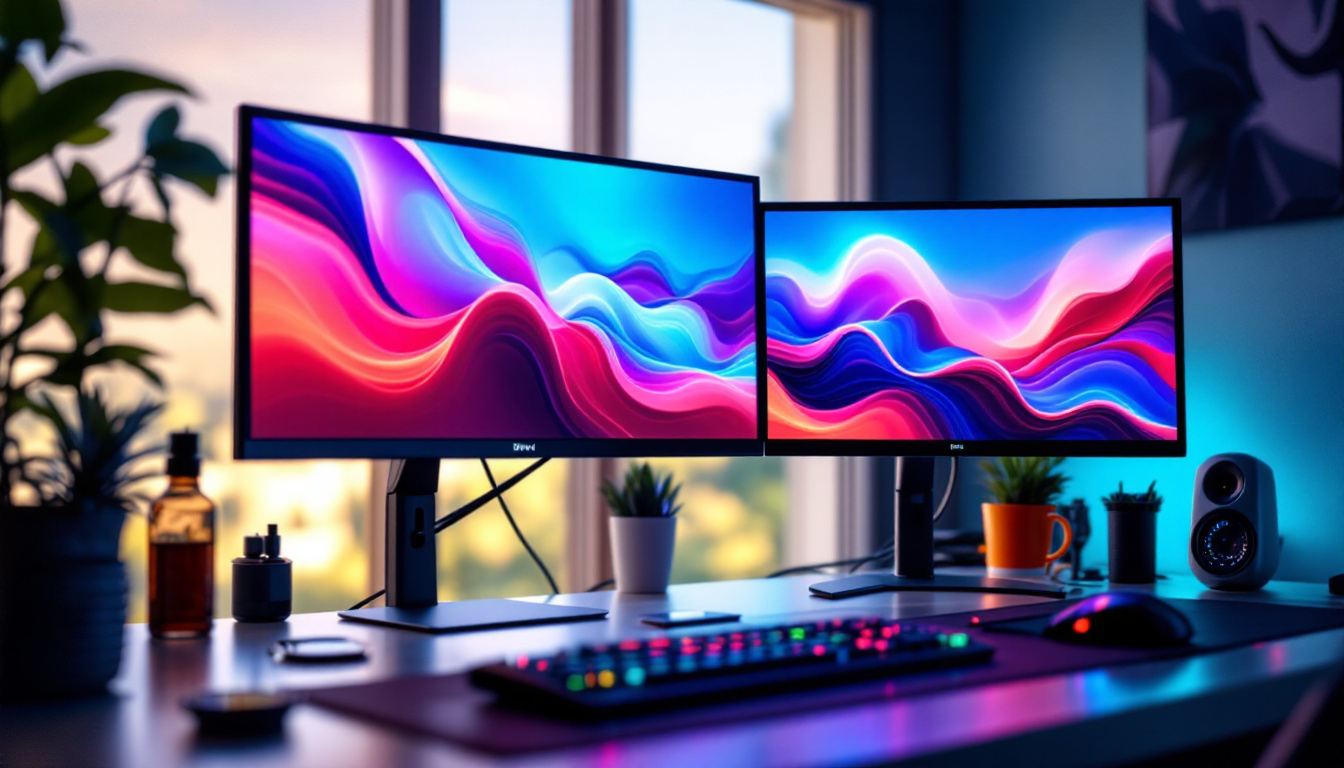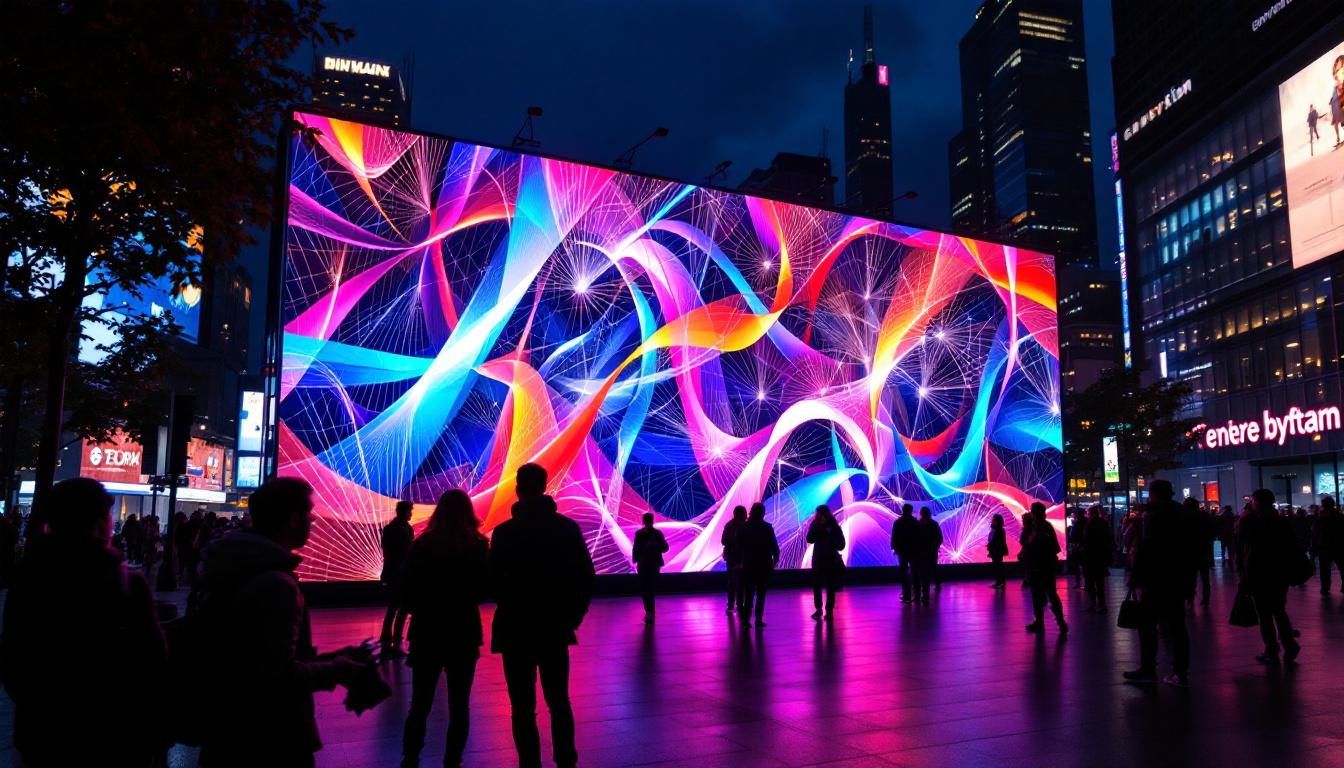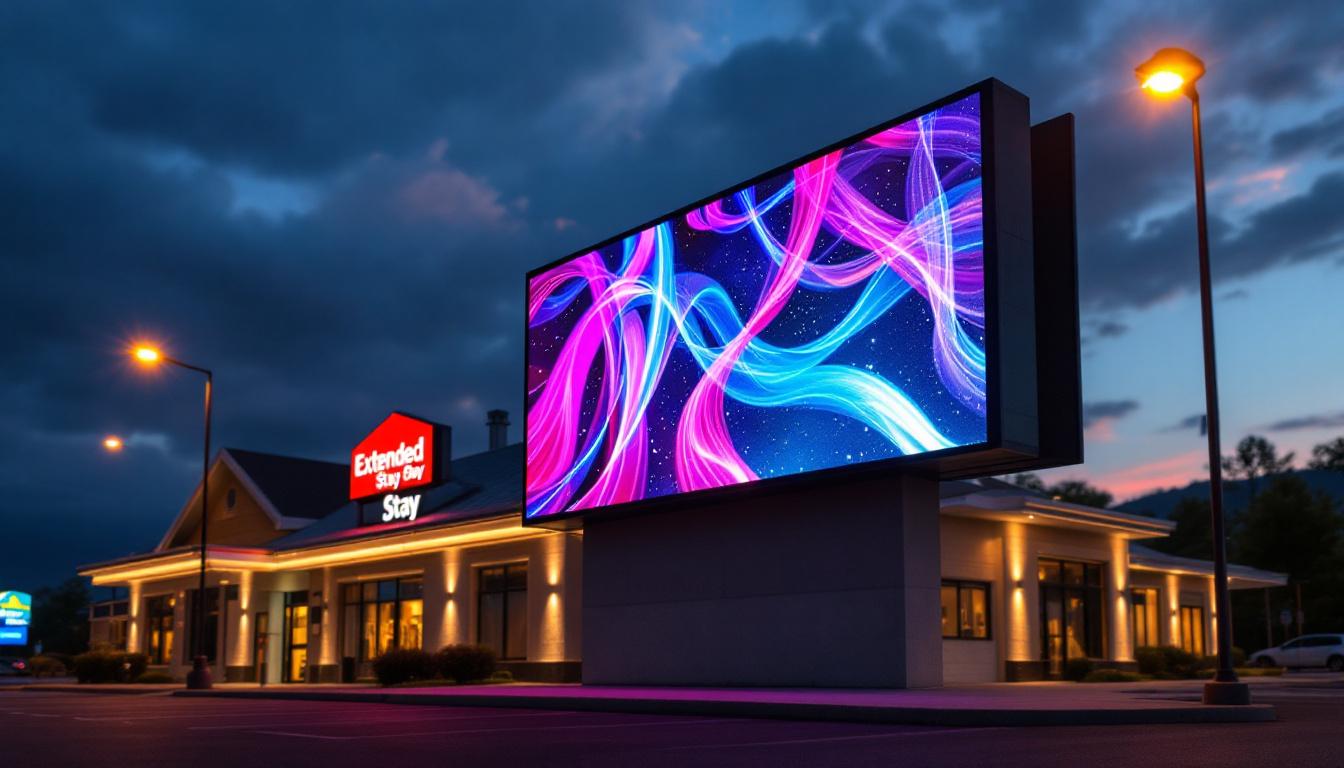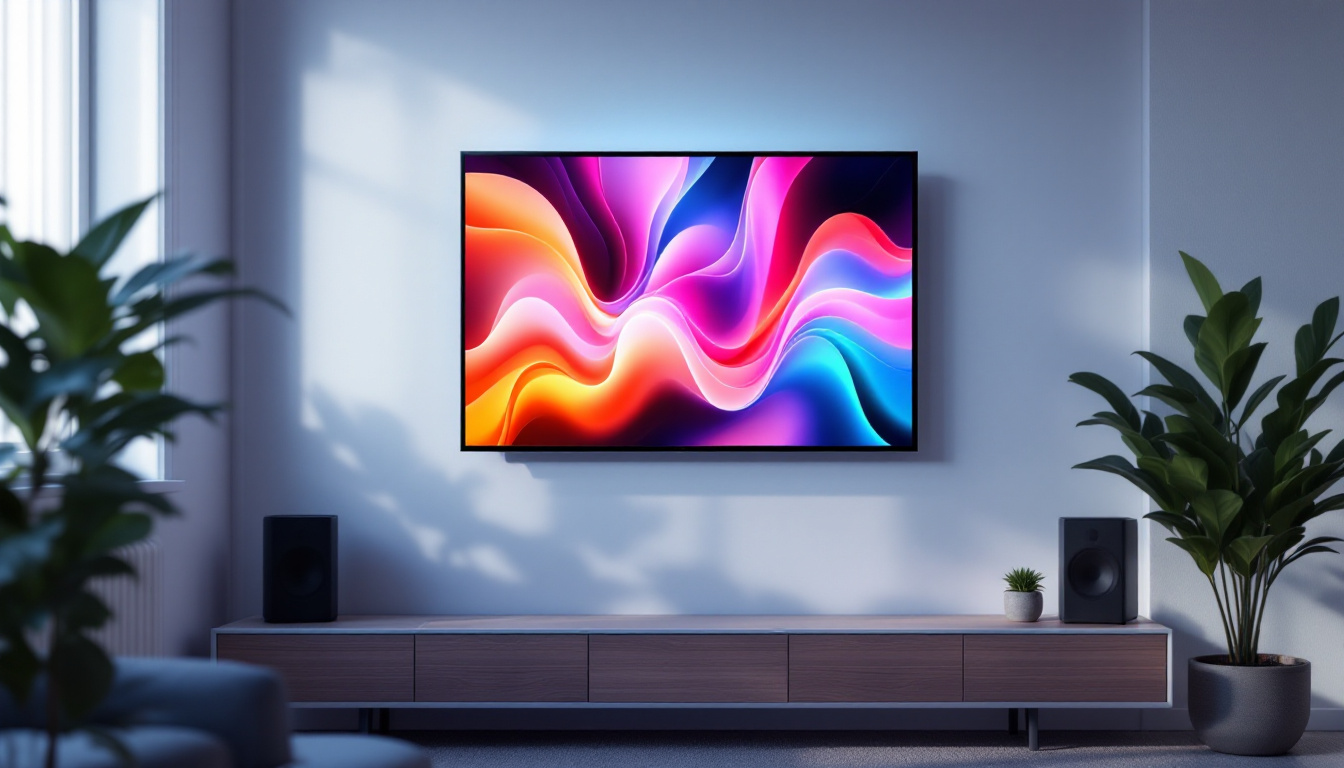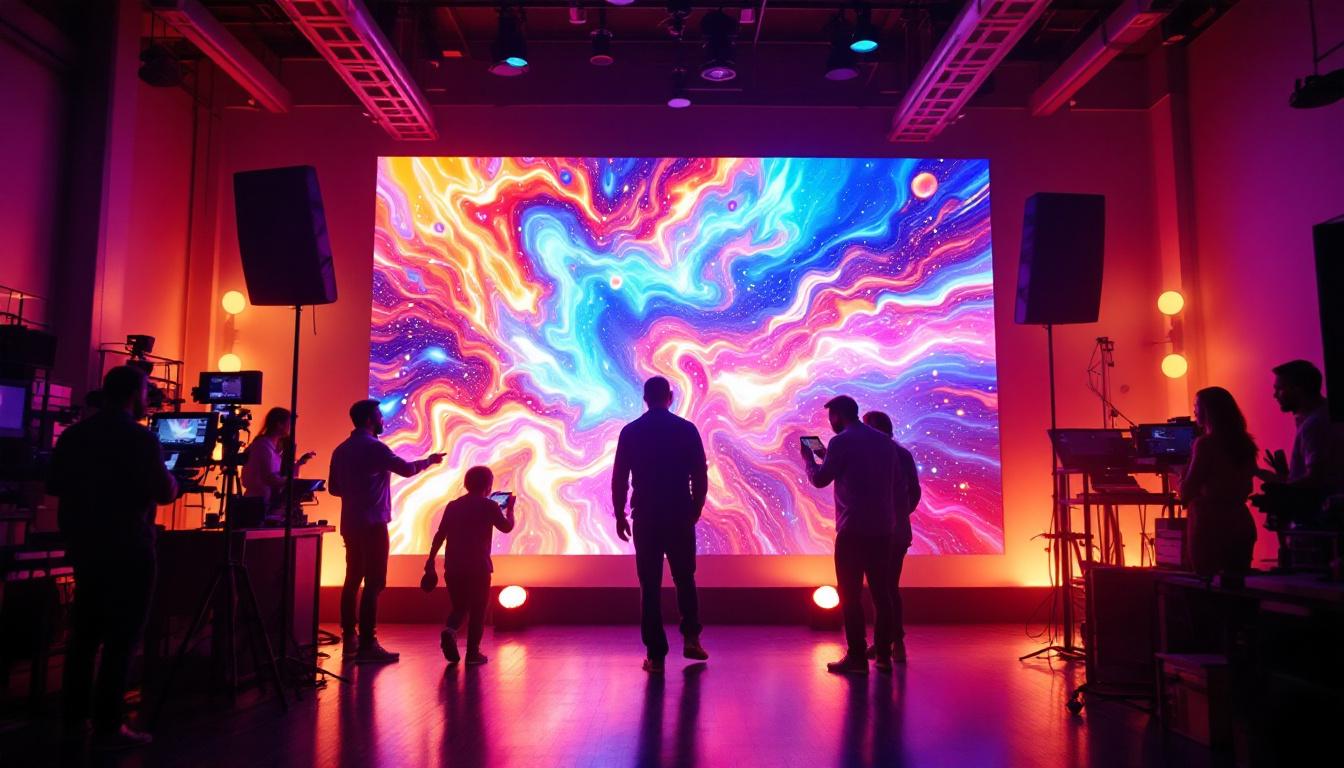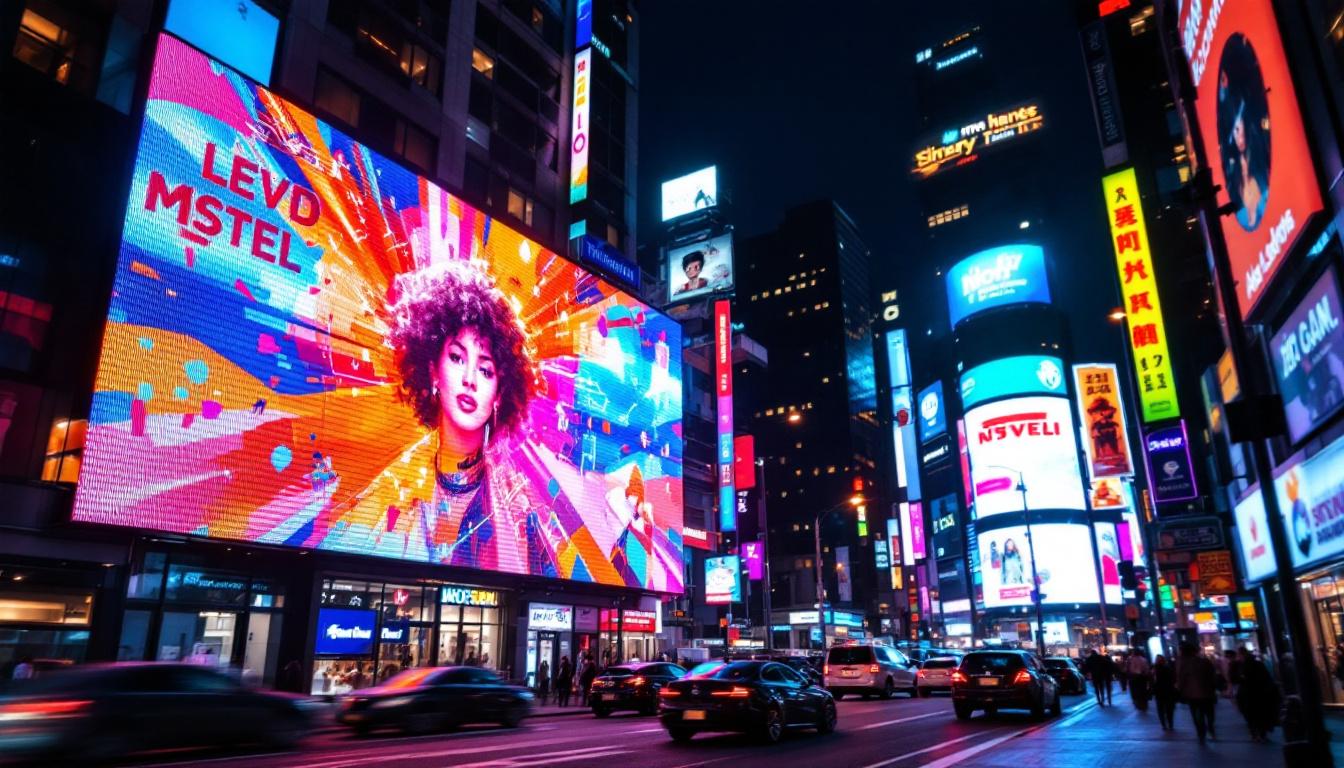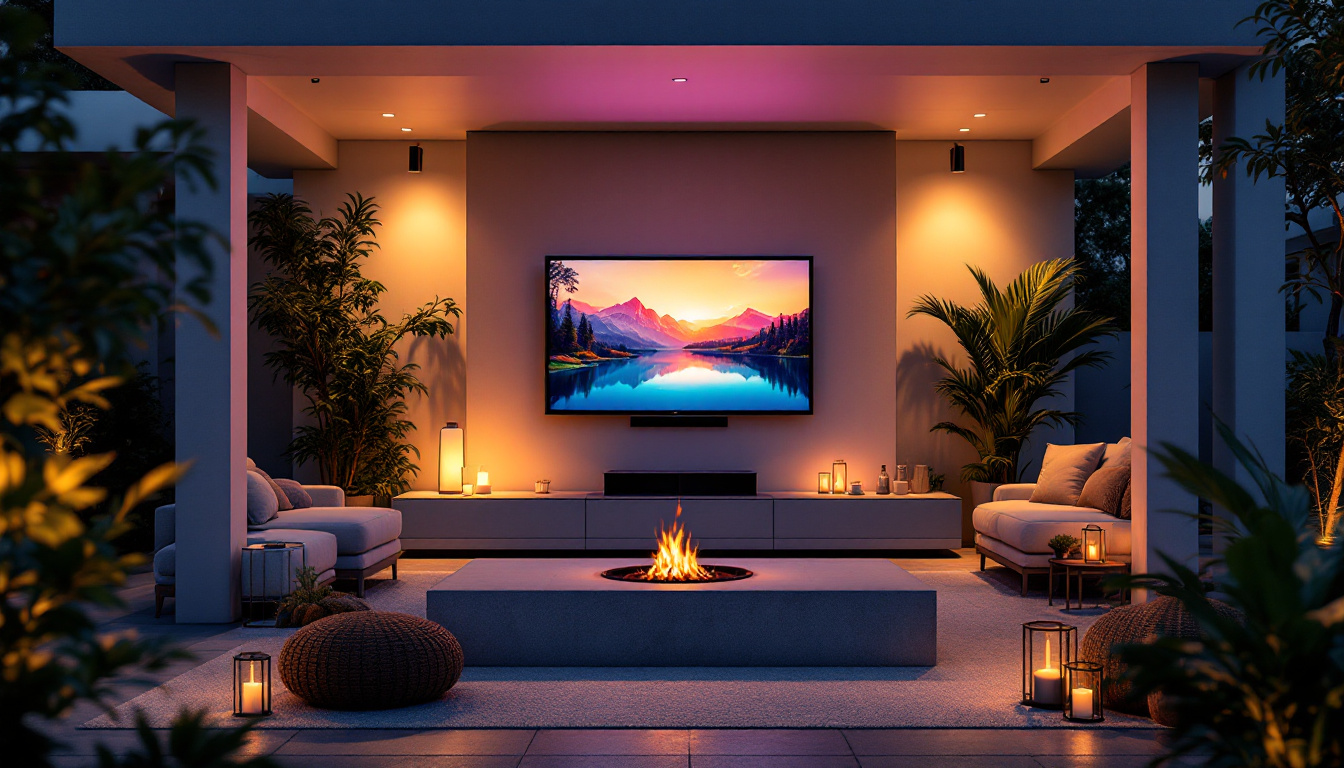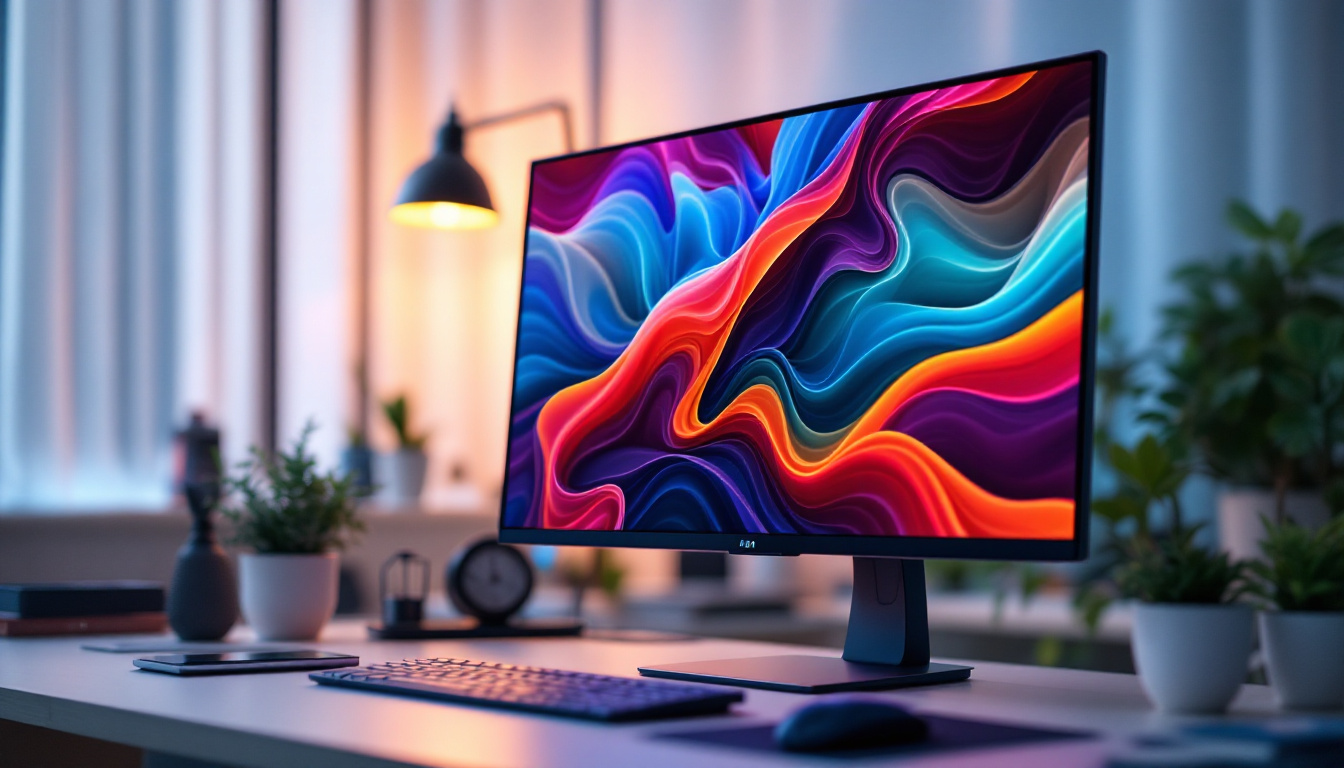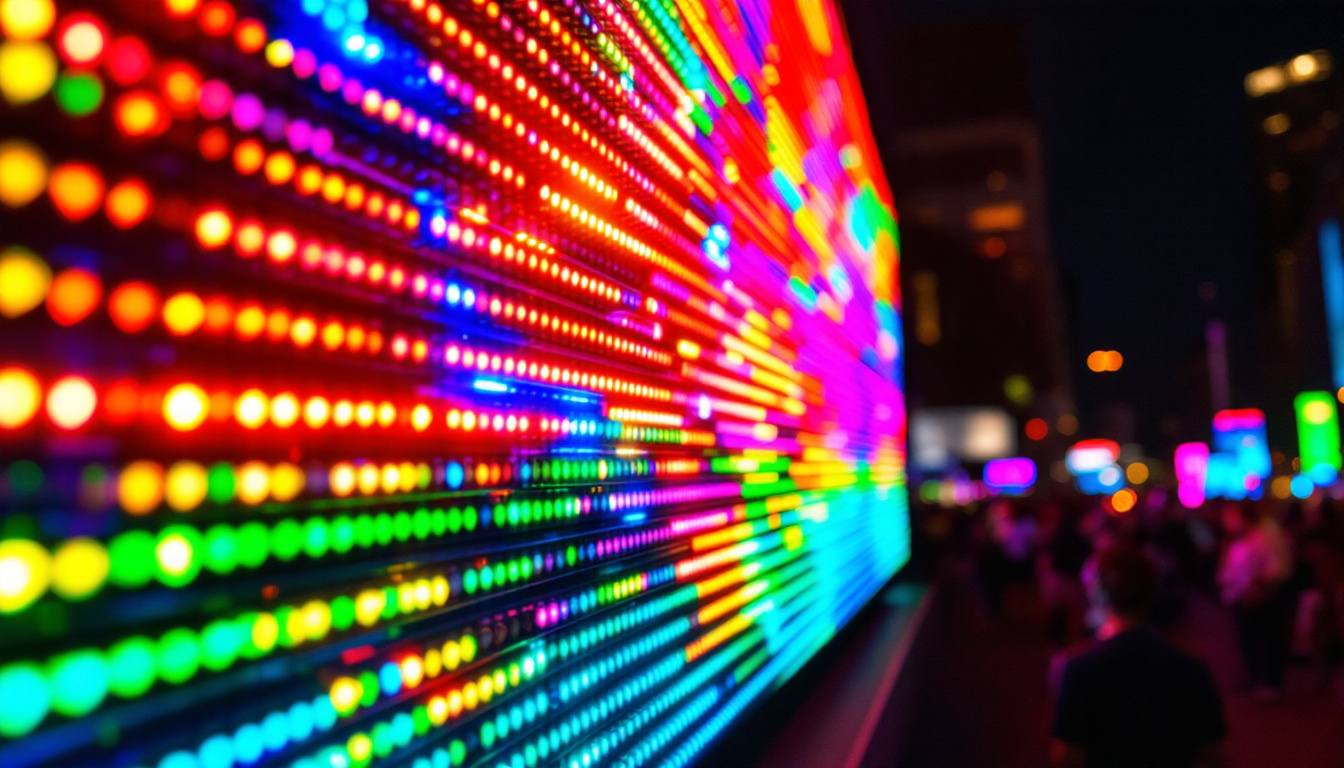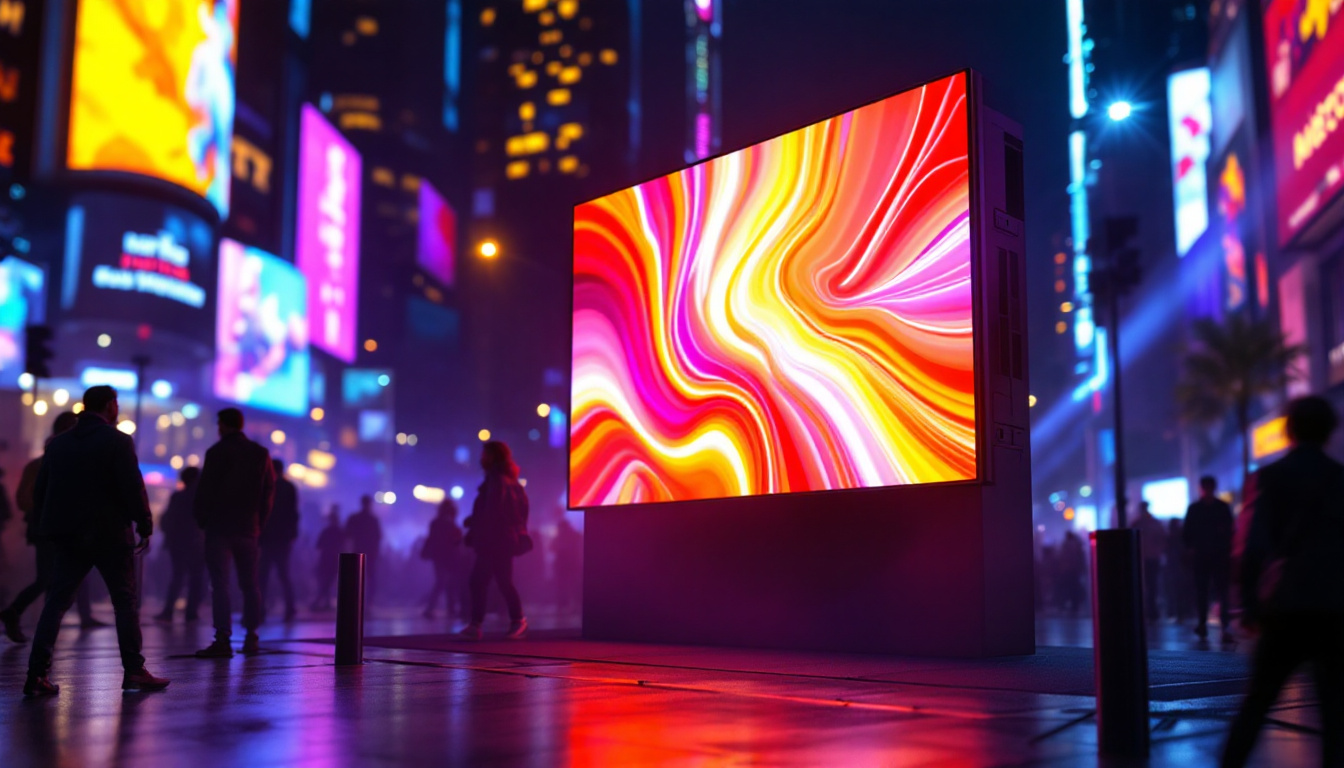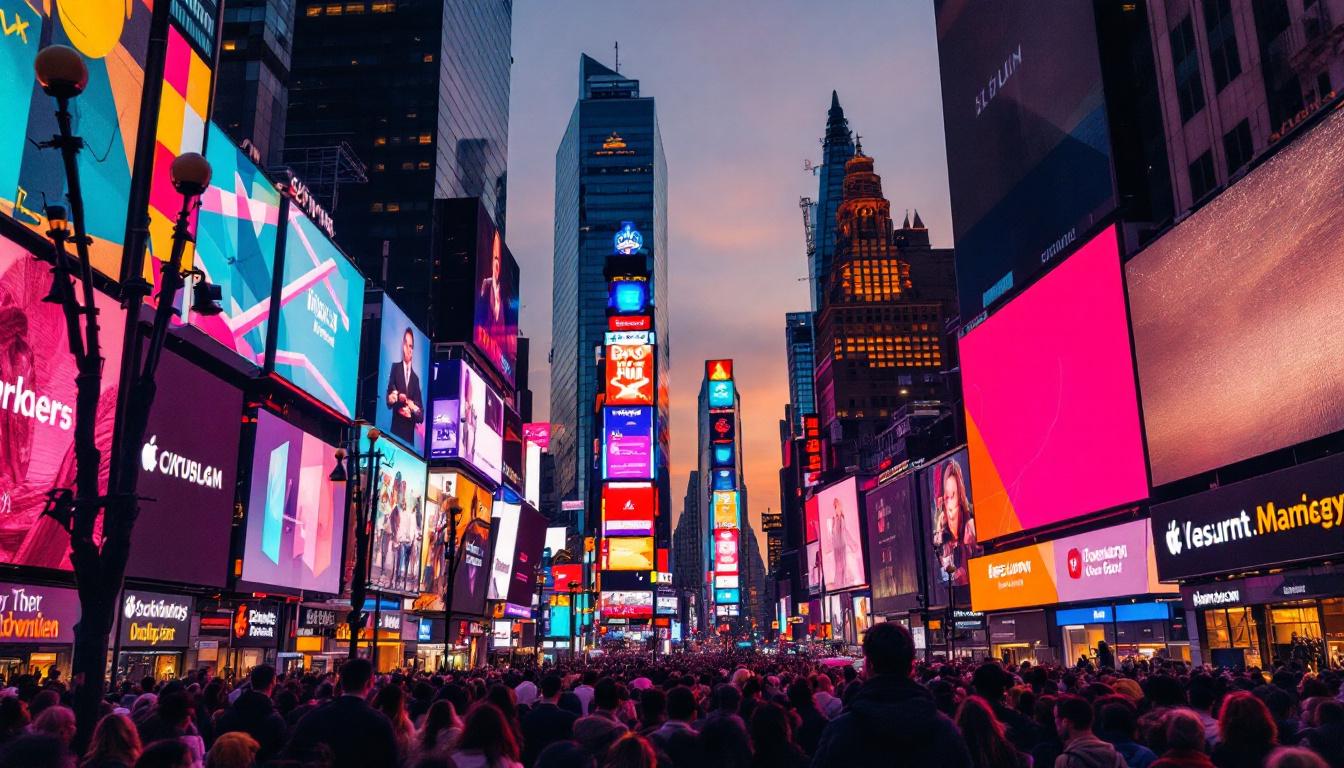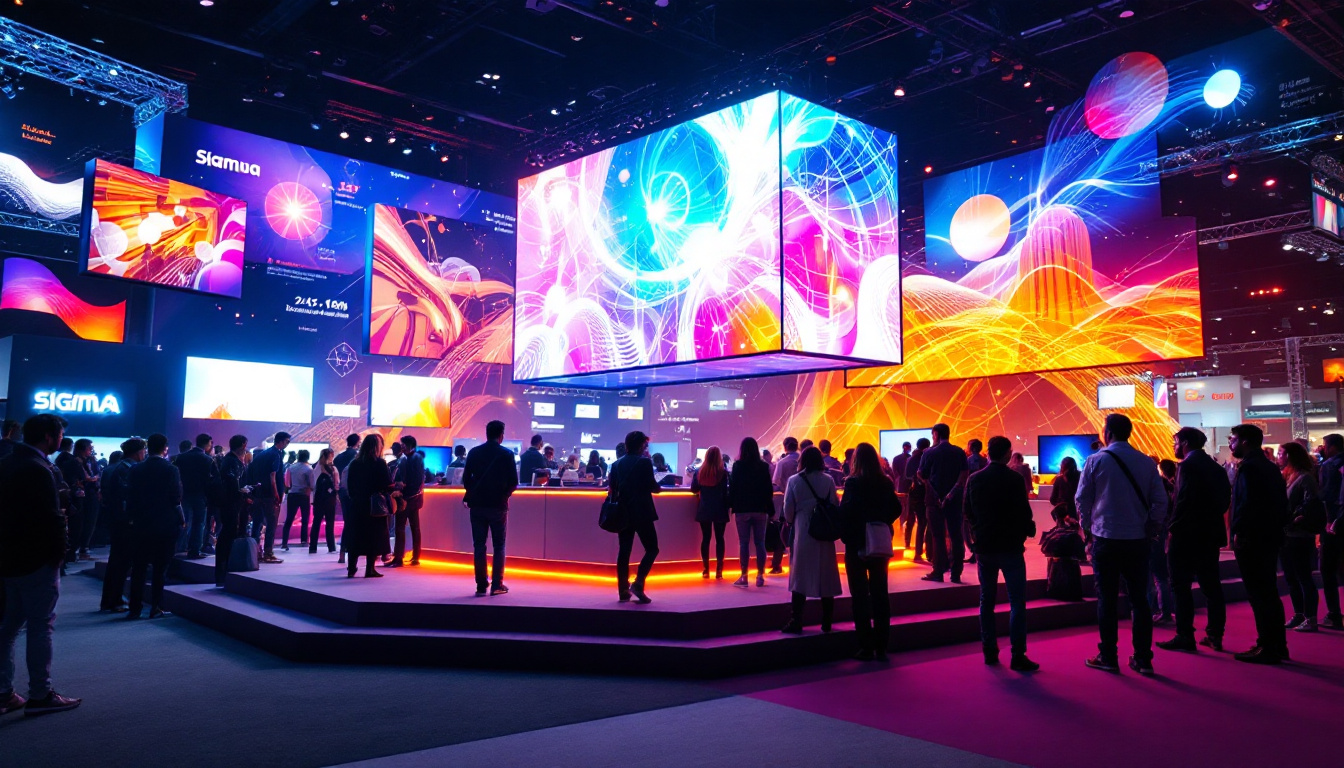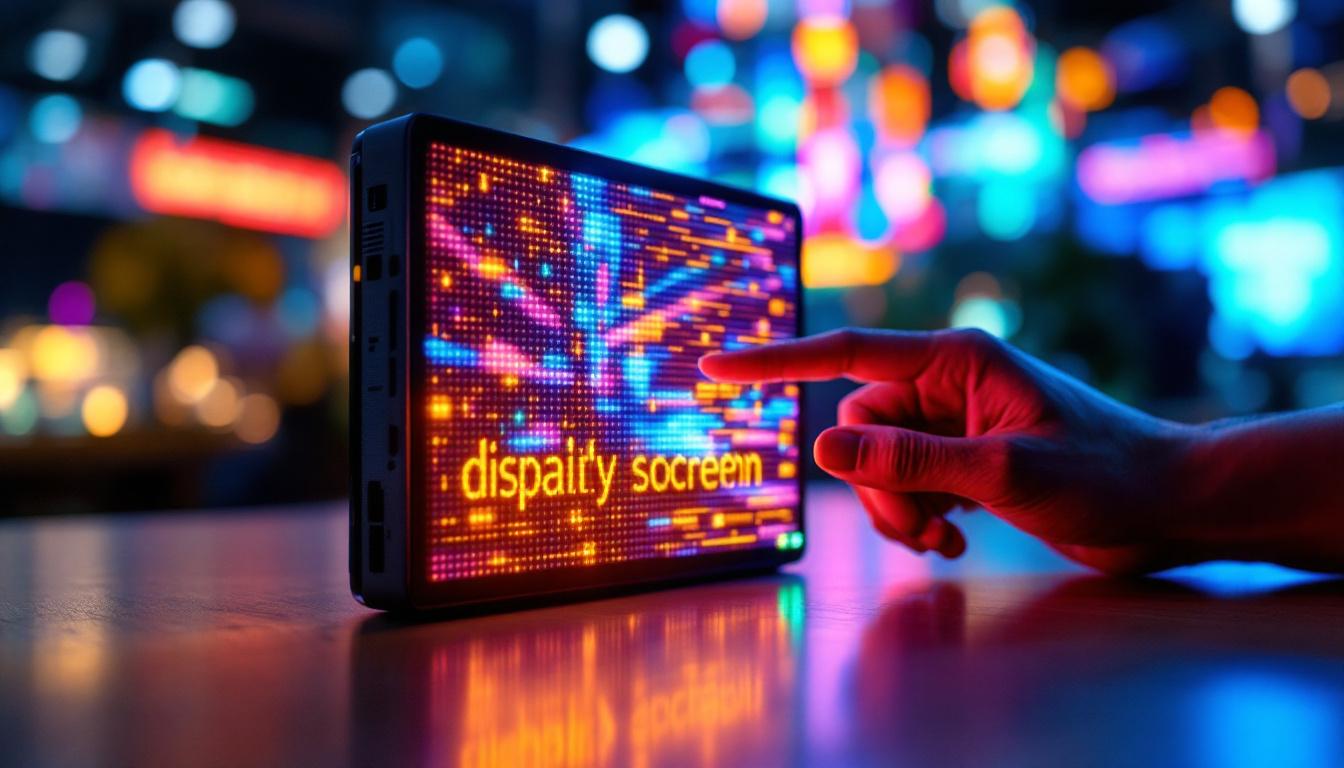
In the world of digital signage and visual communication, LED display technology has rapidly evolved to become a cornerstone of modern advertising, information dissemination, and entertainment. Among the various types of LED displays, small LED display screens have carved out a significant niche due to their versatility, clarity, and compact size. This article delves into the fundamentals of small LED display screens, exploring their technology, applications, advantages, and considerations for selecting the right display for your needs.
Understanding Small LED Display Screens
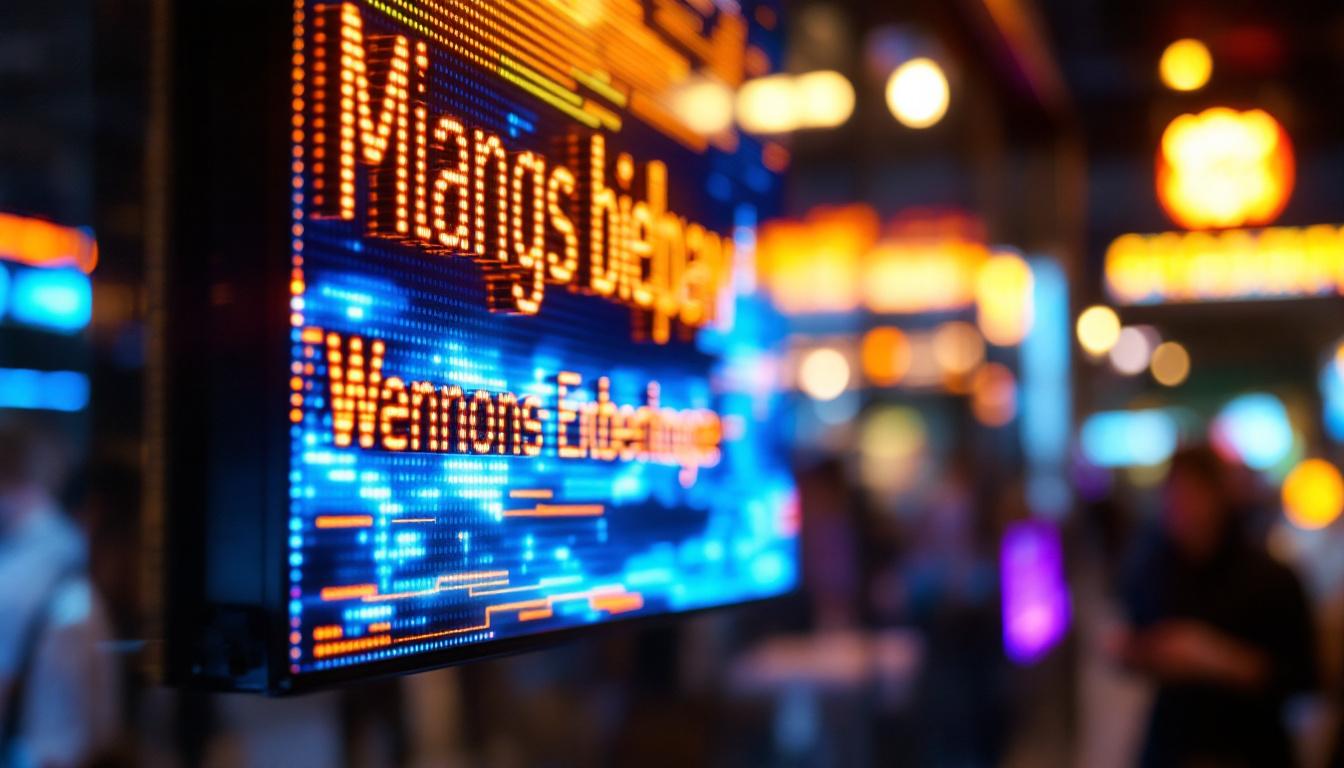
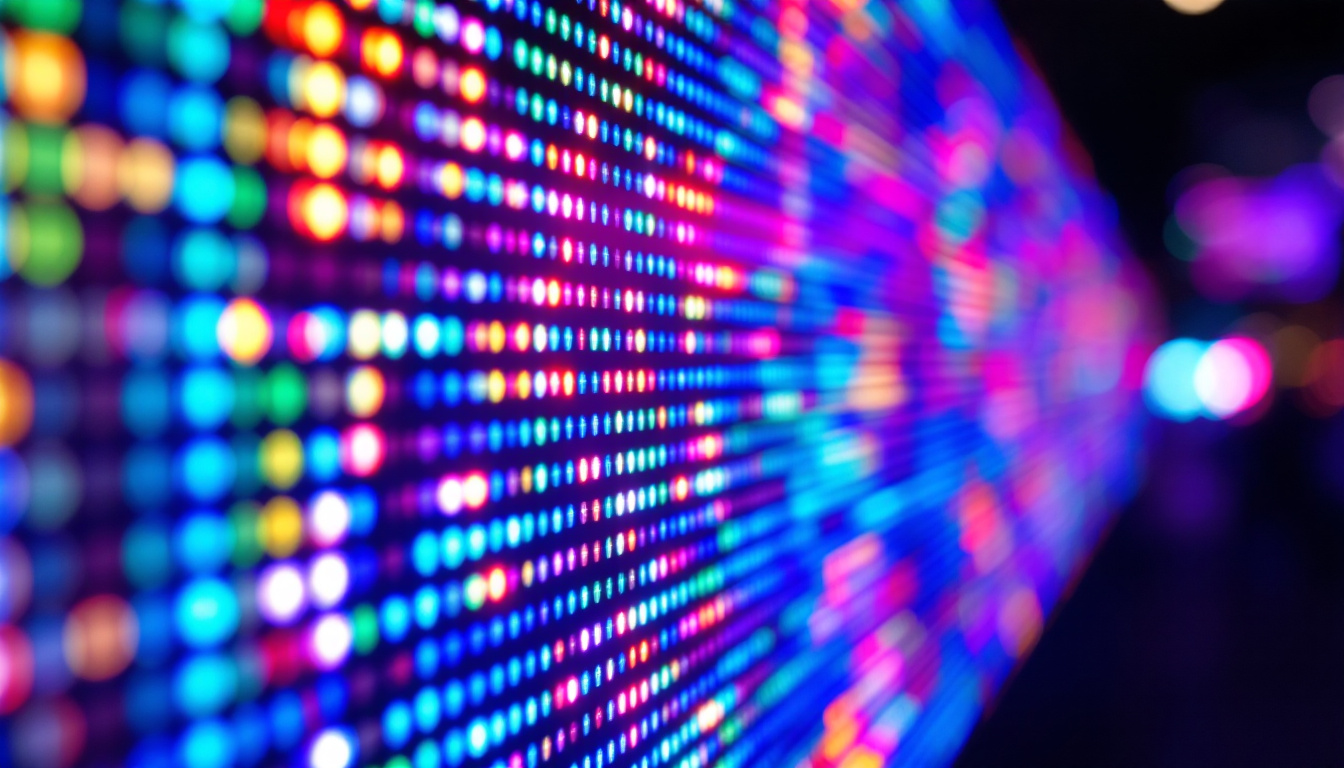
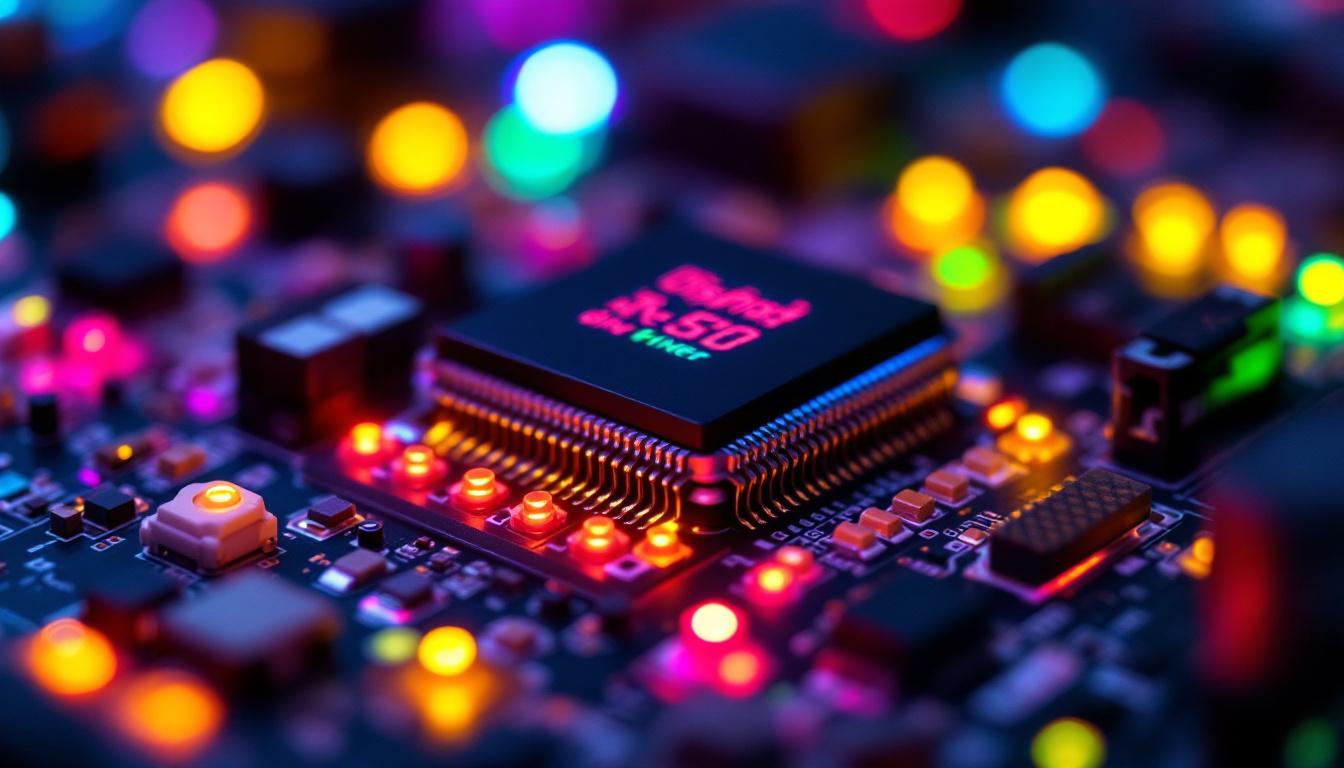
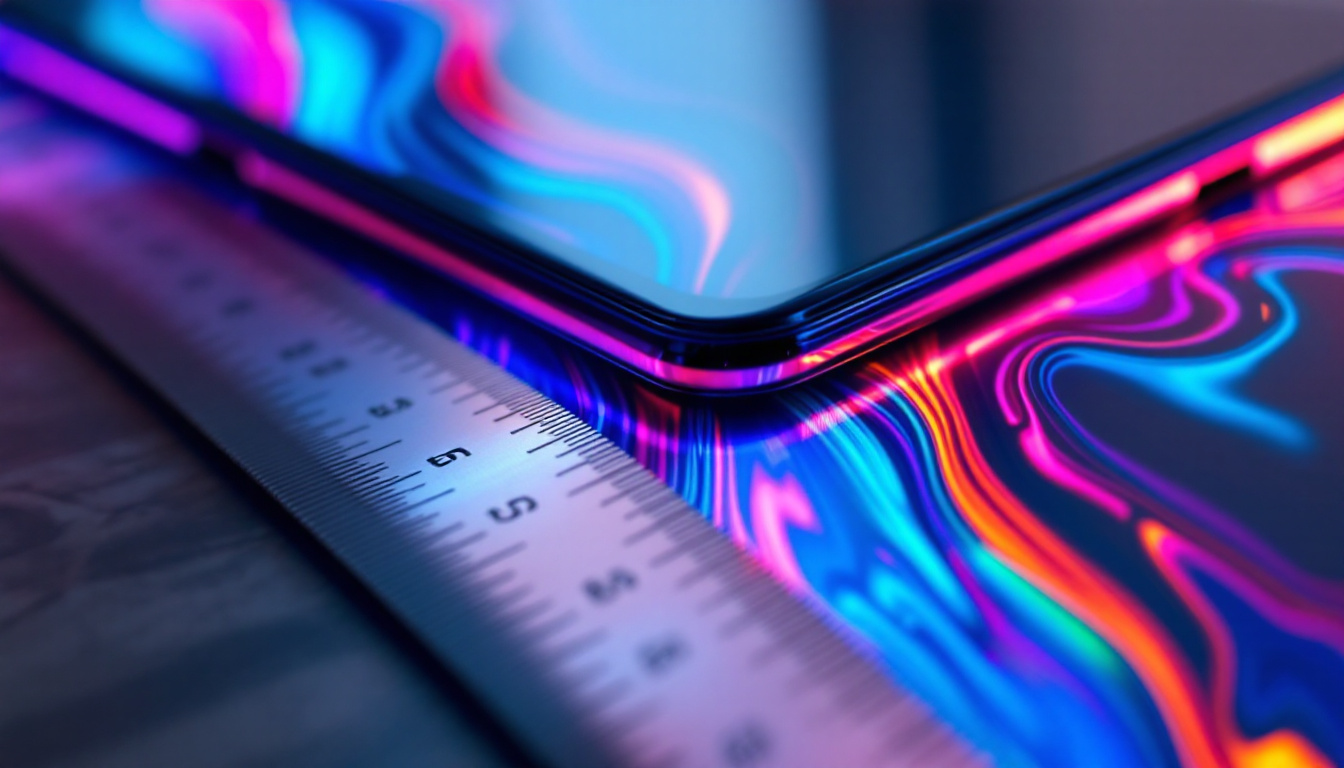
LED stands for Light Emitting Diode, a semiconductor device that emits light when an electric current passes through it. Small LED display screens are composed of numerous tiny LEDs arranged in a matrix to form pixels, which collectively produce images, videos, or text. These screens vary in size but are generally characterized by their compact dimensions, making them ideal for close-range viewing and applications where space is limited. The versatility of small LED displays has made them increasingly popular in various sectors, including advertising, entertainment, and information dissemination, where eye-catching visuals are essential to capture audience attention.
How Small LED Displays Work
Each pixel on a small LED display consists of one or more LEDs that emit red, green, and blue light. By adjusting the intensity of these primary colors, the display can produce a wide spectrum of colors, creating vibrant and dynamic visuals. The resolution of the display depends on the pixel pitch, which is the distance between the centers of adjacent pixels. Smaller pixel pitches yield higher resolution and sharper images, especially important for close-up viewing. This capability allows for intricate graphics and detailed text, making small LED displays a preferred choice for applications like digital signage in retail stores, where clarity can significantly influence purchasing decisions.
For example, a small LED display with a pixel pitch of 1.5mm offers excellent clarity for indoor applications such as retail displays, control rooms, or digital menu boards. In contrast, larger pixel pitches are more suitable for outdoor or large-scale displays where viewers are positioned farther away. Additionally, advancements in LED technology have led to improvements in energy efficiency and longevity, making these displays not only visually appealing but also cost-effective over time. The ability to easily update content remotely via software also enhances their functionality, allowing businesses to adapt their messaging quickly in response to changing trends or promotions.
Types of Small LED Displays
Small LED displays come in various forms, including:
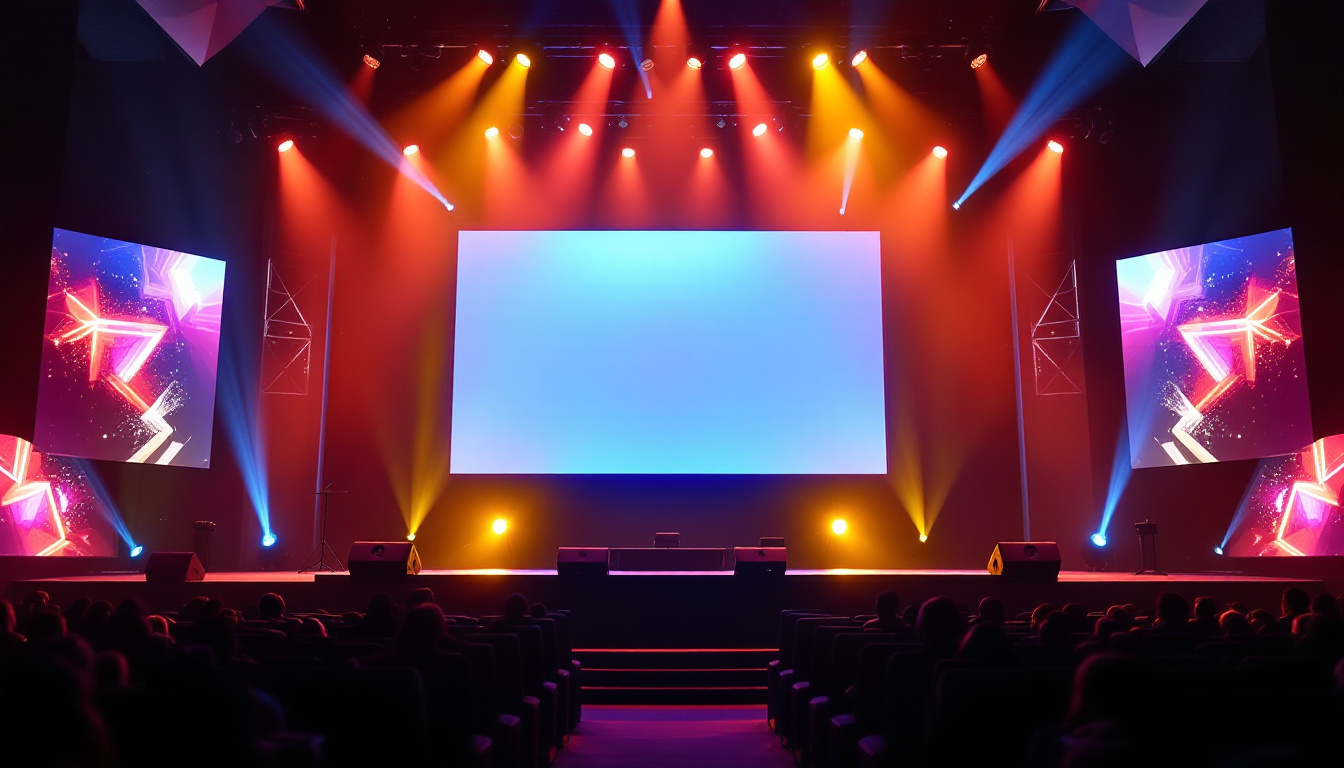
- Indoor LED Displays: Designed for environments with controlled lighting, these displays have high resolution and brightness levels suitable for close viewing distances. They are often used in conference rooms, exhibitions, and retail environments where detailed visuals are crucial.
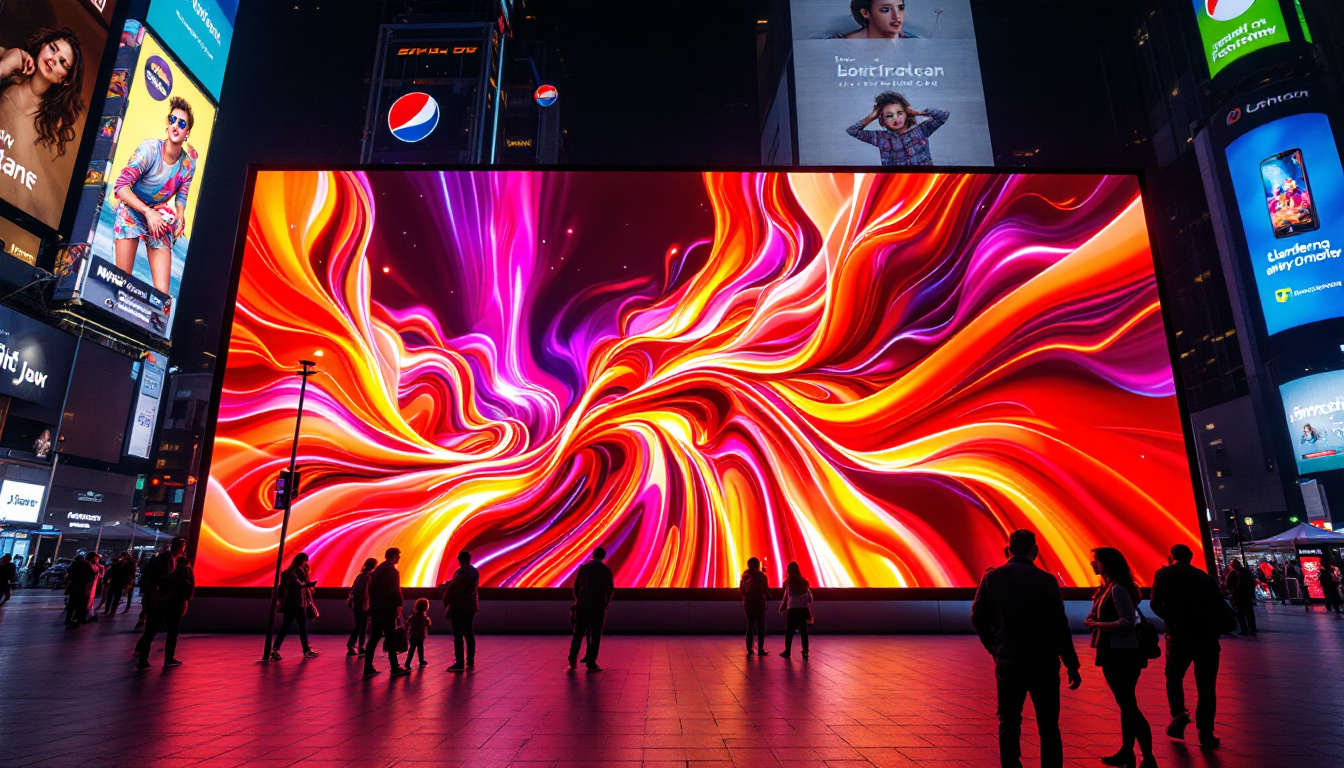
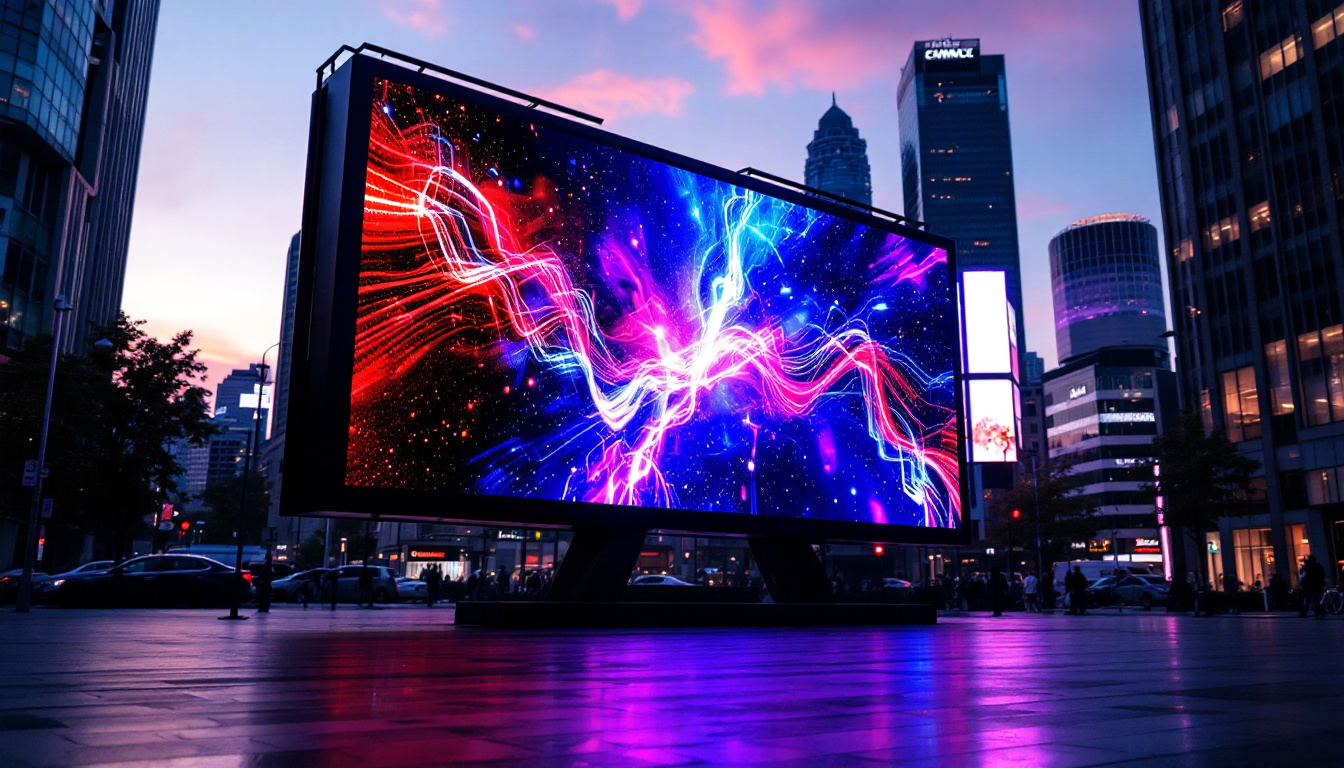
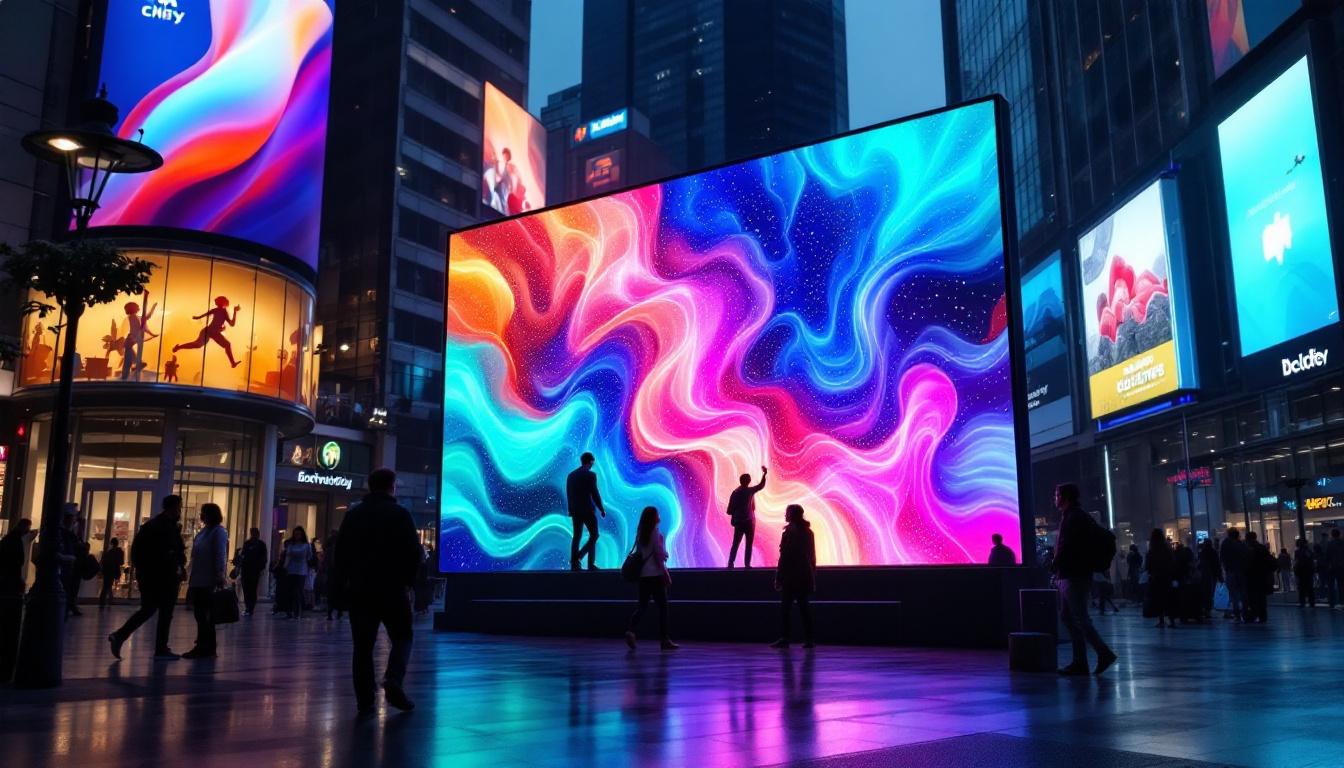
- Outdoor LED Displays: Built to withstand weather conditions, these displays feature higher brightness to combat sunlight glare but typically have larger pixel pitches. Their rugged construction ensures longevity and reliability, making them ideal for billboards, sports arenas, and public events.
- Flexible and Curved LED Displays: Utilizing flexible substrates, these can be shaped to fit unique spaces, offering creative display solutions. Their adaptability allows for innovative installations that can enhance architectural aesthetics while delivering impactful visual content.
- Transparent LED Displays: These allow light to pass through, making them ideal for storefront windows and architectural integration. They provide a modern, high-tech look while maintaining visibility into the space behind the display, effectively blending functionality with design.
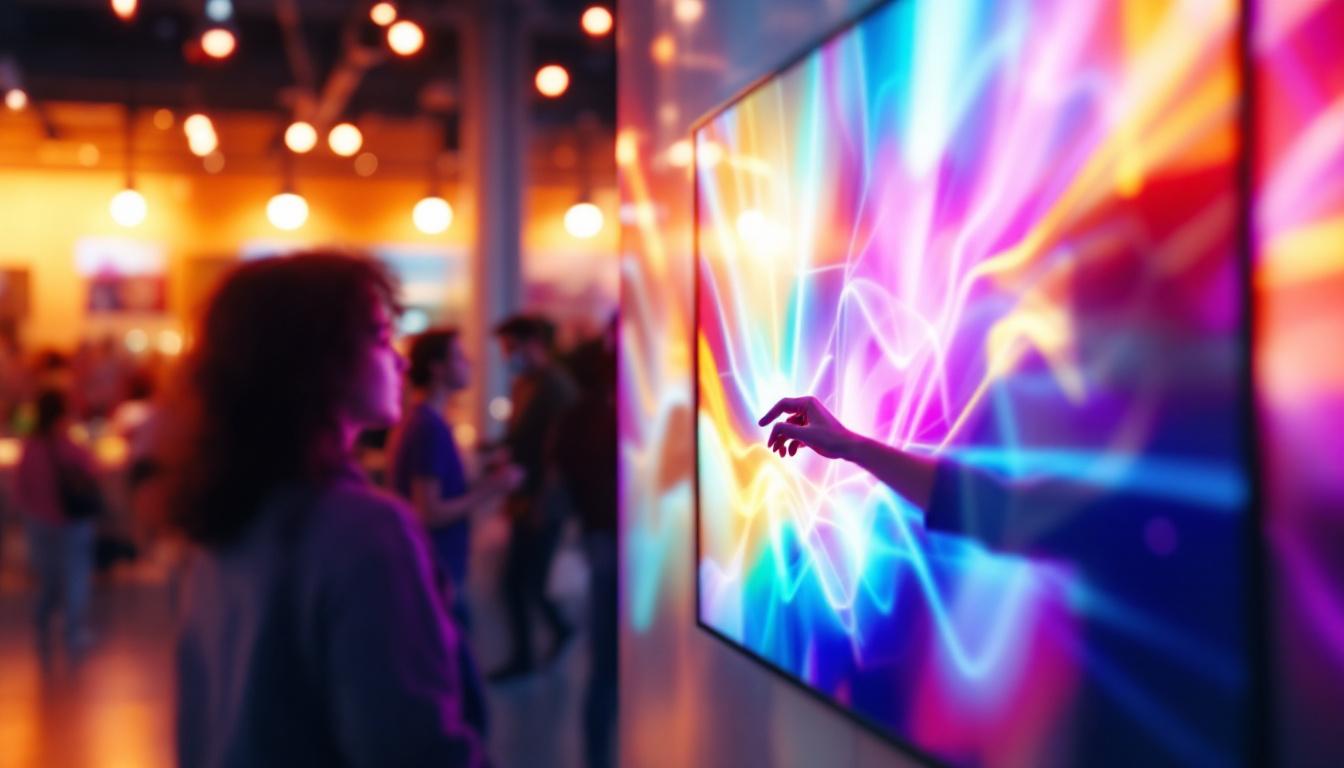
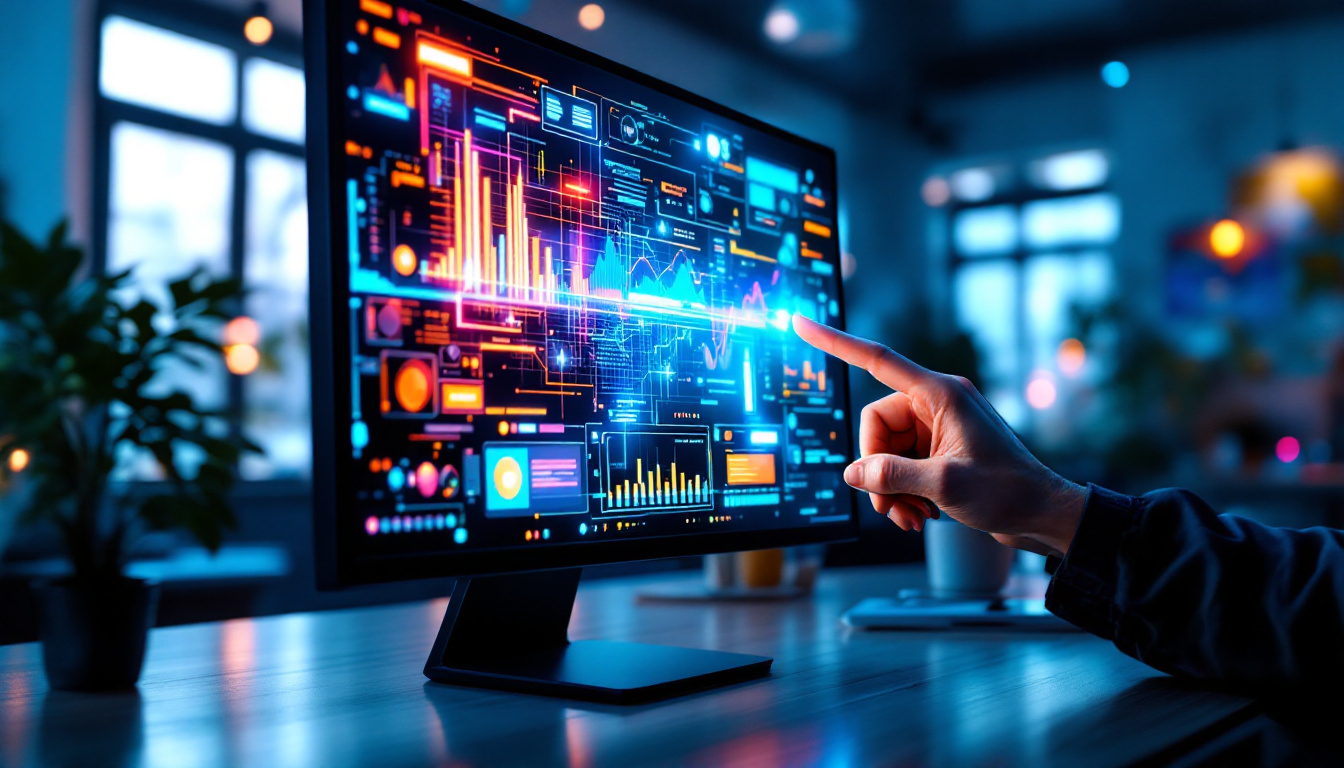
Moreover, the integration of smart technology into small LED displays has opened up new possibilities. Features such as touch interactivity, motion sensors, and real-time data integration can transform a simple display into an engaging platform that interacts with users. This evolution is particularly beneficial in environments like museums or trade shows, where engaging the audience is paramount. As technology continues to advance, the potential applications for small LED displays are virtually limitless, paving the way for even more innovative uses in the future.
Applications of Small LED Display Screens
The versatility of small LED display screens has led to their adoption across numerous industries and use cases. Their compact size combined with high resolution makes them particularly effective for applications requiring detailed visuals and close-range interaction.
Retail and Advertising
Retailers leverage small LED displays to attract customers with dynamic advertisements, product information, and promotional content. These displays can be integrated into storefront windows, shelves, or counters, providing eye-catching visuals that enhance the shopping experience. According to recent market research, digital signage in retail environments can increase sales by up to 30%, highlighting the impact of engaging visual displays.
Control Rooms and Command Centers
In environments where monitoring and real-time data visualization are critical, such as traffic management, security surveillance, and utilities control rooms, small LED displays offer high-resolution, reliable screens that can be arranged in video walls or standalone units. Their clarity and responsiveness enable operators to make quick, informed decisions.
Transportation and Public Information
Small LED displays are commonly used in transportation hubs like airports, train stations, and bus terminals to provide schedules, alerts, and wayfinding information. Their brightness and visibility ensure that information is accessible even in bright ambient light conditions.
Healthcare and Education
In hospitals and educational institutions, small LED displays serve as communication tools for announcements, instructional content, and interactive learning modules. Their ability to deliver clear, readable content in various lighting conditions enhances both patient and student engagement.
Advantages of Small LED Display Screens
Choosing a small LED display screen offers several benefits that make them an attractive option for many applications.
High Brightness and Contrast
LED technology inherently provides high brightness levels, which translates to clear visibility even in well-lit environments. Coupled with excellent contrast ratios, small LED screens produce vivid images that stand out, making them ideal for both indoor and outdoor use.
Energy Efficiency
Compared to traditional display technologies such as LCD or plasma, LED displays consume less power, which reduces operational costs and environmental impact. This efficiency is particularly beneficial for installations that run continuously or for extended periods.
Durability and Longevity
LEDs are solid-state devices, meaning they are more resistant to shock, vibration, and temperature fluctuations. Small LED displays typically have a lifespan of 50,000 to 100,000 hours, ensuring long-term reliability with minimal maintenance.
Flexible Design and Installation
Due to their modular nature, small LED display screens can be customized to fit various shapes and sizes. This flexibility allows designers and architects to incorporate digital signage seamlessly into diverse environments, from curved surfaces to transparent glass walls.
Fast Refresh Rates and Wide Viewing Angles
Small LED displays often feature fast refresh rates, which eliminate flicker and motion blur, enhancing the viewing experience for dynamic content such as videos and animations. Additionally, wide viewing angles ensure that the display remains clear and vibrant from multiple perspectives.
Key Considerations When Choosing a Small LED Display Screen
Selecting the right small LED display screen involves evaluating several factors to ensure the display meets your specific requirements.
Pixel Pitch and Resolution
As mentioned earlier, pixel pitch is critical in determining image sharpness. For applications where viewers are close to the screen, a pixel pitch of 1.5mm or less is recommended. For example, retail displays or control rooms benefit from ultra-fine pixel pitches, whereas larger pitches may suffice for informational displays viewed from a distance.
Brightness and Environment
Consider the ambient lighting conditions where the display will be installed. Indoor environments typically require brightness levels between 800 and 1,200 nits, while outdoor displays may need brightness exceeding 5,000 nits to remain visible under direct sunlight.
Viewing Distance and Angle
Understanding the typical viewing distance helps determine the appropriate screen size and pixel pitch. Additionally, displays with wide viewing angles (typically 140 degrees or more) ensure that content is visible from different positions without color distortion.
Connectivity and Control Options
Modern LED displays offer various input options such as HDMI, DVI, USB, and wireless connectivity. The ability to remotely control and update content is essential for dynamic environments where information changes frequently.
Budget and Total Cost of Ownership
While initial purchase price is important, consider the total cost of ownership, including installation, maintenance, power consumption, and potential upgrades. Investing in higher-quality displays may yield better performance and lower costs over time.
Future Trends in Small LED Display Technology
The LED display industry continues to innovate, with several emerging trends shaping the future of small LED screens.
MicroLED and MiniLED Technologies
MicroLED and MiniLED represent advancements that offer even smaller pixel sizes, higher brightness, and improved energy efficiency. MicroLED displays, in particular, promise superior color accuracy and contrast, potentially rivaling OLED technology in the near future.
Integration with IoT and Smart Systems
Small LED displays are increasingly integrated with Internet of Things (IoT) platforms, enabling real-time data updates, interactive capabilities, and seamless connectivity with other smart devices. This integration enhances user engagement and operational efficiency.
Environmental Sustainability
Manufacturers are focusing on eco-friendly materials and energy-saving designs to reduce the environmental footprint of LED displays. Advances in recycling and longer-lasting components contribute to more sustainable digital signage solutions.
Conclusion
Small LED display screens have become indispensable tools across various sectors, offering bright, clear, and versatile visual communication solutions. Understanding their technology, applications, and key selection criteria empowers businesses and organizations to make informed decisions that maximize impact and value. As LED technology continues to advance, these compact displays will play an increasingly prominent role in shaping the future of digital communication.
Discover LumenMatrix’s Innovative LED Display Solutions
Ready to elevate your visual communication strategy with cutting-edge technology? LumenMatrix is at the forefront of LED display innovation, offering a diverse range of products designed to captivate and engage your audience. From vibrant Indoor LED Wall Displays to dynamic Outdoor LED Wall Displays, and from sleek LED Transparent Displays to custom solutions tailored to your unique needs, LumenMatrix has the perfect LED display to bring your vision to life. Experience the difference in clarity, impact, and versatility with our state-of-the-art LED display modules. Check out LumenMatrix LED Display Solutions today and transform your space into a visual masterpiece.