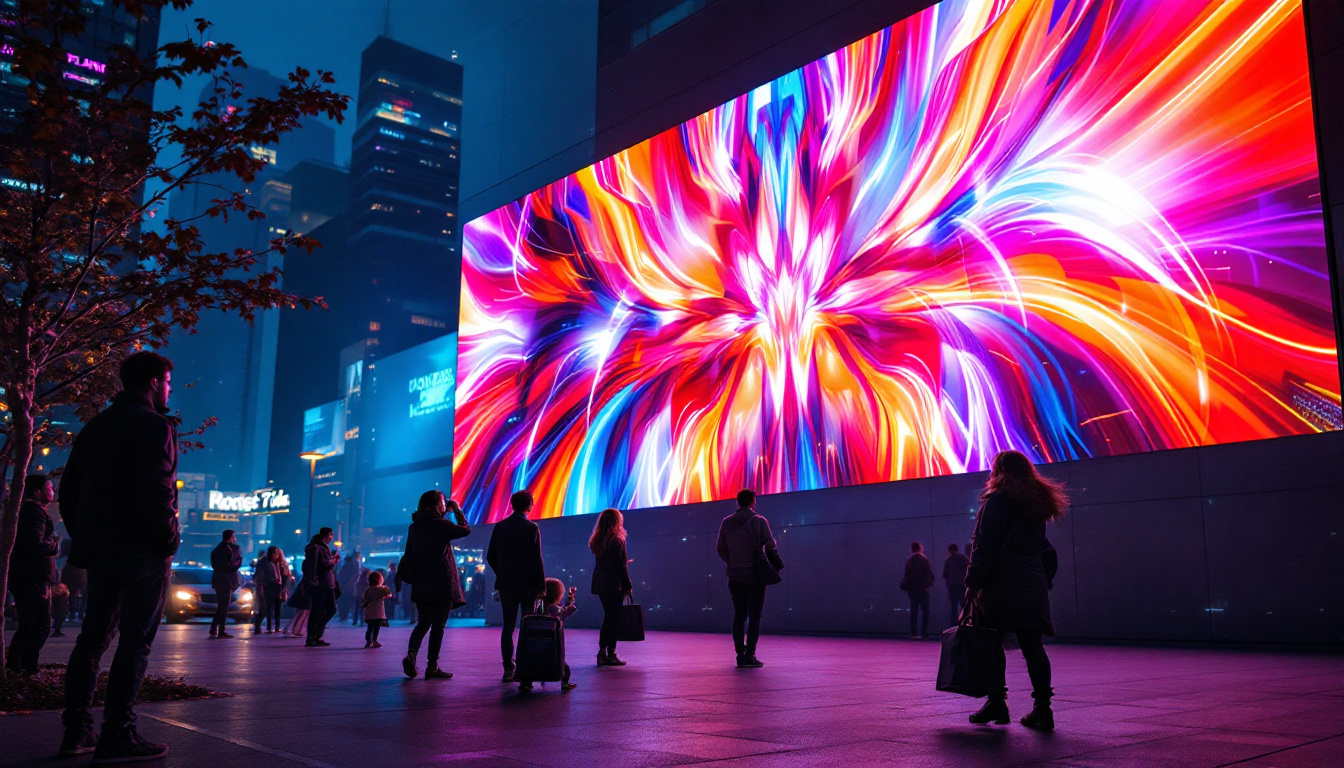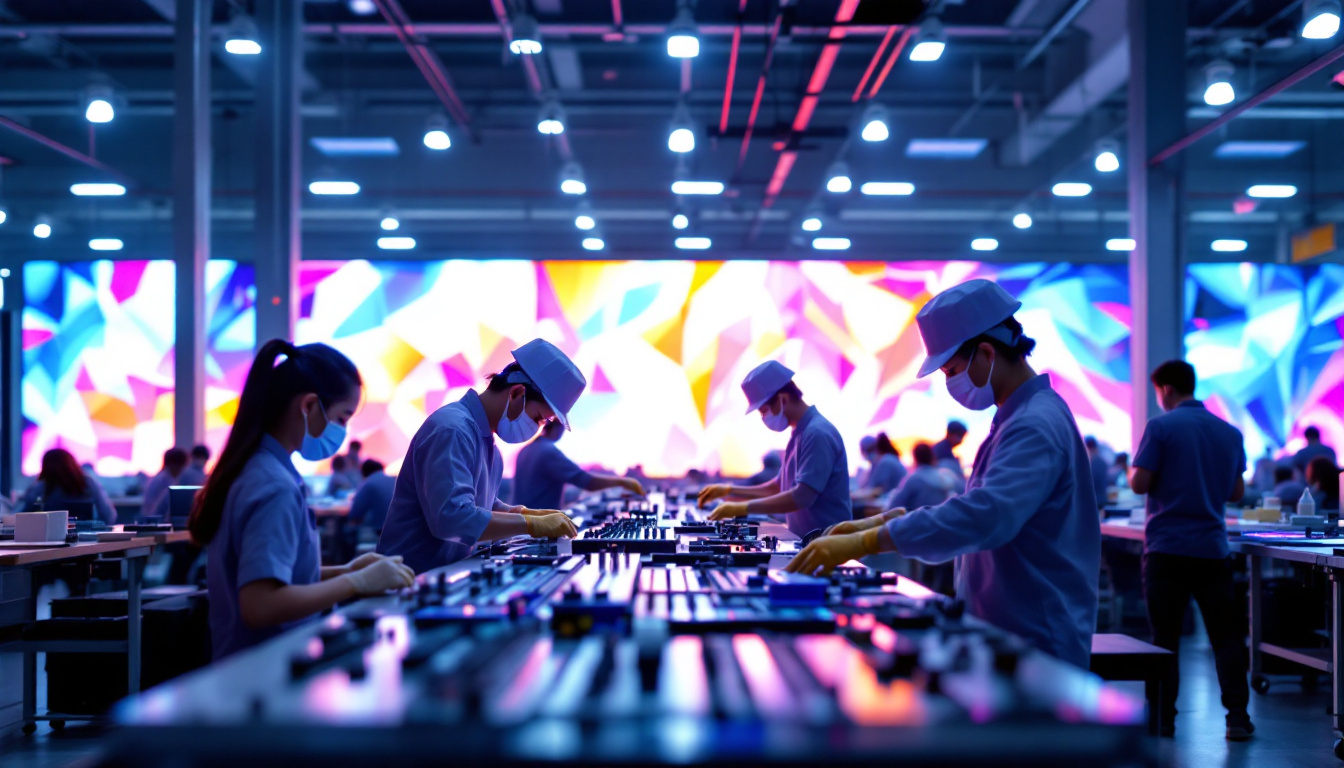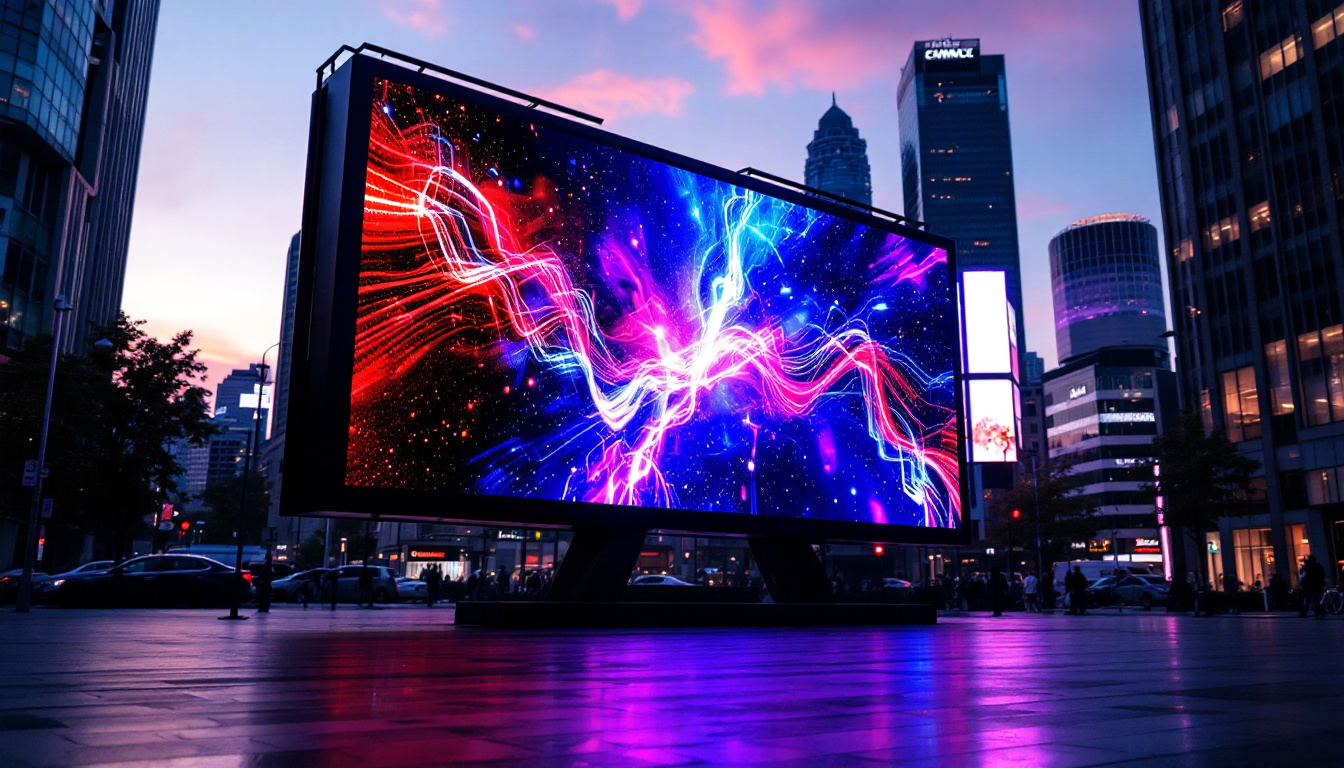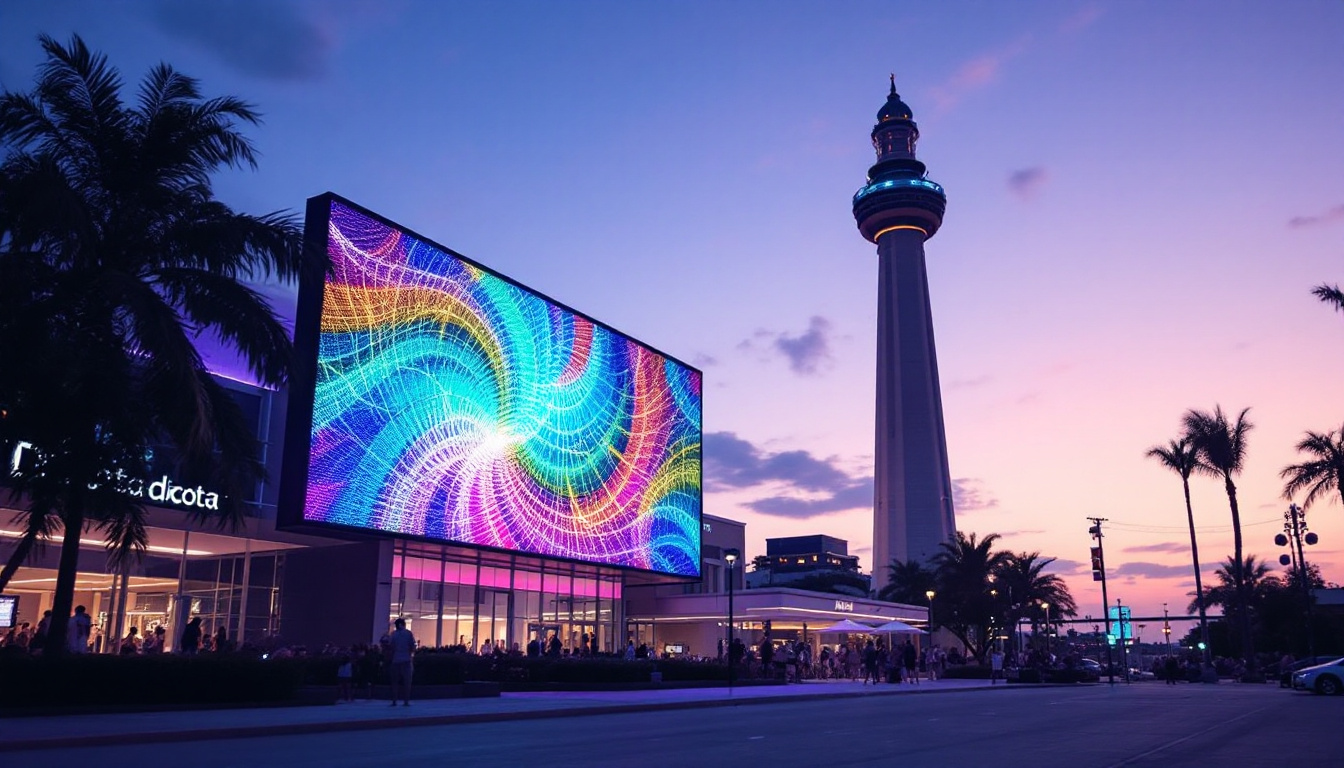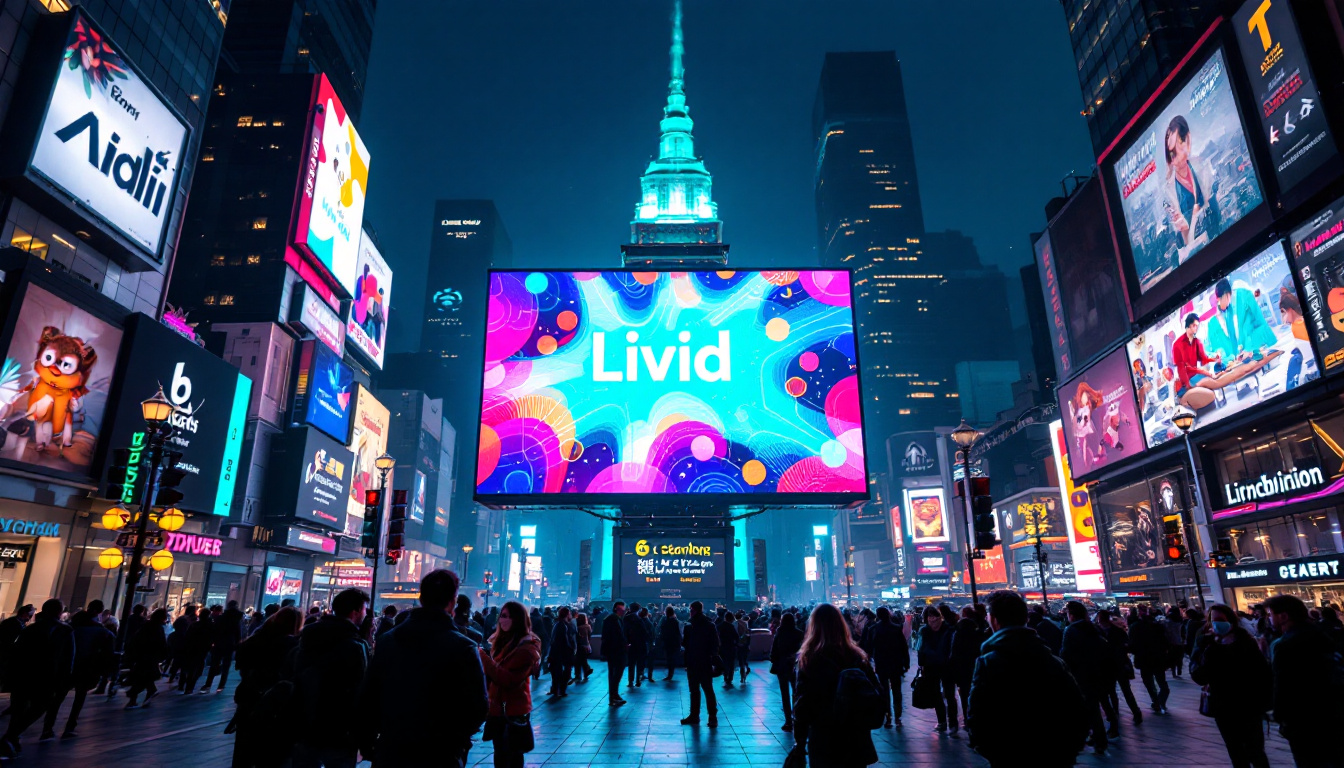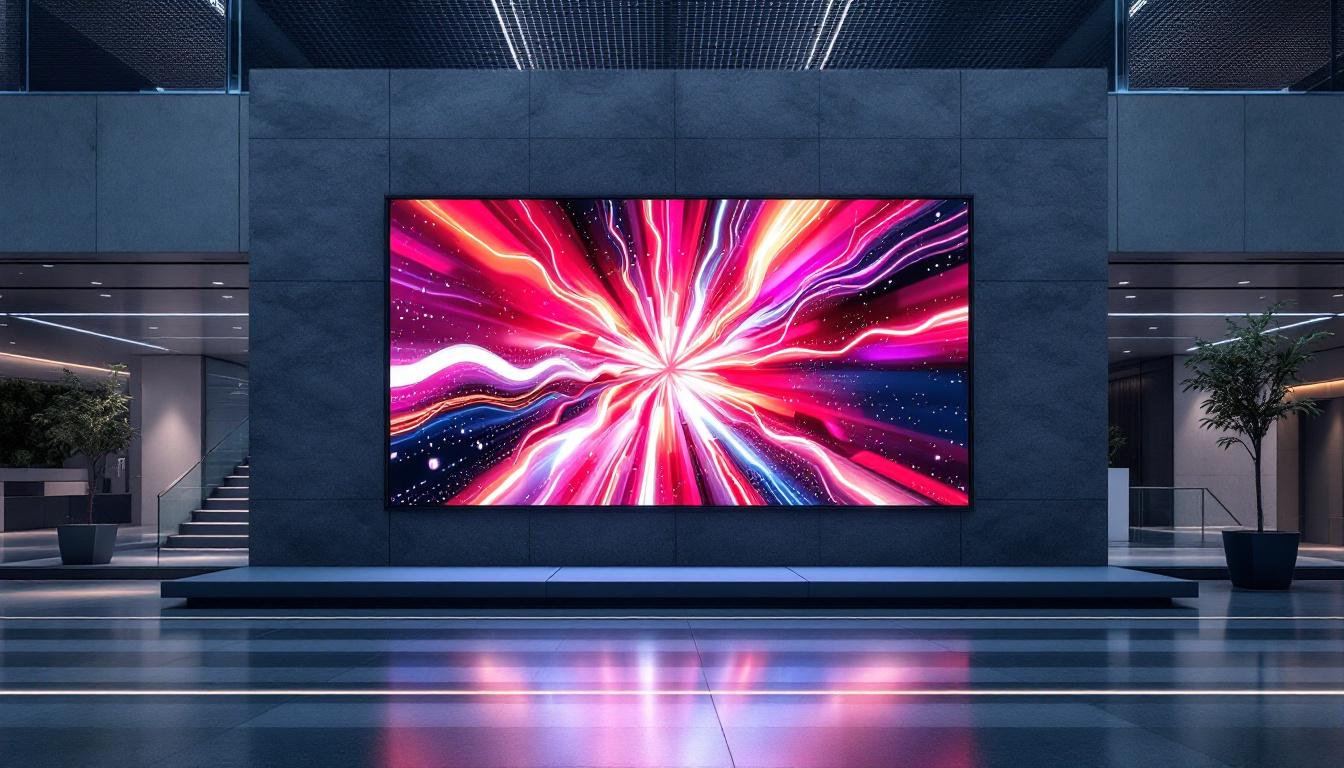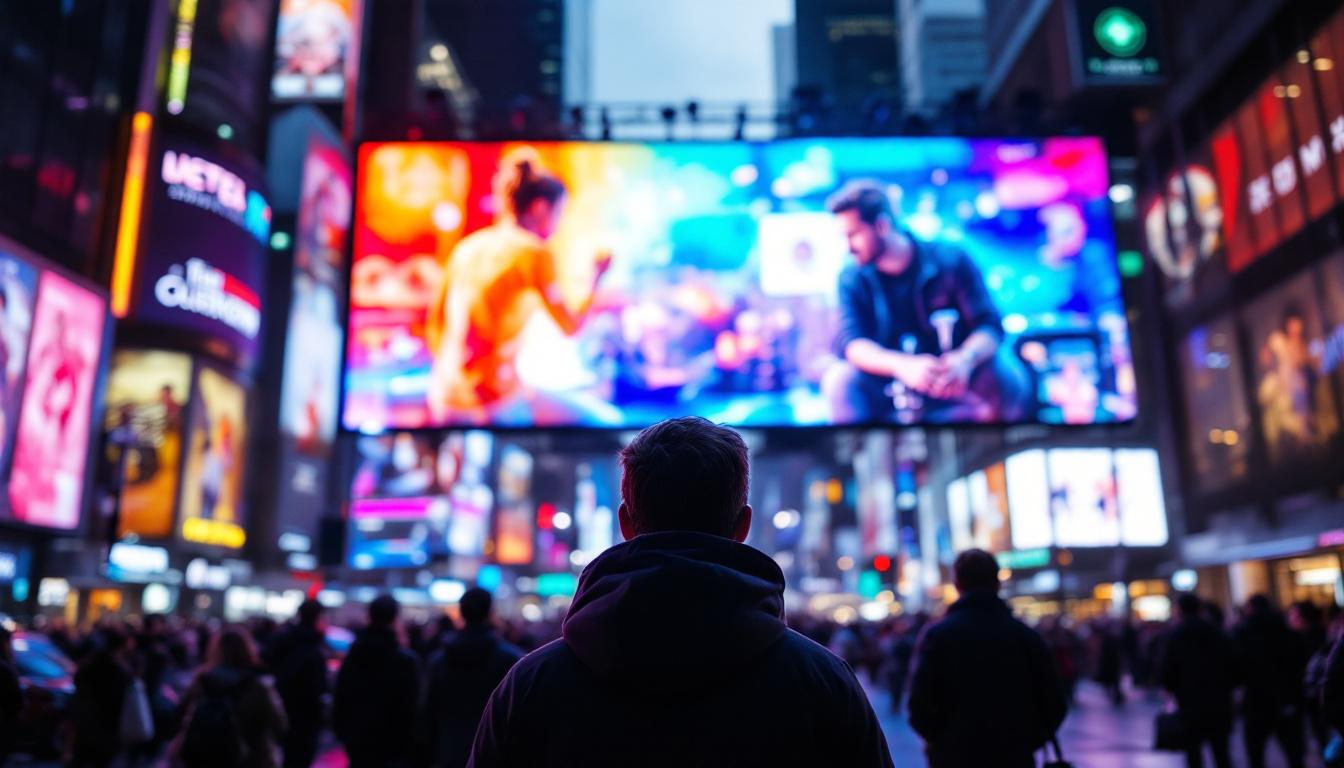
In today’s digital age, LED displays have become an integral part of how businesses communicate with their audiences, enhance brand visibility, and deliver dynamic content. From towering billboards in Times Square to sleek digital signage in retail stores, LED technology is transforming visual communication worldwide. This article delves into the fundamentals of LED displays, their types, advantages, applications, and future trends, providing a comprehensive understanding of this powerful medium.
Understanding LED Display Technology
What is an LED Display?
LED stands for Light Emitting Diode, a semiconductor device that emits light when an electric current passes through it. An LED display is a flat panel or flexible surface that uses an array of these tiny LEDs as pixels to create images, videos, or text. Unlike traditional LCD or plasma screens, LED displays generate their own light, which results in brighter, more vibrant visuals with higher contrast ratios.
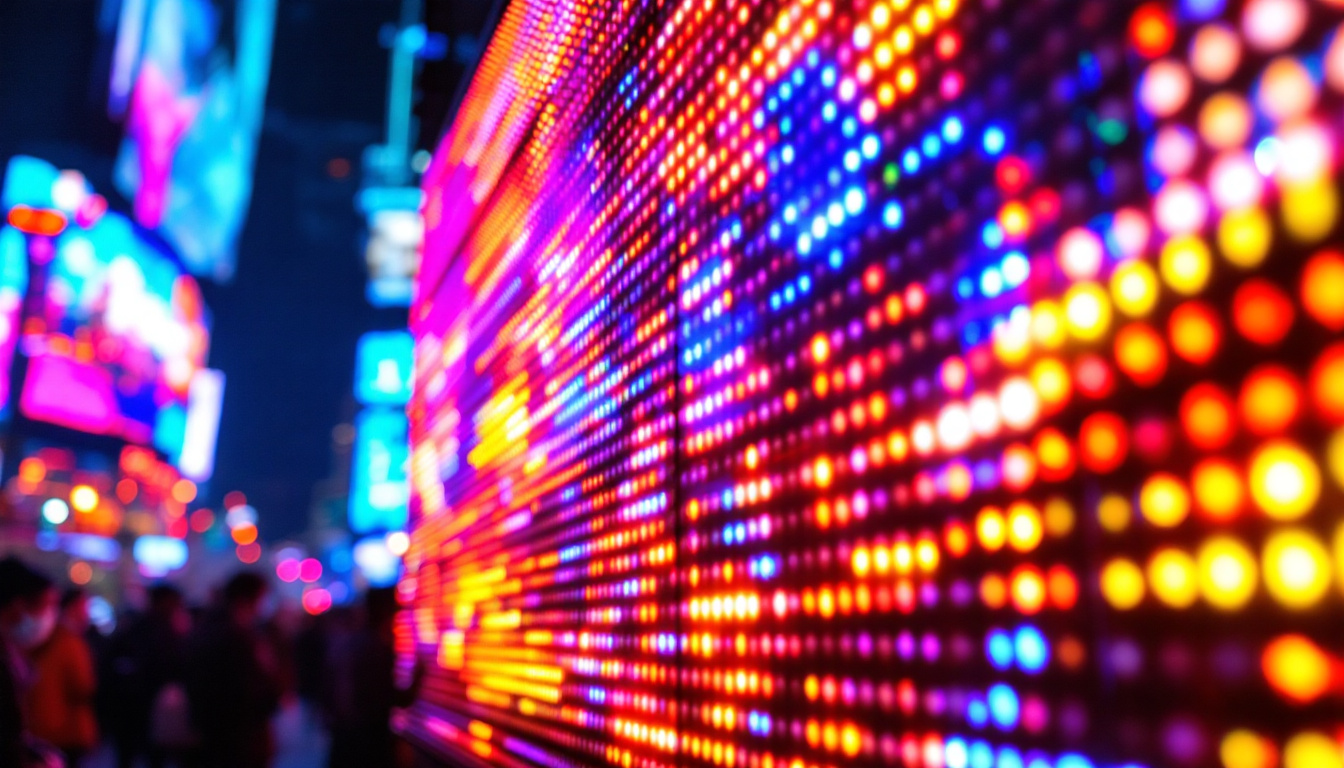
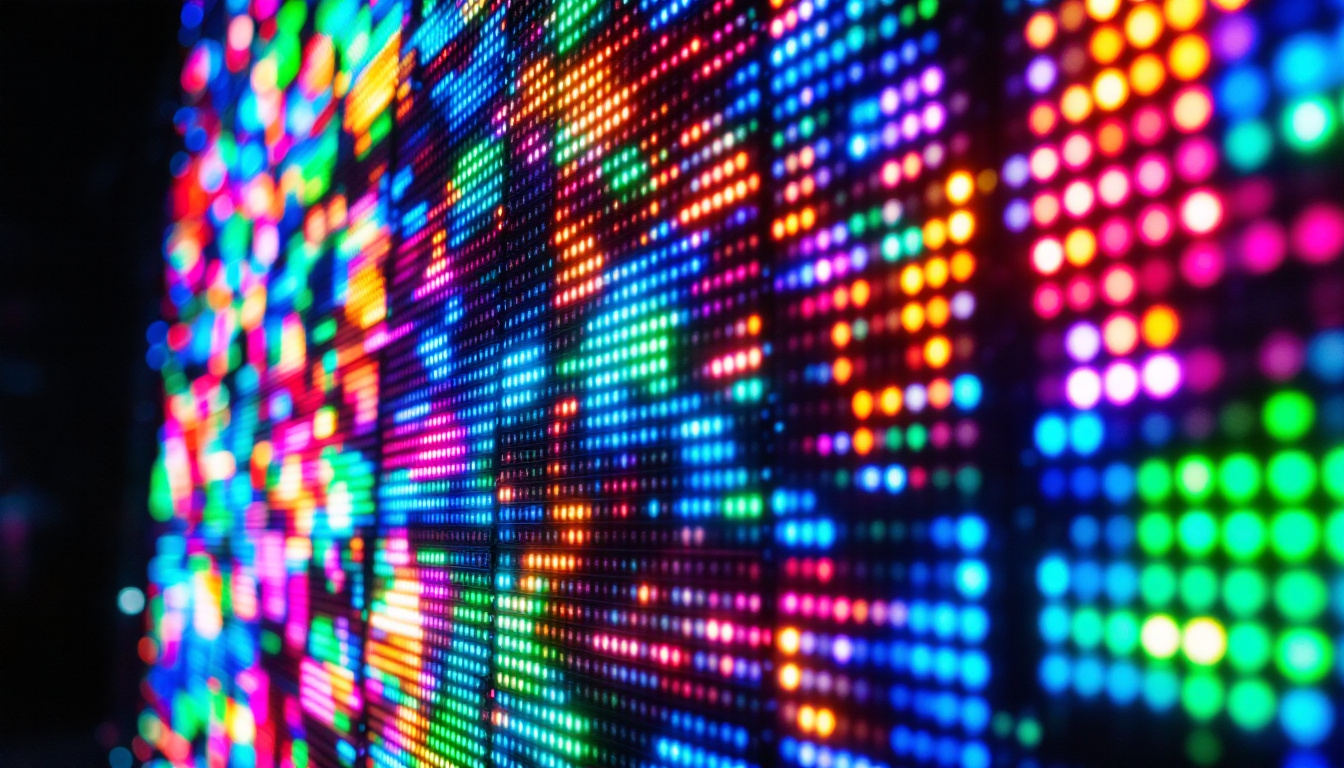
LED displays can be made up of thousands or even millions of individual LEDs arranged in a grid. Each LED acts as a single pixel or part of a pixel, and by controlling the brightness and color of each LED, the display can render detailed and colorful images. This capability allows for a wide range of applications, from large outdoor billboards to small screens in handheld devices. The versatility of LED technology has made it an increasingly popular choice in various industries, including advertising, entertainment, and information dissemination.
How Do LED Displays Work?
At the core of LED display technology is the principle of electroluminescence, where electrical energy is converted directly into light. The LEDs used in displays are typically red, green, and blue (RGB) diodes. By varying the intensity of these three colors, the display can produce a full spectrum of colors. This RGB model is fundamental to how images are created on the screen, as it allows for the mixing of colors to achieve the desired hue and brightness.
The control system behind an LED display manages the illumination of each LED in real-time, allowing for dynamic content such as videos, animations, and live feeds. This is achieved through complex driver circuits and software that translate digital signals into precise light output. Additionally, modern LED displays often incorporate advanced technologies such as pixel mapping and color calibration to ensure uniformity and accuracy in color reproduction. This not only enhances the viewing experience but also extends the lifespan of the display by optimizing energy consumption and reducing heat generation, making LED displays an environmentally friendly option in the long run.
Types of LED Displays
Indoor vs. Outdoor LED Displays
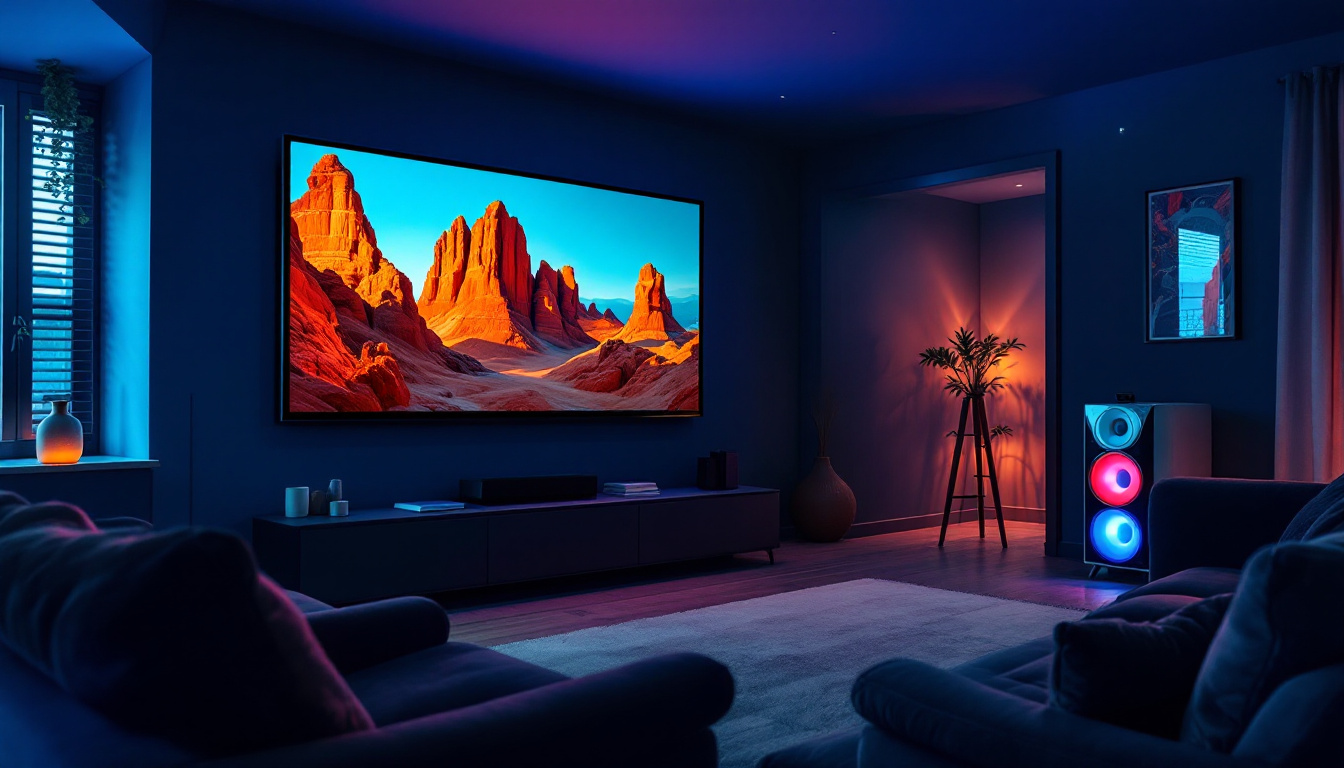
One of the primary distinctions in LED display technology is between indoor and outdoor models. Indoor LED displays are designed for controlled environments, featuring higher pixel density for sharper images at close viewing distances. They typically have lower brightness levels, around 800 to 1,500 nits, since ambient lighting indoors is less intense. This makes them ideal for environments like theaters, conference rooms, and shopping malls where viewers are often close to the screen, allowing for a more immersive experience.
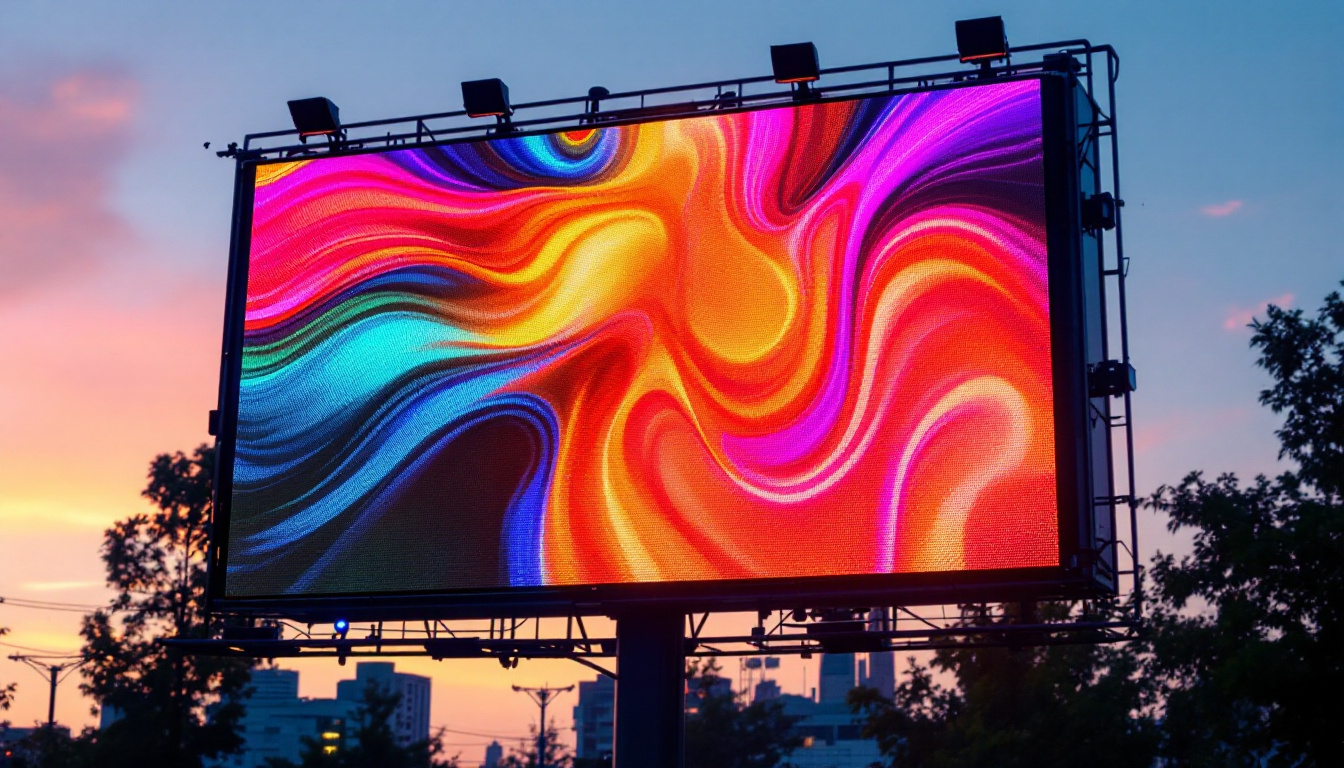
Outdoor LED displays, on the other hand, must withstand harsh environmental conditions such as rain, dust, and extreme temperatures. They feature much higher brightness levels—often exceeding 5,000 nits—to ensure visibility even under direct sunlight. These displays also have robust, weatherproof enclosures and enhanced cooling systems. Furthermore, outdoor displays often incorporate advanced technologies like automatic brightness adjustment, which optimizes visibility based on the surrounding light conditions, ensuring that content remains vibrant and clear throughout the day.
Fixed vs. Rental LED Displays
Fixed LED displays are permanently installed in a specific location, such as storefronts, stadiums, or corporate lobbies. They are built for long-term durability and often customized to fit the architectural design of the space. These displays can be integrated with other technologies, such as interactive touchscreens or augmented reality features, enhancing user engagement and providing a more dynamic experience for viewers.
Rental LED displays are portable and designed for temporary use at events, concerts, trade shows, or exhibitions. They prioritize ease of assembly and disassembly, lightweight construction, and modular design to allow flexible configurations. This adaptability makes them perfect for varying event sizes and layouts, as they can be quickly reconfigured to create stunning visual backdrops or stage designs. Additionally, rental displays often come equipped with advanced features such as high refresh rates and low latency, ensuring that fast-moving content, like live performances or sports broadcasts, is displayed smoothly without any lag.
Flexible and Transparent LED Displays
Recent advancements have introduced flexible LED panels that can bend or curve, opening new creative possibilities for designers. These displays can wrap around columns, create immersive environments, or fit unconventional shapes. The ability to create non-traditional display formats allows brands to push the boundaries of advertising and design, transforming ordinary spaces into captivating visual experiences. For instance, curved displays can enhance the aesthetic appeal of a retail space, drawing customers in with dynamic visuals that seamlessly integrate with the environment.
Transparent LED displays are another innovation, allowing viewers to see through the screen while still displaying vivid content. This technology is popular in retail windows and architectural applications where maintaining visibility is crucial. By blending digital content with the physical world, transparent displays can showcase products while still allowing natural light to filter through, creating an inviting atmosphere. Additionally, these displays can be used in creative ways, such as in museums or art installations, where they can overlay information or animations on top of physical exhibits, enriching the viewer’s experience without obstructing their view of the actual artifacts.
Advantages of LED Displays
Superior Brightness and Visibility
One of the most significant benefits of LED displays is their exceptional brightness. With brightness levels far surpassing those of LCD or projection systems, LED displays maintain clear visibility in various lighting conditions, including direct sunlight. This makes them ideal for outdoor advertising, sports arenas, and transportation hubs.
Energy Efficiency and Longevity
LED technology is inherently energy-efficient, consuming significantly less power than traditional lighting and display technologies. This efficiency translates to lower operational costs and a reduced environmental footprint. Additionally, LED displays boast long lifespans, often exceeding 100,000 hours of operation, which minimizes maintenance and replacement expenses.
High Refresh Rates and Color Accuracy
LED displays support high refresh rates, reducing flicker and providing smooth motion rendering, which is essential for video content and live broadcasts. Their ability to produce accurate and vibrant colors enhances the viewer experience, making them suitable for applications requiring precise color reproduction, such as art exhibitions and retail promotions.
Scalability and Customization
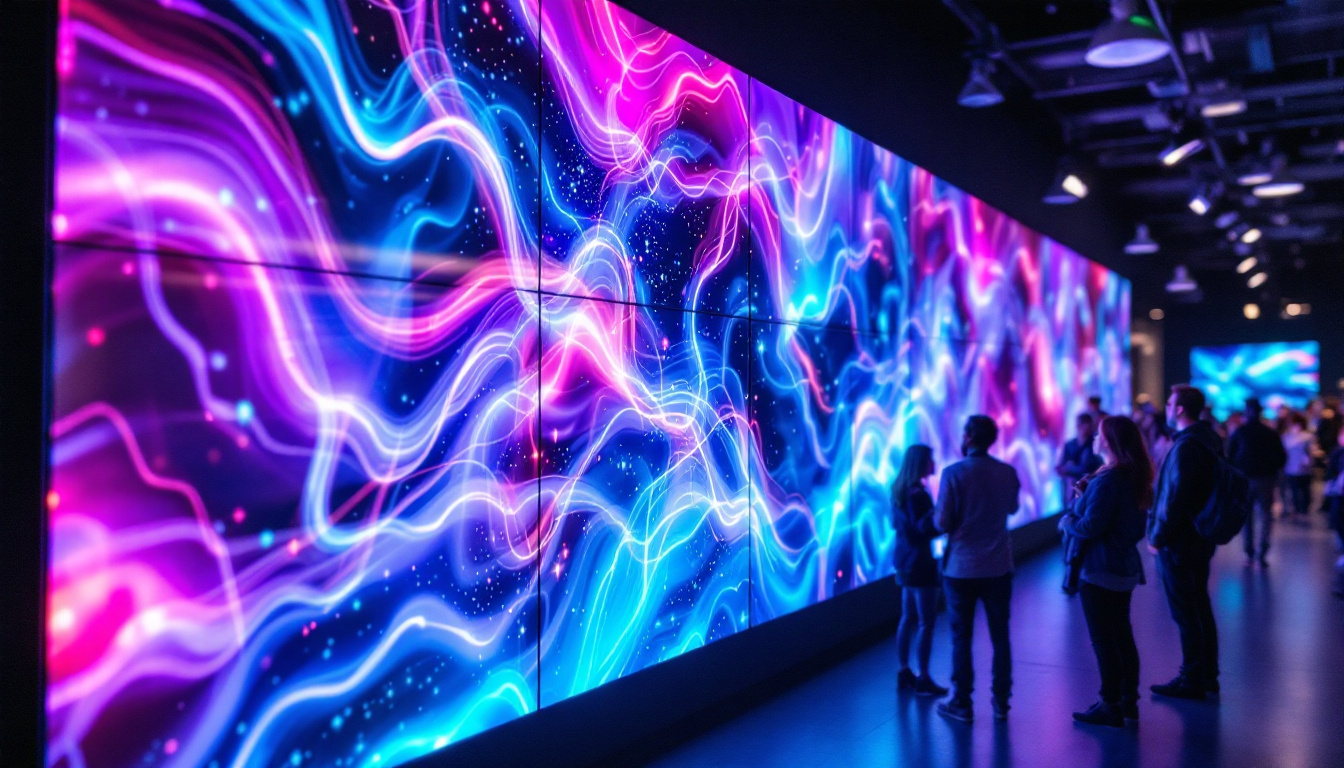
LED displays can be scaled to virtually any size, from small digital signs to massive video walls. Their modular design allows for custom shapes and resolutions, enabling brands to create unique visual experiences tailored to their specific needs.
Applications of LED Displays
Advertising and Outdoor Signage
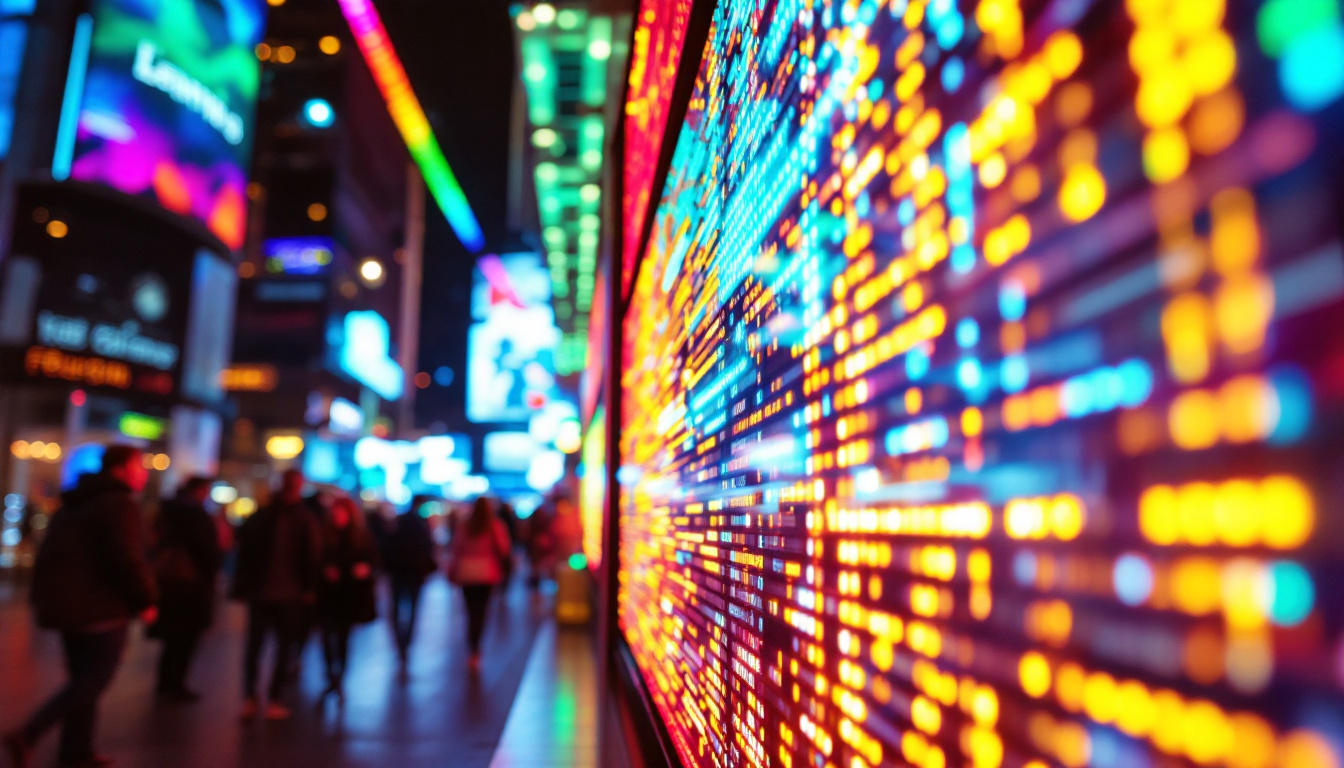
Advertising is one of the most prominent uses of LED displays. Digital billboards offer advertisers the flexibility to update content instantly, target different audiences throughout the day, and deliver eye-catching visuals that stand out in crowded urban environments. According to recent industry reports, the global digital out-of-home advertising market is projected to grow at a CAGR of over 12% through 2027, driven largely by the adoption of LED technology.
Sports and Entertainment Venues
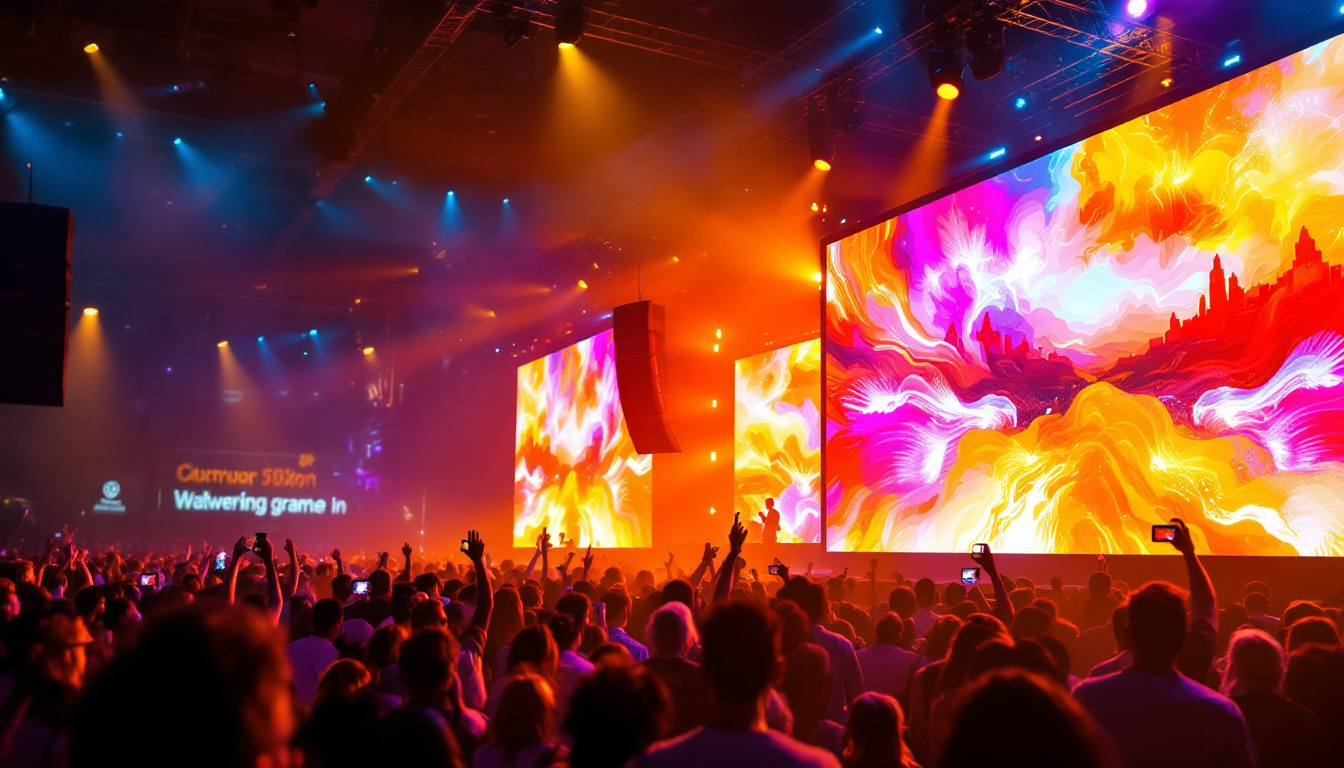
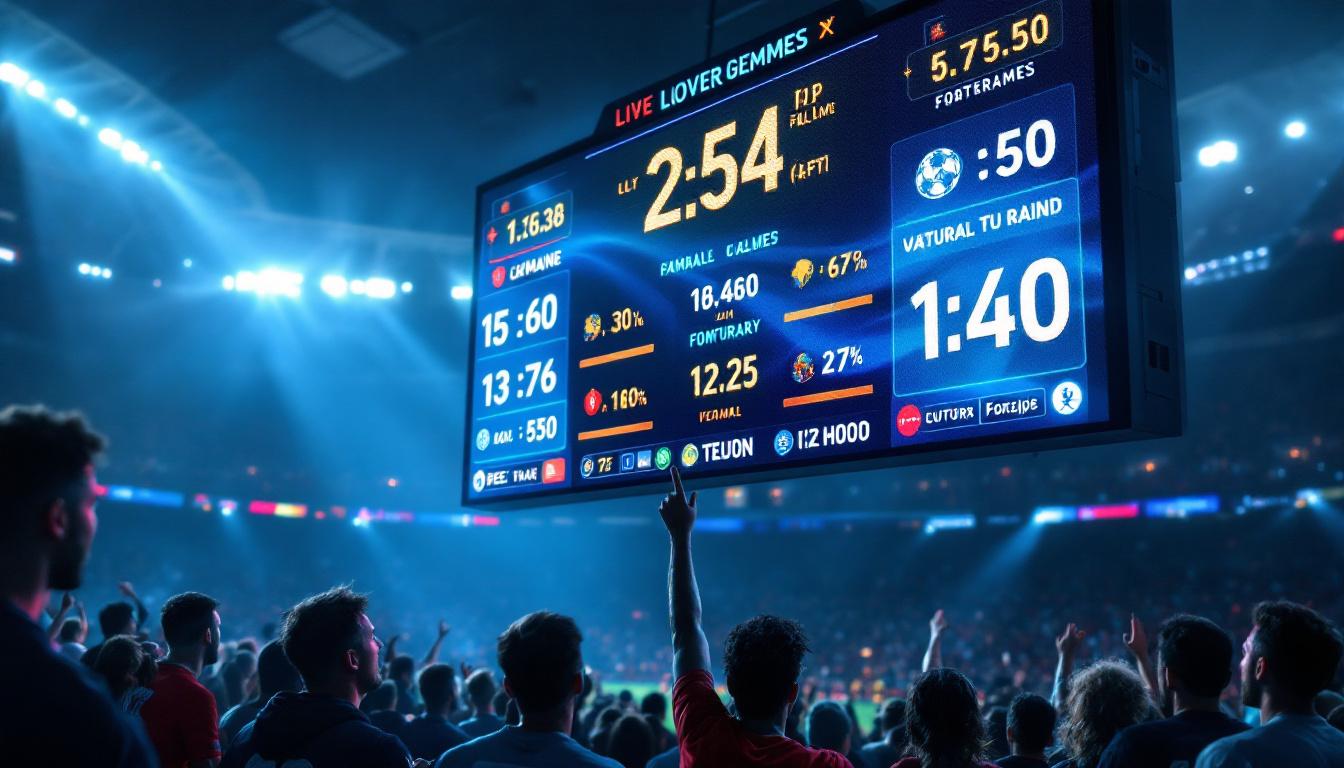
Stadiums and arenas rely heavily on LED displays for scoreboards, instant replays, and immersive fan experiences. Large-scale LED screens provide clear visibility to thousands of spectators, enhancing engagement and creating memorable atmospheres. Additionally, concert stages use LED walls and floors to create dynamic backdrops and visual effects.
Retail and Corporate Environments
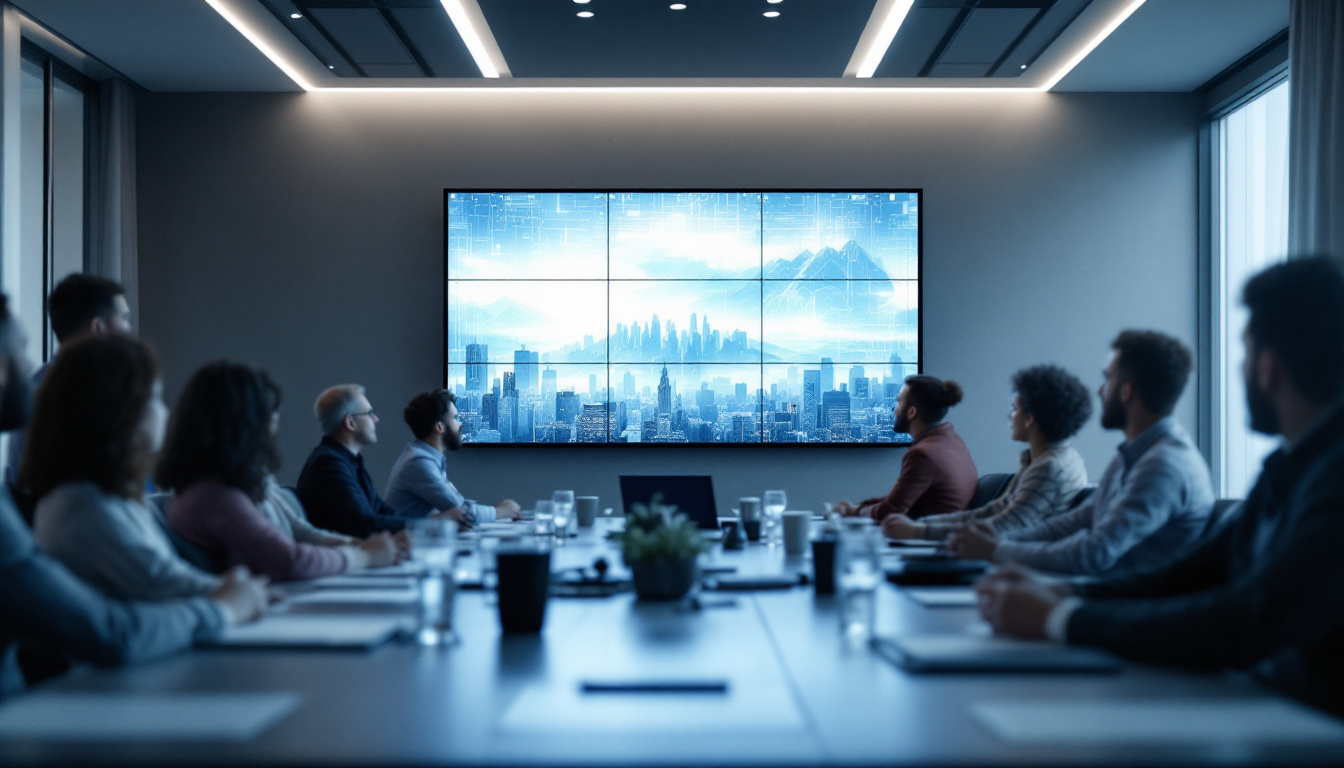
In retail, LED displays serve as digital signage to promote products, announce sales, and provide interactive experiences. Their ability to attract attention and convey messages effectively helps drive foot traffic and increase sales. Corporations utilize LED video walls in lobbies and conference rooms for branding, presentations, and communication.
Transportation and Public Information
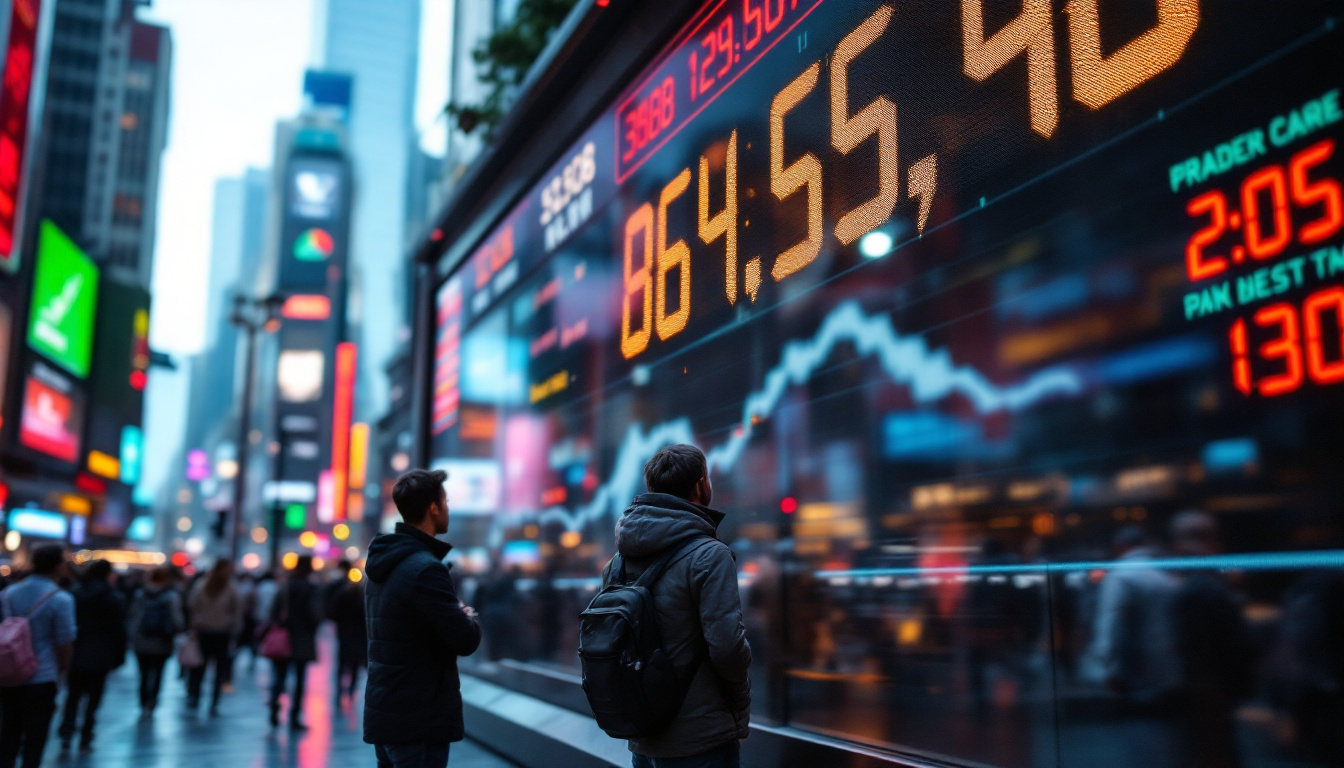
LED displays are widely used in airports, train stations, and bus terminals to provide real-time information such as schedules, delays, and safety messages. Their clarity and reliability ensure that travelers receive timely updates, improving overall transit efficiency and passenger satisfaction.
Future Trends in LED Display Technology
Mini-LED and Micro-LED Innovations
Emerging technologies like Mini-LED and Micro-LED are pushing the boundaries of LED display performance. Mini-LED uses thousands of tiny LEDs as backlighting for LCD panels, enhancing contrast and brightness. Micro-LED, on the other hand, involves microscopic LEDs that serve as individual pixels, offering superior color accuracy, brightness, and energy efficiency without the drawbacks of OLED burn-in.
These innovations promise to revolutionize displays in consumer electronics, automotive dashboards, and large-scale digital signage.
Integration with AI and IoT
The integration of LED displays with Artificial Intelligence (AI) and the Internet of Things (IoT) is creating smarter, more interactive signage solutions. AI algorithms can analyze audience demographics and behavior to tailor content dynamically, while IoT connectivity enables remote monitoring and management of display networks, optimizing performance and reducing downtime.
Sustainability and Eco-Friendly Designs
As sustainability becomes a priority, manufacturers are focusing on eco-friendly materials, recyclable components, and energy-saving features in LED displays. Innovations in power management and the use of biodegradable materials are expected to reduce the environmental impact of digital signage installations.
Choosing the Right LED Display for Your Needs
Assessing Viewing Distance and Resolution
The ideal LED display depends largely on the viewing distance and the level of detail required. Pixel pitch—the distance between individual LEDs—is a critical factor. Smaller pixel pitches (e.g., 1.5mm to 2.5mm) are suited for close-up viewing in indoor environments, providing crisp images. Larger pixel pitches (e.g., 10mm or more) are better for outdoor displays viewed from afar.
Considering Environmental Conditions
For outdoor installations, it’s essential to choose displays with appropriate IP ratings to ensure resistance to water, dust, and temperature extremes. Additionally, brightness levels must be sufficient to overcome ambient light, especially in sunny locations.
Budget and Total Cost of Ownership
While initial costs vary widely depending on size, resolution, and features, it’s important to consider the total cost of ownership. Energy consumption, maintenance, installation, and potential upgrades all influence the long-term investment. Working with experienced providers can help identify solutions that balance performance with budget constraints.
Conclusion
LED display technology has evolved into a versatile and powerful tool for visual communication across numerous industries. Its superior brightness, energy efficiency, and adaptability make it the preferred choice for advertising, entertainment, retail, and public information systems. As innovations like Micro-LED and AI integration continue to advance, LED displays will become even more immersive, interactive, and sustainable.
For businesses and organizations aiming to captivate audiences and convey messages effectively, understanding the nuances of LED display technology is essential. With the right knowledge and strategic approach, LED displays can transform spaces and create unforgettable visual experiences.
Illuminate Your Space with LumenMatrix
Ready to elevate your visual communication and create an impact that lasts? LumenMatrix is at the forefront of LED display innovation, offering a diverse range of solutions tailored to meet your unique needs. From vibrant Indoor LED Wall Displays to robust Outdoor LED Wall Displays, and from dynamic Vehicle LED Displays to sleek LED Poster Displays, our technology is designed to captivate and engage. Discover the transformative power of our LED Sports Displays, Floor LED Displays, Custom LED Displays, All-in-One LED Displays, and LED Transparent Displays. Embrace the future of digital signage with LumenMatrix and let your message shine with unparalleled clarity and brilliance. Check out LumenMatrix LED Display Solutions today and start your journey towards revolutionary visual storytelling.