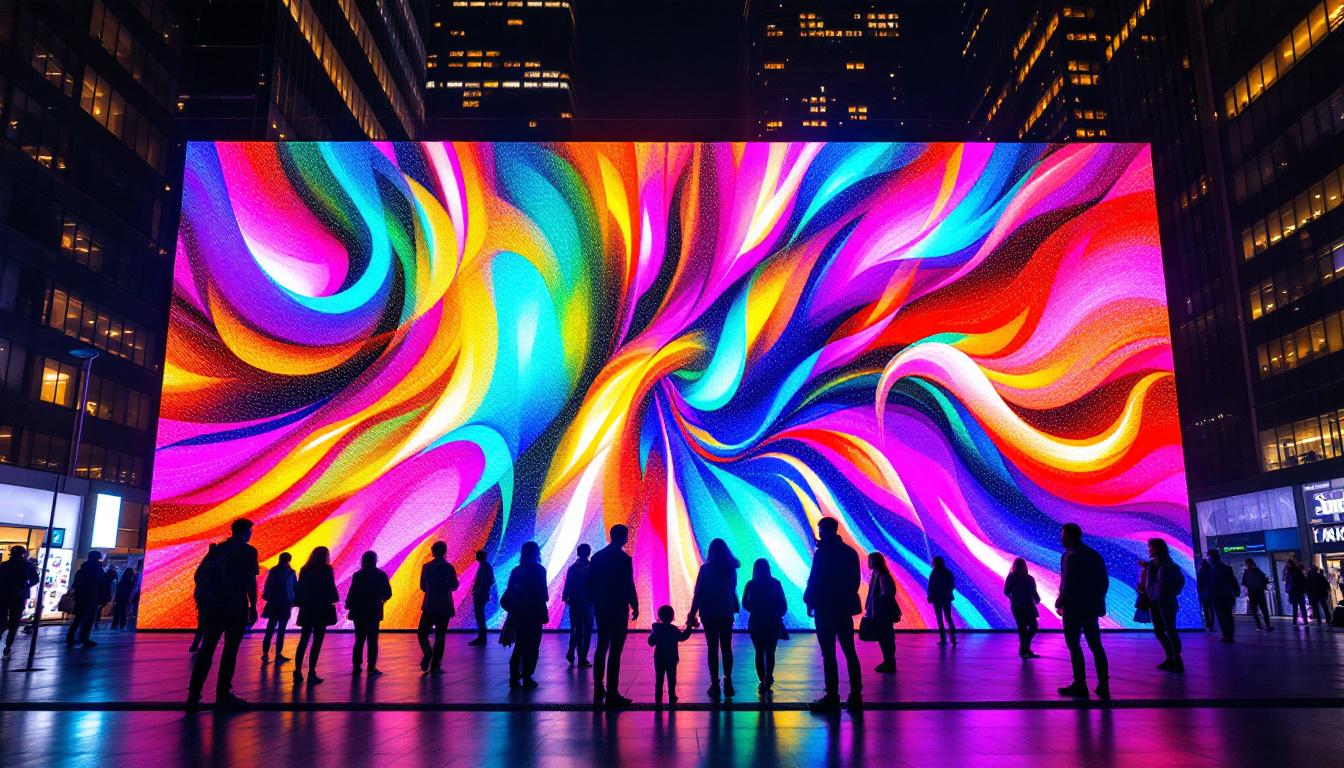
Billboard advertising remains one of the most effective ways to capture the attention of a broad audience, especially in high-traffic urban areas. With the rise of digital technology, LED billboards have become increasingly popular, offering dynamic content and enhanced visibility. However, understanding the costs associated with acquiring and operating an LED billboard can be complex. This article breaks down the various factors that influence the price of LED billboard advertising and installation, helping businesses and advertisers make informed decisions.
Understanding LED Billboard Technology
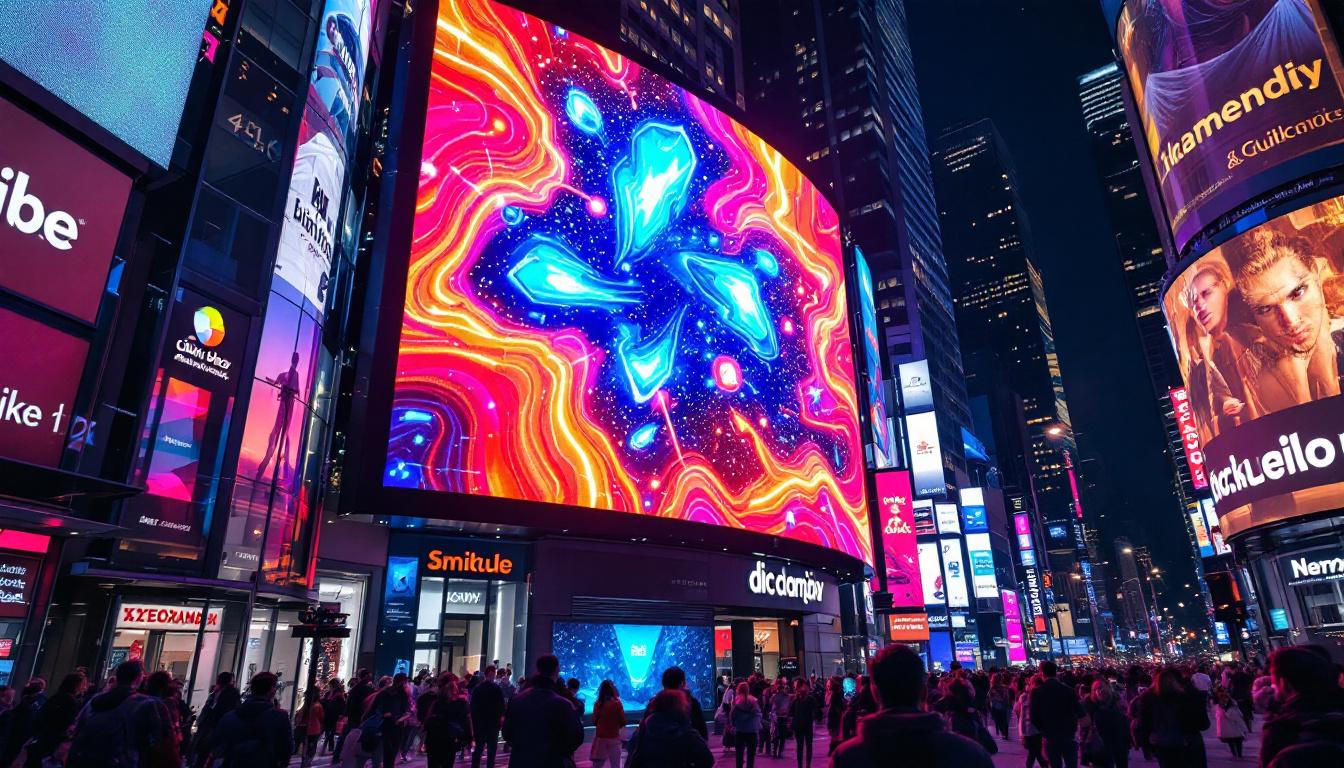
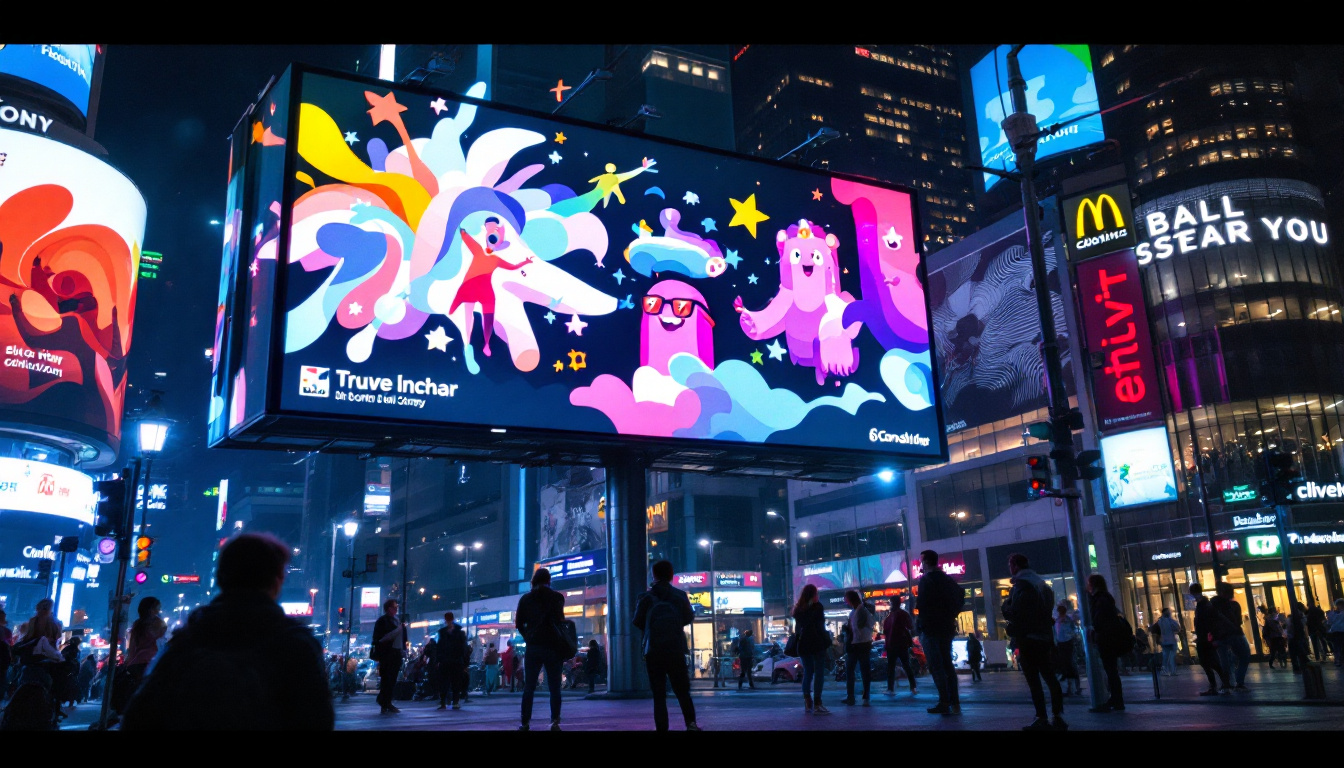
LED (Light Emitting Diode) billboards are digital displays that use thousands of tiny LEDs to create bright, vibrant images and videos. Unlike traditional static billboards, LED billboards can change their content multiple times a day, allowing advertisers to run several campaigns on the same display.
The technology behind LED billboards involves modular panels that can be configured in various sizes and resolutions. The brightness and clarity of these displays make them highly visible even in direct sunlight, which is a significant advantage over printed billboards.
Because of their dynamic nature, LED billboards offer greater flexibility and engagement, but this also means that the costs involved are generally higher than traditional billboards. Understanding these costs requires examining both the upfront investment and ongoing expenses.
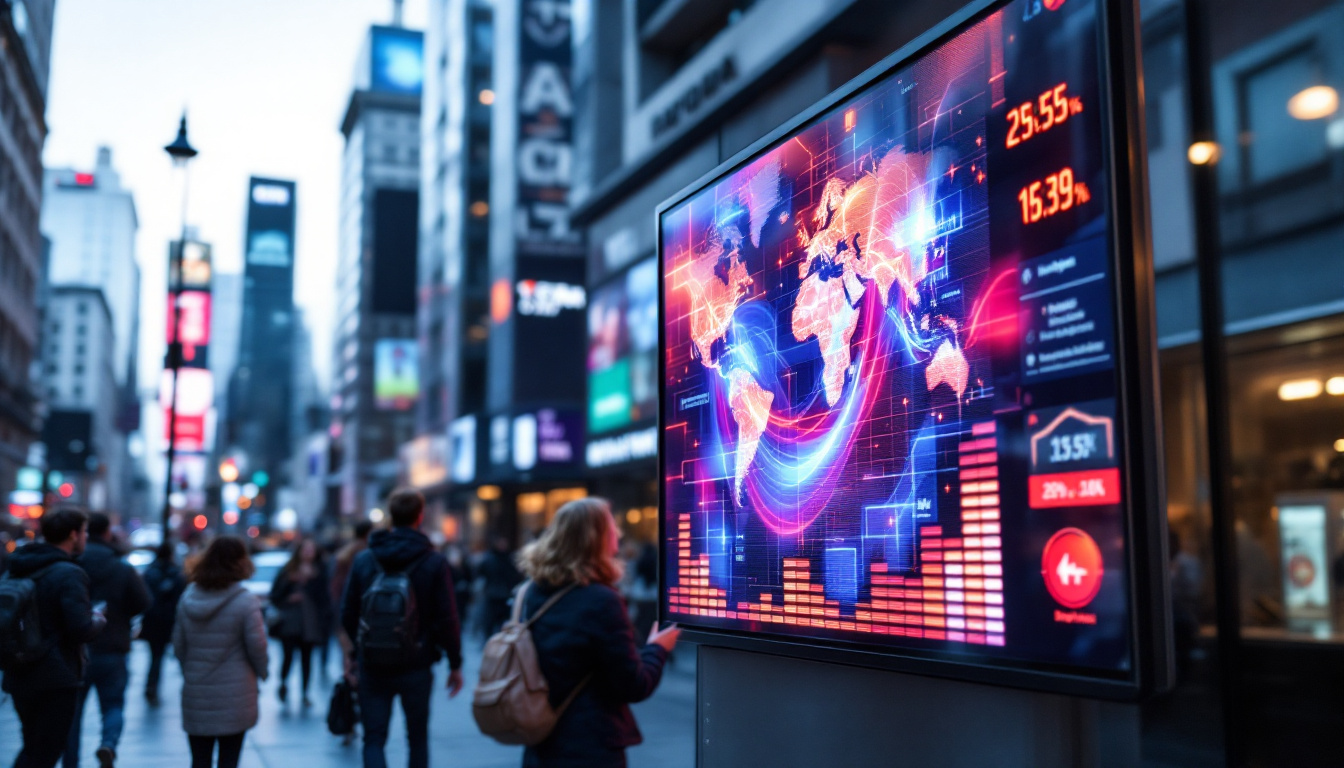
One of the key benefits of LED billboard technology is its ability to target specific audiences through real-time data. Advertisers can adjust their messages based on factors such as time of day, weather conditions, or even traffic patterns. For instance, a restaurant might display breakfast specials in the morning and switch to dinner promotions in the evening, maximizing the relevance of their advertising to potential customers. This level of customization not only enhances viewer engagement but can also lead to higher conversion rates, making the investment in LED technology more justifiable.
Moreover, the environmental impact of LED billboards is worth noting. Many modern LED displays are designed to be energy-efficient, consuming significantly less power than traditional lighting methods. This efficiency not only reduces operating costs but also aligns with the growing demand for sustainable advertising solutions. Additionally, some LED billboards are equipped with sensors that can dim their brightness during low-light conditions, further minimizing energy consumption and extending the lifespan of the display. As advertisers increasingly prioritize sustainability, LED billboards represent a forward-thinking choice that meets both marketing and environmental goals.
Factors Influencing the Cost of LED Billboards
1. Size and Resolution
The size of an LED billboard is one of the primary determinants of cost. Larger billboards require more LED modules, which increases material and manufacturing expenses. Additionally, resolution—the number of pixels per square foot—affects the clarity of the display. Higher resolution means more LEDs packed into the same space, leading to a sharper image but higher costs.
For example, a standard 14 feet by 48 feet billboard with a pixel pitch of 16mm (distance between LED centers) might cost significantly less than a similar-sized billboard with an 8mm pixel pitch, which offers much higher image quality.
2. Location and Installation
Location plays a crucial role in both the price and potential effectiveness of an LED billboard. Urban centers with heavy traffic and high visibility command premium prices. Additionally, the cost of installation varies depending on the site’s accessibility, structural requirements, and local regulations.
For instance, installing a billboard on a rooftop in a congested city might require specialized equipment and permits, increasing installation costs. Conversely, placing a billboard along a highway with easy access might be less expensive.
3. Permits and Regulatory Fees
Securing the necessary permits to install and operate an LED billboard can be a lengthy and costly process. Local governments often have strict rules governing billboard placement, brightness levels, and operating hours to minimize light pollution and ensure public safety.
Permit fees vary widely by jurisdiction but can range from a few thousand dollars to tens of thousands. Additionally, some cities require ongoing compliance fees or periodic inspections, which add to the operational costs.
4. Content Creation and Management
One of the advantages of LED billboards is the ability to display dynamic content. However, creating high-quality advertisements—whether static images, animations, or videos—requires professional design services. Many advertisers also subscribe to content management platforms that allow them to schedule and update ads remotely.
Content creation costs depend on the complexity and frequency of updates. A simple static ad might cost a few hundred dollars to design, while a full-motion video campaign can cost several thousand. Monthly content management fees can range from $100 to $500 or more, depending on the service provider.
5. Electricity and Maintenance
LED billboards consume electricity continuously, especially since they operate 24/7 in most cases. The power usage depends on the size and brightness of the display. On average, a medium-sized LED billboard might consume between 3,000 to 6,000 kWh annually, translating to a few hundred dollars in electricity costs per month.
Maintenance is another ongoing expense. LED modules can fail over time and require replacement, and the electronic components need regular inspections to ensure optimal performance. Maintenance contracts typically cost between 5% and 10% of the initial installation price annually.
Breaking Down the Costs: What to Expect
Initial Purchase and Installation
The upfront cost of purchasing and installing an LED billboard varies widely based on the factors discussed above. As a general guideline:
- Small LED Billboards (e.g., 8×16 feet): $15,000 to $50,000
- Medium LED Billboards (e.g., 14×48 feet): $100,000 to $300,000
- Large LED Billboards (e.g., 20×60 feet or larger): $300,000 to $750,000+
Installation costs can add 10% to 20% to the purchase price, depending on site complexity. For example, a medium-sized billboard costing $150,000 might require $20,000 to $30,000 for installation.
Permitting and Licensing
Permit fees can range from $5,000 to $50,000 depending on the location and local regulations. Some cities have strict zoning laws that can delay or even prevent installation, so it’s essential to factor in potential legal costs and time delays.
Monthly Operating Costs
Once installed, monthly expenses include electricity, content management, and maintenance:
- Electricity: $200 to $600 per month
- Content Management: $100 to $500 per month
- Maintenance: $500 to $2,000 per month (or annual contracts)
Combined, these costs can range from $800 to $3,000 monthly, depending on the billboard’s size and location.
Leasing vs. Owning: Which Option Makes Sense?
For many businesses, outright purchasing and installing an LED billboard may not be feasible due to the high upfront costs. Leasing billboard space or renting LED displays offers an alternative with lower initial investment.
Leasing Billboard Space
Leasing involves renting advertising space on an existing LED billboard owned by a third party. Costs vary based on location, size, and duration but generally range from $1,000 to $30,000 per month. Prime locations in major cities can command rates at the higher end of this spectrum.
Leasing eliminates installation and maintenance responsibilities, making it attractive for short-term campaigns or businesses testing the effectiveness of billboard advertising.
Renting LED Displays
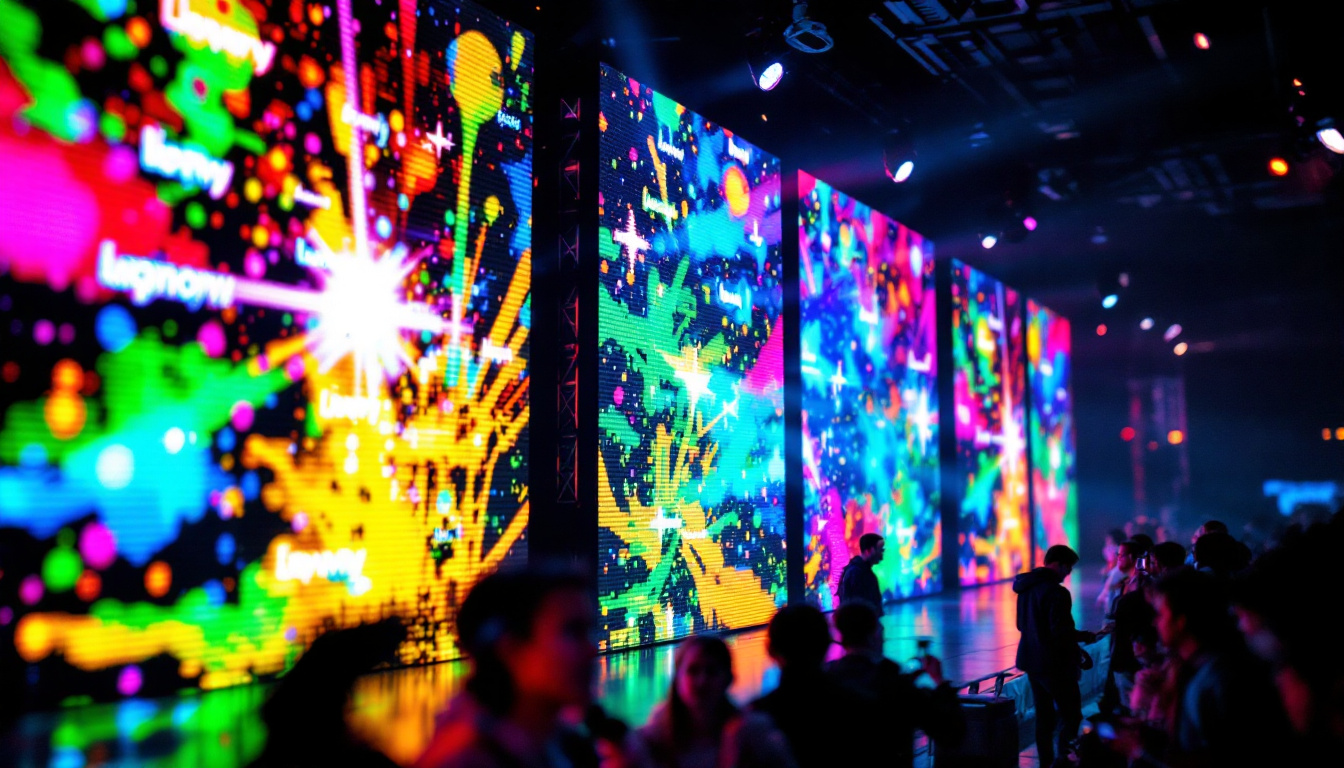
Some companies offer LED display rentals for events or temporary advertising. Rental prices depend on the size and rental period but typically cost between $1,000 and $10,000 per month.
While renting provides flexibility and lower costs, it does not offer the permanence or branding impact of owning a billboard.
Case Studies: Real-World Examples of LED Billboard Costs
Case Study 1: Urban Retail Chain
A mid-sized retail chain in a metropolitan area invested in a medium-sized LED billboard (14×48 feet) located near a busy highway. The total upfront cost was approximately $180,000, including installation and permits. Monthly operating costs averaged $2,000, covering electricity, content updates, and maintenance.
The company reported a 15% increase in foot traffic to nearby stores within six months, demonstrating a strong return on investment despite the significant initial expenditure.
Case Study 2: Small Business Leasing Billboard Space
A local restaurant opted to lease advertising space on an existing LED billboard in a suburban area. The monthly leasing fee was $2,500, with no additional costs for maintenance or electricity. The restaurant rotated ads weekly, paying $300 monthly for content creation and management.
This approach allowed the business to maintain a strong advertising presence without the burden of ownership costs, proving effective for seasonal promotions.
Tips for Managing Costs and Maximizing ROI
Plan Content Strategically
Maximize the impact of your LED billboard by carefully planning your content. Use eye-catching visuals and concise messaging tailored to your target audience. Consider rotating multiple ads to reach different demographics throughout the day.
Negotiate Permits and Installation
Work with experienced professionals who understand local regulations to streamline the permitting process and avoid costly delays. Obtain multiple quotes for installation to ensure competitive pricing.
Monitor Energy Usage
Adjust brightness levels based on ambient light conditions to reduce electricity consumption. Some LED billboards include automatic dimming features that help manage power costs without sacrificing visibility.
Regular Maintenance
Schedule routine inspections and maintenance to identify issues early and prevent costly repairs. Investing in quality maintenance can extend the lifespan of your LED billboard and protect your investment.
Conclusion
Investing in an LED billboard is a significant decision that involves multiple cost factors, from initial purchase and installation to ongoing operation and maintenance. While the upfront costs can be substantial, the dynamic nature of LED displays offers unparalleled advertising flexibility and visibility.
Businesses should carefully evaluate their advertising goals, budget, and location options before committing to ownership. Leasing or renting may be viable alternatives for those seeking lower initial costs or temporary campaigns.
Ultimately, understanding the comprehensive costs and benefits of LED billboard advertising empowers businesses to make strategic decisions that enhance brand visibility and drive customer engagement.
Discover Cutting-Edge LED Solutions with LumenMatrix
Ready to elevate your advertising strategy with the latest in LED display technology? LumenMatrix is at the forefront of innovation, offering a diverse range of LED display solutions tailored to your unique needs. From captivating Indoor and Outdoor LED Wall Displays to dynamic Vehicle and Sports LED Displays, our products are designed to make your brand stand out. Experience the difference with our Floor LED Displays, Custom LED solutions, and more. Embrace the future of visual communication and check out LumenMatrix LED Display Solutions today to transform how you engage with your audience.