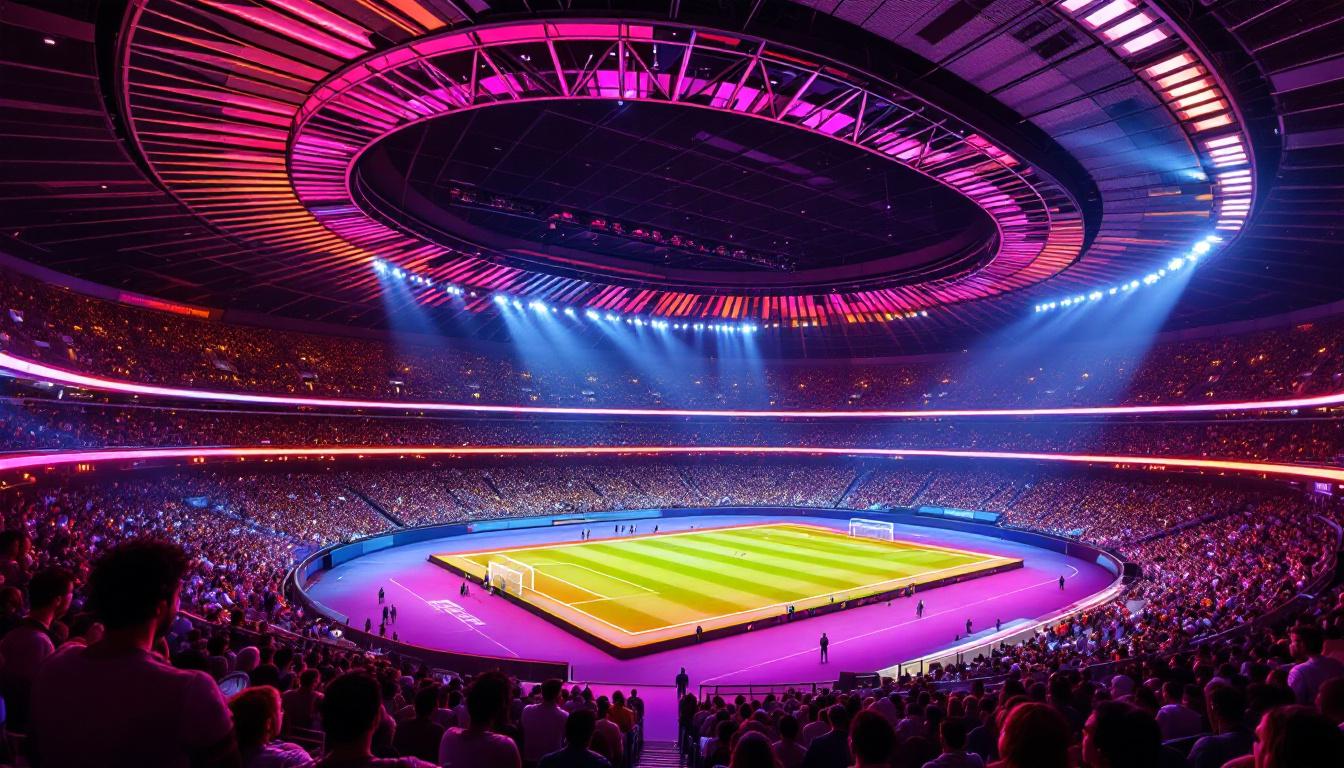
When it comes to stadiums, the mind often conjures images of colossal arenas packed with tens of thousands of spectators, roaring crowds, and giant screens broadcasting every moment in vivid detail. However, not all stadiums follow this grand blueprint. The smallest stadiums in the world, while modest in size, are increasingly embracing cutting-edge technology to enhance the fan experience. One of the most transformative technologies in this space is the LED display. This article explores the unique relationship between small stadiums and LED display technology, explaining why and how these compact venues are leveraging LED screens to punch well above their weight.
Understanding the Smallest Stadiums: Definition and Examples
Before delving into the technology, it’s important to clarify what qualifies as the “smallest stadium.” Typically, stadiums are defined by their seating capacity, infrastructure, and the level of professional or community sports they host. The smallest stadiums often seat fewer than 1,000 spectators, sometimes even fewer than 500, yet they serve as vital hubs for local sports, community events, and grassroots development.
One notable example is the “Estadio Municipal de Los Pozos” in Spain’s Canary Islands, which seats just around 500 fans. Another is the “Ballybofey’s Finn Park” in Ireland, with a capacity of approximately 2,000 but only a fraction of that seated. These venues, while small, are rich in history and community spirit. They often become the heart of their towns, where families gather to cheer on local teams, fostering a sense of belonging and pride among residents. The intimate atmosphere allows for a unique fan experience, where the cheers and gasps of the crowd can be felt as much as heard.
Despite their size, these stadiums face similar challenges to their larger counterparts—engaging fans, providing clear visibility of the action, and generating revenue through advertising and sponsorship. This is where LED display technology comes into play. The introduction of high-definition screens in these smaller venues has revolutionized the way fans experience games. Not only do these displays provide instant replays and live updates, but they also enhance the overall ambiance, allowing for vibrant visuals that can captivate even the most casual observer. Moreover, the ability to showcase local advertisements on these screens can provide a much-needed revenue stream for the stadium, helping to fund maintenance and improvements.
Furthermore, the role of community engagement cannot be overstated. Many small stadiums host events beyond sports, such as concerts, festivals, and local gatherings, which further solidifies their importance within the community. For instance, the “Estadio Municipal de Los Pozos” often transforms into a venue for local music festivals, drawing in crowds that might not typically attend sporting events. This versatility not only maximizes the use of the space but also fosters a sense of unity among diverse groups within the community. By serving as a multifunctional space, these small stadiums become more than just places to watch a game; they evolve into cultural landmarks that reflect the identity and spirit of their locales.
Why LED Displays Matter in Small Stadiums
Enhancing Fan Engagement
In any sporting venue, the fan experience is paramount. For smaller stadiums, creating an immersive and enjoyable atmosphere can be challenging due to limited infrastructure and budget constraints. LED displays offer an effective solution by providing dynamic content such as live game footage, instant replays, player stats, and interactive fan messages.
Unlike traditional static billboards or printed signage, LED screens can be updated in real-time, allowing stadium operators to tailor content to the flow of the game and audience preferences. This flexibility significantly enhances the engagement level, making fans feel more connected to the event despite the venue’s modest size.
Revenue Generation Through Advertising
Advertising is a critical revenue stream for stadiums of all sizes. Small stadiums often struggle to attract big-name sponsors due to limited exposure. However, LED displays provide a modern platform for local businesses to advertise dynamically, offering multiple ad slots throughout the event. This can increase advertising value and attract a broader range of sponsors.
Furthermore, LED technology enables targeted advertising based on the event type or audience demographics, optimizing the effectiveness of each ad. This adaptability is particularly beneficial for small stadiums seeking to maximize every revenue opportunity.
Improving Visibility and Safety
Visibility is a fundamental concern in any stadium. Small venues often have limited sightlines, which can detract from the spectator experience. Installing LED displays strategically helps ensure that crucial information—such as scores, time remaining, and safety announcements—is visible from all angles.
Additionally, LED screens can display emergency messages quickly and clearly, enhancing overall safety. This is especially important in smaller stadiums where traditional PA systems might not be sufficient for effective communication.
Technical Aspects of LED Displays in Compact Stadiums
Types of LED Displays Used
Small stadiums typically use two main types of LED displays: perimeter boards and large video walls. Perimeter LED boards are installed around the field’s edge and are ideal for advertising and displaying live scores. Video walls, on the other hand, are larger installations that can show replays, player information, and interactive content.
Given the limited space, small stadiums often opt for LED panels with a higher pixel pitch (distance between LED pixels), which balances cost and image clarity at typical viewing distances. For example, a pixel pitch of 6mm to 10mm is common in smaller venues, offering sharp images without the expense of ultra-high-definition screens used in large arenas.
Energy Efficiency and Maintenance
Energy consumption is a critical consideration for small stadiums, many of which operate on tight budgets. Modern LED displays are highly energy-efficient compared to older display technologies like LCD or projection screens. They consume less power, generate less heat, and have longer lifespans, reducing operational costs.
Maintenance is also simplified with LED technology. Modular panels allow for easy replacement of faulty sections without dismantling the entire screen, which is a significant advantage for small venues with limited technical staff.
Installation Challenges and Solutions
Installing LED displays in small stadiums can present unique challenges. Space constraints require careful planning to ensure screens do not obstruct views or interfere with existing infrastructure. Additionally, weatherproofing is essential, especially for outdoor venues exposed to rain, wind, and sunlight.
Many small stadiums use lightweight, weather-resistant LED modules designed for outdoor use. These modules are often mounted on existing structures such as stands, walls, or specially designed frames to optimize space utilization. Advances in wireless control systems also allow operators to manage content remotely, reducing the need for on-site technical personnel.
Case Studies: Small Stadiums Leveraging LED Technology
Finn Park, Ireland
Finn Park, home to the League of Ireland team Finn Harps, is a prime example of a small stadium incorporating LED technology to enhance its offerings. Although the stadium has a modest capacity of around 2,000, it installed LED perimeter boards to display live scores, advertisements, and sponsor messages.
This upgrade not only improved the fan experience but also attracted local businesses eager to advertise during matches. The LED boards’ dynamic content capability allowed the stadium to offer varied advertising packages, increasing revenue streams without expanding seating capacity.
Estadio Municipal de Los Pozos, Canary Islands
With a seating capacity under 500, Estadio Municipal de Los Pozos is among the smallest stadiums using LED displays effectively. The stadium installed a compact video wall behind one goal, which serves multiple purposes: live game footage, community announcements, and promotional content for local events.
The video wall’s presence has transformed the stadium into a more modern venue, helping to attract more fans and community engagement despite its size. The LED display also plays a crucial role during evening matches, ensuring visibility of key information in low-light conditions.
Future Trends: The Role of LED Displays in Small Stadiums
Integration with Smart Technologies
The future of LED displays in small stadiums is closely tied to the integration of smart technologies. Innovations such as AI-driven content management systems allow for automated, personalized content delivery based on crowd analytics, weather conditions, and game progress.
For example, LED screens could display targeted advertisements based on the demographics of the current audience or adjust brightness and contrast automatically to optimize visibility. These advancements will help small stadiums compete with larger venues by offering a high-tech, engaging environment.
Interactive Fan Experiences
Interactivity is becoming a key trend in sports venues, and small stadiums are no exception. LED displays are increasingly used to facilitate fan participation through live polls, social media integration, and augmented reality experiences.
Imagine fans at a small stadium voting on the “Player of the Match” via their smartphones, with real-time results displayed on LED screens. Such features enhance community involvement and create memorable experiences that encourage repeat attendance.
Environmental Sustainability
Environmental concerns are influencing stadium design and operations worldwide. LED technology aligns well with sustainability goals due to its energy efficiency and long lifespan. Small stadiums adopting LED displays contribute to reducing their carbon footprint while maintaining modern amenities.
Future developments may include solar-powered LED installations or integration with smart grids to optimize energy use further. These innovations will make small stadiums more eco-friendly and cost-effective in the long run.
Conclusion: LED Displays Empowering the Smallest Stadiums
The smallest stadiums in the world may lack the grandeur of their larger counterparts, but they are far from being technologically outdated. LED display technology has emerged as a game-changer, enabling these venues to enhance fan engagement, increase revenue, improve safety, and modernize their facilities.
By understanding the unique challenges and opportunities of small stadiums, LED display manufacturers and stadium operators can collaborate to create tailored solutions that maximize impact without overwhelming budgets or space constraints. As technology continues to evolve, the gap between small and large stadium experiences will narrow, ensuring that fans everywhere enjoy immersive, dynamic, and memorable sporting events.
In a world where every fan counts, the smallest stadiums are proving that size is no barrier to innovation and excellence.
Illuminate Your Stadium Experience with LumenMatrix
Ready to elevate your small stadium into a beacon of innovation and fan engagement? LumenMatrix is at the forefront of LED display technology, offering a diverse range of solutions that transform any venue into a dynamic and visually stunning environment. From the intimacy of indoor arenas to the grandeur of outdoor stadiums, our LED displays are designed to captivate your audience and amplify your message. Discover how LumenMatrix can help you create unforgettable visual experiences and enhance your brand visibility. Check out LumenMatrix LED Display Solutions today and step into the future of visual communication.