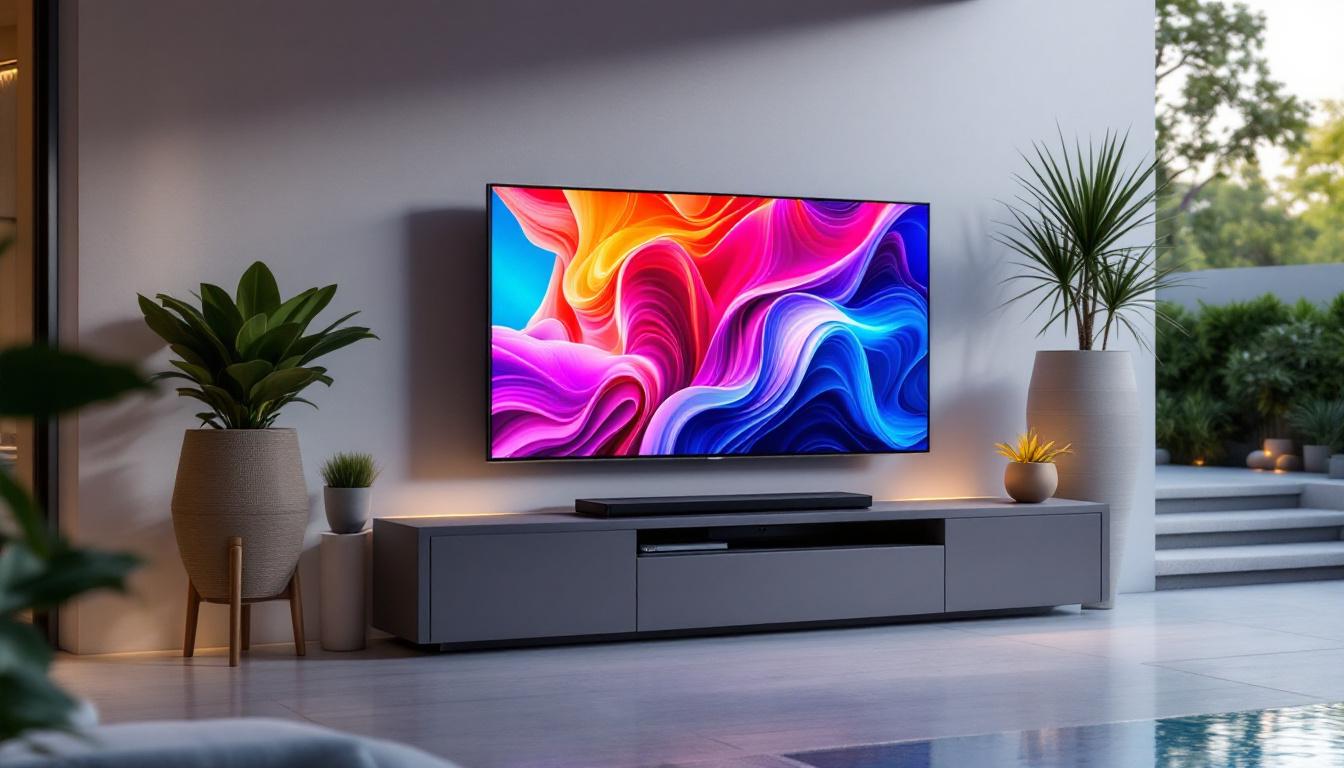
In the rapidly evolving world of audiovisual technology, LED displays have become a cornerstone for sound and video contractors. From stadiums and concert venues to corporate events and retail environments, LED displays offer unparalleled brightness, flexibility, and visual impact. This article delves into the essentials of LED display technology, exploring its components, benefits, applications, and considerations for sound and video contractors aiming to deliver top-tier visual experiences.
Understanding LED Display Technology
What is an LED Display?
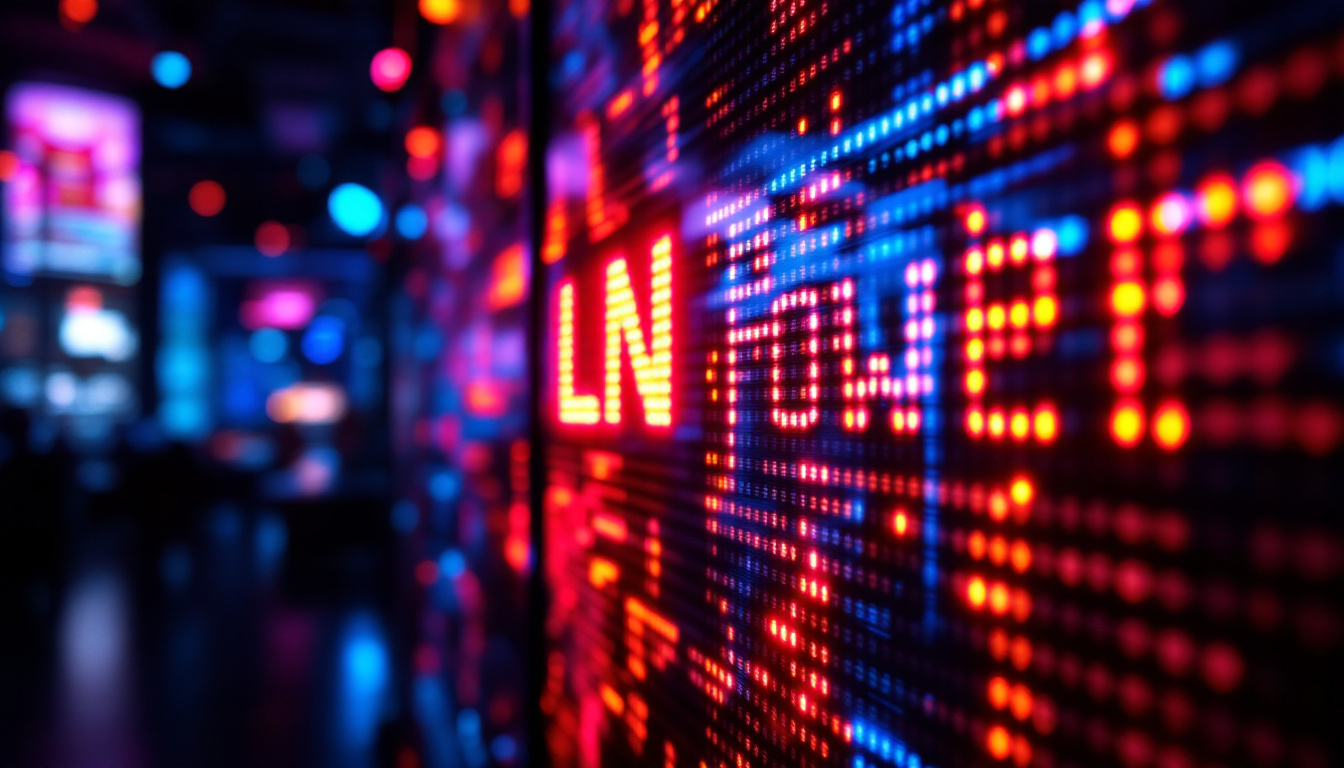
LED stands for Light Emitting Diode, a semiconductor device that emits light when an electric current passes through it. An LED display is essentially a large screen composed of thousands or millions of tiny LEDs arranged in a grid. These LEDs can be individually controlled to emit different colors and brightness levels, collectively forming images, videos, or text.
Unlike traditional LCD or projection screens, LED displays are self-illuminating, meaning they do not require a backlight. This characteristic allows for higher brightness levels and better contrast, making LED screens ideal for both indoor and outdoor environments. Additionally, the energy efficiency of LED technology contributes to lower operational costs over time, making it a popular choice for businesses and organizations looking to maximize their display impact without incurring excessive energy bills.
Key Components of LED Displays
At the core of an LED display are several critical components:
- LED Modules: These are the building blocks of the display, each containing a matrix of LEDs. Modules are assembled to form the full screen.
- Pixel Pitch: This refers to the distance between the centers of two adjacent pixels. A smaller pixel pitch means higher resolution and sharper images, especially important for close viewing distances.
- Control System: The hardware and software that manage the content displayed, ensuring synchronization and smooth image rendering.
- Power Supply: LED displays require a stable power source to maintain consistent brightness and color accuracy.
- Cabinet Structure: The physical frame that houses the LED modules, designed to be durable and weather-resistant for outdoor installations.
In addition to these core components, the technology behind LED displays has evolved significantly, incorporating advanced features such as dynamic color calibration and automated brightness adjustment. These enhancements ensure that the display performs optimally under varying environmental conditions, whether it’s a bright sunny day or a dimly lit indoor venue. Furthermore, the integration of smart technology has allowed for remote management and real-time content updates, enabling businesses to engage their audience with timely and relevant information.
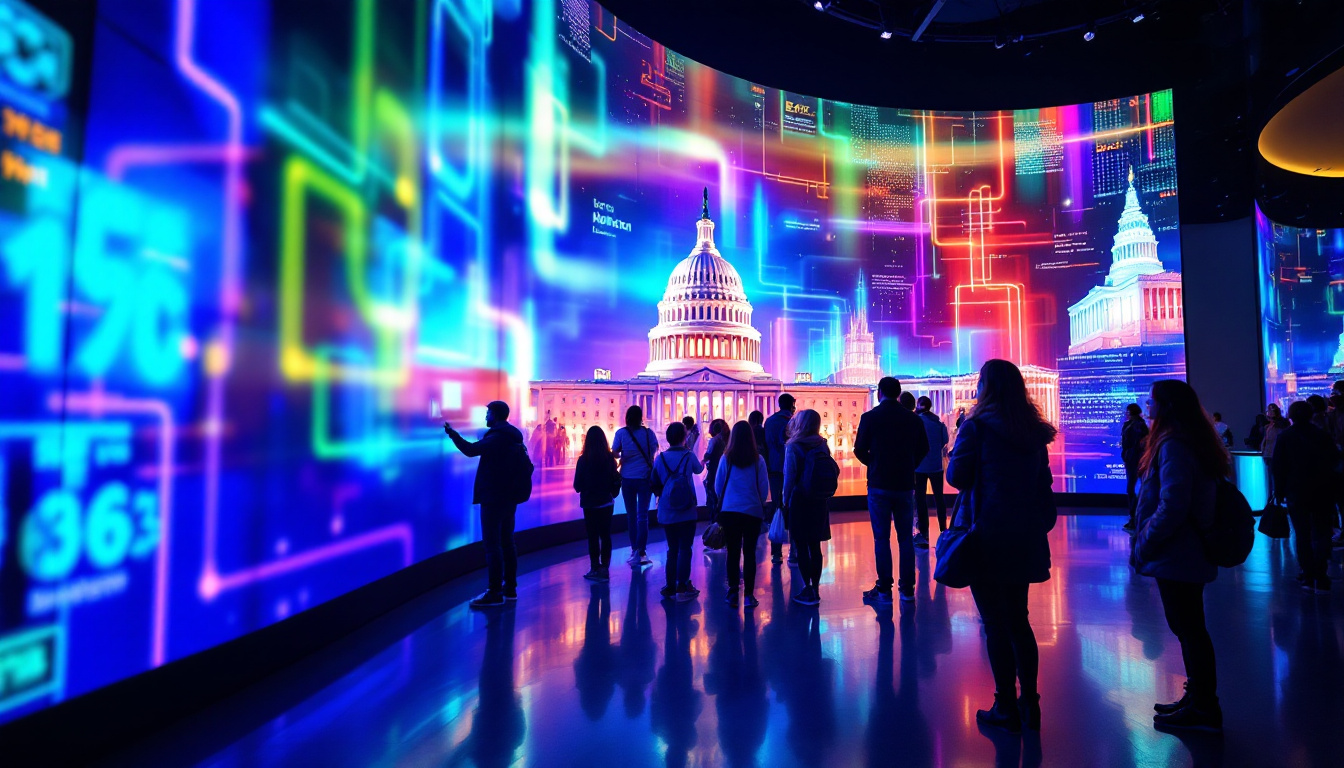
Moreover, the versatility of LED displays extends beyond mere advertising; they are increasingly being utilized in artistic installations, live events, and sports arenas. The ability to create large-scale, vibrant visuals has transformed the way audiences experience performances and presentations, making LED displays a central element in modern visual communication. As technology continues to advance, we can expect even more innovative applications and improvements in LED display technology, further enhancing their role in both commercial and creative fields.
Advantages of LED Displays for Sound and Video Contractors
Superior Brightness and Visibility
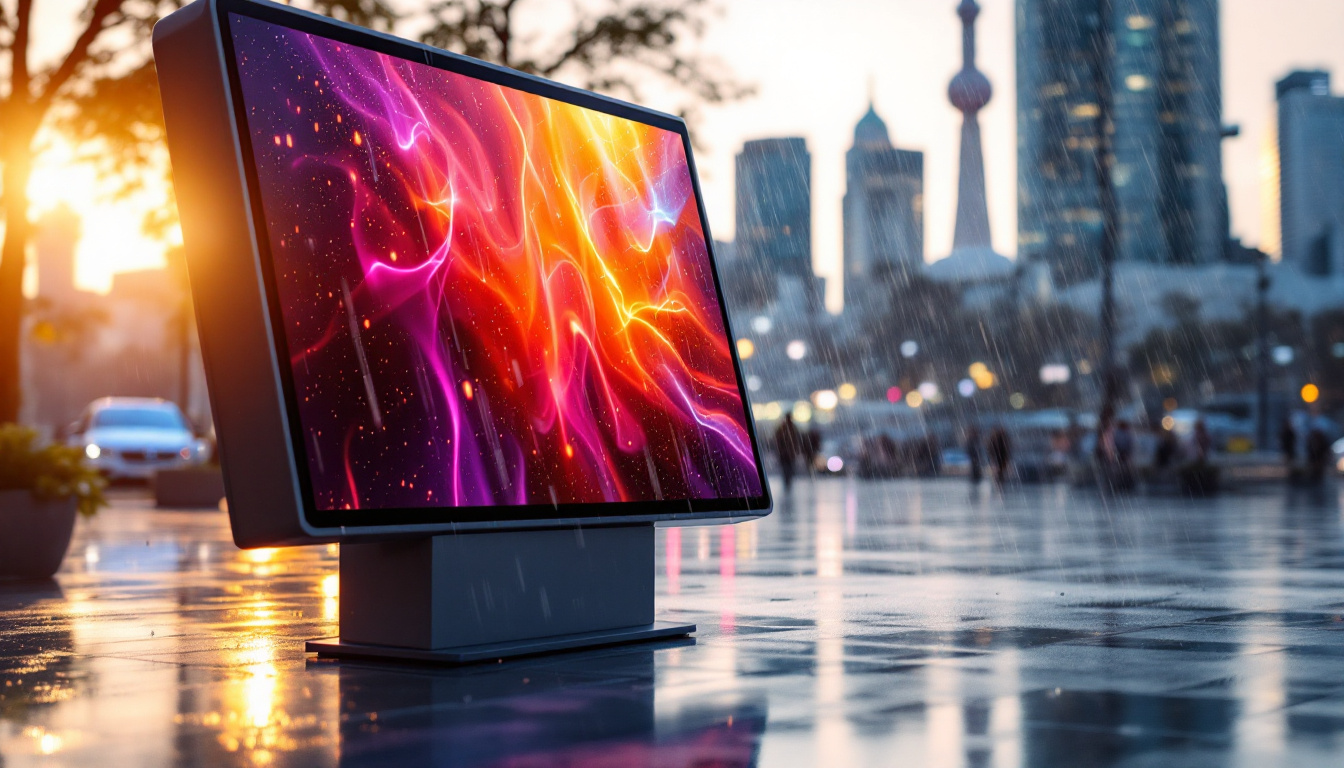
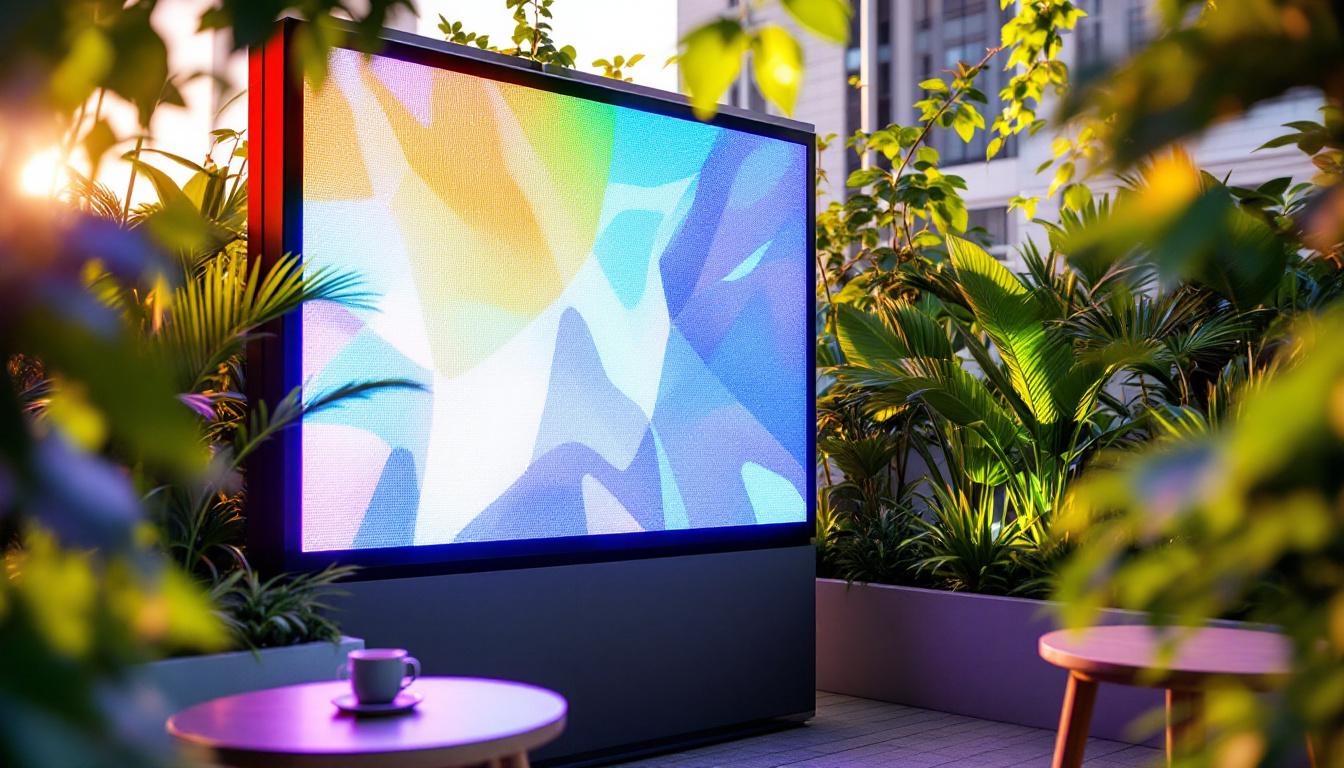
One of the most significant benefits of LED displays is their exceptional brightness. With luminance levels often exceeding 5,000 nits, LED screens remain clearly visible even in direct sunlight. This makes them indispensable for outdoor events, sports arenas, and advertising billboards where ambient light conditions can be challenging.
For indoor venues, LED displays provide vibrant colors and deep blacks due to their high contrast ratios. This enhances the audience’s viewing experience, whether it’s a live concert, corporate presentation, or broadcast studio. The ability to maintain image clarity and color accuracy in various lighting conditions means that audiences can engage more fully with the content being presented, which is especially important in environments where visual impact is paramount.
Flexibility in Size and Shape
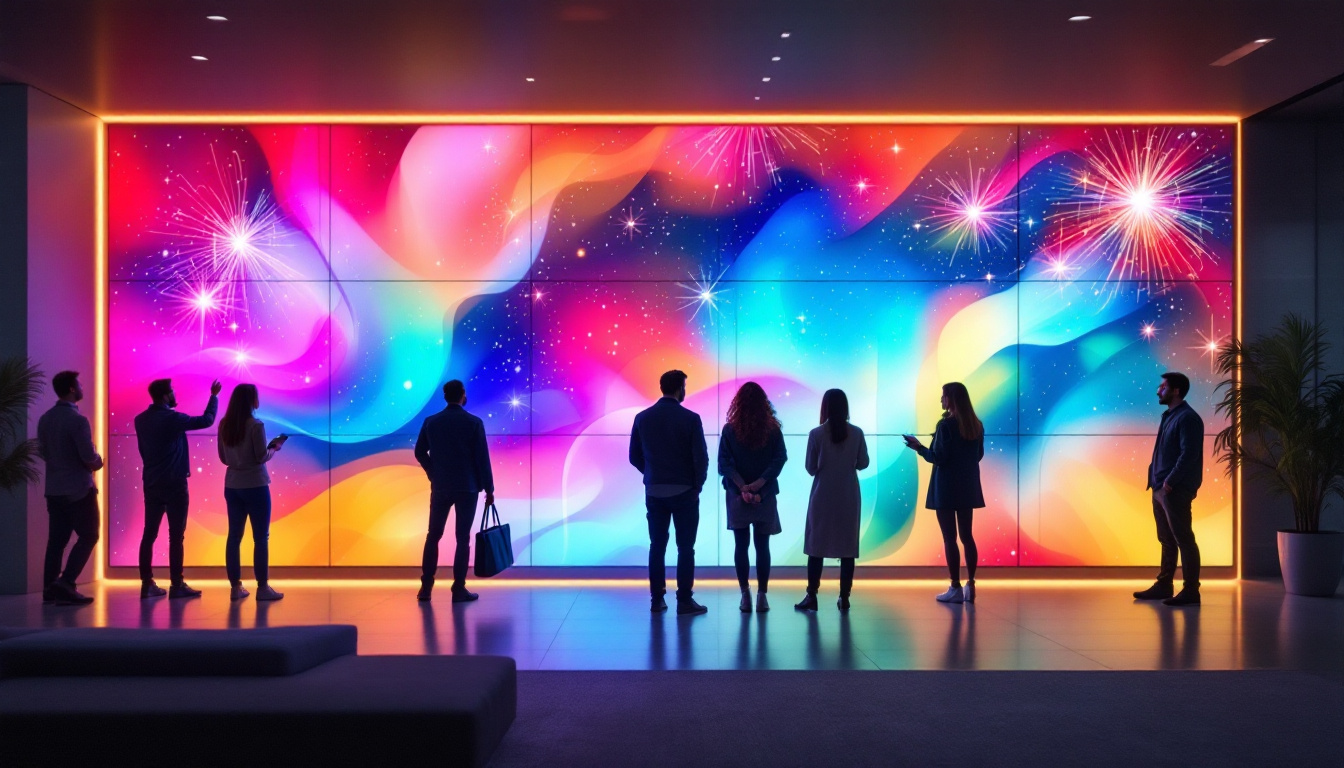
LED technology offers remarkable versatility in terms of screen size and shape. Panels can be combined to create massive video walls or curved displays that wrap around architectural features. This adaptability allows sound and video contractors to tailor installations to unique venue requirements and creative visions. The modular nature of LED displays means that they can be configured in an almost infinite variety of layouts, from traditional rectangular screens to dynamic, flowing shapes that enhance the overall aesthetic of the space.
Modular design also facilitates easy maintenance and upgrades. Individual LED modules can be replaced without dismantling the entire screen, reducing downtime and service costs. This is particularly advantageous for contractors who need to ensure that their installations remain operational during high-traffic events, as it minimizes disruptions and keeps the audience engaged. Furthermore, the ability to easily scale up or down depending on the project requirements means that contractors can accommodate a wide range of budgets and venue sizes, making LED technology an attractive option for diverse applications.
Energy Efficiency and Longevity
Compared to other display technologies, LEDs consume less power while delivering brighter images. This energy efficiency translates into lower operating costs over the lifespan of the display. In an era where sustainability is increasingly important, the reduced energy consumption of LED displays not only benefits the contractor’s bottom line but also aligns with environmentally conscious practices.
Additionally, LED displays are known for their durability and long service life, often rated for 50,000 to 100,000 hours of operation. This reliability is crucial for contractors who manage high-profile events and permanent installations where equipment failure is not an option. The robust construction of LED panels means they can withstand the rigors of transport and installation, making them suitable for touring productions as well as fixed installations. With advancements in technology, newer generations of LED displays are also becoming more resilient to temperature fluctuations and moisture, further enhancing their suitability for various environments, from outdoor festivals to indoor exhibitions.
Applications of LED Displays in Sound and Video Contracting
Live Events and Concerts
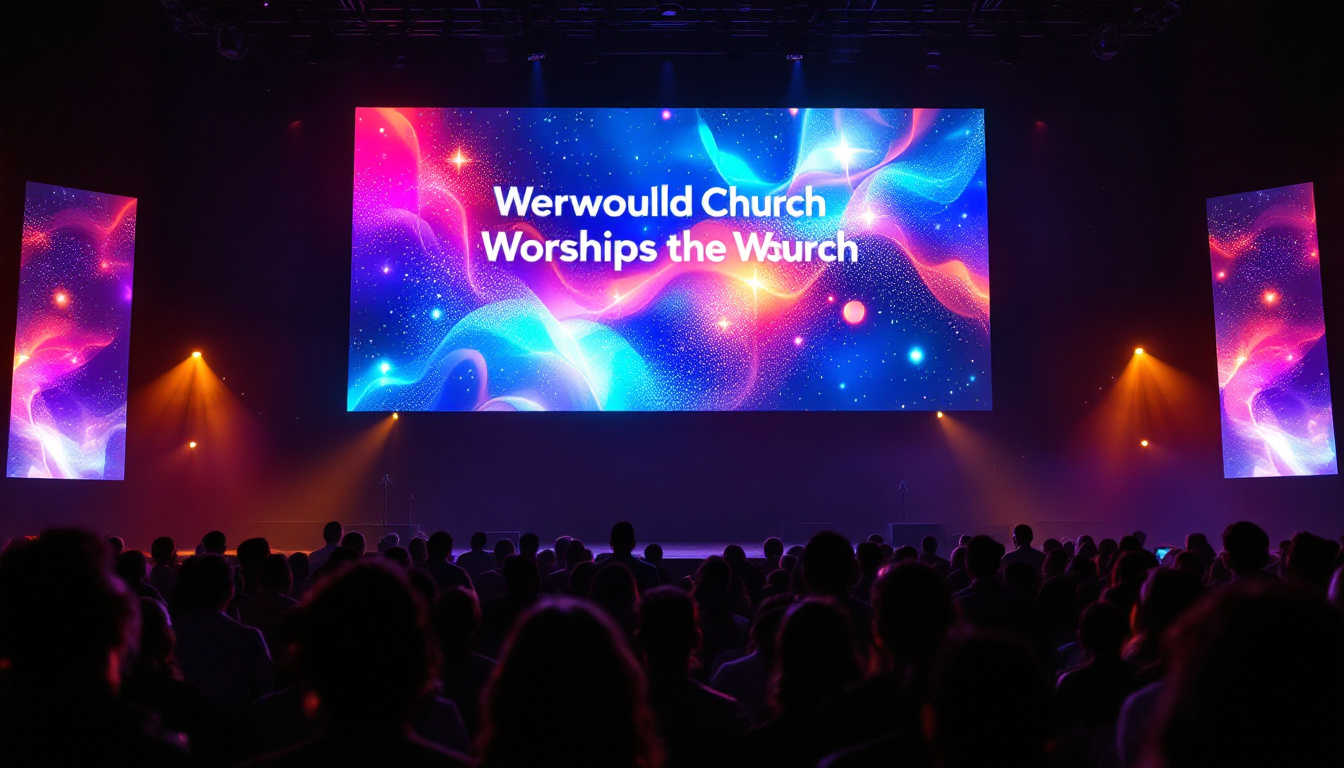
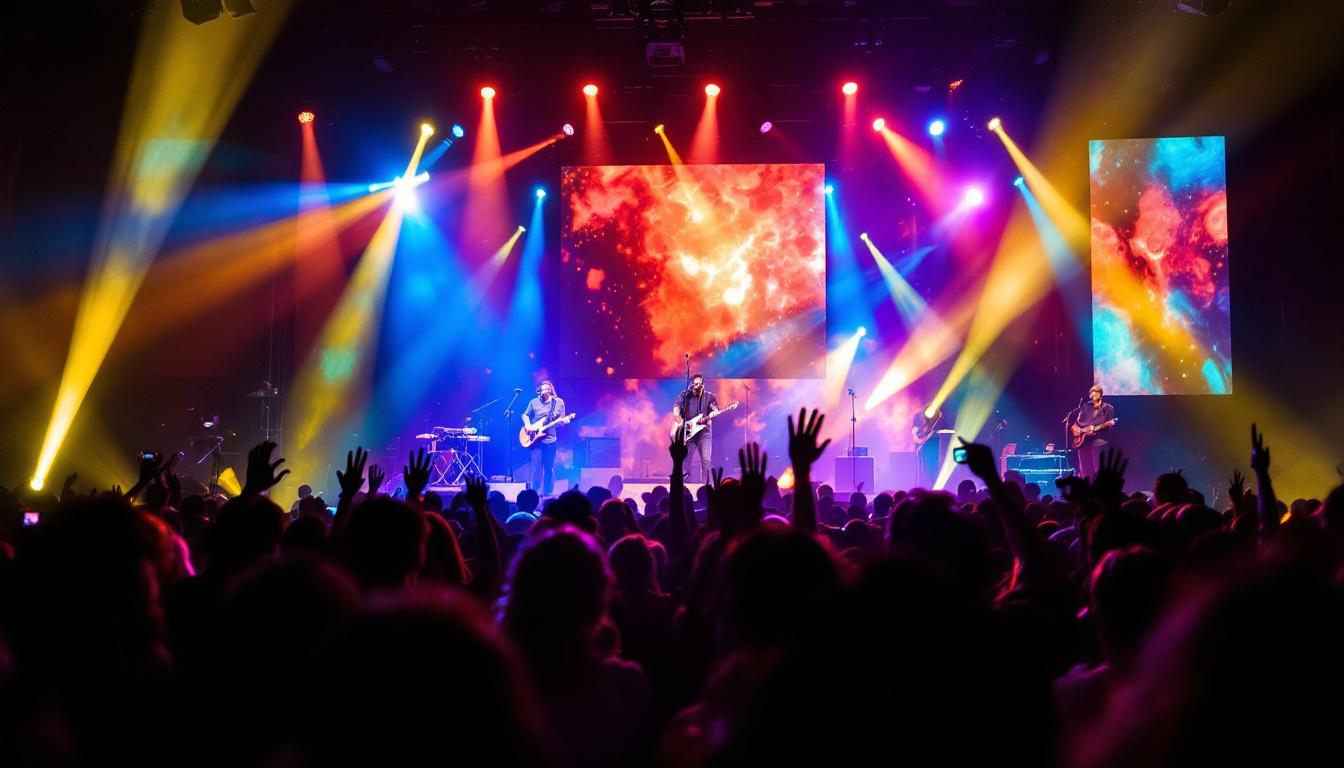
LED screens have revolutionized live event production by providing dynamic backdrops and immersive visual effects. Large-scale LED walls enable artists and event producers to project high-resolution video content, enhancing storytelling and audience engagement.
For touring productions, lightweight and quick-assembly LED panels streamline setup and teardown processes. This efficiency is vital for contractors working within tight schedules and demanding logistics.
Corporate and Retail Environments
In corporate settings, LED displays are frequently used for presentations, digital signage, and video conferencing. Their clarity and brightness ensure that messaging is communicated effectively to audiences of all sizes.
Retailers leverage LED screens to create eye-catching advertisements and interactive displays that drive customer engagement and sales. The ability to update content remotely and in real-time adds a layer of convenience and responsiveness.
Sports Venues and Public Spaces
Sports arenas rely on massive LED scoreboards and video walls to provide live game footage, replays, and fan engagement content. These displays must withstand harsh weather conditions and continuous operation, making LED technology the preferred choice.
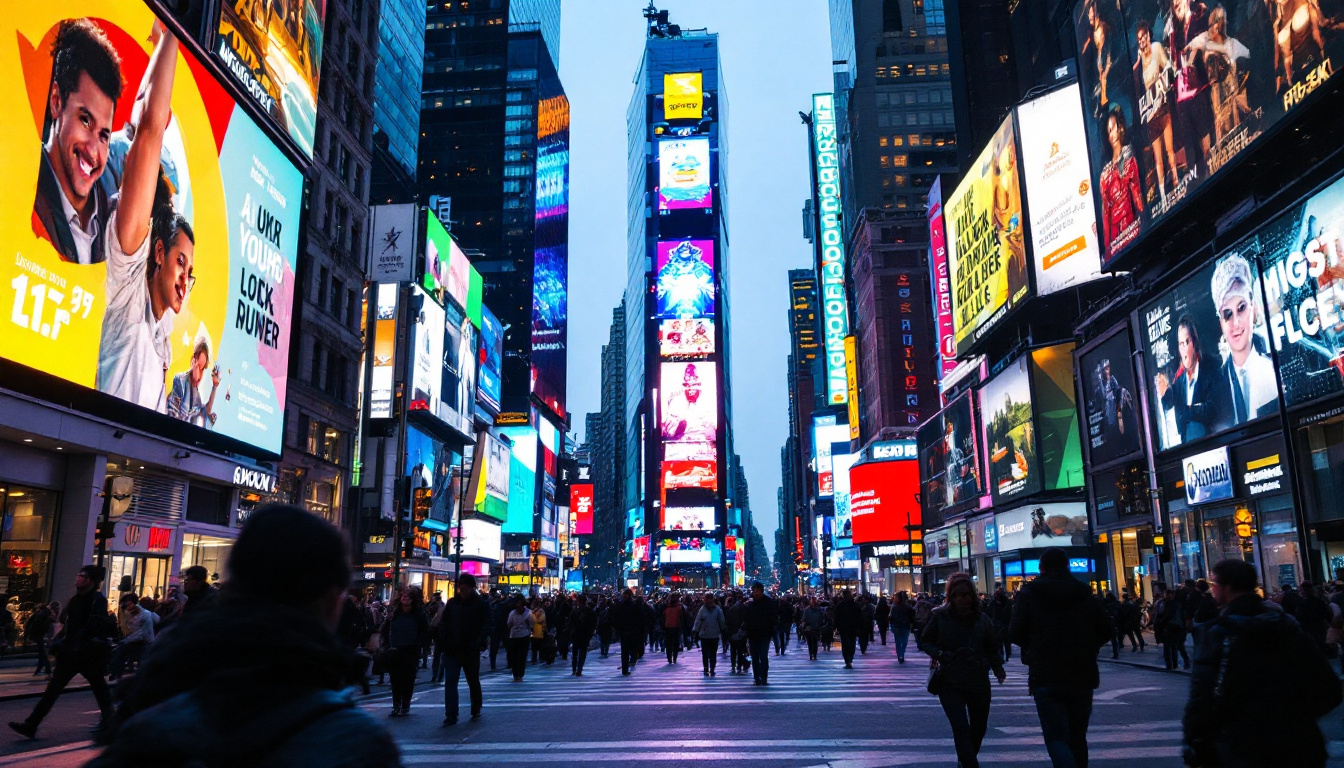
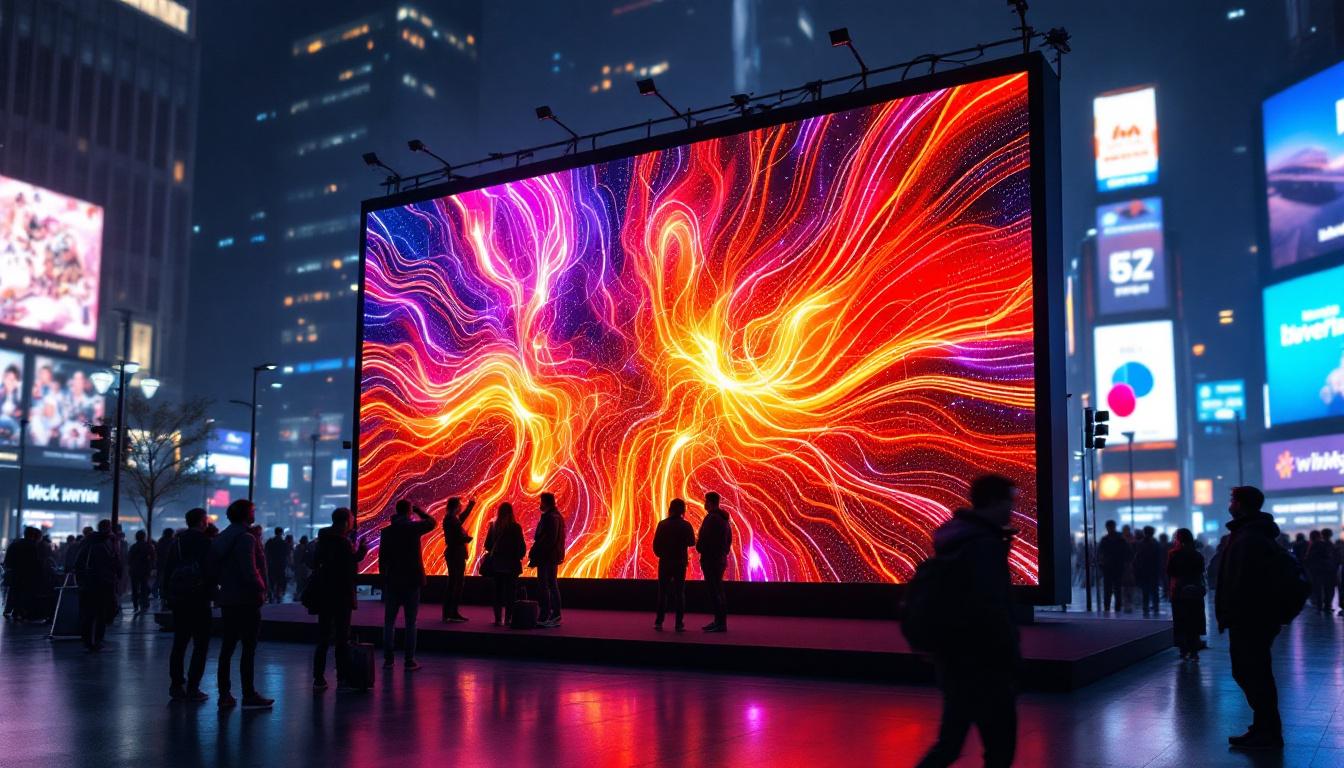
Public spaces such as transportation hubs, city squares, and exhibition centers use LED displays for wayfinding, public announcements, and advertising, benefiting from their visibility and durability.
Critical Considerations for Sound and Video Contractors
Resolution and Pixel Pitch Selection
Choosing the appropriate resolution and pixel pitch is fundamental to achieving the desired visual quality. For example, a pixel pitch of 1.5mm to 2.5mm is suitable for indoor displays viewed from close distances, such as conference rooms or retail stores. Outdoor displays, viewed from farther away, can have larger pixel pitches (4mm to 10mm) without compromising perceived image quality.
Contractors must carefully assess viewing distances, content type, and budget constraints when specifying LED displays to ensure optimal performance.
Installation Environment and Weatherproofing
Outdoor LED installations require robust protection against environmental factors such as rain, dust, and temperature fluctuations. IP ratings (Ingress Protection) indicate the level of sealing against solids and liquids; for example, an IP65 rating means the display is dust-tight and protected against water jets.
Indoor environments may demand considerations related to ambient lighting, mounting structures, and ventilation to prevent overheating and ensure longevity.
Content Management and Integration
Effective content management systems (CMS) are essential for controlling what appears on LED displays. Contractors should select CMS platforms that support multiple input sources, real-time updates, and integration with other audiovisual systems.
Seamless integration with sound systems, lighting controls, and broadcast equipment enhances the overall production quality and operational efficiency.
Budget and Total Cost of Ownership
While LED displays can represent a significant upfront investment, contractors and clients should consider the total cost of ownership. This includes installation, maintenance, energy consumption, and potential upgrades.
Investing in high-quality LED technology and professional installation often results in lower long-term expenses and better return on investment through improved audience engagement and operational reliability.
Future Trends in LED Display Technology
MicroLED and MiniLED Innovations
Emerging technologies like MicroLED and MiniLED promise even greater brightness, contrast, and energy efficiency. MicroLED displays, composed of microscopic LEDs, offer near-perfect color accuracy and infinite contrast ratios, rivaling OLED technology without the associated burn-in risks.
These advancements are expected to expand the applications of LED displays further, particularly in high-end broadcast studios, luxury retail, and immersive entertainment installations.
Higher Refresh Rates and HDR Support
As content becomes more dynamic, higher refresh rates (120Hz and above) and High Dynamic Range (HDR) support are becoming standard features in LED displays. These improvements deliver smoother motion and richer color depth, essential for sports broadcasts, gaming events, and cinematic presentations.
Integration with Smart Technologies
LED displays are increasingly integrated with IoT (Internet of Things) and AI-driven content management systems. This integration allows for automated content adjustments based on audience demographics, environmental conditions, and real-time analytics, enhancing personalization and operational efficiency.
Conclusion
For sound and video contractors, understanding the intricacies of LED display technology is vital to delivering compelling and reliable visual solutions. The combination of brightness, flexibility, energy efficiency, and durability makes LED displays the preferred choice across a wide range of applications—from live events and corporate environments to sports venues and public installations.
By carefully considering factors such as pixel pitch, environmental conditions, content management, and budget, contractors can design and implement LED display systems that meet client expectations and future-proof their investments. Staying abreast of emerging trends like MicroLED technology and smart integration will further empower contractors to push the boundaries of audiovisual experiences.
Ultimately, LED displays are not just screens; they are dynamic canvases that transform how audiences engage with content, making them indispensable tools in the sound and video contractor’s arsenal.
Explore Cutting-Edge LED Display Solutions with LumenMatrix
Ready to elevate your visual projects with the latest in LED display technology? Look no further than LumenMatrix, a pioneer in crafting immersive and vibrant LED experiences. Whether you’re in need of an Indoor LED Wall Display, a robust Outdoor LED Wall Display, or specialized solutions like Vehicle LED Displays and LED Sports Displays, LumenMatrix has you covered. With a commitment to revolutionizing visual communication, our extensive range of products, including Floor LED Displays, Custom LED Displays, All-in-One LED Displays, and LED Transparent Displays, are designed to captivate your audience and amplify your message. Don’t miss the opportunity to transform your space. Check out LumenMatrix LED Display Solutions today and see the difference innovation can make.