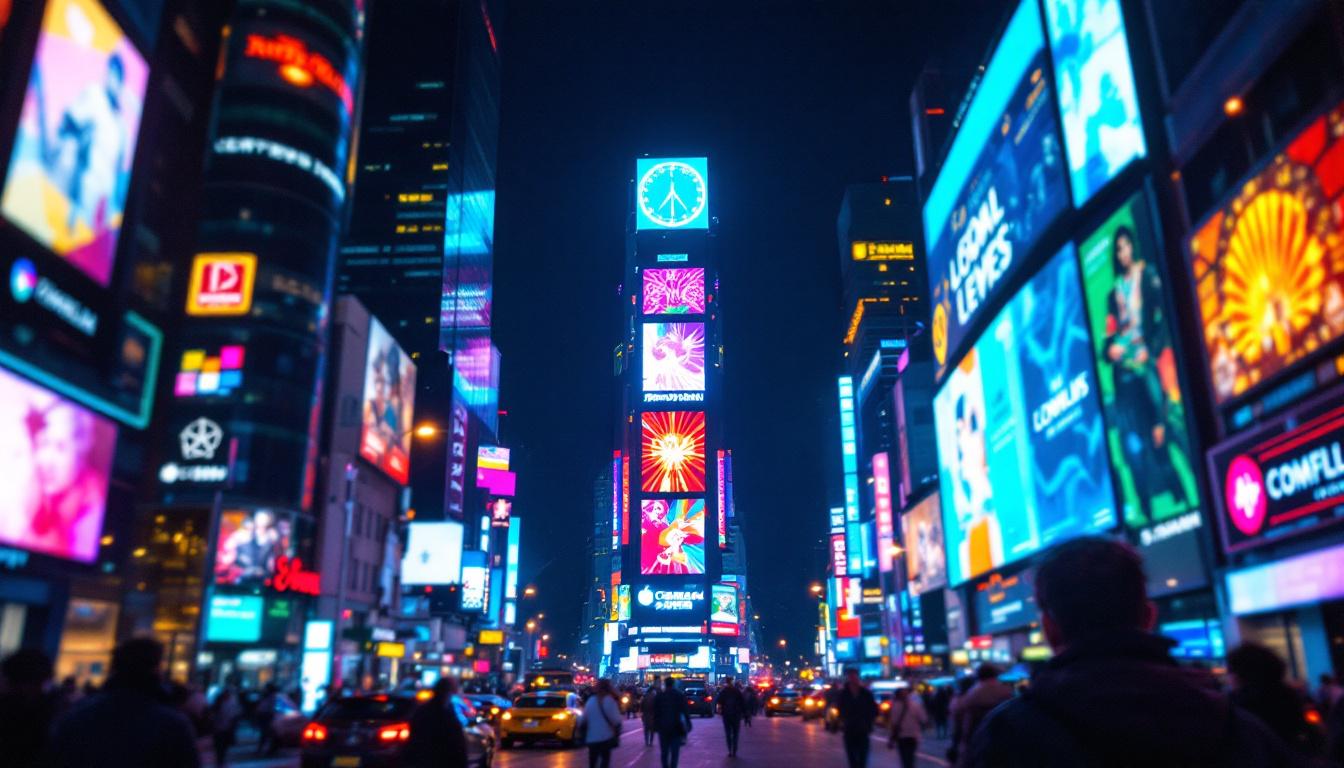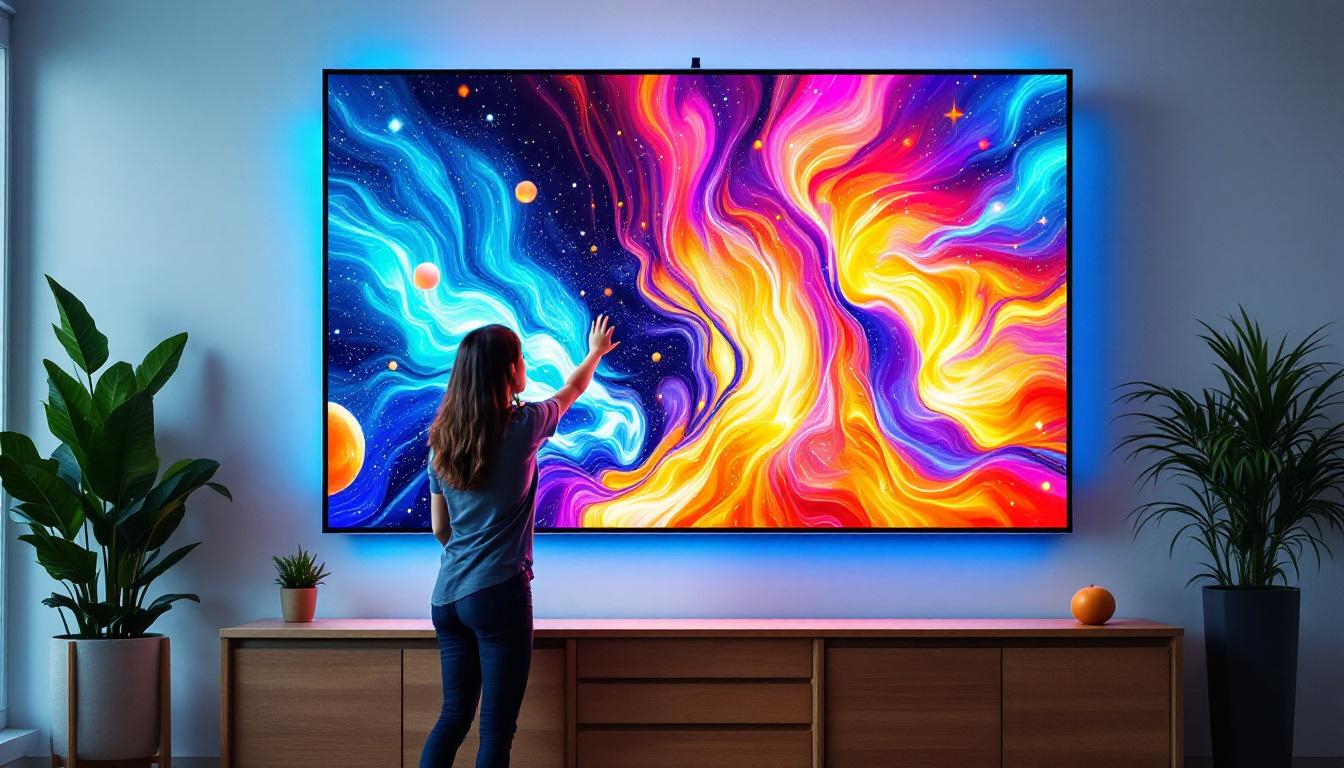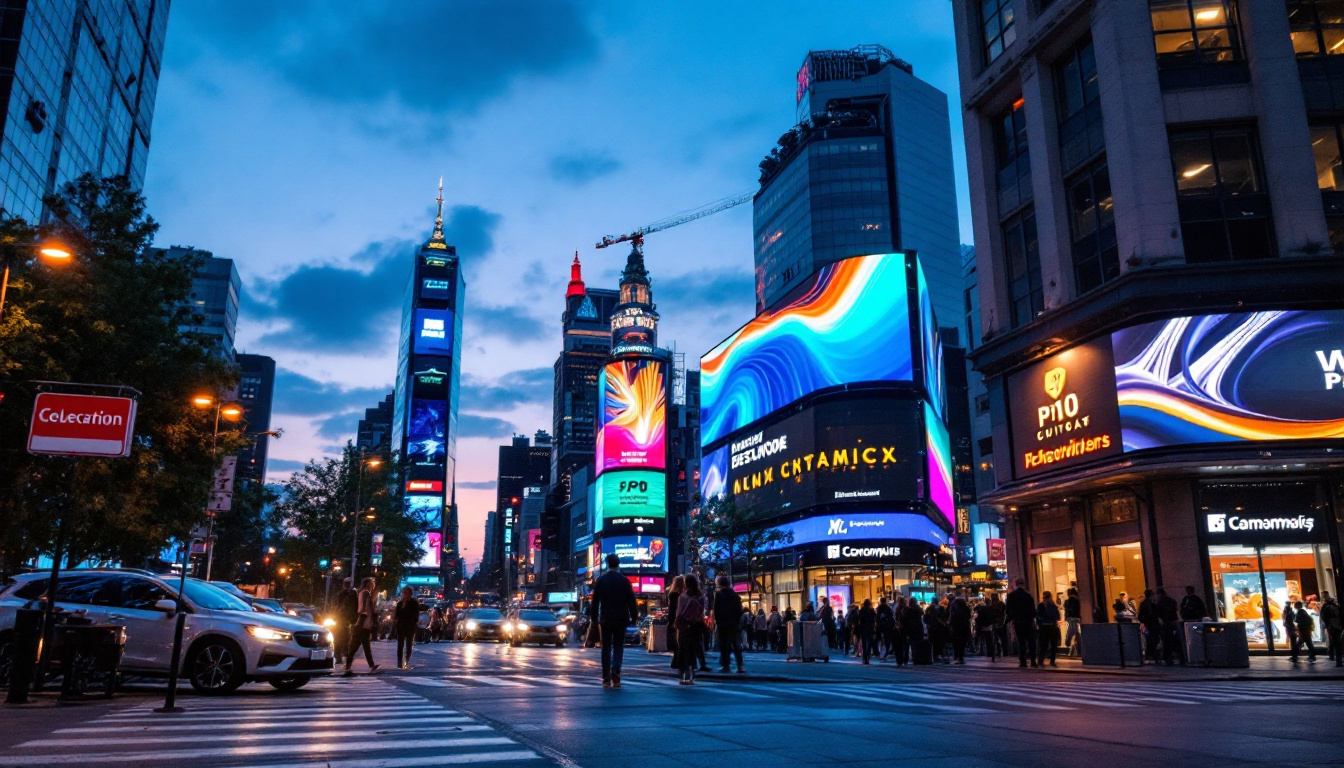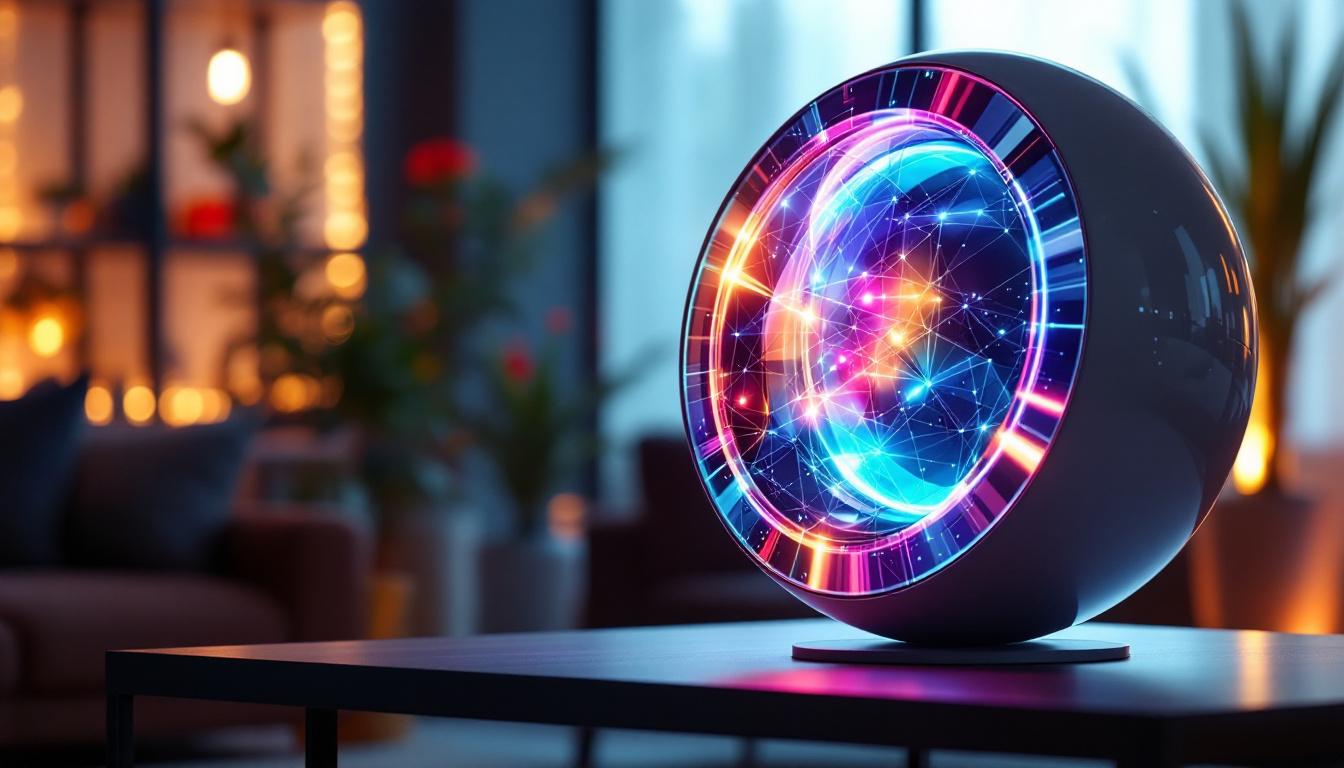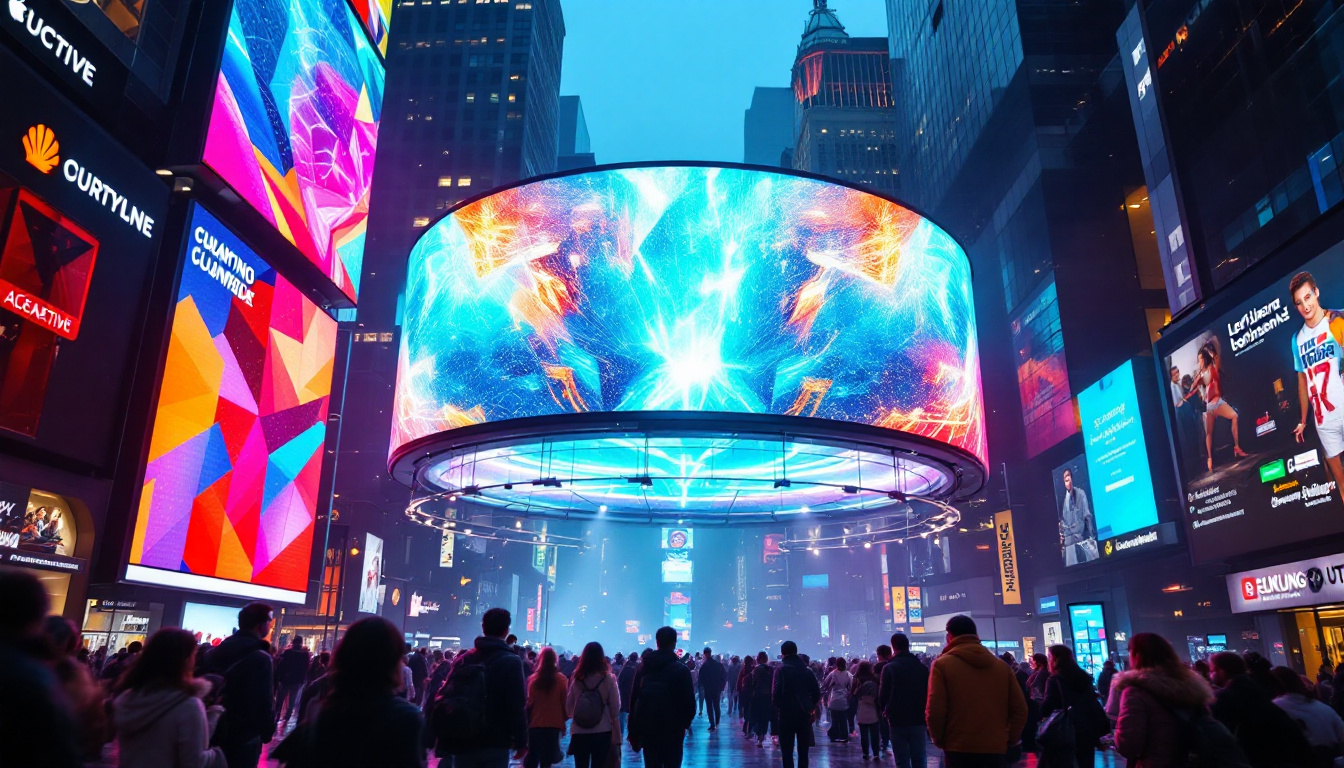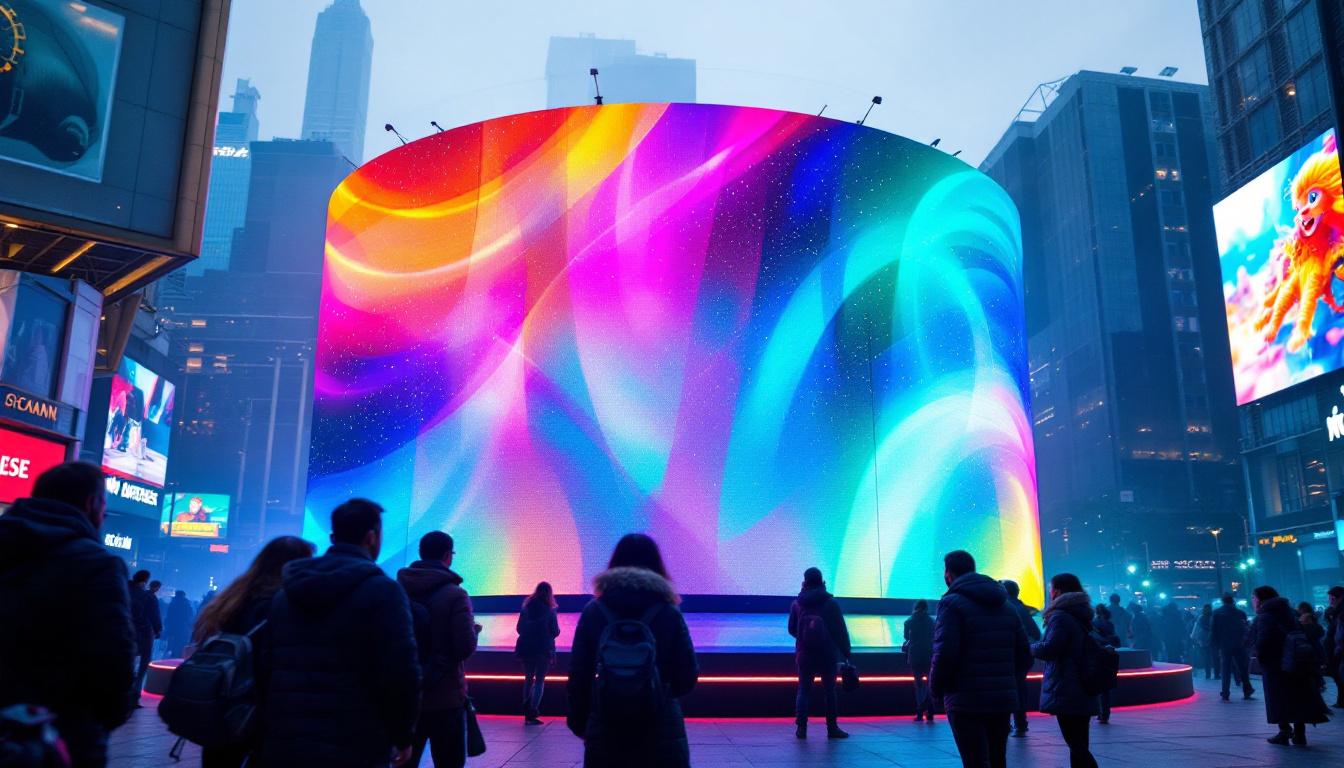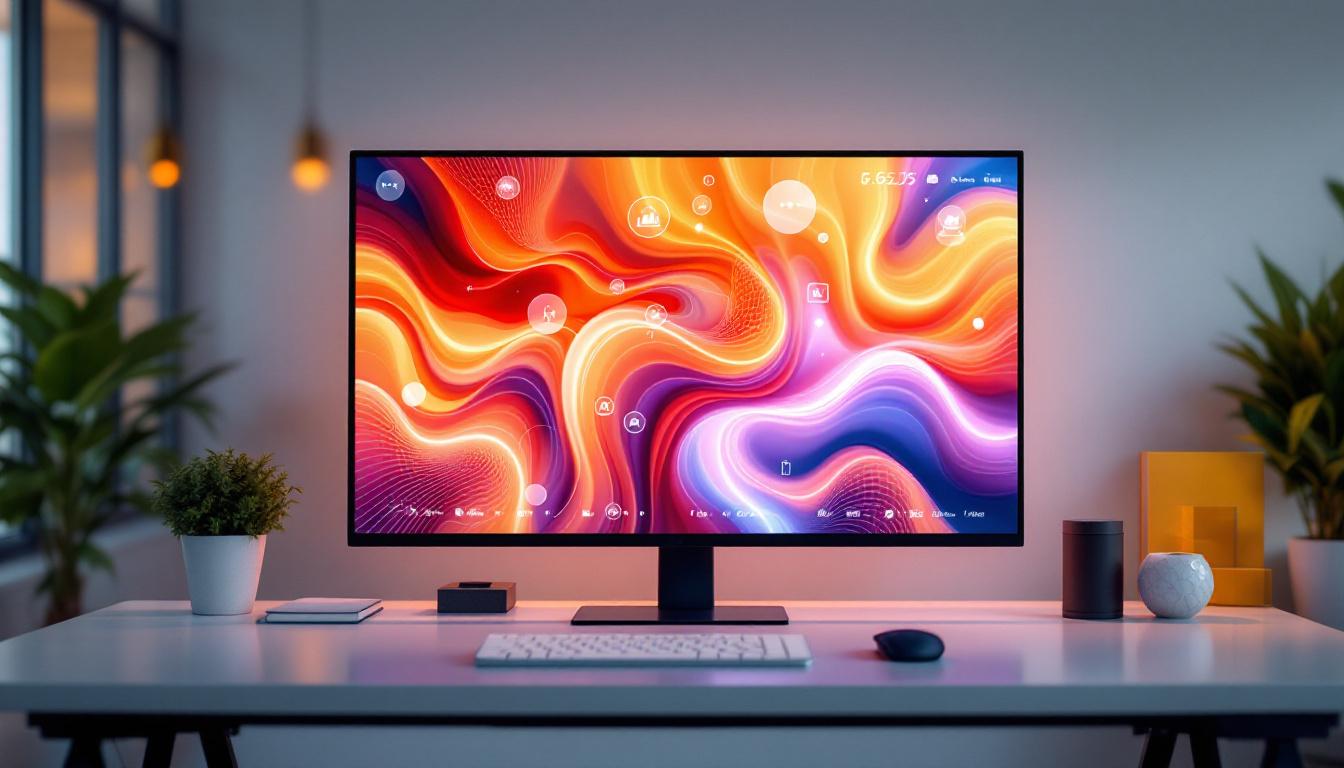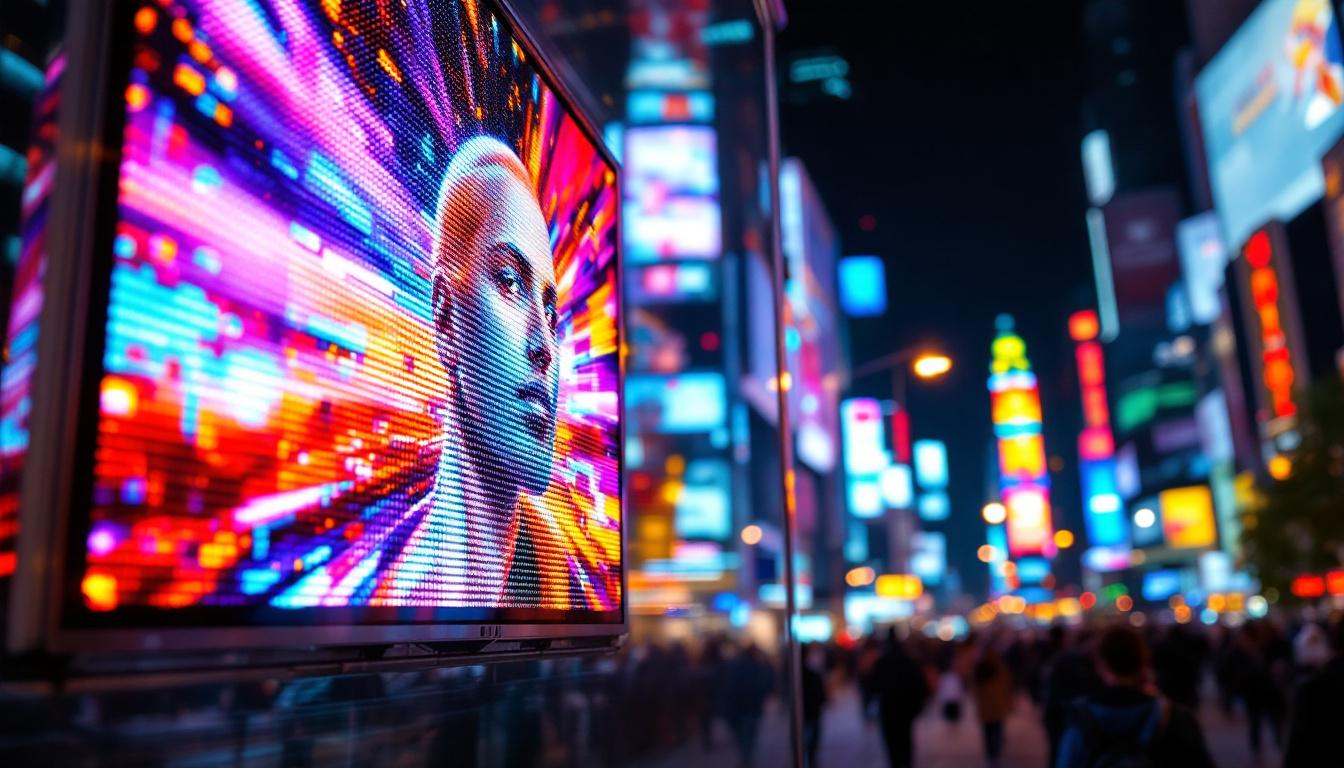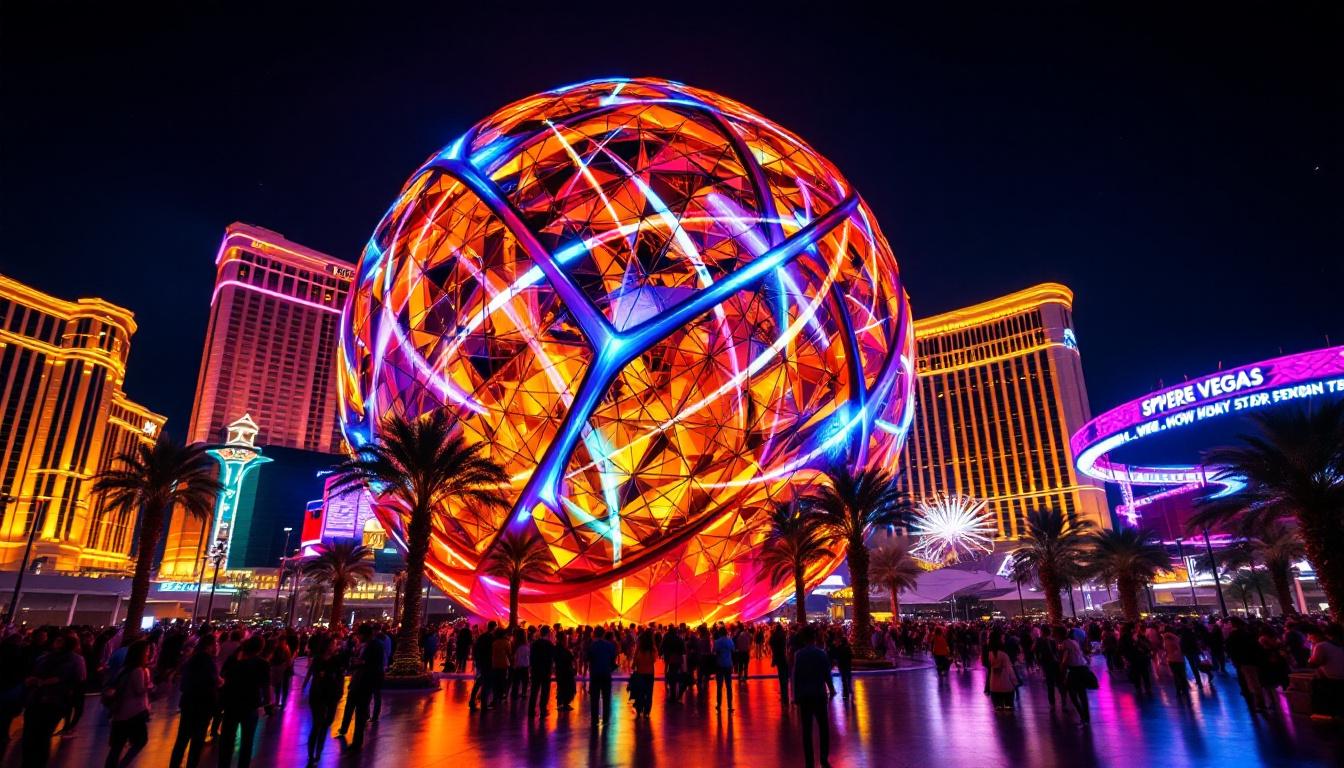
In an era where digital communication and visual technology are rapidly evolving, LED displays have become an indispensable tool for a variety of applications. Among these, sound wall images represent a fascinating intersection of audio and visual technology, where sound waves are transformed into dynamic visual representations on LED screens. This article delves into the concept of sound wall images, explaining how LED displays work, their applications, and the technology behind them.
Understanding Sound Wall Images
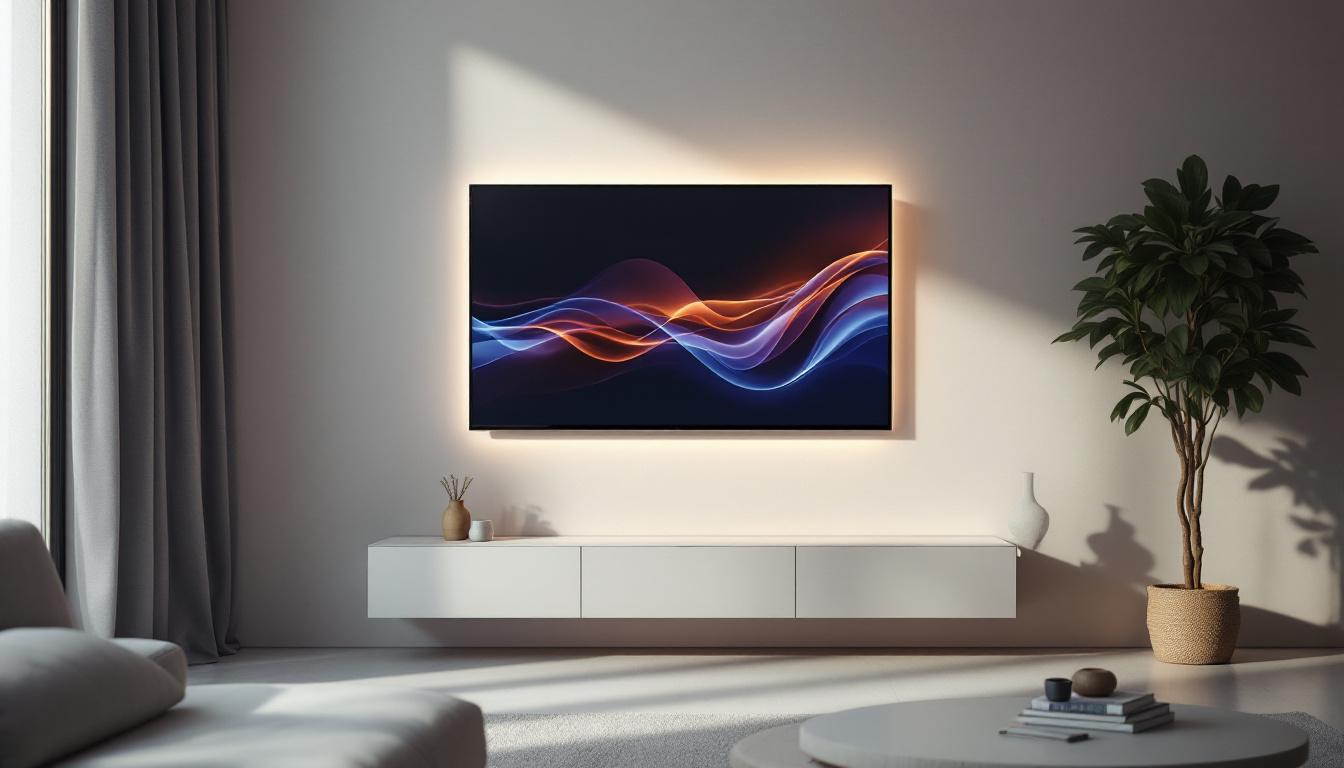
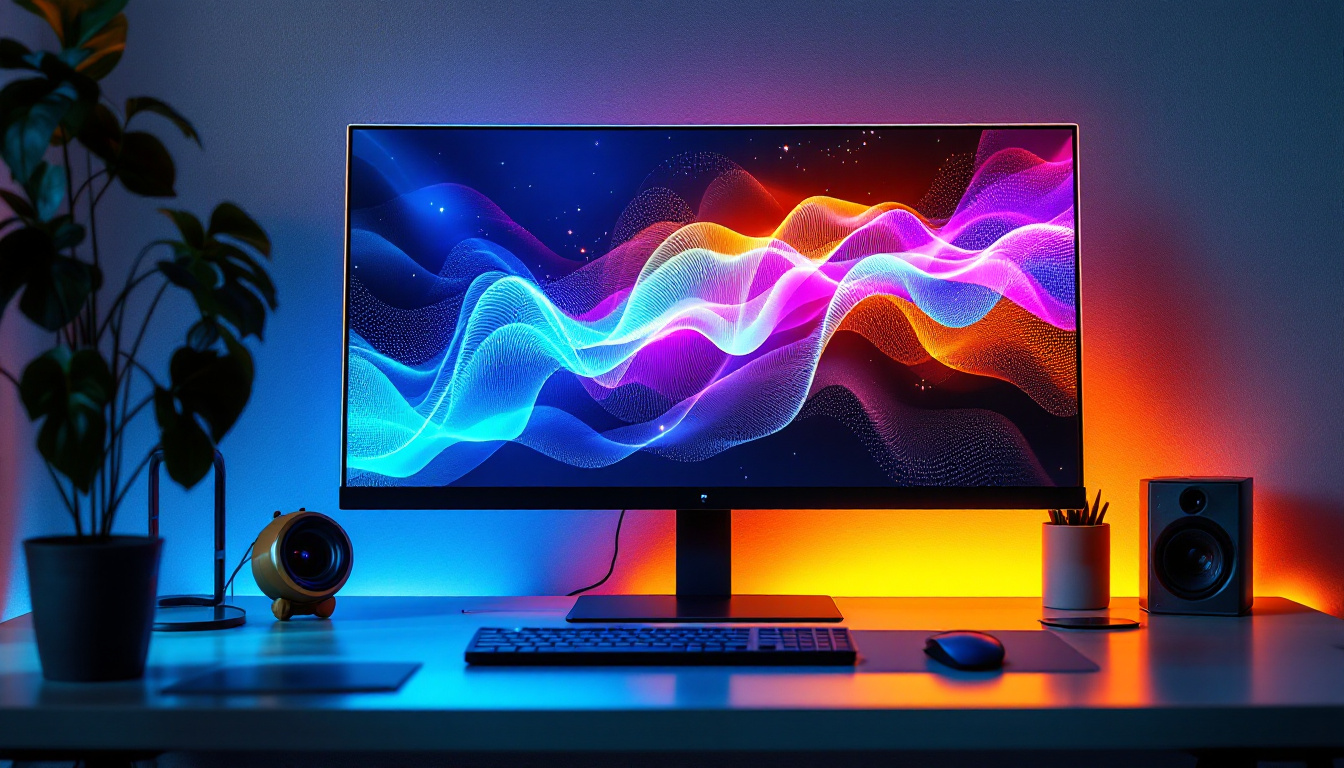
Sound wall images are visual representations of sound waves or audio signals displayed on LED screens. These images often take the form of waveforms, spectrograms, or abstract visualizations that respond in real-time to audio input. The primary goal is to create an engaging, intuitive visual experience that corresponds directly to sound, enhancing perception and interaction.
These visualizations are widely used in music venues, broadcasting studios, and public installations to provide audiences with a deeper sensory experience. By converting sound into images, sound walls help bridge the gap between auditory and visual senses, making sound more tangible and accessible. The integration of these visuals can transform a simple auditory experience into a multi-dimensional event, captivating audiences and inviting them to engage with the sound in a more profound way.
Moreover, sound wall images can be tailored to reflect the mood or theme of the audio being played. For instance, a calming piece of music might be represented by soft, flowing visuals, while an upbeat track could be accompanied by vibrant, pulsating patterns. This adaptability not only enhances the overall atmosphere of the environment but also allows for a more personalized experience, as viewers can connect their emotional responses to the visual stimuli presented.
The Science Behind Sound Visualization
Sound is a mechanical wave that travels through a medium such as air, characterized by frequency, amplitude, and phase. To visualize sound, these properties are captured using microphones and then processed digitally. The data is converted into graphical representations that can be displayed on LED screens.
Common forms of sound visualization include:
- Waveforms: Graphs showing amplitude variations over time.
- Spectrograms: Color-coded displays representing frequency content over time.
- Frequency Bars: Vertical bars that fluctuate with different frequency bands.
The accuracy and responsiveness of these images depend heavily on the processing speed and resolution of the LED display technology. Advanced algorithms are employed to ensure that the visual output is not only accurate but also aesthetically pleasing, creating a seamless connection between the audio and its visual counterpart. This technological synergy allows for real-time interaction, where changes in sound can instantly alter the visual display, further immersing the audience in the experience.
In addition to their aesthetic appeal, sound wall images can also serve educational purposes. By visualizing sound, they can help individuals better understand complex audio concepts, such as frequency ranges and sound dynamics. This educational aspect is particularly beneficial in settings like classrooms or workshops, where learners can observe the effects of sound manipulation in a visually engaging manner. As technology continues to evolve, the potential applications for sound wall images are expanding, promising even more innovative uses in various fields, from art installations to therapeutic environments.
How LED Displays Work in Sound Walls
LED (Light Emitting Diode) displays are composed of numerous tiny light sources that can be individually controlled to produce images and videos. Their high brightness, energy efficiency, and flexibility make them ideal for dynamic sound wall applications.
LED Display Components
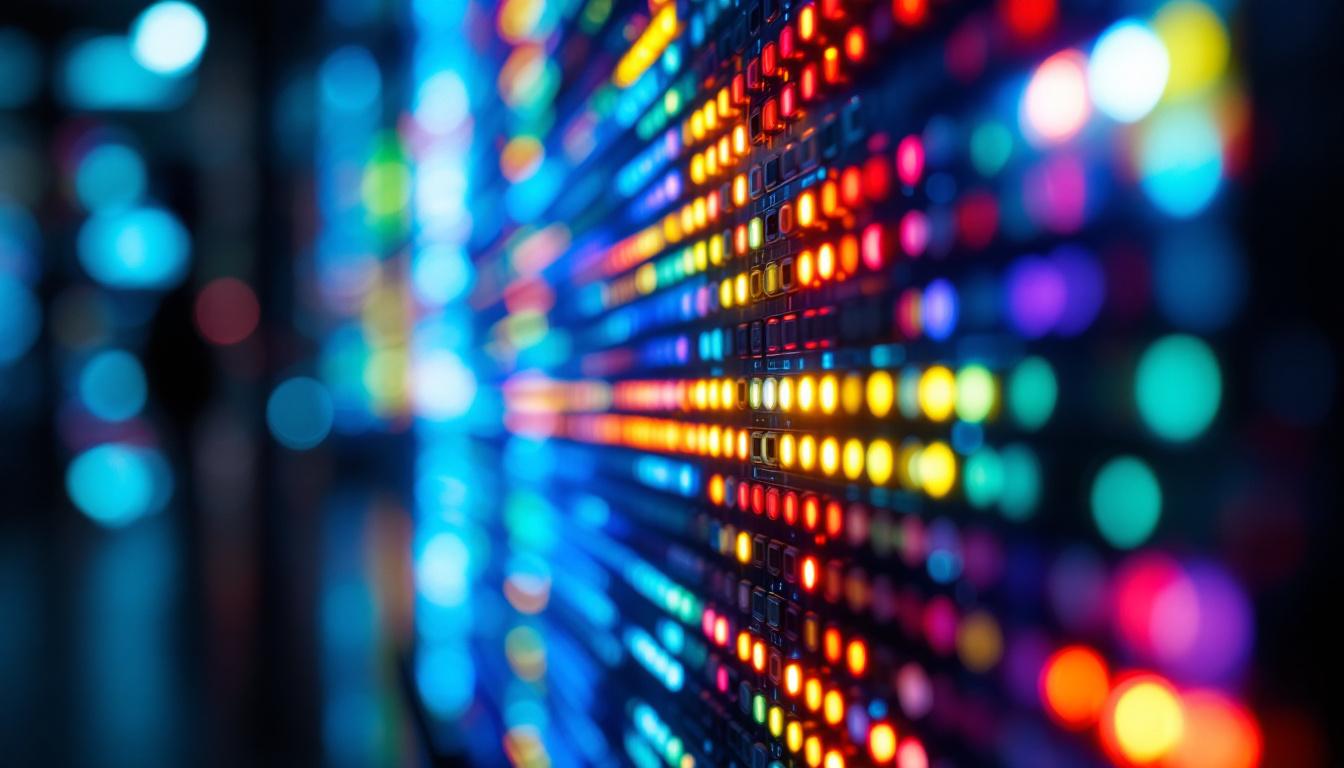
At the core of an LED display are the diodes themselves, arranged in pixels. Each pixel typically contains red, green, and blue LEDs, which combine to produce a wide spectrum of colors. The display is driven by a controller that translates digital signals—such as sound visualizations—into instructions for each pixel.
Key components include:
- LED Modules: Panels containing arrays of LEDs.
- Control Systems: Hardware and software that process input signals and manage pixel output.
- Power Supply Units: Provide stable power to the LEDs.
- Signal Processors: Convert audio data into visual formats compatible with the display.
Real-Time Audio to Visual Conversion
For sound walls, the system captures audio signals via microphones or line inputs. These signals undergo digital signal processing (DSP) to extract relevant features such as amplitude and frequency. The processed data is then mapped to visual elements displayed on the LED screen.
Low latency is crucial to ensure that the visualizations respond instantly to sound changes, maintaining synchronization and enhancing the immersive experience. Modern LED controllers can handle high refresh rates and complex animations to achieve this effect.
Applications of Sound Wall Images
The integration of sound visualization with LED displays has opened up numerous innovative applications across industries. These applications leverage the ability to translate audio into captivating visual content that can inform, entertain, or educate.
Live Music and Entertainment
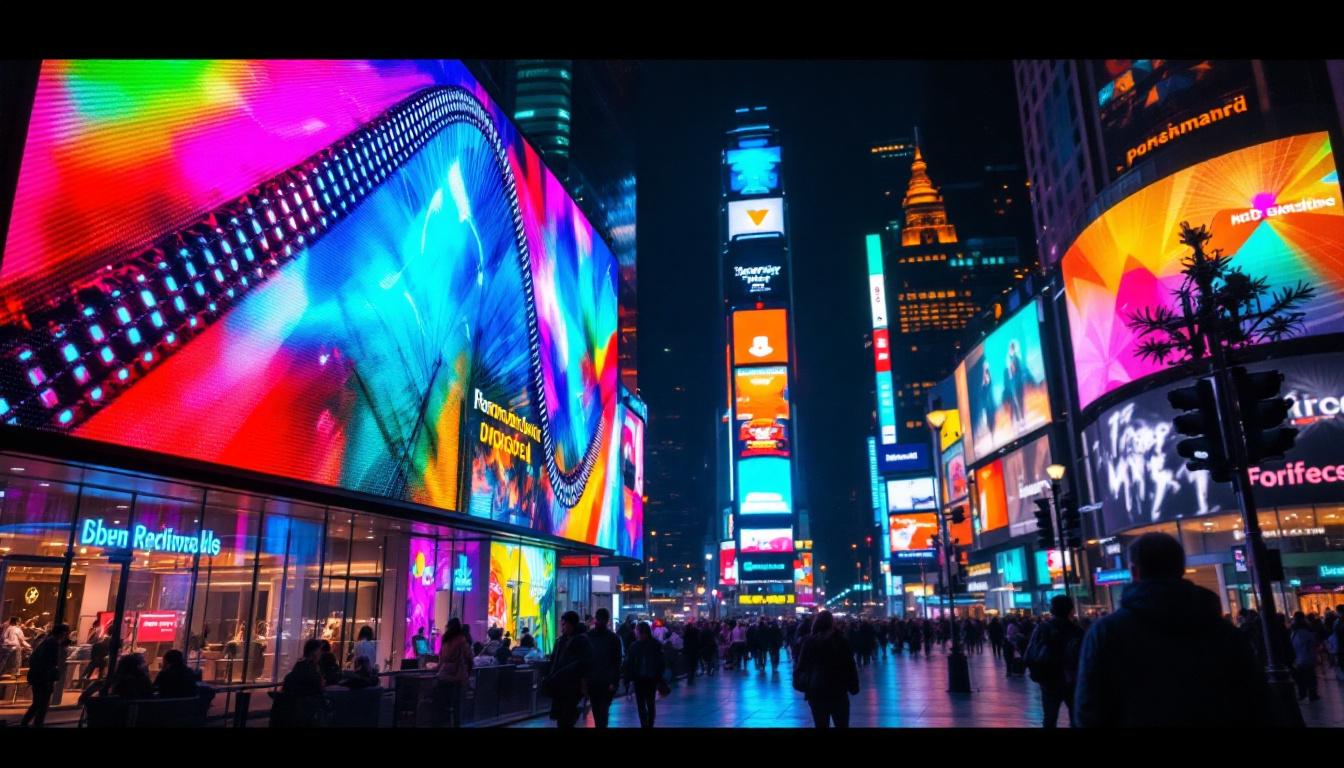
Concerts and music festivals frequently use sound wall images to amplify the audience’s sensory experience. Visualizations that pulse and shift with the rhythm and intensity of the music create a multisensory environment that enhances emotional engagement.
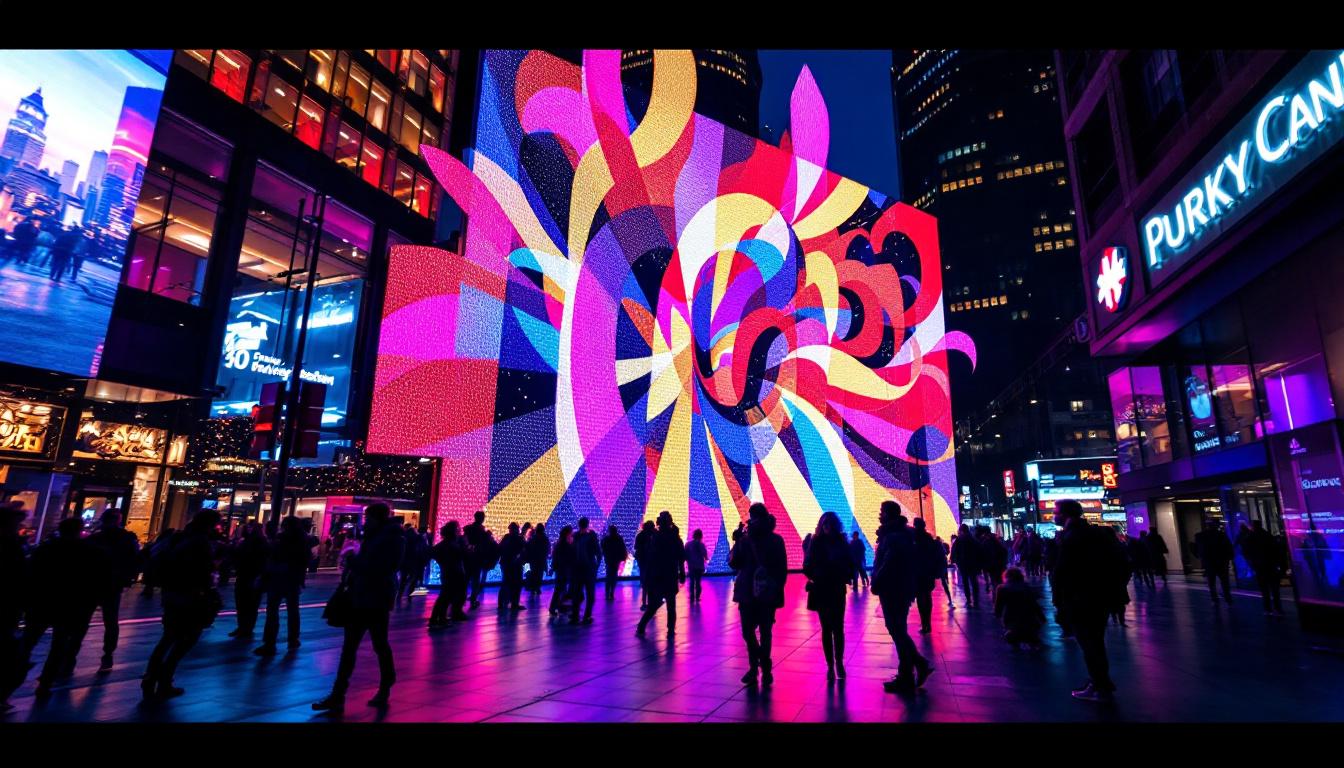
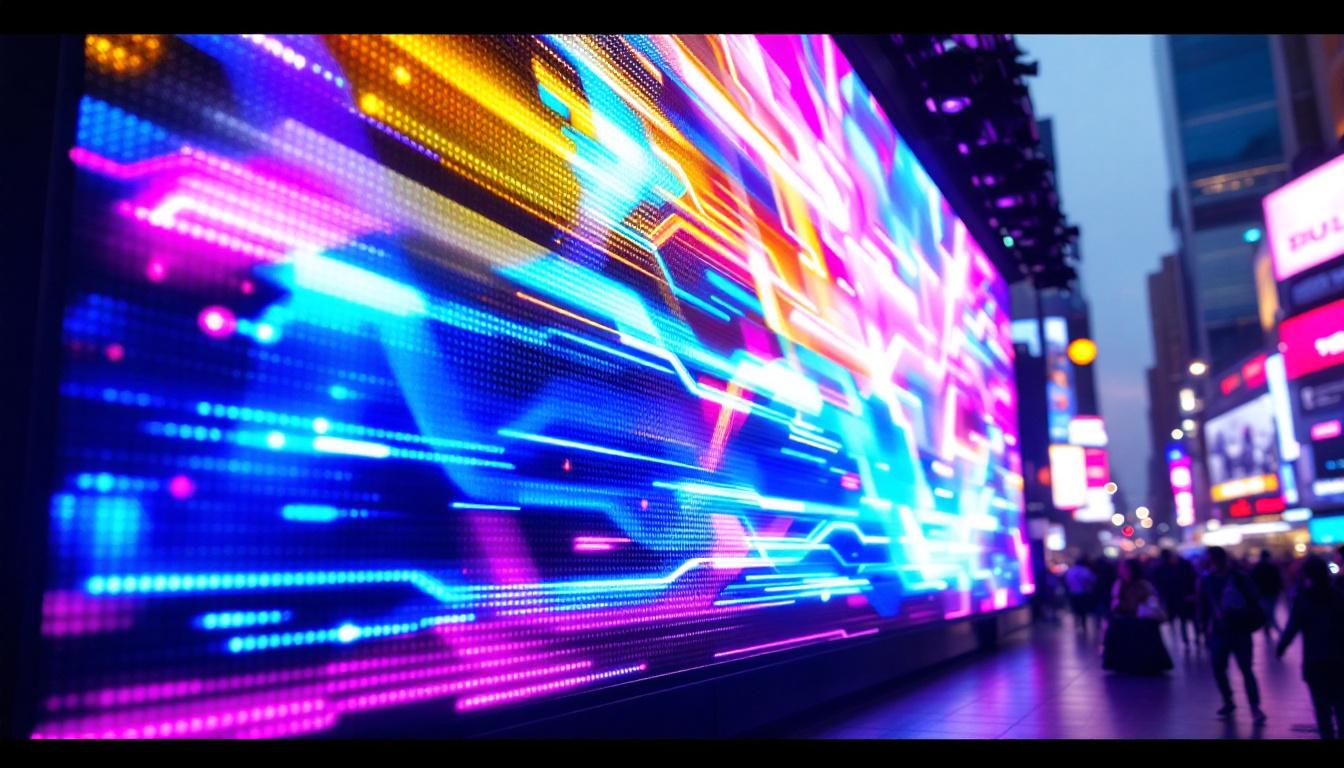
For example, large LED walls behind performers can display real-time spectrograms or abstract visuals that reflect the music’s dynamics. This not only adds aesthetic value but also helps visually convey the energy of the performance, especially in large venues where some audience members may be far from the stage.
Broadcasting and Media Production
In radio and television studios, sound wall images serve as visual feedback tools for audio engineers and presenters. LED displays showing real-time waveforms or frequency bars assist in monitoring sound quality and levels during live broadcasts.
Additionally, these visualizations can be incorporated into on-screen graphics to provide viewers with an engaging representation of audio content, such as during music shows, podcasts, or news segments featuring sound analysis.
Public Spaces and Interactive Installations
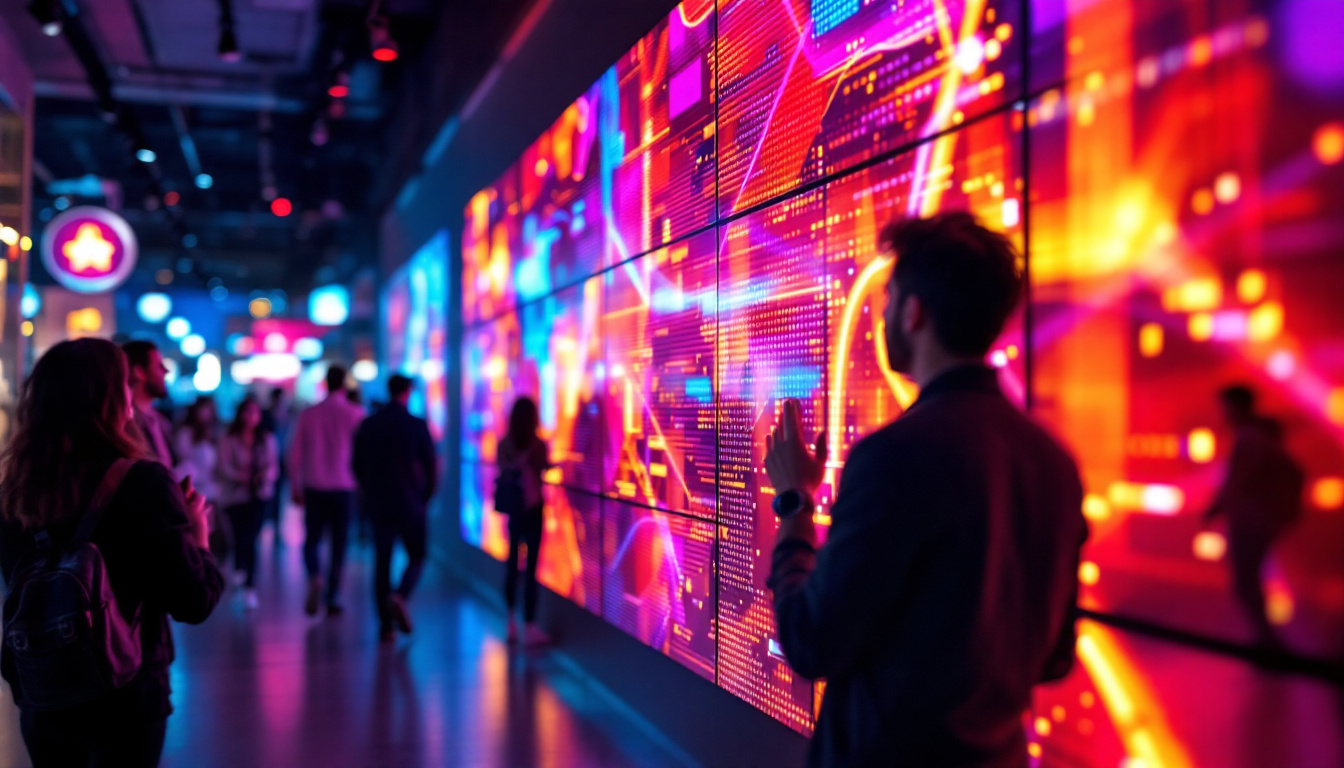
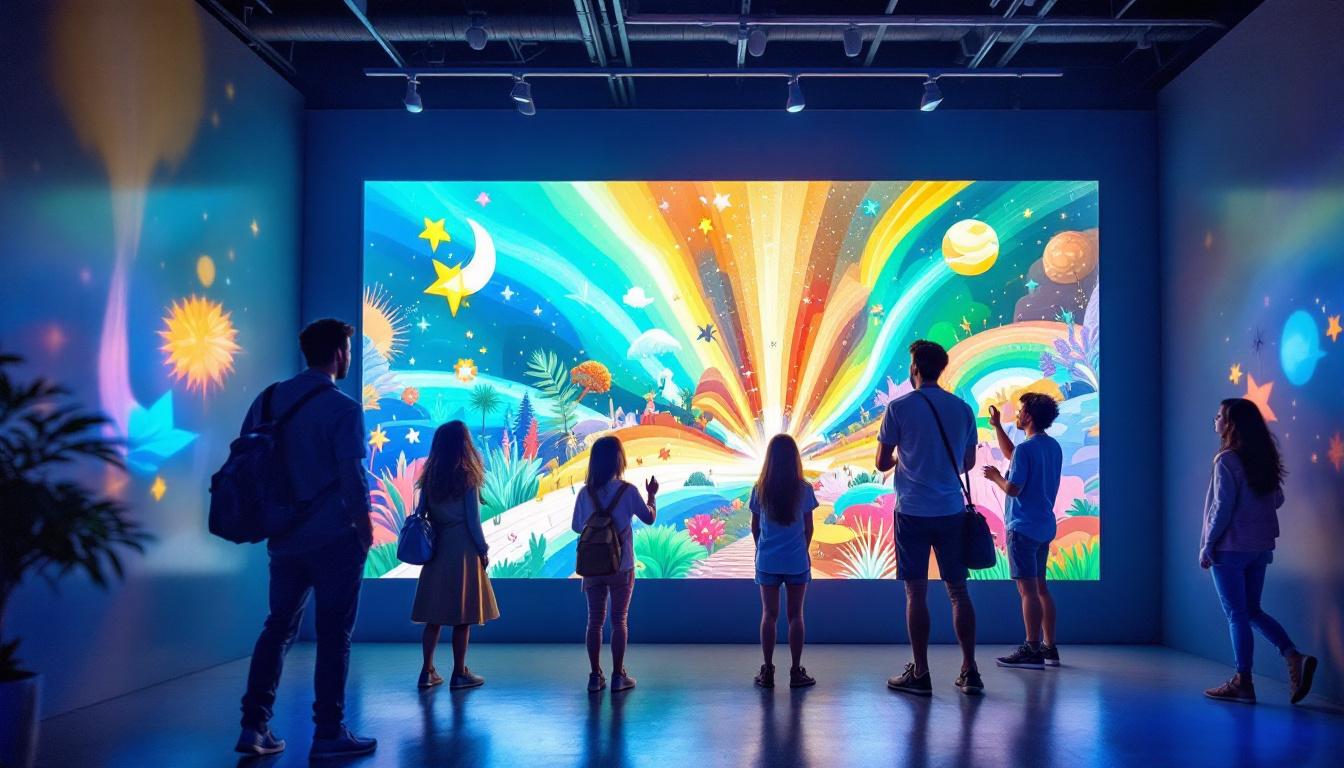
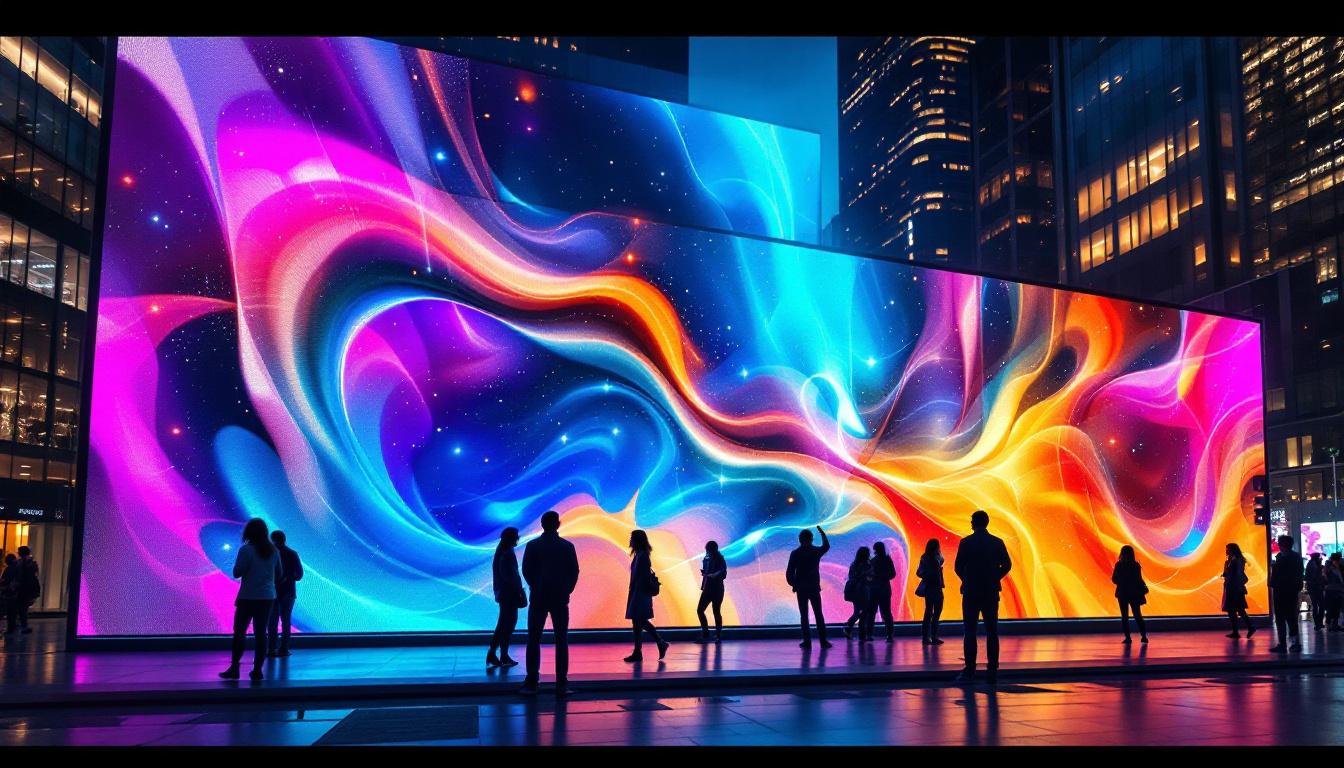
Urban planners and artists have embraced sound wall images in public spaces to create interactive installations. LED walls that respond to ambient noise or user-generated sounds invite public participation and raise awareness about sound pollution or acoustic environments.
Such installations can be found in museums, parks, and transit hubs, where they serve both educational and aesthetic purposes. By visualizing the invisible world of sound, these displays foster curiosity and provide a unique sensory experience.
Technical Considerations for Implementing Sound Wall LED Displays
Deploying a sound wall with LED visualization involves several technical factors that influence performance, durability, and user experience. Understanding these considerations is essential for designers, engineers, and decision-makers.
Resolution and Pixel Pitch
The resolution of an LED display is determined by its pixel pitch—the distance between the centers of adjacent pixels. Smaller pixel pitches yield higher resolution and finer detail, which is critical for accurately rendering complex sound visualizations.
For indoor sound walls, pixel pitches between 1.5mm and 4mm are common, providing crisp images at close viewing distances. Outdoor installations may use larger pitches (6mm or more) to ensure visibility from afar while balancing cost and power consumption.
Brightness and Contrast
LED displays must maintain adequate brightness and contrast to ensure visibility under varying lighting conditions. High brightness levels (often exceeding 1,000 nits for indoor and 5,000 nits for outdoor) enable clear visuals even in daylight or brightly lit environments.
Contrast ratio affects how well the display can differentiate between dark and bright areas, enhancing the depth and clarity of sound wall images. High contrast is particularly important for visualizations that rely on subtle color gradients or dark backgrounds.
Latency and Refresh Rate
Low latency is essential for real-time sound visualization, as delays between audio input and visual output can disrupt the immersive experience. Modern LED controllers and DSP units typically achieve latencies under 20 milliseconds, which is imperceptible to most viewers.
Refresh rates of 60Hz or higher ensure smooth animations and prevent flickering, which can cause visual discomfort during prolonged viewing.
Durability and Maintenance
LED displays used for sound walls must be reliable and easy to maintain, especially in public or outdoor settings. Factors such as weather resistance, heat dissipation, and modular design for quick repairs contribute to long-term performance.
Many manufacturers offer IP-rated enclosures (e.g., IP65) that protect against dust and moisture, extending the lifespan of the display and reducing downtime.
Future Trends in Sound Wall LED Displays
As technology advances, sound wall images and LED displays continue to evolve, offering new possibilities for interaction, aesthetics, and functionality.
Integration with Artificial Intelligence
Artificial intelligence (AI) and machine learning algorithms are increasingly being used to analyze audio signals more deeply and generate sophisticated visualizations. AI can identify musical genres, moods, or even lyrics, enabling sound walls to produce context-aware and emotionally resonant images.
Augmented Reality and Immersive Experiences
Combining LED sound walls with augmented reality (AR) devices or virtual reality (VR) environments can create fully immersive audio-visual experiences. Users could interact with sound visualizations in 3D space, opening new avenues for entertainment, education, and therapy.
Energy Efficiency and Sustainability
Advancements in LED technology continue to improve energy efficiency, reducing the environmental footprint of large-scale displays. Innovations such as micro-LEDs and organic LEDs (OLEDs) promise even greater efficiency and flexibility, enabling more sustainable sound wall installations.
Conclusion
Sound wall images powered by LED displays represent a compelling fusion of audio and visual technology, enriching how sound is perceived and experienced. From live entertainment to public art and media production, these dynamic visualizations offer both functional and aesthetic benefits.
Understanding the technical foundations, applications, and future trends of sound wall LED displays equips professionals and enthusiasts alike to harness their full potential. As technology progresses, sound walls will continue to transform the sensory landscape, making sound not just heard but vividly seen.
Discover the Future of Sound Visualization with LumenMatrix
Ready to elevate your auditory experiences to new visual heights? Explore LumenMatrix’s innovative LED display solutions, where cutting-edge technology meets creative expression. From immersive indoor and outdoor LED walls to versatile vehicle and sports displays, LumenMatrix is at the forefront of transforming environments with captivating visual experiences. Whether for live events, public installations, or dynamic advertising, our displays are designed to make your message resonate with brilliance and clarity. Check out LumenMatrix LED Display Solutions and join the revolution in visual communication.