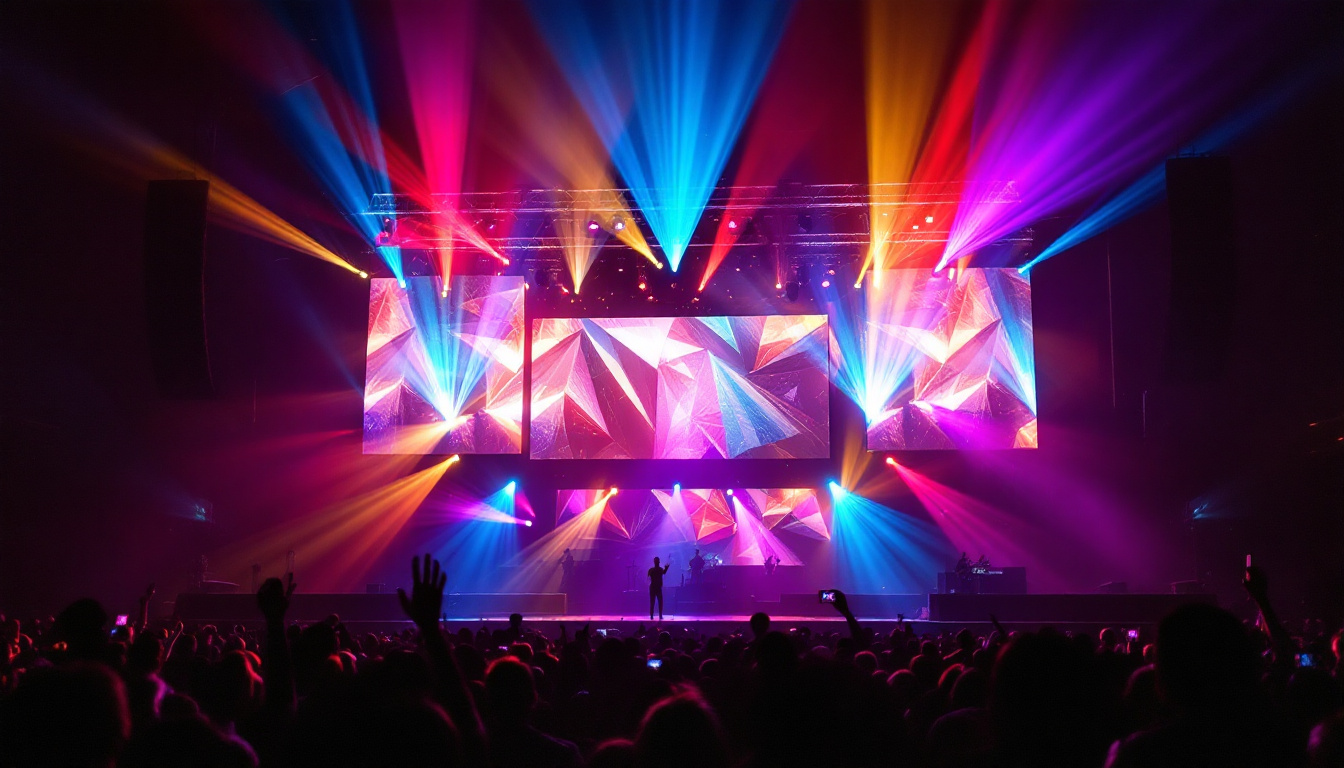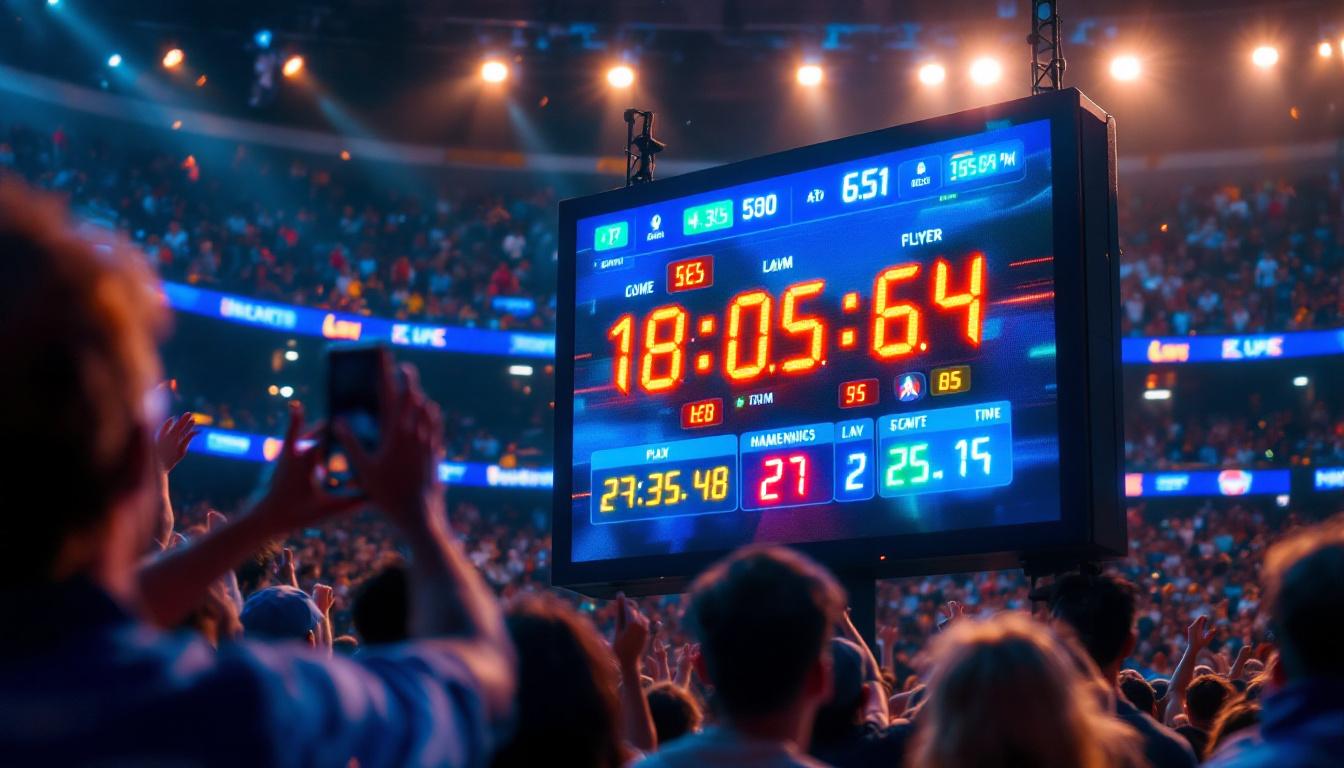
In the fast-paced world of sports, keeping fans, players, and officials informed with real-time score updates is crucial. The technology behind these updates has evolved significantly, with LED displays becoming the industry standard for sports scoreboards. This article explores the intricacies of LED sports score displays, their advantages, technology, and why they have become indispensable in modern sports arenas worldwide.
Understanding LED Technology in Sports Score Displays
What is an LED Display?
LED stands for Light Emitting Diode, a semiconductor device that emits light when an electric current passes through it. LED displays consist of numerous tiny LEDs arranged in a matrix to form digits, letters, and graphics. These displays are capable of producing bright, vivid images that are visible from great distances, making them ideal for sports scoreboards.
Unlike traditional incandescent or fluorescent displays, LEDs consume less power, have a longer lifespan, and offer superior brightness and contrast. This makes them particularly suited for outdoor stadiums where sunlight can often wash out less bright displays. Additionally, the durability of LED technology means that these displays can withstand harsh weather conditions, including rain, snow, and extreme temperatures, ensuring that they remain functional and clear throughout the sporting season.
Furthermore, the versatility of LED technology allows for customization in design and functionality. Teams can incorporate their branding, colors, and logos into the displays, creating a unique identity that resonates with fans. The ability to program various animations and messages also enhances the spectator experience, as teams can engage the audience with dynamic content during breaks in the game.
How LED Displays Work in Scoreboards
In a sports scoreboard, LEDs are configured in segments or pixels to represent numbers and symbols. For example, a seven-segment LED configuration is commonly used to display digits from 0 to 9. More advanced displays use full-color LED matrices capable of showing complex graphics, animations, and even video replays.
The display is controlled by a central processing unit (CPU) or microcontroller that receives real-time data from the scoring system. This data is then translated into signals that activate specific LEDs to update the score, time, or other relevant information instantaneously. The integration of wireless technology allows for seamless communication between the scoreboard and the scoring system, enabling updates to be displayed without delay, which is crucial during fast-paced sports events.
Moreover, modern LED scoreboards often come equipped with additional features such as integrated sound systems and connectivity to social media platforms. This allows teams to not only display scores but also engage with fans by sharing highlights, player statistics, and promotional content in real-time. The combination of visual and auditory elements creates a more immersive experience for spectators, making each game more exciting and memorable.
Advantages of LED Displays for Sports Scoreboards
High Visibility and Brightness
One of the most significant benefits of LED displays is their exceptional brightness. LED scoreboards can reach brightness levels of up to 6,000 nits or more, ensuring visibility even under direct sunlight. This is a critical factor for outdoor sports venues, where glare and lighting conditions can change rapidly.
Moreover, LED displays offer excellent contrast ratios, making the numbers and information easy to read from long distances. This enhances the spectator experience, allowing fans seated far from the field to stay engaged and informed.
Energy Efficiency and Durability
Energy efficiency is another key advantage. LEDs consume significantly less power compared to older technologies like incandescent bulbs or neon lights. This reduction in energy consumption translates to lower operational costs for stadium operators and a smaller environmental footprint.
LEDs are also highly durable and resistant to shock and vibration, which is essential in sports environments where equipment must withstand various weather conditions and physical impacts. Their long lifespan—often exceeding 100,000 hours—means fewer replacements and maintenance interruptions.
Flexibility and Customization
Modern LED scoreboards offer extensive customization options. They can display not only scores but also player statistics, team logos, advertisements, and dynamic animations. This versatility allows sports venues to enhance fan engagement and generate additional revenue through advertising.
Furthermore, LED displays can be designed in various shapes and sizes to fit the unique needs of different sports and venues. From small gymnasium scoreboards to massive stadium displays, LEDs provide scalable solutions.
Types of LED Scoreboards Used in Sports
Single-Color LED Scoreboards
Single-color LED scoreboards typically use red or amber LEDs and are the most basic form of LED displays. They are widely used in amateur sports facilities and smaller venues due to their cost-effectiveness. These boards primarily display scores and time, with limited graphic capabilities.
Full-Color LED Scoreboards
Full-color LED scoreboards utilize red, green, and blue LEDs to create a broad spectrum of colors. These boards can display detailed graphics, animations, and video content, making them popular in professional sports arenas. They enhance the visual experience by showing replays, player introductions, and interactive content.
Video LED Walls
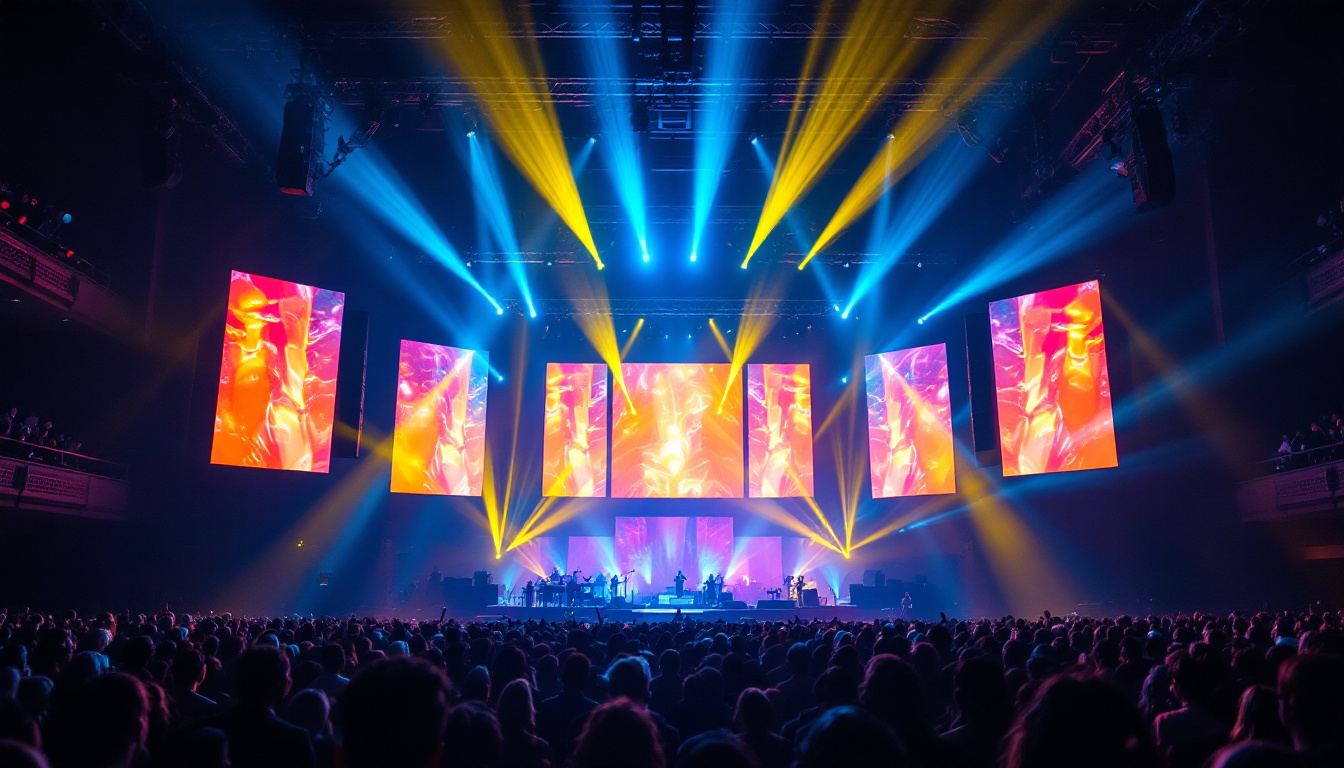
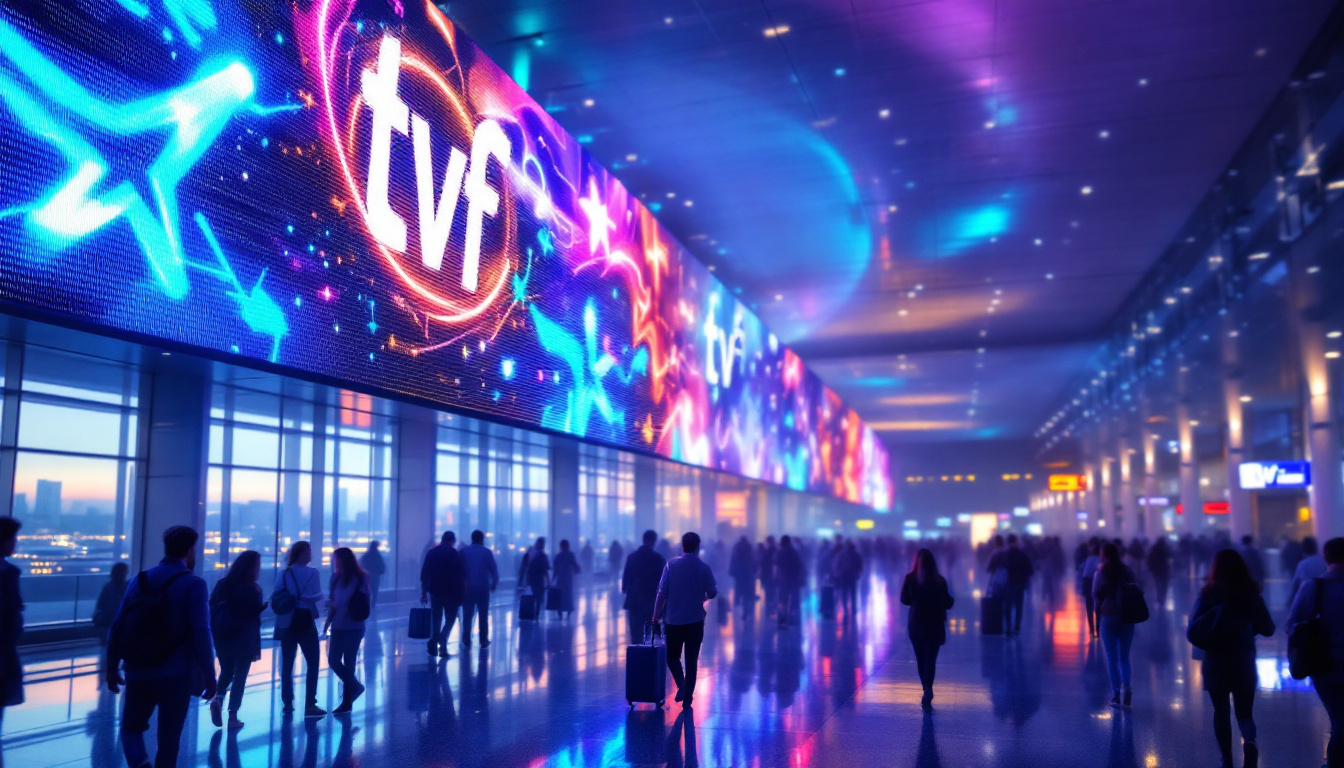
Video LED walls are large-scale displays made up of thousands of LED pixels. They serve multiple purposes beyond scorekeeping, including live video streaming, advertisements, and fan interaction. These walls are common in major league stadiums and are often integrated with advanced control systems for seamless content management.
Key Features to Consider When Choosing an LED Sports Score Display
Resolution and Pixel Pitch
Resolution refers to the number of pixels in the display, while pixel pitch is the distance between the centers of two adjacent pixels. A smaller pixel pitch means higher resolution and sharper images, which is crucial for close-up viewing areas like indoor arenas.
For large outdoor stadiums where viewers are farther away, a larger pixel pitch is acceptable and more cost-effective. Choosing the right balance between resolution and pixel pitch depends on the venue size and typical viewing distances.
Brightness and Viewing Angle
Brightness is measured in nits, and a higher nit value ensures visibility under bright daylight conditions. Viewing angle is equally important; it determines how well the display can be seen from the sides. A wide viewing angle ensures that spectators seated at various positions around the venue have a clear view of the scoreboard.
Durability and Weather Resistance
Outdoor LED scoreboards must be weatherproof to withstand rain, snow, dust, and extreme temperatures. Look for displays with high IP (Ingress Protection) ratings, typically IP65 or above, indicating strong resistance to water and dust ingress.
Control Systems and Connectivity
Modern LED scoreboards come with sophisticated control systems that allow operators to update scores and content remotely via wired or wireless connections. Integration with official timing and scoring systems ensures accuracy and real-time updates.
Some advanced systems also support integration with mobile apps or web platforms, enabling fans to interact with the scoreboard content or access additional statistics.
Applications of LED Sports Score Displays Beyond Scoring
Fan Engagement and Interactive Features
LED displays are increasingly used to engage fans during games. They can show crowd prompts, social media feeds, and interactive games, creating a dynamic and immersive atmosphere. For example, some stadiums use LED scoreboards to display live polls or trivia questions, encouraging fan participation.
Advertising and Sponsorship Opportunities
Advertising is a significant revenue stream for sports venues, and LED scoreboards provide prime real estate for sponsors. Dynamic advertisements can be rotated throughout the game, targeting different audience segments effectively. The ability to display high-quality video ads enhances sponsor visibility and value.
Real-Time Statistics and Analytics
Beyond just scores, LED displays can show detailed player statistics, game analytics, and instant replays. This information enriches the viewing experience and provides fans with deeper insights into the game’s progress. For broadcasters and commentators, these displays serve as valuable visual aids.
Case Studies: LED Scoreboard Implementations in Major Sports Venues
AT&T Stadium, Dallas Cowboys
AT&T Stadium features one of the largest high-definition LED video boards in the world, measuring 160 feet wide and 72 feet tall. This massive display not only shows scores but also live action replays, advertisements, and fan messages. Its brightness and resolution ensure clear visibility across the stadium’s 100,000-seat capacity.
Wembley Stadium, London
Wembley Stadium utilizes full-color LED scoreboards integrated with a sophisticated control system. The displays provide real-time scores, player stats, and dynamic content during events ranging from football matches to concerts. The LED technology enhances the overall fan experience and supports diverse event requirements.
Tokyo Olympic Stadium
The newly built Tokyo Olympic Stadium incorporates cutting-edge LED technology with weather-resistant features suitable for Japan’s varied climate. The LED displays are designed to provide clear visibility for both spectators and television broadcasts, showcasing the versatility and importance of LED scoreboards in global sporting events.
Future Trends in LED Sports Score Displays
Higher Resolution and Miniaturization
As LED technology advances, pixel pitches continue to shrink, allowing for ultra-high-definition displays even in smaller venues. This trend will enable more detailed graphics and smoother animations, enhancing the visual storytelling of sports events.
Integration with Augmented Reality (AR) and Artificial Intelligence (AI)
Future LED scoreboards may integrate AR to overlay additional information on live video feeds, providing immersive experiences for fans both in the stadium and watching remotely. AI-powered analytics could automate content updates, highlight key moments, and personalize fan engagement based on real-time data.
Energy-Efficient and Sustainable Solutions
With increasing focus on sustainability, LED manufacturers are developing more energy-efficient components and recyclable materials. Solar-powered LED scoreboards and smart energy management systems are emerging as eco-friendly options for sports venues aiming to reduce their carbon footprint.
Conclusion
LED displays have revolutionized sports scorekeeping by offering unmatched brightness, durability, and versatility. Their ability to deliver real-time, dynamic content enhances the fan experience and opens new avenues for advertising and engagement. As technology continues to evolve, LED sports score displays will become even more integral to the way sports are experienced worldwide, combining cutting-edge innovation with the timeless excitement of the game.
For sports organizations, investing in high-quality LED scoreboards is not just about keeping score—it’s about creating an immersive, interactive environment that elevates every match, every play, and every fan’s moment of excitement.
Illuminate Your Sports Experience with LumenMatrix
Ready to elevate your sports venue with the most vibrant and dynamic LED displays on the market? Discover LumenMatrix’s comprehensive range of LED display solutions, designed to captivate your audience and amplify every moment. From the roar of the crowd to the thrill of the game, our LED Sports Displays and custom solutions ensure that every score and replay captures the excitement with unparalleled clarity. Check out LumenMatrix LED Display Solutions today and transform your sports arena into a beacon of unforgettable experiences.