In the modern era of sports entertainment, LED displays have become an indispensable element of stadiums and arenas worldwide. From enhancing the fan experience to delivering critical game information, these vibrant screens are more than just flashy accessories—they are central to how sports venues communicate and engage with audiences. However, selecting and installing the right LED display is a complex process that requires careful calculation and understanding of various technical and environmental factors.
This article delves into the essentials of sports venue LED displays, focusing on how to calculate the optimal specifications for these installations. Whether you are a stadium manager, event organizer, or technology consultant, understanding the nuances of LED display technology and the methodology behind sizing and placement can significantly impact the effectiveness and return on investment of your venue’s visual infrastructure.
Understanding LED Displays in Sports Venues
LED (Light Emitting Diode) technology has revolutionized the way sports venues present information and entertainment. Unlike traditional screens, LED displays offer superior brightness, energy efficiency, and durability, making them ideal for both indoor arenas and outdoor stadiums.
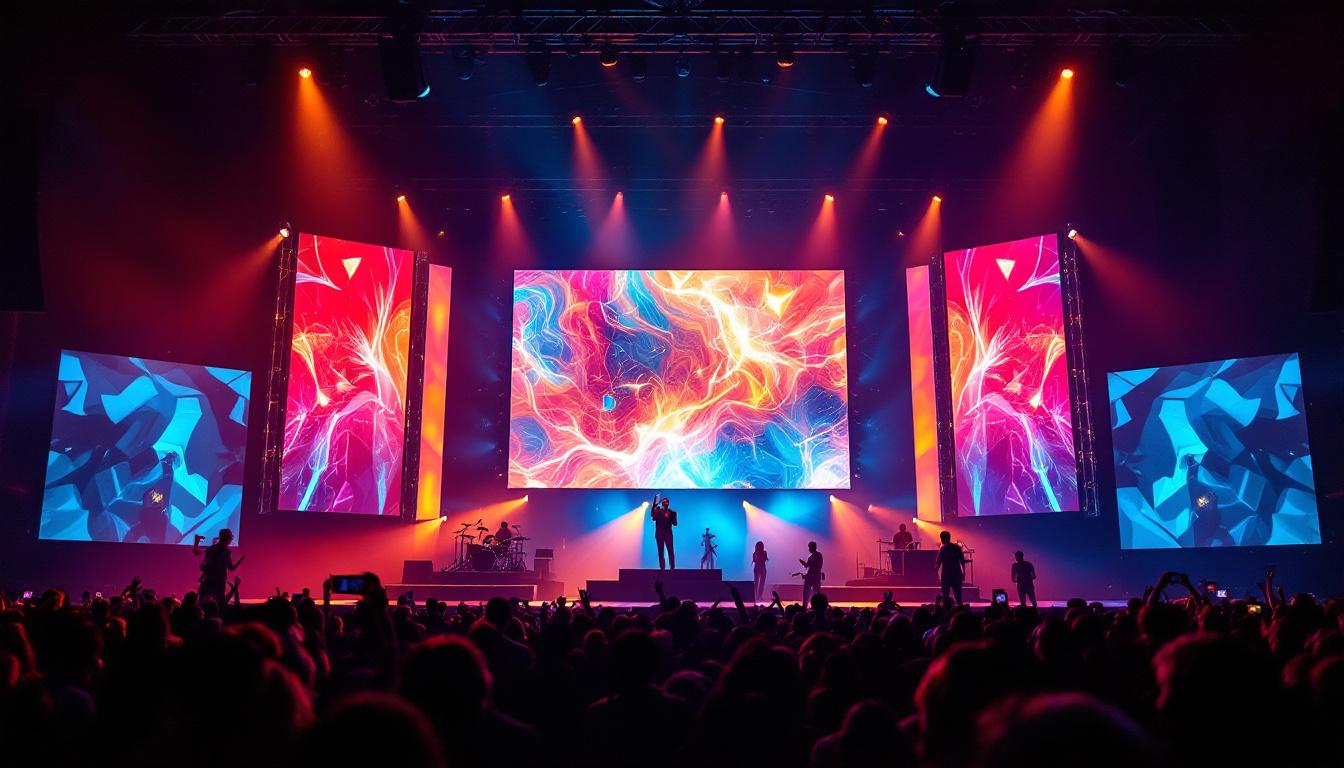
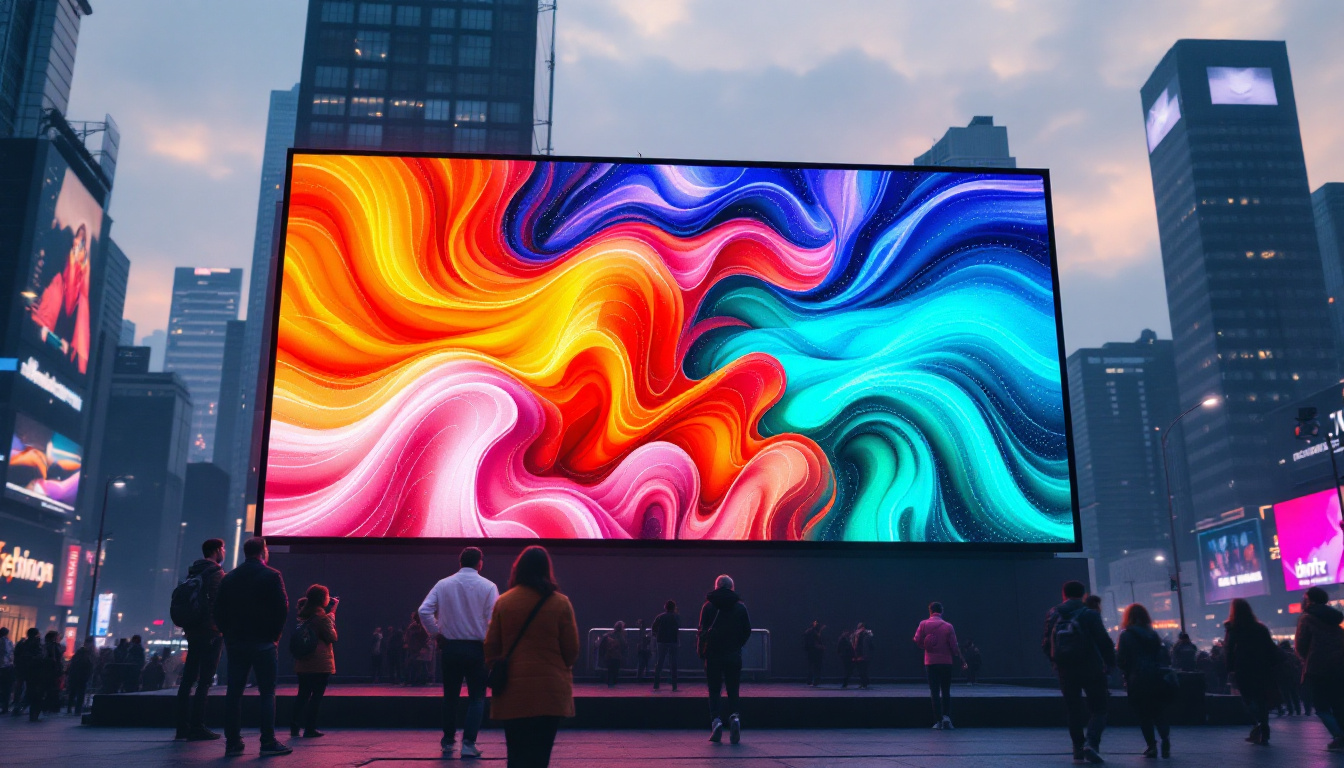
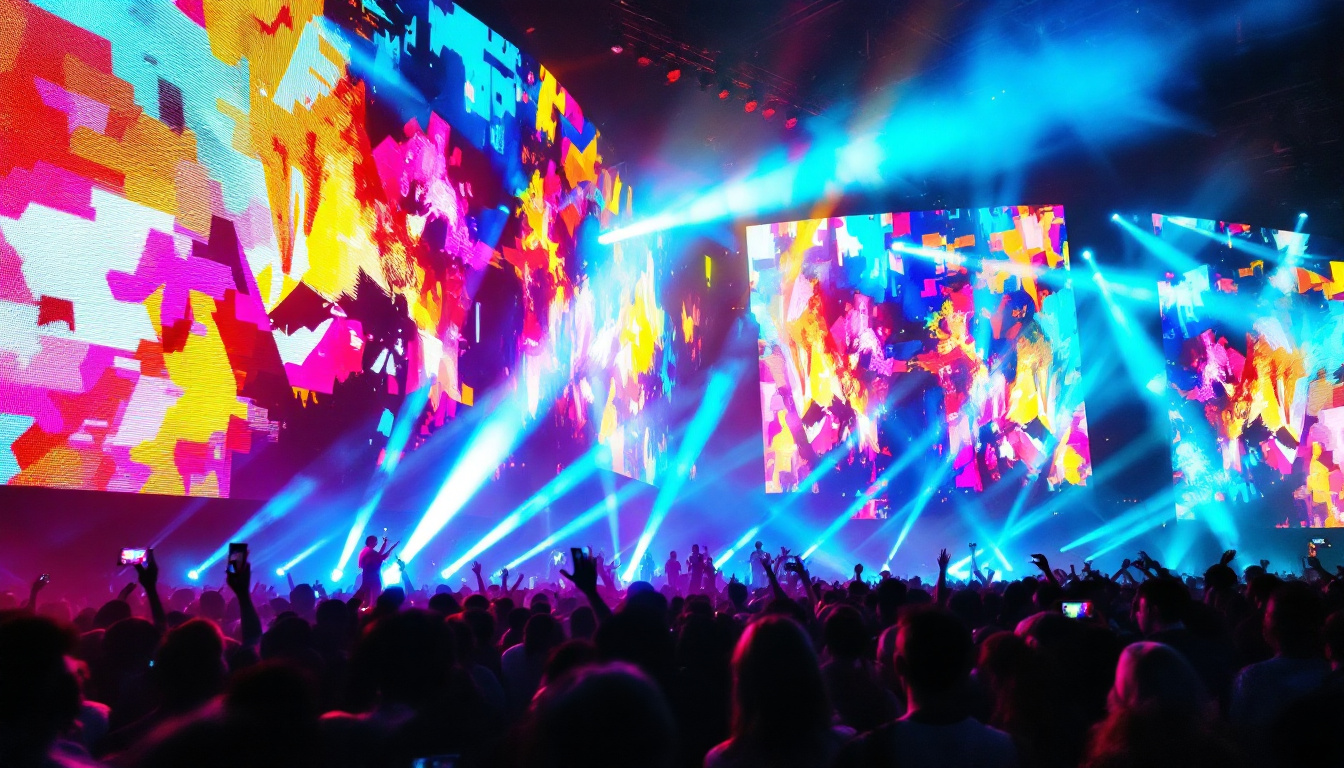
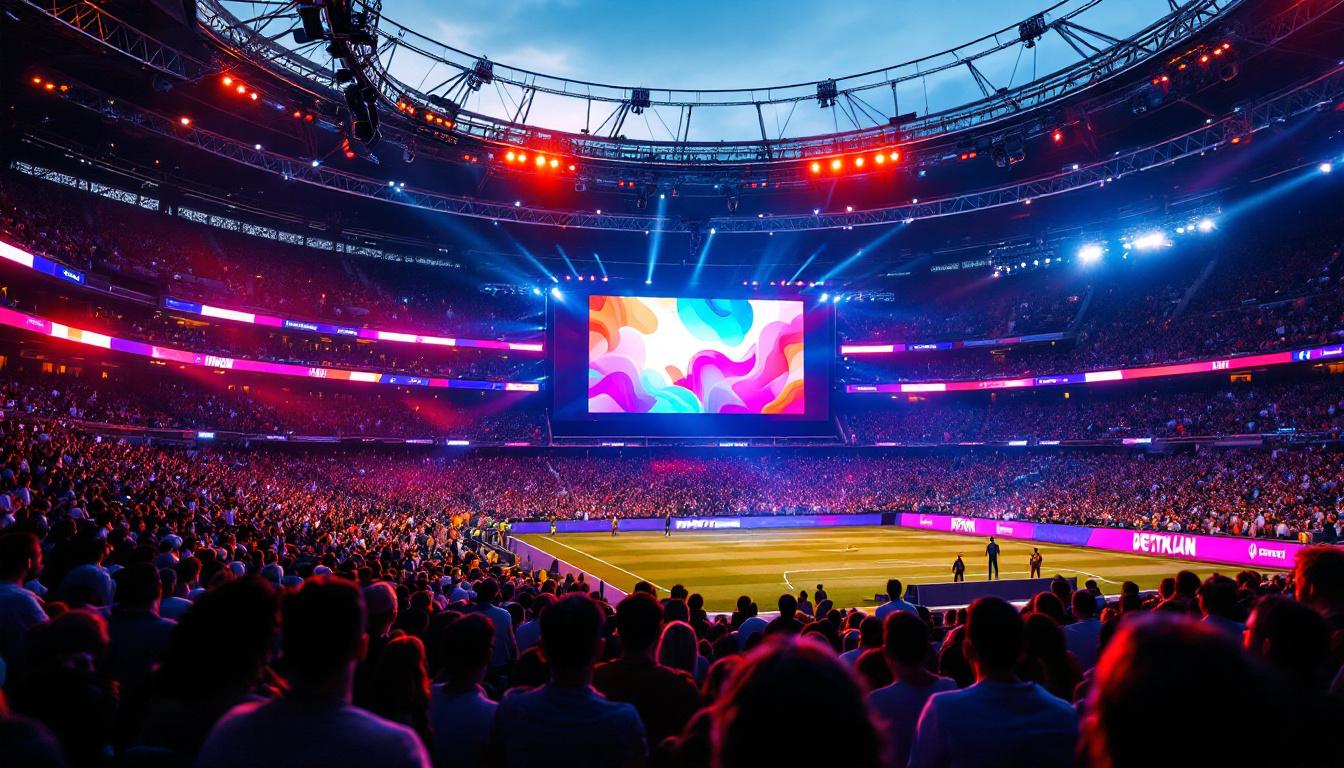
Sports venues utilize LED displays for a variety of purposes: live game scores, player statistics, instant replays, advertisements, and interactive fan engagement features. The scale of these installations can range from small ribbon boards along the sidelines to massive video walls towering above the field.
Key Features of LED Displays
One of the most important features of LED displays is their ability to maintain visibility under various lighting conditions. Stadiums often face challenges such as direct sunlight, shadows, and night games, and LED technology is designed to provide consistent brightness and contrast regardless of ambient light.
Additionally, LED displays offer flexibility in resolution and pixel pitch, which directly affect image clarity and viewing distance. These factors are critical when determining the appropriate size and type of display for a particular venue. For instance, high pixel density is essential for displays viewed from close proximity, such as those found in basketball arenas, while larger pixel pitches may suffice for football stadiums where spectators are seated farther away.
Moreover, the integration of advanced software with LED displays allows for real-time updates and dynamic content management. This means that venues can easily switch between various types of content, such as promotional videos, live social media feeds, and interactive polls, enhancing the overall spectator experience. The ability to customize content not only keeps fans engaged but also allows teams and sponsors to maximize their marketing efforts during events.
Another significant advantage of LED displays is their environmental impact. With the growing emphasis on sustainability, many sports venues are opting for energy-efficient LED technology, which consumes less power compared to traditional lighting systems. Additionally, the longevity of LED displays reduces the frequency of replacements, further minimizing waste and contributing to a greener approach in the sports industry.
Critical Factors in Calculating LED Display Requirements
Choosing the right LED display for a sports venue involves a multi-faceted calculation process. Several technical and environmental factors must be considered to ensure the display meets visibility, durability, and budgetary requirements.
Viewing Distance and Pixel Pitch
Viewing distance is arguably the most crucial factor in determining pixel pitch, which is the distance between the centers of two adjacent pixels in millimeters. A smaller pixel pitch means higher resolution and sharper images but comes at a higher cost.
For example, a display intended to be viewed from 10 meters away might use a pixel pitch of 10mm, while one viewed from 50 meters would require a larger pixel pitch, such as 20mm or more. The general rule is that the minimum viewing distance in meters should be roughly equal to the pixel pitch in millimeters multiplied by 100.
In addition to pixel pitch, the viewing angle also plays a significant role in the overall effectiveness of the display. A wider viewing angle ensures that spectators seated at various positions around the venue can enjoy a clear and vibrant image. This is particularly important in large stadiums, where fans may be seated at extreme angles relative to the screen. Manufacturers often provide specifications on viewing angles, which can help venue operators make informed decisions about the optimal display configuration.
Screen Size and Aspect Ratio
The physical size of the LED display must be proportional to the venue’s dimensions and the expected audience size. Larger screens can accommodate more viewers and provide a more immersive experience, but they also require more power and structural support.
Aspect ratio—the width-to-height ratio of the screen—is another important consideration. Most sports LED displays use a 16:9 aspect ratio, which aligns with standard video formats and broadcast content, ensuring compatibility and optimal visual presentation.
However, some sports may benefit from different aspect ratios. For instance, a 4:3 aspect ratio might be more suitable for certain types of content, such as classic sports highlights or specific broadcast formats. Understanding the nature of the content to be displayed can help in selecting the most appropriate aspect ratio, thus enhancing the viewer’s experience and engagement during events.
Brightness and Contrast Ratio
Brightness is measured in nits (candelas per square meter) and is vital for visibility, especially in outdoor stadiums exposed to sunlight. Typical LED displays for outdoor sports venues range from 5,000 to 8,000 nits, while indoor displays may require only 1,000 to 2,000 nits.
Contrast ratio—the difference between the darkest black and the brightest white the display can produce—affects image clarity and depth. Higher contrast ratios enhance the viewing experience, particularly for fast-moving sports content.
Moreover, advancements in LED technology have led to the development of displays with dynamic brightness adjustment features. These displays can automatically adjust their brightness levels based on ambient light conditions, ensuring optimal visibility at all times. This not only enhances the viewer experience but also contributes to energy savings, making it a more sustainable choice for venues looking to reduce their carbon footprint.
Environmental Considerations
Sports venues often expose LED displays to harsh weather conditions, including rain, wind, dust, and temperature extremes. Therefore, displays must have appropriate ingress protection (IP) ratings, typically IP65 or higher for outdoor installations, to ensure longevity and reliable performance.
Additionally, considerations around mounting location, ventilation, and maintenance access are essential to prevent overheating and facilitate repairs without significant downtime.
Another critical aspect of environmental considerations is the potential for vandalism or accidental damage. Protective measures, such as reinforced glass or protective casings, can be employed to safeguard the displays against impacts. Furthermore, venues may also need to evaluate the security of the installation site, ensuring that the displays are not only functional but also secure from theft or tampering, which can lead to costly repairs and operational disruptions.
Using a Sports Venue Calculator for LED Display Planning
Given the complexity of these factors, many stadium planners and technology integrators rely on specialized sports venue calculators to determine the optimal LED display specifications. These calculators integrate multiple variables to provide tailored recommendations that balance performance, cost, and feasibility.
Input Parameters for Calculators
A comprehensive sports venue calculator typically requires inputs such as:
- Venue dimensions and seating layout
- Maximum and minimum viewing distances
- Ambient lighting conditions
- Desired screen resolution and pixel pitch
- Intended content types (video, static images, text)
- Environmental exposure and IP rating requirements
By processing these inputs, the calculator can suggest the appropriate screen size, pixel pitch, brightness level, and mounting options, helping decision-makers avoid costly mistakes and optimize fan engagement.
Benefits of Using a Calculator
Using a sports venue calculator streamlines the planning process and reduces the risk of under- or over-specifying the LED display. It ensures that the display will be visible and effective for all spectators, regardless of their seating location.
Moreover, it facilitates budget management by aligning technical requirements with financial constraints, enabling stakeholders to make informed trade-offs between cost and performance.
Case Studies: Successful LED Display Implementations
Examining real-world examples provides valuable insights into how LED display calculations translate into successful installations.
Case Study 1: Outdoor Football Stadium
A major outdoor football stadium with a seating capacity of 60,000 installed a 1,200 square meter LED video wall behind one end zone. Using a sports venue calculator, the team determined a pixel pitch of 16mm was optimal given the average viewing distance of 40 meters. The display was specified with 7,500 nits brightness to ensure visibility even in direct sunlight.
This installation improved fan engagement by displaying live replays, interactive fan polls, and dynamic advertisements, contributing to a 15% increase in concession sales during games.
Case Study 2: Indoor Basketball Arena
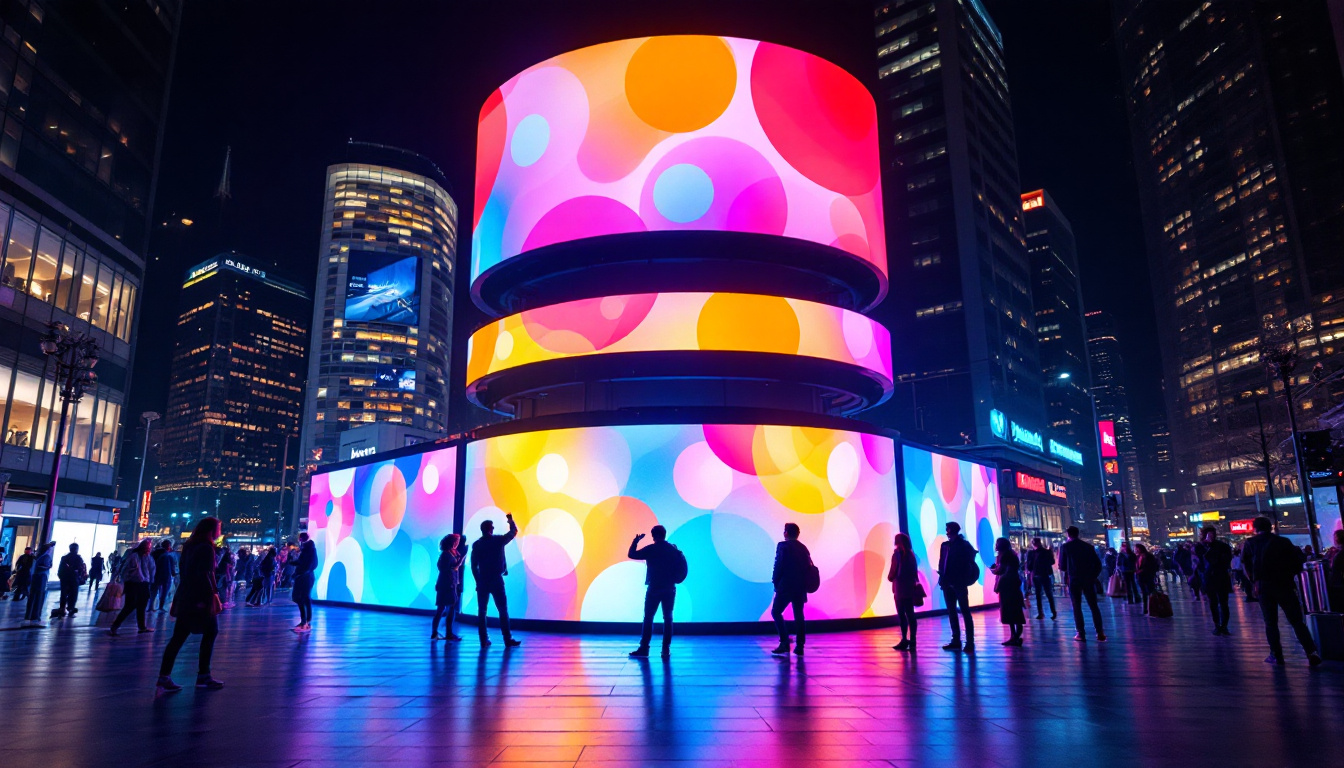
An indoor basketball arena with 18,000 seats opted for a 360-degree LED ribbon board encircling the upper tier. The calculator recommended a pixel pitch of 10mm to accommodate close viewing distances of 10 to 20 meters. Brightness was set at 1,500 nits to avoid glare under arena lighting.
The ribbon board enhanced the atmosphere by displaying real-time statistics and crowd animations, which increased fan satisfaction scores by 20% according to post-event surveys.
Future Trends in Sports Venue LED Displays
As technology advances, sports venue LED displays continue to evolve, integrating new features and capabilities that further enrich the spectator experience.
Higher Resolution and Smaller Pixel Pitch
Emerging LED technologies are pushing pixel pitches below 1mm, enabling ultra-high-definition displays that rival traditional LCD screens. These advancements allow for even more detailed and immersive visuals, particularly beneficial for close-range viewing in smaller venues.
Interactive and Smart Displays
Integration with mobile devices and augmented reality (AR) is becoming more common, allowing fans to interact with the display content through apps or wearable technology. Smart LED displays can adapt content dynamically based on crowd behavior, game events, or advertising campaigns.
Energy Efficiency and Sustainability
New LED modules are designed to consume less power while delivering higher brightness, aligning with growing sustainability goals in sports venues. Additionally, modular designs facilitate easier upgrades and repairs, reducing waste and operational costs.
Conclusion
LED displays have become a cornerstone of the modern sports venue experience, offering vibrant, dynamic visuals that engage fans and enhance event presentations. However, the success of these installations hinges on careful calculation and planning, taking into account viewing distances, pixel pitch, brightness, environmental factors, and budget constraints.
Utilizing a sports venue calculator simplifies this complex process, enabling venue operators to select LED displays that maximize visibility, durability, and fan engagement. As technology continues to advance, the potential for even more immersive and interactive LED experiences in sports venues grows, promising exciting developments for both fans and operators alike.
Discover LumenMatrix LED Display Solutions
Ready to elevate your sports venue with the ultimate LED display technology? Look no further than LumenMatrix, where innovation meets excellence. Our comprehensive range of LED display solutions, including Indoor and Outdoor LED Wall Displays, Vehicle LED Displays, LED Poster Displays, and specialized LED Sports Displays, are designed to transform your space into a dynamic and engaging environment. Embrace the future of visual communication with LumenMatrix and create unforgettable experiences for your audience. Check out LumenMatrix LED Display Solutions today and see the difference cutting-edge technology can make.