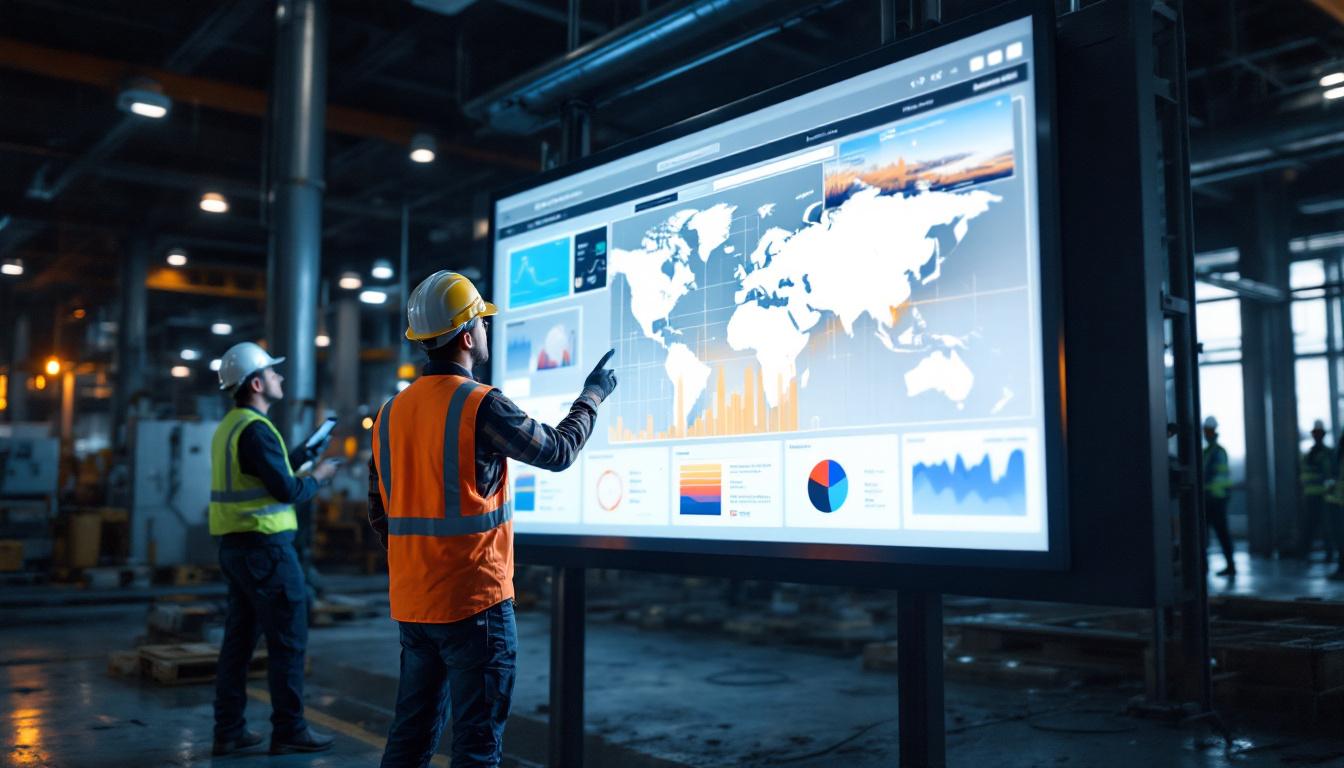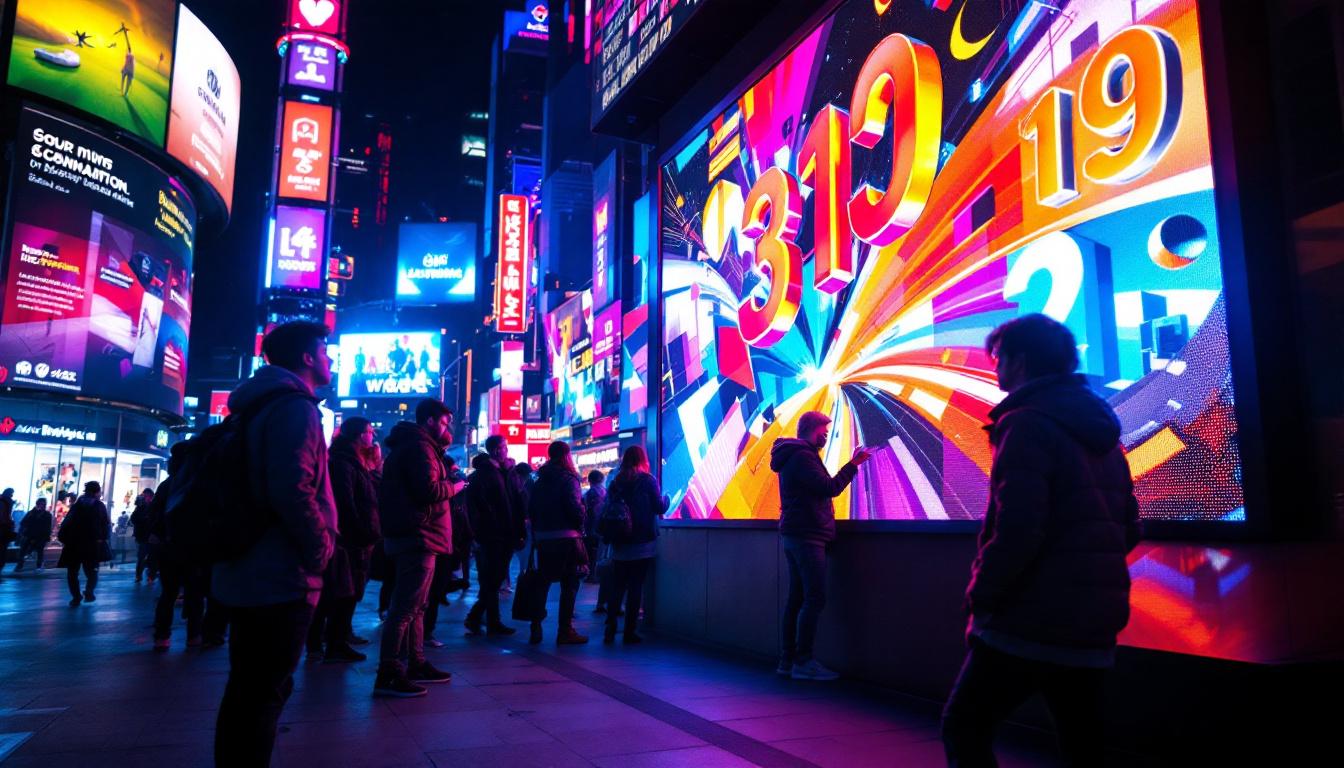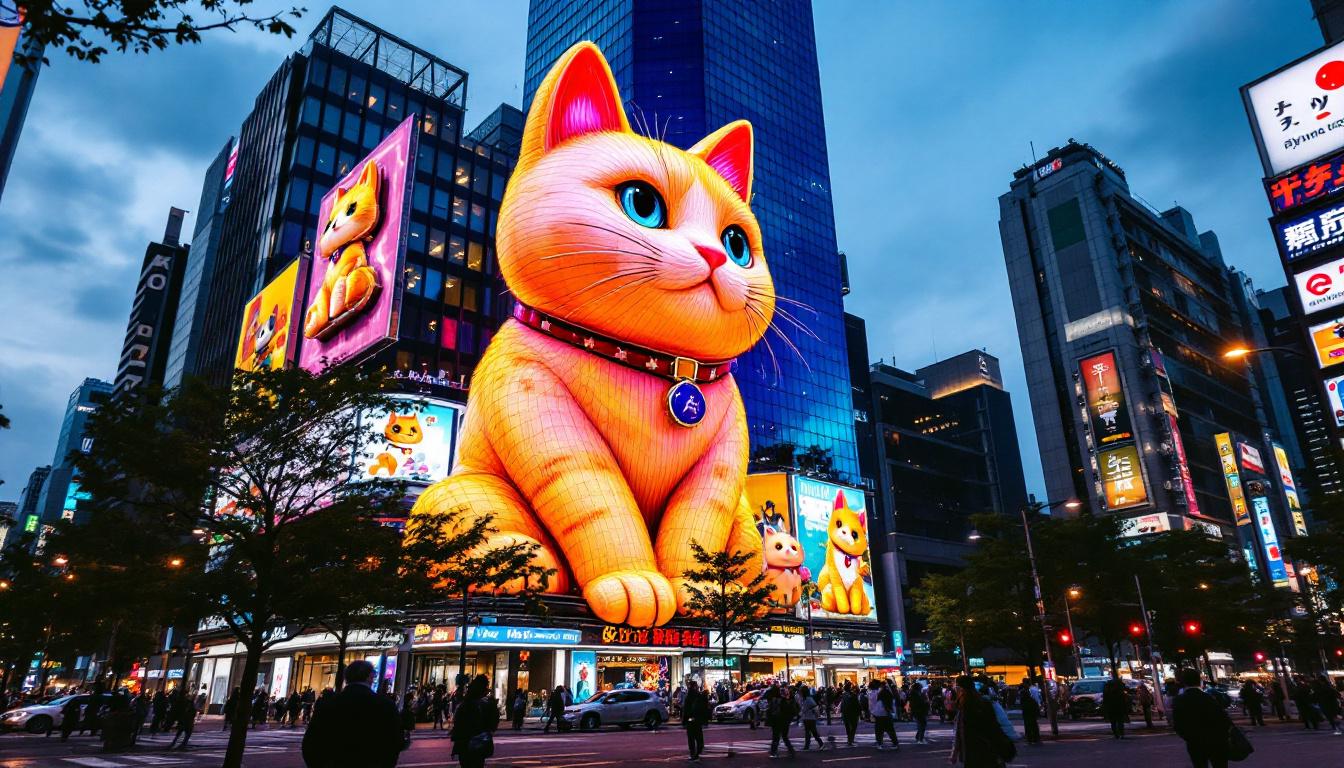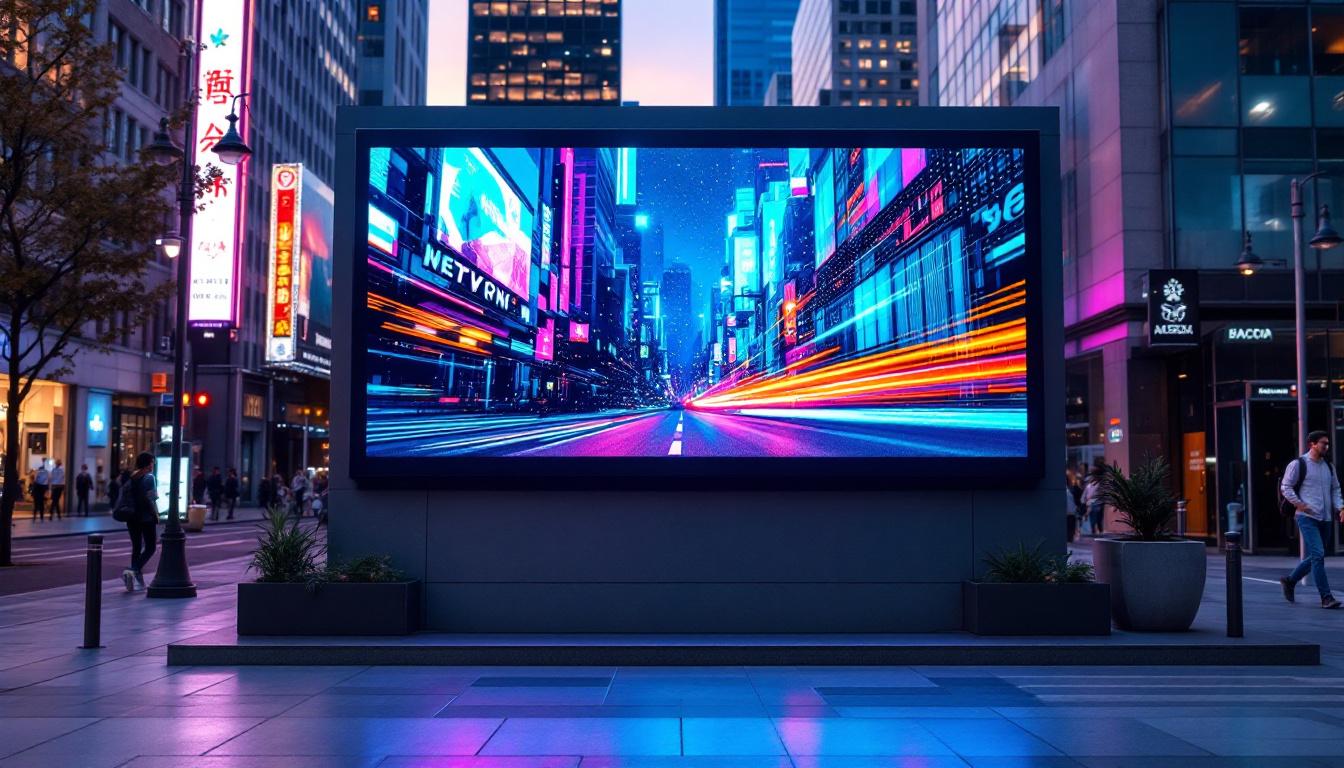
In today’s fast-paced world, capturing attention quickly and effectively is paramount for advertisers, event organizers, and public information providers. Electronic billboards, especially those utilizing LED display technology, have revolutionized outdoor advertising and information dissemination. This article delves into the intricacies of LED electronic billboards, exploring their technology, benefits, applications, and future trends.
Understanding LED Technology in Electronic Billboards
What is an LED Display?
LED stands for Light Emitting Diode, a semiconductor device that emits light when an electric current passes through it. Unlike traditional incandescent bulbs, LEDs are highly energy-efficient, durable, and capable of producing vibrant colors. An LED display is essentially a matrix of these tiny diodes arranged to form images, text, or videos.
In electronic billboards, thousands or even millions of these LEDs work in unison to create large-scale, high-resolution visual content that can be seen clearly from long distances. The brightness and color accuracy of LED displays make them ideal for outdoor environments where lighting conditions vary throughout the day. Additionally, the longevity of LED technology means that these displays can operate for tens of thousands of hours, significantly reducing maintenance costs and the need for frequent replacements compared to traditional lighting solutions.
Furthermore, the versatility of LED displays allows for a wide range of applications beyond just advertising. They can be used for public service announcements, event promotions, and even artistic displays, transforming urban landscapes into dynamic canvases. This adaptability has made LED technology a popular choice for cities looking to enhance public spaces and engage communities.
How Do LED Billboards Work?
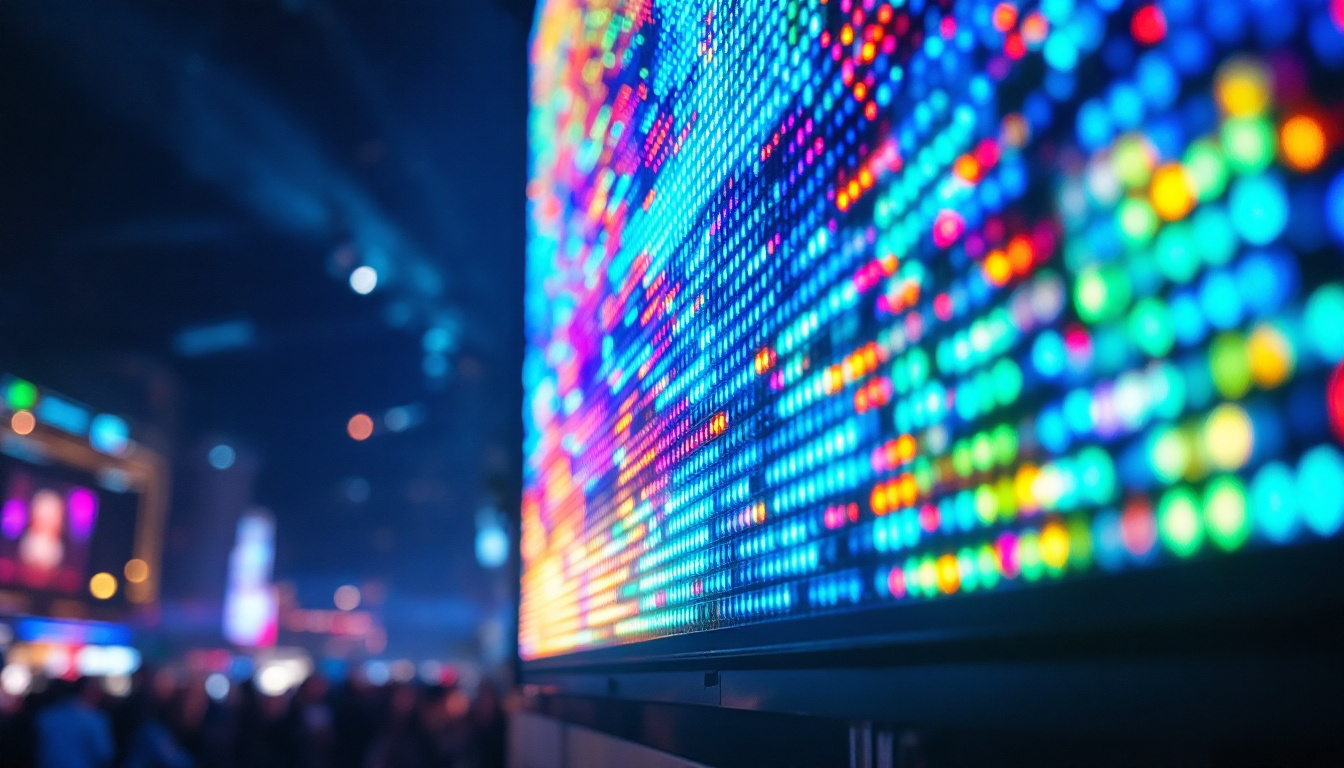
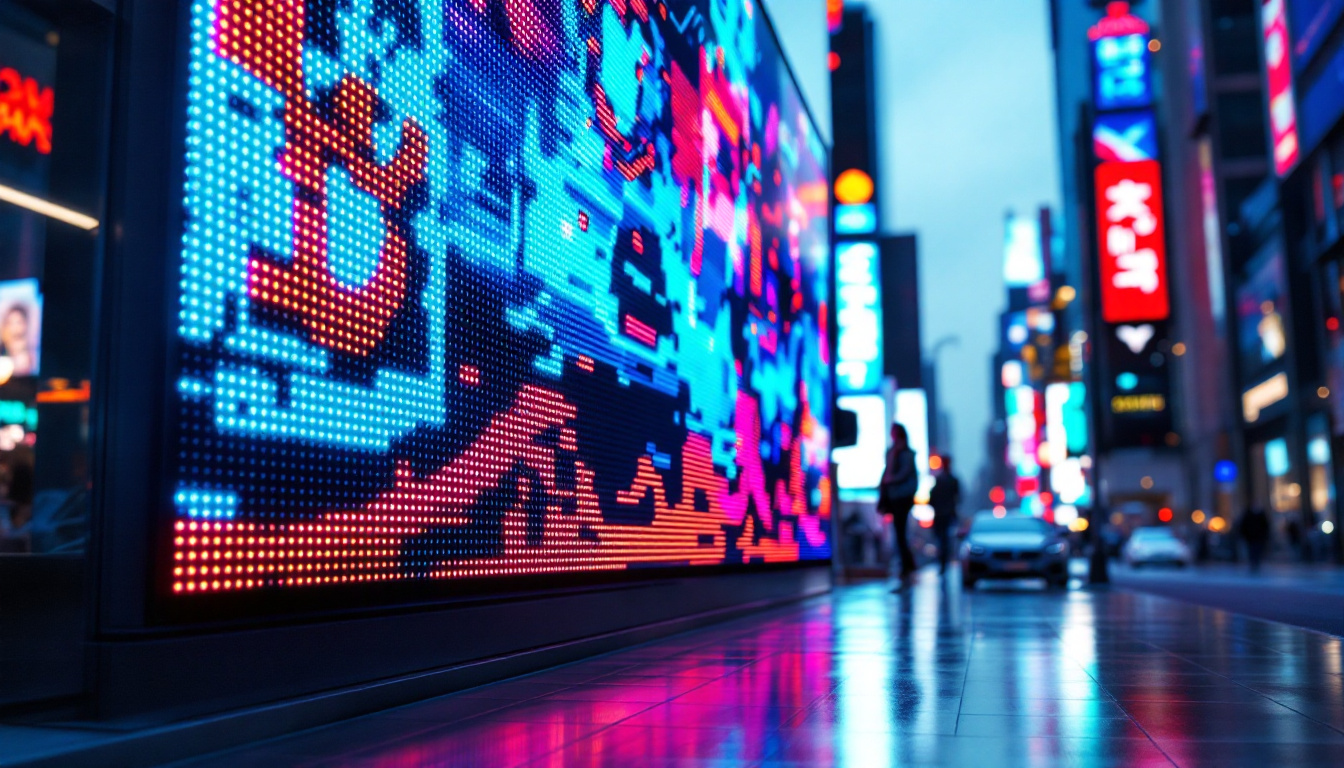
LED billboards operate by controlling the intensity of individual LEDs to form the desired image or message. The display is divided into pixels, each composed of red, green, and blue LEDs. By adjusting the brightness of these three colors, the billboard can produce a full spectrum of colors.
Modern LED billboards use sophisticated control systems that allow real-time content updates. These systems connect to content management software, enabling advertisers to schedule and modify advertisements remotely. This flexibility is a significant advantage over traditional static billboards. For example, advertisers can quickly change their messages based on current events, weather conditions, or even audience demographics, ensuring that their content remains relevant and engaging.
Moreover, the integration of sensors and data analytics into LED billboard technology is revolutionizing how advertisers approach their campaigns. By utilizing audience measurement tools, advertisers can gather insights on viewer engagement and adjust their strategies accordingly. This data-driven approach not only enhances the effectiveness of advertising but also allows for more personalized content delivery, catering to the specific interests and behaviors of the audience present at any given time.
Advantages of LED Electronic Billboards
Superior Visibility and Brightness
One of the most significant benefits of LED billboards is their exceptional brightness. LEDs can emit light at levels exceeding 5,000 nits, which is substantially brighter than conventional billboard lighting. This ensures that messages remain visible even in direct sunlight, a crucial factor for outdoor advertising.
Additionally, LED displays offer wide viewing angles, allowing the content to be seen clearly from multiple directions. This feature increases the billboard’s effectiveness by reaching a broader audience. Furthermore, the color accuracy and vibrancy of LED technology enhance the visual appeal of advertisements, making them more eye-catching and memorable. The ability to display a wide spectrum of colors also allows brands to maintain their identity and consistency, ensuring that their advertisements resonate with their target demographics.
Energy Efficiency and Longevity
Compared to traditional neon or incandescent lighting, LEDs consume significantly less power. According to the U.S. Department of Energy, LED lighting uses at least 75% less energy and lasts 25 times longer than incandescent lighting. This translates to lower operational costs and reduced environmental impact for billboard operators.
LEDs also have a longer lifespan, often exceeding 100,000 hours of operation. This durability reduces maintenance requirements and downtime, ensuring continuous advertising exposure. Additionally, the lower energy consumption of LED billboards contributes to a smaller carbon footprint, aligning with the growing demand for sustainable advertising solutions. As businesses increasingly prioritize eco-friendly practices, the adoption of LED technology not only meets operational needs but also enhances corporate social responsibility initiatives.
Dynamic and Flexible Content
Unlike static billboards, LED displays allow for dynamic content that can be updated frequently. Advertisers can display multiple ads in rotation, incorporate animations, videos, and real-time information such as weather updates or news headlines.
This adaptability enhances audience engagement and allows for targeted advertising strategies. For example, a restaurant could change its menu display based on the time of day or promote special offers during peak hours. Moreover, the ability to integrate social media feeds or user-generated content can create a more interactive experience, encouraging passersby to engage with the brand on various platforms. This level of interaction not only boosts brand visibility but also fosters a sense of community, as local businesses can showcase their involvement in events or promotions that resonate with the audience.
Applications of LED Electronic Billboards
Outdoor Advertising
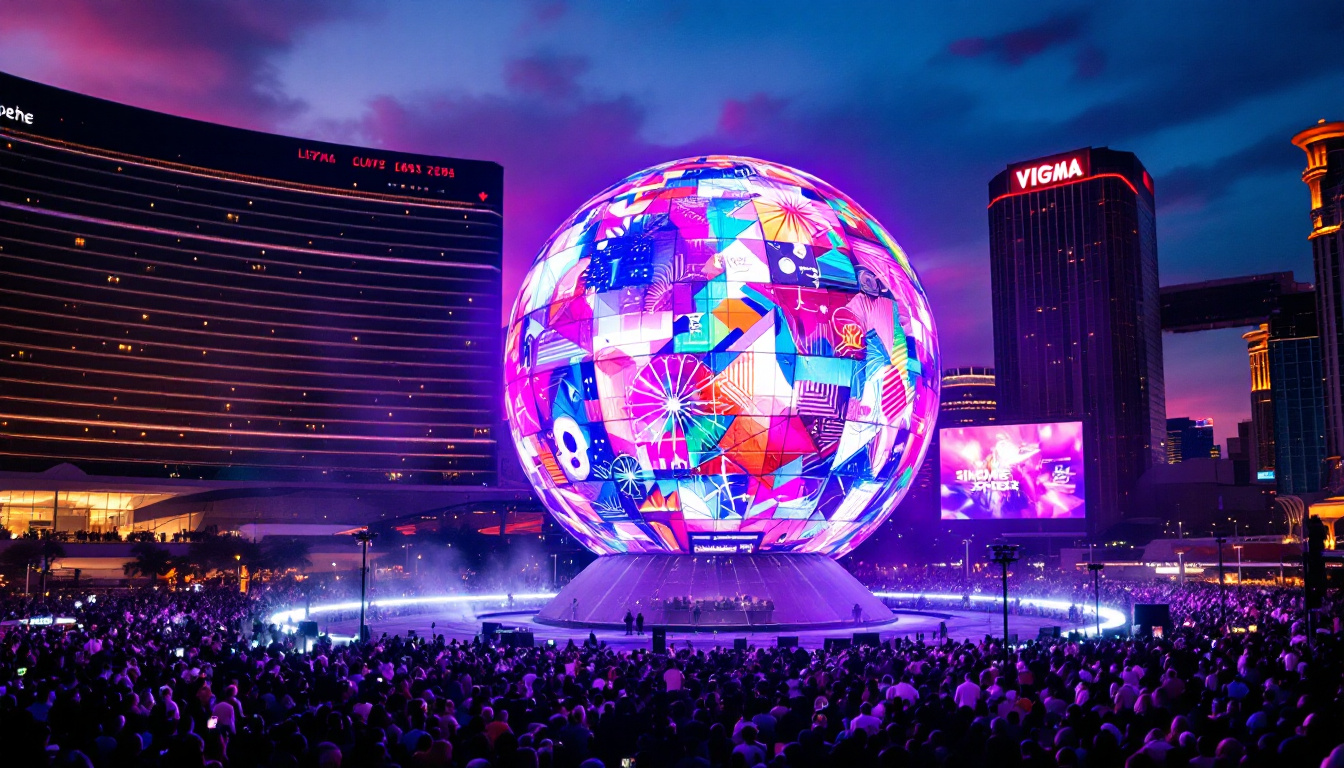
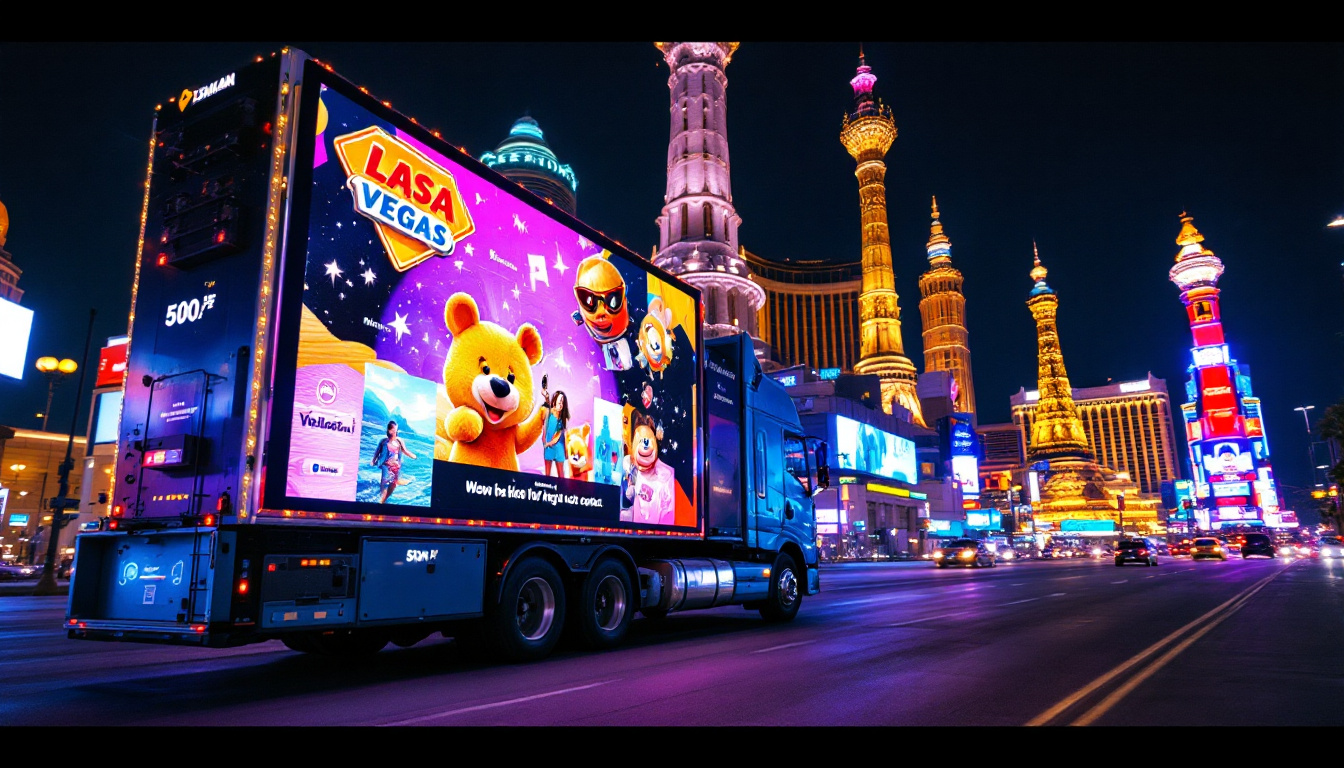
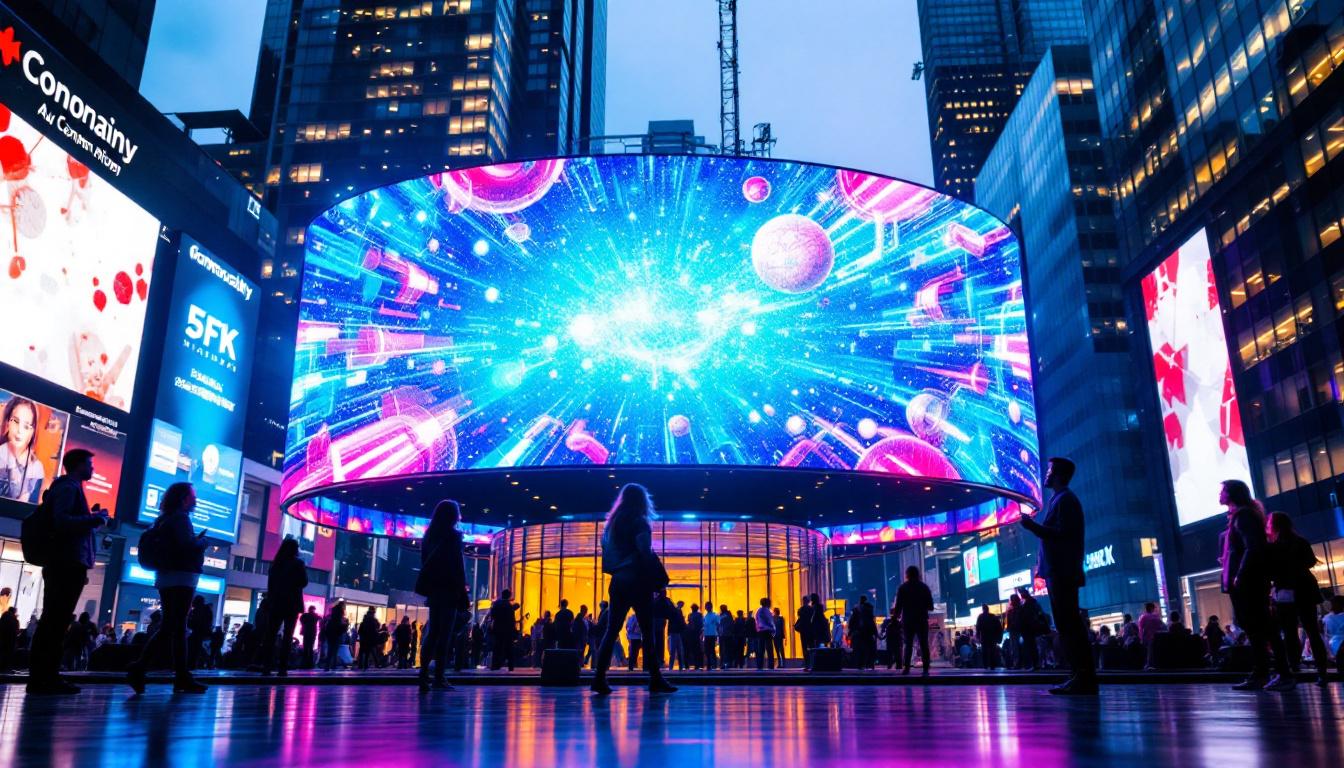
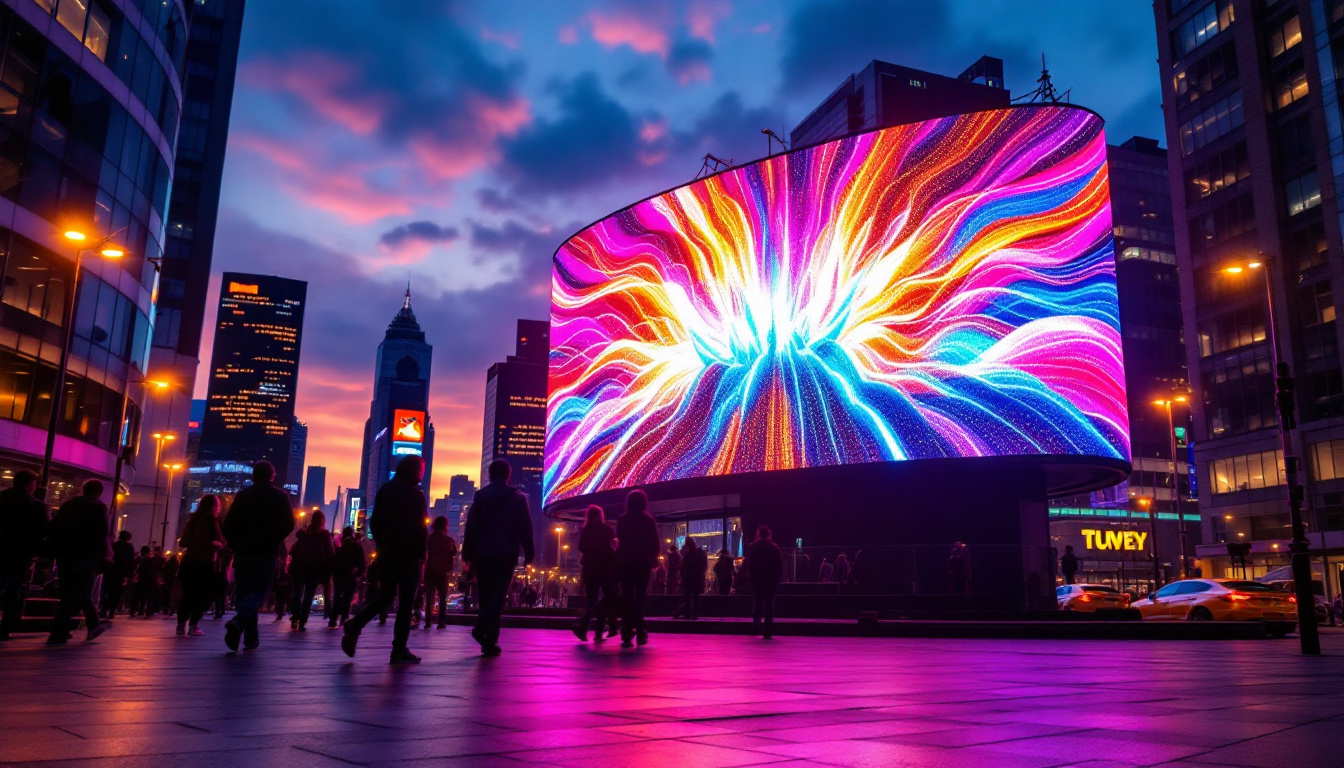
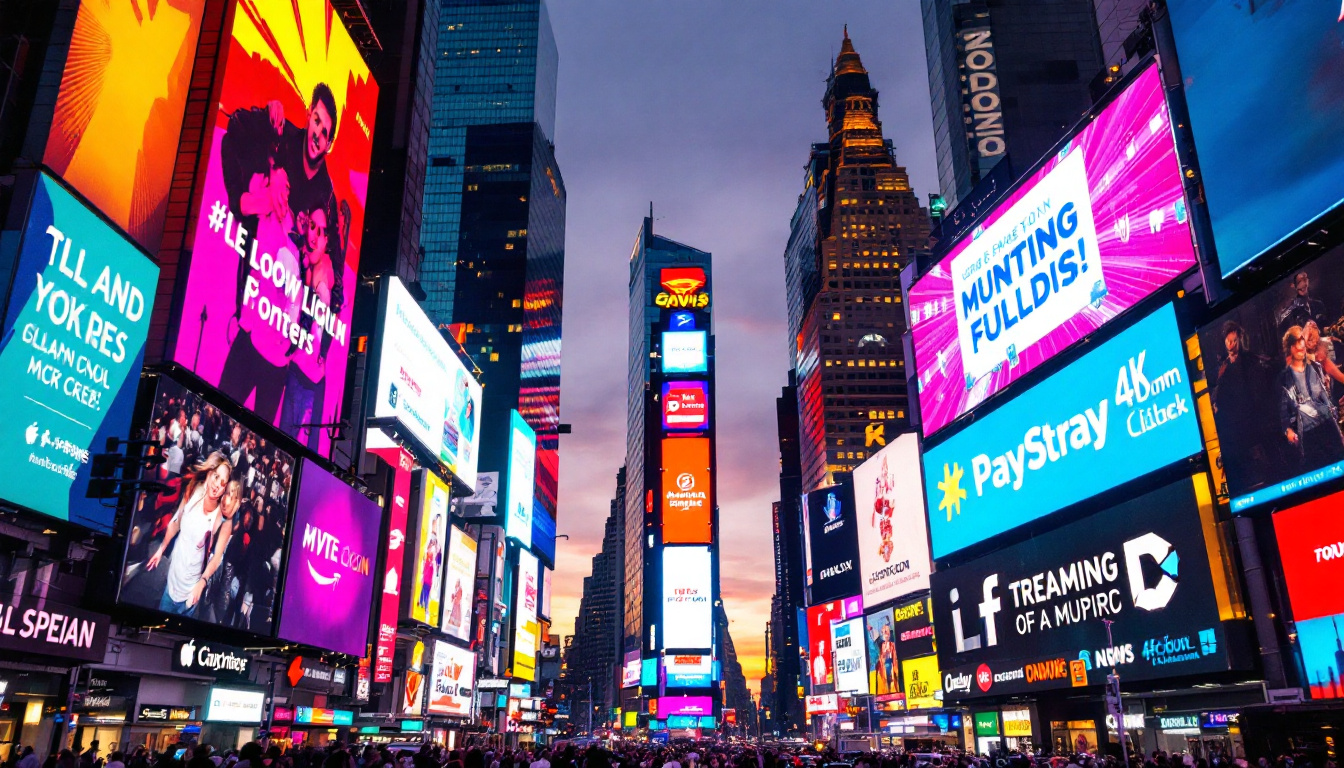
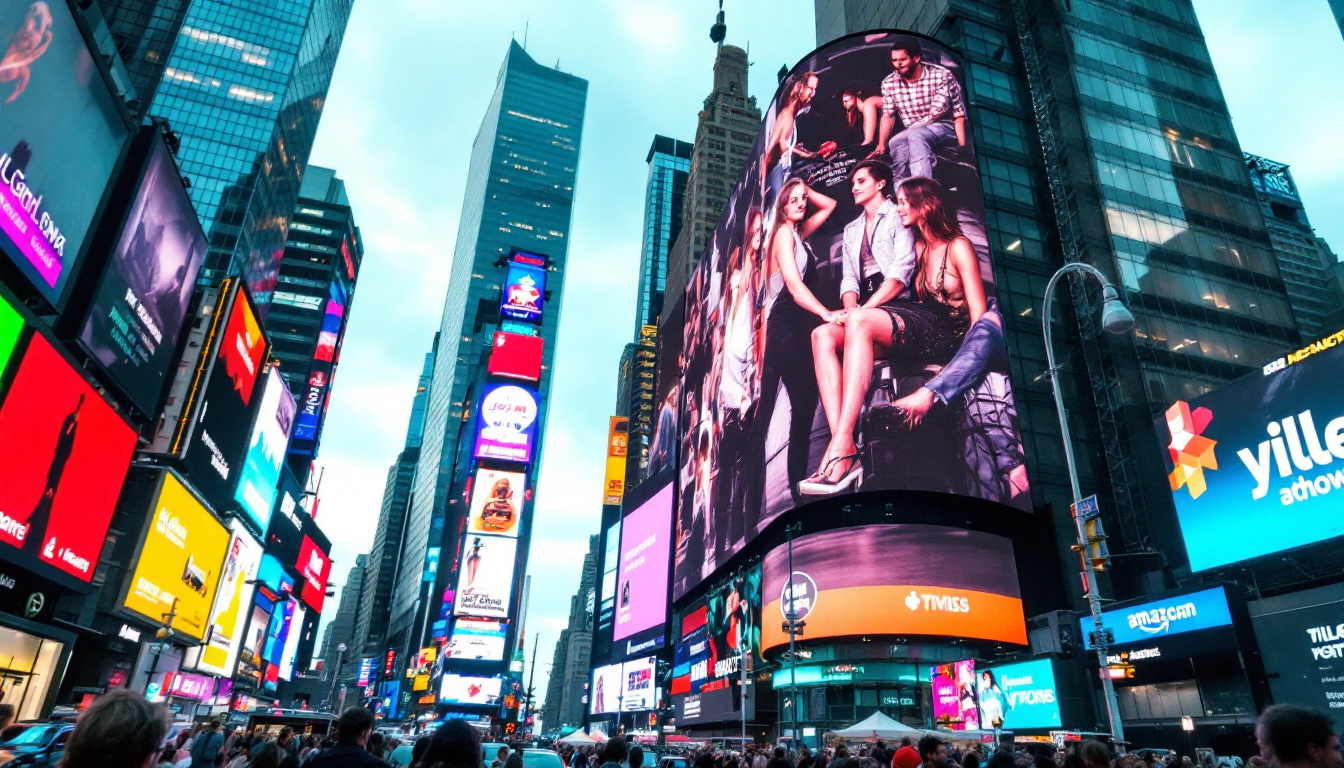
Outdoor advertising remains the primary use of LED electronic billboards. Major cities worldwide feature these displays along highways, in commercial districts, and at transit hubs. The ability to reach thousands of commuters daily makes LED billboards a powerful marketing tool.
Brands leverage these billboards to launch new products, build brand awareness, and drive foot traffic to physical stores. The dynamic nature of LED displays also allows for interactive campaigns, such as QR code scans or social media integrations.
Public Information and Safety
Municipalities and government agencies utilize LED billboards to disseminate important public information. This includes traffic updates, emergency alerts, weather warnings, and community announcements. The immediacy and visibility of LED displays make them invaluable during crises or rapidly changing situations.
For example, during severe weather events, LED billboards can broadcast evacuation routes or safety instructions, potentially saving lives. Their ability to update messages in real-time ensures that the public receives the most current information.
Event and Entertainment Venues
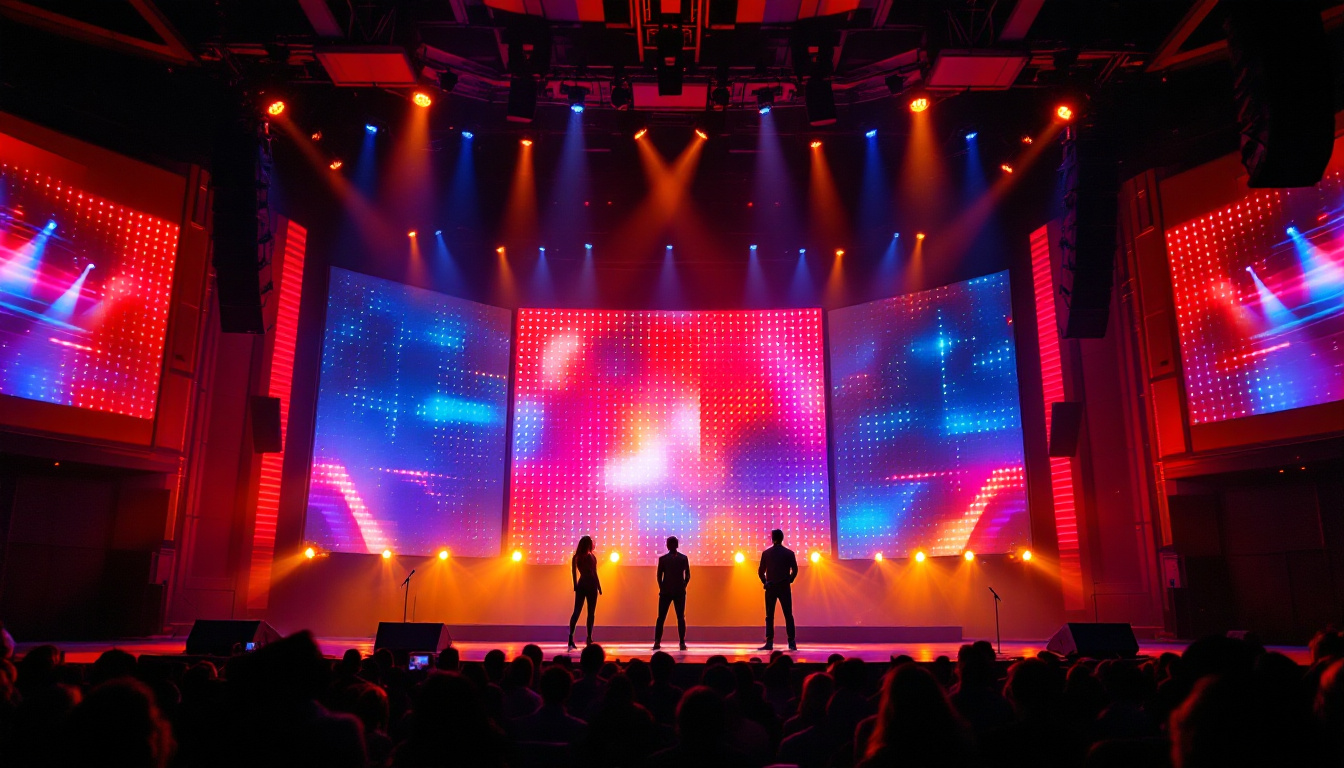
Sports arenas, concert venues, and festivals often employ LED billboards to enhance the attendee experience. These displays provide event schedules, promotional content, live video feeds, and interactive elements that engage audiences.
Large-scale LED screens can also serve as scoreboards or highlight reels, adding excitement and immersion to live events. Their versatility and high resolution make them a staple in modern entertainment settings.
Technical Considerations When Choosing an LED Billboard
Resolution and Pixel Pitch
Resolution refers to the number of pixels in the display, while pixel pitch is the distance between the centers of adjacent pixels. A smaller pixel pitch means higher resolution and sharper images, which is essential for billboards viewed at close range.
For billboards intended to be seen from a distance, a larger pixel pitch is acceptable and more cost-effective. Selecting the appropriate resolution and pixel pitch depends on the billboard’s location, typical viewing distance, and content requirements.
Brightness and Weather Resistance
Brightness must be sufficient to overcome ambient light conditions, especially in sunny environments. Many LED billboards come with automatic brightness adjustment sensors that modulate light output based on surrounding conditions to optimize visibility and reduce energy consumption.
Weather resistance is another critical factor. Outdoor LED billboards must withstand rain, wind, dust, and temperature fluctuations. High-quality displays are rated with an IP (Ingress Protection) code indicating their level of protection against environmental elements.
Installation and Maintenance
Proper installation ensures the structural integrity and safety of the billboard. LED displays are modular, allowing for easier assembly and replacement of individual panels. However, installation requires expertise to ensure electrical safety and optimal performance.
Maintenance involves regular cleaning, software updates, and occasional hardware repairs. Choosing a reputable manufacturer and service provider can minimize downtime and extend the lifespan of the billboard.
Future Trends in LED Electronic Billboards
Integration with Smart Technologies
The future of LED billboards lies in their integration with smart city infrastructure and Internet of Things (IoT) technologies. This integration enables billboards to interact with nearby devices, gather data, and deliver personalized content based on audience demographics or environmental factors.
For instance, facial recognition or mobile device detection could allow billboards to tailor advertisements to specific audiences in real-time, enhancing marketing effectiveness and user experience.
Advancements in Display Technology
Emerging technologies such as MicroLED and OLED promise even higher resolution, better contrast ratios, and improved energy efficiency. While currently more common in consumer electronics, these technologies are gradually making their way into large-scale displays, including billboards.
Additionally, transparent and flexible LED displays are opening new possibilities for creative advertising, such as windows that double as digital billboards without obstructing views.
Sustainability and Environmental Impact
As environmental concerns grow, the LED billboard industry is focusing on sustainability. Innovations include solar-powered billboards, recyclable materials, and energy management systems that minimize carbon footprints.
These efforts not only reduce operational costs but also align with corporate social responsibility goals, appealing to environmentally conscious consumers and stakeholders.
Conclusion
LED electronic billboards have transformed the landscape of outdoor advertising and public communication. Their superior brightness, energy efficiency, dynamic content capabilities, and durability make them an indispensable tool for businesses and governments alike.
Understanding the technology behind LED displays and the factors influencing their performance allows stakeholders to make informed decisions when investing in electronic billboards. As technology continues to evolve, LED billboards will become even more integrated, intelligent, and sustainable, shaping the future of visual communication in public spaces.
Illuminate Your Message with LumenMatrix
As you consider the future of outdoor advertising and public communication, imagine the possibilities with LumenMatrix. Our commitment to innovation in LED display technology ensures that your brand stands out with unparalleled brightness, dynamic content, and energy-efficient solutions. From Indoor and Outdoor LED Wall Displays to specialized options like Vehicle, Sports, and Floor LED Displays, LumenMatrix offers a diverse range of products to captivate your audience. Embrace the revolution in visual communication with our Custom, All-in-One, and Transparent LED Displays, designed to deliver your message with impact and clarity. Check out LumenMatrix LED Display Solutions today and transform your brand’s visibility in the digital age.