In the fast-evolving world of sports marketing, stadium advertising boards have become a pivotal medium for brands to engage millions of fans worldwide. Among the various types of advertising displays, LED technology has emerged as the gold standard, transforming the way messages are delivered during live events. This article delves into the intricacies of LED display boards in stadiums, exploring their technology, benefits, and impact on both advertisers and audiences.
The Evolution of Stadium Advertising Boards
Stadium advertising has come a long way from static banners and printed hoardings. Traditionally, brands relied on fixed signage placed around the pitch or arena, which offered limited flexibility and engagement. With the advent of digital technology, electronic displays began to replace static boards, allowing dynamic content that could change in real-time.
LED (Light Emitting Diode) displays, in particular, revolutionized stadium advertising by offering vibrant colors, high brightness, and the ability to showcase animations and videos. This shift has not only enhanced the visual appeal of advertisements but also opened new avenues for interactive and targeted marketing during live sports events. Fans can now engage with advertisements through their smartphones, participating in polls or contests that appear on the screens, creating a more immersive experience that extends beyond the traditional spectator role.
From Static to Dynamic: A Timeline
In the 1980s and 1990s, stadiums primarily used painted or printed boards. The early 2000s saw the introduction of basic electronic displays, often limited to scrolling text or simple graphics. By the 2010s, LED technology matured, enabling full-color, high-resolution screens capable of displaying complex animations and live feeds. This evolution has paralleled the rise of social media, where brands can leverage real-time engagement during games, encouraging fans to share their experiences online and amplify the reach of their campaigns.
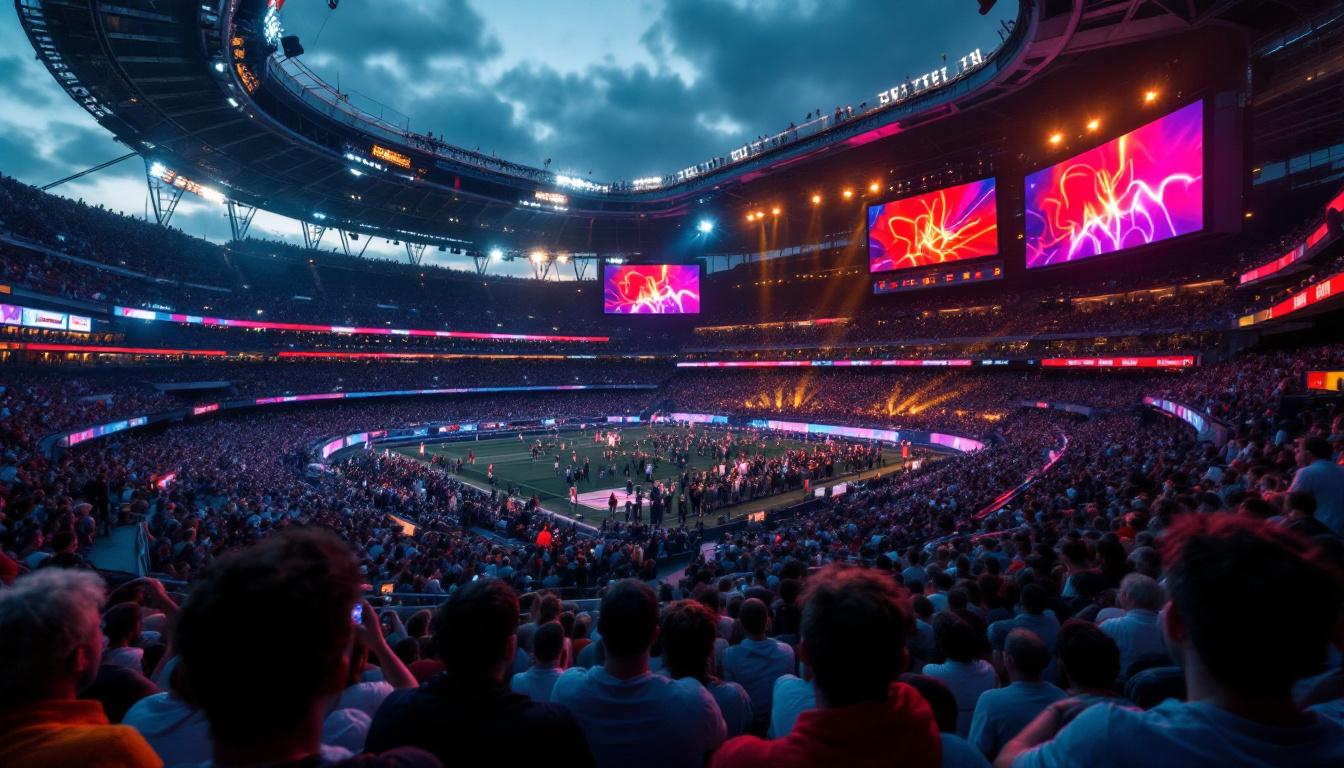
Today, major stadiums worldwide are equipped with cutting-edge LED advertising boards, integrated with broadcast systems and digital platforms, making them an indispensable part of sports marketing strategies. These advancements have led to innovative advertising formats, such as augmented reality experiences that allow fans to interact with virtual elements displayed on the boards. Additionally, the use of data analytics has allowed advertisers to tailor their messages to specific audiences, optimizing the impact of their campaigns based on real-time demographics and viewer engagement metrics. As technology continues to evolve, the future of stadium advertising promises even more exciting developments, further blurring the lines between physical and digital marketing realms.
Understanding LED Display Technology
At its core, an LED display consists of numerous tiny light-emitting diodes arranged in a matrix to form images, text, or video. These diodes emit light when an electrical current passes through them, producing bright and vivid visuals that are easily visible even under direct sunlight. This technology has revolutionized the way information is conveyed in public spaces, providing dynamic and engaging content that captures the attention of audiences.
Key Components of LED Stadium Boards
LED stadium advertising boards are composed of several critical components:
- LED Modules: These are the basic building blocks, containing clusters of red, green, and blue diodes that combine to produce full-color images.
- Control System: Software and hardware that manage the content displayed, allowing for real-time updates and synchronization with broadcast feeds.
- Power Supply: Ensures consistent and reliable power to the LED modules, critical for uninterrupted operation during events.
- Protective Enclosure: Designed to withstand weather conditions, physical impact, and ensure longevity.
Each of these components plays a vital role in the overall functionality and performance of the display. For instance, the control system not only allows for the seamless integration of advertisements and live event highlights but also enables interactive features like fan polls or social media feeds, enhancing audience engagement. Additionally, the protective enclosure is often equipped with advanced cooling systems to prevent overheating, ensuring that the displays operate efficiently even during the most intense sporting events.
Pixel Pitch and Resolution
One of the most important technical specifications of LED displays is the pixel pitch, which refers to the distance between the centers of two adjacent pixels. Smaller pixel pitches mean higher resolution and sharper images, which is particularly important for close-up viewing.
In stadiums, pixel pitches typically range from 6mm to 20mm, balancing resolution and cost. For example, a pitch of 10mm provides clear visuals for spectators seated at a distance of 20 meters or more, while smaller pitches are used for closer viewing areas or premium advertising zones. The choice of pixel pitch not only affects visual clarity but also influences the overall design and layout of the stadium’s LED systems, as different sections may require varying levels of detail to ensure an optimal viewing experience for all attendees.
Moreover, advancements in technology have led to the development of fine-pitch LED displays, which can achieve pixel pitches as small as 1.5mm. These high-resolution displays are increasingly being used in luxury venues and corporate environments where visual fidelity is paramount. As a result, the demand for such displays is on the rise, pushing manufacturers to innovate and improve the efficiency and performance of their products to meet the expectations of a discerning audience.
Advantages of LED Advertising Boards in Stadiums
LED advertising boards offer numerous advantages over traditional static signage, making them the preferred choice for stadiums and advertisers alike.
Enhanced Visibility and Engagement
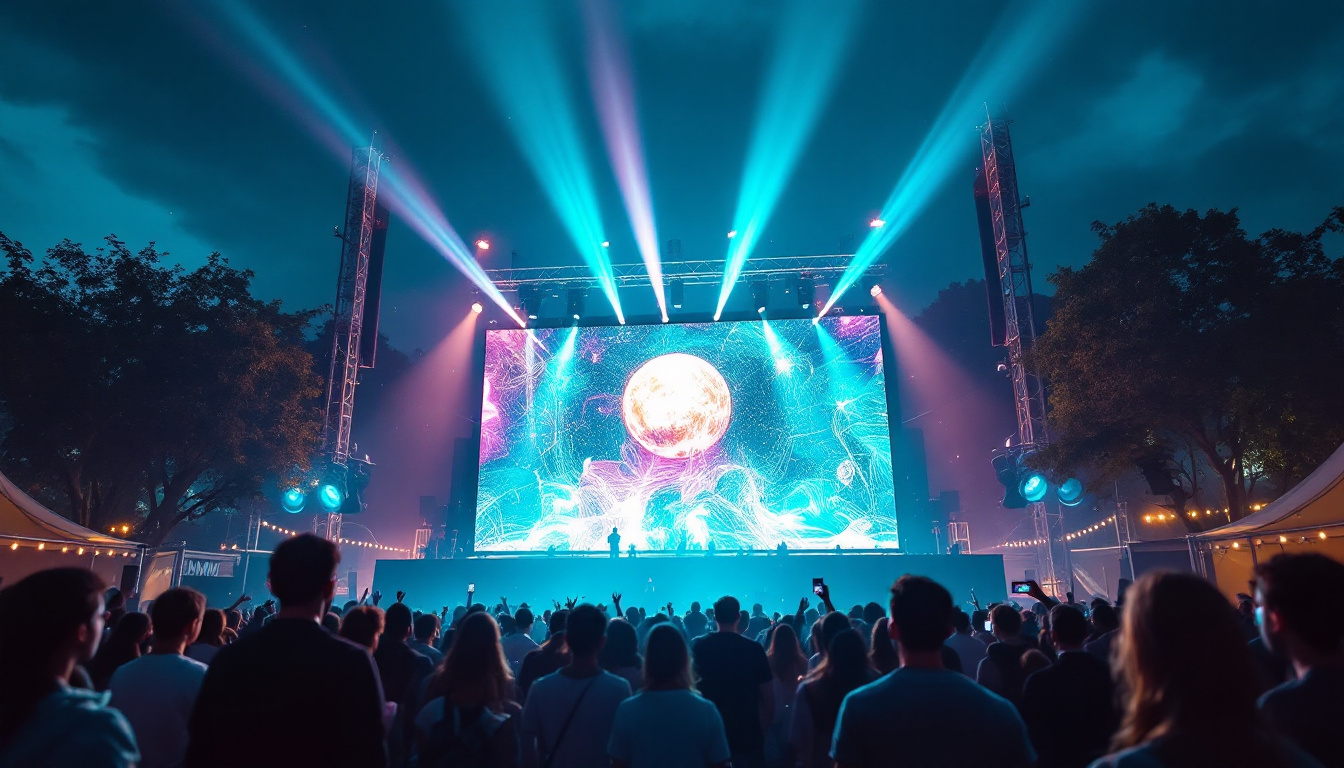
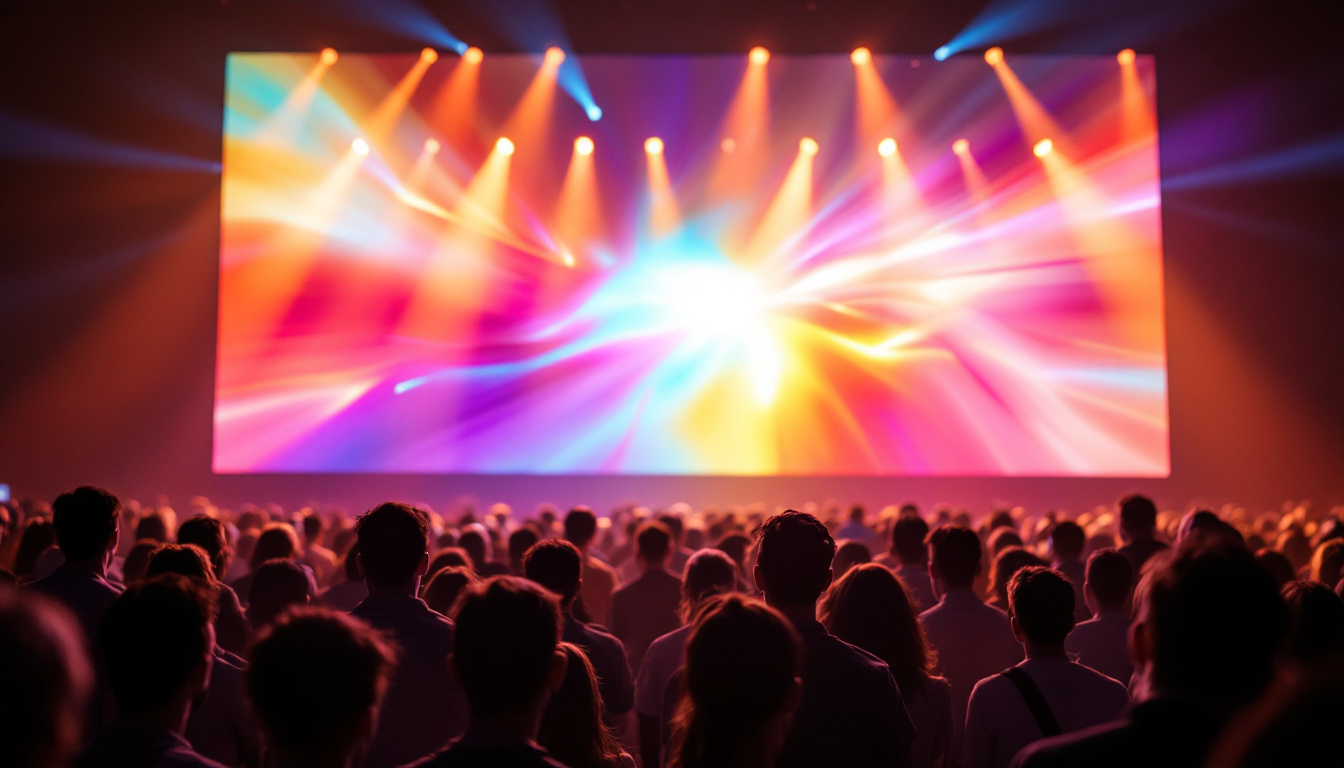
LED displays produce bright, vibrant colors that remain visible under various lighting conditions, including direct sunlight and nighttime events. This ensures that advertisements capture the attention of spectators both in the stadium and watching broadcasts.
The ability to display dynamic content such as animations, videos, and live updates also increases engagement. Brands can tell stories, showcase product features, or run interactive campaigns that resonate more effectively with audiences.
Flexibility and Real-Time Content Control
One of the most significant benefits of LED boards is their flexibility. Content can be changed instantly, allowing advertisers to tailor messages according to the event, audience demographics, or even weather conditions.
For example, during a football match, sponsors can display different ads during halftime, timeouts, or specific plays. This real-time control maximizes the value of advertising slots and enables targeted marketing strategies.
Cost Efficiency Over Time
While the initial investment in LED boards can be substantial, their durability and low maintenance costs make them cost-effective in the long run. Unlike printed banners that require frequent replacement, LED displays can operate for tens of thousands of hours with minimal upkeep.
Moreover, the ability to reuse the same physical infrastructure for multiple campaigns reduces production and installation expenses, providing better returns on investment for stadium owners and advertisers.
Impact on Sports Marketing and Fan Experience
The integration of LED advertising boards has transformed sports marketing, offering brands unprecedented opportunities to connect with fans both in the stadium and globally.
Global Reach Through Broadcast Integration
Modern LED boards are often synchronized with broadcast feeds, ensuring that advertisements are visible not only to in-person spectators but also to millions of viewers worldwide. This dual exposure amplifies brand visibility and enhances sponsorship value.
For instance, during major events like the FIFA World Cup or the Olympic Games, LED advertising boards become a crucial channel for global brands to reach diverse audiences, making them an essential component of international marketing campaigns.
Enhancing Fan Engagement and Atmosphere
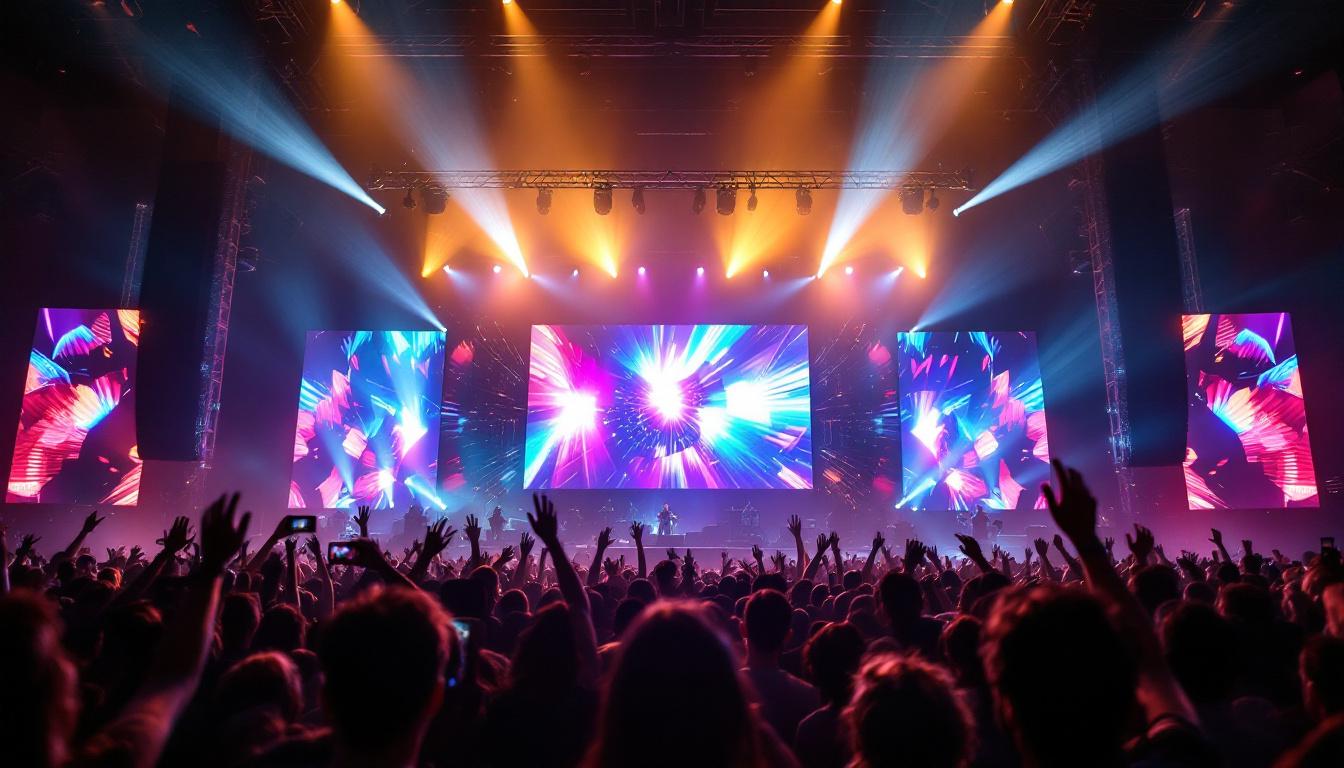
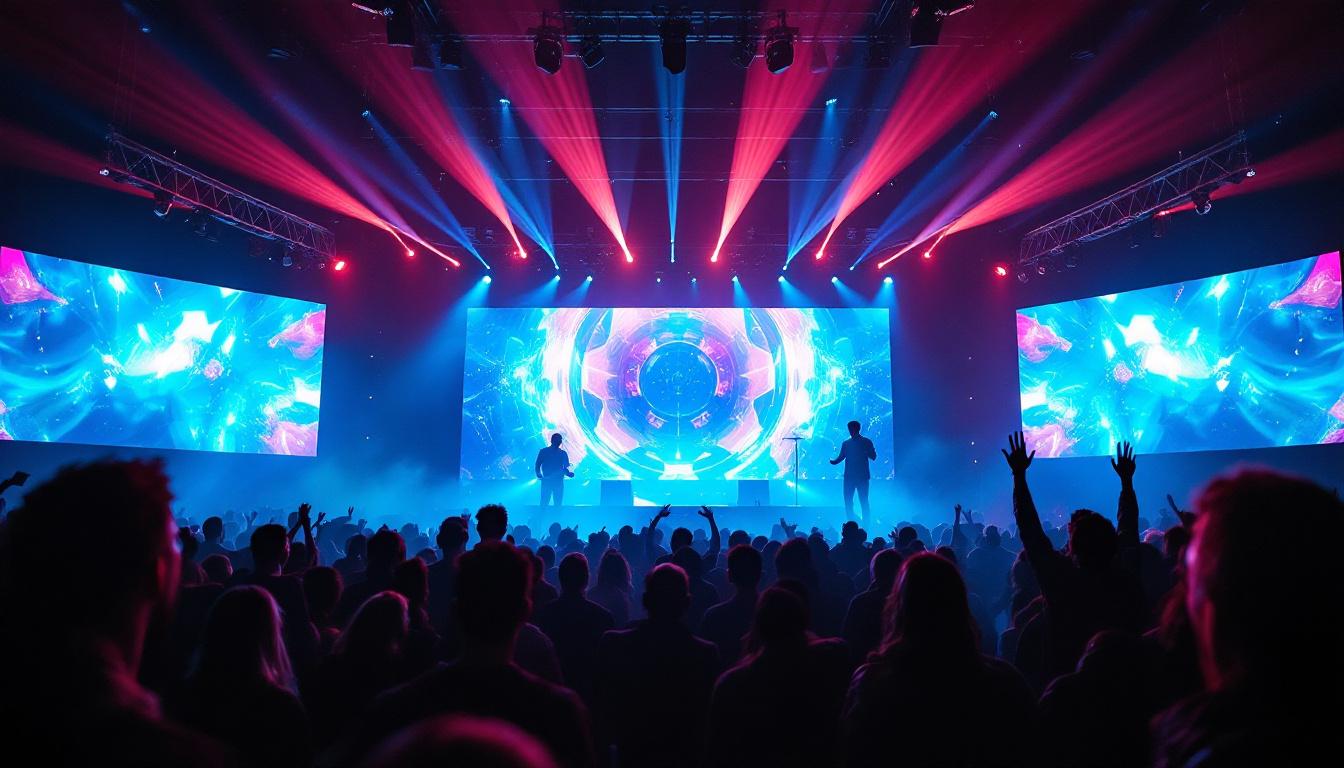
Beyond advertising, LED displays contribute to the overall fan experience by displaying live scores, player stats, and interactive content such as fan polls or social media feeds. This integration helps create a more immersive and engaging environment, encouraging fans to stay connected throughout the event.
Some stadiums have even incorporated LED boards into fan zones and concourses, using them for entertainment and promotional activities that extend the brand experience beyond the pitch.
Challenges and Considerations in LED Stadium Advertising
Despite their many advantages, deploying LED advertising boards in stadiums involves several challenges that stakeholders must address to maximize effectiveness.
Technical and Installation Complexities
Installing large-scale LED displays requires careful planning and expertise. Factors such as structural support, electrical capacity, and weatherproofing must be considered to ensure safety and reliability.
Additionally, integrating LED boards with existing stadium infrastructure and broadcast systems can be complex, necessitating collaboration between engineers, marketers, and event organizers.
Content Management and Regulation
Managing content across multiple LED boards, often controlled remotely, demands robust software solutions and strict quality control. Advertisers must ensure that messages comply with local regulations and avoid content that could distract players or officials during the game.
Some sports leagues impose restrictions on advertising content during live play, requiring dynamic scheduling and quick content switching capabilities.
Cost and Return on Investment
While LED boards offer long-term savings, the upfront costs can be prohibitive for smaller venues. Stadium owners must carefully evaluate the potential advertising revenue against installation and maintenance expenses.
Moreover, measuring the direct impact of LED advertising on sales or brand awareness can be challenging, necessitating sophisticated analytics and audience measurement tools.
Future Trends in Stadium LED Advertising
The future of stadium advertising boards is poised for exciting innovations, driven by advancements in technology and changing consumer behaviors.
Higher Resolution and Flexible Displays
Emerging LED technologies are pushing pixel pitches below 4mm, enabling ultra-high-definition displays that can be viewed clearly from any seat in the stadium. Flexible and curved LED panels are also gaining traction, allowing for creative installations that wrap around structures or create immersive environments.
Interactive and Augmented Reality Integration
Interactive LED boards that respond to fan movements or integrate augmented reality (AR) elements are on the horizon. These innovations will enable brands to deliver personalized and engaging experiences, blending physical and digital interactions seamlessly.
Data-Driven and Programmatic Advertising
Leveraging data analytics and programmatic advertising platforms, stadium LED boards will increasingly deliver targeted ads based on real-time audience demographics, behavior, and preferences. This precision marketing approach will enhance advertiser ROI and fan relevance.
Conclusion
LED advertising boards have fundamentally transformed the landscape of stadium marketing, offering vibrant, flexible, and engaging platforms for brands to connect with millions of sports fans worldwide. Their technological sophistication, combined with the ability to integrate seamlessly into live broadcasts and fan experiences, makes them an indispensable asset for modern sports venues.
As technology continues to advance, LED displays will become even more immersive and interactive, driving new opportunities for advertisers and enriching the atmosphere for fans. For stadium owners and marketers, understanding the capabilities and challenges of LED advertising boards is essential to harnessing their full potential in the competitive world of sports marketing.
Discover LumenMatrix’s Innovative LED Solutions
Ready to elevate your stadium’s advertising potential and captivate your audience with unparalleled visual experiences? Explore LumenMatrix’s comprehensive range of LED display solutions, from vibrant Indoor and Outdoor LED Wall Displays to dynamic LED Sports Displays and beyond. Embrace the future of visual communication with our cutting-edge technology designed to make your brand shine. Check out LumenMatrix LED Display Solutions today and transform your venue into a beacon of engagement and excitement.