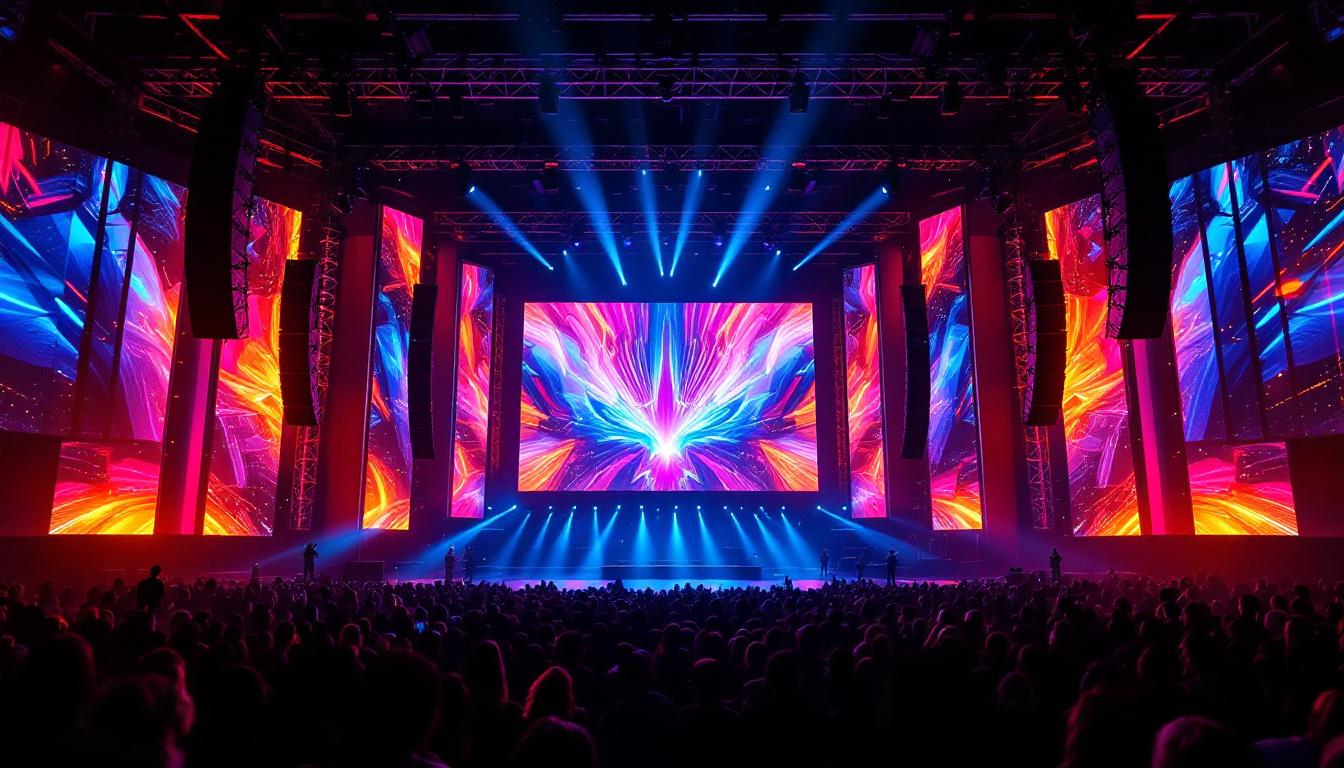
In the evolving world of live events, concerts, corporate presentations, and theatrical performances, the role of visual technology has become indispensable. Among the most transformative innovations in stage design is the LED display. These vibrant, dynamic screens have revolutionized the way audiences experience live shows, offering unparalleled brightness, flexibility, and creative potential. This article delves into the essentials of LED displays within the context of stage design companies, exploring their technology, applications, benefits, and future trends.
Understanding LED Display Technology
What Is an LED Display?
LED stands for Light Emitting Diode, a semiconductor device that emits light when an electric current passes through it. An LED display is essentially a large screen composed of thousands, sometimes millions, of these tiny diodes arranged in a grid. Each diode acts as a pixel, capable of producing a broad spectrum of colors when combined with red, green, and blue LEDs.
Unlike traditional LCD or projection screens, LED displays are self-illuminating, meaning they do not require a backlight. This characteristic allows them to produce much brighter images with higher contrast ratios, making them ideal for environments with varying lighting conditions, such as outdoor concerts or brightly lit venues. Furthermore, LED technology has evolved significantly, leading to improvements in energy efficiency and lifespan. Modern LED displays can last over 100,000 hours, reducing the need for frequent replacements and contributing to lower maintenance costs.
Types of LED Displays Used in Stage Design
Stage design companies typically use several types of LED displays, each suited to different applications:
- Indoor LED Displays: These screens have a higher pixel density and smaller pixel pitch (the distance between individual LEDs), resulting in sharper images suitable for close viewing distances. They are commonly used in theaters, corporate events, and indoor concerts. The vibrant colors and high resolution of indoor displays enhance the visual experience, allowing for intricate graphics and detailed imagery that captivate audiences.
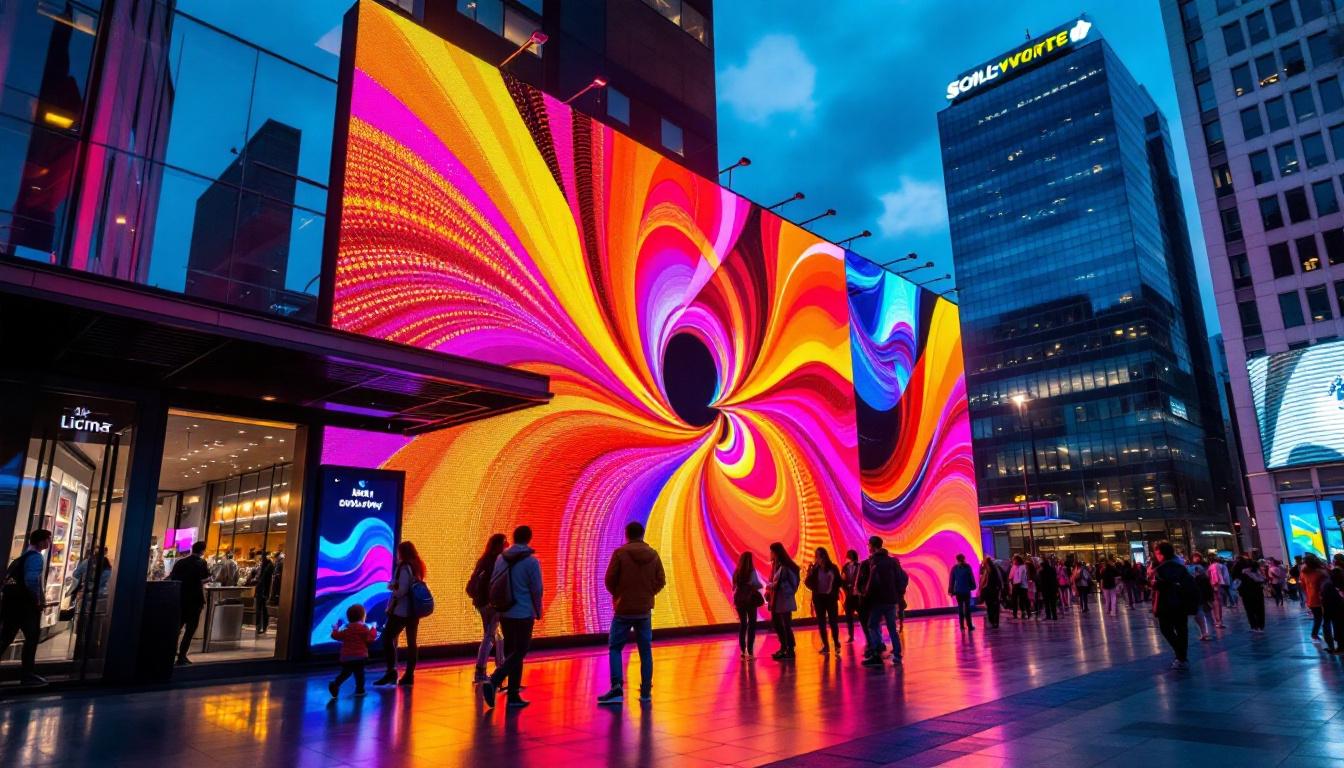
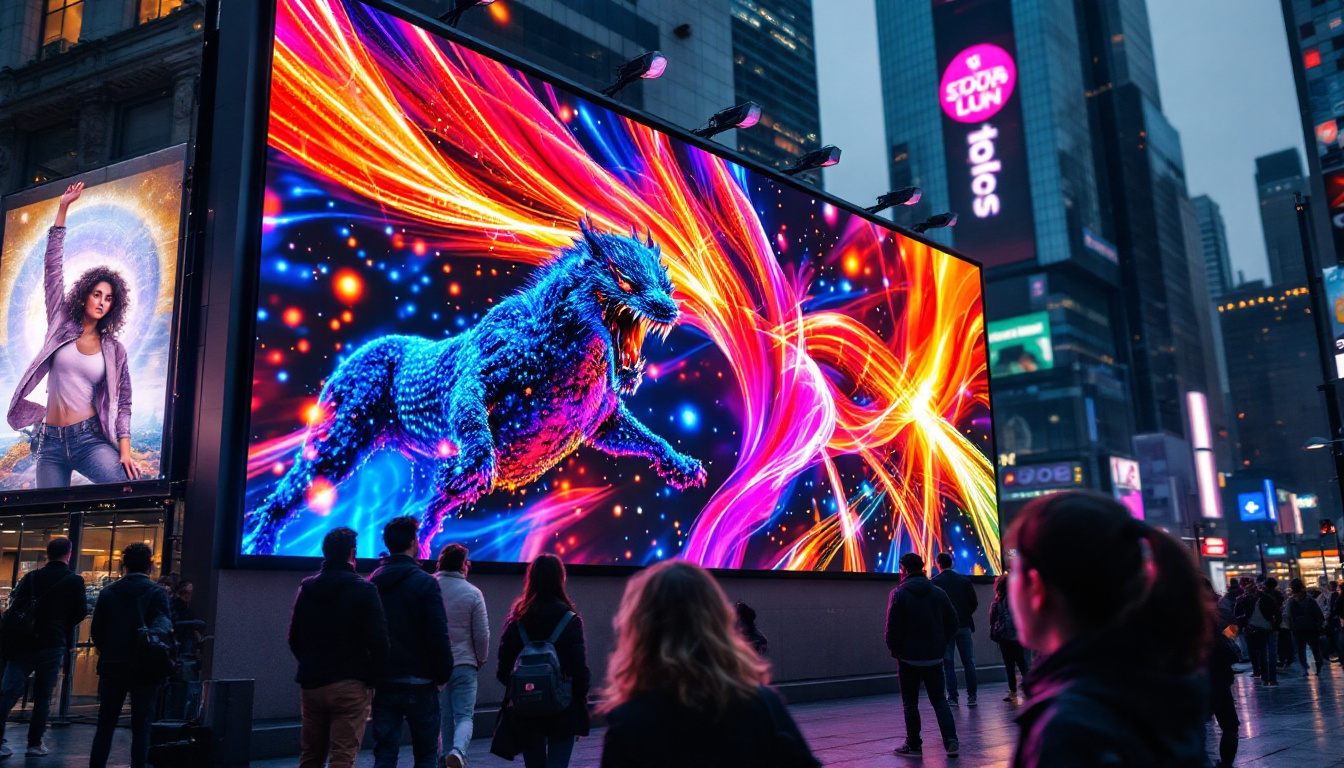
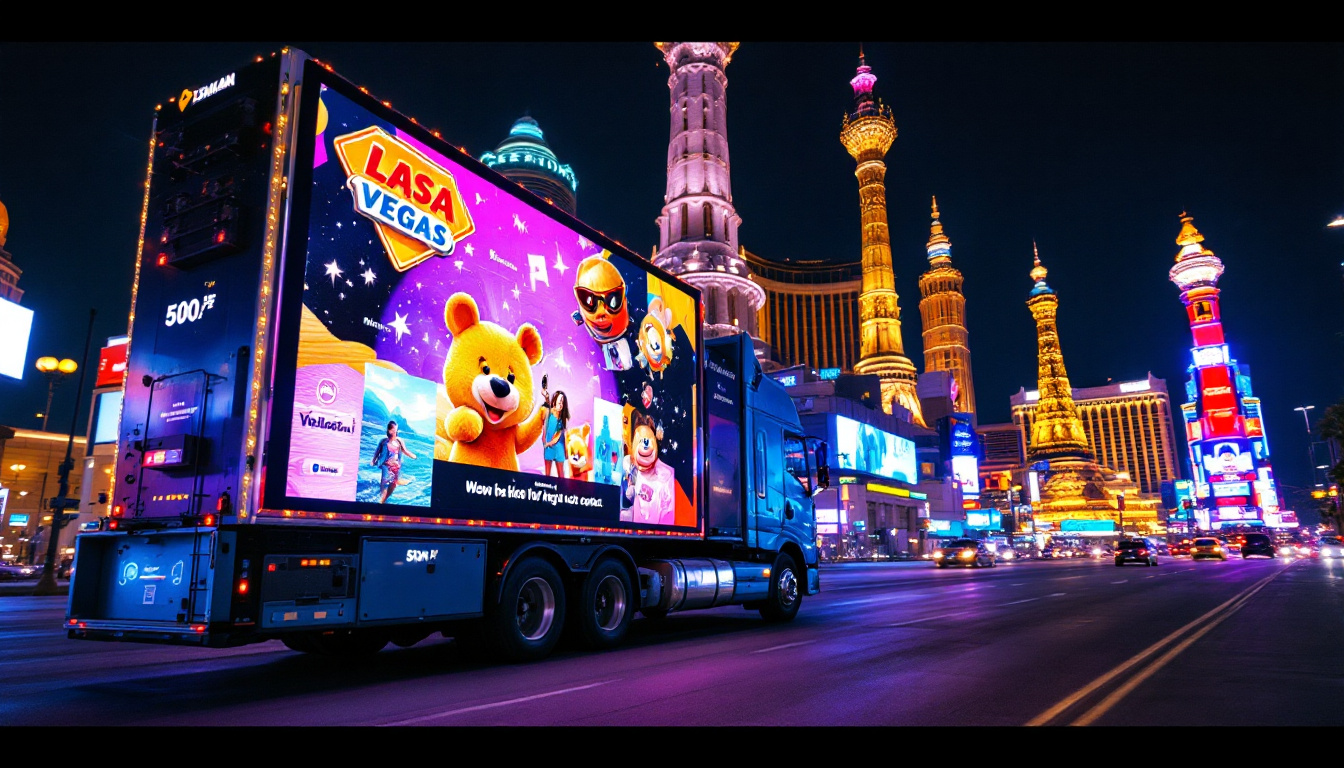
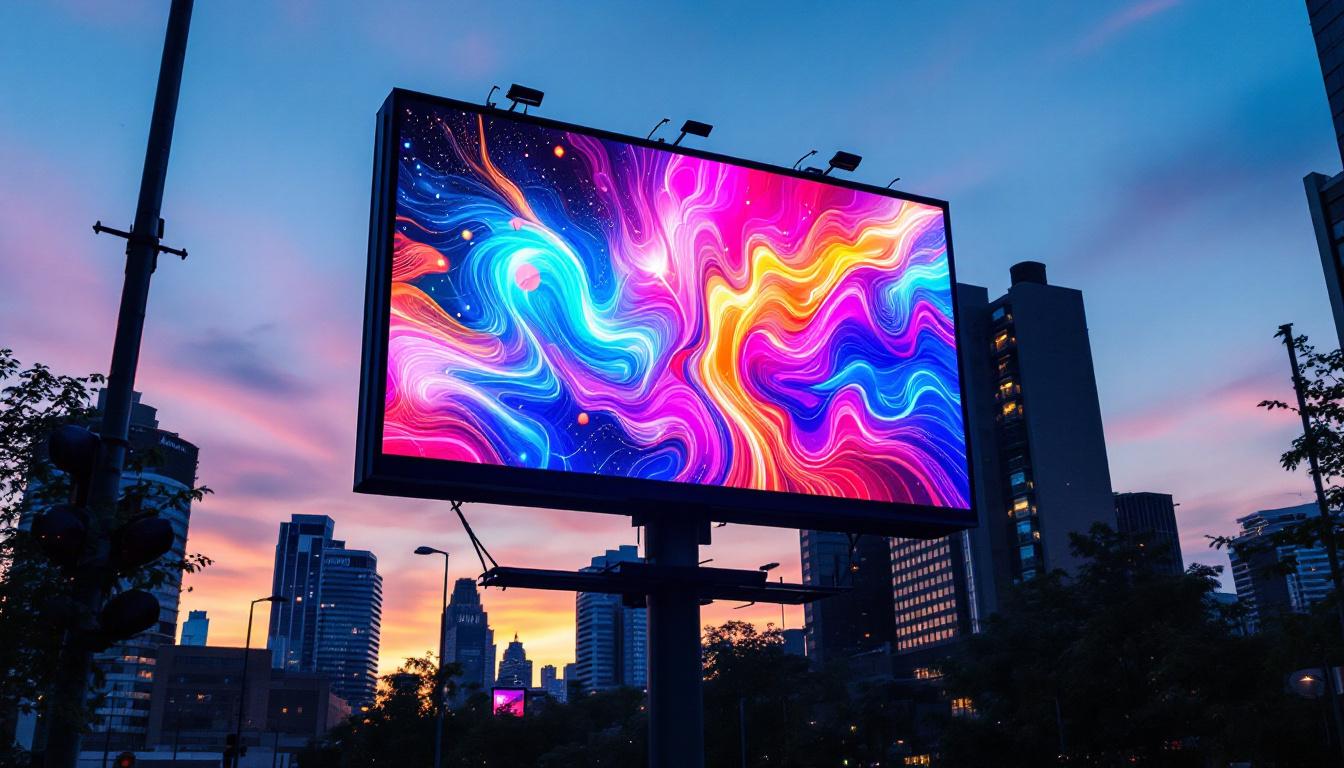
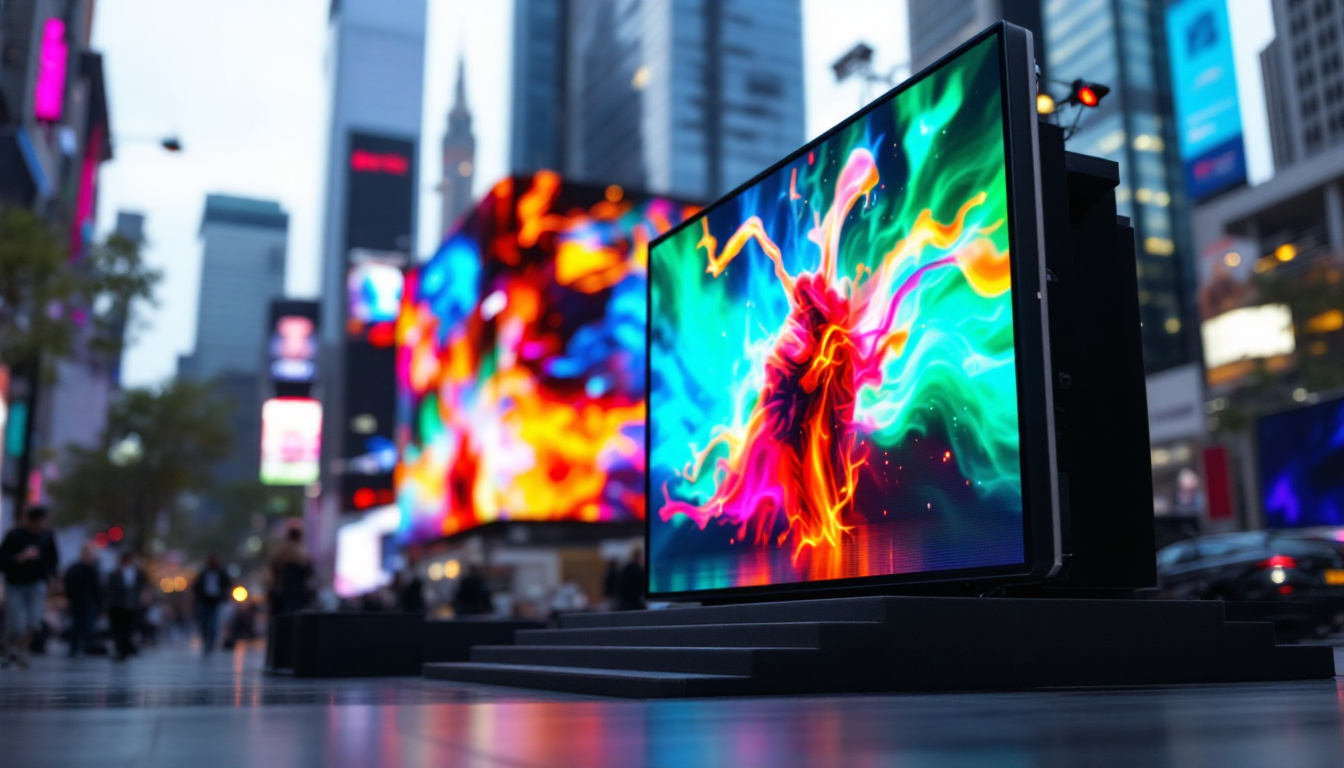
- Outdoor LED Displays: Built to withstand weather conditions, these displays have higher brightness levels (often exceeding 5,000 nits) to remain visible under direct sunlight. They are used for festivals, sports events, and large-scale outdoor performances. Additionally, outdoor LED displays are designed with robust materials to resist rain, wind, and temperature fluctuations, ensuring reliable performance in various climates.
- Flexible and Transparent LED Displays: These innovative screens can curve around structures or be see-through, offering unique design possibilities for immersive stage environments. Their adaptability allows for creative installations that blend seamlessly with the stage design, creating dynamic visual effects that enhance storytelling and audience engagement. This flexibility opens up new avenues for artistic expression, enabling designers to craft experiences that are not only visually stunning but also deeply immersive.
The Role of LED Displays in Modern Stage Design
Enhancing Visual Storytelling
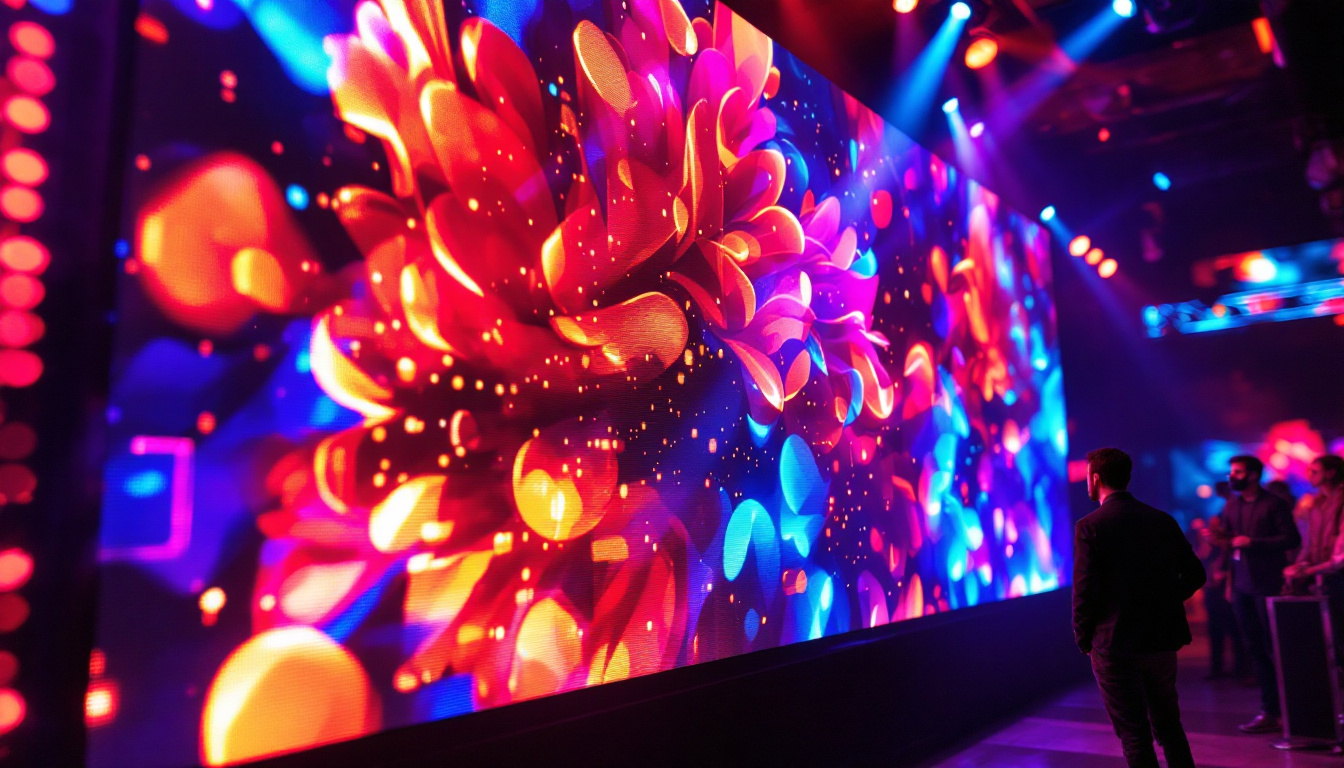
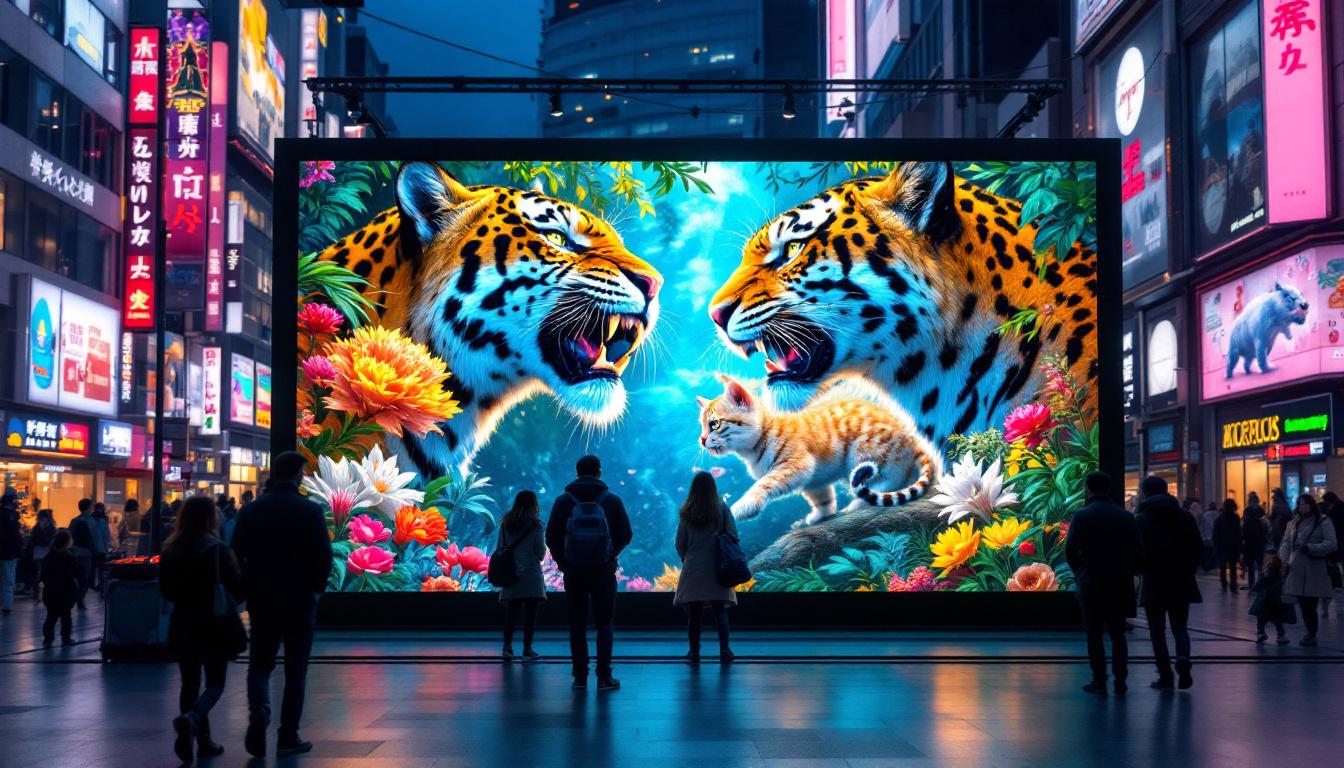
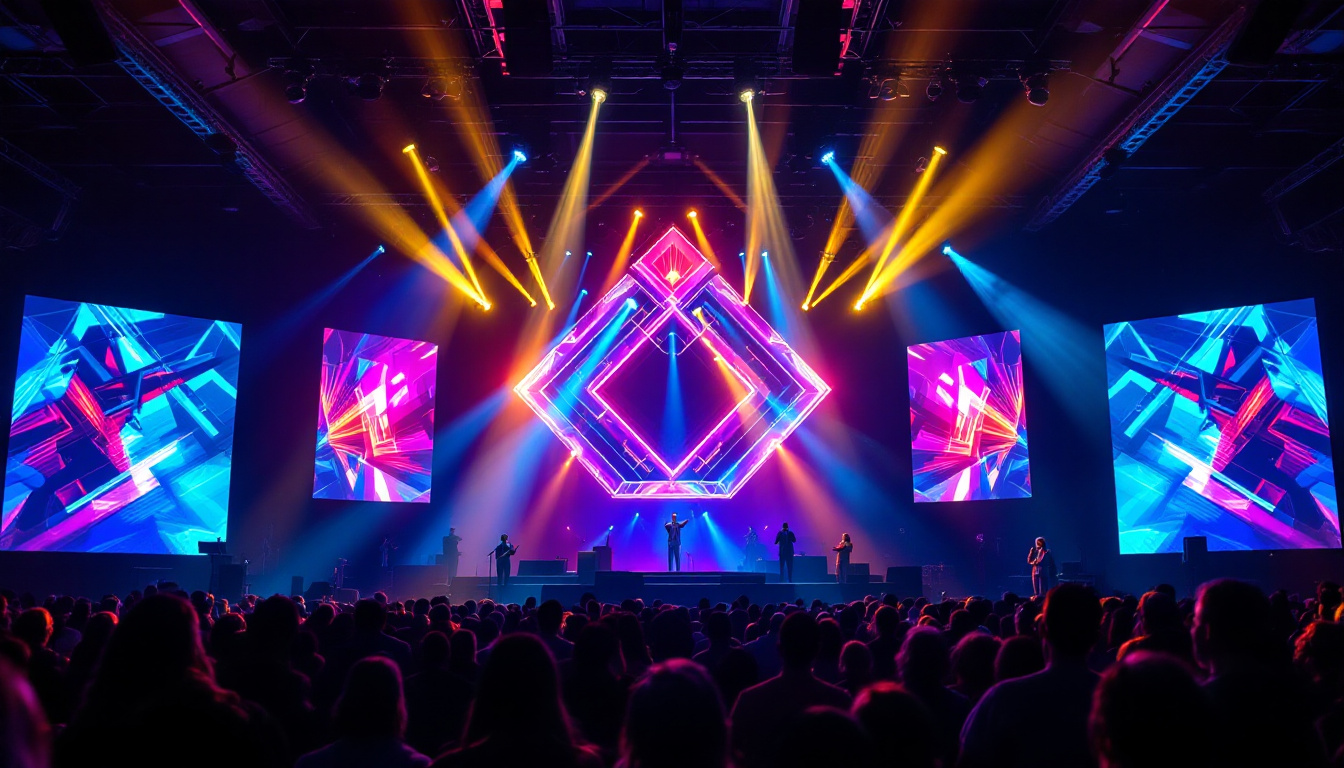
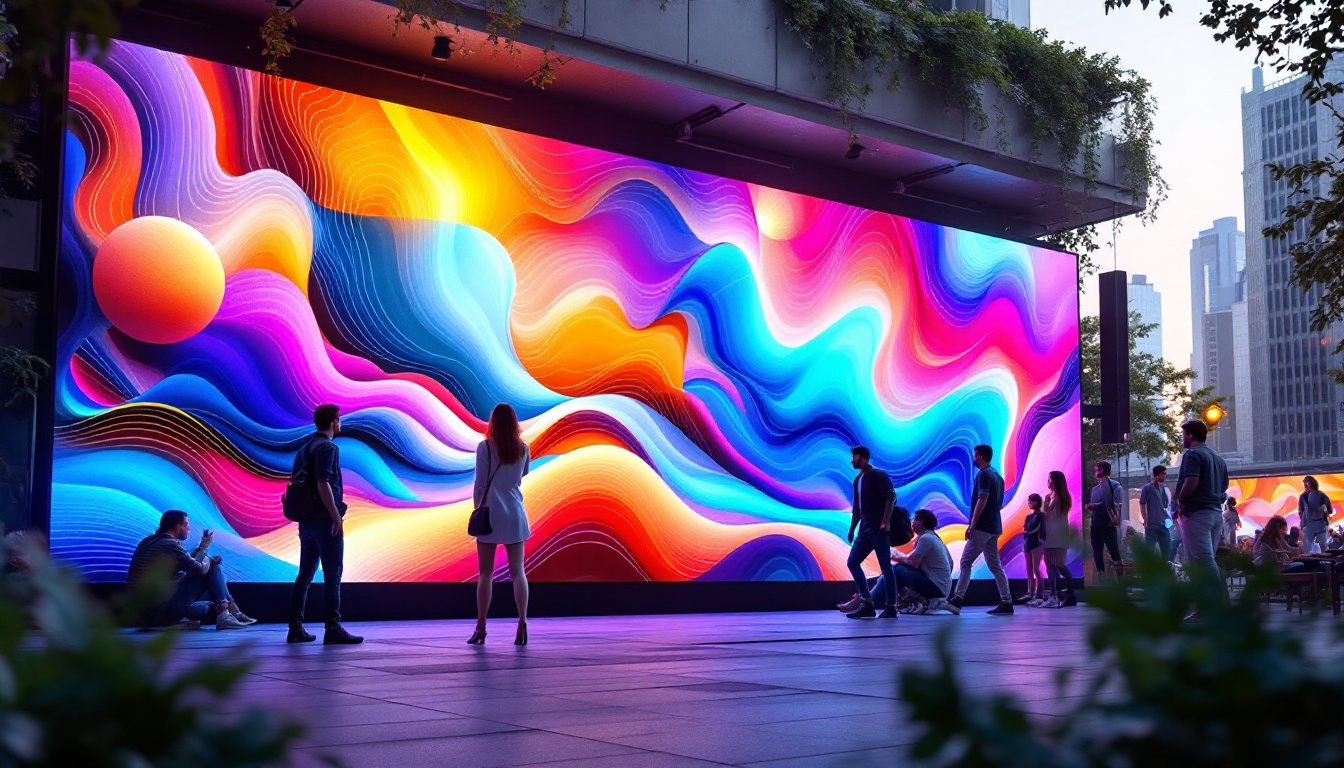
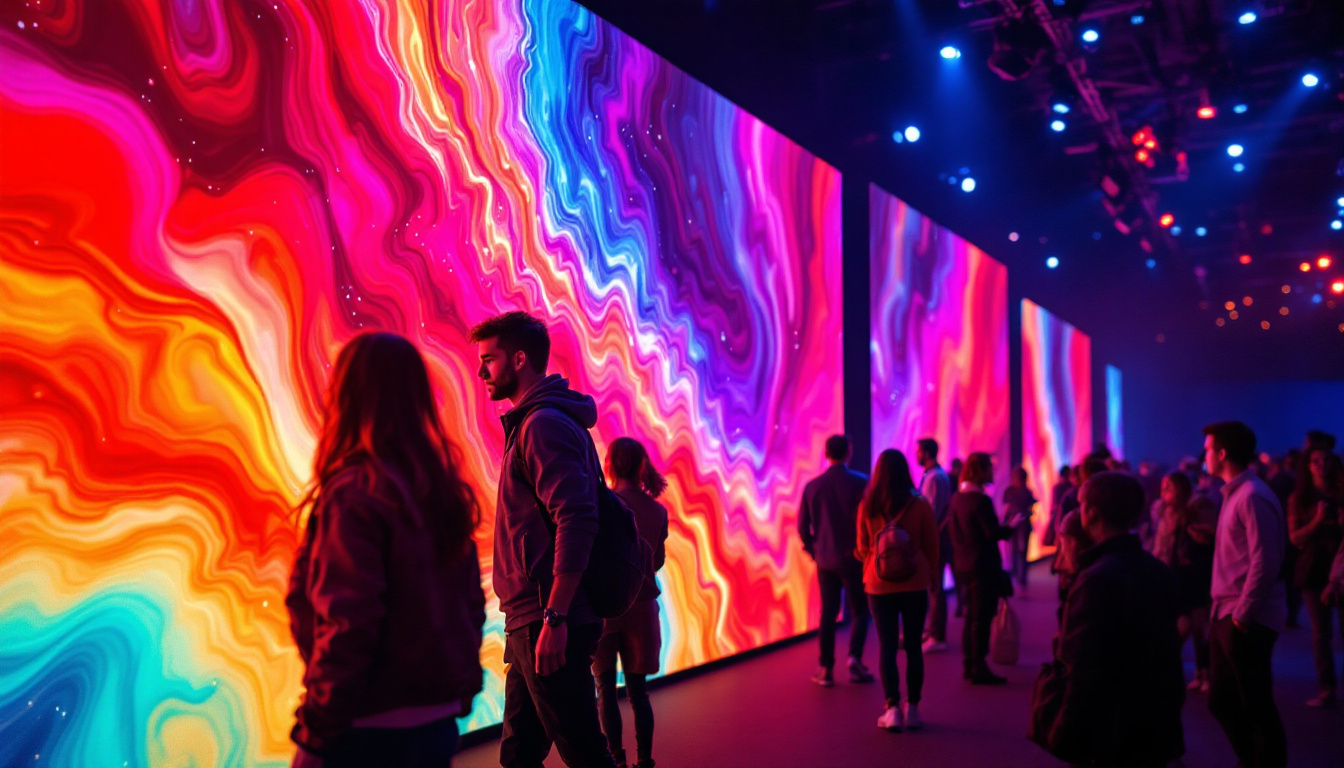
LED displays have become a cornerstone of visual storytelling in live events. They allow designers to create dynamic backdrops that can change instantly, adapting to different scenes or moods. For example, a concert might feature a LED wall that transitions from a serene forest landscape to an electrifying cityscape in seconds, immersing the audience in the artist’s narrative.
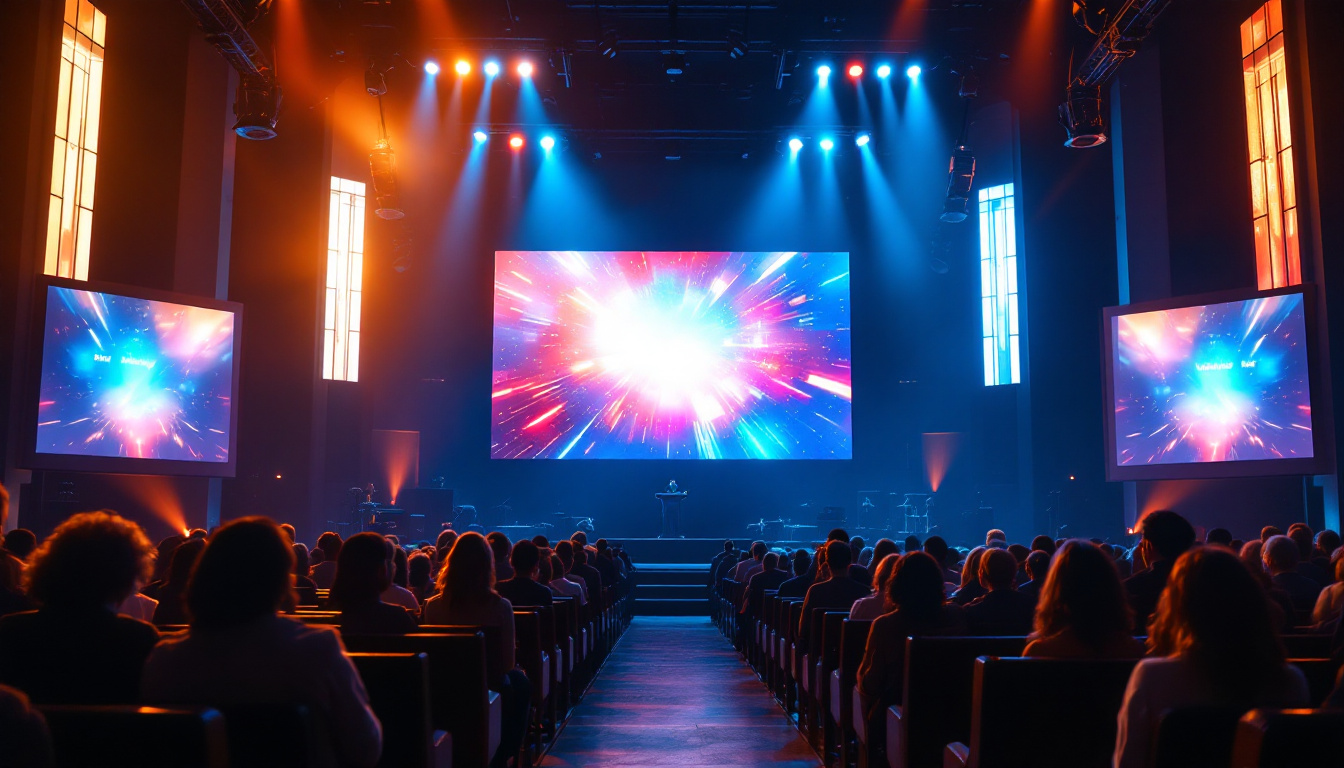
Stage design companies leverage this flexibility to synchronize visuals with lighting, sound, and choreography, delivering a cohesive and engaging experience. This integration elevates the emotional impact of performances and keeps audiences captivated throughout the event.
Versatility and Customization
One of the greatest advantages of LED displays is their adaptability. They can be configured in various shapes and sizes, from massive video walls spanning entire stages to smaller, intricate panels embedded within set pieces. This modular design allows for bespoke installations tailored to the specific needs of each production.
For example, a corporate event might require a sleek, minimalist LED backdrop displaying branded content and live feeds, while a theatrical production may use multiple curved LED screens to create a surreal environment. Stage design companies can customize pixel pitch, resolution, brightness, and even the physical form factor to optimize visual impact and functionality.
Technical Considerations for Stage Design Companies
Pixel Pitch and Resolution
Pixel pitch is a critical factor in determining the clarity of an LED display. It measures the distance between the centers of two adjacent LEDs, usually expressed in millimeters. A smaller pixel pitch means more LEDs per square meter, resulting in higher resolution and sharper images.
For indoor stages where audiences are closer to the screen, pixel pitches of 1.2mm to 2.5mm are common to ensure crisp visuals. Outdoor venues, where viewers are farther away, often use pixel pitches ranging from 4mm to 10mm or more. Selecting the appropriate pixel pitch is essential to balance image quality with cost and technical feasibility.
Brightness and Viewing Angles
Brightness is measured in nits, with typical indoor LED displays ranging from 800 to 1,500 nits, while outdoor displays can exceed 5,000 nits to combat sunlight glare. Proper brightness levels ensure that visuals remain vivid and legible regardless of ambient lighting conditions.
Viewing angle is another important consideration. LED displays should offer wide horizontal and vertical viewing angles so that audience members seated at different positions can enjoy consistent image quality. Modern LED panels often provide viewing angles of 140 degrees or more.
Refresh Rate and Color Accuracy
The refresh rate, measured in Hertz (Hz), indicates how many times per second the display updates its image. Higher refresh rates (above 3,000 Hz) are vital for reducing flicker, especially when filming live events, ensuring smooth video playback and comfortable viewing.
Color accuracy is achieved through precise calibration and advanced LED technology, enabling stage designers to reproduce vibrant and true-to-life colors. This capability is crucial for maintaining brand integrity during corporate events and enhancing artistic expression in performances.
Benefits of LED Displays for Event Production
Improved Audience Engagement
LED displays captivate audiences by offering immersive and interactive visual experiences. Their brightness, clarity, and ability to display dynamic content keep viewers engaged and emotionally connected to the event. Studies have shown that events incorporating high-quality visual elements can increase audience retention and satisfaction by over 30% compared to those without.
Cost Efficiency and Durability
While the initial investment in LED technology can be significant, the long-term benefits are considerable. LED displays consume less power than traditional lighting and projection systems, reducing operational costs. Additionally, LEDs have a lifespan of up to 100,000 hours, minimizing maintenance and replacement expenses.
Durability is another advantage; LED panels are robust and resistant to shock and vibration, which is essential for touring productions and outdoor events subjected to harsh conditions.
Seamless Integration with Other Technologies
Modern stage design relies on the integration of multiple technologies, including lighting control systems, audio equipment, and video playback software. LED displays are highly compatible with these systems, enabling synchronized shows that combine visuals, sound, and lighting effects flawlessly.
This interoperability allows stage design companies to push creative boundaries and deliver memorable experiences that resonate with audiences long after the event concludes.
Challenges and Solutions in LED Stage Design
Managing Heat and Power Consumption
LED displays generate heat during operation, which can affect performance and longevity if not properly managed. Stage design companies address this by incorporating efficient cooling systems, such as fans or heat sinks, and selecting LED modules designed for thermal management.
Power consumption is also a consideration, especially for large-scale installations. Using energy-efficient LEDs and optimizing brightness settings help reduce electricity usage without compromising visual quality.
Installation and Logistics
Setting up LED displays requires careful planning and expertise. Panels must be securely mounted, aligned precisely, and connected to control systems. For touring productions, the displays need to be modular and easy to assemble and disassemble to accommodate tight schedules.
Stage design companies often employ specialized rigging and transport solutions to ensure safe handling and rapid deployment, minimizing downtime and logistical challenges.
Content Creation and Management
Producing compelling content for LED displays demands creative and technical skills. Content must be designed to match the resolution and aspect ratio of the screens, and optimized for visibility under various lighting conditions.
Advanced media servers and content management systems allow real-time control and dynamic content changes during performances. Collaboration between visual artists, directors, and technical teams is essential to maximize the impact of LED visuals.
The Future of LED Displays in Stage Design
Emerging Technologies and Innovations
As LED technology advances, new possibilities are emerging for stage design. MicroLED and MiniLED displays offer even higher resolution and brightness with improved energy efficiency. Transparent and flexible LED panels enable the creation of immersive environments that blend physical and digital elements seamlessly.
Augmented reality (AR) and virtual reality (VR) integrations with LED displays are also gaining traction, allowing audiences to experience interactive and multi-dimensional performances.
Sustainability and Environmental Impact
With increasing awareness of environmental issues, stage design companies are prioritizing sustainable practices. LED displays contribute by reducing energy consumption and waste compared to traditional projection methods.
Future developments focus on recyclable materials, longer-lasting components, and energy harvesting technologies to further minimize the ecological footprint of live events.
Conclusion
LED displays have become an essential element in modern stage design, offering unmatched versatility, visual impact, and reliability. For stage design companies, understanding the technical aspects and creative potential of LED technology is crucial to delivering outstanding live experiences.
From enhancing storytelling to enabling innovative set designs, LED displays continue to push the boundaries of what is possible in live event production. As technology evolves, their role will only grow more significant, shaping the future of entertainment and communication on stages worldwide.
Discover LumenMatrix’s Innovative LED Solutions
Ready to elevate your stage design and captivate your audience with the most advanced LED display technology? Explore LumenMatrix’s comprehensive range of LED solutions, from Indoor and Outdoor LED Wall Displays to Custom and All-in-One LED Displays. Embrace the future of visual storytelling with our state-of-the-art LED modules that promise to revolutionize your live events. Check out LumenMatrix LED Display Solutions today and transform your stage into a dynamic canvas of light and color.