In the evolving world of videography, lighting plays a pivotal role in shaping the quality and mood of any production. Among the various lighting options available, LED studio lights have surged in popularity due to their versatility, efficiency, and advanced features. This article delves into the essentials of studio lighting for videography, focusing on LED displays — what they are, how they work, and why they have become indispensable tools for videographers.
Understanding Studio Lighting in Videography
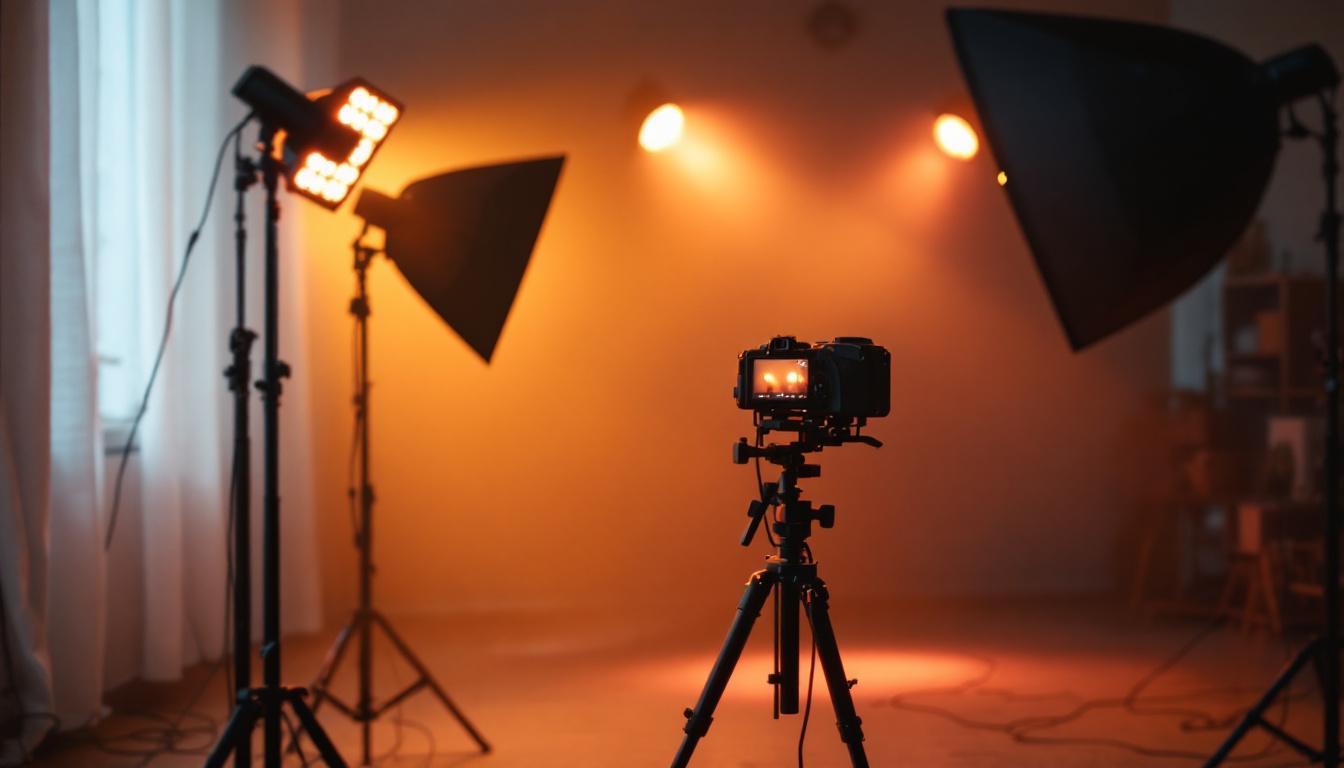
Lighting is more than just illuminating a scene; it is a fundamental storytelling tool. Proper lighting can enhance textures, define depth, and evoke emotions, all of which contribute to the narrative and aesthetic appeal of a video. The interplay of light and shadow can create a sense of drama or intimacy, guiding the viewer’s attention to specific elements within the frame. For instance, a well-placed spotlight can draw focus to a subject’s face, while softer ambient lighting can set a more relaxed, inviting atmosphere.
Traditional lighting setups often relied on tungsten or fluorescent bulbs, which, while effective, presented challenges such as heat generation, power consumption, and limited color control. The advent of LED technology has revolutionized studio lighting, offering solutions that address these issues while introducing new capabilities. LEDs are not only energy-efficient but also provide a broader spectrum of color temperatures, allowing videographers to create the desired mood with precision. Additionally, their low heat output means that they can be used in close proximity to subjects without discomfort, making them ideal for long shooting sessions.
The Role of Lighting in Video Production
In videography, lighting affects exposure, color balance, and the overall visual tone. Key lighting techniques—such as three-point lighting—depend heavily on the quality and control of the light sources. Without proper lighting, even the most skilled camera work can fall flat, resulting in footage that looks dull, flat, or unprofessional. This technique involves a key light, fill light, and backlight, each serving a distinct purpose to create a balanced and dynamic image. The key light provides the primary illumination, the fill light softens shadows, and the backlight adds depth by separating the subject from the background, creating a three-dimensional effect.
Moreover, lighting influences post-production workflows. Well-lit footage requires less color correction and grading, saving time and resources. This is especially crucial in fast-paced production environments like newsrooms, corporate videos, or event coverage. In these scenarios, the ability to achieve high-quality results quickly can make a significant difference. Furthermore, understanding how different lighting setups interact with camera settings can empower videographers to make informed decisions on the fly. For example, adjusting the aperture or ISO in response to lighting changes can enhance the overall quality of the footage, ensuring that the final product meets professional standards. As technology continues to evolve, staying abreast of the latest lighting techniques and equipment will be essential for any videographer looking to elevate their craft.
What Are LED Studio Lights?
LED (Light Emitting Diode) studio lights are lighting fixtures that use semiconductor diodes to emit light when an electric current passes through them. Unlike traditional bulbs, LEDs do not rely on heating a filament or gas to produce light, making them more energy-efficient and longer-lasting.
Key Features of LED Studio Lights
LED studio lights come with several characteristics that make them ideal for videography:
- Energy Efficiency: LEDs consume significantly less power compared to incandescent or fluorescent lights, which reduces operational costs and heat output.
- Low Heat Emission: This is critical in small studio spaces or prolonged shoots where excessive heat can cause discomfort and damage equipment.
- Color Temperature Control: Many LED lights offer adjustable color temperatures, allowing videographers to switch between warm and cool lighting to match the scene’s mood or ambient light.
- High CRI (Color Rendering Index): A high CRI (typically above 90) ensures that colors appear natural and vibrant on camera.
- Portability and Durability: LEDs are compact and robust, making them easier to transport and less prone to breakage.
Types of LED Studio Lights
LED studio lights come in various forms tailored to different shooting needs:
- Panel Lights: Flat, rectangular panels that provide soft, even lighting. Ideal for interviews and close-ups.
- Ring Lights: Circular lights that produce uniform illumination, often used in beauty and product videography.
- Spotlights: Focused beams that highlight specific areas or subjects, useful for dramatic effects.
- On-Camera LEDs: Compact lights mounted on cameras for mobile or run-and-gun shooting.
LED Display Technology in Studio Lighting
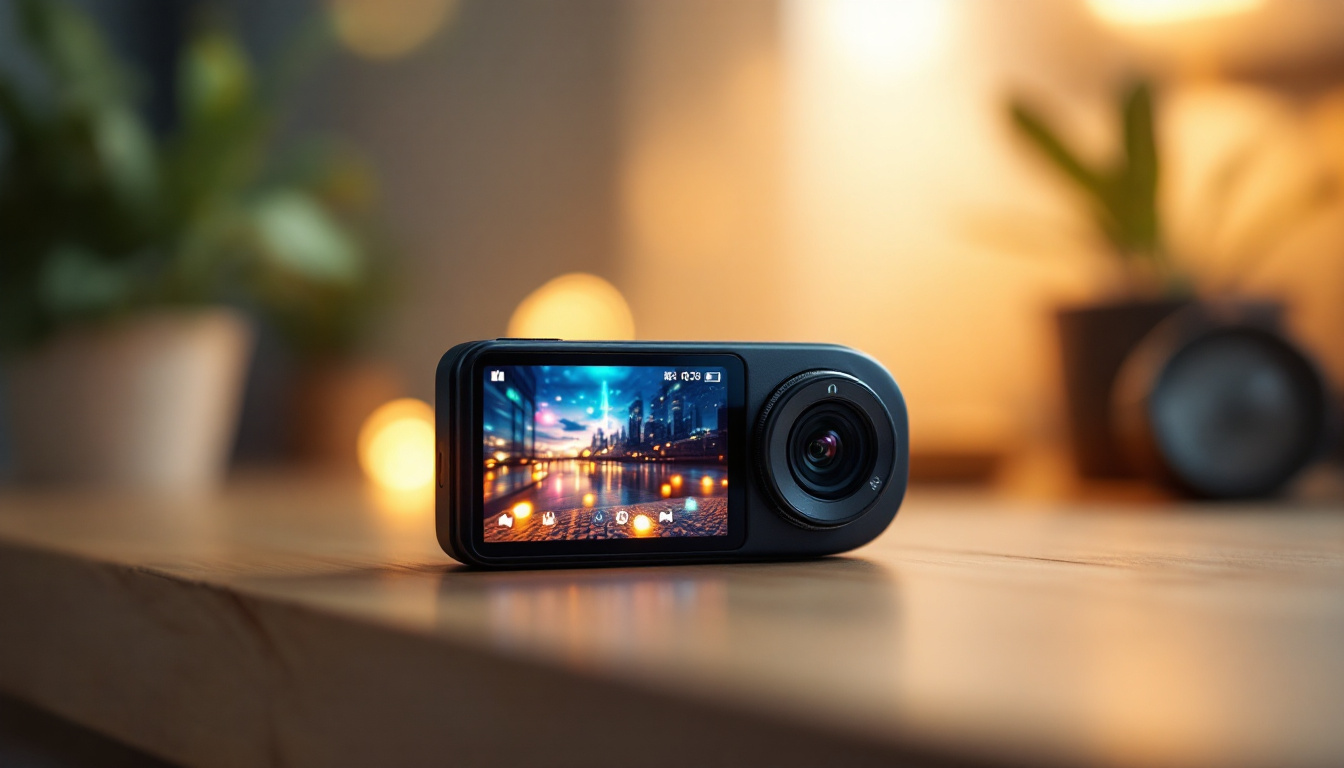
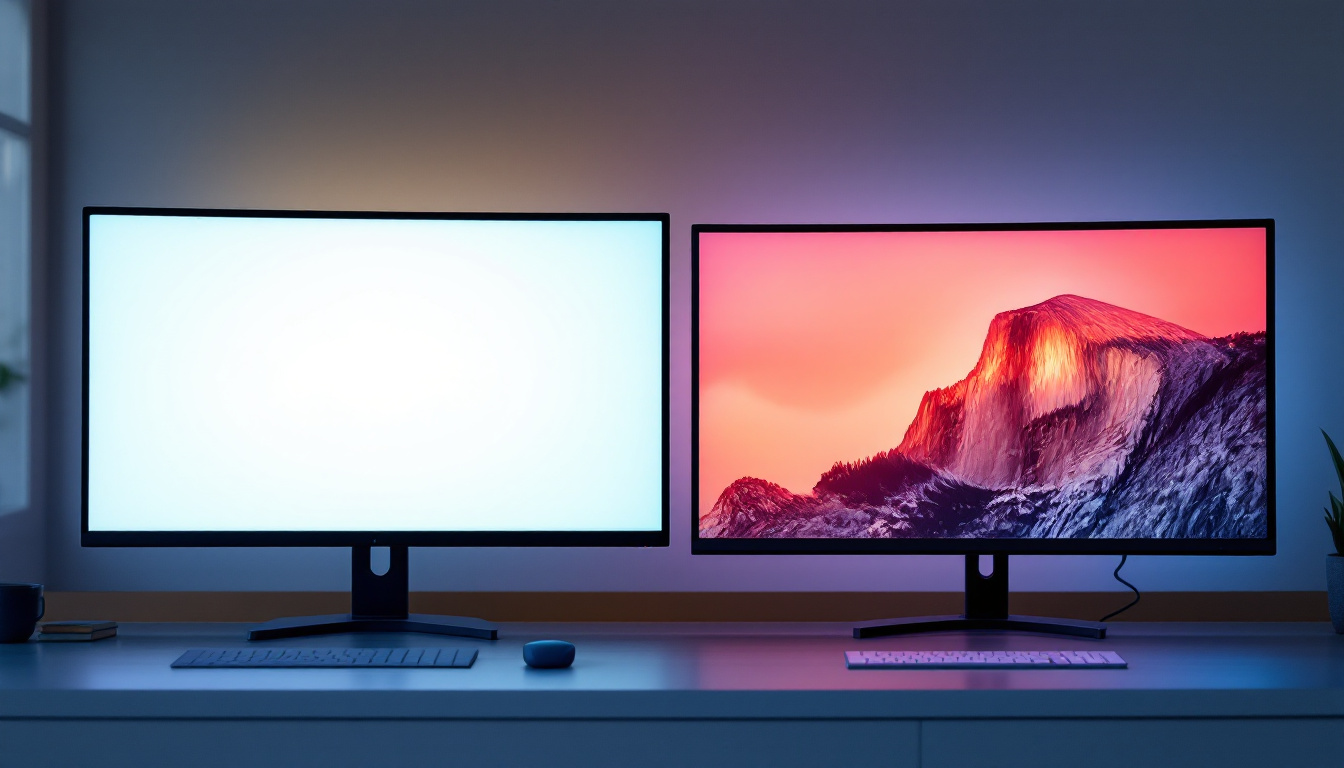
The term “LED display” in the context of studio lighting often refers to the integrated control panels or screens on LED fixtures that allow users to adjust settings such as brightness, color temperature, and sometimes even RGB color mixing. These displays enhance user experience by providing precise control and feedback.
How LED Displays Enhance Lighting Control
Modern LED studio lights frequently feature digital displays that offer:
- Real-Time Adjustment: Videographers can tweak brightness levels and color temperature instantly, ensuring optimal lighting without guesswork.
- Preset Modes: Some lights come with presets for common lighting scenarios, such as daylight, tungsten, or custom user-defined settings.
- DMX Compatibility: Advanced LED lights with displays often support DMX control, enabling integration into larger lighting rigs and remote operation.
- Battery Status and Power Monitoring: For portable LED lights, displays provide critical information about battery life and power consumption.
Examples of LED Display Interfaces
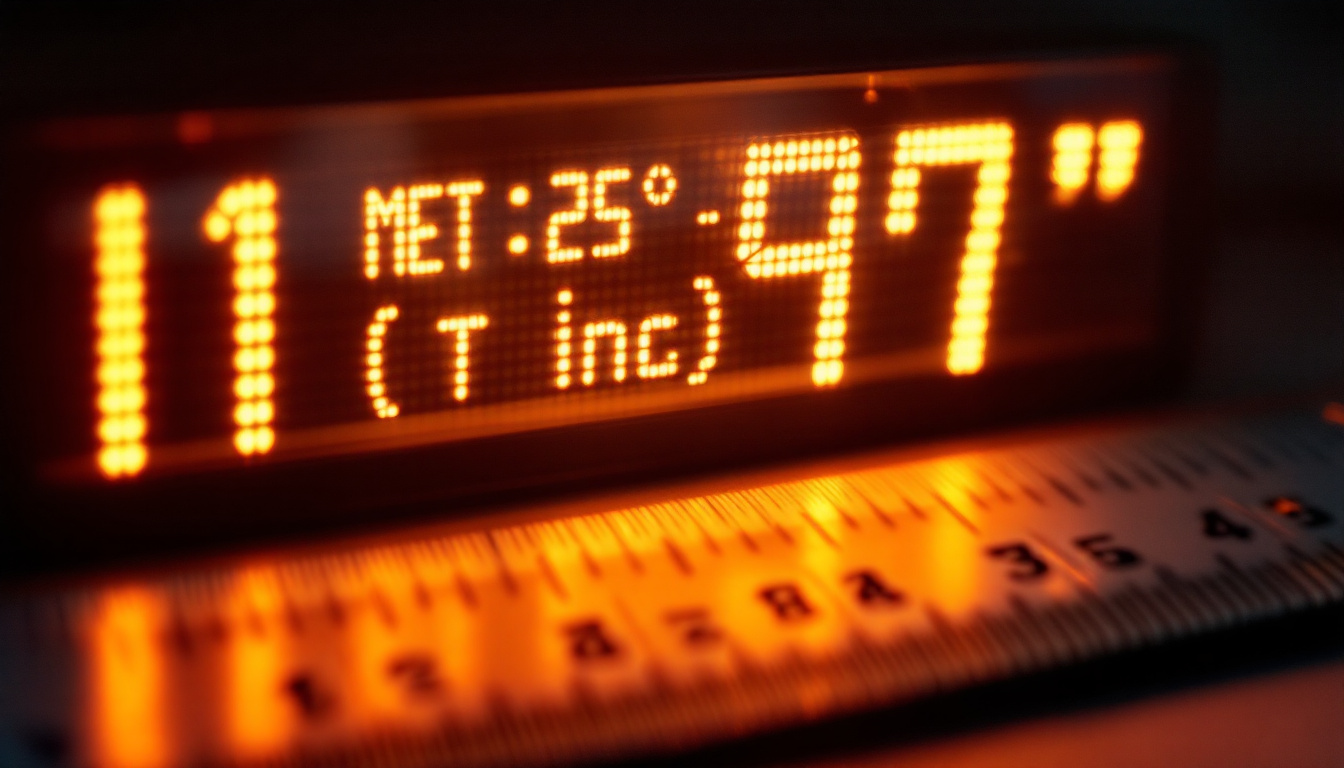
Many manufacturers incorporate OLED or LCD screens into their LED lights. These displays are designed to be intuitive, showing numerical values for brightness (often in percentage or lux), color temperature (in Kelvin), and sometimes RGB values for color mixing lights. This precision helps videographers replicate lighting setups across different shoots or locations.
Benefits of Using LED Studio Lights with Displays in Videography
Integrating LED display technology into studio lights offers several advantages that directly impact the quality and efficiency of video production.
Precision and Consistency
One of the biggest challenges in lighting is maintaining consistent settings across multiple shoots or scenes. LED displays allow users to note exact values for brightness and color temperature, enabling repeatable setups. This consistency is vital for projects requiring uniform lighting, such as episodic content or corporate videos.
Improved Workflow and Flexibility
With real-time feedback and easy adjustments, videographers can adapt lighting on the fly without interrupting the shoot. This flexibility is especially beneficial in dynamic environments like live events or documentary filming, where lighting conditions can change rapidly.
Energy Savings and Reduced Heat
LED lights consume less power and produce less heat, which not only reduces electricity costs but also creates a more comfortable working environment. This is particularly important in small studios or during long shooting days.
Enhanced Creative Control
Adjustable color temperature and RGB capabilities allow videographers to craft unique lighting moods and effects without additional gels or filters. This creative freedom expands the visual storytelling toolbox.
Choosing the Right LED Studio Lights for Your Videography Needs
Selecting the appropriate LED studio lights depends on various factors, including the type of videography, budget, and shooting environment.
Assessing Your Lighting Requirements
Consider the following questions:
- What is the primary subject? (e.g., interviews, products, events)
- Will you need portability for on-location shoots?
- Do you require adjustable color temperature or RGB lighting?
- Is DMX control or wireless operation necessary?
- What is your budget range?
Answering these will help narrow down options and prioritize features.
Recommended LED Studio Light Features
For most videographers, the following features are highly beneficial:
- High CRI (90+): Ensures accurate color reproduction.
- Adjustable Color Temperature: Typically ranging from 2700K (warm) to 6500K (daylight).
- Brightness Control: Smooth dimming capability without flicker.
- Integrated LED Display: For precise and repeatable settings.
- Portability: Battery-powered options for flexibility.
Popular LED Studio Light Models
Several brands have set industry standards with their LED studio lights featuring advanced displays and controls. For example, panel lights like the Aputure Light Storm series offer excellent color accuracy and digital displays, while brands like Godox provide affordable options with integrated controls suitable for beginners and professionals alike.
Practical Tips for Using LED Studio Lights with Displays
Maximizing the potential of LED studio lights requires understanding both the technical and creative aspects of lighting.
Calibrating Your Lights
Use the LED display to set color temperature and brightness according to your shooting environment. Employ a light meter or camera histogram to verify exposure and ensure consistency.
Experimenting with Color Temperature
Adjusting the color temperature can dramatically alter the mood of your footage. For example, warmer tones (around 3200K) create a cozy, intimate atmosphere, while cooler tones (5600K and above) simulate daylight and can feel more clinical or energetic.
Utilizing Presets and Custom Settings
Take advantage of preset modes for quick setup, but also save custom configurations for recurring shoots. This saves time and maintains lighting quality.
Combining Multiple Lights
Use LED lights with displays in tandem to build complex lighting setups. The ability to control each light precisely allows for balanced three-point lighting, background separation, and creative accents.
Future Trends in LED Studio Lighting
LED technology continues to advance rapidly, with innovations that promise to further enhance videography lighting.
Smart Lighting and IoT Integration
Emerging LED studio lights are incorporating smart features, enabling control via smartphones or voice commands. Integration with Internet of Things (IoT) platforms allows for synchronized lighting setups and automation.
Improved Color Accuracy and Spectrum Control
Next-generation LEDs aim to replicate natural light more closely by expanding the color spectrum and improving CRI beyond 95, which will benefit high-end productions requiring the utmost color fidelity.
Energy Efficiency and Sustainability
As environmental concerns grow, LED manufacturers are focusing on reducing energy consumption further and using sustainable materials, making LED studio lights not only a smart choice for videographers but also for the planet.
Conclusion
LED studio lights with integrated displays have transformed the landscape of videography lighting. Their energy efficiency, precise control, and versatility make them essential tools for both amateur and professional videographers. Understanding how to leverage these lights effectively can elevate video production quality, streamline workflows, and open new creative possibilities. As technology continues to evolve, staying informed about the latest LED lighting advancements will ensure videographers maintain a competitive edge in their craft.
Discover LumenMatrix’s Advanced LED Display Solutions
Ready to take your videography to the next level with the latest in LED studio lighting technology? Explore LumenMatrix’s innovative range of LED display modules, designed to bring your creative vision to life with unparalleled brightness, clarity, and color accuracy. Whether you’re looking for an Indoor LED Wall Display for your studio, an Outdoor LED Wall Display for events, or specialized solutions like Vehicle LED Displays, LED Sports Displays, and more, LumenMatrix has you covered. Elevate your video production and captivate your audience with LumenMatrix’s cutting-edge LED display solutions. Check out LumenMatrix LED Display Solutions today and experience the future of visual storytelling.