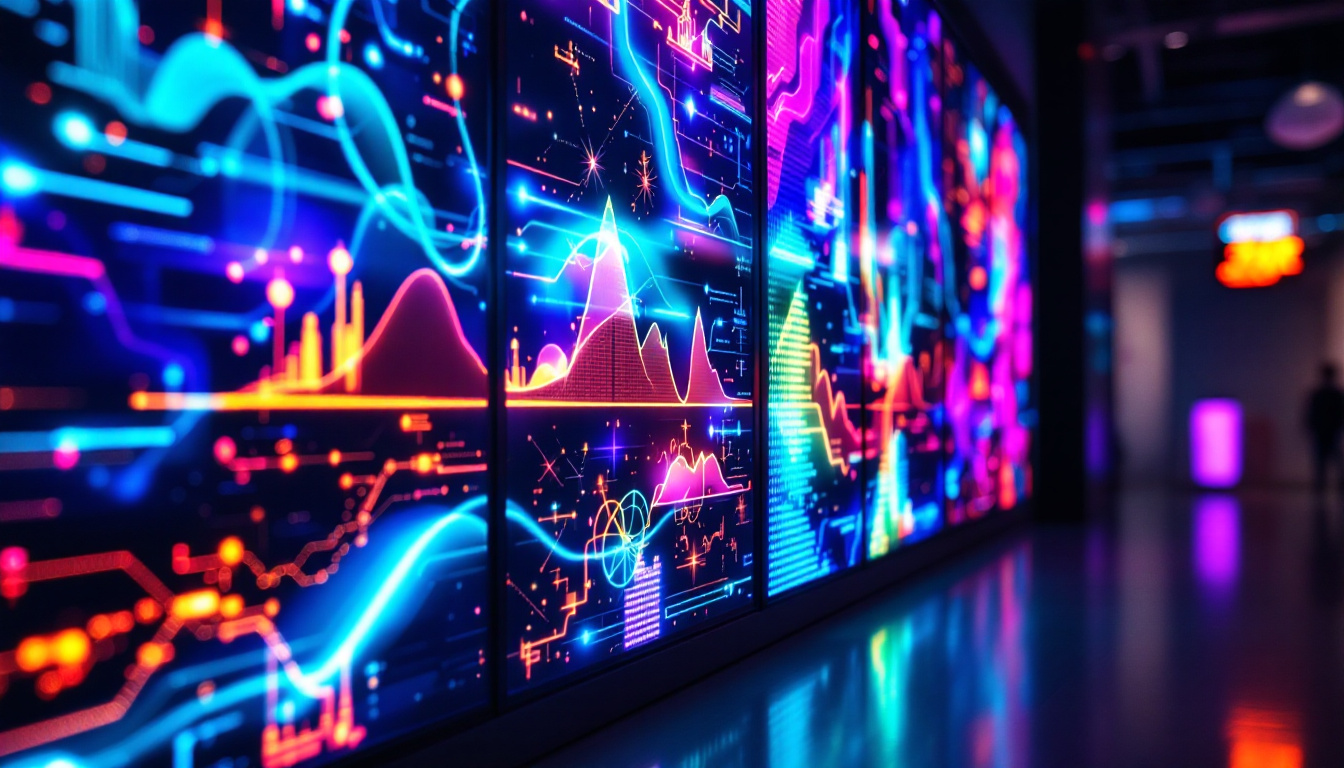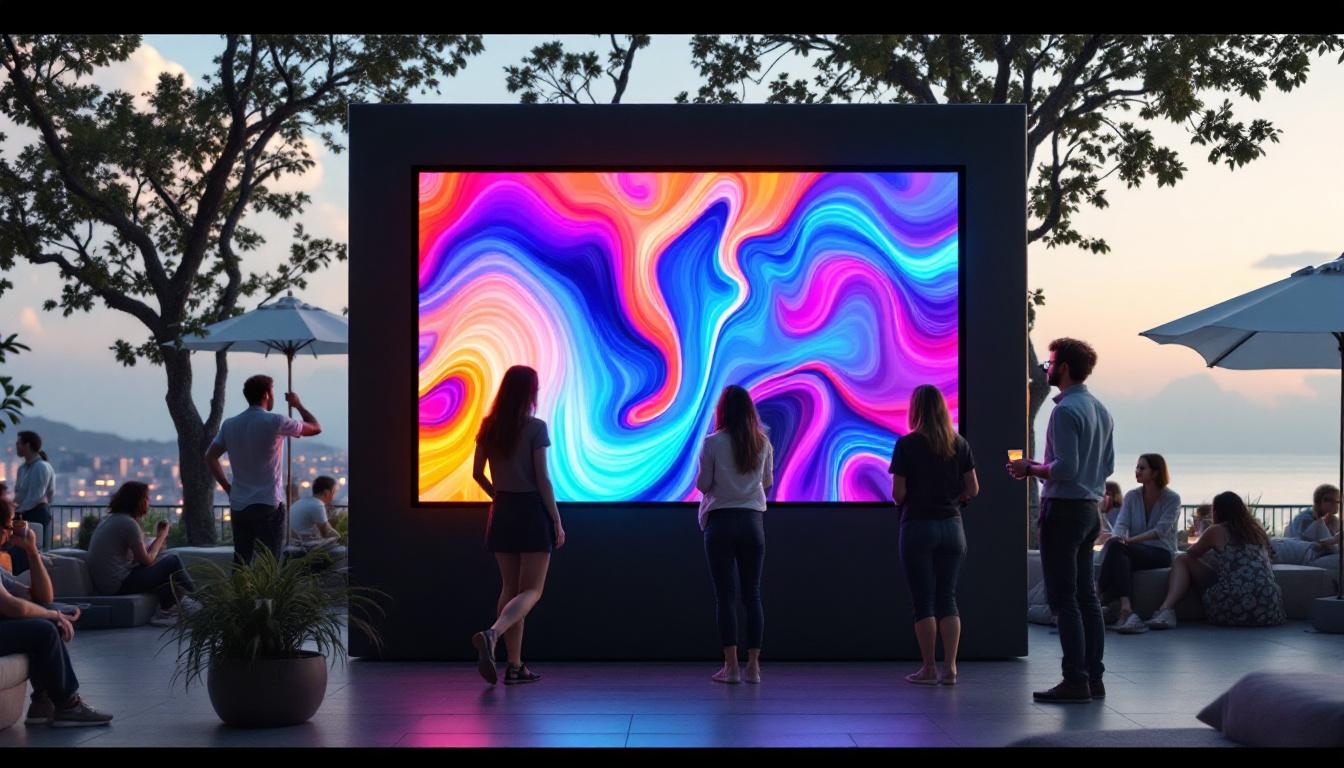
In today’s digital age, LED displays have become an essential component in a wide variety of applications—from advertising billboards and stadium screens to indoor signage and consumer electronics. Their vibrant colors, energy efficiency, and versatility make them a preferred choice for businesses and consumers alike. However, the technology behind LED displays is often misunderstood or oversimplified. This article aims to provide a comprehensive and clear explanation of LED displays, covering their fundamental principles, types, advantages, and practical considerations for users and businesses.
Understanding the Basics of LED Displays
What is an LED Display?
LED stands for Light Emitting Diode, a semiconductor device that emits light when an electric current passes through it. An LED display is essentially a flat panel that uses an array of these tiny LEDs as pixels to produce images, videos, or text. Unlike traditional LCDs, which require a backlight, LED displays generate their own light, allowing for brighter and more vivid visuals.
The core advantage of LEDs lies in their efficiency and longevity. Each LED acts as an individual light source, enabling precise control over brightness and color. This makes LED displays highly adaptable to various lighting conditions, from bright outdoor environments to dim indoor settings.
How Do LED Displays Work?
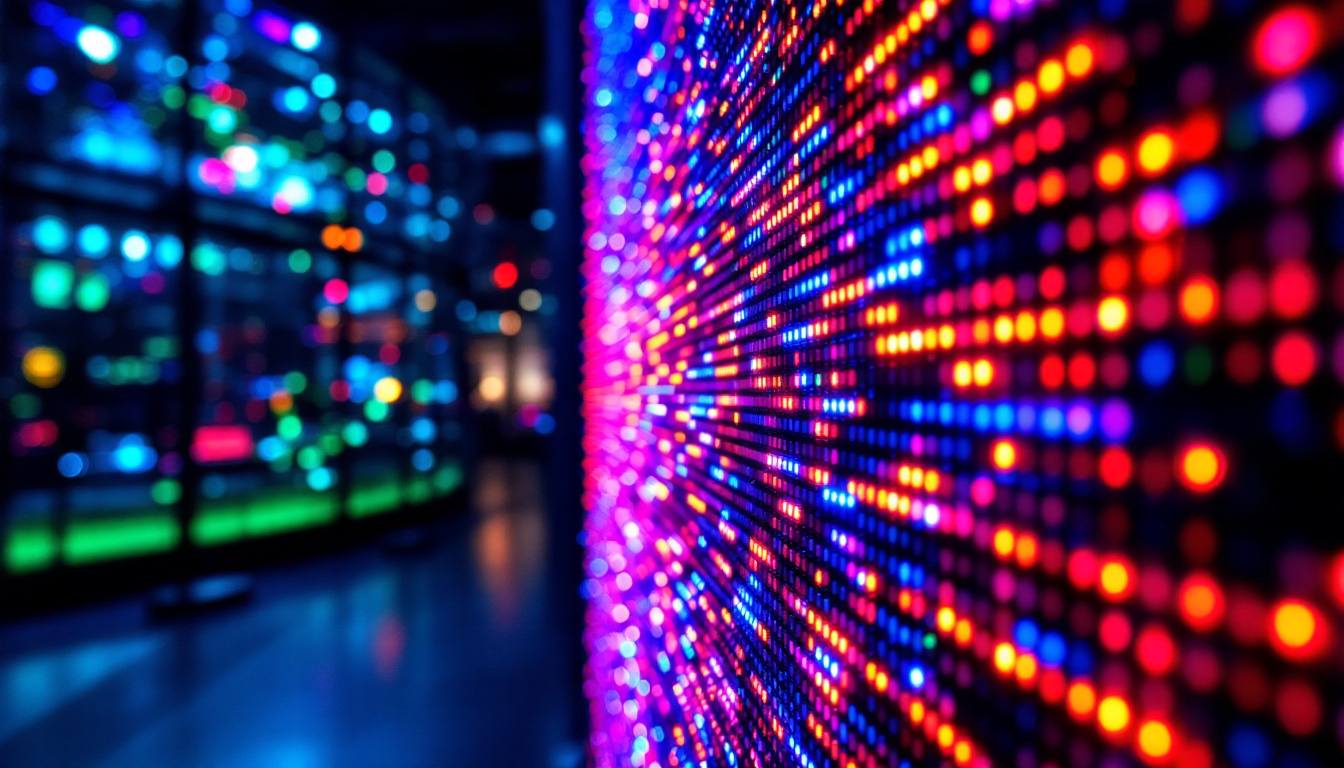
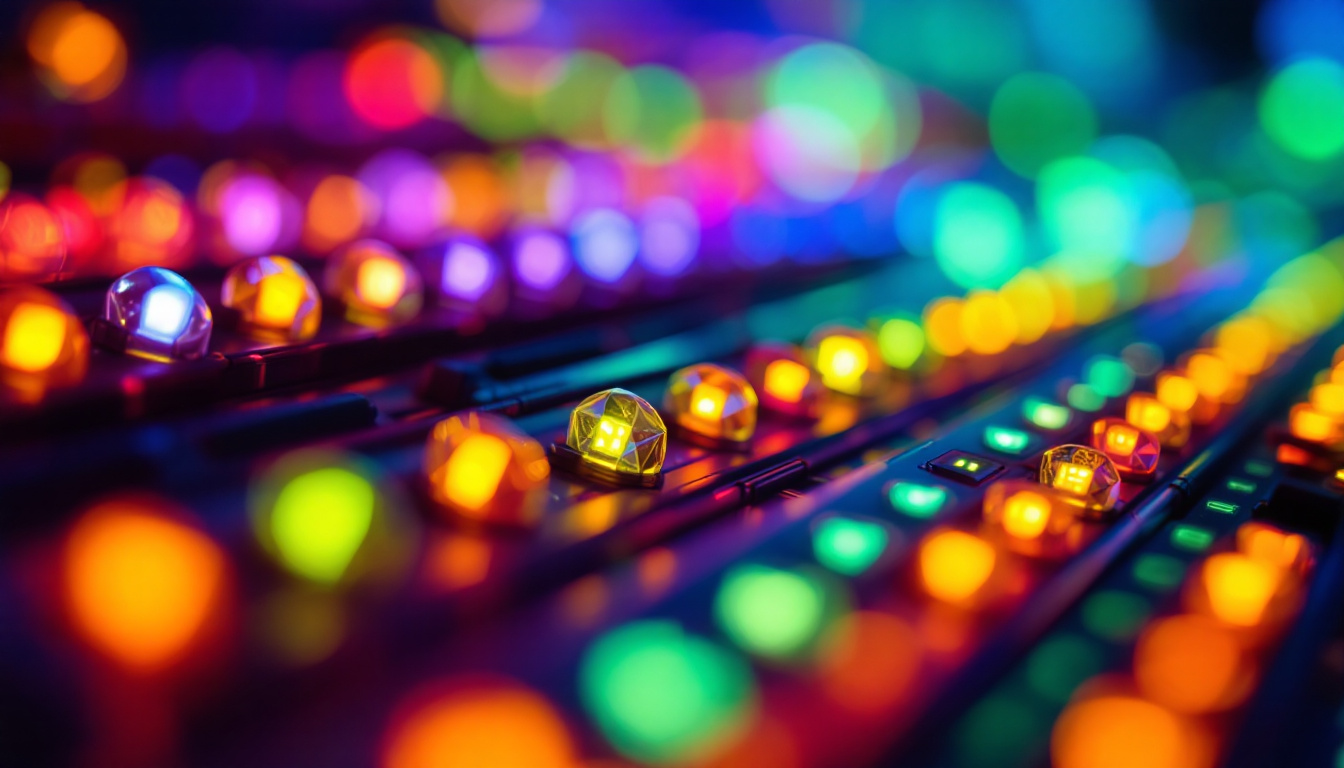
At the heart of an LED display is a matrix of LEDs arranged in rows and columns. Each LED can be turned on or off and adjusted in intensity to create the desired image. For color displays, three LEDs—red, green, and blue (RGB)—are grouped together to form a single pixel. By varying the intensity of each color LED, millions of colors can be produced through a process called additive color mixing.
The display is controlled by a driver circuit and a controller board that manage the timing and power supplied to each LED. The controller receives input from a video source and translates it into signals that determine which LEDs light up and at what brightness. This rapid switching and modulation create the seamless images and videos that viewers see.
Types of LED Displays and Their Applications
Indoor vs. Outdoor LED Displays
One of the primary distinctions in LED displays is their suitability for indoor or outdoor use. Outdoor LED displays are designed to withstand harsh environmental conditions such as rain, dust, and extreme temperatures. They typically feature higher brightness levels, often exceeding 5,000 nits, to remain visible under direct sunlight. Additionally, outdoor LEDs have a more rugged casing and weatherproof sealing to ensure durability.
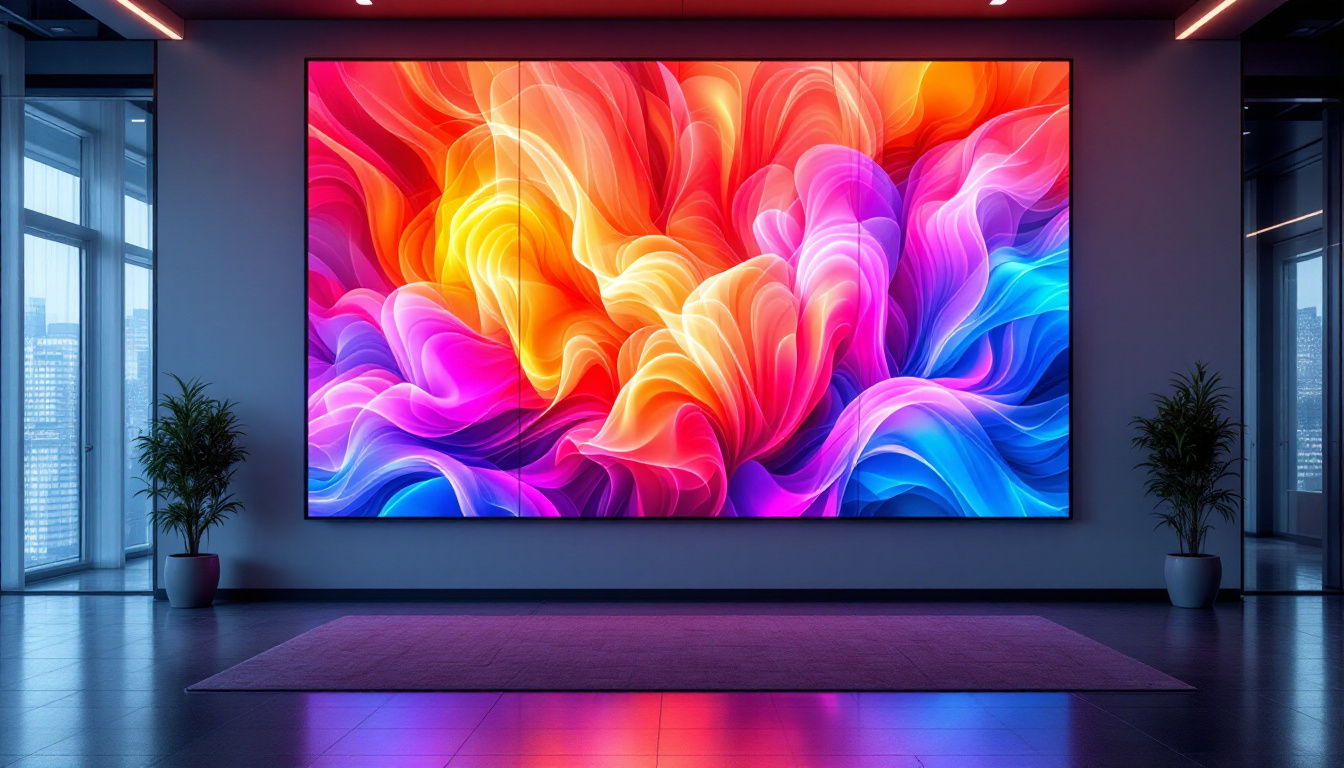
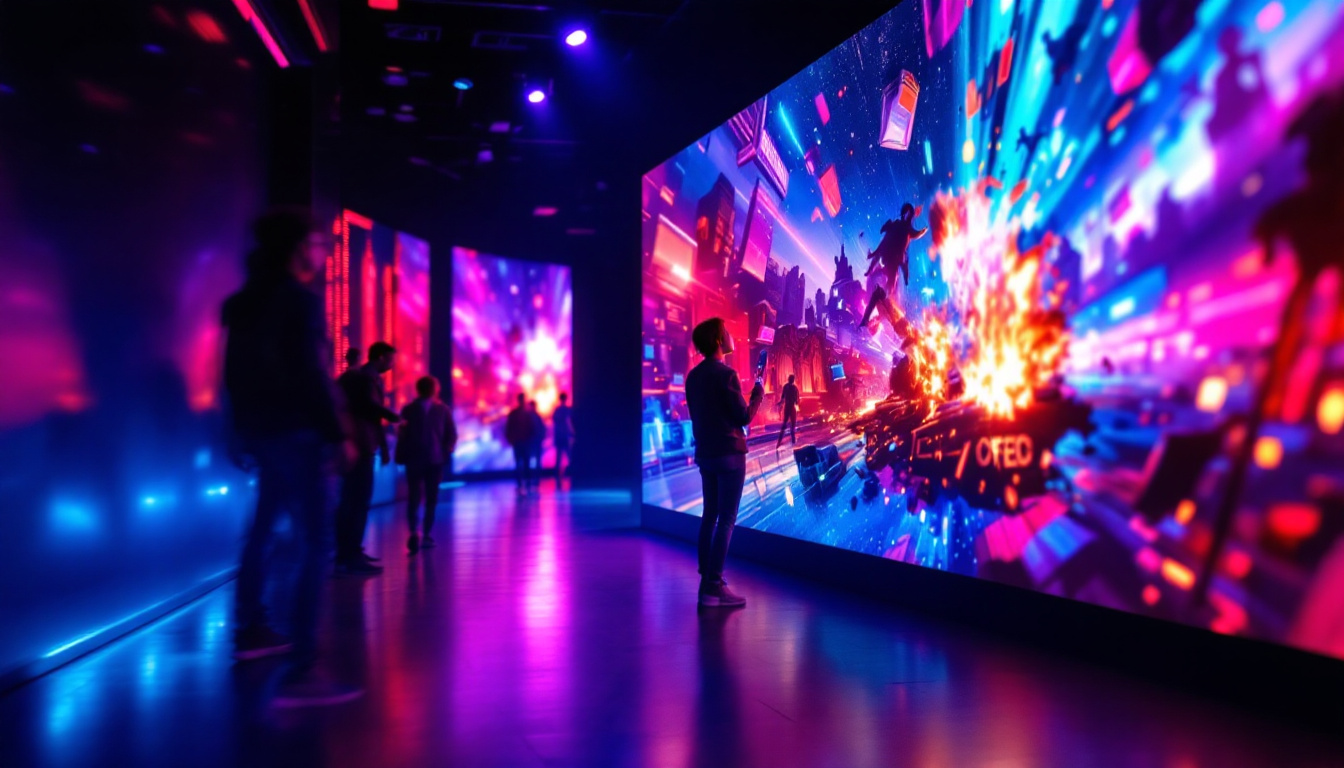
Indoor LED displays, on the other hand, prioritize high resolution and color accuracy over extreme brightness. Their brightness levels usually range between 800 and 1,200 nits, which is sufficient for controlled lighting environments. Indoor displays are commonly used in conference rooms, retail stores, museums, and entertainment venues.
Direct View LED vs. LED-Backlit LCD
It’s important to distinguish between direct view LED displays and LED-backlit LCD screens. Direct view LED displays use LEDs as the actual pixels that emit light, as described earlier. This results in superior contrast ratios, deeper blacks, and wider viewing angles.
LED-backlit LCDs, common in televisions and monitors, use LEDs solely as a backlight behind an LCD panel. While they benefit from the energy efficiency and brightness of LEDs, the image quality depends on the LCD layer’s ability to modulate light, which can limit contrast and viewing angles compared to direct view LEDs.
MicroLED and MiniLED: The Next Generation
Recent advancements in LED technology have introduced MicroLED and MiniLED displays, which promise to combine the best features of traditional LEDs and LCDs. MicroLEDs are tiny LEDs, often smaller than 100 micrometers, that can be assembled into high-resolution displays with exceptional brightness and energy efficiency. They offer near-perfect black levels and color accuracy without the burn-in issues associated with OLEDs.
MiniLEDs, slightly larger than MicroLEDs, are primarily used as backlighting for LCD panels. They provide improved local dimming capabilities, resulting in better contrast and HDR performance. Both technologies are gaining traction in premium TVs, monitors, and commercial displays, signaling a shift toward more advanced LED solutions.
Key Advantages of LED Displays
Brightness and Visibility
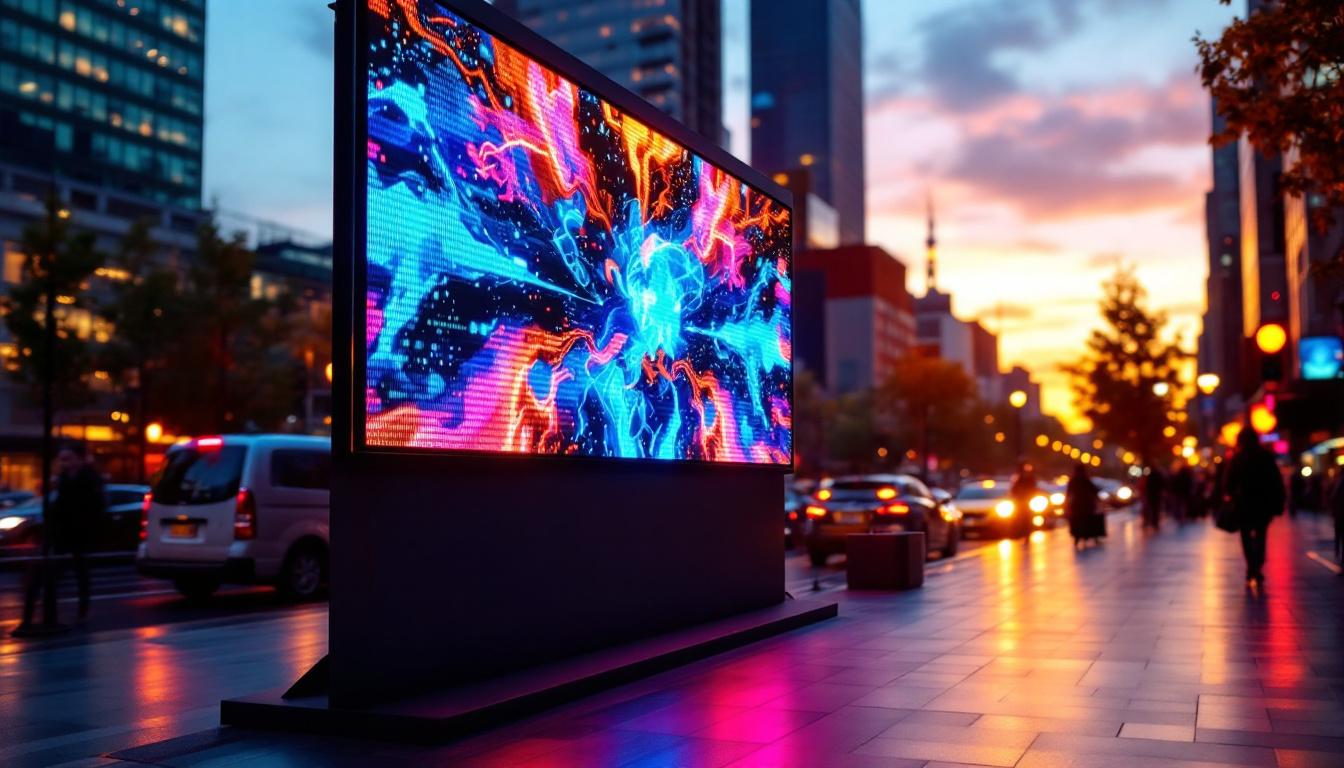
One of the standout benefits of LED displays is their exceptional brightness. Outdoor LED billboards can reach brightness levels up to 10,000 nits, ensuring visibility even in direct sunlight. This makes them ideal for advertising in busy urban areas, sports arenas, and transportation hubs.
Indoor displays, while less bright, still outperform many other technologies in terms of clarity and vividness. The ability to adjust brightness dynamically allows LED displays to conserve energy and reduce eye strain in low-light environments.
Energy Efficiency and Longevity
LED technology is inherently energy-efficient. Compared to traditional incandescent or fluorescent lighting, LEDs consume significantly less power to produce the same amount of light. This translates into lower operating costs for businesses using LED displays, especially for large-scale installations that run continuously.
Moreover, LEDs have a long operational life, often rated between 50,000 to 100,000 hours. This durability reduces maintenance costs and downtime, making LED displays a reliable investment for long-term use.
Color Accuracy and Contrast
Thanks to the precise control of individual LEDs, LED displays offer superior color accuracy and contrast ratios. The ability to turn off individual LEDs completely results in true blacks and vibrant colors, enhancing the overall viewing experience. This is particularly important for applications such as digital signage, broadcasting, and live events where image quality is paramount.
Important Considerations When Choosing an LED Display
Pixel Pitch and Resolution
Pixel pitch refers to the distance between the centers of two adjacent pixels and is measured in millimeters. It is a critical factor that determines the resolution and viewing distance of an LED display. Smaller pixel pitches mean higher resolution and sharper images, but also higher costs.
For example, a pixel pitch of 1.2mm is suitable for close-up viewing in indoor environments like control rooms or retail displays. In contrast, outdoor billboards often use pixel pitches ranging from 10mm to 20mm, as viewers typically observe them from a greater distance.
Viewing Angle and Refresh Rate
The viewing angle of an LED display affects how well the image is seen from different positions. High-quality LED displays offer wide viewing angles, often exceeding 160 degrees horizontally and vertically, ensuring consistent image quality for large audiences.
Refresh rate, measured in Hertz (Hz), indicates how many times per second the image is updated. Higher refresh rates reduce flicker and motion blur, which is especially important for video content and live broadcasts. Standard LED displays usually have refresh rates of 1,920 Hz or higher to ensure smooth visuals.
Installation and Maintenance
Installing an LED display involves considerations such as mounting options, power supply, and connectivity. Modular designs with easy-to-replace panels simplify installation and maintenance, minimizing downtime. For outdoor displays, weatherproofing and ventilation are also critical to ensure longevity.
Regular maintenance includes cleaning the surface, checking for dead pixels, and updating software. Many modern LED displays come with remote monitoring systems that alert operators to potential issues before they become critical.
Real-World Applications of LED Displays
Advertising and Digital Signage
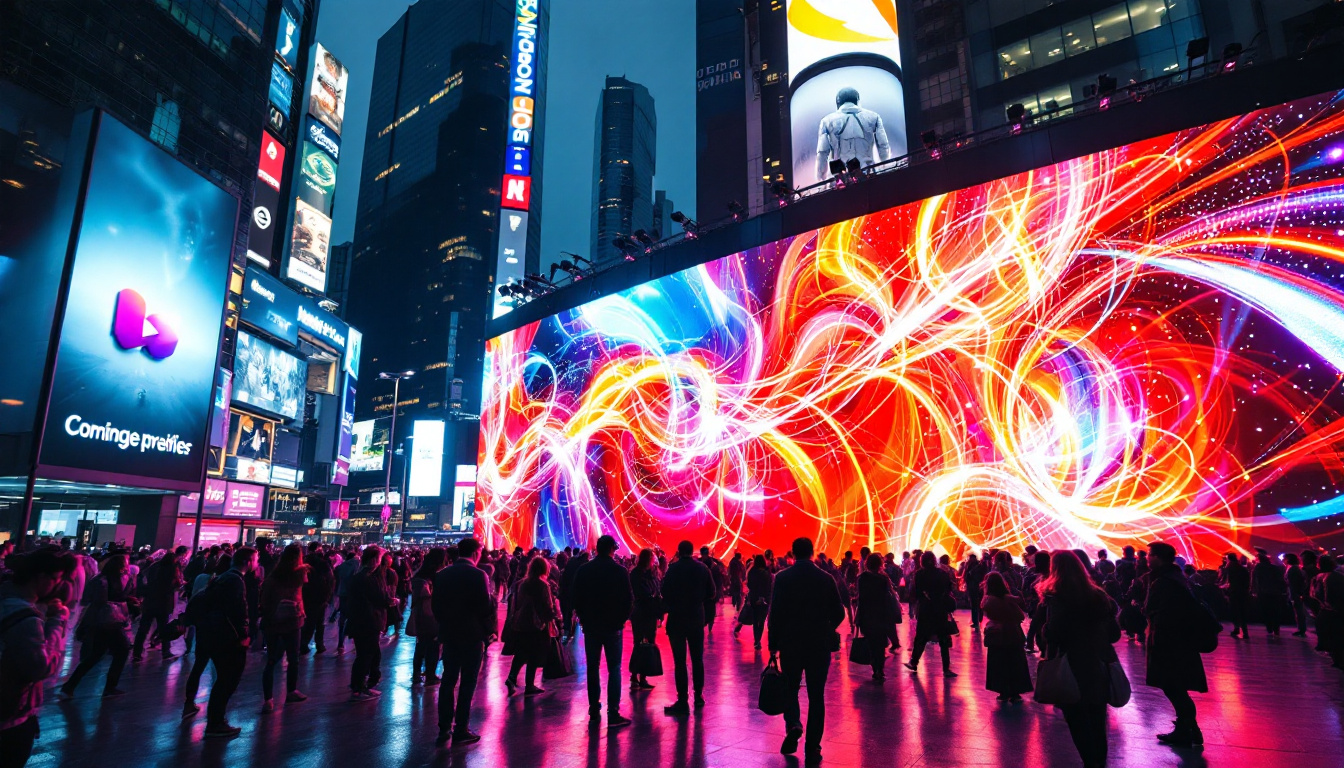
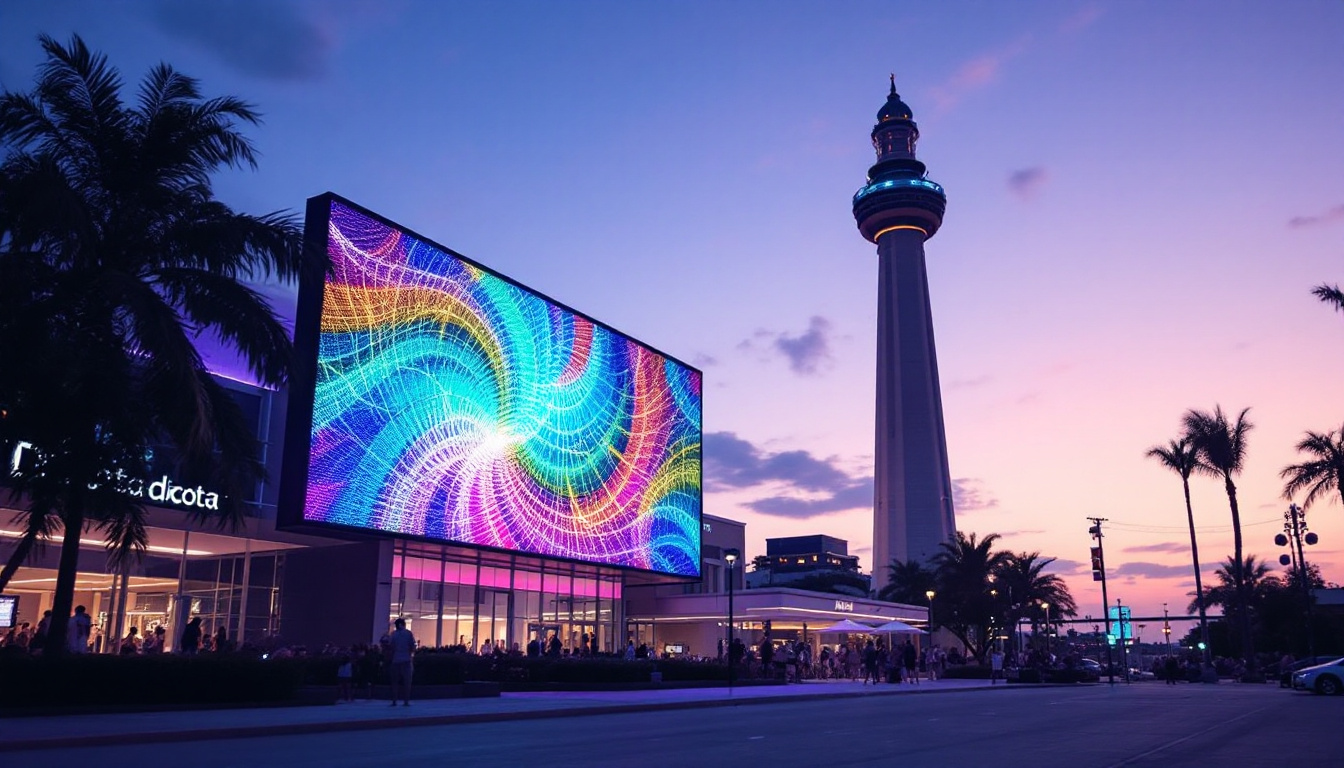
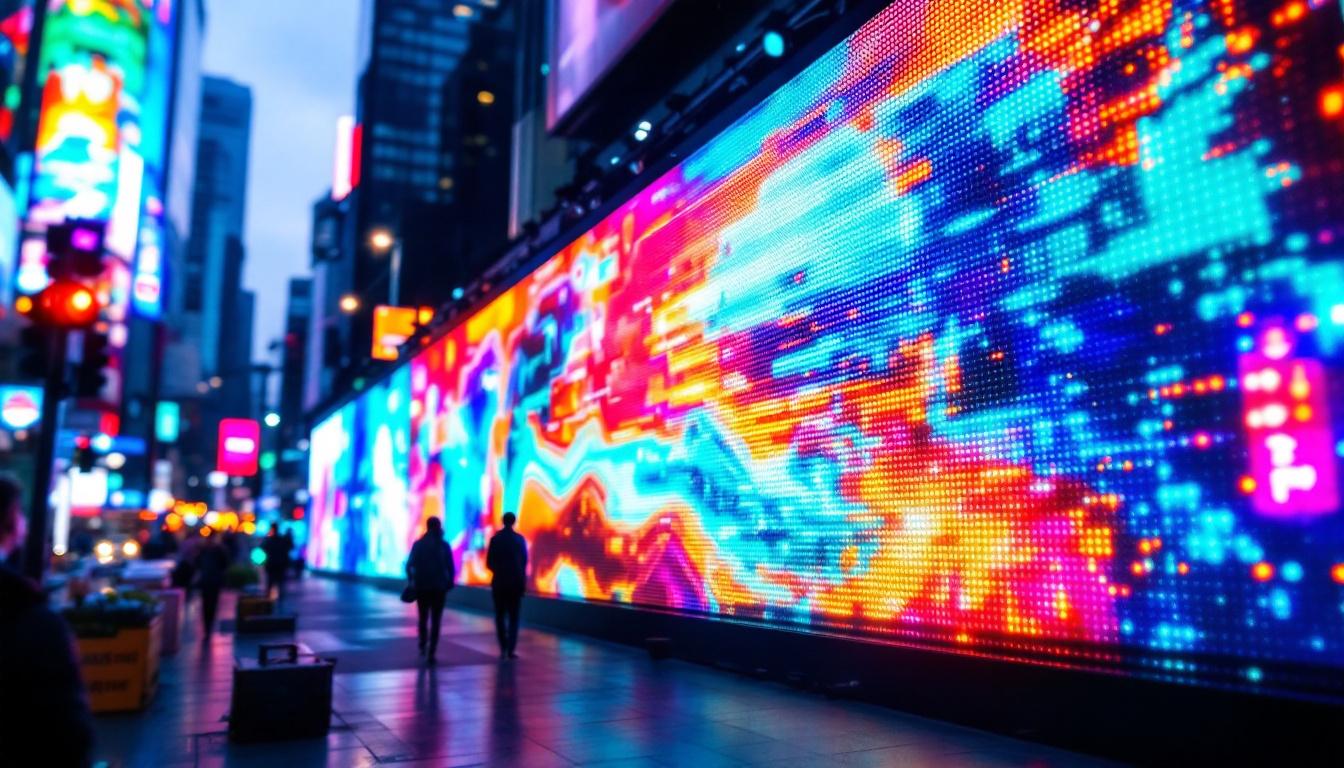
LED displays have revolutionized advertising by enabling dynamic, eye-catching content that can be updated in real time. Cities like Times Square in New York and Shibuya Crossing in Tokyo are famous for their massive LED billboards that attract millions of viewers daily.
Digital signage using LED displays is also prevalent in retail environments, transportation centers, and corporate settings, where targeted messaging and interactive content enhance customer engagement.
Sports and Entertainment Venues
Stadiums and arenas utilize large LED screens to provide live game footage, replays, and interactive fan experiences. These displays must deliver high brightness and durability to perform well under various weather conditions and lighting scenarios.
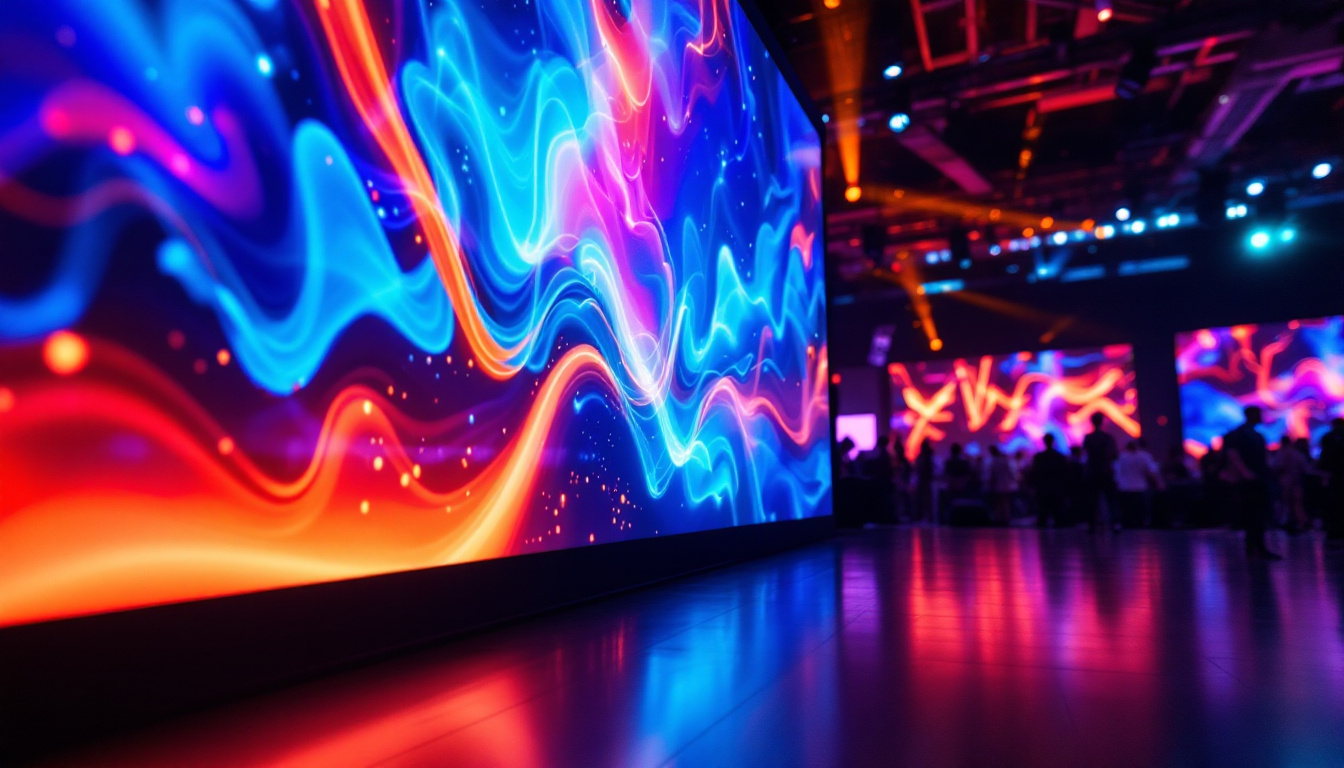
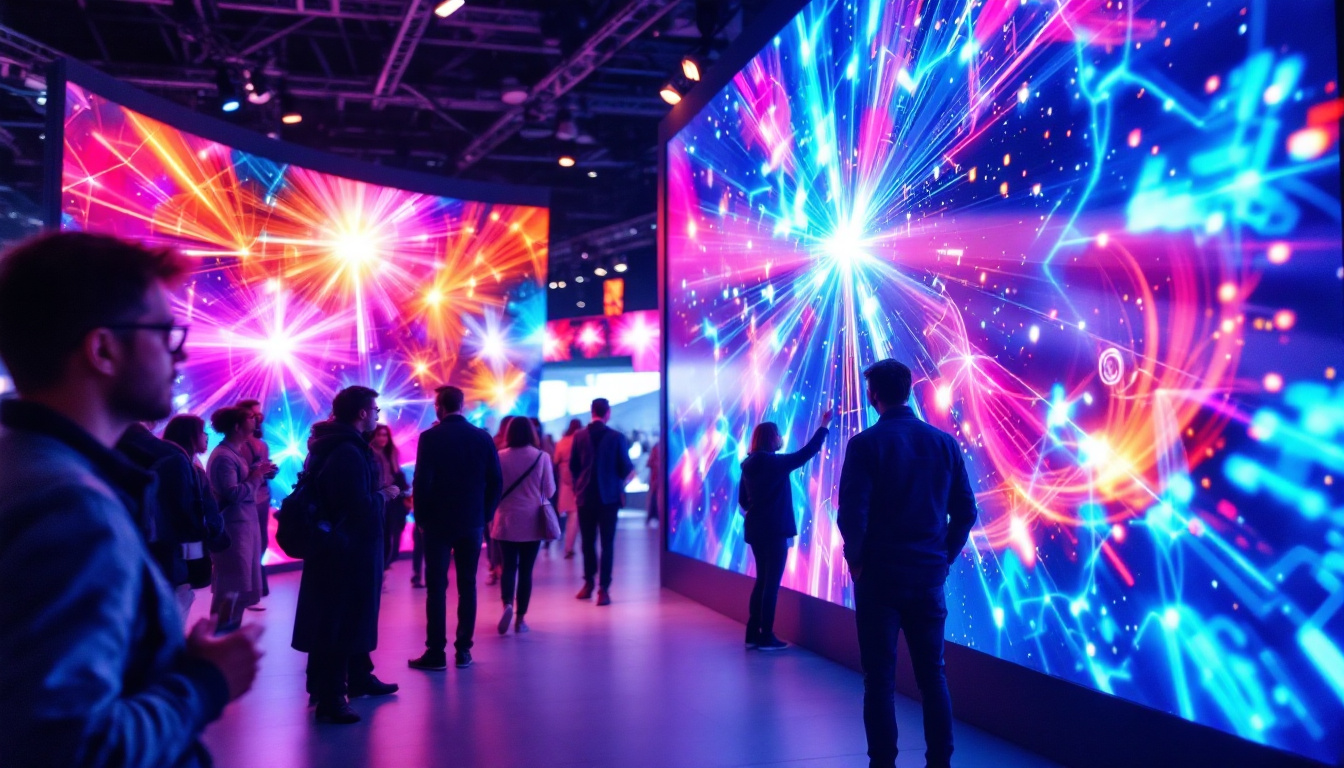
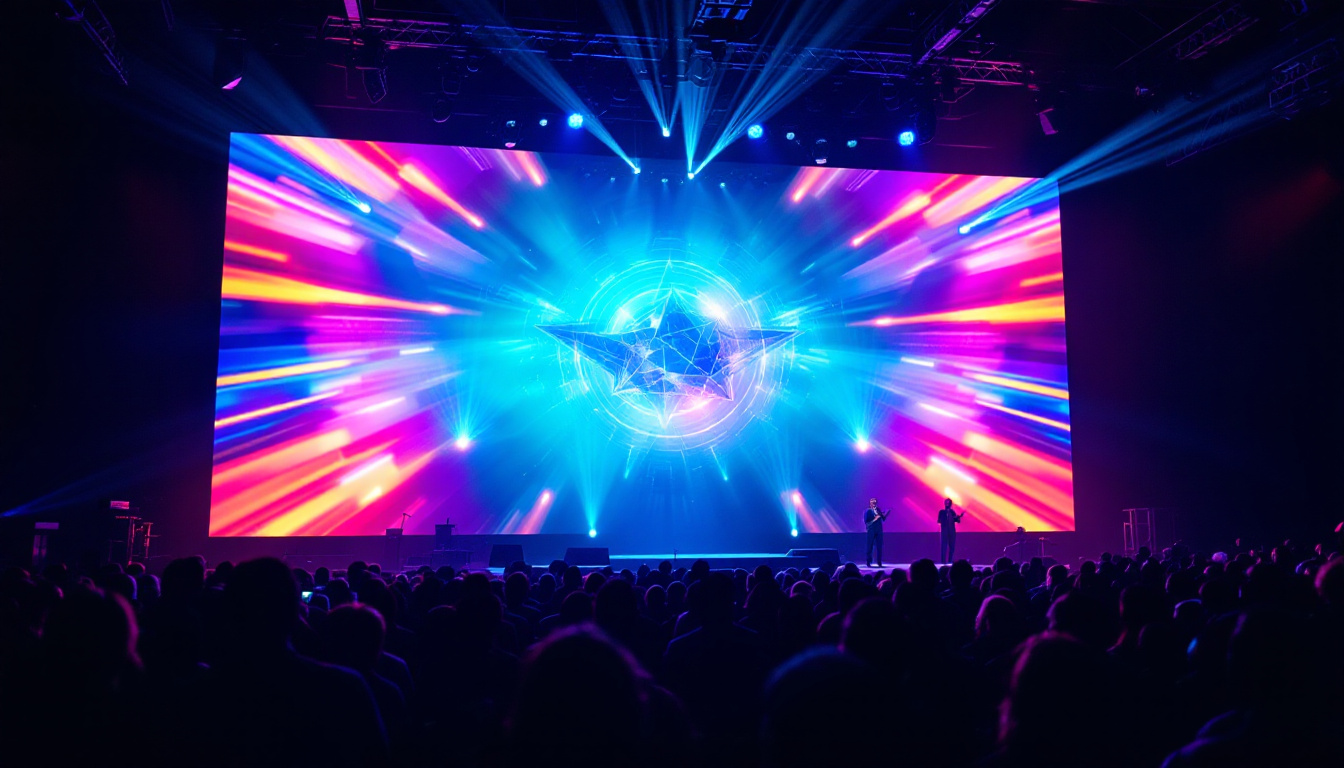
Concerts and festivals also rely on LED walls for stage backdrops and visual effects, creating immersive environments that captivate audiences.
Control Rooms and Command Centers
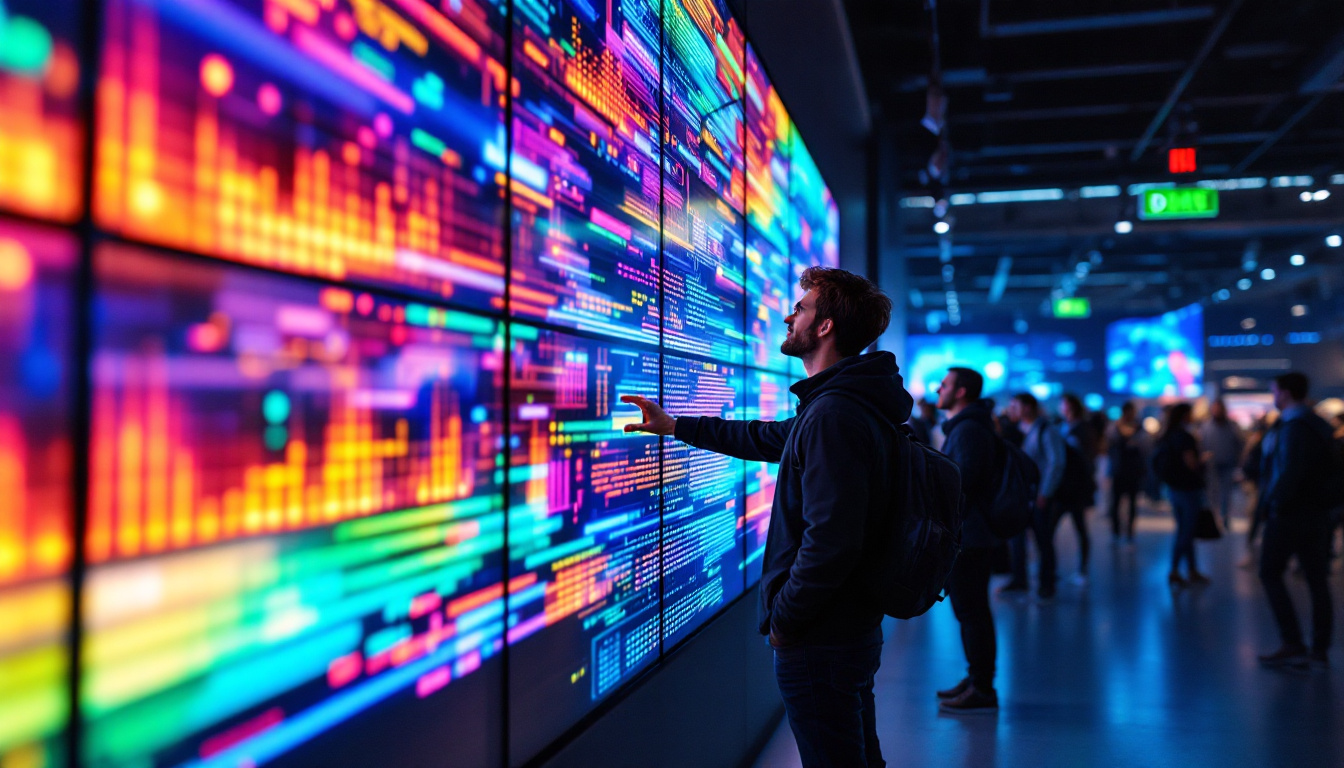
In industries such as transportation, utilities, and emergency services, LED video walls are critical for monitoring and decision-making. Their high resolution and reliability allow operators to view multiple data sources simultaneously with clarity and precision.
The Future of LED Display Technology
Integration with Smart Technologies
As LED displays become more intelligent, integration with AI and IoT technologies is enabling smarter content management and energy optimization. For instance, sensors can adjust brightness based on ambient light or audience presence, enhancing user experience and reducing power consumption.
Advancements in Flexible and Transparent LEDs
Emerging innovations include flexible LED panels that can curve or fold, expanding design possibilities for architecture and wearable technology. Transparent LED displays are also gaining traction, allowing for see-through screens that can be integrated into windows or glass facades without obstructing views.
Sustainability and Environmental Impact
Manufacturers are increasingly focusing on eco-friendly materials and recycling programs to reduce the environmental footprint of LED displays. Energy-efficient designs and longer lifespans contribute to sustainability goals, making LED technology a responsible choice for the future.
Conclusion
LED displays represent a transformative technology that combines efficiency, versatility, and superior visual performance. Understanding the underlying principles, types, and practical considerations can help businesses and consumers make informed decisions when selecting LED display solutions. As technology continues to evolve, LED displays will play an even more significant role in communication, entertainment, and information sharing across the globe.
Whether for advertising, live events, or control centers, the right LED display can deliver impactful and engaging experiences that capture attention and convey messages effectively. Keeping abreast of the latest advancements ensures that users can leverage the full potential of this dynamic technology.
Discover LumenMatrix’s Innovative LED Solutions
Ready to elevate your visual experience with the latest in LED technology? Look no further than LumenMatrix, a pioneer in crafting cutting-edge LED displays that bring your content to life. From vibrant Indoor LED Walls to dynamic Outdoor LED Displays, and from sleek LED Posters to immersive LED Sports and Floor Displays, LumenMatrix offers a comprehensive range of solutions tailored to your needs. Embrace the future of visual communication with our Custom, All-in-One, and Transparent LED Displays, designed to captivate your audience and amplify your message. Check out LumenMatrix LED Display Solutions today and transform the way you connect and engage.