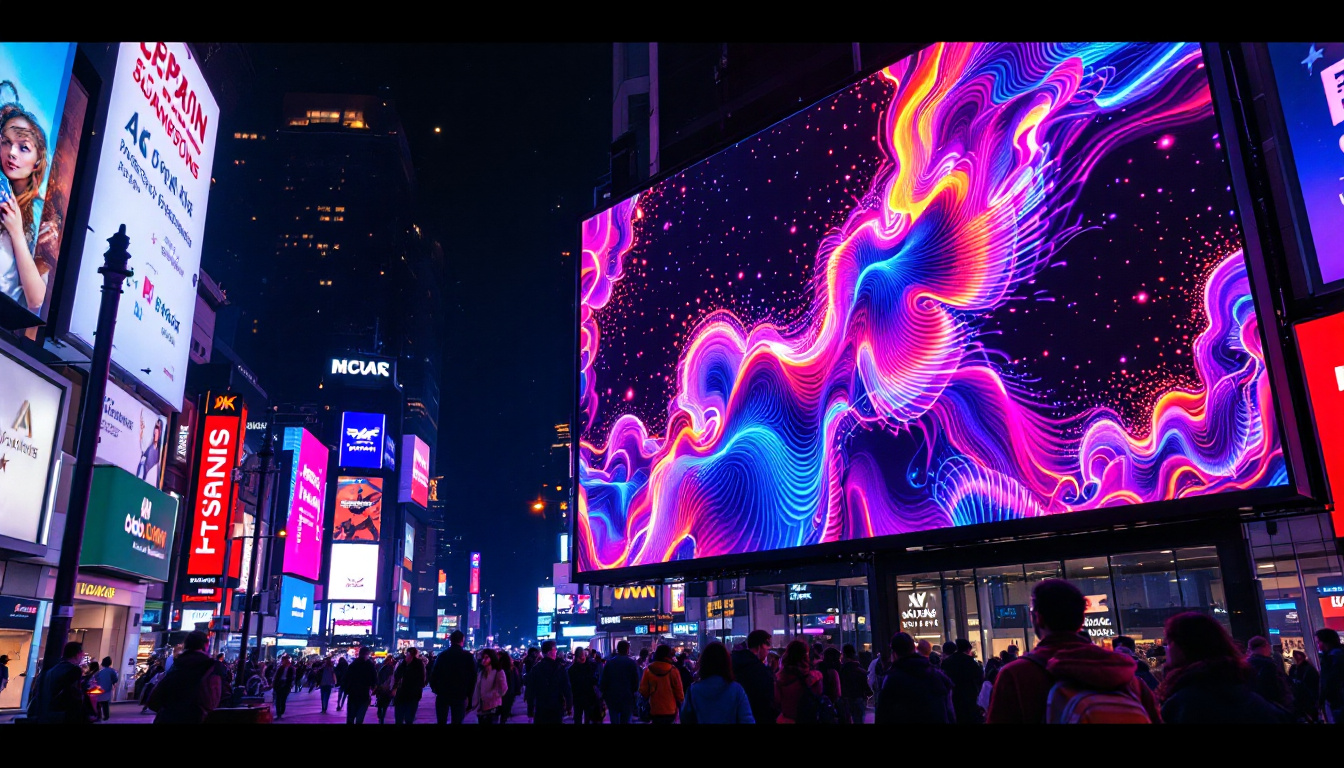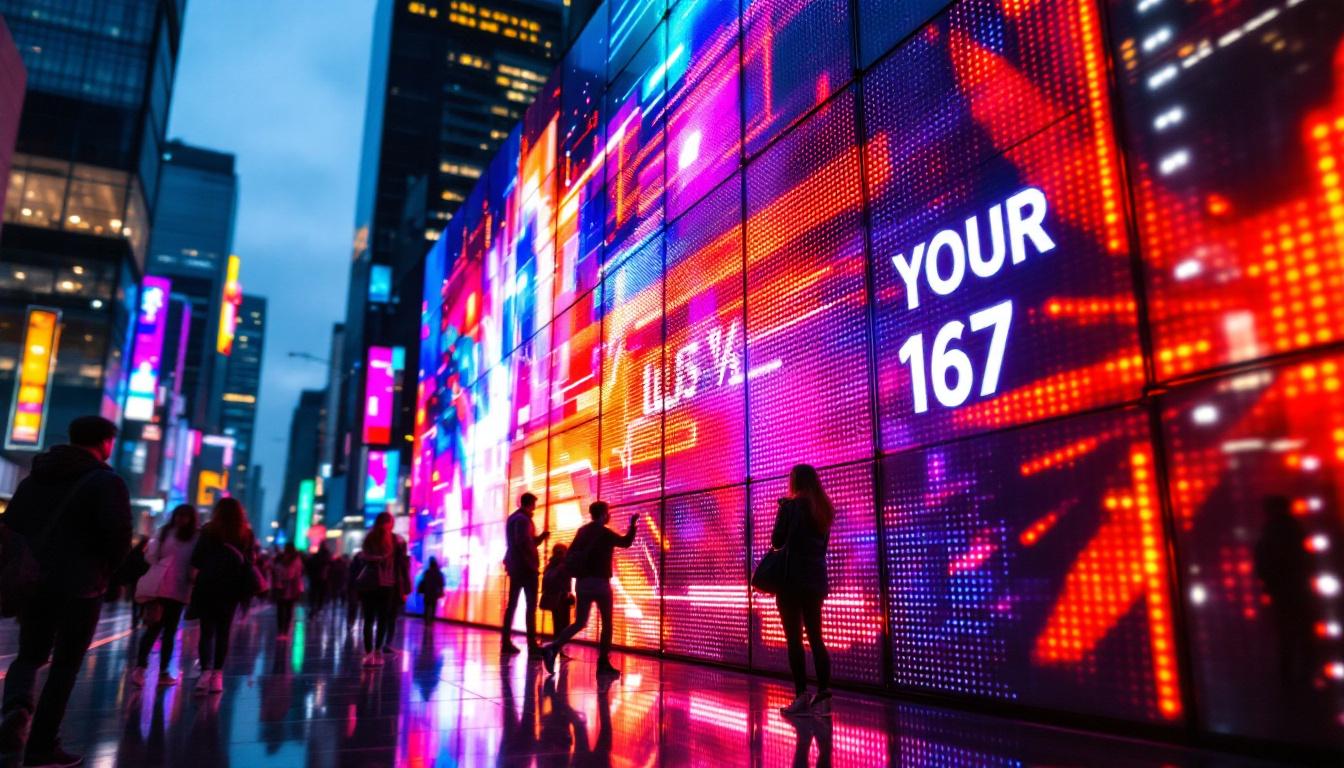
In the rapidly evolving world of digital signage and visual communication, LED displays have emerged as a dominant technology. From towering billboards in Times Square to immersive video walls in corporate lobbies, LED displays are transforming how information and entertainment are delivered to audiences worldwide. This article delves deep into the technology behind LED displays, exploring their construction, advantages, applications, and future trends.
Understanding LED Display Technology
What is an LED Display?
LED stands for Light Emitting Diode, a semiconductor device that emits light when an electric current passes through it. An LED display is a flat panel display that uses an array of these tiny LEDs as pixels to create images, videos, or text. Unlike traditional LCD or plasma screens, LED displays illuminate each pixel individually, resulting in brighter and more vibrant visuals. This technology not only enhances the viewing experience but also allows for greater energy efficiency, making LED displays a more sustainable choice in today’s eco-conscious world.
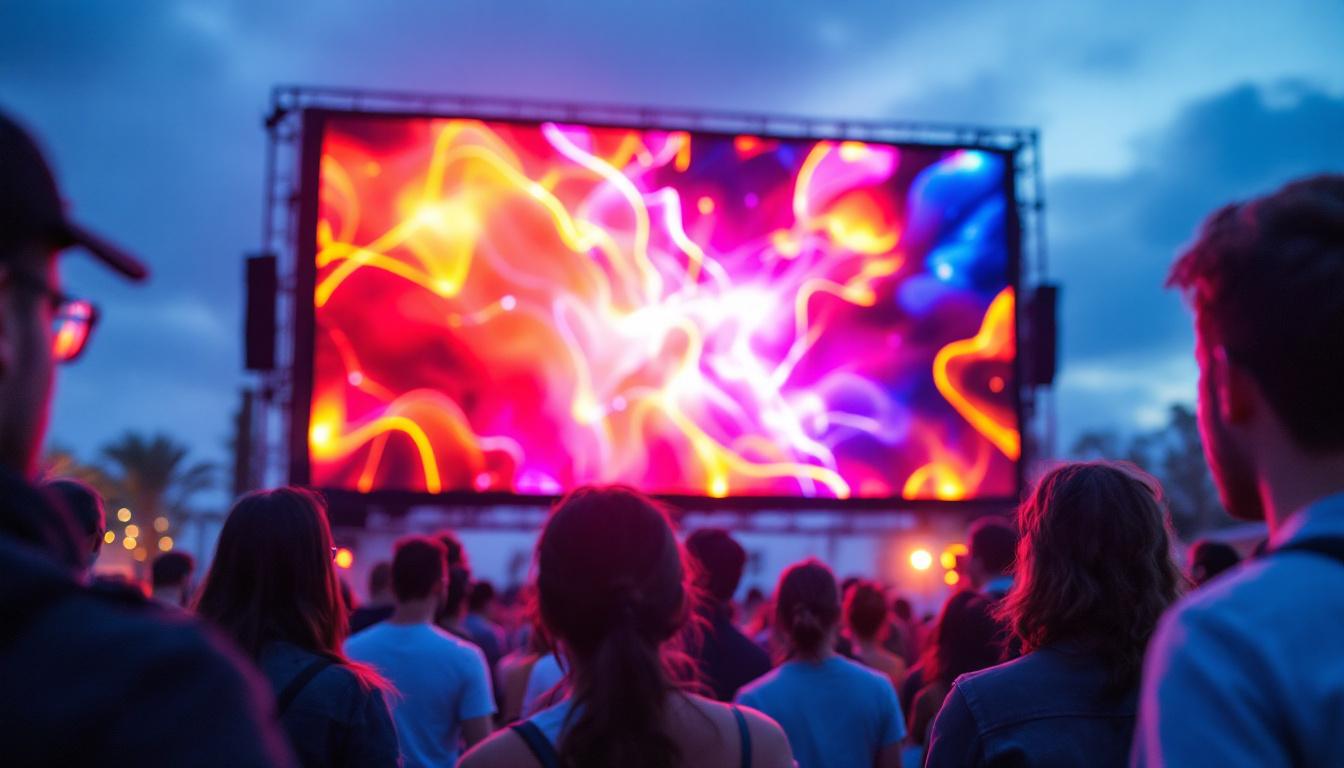
LED displays come in various forms, including indoor and outdoor screens, flexible panels, and transparent displays. They are widely used for advertising, sports arenas, concerts, retail environments, and even in control rooms where real-time data visualization is critical. The versatility of LED technology means that it can be tailored to fit a wide range of applications, from large-scale billboards that capture the attention of passersby to small screens integrated into devices for personal use. Additionally, advancements in LED technology have led to the development of high-definition displays that can showcase intricate details, making them ideal for artistic installations and immersive experiences.
How Do LED Displays Work?
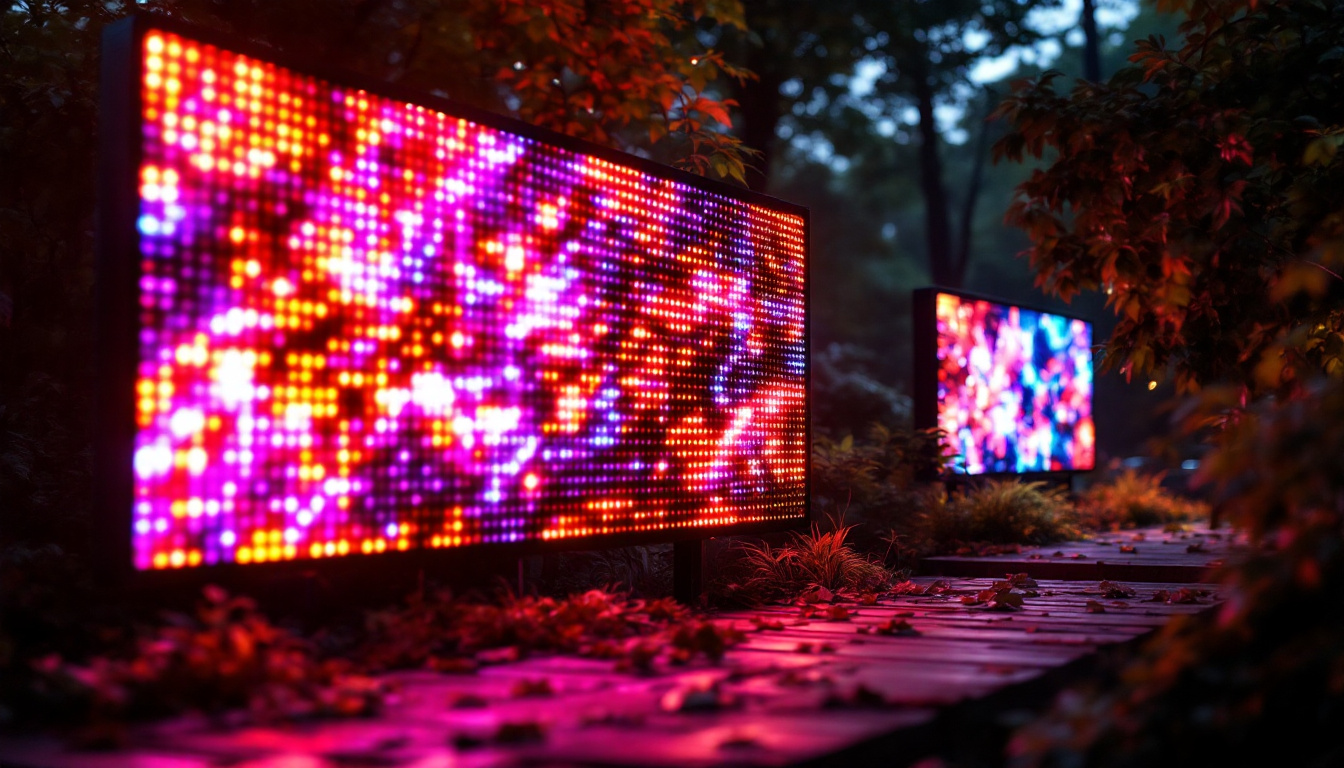
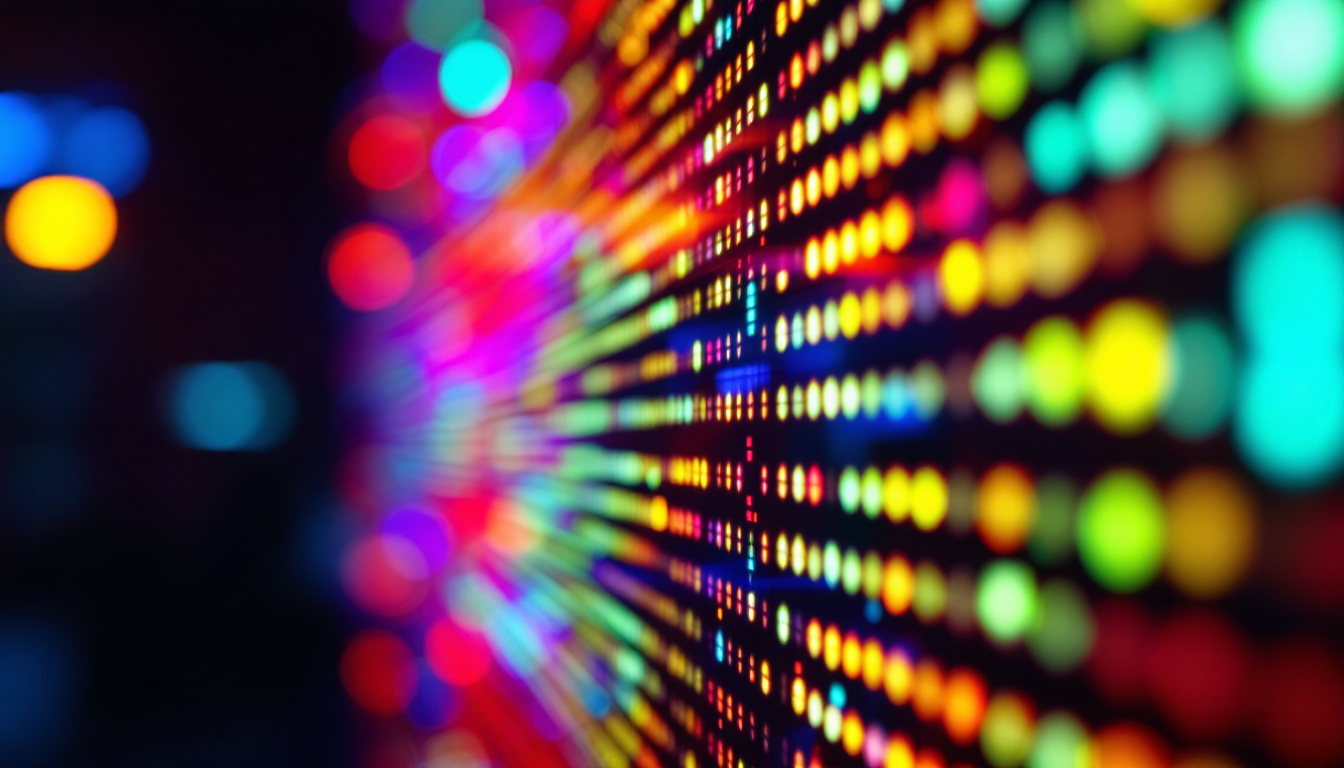
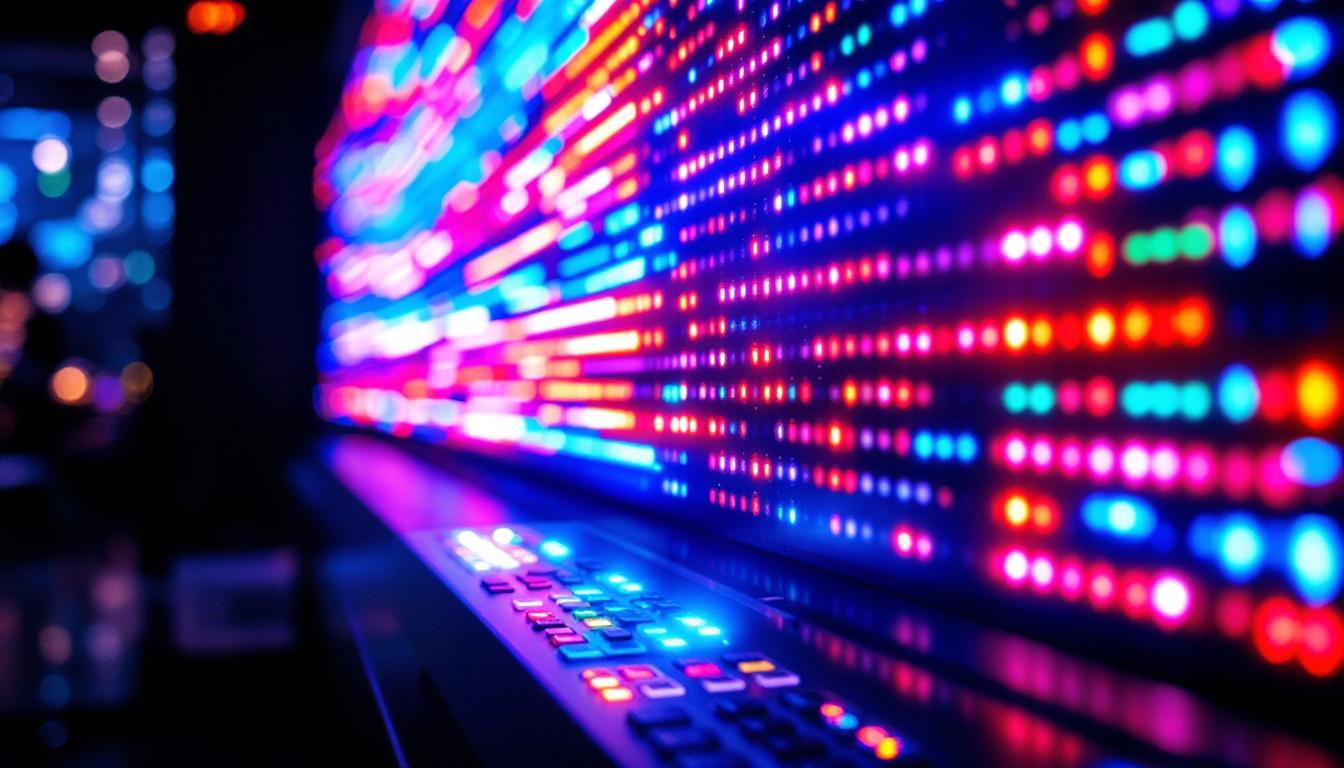
At the core of an LED display is the pixel, which is typically composed of three sub-pixels: red, green, and blue LEDs. By adjusting the intensity of each sub-pixel, the display can produce a full spectrum of colors through a process called additive color mixing. This capability allows LED displays to render images with high color accuracy and contrast. The vibrant colors produced by LED displays are particularly effective in capturing attention, which is why they have become a staple in advertising and promotional events.
The LEDs are arranged in a grid, with each pixel controlled by a driver circuit that regulates the current flowing to the diodes. Modern LED displays use sophisticated control systems that synchronize the pixels to display dynamic content seamlessly. The resolution of an LED display depends on the pixel pitch—the distance between the centers of two adjacent pixels. Smaller pixel pitches result in higher resolution and finer image detail. Furthermore, advancements in technology have led to the emergence of microLED and miniLED displays, which utilize even smaller diodes to achieve unprecedented levels of brightness and contrast, paving the way for innovations in display design and functionality. These developments not only enhance visual quality but also open up new possibilities for interactive displays and augmented reality applications, making LED technology a continually evolving field with exciting prospects for the future.
Key Components of LED Displays
LED Modules and Panels
LED displays are constructed from modular units known as LED modules. Each module contains a matrix of LEDs and the necessary electronics to control them. These modules are assembled into larger panels, which can be combined to create displays of virtually any size and shape. This modular design facilitates easy maintenance and scalability.
High-quality LED modules utilize surface-mount device (SMD) technology, where LEDs are mounted directly onto printed circuit boards. SMD LEDs offer advantages such as improved brightness, wider viewing angles, and better color consistency compared to older through-hole LED designs.
Driver ICs and Control Systems
The driver integrated circuits (ICs) are responsible for managing the electrical current supplied to each LED, ensuring consistent brightness and color across the display. These ICs work in tandem with control systems that process input signals—such as HDMI, DVI, or proprietary protocols—and translate them into commands for the pixels.
Advanced LED displays incorporate real-time calibration and diagnostics to maintain optimal performance. This includes automatic brightness adjustment based on ambient light and pixel-level fault detection to identify and correct dead or malfunctioning LEDs.
Power Supply and Cooling
LED displays require a stable power supply capable of delivering consistent voltage and current. Since LEDs generate heat during operation, effective thermal management is crucial to prolong lifespan and maintain image quality. Most LED display systems include built-in cooling solutions such as heat sinks, fans, or even liquid cooling in high-performance applications.
Advantages of LED Displays Over Other Technologies
Superior Brightness and Visibility
One of the most significant advantages of LED displays is their exceptional brightness. Outdoor LED screens can achieve brightness levels exceeding 5,000 nits, making them easily visible even under direct sunlight. This capability surpasses that of LCD and OLED screens, which typically max out around 1,000 nits.
High brightness combined with excellent contrast ratios ensures that LED displays deliver clear and vibrant images regardless of ambient lighting conditions. This makes them ideal for outdoor advertising, sports venues, and public information systems.
Energy Efficiency and Longevity
LED technology is inherently energy-efficient. LEDs convert a higher percentage of electrical energy into light compared to traditional incandescent or fluorescent lighting. This efficiency translates to lower operating costs for large-scale displays.
Moreover, LED displays boast impressive lifespans, often exceeding 100,000 hours of operation. This durability reduces maintenance frequency and replacement costs, making LEDs a cost-effective choice for long-term installations.
Flexibility and Customization
LED displays offer unparalleled flexibility in terms of size, shape, and resolution. Because they are built from modular panels, they can be configured into curved surfaces, cylindrical shapes, or even irregular forms tailored to architectural designs. Additionally, pixel pitch can be selected based on viewing distance and application requirements, allowing for both giant outdoor billboards and ultra-high-definition indoor screens.
Wide Viewing Angles and Color Accuracy
Modern SMD LED displays provide wide viewing angles, typically up to 160 degrees horizontally and vertically. This ensures that the content remains visible and color-accurate from diverse vantage points, a critical feature for public displays and event venues.
Applications of LED Displays
Advertising and Marketing
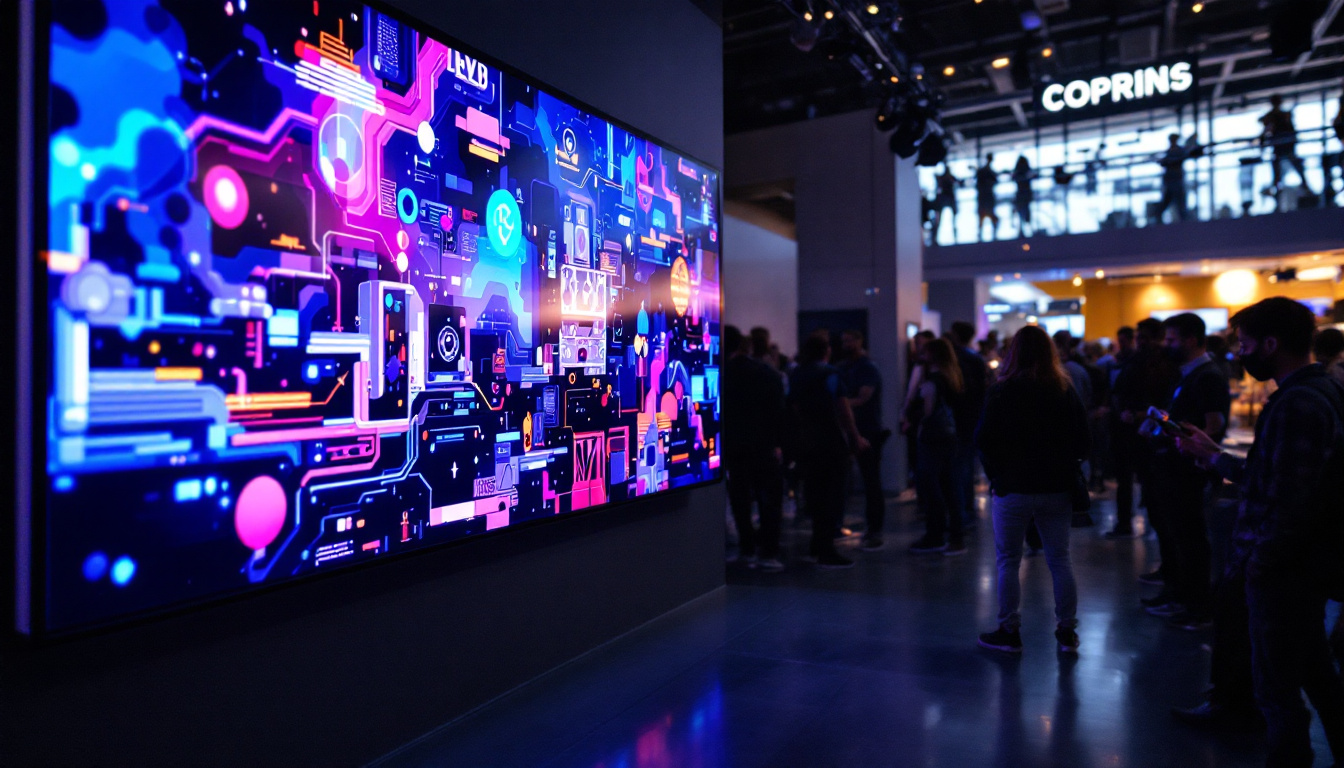
LED displays have revolutionized outdoor advertising by enabling dynamic, eye-catching content that can be updated in real-time. Iconic locations like Times Square and Piccadilly Circus feature massive LED billboards that captivate millions daily. The ability to display video, animations, and interactive content makes LED displays a powerful marketing tool.
Retailers also use LED screens inside stores to promote products, enhance brand presence, and engage customers with immersive experiences. The flexibility of LED technology allows for creative installations that blend seamlessly with store design.
Sports and Entertainment Venues
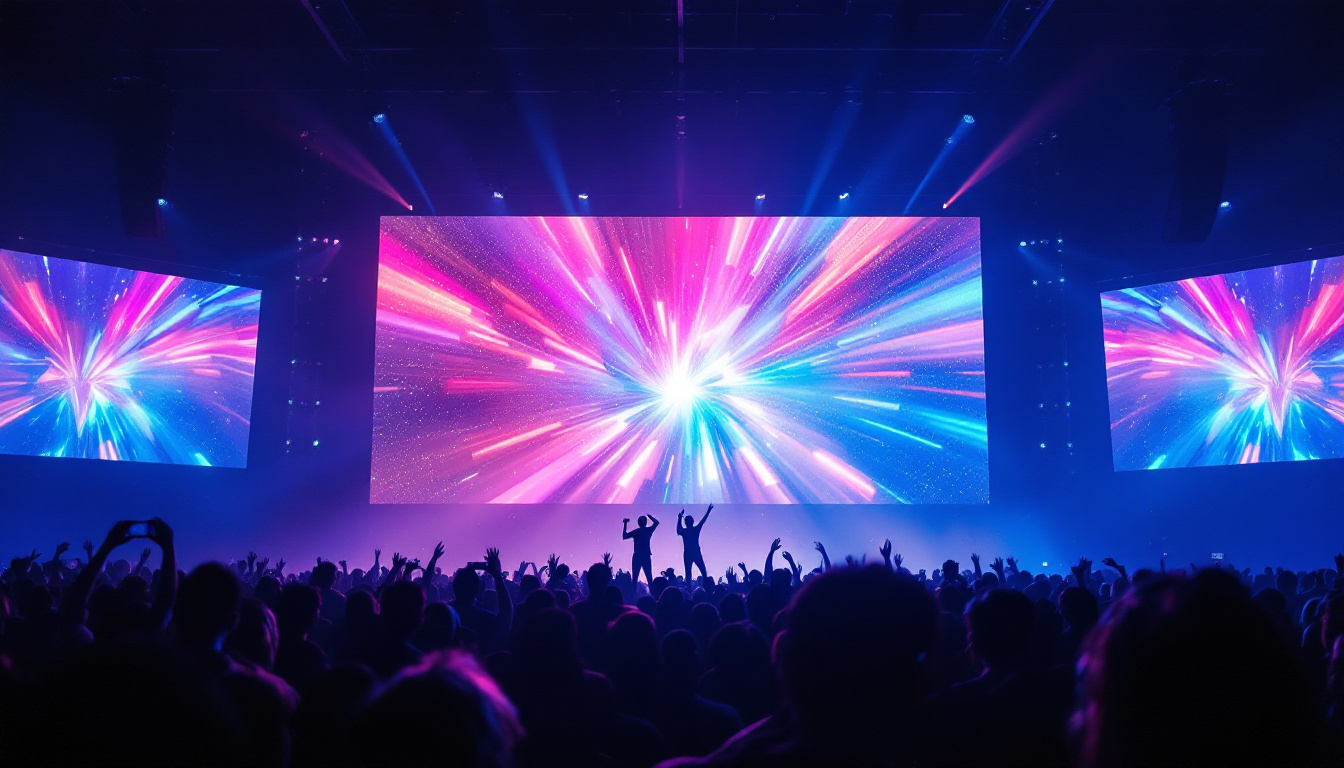
Sports arenas and concert venues rely heavily on LED displays for scoreboards, instant replays, and live event broadcasting. The high brightness and fast refresh rates of LED screens ensure smooth, clear visuals even in fast-paced environments. Additionally, large LED video walls create immersive experiences for spectators, enhancing engagement and enjoyment.
Corporate and Control Rooms
In corporate settings, LED video walls serve as impressive digital canvases for presentations, video conferencing, and branding. Control rooms in industries such as transportation, utilities, and security utilize LED displays to monitor real-time data streams, enabling quick decision-making and situational awareness.
Transportation and Public Information
LED displays are widely used in airports, train stations, and bus terminals to provide travelers with up-to-date schedules, alerts, and wayfinding information. Their high visibility and reliability make them ideal for critical communication in busy public spaces.
Emerging Trends and Future Developments
MicroLED and MiniLED Technologies
MicroLED and MiniLED represent the next generation of LED display technology. MicroLEDs are microscopic LEDs that enable even higher resolution and brightness with lower power consumption. These displays promise OLED-like contrast and color accuracy but with greater durability and no risk of burn-in.
MiniLEDs, which use smaller but not microscopic LEDs, are already being integrated into premium TVs and monitors, offering improved local dimming and contrast compared to traditional LED-backlit LCDs. Both technologies are expected to drive innovation in consumer electronics and professional displays.
Flexible and Transparent LED Displays
Advancements in materials and manufacturing have led to flexible LED panels that can bend and conform to curved surfaces. This opens new possibilities for creative architectural installations and wearable displays. Transparent LED displays, which allow light to pass through while showing digital content, are gaining traction in retail storefronts and automotive applications.
Integration with IoT and Smart Technologies
LED displays are increasingly integrated with Internet of Things (IoT) platforms and smart city infrastructures. This integration enables dynamic content updates based on environmental data, audience demographics, or real-time events. For example, digital billboards can adjust advertising content based on weather conditions or traffic patterns, enhancing relevance and engagement.
Choosing the Right LED Display
Assessing Application Requirements
Selecting an LED display involves understanding the specific needs of the intended application. Key considerations include viewing distance, ambient lighting, resolution requirements, and content type. For instance, a large outdoor billboard requires a higher brightness and larger pixel pitch than an indoor video wall designed for close viewing.
Evaluating Quality and Reliability
Not all LED displays are created equal. Factors such as LED chip quality, driver circuitry, and manufacturing standards significantly impact performance and longevity. It’s essential to work with reputable manufacturers and suppliers who provide warranties and after-sales support.
Budget and Total Cost of Ownership
While initial costs for LED displays can be substantial, evaluating the total cost of ownership—including energy consumption, maintenance, and potential downtime—is crucial. Investing in higher-quality components and advanced control systems can yield long-term savings and better return on investment.
Conclusion
LED display technology has transformed the visual communication landscape by offering unparalleled brightness, flexibility, and durability. Its applications span advertising, entertainment, corporate environments, and public information systems, making it an indispensable tool in modern society. Emerging innovations like MicroLED and flexible displays promise to further expand the possibilities of this versatile technology.
For businesses and organizations looking to make a lasting visual impact, understanding the fundamentals of LED displays and carefully selecting the right solution is key to success. As LED technology continues to advance, it will undoubtedly play an even more prominent role in shaping how people experience and interact with digital content.
Discover LumenMatrix LED Display Solutions
Ready to elevate your visual communication with the latest in LED technology? LumenMatrix is at the forefront of innovation, offering a diverse range of LED display modules designed to capture attention and immerse audiences. Whether you’re in need of an Indoor LED Wall Display, a vibrant Outdoor LED Wall Display, or specialized solutions like Vehicle LED Displays, LED Sports Displays, or even Custom LED Displays, LumenMatrix has you covered. Embrace the future of digital signage with our All-in-One LED Displays and LED Transparent Displays, crafted to deliver your message with unparalleled impact. Check out LumenMatrix LED Display Solutions today and transform your space into a captivating visual experience.