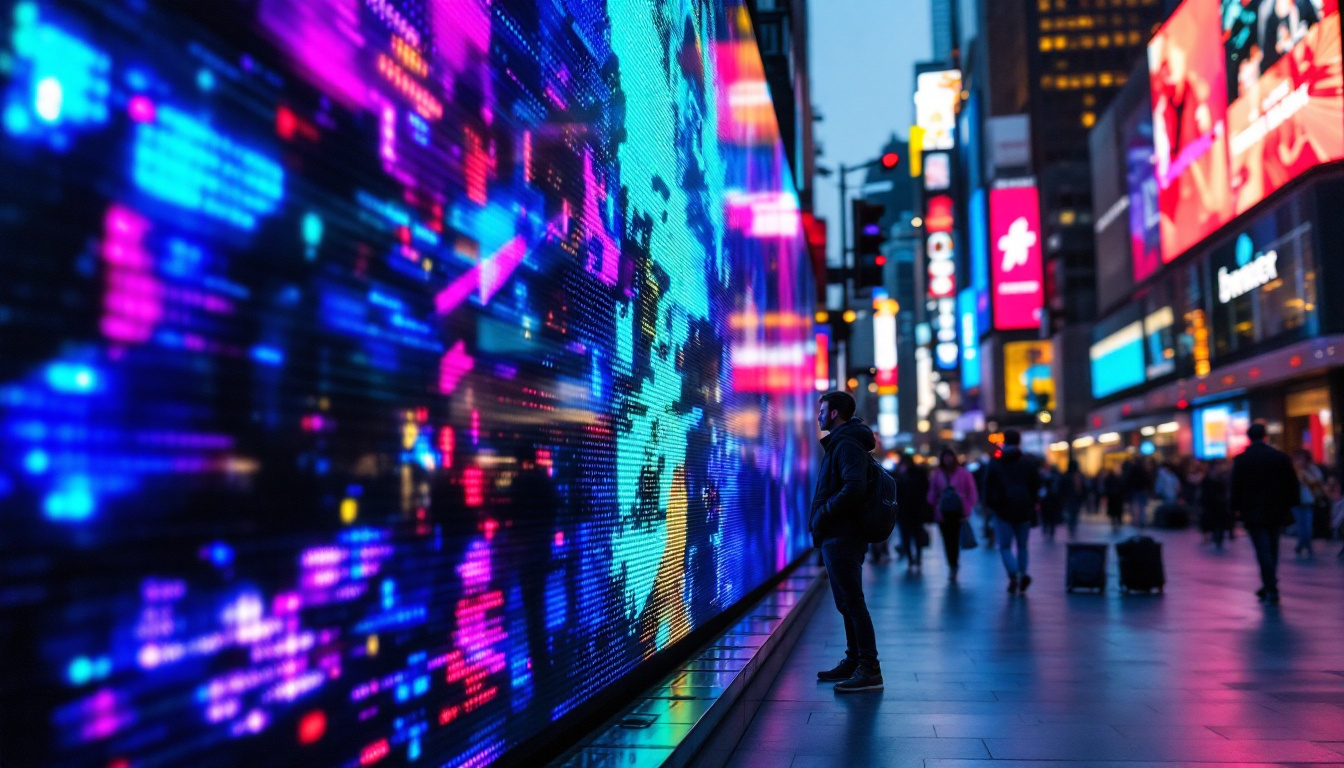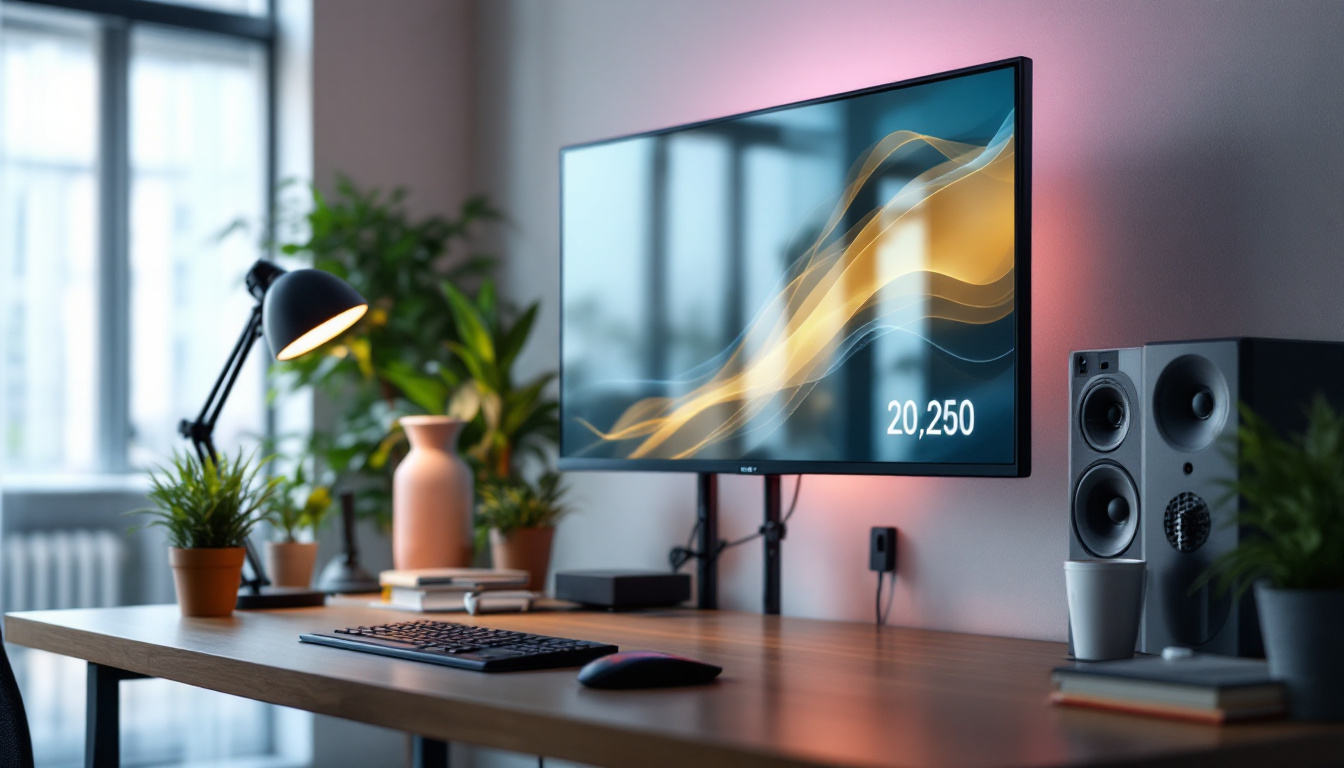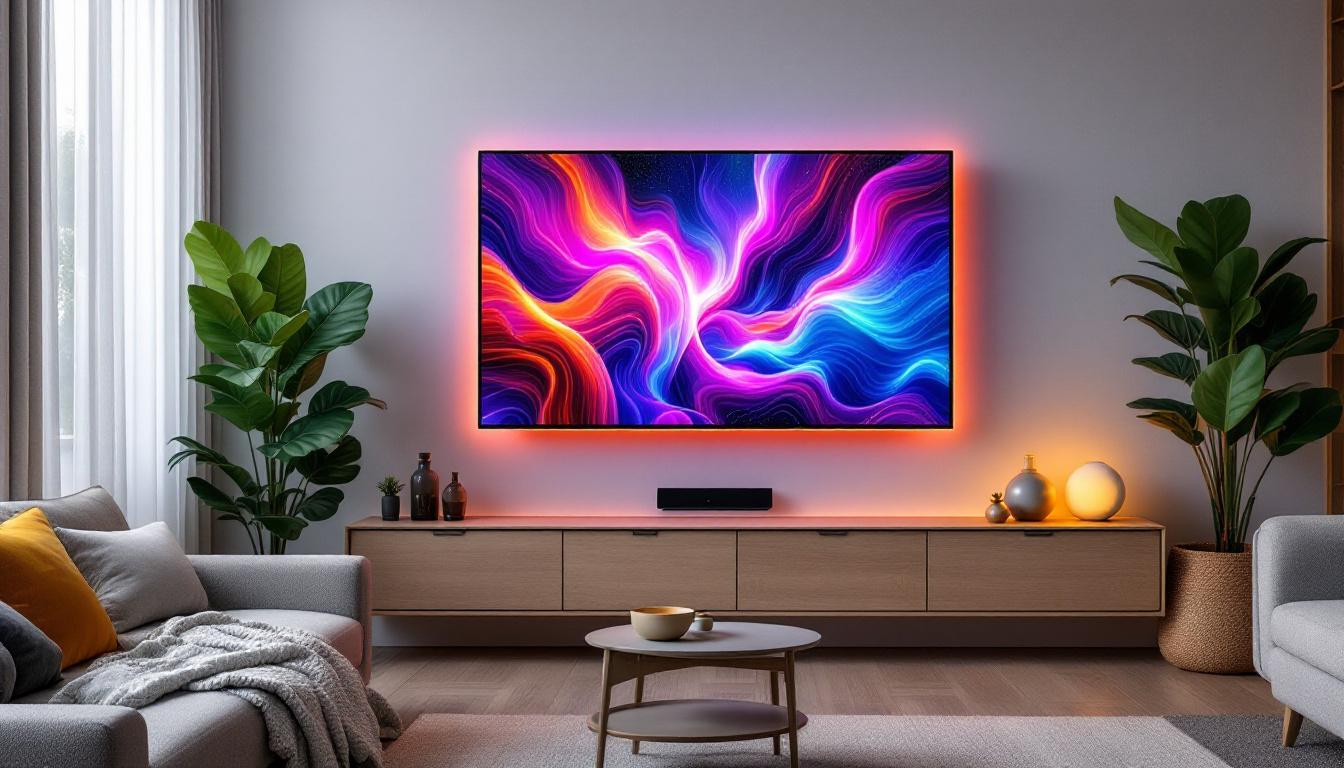
In the evolving landscape of interior design and entertainment technology, television wall designs have become a focal point for both residential and commercial spaces. Among the various display technologies available, LED displays stand out for their vibrant visuals, energy efficiency, and versatility. This article delves into the fundamentals of LED display technology, explores its applications in television wall design, and offers insights into optimizing these installations for maximum impact.
Understanding LED Display Technology
What is an LED Display?
LED, or Light Emitting Diode, displays are screens composed of numerous small light-emitting diodes that produce images by illuminating in various colors and intensities. Unlike traditional LCDs that rely on backlighting, LEDs emit their own light, resulting in brighter images and deeper contrast ratios. This self-illumination characteristic is a primary reason for their widespread adoption in television walls and large-format displays. The ability to achieve high levels of brightness makes LED displays particularly effective in environments with significant ambient light, such as outdoor venues or brightly lit conference rooms. Furthermore, the longevity and durability of LED technology contribute to lower maintenance costs, making them a practical choice for businesses and organizations seeking reliable display solutions.
Types of LED Displays Used in Television Walls
LED displays come in various forms, each suited for different applications and environments. The two most common types used in television wall designs are:
- Direct View LED (DVLED): These displays consist of individual LEDs arranged in a matrix, providing exceptional brightness and color accuracy. DVLEDs are ideal for large-scale television walls in both indoor and outdoor settings. Their modular design allows for seamless integration into various configurations, enabling creative installations that can adapt to any space or design requirement.
- LED-backlit LCD: This technology uses LEDs as a backlight source for LCD panels, improving brightness and energy efficiency compared to older CCFL-backlit models. While common in consumer televisions, they are less prevalent in large-scale wall installations. The primary advantage of LED-backlit LCDs lies in their cost-effectiveness, making them a popular choice for budget-conscious projects where ultra-high-definition is not a critical requirement.
For television wall designs, Direct View LED displays are generally preferred due to their scalability and superior image quality. Additionally, they offer a wider viewing angle, ensuring that audiences can enjoy consistent color and brightness from various positions in a room. This characteristic is particularly beneficial in environments such as control rooms, auditoriums, and public displays, where viewer engagement is paramount. As technology continues to evolve, we are also witnessing the emergence of new innovations within the LED display sector, including advancements in pixel pitch and energy efficiency, which promise to further enhance the visual experience and reduce operational costs for users.
Advantages of LED Displays in Television Wall Design
Exceptional Image Quality
One of the most compelling reasons to choose LED displays for television walls is their outstanding image quality. LEDs offer high brightness levels, often exceeding 1,000 nits, which ensures clear visibility even in brightly lit rooms. Additionally, the contrast ratios achievable with LED technology are significantly higher than those of conventional LCDs, producing deeper blacks and more vibrant colors.
This enhanced image quality is crucial in environments such as conference rooms, retail spaces, and home theaters, where visual clarity and color accuracy directly impact user experience. For instance, in a retail setting, the ability to display high-definition images can attract customers and enhance product presentation, leading to increased sales. In home theaters, the immersive experience provided by rich colors and sharp details can transform movie nights into cinematic adventures, making viewers feel as if they are part of the action.
Scalability and Customization
LED displays are modular by design, allowing for seamless scaling to virtually any size or shape. This flexibility enables designers to create television walls that perfectly fit the dimensions and aesthetic requirements of a space. Whether it’s a massive video wall in a corporate lobby or a sleek, curved display in a luxury home, LED technology can accommodate diverse design visions.
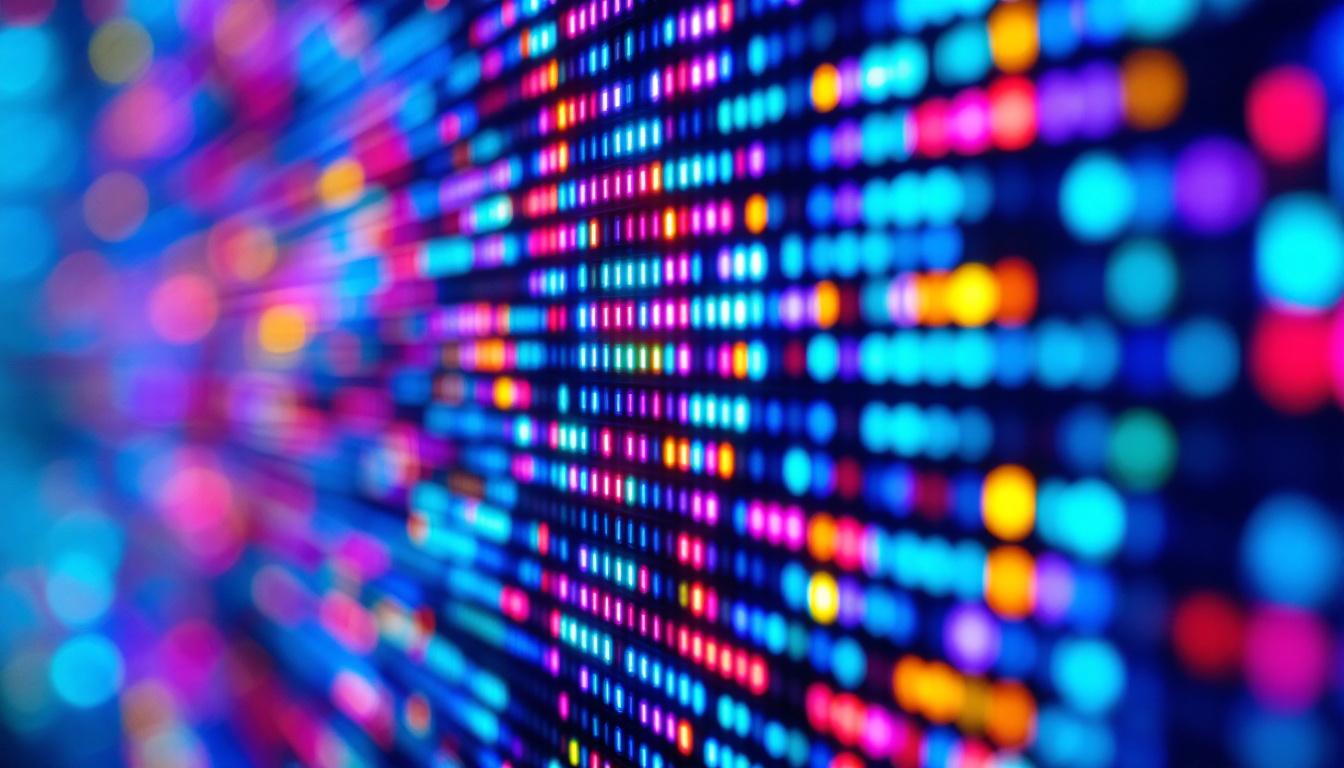
Moreover, pixel pitch—the distance between individual LEDs—can be adjusted to balance resolution and viewing distance. Smaller pixel pitches yield higher resolution, ideal for close-up viewing, while larger pitches are suitable for bigger displays viewed from afar. This adaptability not only enhances the visual experience but also allows for creative installations, such as interactive displays that engage audiences in museums or exhibitions, where the design can be tailored to guide viewers through an experience.
Energy Efficiency and Longevity
Compared to traditional display technologies, LED displays consume less power, making them an environmentally friendly choice. Their energy efficiency translates into lower operating costs, especially important for commercial installations that run for extended periods.
Additionally, LED displays boast impressive lifespans, often rated between 50,000 to 100,000 hours of use. This durability reduces maintenance frequency and replacement costs, further enhancing their appeal for long-term installations. The longevity of LED technology also means that businesses can invest in high-quality displays without the constant worry of needing to upgrade or replace them frequently, allowing for a more stable and predictable budget allocation over time. Furthermore, many LED displays come equipped with advanced thermal management systems that help maintain optimal operating temperatures, further extending their lifespan and ensuring consistent performance even under heavy usage conditions.
Design Considerations for LED Television Walls
Choosing the Right Pixel Pitch
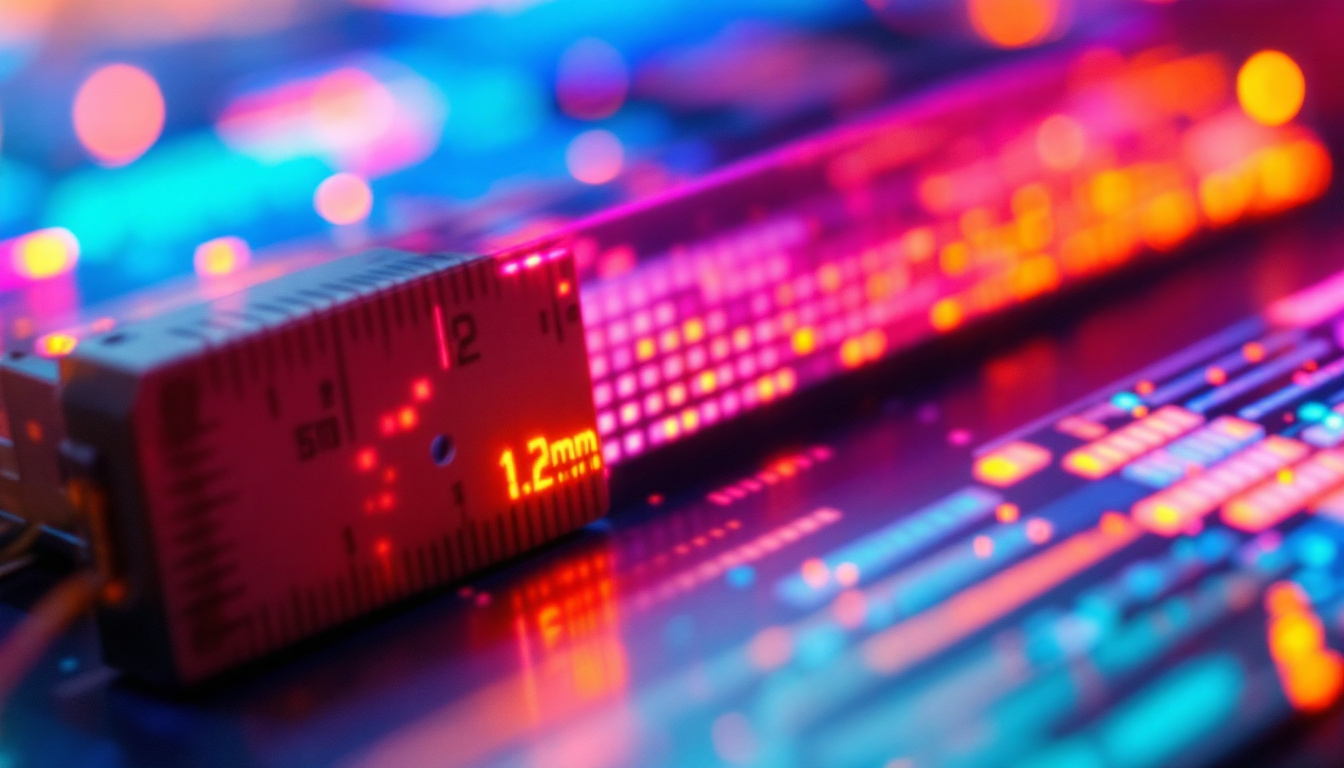
Pixel pitch is a critical factor in determining the clarity and sharpness of an LED television wall. It refers to the distance between the centers of two adjacent LEDs, measured in millimeters. A smaller pixel pitch means more LEDs per square meter, resulting in higher resolution and finer detail.
For indoor television walls intended for close viewing, pixel pitches of 1.2mm to 2.5mm are common. In contrast, larger pixel pitches (3mm to 10mm) are suitable for displays viewed from greater distances, such as in auditoriums or public spaces. Selecting the appropriate pixel pitch ensures that the image remains crisp without unnecessary cost escalation.
Installation and Mounting Techniques
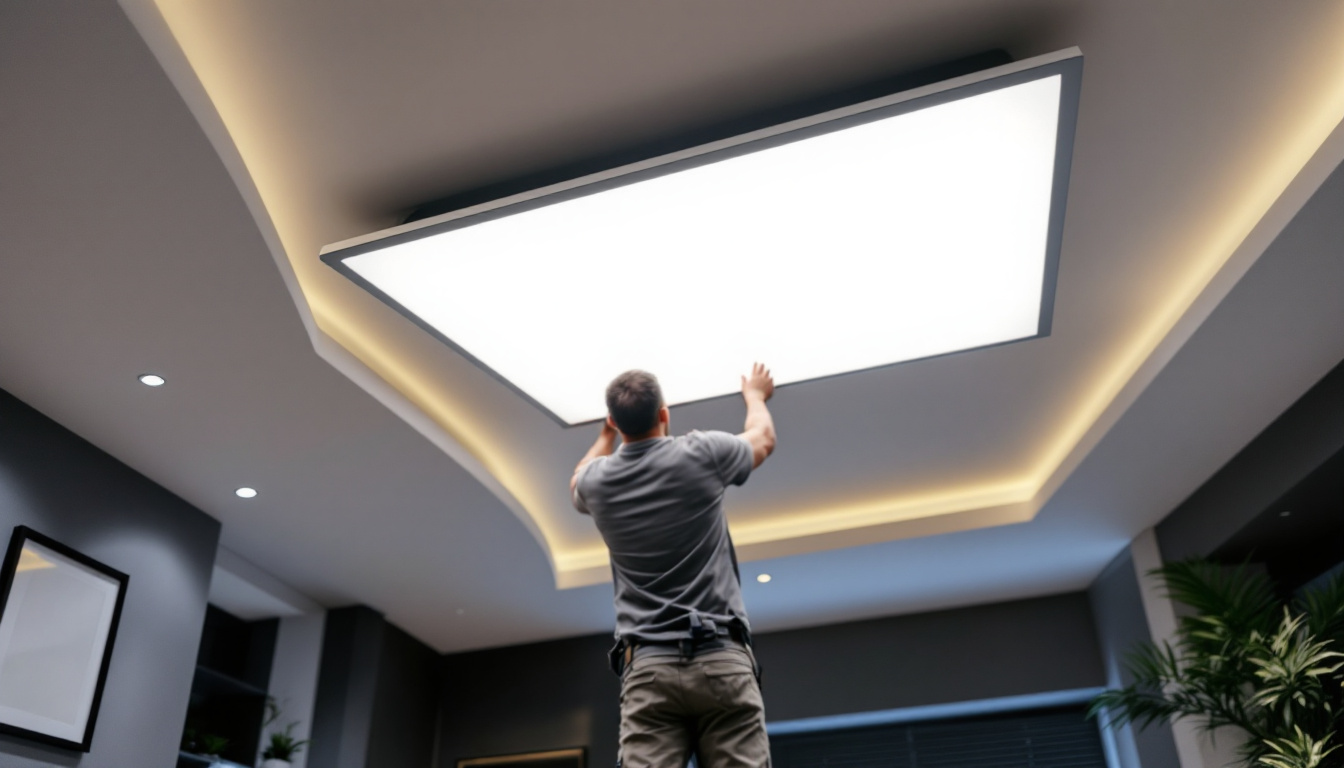
Proper installation is essential to maximize the performance and longevity of LED television walls. The modular nature of LED panels requires precise alignment to avoid visible seams or inconsistencies in the displayed image. Professional calibration and color matching during installation ensure uniform brightness and color across the entire display.
Mounting options vary depending on the wall structure and design intent. Flush mounting creates a sleek, integrated look, while recessed or framed installations can add depth and architectural interest. Additionally, considerations such as ventilation and access for maintenance must be factored into the design to prevent overheating and facilitate repairs.
Ambient Lighting and Viewing Environment
Ambient lighting significantly influences the perceived quality of an LED television wall. While LEDs are capable of high brightness, excessive glare or reflections can diminish the viewing experience. Incorporating matte finishes, anti-reflective coatings, or strategic lighting placement can mitigate these issues.
Designers should also consider the typical viewing angles and distances within the space. LED displays generally offer wide viewing angles, but positioning the wall to minimize obstructions and optimize sightlines enhances usability and comfort.
Applications of LED Television Walls
Residential Settings
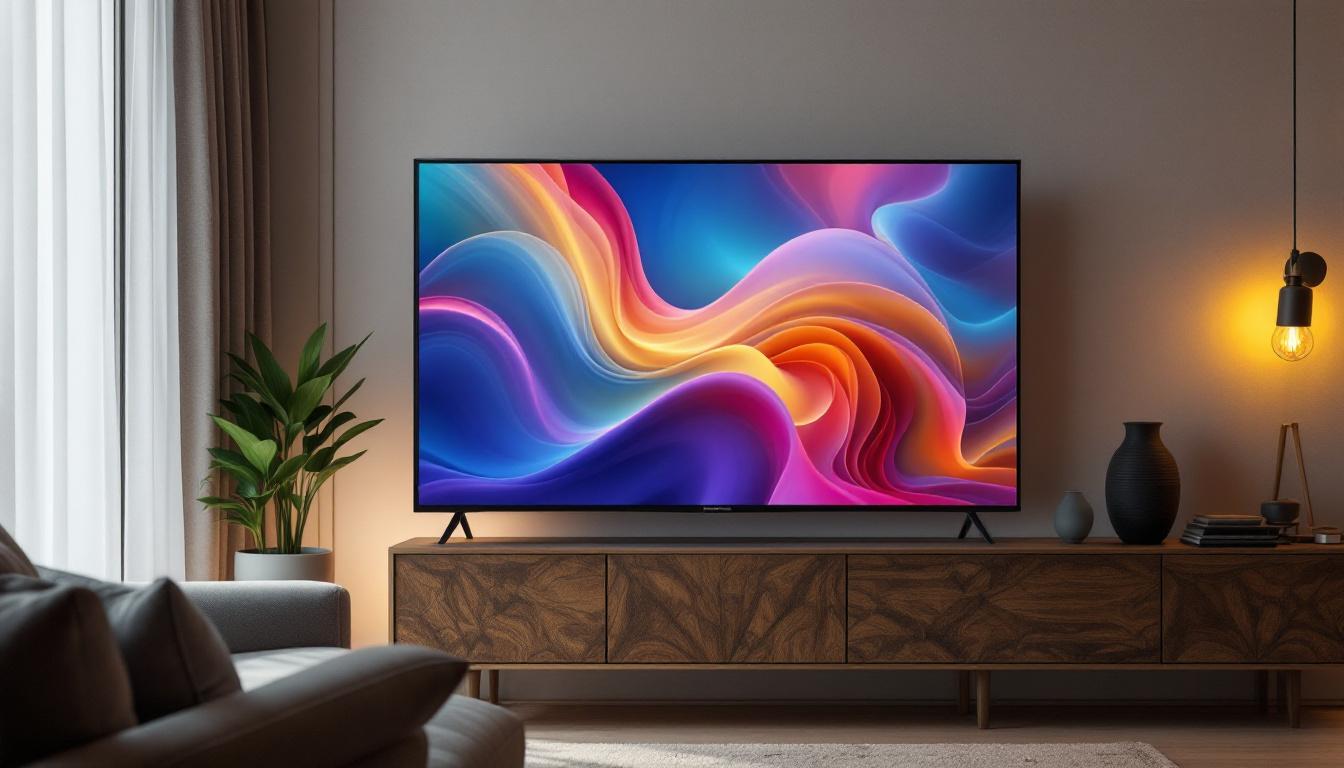
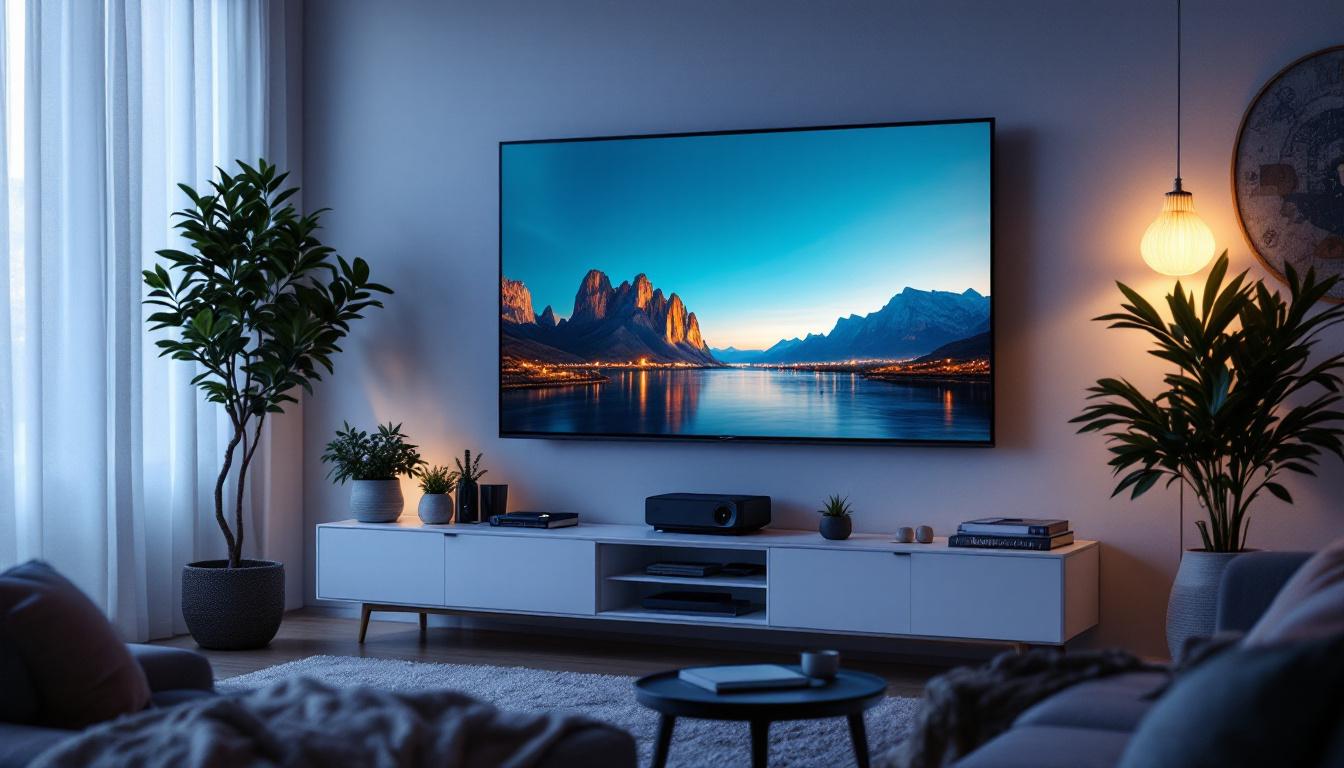
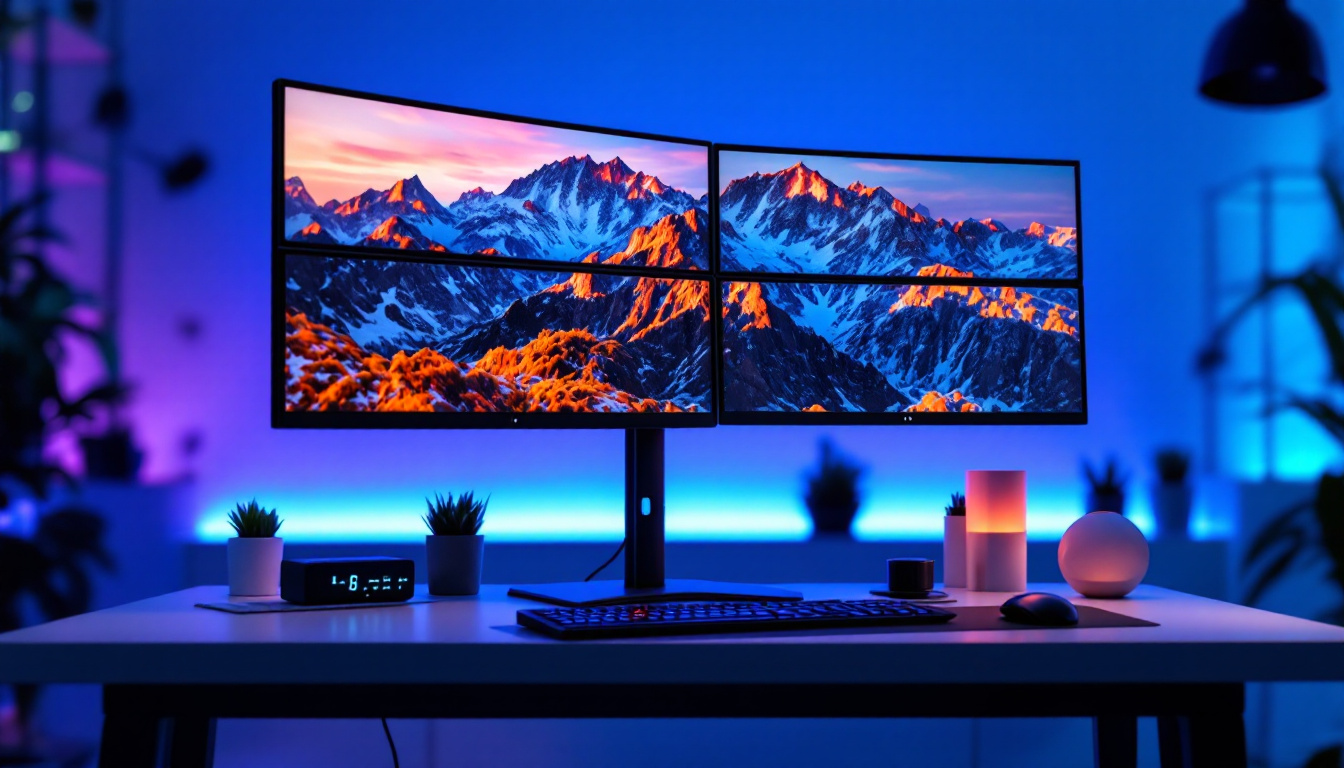
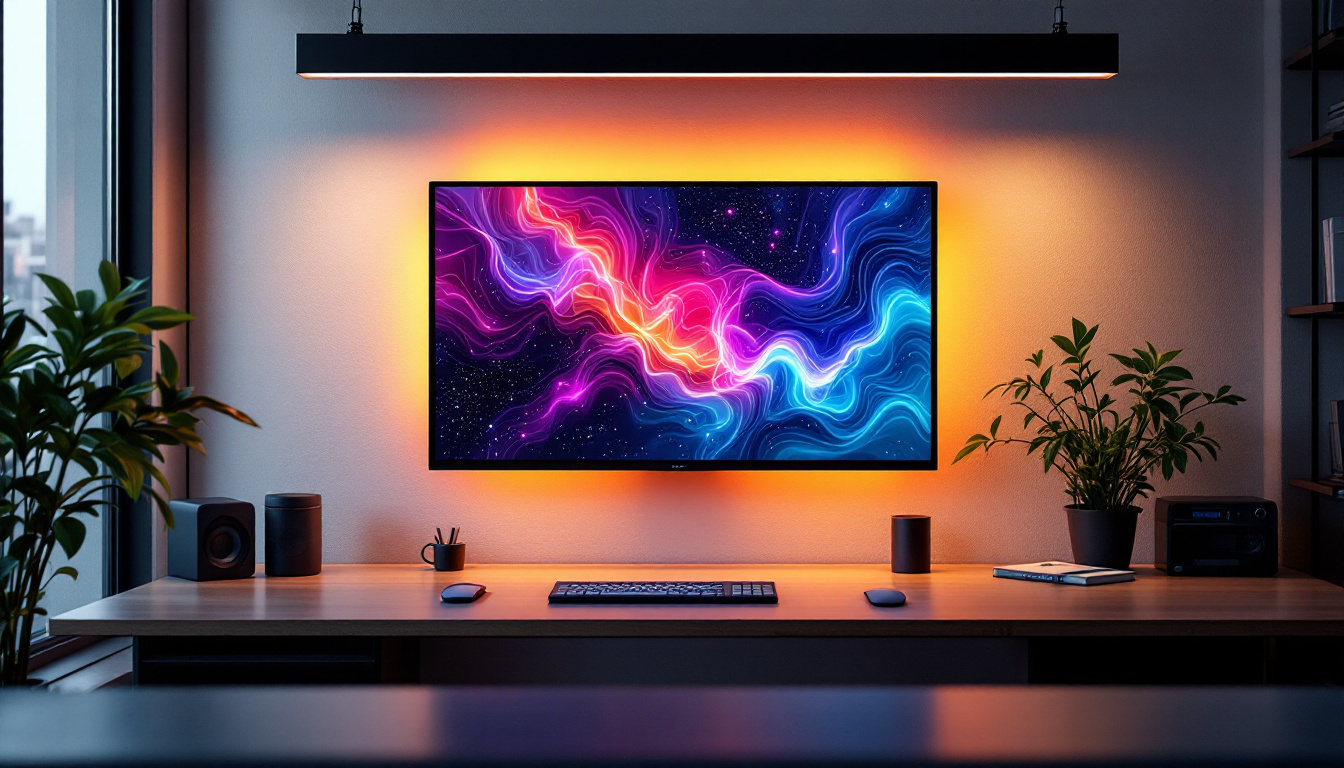
In luxury homes, LED television walls are transforming entertainment spaces by offering immersive viewing experiences. Homeowners can customize screen sizes and shapes to complement interior design themes, integrating technology seamlessly into living rooms, media rooms, or even outdoor patios.
Advancements in ultra-fine pixel pitch LED technology have made it feasible to install large, high-resolution displays that rival traditional TVs in image quality, while providing the flexibility of bespoke dimensions.
Corporate and Commercial Environments
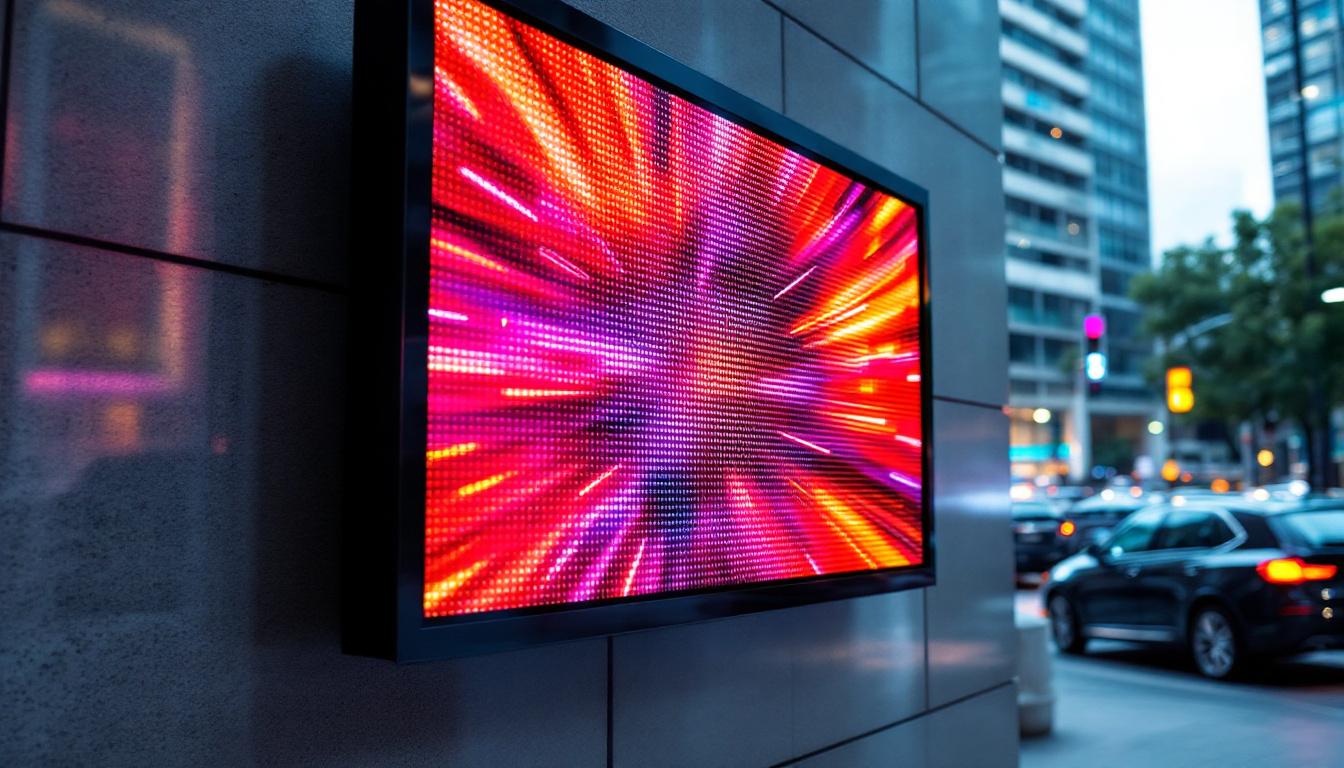
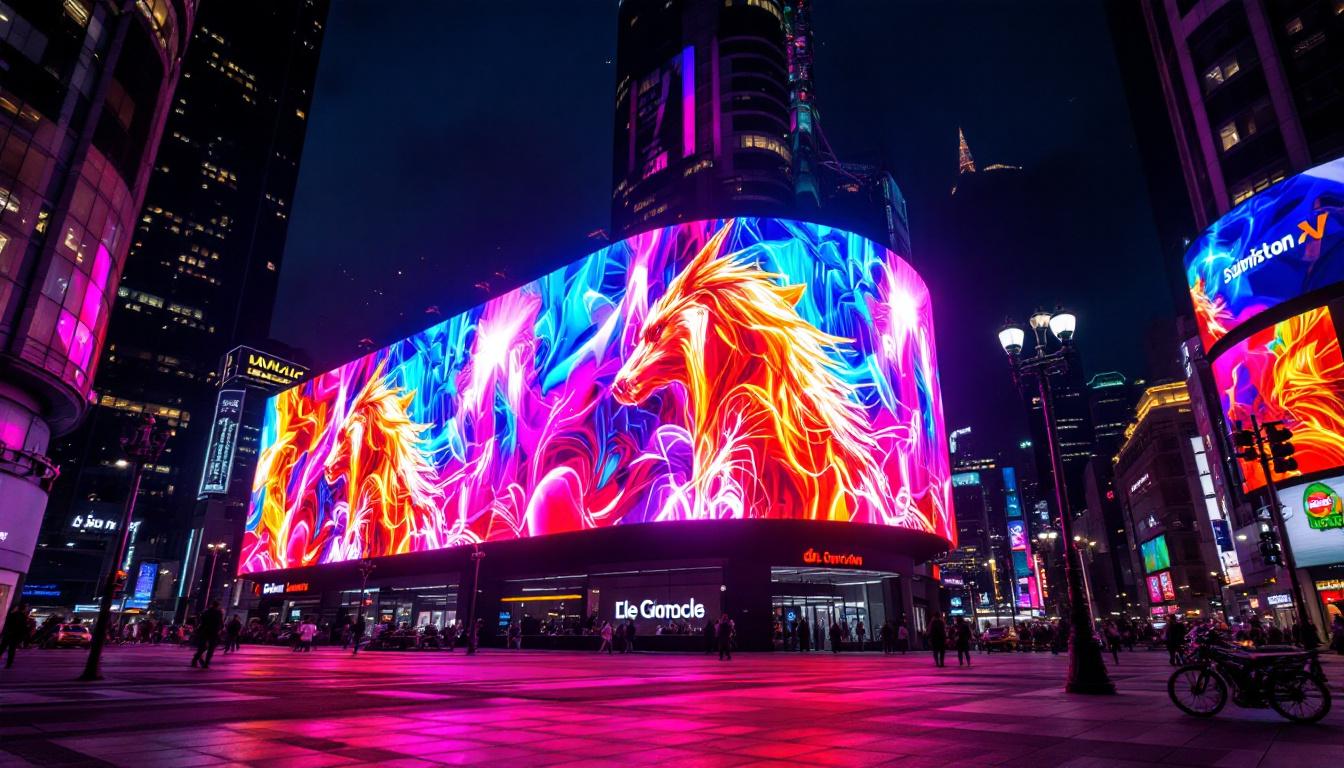
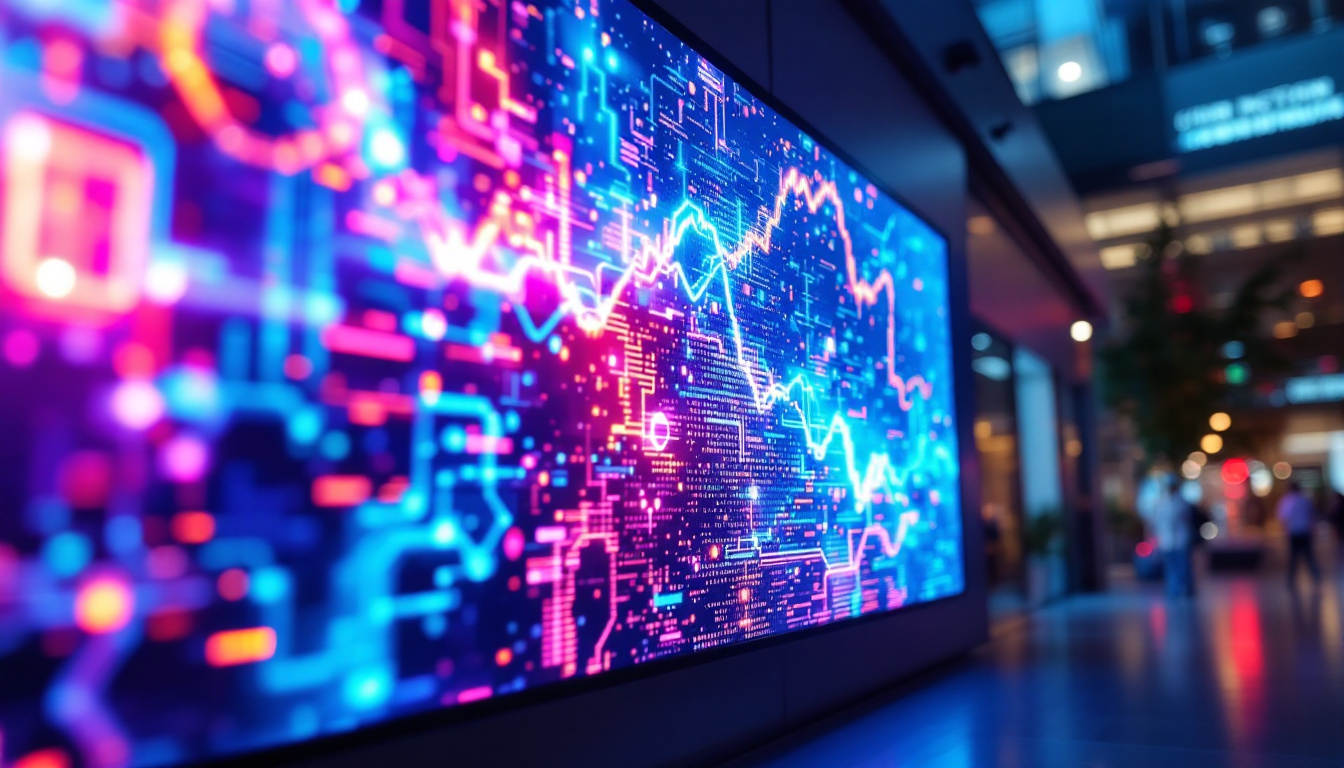
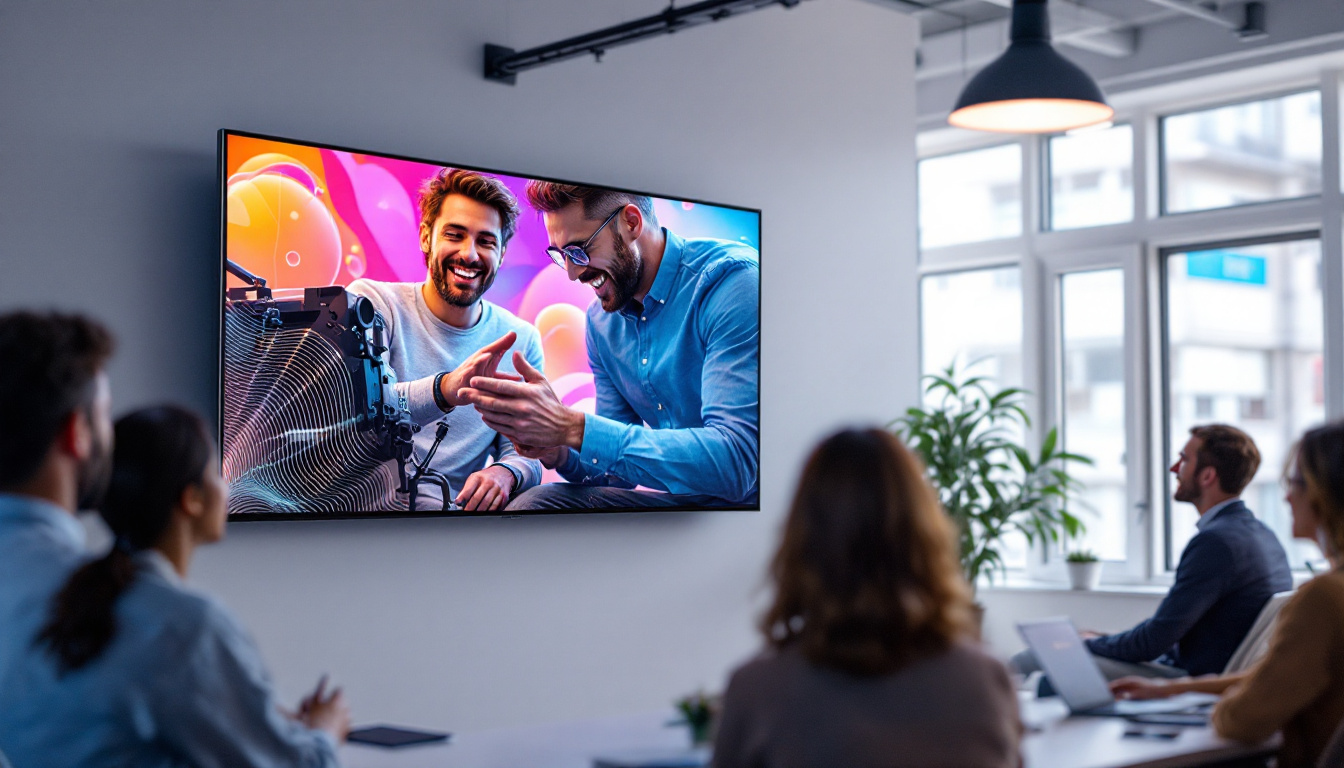
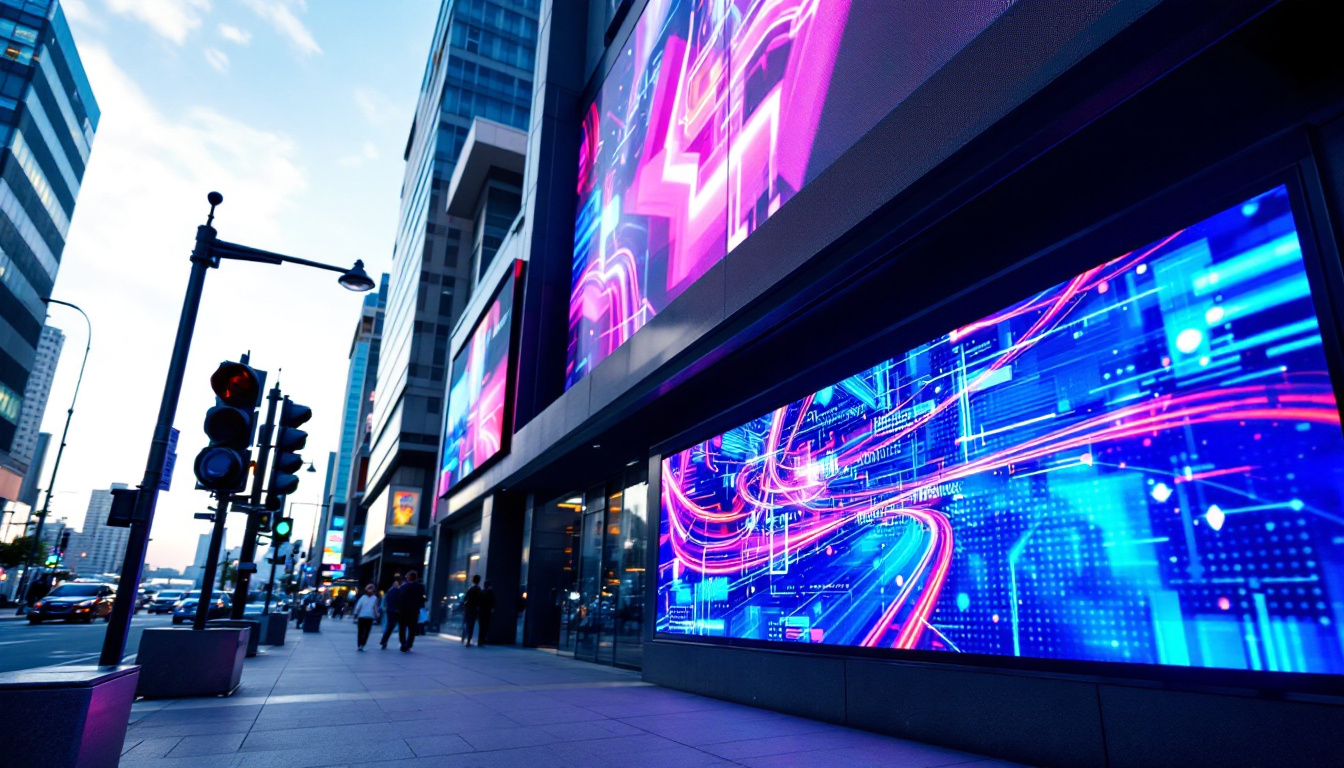
Corporate lobbies, boardrooms, and retail environments benefit greatly from LED television walls. These displays serve as dynamic communication tools, showcasing branding, presentations, or promotional content with striking clarity. The ability to update content in real-time adds value in fast-paced business settings.
For example, major airports and shopping centers use LED walls to deliver flight information and advertisements, leveraging their visibility and brightness to capture attention effectively.
Entertainment and Public Spaces
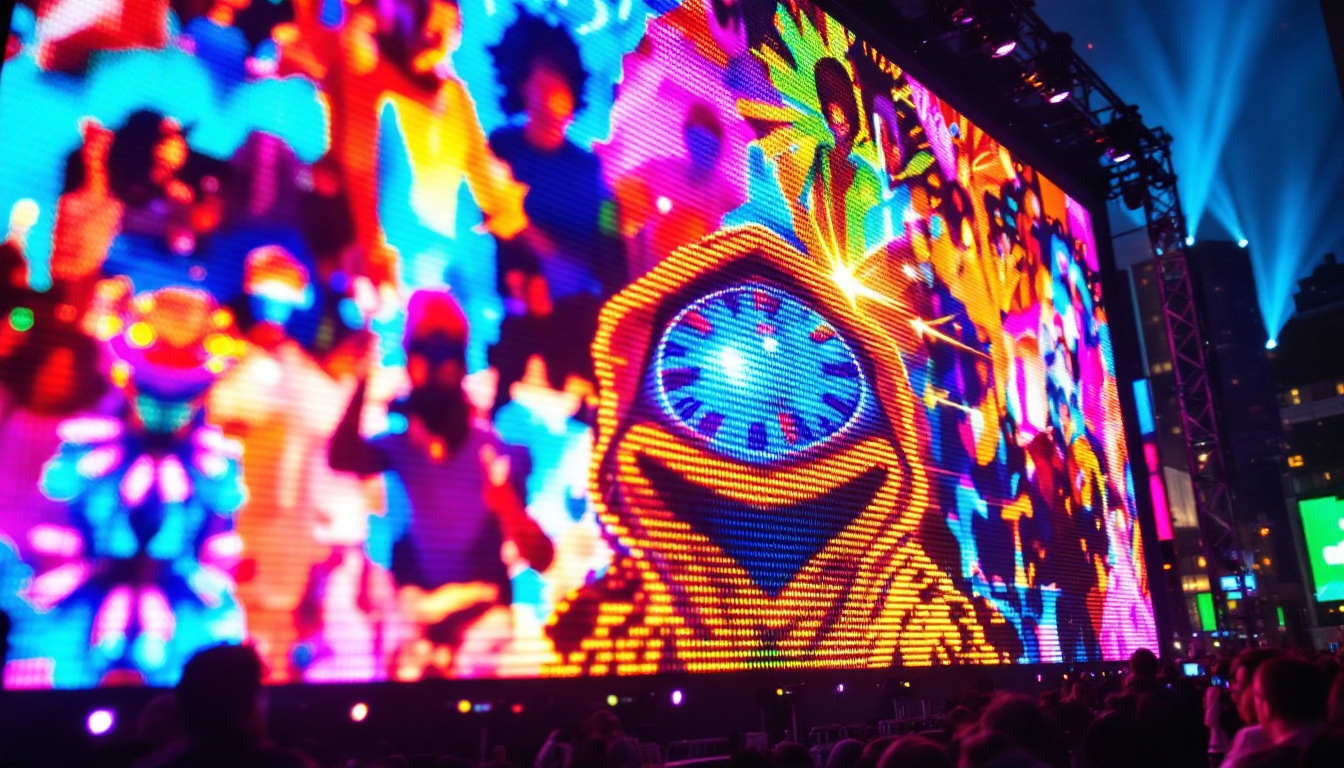
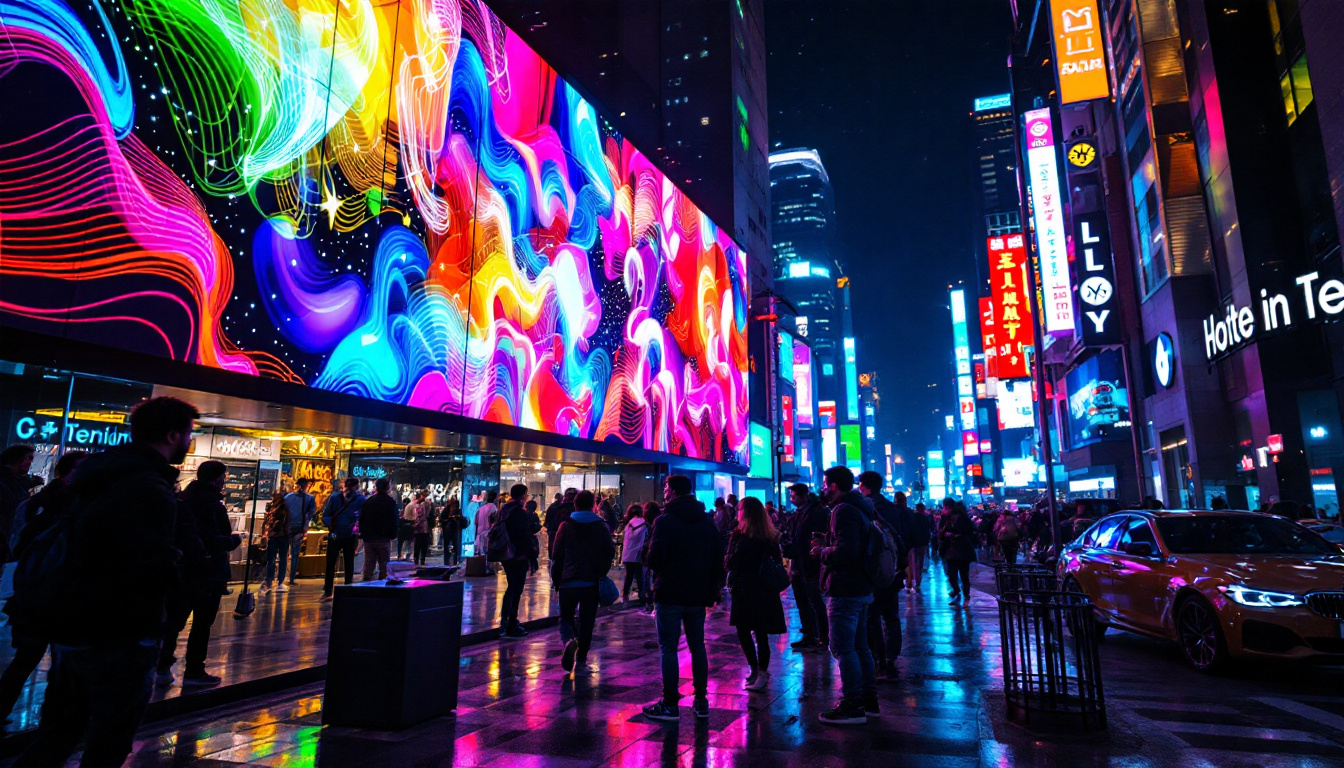
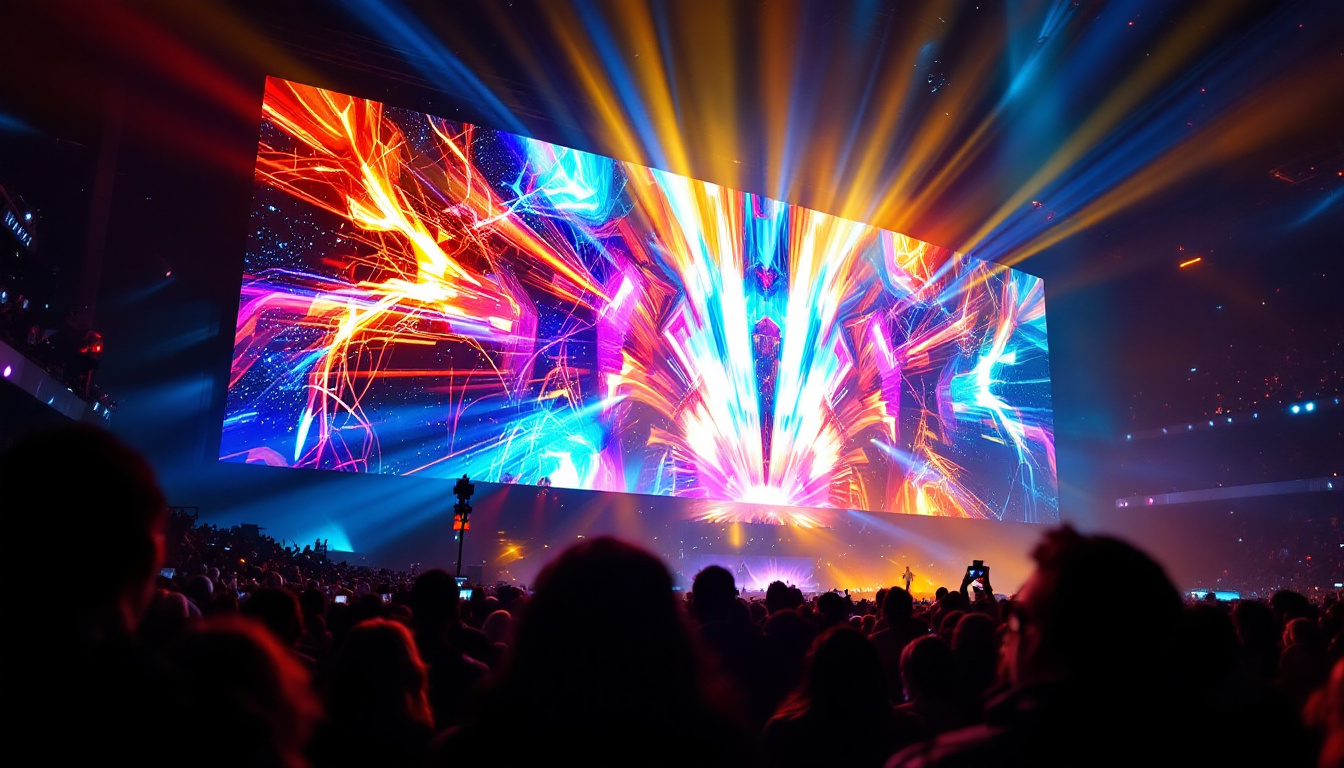
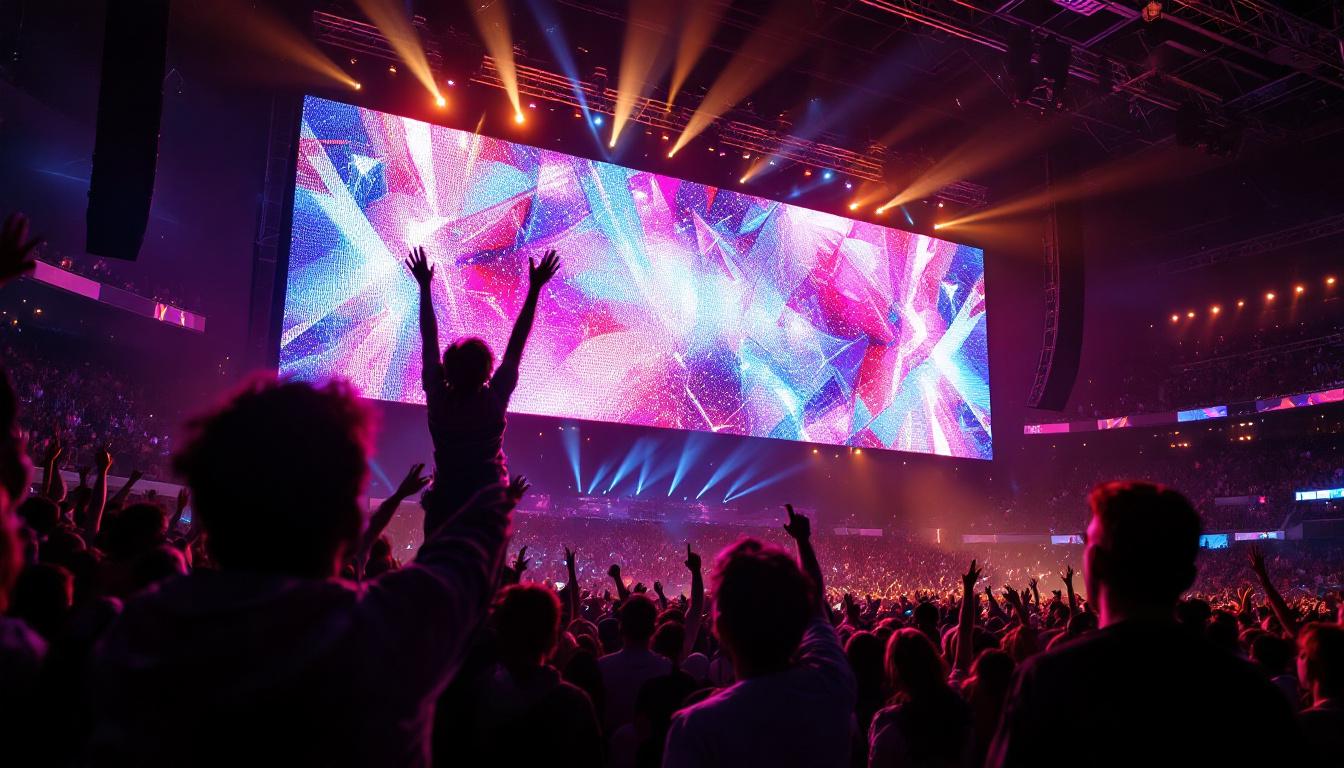
Concert venues, sports arenas, and theaters frequently utilize large-scale LED walls to engage audiences. The technology supports high-definition video playback, live feeds, and interactive content, enhancing the overall event experience.
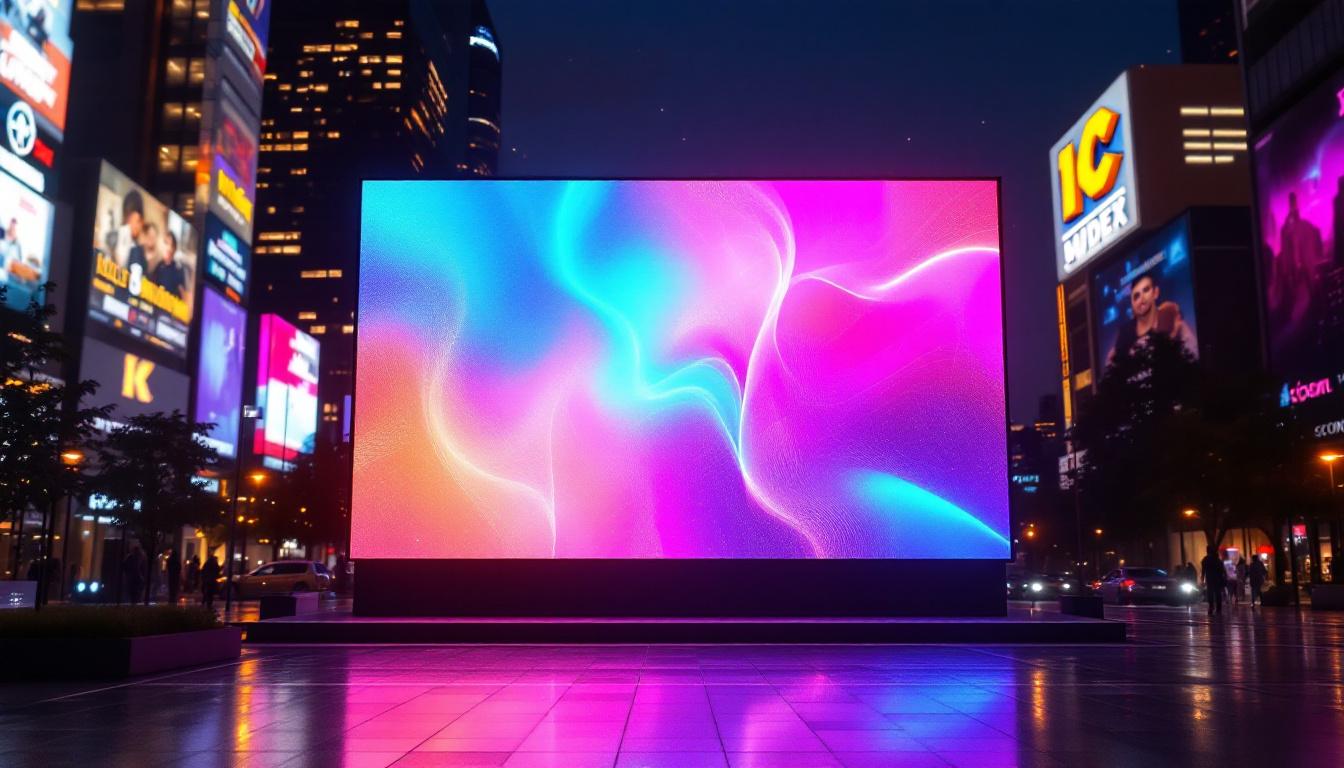
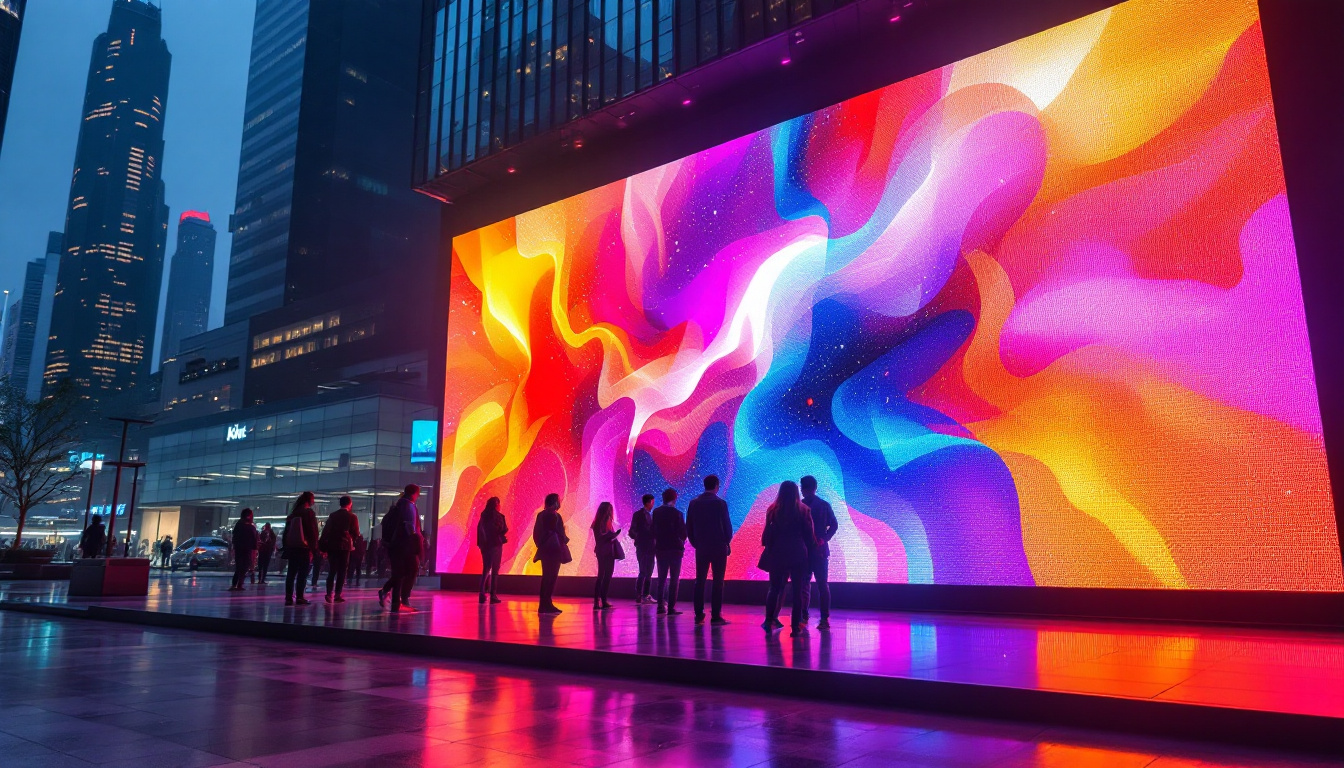
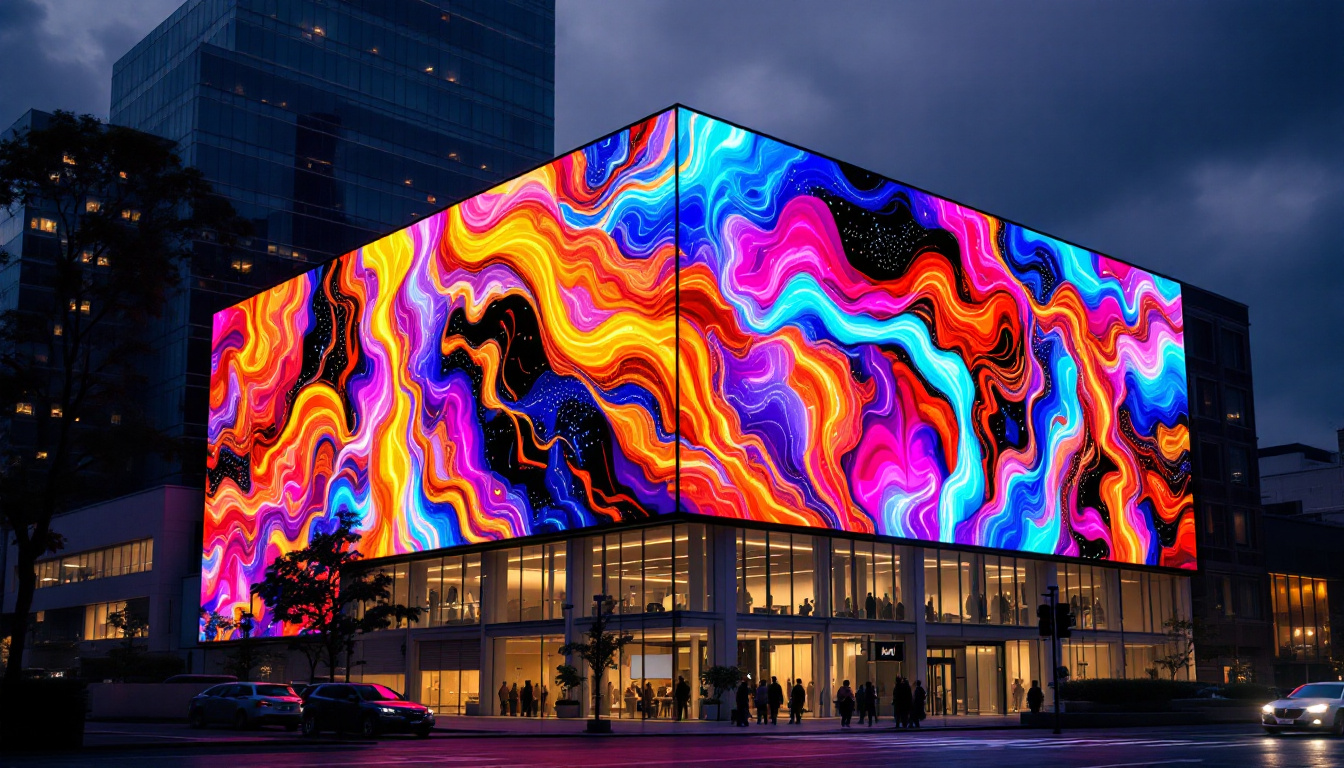
Public installations, such as digital billboards and art displays, also rely on LED walls for their durability and visual impact, operating continuously under various environmental conditions.
Future Trends in LED Television Wall Design
MicroLED and MiniLED Innovations
Emerging technologies like MicroLED and MiniLED are pushing the boundaries of LED display performance. MicroLEDs feature microscopic LEDs that enable even higher resolutions, improved contrast, and faster response times, all while maintaining energy efficiency. This technology promises to revolutionize television walls by offering unparalleled picture quality in thinner, lighter panels.
MiniLEDs, while larger than MicroLEDs, provide enhanced local dimming capabilities when used as backlights, improving contrast ratios and black levels in LED-backlit LCD displays. Both innovations are expected to become more accessible in the coming years, expanding options for television wall designers.
Integration with Smart Home and IoT Systems
As smart home technology advances, LED television walls are increasingly integrated with Internet of Things (IoT) ecosystems. This integration allows for voice control, automated content scheduling, and synchronization with other smart devices, creating seamless and intuitive user experiences.
For instance, lighting and sound systems can be programmed to adjust dynamically based on the content displayed, enhancing immersion and convenience.
Sustainability and Eco-Friendly Design
Environmental considerations are becoming central to display technology development. Manufacturers are focusing on reducing hazardous materials, improving recyclability, and enhancing energy efficiency. Sustainable design practices in LED television walls include using recyclable materials for panels and frames, as well as optimizing power consumption through intelligent brightness controls.
These efforts align with broader industry trends toward greener technology solutions, appealing to environmentally conscious consumers and businesses.
Conclusion
LED display technology has transformed television wall design, offering unmatched image quality, scalability, and energy efficiency. Whether in residential, corporate, or public settings, LED television walls provide versatile solutions that enhance visual communication and entertainment experiences.
As technology continues to evolve with innovations like MicroLED and smart integration, the potential for creative and impactful television wall designs will only grow. Understanding the technical aspects and design considerations outlined in this article equips designers, architects, and consumers to make informed decisions and achieve stunning results.
Discover the Future of LED Television Walls with LumenMatrix
Ready to elevate your space with the latest in LED display technology? LumenMatrix is at the forefront of innovation, offering a wide array of LED display solutions tailored to your needs. From stunning Indoor and Outdoor LED Wall Displays to dynamic Vehicle and Sports LED Displays, our products are designed to captivate and engage. Experience the revolution in visual communication with our Custom, All-in-One, and Transparent LED Displays, each crafted to deliver your message with unparalleled clarity and impact. Check out LumenMatrix LED Display Solutions today and transform your environment into a breathtaking visual journey.