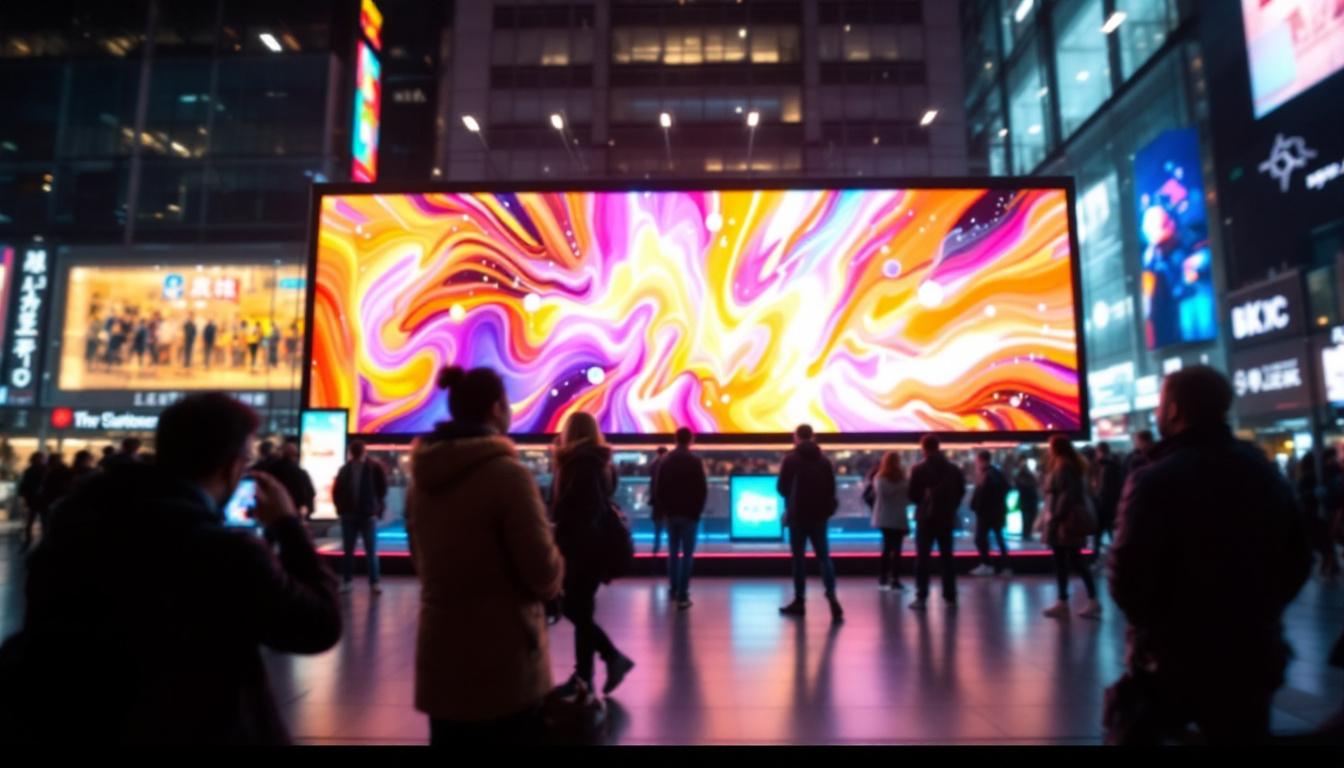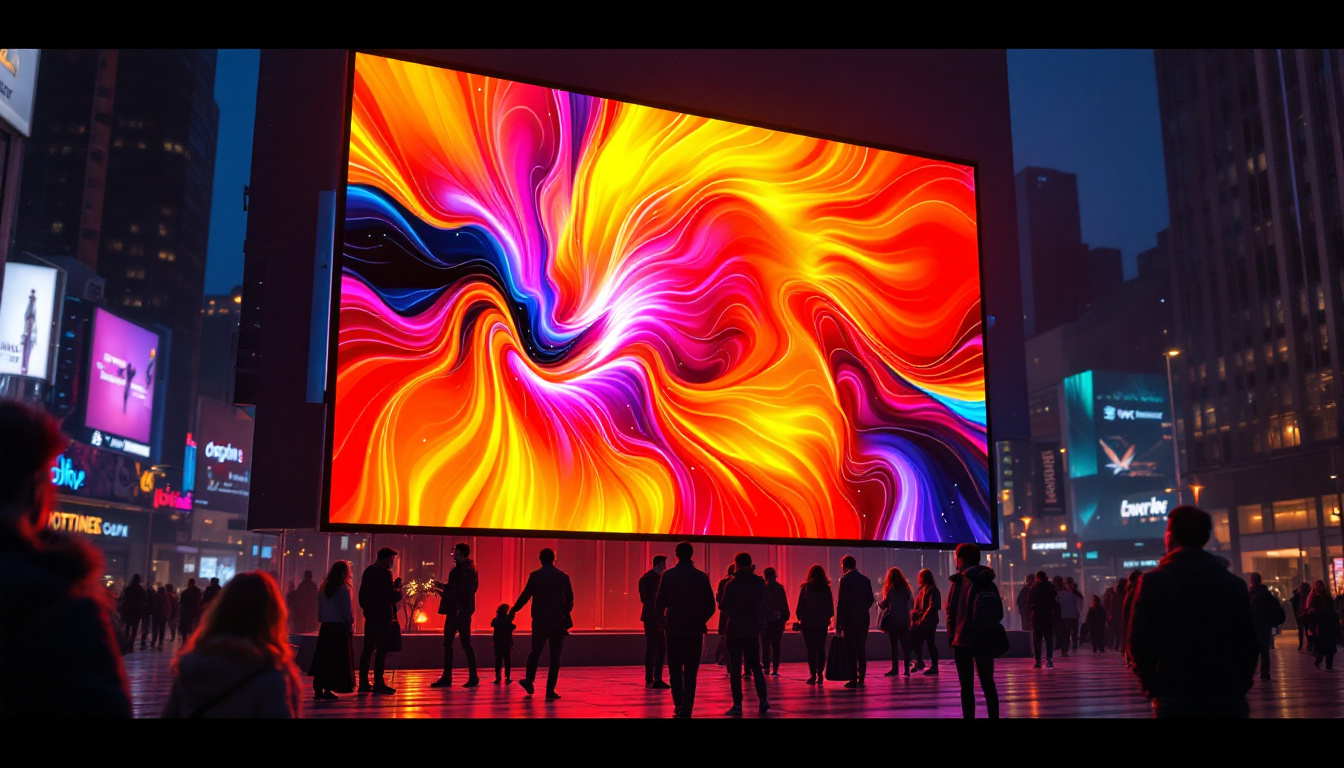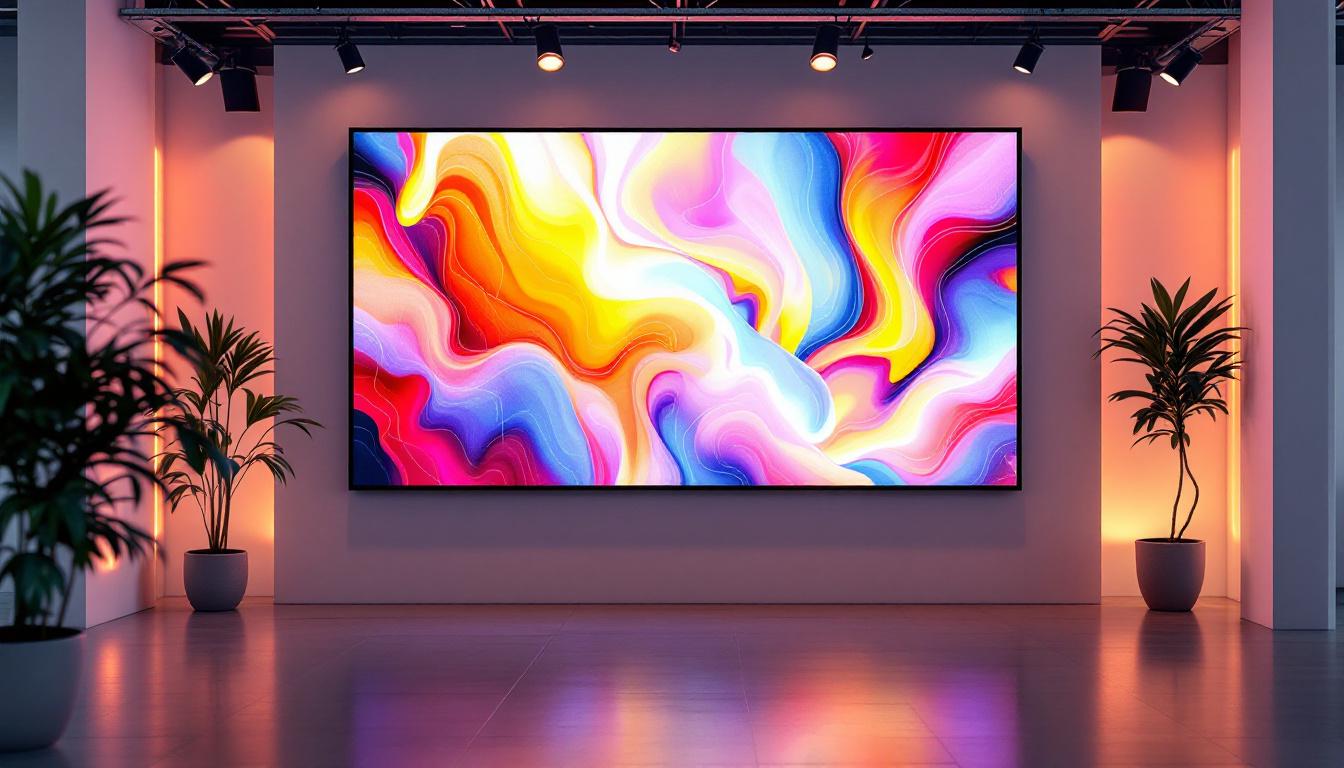
In modern interior design, event planning, and commercial spaces, temporary walls have become a versatile solution for creating flexible environments. Among the most innovative options available today are temporary walls integrated with LED displays. These dynamic partitions not only divide space but also transform it, offering visual engagement, branding opportunities, and interactive experiences.
This article delves into the concept of temporary walls with LED displays, exploring their benefits, types, applications, and practical considerations. Whether you are an event organizer, office manager, or retail designer, understanding how LED display walls can elevate your space is essential in today’s fast-paced, visually-driven world.
Understanding Temporary Walls with LED Displays
What Are Temporary LED Display Walls?
Temporary LED display walls are modular partitions equipped with LED panels that can be assembled, disassembled, and relocated with relative ease. Unlike traditional static walls, these partitions combine physical space division with digital display technology, enabling content to be shown directly on the wall surface.
These walls are designed to be lightweight yet durable, often constructed from aluminum frames and high-resolution LED modules. The LED panels can display anything from static images and videos to real-time data and interactive content, making them ideal for a wide range of environments. Their versatility allows them to be used in various settings, including trade shows, corporate events, retail environments, and even temporary installations for art exhibitions. The ability to customize the size and shape of these walls further enhances their appeal, allowing for unique configurations that can adapt to different spaces and audience needs.
How Do They Work?
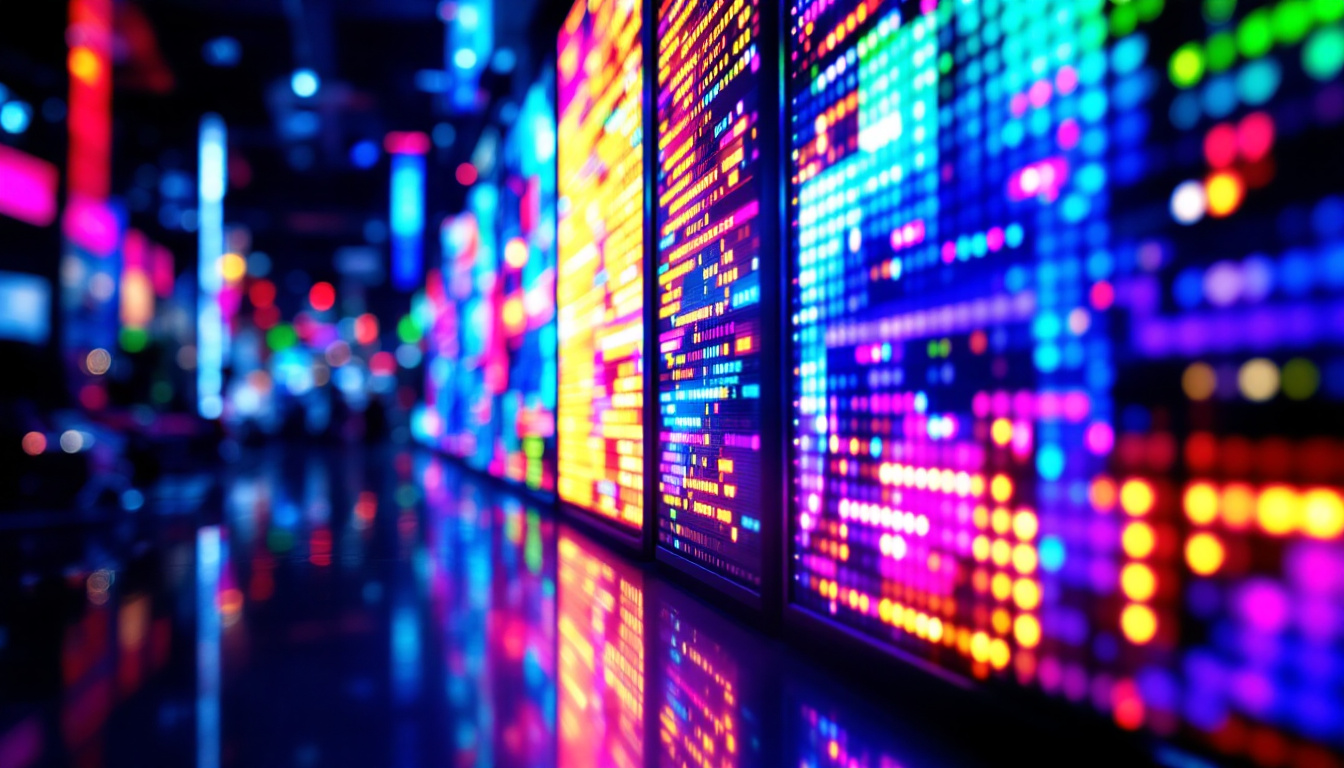
The core technology behind these walls is the LED (Light Emitting Diode) panel, which consists of thousands of tiny diodes that emit light when an electric current passes through them. These diodes are arranged in a grid and controlled by a processor to display images and videos with vibrant colors and sharp resolution.
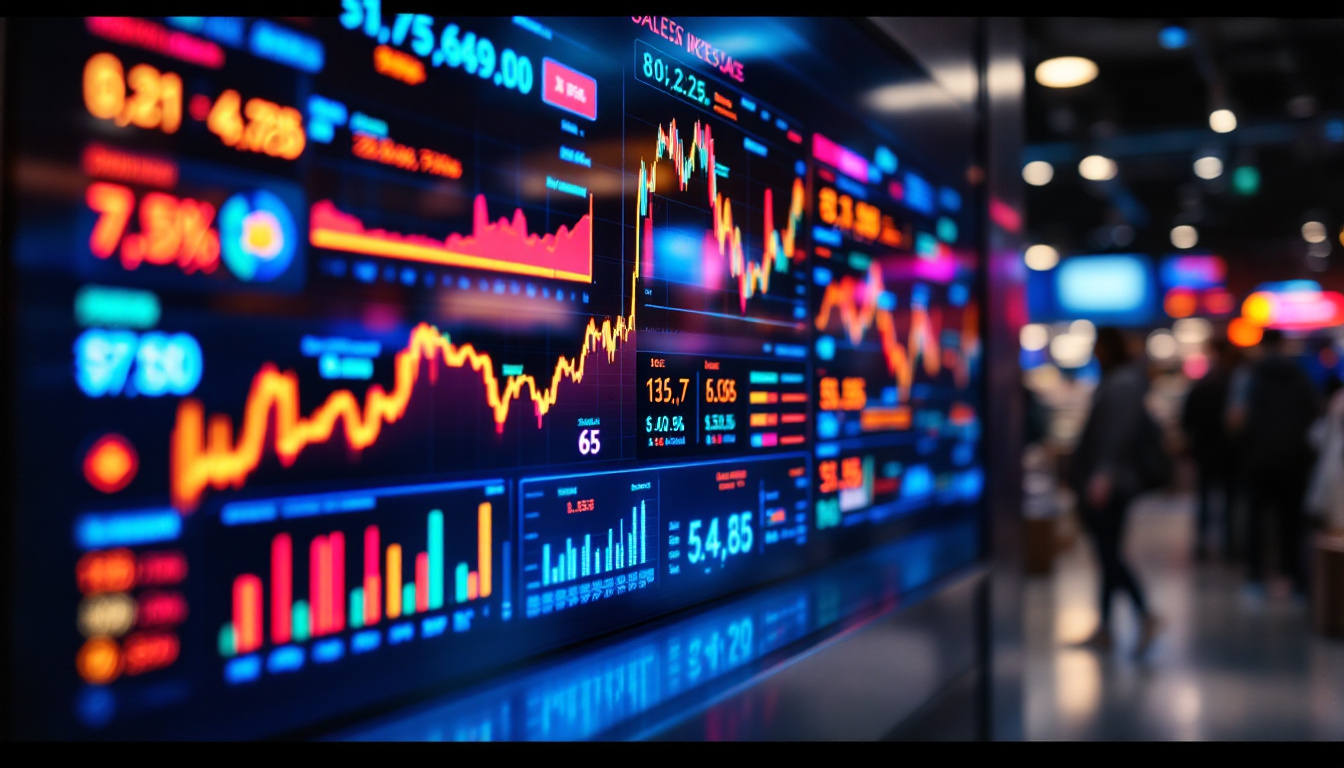
Temporary LED walls are typically connected to a media player or computer, which streams content to the display. Many systems support wireless connectivity and remote control, allowing content to be updated instantly without physical access to the wall. This feature is particularly advantageous for live events, where last-minute changes to presentations or advertisements can be made seamlessly. Additionally, advanced software solutions enable users to create dynamic content that can respond to audience interactions, enhancing engagement and providing a more immersive experience. The integration of sensors and cameras can also facilitate interactive displays, where viewers can influence the content being shown, making these walls not just a visual tool but also a platform for interaction and creativity.
Benefits of Using Temporary LED Display Walls
Flexibility and Mobility
One of the most significant advantages of temporary LED display walls is their flexibility. Unlike permanent installations, these walls can be moved and reconfigured to suit changing needs. For example, a conference center might use them to create breakout rooms during one event and then open up the space for a large exhibition the next day.
This adaptability is particularly valuable in environments where space must serve multiple functions, such as co-working offices, trade shows, and pop-up retail locations. The ease of setup and takedown allows event planners to maximize their space efficiently, ensuring that every square foot is utilized effectively. Moreover, the lightweight nature of many LED display systems means that they can be transported and installed quickly, reducing labor costs and minimizing downtime between events.
Enhanced Visual Impact
LED displays offer superior brightness and color accuracy compared to traditional projection or printed graphics. This means content is visible even in brightly lit environments, making these walls perfect for attracting attention and communicating messages clearly.
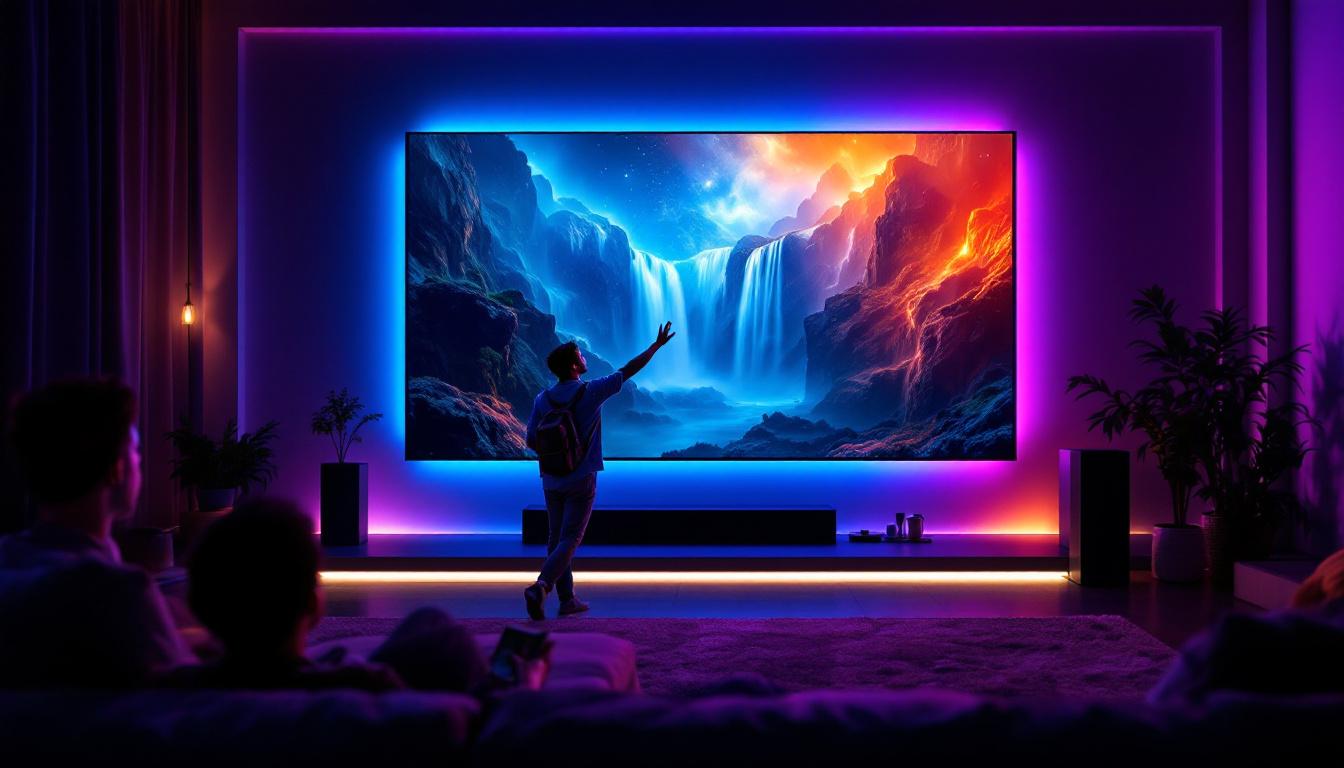
From dynamic advertisements to immersive brand experiences, temporary LED walls can captivate audiences and create memorable interactions that static walls simply cannot achieve. The ability to display high-definition video content, animations, and interactive elements transforms the viewer’s experience, engaging them in a way that traditional media cannot. Additionally, the seamless integration of sound systems with LED displays can further enhance the sensory experience, making events more impactful and enjoyable for attendees.
Cost-Effectiveness Over Time
While the initial investment in LED display technology may be higher than traditional temporary wall materials, the ability to reuse the walls for multiple events or projects reduces costs over time. Additionally, digital content can be updated without reprinting or physical alterations, saving both money and time.
For businesses that frequently change their displays or layouts, temporary LED walls offer a sustainable and economical solution. The long lifespan of LED technology also means that, with proper care, these displays can last for years, further enhancing their value. Furthermore, as technology advances, many LED systems now come with energy-efficient features that not only lower operational costs but also align with eco-friendly practices, making them an attractive option for environmentally conscious companies. This combination of durability, versatility, and cost savings positions temporary LED display walls as a smart investment for any organization looking to elevate their visual communication strategy.
Types of Temporary LED Display Walls
Indoor LED Display Walls
Indoor LED walls are designed for controlled environments such as conference halls, retail stores, museums, and offices. They typically feature higher pixel density to deliver crisp images at close viewing distances.
These walls are often modular, allowing for custom sizes and shapes. Some models include sound integration, enabling synchronized audio-visual presentations.
Outdoor LED Display Walls
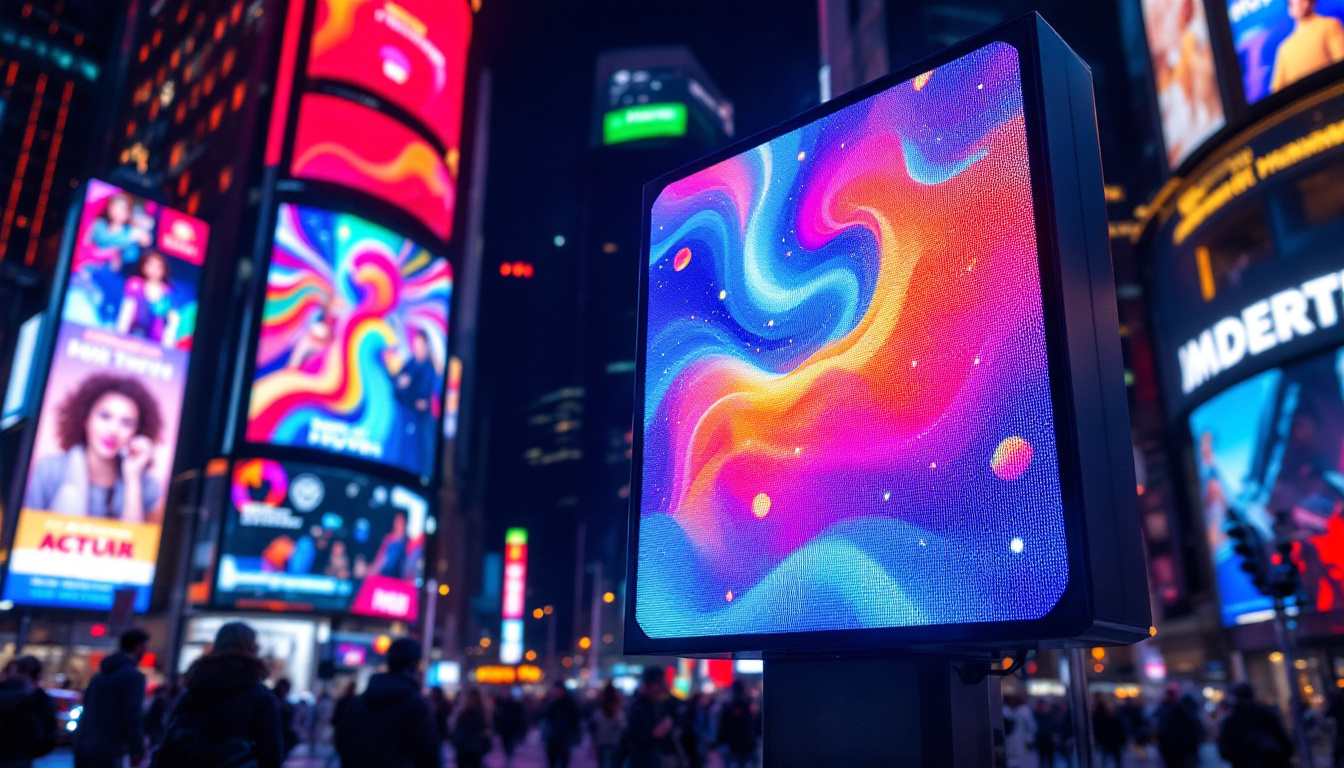
Outdoor temporary LED walls are built to withstand weather conditions such as rain, wind, and sunlight. They use higher brightness LEDs to remain visible under direct sunlight and are sealed against moisture and dust.
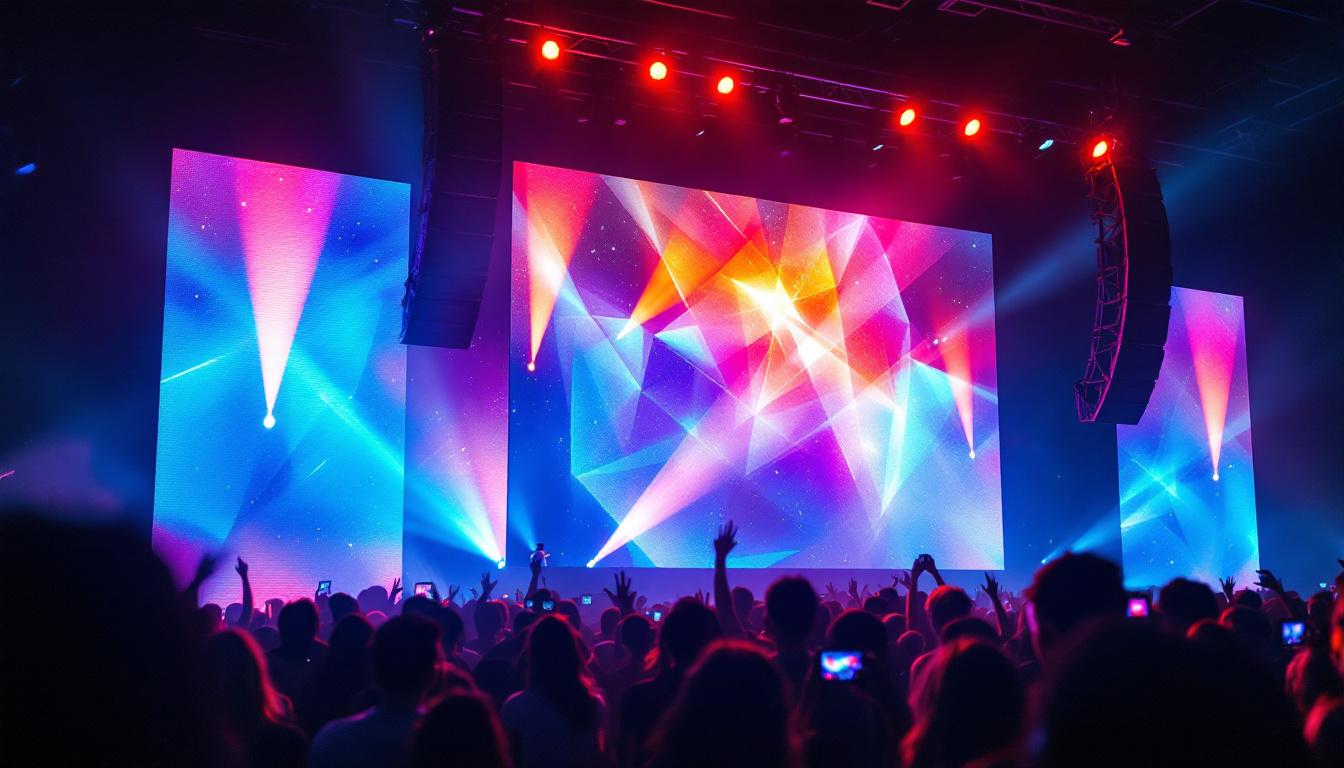
Common applications include outdoor concerts, sports events, and public gatherings where temporary partitions with display capabilities are needed.
Transparent and Semi-Transparent LED Walls
Innovative designs now incorporate transparent or semi-transparent LED panels that allow light and visibility through the wall while still displaying vibrant content. These are ideal for retail storefronts or exhibition booths where maintaining openness is important.
These walls offer a futuristic aesthetic and can be combined with traditional temporary walls for hybrid solutions.
Applications of Temporary LED Display Walls
Event and Exhibition Spaces
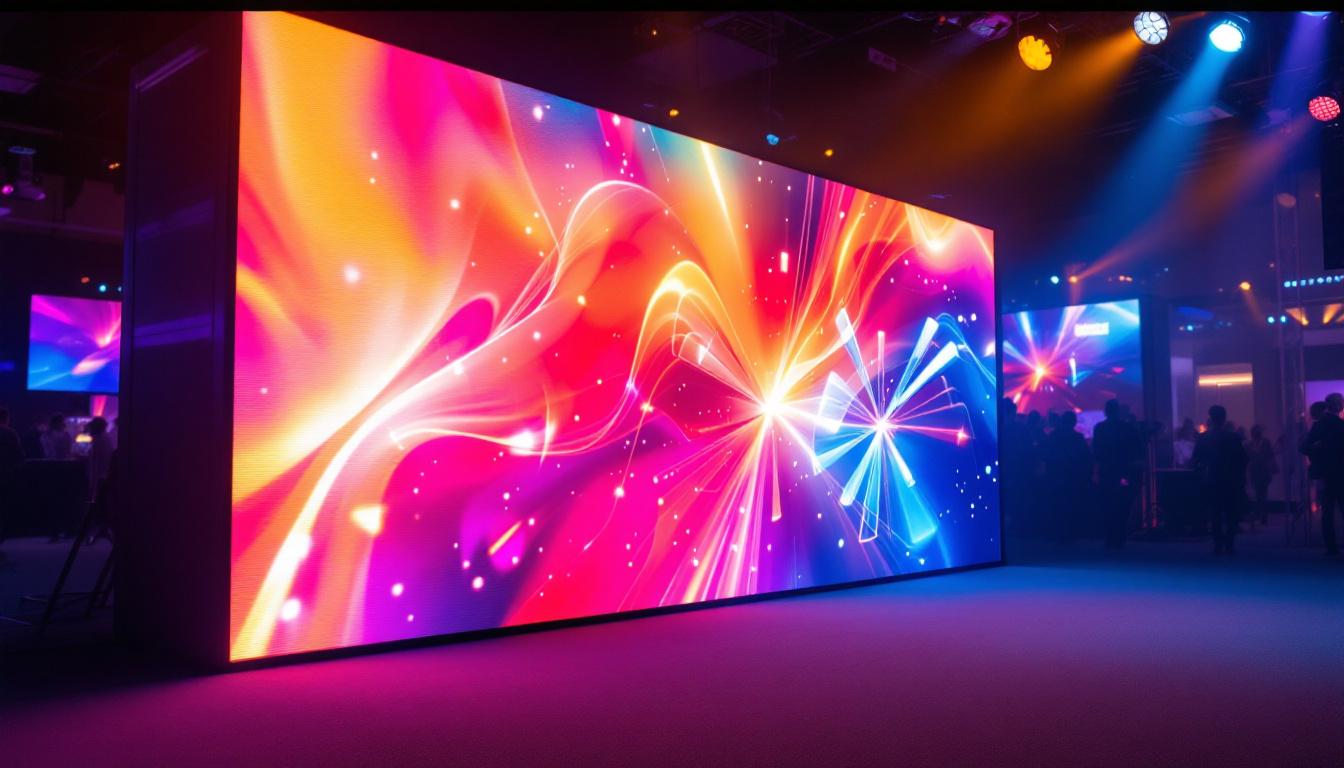
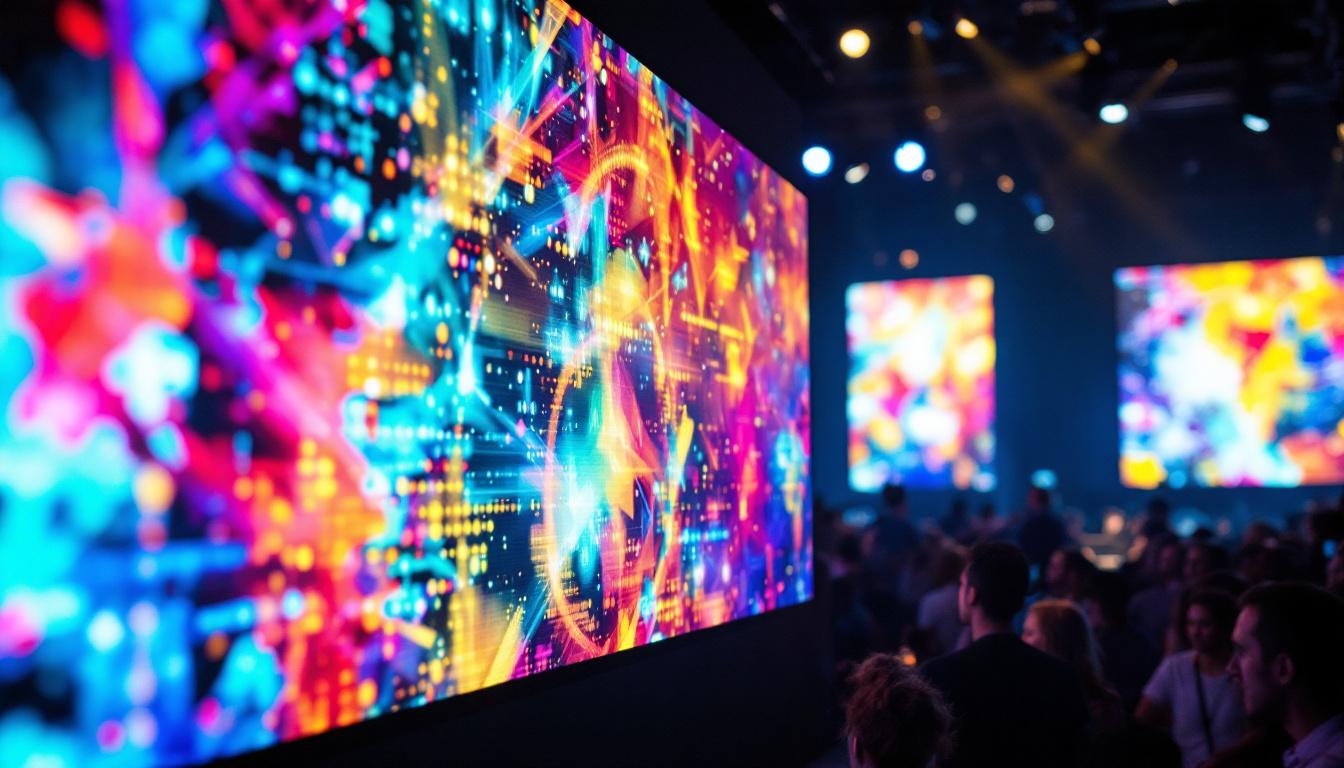
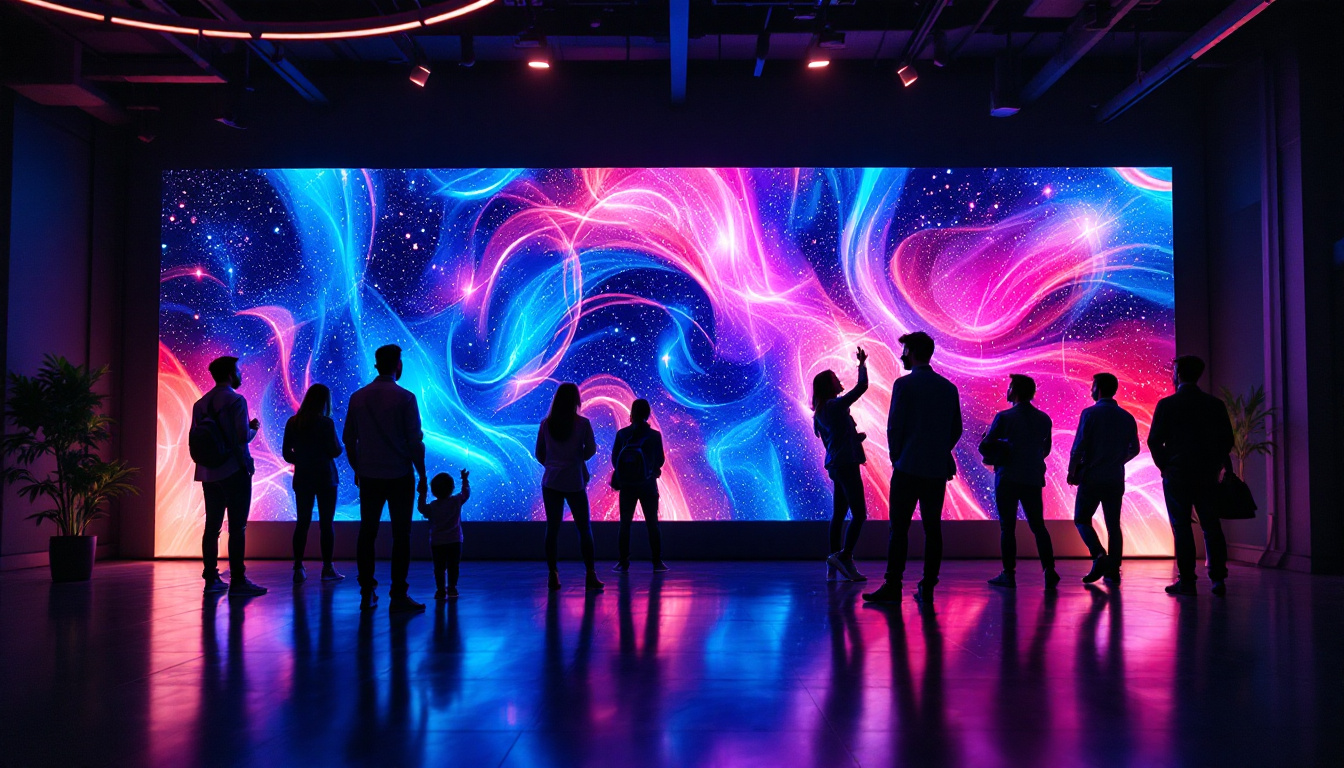
Events are one of the most popular uses for temporary LED walls. They serve as dynamic backdrops, information kiosks, or partition walls that can change the flow of traffic and create immersive experiences. For instance, a trade show might use LED walls to highlight sponsors or showcase product demos.
Because these walls can be quickly installed and removed, they are ideal for short-term use without compromising on visual quality.
Corporate and Office Environments
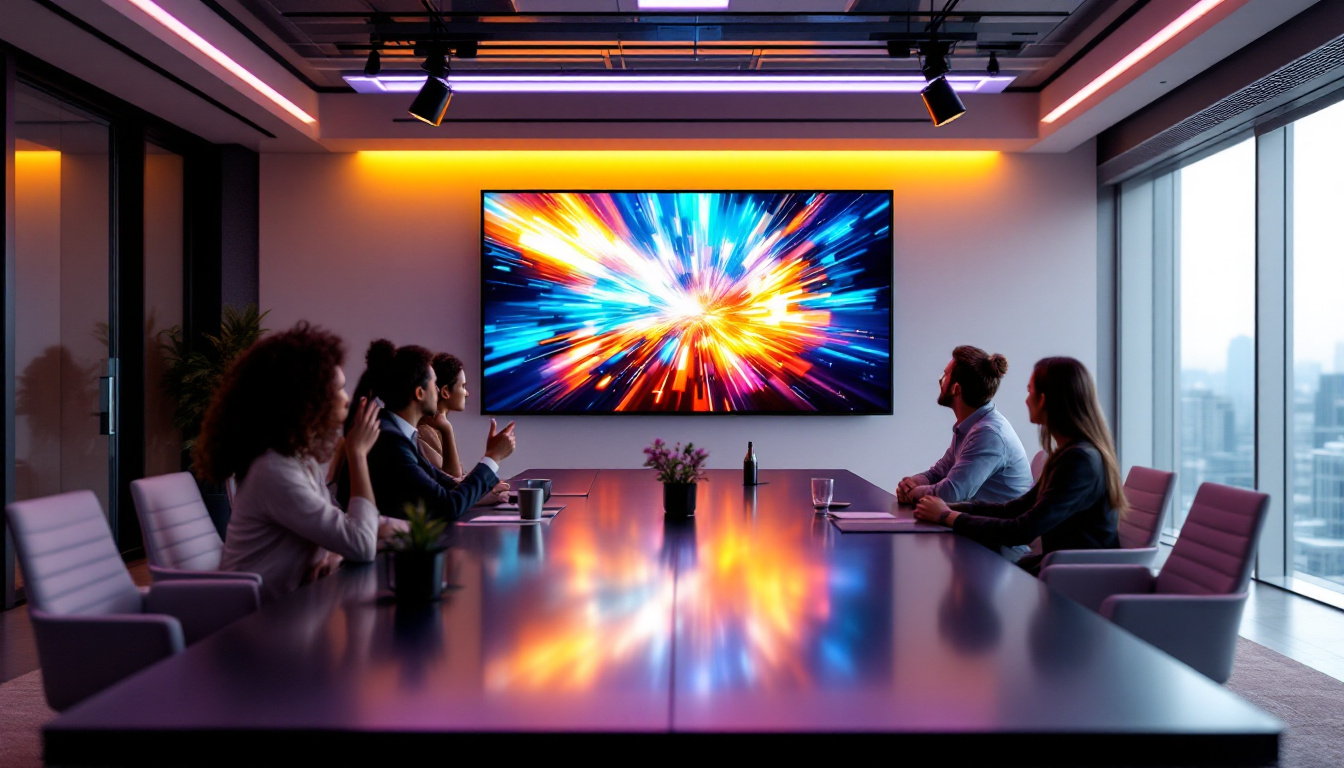
In corporate settings, temporary LED walls can be used to create flexible meeting rooms, display company news, or promote internal campaigns. They enable organizations to adapt their workspace efficiently while fostering a modern, tech-savvy atmosphere.
Some companies use LED walls to facilitate virtual meetings or interactive brainstorming sessions, enhancing collaboration.
Retail and Hospitality
Retailers leverage temporary LED walls to create eye-catching window displays, seasonal promotions, or pop-up shops. The ability to change content instantly allows for timely marketing campaigns and personalized customer engagement.
In hospitality, LED walls can enhance guest experiences by displaying event schedules, wayfinding information, or branded content in lobbies and conference areas.
Key Considerations When Choosing Temporary LED Display Walls
Resolution and Pixel Pitch
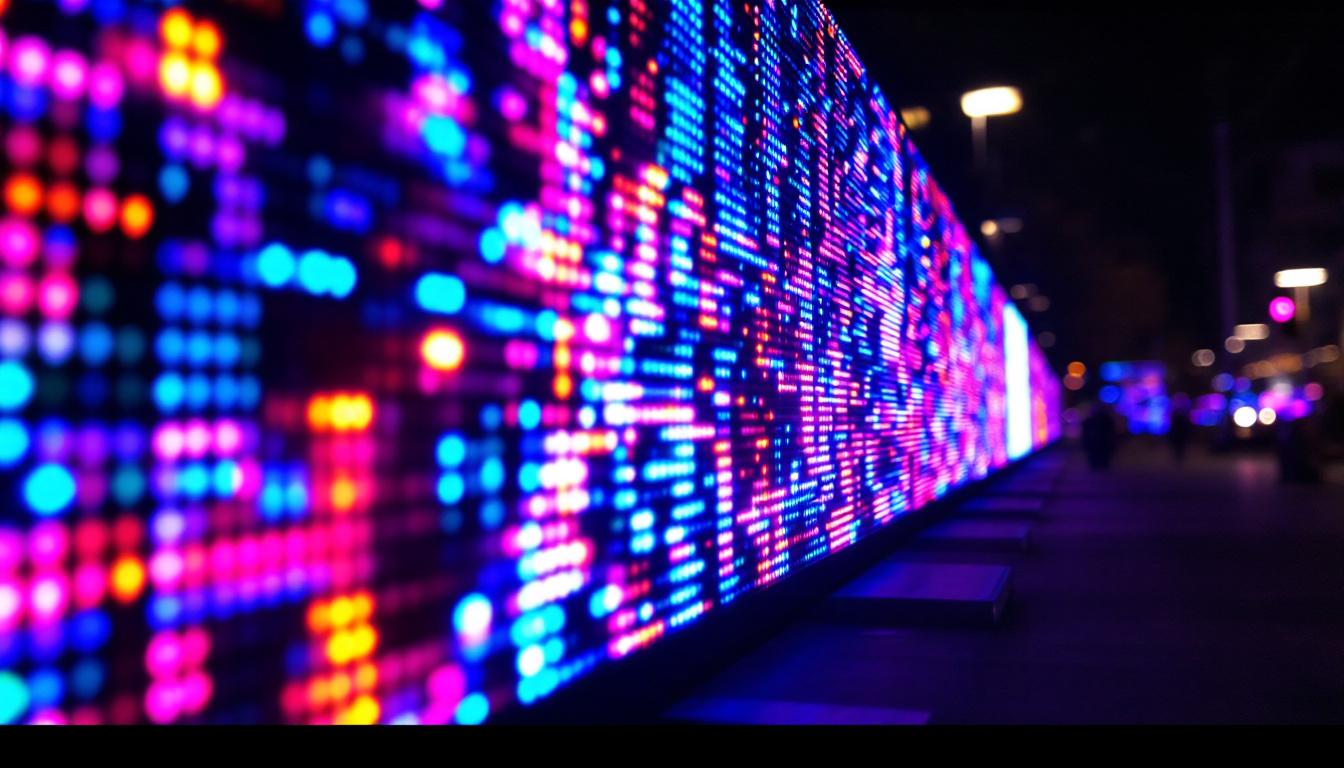
The resolution of an LED wall is determined by its pixel pitch—the distance between individual LED diodes. A smaller pixel pitch means higher resolution and better image clarity, especially at close viewing distances.
When selecting a temporary LED wall, consider the typical viewing distance and content type. For example, a wall used for detailed graphics or text should have a finer pixel pitch than one intended for large-scale visuals viewed from afar.
Installation and Setup
Ease of installation is critical for temporary walls. Look for modular designs with quick-lock mechanisms that do not require specialized tools or extensive labor. Some LED walls come with integrated frames and casters, making them easy to move and reconfigure.
Additionally, consider the availability of technical support and training to ensure smooth setup and operation.
Power and Connectivity
LED walls require reliable power sources and data connections. Temporary setups may need portable power solutions or cable management systems to maintain safety and aesthetics.
Wireless content management systems can simplify operations but should be evaluated for security and compatibility with existing IT infrastructure.
Budget and ROI
While LED display walls can be cost-effective over time, initial costs vary widely based on size, resolution, and features. It is essential to balance quality with budget constraints and consider the potential return on investment through increased engagement, brand visibility, and operational flexibility.
Future Trends in Temporary LED Display Walls
Integration with Augmented Reality (AR) and Interactive Technologies
Emerging technologies are enabling LED walls to become interactive platforms. Gesture recognition, touch sensitivity, and AR overlays can transform temporary walls into engaging, participatory experiences.
This trend is particularly relevant for retail environments and exhibitions seeking to captivate tech-savvy audiences.
Energy Efficiency and Sustainability
Advancements in LED technology continue to reduce power consumption and extend lifespan. Sustainable materials and recycling programs are also becoming standard in the industry, aligning temporary wall solutions with corporate social responsibility goals.
Customization and Design Innovation
Future temporary LED walls will offer greater customization, including curved shapes, flexible panels, and integration with other materials like glass and fabric. This will expand creative possibilities for architects and designers.
Conclusion
Temporary walls with integrated LED displays represent a powerful fusion of physical space management and digital communication. Their flexibility, visual impact, and technological sophistication make them an invaluable asset across numerous industries.
By understanding the different types, benefits, and considerations involved, businesses and event planners can make informed decisions that maximize space utility and audience engagement. As LED technology continues to evolve, the potential for temporary walls to transform environments will only grow, offering exciting opportunities for innovation and creativity.
Discover LumenMatrix LED Display Solutions
Ready to elevate your space with the unparalleled flexibility and visual impact of LED display walls? LumenMatrix is at the forefront of LED display innovation, offering a comprehensive range of solutions tailored to your needs. From indoor and outdoor displays to custom configurations and transparent LED options, our products are designed to captivate your audience and amplify your message. Experience the future of visual communication today and check out LumenMatrix LED Display Solutions to transform your environment into a dynamic and engaging space.