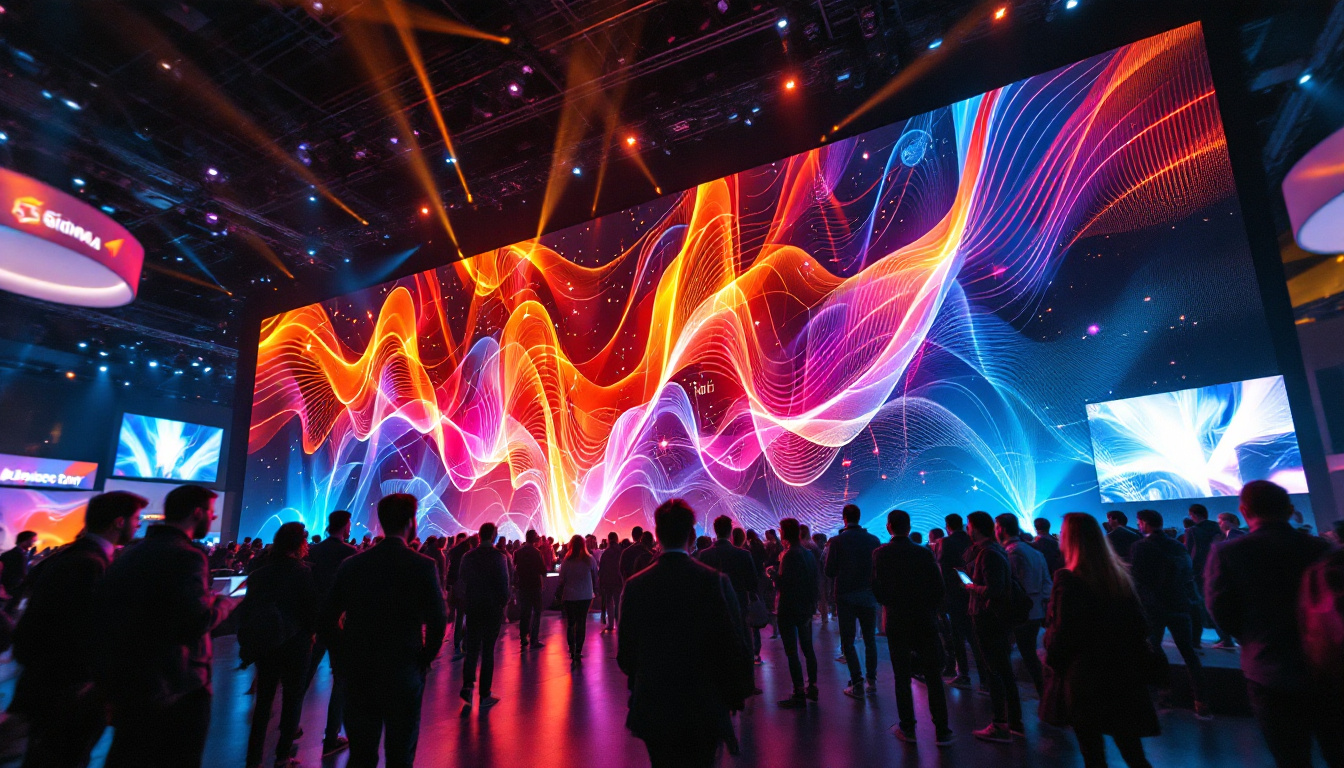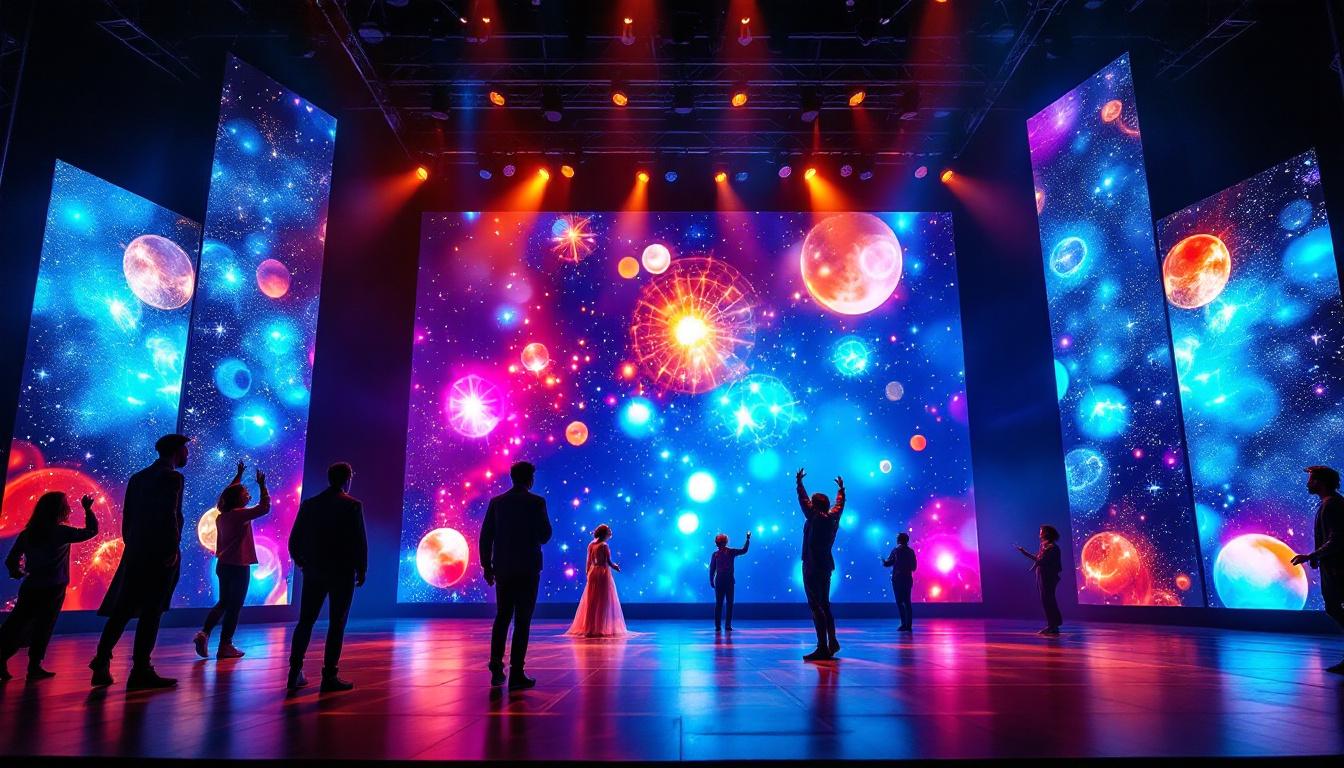
Theater productions have always relied on creative and immersive backdrops to transport audiences to different worlds. From painted canvases to intricate set designs, the evolution of stage backdrops reflects the changing technologies and artistic ambitions of the theater world. In recent years, LED display technology has emerged as a revolutionary tool in creating dynamic and versatile theater backdrops. This article explores the role of LED displays in theater, how they work, their advantages and challenges, and what the future holds for this exciting technology.
Understanding LED Display Technology in Theater
What Is an LED Display?
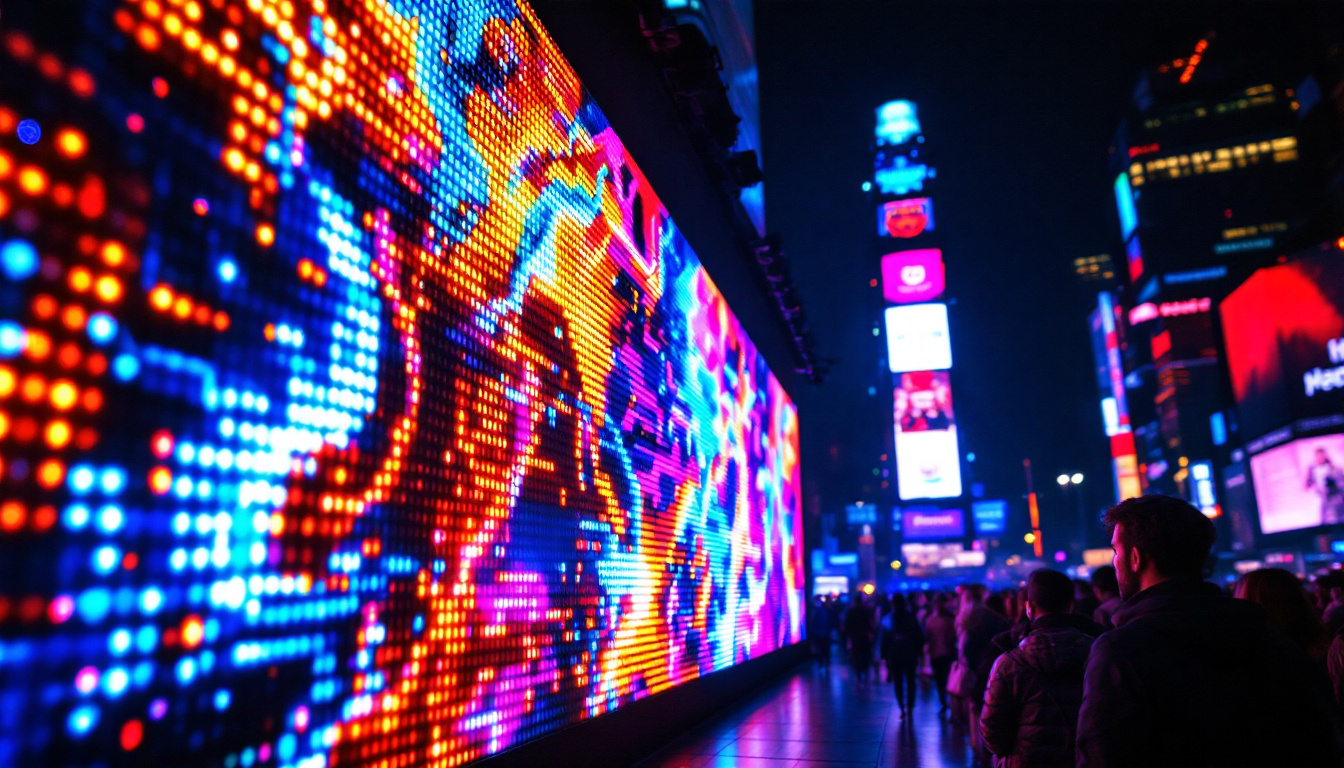
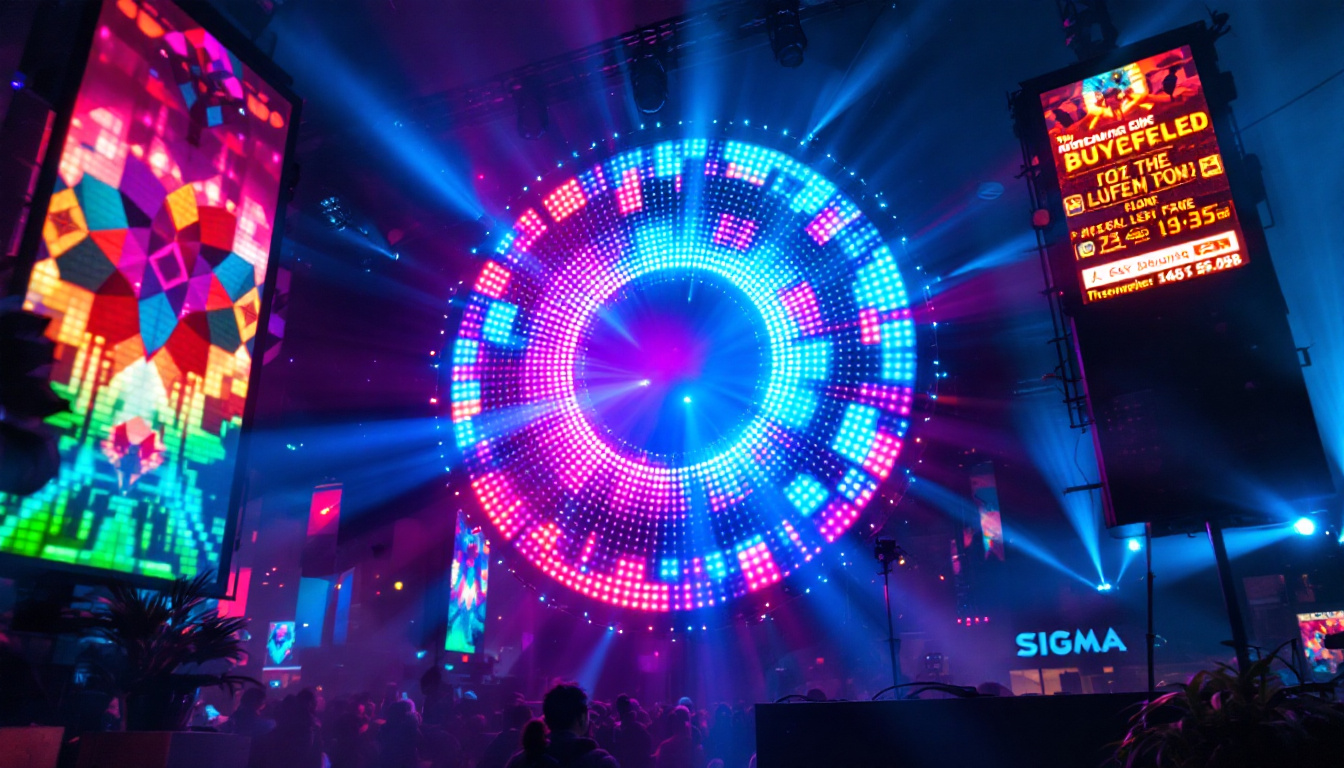
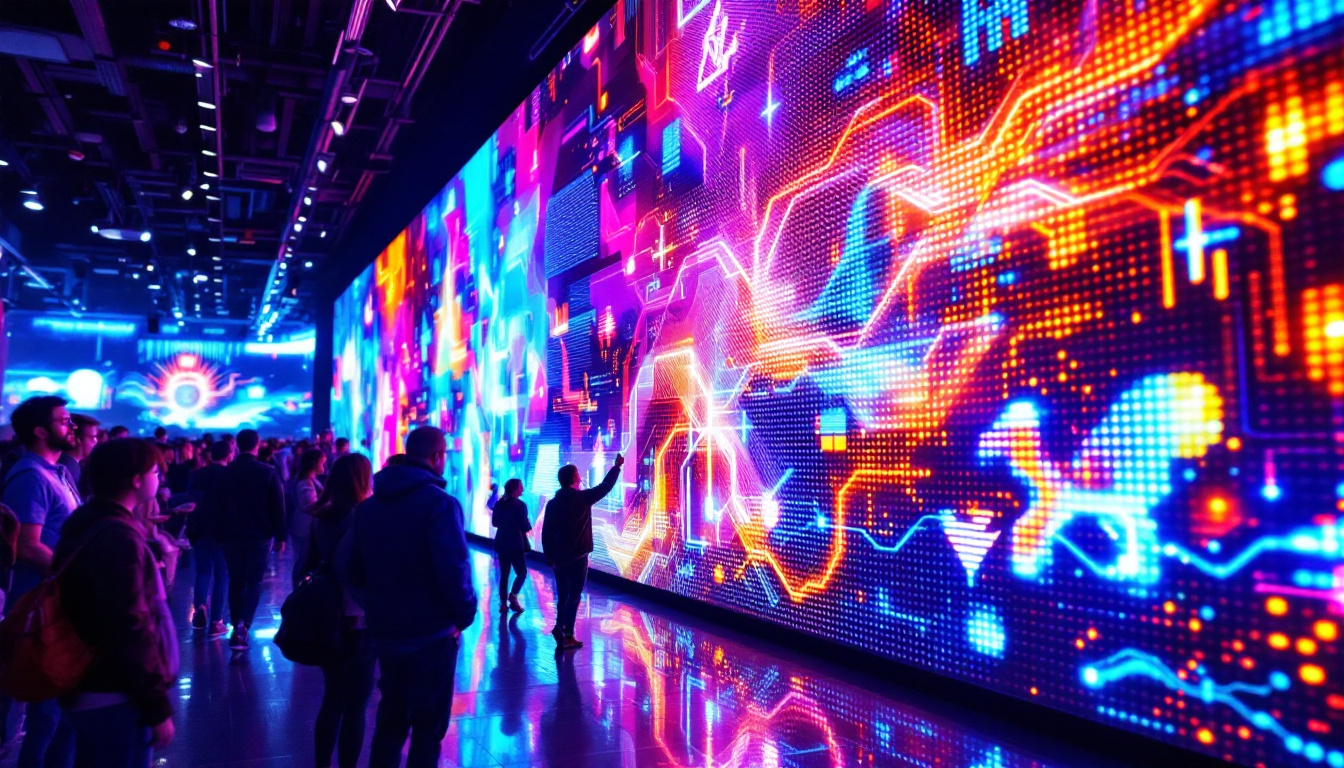
LED stands for Light Emitting Diode, a semiconductor device that emits light when an electric current passes through it. An LED display consists of an array of these tiny diodes, which collectively form images and videos by varying the brightness and color of each diode. In theater, LED displays are used as backdrops or set pieces to create vivid, changeable scenes that can adapt in real time to the production’s needs.
Unlike traditional projection systems, LED displays emit their own light, resulting in brighter and more vibrant visuals even in well-lit environments. This self-illumination makes LED backdrops particularly effective for theater, where lighting conditions can vary dramatically throughout a performance. The ability to create dynamic content means that directors can enhance storytelling through visual effects that respond to the narrative, allowing for a more immersive experience for the audience.
Types of LED Displays Used in Theater
There are several types of LED displays commonly used in theatrical settings, each suited for different applications:
- Indoor LED Panels: Designed for controlled lighting environments, these panels offer high resolution and color accuracy. They are ideal for close audience proximity and detailed visuals.
- Flexible LED Screens: These can be curved or shaped to fit unique stage designs, allowing for creative and immersive set pieces.
- Transparent LED Screens: These displays allow light to pass through, enabling layered visual effects and preserving sightlines on stage.
- Outdoor LED Displays: While less common indoors, some large-scale productions use weather-resistant LED screens for open-air theaters or festivals.
In addition to these types, advancements in technology have led to the development of high-refresh-rate LED displays, which are particularly beneficial for live performances. These displays minimize motion blur, ensuring that fast-moving scenes are rendered clearly and crisply. Furthermore, the integration of LED displays with real-time content management systems allows for seamless transitions and synchronization with sound and lighting, creating a cohesive multimedia experience that captivates audiences. The versatility of LED technology also extends to its ability to support interactive elements, where audience engagement can be heightened through responsive visuals that react to their movements or inputs.
Moreover, the eco-friendly nature of LED technology cannot be overlooked. Compared to traditional lighting solutions, LED displays consume significantly less power and have a longer lifespan, making them a sustainable choice for theaters aiming to reduce their environmental impact. This aspect is increasingly important in the industry as productions seek to balance artistic expression with responsible resource management. As LED technology continues to evolve, it promises to unlock new creative possibilities for theater artists, allowing them to push the boundaries of visual storytelling in ways previously unimaginable.
The Advantages of LED Backdrops in Theater Productions
Dynamic and Versatile Visuals
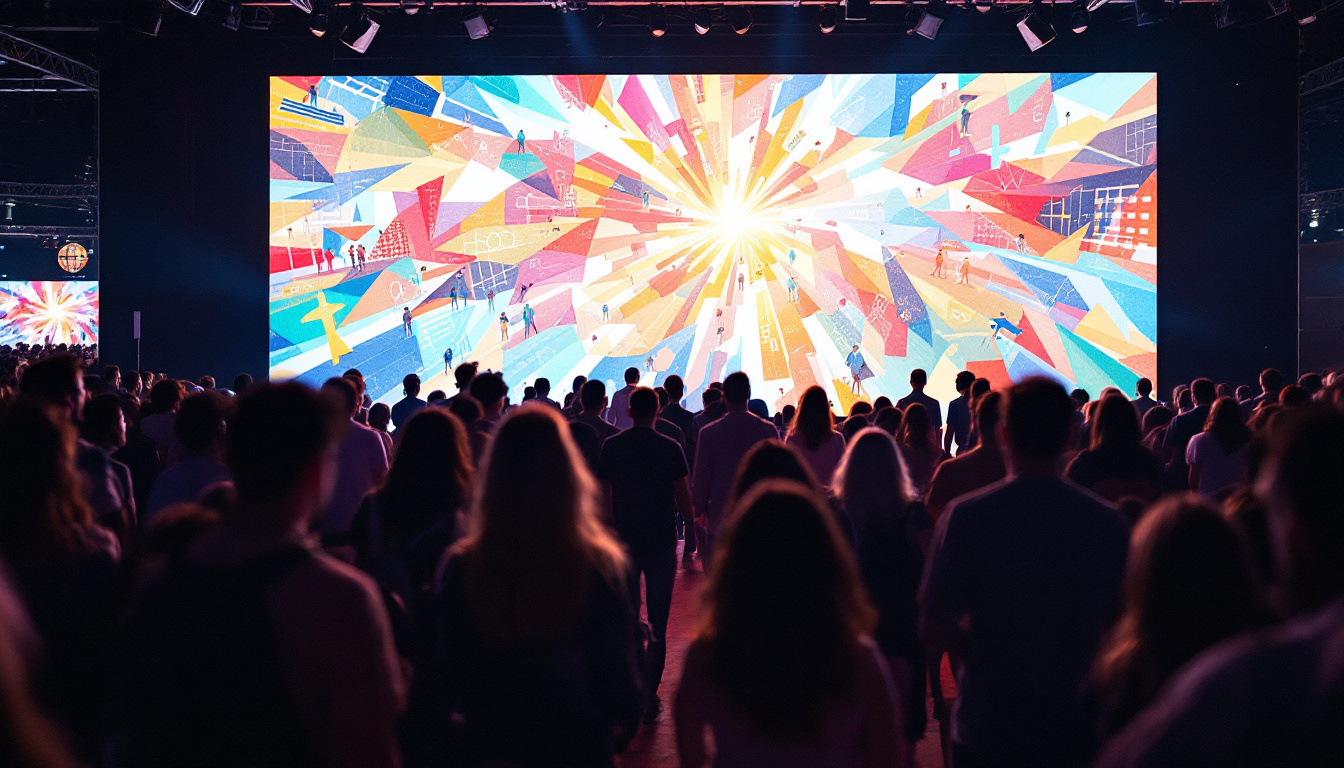
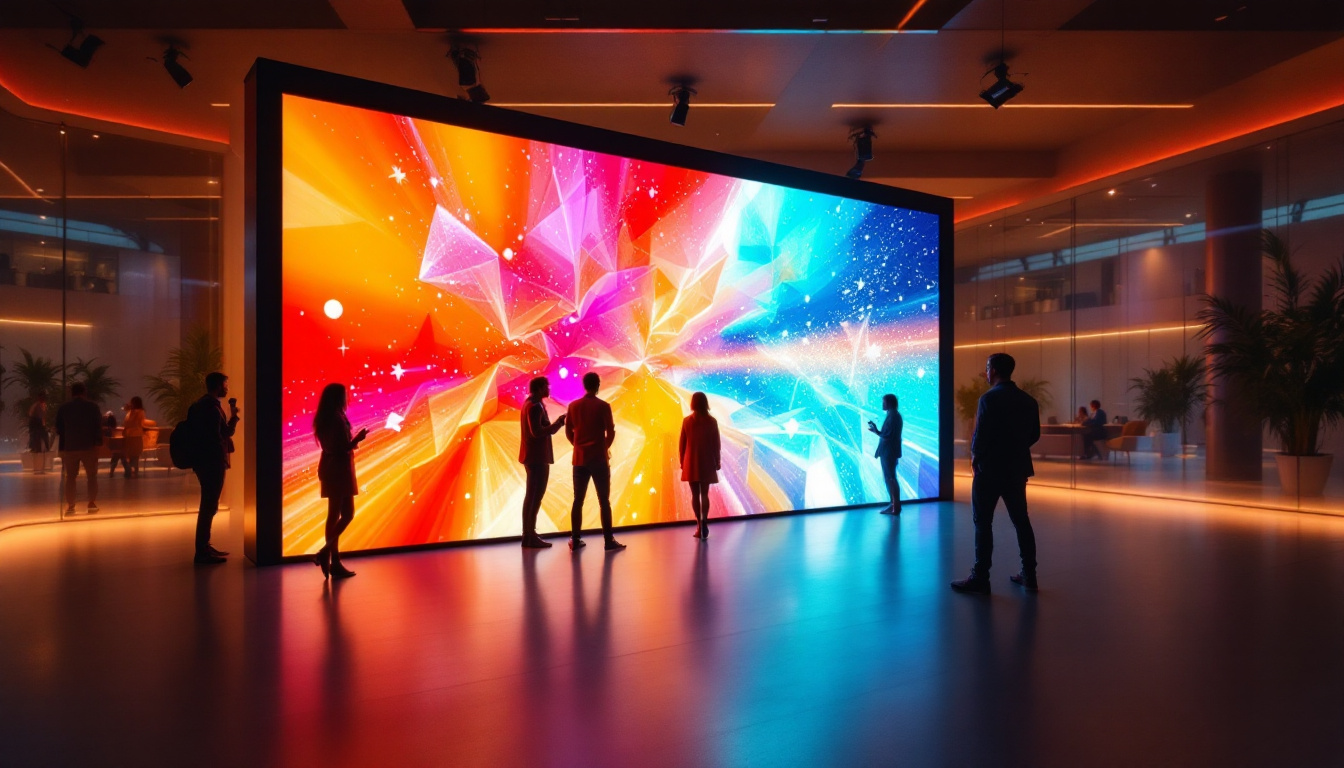
One of the most significant advantages of LED backdrops is their ability to display a wide range of visuals, from static images to complex animations and video content. This versatility allows directors and designers to change scenes instantly without physically altering the set. For example, a single LED backdrop can transition from a bustling cityscape to a serene forest with the click of a button, enhancing storytelling and audience immersion. Additionally, the use of LED technology enables the incorporation of real-time graphics, such as live feeds or audience interactions, further enriching the theatrical experience. This capability not only broadens the creative possibilities for set design but also allows for innovative storytelling techniques that can engage the audience in new and exciting ways.
Enhanced Audience Engagement
LED displays can create visually stunning environments that captivate audiences. High-resolution imagery combined with vibrant colors and motion can evoke emotions and set the tone more effectively than traditional backdrops. According to a 2023 survey by the Theatre Communications Group, productions utilizing LED backdrops reported a 30% increase in audience engagement metrics, including attentiveness and emotional response. Furthermore, the immersive quality of LED technology can transport viewers into the narrative, making them feel as though they are part of the story rather than mere spectators. This heightened engagement can lead to a more memorable experience, encouraging audiences to return for future performances or recommend the production to others.
Improved Lighting Integration
Because LED backdrops emit their own light, they integrate seamlessly with stage lighting designs. This reduces the need for additional lighting equipment focused on the backdrop, allowing lighting designers to focus on actors and other set elements. Moreover, LED screens can be programmed to synchronize with lighting cues, creating cohesive visual experiences that enhance dramatic impact. The ability to adjust brightness and color temperature on the fly means that the backdrop can adapt to the mood of each scene, providing a dynamic canvas that complements the actors’ performances. This synergy between lighting and backdrop not only elevates the aesthetic quality of the production but also enhances the overall storytelling by visually reinforcing the emotional arcs of the characters.
Cost and Time Efficiency
While the initial investment in LED technology can be substantial, the long-term benefits often outweigh the costs. Traditional set changes require labor-intensive work, including painting, construction, and storage. LED backdrops reduce these needs by offering reusable digital content. Productions can save time during rehearsals and performances, and touring shows benefit from the portability and ease of setup of LED panels. Additionally, the ability to quickly update or modify visuals means that productions can adapt to different venues or audience demographics without the need for extensive redesigns. This flexibility not only streamlines the production process but also allows for more creative experimentation, as directors can easily test new ideas and visuals without incurring significant costs or delays.
Challenges and Considerations When Using LED Backdrops
Initial Investment and Maintenance
The upfront cost of high-quality LED displays can be a barrier for smaller theater companies or community groups. Prices vary depending on resolution, size, and features, but professional-grade indoor LED panels typically range from $1,000 to $3,000 per square meter. Additionally, maintenance and technical support require skilled personnel to ensure optimal performance and longevity.
Technical Complexity and Training
Operating LED backdrops involves managing content, hardware, and synchronization with other stage elements. This complexity demands specialized training for stage technicians and designers. Without proper expertise, productions risk technical glitches that can disrupt performances. Investing in training and hiring experienced operators is essential for successful integration.
Visual and Artistic Limitations
Despite their versatility, LED backdrops may not suit every production style. Some directors and designers prefer the tactile and handcrafted aesthetic of traditional sets. Additionally, LED screens can sometimes produce a “screen-like” appearance that may detract from the organic feel of a live performance. Balancing digital and physical elements is key to maintaining artistic integrity.
Power Consumption and Environmental Impact
LED displays consume significant amounts of electricity, especially for large-scale installations. While LEDs are more energy-efficient than many other lighting technologies, theater companies should consider power requirements and environmental sustainability. Advances in low-power LED technology and renewable energy sources are helping to mitigate these concerns.
Practical Applications and Examples of LED Backdrops in Theater
Broadway and West End Productions
Major theater hubs like Broadway and the West End have embraced LED backdrops for blockbuster shows. For instance, the musical “Dear Evan Hansen” utilizes LED screens to create immersive digital environments that shift fluidly throughout the narrative. Similarly, “Harry Potter and the Cursed Child” incorporates LED elements to enhance magical effects and scene transitions.
Regional and Experimental Theater
Regional theaters and experimental companies are also exploring LED technology to push creative boundaries. The flexibility of LED displays allows smaller venues to produce visually ambitious shows without the need for extensive physical sets. Some experimental productions use interactive LED backdrops that respond to actor movements or audience interaction, creating unique and engaging experiences.
Touring Productions and Festivals
Touring shows benefit greatly from LED backdrops due to their modularity and ease of transport. LED panels can be quickly assembled and disassembled, reducing load-in and load-out times. Outdoor festivals and open-air theaters use weather-resistant LED screens to ensure visibility and impact in various lighting conditions, expanding the reach of theatrical performances.
The Future of LED Backdrops in Theater
Advancements in Resolution and Color Accuracy
As LED technology continues to evolve, higher resolutions and improved color fidelity will enhance the realism and detail of digital backdrops. MicroLED and miniLED technologies promise even finer pixel pitches, allowing for seamless visuals that rival cinema screens. These improvements will enable more subtle and nuanced stage designs.
Integration with Augmented Reality and Interactive Elements
The future of theater backdrops lies in the fusion of LED displays with augmented reality (AR) and interactive technologies. Combining LED screens with motion tracking and projection mapping can create environments that respond dynamically to actors and audiences. This convergence offers exciting possibilities for immersive storytelling and participatory theater experiences.
Environmental Sustainability and Energy Efficiency
With growing awareness of environmental impact, manufacturers are developing more energy-efficient LED solutions and recyclable materials. Theaters are increasingly adopting green production practices, including LED technology powered by renewable energy sources. Sustainable design will become a critical consideration in future stagecraft.
Customization and Modular Design
Modular LED panels that can be easily reconfigured will offer theaters greater flexibility in set design. Custom shapes, sizes, and curvatures will allow designers to create truly unique stage environments. This adaptability will support a wider range of theatrical genres and production scales.
Conclusion
LED display technology is transforming the way theater productions approach set design and storytelling. Its ability to deliver vibrant, dynamic, and adaptable backdrops opens new creative possibilities while enhancing audience engagement. Although challenges such as cost and technical complexity remain, ongoing advancements are making LED backdrops more accessible and versatile than ever before.
For theater professionals, understanding the capabilities and limitations of LED displays is essential to harnessing their full potential. As the technology continues to evolve, LED backdrops are poised to become a staple of modern theater, blending artistry with innovation to create unforgettable live experiences.
Discover the Future of Theater Backdrops with LumenMatrix
As you’ve seen, LED display technology is revolutionizing the theater industry, offering unparalleled vibrancy and versatility in storytelling. If you’re ready to take your productions to the next level, LumenMatrix is here to illuminate your path. As a pioneer in LED display solutions, we provide an array of innovative products including Indoor and Outdoor LED Wall Displays, Vehicle LED Displays, LED Poster Displays, and more. Our mission is to transform visual communication, ensuring your message resonates with audiences like never before. Don’t miss out on the opportunity to create truly immersive and memorable experiences. Check out LumenMatrix LED Display Solutions today and step into the spotlight of cutting-edge theater technology.