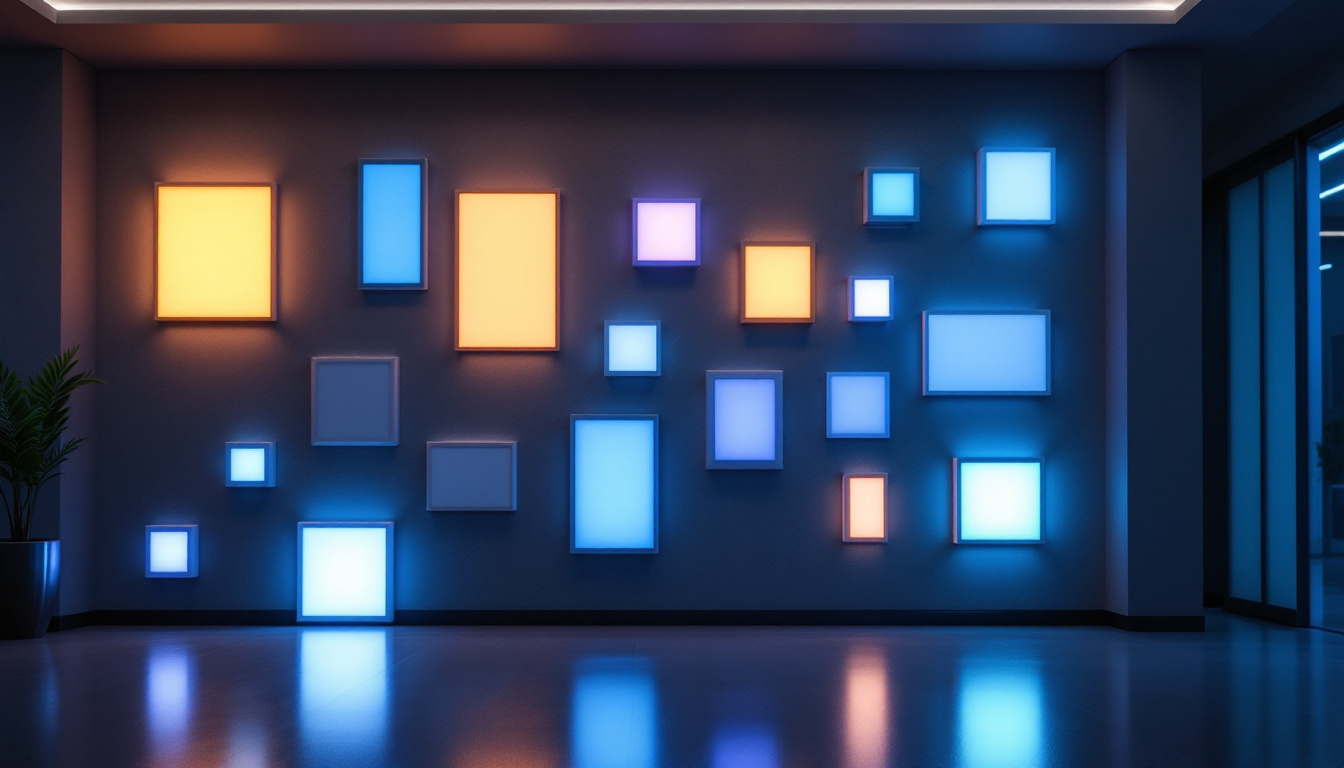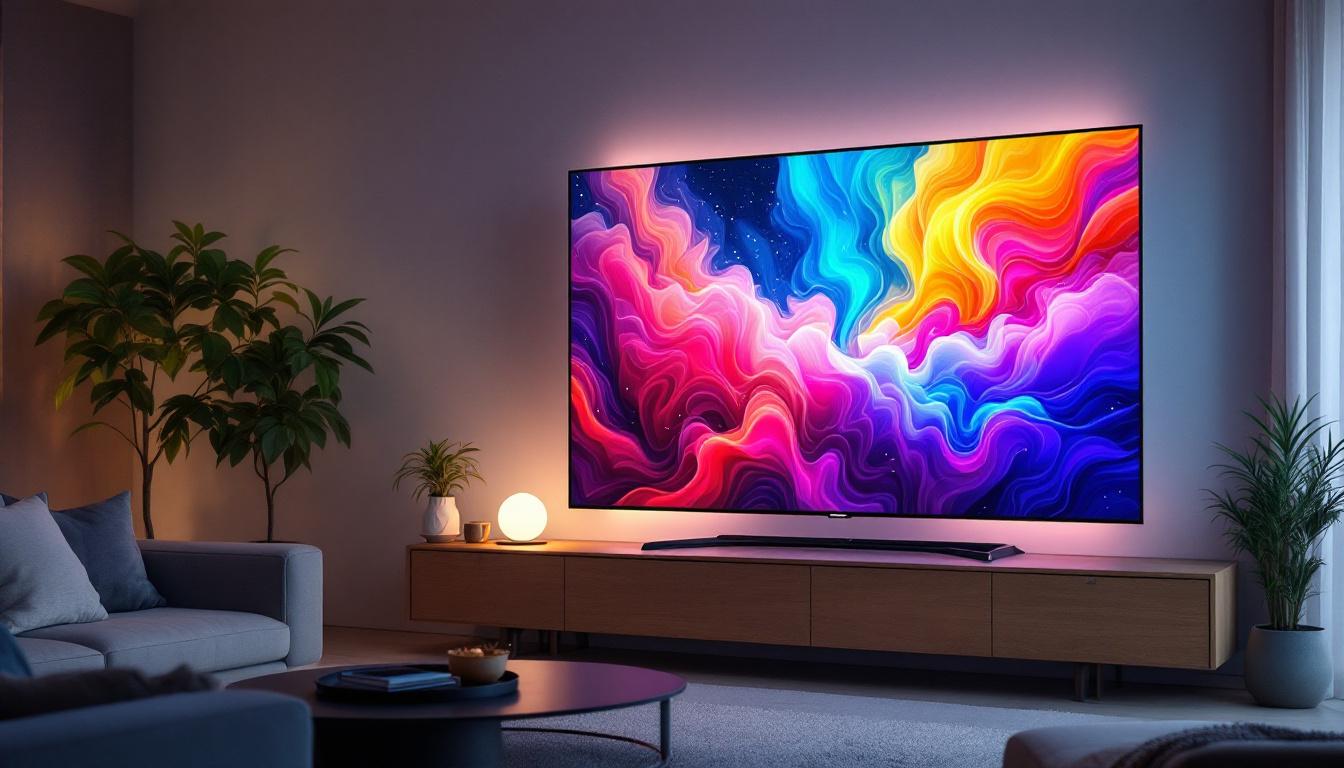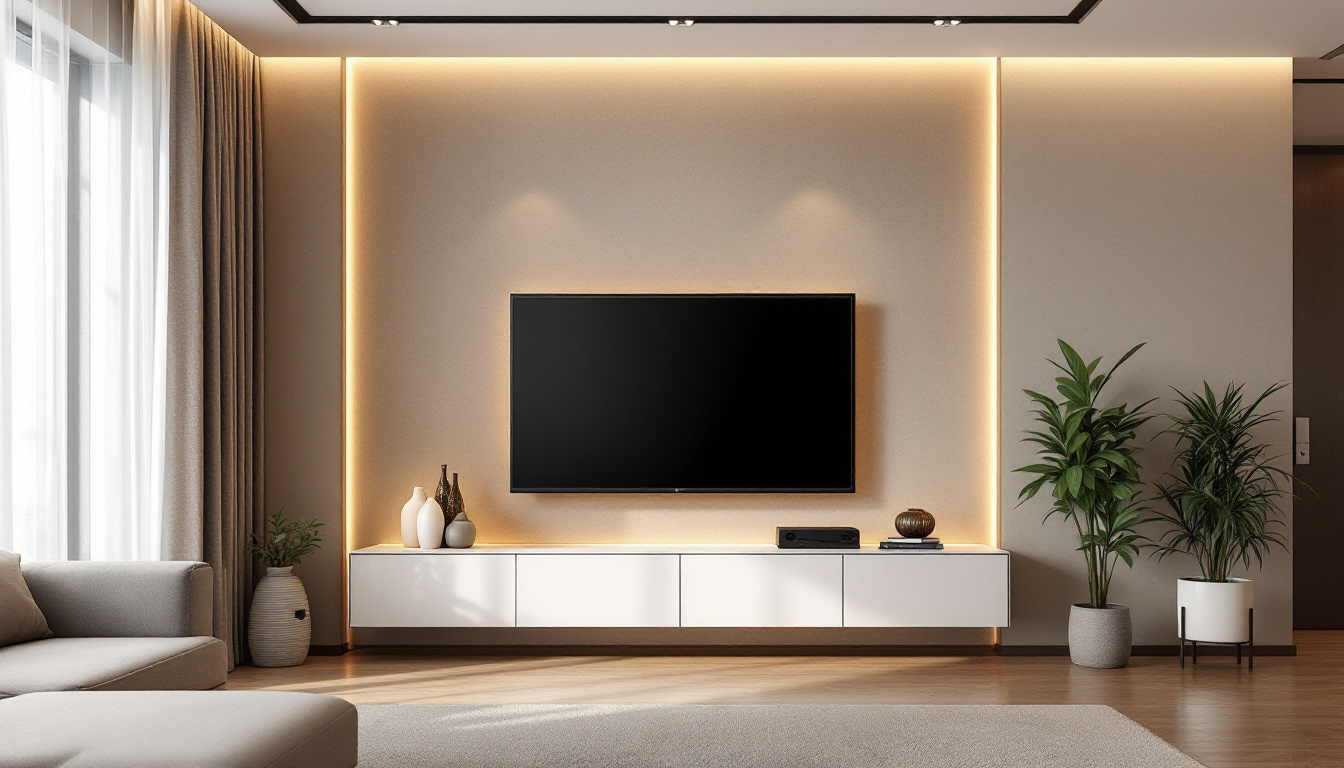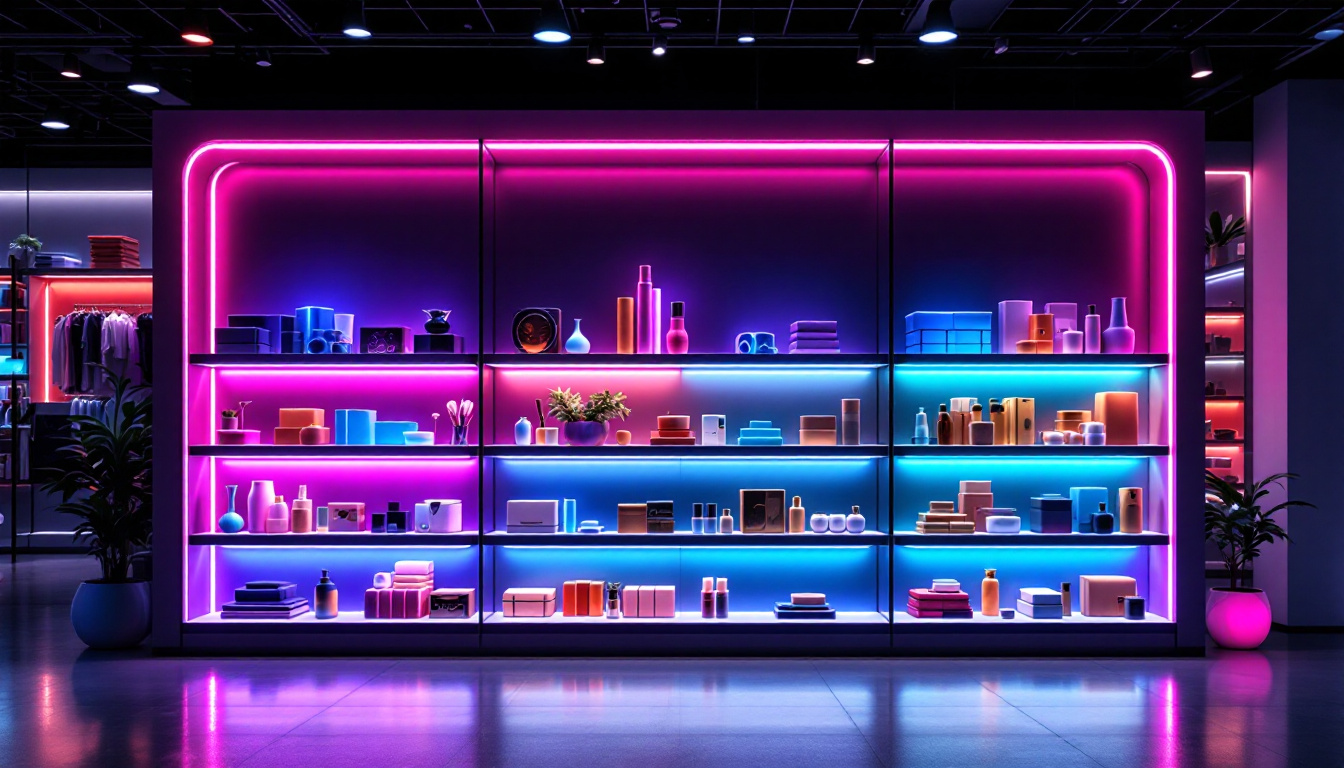
In today’s fast-evolving digital landscape, display technology plays a pivotal role in how information is shared and experienced. Among the many innovations, LED displays have emerged as a dominant force, transforming everything from advertising billboards to home entertainment systems. The term “Thin Movie” in the context of LED displays refers to the ultra-slim, high-resolution screens that deliver crisp visuals with remarkable energy efficiency. This article delves into the technology behind thin movie LED displays, their applications, advantages, and what the future holds for this exciting field.
Understanding LED Display Technology
LED, or Light Emitting Diode, displays are a type of flat panel display that use an array of light-emitting diodes as pixels to create images. Unlike traditional LCD screens that rely on backlighting, LED displays generate their own light, which results in higher contrast ratios and more vibrant colors. This self-illuminating capability not only enhances the visual experience but also contributes to energy efficiency, making LED technology a preferred choice for both consumers and manufacturers alike.
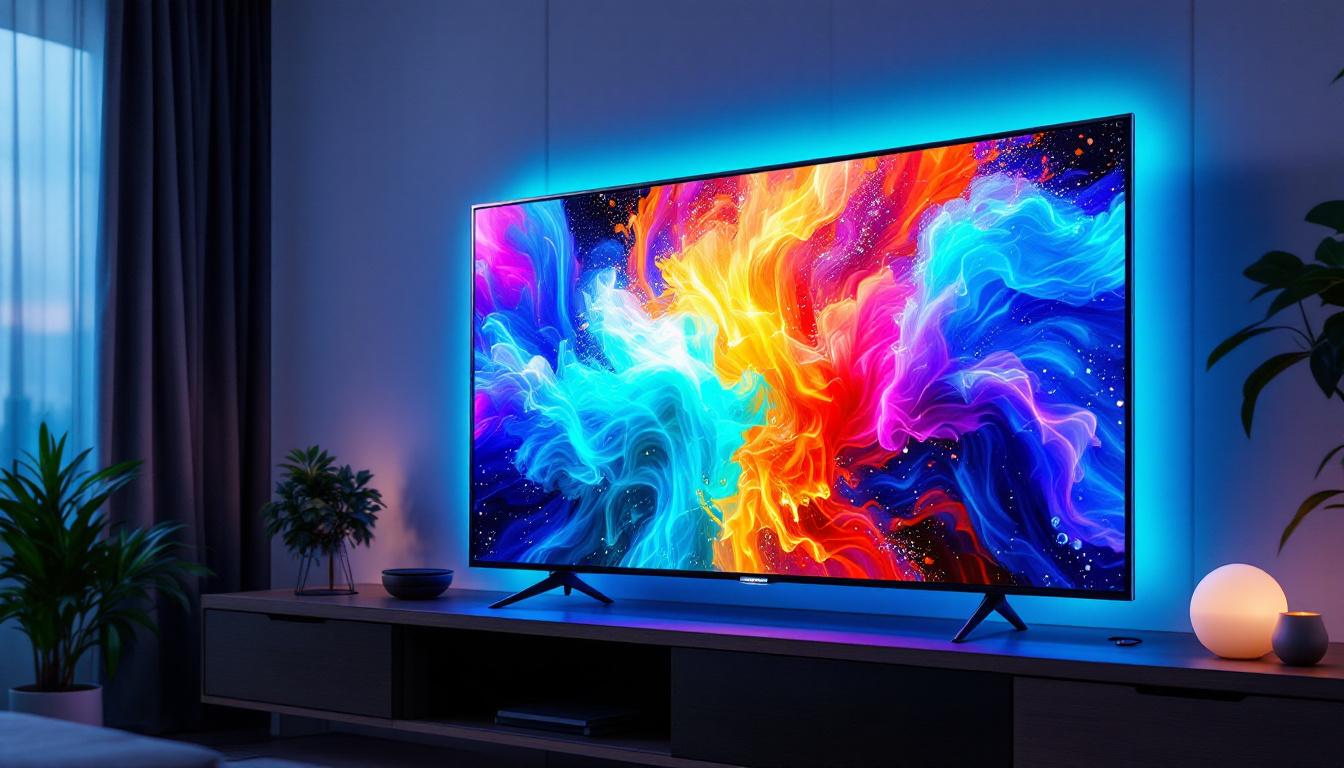
Thin movie LED displays take this technology further by minimizing the thickness of the panel without compromising performance. This is achieved through innovations in diode miniaturization, substrate materials, and manufacturing processes. The result is a display that is not only visually stunning but also sleek and lightweight, making it ideal for a variety of modern applications. From ultra-thin televisions that seamlessly blend into home decor to portable devices that fit comfortably in a pocket, the versatility of thin movie LED displays is revolutionizing how we interact with screens in our daily lives.
The Evolution of LED Displays
The journey of LED displays began in the 1960s with simple indicator lights and has since evolved into complex, full-color screens. Early LED displays were bulky and limited in resolution, but advances in semiconductor technology have allowed for the creation of micro-LEDs and nano-LEDs. These smaller diodes enable thinner panels with higher pixel density, which is essential for the thin movie format. This evolution has not only improved image quality but has also paved the way for new applications in advertising, entertainment, and even automotive displays, where clarity and brightness are paramount.
Moreover, developments in flexible substrates have introduced bendable and even rollable LED displays, expanding the possibilities for design and installation. These innovations allow for creative applications such as curved screens that enhance the immersive experience in gaming and virtual reality. As of 2024, the global LED display market is projected to reach over $25 billion, driven largely by demand for thin, high-performance screens. The integration of smart technology into LED displays is also on the rise, enabling features like touch sensitivity and connectivity with other smart devices, further enhancing user interaction and engagement.
Key Features of Thin Movie LED Displays
Ultra-Thin Profile
The hallmark of thin movie LED displays is their remarkably slim profile. Traditional LED panels can be several centimeters thick, but thin movie variants often measure just a few millimeters. This reduction in thickness is crucial for applications where space is at a premium, such as in retail environments, corporate offices, and home theaters.
Manufacturers achieve this thinness by using advanced packaging techniques and integrating driver electronics directly onto the display panel. This integration reduces the need for bulky external components, resulting in a seamless, minimalist design. The lightweight nature of these displays also facilitates easier installation and transport, making them an attractive option for temporary setups like events or exhibitions. Their sleek aesthetics not only enhance the visual appeal of a space but also allow for innovative mounting solutions, including wall installations and curved displays that can fit into unconventional areas.
High Resolution and Brightness
Despite their slim form factor, thin movie LED displays do not sacrifice image quality. They offer high resolution, often exceeding 4K UHD standards, making them suitable for detailed video content and intricate graphics. The self-emissive nature of LEDs allows for exceptional brightness levels, often surpassing 1,000 nits, which ensures visibility even in brightly lit environments.
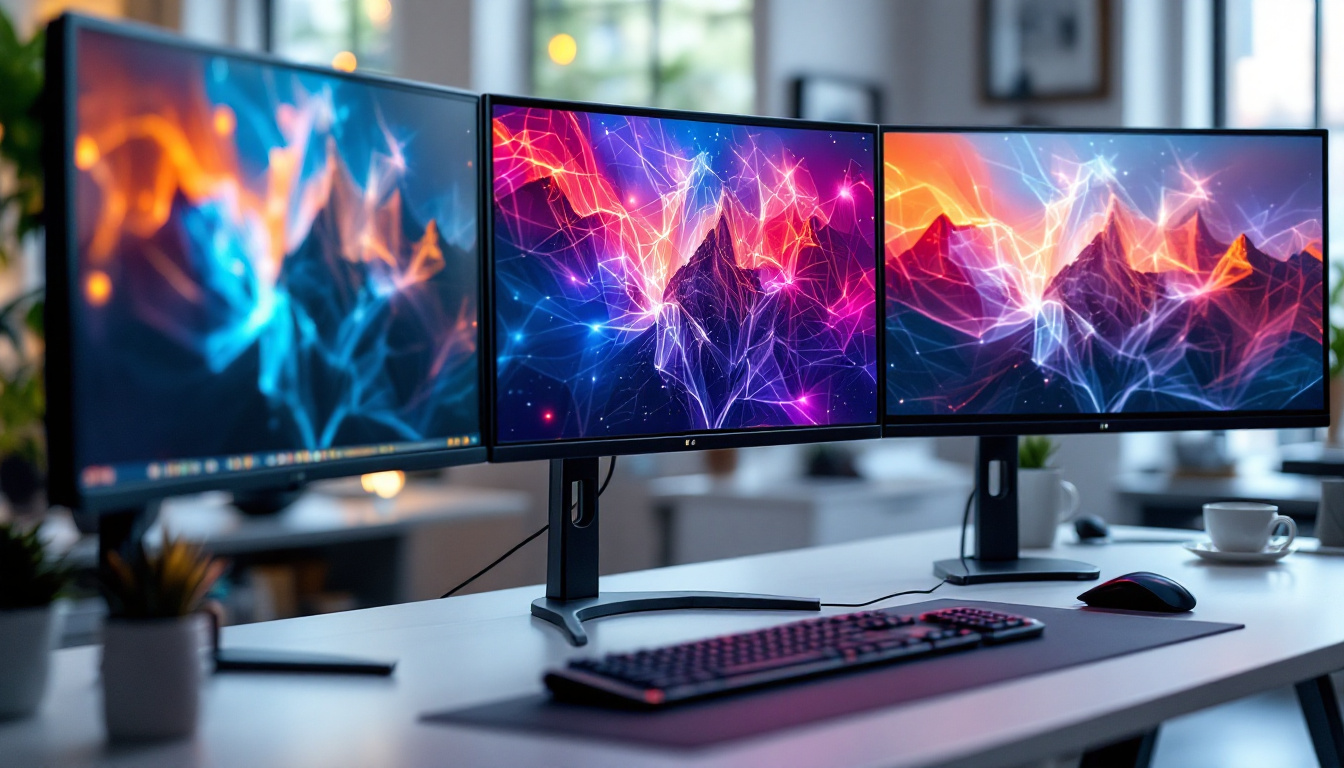
Additionally, these displays provide superior color accuracy and wide viewing angles, which are essential for applications like digital signage and broadcast studios where consistent image quality is imperative. The ability to reproduce a broad color gamut enhances the viewer’s experience, making images appear more vibrant and lifelike. Furthermore, advancements in HDR (High Dynamic Range) technology allow these displays to showcase deeper blacks and brighter whites, creating a more dynamic visual experience that captivates audiences in any setting.
Energy Efficiency and Longevity
Energy consumption is a critical consideration in display technology. Thin movie LED displays are designed to be highly energy-efficient, consuming up to 30% less power than comparable LCD or traditional LED panels. This efficiency stems from the direct emission of light by each diode, eliminating the need for power-hungry backlighting systems.
Moreover, LEDs have a long operational lifespan, often rated for over 100,000 hours. This durability reduces maintenance costs and downtime, making thin movie LED displays a cost-effective solution over their lifecycle. The reduced heat generation also contributes to a more stable operating environment, minimizing the risk of thermal-related failures. As businesses increasingly prioritize sustainability, the energy-efficient design of these displays aligns with eco-friendly initiatives, allowing organizations to reduce their carbon footprint while still delivering high-quality visual experiences.
Applications of Thin Movie LED Displays
Commercial and Retail Environments
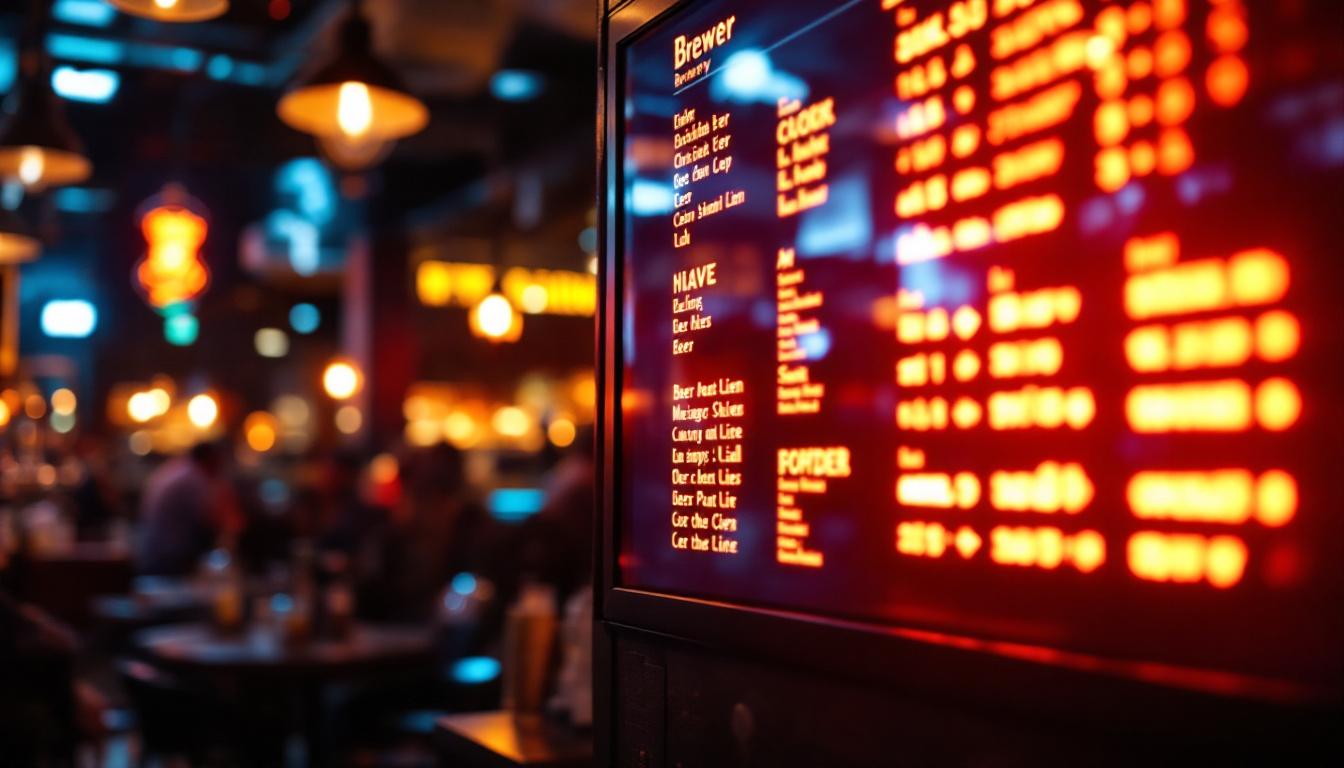
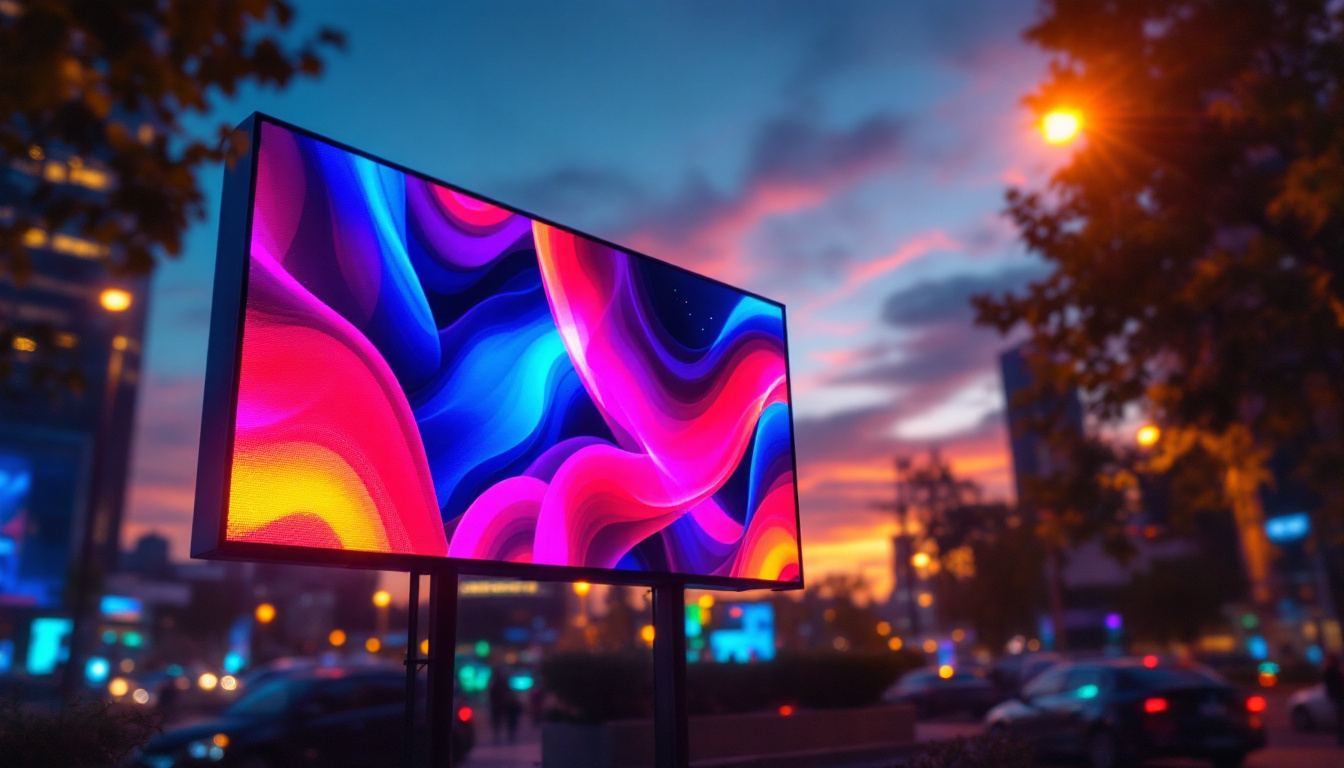
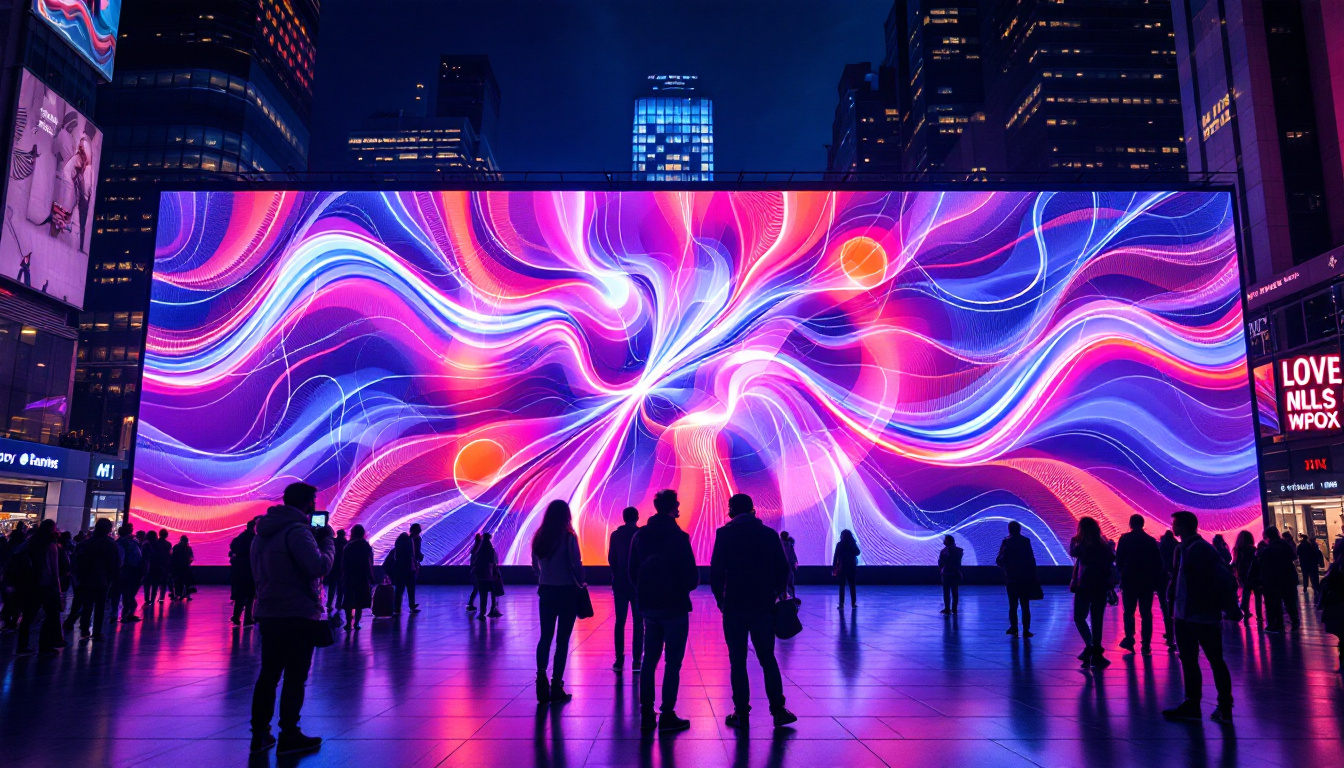
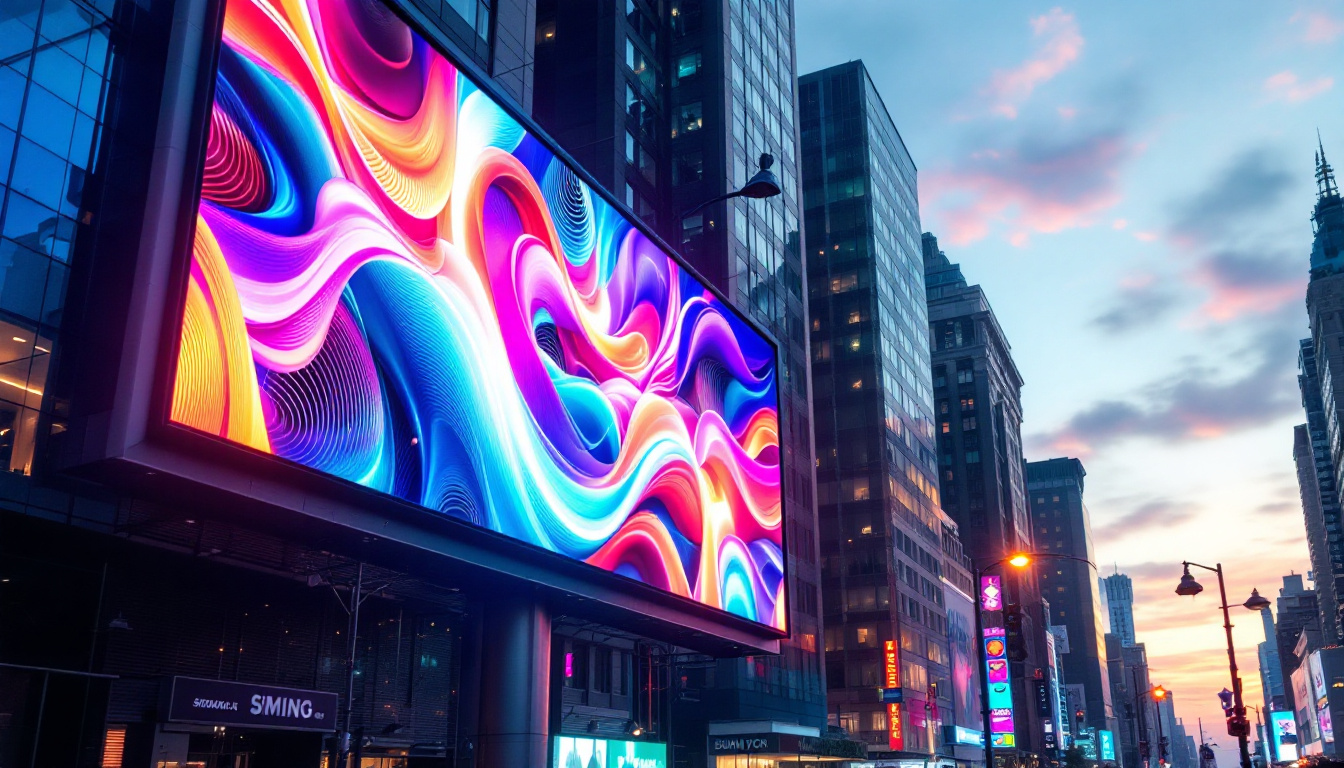
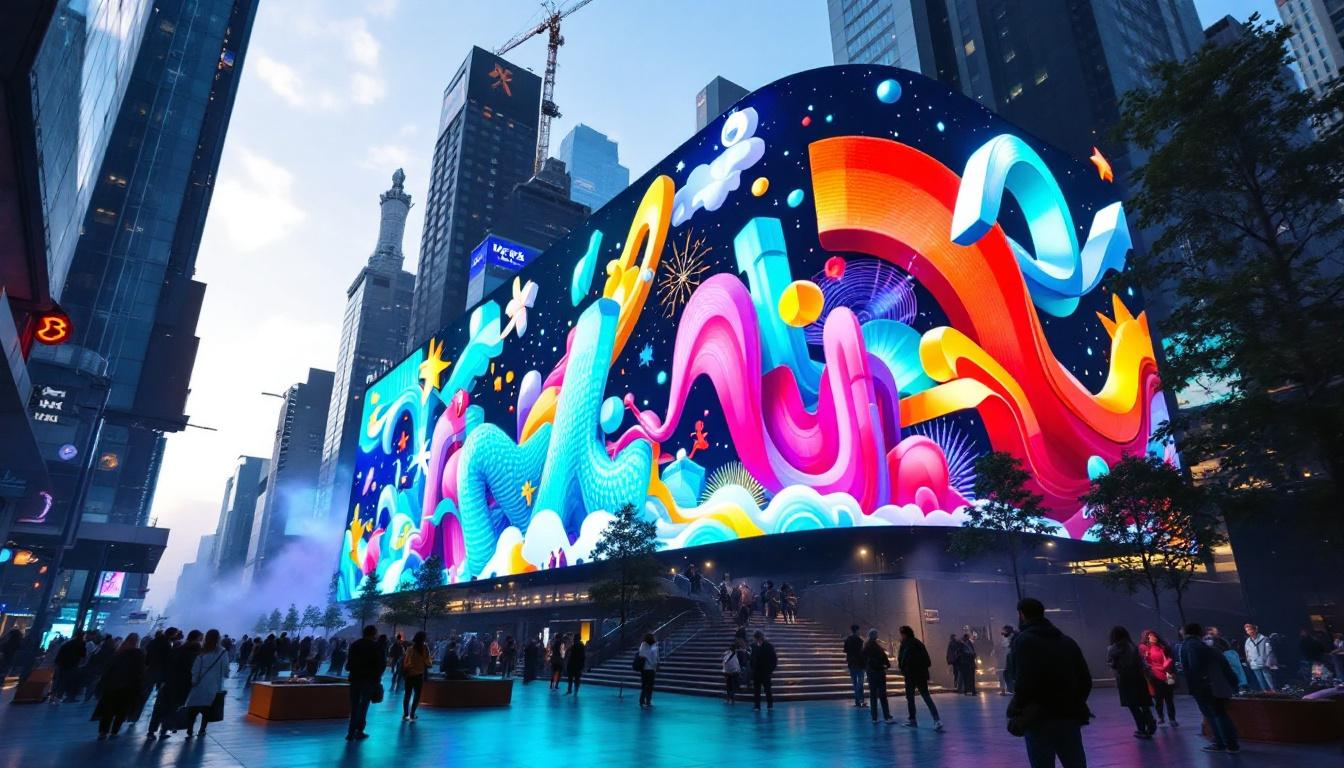
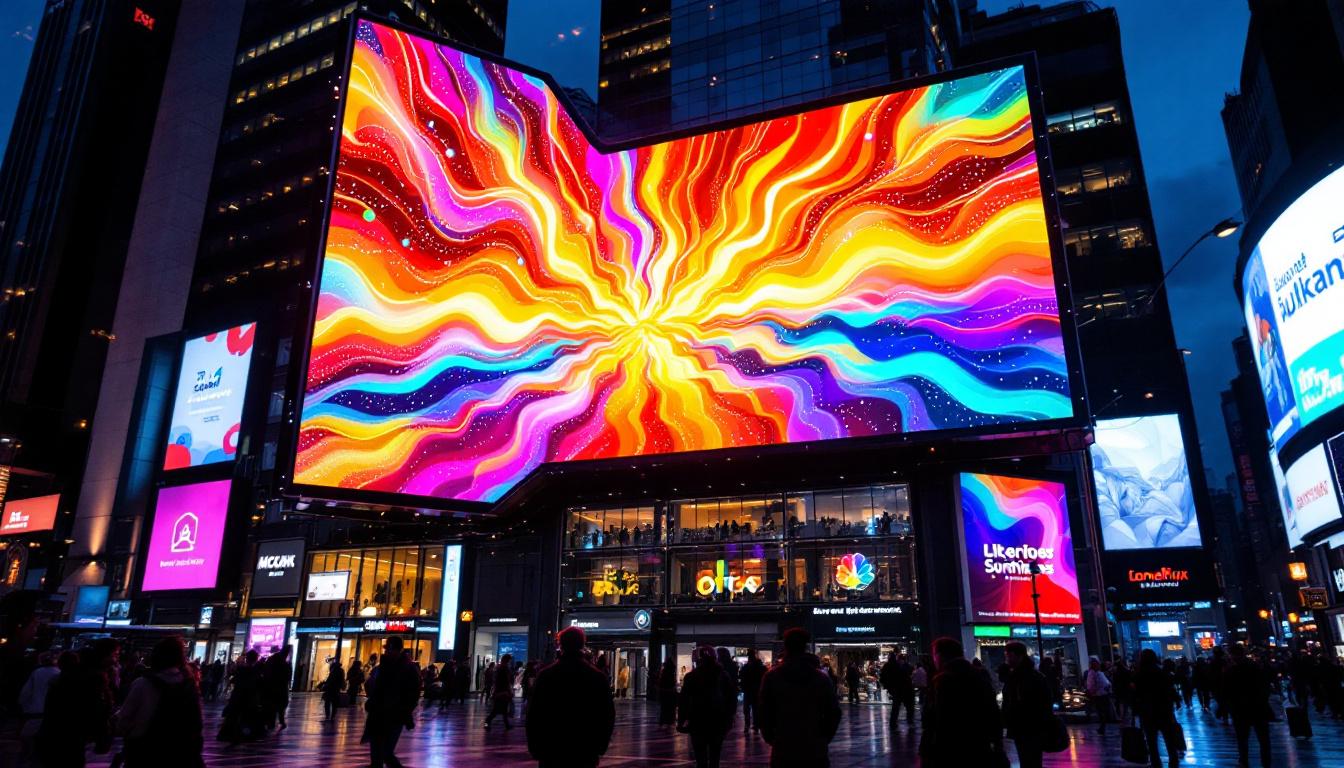
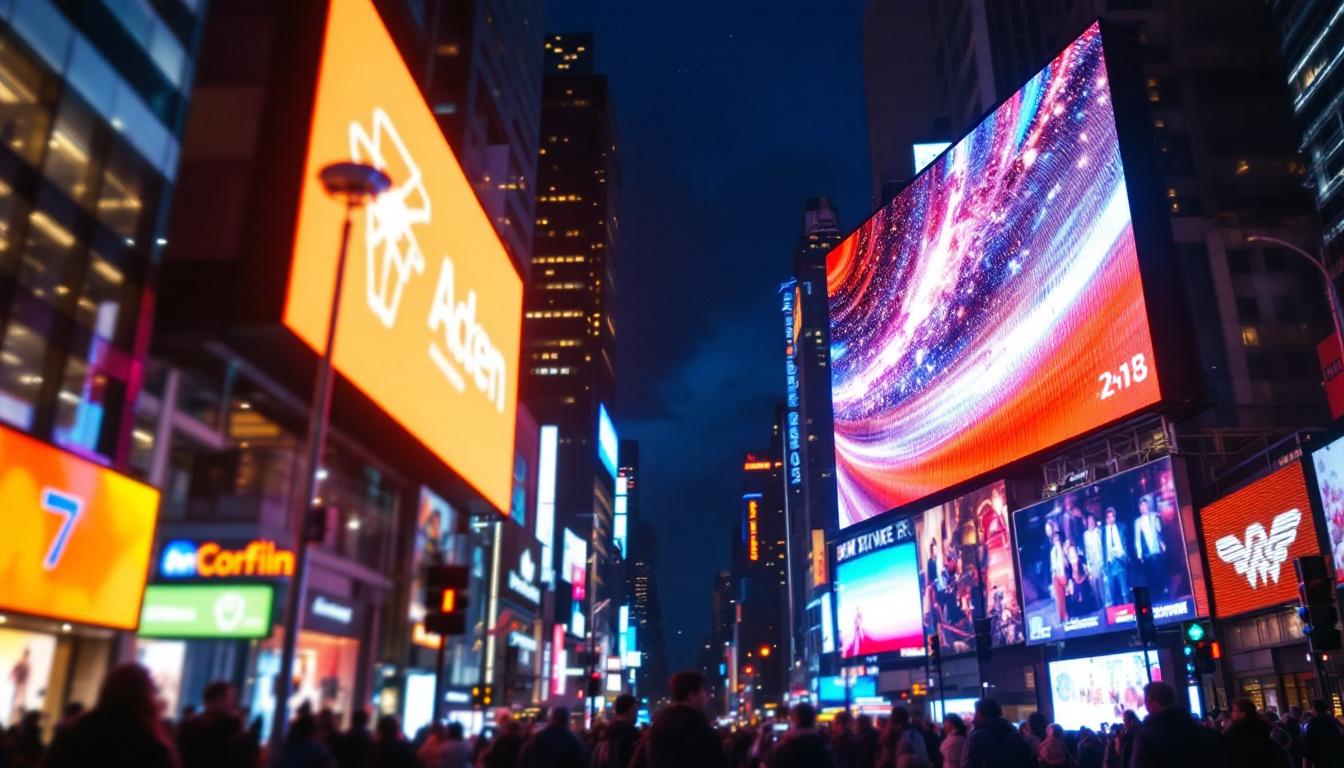
Retailers and advertisers have embraced thin movie LED displays for their ability to captivate audiences with vivid, dynamic content. These displays are commonly used in storefront windows, shopping malls, and trade shows to showcase promotions and brand messaging.
The ultra-thin design allows for easy integration into existing architecture without obstructing sightlines or consuming valuable floor space. Additionally, the high brightness ensures that messages remain visible even under direct sunlight, a key advantage over traditional LCD screens.
Broadcast and Control Rooms
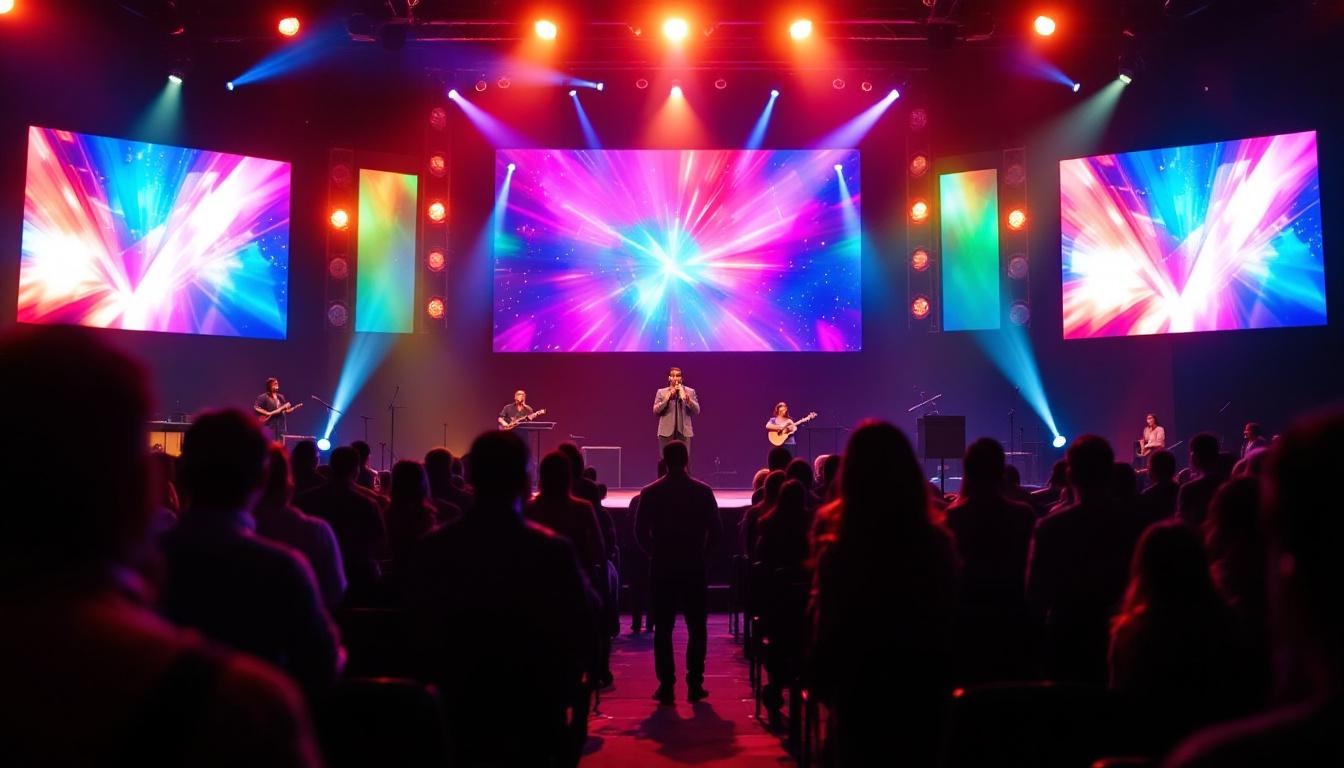
Broadcast studios and control rooms demand displays that offer impeccable image quality and reliability. Thin movie LED panels meet these requirements by providing seamless video walls with no visible bezels, enabling immersive viewing experiences and efficient monitoring.
The modular nature of these displays allows for custom configurations tailored to specific operational needs. Their fast response times and high refresh rates are also critical for live broadcasting and real-time data visualization.
Home Entertainment and Digital Art
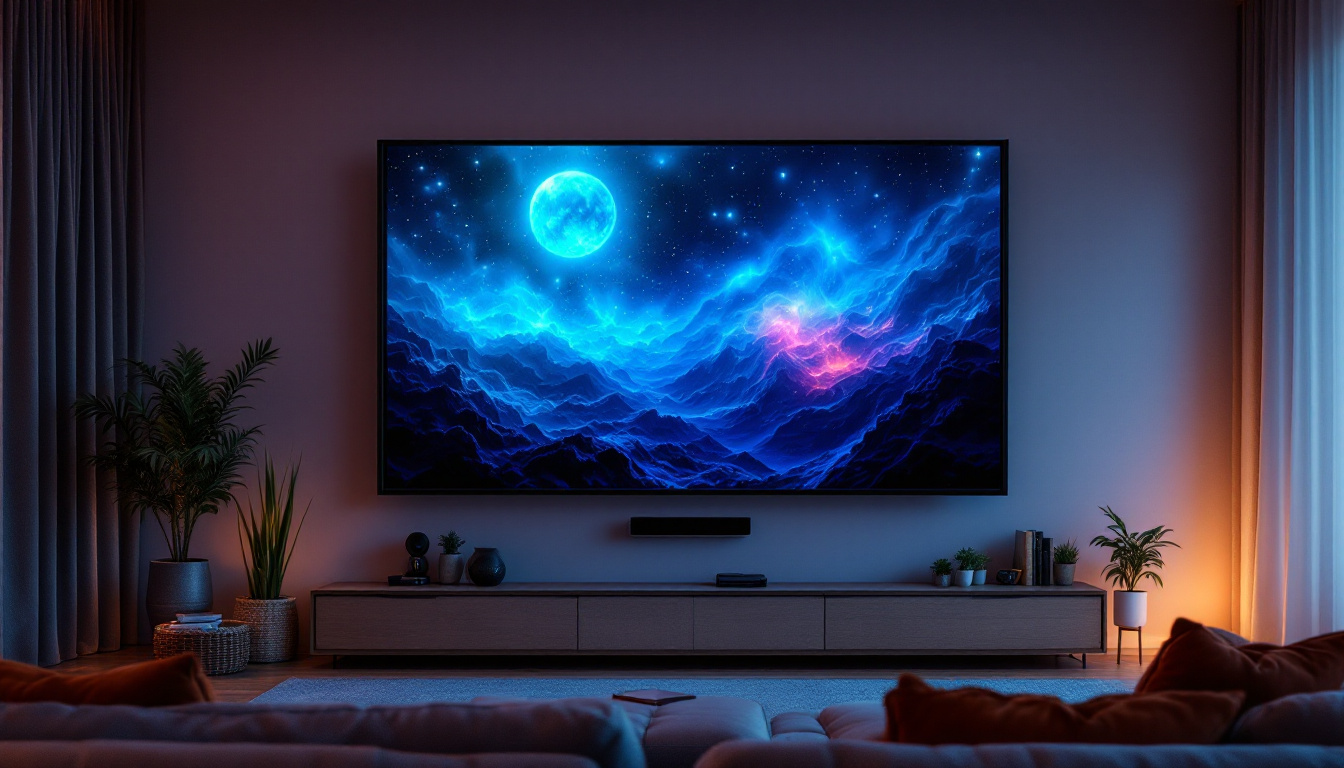
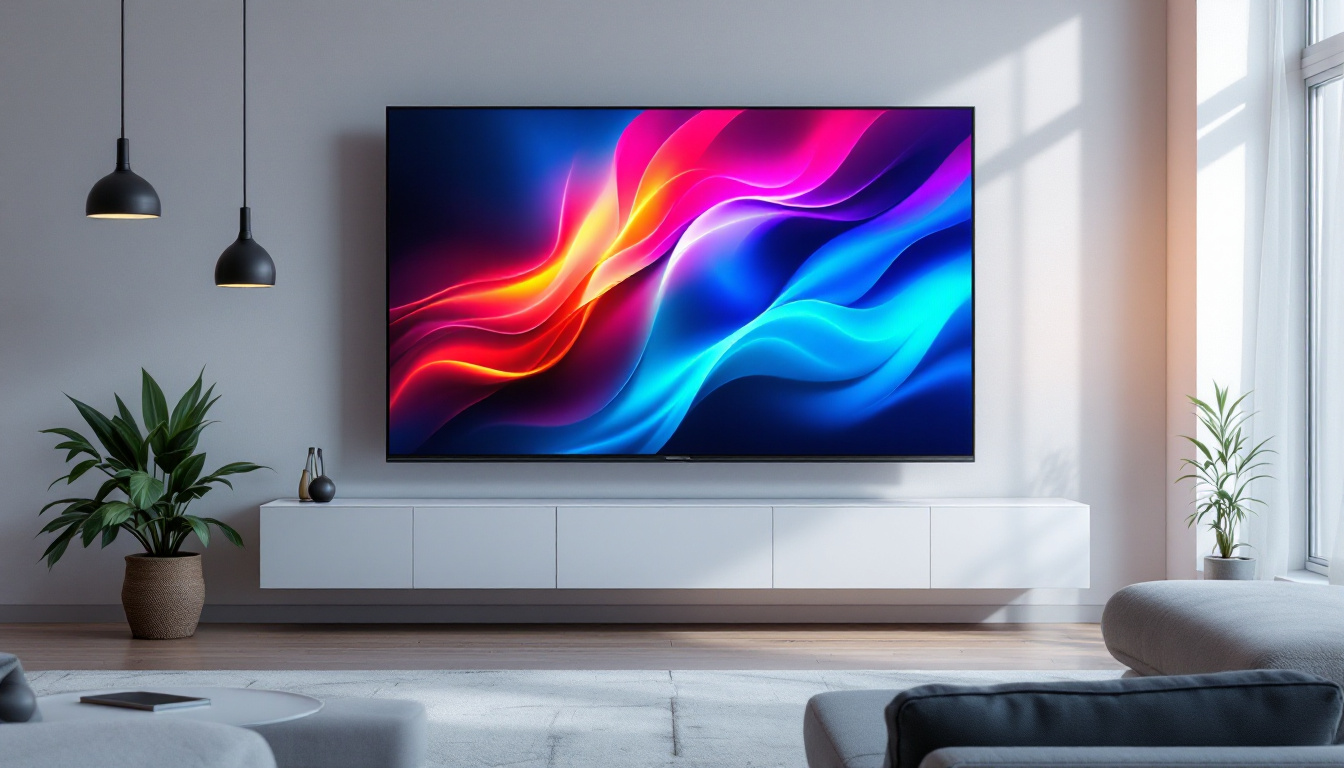
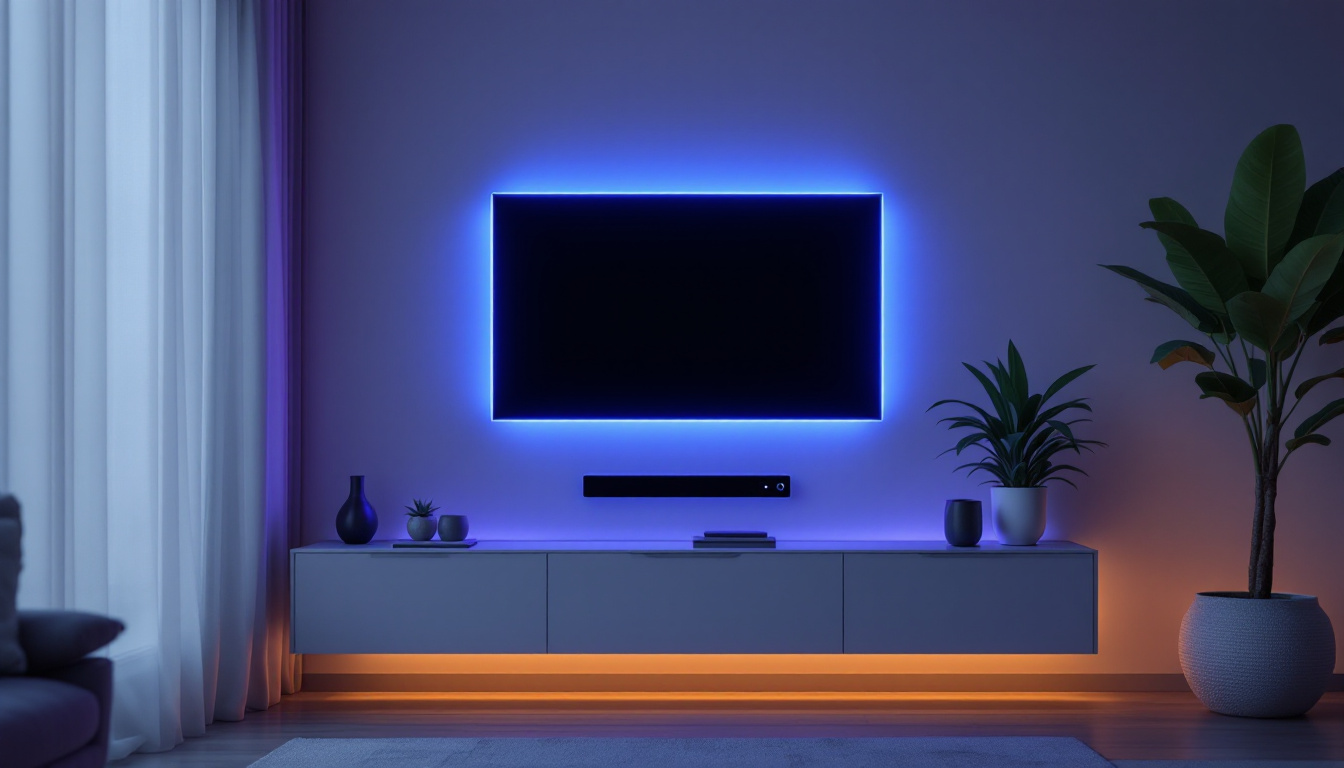
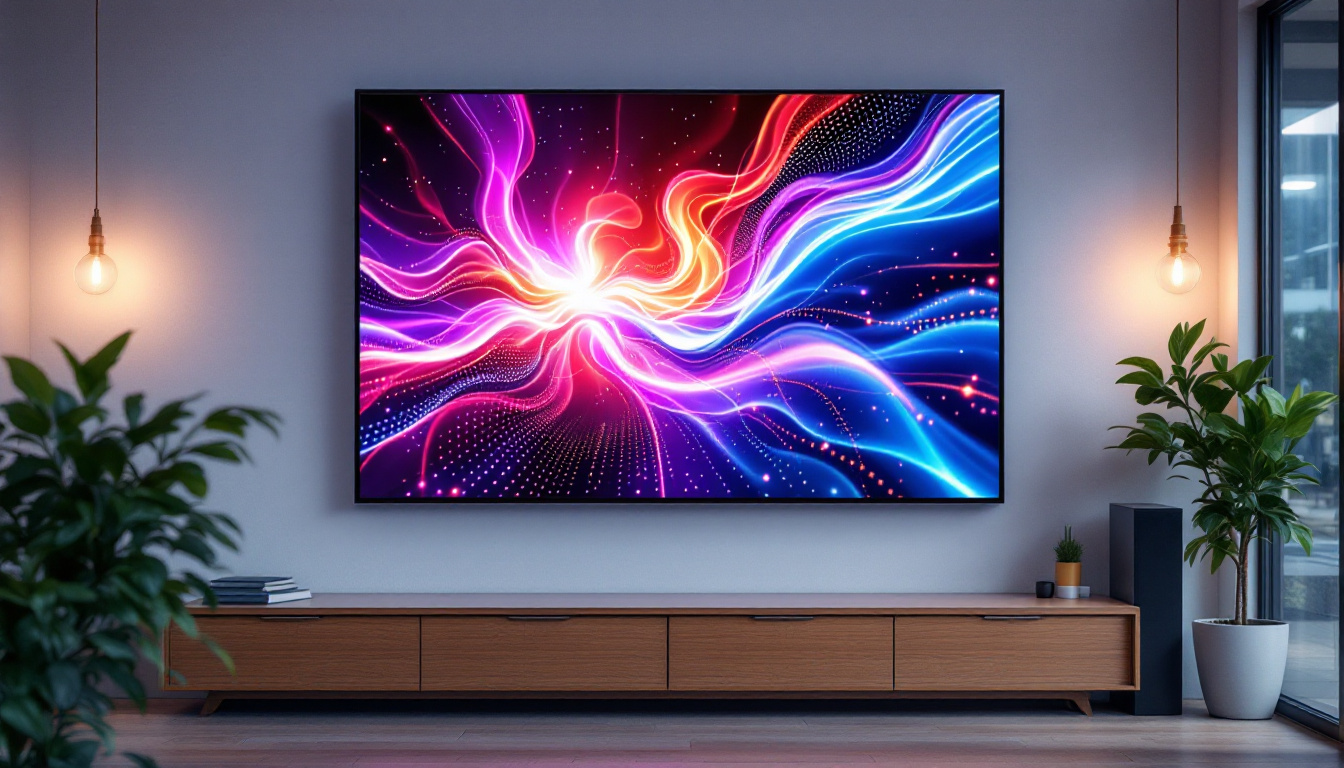
In the realm of home entertainment, thin movie LED displays are becoming increasingly popular for their ability to deliver cinema-quality visuals in a compact form. High-end home theaters benefit from the deep blacks and vibrant colors that LED technology offers, enhancing the overall viewing experience.
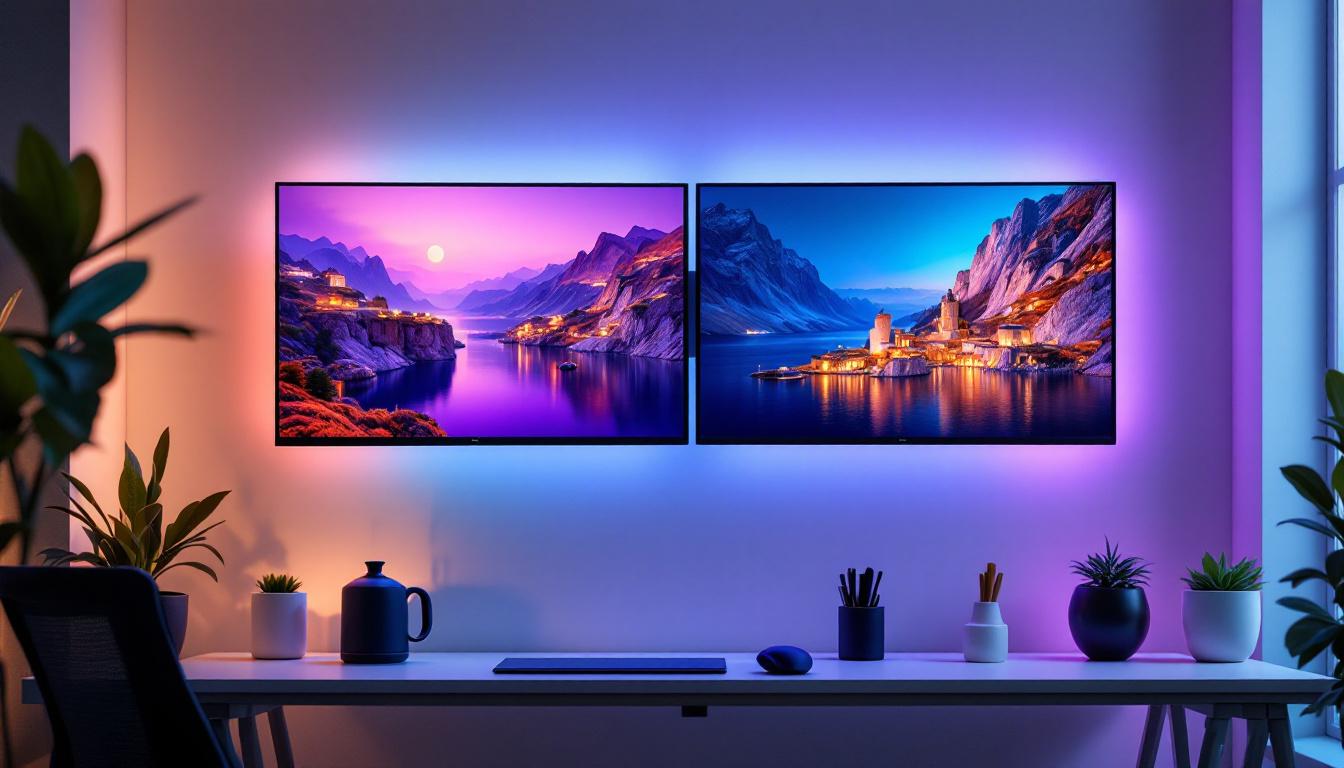
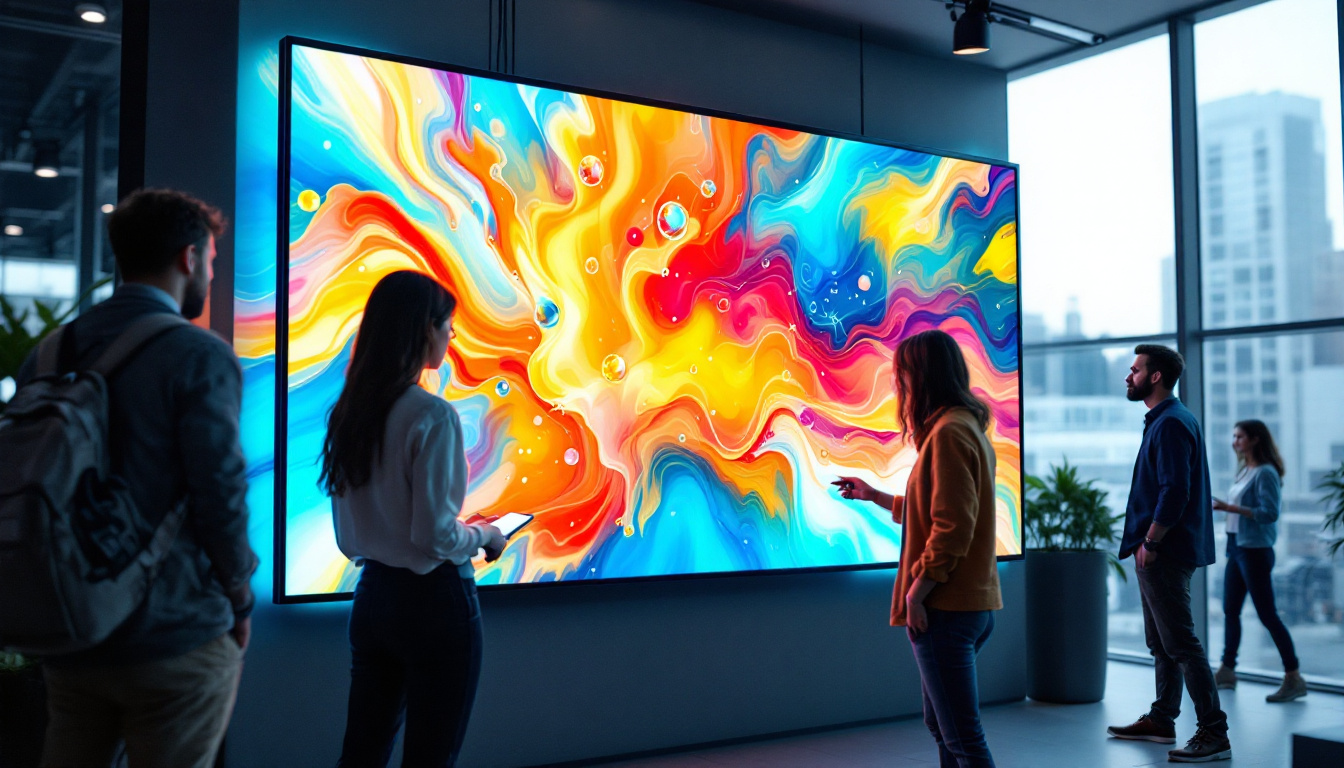
Artists and galleries are also leveraging these displays to present digital art with unprecedented clarity and color fidelity. The thin profile allows for installations that blend seamlessly into living spaces or exhibition areas, transforming walls into dynamic canvases.
Challenges and Considerations
Cost and Accessibility
One of the primary challenges facing thin movie LED displays is their cost. The advanced manufacturing techniques and high-quality materials required to produce ultra-thin panels contribute to a premium price point. While prices have been decreasing steadily, these displays remain more expensive than traditional LCD alternatives, which can limit accessibility for smaller businesses or budget-conscious consumers.
However, as production scales and technology matures, it is expected that costs will continue to fall, making thin movie LED displays more widely available.
Installation and Maintenance
Due to their delicate construction and integration requirements, installing thin movie LED displays demands specialized expertise. Proper handling is essential to avoid damage to the fragile diodes and circuitry. Additionally, maintenance protocols must be carefully followed to preserve image quality and extend the display’s lifespan.
Many manufacturers offer comprehensive support and training to ensure that customers can maximize the benefits of their thin movie LED installations.
Environmental Impact
While LED technology is generally more energy-efficient and environmentally friendly than older display types, the production and disposal of LED panels involve materials that require responsible management. Manufacturers are increasingly adopting sustainable practices, such as using recyclable components and reducing hazardous substances in their products.
Consumers and businesses should consider the environmental footprint of their display choices and prioritize vendors committed to sustainability.
The Future of Thin Movie LED Displays
Looking ahead, the future of thin movie LED displays is bright and full of potential. Emerging innovations such as micro-LED and quantum dot technologies promise even thinner panels with higher brightness, better color accuracy, and lower power consumption.
Flexible and transparent LED displays are also on the horizon, enabling new applications in augmented reality, wearable devices, and smart windows. These advancements will further blur the lines between digital content and the physical environment, creating immersive experiences that were once the realm of science fiction.
Furthermore, the integration of AI-driven content management systems will allow for smarter, more personalized display solutions that adapt dynamically to viewer preferences and environmental conditions.
Conclusion
Thin movie LED displays represent a significant leap forward in display technology, combining ultra-thin design with outstanding visual performance and energy efficiency. Their versatility across commercial, broadcast, artistic, and residential applications underscores their growing importance in the digital age.
While challenges such as cost and installation complexity remain, ongoing technological advancements and increasing market demand are driving improvements that will make these displays more accessible and impactful. For businesses and consumers seeking cutting-edge visual solutions, thin movie LED displays offer a compelling blend of innovation, quality, and style.
Discover LumenMatrix’s Innovative LED Solutions
Ready to elevate your visual experience with the latest in ultra-thin LED display technology? LumenMatrix is at the forefront of this revolution, offering a diverse range of LED display modules tailored to meet your specific needs. Whether you’re looking to enhance your brand’s visibility with an Indoor LED Wall Display, captivate passersby with an Outdoor LED Wall Display, or create a dynamic environment with a Custom LED Display, LumenMatrix has the solution. Embrace the future of digital signage and let your message shine with unparalleled clarity and impact. Check out LumenMatrix LED Display Solutions today and transform your space into a visual masterpiece.