In an age dominated by digital communication, LED ticker displays have become an essential tool for conveying real-time information efficiently and effectively. From stock exchanges to sports arenas, and from retail storefronts to public transportation hubs, these dynamic displays capture attention and deliver critical updates instantly. This article delves into the technology behind LED ticker displays, their applications, advantages, and considerations for selecting the right system.
Understanding LED Ticker Displays
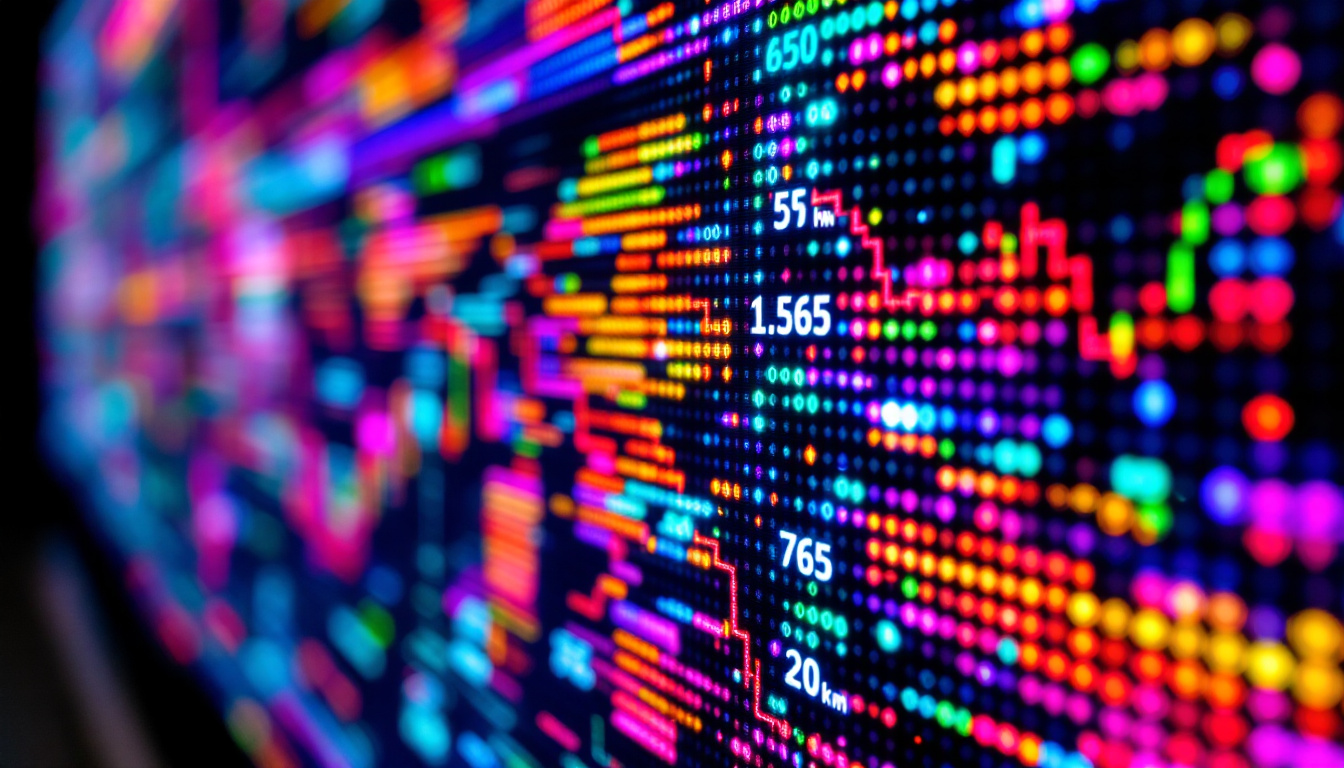
LED ticker displays are electronic display boards that present scrolling or static text, numbers, and sometimes simple graphics using Light Emitting Diodes (LEDs). Unlike traditional static signage, ticker displays are dynamic, capable of updating content in real time to reflect the latest information.
The term “ticker” originates from the ticker tape machines used in the early 20th century to transmit stock prices. Modern LED ticker displays have evolved significantly, offering high brightness, vivid colors, and flexible content management options. They are widely used in various settings, from stock exchanges and sports arenas to corporate offices and public transportation systems, providing critical information at a glance.
How LED Technology Works
At the core of these displays are LEDs, semiconductor devices that emit light when an electrical current passes through them. LEDs are highly energy-efficient, long-lasting, and capable of producing bright, vibrant colors. Each pixel on an LED display consists of one or more LEDs, which can be individually controlled to create text or images. This capability allows for intricate designs and animations, making the displays not only functional but also visually engaging.
LEDs used in ticker displays are typically arranged in modules or panels, which can be combined to form larger displays of various sizes and resolutions. The control system manages the timing, brightness, and content flow, ensuring smooth scrolling and clear visibility. Advanced control systems also allow for remote updates, enabling operators to change messages instantly from a computer or mobile device, which is particularly useful for time-sensitive announcements.
Types of LED Ticker Displays
LED ticker displays come in several configurations, tailored to different environments and purposes:
- Single-color displays: Usually red or amber LEDs, these are cost-effective and suitable for basic text messages.
- Multi-color displays: Incorporate multiple LED colors to enhance readability and visual appeal.
- Full-color displays: Use red, green, and blue LEDs (RGB) to produce a broad spectrum of colors, allowing for complex graphics and video content.
In addition to these types, there are also specialized LED ticker displays designed for specific applications. For instance, weather ticker displays provide real-time weather updates, while sports ticker displays keep fans informed about scores and game statistics. These specialized displays often feature unique designs and functionalities, such as the ability to highlight important information or to change formats based on the type of content being displayed. As technology continues to advance, the versatility and capabilities of LED ticker displays are likely to expand even further, making them an essential tool for communication in various sectors.
Applications of LED Ticker Displays
The versatility of LED ticker displays makes them valuable across many sectors. Their ability to provide timely information in a visually engaging format is unmatched by other signage technologies.
Financial Markets and Stock Exchanges
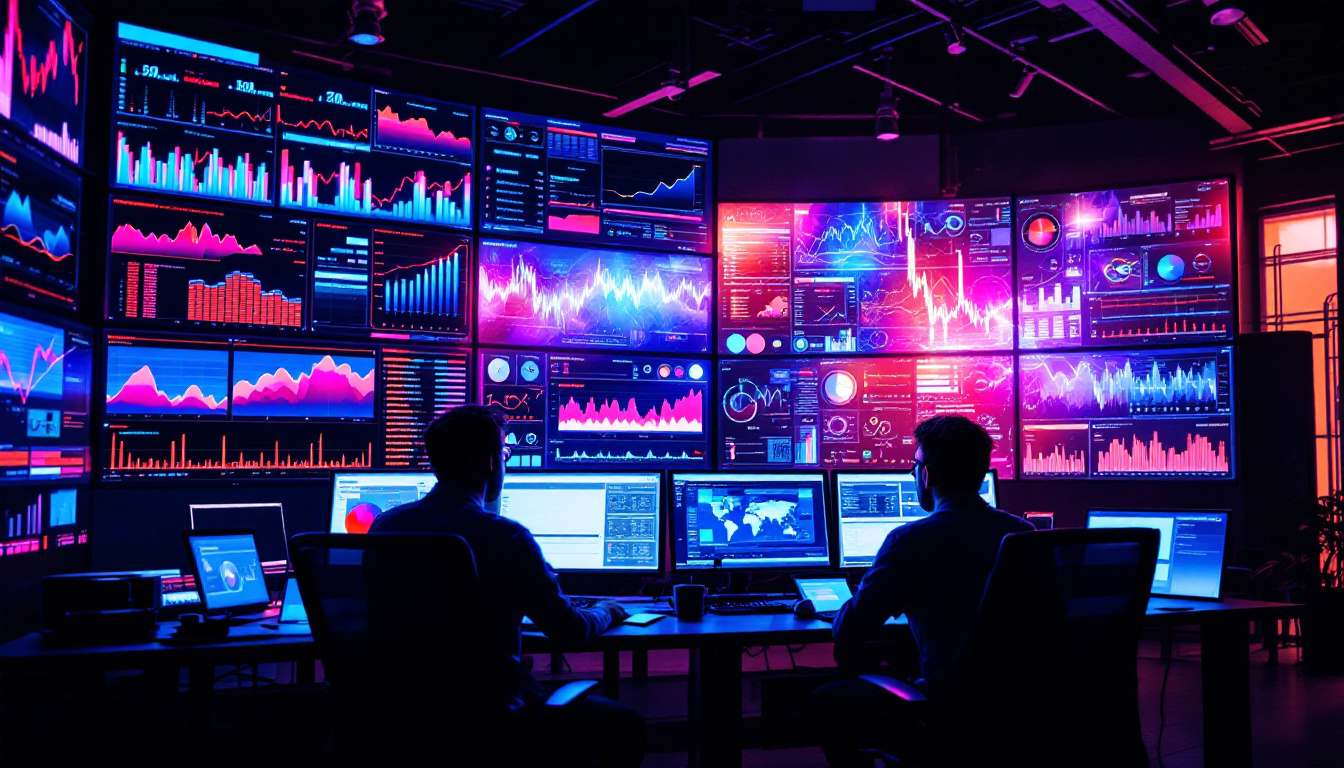
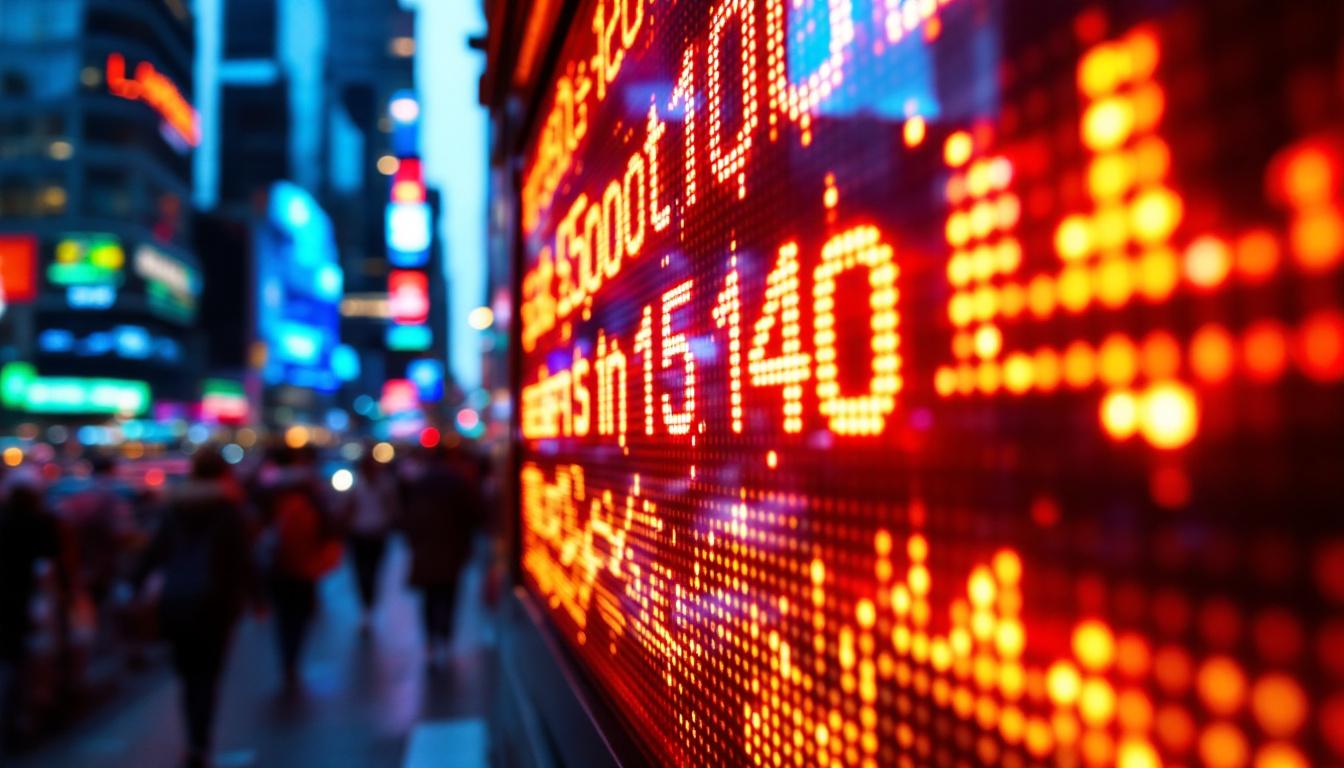
One of the most prominent uses of LED ticker displays is in financial markets. Stock exchanges around the world, including the New York Stock Exchange and NASDAQ, utilize ticker displays to broadcast live stock prices, indices, and market news. The continuous scrolling of market data enables traders and investors to make informed decisions quickly.
Modern LED tickers can display complex data streams with high refresh rates, ensuring minimal latency between market changes and displayed information. This real-time capability is critical in fast-moving trading environments. Furthermore, many financial institutions have begun to customize their ticker displays to include not just stock prices, but also analytics and market trends, providing a comprehensive view that aids in strategic decision-making.
Transportation and Public Information
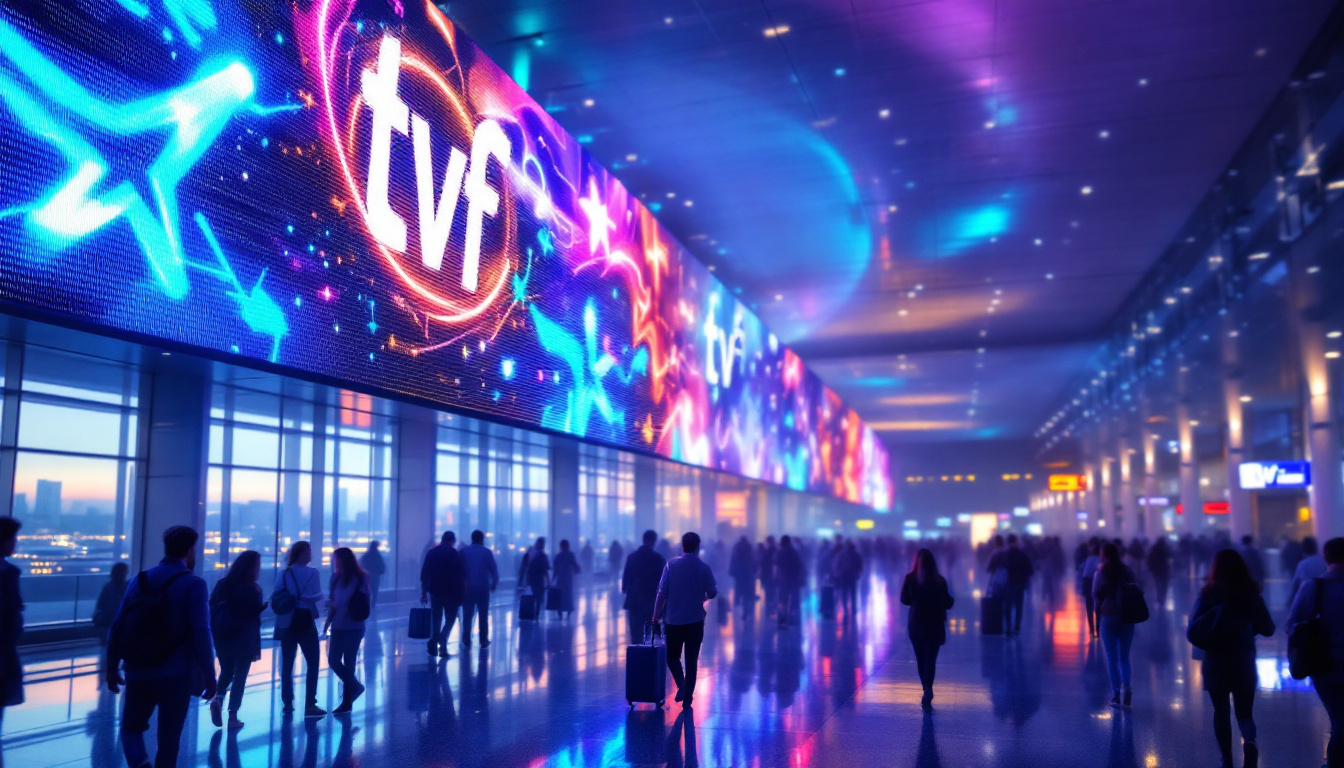
Transportation hubs such as airports, train stations, and bus terminals rely heavily on LED ticker displays to provide passengers with up-to-date schedules, delays, gate information, and safety announcements. The high visibility of LED displays, even in bright daylight or low-light conditions, ensures passengers stay informed.
Moreover, LED tickers are often integrated with automated systems that update content dynamically based on real-time data feeds, enhancing operational efficiency and customer experience. In addition to standard travel information, some transportation systems have begun using LED tickers to display local news, weather updates, and even social media feeds, creating a more engaging environment for travelers as they wait for their departures.
Retail and Advertising
Retailers use LED ticker displays to promote sales, highlight new products, and communicate store hours or special events. The dynamic nature of these displays attracts attention and can be programmed to target specific demographics or times of day.
Advertising agencies also leverage LED tickers in outdoor billboards and indoor venues to deliver eye-catching messages that can be updated remotely and frequently, maximizing marketing impact. Additionally, the integration of QR codes or social media handles on these displays allows customers to interact directly with brands, driving online engagement and creating a seamless connection between physical and digital marketing efforts.
Sports and Entertainment Venues
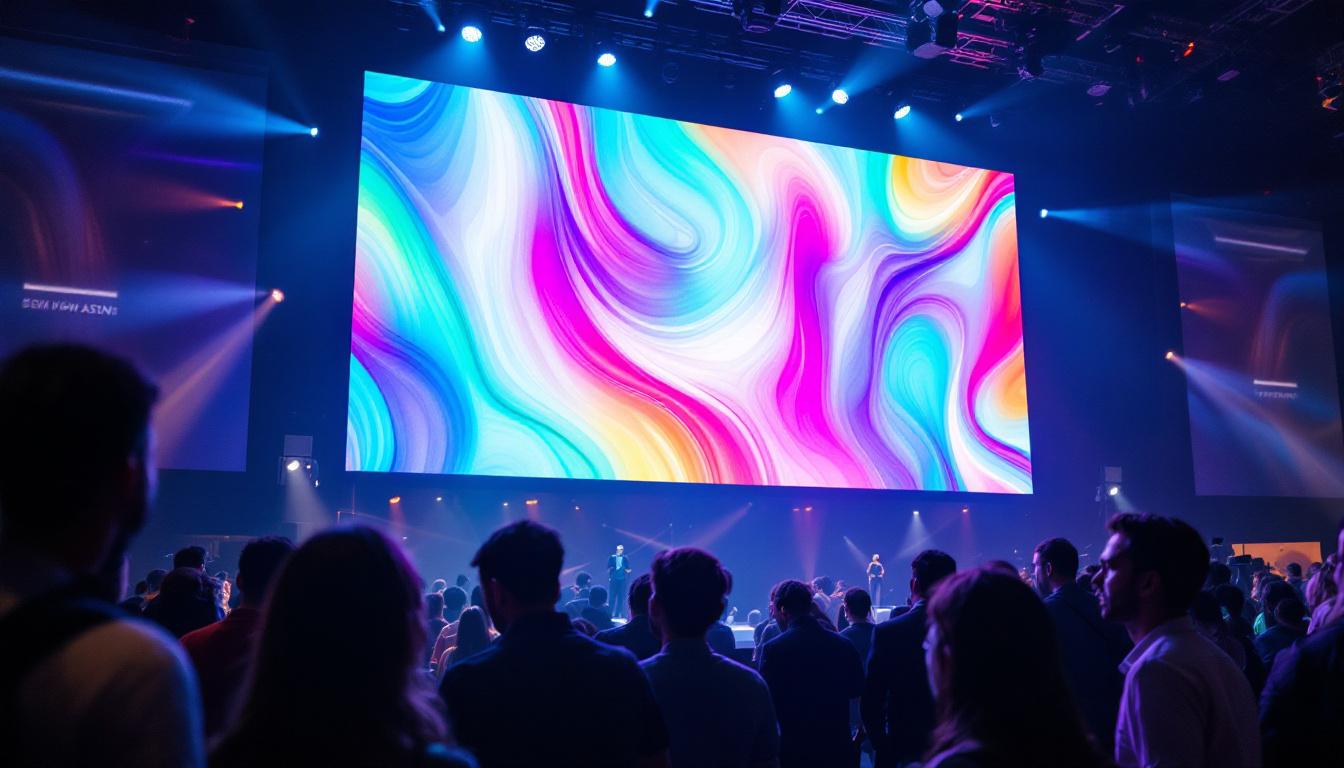
In stadiums and arenas, LED ticker displays provide live scores, player statistics, and promotional messages. Their ability to update instantly keeps fans engaged and informed throughout events.
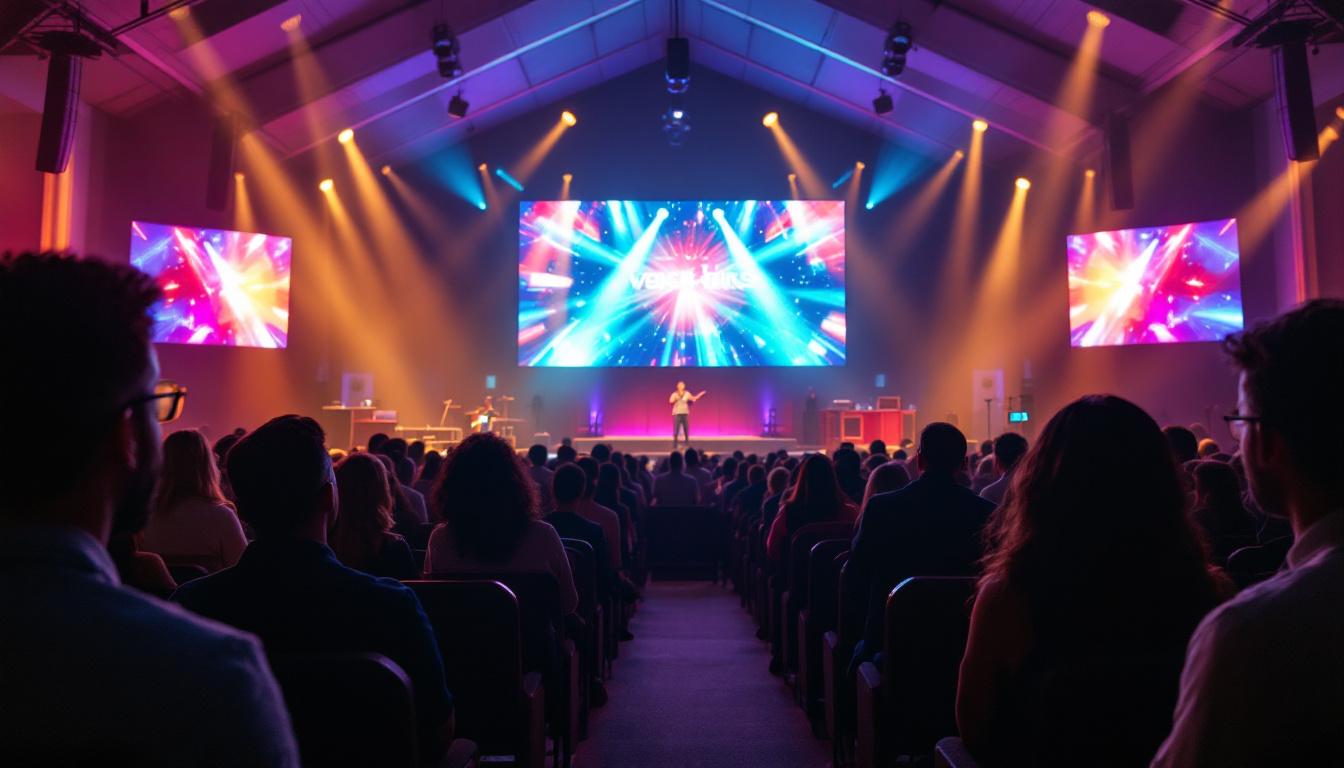
Additionally, LED tickers contribute to the overall atmosphere by synchronizing with lighting and sound systems, enhancing the entertainment experience. Beyond just scores, these displays can also showcase fan interactions, such as live tweets or photos shared on social media, fostering a sense of community among attendees. This interactive element not only elevates the spectator experience but also encourages fans to participate actively, making each event more memorable.
Advantages of LED Ticker Displays
LED ticker displays offer numerous benefits compared to traditional signage and other digital display technologies.
High Visibility and Brightness
LEDs are inherently bright and can be seen clearly in various lighting conditions, including direct sunlight. This makes them ideal for both indoor and outdoor applications where visibility is paramount.
Energy Efficiency and Longevity
Compared to incandescent or fluorescent lighting, LEDs consume significantly less power, reducing operational costs. Additionally, LEDs have a long lifespan, often exceeding 50,000 hours, which minimizes maintenance and replacement expenses.
Flexibility and Customization
Content on LED ticker displays can be updated instantly and remotely, allowing for flexible messaging tailored to specific audiences or events. This adaptability is invaluable for businesses and organizations that need to communicate changing information rapidly.
Durability and Weather Resistance
LED ticker displays designed for outdoor use are built to withstand harsh environmental conditions, including rain, wind, and temperature extremes. Their rugged construction ensures reliable performance over time.
Key Considerations When Choosing an LED Ticker Display
Selecting the appropriate LED ticker display requires evaluating several factors to ensure it meets the intended purpose and environment.
Resolution and Pixel Pitch
The resolution of an LED display is determined by its pixel pitch—the distance between the centers of adjacent pixels. A smaller pixel pitch results in higher resolution and clearer images, especially important for close viewing distances.
For ticker displays primarily showing text, a moderate pixel pitch is sufficient, but for applications involving graphics or video, higher resolution may be necessary.
Size and Viewing Distance
The physical size of the ticker display should correspond to the typical viewing distance. Larger displays with appropriate resolution ensure readability from afar, while smaller displays are suitable for close-range viewing.
Brightness and Ambient Light Conditions
Consider the ambient lighting where the display will be installed. Outdoor displays require higher brightness levels to remain visible in sunlight, whereas indoor displays can operate effectively at lower brightness, conserving energy.
Content Management System (CMS)
A user-friendly CMS is essential for scheduling, updating, and managing content on LED ticker displays. Many modern systems offer cloud-based platforms, enabling remote access and control, which is especially beneficial for networks of displays across multiple locations.
Installation and Maintenance
Evaluate the installation requirements, including mounting options, power supply, and connectivity. Additionally, consider the ease of maintenance and availability of technical support to minimize downtime.
Future Trends in LED Ticker Displays
The LED display industry continues to innovate, driven by advances in technology and evolving user needs.
Integration with IoT and AI
Integration with the Internet of Things (IoT) allows LED ticker displays to connect with sensors and data sources, enabling automated content updates based on environmental conditions or user behavior. Artificial Intelligence (AI) can optimize content delivery by analyzing audience engagement and tailoring messages in real time.
Higher Resolution and Flexible Displays
Emerging technologies are pushing the boundaries of resolution and form factor. Flexible and transparent LED displays are becoming more common, allowing for creative installations that blend seamlessly into architectural designs.
Energy Harvesting and Sustainable Solutions
There is a growing emphasis on sustainability, with developments in energy harvesting (such as solar-powered displays) and the use of recyclable materials. These innovations aim to reduce the environmental footprint of digital signage.
Conclusion
LED ticker displays are a powerful medium for delivering real-time information across a wide range of industries. Their brightness, energy efficiency, flexibility, and durability make them an excellent choice for applications requiring dynamic messaging. Understanding the technology, applications, and key considerations can help organizations select the right LED ticker display solution to meet their communication needs effectively.
As technology advances, LED ticker displays will continue to evolve, offering even more innovative ways to engage audiences and convey information in an increasingly connected world.
Discover LumenMatrix LED Display Solutions
Ready to elevate your communication strategy with the latest in LED technology? Explore LumenMatrix’s comprehensive range of LED display solutions, designed to captivate your audience and amplify your message. From Indoor and Outdoor LED Walls to specialized displays for vehicles, sports, and more, LumenMatrix is at the forefront of creating immersive visual experiences. Embrace the future of digital signage with our innovative and customizable LED solutions. Check out LumenMatrix LED Display Solutions today and transform the way you connect with your audience.